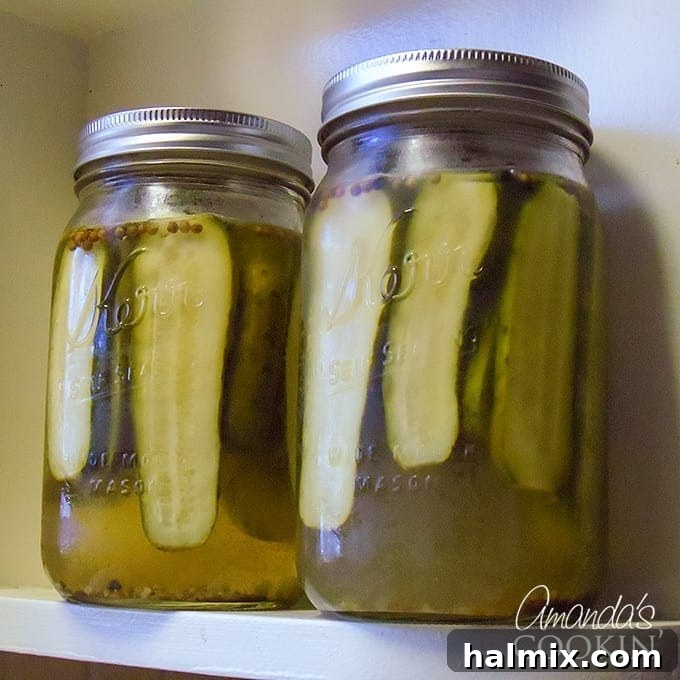
For devoted pickle enthusiasts, the name “Claussen Kosher Dill Pickles” often evokes a sense of unparalleled satisfaction. There’s a distinct crispness, a perfectly balanced tang, and a fresh, bright flavor that sets them apart from their shelf-stable counterparts. For years, I, too, was an unwavering fan, finding other dill pickles either too sweet, too tangy, or lacking that signature Claussen crunch. Sweet pickles, bread and butter varieties – they simply never appealed to my palate. This long-standing preference for Claussen was the driving force behind my initial post on a Claussen pickle recipe several years ago.
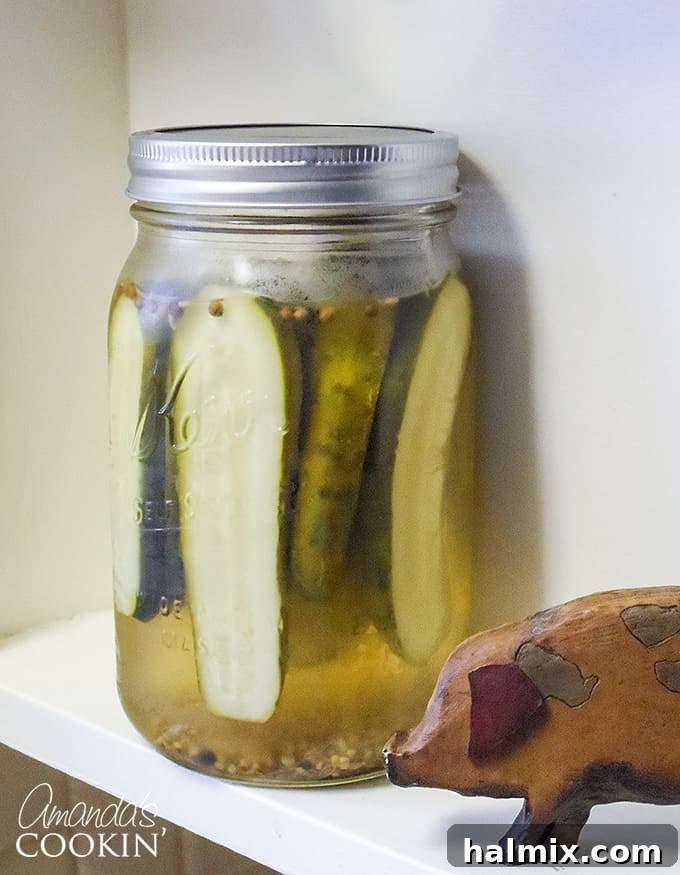
The journey to recreating that distinctive Claussen flavor at home led me to the world of refrigerator pickles. This method offers a refreshing alternative to traditional canning, largely due to its simplicity. Unlike conventional canning, which requires precise sterilization and sealing techniques for shelf-stable storage, refrigerator pickles bypass this complex process. The trade-off is that they aren’t meant for pantry storage; instead, they must be kept chilled in the refrigerator, where they continue to develop their vibrant flavors and maintain their delightful crispness. This ease of preparation makes homemade pickles accessible to even novice cooks, eliminating much of the intimidation associated with home preserving.
Crafting the Perfect Homemade Claussen Dill Pickles
My initial foray into homemade pickles, using a traditional canning method last year, yielded a brine with an exceedingly high vinegar-to-water ratio. While these pickles proved excellent additions to burgers and potato salad, their intense vinegary bite made them less enjoyable for straight-from-the-jar snacking – a beloved indulgence of mine. This experience solidified my resolve to find or create a recipe that truly captured the essence of my favorite Claussen dill pickles.
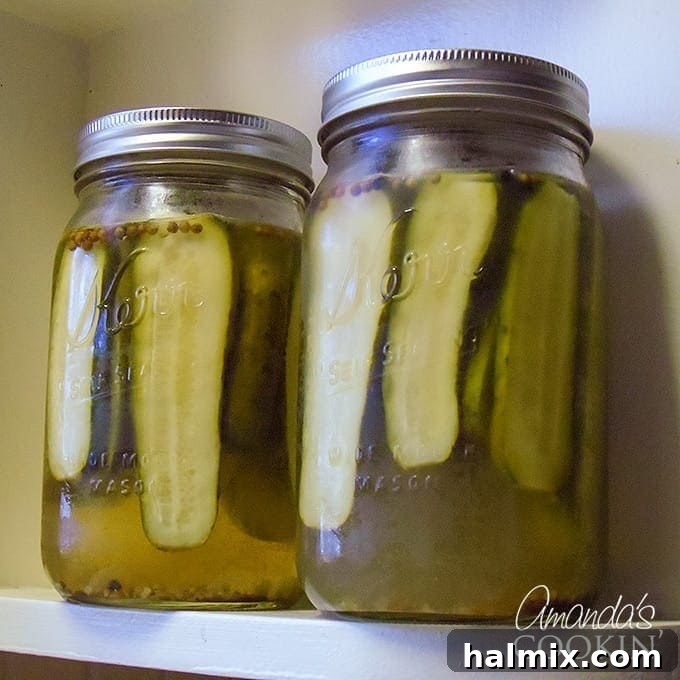
My quest for a Claussen copycat recipe began in earnest. I stumbled upon a promising recipe that utilized apple cider vinegar. However, a nagging concern persisted: would apple cider vinegar lend an unwanted sweetness, transforming my dill pickles into a sweet and sour variant I inherently disliked? Despite the recipe author sharing my aversion to sweet pickles, I remained hesitant. To ensure authenticity, I consulted the actual Claussen ingredient label, which explicitly listed distilled white vinegar. This critical detail revealed a divergence from many copycat recipes and became a cornerstone of my own formulation. Incorporating other ingredient nuances from the label, I adapted the initial recipe, using it as a foundational guide to develop my unique version of homemade Claussen-style dill pickles.
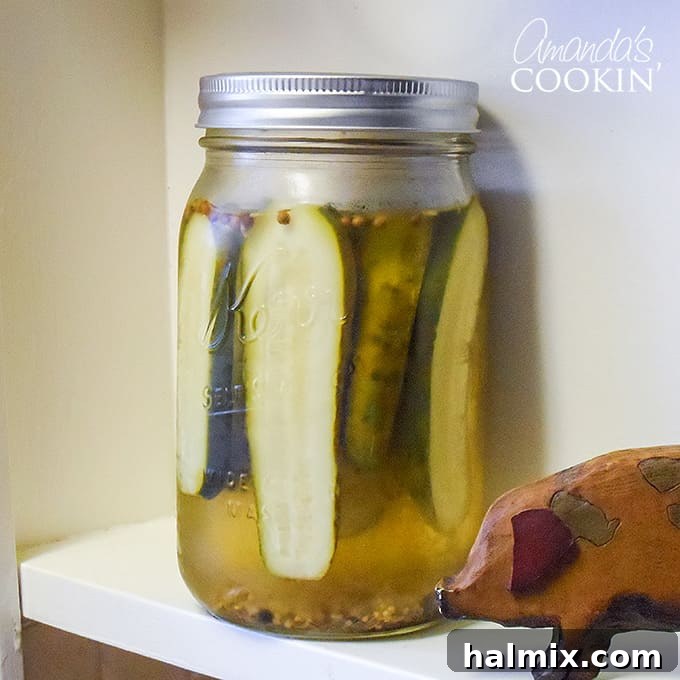
The results were met with resounding approval! While not an exact replica, these homemade pickles came remarkably close to the beloved Claussen flavor and texture. Close enough, in fact, that they were eagerly devoured by everyone in my household. The process of making them also proved surprisingly enjoyable. Despite the convenience of simply grabbing a jar of Claussen from the grocery store – a practice I still indulge in occasionally – the satisfaction of crafting my own batch became a truly rewarding experience.
My very first batch exhibited a slight cloudiness and a more pronounced mustard flavor than I desired. Learning from this, I adjusted the quantity of mustard seed for the second batch, and that minor alteration made all the difference. We finally had a winner – a perfectly balanced, crisp, and flavorful homemade Claussen dill pickle copycat!
The Process: A Simple Guide to Homemade Pickles
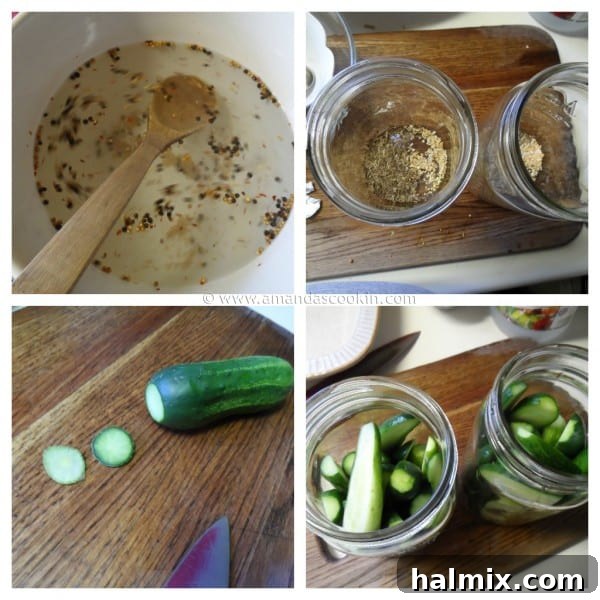
Begin by preparing your brine. The easiest way to combine the water, vinegar, and pickling salts is in a 2-quart pitcher. While the image above shows me using a bowl, a pitcher streamlines the process, eliminating an extra transfer step. After mixing the brine ingredients, you’ll add the dill seed and dried garlic directly to your clean pickling jars. For best results, consider using high-quality glass jars specifically designed for pickling to ensure proper hygiene and fit.
Next, thoroughly rinse your pickling cucumbers to remove any lingering dirt or debris. The blossom end of the cucumber, opposite the stem, contains enzymes that can soften your pickles, so it’s crucial to trim this end. For uniformity and extra precaution, I recommend trimming both ends. Once prepped, slice each cucumber lengthwise and pack them snugly into your prepared jars, ensuring they are tightly arranged without being crushed.
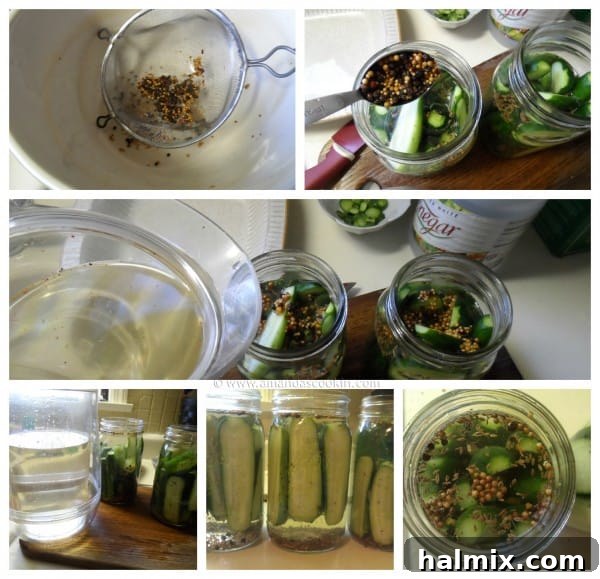
Before pouring the brine into the jars, it’s essential to strain out the solid spices. Place a fine-mesh colander over a large bowl or measuring cup and slowly pour the brine through it, catching all the solid ingredients. These solids are vital for flavor, so distribute them evenly among your two jars. Once the solids are in place, pour the strained brine liquid over the cucumbers, ensuring they are fully submerged. You might have some leftover brine, which can be discarded once the jars are filled. The brine level should reach the base of the jar’s neck, just where the threading for the lid begins, as cucumbers will naturally release some additional liquid during the brining process.
A crucial step in refrigerator pickling is allowing air circulation during the initial fermentation stage. Instead of sealing the lids tightly, simply perch them loosely on top of the jars. This allows gases to escape and prevents pressure buildup, which is normal for fermentation. I’ve even started fermenting my pickles in one large pot, then transferring them to a covered glass container in the fridge once ready, offering more flexibility than individual jars. For those curious about the “perched lid” method, the image above illustrates this perfectly.
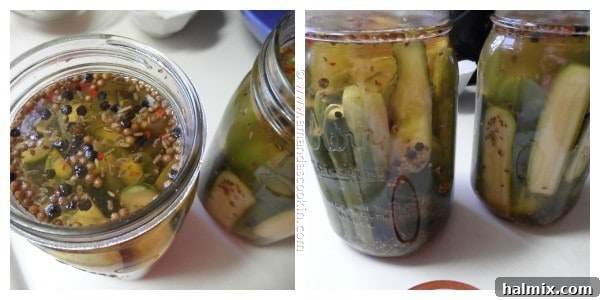
After about a day or so, your pickles will begin to transform, taking on a slightly different hue, as seen in the picture. The full pickling process typically takes between 2 to 4 days. My first batch, packed quite densely, required the full four days to achieve optimal flavor. However, my second batch, which I distributed among three jars, allowed for a bit more space and was ready in a mere two and a half days. This suggests that how tightly your cucumbers are packed can influence the brining time. Once they’ve reached your desired pickle flavor and crunch, you can secure the lids tightly and move them to the refrigerator for long-term storage. Enjoy that satisfying crunch!
Troubleshooting Common Pickle Problems
Making homemade pickles can sometimes come with a few questions or unexpected observations. Here’s a guide to common issues and what they mean:
- Scum or film on top: During the initial days, fermentation is actively taking place. It’s completely normal to observe small bubbles rising to the surface, and sometimes a thin layer of “scum” may form. This is a natural byproduct of the fermentation process. Simply skim it off and discard it. It does not indicate spoilage.
- White sediment at the bottom of the jar: Don’t be alarmed if you notice a white powdery residue accumulating at the bottom of your jars. According to experts at Colorado State University, this sediment can be attributed to either anti-caking agents present in certain salts or the fermenting bacteria themselves. In both cases, this white sediment is entirely harmless and does not affect the safety or quality of your pickles.
- Preventing spoilage: While refrigerator pickles are relatively simple, understanding factors that can lead to spoilage is key to success. Colorado State University highlights several critical points: always remove the blossom end of the cucumber; ensure all produce is thoroughly washed; consistently skim off any accumulating scum on the brine surface; use a sufficiently strong brine or vinegar solution (never dilute); keep cucumbers fully submerged in brine throughout the curing process; avoid using deteriorated ingredients like moldy garlic or old spices; and store pickles at an appropriate, cool temperature. Adhering to these guidelines will significantly increase your chances of a perfect batch. For comprehensive guidance, you can download the complete PDF document from The Colorado State University here.
Important Tips for Pickle Perfection
Achieving consistently crisp and flavorful homemade Claussen pickles relies on a few critical details:
- The Blossom End: This small detail makes a huge difference. The blossom end of the cucumber (the side opposite the stem) naturally contains enzymes that, if not removed, can cause your pickles to turn mushy. Always trim off at least 1/8-inch of this end. For added assurance and a uniform appearance, I always trim both ends.
- Vinegar Acidity: The acidity of your vinegar is paramount for both flavor and safety. Always use distilled white vinegar that has at least 5% acidity. Do not reduce the amount of vinegar specified in this recipe, as it’s crucial for the pickling process and preserving the cucumbers.
- Choosing the Right Salt: This is a common pitfall. Only use pickling salt or a coarse (non-flaky) Kosher salt. I personally always opt for pickling salt. Table salt, which contains anti-caking agents, will cause your brine to become cloudy. While cloudy brine is still safe to consume, it will result in an aesthetically less appealing jar of pickles with visible white sediment.
- Cucumber Selection: Not all cucumbers are created equal for pickling. Look for varieties specifically grown for pickling, often referred to as “pickling cucumbers” or “Kirby” cucumbers, which typically have a knobby texture. These varieties are firmer and absorb brine better. Avoid larger, slicing cucumbers. Ensure your chosen cucumbers are firm to the touch; soft spots indicate they are past their prime for pickling. Also, steer clear of cucumbers with a wax coating, as this coating prevents the brine from penetrating and flavoring the cucumber.
- Hygiene is Key: It might be tempting to reach into your jar to adjust or turn the cucumbers, but always ensure your hands are meticulously clean beforehand. Introducing any foreign oils, bacteria, or other materials from your skin can disrupt the delicate balance of the brine and potentially lead to spoilage or undesirable flavors.
- Maintaining Texture: For those seeking an extra-crisp pickle, some readers have found success by incorporating a pickle crisper into their mixture. These products, often containing calcium chloride, help maintain the cucumbers’ firmness. If desired, you can add 1/4 teaspoon of pickle crisper to each quart-sized jar for an enhanced crunch.
Once your delightful homemade Claussen pickles have been enjoyed, don’t rush to pour that flavorful pickle juice down the drain! It’s a versatile ingredient with many uses. Explore creative ideas for reusing pickle juice. And for a unique way to enjoy your freshly made pickles, consider pairing them with a Grilled Tomato Relish – it’s fantastic on burgers and hot dogs!
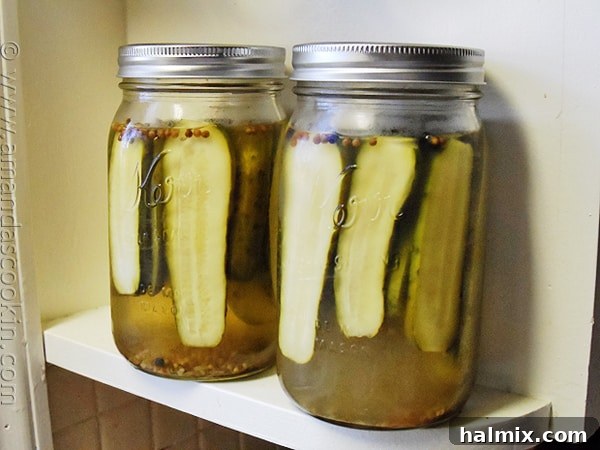
This Claussen pickle recipe was originally published here on September 18, 2012, and has since been updated with additional tips and clarifications for an even better pickling experience.
Explore More Related Recipes
- Refreshing Cucumber Salad
- Sweet Corn and Chickpea Salad
- Grilled Corn and Zucchini Salad
- Homemade Pickled Beets
- Zesty Pickled Onions
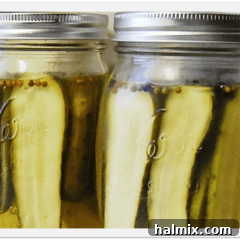
Homemade Claussen Pickles Copycat
IMPORTANT – There are often Frequently Asked Questions within the blog post that you may find helpful. Simply scroll back up to read them!
Print It
Pin It
Rate It
Save ItSaved!
Course: Appetizer
Cuisine: American
Ingredients
- 20-25 small to medium pickling cucumbers
- 2 quarts cold water
- ½ cup white vinegar
- ⅓ cup canning/pickling salt or coarse Kosher salt
- 1 teaspoon coriander seed
- ½ teaspoon mustard seed
- ¼ teaspoon red pepper flakes
- 1 tablespoon black peppercorns
- 1 tablespoon dill seed
- ¼ teaspoon dried garlic
- Fine mesh colander
- 4- cup measuring cup
- pickle crisper optional
Before You Begin
- A couple of our readers have mentioned using pickle crisper in their mixture which helps prevent the pickles from getting soggy. You can add 1/4 teaspoon of pickle crisper to each quart size jar if desired.
Instructions
-
To make the brine, combine water and vinegar in a large pitcher. Add salt, coriander seed, mustard seed, red pepper flakes and black peppercorns. Stir until salt is dissolved. Set aside.
-
Wash cucumbers in water and trim 1/8-inch off of the blossom end of each one. Slice each cucumber in half lengthwise.
-
Divide the dill seed and dried garlic evenly between two clean quart sized jars. Fill jars with cucumber halves, fitting as many in as you can, they may be snug!
-
Stir brine again to mix ingredients. Place a fine mesh colander over a large bowl or measuring cup. Pour brine through the colander, catching the brine solids in the colander. DO NOT discard!
-
NOTE: You will not be able to fit all the water in this measuring cup or in the two jars. The goal here is to save the brine solids and use them, you will be discarding the left over vinegar and water mixture when finished.
-
Once all the solids have been removed from the brine, distribute them evenly among the jars. Using the brine liquid in the measuring cup, pour into the jars until all the cucumbers are covered.
-
Your brine level should cover your cucumbers and reach the bottom of the jar neck where the twisting begins. The cucumbers will also release some liquid as they brine, so don’t overfill the jar. Discard any remaining brine liquid.
-
Cover lightly with a lid perched on top but DO NOT close and seal. Leave on the counter (out of direct sunlight) for 1 day, then move to the refrigerator for 2-3 more days, or until the cucumbers taste like pickles throughout.
-
Secure lids on jars and refrigerate for up to six months.
Nutrition
Tried this Recipe? Pin it for Later!Follow on Pinterest @AmandasCookin or tag #AmandasCookin!
The recipes on this blog are tested with a conventional gas oven and gas stovetop. It’s important to note that some ovens, especially as they age, can cook and bake inconsistently. Using an inexpensive oven thermometer can assure you that your oven is truly heating to the proper temperature. If you use a toaster oven or countertop oven, please keep in mind that they may not distribute heat the same as a conventional full sized oven and you may need to adjust your cooking/baking times. In the case of recipes made with a pressure cooker, air fryer, slow cooker, or other appliance, a link to the appliances we use is listed within each respective recipe. For baking recipes where measurements are given by weight, please note that results may not be the same if cups are used instead, and we can’t guarantee success with that method.