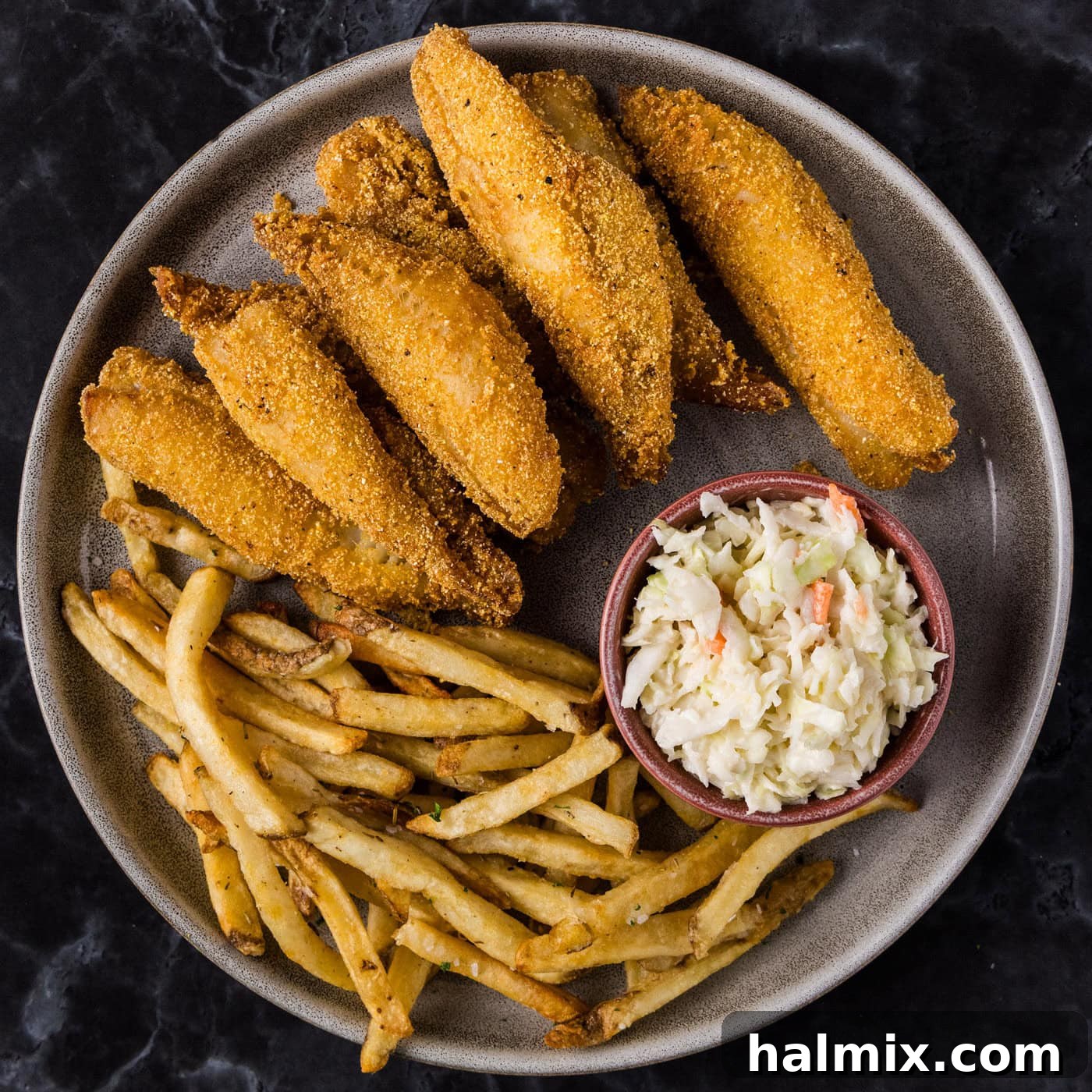
The Ultimate Crispy Fried Perch Recipe: A Midwest Favorite!
Prepare to discover the only fried perch recipe you’ll ever need, perfected to deliver a consistently crispy, crunchy cornmeal breading that works flawlessly with both ocean and lake perch. This beloved classic, a true staple in Midwest cuisine, promises a delicate, flaky fish experience encased in a golden-brown crust that will leave you craving more. Whether you’re an avid angler or simply seeking a delicious seafood meal, this guide will help you achieve fried perch perfection every time.
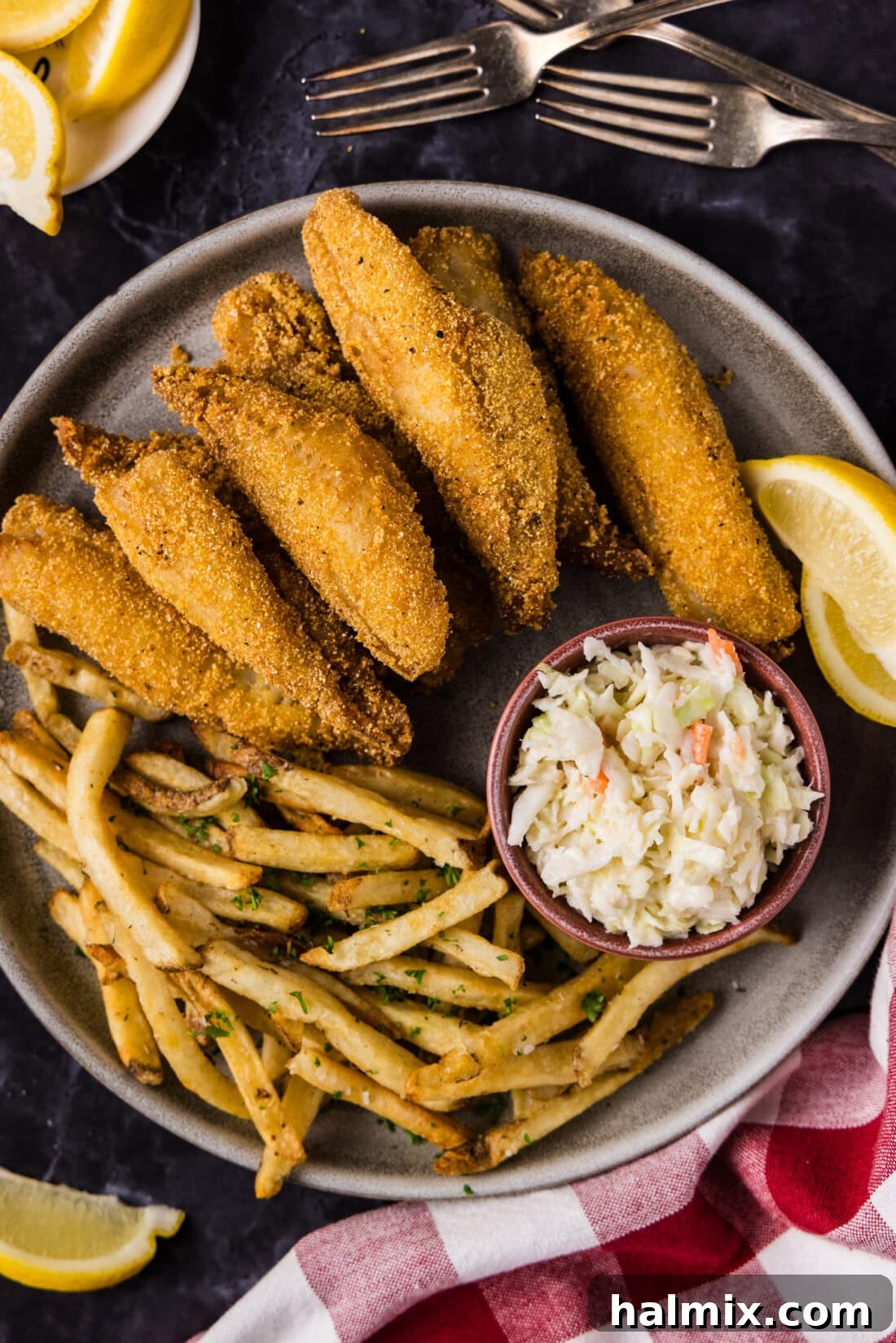
Why This Fried Perch Recipe Stands Out
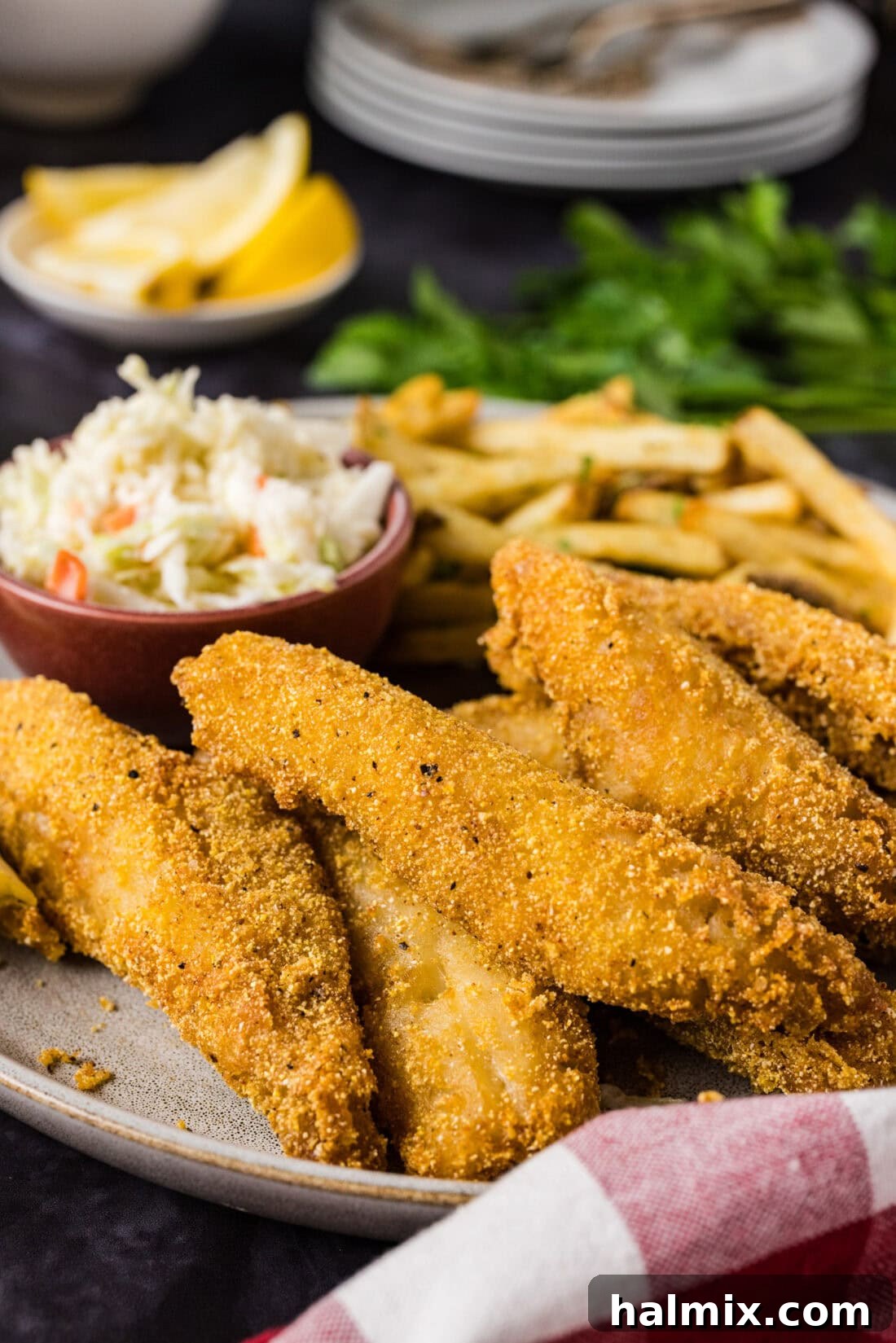
There’s something truly special about perfectly fried fish, and perch, in particular, holds a cherished spot in many hearts, especially across the American Midwest. This recipe has been meticulously developed to highlight the natural qualities of perch, making it an absolute must-try for any seafood enthusiast. Perch is renowned for its incredibly mild flavor, virtually devoid of the “fishy” taste that can deter some palates. Its delicate, flaky flesh transforms beautifully when coated in our signature crispy, golden-brown breading, offering a delightful contrast of textures in every bite.
Our commitment to perfecting this fried perch recipe stems from its importance in Midwestern culinary traditions. We understand that a good fish fry is more than just a meal; it’s a communal experience, a tradition passed down through generations. To ensure its versatility and broad appeal, we rigorously tested this recipe with both ocean perch and lake perch. The results were consistently outstanding, with the primary difference being a slightly longer cooking time for ocean perch due to its typically thicker fillets. This adaptability ensures that no matter where you source your fish, you can achieve the same delicious, crispy results. This isn’t just a recipe; it’s an invitation to partake in a cherished culinary tradition, made simple and foolproof.
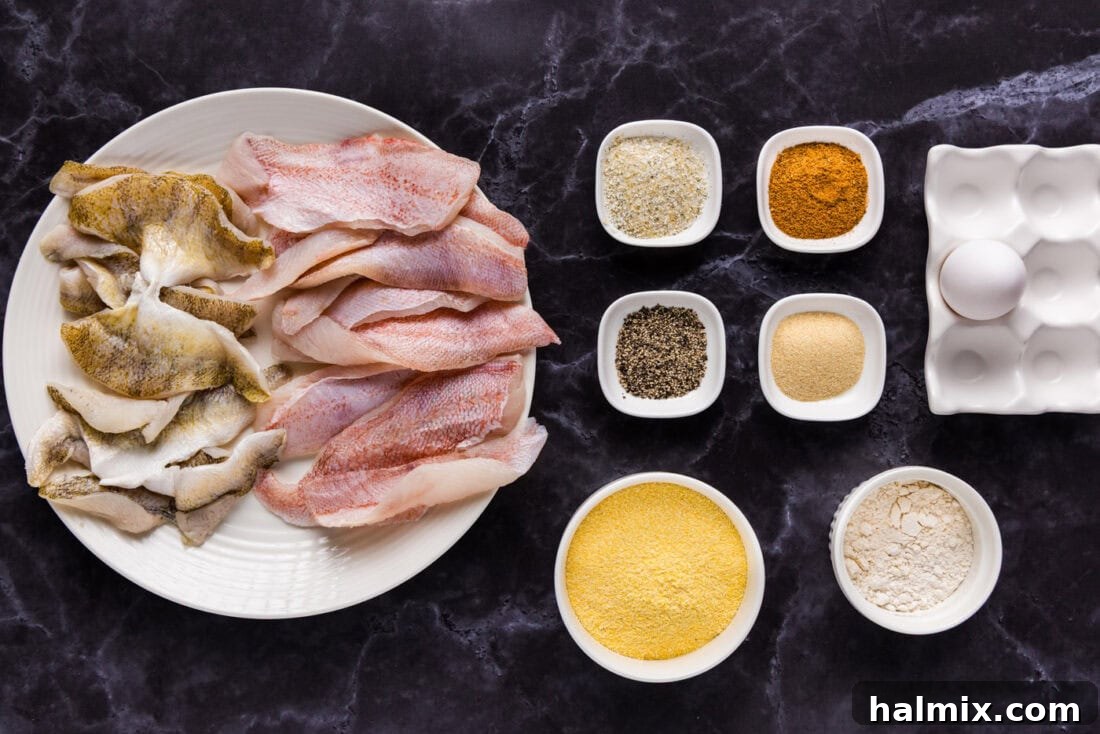
Essential Ingredients for Your Crispy Perch
Crafting the perfect fried perch begins with a selection of simple yet powerful ingredients that work in harmony to create that irresistible crunch and flavor. You’ll find a complete list of measurements and detailed instructions in the printable recipe card at the end of this post. For now, let’s explore the key components that bring this dish to life.
Ingredient Insights and Smart Substitutions
Understanding each ingredient’s role is key to mastering this recipe and confidently making adjustments if needed. Here’s a closer look:
- Perch (Lake or Ocean): The star of our dish! This recipe is incredibly adaptable, working beautifully with both freshly caught perch and fillets purchased from your local fishmonger or supermarket. Whether you opt for lake perch, known for its sweet, mild taste and delicate texture, or ocean perch, which tends to have a slightly firmer texture and a subtly richer flavor, the preparation remains largely the same. The crucial point is to ensure your fish is fully thawed before you begin the breading process. If using frozen fillets, transfer them to the refrigerator the night before to allow for slow, even thawing. If time is short, you can quick-thaw sealed fillets in a bowl of cold water. We’ve found that ocean perch might require an extra minute or two in the hot oil compared to lake perch, but this is a minor adjustment. Their delicate flakiness, combined with their non-fishy profile, makes them ideal candidates for frying.
- Yellow Cornmeal: This is the secret to our signature crispy, crunchy exterior. Fine or medium-ground yellow cornmeal provides that classic Southern fried texture and a beautiful golden hue. Do not substitute with cornstarch, which creates a different kind of crisp.
- All-Purpose Flour: Works alongside the cornmeal to create a cohesive breading that adheres well to the fish and helps achieve a perfectly crisp crust. It also helps to absorb excess moisture from the fish, preventing a soggy coating.
- Black Pepper, Garlic Salt, Onion Powder, and Old Bay Seasoning: This blend of spices is carefully chosen to complement the mildness of the perch without overpowering it. Old Bay seasoning, in particular, is a quintessential seafood spice blend that adds a delightful, savory depth. If you don’t have Old Bay, you can substitute it with a mixture of paprika, celery salt, mustard powder, and a pinch of cayenne pepper, or simply increase the other seasonings to taste. Feel free to adjust the quantities of garlic salt and onion powder to suit your preference for savory notes.
- Egg and Water: This simple egg wash acts as the binder, allowing the cornmeal and flour mixture to cling firmly to the fish fillets. The water helps thin the egg, making it easier to coat the fish evenly without excess clumping.
- Frying Oil (Canola or Vegetable): Choosing the right oil is paramount for achieving a truly crispy, non-greasy fried perch. High smoke point oils like canola, vegetable, peanut, or sunflower oil are ideal. These oils can withstand the high temperatures required for deep frying without burning or imparting off-flavors. Avoid olive oil or butter, as they have lower smoke points and will burn.
How to Prepare Your Irresistible Fried Perch
These step-by-step photos and instructions are here to help you visualize how to make this recipe successfully. For the complete, printable version of this recipe, including exact measurements, scroll down to the full recipe card below.
- Prepare the Breading Mixture: In a large, shallow bowl or a specialized breading tray, combine the yellow cornmeal, all-purpose flour, black pepper, garlic salt, onion powder, and Old Bay seasoning. Whisk these dry ingredients thoroughly until they are uniformly mixed. This ensures an even distribution of flavor and seasoning across every piece of fish. Transfer this mixture to a breading tray for easy dipping.
- Create the Egg Wash: In a second shallow bowl or breading tray, whisk together the large egg and water. Beat until the egg is well-scrambled and the mixture is smooth. This will be your wet coating, acting as the adhesive for the dry breading.
- Preheat Your Frying Oil: The correct oil temperature is critical for crispy, non-greasy fried perch. Preheat your deep fryer to 345°F (175°C). If you’re using a deep-sided skillet, fill it with at least 2 inches of frying oil and heat it over medium-high heat, using a thermometer to monitor the temperature. Patience here is key—don’t rush the oil heating process.
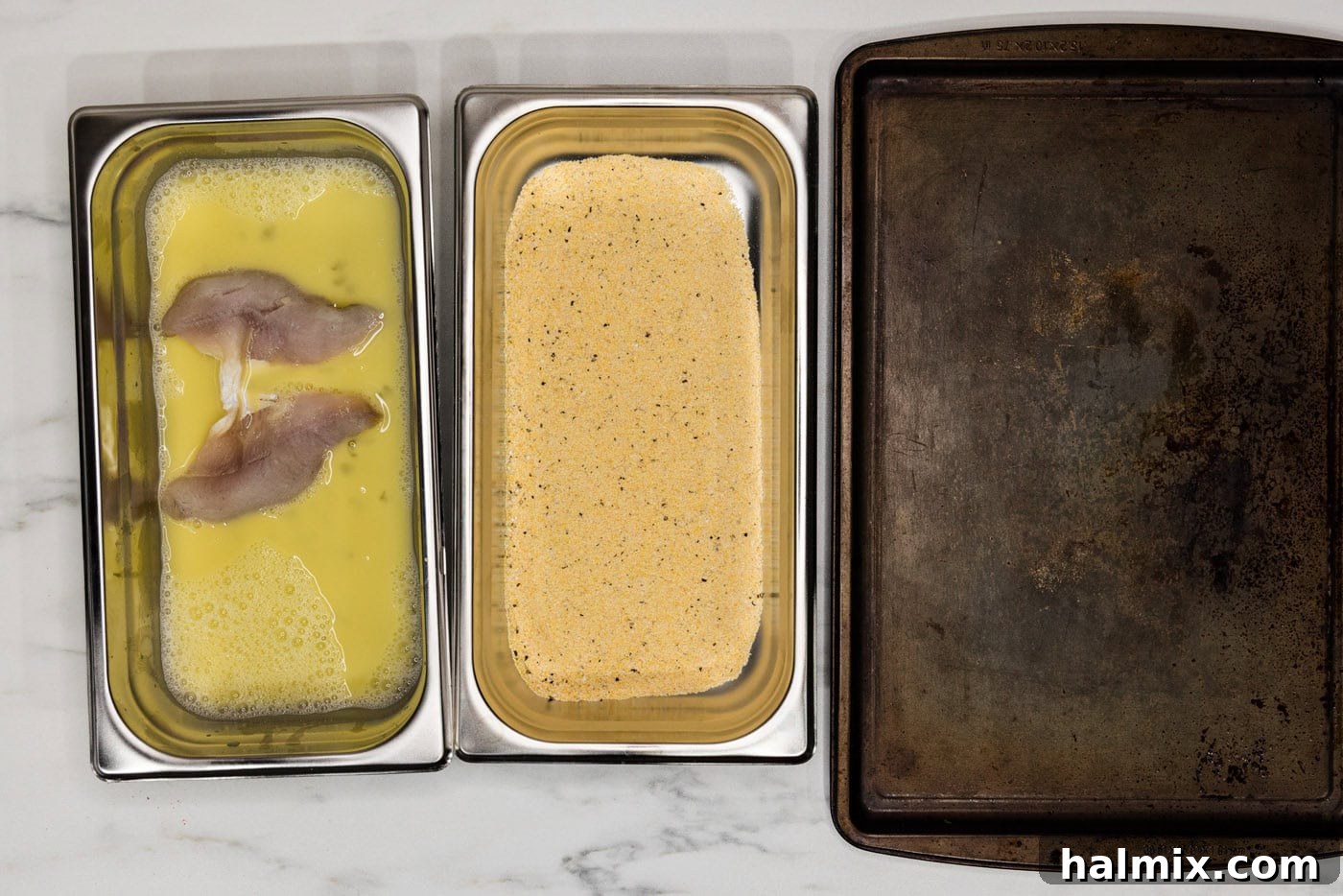
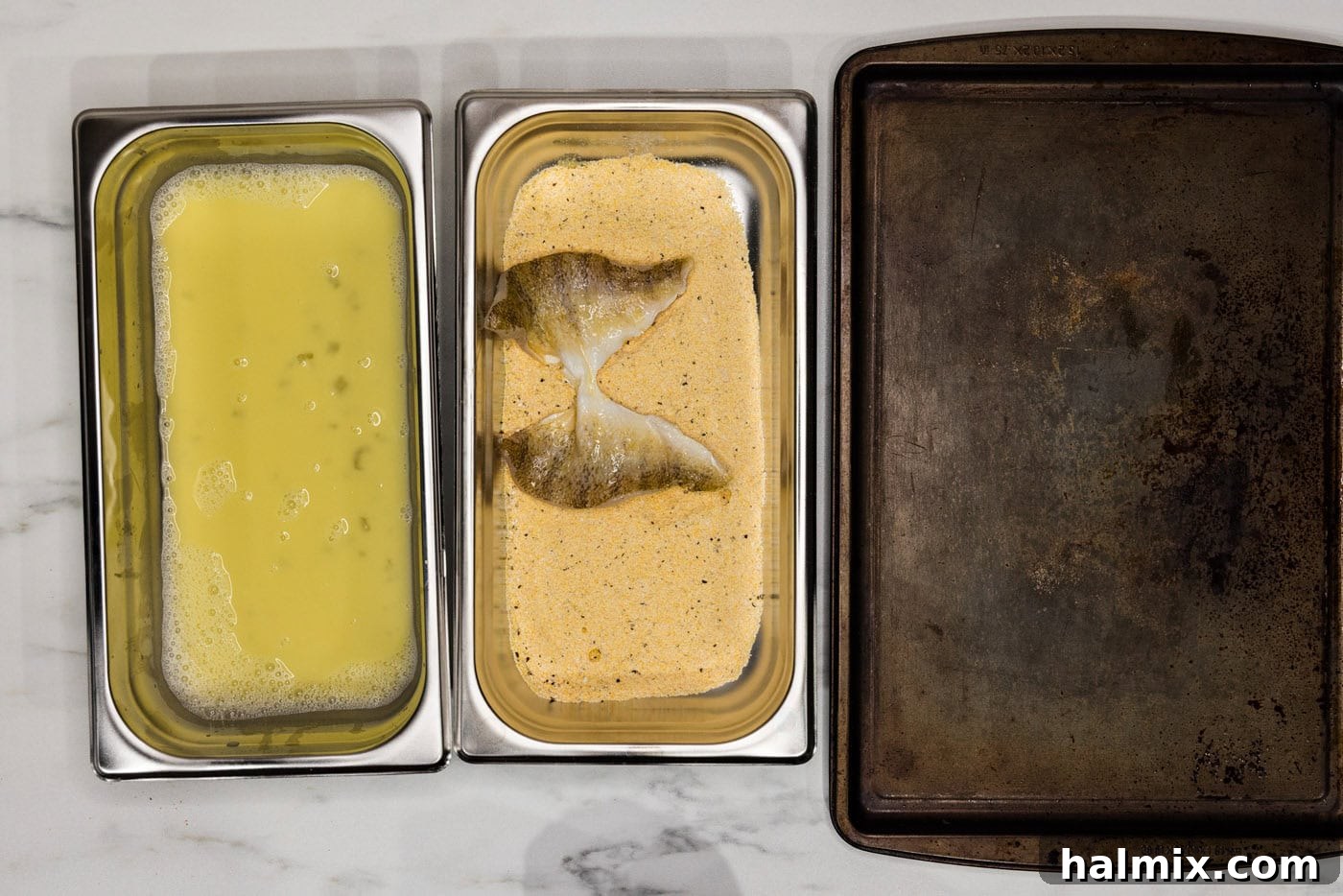
- Breading the Perch (Batch by Batch): Take one perch fillet and dip it completely into the egg mixture, ensuring it’s fully coated. Lift the fillet, allowing any excess egg wash to drip off. Immediately transfer the egg-coated fillet to the cornmeal mixture. Gently press the breading onto both sides of the fish, ensuring it’s completely covered. Lightly shake off any excess breading. For best results and to prevent the breading from becoming soggy or detaching, only bread enough fillets to fit comfortably in your fryer for a single batch. Avoid overcrowding the fryer, as this drops the oil temperature and leads to greasy fish. Prepare the next batch only after the previous one has been removed from the fryer. This technique helps the breading adhere better and ensures consistent crispiness.

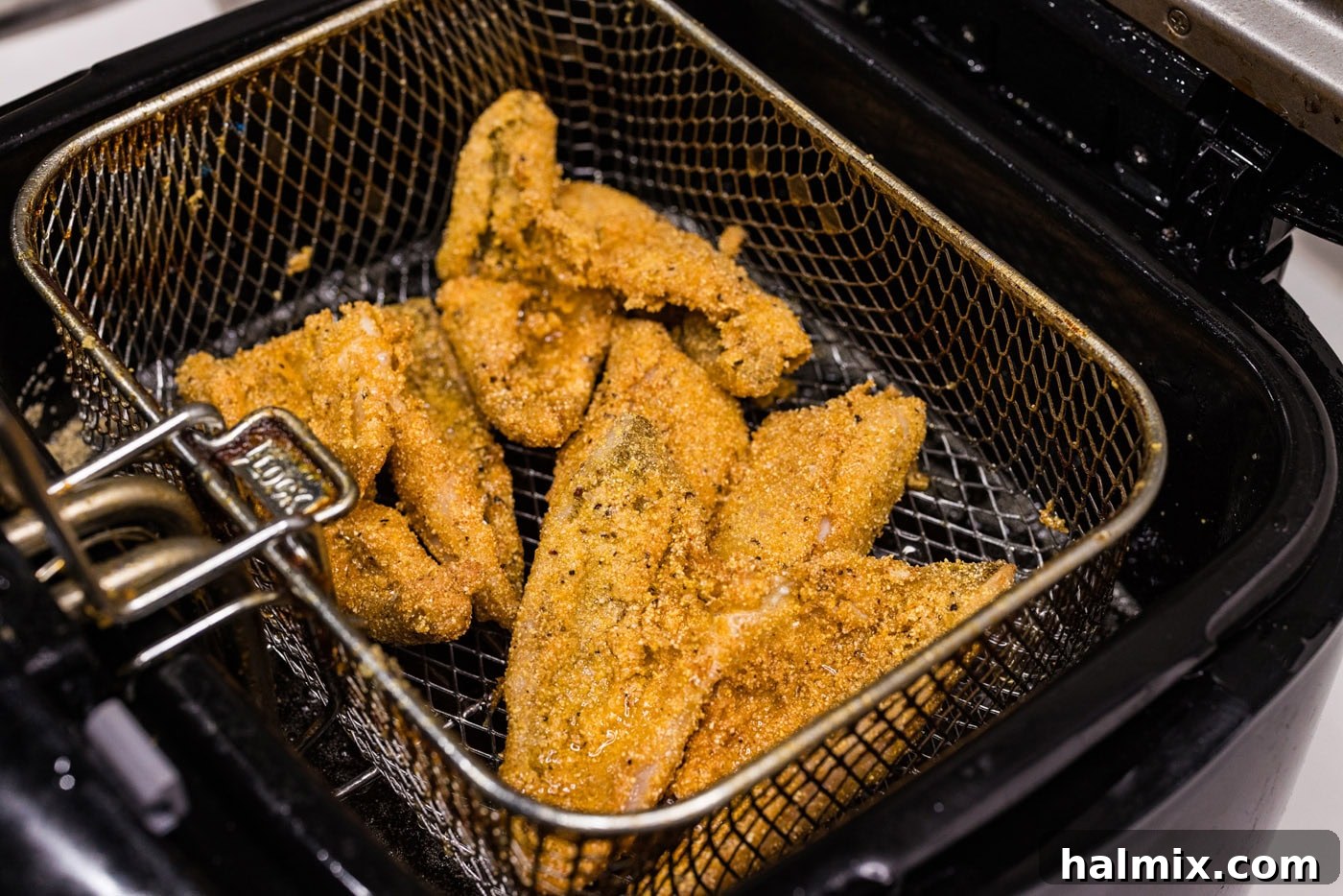
- Fry to Golden Perfection: Carefully place the breaded fish fillets into the preheated deep fryer. Cook for approximately 3-4 minutes, or until the fish is golden brown and the breading is incredibly crispy. The exact cooking time may vary slightly depending on the thickness of your fillets. The fish should be opaque and flake easily with a fork when done.
- Drain and Serve: Once cooked, carefully remove the fried perch from the oil and transfer it to a plate lined with paper towels. This step is crucial for draining any excess oil, ensuring your fish remains crispy and not greasy. Immediately proceed to bread and fry the next batch. Serve hot and enjoy!
Frequently Asked Questions & Expert Tips
How do I prevent my fried fish from being greasy?
Preventing greasy fried fish comes down to a few critical factors. Firstly, the oil temperature is paramount. It’s essential to heat your oil to a consistent 345°F (175°C) before introducing the fish. If the oil isn’t hot enough, the breading will absorb too much oil, resulting in a heavy, soggy, and greasy fillet. Conversely, if the oil is too hot, the breading will burn before the fish cooks through. Secondly, avoid overcrowding the fryer. Frying too many pieces at once drastically lowers the oil temperature, leading to the same greasy outcome. Fry in small batches, giving each fillet ample space to cook evenly and crisp up properly. Lastly, once removed from the oil, immediately transfer the fish to a wire rack set over paper towels. This allows air to circulate around the fish and helps drain off any surface oil, preserving its crisp texture.
What if I don’t have a deep fryer?
No deep fryer? No problem! You can easily achieve deliciously crispy fried perch using a large, deep-sided skillet, a Dutch oven, or even a heavy-bottomed pot. The key is to use enough oil—at least 2 inches deep, or fill your chosen vessel halfway—to ensure the fish is submerged or mostly submerged. To gauge the oil temperature without a deep fryer, an oil thermometer is highly recommended for accuracy. If you don’t have one, you can use a few common kitchen tricks:
- Wooden Spoon Test: Dip the handle of a wooden spoon into the hot oil. If bubbles rapidly form around the wood, the oil is ready. If it bubbles too vigorously, the oil might be too hot; turn down the heat slightly. If no bubbles appear, the oil needs more time to heat.
- Bread Cube Test: Drop a small cube of bread (about 1 inch) into the oil. If it turns golden brown in 30-40 seconds, the oil is likely around 350-375°F (175-190°C), which is perfect.
Always be cautious when working with hot oil, and ensure your fish is patted dry to minimize splattering.
How do you store leftover fried perch?
To keep leftover fried perch as delicious as possible, proper storage and reheating are key. Allow the fish to cool completely at room temperature before storing. Once cool, transfer the fillets to an air-tight container, ideally lined with a paper towel to absorb any residual moisture. Store the container in the refrigerator for 2-3 days. When it comes to reheating, avoid the microwave at all costs! The microwave will steam the breading, turning it soggy and making the fish rubbery. For best results, reheat your fried perch in a conventional oven or an air fryer. Preheat your oven or air fryer to 375°F (190°C) and reheat for about 10 minutes, or until the fish is warmed through and the breading has regained its crispness. The air fryer is my personal favorite for its ability to quickly restore that satisfying crunch.
Can I use different fish types with this breading?
Absolutely! While this recipe is optimized for perch, the versatile cornmeal breading works wonderfully with other mild, flaky white fish. Great alternatives include tilapia, cod, walleye, haddock, or even catfish. Adjust cooking times slightly based on the thickness of the fillets. The goal is always a golden-brown, crispy exterior and tender, flaky interior.
What’s the best oil for deep frying fish?
For deep frying, always choose an oil with a high smoke point. Canola oil and vegetable oil are excellent, affordable choices because they can reach the necessary high temperatures without burning or imparting unwanted flavors. Peanut oil and sunflower oil are also great options. Avoid oils with lower smoke points like olive oil or butter, as they will smoke and burn at frying temperatures, ruining the taste of your fish.
Serving Suggestions for Your Fried Perch
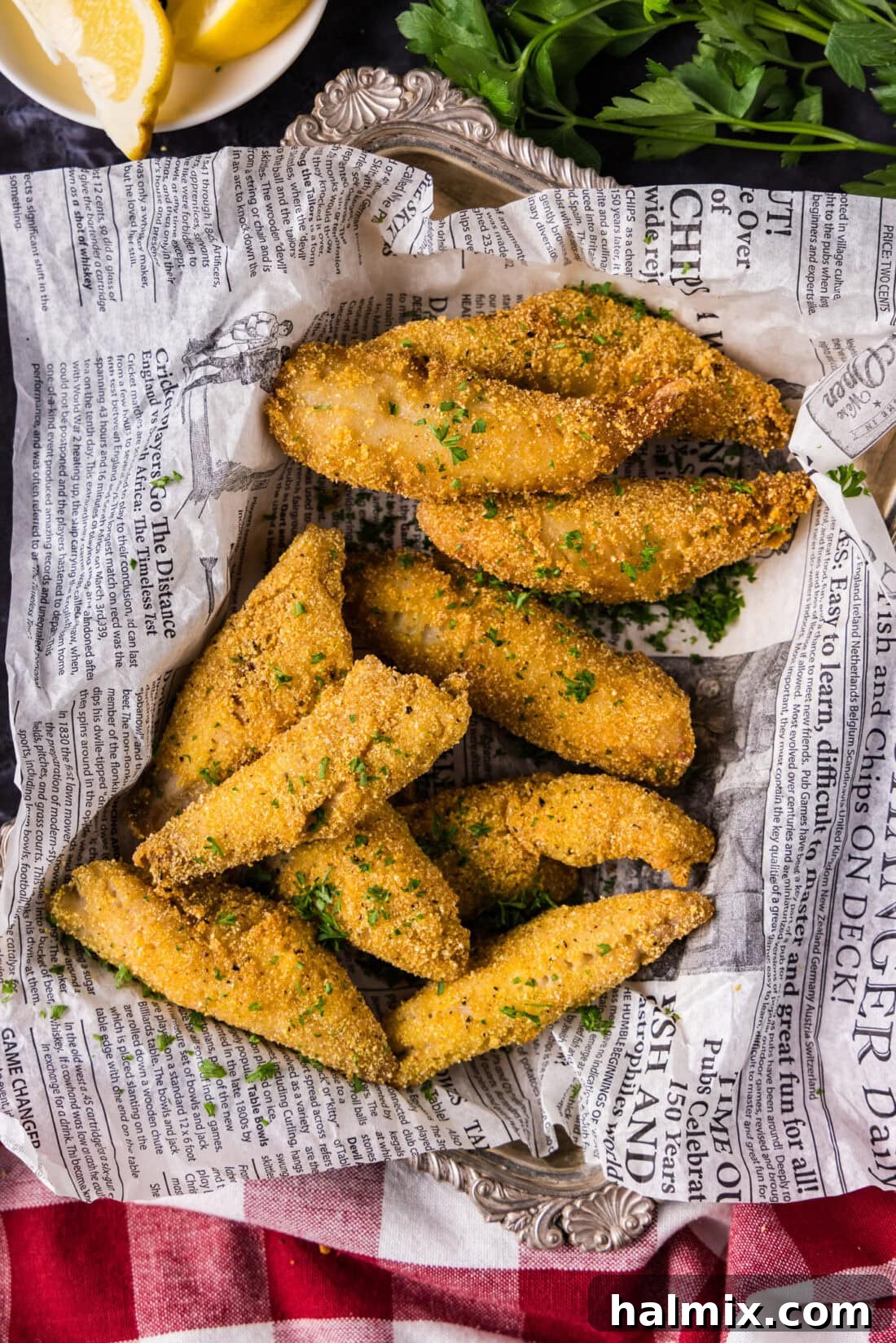
Fried perch is a comforting dish that pairs beautifully with a variety of classic side dishes. For a truly authentic experience, serve your crispy fried perch with a generous helping of crispy french fries, a creamy coleslaw, and a tangy pickle spear. No fried fish meal is complete without a side of homemade tartar sauce for dipping. Garnish your plate with fresh lemon wedges, as a squeeze of bright lemon juice enhances the flavor of the fish and cuts through the richness of the frying. Other fantastic accompaniments include hush puppies, potato salad, or a simple green salad for a lighter touch.
More Delicious Fish Recipes to Explore
If you love seafood, we have plenty more recipes to tempt your taste buds. Expand your culinary repertoire with these fantastic fish dishes:
- Homemade Fish Cakes: A delightful way to use leftover fish or create a new meal.
- Flavorful Fish Tacos: Perfect for a light, vibrant meal with a zesty kick.
- Delicious Smoked Trout: For those who enjoy a richer, smoky seafood flavor.
- Crispy Air Fryer Fish: A healthier alternative to deep frying, without sacrificing crunch.
- Grilled Mahi Mahi: A fresh and flavorful option for your summer barbecue.
I love to bake and cook and share my kitchen experience with all of you! Remembering to come back each day can be tough, that’s why I offer a convenient newsletter every time a new recipe posts. Simply subscribe and start receiving your free daily recipes!
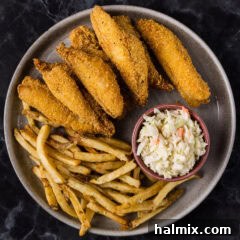
Fried Perch
Crispy fried perch fillets dredged in a cornmeal and flour breading make this recipe a staple!
IMPORTANT – There are often Frequently Asked Questions within the blog post that you may find helpful. Simply scroll back up to read them!
Pin It
Rate It
Ingredients
- ½ cup yellow cornmeal
- ¼ cup all purpose flour
- 1 teaspoon black pepper
- 2 teaspoons garlic salt
- 1 teaspoon onion powder
- 2 teaspoons Old Bay seasoning
- 1 large egg
- ¼ cup water
- 1 pound perch (lake or ocean)
- oil for frying (such as canola or vegetable)
Things You’ll Need
- Large mixing bowl
- Whisk
- 2 Breading trays
- Baking sheet
- Deep fryer or deep-sided skillet
Before You Begin (Expert Tips)
- Important note about breading and frying: It’s always best to bread your fish fillets as you go, rather than breading all the pieces at once. If breaded fish sits for too long before frying, the coating can become soggy or even fall off during cooking. Bread just enough pieces to fill your fryer without overcrowding (typically 3-4 pieces in a deep fryer, or more if using a large skillet). Fry that batch, then proceed to bread the next. This ensures maximum crispiness.
- This recipe performs exceptionally well with both ocean perch and lake perch. Regardless of your choice, ensure the fish is completely thawed before you begin preparation. The only notable difference is that ocean perch, often having thicker fillets, may require a few extra minutes of cooking time compared to lake perch to ensure it’s cooked through.
- If you do not own a deep fryer, a large, deep-sided skillet works perfectly. Aim for at least 2 inches of oil, or fill the skillet halfway, ensuring the fish can be mostly submerged. Always confirm the oil reaches 345°F (175°C) before frying to prevent greasy results. An oil thermometer is highly recommended, or use the wooden spoon test mentioned in the FAQs above.
Instructions
- In a large bowl, whisk together the cornmeal, flour, pepper, garlic salt, onion powder, and Old Bay seasoning until well combined. Pour this mixture into a breading tray.
- In a second breading tray, whisk together the egg and water to create an even egg wash.
- Preheat your deep fryer with oil to 345°F (175°C).
- Dip a fish fillet into the egg mixture, ensuring it’s fully coated, then transfer it to the cornmeal mixture. Press the breading firmly onto both sides of the fish. Only bread enough fillets for one batch at a time to maintain breading adherence and crispness.
- Carefully place the breaded fish into the deep fryer and cook for 3-4 minutes, or until golden brown and cooked through. Remove the fried fish to paper towels to drain excess oil, then repeat the breading and frying process for the remaining batches.
Nutrition
|
Calories: 614 cal
|
Carbohydrates: 29 g
|
Protein: 34 g
|
Fat: 40 g
|
Saturated Fat: 6 g
|
Polyunsaturated Fat: 22 g
|
Monounsaturated Fat: 9 g
|
Trans Fat: 0.3 g
|
Cholesterol: 154 mg
|
Sodium: 1654 mg
|
Potassium: 535 mg
|
Fiber: 3 g
|
Sugar: 1 g
|
Vitamin A: 111 IU
|
Vitamin C: 3 mg
|
Calcium: 147 mg
|
Iron: 3 mg
Tried this Recipe? Pin it for Later!
Follow on Pinterest @AmandasCookin or tag #AmandasCookin!
The recipes on this blog are tested with a conventional gas oven and gas stovetop. It’s important to note that some ovens, especially as they age, can cook and bake inconsistently. Using an inexpensive oven thermometer can assure you that your oven is truly heating to the proper temperature. If you use a toaster oven or countertop oven, please keep in mind that they may not distribute heat the same as a conventional full sized oven and you may need to adjust your cooking/baking times. In the case of recipes made with a pressure cooker, air fryer, slow cooker, or other appliance, a link to the appliances we use is listed within each respective recipe. For baking recipes where measurements are given by weight, please note that results may not be the same if cups are used instead, and we can’t guarantee success with that method.