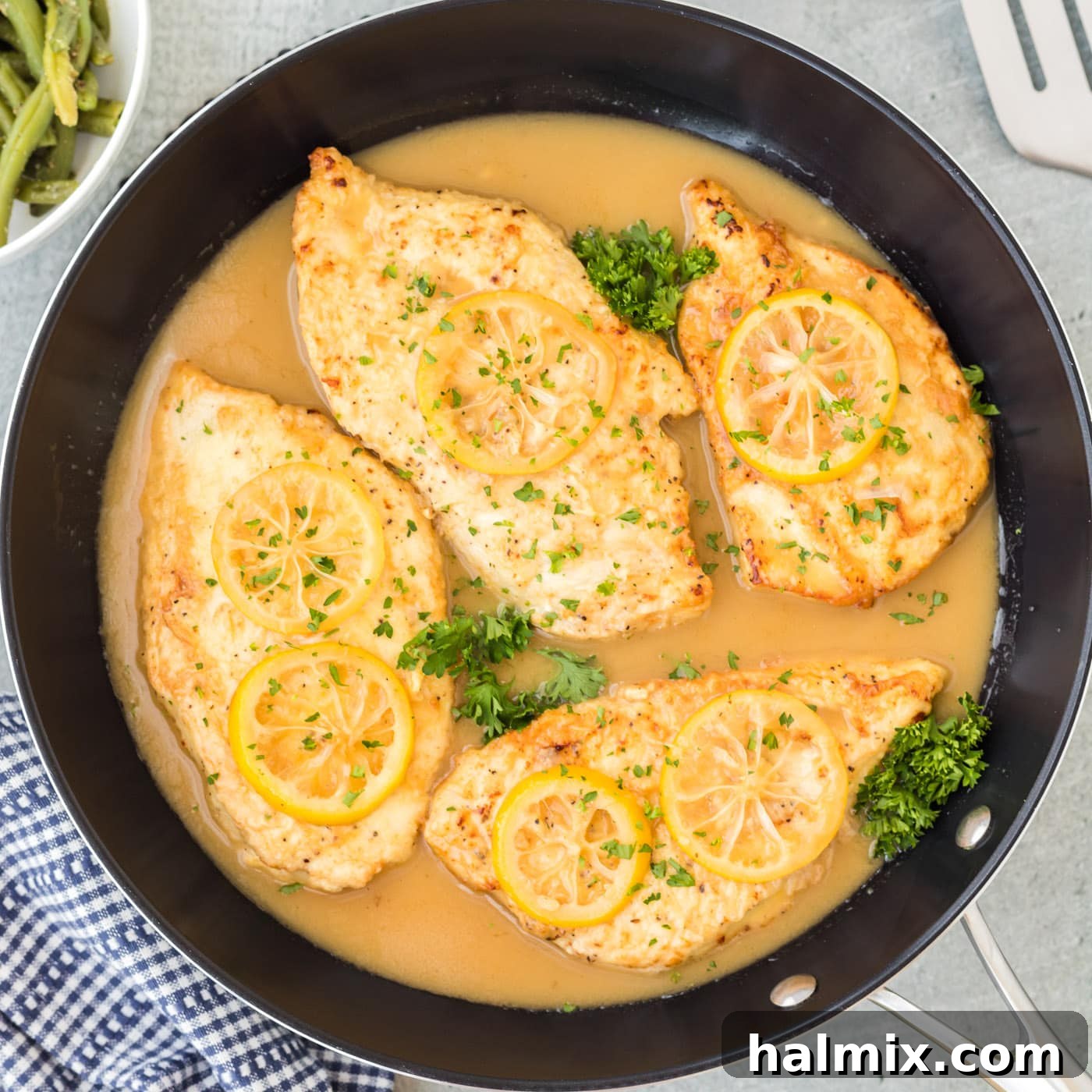
Welcome to the world of exquisite weeknight dinners with this incredible **Chicken Francese** recipe! Imagine tender, pounded chicken breasts lightly coated and pan-fried to golden perfection, then bathed in a vibrant, zesty lemon-butter sauce infused with the subtle richness of white wine. This classic Italian-American dish is renowned for its bright, refreshing flavors and elegant presentation, yet it’s surprisingly simple to prepare in under 30 minutes. Forget bland chicken; this recipe transforms everyday ingredients into a culinary masterpiece that will delight your family and impress your guests. Get ready to experience a burst of sunshine on a plate!
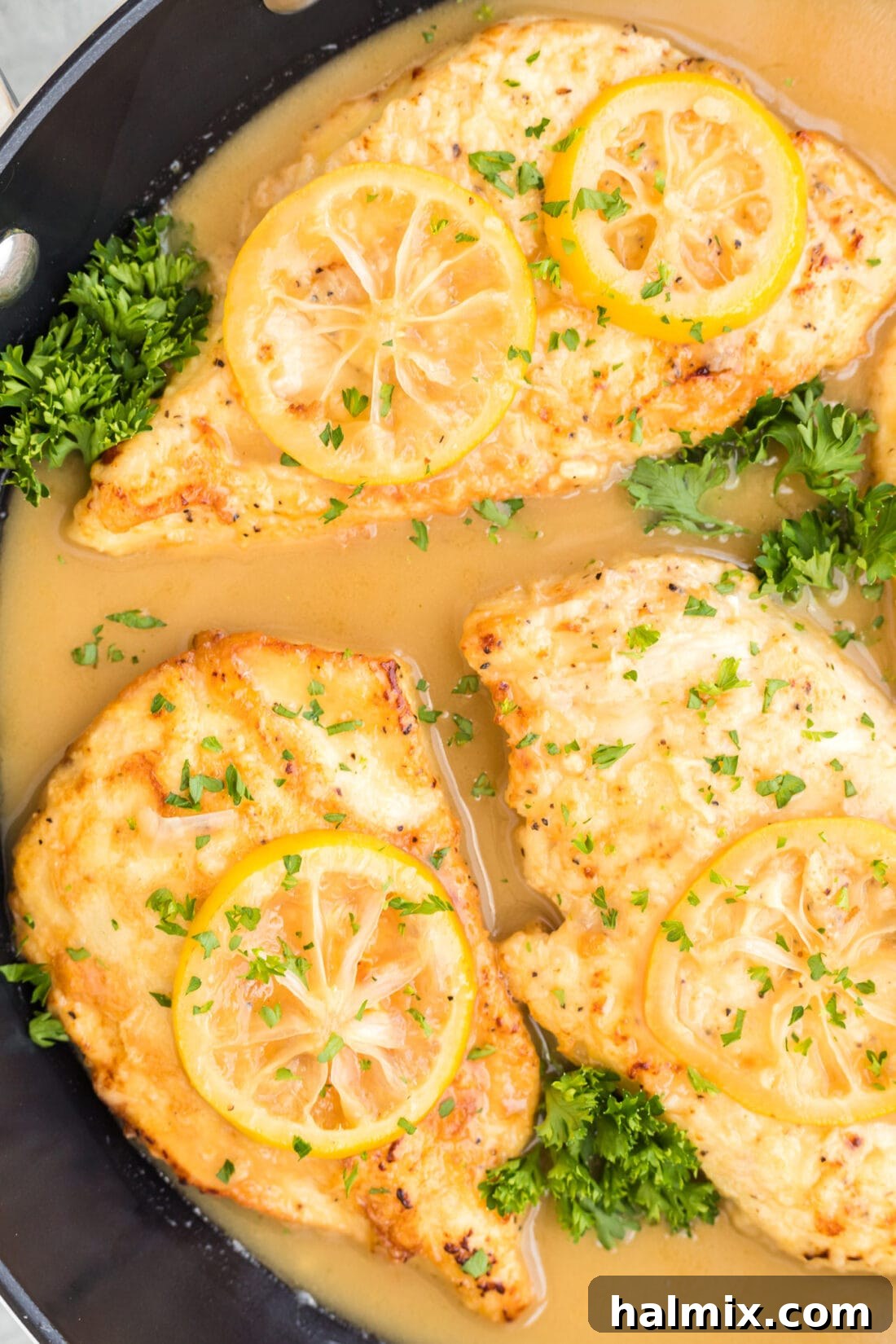
Why This Chicken Francese Recipe Is a Must-Try
Chicken Francese, translating to “French-style” chicken, is a beloved staple in Italian-American cuisine, distinct from its popular cousin, Chicken Piccata. While both dishes feature thinly pounded chicken cutlets, the magic of Francese lies in its unique preparation and the exquisite balance of its sauce. Here’s why this recipe stands out as a true crowd-pleaser and a perfect addition to your weekly meal rotation:
Firstly, the preparation of the chicken is key. By pounding the chicken breasts to an even, thin thickness, we ensure rapid cooking and maximum tenderness. This step also creates a larger surface area for our delicate coating to adhere to. Unlike Piccata, which typically uses a flour-only dredge, Francese embraces a two-stage coating: first a light dusting of seasoned flour, followed by a dip in an egg wash. This egg coating is crucial, as it creates a wonderfully tender, almost custardy crust that seals in the chicken’s juices and provides a perfect base for the rich sauce to cling to.
Secondly, the sauce is where Chicken Francese truly shines. It’s a symphony of bright, fresh lemon, savory chicken stock, and a hint of dry white wine, all emulsified with butter to create a silky, irresistible finish. The acidity from the lemon is not merely an accent; it’s a foundational flavor that cuts through the richness of the butter and wine, elevating the chicken from ordinary to extraordinary. This balance of fat and acid is what makes the dish so incredibly satisfying and refreshing. The wine adds a layer of depth and sophistication, deglazing the pan and incorporating all those delicious browned bits (fond) into the sauce, building an unparalleled depth of flavor. Plus, the entire dish comes together in just about 30 minutes, making it an ideal choice for busy weeknights without compromising on gourmet taste.
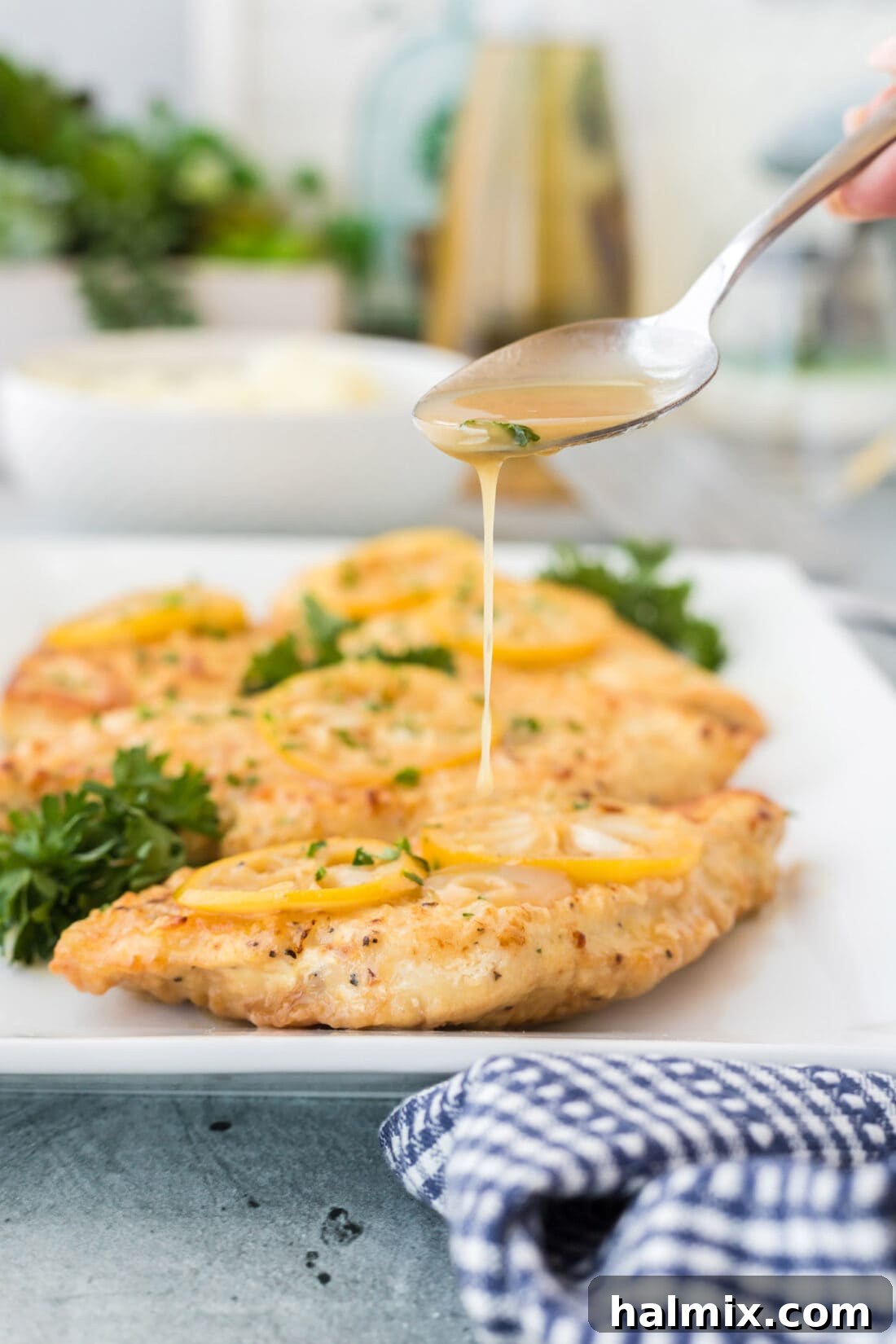
Essential Ingredients for Your Chicken Francese
Crafting the perfect Chicken Francese begins with selecting fresh, high-quality ingredients. Each component plays a vital role in building the layered flavors of this classic dish. For exact measurements and a printable version of this recipe, please refer to the complete recipe card at the end of this post.
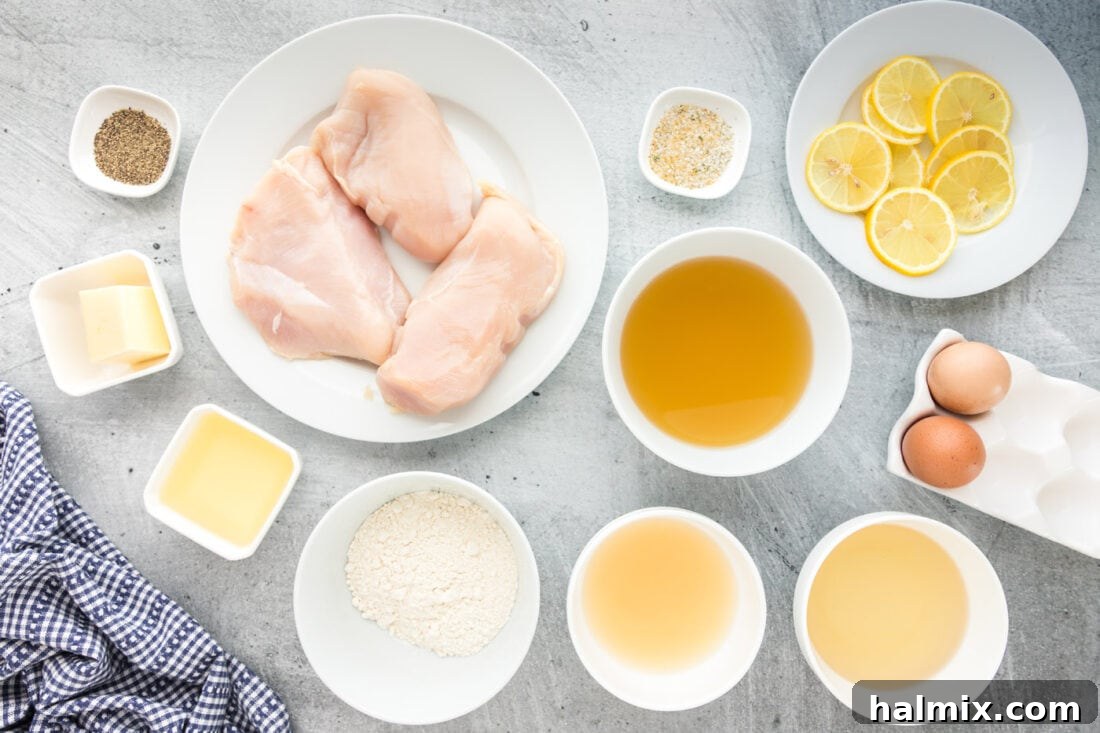
Ingredient Spotlight & Expert Substitution Tips
Understanding each ingredient’s role and potential substitutions can help you tailor this recipe to your taste and what you have on hand, ensuring delicious results every time.
CHICKEN – We use boneless, skinless chicken breasts for this recipe. Pounding the chicken to an even thickness, approximately 3/4-inch, is a non-negotiable step. This not only ensures uniform cooking, preventing one part from drying out while another is still raw, but also tenderizes the meat, resulting in incredibly succulent cutlets. You can also opt for chicken tenderloins if you prefer smaller pieces, though they may not require as much pounding.
WINE – A dry white wine, such as Chardonnay, Pinot Grigio, or Sauvignon Blanc, is highly recommended for the sauce. Its crisp acidity and subtle fruit notes beautifully complement the lemon and enrich the overall flavor profile. If you prefer to omit alcohol, chicken broth or even vegetable broth can be used as a direct substitute. The flavor will be slightly different, perhaps less complex, but still delicious.
LEMON – This is a truly lemony dish, and for good reason! Freshly squeezed lemon juice is essential for that bright, zingy flavor that defines Chicken Francese. You’ll also use lemon slices in the pan, which infuse the sauce with additional citrus aroma and a hint of pleasant bitterness from the rind. For the best flavor, always use fresh lemons rather than bottled juice. If you desire a more subtle lemon flavor, you can replace a portion of the lemon juice with an equal amount of chicken stock. For an extra pop of freshness, consider grating a bit of lemon zest into the finished sauce just before serving, though it’s not strictly traditional.
FLOUR & EGGS – The dredging process involves all-purpose flour seasoned with garlic salt and pepper, followed by a dip in whisked eggs. The seasoned flour provides the initial adhesion and a thin layer of seasoning. The egg wash then adheres to the flour, creating a tender, golden crust when pan-fried. This dual coating is lighter than a breading and crucial for the Francese texture. For a gluten-free option, you can substitute the all-purpose flour with a gluten-free all-purpose flour blend.
OLIVE OIL & BUTTER – Olive oil is used for pan-frying the chicken, offering a high smoke point and a lovely flavor. Butter is then incorporated into the sauce for richness, creaminess, and a velvety texture. Using both fats contributes to the overall depth of flavor.
Crafting Your Own Chicken Francese: Step-by-Step Guide
These step-by-step photos and detailed instructions are here to guide you through the process, helping you visualize how to make this delicious recipe. For a complete printable version, including all measurements and instructions, scroll down to the full recipe card.
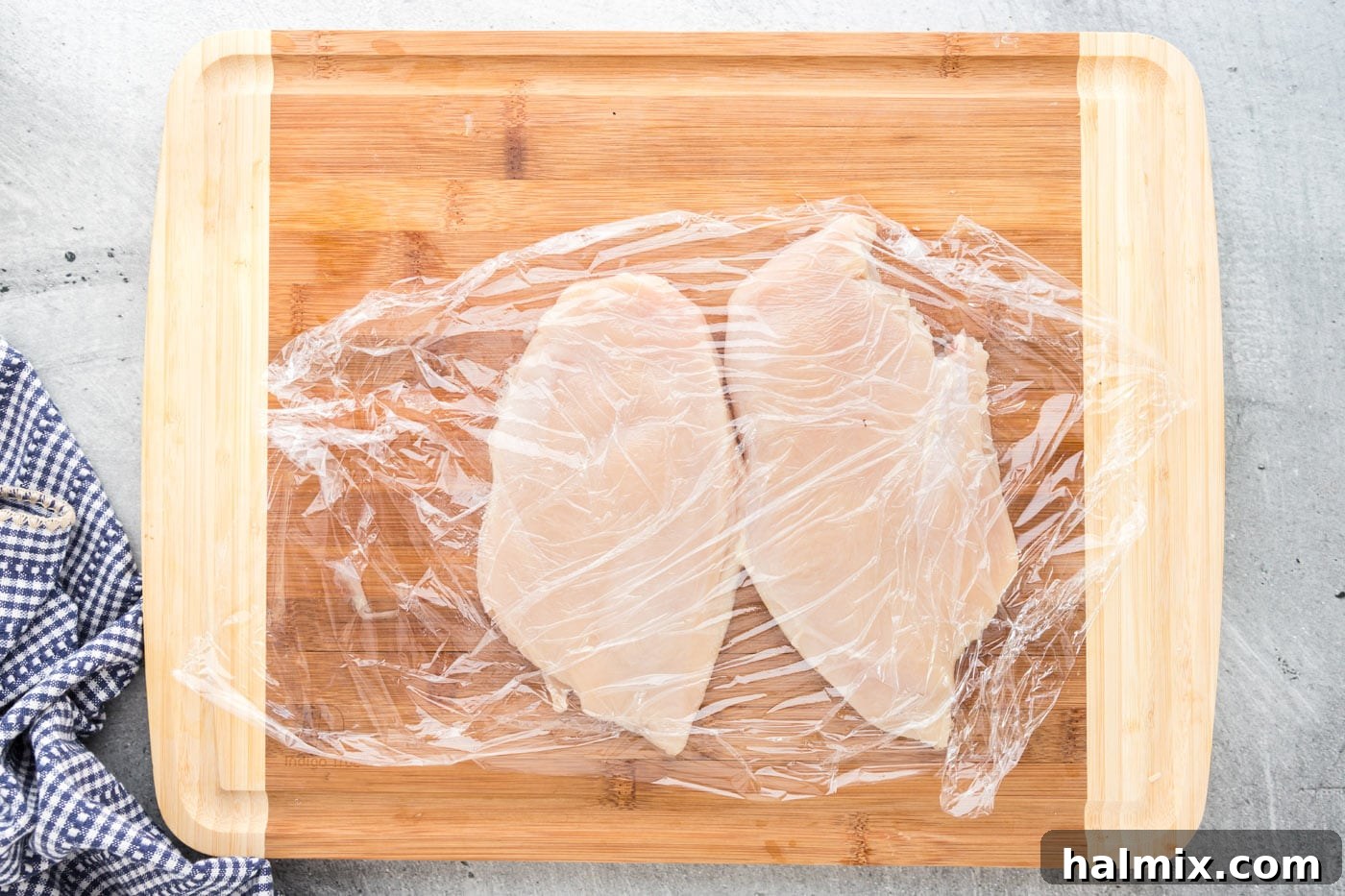
- Prepare the Chicken: Begin by placing each boneless, skinless chicken breast between two sheets of plastic wrap or waxed paper. Using a meat mallet, gently but firmly pound the chicken to an even thickness of about 3/4-inch. This ensures even cooking and tenderizes the meat. Ensure all breasts are roughly the same thickness for consistent results.

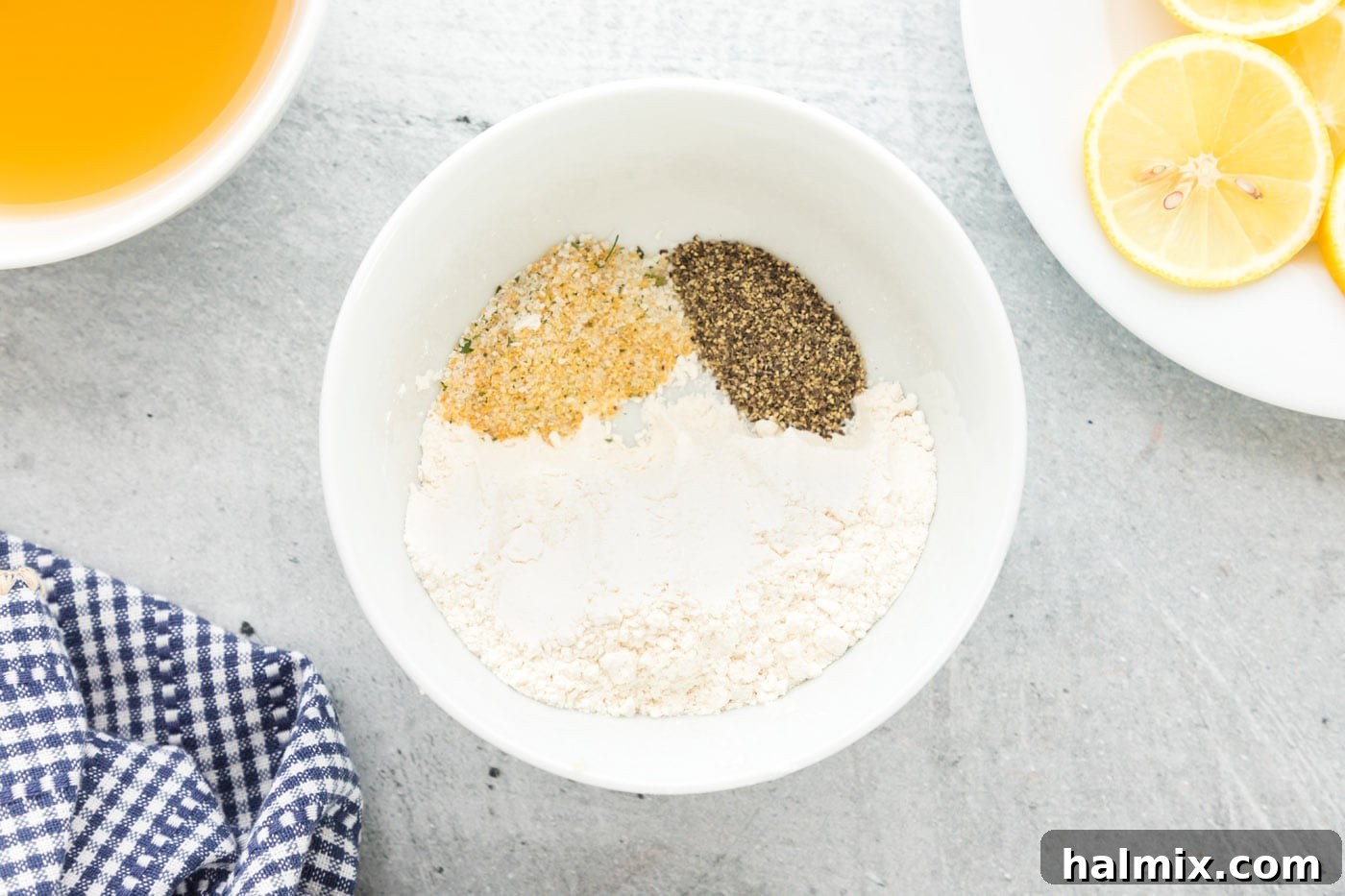
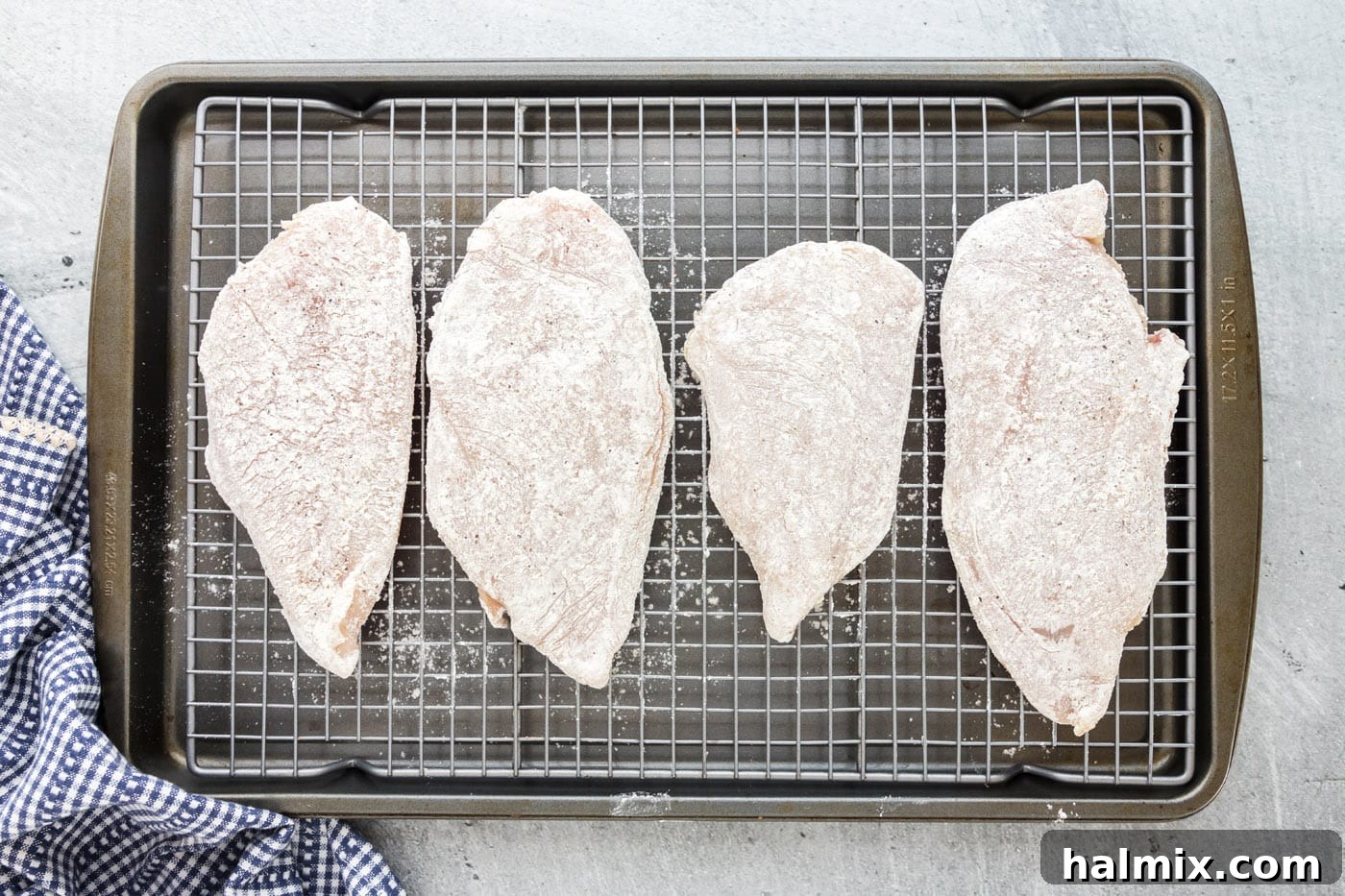
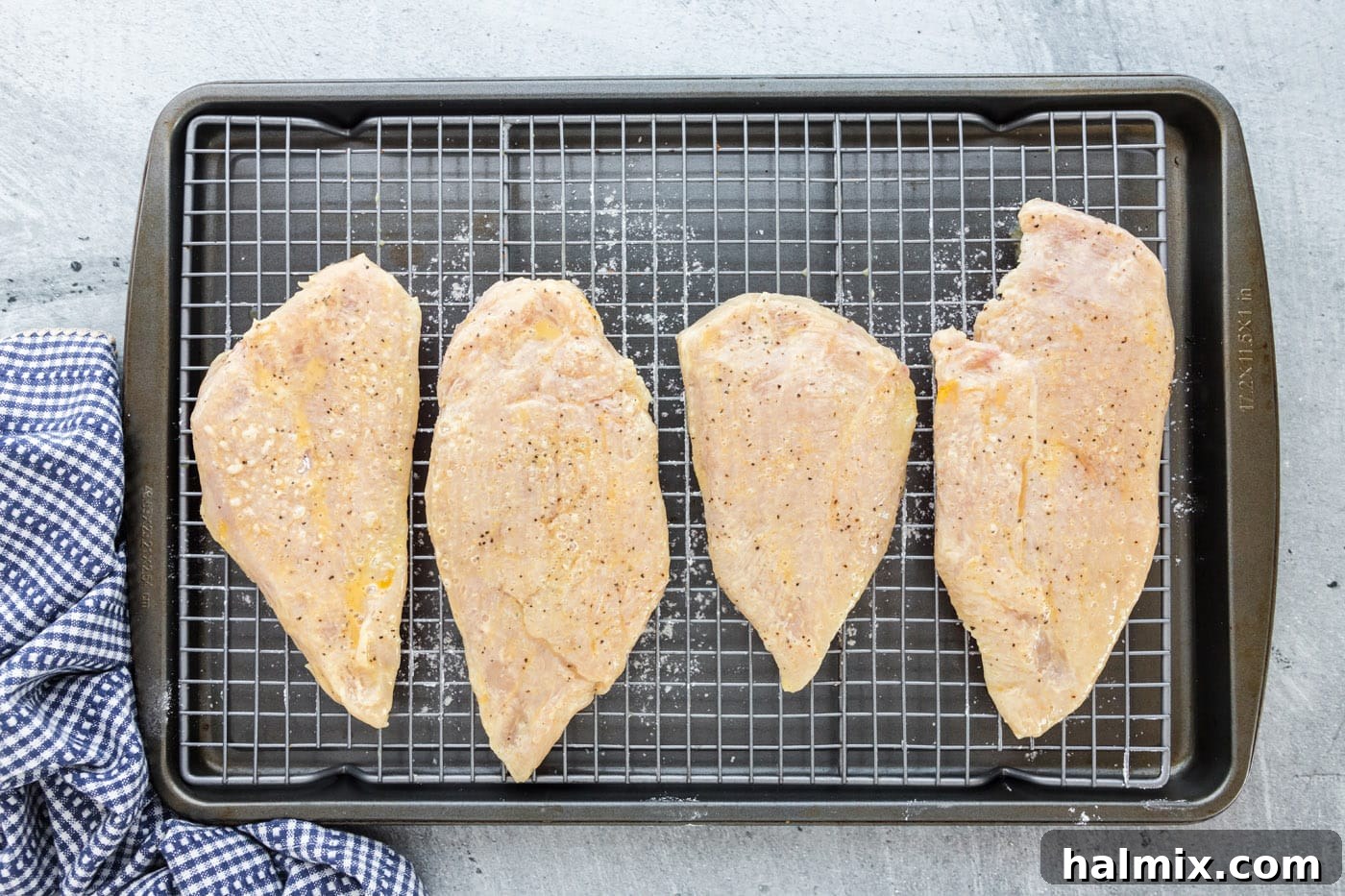
- Dredge in Flour Mixture: In a medium bowl, whisk together the all-purpose flour, garlic salt, and black pepper until well combined. This is your seasoned flour mixture. Take each pounded chicken breast and dredge it thoroughly in the flour mixture, ensuring it’s evenly coated on all sides. Gently shake off any excess flour.
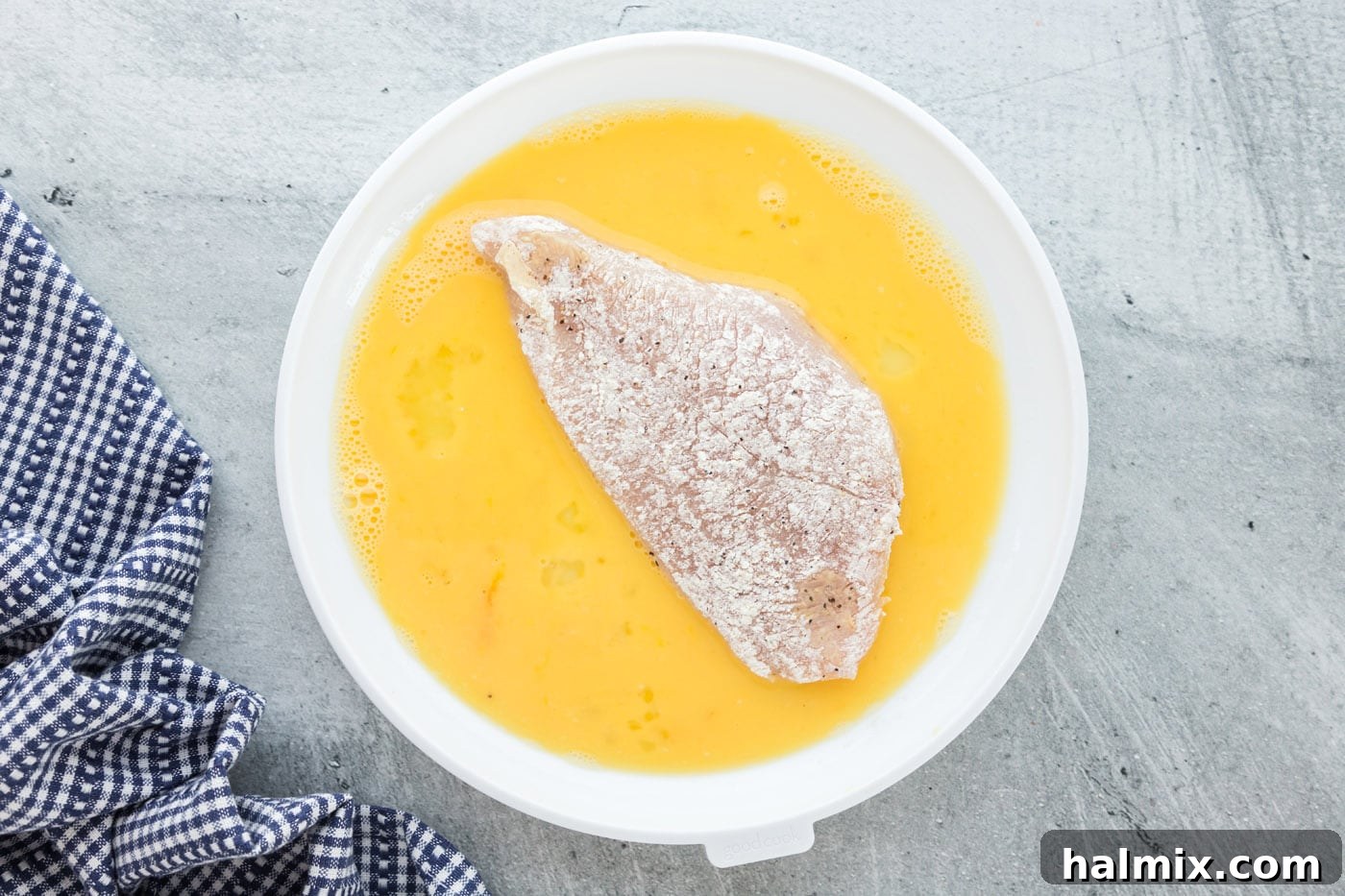
- Dip in Egg Wash: In a separate shallow dish or plate, whisk together the large eggs and water to create an egg wash. Once the chicken breasts are floured, dip each one into the egg mixture, allowing the excess to drip off. The chicken should be fully coated with the egg wash. This egg layer is crucial for achieving the signature Francese crust.
- Heat the Skillet: Heat the olive oil in a large skillet over medium-high heat. You know the oil is ready when it starts to shimmer slightly or when a tiny drop of water sizzles instantly upon contact. Don’t let it smoke.
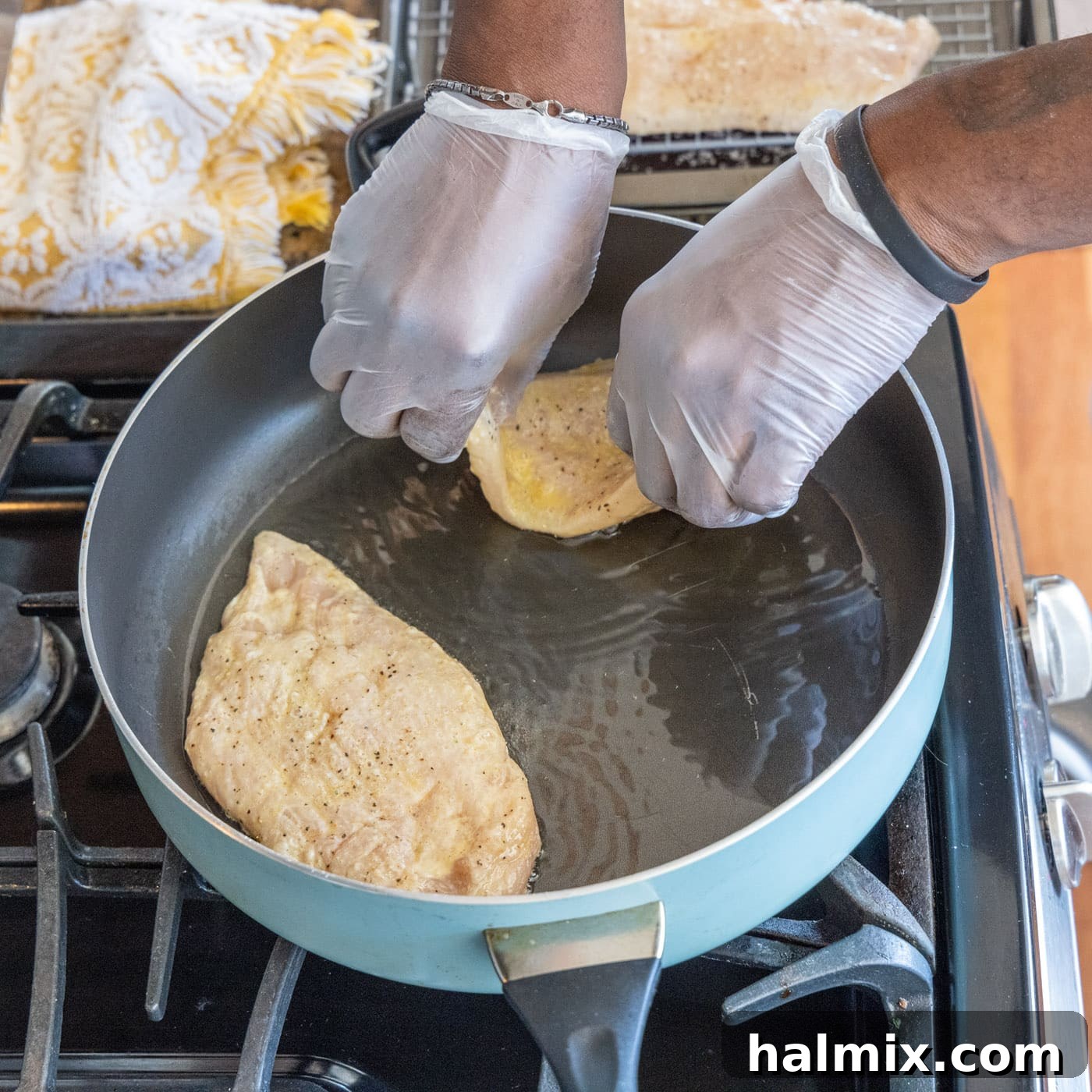
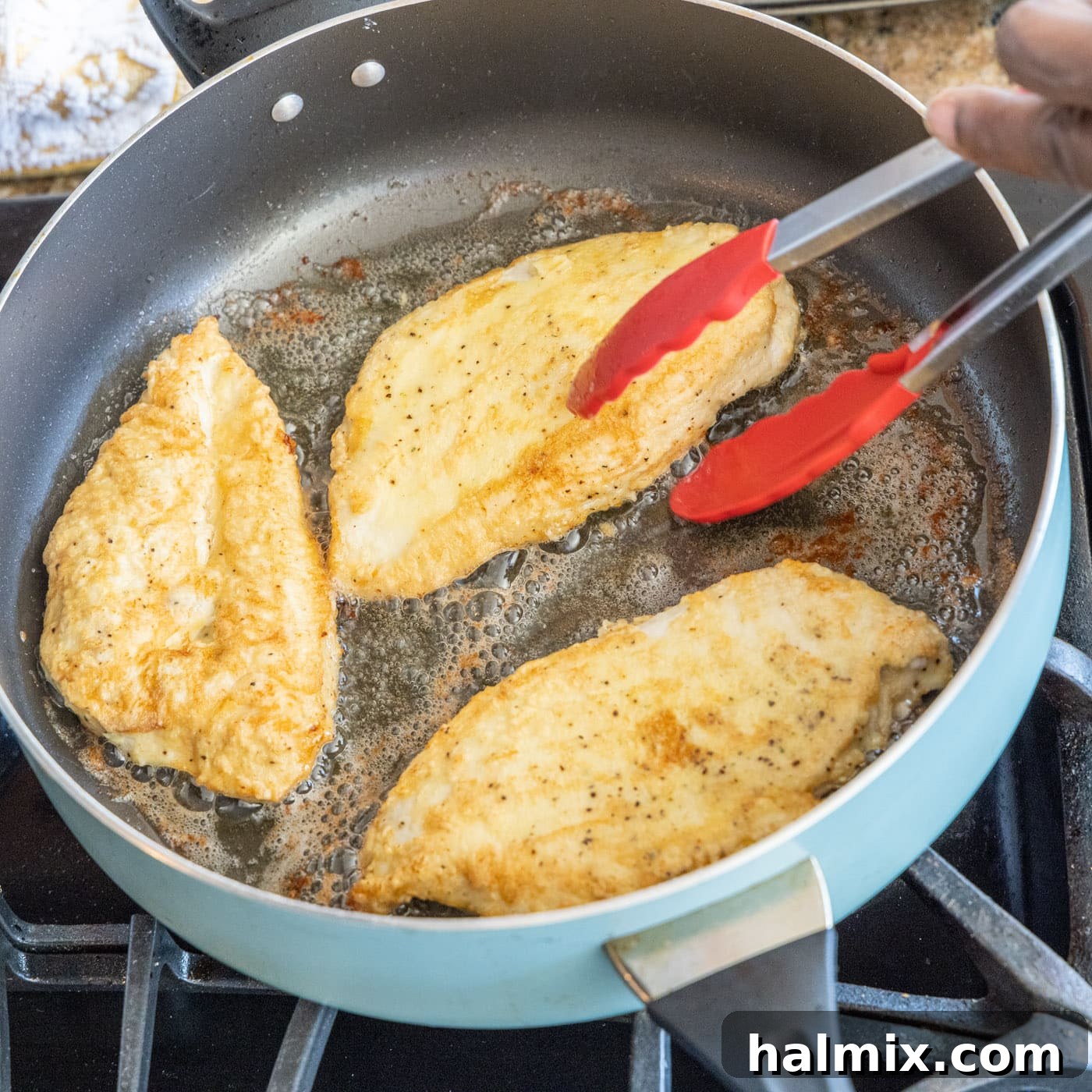
- Pan-Fry the Chicken: Carefully add the prepared chicken breasts to the hot oil. Avoid overcrowding the pan; cook in batches if necessary to ensure proper browning and even cooking. Cook each side for 2-3 minutes, or until golden brown and cooked through. The internal temperature should reach 165°F (74°C).
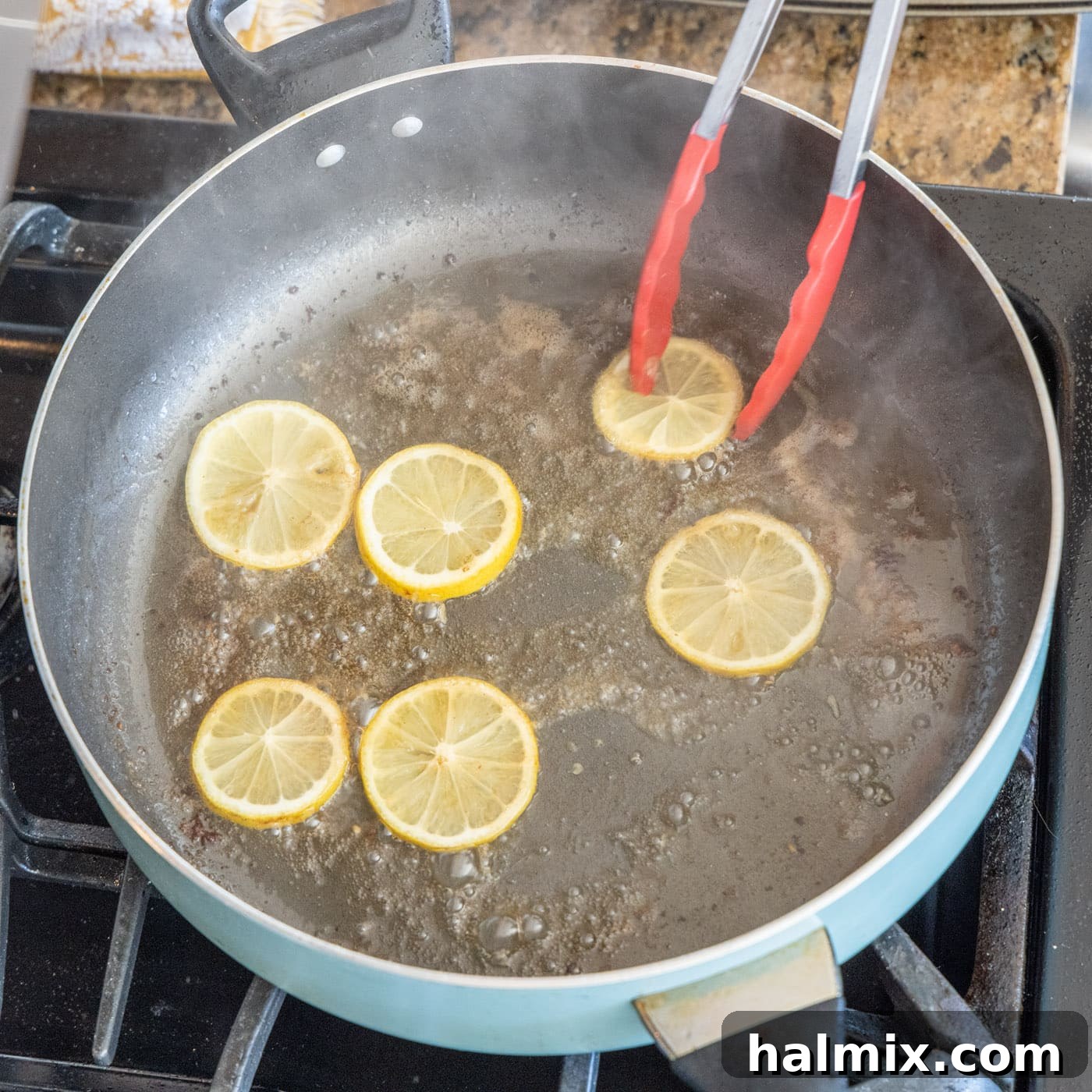
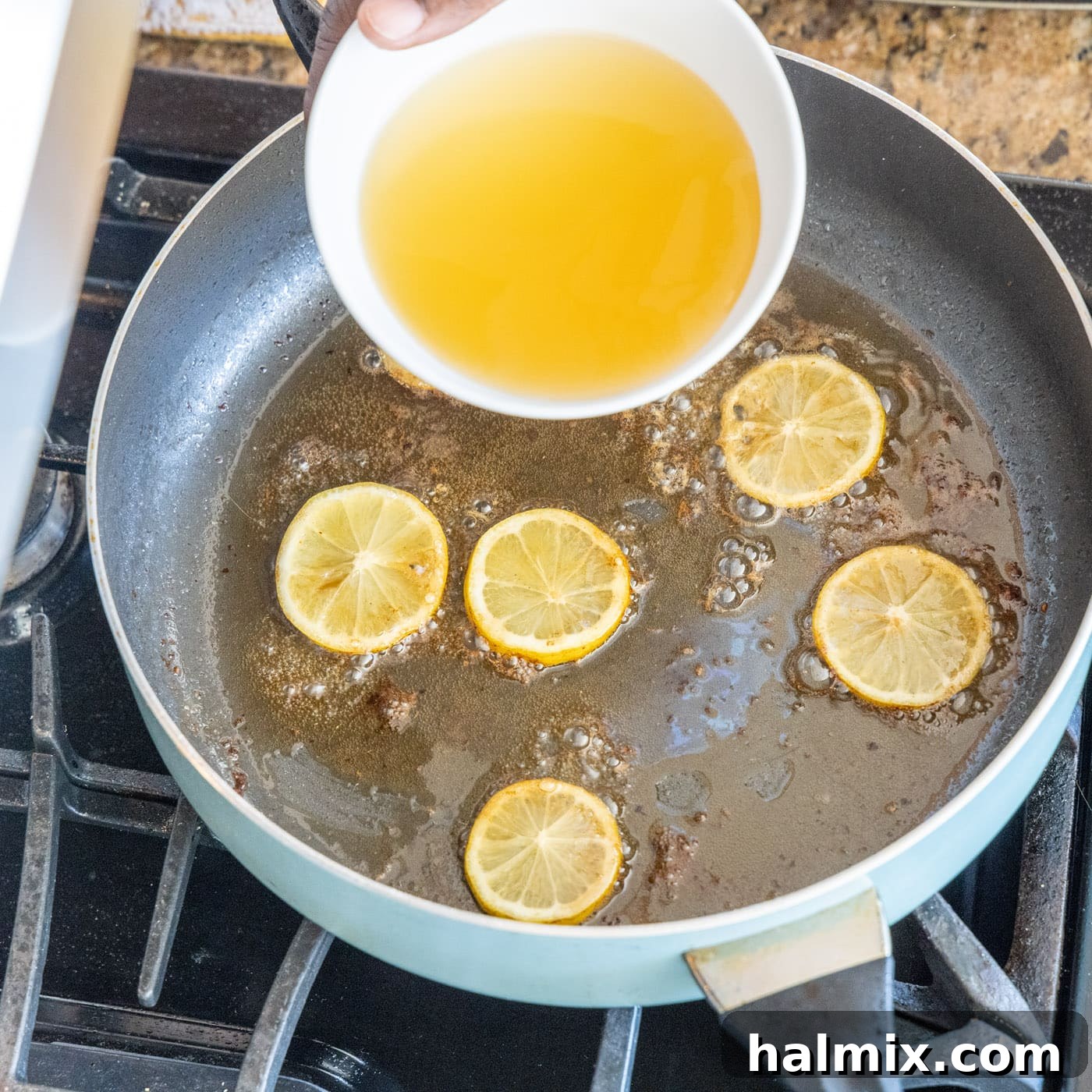
- Rest the Chicken and Sauté Lemons: Once cooked, remove the chicken breasts from the skillet and set them aside on a plate, lightly tented with foil to keep warm. Reduce the heat slightly if needed. Add the lemon slices to the remaining pan juices in the skillet. Cook them for about a minute or so per side, allowing them to slightly caramelize and release their fragrant oils.
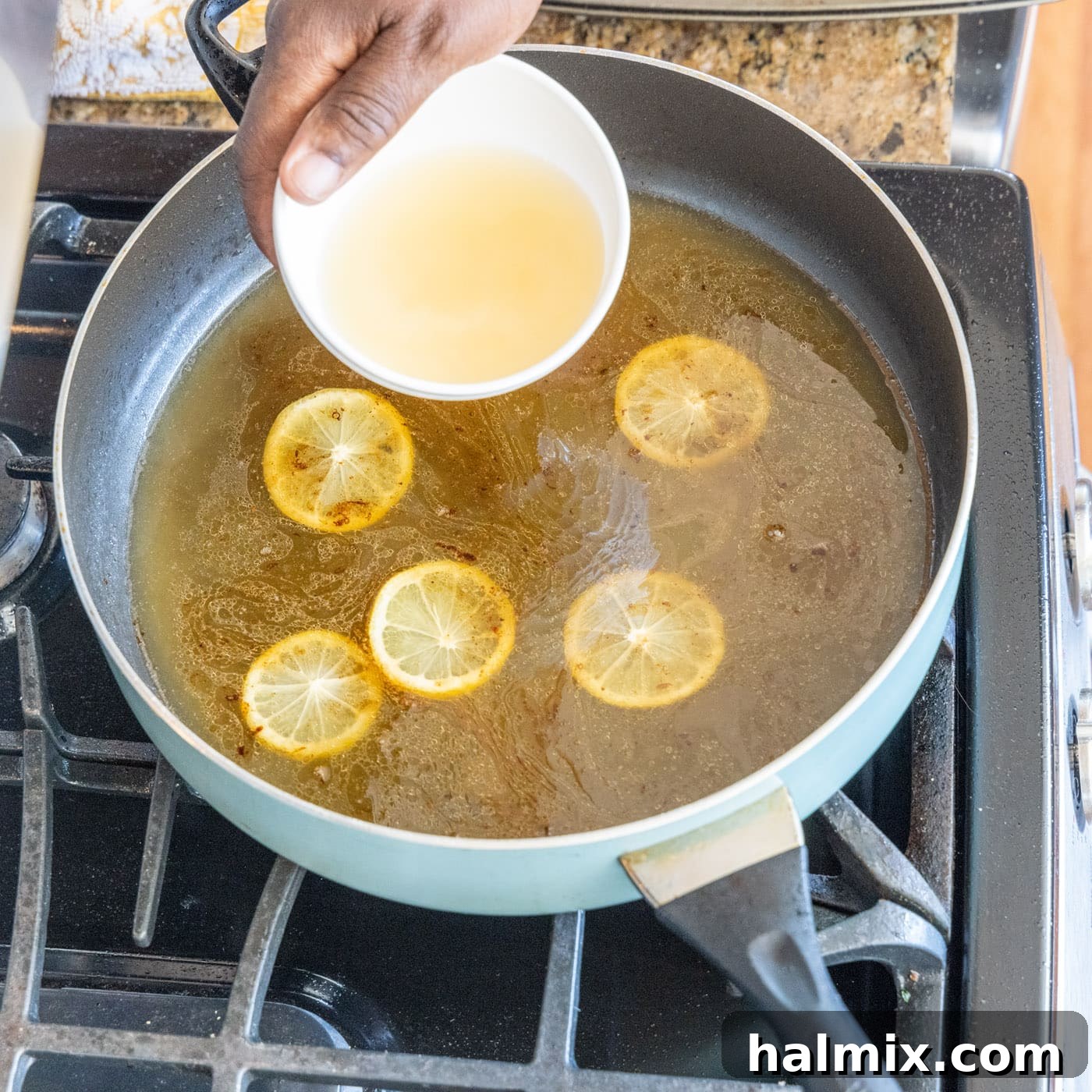
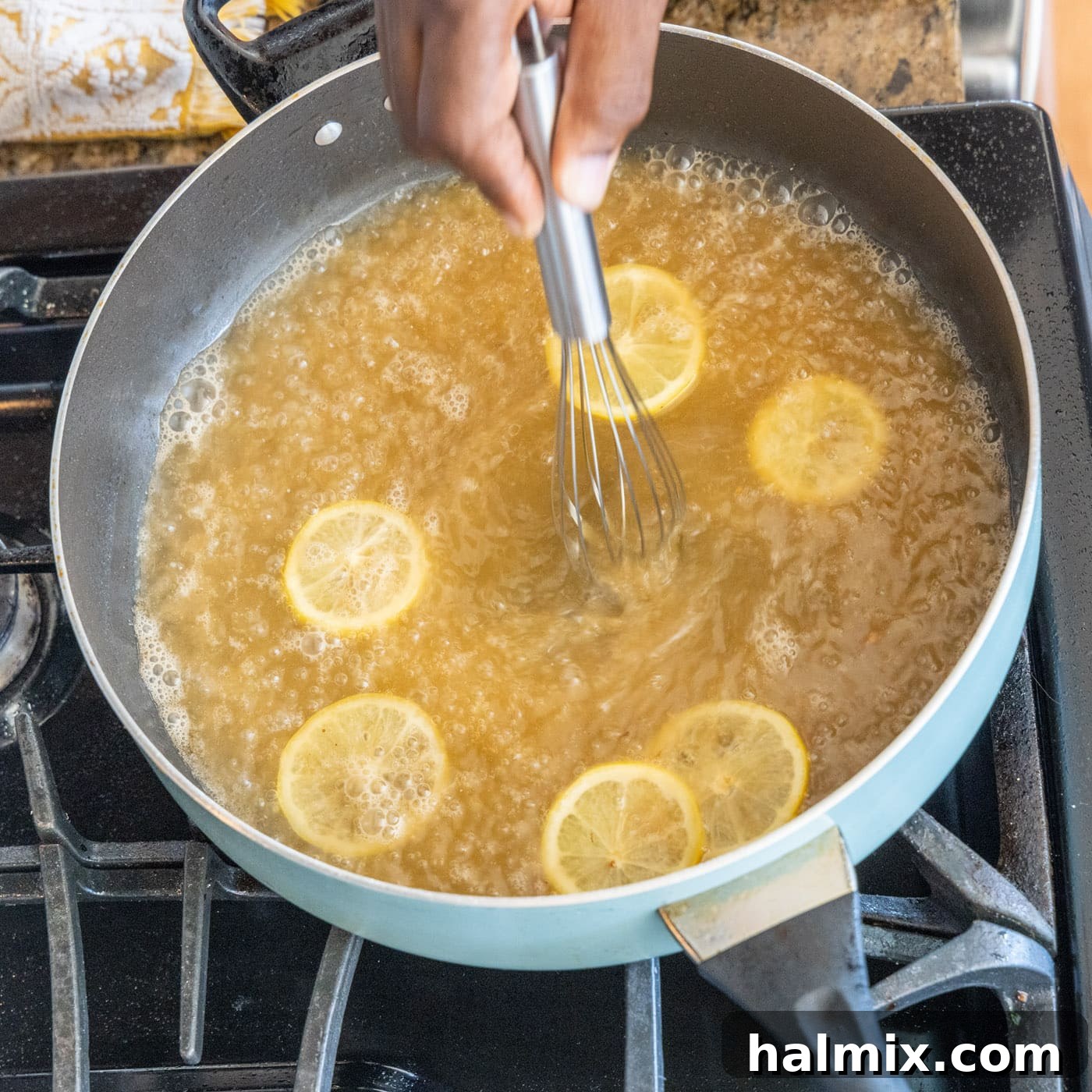
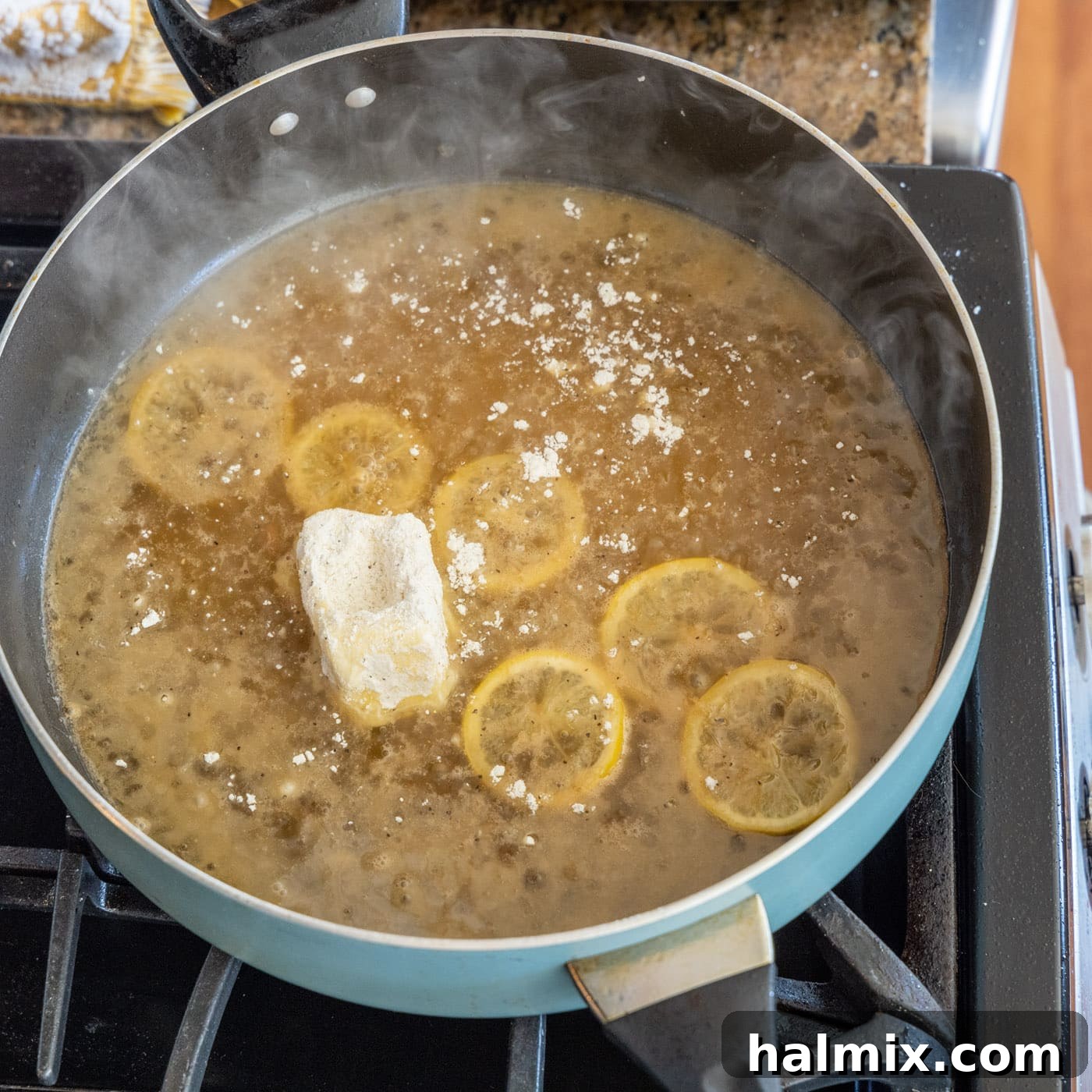
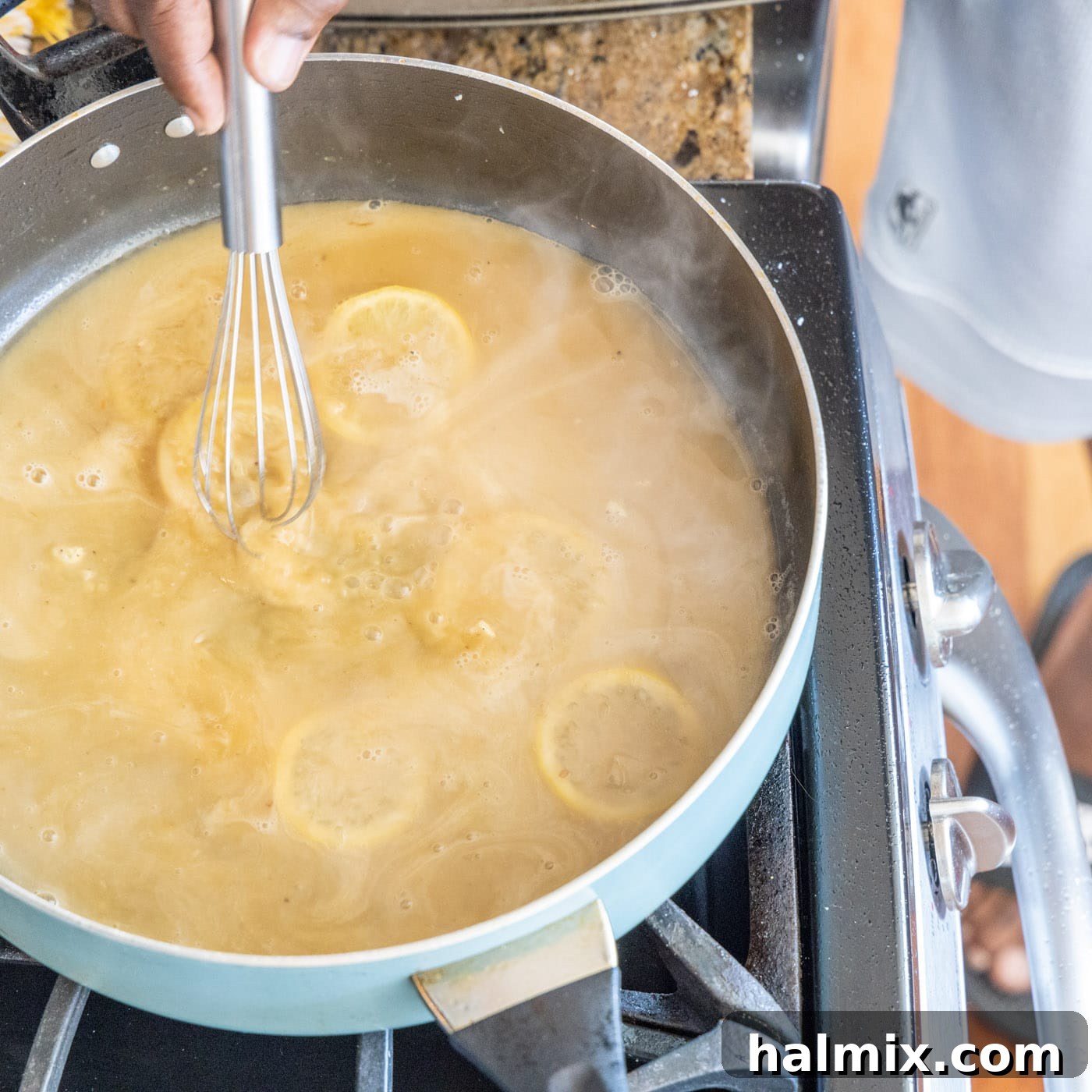
- Deglaze and Build the Sauce Base: To the skillet, add the lemon juice, chicken stock, and dry white wine. Bring the mixture to a boil, using a whisk to scrape up any browned bits (fond) from the bottom of the pan. These bits are packed with flavor and will enrich your sauce. Allow the mixture to boil for 3-4 minutes, reducing slightly and allowing the alcohol from the wine to cook off, leaving behind its wonderful essence.
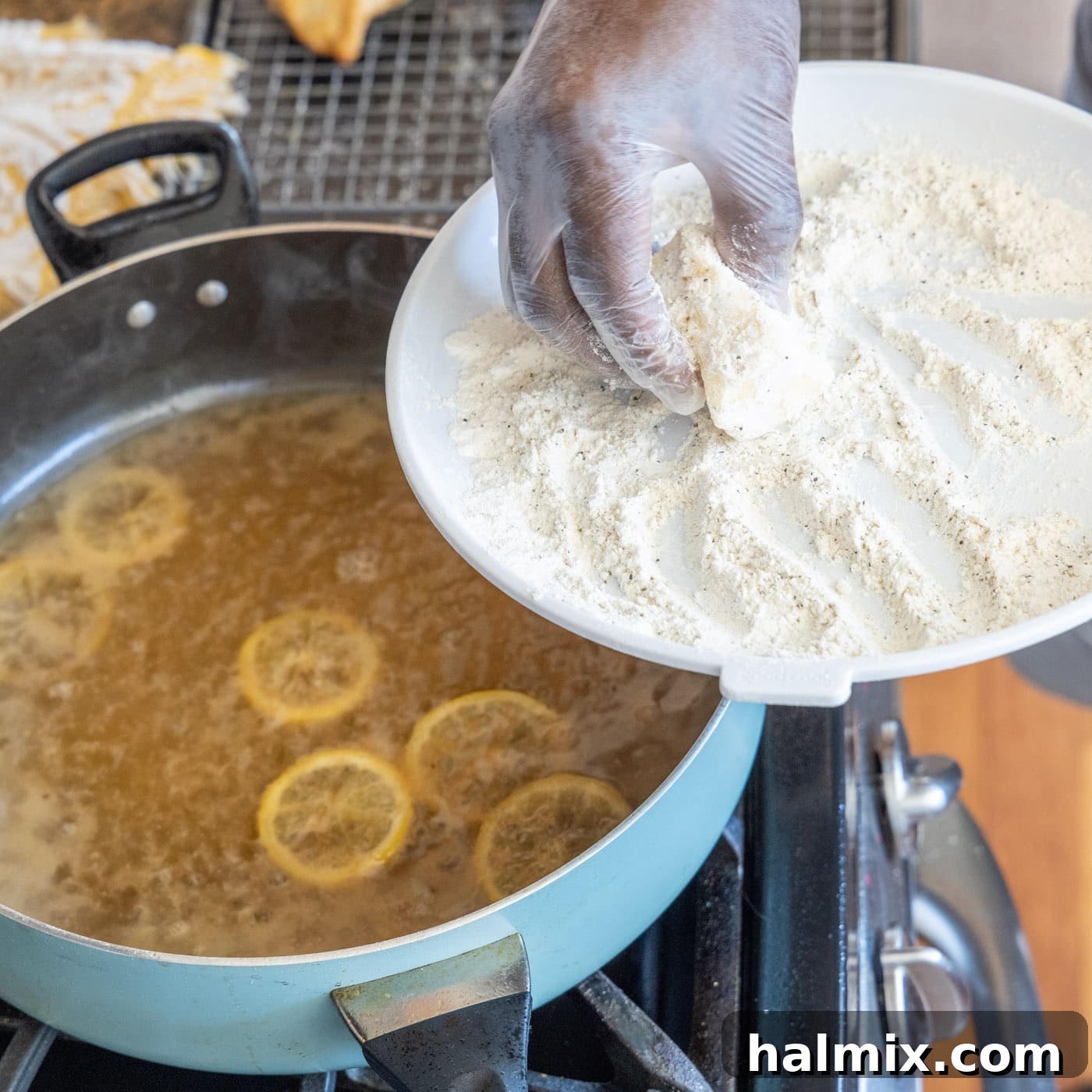
- Thicken the Sauce with Butter: Take the remaining flour mixture (from step 2) and place the butter into it, turning to coat the butter thoroughly. This creates a quick ‘beurre manié’ effect, helping to thicken the sauce. Add the flour-coated butter to the skillet with the simmering sauce. Allow it to melt down, stirring or whisking occasionally to combine the flour with the sauce. Continue to whisk and cook for 3-5 minutes, or until the sauce has thickened to your desired consistency – it should be glossy and able to coat the back of a spoon.
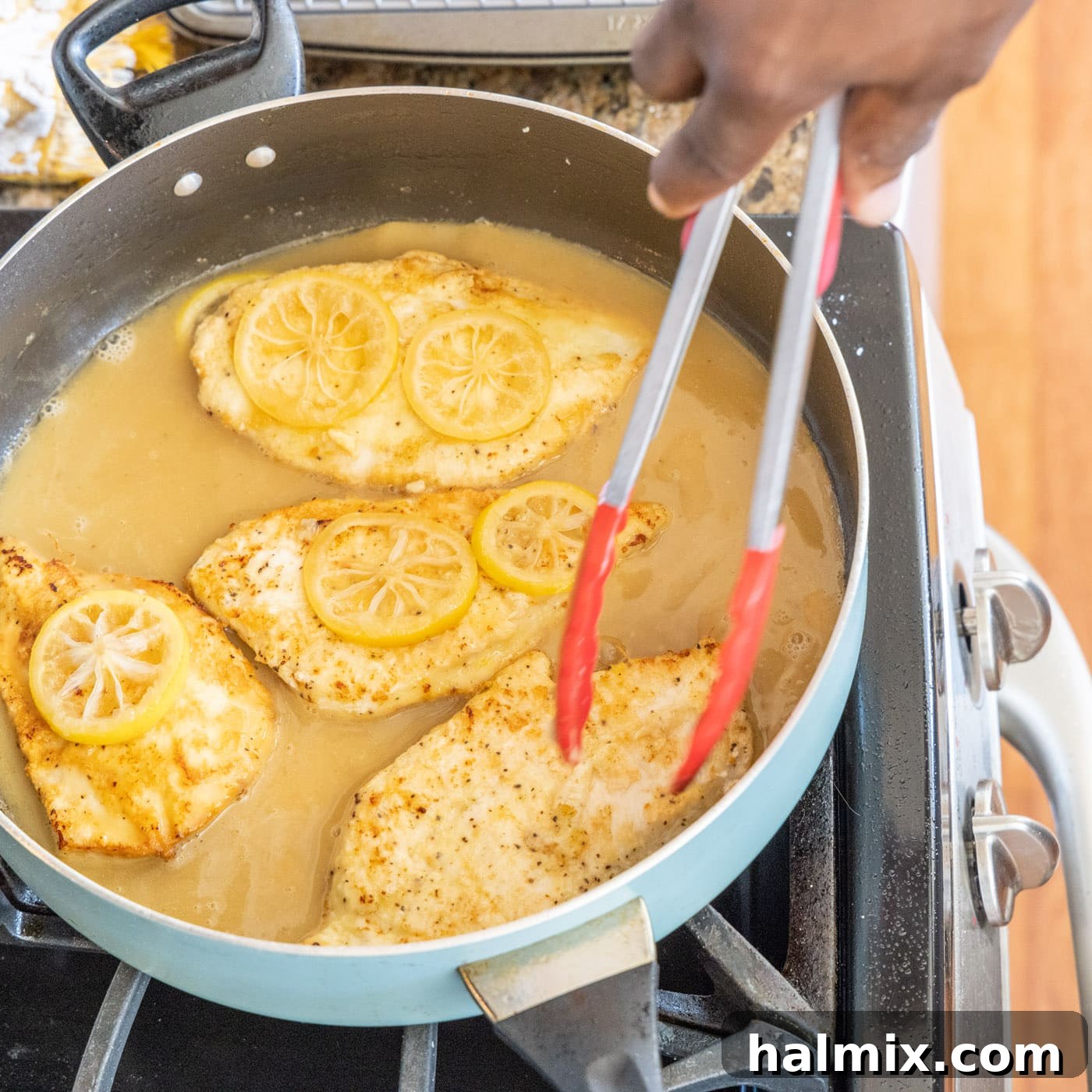
- Combine and Serve: Return the cooked chicken breasts to the thickened sauce in the skillet. Gently spoon the sauce over the chicken to coat. Heat through for about 2-3 minutes, allowing the chicken to absorb some of the sauce’s flavors and ensuring it’s piping hot before serving.
Frequently Asked Questions & Expert Tips for Success
Chicken is safely cooked when it reaches an internal temperature of 165°F (74°C). Always use an instant-read thermometer inserted into the thickest part of the chicken breast to ensure it’s fully cooked and safe to eat. Overcooking can lead to dry chicken, so keep an eye on that temperature!
Store leftover Chicken Francese in an airtight container in the refrigerator for 3-4 days. To reheat, gently warm it on the stovetop over medium-low heat, adding a splash of chicken broth or water if the sauce has thickened too much. You can also reheat it in the microwave, but the stovetop method yields better results for preserving the chicken’s tenderness and sauce’s texture.
While both are popular Italian-American chicken dishes featuring thin cutlets and lemon sauces, their primary differences lie in the coating and specific sauce components. Chicken Francese uses a two-step coating of flour then egg, resulting in a tender, almost custardy crust, and its sauce is a lemon-butter-white wine reduction. Chicken Piccata, on the other hand, typically uses only a flour dredge for a crispier coating, and its sauce is a lemon-butter caper sauce, often without white wine or with less prominence given to it. Both are delicious, but offer distinct flavor and texture experiences!
If your sauce is too thin, continue to simmer it gently, uncovered, to allow it to reduce and thicken naturally. For a quicker fix, you can mix a small amount (1-2 teaspoons) of cornstarch with an equal amount of cold water to create a slurry, then whisk it gradually into the simmering sauce until it reaches your desired consistency. If the sauce is too thick, simply whisk in a tablespoon or two of chicken stock, water, or white wine until it thins out to your liking.
Absolutely! To make this recipe gluten-free, simply substitute the all-purpose flour with a high-quality gluten-free all-purpose flour blend. Many blends are designed to behave very similarly to regular flour in recipes like this. Ensure that your chicken stock is also gluten-free if you have strict dietary requirements.
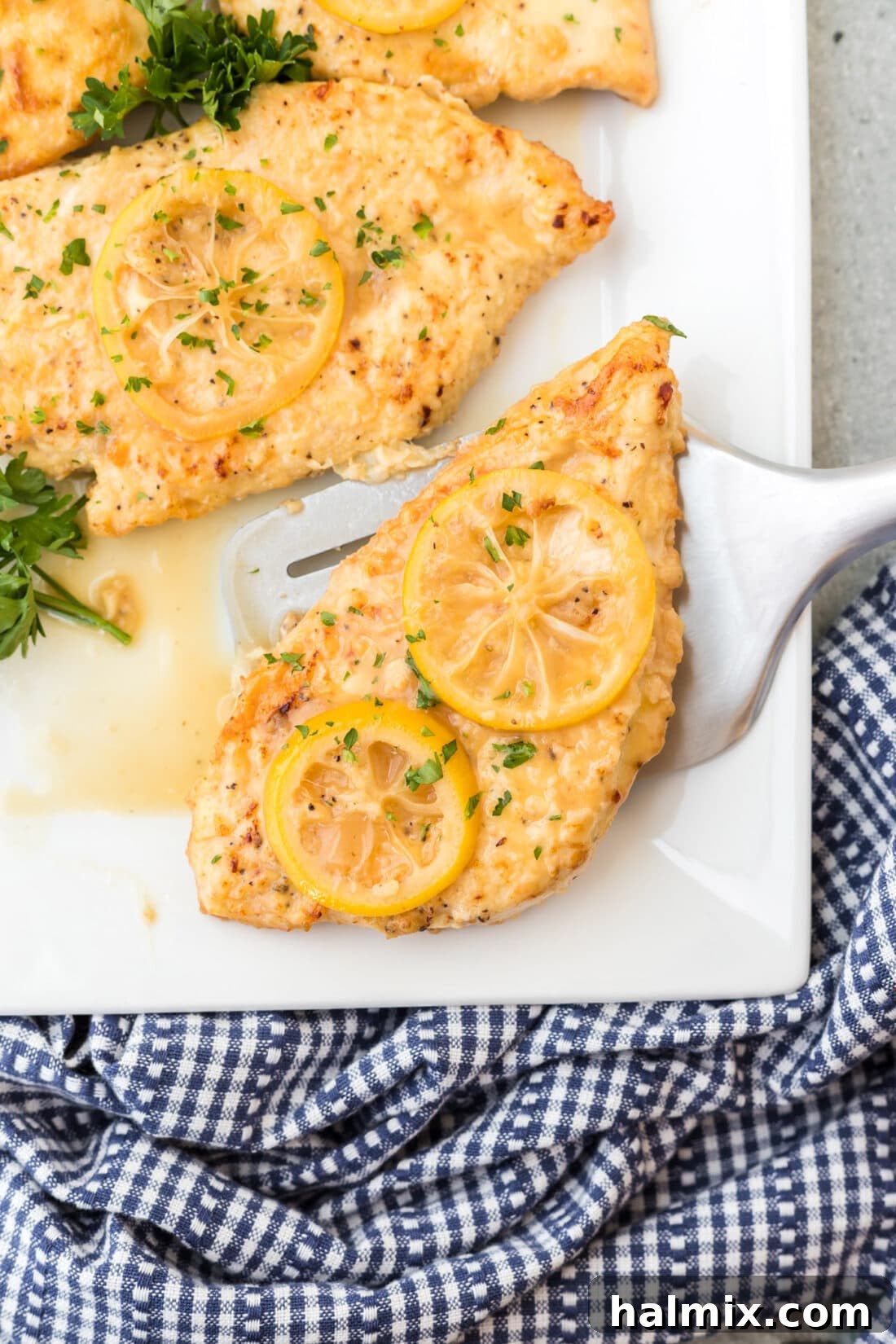
Delightful Serving Suggestions for Chicken Francese
Chicken Francese is incredibly versatile and pairs beautifully with a variety of side dishes, making it a perfect meal for any occasion. Its bright, zesty sauce complements both rich and light accompaniments.
For a truly satisfying meal, serve your Chicken Francese over a bed of al dente pasta, such as angel hair, linguine, or fettuccine, allowing the delicious lemon-butter sauce to coat every strand. Classic potato sides like creamy crockpot mashed potatoes or rich au gratin potatoes are also fantastic choices that soak up the vibrant sauce beautifully.
To add some freshness and balance, consider roasted or steamed vegetables like asparagus, green beans, or broccoli florets. A simple side salad with a light vinaigrette can also provide a refreshing counterpoint to the dish. For grain lovers, a delicate rice pilaf or couscous would be an excellent accompaniment. And don’t forget a crusty loaf of bread to sop up every last drop of that irresistible sauce!
Explore More Delicious Chicken Recipes
If you loved this Chicken Francese recipe, you’ll surely enjoy exploring our other fantastic chicken dishes:
- Garlic Chicken with Parsley
- Chicken Marsala
- Marry Me Chicken
- Chicken Cacciatore
- Pretzel Chicken with Honey Mustard Dressing
- Lemon Chicken
I love to bake and cook and share my kitchen experience with all of you! Remembering to come back each day can be tough, that’s why I offer a convenient newsletter every time a new recipe posts. Simply subscribe and start receiving your free daily recipes!
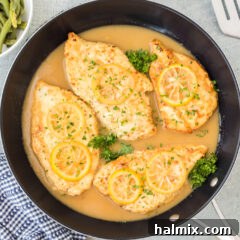
Chicken Francese
IMPORTANT – There are often Frequently Asked Questions within the blog post that you may find helpful. Simply scroll back up to read them!
Print It
Pin It
Rate It
Save It
Saved!
Ingredients
- 1 ½ pounds boneless skinless chicken breasts about 4 breasts
- ½ cup all-purpose flour
- ½ Tablespoon garlic salt
- 1 teaspoon black pepper
- 2 large eggs
- 1 Tablespoon water
- ½ cup olive oil
- 8 lemon slices
- ½ cup lemon juice about 2 1/2 lemons worth of juice
- 2 cups chicken stock
- ½ cup dry white wine such as chardonnay
- 3 Tablespoons butter
Things You’ll Need
-
Large skillet
-
Meat mallet
-
Vinyl gloves
Before You Begin
- Pounding the chicken to an even thickness allows the chicken to cook evenly and quickly, ensuring tender and juicy results.
- This is a vibrant lemony dish. If you prefer a more subtle lemon flavor, you can replace a portion of the lemon juice in the recipe with an equal amount of chicken stock.
- Chicken is fully cooked and safe to eat when it reaches an internal temperature of 165°F (74°C) as measured with an instant-read thermometer.
- Store leftover Chicken Francese in an airtight container in the refrigerator for 3-4 days. Reheat gently on the stovetop for best results.
Instructions
-
Cover chicken breasts with plastic wrap or waxed paper and pound to an even thickness, about 3/4-inch.
-
In a medium bowl, whisk together flour, garlic salt, and pepper. Dredge each chicken breast in flour mixture, shaking off excess.
-
Whisk together eggs and water and place in a shallow dish or plate. Dip each dredged chicken breast in the egg mixture, allowing excess to drip off.
-
In a large skillet, heat olive oil over medium-high heat until shimmering.
-
Add chicken breasts to the hot oil (in batches if necessary) and cook for 2-3 minutes per side, or until golden brown and cooked through (165°F).
-
Remove chicken and set aside to keep warm. Add lemon slices to the pan juices and cook for a minute or so per side.
-
Add lemon juice, chicken stock, and white wine to the skillet. Bring to a boil, whisking occasionally to loosen brown bits. Cook for 3-4 minutes to reduce slightly and cook off wine.
-
Place butter in the remaining flour mixture and turn to coat. Add flour-covered butter to the skillet and allow to melt down, stirring occasionally to combine with sauce. Whisk and cook for 3-5 minutes, or until sauce thickens to a glossy consistency.
-
Add chicken back to the sauce in the skillet and heat through for about 2-3 minutes, ensuring chicken is well coated and warm. Serve immediately.
Nutrition
The recipes on this blog are tested with a conventional gas oven and gas stovetop. It’s important to note that some ovens, especially as they age, can cook and bake inconsistently. Using an inexpensive oven thermometer can assure you that your oven is truly heating to the proper temperature. If you use a toaster oven or countertop oven, please keep in mind that they may not distribute heat the same as a conventional full sized oven and you may need to adjust your cooking/baking times. In the case of recipes made with a pressure cooker, air fryer, slow cooker, or other appliance, a link to the appliances we use is listed within each respective recipe. For baking recipes where measurements are given by weight, please note that results may not be the same if cups are used instead, and we can’t guarantee success with that method.