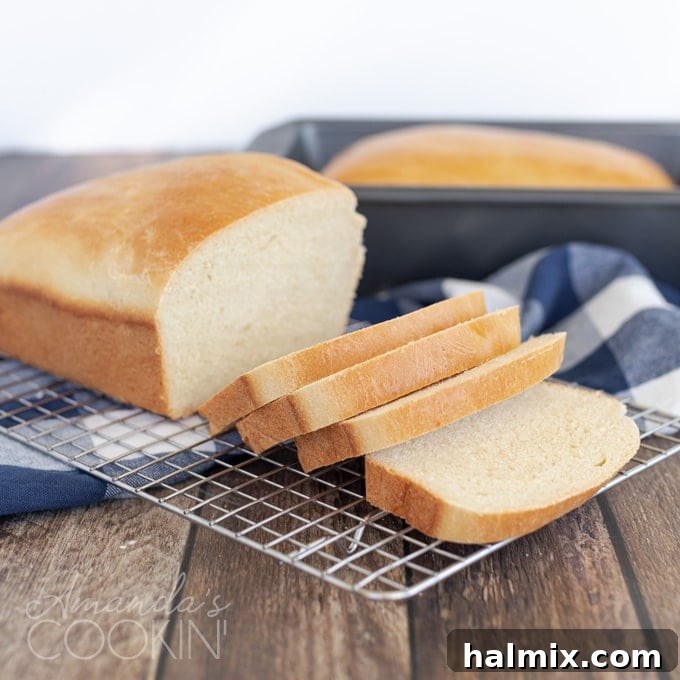
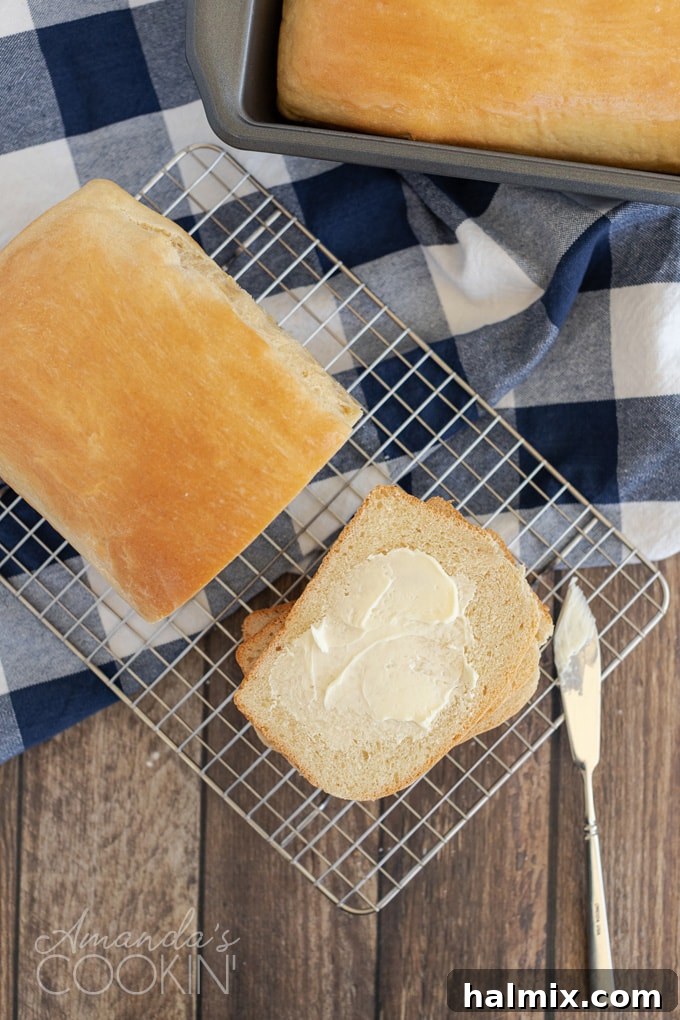
There’s an unparalleled joy that comes from baking bread at home, and this Homemade Amish White Bread recipe delivers exactly that. With its wonderfully soft texture, delicate crumb, and subtle sweetness, this bread is a true staple that transforms everyday meals into something special. Perfect for hearty sandwiches on day one, it quickly becomes the star of your breakfast or brunch table as French toast, grilled cheese, or simply toasted and slathered with butter on the following days. It’s more than just a recipe; it’s an absolute keeper that brings comfort and a delicious aroma to your kitchen.
The Irresistible Charm of Homemade Amish White Bread
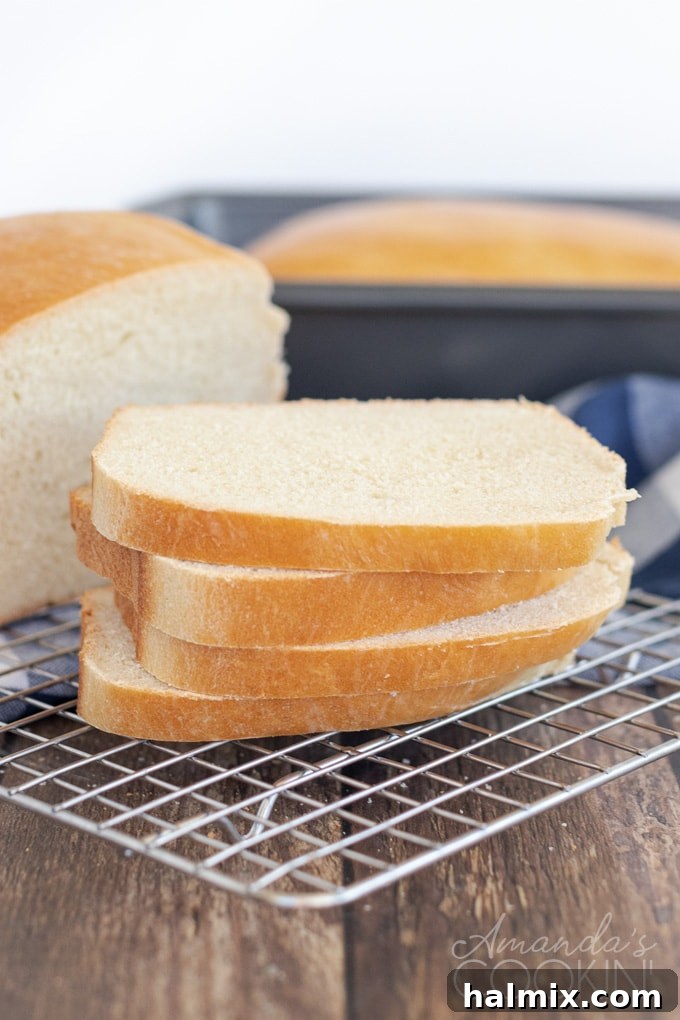
Imagine the warm, inviting scent of freshly baked bread wafting through your home. That’s the experience you get with this Amish White Bread. Renowned for its incredibly tender crumb and slightly sweet flavor, it’s a versatile loaf that far surpasses anything you can buy from a store. This recipe yields two generous loaves, making it perfect for feeding a family or ensuring you have plenty for various uses throughout the week. I often plan to bake this bread on days we’re enjoying comforting dishes like crockpot roast beef or beef stew, providing the perfect warm accompaniment to a cozy dinner. The second loaf is then reserved for the endless possibilities of breakfast, lunch, or even dessert.
From simple toast and butter to elaborate bread puddings, this Amish White Bread is designed for versatility. Its soft texture holds up beautifully in sandwiches, yet transforms into a custardy delight when soaked for French toast. There’s a reason this classic recipe has been passed down through generations – it’s truly a testament to the simple pleasures of traditional baking.
Key Ingredients You’ll Need
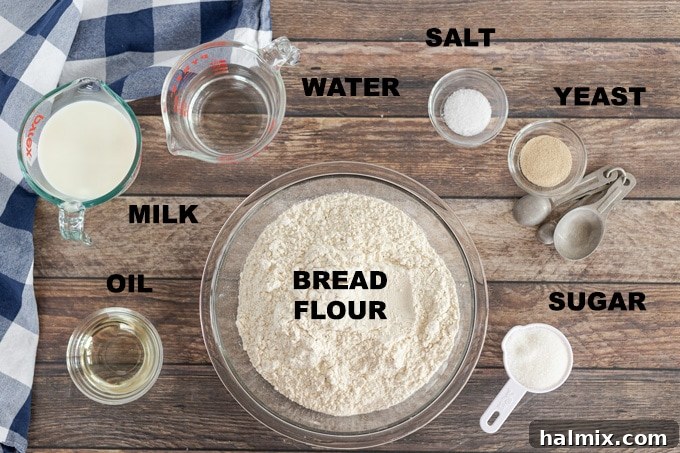
One of the beauties of Amish White Bread is its reliance on simple, wholesome ingredients you likely already have in your pantry. No fancy flours or obscure additives here, just the basics combined to create something extraordinary. The warmth of the water and milk is crucial for activating the yeast, ensuring a beautiful rise and a light, airy loaf. The sugar not only adds a touch of sweetness but also feeds the yeast, contributing to its activity, while the oil helps keep the bread moist and tender.
- 1 cup warm water (110 degrees F)
- 1 cup warm milk (110 degrees F)
- 1 1/2 teaspoon salt
- 1/3 cup sugar
- 1/4 cup vegetable oil
- 1 1/2 tablespoons active dry yeast (equivalent to 2 standard envelopes)
- 6 cups bread flour
Recommended Kitchen Tools
While you can certainly make this bread by hand, a few key tools can make the process smoother and more enjoyable. A stand mixer with a dough hook, for instance, takes the hard work out of kneading, allowing you to achieve perfectly smooth and elastic dough with minimal effort. Accurate measuring tools are also essential for consistent results every time you bake.
- Stand mixer with dough hook
- Liquid measuring cup
- Large mixing bowls
- Measuring cups and spoons
- Bread knife
- 2 standard 9×5-inch loaf pans
- Wire cooling racks
Expert Tips for Baking Your Best Loaves
Baking bread is a craft, and a few simple tips can elevate your homemade Amish White Bread from good to absolutely fantastic. Paying attention to these details will ensure you achieve that perfectly soft crust and tender interior every time.
- Perfect Temperature is Key for Yeast: When working with yeast, precision matters. Ensure your warm water and milk are between 105-115 degrees F (40-46 degrees C). Temperatures that are too cold won’t activate the yeast, while excessively hot temperatures can kill it, leading to a dough that won’t rise. An instant-read thermometer is your best friend here.
- The Art of Kneading: Whether by hand or with a stand mixer, proper kneading develops the gluten in the flour, which is what gives bread its structure and chewiness. Knead until the dough is smooth, elastic, and no longer sticky. It should spring back when gently poked. If kneading by hand, this usually takes about 10-15 minutes; with a stand mixer, 5-7 minutes is often sufficient.
- A Calm Place for Rising: Yeast dough loves a warm, draft-free environment to rise. Cover your bowl with a clean kitchen towel or plastic wrap to prevent the dough from drying out. Good spots include a slightly warm oven (turned off, with the light on), a sunny windowsill, or even near a radiator in cooler weather.
- Don’t Rush the Cool-Down: Patience is crucial after baking. For the best sandwich bread, allow the loaves to cool completely on a wire rack before slicing. Slicing warm bread can compress the crumb, making it gummy and less appealing. Cooling allows the internal structure to set and steam to escape, resulting in a perfect texture.
- Versatility is its Superpower: While wonderful for sandwiches on day one, this bread truly shines in other roles on day two or three. Its slightly denser texture (after a day or two) makes it ideal for absorbing liquids without falling apart, making it perfect for homemade croutons, bread pudding, or a truly decadent French toast.
- The Secret to a Soft Crust: For an extra soft and golden crust, brush the tops of your hot loaves with a little melted butter immediately after removing them from the oven and pans. The butter soaks in, keeping the crust pliable and flavorful.
Step-by-Step: How to Make Homemade Amish White Bread
Follow these detailed instructions to create two delicious loaves of Amish White Bread that will become a new favorite in your home.
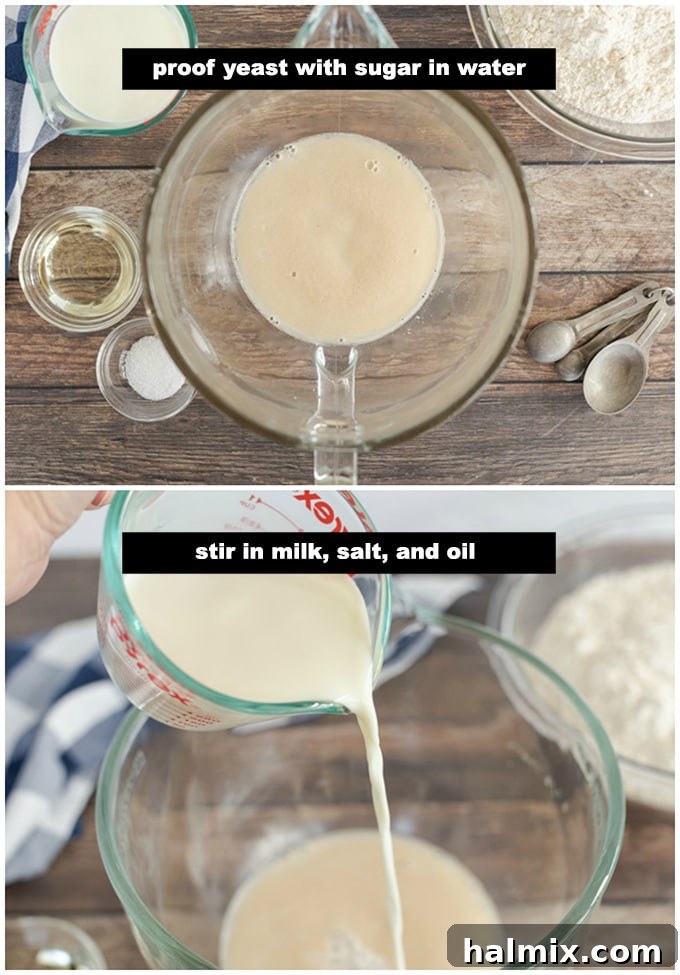
- Activate the Yeast: In a large mixing bowl, combine the warm water (110°F) and sugar. Stir until the sugar dissolves. Sprinkle the active dry yeast over the top of the water. Let it sit for 5-10 minutes. You’ll know the yeast is active when it becomes frothy and resembles a creamy foam on the surface. If it doesn’t foam, your water might have been too hot or too cold, or your yeast may be old, and you should start over with fresh yeast.
- Combine Wet Ingredients: Once your yeast is beautifully proofed, stir in the warm milk (110°F), salt, and vegetable oil into the yeast mixture. Mix well to ensure everything is evenly distributed.
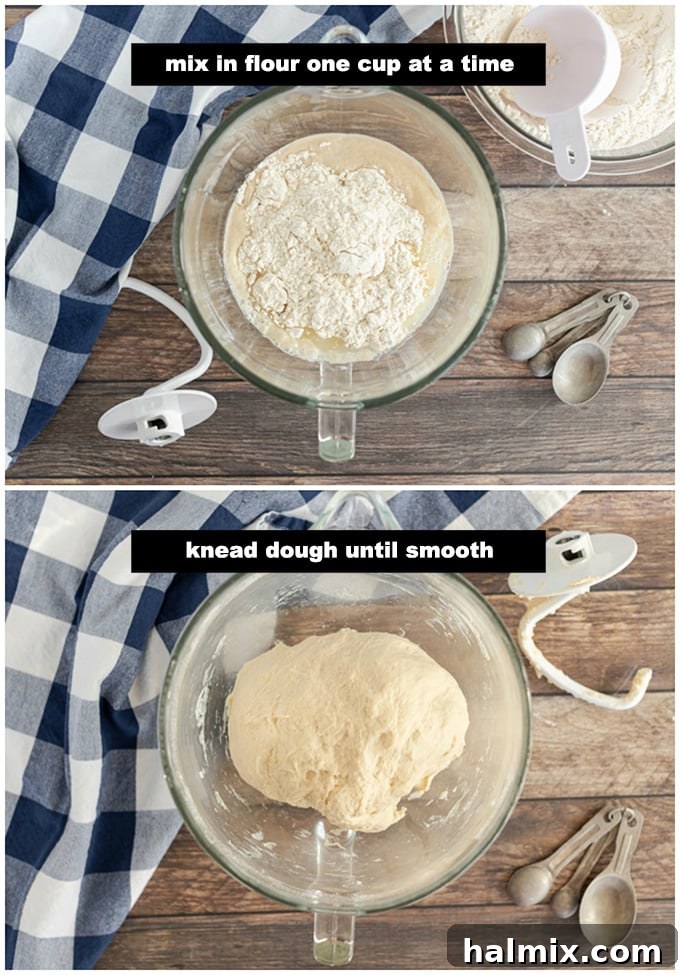
- Add Flour and Knead: Gradually add the bread flour to the wet mixture, one cup at a time, mixing after each addition. If using a stand mixer, attach the dough hook and mix on low speed. If mixing by hand, use a sturdy wooden spoon. Once all the flour is incorporated, continue to knead the dough until it is smooth, elastic, and no longer sticky. This should take about 5-7 minutes in a stand mixer or 10-15 minutes by hand. The dough should pull away from the sides of the bowl cleanly.
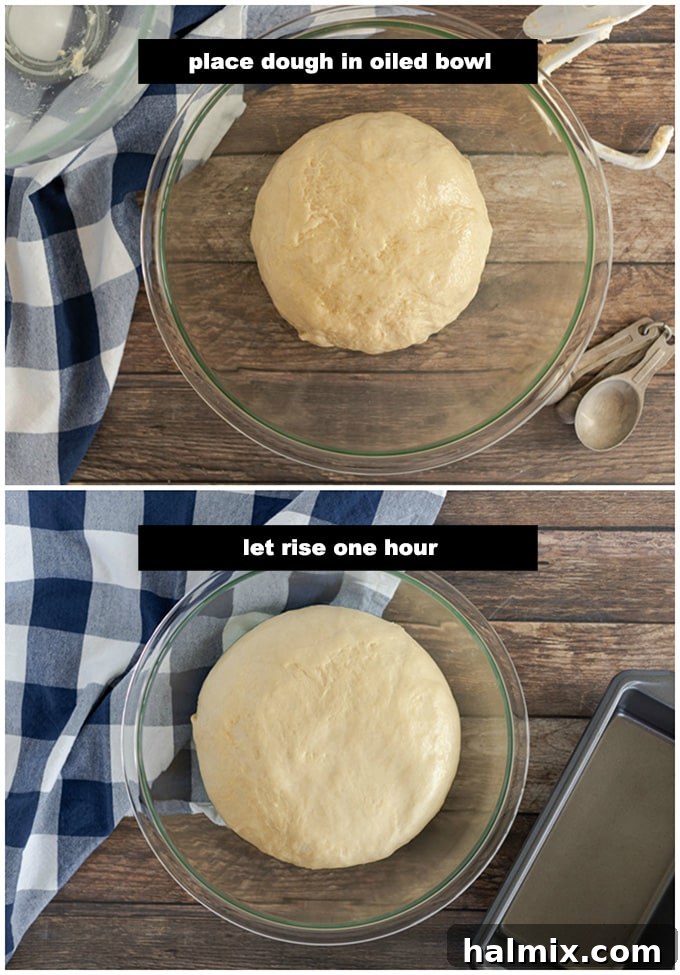
- First Rise (Bulk Fermentation): Lightly oil a clean large bowl. Place the kneaded dough into the bowl, turning it once to ensure the top is lightly coated with oil (this prevents it from drying out). Cover the bowl with a clean kitchen towel or plastic wrap. Let the dough rise in a warm, draft-free place for about 1 hour, or until it has roughly doubled in size. This is a critical step where the yeast works its magic, creating air pockets that give the bread its light texture.
- Shape the Loaves: Once the dough has risen, gently punch it down to release the air. Turn it out onto a lightly floured surface and knead it a few times to redistribute the yeast and strengthen the gluten. Divide the dough into two equal halves. Shape each half into a loaf. For a classic loaf shape, gently flatten the dough into a rectangle, then roll it tightly from one long side to the other, pinching the seam closed at the bottom. Tuck the ends under.
- Second Rise (Proofing): Grease two 9×5-inch loaf pans. Place each shaped dough loaf into a prepared pan. Cover the pans again with a clean towel and let them rise in a warm, draft-free spot for another 30 minutes, or until the dough has risen about 1 inch above the top of the pans. This second rise creates the final texture and volume of your baked bread.
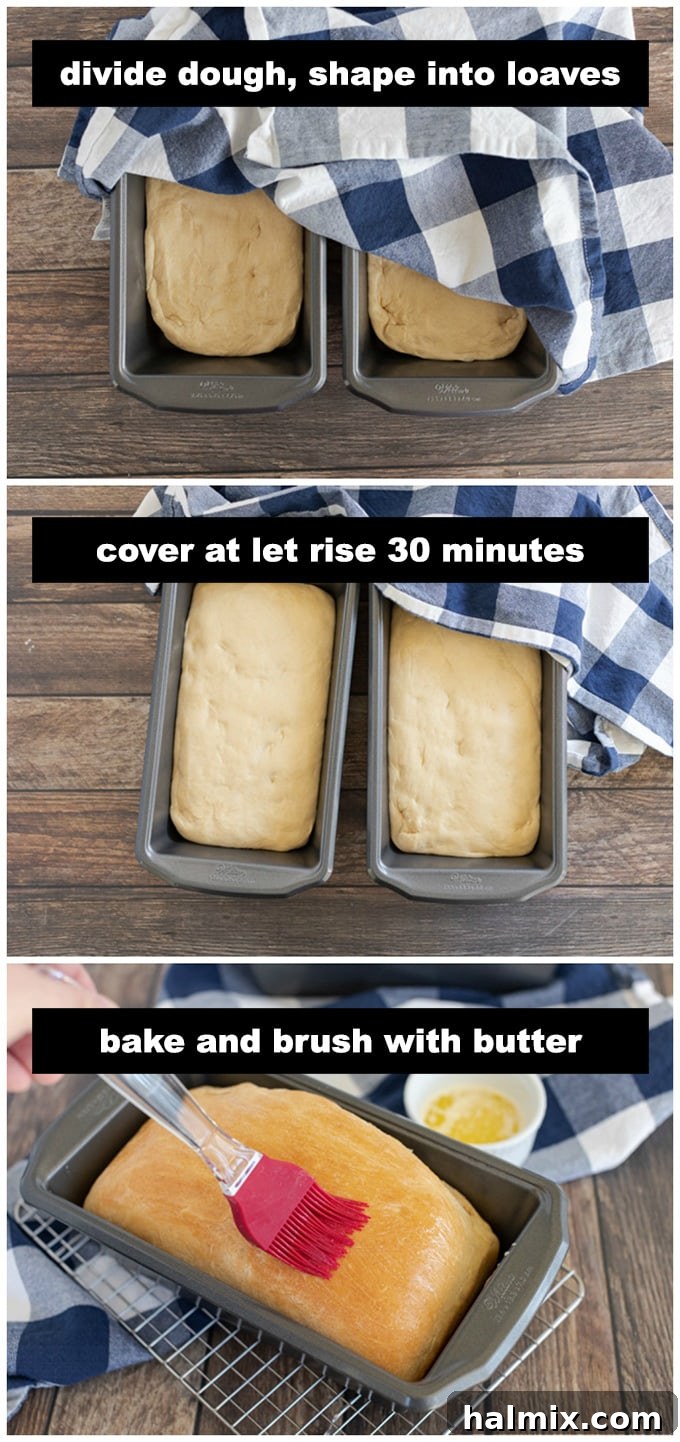
- Bake and Finish: Preheat your oven to 350 degrees F (175 degrees C). Bake the loaves for 30 minutes, or until they are golden brown on top and sound hollow when tapped on the bottom. Immediately remove the loaves from their pans after baking and place them on a wire cooling rack. While still hot, brush the tops of the loaves with a little melted butter. This simple step helps keep the crust wonderfully soft and adds a lovely sheen. Allow the bread to cool completely before slicing for best results.
There’s truly nothing quite like the experience of fresh-baked bread. The aroma that fills your kitchen, the warmth of the loaf in your hands, and the satisfaction of creating something so wholesome from scratch – it’s comforting, nostalgic, and a truly wonderful way to round out any day or meal!
Creative Ways to Enjoy This Versatile Bread
Once you’ve mastered this recipe, you’ll find endless opportunities to savor your homemade Amish White Bread. Its soft texture and mild flavor make it a fantastic foundation for a wide range of culinary creations.
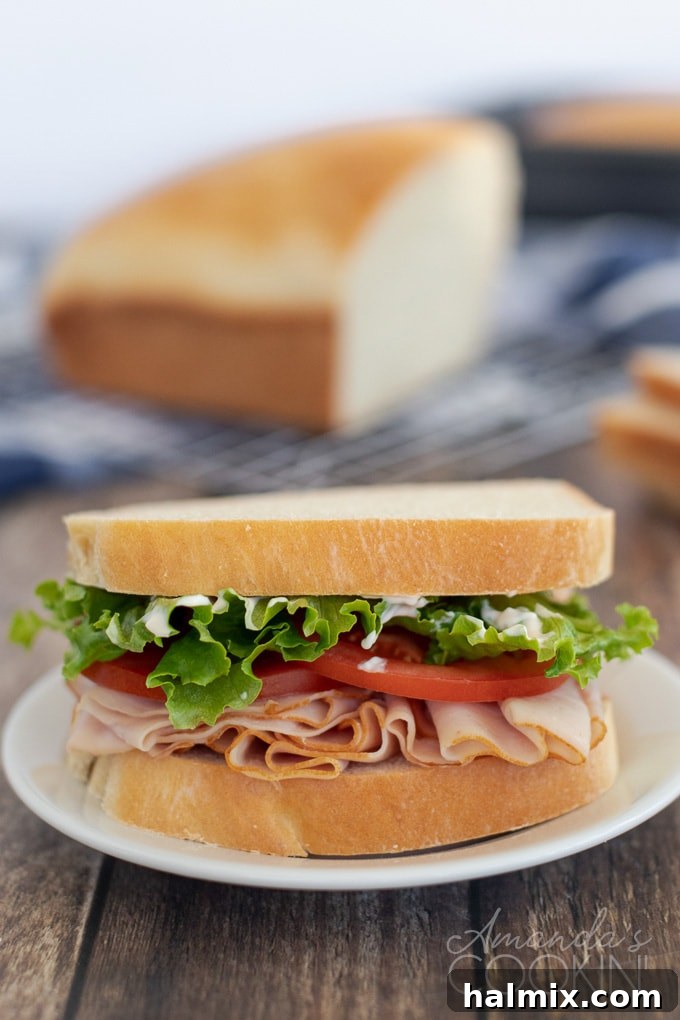
- Hearty Sandwiches: On day one, slice thick pieces for the ultimate Toasted Cheddar and Ham Sandwich, or any of your favorite sandwich fillings. The bread holds up beautifully without getting soggy.
- Gourmet Toast: Elevate your breakfast with Avocado Toast, loaded with your preferred toppings. Or keep it simple with butter and jam.
- Decadent French Toast: The slight sweetness and fluffy texture of this bread make it an exceptional choice for French toast. Try our recipes for Homemade Freezer French Toast Sticks for a quick weekday breakfast, or a luscious French Toast Casserole for a crowd.
- Comforting Pairings: Dip crusty slices into a bowl of our Easy Tomato Soup for a truly comforting meal.
- Bread Pudding: Transform leftover bread into a rich, custardy bread pudding. Its ability to soak up liquids makes it ideal for this classic dessert.
- Homemade Croutons: Stale bread is perfect for making crisp, flavorful croutons to top salads or soups.
If you enjoy baking, you might also like my recipe for mini Amish white loaves, which are perfect for gifting or smaller servings, or my wholesome homemade multigrain bread for a different flavor profile.
Storing Your Homemade Bread
Proper storage is essential to keep your homemade Amish White Bread fresh and delicious for as long as possible. Once completely cooled, store your loaves in an airtight container, a bread box, or a large zip-top bag at room temperature. It will stay fresh for 3-4 days. For longer storage, you can freeze whole or sliced loaves. Wrap them tightly in plastic wrap, then aluminum foil, and place in a freezer-safe bag. Frozen bread can last for up to 3 months. Thaw at room temperature or toast slices directly from frozen.
Troubleshooting Common Bread Baking Issues
Even experienced bakers encounter challenges. Here are a few common issues and how to address them:
- Dense, Heavy Bread: This often indicates that the yeast wasn’t properly activated, the dough wasn’t kneaded enough to develop gluten, or it didn’t have enough time to rise. Ensure your liquids are the correct temperature, knead until elastic, and give the dough ample time in a warm environment for both rises.
- Crumbly or Dry Bread: This can be a sign of too much flour or insufficient fat/liquid. Always measure flour accurately, preferably by weight if possible, and don’t add more flour than necessary during kneading.
- Tough Crust: Over-baking or baking at too high a temperature can lead to a tough crust. Brushing with melted butter immediately after baking can help, but also double-check your oven temperature with a thermometer and adjust baking time as needed.
- Bread Not Rising: The most common culprit is inactive or dead yeast. Always check yeast expiry dates and ensure your liquid temperatures are correct. If your yeast doesn’t foam after 5-10 minutes, discard and start with a new batch.
Amish White Bread
This recipe yields two incredibly soft and flavorful loaves of Amish White Bread, perfect for sandwiches, toast, or as a warm accompaniment to dinner. A truly versatile and comforting homemade classic!
Rise time: 1 hr 30 mins
Cook time: 30 mins
Total time: 2 hrs 25 mins
Ingredients
- 1 cup warm water (110 degrees F)
- 1 cup warm milk (110 degrees F)
- 1 1/2 teaspoon salt
- 1/3 cup sugar
- 1/4 cup vegetable oil
- 1 1/2 tablespoons active dry yeast (2 envelopes)
- 6 cups bread flour
Things You’ll Need
- Stand mixer with dough hook
- Liquid measuring cup
- Large mixing bowls
- Measuring cups and spoons
- Bread knife
- 2 standard 9×5-inch loaf pans
- Wire cooling racks
Before You Begin
- For sandwich bread, allow the loaves to cool completely before slicing with a bread knife to ensure a clean cut and perfect texture.
- This bread is best enjoyed for sandwiches on the first day. For days 2 or 3, it’s ideal for toast, grilled cheese, bread pudding, homemade croutons, or French toast.
- Always ensure your dough has ample time to rest, covered, in a warm, draft-free area where it won’t be disturbed. This promotes optimal rising.
Instructions
- In a large bowl, dissolve the sugar in warm water (110°F), then sprinkle in the yeast. Allow it to proof for 5-10 minutes until it forms a creamy foam.
- Stir the warm milk (110°F), salt, and vegetable oil into the yeast mixture until well combined.
- Using a stand mixer with a dough hook or a wooden spoon by hand, gradually mix in the bread flour, one cup at a time, until a soft dough forms. Knead for 5-7 minutes (stand mixer) or 10-15 minutes (by hand) until the dough is smooth and elastic.
- Place the dough in a well-oiled bowl, turning once to coat the top. Cover with a clean towel and let rise in a warm, draft-free place for about 1 hour, or until doubled in size.
- Gently punch the dough down to release the air. Knead it a few times on a lightly floured surface. Divide the dough in half.
- Shape each half into a loaf and place into two greased 9×5-inch loaf pans. Cover and allow to rise for another 30 minutes, or until the dough has risen about 1 inch above the pans.
- Preheat oven to 350 degrees F (175 degrees C). Bake for 30 minutes, or until golden brown and hollow when tapped. Immediately remove from pans and place on cooling racks. For a soft crust, brush the tops with a little melted butter while still hot. Let cool completely before slicing.
Nutrition
The recipes on this blog are tested with a conventional gas oven and gas stovetop. It’s important to note that some ovens, especially as they age, can cook and bake inconsistently. Using an inexpensive oven thermometer can assure you that your oven is truly heating to the proper temperature. If you use a toaster oven or countertop oven, please keep in mind that they may not distribute heat the same as a conventional full sized oven and you may need to adjust your cooking/baking times. For baking recipes where measurements are given by weight, please note that results may not be the same if cups are used instead, and we can’t guarantee success with that method.
This post was originally published on June 13, 2009, and has been updated for clarity, detail, and enhanced user experience.
There’s an unparalleled joy that comes from baking bread at home, and this Homemade Amish White Bread recipe delivers exactly that. With its wonderfully soft texture, delicate crumb, and subtle sweetness, this bread is a true staple that transforms everyday meals into something special. Perfect for hearty sandwiches on day one, it quickly becomes the star of your breakfast or brunch table as French toast, grilled cheese, or simply toasted and slathered with butter on the following days. It’s more than just a recipe; it’s an absolute keeper that brings comfort and a delicious aroma to your kitchen.
The Irresistible Charm of Homemade Amish White Bread
Imagine the warm, inviting scent of freshly baked bread wafting through your home. That’s the experience you get with this Amish White Bread. Renowned for its incredibly tender crumb and slightly sweet flavor, it’s a versatile loaf that far surpasses anything you can buy from a store. This recipe yields two generous loaves, making it perfect for feeding a family or ensuring you have plenty for various uses throughout the week. I often plan to bake this bread on days we’re enjoying comforting dishes like crockpot roast beef or beef stew, providing the perfect warm accompaniment to a cozy dinner. The second loaf is then reserved for the endless possibilities of breakfast, lunch, or even dessert.
From simple toast and butter to elaborate bread puddings, this Amish White Bread is designed for versatility. Its soft texture holds up beautifully in sandwiches, yet transforms into a custardy delight when soaked for French toast. There’s a reason this classic recipe has been passed down through generations – it’s truly a testament to the simple pleasures of traditional baking.
Key Ingredients You’ll Need
One of the beauties of Amish White Bread is its reliance on simple, wholesome ingredients you likely already have in your pantry. No fancy flours or obscure additives here, just the basics combined to create something extraordinary. The warmth of the water and milk is crucial for activating the yeast, ensuring a beautiful rise and a light, airy loaf. The sugar not only adds a touch of sweetness but also feeds the yeast, contributing to its activity, while the oil helps keep the bread moist and tender.
- 1 cup warm water (110 degrees F)
- 1 cup warm milk (110 degrees F)
- 1 1/2 teaspoon salt
- 1/3 cup sugar
- 1/4 cup vegetable oil
- 1 1/2 tablespoons active dry yeast (equivalent to 2 standard envelopes)
- 6 cups bread flour
Recommended Kitchen Tools
While you can certainly make this bread by hand, a few key tools can make the process smoother and more enjoyable. A stand mixer with a dough hook, for instance, takes the hard work out of kneading, allowing you to achieve perfectly smooth and elastic dough with minimal effort. Accurate measuring tools are also essential for consistent results every time you bake.
- Stand mixer with dough hook
- Liquid measuring cup
- Large mixing bowls
- Measuring cups and spoons
- Bread knife
- 2 standard 9×5-inch loaf pans
- Wire cooling racks
Expert Tips for Baking Your Best Loaves
Baking bread is a craft, and a few simple tips can elevate your homemade Amish White Bread from good to absolutely fantastic. Paying attention to these details will ensure you achieve that perfectly soft crust and tender interior every time.
- Perfect Temperature is Key for Yeast: When working with yeast, precision matters. Ensure your warm water and milk are between 105-115 degrees F (40-46 degrees C). Temperatures that are too cold won’t activate the yeast, while excessively hot temperatures can kill it, leading to a dough that won’t rise. An instant-read thermometer is your best friend here.
- The Art of Kneading: Whether by hand or with a stand mixer, proper kneading develops the gluten in the flour, which is what gives bread its structure and chewiness. Knead until the dough is smooth, elastic, and no longer sticky. It should spring back when gently poked. If kneading by hand, this usually takes about 10-15 minutes; with a stand mixer, 5-7 minutes is often sufficient.
- A Calm Place for Rising: Yeast dough loves a warm, draft-free environment to rise. Cover your bowl with a clean kitchen towel or plastic wrap to prevent the dough from drying out. Good spots include a slightly warm oven (turned off, with the light on), a sunny windowsill, or even near a radiator in cooler weather.
- Don’t Rush the Cool-Down: Patience is crucial after baking. For the best sandwich bread, allow the loaves to cool completely on a wire rack before slicing. Slicing warm bread can compress the crumb, making it gummy and less appealing. Cooling allows the internal structure to set and steam to escape, resulting in a perfect texture.
- Versatility is its Superpower: While wonderful for sandwiches on day one, this bread truly shines in other roles on day two or three. Its slightly denser texture (after a day or two) makes it ideal for absorbing liquids without falling apart, making it perfect for homemade croutons, bread pudding, or a truly decadent French toast.
- The Secret to a Soft Crust: For an extra soft and golden crust, brush the tops of your hot loaves with a little melted butter immediately after removing them from the oven and pans. The butter soaks in, keeping the crust pliable and flavorful.
Step-by-Step: How to Make Homemade Amish White Bread
Follow these detailed instructions to create two delicious loaves of Amish White Bread that will become a new favorite in your home.
- Activate the Yeast: In a large mixing bowl, combine the warm water (110°F) and sugar. Stir until the sugar dissolves. Sprinkle the active dry yeast over the top of the water. Let it sit for 5-10 minutes. You’ll know the yeast is active when it becomes frothy and resembles a creamy foam on the surface. If it doesn’t foam, your water might have been too hot or too cold, or your yeast may be old, and you should start over with fresh yeast.
- Combine Wet Ingredients: Once your yeast is beautifully proofed, stir in the warm milk (110°F), salt, and vegetable oil into the yeast mixture. Mix well to ensure everything is evenly distributed.
- Add Flour and Knead: Gradually add the bread flour to the wet mixture, one cup at a time, mixing after each addition. If using a stand mixer, attach the dough hook and mix on low speed. If mixing by hand, use a sturdy wooden spoon. Once all the flour is incorporated, continue to knead the dough until it is smooth, elastic, and no longer sticky. This should take about 5-7 minutes in a stand mixer or 10-15 minutes by hand. The dough should pull away from the sides of the bowl cleanly.
- First Rise (Bulk Fermentation): Lightly oil a clean large bowl. Place the kneaded dough into the bowl, turning it once to ensure the top is lightly coated with oil (this prevents it from drying out). Cover the bowl with a clean kitchen towel or plastic wrap. Let the dough rise in a warm, draft-free place for about 1 hour, or until it has roughly doubled in size. This is a critical step where the yeast works its magic, creating air pockets that give the bread its light texture.
- Shape the Loaves: Once the dough has risen, gently punch it down to release the air. Turn it out onto a lightly floured surface and knead it a few times to redistribute the yeast and strengthen the gluten. Divide the dough into two equal halves. Shape each half into a loaf. For a classic loaf shape, gently flatten the dough into a rectangle, then roll it tightly from one long side to the other, pinching the seam closed at the bottom. Tuck the ends under.
- Second Rise (Proofing): Grease two 9×5-inch loaf pans. Place each shaped dough loaf into a prepared pan. Cover the pans again with a clean towel and let them rise in a warm, draft-free spot for another 30 minutes, or until the dough has risen about 1 inch above the top of the pans. This second rise creates the final texture and volume of your baked bread.
- Bake and Finish: Preheat your oven to 350 degrees F (175 degrees C). Bake the loaves for 30 minutes, or until they are golden brown on top and sound hollow when tapped on the bottom. Immediately remove the loaves from their pans after baking and place them on a wire cooling rack. While still hot, brush the tops of the loaves with a little melted butter. This simple step helps keep the crust wonderfully soft and adds a lovely sheen. Allow the bread to cool completely before slicing for best results.
There’s truly nothing quite like the experience of fresh-baked bread. The aroma that fills your kitchen, the warmth of the loaf in your hands, and the satisfaction of creating something so wholesome from scratch – it’s comforting, nostalgic, and a truly wonderful way to round out any day or meal!
Creative Ways to Enjoy This Versatile Bread
Once you’ve mastered this recipe, you’ll find endless opportunities to savor your homemade Amish White Bread. Its soft texture and mild flavor make it a fantastic foundation for a wide range of culinary creations.
- Hearty Sandwiches: On day one, slice thick pieces for the ultimate Toasted Cheddar and Ham Sandwich, or any of your favorite sandwich fillings. The bread holds up beautifully without getting soggy.
- Gourmet Toast: Elevate your breakfast with Avocado Toast, loaded with your preferred toppings. Or keep it simple with butter and jam.
- Decadent French Toast: The slight sweetness and fluffy texture of this bread make it an exceptional choice for French toast. Try our recipes for Homemade Freezer French Toast Sticks for a quick weekday breakfast, or a luscious French Toast Casserole for a crowd.
- Comforting Pairings: Dip crusty slices into a bowl of our Easy Tomato Soup for a truly comforting meal.
- Bread Pudding: Transform leftover bread into a rich, custardy bread pudding. Its ability to soak up liquids makes it ideal for this classic dessert.
- Homemade Croutons: Stale bread is perfect for making crisp, flavorful croutons to top salads or soups.
If you enjoy baking, you might also like my recipe for mini Amish white loaves, which are perfect for gifting or smaller servings, or my wholesome homemade multigrain bread for a different flavor profile.
Storing Your Homemade Bread
Proper storage is essential to keep your homemade Amish White Bread fresh and delicious for as long as possible. Once completely cooled, store your loaves in an airtight container, a bread box, or a large zip-top bag at room temperature. It will stay fresh for 3-4 days. For longer storage, you can freeze whole or sliced loaves. Wrap them tightly in plastic wrap, then aluminum foil, and place in a freezer-safe bag. Frozen bread can last for up to 3 months. Thaw at room temperature or toast slices directly from frozen.
Troubleshooting Common Bread Baking Issues
Even experienced bakers encounter challenges. Here are a few common issues and how to address them:
- Dense, Heavy Bread: This often indicates that the yeast wasn’t properly activated, the dough wasn’t kneaded enough to develop gluten, or it didn’t have enough time to rise. Ensure your liquids are the correct temperature, knead until elastic, and give the dough ample time in a warm environment for both rises.
- Crumbly or Dry Bread: This can be a sign of too much flour or insufficient fat/liquid. Always measure flour accurately, preferably by weight if possible, and don’t add more flour than necessary during kneading.
- Tough Crust: Over-baking or baking at too high a temperature can lead to a tough crust. Brushing with melted butter immediately after baking can help, but also double-check your oven temperature with a thermometer and adjust baking time as needed.
- Bread Not Rising: The most common culprit is inactive or dead yeast. Always check yeast expiry dates and ensure your liquid temperatures are correct. If your yeast doesn’t foam after 5-10 minutes, discard and start with a new batch.
Amish White Bread
This recipe yields two incredibly soft and flavorful loaves of Amish White Bread, perfect for sandwiches, toast, or as a warm accompaniment to dinner. A truly versatile and comforting homemade classic!
Rise time: 1 hr 30 mins
Cook time: 30 mins
Total time: 2 hrs 25 mins
Ingredients
- 1 cup warm water (110 degrees F)
- 1 cup warm milk (110 degrees F)
- 1 1/2 teaspoon salt
- 1/3 cup sugar
- 1/4 cup vegetable oil
- 1 1/2 tablespoons active dry yeast (2 envelopes)
- 6 cups bread flour
Things You’ll Need
- Stand mixer with dough hook
- Liquid measuring cup
- Large mixing bowls
- Measuring cups and spoons
- Bread knife
- 2 standard 9×5-inch loaf pans
- Wire cooling racks
Before You Begin
- For sandwich bread, allow the loaves to cool completely before slicing with a bread knife to ensure a clean cut and perfect texture.
- This bread is best enjoyed for sandwiches on the first day. For days 2 or 3, it’s ideal for toast, grilled cheese, bread pudding, homemade croutons, or French toast.
- Always ensure your dough has ample time to rest, covered, in a warm, draft-free area where it won’t be disturbed. This promotes optimal rising.
Instructions
- In a large bowl, dissolve the sugar in warm water (110°F), then sprinkle in the yeast. Allow it to proof for 5-10 minutes until it forms a creamy foam.
- Stir the warm milk (110°F), salt, and vegetable oil into the yeast mixture until well combined.
- Using a stand mixer with a dough hook or a wooden spoon by hand, gradually mix in the bread flour, one cup at a time, until a soft dough forms. Knead for 5-7 minutes (stand mixer) or 10-15 minutes (by hand) until the dough is smooth and elastic.
- Place the dough in a well-oiled bowl, turning once to coat the top. Cover with a clean towel and let rise in a warm, draft-free place for about 1 hour, or until doubled in size.
- Gently punch the dough down to release the air. Knead it a few times on a lightly floured surface. Divide the dough in half.
- Shape each half into a loaf and place into two greased 9×5-inch loaf pans. Cover and allow to rise for another 30 minutes, or until the dough has risen about 1 inch above the pans.
- Preheat oven to 350 degrees F (175 degrees C). Bake for 30 minutes, or until golden brown and hollow when tapped. Immediately remove from pans and place on cooling racks. For a soft crust, brush the tops with a little melted butter while still hot. Let cool completely before slicing.
Nutrition
The recipes on this blog are tested with a conventional gas oven and gas stovetop. It’s important to note that some ovens, especially as they age, can cook and bake inconsistently. Using an inexpensive oven thermometer can assure you that your oven is truly heating to the proper temperature. If you use a toaster oven or countertop oven, please keep in mind that they may not distribute heat the same as a conventional full sized oven and you may need to adjust your cooking/baking times. For baking recipes where measurements are given by weight, please note that results may not be the same if cups are used instead, and we can’t guarantee success with that method.
This post was originally published on June 13, 2009, and has been updated for clarity, detail, and enhanced user experience.