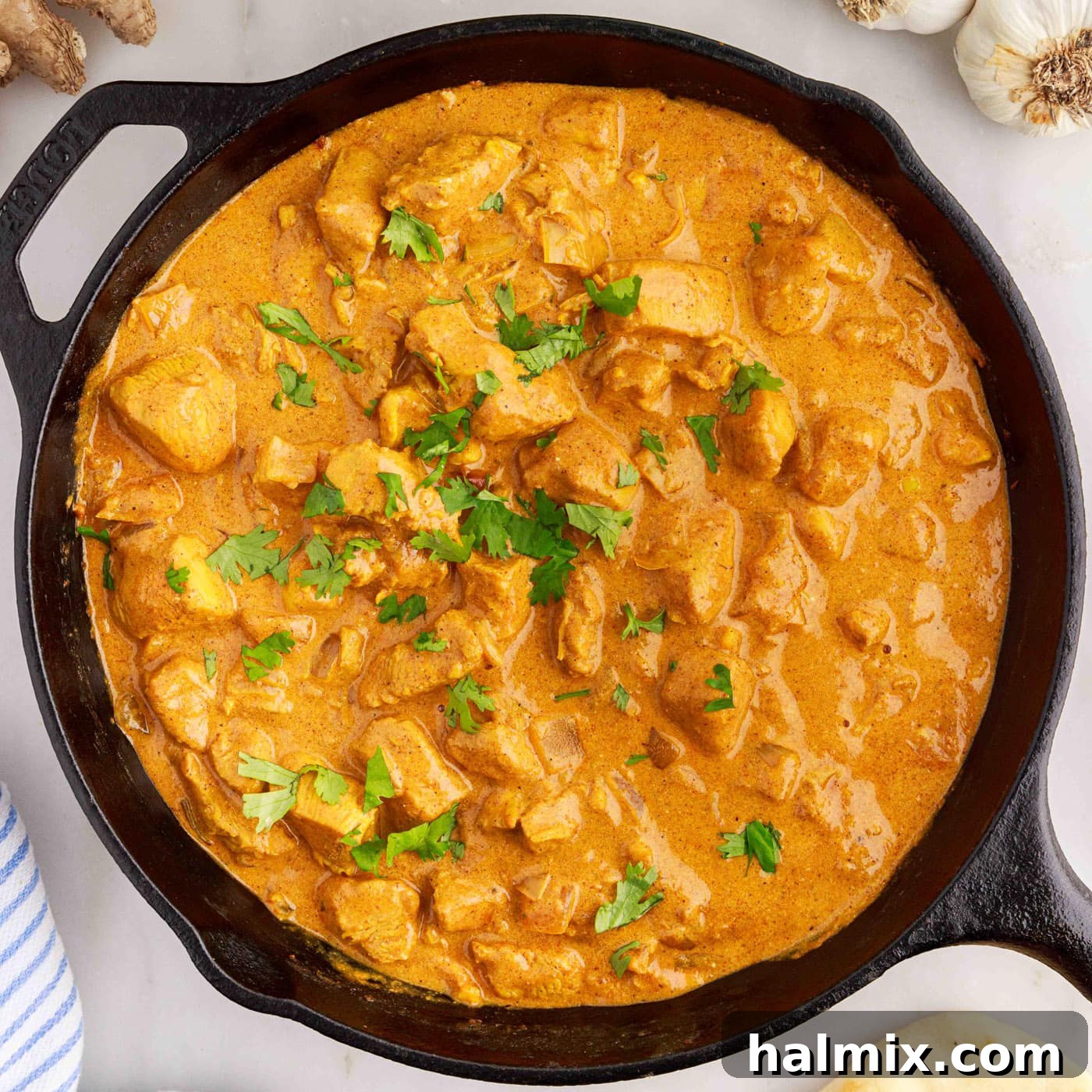
Embark on a culinary journey with this irresistible chicken curry recipe, a dish that transcends mere sustenance to become a symphony of flavors and aromas. Imagine tender pieces of chicken, lovingly coated in a rich, creamy sauce, infused with a generous blend of fragrant spices. This isn’t just a meal; it’s an experience that promises to tantalize your taste buds and leave you craving more.
Why This Chicken Curry Recipe Will Become Your Favorite
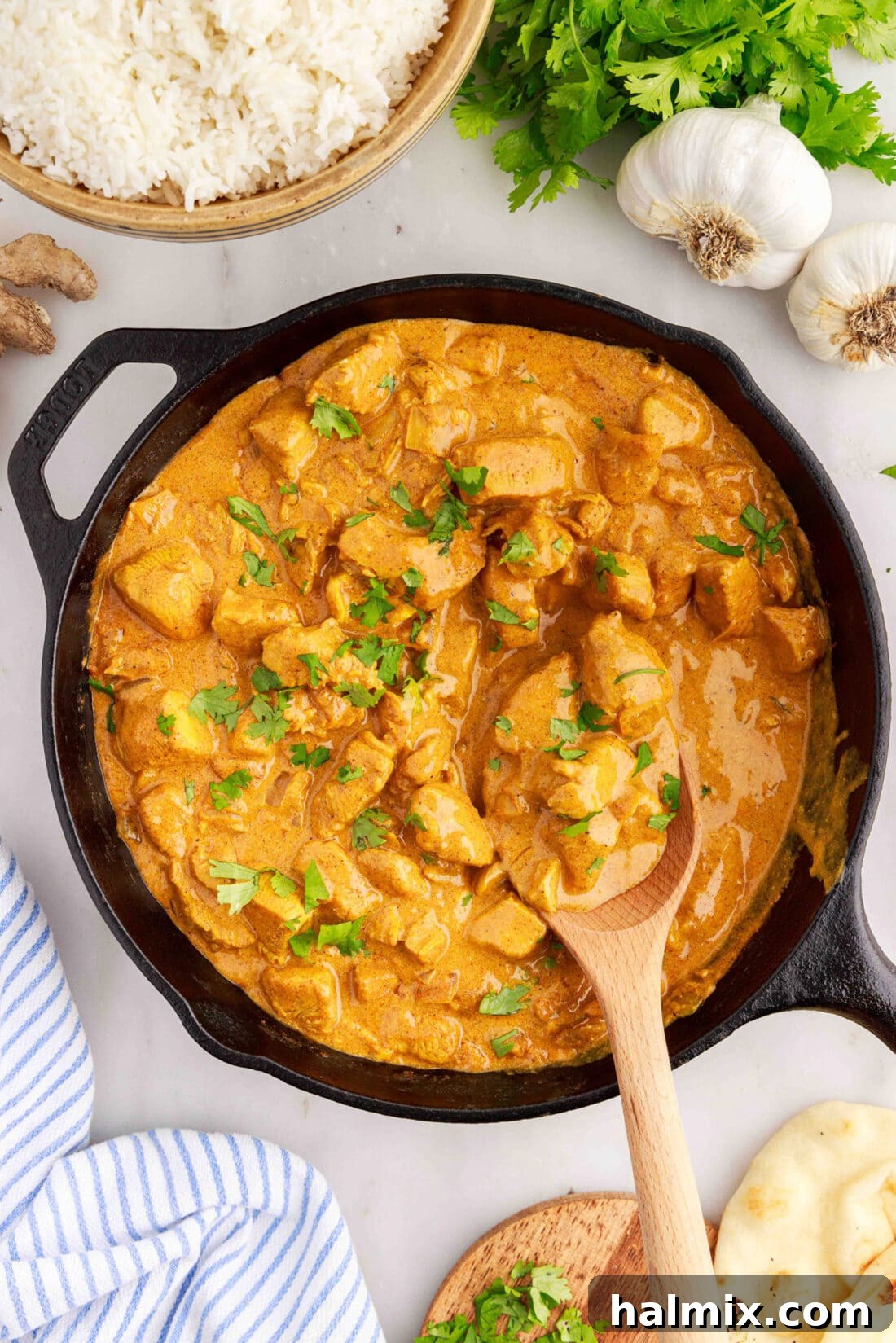
Chicken curry, particularly this Indian-inspired classic, has earned its place as a beloved dish worldwide for compelling reasons. It delivers an unforgettable explosion of flavor, coupled with the incredible flexibility to adjust its heat level to perfectly match your preference. Whether you’re a fan of mild, comforting warmth or a fiery kick, this recipe can be tailored just for you. The magic happens when succulent, cubed chicken is simmered in a luscious coconut curry sauce, absorbing a complex tapestry of intense flavors from a carefully selected array of aromatic spices.
Our unique blend includes robust curry powder, the warming notes of garam masala, earthy cumin and coriander, sweet paprika, vibrant turmeric, and a hint of cayenne pepper for that customizable warmth. Each spice plays a vital role, building layers of depth and character that transform simple chicken into a culinary masterpiece. Unlike some recipes that might overwhelm, this chicken curry strikes a perfect balance, ensuring every bite is rich, aromatic, and deeply satisfying. It’s an ideal choice for a comforting family dinner, a delightful meal prep option, or when you simply crave a dish that’s both exotic and incredibly approachable.
While the world of curries offers a diverse spectrum of delightful options, from the tangy chicken tikka masala to the oceanic charm of shrimp curry, it’s the sheer versatility and profoundly rich flavors of chicken curry that continuously draw us back. This recipe stands out, offering a harmonious blend of creamy texture and vibrant spice that truly works.
Essential Ingredients for Your Perfect Chicken Curry
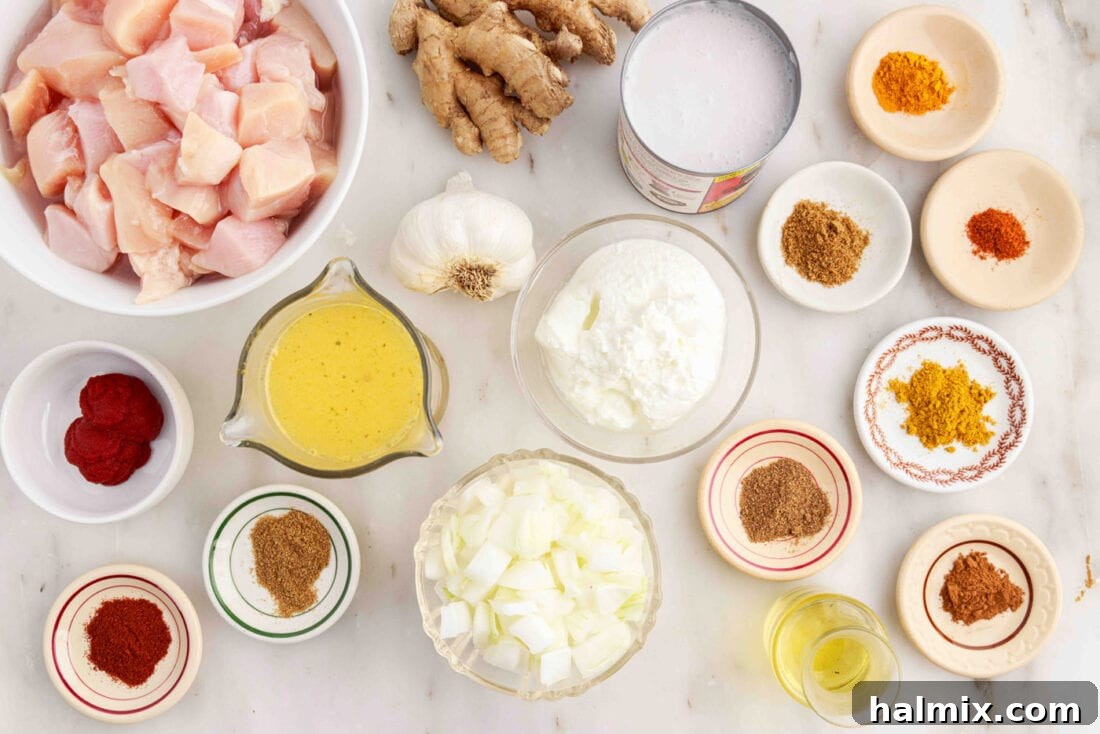
Creating this flavorful chicken curry begins with selecting fresh, high-quality ingredients. While the full printable version with precise measurements is typically found at the end of such recipes, here’s a detailed look at what you’ll need to gather to bring this aromatic dish to life.
Ingredient Spotlight & Smart Swaps
Understanding each ingredient’s role and knowing your options for substitutions can elevate your cooking experience and adapt this recipe to various dietary needs or pantry staples.
CHICKEN – Our recipe primarily features boneless, skinless chicken breast, diced into uniform 1-inch cubes to ensure even cooking and tender results. However, for those who prefer a richer flavor and moister texture, boneless, skinless chicken thighs are an excellent alternative. They stand up well to simmering and offer a more robust chicken flavor. If you’re feeling adventurous and want to use bone-in chicken, ensure it’s cut into manageable pieces and adjust cooking time accordingly to ensure it’s fully cooked and falls off the bone. For an extra layer of tenderness and flavor, consider marinating the chicken in a small amount of Greek yogurt and a pinch of spices for at least 30 minutes before cooking.
COCONUT MILK – The foundation of our creamy curry sauce is coconut milk. It’s crucial to use full-fat coconut milk for the richest, most luxurious texture and flavor. Be absolutely certain to use coconut milk, not coconut cream, which is significantly thicker and sweeter, intended for desserts or specific, very thick sauces. For a dairy-free option, coconut milk is perfect. If you prefer a dairy-based alternative, heavy cream or half-and-half can be used, though the flavor profile will shift slightly. Light coconut milk can be used to reduce calories, but it will result in a less creamy sauce.
SPICES – This recipe celebrates a vibrant blend of spices, each contributing to the curry’s complex character. The beauty of homemade curry is the ability to customize. The listed spices – curry powder, garam masala, cumin, ground coriander, paprika, turmeric, cinnamon, and cayenne pepper – form a balanced base. Feel free to adjust quantities to your personal taste. Cayenne pepper is our primary heat source; omit it entirely for a mild dish, or increase it significantly for a fiery rendition. For a fresher, more intense heat, finely diced green chilies (such as serrano or jalapeño) can be added to the skillet alongside the garlic and ginger. Always try to toast your spices briefly in oil to unlock their full aromatic potential before adding liquids.
TOMATO PASTE – This concentrated ingredient provides a deep umami flavor and helps to thicken the curry sauce. If you find yourself without tomato paste, a good substitute is 1 cup of crushed or pureed tomatoes. For an even richer, slightly smoky flavor, consider using fire-roasted crushed tomatoes. Ensure any canned tomato product is well-drained if it contains excessive liquid to maintain the desired sauce consistency.
GREEK YOGURT – Plain Greek yogurt adds a wonderful tang and extra creaminess to the curry, balancing the richness of the coconut milk and tempering the spices. It also contributes to a smoother, more emulsified sauce. Opt for plain, unsweetened Greek yogurt. If you don’t have Greek yogurt, plain regular yogurt can work, but it might be thinner. Alternatively, a dollop of sour cream can provide a similar tang, or an additional splash of heavy cream could be used if you’re avoiding yogurt entirely, though you’d miss the subtle tartness. Ensure the yogurt is at room temperature before adding to prevent curdling.
Crafting Your Aromatic Chicken Curry: A Step-by-Step Guide
Follow these detailed steps to create a rich and fragrant chicken curry that will impress every palate. These instructions are designed to guide you visually through the process, ensuring a perfect result every time.
- Sauté the Aromatics: Begin by heating 1 Tablespoon of cooking oil (vegetable or canola) in a large, heavy-bottomed skillet or Dutch oven over medium heat. Once shimmering, add the diced yellow onion (about 1 cup). Cook, stirring occasionally, until the onion softens and becomes translucent, typically 5-7 minutes. This step is crucial for building the flavor base of your curry.
- Infuse with Garlic and Ginger: To the softened onions, add 3-4 cloves of minced garlic and 1 Tablespoon of freshly grated ginger (or ginger paste). Continue to cook for another 1-2 minutes, stirring constantly, until the mixture becomes wonderfully fragrant. Be careful not to burn the garlic.
- Toast the Spices: This is where the magic truly begins! Add all the dry spices to the onion, garlic, and ginger mixture in the skillet: 2 teaspoons yellow curry powder, 1 teaspoon garam masala, 1 teaspoon ground cumin, 1 teaspoon ground coriander, 1 teaspoon paprika, ½ teaspoon turmeric, ½ teaspoon ground cinnamon, and ¼ teaspoon cayenne pepper (if using). Stir well to coat the aromatics and cook for just 1 minute. Toasting the spices in oil releases their essential oils, intensifying their flavors and aromas.
- Brown the Chicken: Add 1 ½ – 2 pounds of 1-inch cubed boneless, skinless chicken breasts directly to the skillet with the spice mixture. There’s no need to remove the onion mixture. Brown the chicken over medium heat for 5-7 minutes, stirring occasionally, until it’s lightly golden on all sides. The chicken doesn’t need to be fully cooked through at this stage, just browned to seal in juices and develop flavor.
- Build the Sauce Base: Stir in 2 Tablespoons of tomato paste and 1 cup of chicken broth into the skillet. Mix thoroughly, scraping up any browned bits from the bottom of the pan, until the tomato paste is fully dissolved into the liquid and the sauce starts to come together.
- Simmer to Perfection: Bring the mixture to a gentle boil, then reduce the heat to a low simmer. Cover the skillet and let it cook for approximately 15 minutes, or until the chicken is cooked through and fork-tender. This simmering time allows the flavors to meld beautifully and the chicken to become incredibly juicy.
- Add Creaminess: Remove the skillet from the heat. Stir in ½ cup of coconut milk and ½ cup of plain Greek yogurt. Mix gently until both are fully incorporated, creating a rich, creamy, and beautifully smooth curry sauce. Avoid boiling the curry after adding the yogurt to prevent curdling.
- Serve and Garnish: Your fragrant chicken curry is now ready to be enjoyed! Serve it warm, garnished with a generous sprinkle of freshly chopped cilantro. It pairs wonderfully with fluffy basmati rice, warm naan bread for soaking up every last drop of sauce, or even a side of fresh cucumber raita.
Frequently Asked Questions & Expert Tips for Chicken Curry Success
How do you store leftover chicken curry?
Store any leftover chicken curry in an airtight container in the refrigerator for up to 4 days. When reheating, do so gently over medium-low heat on the stovetop, stirring occasionally, until thoroughly warmed through. Add a splash of broth or water if the sauce has thickened too much.
Can I freeze chicken curry?
Yes, chicken curry freezes beautifully! Once cooled completely, transfer the curry to freezer-safe containers or heavy-duty freezer bags, leaving a little headspace. It can be stored in the freezer for up to 2-3 months. Thaw overnight in the refrigerator before reheating on the stovetop or in the microwave. The texture of the yogurt might change slightly upon thawing, but the flavor will remain excellent.
How can I make this chicken curry spicier or milder?
To increase the heat, add more cayenne pepper in step 3. You can also include finely diced fresh green chilies (like serrano or Thai chilies) with the garlic and ginger in step 2. For a milder curry, simply omit the cayenne pepper entirely. You can also add an extra tablespoon of Greek yogurt or coconut milk at the end to cool it down further.
What’s the best way to thicken or thin the sauce?
If your curry sauce is too thin, you can simmer it uncovered for a few extra minutes at the end to allow it to reduce. Alternatively, you can mix 1 tablespoon of cornstarch with 1 tablespoon of cold water to create a slurry, then stir it into the simmering curry and cook for 1-2 minutes until thickened. If the sauce is too thick, simply add a splash more chicken broth or coconut milk until it reaches your desired consistency.
Can I make this recipe vegetarian or vegan?
Absolutely! To make it vegetarian, substitute the chicken with firm tofu, paneer cheese, chickpeas, or a mix of hearty vegetables like cauliflower, potatoes, and bell peppers. For a vegan version, ensure all ingredients are plant-based: use vegetable broth instead of chicken broth, and ensure your Greek yogurt substitute is plant-based (e.g., plain unsweetened coconut yogurt or cashew cream) or omit it, relying solely on coconut milk for creaminess.
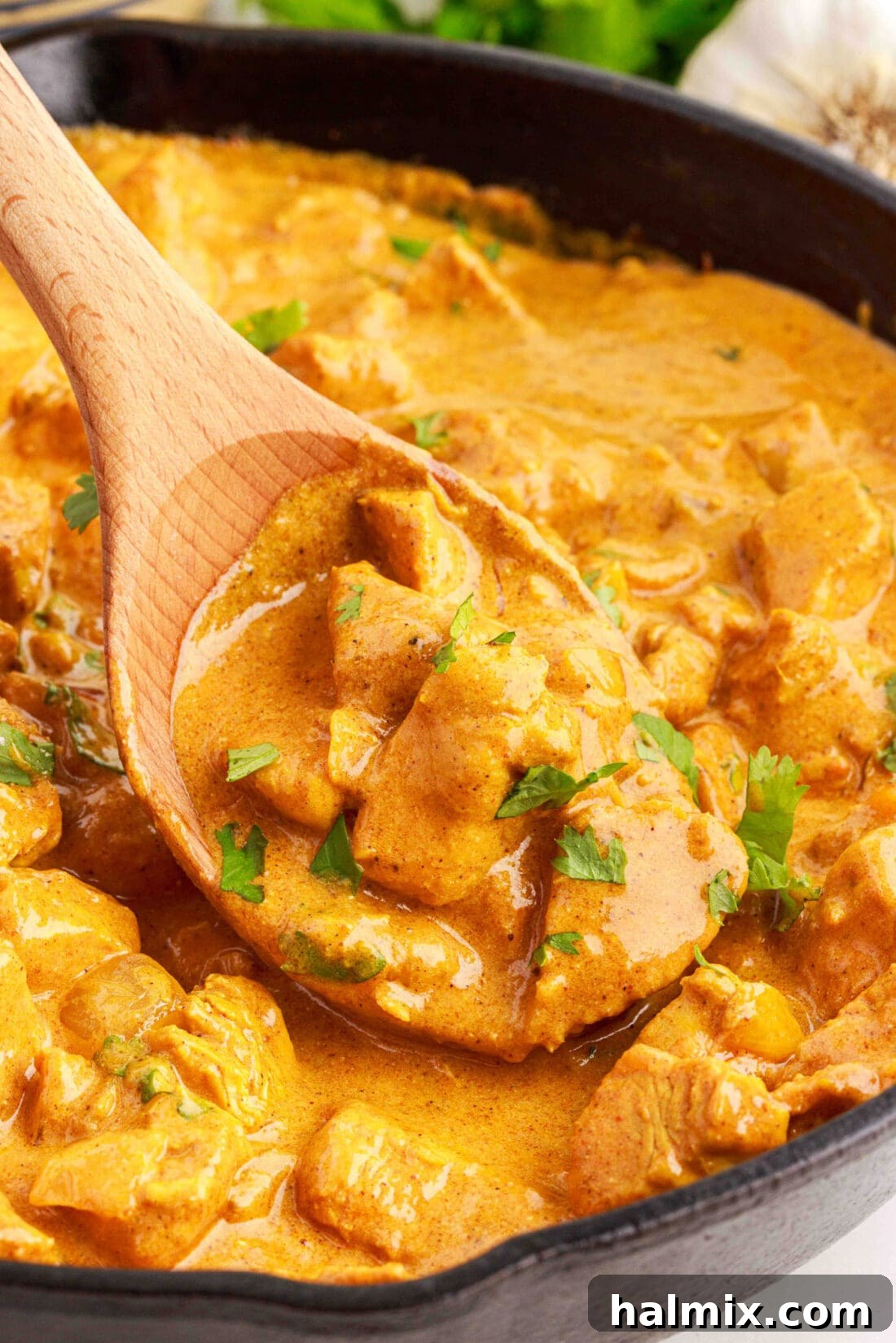
Delightful Ways to Serve Your Chicken Curry
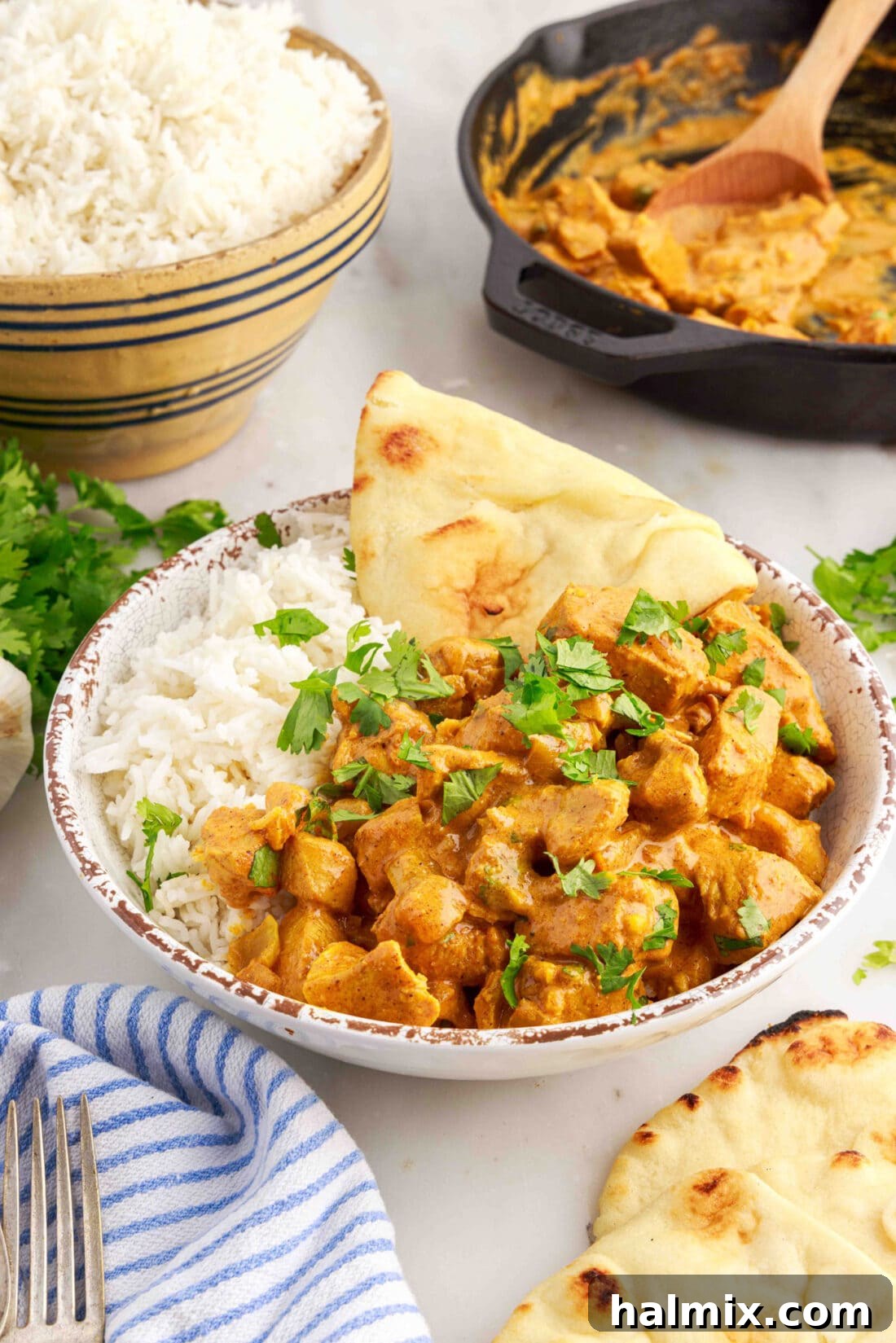
This versatile chicken curry is a star on its own, but its true potential shines when paired with complementary sides. The most classic accompaniment is fluffy Basmati rice, whose delicate fragrance and texture perfectly absorb the rich curry sauce. For an authentic Indian experience, warm flatbreads like soft, chewy Naan or thinner Roti are essential, providing the perfect vehicle to scoop up every last drop of that creamy sauce.
Beyond the classics, consider serving your chicken curry with:
- Quinoa or Brown Rice: For a healthier, whole-grain option.
- Cauliflower Rice: An excellent low-carb alternative that still soaks up the flavors beautifully.
- Fresh Cilantro and Mint: A sprinkle of fresh herbs adds brightness and a refreshing contrast.
- Lime Wedges: A squeeze of fresh lime juice just before serving can cut through the richness and brighten the flavors.
- Toasted Nuts: A scattering of toasted cashews or slivered almonds can add a delightful crunch.
- Crispy Fried Onions: For an extra layer of texture and savory depth.
- Raita: A cooling yogurt and cucumber dip that provides a refreshing counterpoint to the curry’s spices.
- Mango Chutney: Offers a sweet and tangy burst of flavor that complements the savory curry.
- Pickled Onions: Their sharp tang can provide a delightful contrast.
Enjoy warm straight from the skillet, allowing the comforting aromas to fill your kitchen.
Explore More Aromatic Recipes
If you’ve fallen in love with the exotic flavors of this chicken curry, you’ll be thrilled to discover more culinary adventures from our kitchen. Expand your repertoire with these related recipes that promise similar warmth, spice, and satisfaction:
- Shrimp Curry: A lighter, seafood-infused take on the classic curry.
- Chicken Tikka Masala: Another beloved creamy chicken dish with a distinct, smoky flavor.
- Mango Lassi Smoothie: A sweet, refreshing Indian-inspired beverage perfect for cooling down spicy meals.
- Peanut Butter Chicken: A unique and savory dish with a rich, nutty sauce.
- Beef Curry: For those who prefer red meat, offering a hearty and deeply flavored alternative.
I absolutely adore cooking and baking, and my greatest joy is sharing my kitchen adventures and perfected recipes with all of you! To make sure you never miss out on a new culinary inspiration, I offer a convenient newsletter delivered straight to your inbox every time a fresh recipe is posted. Simply subscribe here and start receiving your free daily dose of deliciousness!
Chicken Curry
Combining cubed chicken with the intense flavors of curry powder, garam masala, cumin, coriander, paprika, turmeric, cayenne pepper, and more creates the perfectly spiced vehicle for creamy coconut curry sauce.
Rated 5 out of 5 stars by 4 votes.
IMPORTANT – There are often Frequently Asked Questions within the blog post that you may find helpful. Simply scroll back up to read them!
Print Recipe |
Pin It |
Rate It
Ingredients
- 1 Tablespoon vegetable oil or canola oil
- 1 small yellow onion diced, about 1 cup
- 3-4 cloves garlic minced
- 1 Tablespoon freshly grated ginger or ginger paste
- 2 teaspoons yellow curry powder
- 1 teaspoon garam masala
- 1 teaspoon ground cumin
- 1 teaspoon ground coriander
- 1 teaspoon paprika
- ½ teaspoon turmeric
- ½ teaspoon ground cinnamon
- ¼ teaspoon cayenne pepper optional
- 1 ½ – 2 pounds boneless skinless chicken breasts cut into 1 inch cubes
- 2 Tablespoons tomato paste
- 1 cup chicken broth
- ½ cup coconut milk
- ½ cup plain Greek yogurt
Things You’ll Need
-
Large heavy bottomed skillet
-
Measuring cups and spoons
Before You Begin
- Be sure to use coconut milk, not coconut cream which is much thicker and sweeter in comparison. You can substitute the coconut milk with heavy cream if needed.
- You can adjust the spices for personal taste preferences. The cayenne adds some heat but can be omitted for a milder dish or increased for additional spice. You can also add finely diced green chiles to up the spice level. Add the chiles to the skillet with the garlic and ginger.
- One cup of crushed or pureed tomatoes can be used in place of the tomato paste in the dish.
- Store leftovers in an air-tight container kept in the refrigerator for up to 4 days. Reheat gently over medium-low heat on the stovetop until warmed through.
Instructions
-
Heat cooking oil in a large skillet over medium heat. Add diced onion and cook until softened and translucent.
-
Add the minced garlic and ginger and cook 1-2 minutes longer, until fragrant.
-
Add the spices to the onion mixture – curry powder, garam masala, cumin, ground coriander, paprika, turmeric, cinnamon and cayenne pepper. Cook 1 minute, toasting the spices.
-
Add chicken to the skillet (you do not need to remove the onion mixture) and brown over medium heat.
-
Add the tomato paste and broth to the skillet, stirring to dissolve the tomato paste into the liquid.
-
Bring to a boil, reduce heat to a simmer, cover, and cook for about 15 minutes, so the chicken is cooked through.
-
Remove from heat and stir in the coconut milk and greek yogurt.
-
Serve curry chicken with freshly chopped cilantro, basmati rice, and/or naan.
Nutrition
Follow on Pinterest @AmandasCookin or tag #AmandasCookin!
The recipes on this blog are tested with a conventional gas oven and gas stovetop. It’s important to note that some ovens, especially as they age, can cook and bake inconsistently. Using an inexpensive oven thermometer can assure you that your oven is truly heating to the proper temperature. If you use a toaster oven or countertop oven, please keep in mind that they may not distribute heat the same as a conventional full sized oven and you may need to adjust your cooking/baking times. In the case of recipes made with a pressure cooker, air fryer, slow cooker, or other appliance, a link to the appliances we use is listed within each respective recipe. For baking recipes where measurements are given by weight, please note that results may not be the same if cups are used instead, and we can’t guarantee success with that method.