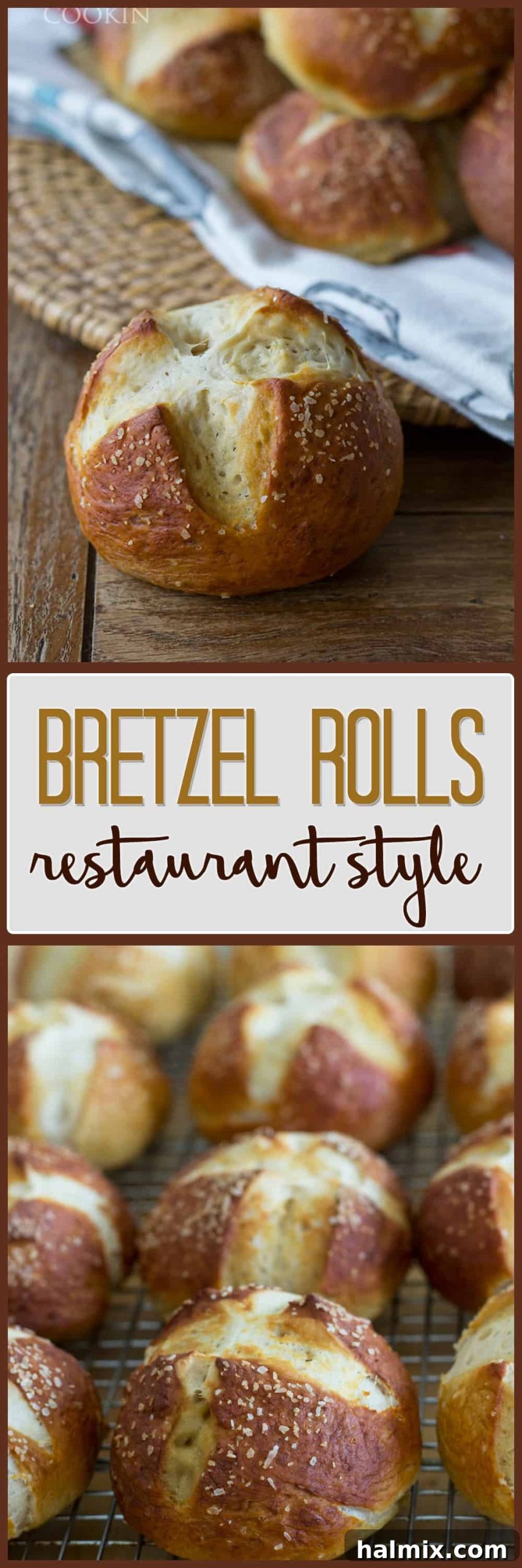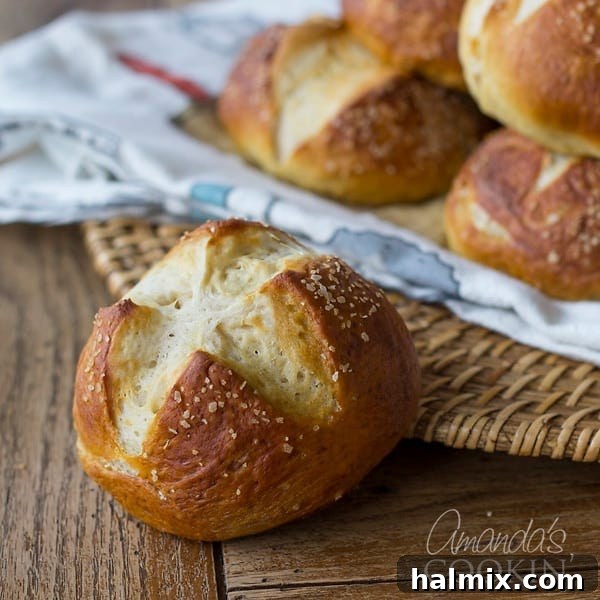
Imagine the perfect combination of a warm, soft dinner roll and the distinctive, slightly chewy crust of an authentic German pretzel. That’s exactly what you get with these incredible homemade bretzel rolls. For years, I’ve cherished the memory of rich, dark brown pretzel buns served at a beloved Las Vegas restaurant. They were a culinary highlight, a dish I always looked forward to. While those were perhaps smoother, more refined dinner rolls, this recipe captures the essence of that delicious experience, delivering incredibly flavorful, tender pretzel rolls that are absolutely worth making again and again.
Unlike traditional homemade German pretzels, which typically feature a harder, crispier crust, these bretzel rolls offer a delightful contrast. They are beautifully browned on the outside, a testament to the classic pretzel-making process, yet remain wonderfully soft and yielding within. This unique texture makes them incredibly versatile and utterly irresistible.
The Irresistible Appeal of Homemade Bretzel Rolls
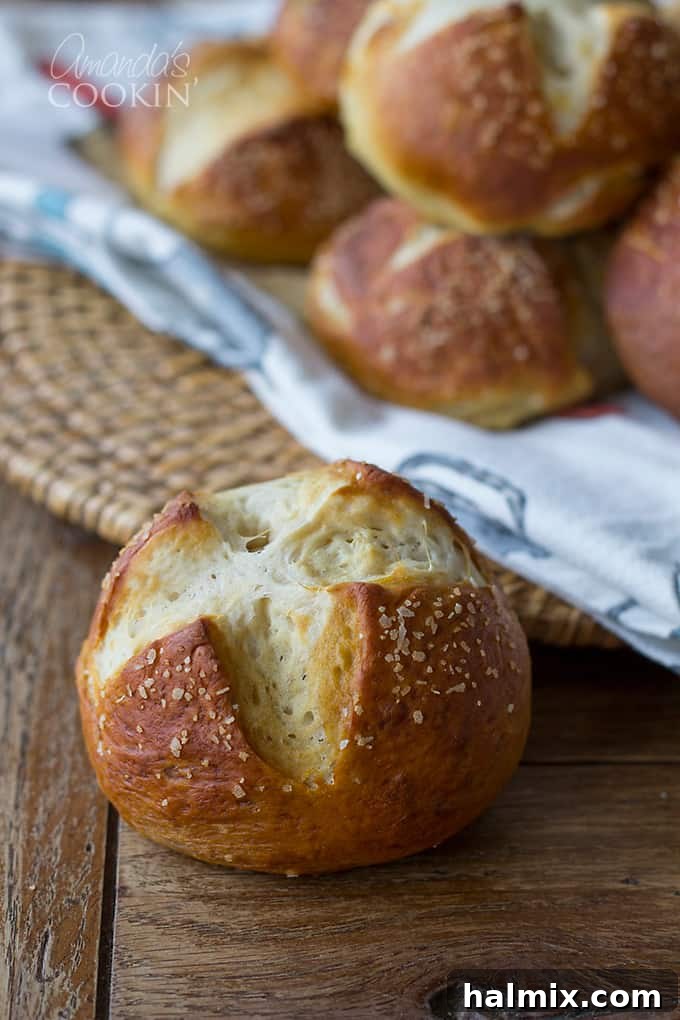
There’s something uniquely satisfying about baking bread from scratch, and these bretzel rolls are no exception. The aroma filling your kitchen, the simple joy of working with dough, and the ultimate reward of a freshly baked, warm roll are unparalleled. These aren’t just any rolls; they are a bridge between classic dinner bread and the beloved pretzel, offering the best of both worlds.
The first time I perfected this recipe, a fresh batch of these homemade bretzel rolls vanished within hours. Eager teenagers, patiently (or not so patiently!) waiting for me to finish taking photos, devoured them almost as soon as they cooled. It’s a clear indicator of just how universally loved these soft pretzel rolls are, proving that their appeal extends far beyond a specific restaurant memory.
What Exactly Are Bretzel Rolls?
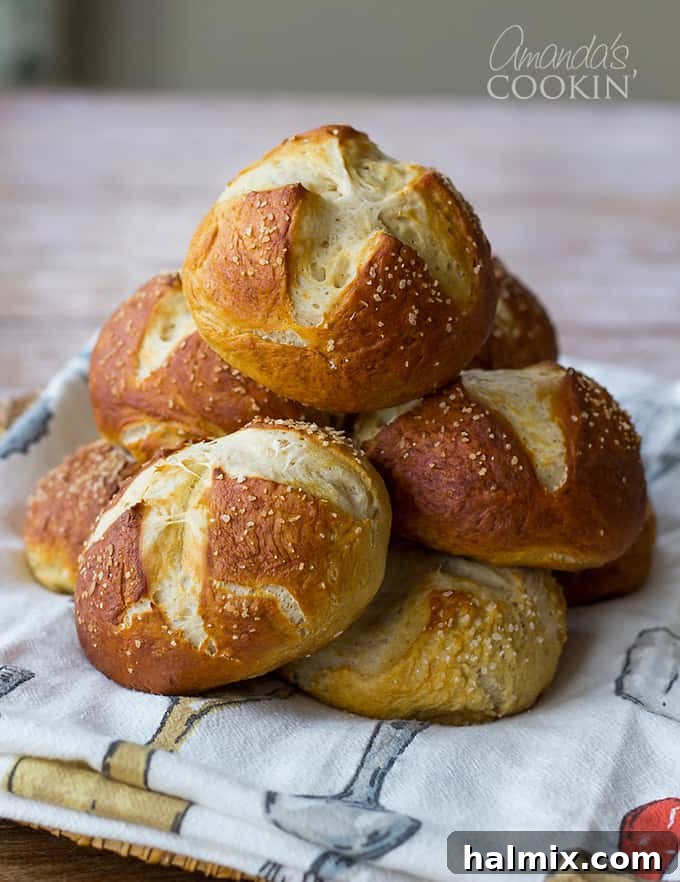
The term “bretzel” is simply the German word for “pretzel.” So, a bretzel roll is essentially a pretzel in a different form – a soft, round bun instead of the traditional twisted knot. Originating from German baking traditions, pretzels are known for their distinct dark, shiny crust and chewy interior, achieved through a brief dip in an alkaline solution (traditionally lye, but baking soda is a safer, accessible alternative for home bakers) before baking. Bretzel rolls apply this same technique to create a bread roll with that iconic pretzel flavor and texture profile, but with a softer, more yielding crumb inside, making them perfect as dinner rolls or for crafting gourmet sandwiches.
These rolls distinguish themselves from typical dinner rolls by their characteristic rich, malty flavor and that unmistakable pretzel sheen. They are also different from standard soft pretzels, which often have a slightly denser, more uniform chew throughout. Bretzel rolls maintain a tender, fluffy inside, making them incredibly versatile for various culinary uses.
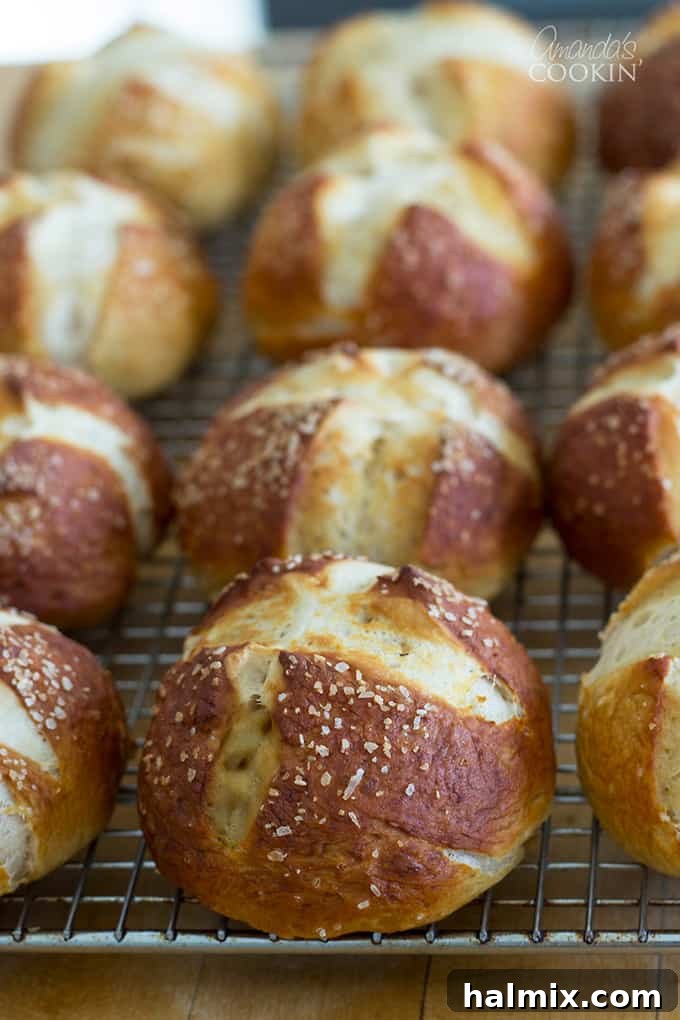
Versatile Serving Suggestions for Your Homemade Pretzel Buns
The beauty of these pretzel sandwich rolls lies in their incredible versatility. They are robust enough to hold up to hearty fillings yet delicate enough to complement lighter meals. Here are just a few ways to enjoy your freshly baked batch:
- With Dinner: Serve them warm alongside any meal, from a comforting pot roast to grilled chicken or steak. Their unique flavor adds an interesting twist to your dinner table.
- Soup & Salad Companion: Pair them with a bowl of piping hot soup for a satisfying lunch. A hearty lentil soup, a creamy tomato bisque, or a classic French onion soup would all be excellent choices.
- Slider Buns: Their size is perfect for creating miniature sandwiches. Think pulled pork sliders, mini cheeseburgers, or even elegant smoked salmon and cream cheese creations.
- Breakfast Twist: Split them, toast them lightly, and spread with butter and jam, or use them for a savory breakfast sandwich with egg and cheese.
- Party Appetizer: Cut them into quarters and serve with an array of dips like beer cheese dip, grainy mustard, or a sweet honey mustard for an impressive appetizer.
- Deli Sandwich Upgrade: Elevate your everyday sandwich game. Fill them with your favorite deli meats, cheeses, and fresh vegetables for a truly special lunch.
No matter how you choose to enjoy them, these soft pretzel rolls are guaranteed to be a hit and won’t last long!
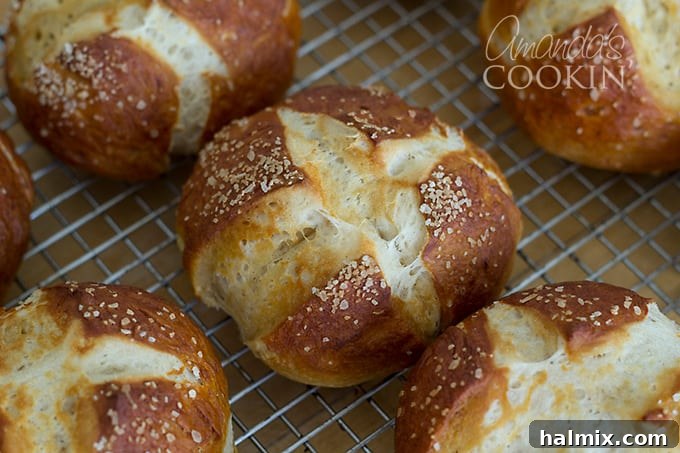
Essential Ingredients for Perfect Bretzel Rolls
Making delicious homemade pretzel rolls requires a few key ingredients, each playing a crucial role in achieving that signature texture and flavor. Here’s what you’ll need and a brief explanation of why:
- 1 1/3 cups warm water, divided: Warm water is essential for activating the yeast. Dividing it ensures you have the right temperature for yeast proofing and then for the dough hydration.
- 2 tablespoons warm milk: Adds richness and helps create a tender crumb in the final roll.
- 2 1/2 teaspoons active dry yeast (one envelope): The leavening agent that makes the rolls light and airy. Active dry yeast needs warm liquid to “bloom” and become active.
- 1/3 cup light brown sugar: Provides food for the yeast, contributing to a good rise, and also adds a subtle sweetness and depth of flavor to the dough, enhancing the overall pretzel taste.
- 2 tablespoons butter, melted: Adds moisture, tenderness, and a rich flavor to the dough, preventing the rolls from being dry.
- 4 cups all-purpose flour: The structural base of the rolls. All-purpose flour provides the right balance of gluten for a soft yet chewy texture.
- Kosher salt or pretzel salt: Essential for sprinkling on top of the rolls after their baking soda bath. It provides that classic pretzel salty finish and enhances the flavor.
- 2 quarts cold water: Used for the crucial baking soda bath.
- 1/2 cup baking soda: This is the magic ingredient for the pretzel crust! The alkaline solution reacts with the dough surface, promoting the Maillard reaction during baking, which results in the deep brown color, distinct flavor, and slightly chewy exterior.
Helpful Kitchen Tools to Streamline Your Baking
While not all strictly necessary, having the right tools can make the process of baking German pretzel rolls much smoother and more enjoyable:
- Stock pot: A large pot is essential for safely and effectively performing the baking soda bath.
- Slotted spoon: Perfect for carefully transferring the rolls from the boiling water to the baking sheet, allowing excess liquid to drain.
- Stand mixer: Equipped with a dough hook, a stand mixer makes quick work of kneading the dough, saving you time and effort.
- Insulated baking sheets: These help promote even baking and prevent the bottoms of your rolls from browning too quickly.
The Magic of the Baking Soda Bath
The baking soda bath is arguably the most critical step in transforming regular dough into authentic bretzel rolls. It’s what gives pretzels their signature dark, shiny, and slightly chewy crust. When the dough is briefly submerged in a hot, alkaline solution, a chemical reaction occurs on the surface. The high pH of the baking soda solution accelerates the Maillard reaction (the browning process) during baking, creating that distinctive pretzel flavor and color. Don’t be intimidated by this step – it’s quite simple once you know what to expect.
When you add baking soda to boiling water, it will bubble up vigorously. This is completely normal and no cause for alarm. Just ensure you use a large enough stockpot to prevent overflow. The short dip (no more than 30 seconds per side) is crucial; too long, and your rolls might taste too alkaline or become too tough. This quick bath sets the stage for the perfect pretzel crust, a hallmark of excellent homemade pretzel buns.
I’ve put together a video for you that demonstrates the entire process. If you’ve never made pretzels before, taking a minute to watch it, especially for the soda bath, can be incredibly helpful. It’s not hard, but if you’ve never done it before, seeing it in action can ease any apprehension!
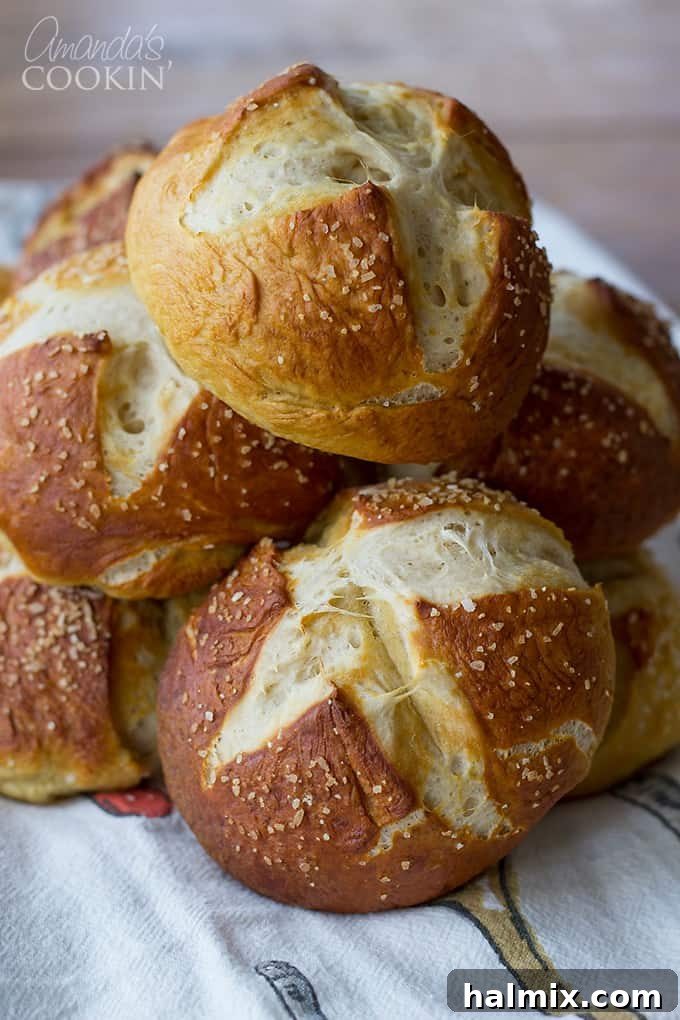
Full Recipe: Bretzel Rolls (Pretzel Sandwich Rolls)
These homemade bretzel rolls are truly reminiscent of those delightful pretzel buns I enjoyed years ago. Soft, flavorful, and perfect for dinner or as sandwich buns, they’re a must-try for any bread lover.
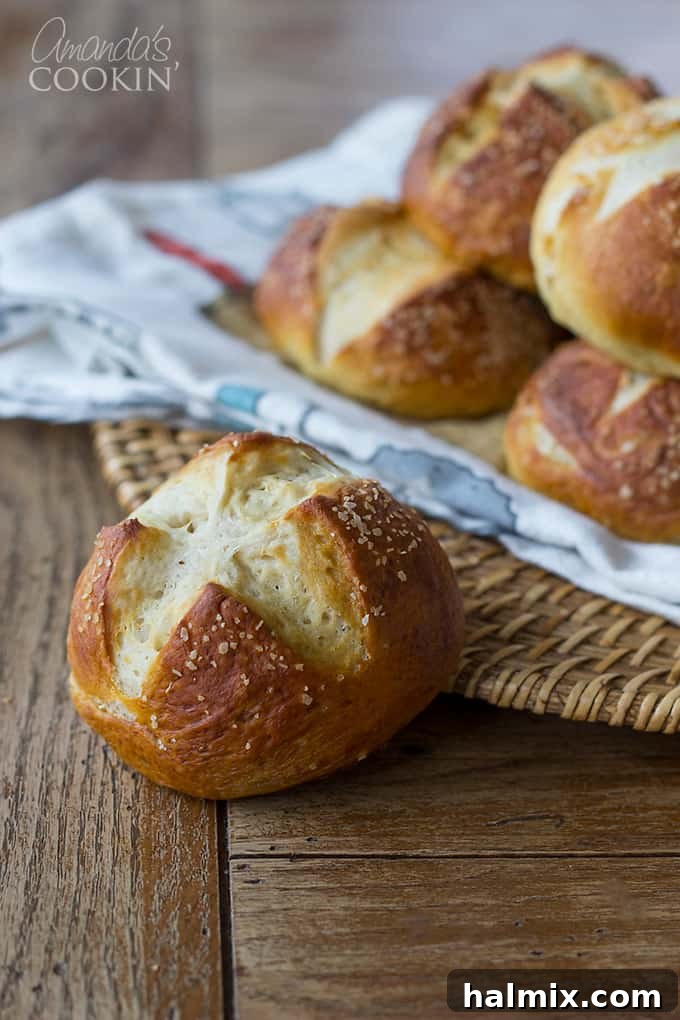

Bretzel Rolls (Pretzel Sandwich Rolls)
These homemade bretzel rolls remind me of a restaurant we used to frequent years ago. Soft, delicious pretzel buns, perfect with dinner or as sandwich buns.
IMPORTANT – There are often Frequently Asked Questions within the blog post that you may find helpful. Simply scroll back up to read them!
Print It
Pin It
Rate It
Course: Breads
Cuisine: German
Servings: 12 rolls
Total Time: 1 hr 15 mins
Calories: 201
Author: Amanda Davis
Ingredients
- 1 ⅓ cups warm water, divided
- 2 tablespoons warm milk
- 2 ½ teaspoons active dry yeast (one envelope)
- ⅓ cup light brown sugar
- 2 tablespoons butter, melted
- 4 cups all-purpose flour
- kosher salt or pretzel salt
- 2 quarts cold water
- ½ cup baking soda
Before You Begin
The original recipe suggested baking for 8 minutes, but in my experience, a full 15 minutes is usually needed to achieve that perfect golden-brown color. Start checking your rolls at 8 minutes, and if they are only lightly browned, continue baking for a few more minutes until they reach your desired level of crispness and color.
Instructions
- In the bowl of a stand mixer fitted with a dough hook, mix 1/3 cup of the warm water (ensure it’s between 105-115 degrees F) with the active dry yeast. Let this mixture stand for about 5-10 minutes until it becomes foamy, indicating the yeast is active.
- Once the yeast is foamy, add the remaining cup of warm water, along with the warm milk, light brown sugar, and melted butter to the mixer bowl. Swirl gently to help dissolve the sugar.
- Gradually add the all-purpose flour to the wet ingredients. Mix on medium-low speed with the dough hook until the dough comes together and forms a firm, pliable ball. Avoid adding too much extra flour unless the dough is excessively sticky.
- Remove the dough from the mixer bowl and transfer it to a lightly floured surface. Knead the dough by hand for approximately 2 minutes until it is smooth and elastic.
- Divide the dough into 12 even pieces. For best results and uniform rolls, you can use a kitchen scale to weigh the entire dough ball and then divide that weight by twelve to determine the exact weight for each individual roll.
- Cover the individual dough pieces with plastic wrap and then a damp cloth. Allow them to rest for 10 minutes. This resting period helps the gluten relax, making the dough easier to shape.
- After resting, gently pat and roll each piece of dough into a smooth, round ball. Arrange these balls on a lightly floured surface, ensuring they are about an inch apart. Cover them again with lightly oiled plastic wrap (cooking spray works well) to prevent drying.
- Let the dough balls rest for an additional 30 minutes. During this time, they will slightly increase in size, preparing them for the next step.
- While the dough rests, preheat your oven to 425°F (220°C). Lightly oil two baking sheets or line them with parchment paper to prevent sticking.
- In a large stockpot (remembering the baking soda will cause bubbling), bring 2 quarts of cold water to a rolling boil.
- Carefully add the ½ cup of baking soda to the boiling water. It will bubble up quite vigorously, almost violently at first, and then settle down. Do not be alarmed by this reaction; it’s a normal and necessary part of the process.
- Gently drop two of the dough rolls into the boiling water, placing them upside down first. Boil each roll for no more than 30 seconds total, flipping them once after about 15 seconds to ensure even coverage.
- Using a slotted spoon, carefully remove the boiled rolls from the water. Hold them briefly above the pot to allow any excess water to drain off.
- Place the drained rolls onto your prepared baking sheets, leaving some space between them. Immediately sprinkle them lightly with kosher salt or pretzel salt.
- Repeat steps 12-14 with the remaining rolls, working in small batches to maintain the water temperature and ensure proper boiling time.
- Bake the salted rolls on the upper and middle racks of your preheated oven for approximately 10-15 minutes, or until they are deeply browned all over. For truly even baking, consider rotating the pans from top to bottom and front to back halfway through the baking time.
- Once baked to perfection, let the rolls cool on the baking sheets for about 5 minutes. Then, transfer them to a wire rack to cool completely, or serve them warm.
- Serve your delicious homemade bretzel rolls warm or at room temperature. Enjoy!
Nutrition
Serving: 1 roll | Calories: 201cal | Carbohydrates: 38g | Protein: 5g | Fat: 2g | Saturated Fat: 1g | Cholesterol: 5mg | Sodium: 1398mg | Potassium: 79mg | Fiber: 1g | Sugar: 6g | Vitamin A: 60IU | Calcium: 19mg | Iron: 2mg
Tried this Recipe? Pin it for Later!
Follow on Pinterest @AmandasCookin or tag #AmandasCookin!
The recipes on this blog are tested with a conventional gas oven and gas stovetop. It’s important to note that some ovens, especially as they age, can cook and bake inconsistently. Using an inexpensive oven thermometer can assure you that your oven is truly heating to the proper temperature. If you use a toaster oven or countertop oven, please keep in mind that they may not distribute heat the same as a conventional full sized oven and you may need to adjust your cooking/baking times. In the case of recipes made with a pressure cooker, air fryer, slow cooker, or other appliance, a link to the appliances we use is listed within each respective recipe. For baking recipes where measurements are given by weight, please note that results may not be the same if cups are used instead, and we can’t guarantee success with that method.
I sincerely hope you found this guide helpful and are inspired to try making these wonderful bretzel rolls in your own kitchen. They’re a fantastic addition to any meal, a delightful snack, and an incredibly rewarding baking project. We absolutely love them here, and I’m sure you will too!
This recipe was originally published here on February 4, 2009, original source of this recipe – Food.com