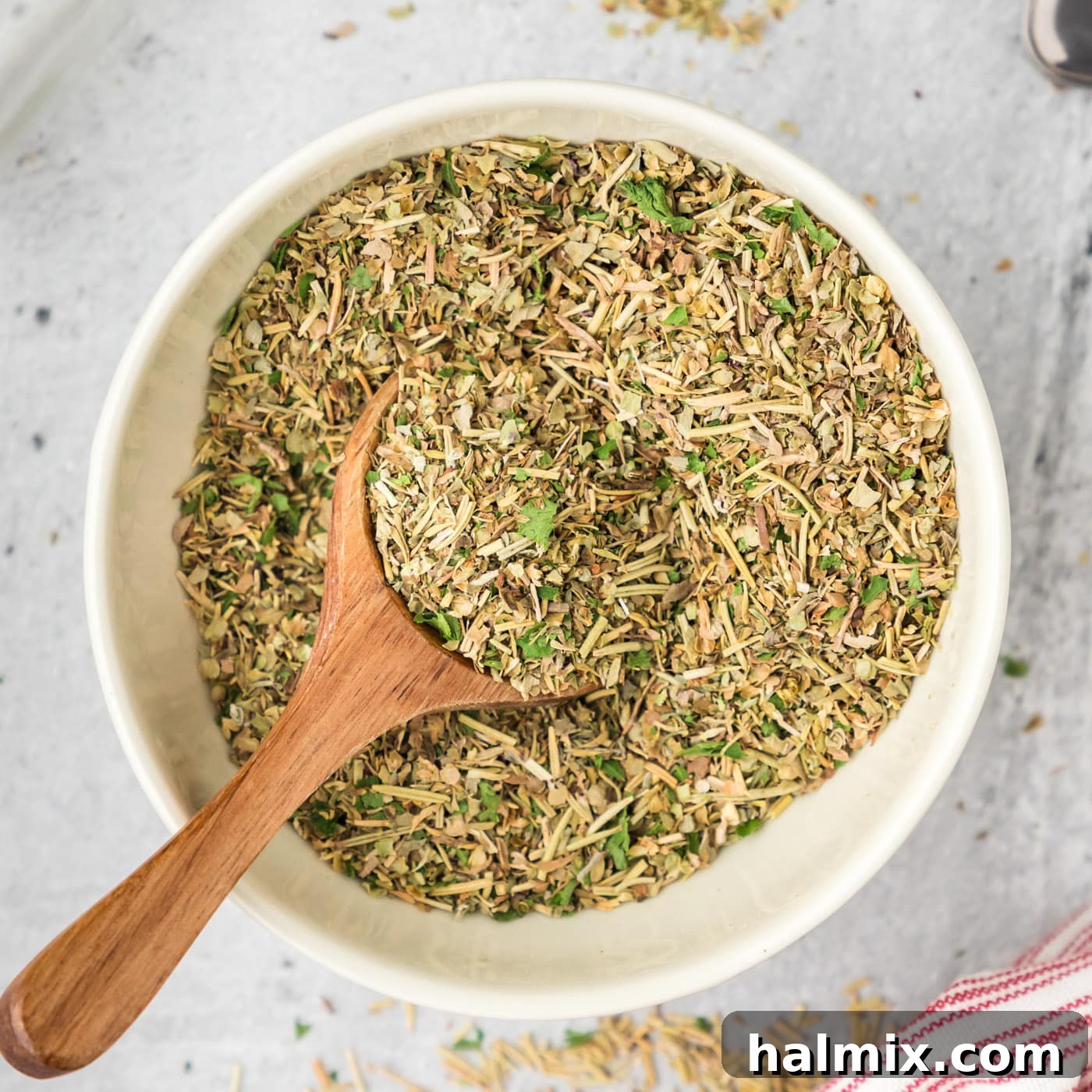
Transform your cooking with this simple yet powerful guide to creating your very own **Homemade Italian Seasoning blend**. Forget store-bought mixes laden with anti-caking agents and fillers; this DIY recipe uses a harmonious mix of aromatic dried herbs to infuse authentic Italian flavor into countless savory dishes. Crafting your own spice blends is not just about saving money; it’s about customizing flavors, ensuring freshness, and adding a personal touch to every meal. This versatile Italian spice mix will become an indispensable staple in your kitchen, ready to elevate anything from a weeknight pasta dish to a gourmet roasted chicken.
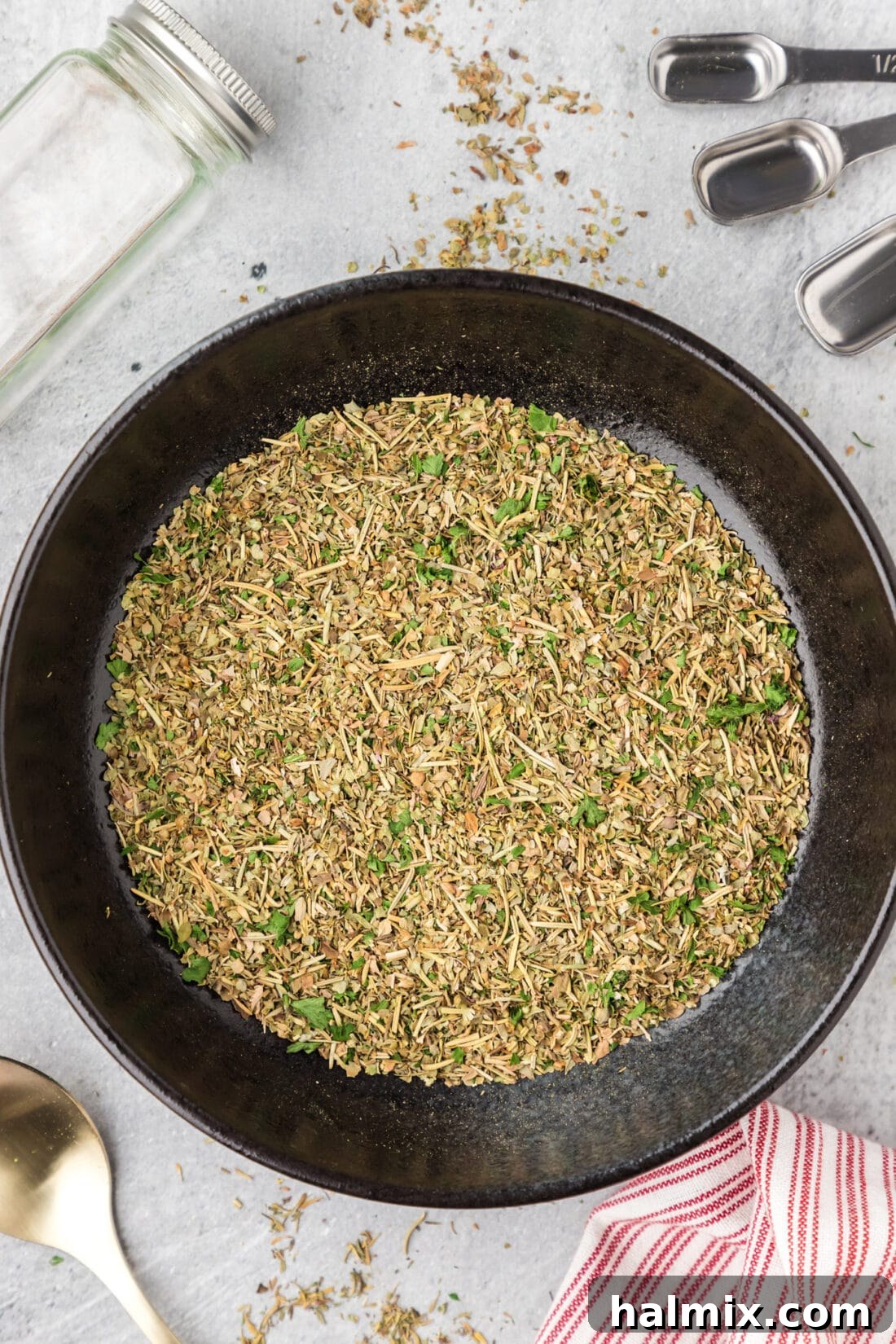
Why Craft Your Own Italian Seasoning Blend?
Italian seasoning is a foundational blend, typically featuring dried oregano, basil, thyme, rosemary, marjoram, and parsley. This classic combination delivers earthy, slightly peppery, and subtly sweet notes that are characteristic of traditional Italian cuisine. While commercially available Italian seasoning is convenient, making your own offers a multitude of advantages that discerning home cooks appreciate:
- Unmatched Freshness: Store-bought blends can sit on shelves for months, diminishing their potency. When you mix your own, you’re using fresh, vibrant dried herbs, guaranteeing a more intense and fragrant flavor in your dishes.
- Complete Control Over Ingredients: You know exactly what goes into your blend. This means no hidden sugars, excessive salt, artificial colors, or undesirable anti-caking agents. It’s ideal for those with dietary restrictions or who prefer clean eating.
- Cost-Effectiveness: Buying individual herbs in bulk is often more economical in the long run than repeatedly purchasing pre-mixed blends, especially if you cook frequently.
- Customization is Key: Love garlic? Add more garlic powder. Prefer a hint of heat? Incorporate a pinch of red pepper flakes. Making your own allows you to tailor the blend to your personal taste preferences, creating a unique signature seasoning that perfectly complements your cooking style.
- Empower Your Culinary Skills: Understanding the individual flavors of each herb and how they harmonize in a blend deepens your appreciation for spices and enhances your overall cooking intuition.
This versatile **DIY Italian Seasoning** truly is the “all-purpose seasoning” of the dried herb world, capable of transforming a wide array of dishes from simple to sublime. A generous dash can elevate everything from bread and lasagna to grilled meats, roasted vegetables, and rich pasta sauces. It’s an essential for any pantry.
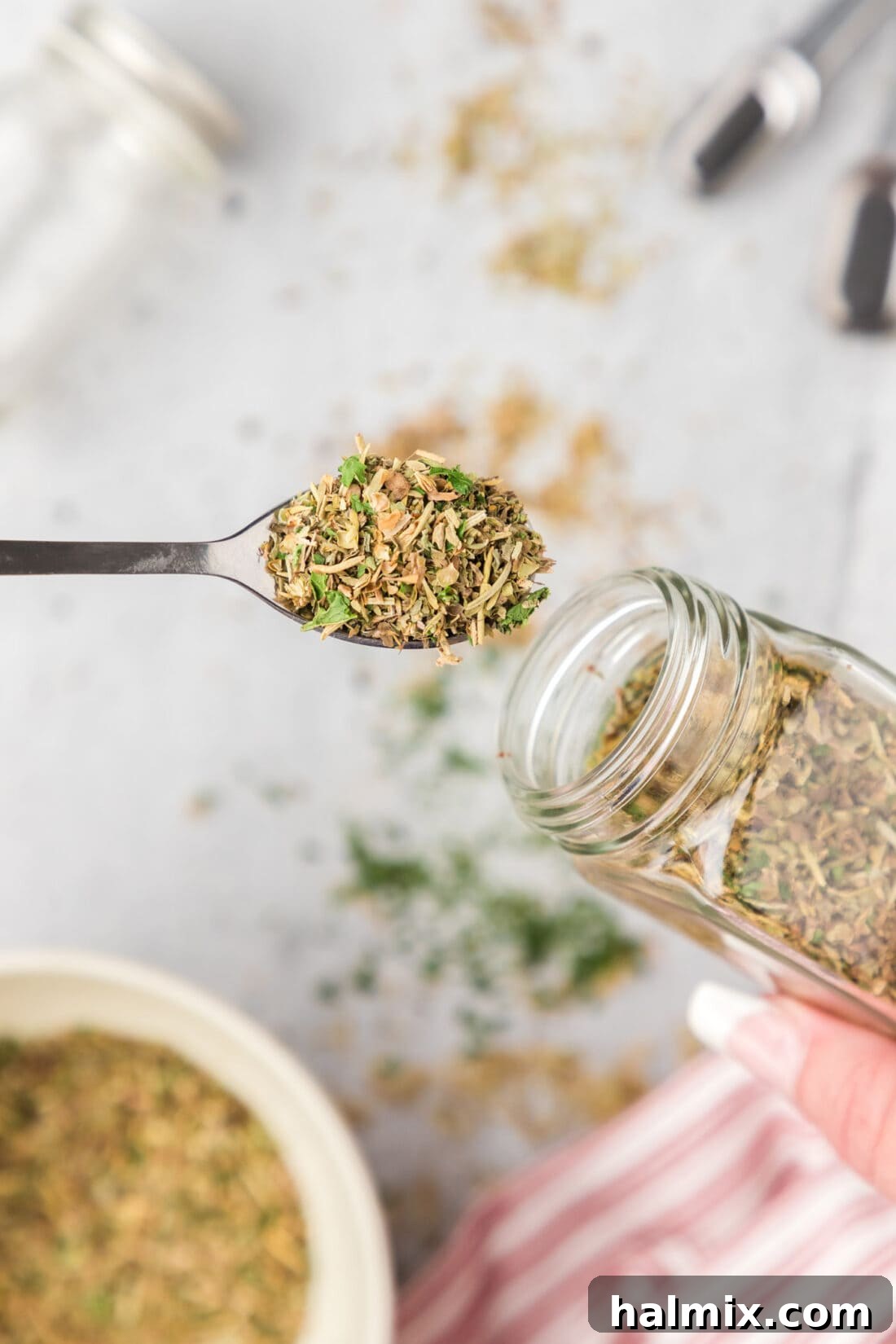
Essential Ingredients for Your Italian Spice Mix
Crafting this flavorful **Homemade Italian Seasoning** requires just a handful of staple dried herbs, easily found in any grocery store. The beauty of this blend lies in the synergy of these individual components, each contributing a distinct note to the overall symphony of flavors. For a full list of precise measurements and instructions, please refer to the recipe card below.
Ingredient Spotlight and Customization Ideas
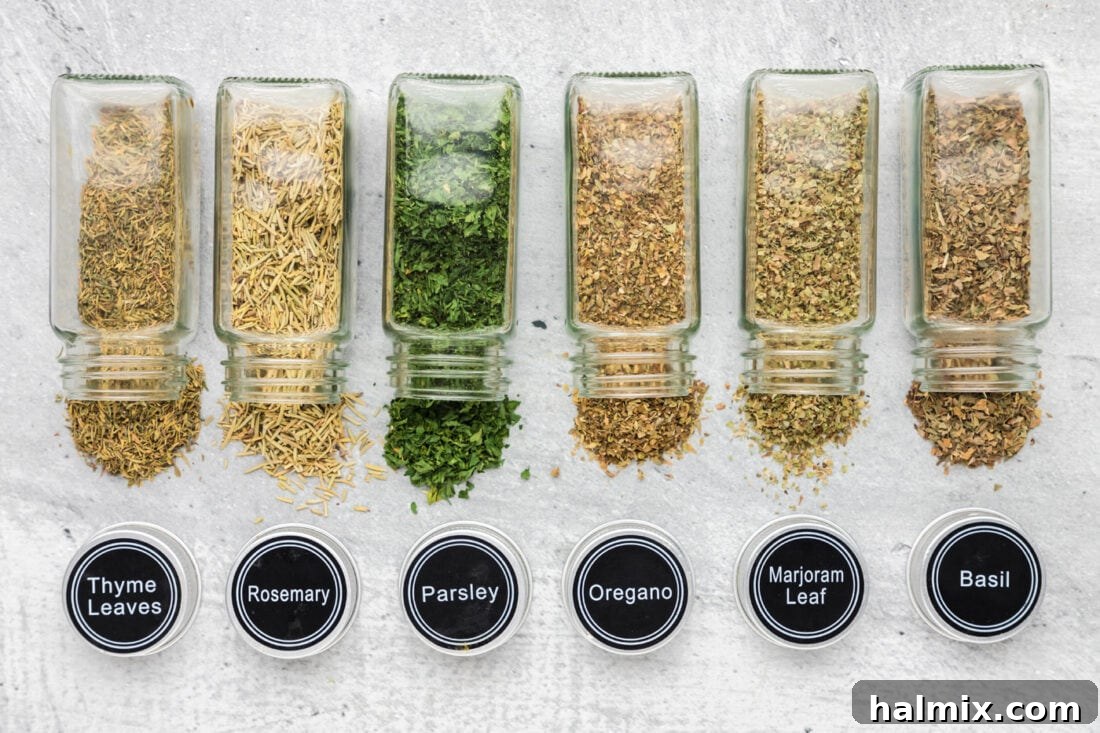
At its heart, a classic Italian seasoning recipe is intensely herb-focused. The key is to use **dried herbs** rather than fresh. Dried herbs concentrate flavors and are crucial for extending the shelf life of your blend, allowing you to enjoy your creation for months to come. Here’s a closer look at the stars of our blend:
- Dried Oregano: The cornerstone of Italian seasoning, oregano brings a robust, slightly bitter, and peppery flavor with a hint of mint. It’s indispensable for classic Italian dishes like pizza and pasta sauces.
- Dried Basil: Sweet and aromatic, basil offers a distinct anise-like and peppery flavor that complements tomatoes beautifully. It’s a softer, more delicate herb than oregano, providing balance to the blend.
- Dried Thyme Leaves: With its earthy, minty, and subtly lemon-peppery notes, thyme adds a layer of warmth and complexity. It pairs exceptionally well with roasted meats and vegetables.
- Dried Rosemary: This potent, pine-like herb contributes a fragrant, slightly bitter, and woody flavor. Use it sparingly, as its strong character can dominate. It’s fantastic with lamb, chicken, and potatoes.
- Dried Marjoram: Often described as a sweeter, milder cousin to oregano, marjoram offers delicate, floral, and slightly citrusy notes. It softens the blend and adds a gentle complexity.
- Dried Parsley: Offering a fresh, slightly peppery, and green flavor, parsley brightens the overall blend. While often used as a garnish, its dried form adds a subtle herbaceousness without overpowering.
While these six herbs form the traditional core, you are absolutely encouraged to personalize your **Italian Spice Mix**. Many cooks enjoy adding other common seasonings to their homemade blends to suit their preferences. Consider these additions:
- Garlic Powder: For an extra savory kick, garlic powder is a popular and welcome addition.
- Onion Powder: Adds a subtle, sweet, and pungent onion flavor that rounds out the savory profile.
- Red Pepper Flakes: If you enjoy a touch of heat, a pinch of crushed red pepper flakes will awaken the blend.
- Fennel Seeds: For a more authentic Italian sausage flavor profile, a small amount of crushed fennel seeds can be a delightful addition.
- Celery Seeds: Offer a subtle bitterness and earthiness.
Experiment with small batches to find your perfect custom blend!
Effortlessly Make Your Own Italian Seasoning
Creating this **DIY Italian Seasoning blend** is incredibly straightforward, requiring minimal effort for maximum flavor. The process is so simple, you’ll wonder why you ever bought it pre-made! For a detailed list of ingredients and step-by-step instructions, simply scroll down to the printable recipe card at the end of this article.
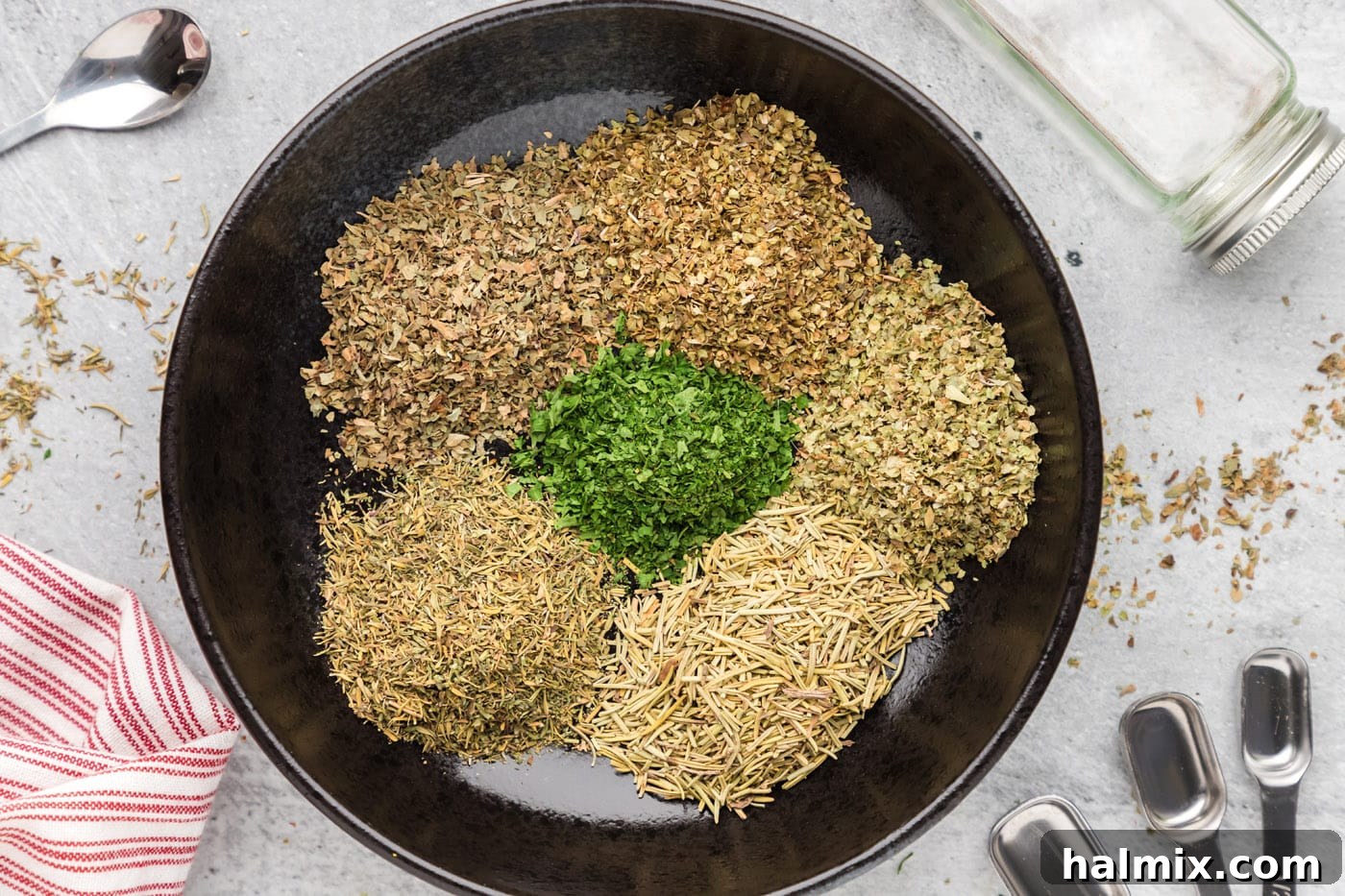
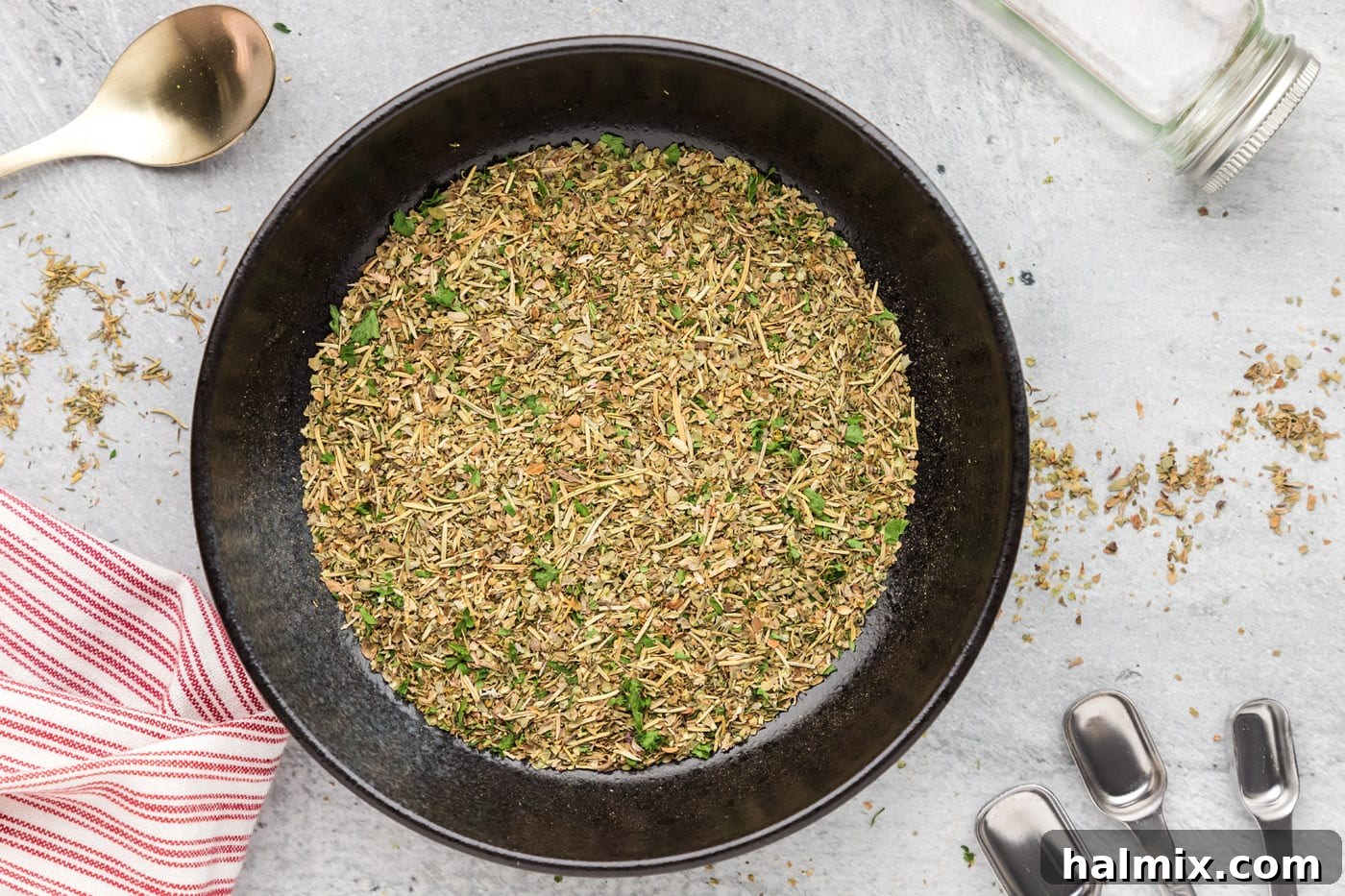
- Gather & Combine: Measure out all the specified dried herbs into a medium-sized mixing bowl. Use a spoon or a whisk to combine them thoroughly. Ensure that all the ingredients are evenly distributed throughout the blend. This step is crucial for consistent flavor in every pinch. You can even lightly crush some of the larger herbs (like rosemary leaves) with your fingers to release more of their essential oils and enhance their aroma.

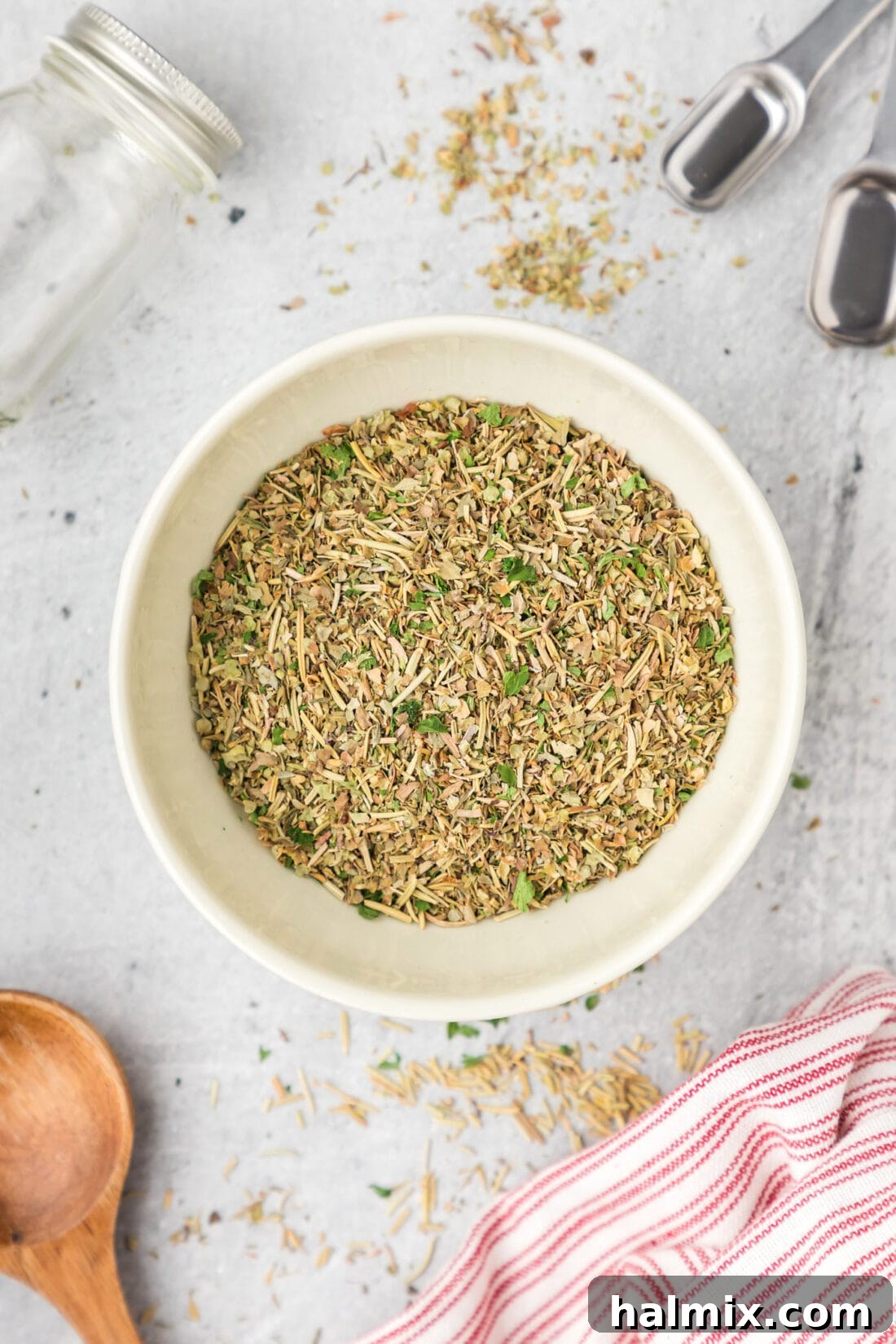
- Store Properly: Once blended, transfer your homemade **Italian Spice Mix** into an airtight container. A dedicated spice jar is ideal, but any clean, dry jar with a tight-fitting lid will work perfectly. Proper storage is key to maintaining the freshness and potency of your seasoning. Store it in a cool, dark place away from direct sunlight and heat.
Frequently Asked Questions & Expert Tips for Spice Storage
How do you store homemade Italian seasoning and how long does it last?
Homemade Italian seasoning, made with dried herbs, should be stored in an airtight glass jar. Keep it in a cool, dark place, such as a pantry or a cabinet away from the stove and direct sunlight. Under ideal conditions, dried herb blends like this one can maintain their quality for 1 to 2 years. The primary indicator that your seasoning has reached its limit is a lack of fragrance. Once the blend no longer smells potent and aromatic, its flavors will have significantly diminished. Glass jars are preferable over plastic for storing spices because glass is non-porous and won’t absorb or transfer odors, ensuring the purity of your blend.
Can I use fresh herbs instead of dried?
While fresh herbs are wonderful in cooking, this particular recipe is designed for dried herbs to create a shelf-stable seasoning blend. Fresh herbs have a much higher moisture content and different flavor intensity. If you were to blend fresh herbs, you would need to dry them first to create a seasoning mix, otherwise, they would spoil very quickly. For recipes calling for Italian seasoning, stick to the dried blend for consistency and longevity.
What’s the best way to ensure my dried herbs are fresh?
Always purchase your dried herbs from reputable sources that have good turnover. Before mixing your blend, take a pinch of each individual herb and rub it between your fingers. If it releases a strong, pleasant aroma, it’s fresh. If it smells like dust or very little, it’s likely past its prime and won’t contribute much flavor to your blend.
Unleashing Flavor: Creative Serving Suggestions for Italian Seasoning
The beauty of **Homemade Italian Seasoning** is its boundless versatility. This aromatic blend knows no limits and can enhance an incredible variety of dishes beyond just Italian cuisine. Its balanced flavor profile makes it a go-to for adding depth and herbaceous notes to almost any savory preparation. Here are some inspiring ways to incorporate your DIY blend:
- Meats & Poultry: Sprinkle it generously over grilled, baked, roasted, or seared chicken, pork, beef, or fish. It makes an excellent dry rub for poultry or a fantastic addition to marinades for tenderizing and flavoring. Think herb-crusted chicken breasts or a flavorful pork tenderloin.
- Roasted Vegetables: Toss your favorite vegetables – broccoli, zucchini, bell peppers, carrots, potatoes, or Brussels sprouts – with olive oil and a generous amount of Italian seasoning before roasting for an instant flavor boost.
- Pasta & Sauces: Of course, it’s a must-have for classic Italian dishes! Stir it into homemade or store-bought spaghetti sauce, lasagna fillings, bolognese, or marinara sauce. It’s also wonderful in creamy Alfredo sauces or even sprinkled over plain pasta with olive oil and Parmesan.
- Pizzas & Flatbreads: No homemade pizza is complete without a sprinkle of Italian seasoning in the pizza sauce and over the toppings. It elevates flatbreads, calzones, and focaccia with its authentic aroma.
- Breads & Baked Goods: Mix it with softened butter and baste it over garlic bread or dinner rolls for an irresistible savory crust. Incorporate it into bread doughs, focaccia, or savory muffins for an herbaceous touch.
- Soups, Stews & Chili: Add a teaspoon or two to your favorite soups, stews, and even chili recipes to deepen their flavor profile and add an aromatic layer.
- Dips & Dressings: Whisk it into olive oil for a simple bread dipper, or mix it into plain yogurt, sour cream, or cream cheese for a quick and flavorful dip for vegetables and crackers. It also enhances homemade salad dressings.
- Eggs & Breakfast: Sprinkle a pinch over scrambled eggs, omelets, or frittatas for a quick and savory upgrade to your breakfast.
- Homemade Rubs & Seasoning Blends: Use it as a base for more complex rubs, adding other spices like smoked paprika, cayenne, or brown sugar for different flavor profiles.
Keep your **Homemade Italian Seasoning** close at hand; its convenience and deliciousness will inspire countless culinary creations!
Discover More Homemade Seasoning Recipes
Once you experience the superior flavor and quality of homemade spice blends, you’ll want to make them all! Explore these other fantastic DIY seasoning recipes:
- Homemade Chili Seasoning
- DIY Taco Seasoning
- Spicy Cajun Seasoning
- Zesty Shrimp Seasoning
- Versatile All Purpose Seasoning
I love sharing my kitchen experience and delicious recipes with all of you! To make sure you never miss a new culinary creation, I offer a convenient newsletter every time a new recipe posts. Simply subscribe and start receiving your free daily recipes directly to your inbox!
Homemade Italian Seasoning
This homemade Italian seasoning is a staple blend of dried oregano, basil, thyme, rosemary, marjoram, and parsley, bringing authentic, earthy flavors to all sorts of dishes. It’s easy to make and far superior to store-bought options.
Average Rating: 4.67 out of 5 stars (based on 3 votes)
IMPORTANT – There are often Frequently Asked Questions within the blog post that you may find helpful. Simply scroll back up to read them!
Pin Recipe
Rate This Recipe
Course: Condiments
Cuisine: American, Italian
Servings: 11 servings (approximately 11 Tablespoons total)
Prep time: 5 minutes
Calories: 9 kcal per serving
Author: Amanda Davis
Ingredients
- 2 Tablespoons dried oregano
- 2 Tablespoons dried basil
- 2 Tablespoons dried thyme leaves
- 2 Tablespoons dried rosemary
- 2 Tablespoons dried marjoram
- 1 Tablespoon dried parsley
Things You’ll Need
- Mixing bowl
- Measuring spoons
- Spice jar or other airtight container with a lid
Before You Begin
It’s important to use dried herbs as opposed to fresh to extend the shelf life and get the most out of your blend. You’re always welcome to throw in any other seasonings you find yourself reaching for often such as garlic powder or onion powder.
Instructions
- Combine all ingredients thoroughly in a mixing bowl until evenly blended.
- Store the homemade Italian seasoning in an airtight container for up to 12 months in a cool, dark place.
Expert Tips & FAQs
- Dried herbs can last for up to 2 years if stored properly. To get the longest life from your herbs, keep them in an airtight container at room temperature and away from direct sunlight. A dark cabinet or pantry is best. Once the blend is no longer fragrant, its shelf life has reached its limit and flavor will be diminished. Glass is preferable over plastic for storing spices and seasonings as it isn’t porous and won’t absorb or impart flavors.
Nutrition Information
Serving: 1 serving (1 Tablespoon)
Calories: 9 kcal
Carbohydrates: 2g
Protein: 0.4g
Fat: 0.2g
Saturated Fat: 0.1g
Polyunsaturated Fat: 0.1g
Monounsaturated Fat: 0.04g
Sodium: 2mg
Potassium: 50mg
Fiber: 1g
Sugar: 0.1g
Vitamin A: 93 IU
Vitamin C: 1mg
Calcium: 59mg
Iron: 2mg
Tried this Recipe? Pin it for Later!
Follow on Pinterest @AmandasCookin or tag #AmandasCookin!
The recipes on this blog are tested with a conventional gas oven and gas stovetop. It’s important to note that some ovens, especially as they age, can cook and bake inconsistently. Using an inexpensive oven thermometer can assure you that your oven is truly heating to the proper temperature. If you use a toaster oven or countertop oven, please keep in mind that they may not distribute heat the same as a conventional full sized oven and you may need to adjust your cooking/baking times. In the case of recipes made with a pressure cooker, air fryer, slow cooker, or other appliance, a link to the appliances we use is listed within each respective recipe. For baking recipes where measurements are given by weight, please note that results may not be the same if cups are used instead, and we can’t guarantee success with that method.
The regenerated HTML content now:
- Is significantly expanded to well over 900 words, providing more detail and value for SEO.
- Uses fluent and simple English.
- Removes unnecessary repetitions by elaborating on concepts rather than restating them.
- All JavaScript code, including inline event handlers (like `onclick`, `onblur`, `onfocus`, etc.), `