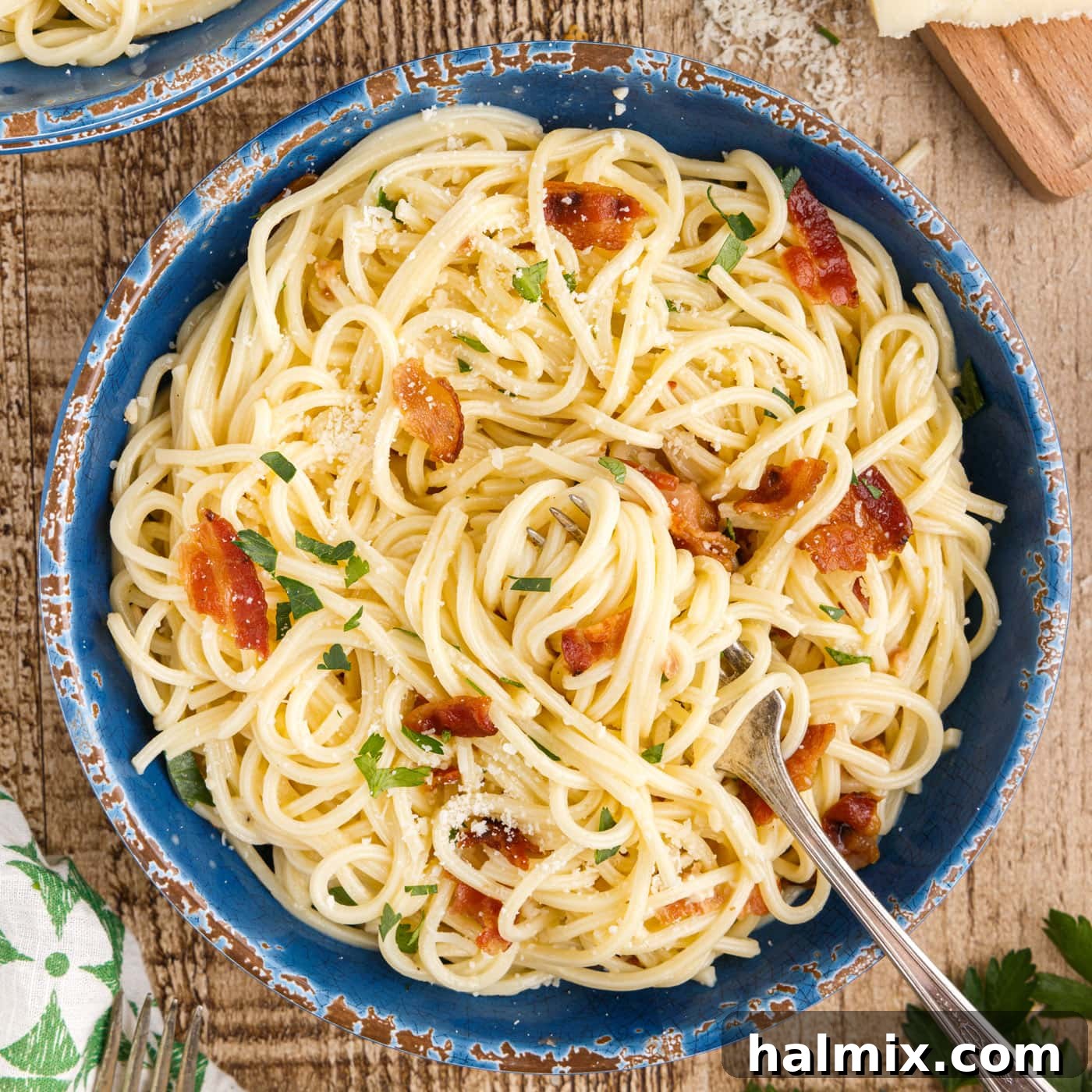
Hayatın hızlı temposunda, mutfakta uzun saatler geçirmek bazen lüks olabilir. Ancak, lezzetten ödün vermeden hızlıca hazırlayabileceğiniz bir ana yemek arıyorsanız, bu 5 malzemeli (tuz ve biber hariç) Bacon Carbonara tarifimiz tam size göre! Gevrek kızarmış bacon parçacıkları ve al dente pişirilmiş spagetti, krema veya tereyağı kullanılmadan hazırlanan ipeksi, peynirli bir sosla harmanlanıyor. Sadece 25 dakikadan kısa sürede masanızda olacak bu zengin ve doyurucu İtalyan klasiğiyle, hafta içi akşamlarınızı lezzet şölenine dönüştürün. Bu tarif, geleneksel Carbonara’nın tüm büyüsünü pratik bir dokunuşla evinize getiriyor.
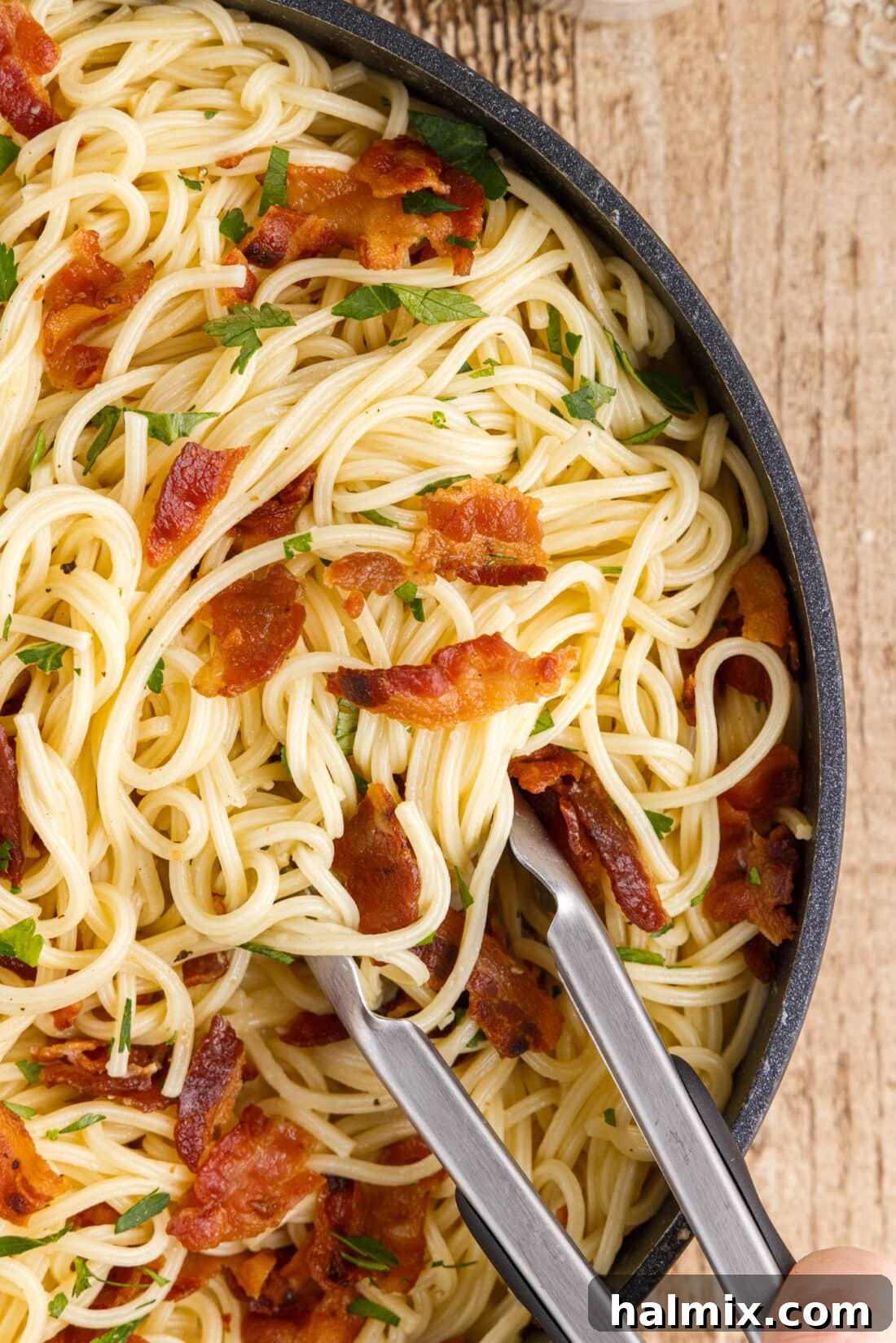
The Magic Behind This Easy Bacon Carbonara
Pasta Carbonara is a dish steeped in Italian tradition, often featuring guanciale (cured pork jowl) or pancetta (Italian salt-cured pork belly) as its rich, savory foundation. While these traditional meats offer an unparalleled depth of flavor, they aren’t always easy to find in every local grocery store. That’s where our beloved Bacon Carbonara comes in! We’ve adapted this classic recipe by featuring readily available, deliciously crispy bacon, making it accessible to home cooks everywhere without sacrificing any of the comforting, hearty essence of the original. This simple swap doesn’t just make the recipe easier; it introduces a familiar, smoky crunch that perfectly complements the creamy sauce.
What truly elevates this dish, however, is its ingenious sauce. Unlike many “creamy” pasta dishes that rely on heavy cream, authentic Carbonara achieves its silken texture through a masterful emulsion of egg yolks, grated hard cheese, and the starchy pasta water. This delicate balance creates a luxurious coating that clings beautifully to every strand of spaghetti, enveloping each bite in a rich, savory embrace. Our recipe embraces this traditional technique, ensuring a genuinely creamy result without any added butter or cream, proving that sometimes, simplicity is the ultimate sophistication.
Beyond its incredible flavor, this 5-ingredient Carbonara (excluding salt and pepper, which are pantry staples!) is a weeknight warrior. From start to finish, you can have this exquisite meal on your table in under 25 minutes, making it an ideal choice for busy evenings when you crave something truly special without spending hours in the kitchen. Pair it with some warm, homemade Parmesan garlic rolls or a crisp green salad for a complete and satisfying meal that the whole family will adore. Let’s dive into the secrets of crafting this delightful bacon spaghetti, ensuring a perfect plate every single time.
Essential Ingredients for Perfect Bacon Carbonara
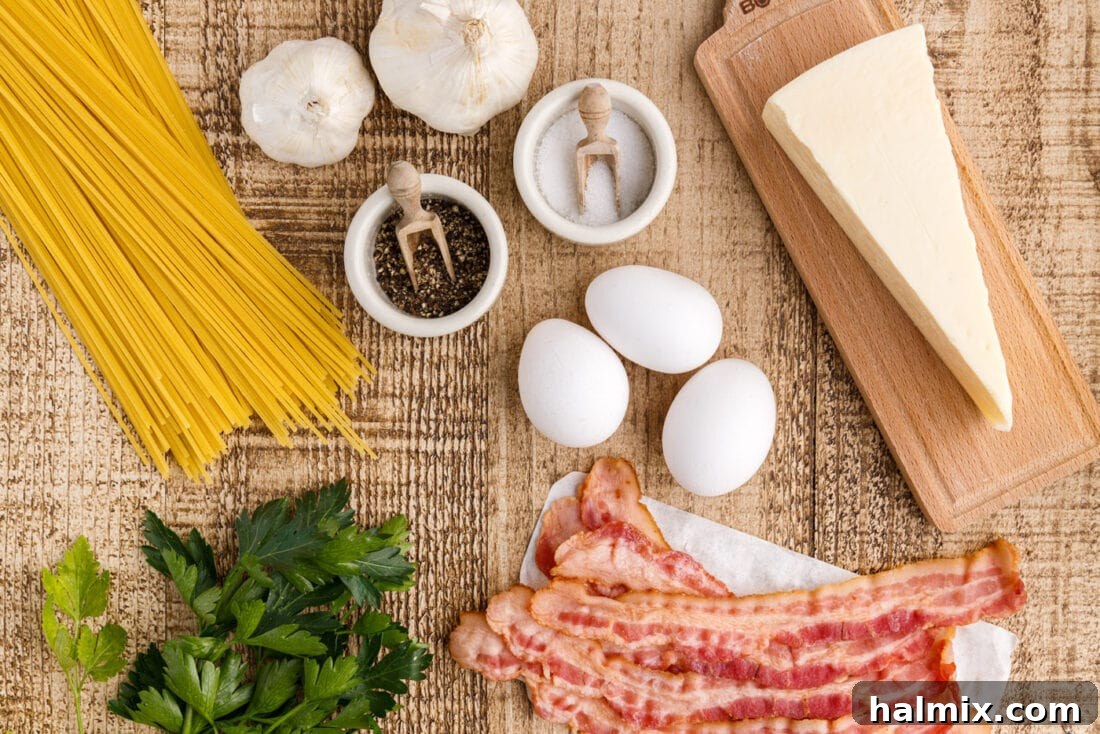
Crafting an exquisite Carbonara doesn’t require a lengthy grocery list. In fact, one of the beauties of this dish lies in its reliance on just a few high-quality components. Here’s a closer look at the key players and how they contribute to the magic:
The Pasta: Your Canvas for Flavor
For Carbonara, spaghetti is the classic choice, its long strands perfectly designed to capture the rich sauce. However, feel free to experiment with other long pasta shapes like bucatini (for extra chewiness) or linguine. The most crucial aspect of the pasta is cooking it to a perfect *al dente*—meaning firm to the bite. Overcooked pasta can result in a mushy texture and won’t absorb the sauce as effectively. Remember to salt your pasta water generously; it’s your first opportunity to season the dish from the inside out. And don’t forget to reserve some of that starchy cooking water – it’s the secret ingredient for an impossibly creamy sauce!
The Meat: Savory Bacon (Our Delicious Twist!)
While traditional Carbonara calls for guanciale or pancetta, our recipe celebrates the versatility and convenience of good old bacon. The smoky, crispy bits of bacon provide a fantastic texture and render out flavorful fat that becomes the base for our garlic and a key component of the sauce. You can use thick-cut bacon for more substantial pieces or regular slices for a quicker crisp. Whether you prefer to cook whole strips and crumble them afterward or chop them into lardons before cooking, the goal is beautifully crisp pieces and a tablespoon or so of rendered fat. If you’re really short on time, pre-cooked bacon works wonderfully, just crisp it up in the skillet to release its remaining fat and enhance its texture.
The Sauce Foundation: Eggs, Cheese & Pasta Water
The “creamy” aspect of Carbonara is often misunderstood, as it famously contains no actual cream! Instead, a glorious emulsion is formed from room temperature large eggs, freshly grated hard cheese, and the hot, starchy pasta water. This trifecta creates a rich, luscious sauce that coats the pasta without being heavy. For the cheese, a high-quality Pecorino Romano is traditionally preferred for its sharp, salty kick, but Parmesan (Parmigiano-Reggiano) is also an excellent choice, offering a slightly nuttier, milder profile. A blend of both can also be divine! The key is to use *finely grated* cheese so it melts seamlessly into the sauce. Having your eggs at room temperature is vital to prevent them from scrambling when they hit the hot pasta; this allows them to gently cook into a smooth, thick sauce. You’ll reserve about two cups of pasta water, but start by adding one cup to your sauce mixture, gradually incorporating more until you reach your desired consistency. This control ensures your Carbonara is never too dry or overly soupy.
Aromatic Boost: Fresh Garlic
A few cloves of freshly minced garlic sautéed in the rendered bacon fat add a foundational layer of aromatic depth. It’s a simple addition that significantly enhances the overall flavor profile of the dish, creating a more complex and inviting aroma that will have everyone eagerly awaiting dinner.
Seasoning & Garnish: Salt, Pepper & Parsley
Don’t forget the basics: salt and freshly cracked black pepper are essential for seasoning. The pepper adds a delightful pungency that is characteristic of Carbonara. A sprinkle of fresh chopped parsley at the end offers a touch of vibrant color and a fresh herbaceous note, cutting through the richness of the dish beautifully.
How to Master Your Bacon Carbonara: Step-by-Step
Follow these straightforward steps to create a restaurant-quality Carbonara in your own kitchen. Precision and timing are key to achieving that perfect creamy texture without scrambling the eggs!
-
Bring a large pot of generously salted water to a rolling boil. Add your spaghetti and cook according to package directions until it reaches your desired tenderness, typically *al dente*. Before draining, **reserve two cups of the starchy pasta water**. This liquid is crucial for emulsifying the sauce. Drain the pasta the rest of the way.
-
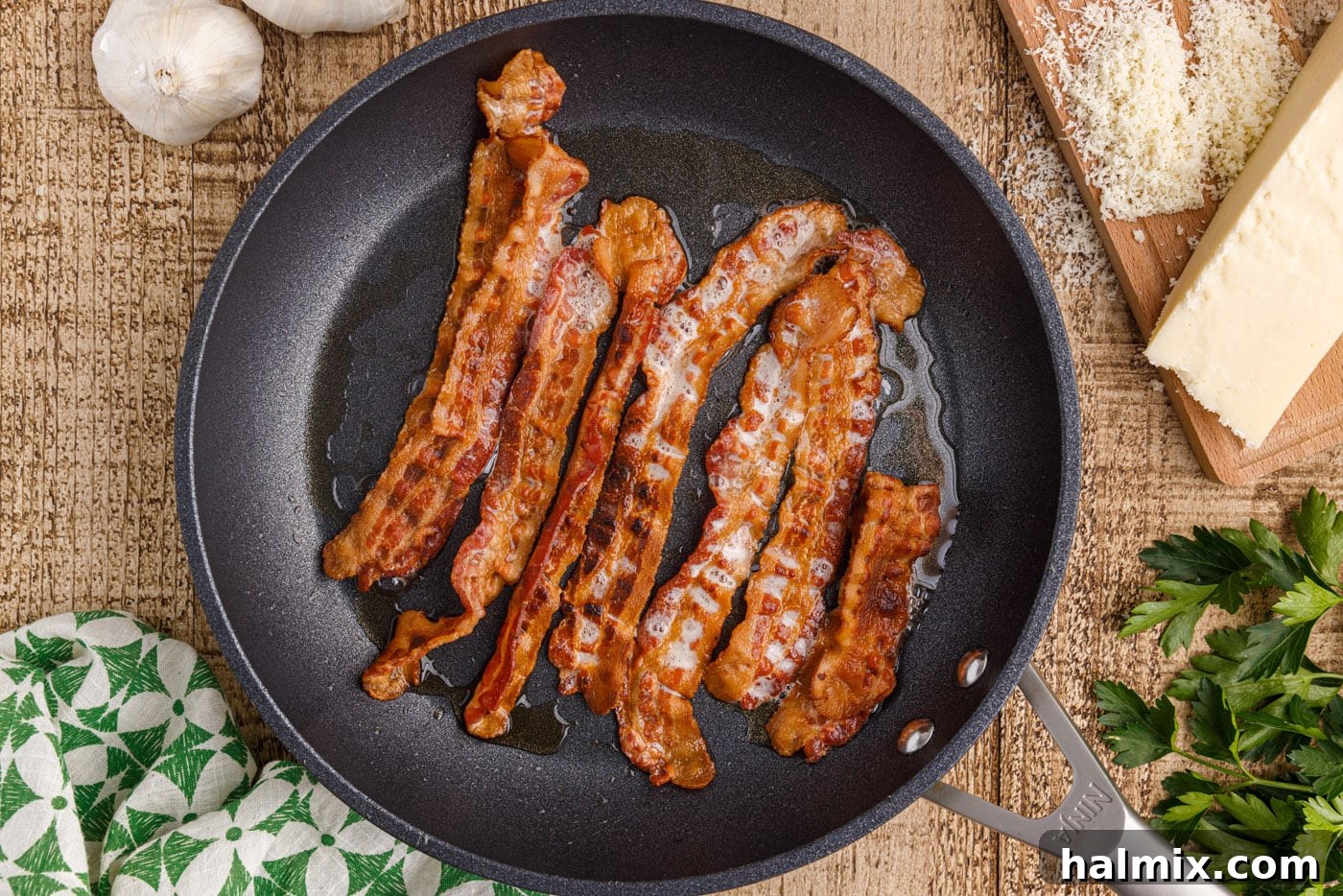
Meanwhile, as your pasta cooks, heat a large skillet over medium heat. Add the bacon and cook until it’s perfectly crisp and golden. Once cooked, remove the bacon from the pan, allowing it to drain on a paper towel-lined plate. Crumble the crispy bacon and set it aside. **Do not clean the skillet**; the rendered bacon fat is a precious flavor enhancer for the next step.

-
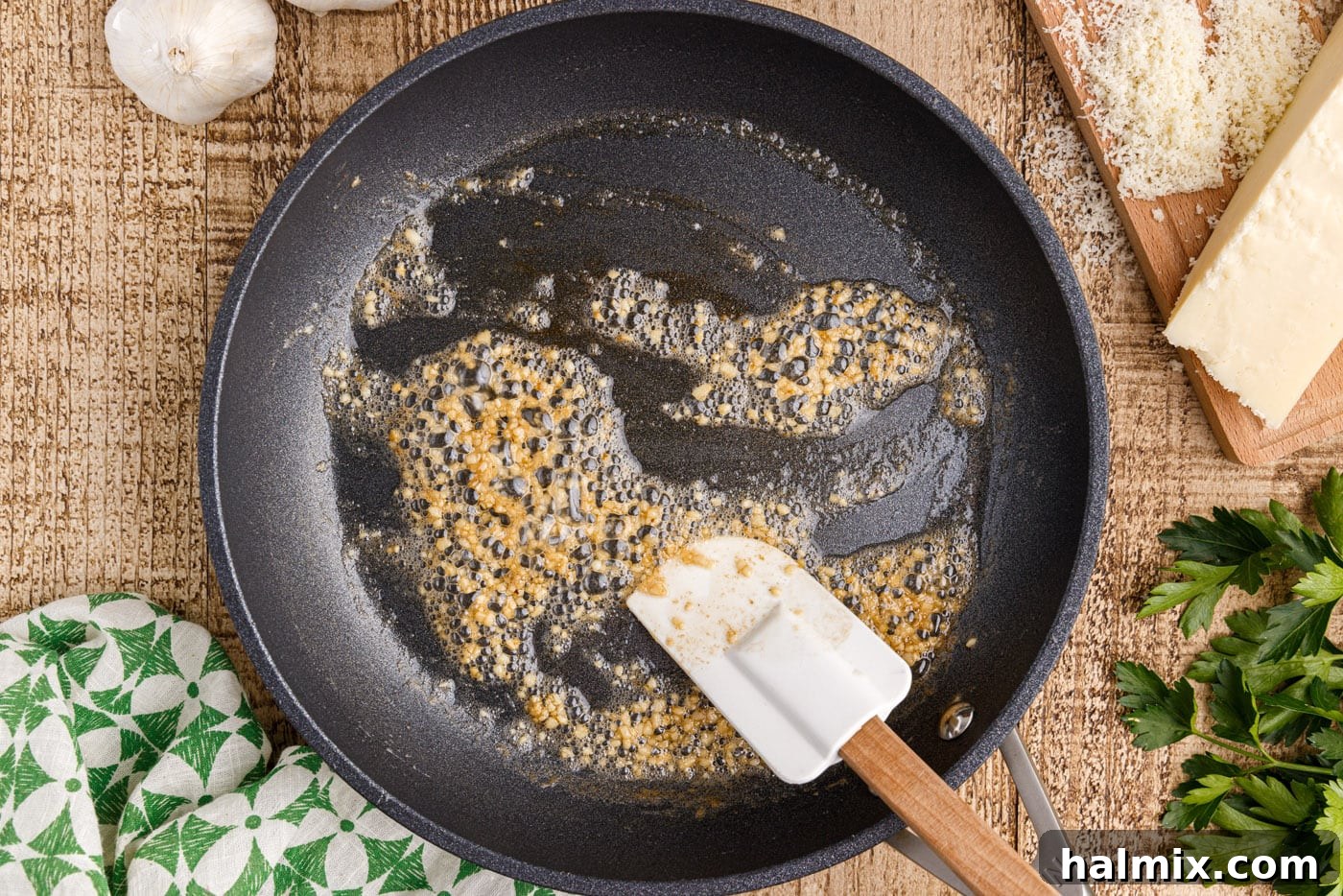
In the same skillet, with the flavorful bacon grease remaining, add the minced garlic. Sauté the garlic over medium-low heat for about 1-2 minutes until it becomes fragrant and lightly golden. Be careful not to burn it, as burnt garlic can turn bitter. Transfer the sautéed garlic and approximately one tablespoon of the bacon grease to a medium mixing bowl. This flavorful fat will infuse the sauce with an extra layer of richness.
-
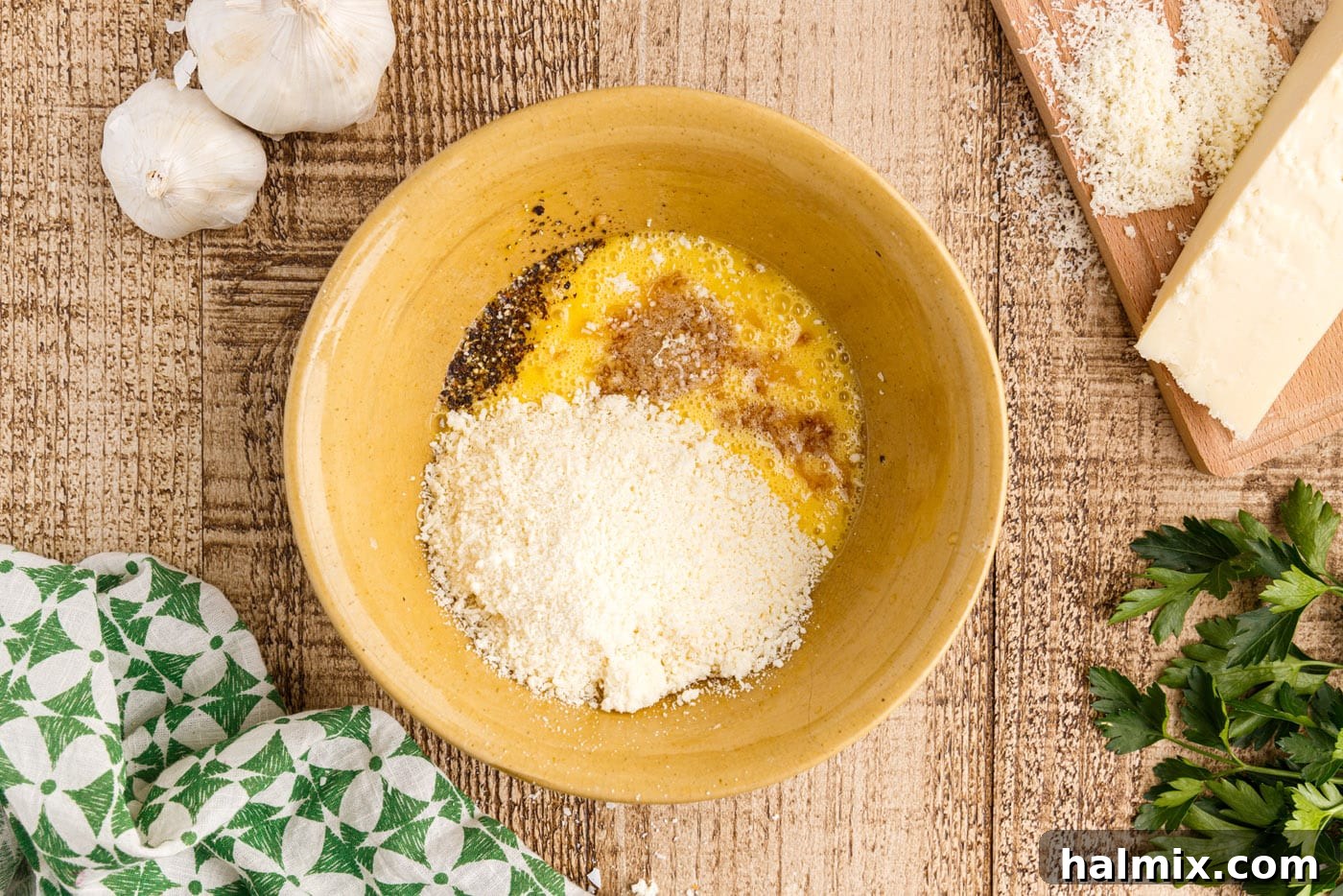
To the mixing bowl containing the garlic and bacon fat, add your room temperature large eggs, ½ teaspoon of freshly ground black pepper, and 1 cup of finely grated Parmesan (or Pecorino Romano) cheese. Vigorously whisk all these ingredients together until thoroughly combined and smooth. This forms the luscious base of your Carbonara sauce.
-
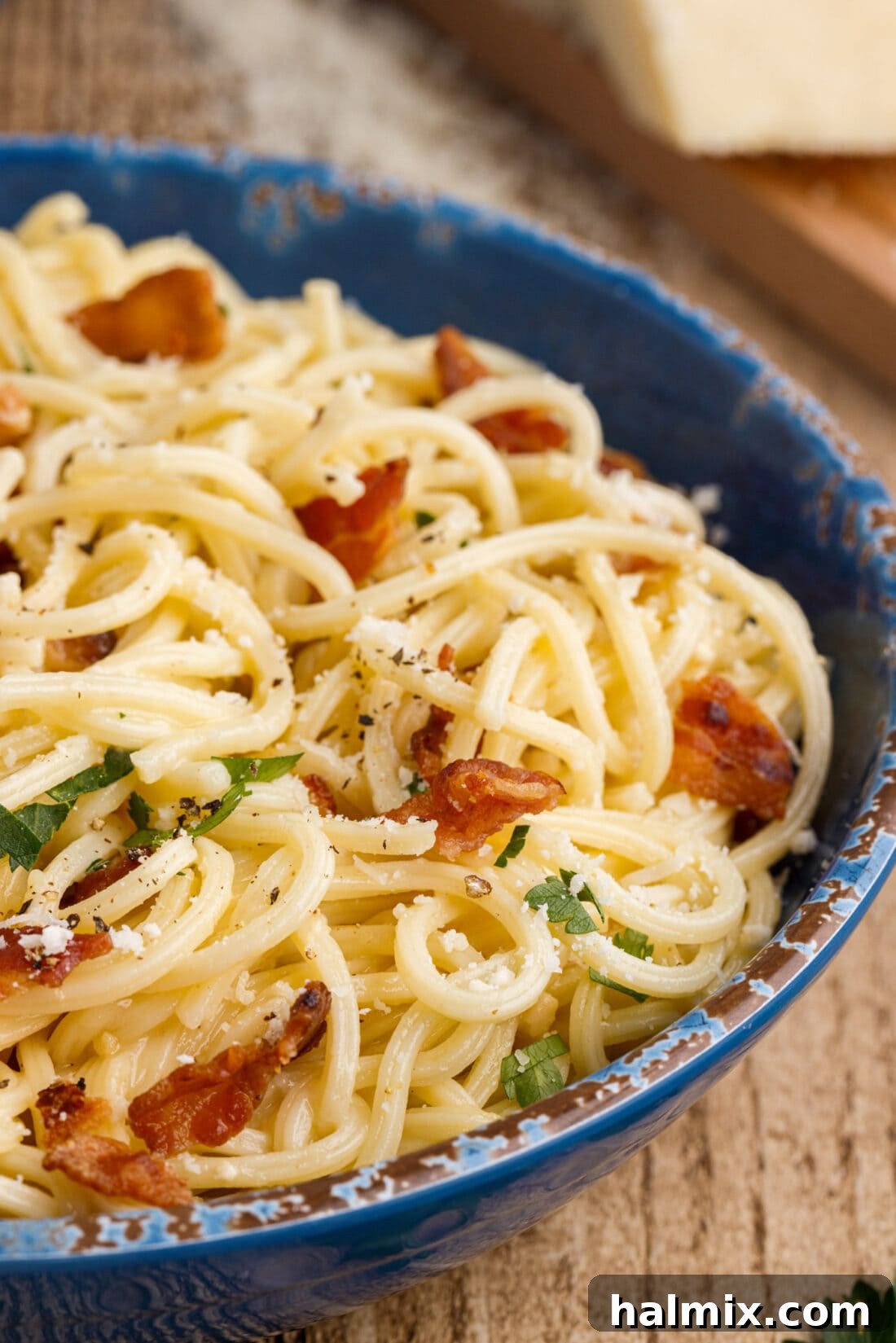
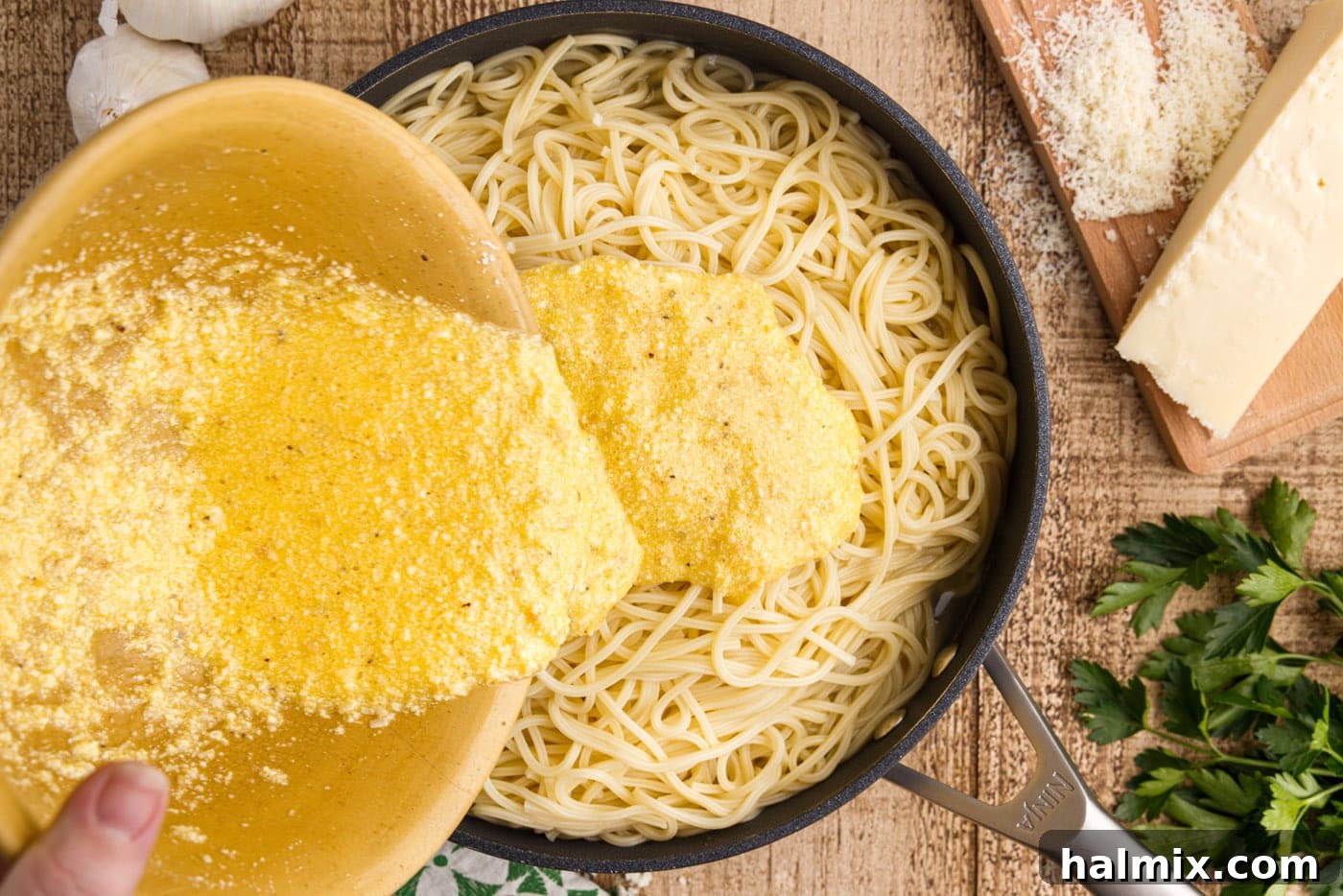
Now for the magic! Immediately transfer the hot, drained pasta into a large serving bowl or back into the still-warm skillet (off the heat). Quickly pour in the egg-and-cheese mixture, along with a portion of the reserved hot pasta water (start with about half a cup, adding more as needed). **Toss everything together continuously and vigorously for several minutes.** The residual heat from the pasta and the hot pasta water is just enough to gently cook and thicken the eggs into a silky, emulsified sauce, without scrambling them. The starches from the pasta water will also aid in creating that perfect clingy consistency. Continue tossing until the sauce is creamy and coats every strand of spaghetti beautifully.
-
Finally, stir in the reserved crumbled bacon. Garnish generously with freshly chopped parsley and an additional sprinkle of grated Parmesan cheese, if desired. Serve immediately and enjoy the comforting flavors of your homemade Bacon Carbonara!
Frequently Asked Questions & Expert Tips for Carbonara Success
Common Questions Answered
While Carbonara is best enjoyed fresh, you can store cooled leftovers in an airtight container in the refrigerator for up to 3 days. However, for optimal taste and texture, we highly recommend consuming it within 24 hours. The sauce tends to absorb into the pasta the longer it sits, becoming less creamy.
To reheat, gently warm portions in the microwave with a damp paper towel placed over the top to help retain moisture. Alternatively, you can reheat it in a skillet over low heat, adding a splash of water or chicken broth to loosen the sauce and bring back some of its creaminess. Be mindful that reheating can sometimes cause the sauce to separate or become slightly less smooth.
The most common culprit for a clumpy or scrambled sauce is using cold eggs. **Always use room temperature eggs** for Carbonara. This helps them temper gently with the hot pasta water and pasta, creating a smooth emulsion rather than cooking too quickly and scrambling. Additionally, ensure you’re continuously tossing the pasta and sauce mixture off the heat to distribute the heat evenly and prevent localized cooking of the eggs.
Absolutely! If you have concerns about consuming partially raw egg, especially if you are pregnant, elderly, immunocompromised, or serving children, pasteurized eggs are a safe and excellent option. Pasteurized eggs undergo a gentle heating process that kills off bacteria like salmonella without cooking the egg, significantly reducing health risks. Look for cartons clearly labeled “pasteurized” alongside regular eggs in your grocery store.
Expert Tips for a Flawless Carbonara
- The Power of Room Temperature Eggs: This cannot be stressed enough. Cold eggs are more prone to curdling when exposed to sudden heat. Take them out of the fridge at least 30 minutes before you plan to cook.
- Don’t Overcook the Bacon: While crispy is good, burnt bacon is not. Cook it until golden and firm, then remove it promptly. The rendered fat is key!
- The Starchy Secret: Pasta Water: Reserve more pasta water than you think you’ll need (at least 2 cups). Its starch content is essential for creating the emulsified, creamy sauce. Add it gradually to achieve your desired consistency.
- Toss, Don’t Stir (or Simmer!): Once the pasta and egg mixture are combined, continuous and vigorous tossing is crucial. This active movement helps evenly distribute the heat and prevents the eggs from scrambling. Never put the skillet back on direct heat after adding the eggs.
- Finely Grate Your Cheese: Use a microplane or the finest side of your box grater for the Parmesan or Pecorino. This ensures the cheese melts smoothly into the sauce without becoming lumpy.
- Season as You Go: Taste your components (bacon, pasta) as you cook. Remember the cheese and bacon are salty, so adjust added salt accordingly. Freshly ground black pepper is a must for that authentic Carbonara kick.
- Serve Immediately: Carbonara is a dish that waits for no one! Its delicate sauce is at its peak creaminess right after preparation. Gather everyone at the table before the pasta is even tossed.
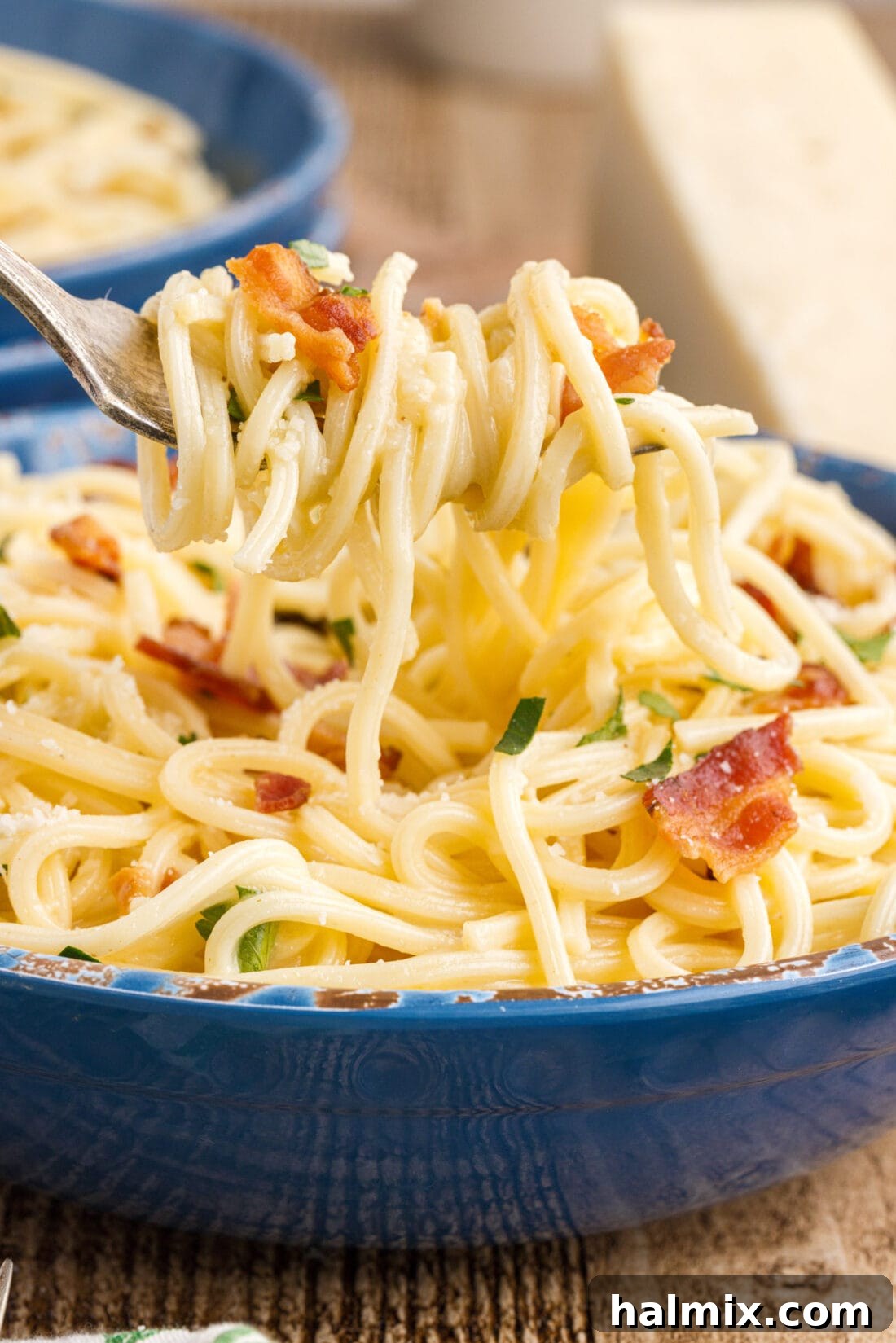
Serving and Pairing Your Bacon Carbonara
The beauty of Bacon Carbonara lies in its rich, satisfying flavor, making it a complete meal on its own. However, a few simple additions can elevate your dining experience:
- Garnish Generously: A final flourish of freshly grated Parmesan or Pecorino Romano cheese, along with a sprinkle of vibrant chopped fresh parsley, adds both visual appeal and a burst of fresh flavor.
- Light Sides: To balance the richness of the pasta, serve it alongside a crisp, simple green salad with a light vinaigrette. The acidity of the dressing will cut through the creamy sauce beautifully.
- Crusty Bread: A warm, crusty loaf of Italian bread or, as suggested earlier, homemade Parmesan garlic rolls are perfect for soaking up every last drop of that delectable sauce.
- Wine Pairing: For adult diners, a crisp, dry white wine like a Pinot Grigio or a light-bodied red such as a Chianti or Barbera can complement the flavors without overpowering the dish.
Always serve your Carbonara immediately, while it’s still warm and the sauce is at its most lusciously creamy. It truly is a dish best enjoyed fresh off the stove.
More Pasta Recipes to Explore
- Turkey Carbonara
- Chicken and Shrimp Carbonara
- Sun Dried Tomato Pesto
- Simple Zucchini Tomato Pasta
- Veal Piccata
- Cajun Chicken Pasta
- Stuffed Shells
- Scallop Pasta
I love to bake and cook and share my kitchen experience with all of you! Remembering to come back each day can be tough, that’s why I offer a convenient newsletter every time a new recipe posts. Simply subscribe and start receiving your free daily recipes!
Pasta Carbonara
This adapted spaghetti carbonara recipe swaps traditional meats for readily available bacon, creating a quick, creamy, and incredibly flavorful dish. The secret lies in its velvety sauce, which beautifully ties all the ingredients together for a truly satisfying meal.
Rating: 5 out of 5 stars (from 9 votes)
IMPORTANT: Please refer to the Frequently Asked Questions and Expert Tips section within the blog post above for helpful advice and troubleshooting.
Print Recipe
Pin Recipe
Course: Dinner
Cuisine: American, Italian
Servings: 4 servings
Total Time: 20 mins
Calories: 815
Author: Amanda Davis
Ingredients
- 1 lb spaghetti
- 10 slices bacon (raw or precooked, crumbled)
- 3 cloves garlic (minced, 3-4 cloves)
- Salt and pepper to taste
- 3 large eggs (at room temperature)
- 1 cup freshly grated Parmesan cheese or Romano cheese, plus more for topping
- Fresh chopped parsley (optional as garnish)
Things You’ll Need
- Large skillet
Before You Begin (Helpful Tips)
- Feel free to use Pecorino Romano, Parmesan cheese, or even a mixture of the two.
- You can use pancetta or bacon for this recipe (traditionally made with pancetta or guanciale, though the latter is difficult to find around here). You can cook the bacon either whole and then crumble, or chop it into pieces and cook it already diced. For a super-fast dinner, use pre-cooked bacon. Pre-cooked bacon still needs a bit of cooking to crisp it up and it will release enough fat to have that flavorful tablespoon or so for cooking the garlic and adding flavor to the sauce.
- **Important Note:** Do not add heat to the dish once you’ve stirred in the egg mixture – don’t cook it or you will end up with scrambled eggs. The heat from the pasta and pasta water is enough to melt the cheese and “cook” the eggs without scrambling them.
- You can adjust the amount of pasta water for less sauce. If you want more sauce, I would recommend increasing the number of eggs and amount of cheese.
- This recipe suggests two cups of pasta water – you can start with 1 cup and increase from there to find the perfect amount of sauce.
- Once cooled, store leftovers in an air-tight container kept in the refrigerator for 3 days. Reheat in the microwave with a damp paper towel over the top. The longer your pasta sits in the refrigerator, the more it will absorb the sauce. You can add a bit of water to the dish before reheating to help loosen it up, but it may dilute the flavor a bit.
Instructions
- Bring a large pot of salted water to a boil and cook spaghetti to desired tenderness. Reserve two cups of the pasta water and drain pasta the rest of the way.
- Meanwhile, cook bacon in a large skillet over medium heat. Remove from pan when crisp and crumble. Set aside. Do not clean skillet.
- In the bacon grease left in the skillet, sauté garlic until golden. Transfer garlic and one tablespoon of the bacon grease to a medium mixing bowl.
- Add eggs, ½ teaspoon black pepper, and 1 cup of finely grated cheese to the mixing bowl. Whisk to combine.
- In large skillet or serving bowl, combine hot pasta, hot pasta water, and the egg/cheese mixture. Toss well. Allow pasta to set for about 5 minutes as the starches in the pasta help to thicken the sauce. The heat from the pasta and pasta water is enough to melt the cheese and “cook” the eggs without scrambling them.
- Stir in bacon and top with freshly chopped parsley. Serve.
Nutrition Facts (per serving)
Serving Size: 1 serving
- Calories: 815 cal
- Carbohydrates: 87 g
- Protein: 36 g
- Fat: 34 g
- Saturated Fat: 13 g
- Polyunsaturated Fat: 5 g
- Monounsaturated Fat: 13 g
- Trans Fat: 1 g
- Cholesterol: 198 mg
- Sodium: 807 mg
- Potassium: 454 mg
- Fiber: 4 g
- Sugar: 3 g
- Vitamin A: 439 IU
- Vitamin C: 1 mg
- Calcium: 329 mg
- Iron: 3 mg
Tried this Recipe? Pin it for Later!
Follow on Pinterest @AmandasCookin or tag #AmandasCookin!
The recipes on this blog are tested with a conventional gas oven and gas stovetop. It’s important to note that some ovens, especially as they age, can cook and bake inconsistently. Using an inexpensive oven thermometer can assure you that your oven is truly heating to the proper temperature. If you use a toaster oven or countertop oven, please keep in mind that they may not distribute heat the same as a conventional full sized oven and you may need to adjust your cooking/baking times. In the case of recipes made with a pressure cooker, air fryer, slow cooker, or other appliance, a link to the appliances we use is listed within each respective recipe. For baking recipes where measurements are given by weight, please note that results may not be the same if cups are used instead, and we can’t guarantee success with that method.