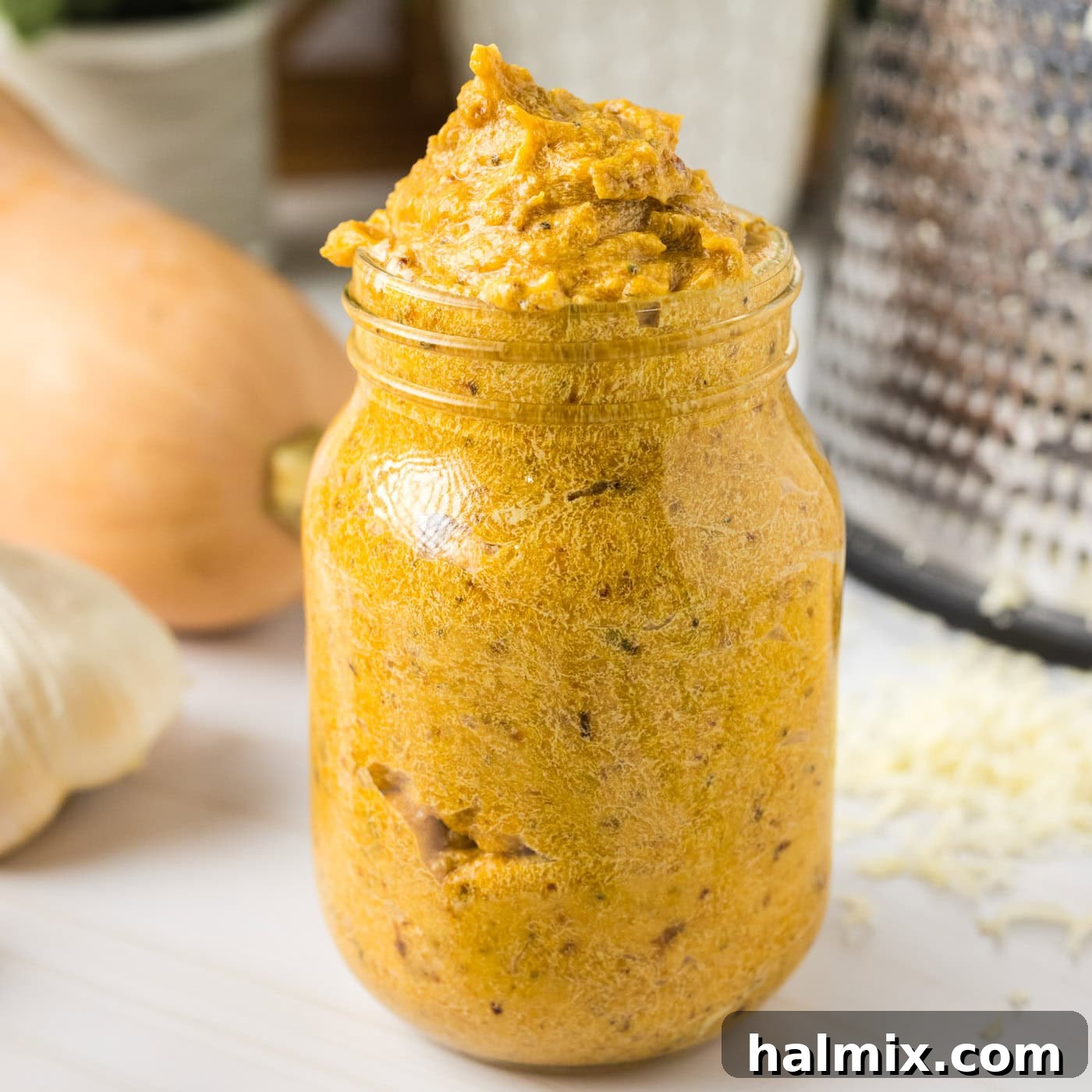
Welcome to the ultimate guide for crafting a truly exceptional Butternut Squash Pasta Sauce! This recipe delivers an ultra-creamy, velvety sauce bursting with the savory depth of roasted garlic and the subtle sweetness of butternut squash. It’s the perfect blend of comfort and nutrition, offering a vibrant alternative to traditional pasta sauces. Whether you’re looking for a delightful weeknight dinner or a versatile sauce to prepare and freeze for busy days, this recipe is designed to impress with its ease and incredible flavor profile. Get ready to transform your ordinary pasta dishes into something extraordinary.
Why This Butternut Squash Pasta Sauce Recipe Works
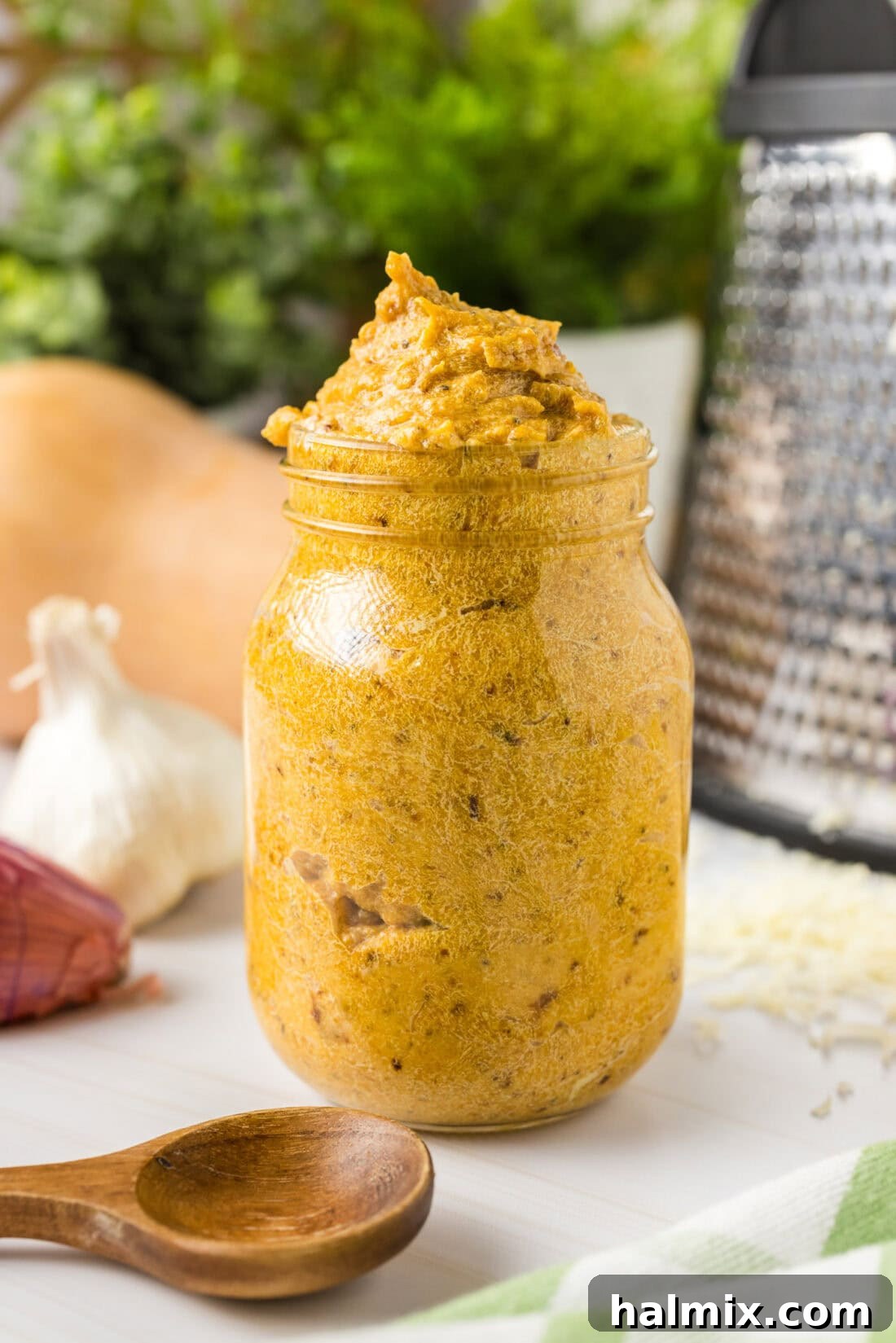
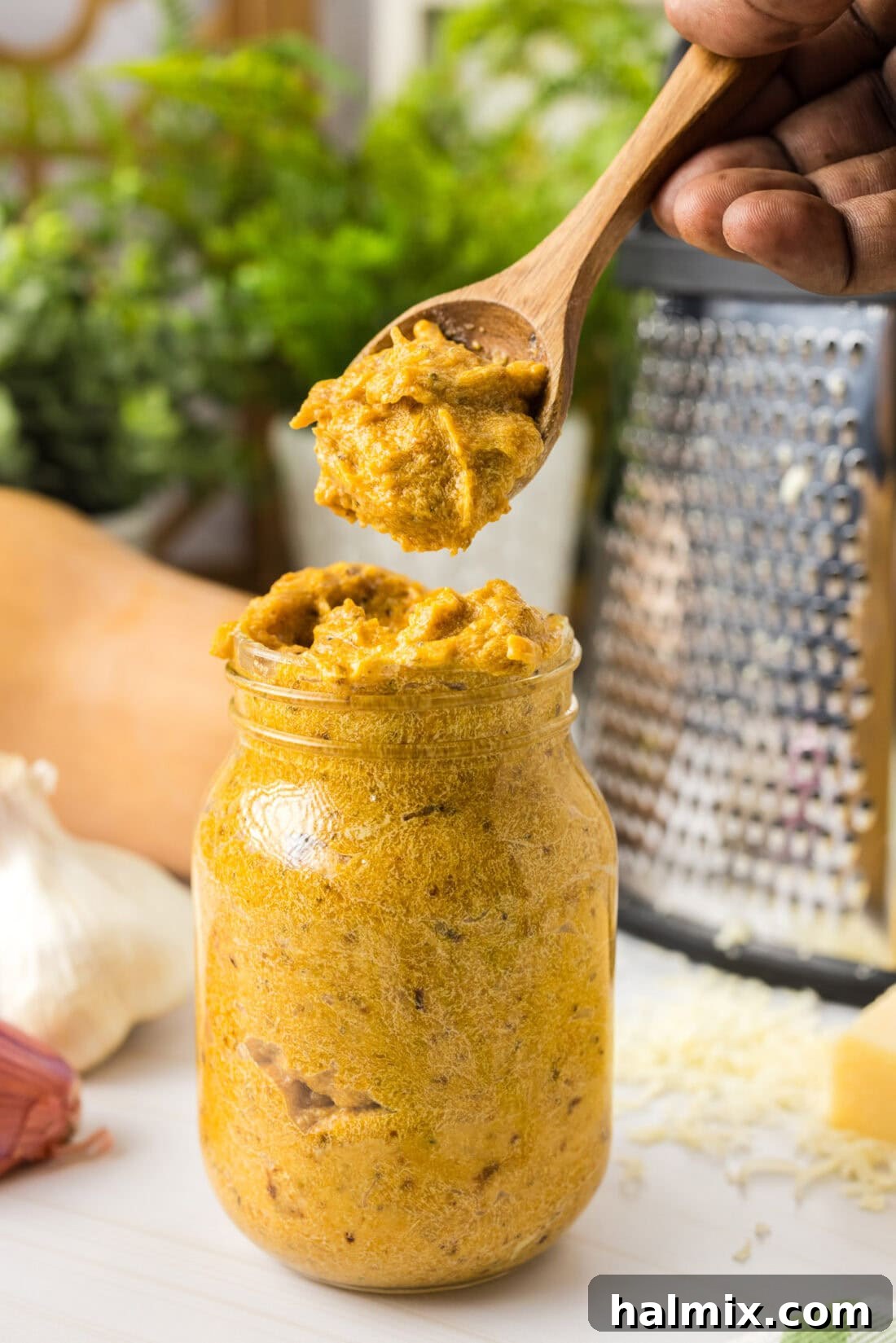
This roasted butternut squash pasta sauce is a culinary revelation, bringing a unique harmony of flavors and textures to your table. The combination of sweet butternut squash, aromatic roasted garlic, and mellow shallots creates a rich and creamy base that clings beautifully to every strand of pasta. Unlike heavier cream sauces, this butternut squash option is naturally sweet, nutty, and surprisingly light, making it a fantastic, health-conscious alternative to your typical marinara or alfredo.
Beyond its irresistible taste, this sauce is packed with an impressive array of nutrients. Butternut squash is a nutritional powerhouse, rich in vitamins A and C, fiber, and potent antioxidants, all while being low in calories. Roasting the vegetables intensifies their natural sweetness and deepens their savory notes, adding complexity without needing excessive fats or sugars. The ease of preparation is another huge win: simply roast the ingredients, blend them until smooth, and toss with your favorite pasta. You can adjust the consistency to your liking, from a thick, hearty coating to a lighter, more delicate sauce, by adding a little extra broth or half-and-half. It’s a versatile, wholesome, and utterly delicious dish that feels gourmet yet is incredibly simple to master.
Essential Ingredients You Will Need
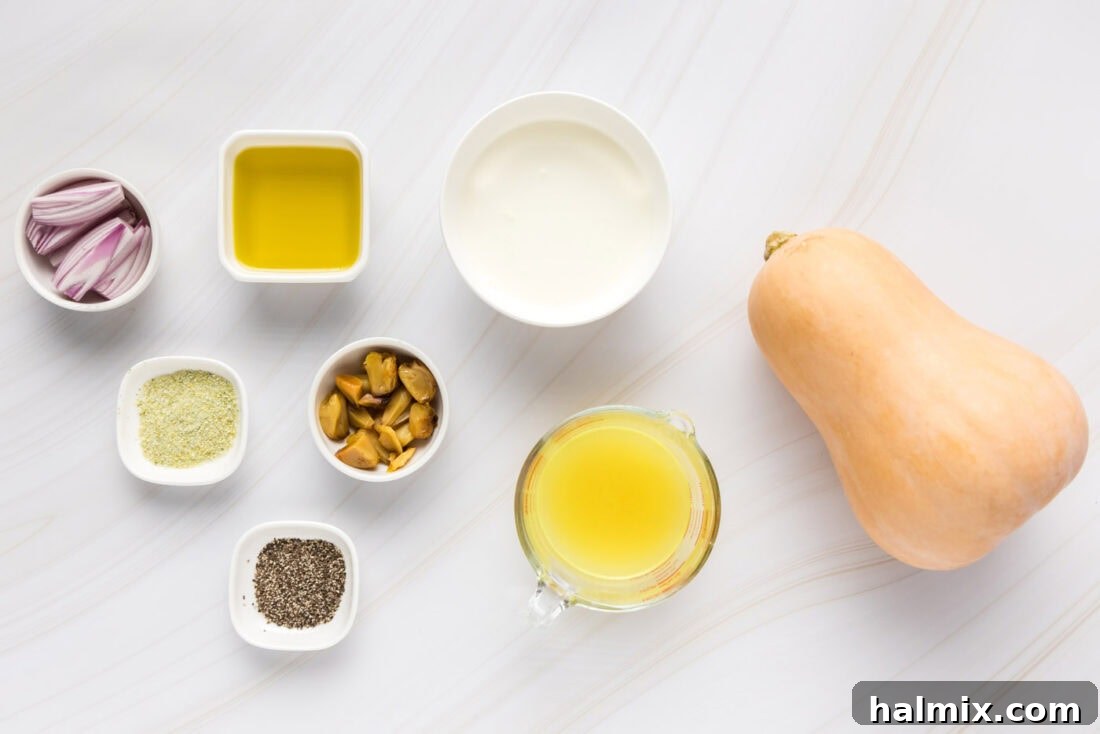
To create this sensational butternut squash pasta sauce, you’ll need a handful of fresh ingredients. All specific measurements and detailed instructions are provided in the printable recipe card towards the end of this post, ensuring you have everything you need at your fingertips for a perfect batch.
Ingredient Information and Substitution Suggestions
Understanding each ingredient’s role and potential substitutions can help you customize this butternut squash pasta sauce to your preferences and dietary needs.
- Butternut Squash: For this recipe, you’ll need approximately 2 pounds of butternut squash. When selecting your squash, look for one with creamy-tan skin that is firm and free from any soft spots, bruises, or deep gashes. A heavier squash for its size often indicates more flesh and less seed cavity. Its naturally sweet and nutty flavor intensifies beautifully when roasted, forming the core of our creamy sauce. If butternut squash is unavailable, you could experiment with other winter squashes like acorn squash or delicate squash, though the flavor profile might vary slightly.
- Garlic: We highly recommend using homemade roasted garlic for an unparalleled depth of flavor. Roasting transforms raw garlic’s pungent bite into a sweet, mellow, and spreadable paste that adds incredible richness to the sauce. You’ll need about one bulb (or head) of roasted garlic. If you opt for jarred roasted garlic as a convenient shortcut, measure out 3 tablespoons. The difference between roasted and raw garlic in this recipe is significant, so avoid using raw garlic unless you’re prepared for a much sharper taste.
- Shallots: One medium shallot, when roasted alongside the squash, contributes a delicate, sweet, and mild oniony flavor that complements the garlic and squash without overpowering them. Shallots are generally less aggressive than onions, making them ideal for a refined sauce. If you don’t have shallots, a small amount of finely diced yellow onion could be used, but roast it very well to soften its intensity.
- Olive Oil: About 4 tablespoons of good quality olive oil are used to roast the squash and shallots, helping them caramelize and become tender. A decent extra virgin olive oil will also lend a subtle fruity note to the overall flavor. Any neutral oil like avocado oil could be substituted for roasting, but olive oil adds a richer taste.
- Seasonings: 1 teaspoon of garlic salt and ½ teaspoon of black pepper are used to season the squash before roasting. These basic seasonings enhance the natural flavors. Feel free to adjust to your taste, adding a pinch of freshly grated nutmeg for warmth, or a sprig of fresh sage or thyme during roasting for an herbaceous touch.
- Chicken Broth: Half a cup of chicken broth helps to achieve the desired consistency when blending the sauce, adding a savory liquid base. For a vegetarian or vegan version, simply substitute with vegetable broth or even water, although broth adds more flavor.
- Half and Half: A quarter cup of half and half provides the luxurious creaminess that defines this sauce. It balances the sweetness of the squash and the robustness of the roasted garlic. For a richer sauce, heavy cream can be used. For a lighter option, milk can work, but it may thin the sauce more. To make this recipe dairy-free and vegan, opt for a plant-based cream alternative like full-fat coconut milk (use sparingly to avoid a coconut flavor), cashew cream, or an unsweetened plant-based milk (almond or oat milk), though you might need to adjust the amount for thickness.
How to Make Roasted Butternut Squash Pasta Sauce
These step-by-step photos and instructions are here to help you visualize how to make this delicious recipe. For a complete, printable version of this recipe, including all measurements and instructions, please scroll down to the recipe card at the bottom of this post.
- Preheat your oven to 425°F (220°C). This high temperature is crucial for achieving that perfect caramelization on the squash and shallots, which deeply enhances their flavor.
- Prepare the butternut squash: Begin by carefully slicing off both ends of the butternut squash. To peel the tough outer skin, stand the squash upright on its flat bottom on a sturdy cutting board. Using a sharp chef’s knife or a heavy-duty vegetable peeler, carefully run the knife or peeler down the sides to remove the skin. Take your time, as butternut squash can be challenging to peel.
- Cut the squash: Once peeled, cut the squash in half lengthwise. Using a spoon, scoop out and discard the seeds and stringy bits from the center. Then, cut the squash flesh into uniform 2-inch cubes. Placing the cubes in a large mixing bowl ensures even seasoning and roasting.
- Season the squash: Add 3 tablespoons of olive oil to the bowl with the squash cubes. Toss well to ensure each piece is lightly coated. Sprinkle with garlic salt and black pepper, tossing again thoroughly to distribute the seasoning evenly. This initial seasoning is key to building flavor.
- Prepare for roasting: Transfer the seasoned butternut squash cubes from the mixing bowl to a large baking sheet, spreading them in a single layer without overcrowding. Overcrowding can lead to steaming instead of roasting, preventing proper caramelization.
- Prepare the shallots: In a small mixing bowl, add the shallots and pour in the remaining olive oil (1 tablespoon). Create a small bowl-like pouch out of aluminum foil and place the seasoned shallots inside. This foil packet helps the shallots roast gently without burning, keeping them tender and sweet.
- Roast the vegetables: Place the foil bowl of shallots on the baking sheet alongside the butternut squash. Roast in the preheated oven for 30-35 minutes. The squash should be tender, slightly caramelized at the edges, and easily pierced with a fork. The shallots should also be soft and fragrant.
- Cool before blending: Carefully remove the baking sheet from the oven and allow the roasted vegetables to cool for about 10 minutes. This cooling period is important before transferring them to a blender, as blending hot liquids can create pressure and pose a safety risk.
- Blend the sauce: Transfer the cooled roasted squash, shallots, roasted garlic, chicken broth, and half of the half and half to a food processor or a high-speed blender. Blend until the mixture is completely smooth and creamy. The sauce will be quite thick at this stage, which is perfectly normal.
- Store the sauce: Allow the finished sauce to cool completely to room temperature before storing. Transfer it to an airtight jar or container with a lid. It can be kept in the refrigerator for up to one week, ready to be warmed and tossed with pasta whenever you desire.
Frequently Asked Questions & Expert Tips for Butternut Squash Pasta Sauce
How do you store butternut squash pasta sauce?
To ensure optimal freshness and safety, store your homemade butternut squash pasta sauce in an airtight container in the refrigerator for up to one week. Make sure the sauce has cooled completely to room temperature before transferring it to the container. This prevents condensation and helps maintain its quality.
Can you freeze butternut squash pasta sauce?
Absolutely! Butternut squash pasta sauce freezes beautifully, making it an excellent meal-prep option. First, allow the sauce to cool completely to room temperature. Then, transfer it to an airtight freezer-safe container or a gallon-sized freezer bag. When using a container, leave about an inch of headspace at the top to allow for expansion as the sauce freezes. If using a freezer bag, lay it flat for easier storage and thawing. This sauce can be frozen for up to 3 months. To use, thaw the sauce in the refrigerator overnight. Reheat it gently in a skillet over medium-low heat, stirring occasionally. If the sauce is too thick after thawing, you can loosen it to your desired consistency by stirring in a bit of half and half, milk, or chicken/vegetable broth until smooth and warm.
Expert Tips for Perfecting Your Butternut Squash Pasta Sauce
- Achieving the Perfect Consistency: This sauce is wonderfully versatile. If you prefer a thinner sauce, slowly whisk in additional chicken broth, milk, or half and half while warming it on the stove until it reaches your desired consistency. For a thicker sauce, reduce the liquid slightly or let it simmer a bit longer, stirring frequently, to allow it to naturally thicken.
- Enhance the Flavor: A pinch of freshly grated nutmeg can elevate the warm, earthy notes of the squash beautifully. For an extra layer of savory flavor, consider adding a tablespoon of nutritional yeast (for a cheesy, umami kick, especially good for vegan versions) or a small amount of freshly grated Parmesan cheese when serving.
- Serving Suggestions Beyond Pasta: While stellar with pasta, this sauce is also fantastic over roasted vegetables, as a base for pizza or flatbread, stirred into risotto, or even as a creamy soup base. Its rich flavor pairs well with grilled chicken, seared scallops, or pan-fried halloumi cheese.
- Spice it Up: If you enjoy a hint of heat, a pinch of red pepper flakes added during the blending stage or as a garnish can provide a delightful kick.
- Garlic Roasting Shortcut: If you’re short on time and don’t want to roast a whole bulb of garlic, many grocery stores sell pre-roasted garlic in jars. Just make sure to measure out 3 tablespoons for this recipe. However, homemade roasted garlic truly offers the best flavor.
Serving Suggestions for Butternut Squash Pasta Sauce
This creamy butternut squash pasta sauce is incredibly versatile and pairs beautifully with a wide array of pasta shapes and complementary dishes. To prepare your meal, simply add the blended sauce mixture to a large, deep-sided skillet. Warm it over medium heat for 3-4 minutes, stirring occasionally, until it’s heated through. Then, add your freshly cooked pasta directly to the skillet and toss to coat every piece evenly. Remember, you can easily adjust the sauce’s thickness to your liking by stirring in a little extra half and half, milk, or chicken/vegetable broth.
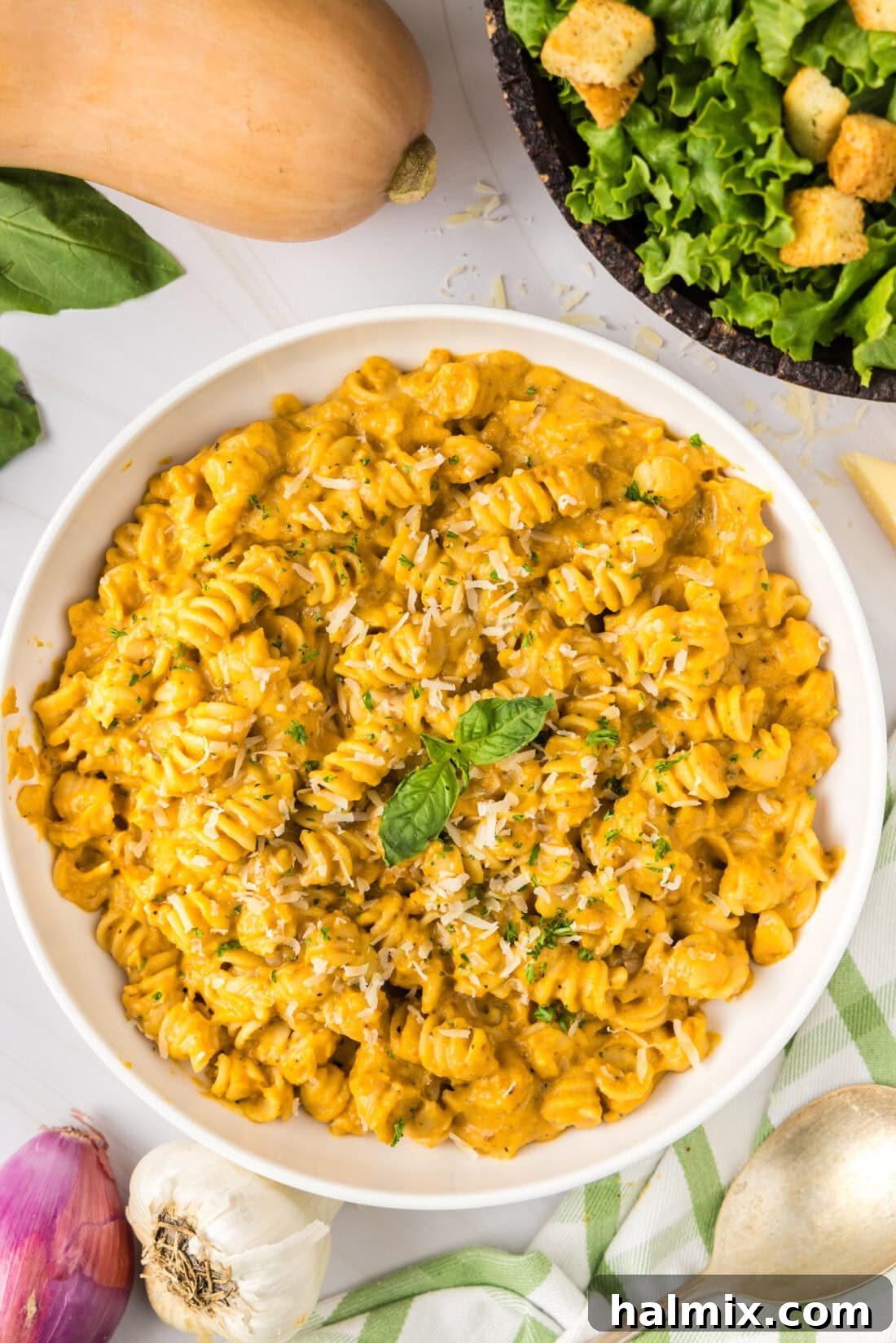
While the original recipe suggests using rotini or rigatoni, this sauce is delightful with almost any pasta shape you prefer. Consider long pastas like fettuccine or linguine, which elegantly carry the smooth sauce, or short, hearty shapes like penne, orecchiette, or cavatappi that can trap the sauce in their nooks and crannies. For a truly indulgent experience, try it with cheese-filled tortellini or ravioli. Enhance your meal with a sprinkle of freshly grated Parmesan or Pecorino Romano cheese, a garnish of fresh sage or parsley, and a crack of black pepper. A side salad with a light vinaigrette and some crusty bread for dipping will complete this comforting and satisfying meal. For a complete and robust dish, consider our full Butternut Squash Pasta recipe.
More Delightful Squash Recipes to Try
If you’ve fallen in love with the versatility and flavor of squash, you’re in for a treat! Here are some other fantastic squash-centric recipes that explore its various culinary possibilities:
- Comforting Squash Casserole
- Healthy Baked Spaghetti Squash
- Creamy Butternut Squash Mac and Cheese
- Hearty Slow Cooker Butternut Squash Soup
I absolutely adore sharing my culinary adventures and kitchen wisdom with all of you! To make sure you never miss a new recipe, I offer a convenient newsletter delivered directly to your inbox every time a fresh post goes live. Simply subscribe here and start receiving your free daily recipes!
Butternut Squash Pasta Sauce
Rich and creamy butternut squash pasta sauce with roasted garlic and shallots adds a warm seasonal touch to noodles of all shapes and sizes.
IMPORTANT – You may find helpful Frequently Asked Questions and Expert Tips within the main article above. Scroll back up to read them!
Print Recipe | Pin Recipe
Course: Condiments, Dinner
Cuisine: American
Servings: 6 servings (approximately 2 cups total)
Total Time: 55 mins
Calories: 169
Author: Amanda Davis
Ingredients
- 2 pounds butternut squash
- 1 medium shallot
- 4 Tablespoons olive oil, divided
- 1 teaspoon garlic salt
- ½ teaspoon black pepper
- 1 bulb roasted garlic
- ½ cup chicken broth
- ¼ cup half and half
Things You’ll Need
- Chef’s knife
- Baking sheet
- Mini food chopper or high-speed blender
Before You Begin
- We use our roasted garlic for this recipe. If you decide to use jarred roasted garlic instead, measure out 3 tablespoons.
- A garlic bulb is also known as a head of garlic.
Instructions
- Preheat oven to 425°F (220°C).
- Slice both ends of the butternut squash. Peel the outer skin of the squash. For easier peeling, stand the squash on its flat bottom and run a knife or sturdy peeler down the sides.
- Cut the squash in half lengthwise and remove the seeds with a spoon. Cut the squash flesh into 2-inch cubes and place them in a large mixing bowl.
- Add 3 tablespoons of the olive oil to the squash cubes and toss to coat. Sprinkle with garlic salt and black pepper, then toss again to ensure all seasoning is evenly distributed.
- Move the seasoned squash to a large baking sheet, spreading it in a single layer, and set aside.
- Add the shallot to a small mixing bowl and pour in the remaining 1 tablespoon of olive oil. Create a small bowl out of aluminum foil and carefully add the shallots to it.
- Place the foil bowl of shallots on the baking sheet with the squash. Roast in the preheated oven for 30-35 minutes, or until the squash is tender and lightly caramelized, and the shallots are soft.
- Remove the baking sheet from the oven and allow the roasted vegetables to cool for 10 minutes.
- Add the cooled squash, shallots, roasted garlic, chicken broth, and half of the half and half to a mini food chopper or high-speed blender. Blend until the mixture is completely smooth and creamy. The sauce will be quite thick.
- Allow the sauce to cool completely before storing. Store it in an airtight jar or container with a lid in the refrigerator for up to a week.
Expert Tips & FAQs
- To use the pasta sauce, add it to a large, deep-sided skillet. Warm over medium heat for 3-4 minutes, stirring frequently. Add cooked pasta and toss to coat. You can use half and half, milk, or broth to loosen the sauce to your liking if it’s too thick.
- Freezing: Allow the sauce to cool completely before transferring it to an airtight container or gallon-sized freezer bag. Leave some room at the top for expansion when frozen. You can freeze this sauce for up to 3 months. Thaw in the refrigerator overnight and reheat in a skillet over medium-low heat. Adjust consistency with half and half, milk, or broth as needed.
Nutrition Information
Calories: 169cal |
Carbohydrates: 19g |
Protein: 2g |
Fat: 11g |
Saturated Fat: 2g |
Polyunsaturated Fat: 1g |
Monounsaturated Fat: 7g |
Cholesterol: 4mg |
Sodium: 473mg |
Potassium: 566mg |
Fiber: 3g |
Sugar: 4g |
Vitamin A: 16109IU |
Vitamin C: 32mg |
Calcium: 87mg |
Iron: 1mg
Follow on Pinterest @AmandasCookin or tag #AmandasCookin!
The recipes on this blog are tested with a conventional gas oven and gas stovetop. It’s important to note that some ovens, especially as they age, can cook and bake inconsistently. Using an inexpensive oven thermometer can assure you that your oven is truly heating to the proper temperature. If you use a toaster oven or countertop oven, please keep in mind that they may not distribute heat the same as a conventional full sized oven and you may need to adjust your cooking/baking times. In the case of recipes made with a pressure cooker, air fryer, slow cooker, or other appliance, a link to the appliances we use is listed within each respective recipe. For baking recipes where measurements are given by weight, please note that results may not be the same if cups are used instead, and we can’t guarantee success with that method.