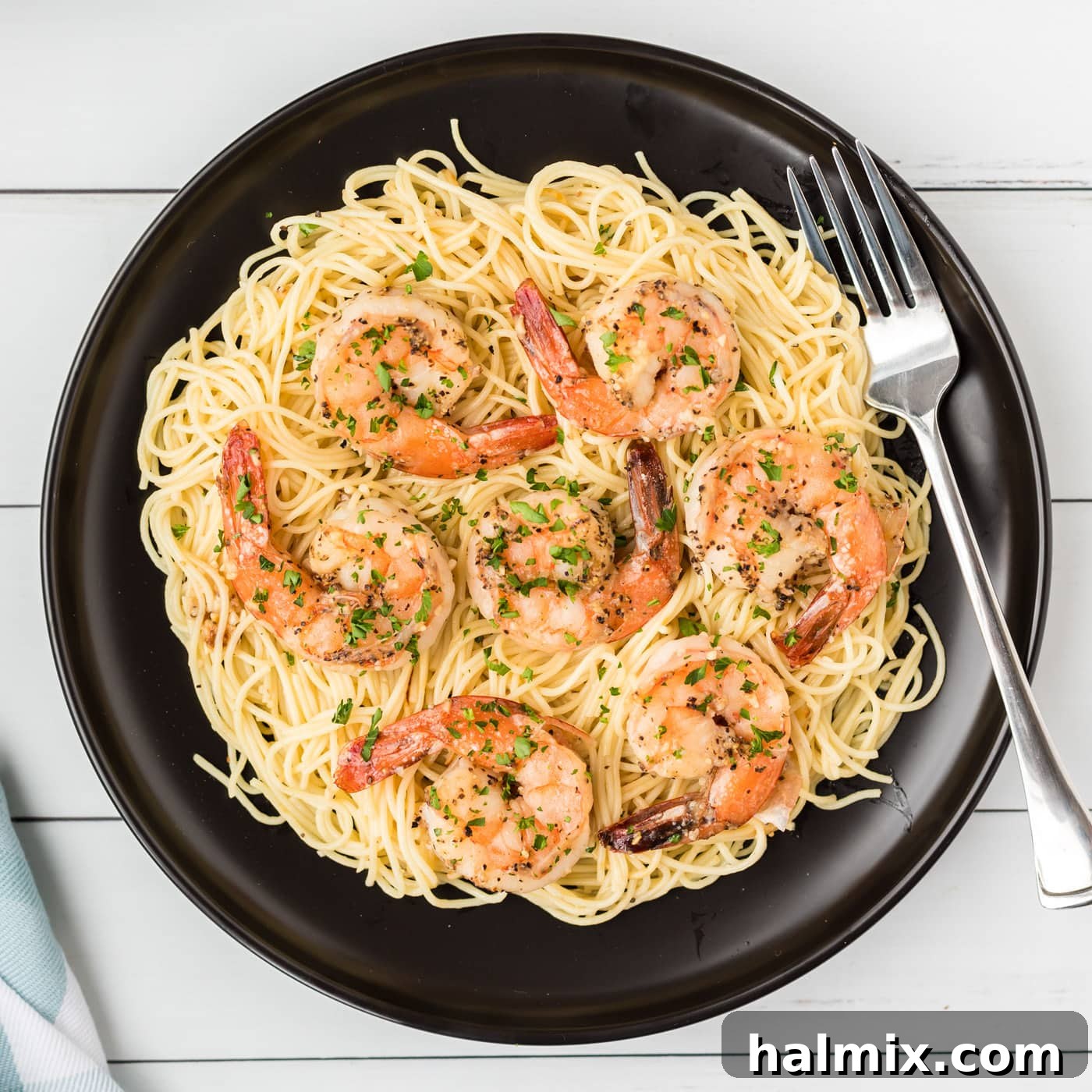
Welcome to the ultimate guide for creating a truly exquisite Shrimp Scampi Pasta – a dish that masterfully combines tender, juicy shrimp with a rich, aromatic garlic butter sauce, all perfectly tossed with delicate angel hair pasta. This isn’t just a recipe; it’s an experience waiting to unfold in your kitchen, promising a gourmet meal that’s surprisingly simple and quick to prepare.
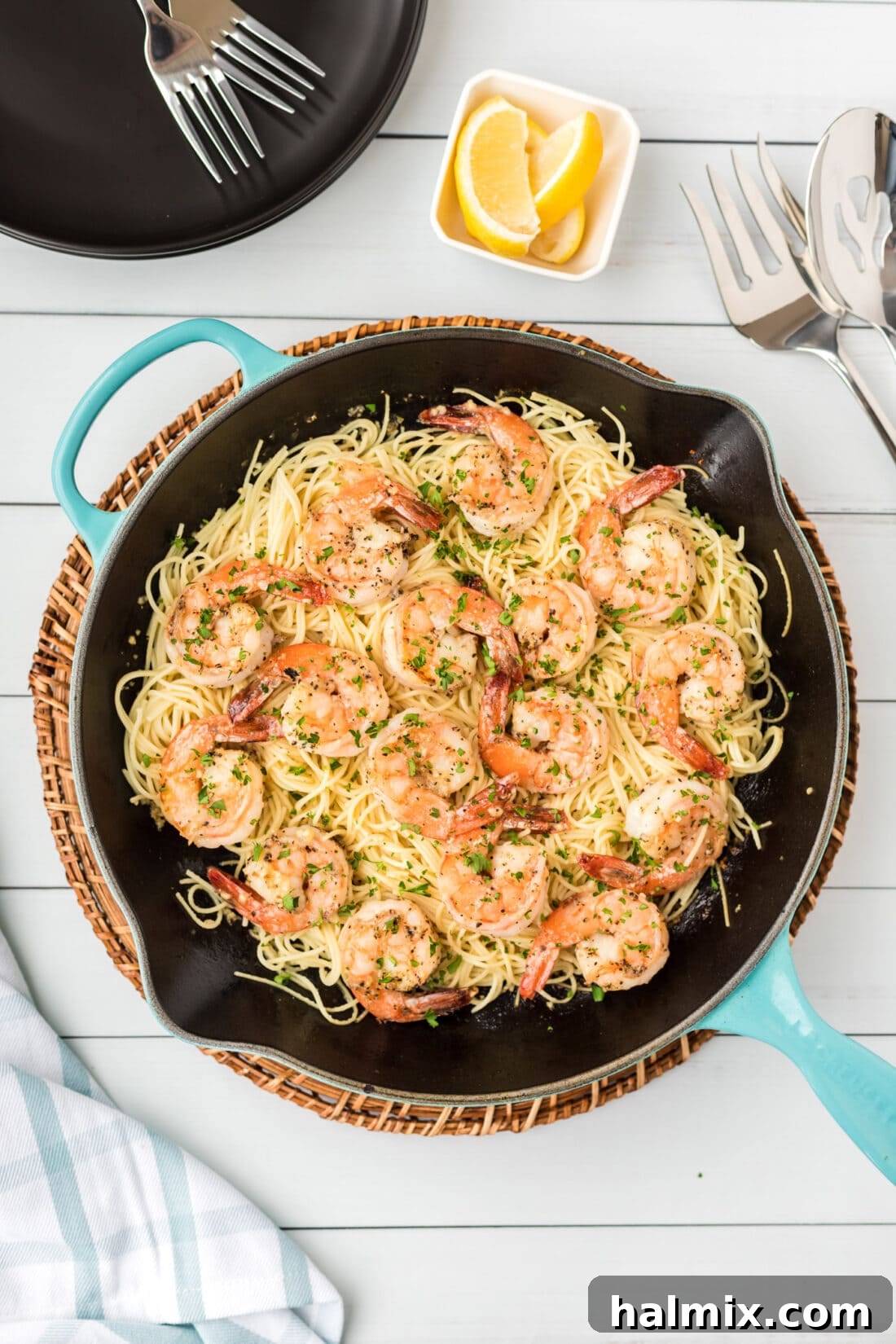
Imagine succulent shrimp, perfectly sautéed to a rosy pink, bathed in a luminous sauce of white wine, fragrant garlic, bright lemon juice, and decadent butter. This elegant yet approachable dish is ideal for a quick weeknight dinner, a romantic evening, or impressing guests without spending hours in the kitchen. In about 25 minutes, you can transform fresh ingredients into a culinary masterpiece that will tantalize your taste buds and leave everyone asking for more. We’ll guide you through every step, from selecting the finest shrimp to perfecting that irresistible scampi sauce, ensuring your shrimp pasta is nothing short of divine.
Why This Shrimp Scampi Pasta Recipe Works
Our Shrimp Scampi Pasta recipe stands out for its incredible balance of speed, flavor, and use of fresh, high-quality ingredients. It’s a testament to how simple elements, when combined correctly, can create a truly memorable meal. The magic begins with plump, extra-large raw shrimp, which are the star of the show. Their natural sweetness and firm texture are essential for a perfect scampi.
The core of this dish’s success lies in its divine garlic butter sauce. Unlike heavy cream-based sauces, scampi relies on the vibrant acidity of dry white wine and fresh lemon juice, expertly balanced with the richness of butter and the pungent aroma of minced garlic. This creates a light yet incredibly flavorful sauce that clings beautifully to every strand of pasta and enhances the natural taste of the shrimp, rather than overpowering it.
Furthermore, the entire preparation process is streamlined, bringing this gourmet-level dish to your table in approximately 25 minutes. This makes it an ideal choice for busy weeknights when you crave something special but are short on time. The quick cooking time also ensures the shrimp remain tender and juicy, avoiding the rubbery texture of overcooked seafood. It’s a harmonious blend of fresh seafood, aromatic sauce, and perfectly cooked pasta, designed to deliver maximum flavor with minimal effort.
Essential Ingredients for Perfect Shrimp Scampi Pasta
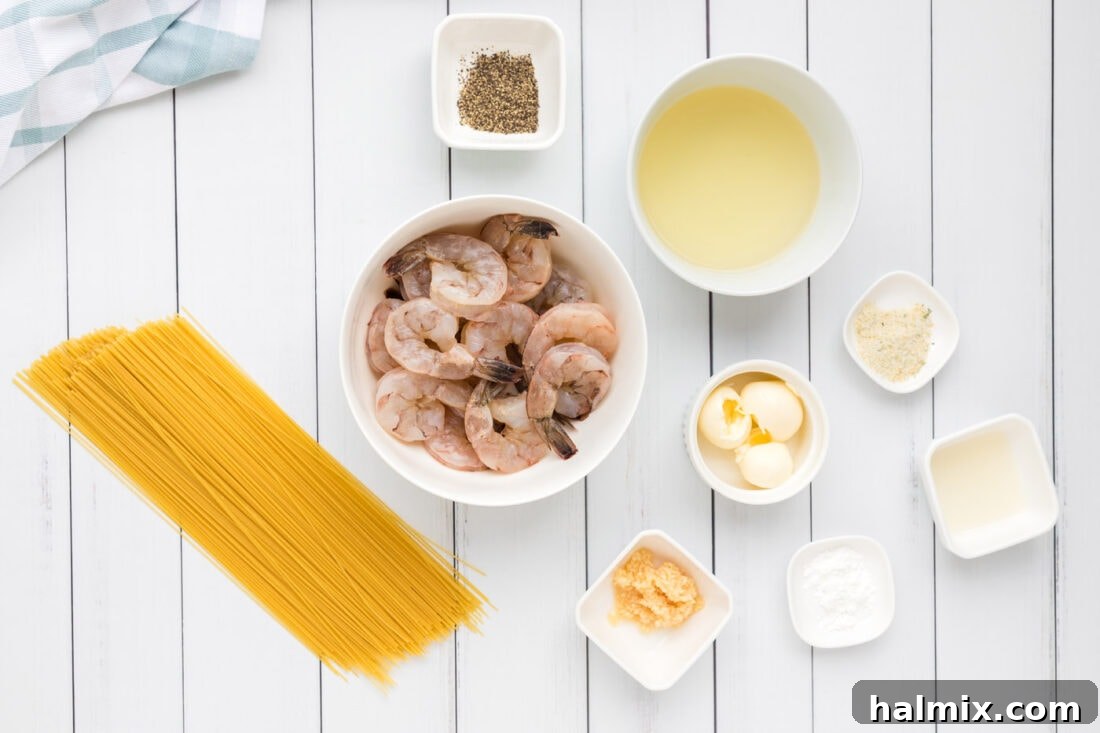
Crafting the perfect Shrimp Scampi Pasta begins with a selection of fresh, simple ingredients that work in harmony to build its signature flavor profile. While the full list with precise measurements and detailed instructions can be found in the printable recipe card at the end of this article, here’s an overview of the key components you’ll need to gather to embark on this culinary journey.
You’ll start with fresh, high-quality shrimp, the cornerstone of any great scampi. Then, you’ll need a suitable pasta, a dry white wine to form the base of the luxurious sauce, fresh garlic for its unmistakable aroma, vibrant lemon juice to cut through the richness, unsalted butter for depth, and a touch of cornstarch to achieve the perfect sauce consistency. Simple seasonings like garlic salt and black pepper will elevate the natural flavors. Each ingredient plays a crucial role in creating the irresistible taste and texture of this beloved dish.
Ingredient Information & Expert Substitution Suggestions
Understanding the nuances of each ingredient is key to perfecting your Shrimp Scampi Pasta. Here’s a deeper dive into the main components and some helpful substitution tips:
PASTA – For Shrimp Scampi Pasta, we highly recommend using angel hair pasta. Its thin, delicate strands are perfect for soaking up the rich garlic butter sauce without becoming too heavy, allowing the shrimp to remain the star. However, this recipe is incredibly versatile. If angel hair isn’t your preference or readily available, you can easily substitute it with other long, thin pasta varieties like linguine, thin spaghetti, or even fettuccine. For a different texture, try orecchiette or bow-tie pasta; they’ll still pair wonderfully with the luscious sauce. Remember to cook your pasta al dente for the best texture and to prevent it from becoming mushy when tossed with the sauce.
SHRIMP – The quality and size of your shrimp significantly impact the final dish. We believe that extra-large raw shrimp (typically 21-25 count per pound) are the best choice. Their substantial size prevents them from getting lost in the pasta and ensures they remain succulent and tender after cooking. While you can use any size shrimp you prefer, larger shrimp tend to yield a more satisfying bite. For presentation, we often leave the tails on, which adds a touch of elegance and makes the dish feel more restaurant-worthy. If you find tail-on inconvenient for eating, feel free to remove them before cooking. Finding peeled and deveined shrimp with tails on can be a challenge, so many home cooks opt to peel and devein their own raw shrimp. If convenience is your priority, pre-peeled, deveined, and tail-off shrimp are perfectly acceptable for this recipe, just ensure they are fully thawed if frozen.
WINE – The dry white wine is a critical component of the scampi sauce, adding a complex depth of flavor and acidity. Always opt for a dry white wine, such as Sauvignon Blanc, Chardonnay (unoaked is preferred), or Pinot Grigio. These wines have crisp notes that complement the seafood beautifully without adding sweetness. We strongly recommend using a real wine that you would enjoy drinking, rather than “cooking wine,” which often contains added salt and preservatives that can alter the flavor of your dish. If you prefer to make this dish alcohol-free, a good quality chicken broth or vegetable broth makes an excellent substitute, providing a savory foundation for the sauce.
GARLIC – Freshly minced garlic is non-negotiable for authentic shrimp scampi. While jarred minced garlic can work in a pinch, fresh garlic offers a much more vibrant and pungent flavor that truly defines the dish. We recommend using about 1 tablespoon, but feel free to adjust to your personal taste – some garlic lovers might even go for two!
LEMON JUICE – Just like garlic, fresh lemon juice is paramount. It provides a bright, acidic counterpoint to the richness of the butter and wine, cutting through the flavors and adding a zesty freshness that awakens the palate. Always use freshly squeezed lemon juice for the best results; bottled juice simply doesn’t compare in terms of flavor and aroma.
BUTTER – Unsalted butter is preferred for this recipe, as it allows you to control the overall saltiness of the dish. The butter is essential for creating a smooth, rich, and glossy sauce. If you only have salted butter, reduce the amount of added salt in the recipe accordingly. If you desire a thicker or richer sauce, you can slightly increase the amount of butter. High-quality butter truly makes a difference here.
CORNSTARCH – A small amount of cornstarch is used to gently thicken the scampi sauce, giving it a lovely consistency that coats the pasta and shrimp beautifully. It helps create that desirable silky texture without making the sauce overly heavy or gummy. Make sure to sprinkle it evenly and stir continuously to prevent lumps.
SEASONINGS – Garlic salt and black pepper are the primary seasonings. Garlic salt enhances the garlic flavor and provides a baseline of salinity. Freshly ground black pepper adds a subtle warmth and aromatic complexity. For those who enjoy a little heat, a pinch of red pepper flakes can be added to the sauce along with the garlic for a delightful kick.
How to Make Shrimp Scampi Pasta: Step-by-Step Guide
These step-by-step photos and instructions are here to help you visualize how to make this recipe. You can Jump to Recipe to get the printable version of this recipe, complete with measurements and instructions at the bottom.
- Prepare the Pasta: Begin by cooking your chosen pasta (angel hair, linguine, or spaghetti work best) according to the package directions until al dente. This ensures the pasta retains a slight bite. Once cooked, drain it and immediately rinse under cool water to halt the cooking process and prevent sticking. Set the pasta aside.
- Prepare the Shrimp: While the pasta cooks, rinse the raw shrimp thoroughly under cold water. Pat them completely dry with paper towels. Removing excess moisture is crucial for achieving a good sear on the shrimp.
- Season the Shrimp: In a bowl, season the dried shrimp with garlic salt and freshly ground black pepper, ensuring each piece is evenly coated. Set them aside briefly to absorb the flavors.
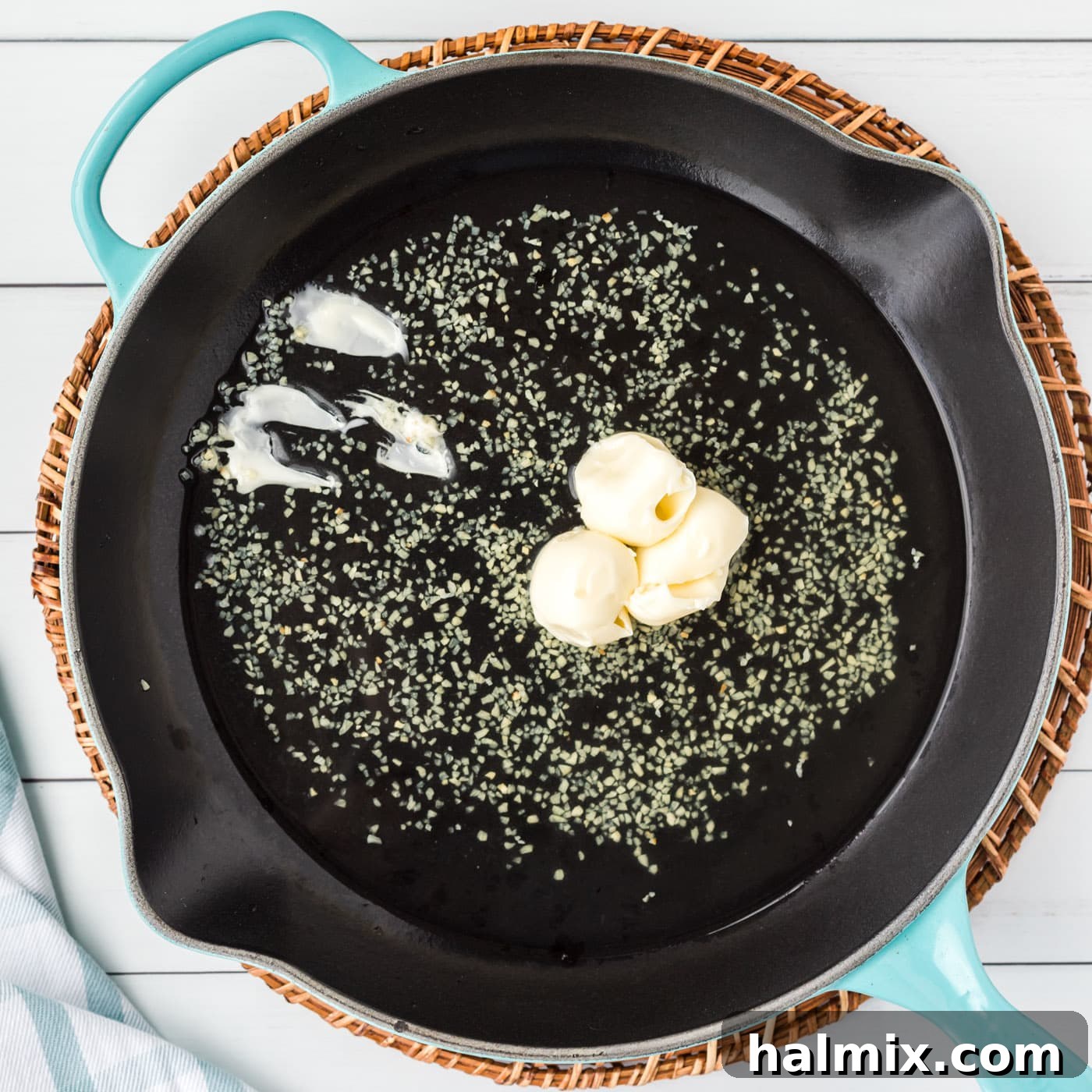
- Start the Scampi Sauce: In a large skillet over medium heat, combine the dry white wine, minced garlic, fresh lemon juice, and unsalted butter. Stir gently until the butter melts and the ingredients are well mixed.
- Reduce the Sauce: Bring the mixture to a gentle bubble, then reduce the heat to medium-low. Allow the sauce to simmer and reduce by about one-third of its volume. This process usually takes around 5 minutes and intensifies the flavors.

- Thicken the Sauce: Evenly sprinkle the cornstarch over the hot, reduced sauce in the skillet. Stir continuously and vigorously for 3-4 minutes, or until the sauce begins to visibly thicken to a light, glossy consistency. Be careful not to let it become too thick.
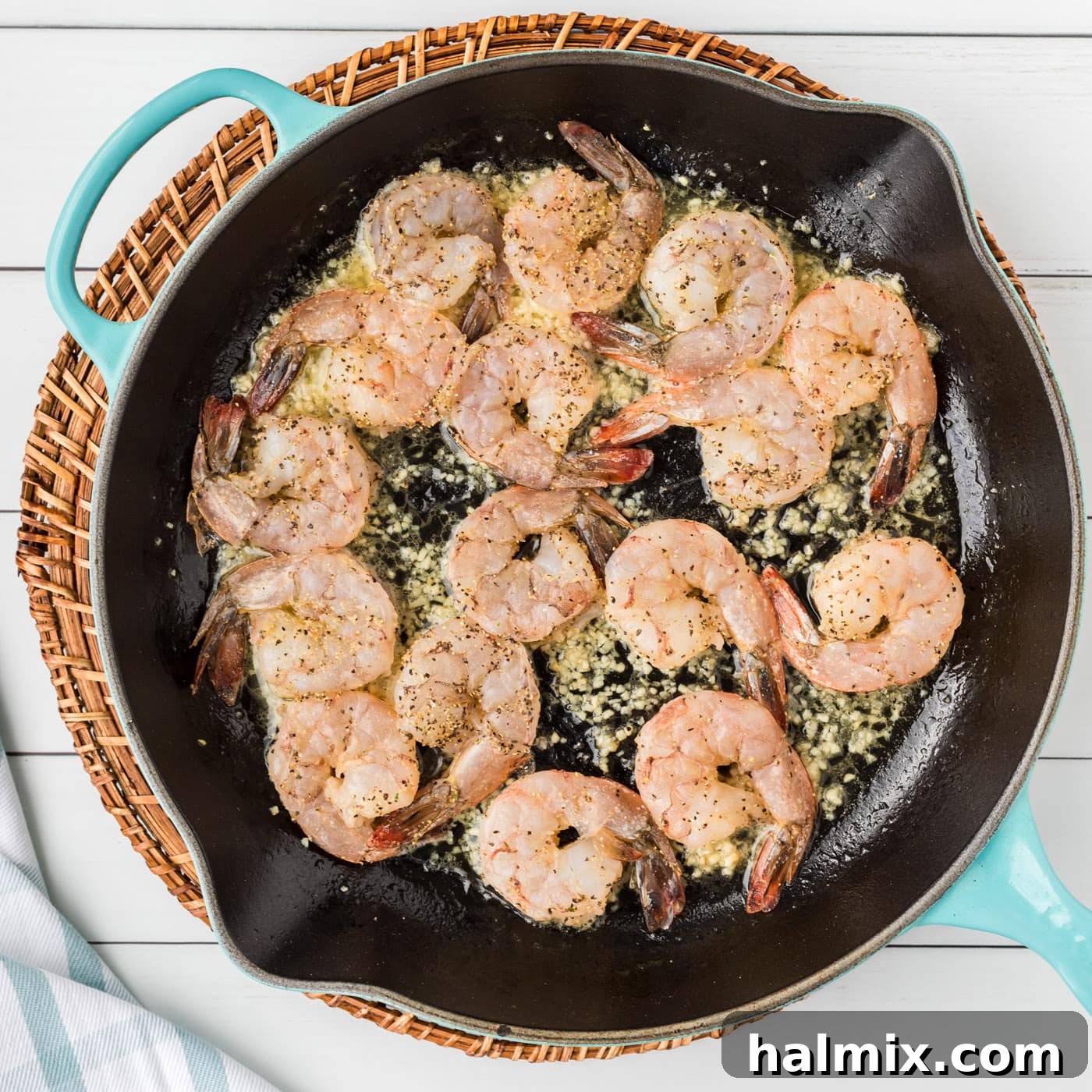
- Cook the Shrimp: Increase the heat slightly to medium. Add the seasoned shrimp to the skillet in a single layer. Cook for approximately 2 minutes per side, or until the shrimp turn opaque and pink. Avoid overcooking, as shrimp can become rubbery quickly.
- Rest the Shrimp: Once cooked, turn off the heat and carefully remove the shrimp from the skillet to a plate or bowl. Cover them loosely with foil to keep them warm while you finish the pasta.
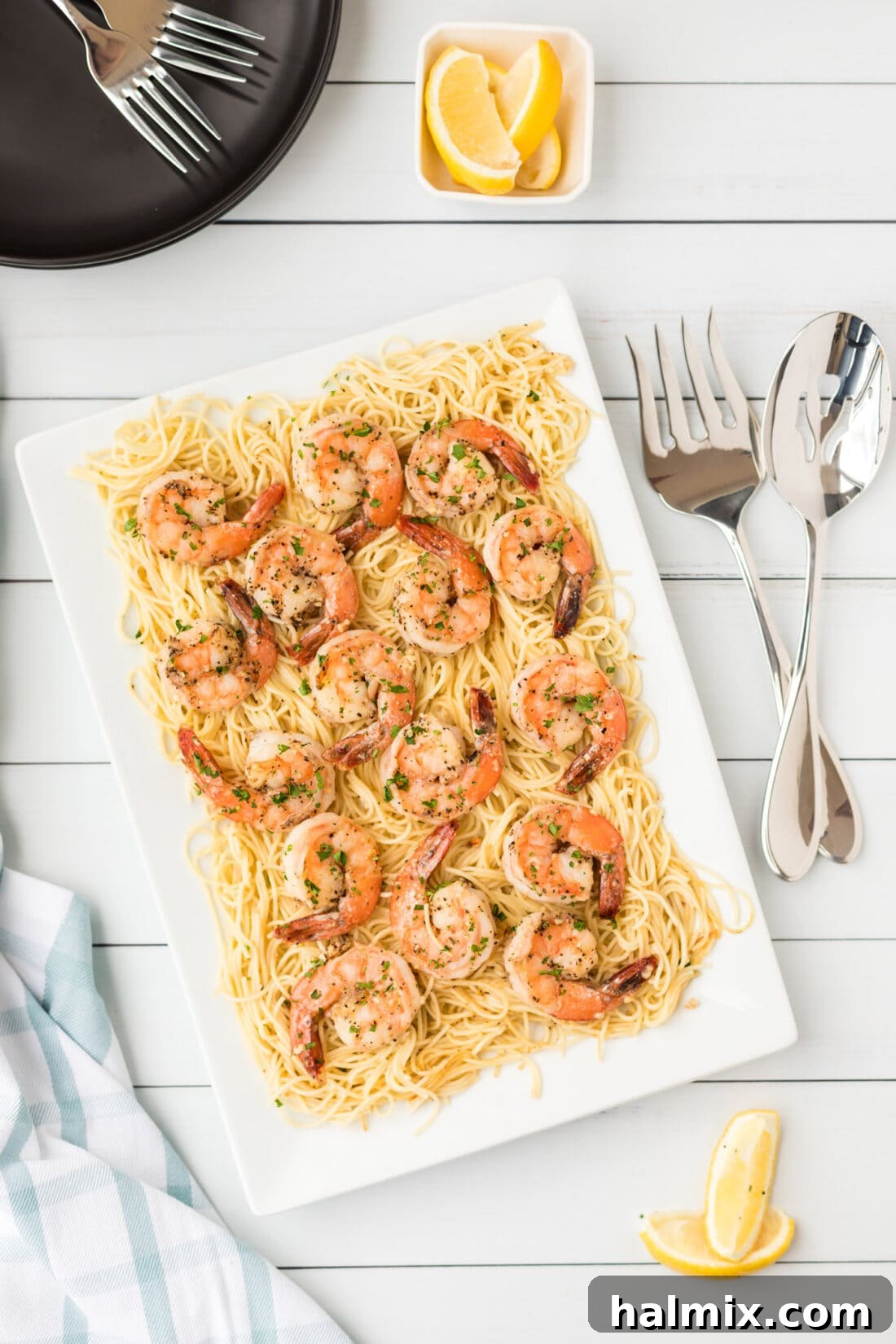
- Combine with Pasta and Serve: Add the pre-cooked and cooled pasta directly to the skillet with the remaining sauce. Toss the pasta vigorously until it is thoroughly coated with the luscious garlic butter sauce. Transfer the sauced pasta to a large serving platter, then artfully arrange the warm, cooked shrimp on top. Serve immediately and enjoy your homemade Shrimp Scampi Pasta!
Frequently Asked Questions & Expert Tips for Shrimp Scampi Pasta
Absolutely! Frozen shrimp are a convenient option and work wonderfully for this recipe. The key is to ensure they are fully thawed before you begin cooking. Transfer them to the refrigerator overnight, or for a quicker method, place the frozen shrimp in a colander under cold running water for about 10-15 minutes until defrosted. Always pat them thoroughly dry with paper towels before seasoning and cooking to prevent a watery sauce and ensure they sear properly.
If you prefer to keep this dish alcohol-free, or simply don’t have white wine on hand, chicken broth or vegetable broth are excellent substitutes. They will still provide a savory liquid base for the sauce. Just be sure to use a low-sodium broth to control the saltiness of your dish, especially since garlic salt is also used in the recipe.
Store any leftover Shrimp Scampi Pasta in an airtight container in the refrigerator for 3-4 days. When reheating, you might notice that the butter in the sauce has separated or solidified. To loosen the sauce and bring it back to its luscious consistency, reheat gently on the stovetop or in the microwave, adding a dash of water or chicken broth as needed. Stir well until warmed through and the sauce re-emulsifies.
The most common mistake when cooking shrimp scampi is overcooking the shrimp. Shrimp cook very quickly, usually only 2-3 minutes per side, depending on their size. They are done when they turn opaque and pink with a slight curl. As soon as they reach this stage, remove them from the heat. It’s better to slightly undercook them than overcook them, as they will continue to cook a little from residual heat.
Absolutely! While classic scampi is simple, adding vegetables can enhance both flavor and nutrition. Sautéed cherry tomatoes, spinach, asparagus tips, or thinly sliced bell peppers would be wonderful additions. Add quick-cooking vegetables like spinach or cherry tomatoes towards the end of the sauce reduction or just before adding the shrimp. Harder vegetables like asparagus can be blanched briefly before adding to the skillet.
A large, wide skillet with a heavy bottom is ideal. Stainless steel or cast iron skillets work well because they distribute heat evenly and retain heat, which is important for searing the shrimp quickly and consistently. A non-stick skillet can also be used, though it might not achieve the same level of browning on the shrimp.
Delightful Serving Suggestions for Shrimp Scampi Pasta
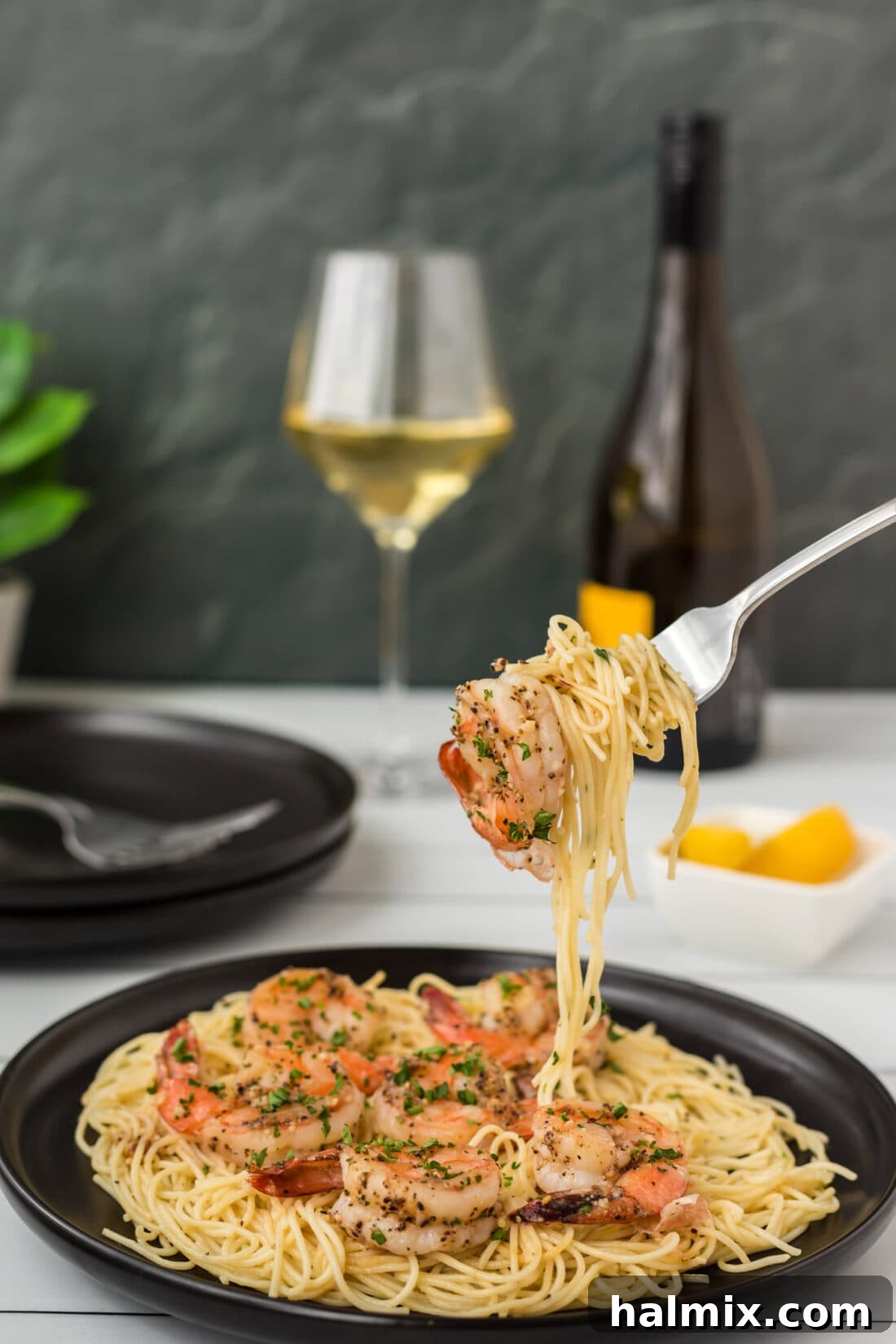
Shrimp Scampi Pasta is a complete and satisfying meal on its own, but you can elevate the dining experience with a few thoughtful accompaniments. For a burst of freshness and color, a sprinkle of freshly chopped parsley or basil as a garnish adds both visual appeal and a herbaceous note that complements the rich sauce. A grating of fresh Parmesan cheese is also a classic addition that many enjoy, though traditional scampi doesn’t always include it.
To truly round out the meal, serve your shrimp scampi with a generous basket of warm, crusty bread. This is perfect for soaking up every last drop of that incredible garlic butter sauce. A simple, crisp green salad with a light vinaigrette makes an excellent palate cleanser and adds a refreshing contrast to the richness of the pasta. You could also opt for some roasted asparagus or steamed broccoli as a healthy and flavorful side. For a perfect beverage pairing, continue with the dry white wine you used in the recipe, or a crisp Sauvignon Blanc would be delightful. Enjoy this versatile dish your way!
Explore More Irresistible Shrimp Recipes
If you’ve fallen in love with the ease and flavor of this Shrimp Scampi Pasta, you’ll be thrilled to discover the endless possibilities that shrimp offers in the kitchen. From zesty and spicy to crispy and comforting, shrimp is an incredibly versatile seafood that adapts beautifully to a variety of culinary styles. Dive into these other fantastic shrimp recipes:
- Shrimp Fajitas: A sizzling, flavorful fiesta on a plate!
- Shrimp Kabobs: Perfect for grilling season, marinated and skewered.
- Popcorn Shrimp: Crispy, bite-sized goodness, ideal for appetizers or a casual meal.
- Blackened Shrimp: Bold and spicy, a taste of the Louisiana bayou.
- Chile Lime Shrimp: A vibrant dish with a perfect balance of heat and citrus.
- Butterfly Shrimp: Elegant and easy, often breaded and fried for a delightful crunch.
- Citrus Pepper Shrimp: Zesty and aromatic, a light and refreshing option.
I genuinely enjoy sharing my passion for baking and cooking, along with my kitchen adventures, with all of you! To make sure you never miss out on a new recipe, I offer a convenient newsletter delivered right to your inbox. Simply subscribe today and start receiving your free daily recipes, bringing delicious inspiration directly to your kitchen!
Shrimp Scampi Pasta
Starting with extra large raw shrimp and ending with a divine garlic butter sauce, this shrimp pasta recipe combines two of our favorite things for one incredibly tasty dish in around 25 minutes total.
IMPORTANT – There are often Frequently Asked Questions within the blog post that you may find helpful. Simply scroll back up to read them!
Print It |
Pin It |
Rate It
Ingredients
- 1 pound extra large raw shrimp peeled, deveined, tails kept on
- ½ teaspoon garlic salt
- ½ teaspoon black pepper
- ½ pound angel hair pasta
- ½ cup dry white wine
- 1 Tablespoon minced garlic
- 1 Tablespoon lemon juice
- 3 Tablespoons unsalted butter
- ½ teaspoon cornstarch
Things You’ll Need
-
Large skillet
-
Large saucepan
Before You Begin
- If you want a thicker sauce you can increase the amount of butter and/or cornstarch slightly.
- Opt for a dry white wine like Sauvignon Blanc, Chardonnay, or Pinot Grigio. Using real wine over cooking wine is highly recommended.
- You can substitute the white wine with chicken broth to keep this dish alcohol-free.
- We kept the tails on for a nicer presentation. You can remove them before cooking if you like. It can be difficult to find peeled, deveined shrimp with the tails on, so we often peel our own shrimp, but pre-prepped shrimp (tails removed) also works.
Instructions
- Cook pasta according to package directions. Run under cool water to stop the cooking and set aside.
- Rinse shrimp and pat dry with paper towels.
- Season shrimp with garlic salt and black pepper. Set aside.
- To the skillet add white wine, minced garlic, lemon juice, and butter. Heat mixture over medium heat. Once the mixture begins to bubble, reduce to medium-low. Allow mixture to reduce by about 1/3, about 5 minutes.
- Sprinkle cornstarch over the hot mixture in the skillet. Stir until it thickens a little, about 3-4 minutes.
- Add shrimp to skillet and allow to cook for about 2 minutes per side.
- Turn off heat and remove the shrimp to a plate or bowl. Cover to keep warm.
- Add pasta to skillet and toss to coat. Remove skillet contents to a platter and arrange shrimp on top. Serve.
Nutrition Information
Calories: 275 cal |
Carbohydrates: 21g |
Protein: 19g |
Fat: 10g |
Saturated Fat: 6g |
Polyunsaturated Fat: 1g |
Monounsaturated Fat: 2g |
Trans Fat: 0.4g |
Cholesterol: 165mg |
Sodium: 936mg |
Potassium: 192mg |
Fiber: 1g |
Sugar: 1g |
Vitamin A: 468IU |
Vitamin C: 2mg |
Calcium: 76mg |
Iron: 1mg
Tried this Recipe? Pin it for Later!Follow on Pinterest @AmandasCookin or tag #AmandasCookin!
The recipes on this blog are tested with a conventional gas oven and gas stovetop. It’s important to note that some ovens, especially as they age, can cook and bake inconsistently. Using an inexpensive oven thermometer can assure you that your oven is truly heating to the proper temperature. If you use a toaster oven or countertop oven, please keep in mind that they may not distribute heat the same as a conventional full sized oven and you may need to adjust your cooking/baking times. In the case of recipes made with a pressure cooker, air fryer, slow cooker, or other appliance, a link to the appliances we use is listed within each respective recipe. For baking recipes where measurements are given by weight, please note that results may not be the same if cups are used instead, and we can’t guarantee success with that method.