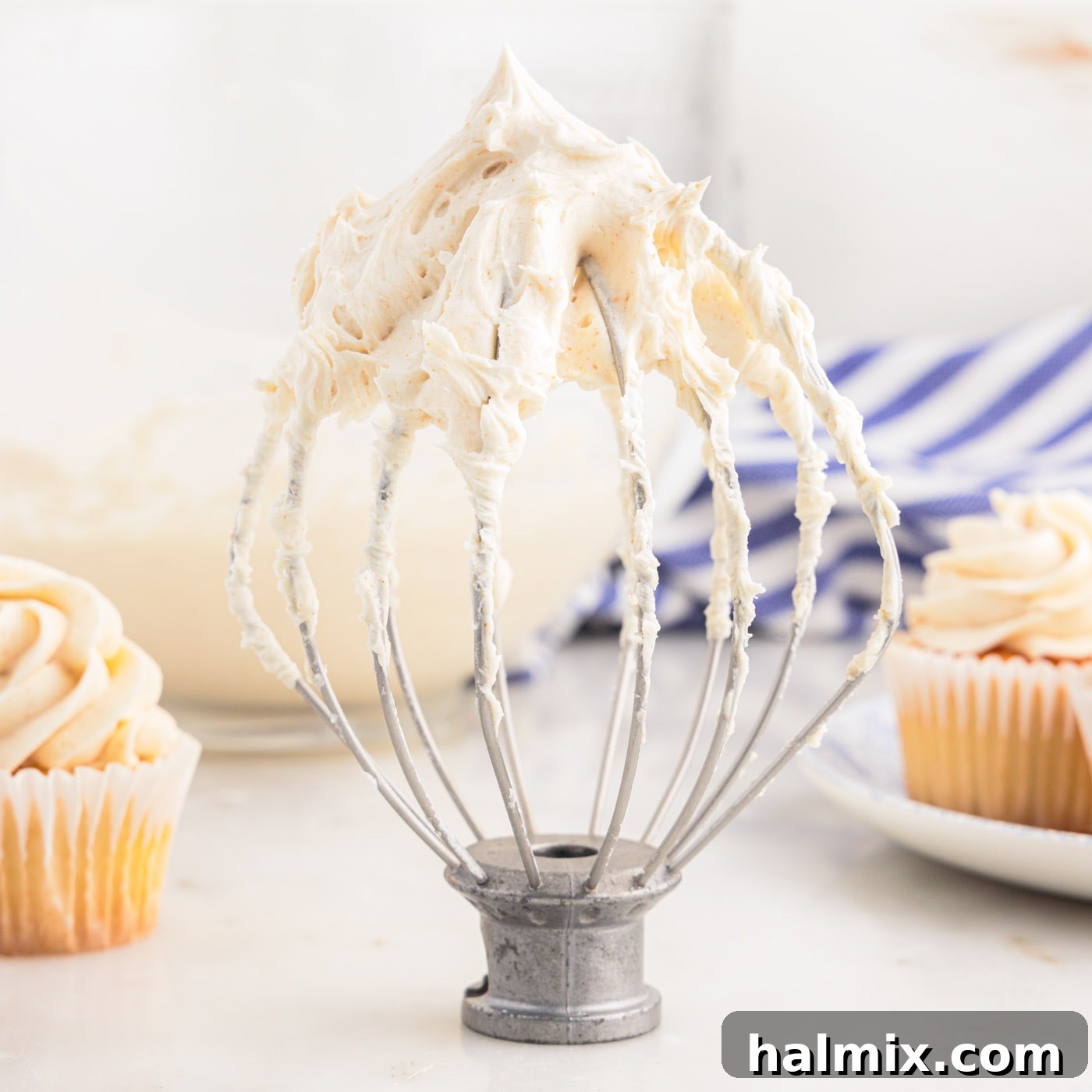
Transform your ordinary baked goods into extraordinary culinary delights with this luscious brown butter frosting. Its smooth, incredibly creamy texture paired with an irresistible toasted, caramel-like flavor elevates anything from cupcakes and cakes to brownies and cookies. Best of all, this remarkably simple recipe requires just four pantry-staple ingredients, making it an accessible indulgence for any home baker.
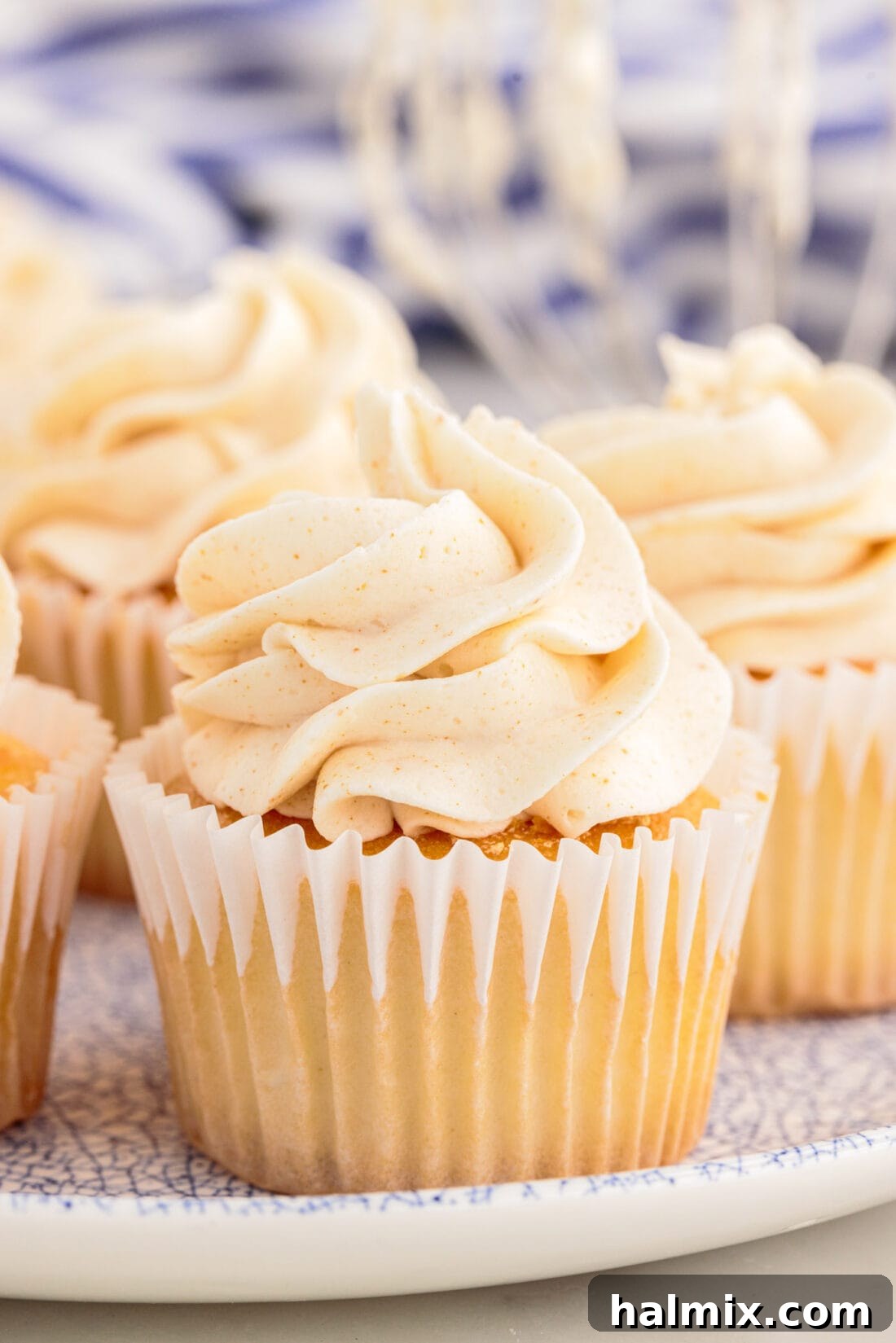
The Magic of Brown Butter Frosting: Why You’ll Love This Recipe
There’s a reason brown butter is a secret weapon in many chef’s repertoires: it’s a simple technique that yields profoundly complex flavors. This brown butter frosting recipe is nothing short of divine, captivating your palate with its silky smooth consistency and the distinctive nutty undertones that only perfectly browned butter can deliver. Unlike standard frostings, this one offers a unique depth of flavor, a rich, toasted caramel essence that adds an unparalleled sophistication to your desserts. It’s an elegant twist on classic buttercream, taking everyday treats to gourmet heights without any added fuss.
Imagine the aroma filling your kitchen as you whip up this heavenly topping. The transformation of humble butter into a golden, fragrant elixir is truly magical. This frosting isn’t just delicious; it’s incredibly versatile. Crafted from just four essential ingredients – butter, pure vanilla extract, powdered sugar, and rich heavy whipping cream – it comes together with surprising ease. Whether you prefer a thick, pipeable frosting for elaborate cake decorations or a thinner, pourable glaze for elegant pastries, this recipe adapts to your needs. Spread it generously over fluffy cupcakes, layer it between tender cake sponges, or swirl it atop fudgy brownies for an instant upgrade. For a lighter touch, thin it out with a touch more cream to create a delectable glaze perfect for drizzling over warm donuts, comforting bundt cakes, flaky croissants, and even wholesome banana bread. Its adaptability means endless dessert possibilities, ensuring it will become a cherished staple in your baking arsenal.
Gather Your Simple Ingredients
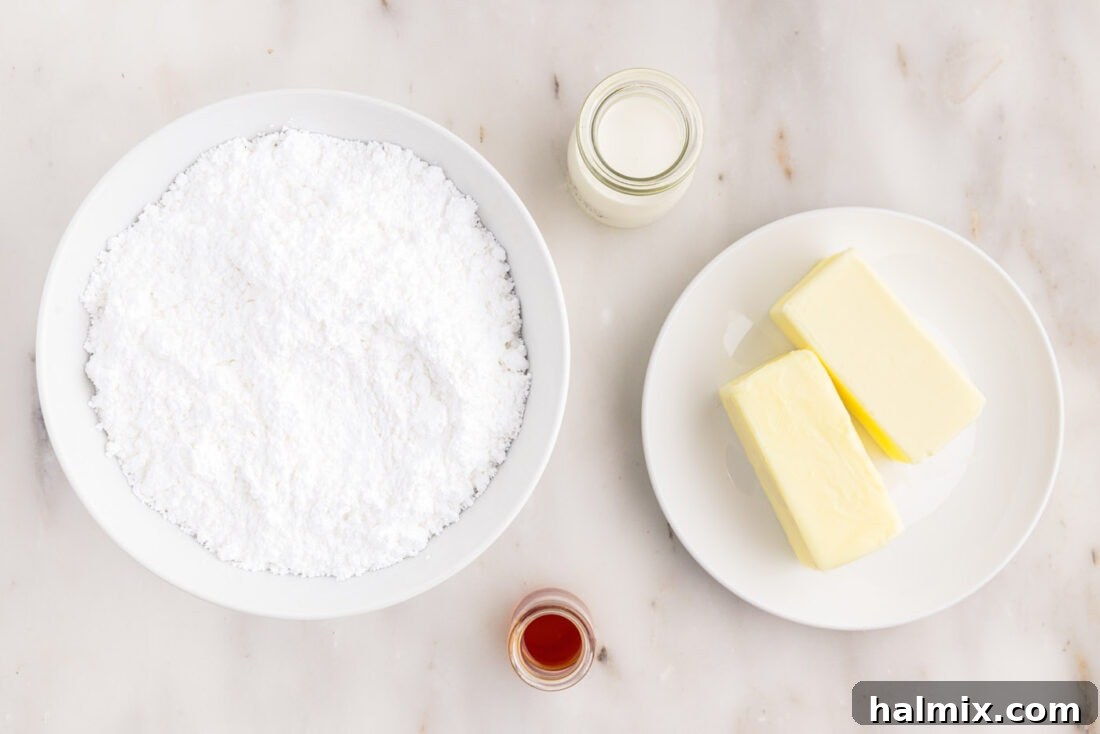
Creating this incredible brown butter frosting doesn’t require an extensive shopping list. In fact, you likely have most, if not all, of these basic ingredients in your kitchen already. For precise measurements and step-by-step instructions, refer to the printable recipe card located at the end of this comprehensive guide. Here’s a quick overview of what you’ll need to create this indulgent frosting:
Ingredient Insights and Smart Substitutions
Understanding each ingredient’s role and knowing clever substitutions can make all the difference in your baking. Here’s a deeper dive into the components of our delicious brown butter frosting:
BUTTER: The Foundation of Flavor
You can use either unsalted or salted butter for this recipe. If you opt for unsalted butter, a small pinch of fine sea salt added to your frosting will beautifully balance the sweetness and enhance the rich, nutty notes of the browned butter. The most critical step with your browned butter is allowing it to cool completely to room temperature. This isn’t just a suggestion; it’s essential. If the butter is still warm when you combine it with other ingredients, your frosting will likely turn out lumpy and separated, lacking that desired smooth consistency. Properly cooled brown butter should re-solidify to a soft, spreadable state, similar to a stick of butter that has been left on the counter for a while.
VANILLA EXTRACT: The Aromatic Enhancer
Pure vanilla extract is crucial for adding a warm, sweet aroma and rounding out the complex flavors of the brown butter. While imitation vanilla can be used in a pinch, real vanilla extract offers a superior depth that genuinely shines in this frosting. Feel free to experiment with other extracts like almond or even a touch of bourbon for a unique twist, but classic vanilla is always a winner.
POWDERED SUGAR (CONFECTIONERS’ SUGAR): For Sweetness and Structure
Powdered sugar is the key to achieving a smooth, lump-free frosting. Its fine texture dissolves easily, creating a silky mouthfeel. It also provides the necessary structure and sweetness. Always sift your powdered sugar before adding it to prevent any stubborn lumps from forming in your final frosting. This simple step ensures a consistently smooth and pipeable texture.
HEAVY CREAM: For Creaminess and Consistency
Heavy whipping cream provides the luxurious richness and helps achieve the perfect creamy consistency. Its high fat content contributes to a stable and decadent frosting. If heavy whipping cream isn’t available, you can substitute it with milk (whole milk works best for richness). However, remember that milk is thinner, so you’ll need to add less of it to reach your desired consistency, or your frosting may become too thin too quickly. Start with a tablespoon at a time when using milk and beat well after each addition.
How to Make the Perfect Brown Butter Frosting
These step-by-step photos and detailed instructions are designed to help you visualize each stage of making this delightful frosting. For a printer-friendly version of this recipe, complete with precise measurements and comprehensive instructions, simply Jump to Recipe at the bottom of this post.
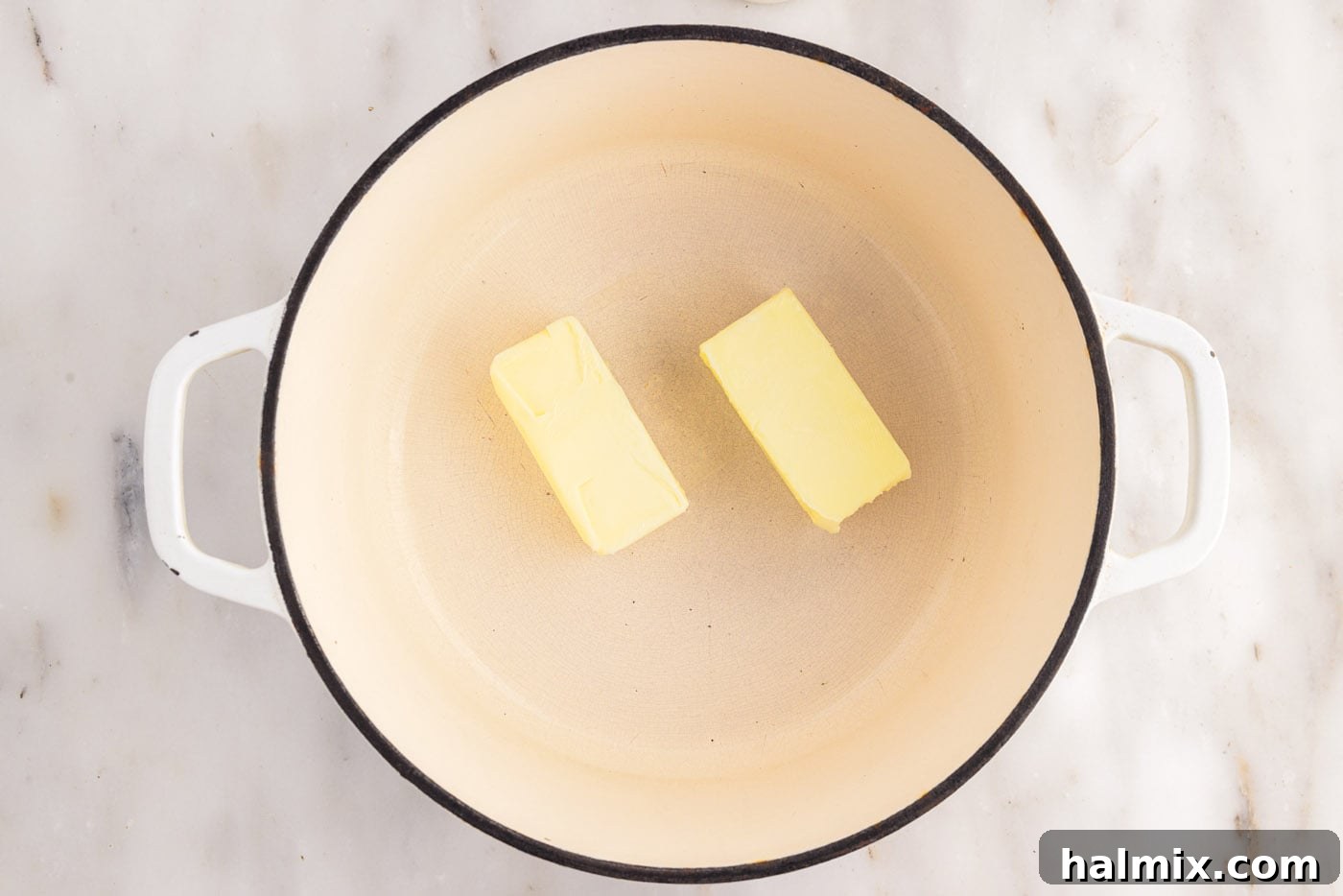
- In a large, light-bottomed saucepan or skillet (a light bottom helps you monitor the color change), melt the butter over medium heat. Keep a close eye on it, as the browning process can happen quickly.
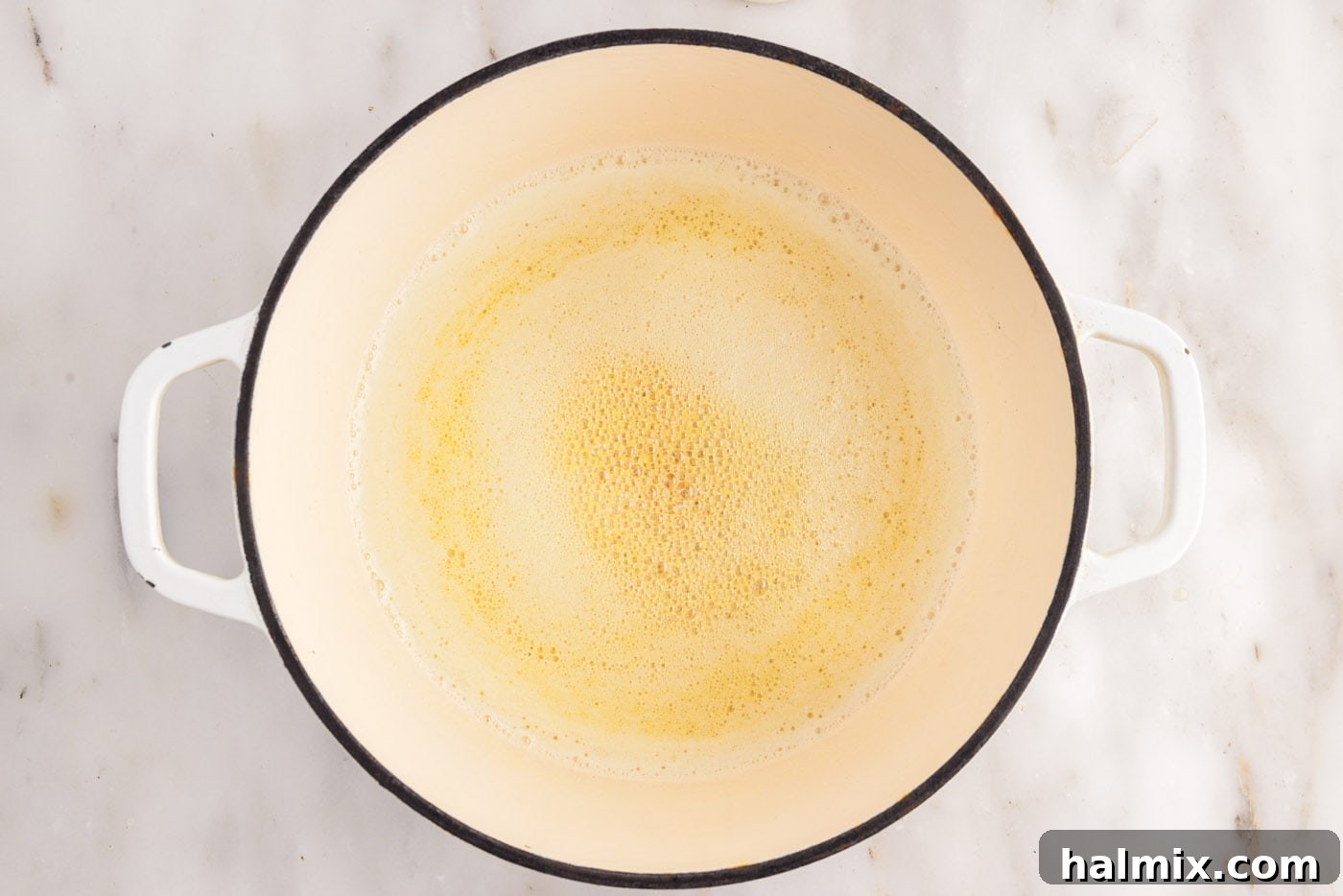
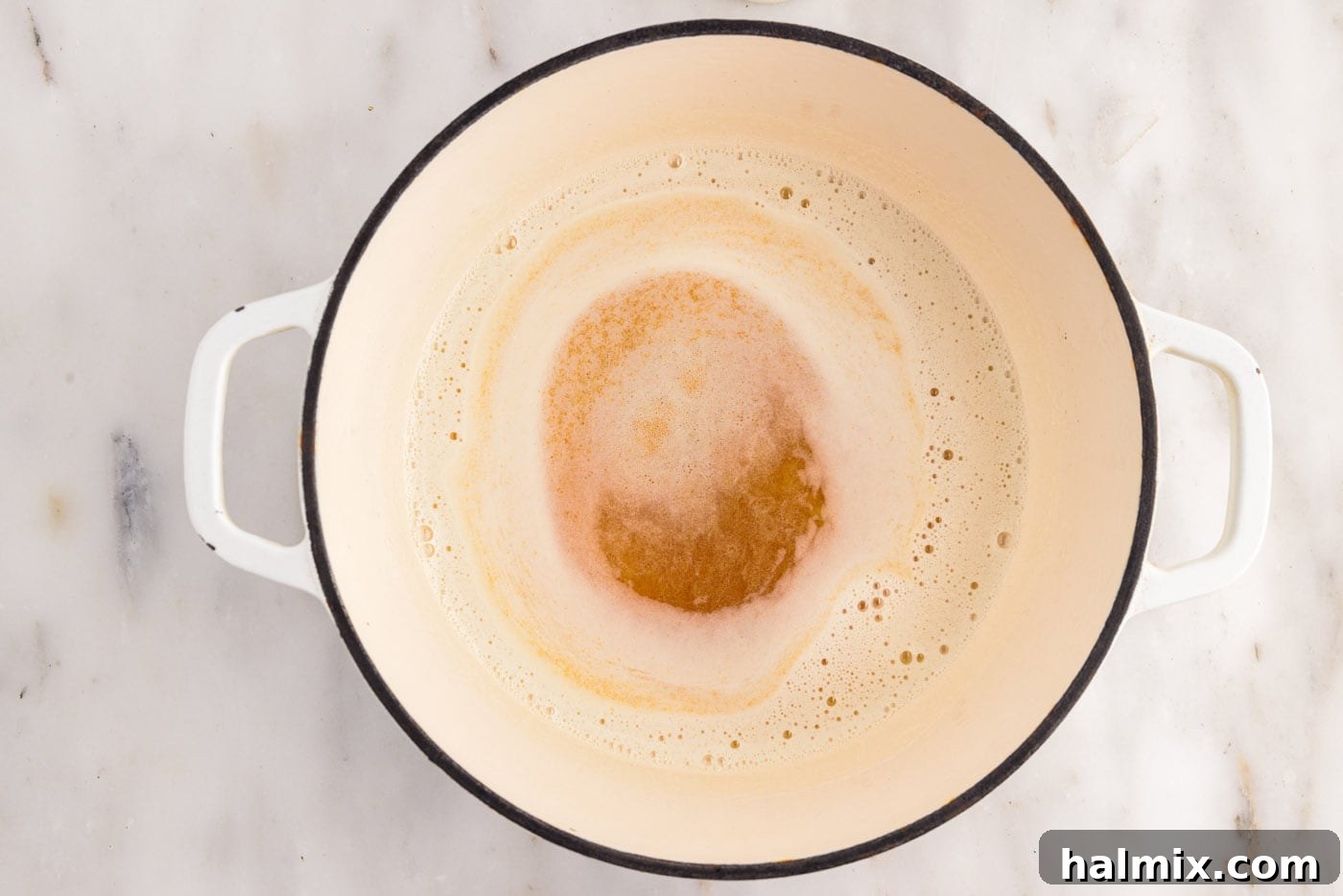
- Continue heating the butter, stirring constantly with a whisk or swirling the pan gently. You’ll notice the butter beginning to simmer, forming small bubbles. These bubbles will gradually decrease in size until a delicate foam starts to cover the surface of the melted butter. Once this foam appears, continue cooking for just a few more seconds. Look for tiny browned bits forming at the bottom of the pan and the butter transforming into a beautiful golden-brown color with a distinct nutty aroma – this is your cue! This browning process typically takes about 5-8 minutes. Using a wider saucepan or skillet helps the butter spread in a thinner layer, which can speed up the browning and make it easier to watch. Remove the browned butter from the heat *immediately* once it reaches the desired color; it can burn very quickly if left on the heat for too long.

- Promptly remove the saucepan from the heat to prevent further cooking. Transfer the hot brown butter into a heatproof bowl. This stops the browning process and allows it to cool safely.
- Now comes the patience part: allow the browned butter to cool completely until it solidifies back to a soft, spreadable consistency. This typically takes about an hour at room temperature. For a quicker cool-down, you can place it in the refrigerator for approximately 30 minutes, but be sure to check it frequently to ensure it doesn’t become too hard. The ideal consistency is soft, similar to room-temperature butter sticks.
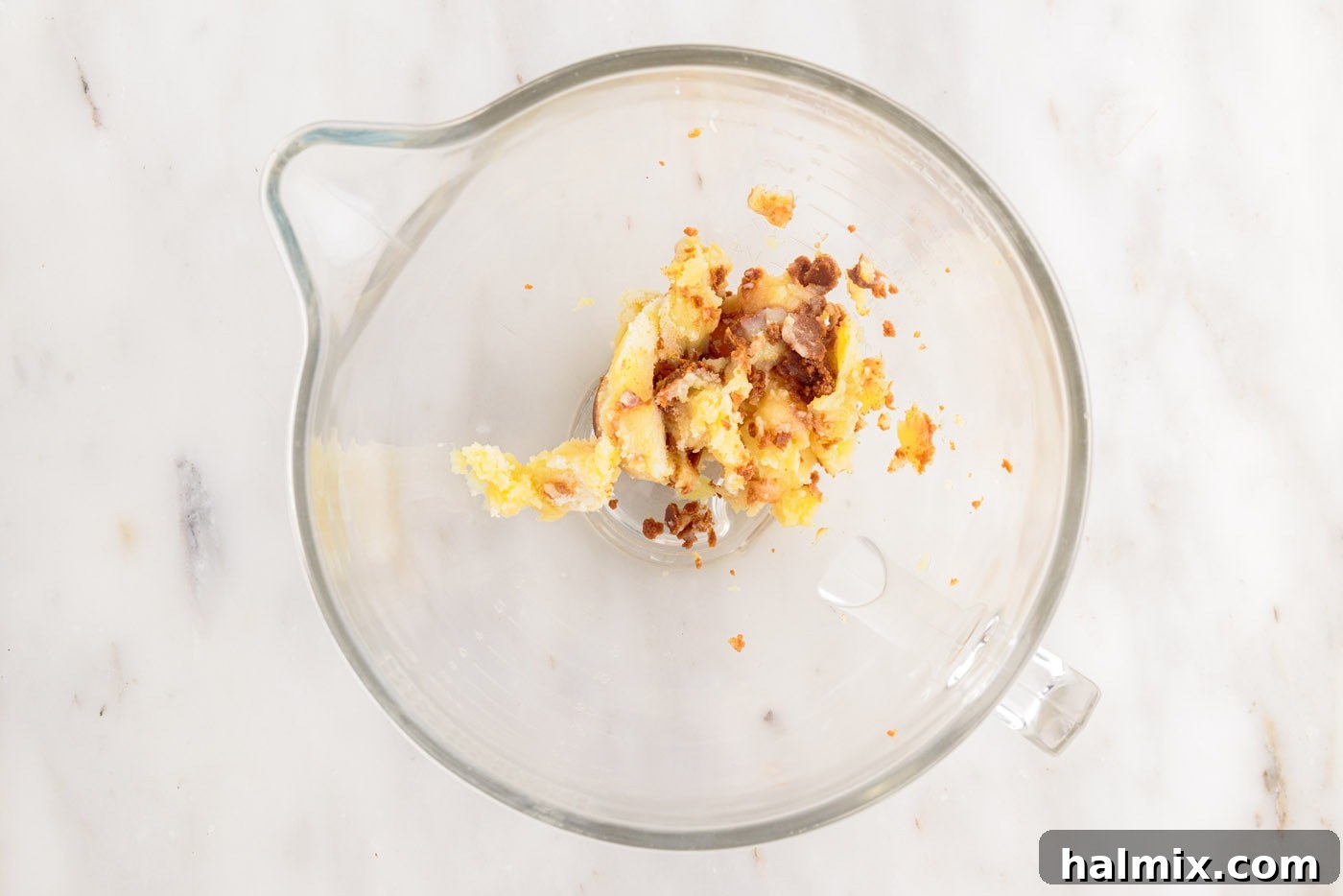
- Once cooled and softened, transfer the solidified brown butter to the bowl of a stand mixer fitted with the whisk attachment.
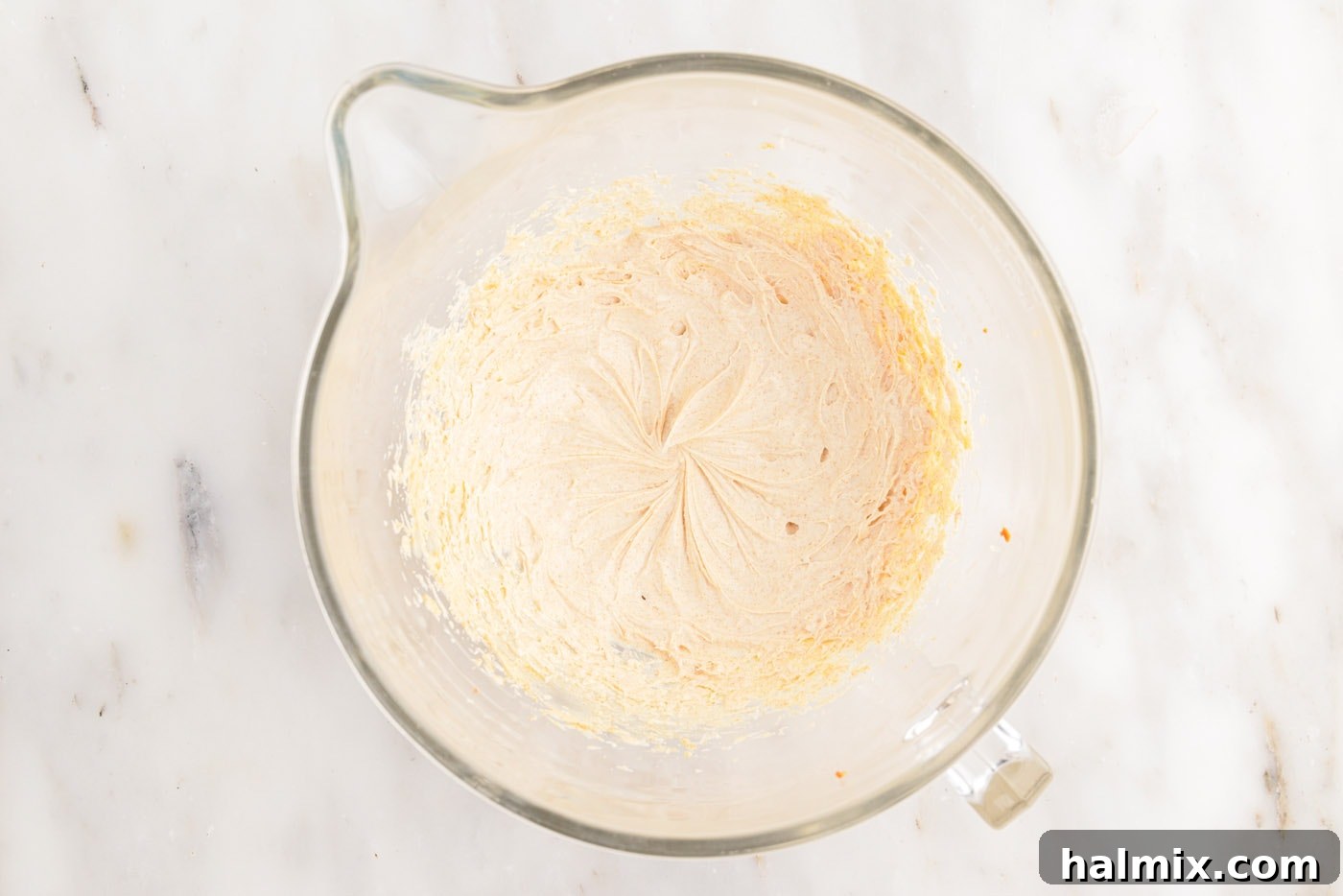
- Begin whipping the butter on medium-high speed until it becomes smooth, light, and wonderfully creamy. This process incorporates air, making your frosting fluffy.
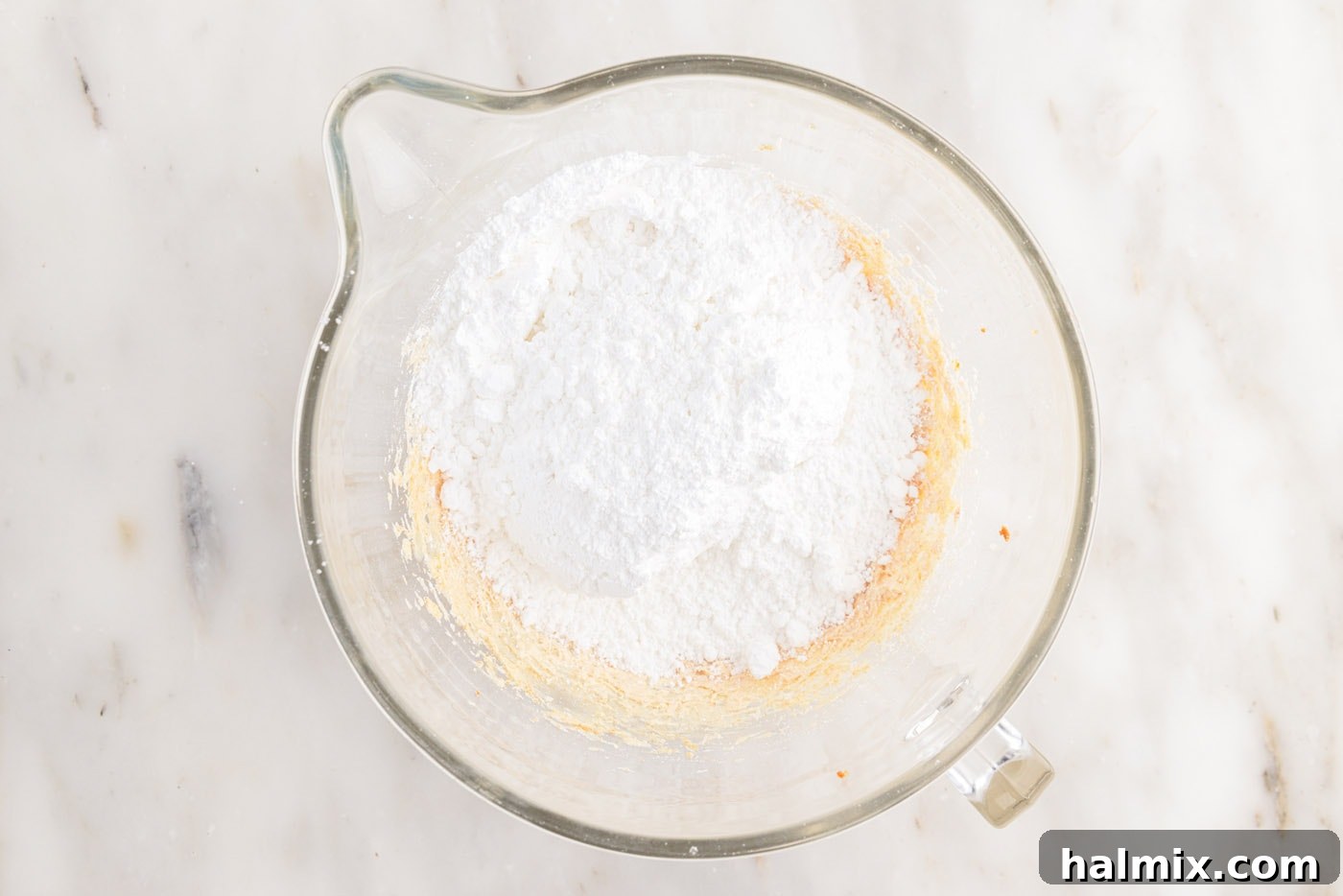
- With the mixer still on low speed, gradually add the sifted powdered sugar, one cup at a time. Once all the sugar is added, slowly increase the speed, beating until the butter is fully incorporated into the sugar. At this stage, the mixture will appear crumbly and thick.
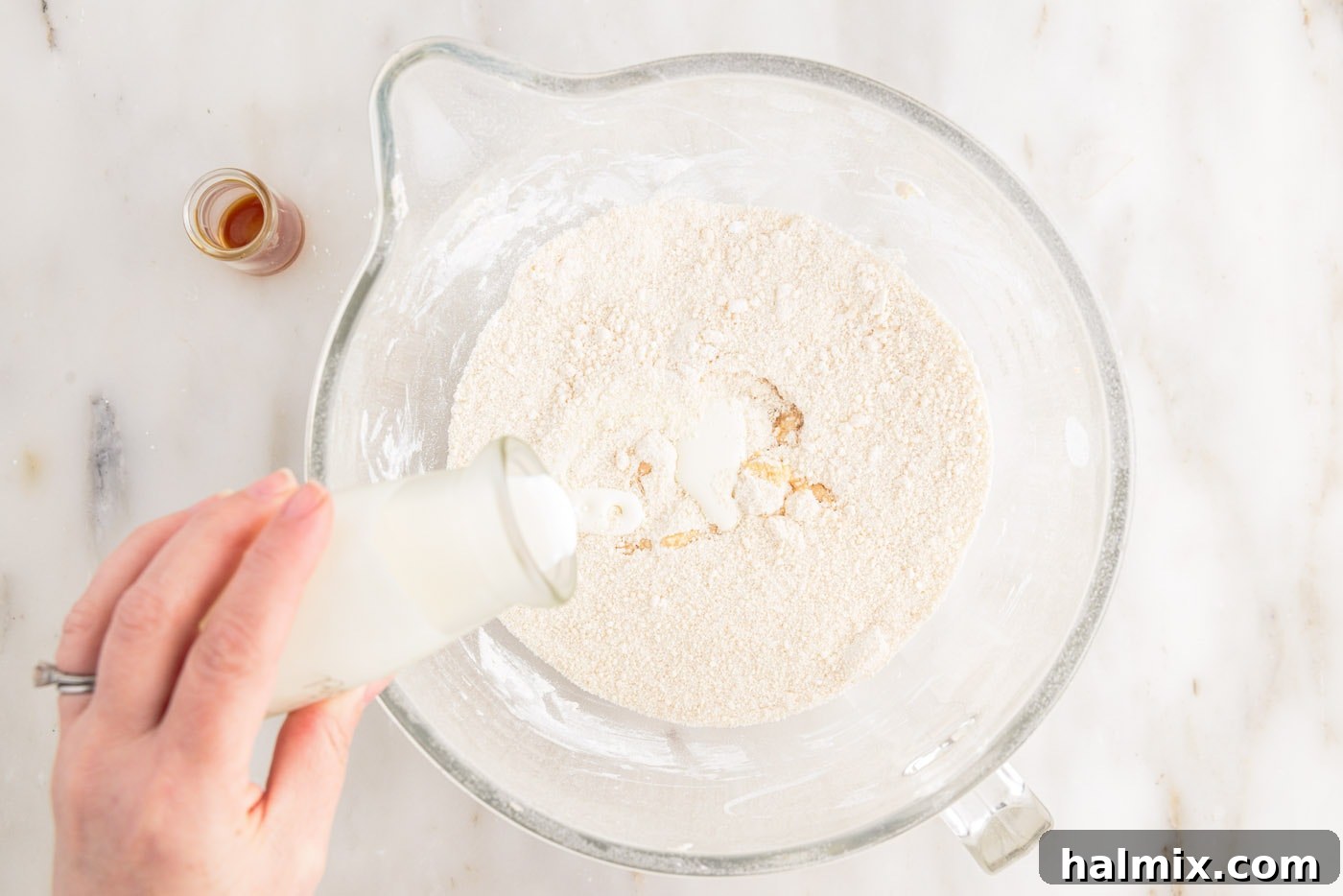
- Pour in the vanilla extract and two tablespoons of the heavy cream. Beat thoroughly, making sure to stop and scrape down the sides and bottom of the bowl occasionally to ensure everything is fully combined and no dry pockets of sugar remain.
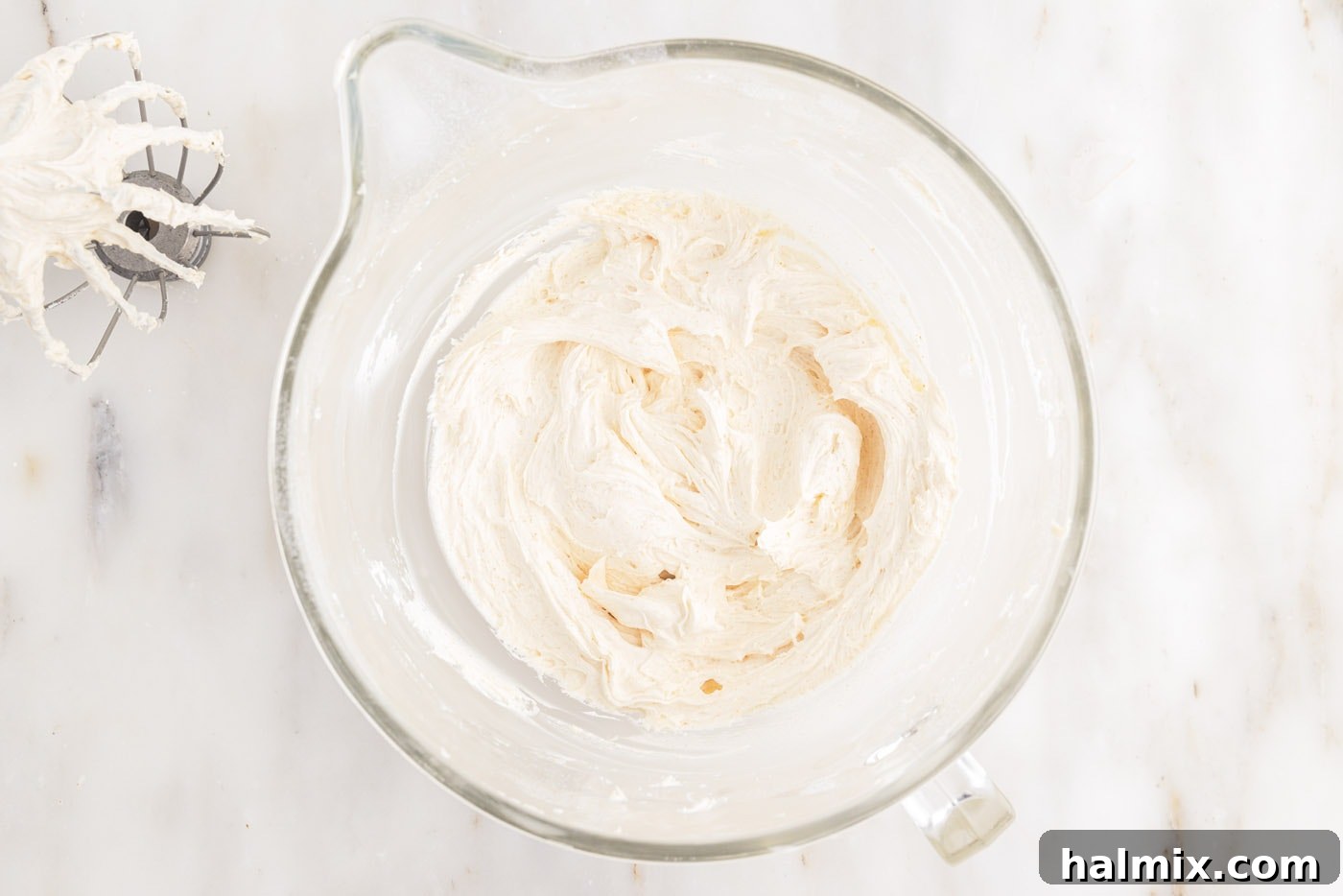
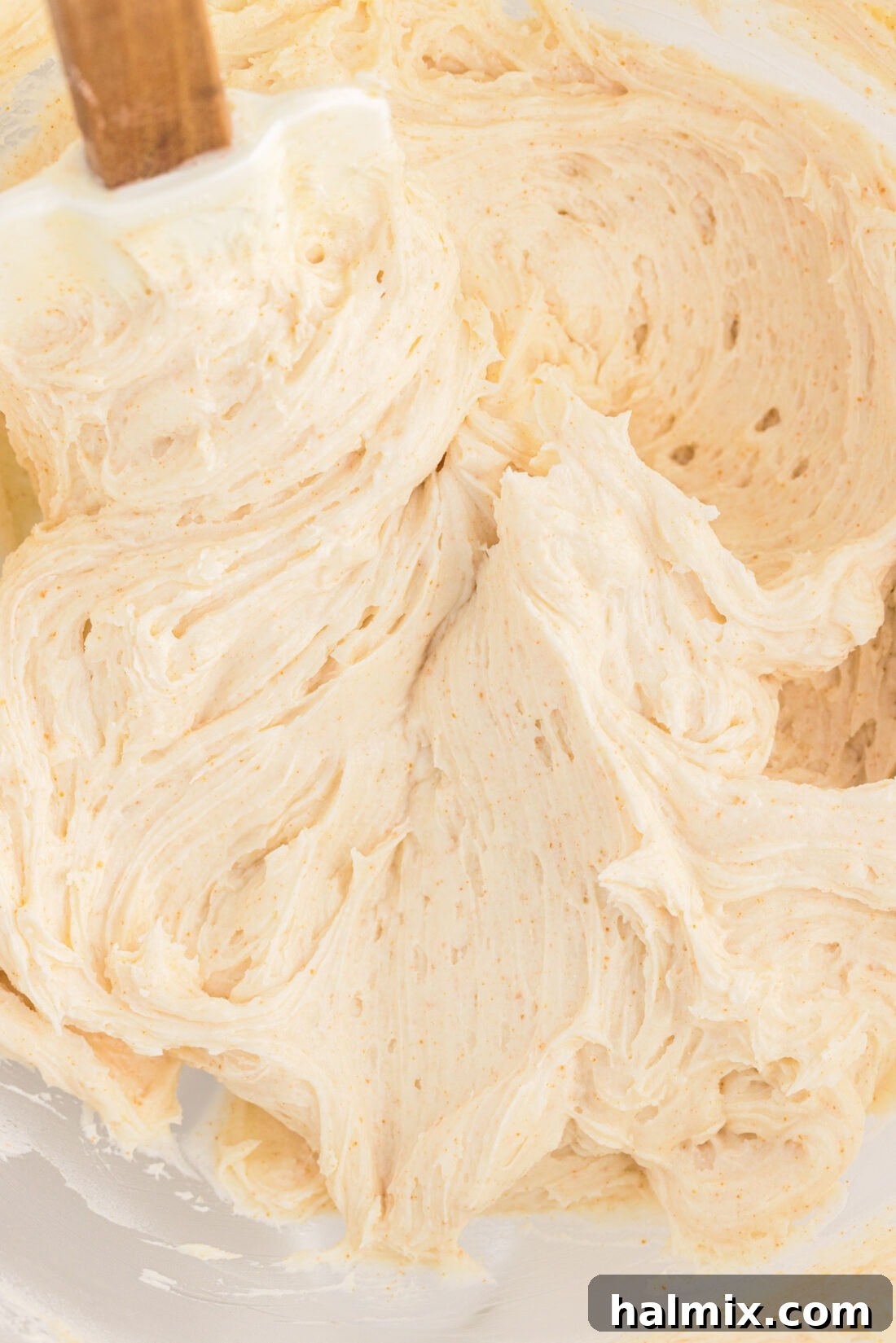
- Increase the mixer speed to medium-high. While the mixer runs, slowly drizzle in additional heavy cream, one tablespoon at a time, until your frosting reaches the desired consistency. For a thicker frosting, use less cream. For a more spreadable or pipeable consistency, add a bit more.
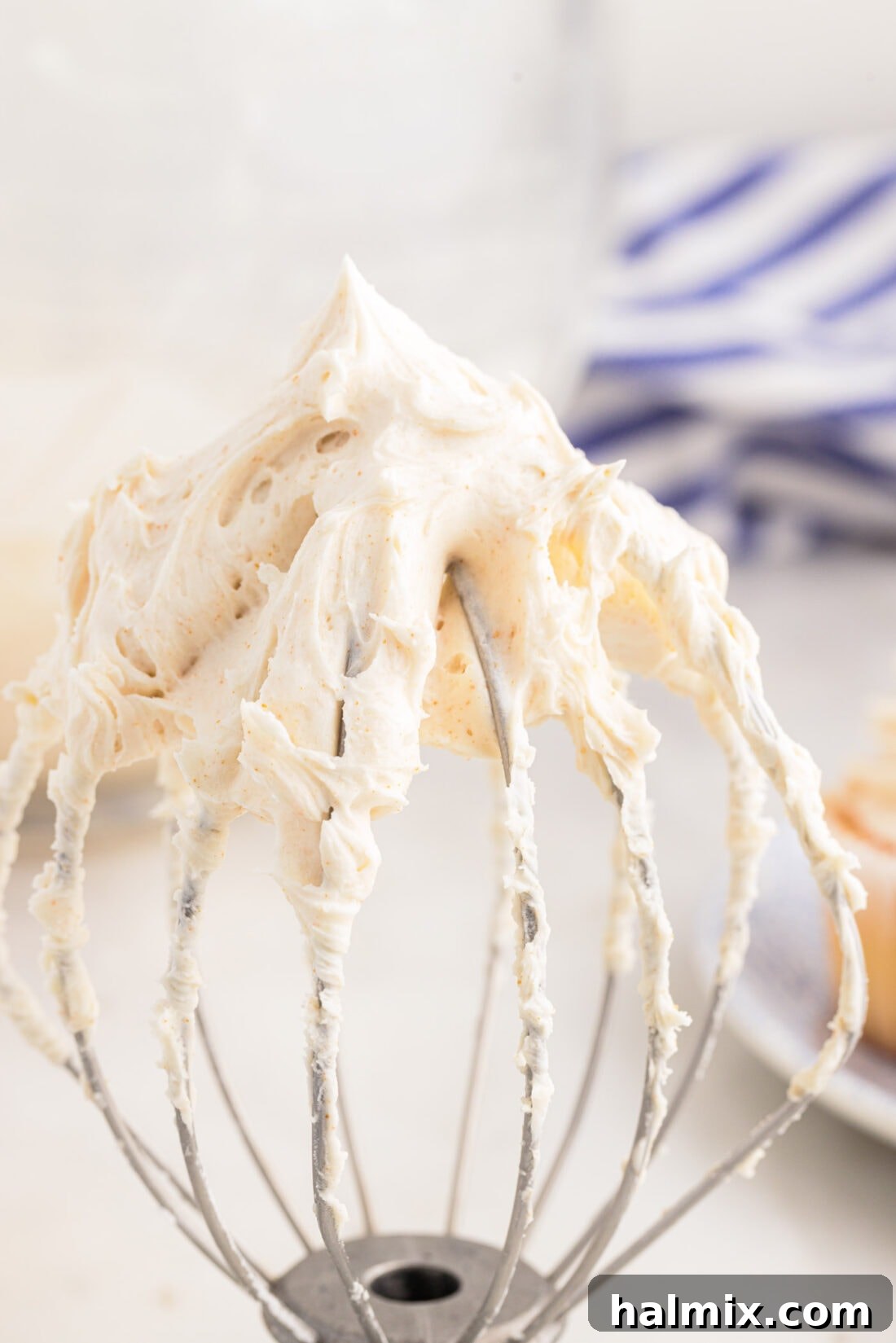
- For an exceptionally light and fluffy frosting, continue to whip the mixture on high speed for an additional 1-2 minutes. This extra whipping incorporates more air, resulting in a cloud-like texture.
Frequently Asked Questions & Expert Tips for Brown Butter Frosting
To maintain its freshness and flavor, store your brown butter frosting in an airtight container or a large zip-top bag in the refrigerator. It will keep beautifully for up to 1 week. Before using, allow it to come to room temperature and then re-whip it for a few minutes to restore its fluffy texture.
Absolutely! Brown butter frosting freezes exceptionally well, making it perfect for preparing ahead of time. Simply transfer the frosting to an airtight, freezer-safe container or a heavy-duty freezer bag, removing as much air as possible. It can be stored in the freezer for up to 2 months. When you’re ready to use it, thaw the frosting overnight in the refrigerator. Once thawed, give it a thorough mix (or re-whip in your stand mixer) to restore its smooth, creamy consistency before piping or spreading.
Achieving the perfect consistency is key for different applications. You can effortlessly thin out your brown butter frosting by adding a small splash of heavy whipping cream (or milk, if you prefer). Start with a teaspoon or two, give the frosting a good whip, and then add more heavy whipping cream as needed, one teaspoon at a time, until you reach your desired consistency. You can even thin it significantly to achieve a smooth, pourable glaze, ideal for drizzling over warm pastries or quick breads.
If your frosting is too stiff or dense, simply add heavy whipping cream (or milk) one tablespoon at a time while beating on low speed until it reaches your desired, spreadable consistency. Remember to scrape down the bowl frequently to ensure even distribution.
Yes, you can absolutely brown your butter in advance! Once browned, transfer it to a heatproof container and let it cool completely. Store the solidified brown butter in the refrigerator for up to a week. When ready to make the frosting, simply let it come to room temperature until it softens before proceeding with step 5 of the recipe.
Serving Suggestions for Your Brown Butter Frosting
As we’ve highlighted, the possibilities for enjoying this brown butter frosting are virtually limitless. Its rich, nutty flavor profile and versatile texture make it a perfect companion for an array of sweet treats. Here are even more ideas to inspire your culinary creations:
- Classic Desserts: Generously frost chocolate or vanilla cupcakes, red velvet cake, carrot cake, pumpkin muffins, or sugar cookies.
- Elegant Glazes: Thin it out to create a pourable glaze for apple fritters, cinnamon rolls, sweet potato bread, or even a simple pound cake. The nutty notes complement fall flavors beautifully.
- Fruity Pairings: Drizzle over a warm apple crisp or pear tart after baking for a surprising depth of flavor.
- Breakfast & Brunch: Use it as a sweet spread for toasted brioche, pancakes, or waffles. A simple bowl of oatmeal can be elevated with a dollop of this luxurious frosting.
- Unique Twists: Swirl a spoonful into your morning coffee or hot chocolate for a decadent treat. You can even use it as a dip for fresh fruit like apple slices or banana chunks.
From a sophisticated topping for a holiday dessert to a comforting addition to an everyday snack, this brown butter frosting truly proves its versatility and will quickly become a go-to in your kitchen.
More Frosting Recipes to Inspire You
If you’ve fallen in love with homemade frosting, explore some of our other fantastic recipes:
- Classic Buttercream Frosting
- Tangy Cream Cheese Frosting
- Decadent Chocolate Fudge Frosting
- Rich Peanut Butter Frosting
- Fluffy Marshmallow Frosting
I absolutely adore baking and cooking, and it brings me immense joy to share my kitchen experiences and cherished recipes with all of you! Remembering to visit the blog daily for new inspirations can sometimes be a challenge, which is why I offer a convenient newsletter. Each time a fresh recipe is posted, it lands directly in your inbox. Simply subscribe today and start receiving your free daily recipes, making sure you never miss out on a delicious creation!
Brown Butter Frosting
IMPORTANT – There are often Frequently Asked Questions within the blog post that you may find helpful. Simply scroll back up to read them!
Print It
Pin It
Rate It
Save ItSaved!
Ingredients
- 1 cup salted butter
- 2 teaspoons vanilla extract
- 4 cups powdered sugar 1 pound
- 4-5 Tablespoons heavy whipping cream
Things You’ll Need
-
Stand mixer
-
Skillet
Before You Begin
- This recipe yields approximately 2 cups of luscious brown butter frosting, which is ample to beautifully frost 24 standard cupcakes or a generous 13×9 inch sheet cake. For more elaborate decorations, such as tall, swirled frosting peaks, or for a double-layer 9-inch round cake, we recommend doubling the recipe to ensure you have plenty.
- You have the flexibility to use either unsalted or salted butter for this recipe. If you opt for unsalted butter, adding a small pinch of fine sea salt to your finished frosting will help to balance the sweetness and truly bring out the rich, nutty notes of the browned butter.
- It is absolutely crucial to allow your browned butter to cool completely to room temperature until it solidifies. This step cannot be rushed. If the butter is still warm when mixed with the other ingredients, your frosting will likely become lumpy, separated, and will not achieve the desired smooth, creamy texture. The solidified brown butter should be soft and pliable, much like butter that has been left at room temperature.
- Should you need an alternative to heavy whipping cream, milk can be used as a substitute. Keep in mind that milk has a thinner consistency, so you will likely require less of it to achieve the same frosting texture. Add it gradually, a tablespoon at a time, to avoid thinning your frosting too much.
Instructions
-
In a large, light-bottomed saucepan or skillet, melt the butter over medium heat.
-
Stirring constantly or gently swirling the pan, continue heating the butter until it begins to simmer and form bubbles. The bubbles will gradually become smaller, and a delicate foam will eventually cover the top of the melted butter. Once this foam appears, cook for just a few more seconds until you observe the butter caramelizing and turning a beautiful golden-brown color, accompanied by a distinct nutty aroma. This process typically takes about 5-8 minutes. Using a larger saucepan or skillet helps spread the melted butter into a thin layer, which can significantly speed up the browning process and make it easier to monitor. Remove the brown butter from the heat quickly once it reaches the desired color; it can burn very easily if left over heat for too long.
-
Immediately remove the browned butter from the heat and transfer it into a clean, heatproof bowl to cool.
-
Allow the butter to cool until it completely solidifies to a soft, room-temperature consistency. This will typically take about an hour if left at room temperature. Alternatively, you can place it in the refrigerator for approximately 30 minutes, checking periodically to ensure it doesn’t become too hard. The ideal texture should be soft and pliable, similar to softened sticks of butter.
-
Transfer the softened brown butter to the bowl of a stand mixer.
-
Using the whisk attachment, whip the butter on medium-high speed until it becomes smooth, light, and wonderfully creamy.
-
With the mixer on low speed, gradually add the sifted powdered sugar. Once all the sugar is added, increase the speed slowly and beat until the butter is fully incorporated into the sugar. The mixture will appear crumbly at this stage.
-
Add the vanilla extract and two tablespoons of the heavy cream. Continue beating, making sure to periodically scrape down the sides and bottom of the bowl to ensure all ingredients are fully combined.
-
With the mixer set to medium-high speed, continue to slowly drizzle in additional heavy cream, one tablespoon at a time, until the frosting reaches your desired consistency for spreading or piping.
-
For an extra light and fluffy frosting, whip the mixture on high speed for an additional 1-2 minutes.
Expert Tips & FAQs
- Storage: Store the brown butter frosting in an airtight container or a large zip-top bag in the refrigerator for up to 1 week. Bring to room temperature and re-whip before using for best results.
- Freezing: This frosting freezes beautifully. Transfer it to an airtight container and store in the freezer for up to 2 months. Thaw overnight in the refrigerator, then give it a good mix or re-whip once thawed before using.
- Thinning Frosting: Easily thin your frosting by adding a splash of heavy whipping cream (or milk) a teaspoon at a time. Whip well after each addition until your desired consistency is achieved. You can even thin it enough to create a pourable glaze!
- Browning Butter Tip: Use a light-colored saucepan to better observe the butter’s color change, preventing it from burning. The nutty aroma is a strong indicator of readiness.
- Sifting Powdered Sugar: Always sift your powdered sugar to avoid any lumps in your smooth, creamy frosting.
Nutrition
The recipes on this blog are meticulously tested using a conventional gas oven and gas stovetop to ensure consistent results. It’s important to remember that all ovens, especially older models, can sometimes cook and bake inconsistently. We highly recommend using an inexpensive oven thermometer to verify that your oven is truly reaching and maintaining the proper temperature specified in our recipes. If you utilize a toaster oven or countertop oven, please be aware that these appliances may not distribute heat uniformly compared to a conventional full-sized oven, potentially requiring adjustments to your cooking and baking times. For recipes prepared with specialized appliances like pressure cookers, air fryers, or slow cookers, you’ll find a direct link to the specific models we use within each respective recipe, helping you replicate our success. Finally, for baking recipes where precise measurements are provided by weight, please note that using volume measurements (cups) instead may lead to different outcomes, and we cannot guarantee the same level of success with that method.