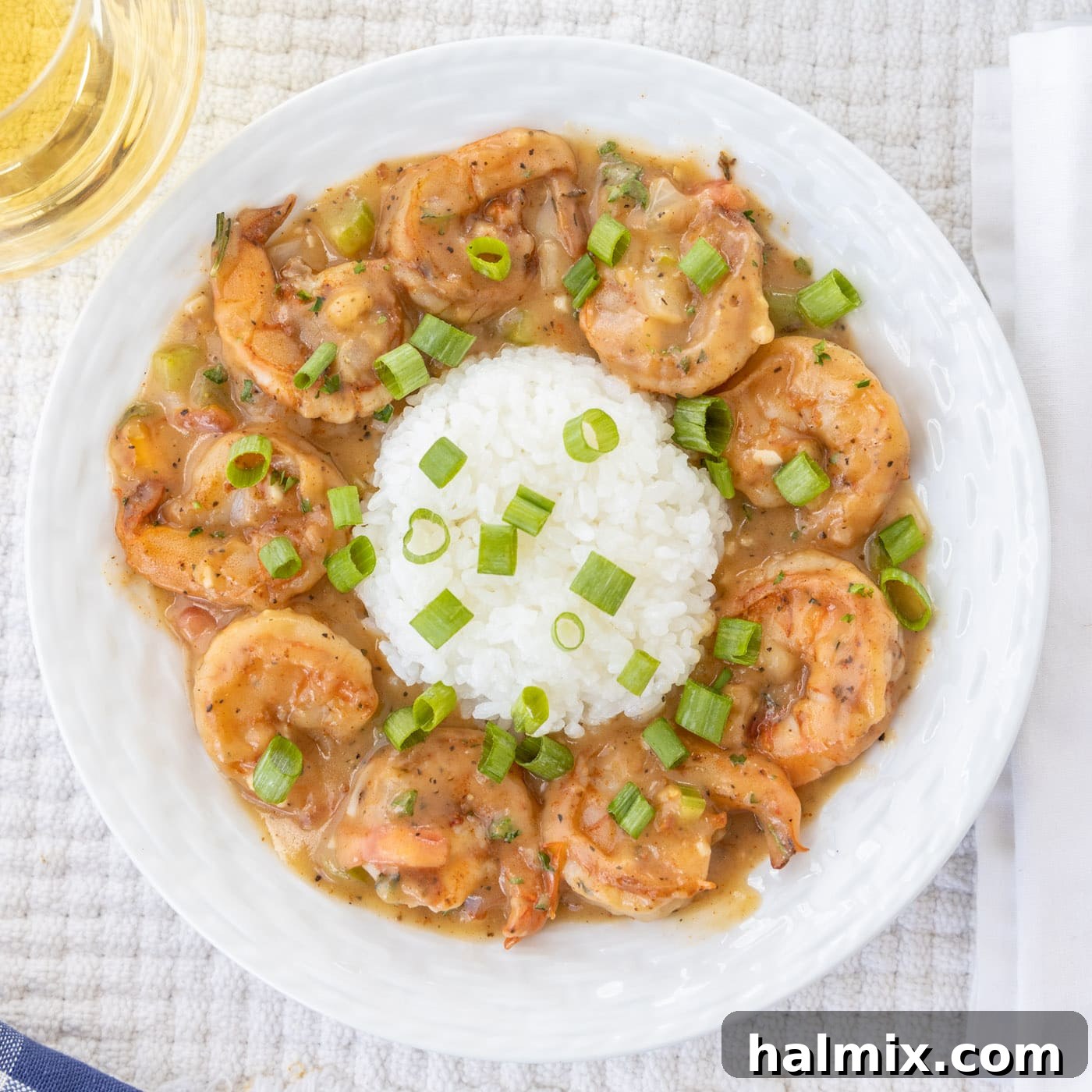
Welcome to the heart of Louisiana cooking! Get ready to embark on a culinary journey with this incredible homemade Shrimp Etouffee recipe. This iconic Cajun stew is a symphony of flavors, packed with succulent, Cajun-spiced shrimp, and the classic “Holy Trinity” of green bell pepper, celery, and onion, all generously smothered in a rich, velvety roux-based gravy. Every spoonful promises a robust, savory experience, making it a true powerhouse of flavor all cooked conveniently in one skillet. Whether you’re a seasoned chef or a home cook looking to explore the vibrant world of Southern cuisine, this recipe will guide you to create an authentic dish that’s both comforting and unforgettable. Dive in and discover the magic of a perfectly executed Shrimp Etouffee, a dish that truly embodies the spirit of Cajun hospitality.
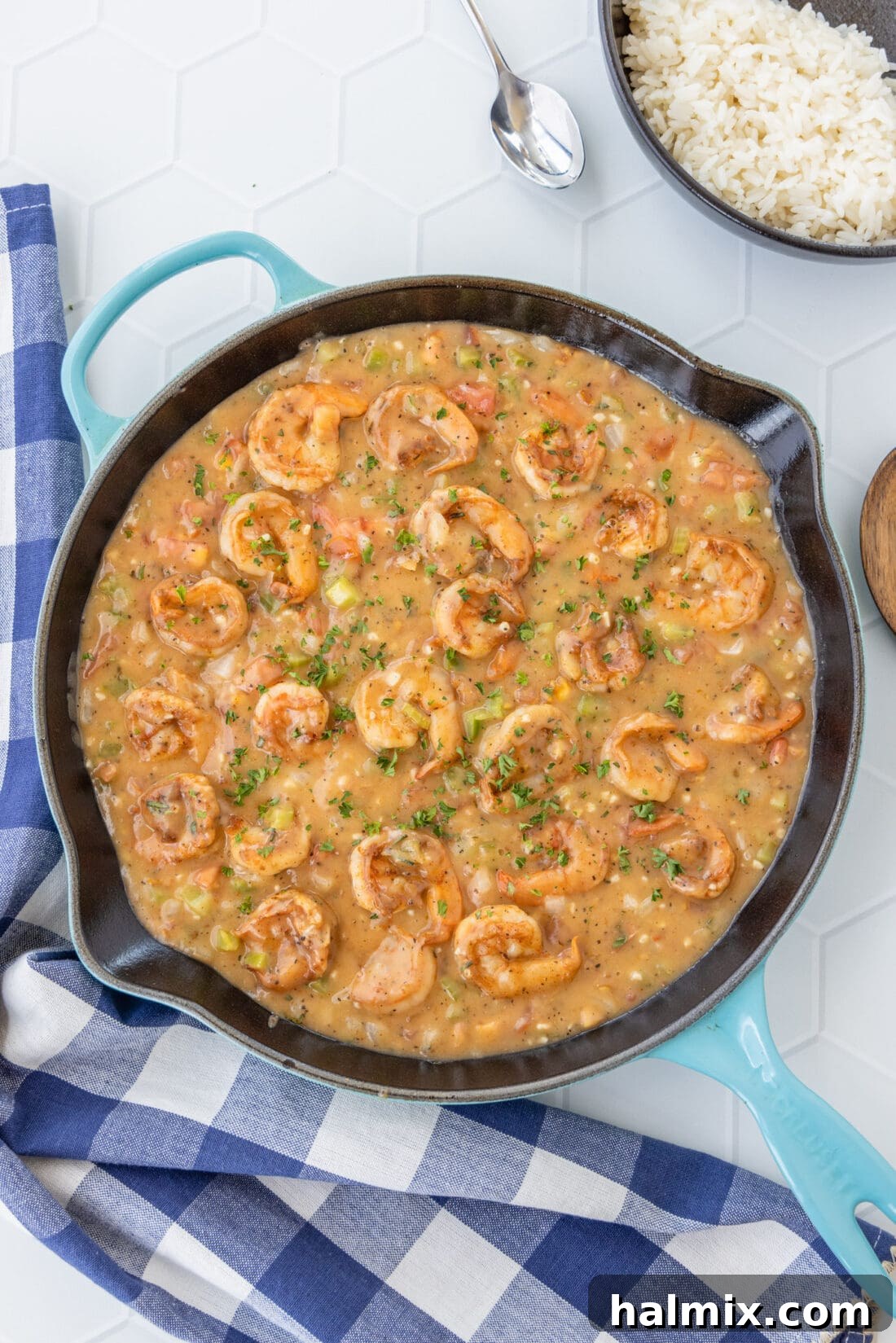
Why This Recipe Works: The Heart of Cajun Flavor
Shrimp Etouffee isn’t just a meal; it’s a celebration of Louisiana’s rich culinary heritage. The word “étouffée” itself means “smothered” in French, perfectly describing how plump, tender shrimp are enveloped in a luxuriously thick, gravy-like sauce. This recipe captures the very essence of this southern staple, delivering a dish that is deeply flavorful, perfectly spiced, and wonderfully comforting. It’s a testament to simple ingredients transformed into something extraordinary.
The foundation of any great Cajun or Creole dish, and certainly this Etouffee, begins with the Holy Trinity: a precise blend of green bell pepper, celery, and onion. These fresh vegetables are finely chopped and sautéed to create an aromatic base that infuses every bite with earthy sweetness and a subtle peppery kick. But the true secret to the Etouffee’s signature richness lies in the roux – a mixture of fat and flour cooked to a beautiful, nutty brown. Our recipe guides you through creating a perfect roux, ensuring a smooth, thick sauce that holds all the incredible flavors together.
Beyond the roux and trinity, this Etouffee boasts a depth of flavor from additional ingredients like ripe tomatoes, fragrant bay leaves, fresh thyme, and a touch of Worcestershire sauce. These components don’t just add flavor; they contribute to the sauce’s body and complexity, elevating the dish from a simple stew to a gourmet experience. Each element plays a crucial role in building the layered taste profile that makes this southern shrimp stew as intensely flavorful as it is satisfying. This recipe balances traditional techniques with accessible steps, ensuring that even a novice can achieve an authentic and incredibly delicious result. The combination of juicy, perfectly seasoned shrimp with this robust, aromatic gravy is what makes this Etouffee a truly winning recipe.
Essential Ingredients for Your Authentic Shrimp Etouffee
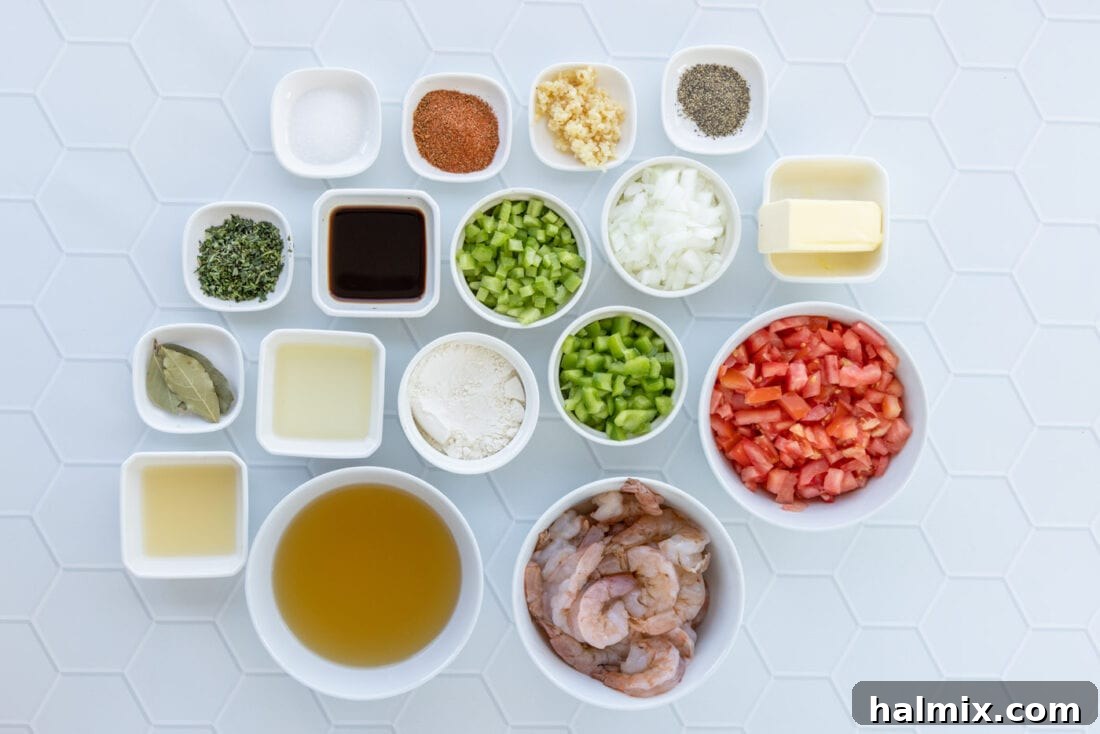
Crafting the perfect Shrimp Etouffee starts with understanding and appreciating each ingredient. While specific measurements are detailed in the printable recipe card at the end of this post, let’s explore the role of each component and some helpful substitution tips.
Ingredient Info and Substitution Suggestions
Shrimp: For the best flavor and texture, we strongly recommend using raw, medium-sized shrimp, shelled, deveined, and with tails removed. Raw shrimp absorb the Cajun seasoning much better and cook to a perfect tenderness within the sauce. Precooked shrimp tend to become rubbery and lack the deep flavor integration. However, if precooked shrimp are your only option, you can still make this dish: simply skip the initial sautéing step, add the Cajun seasoning to the sauce with the other ingredients, and stir in the precooked shrimp only during the final 1-2 minutes of simmering, just long enough to heat them through.
The Holy Trinity (Vegetables): Celery, green bell pepper, and onion form the essential flavor base of this stew. This trio is foundational to most Cajun and Creole recipes, providing a fresh, aromatic, and slightly sweet counterpoint to the rich gravy and spices. Ensure your vegetables are fresh and chopped uniformly to ensure even cooking. These same vibrant vegetables are key players in other beloved Southern dishes like dirty rice and jambalaya.
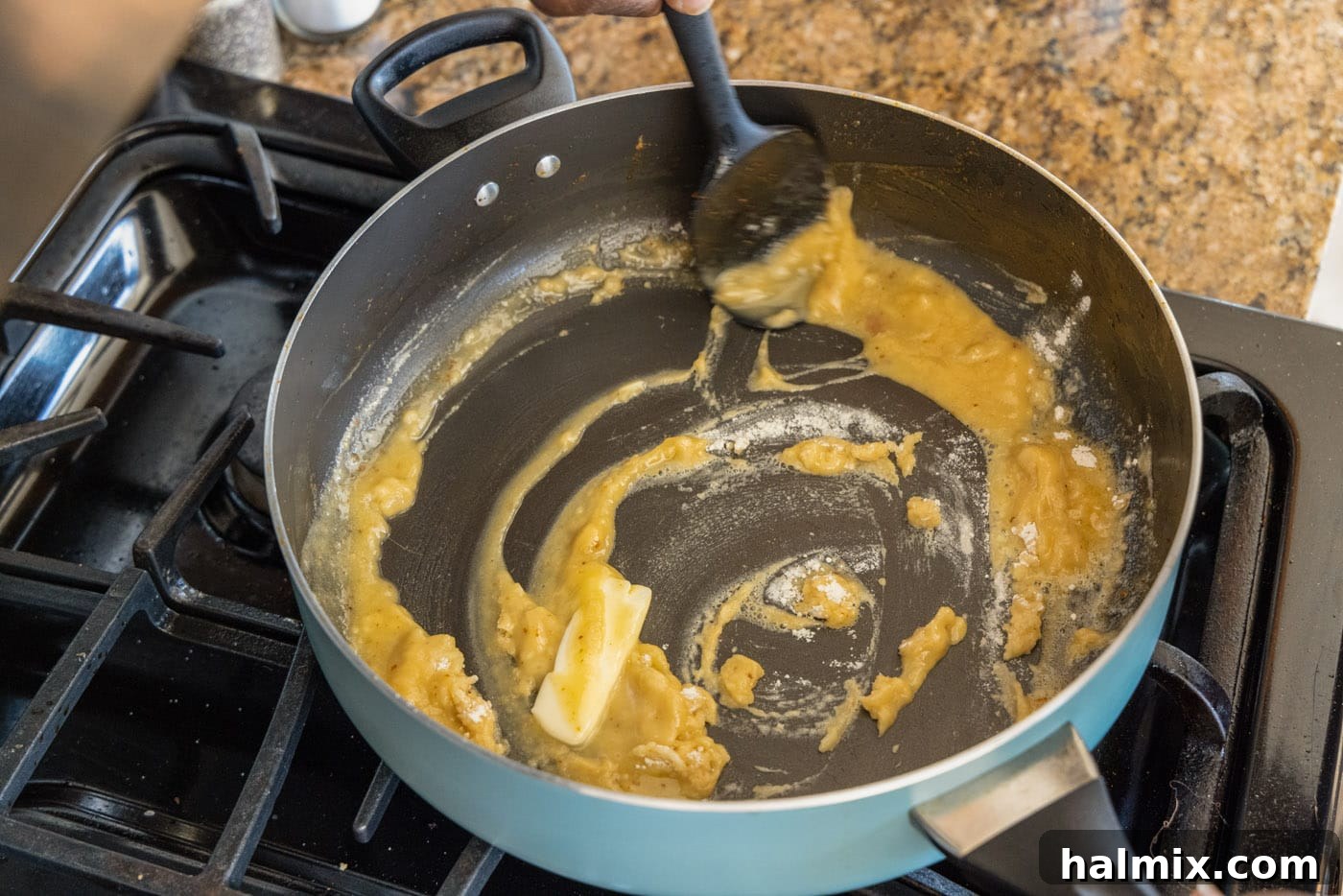
Roux Essentials (Butter and Flour): A crucial element, the roux is what thickens the Etouffee and imparts a deep, nutty flavor. We use equal parts butter and all-purpose flour. The butter adds richness, while the flour provides the thickening power. The color of your roux will significantly impact the final flavor; aim for a light to medium brown, often described as “peanut butter colored,” for a balanced flavor profile that’s not too bitter.
Chicken Stock: This liquid base provides savory depth to the sauce. While chicken stock is specified, you can use vegetable stock for a vegetarian option (omit shrimp for a fully vegetarian dish) or even a light seafood stock for an intensified seafood flavor. Ensure it’s low-sodium to control the overall saltiness of your dish.
Flavor Enhancers:
- Cajun Seasoning: This blend of spices is vital for the authentic kick of Etouffee. You can use your favorite store-bought brand or make your own for a customized spice level. Adjust the amount according to your preference for heat.
- Minced Garlic: Fresh garlic adds a pungent, aromatic warmth. Don’t skimp on this!
- Salt and Black Pepper: Basic seasonings that are essential for balancing and enhancing all the other flavors.
- Lemon Juice: A squeeze of fresh lemon juice at the end brightens the entire dish, cutting through the richness and adding a lovely tang.
- Worcestershire Sauce: This savory condiment adds umami depth and a subtle fermented note, enriching the sauce.
- Tomatoes: Freshly chopped tomatoes add a touch of sweetness, acidity, and color to the Etouffee. They are added later in the cooking process to preserve their fresh flavor and texture.
- Fresh Thyme Leaves: Thyme contributes an earthy, herbaceous aroma that is classic in Southern cooking.
- Bay Leaves: These aromatic leaves infuse the sauce with a subtle, woodsy flavor that is essential for a truly authentic Etouffee. Remember to remove them before serving.
Having all your ingredients prepped and ready before you start cooking (mise en place) will make the process much smoother and more enjoyable, allowing you to focus on the technique and build those incredible flavors.
How to Make Irresistible Shrimp Etouffee
These step-by-step photos and detailed instructions are here to guide you in visualizing how to create this delicious recipe. For a convenient printable version, complete with all measurements and instructions, simply Jump to Recipe at the bottom of this page.
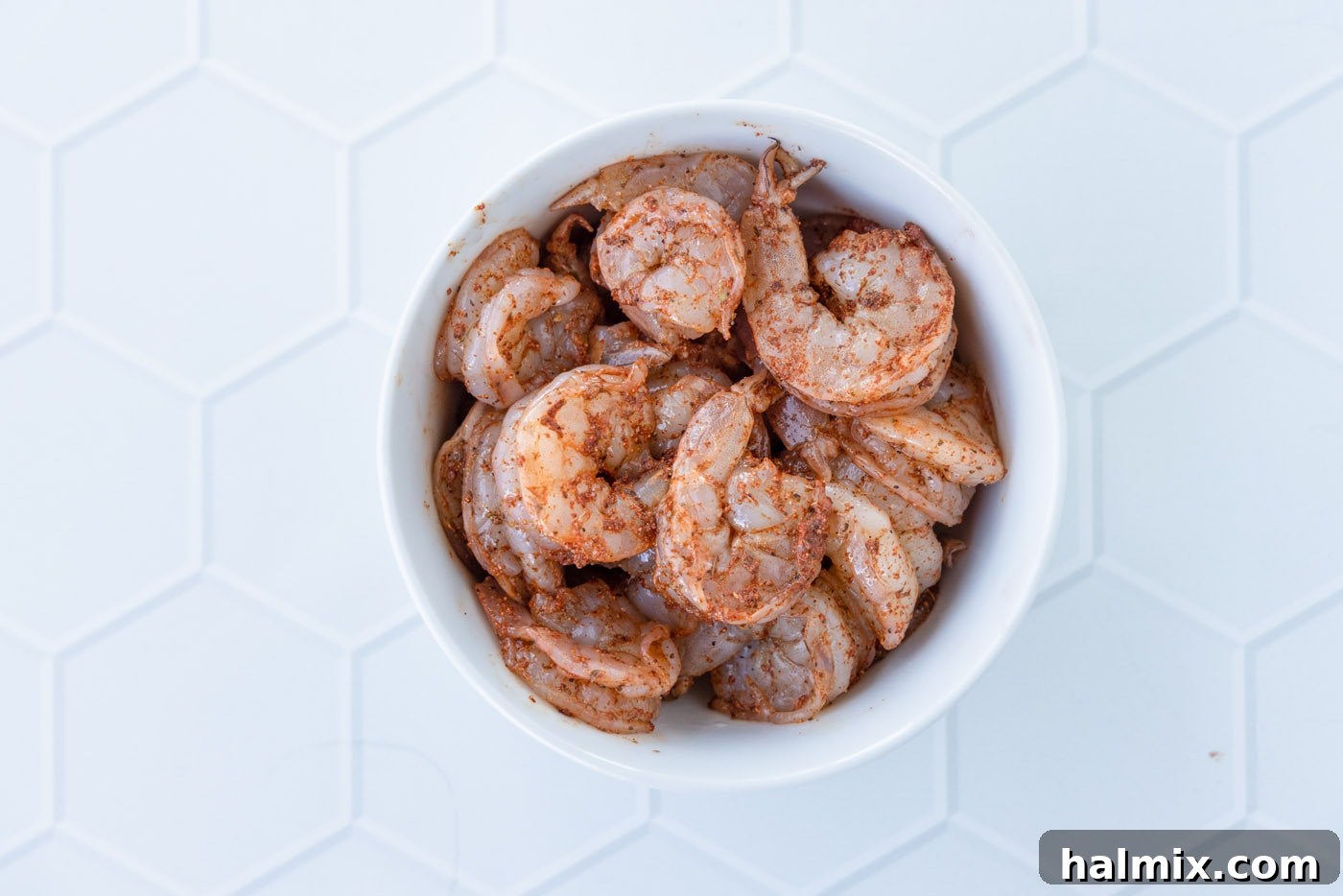
- Prepare the Shrimp: Begin by seasoning your raw, shelled, and deveined shrimp generously with Cajun seasoning. Ensure each shrimp is thoroughly coated, as this builds the first layer of flavor.

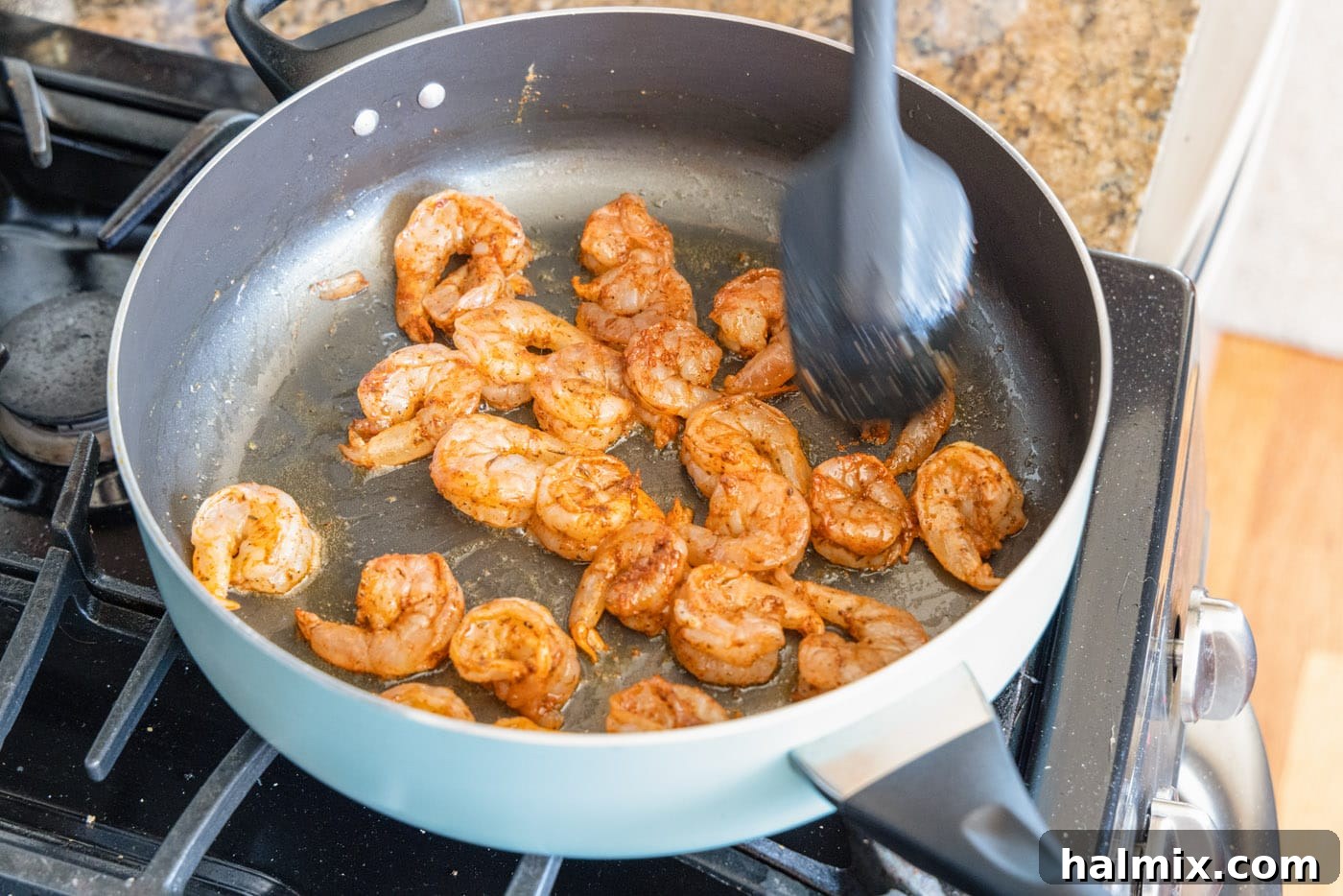
- Briefly Sauté the Shrimp: Heat olive oil in a heavy-bottomed skillet over medium heat. Add the seasoned shrimp and sauté for just 1-2 minutes. The goal here is to get a slight sear and ensure the shrimp are no longer opaque, but not to cook them completely. They will finish cooking later in the sauce, preventing them from becoming tough. Remove the shrimp from the skillet and set aside.
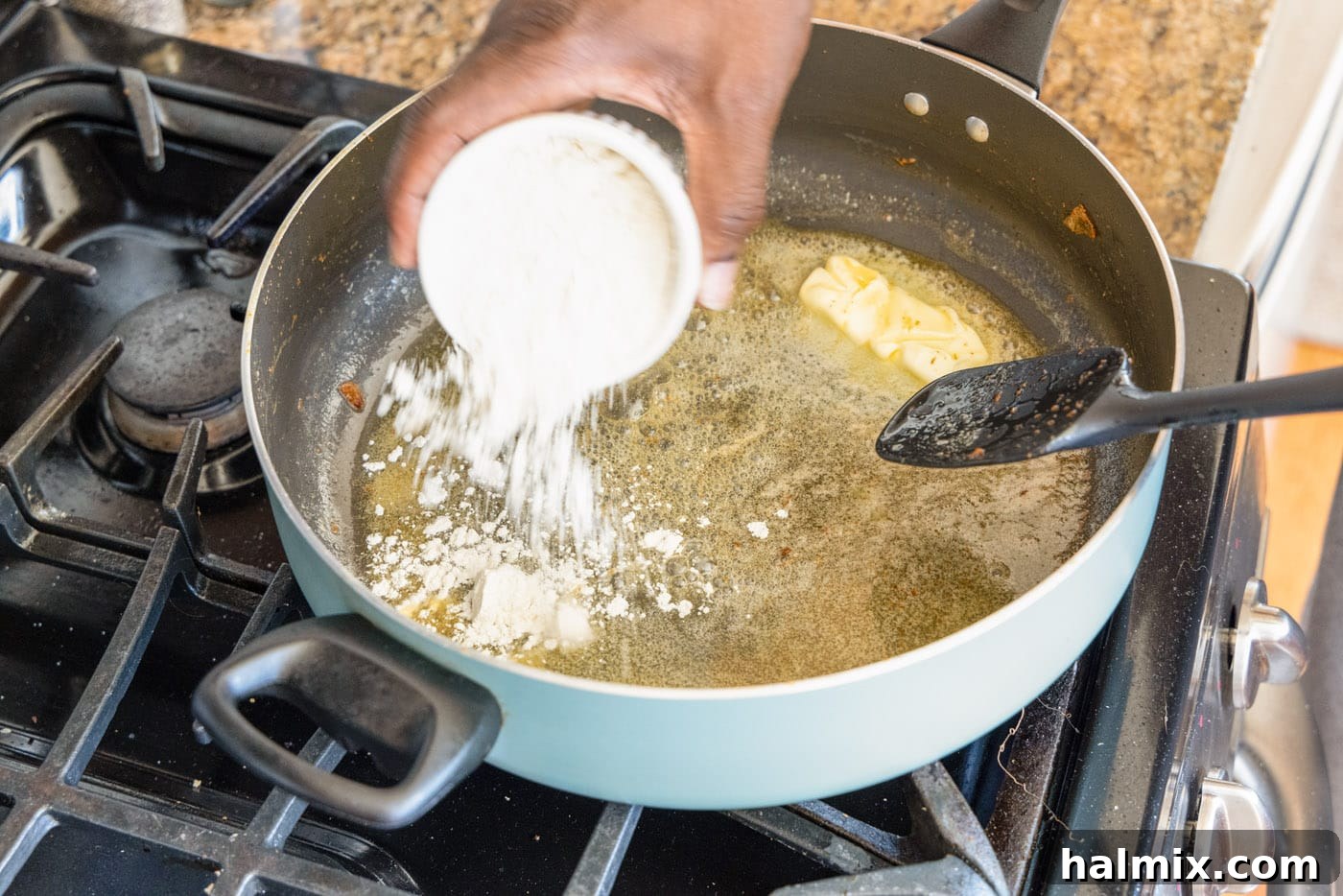
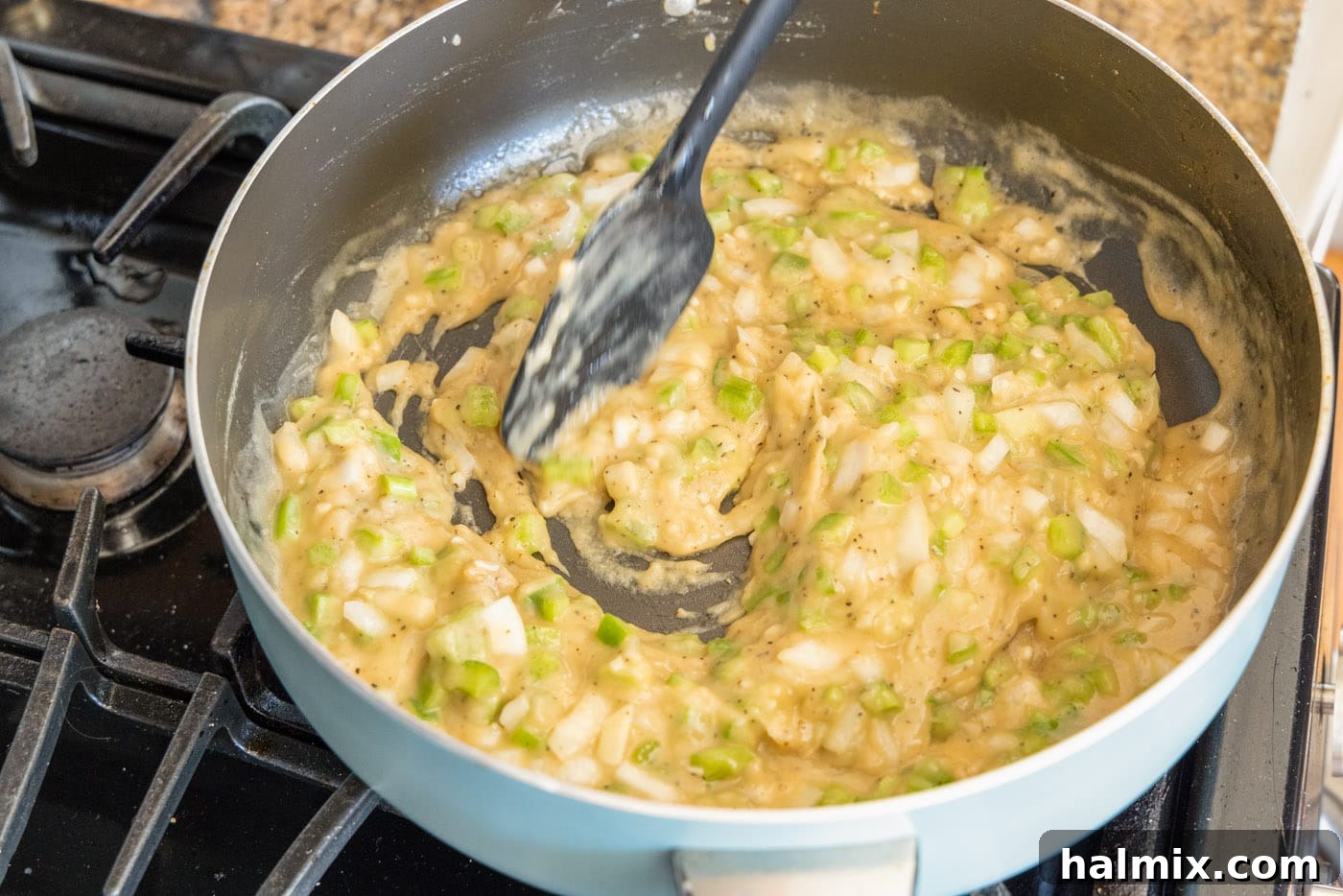
- Craft the Roux and Sauté the Trinity: Return the skillet to medium heat. Melt the butter until it becomes foamy. Gradually whisk in the all-purpose flour to create your roux. Stir continuously for several minutes until the mixture thickens and reaches a light to medium peanut butter color. This patience is key to developing a rich flavor. Once your roux is ready, add the chopped onion, green bell pepper, and celery (the Holy Trinity). Stir them into the roux and cook until the vegetables soften, about 5-7 minutes, stirring occasionally.
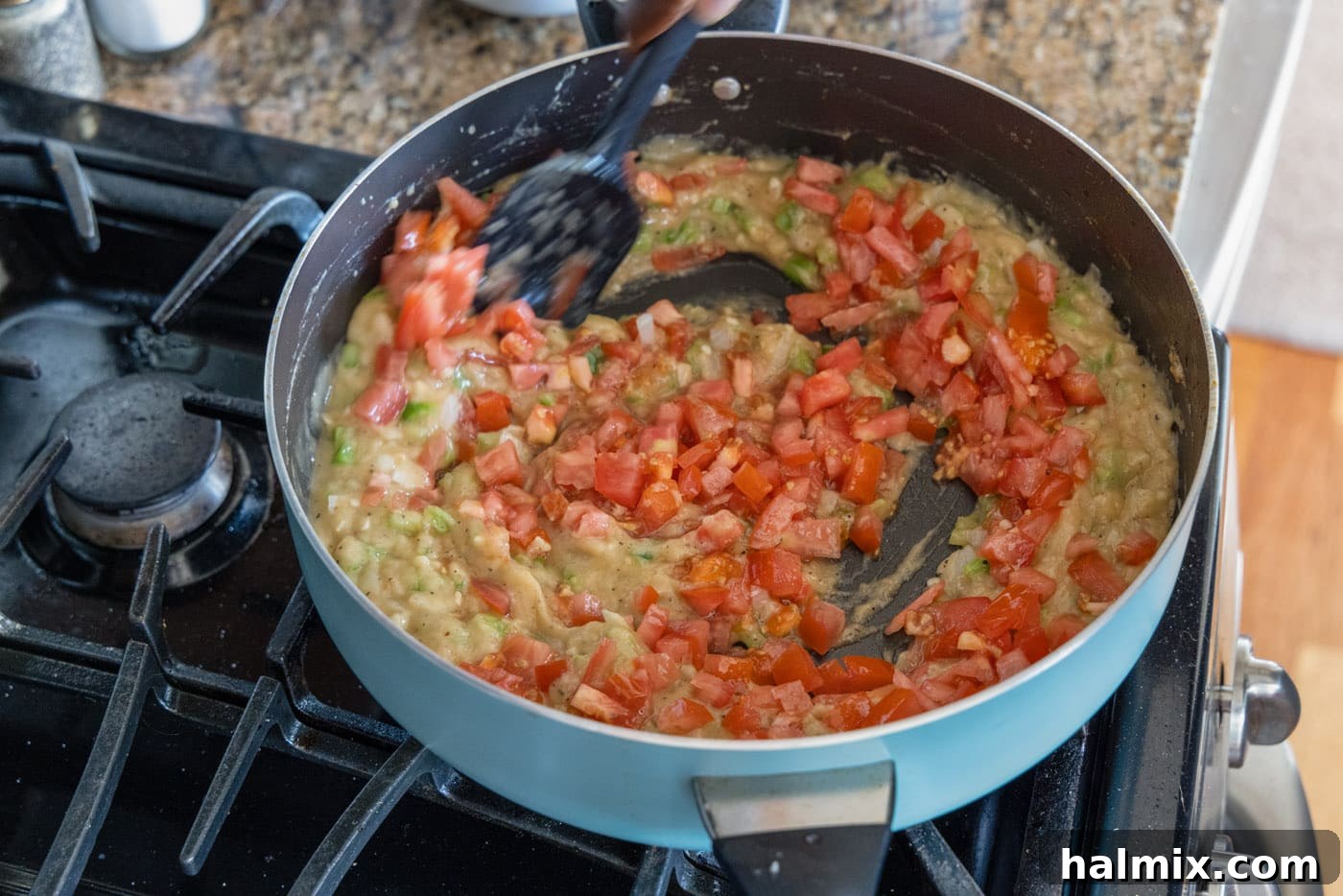
- Build the Gravy Base: Now, add the remaining ingredients to the skillet, excluding the chopped tomatoes, fresh thyme, and bay leaves. This includes chicken stock, minced garlic, salt, black pepper, lemon juice, and Worcestershire sauce. Stir everything thoroughly to combine, ensuring no lumps remain, and cook over medium heat for 2-3 minutes, allowing the flavors to meld. Finally, stir in the chopped tomatoes and cook for one more minute. The acidity from the tomatoes will brighten the sauce.
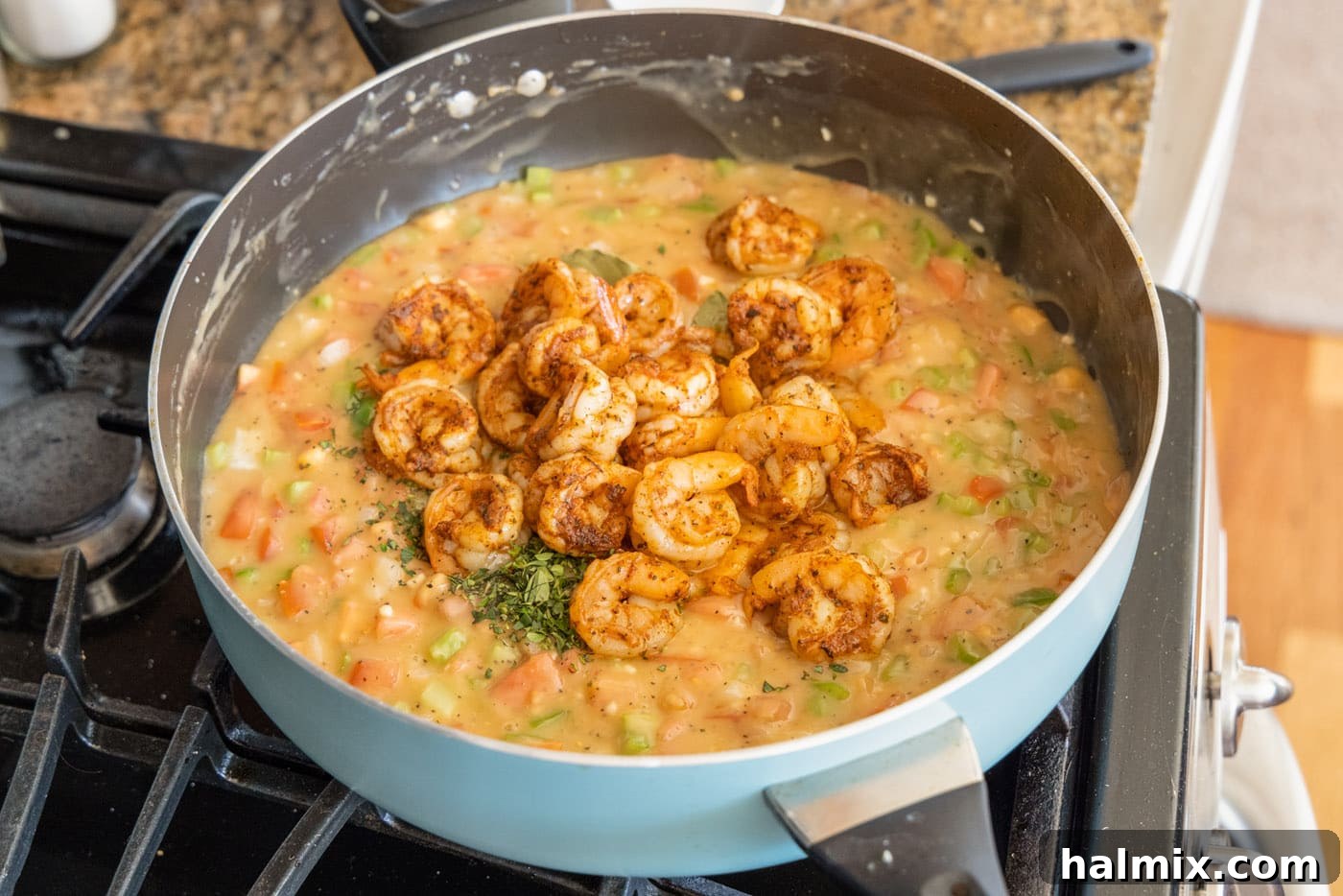
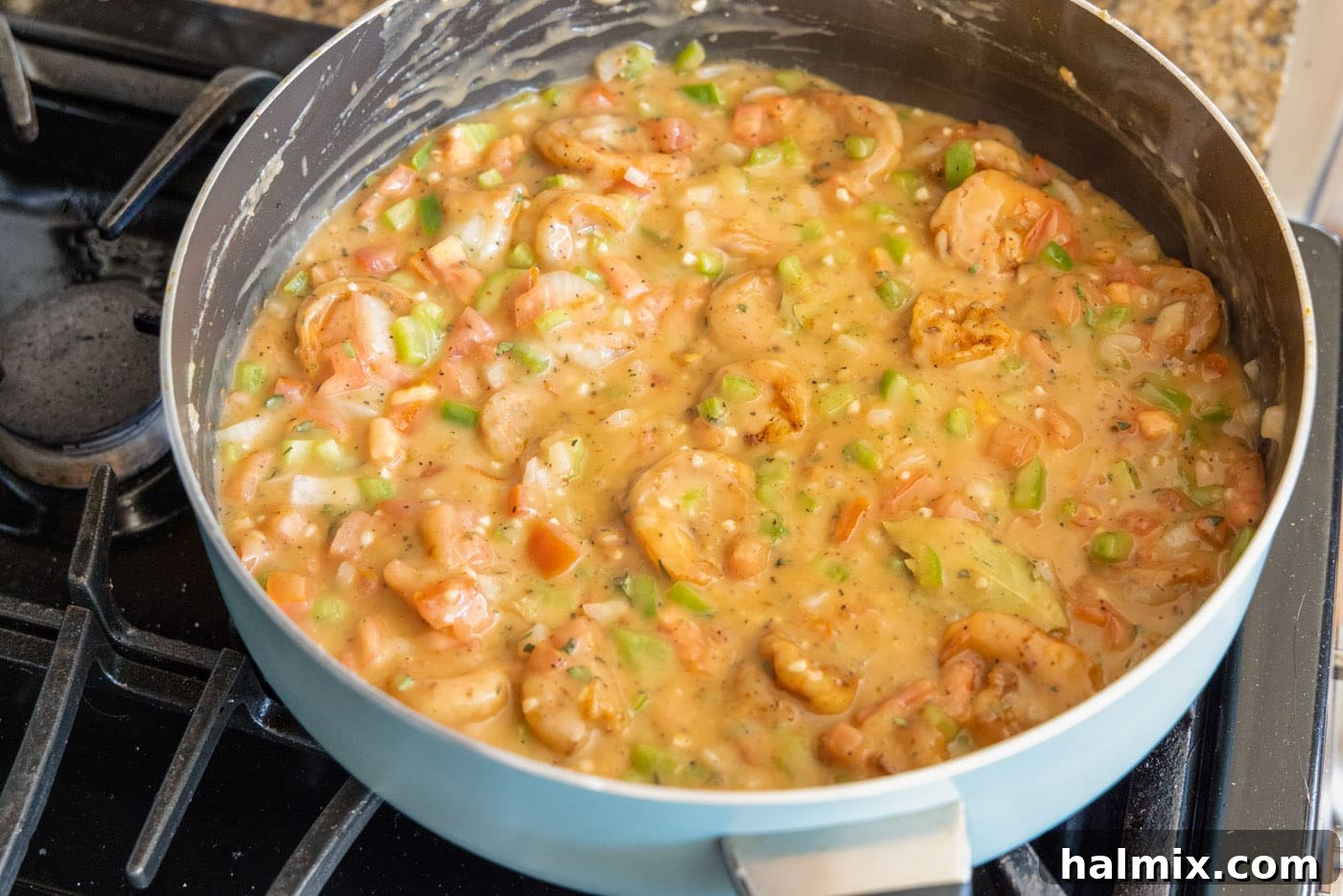
- Combine and Simmer: Add the bay leaves, fresh thyme, and the previously reserved, partially cooked shrimp back into the skillet. Stir gently to combine all the ingredients. Allow the Etouffee to simmer for just 2 minutes. This brief simmer is just enough time for the shrimp to finish cooking through, absorbing the rich flavors of the sauce, and for all the ingredients to meld into a cohesive, delicious stew. Remove the bay leaves before serving.
Frequently Asked Questions & Expert Tips for Perfect Etouffee
To maintain freshness and flavor, store any leftover Shrimp Etouffee in an airtight container in the refrigerator. It will keep well for up to 2 days. For longer storage, see our tips on freezing below.
Reheat Etouffee on the stovetop over medium-low heat, stirring occasionally, until it is thoroughly warmed through. Be careful not to overheat the shrimp, as this can make them tough. If desired, you can separate the shrimp from the gravy before reheating; the gravy typically takes longer to warm up compared to the shrimp, allowing you to add the shrimp back in during the last few minutes.
Yes, you can prepare the roux and vegetable base (the Holy Trinity) a day in advance. Store it in an airtight container in the refrigerator. When you’re ready to cook, gently reheat the base, add the stock and other seasonings, and proceed with adding the shrimp and simmering. This can significantly reduce prep time on a busy day.
Patience is key! A good roux requires constant stirring over medium heat to prevent burning. For Etouffee, aim for a “peanut butter” colored roux – a rich, golden brown. This develops deep nutty flavors without becoming bitter. If your roux burns, unfortunately, you’ll need to start over, as a burnt roux will impart a bitter taste to the entire dish.
While the gravy portion of Etouffee freezes well, shrimp can sometimes become slightly rubbery or mushy when frozen and reheated. If you plan to freeze, we recommend freezing the gravy base without the shrimp. When ready to serve, thaw the gravy, reheat, and then cook fresh shrimp to add in at the very end. Alternatively, if you freeze the complete dish, consume it within 1-2 months for best quality and reheat gently.
The spice level largely comes from the Cajun seasoning. If you prefer a milder dish, use a less spicy Cajun blend or reduce the amount. For more heat, add a pinch of cayenne pepper, a dash of hot sauce (like Tabasco), or increase the Cajun seasoning to your taste. Always taste and adjust as you go!
Serving Suggestions for Your Louisiana Feast
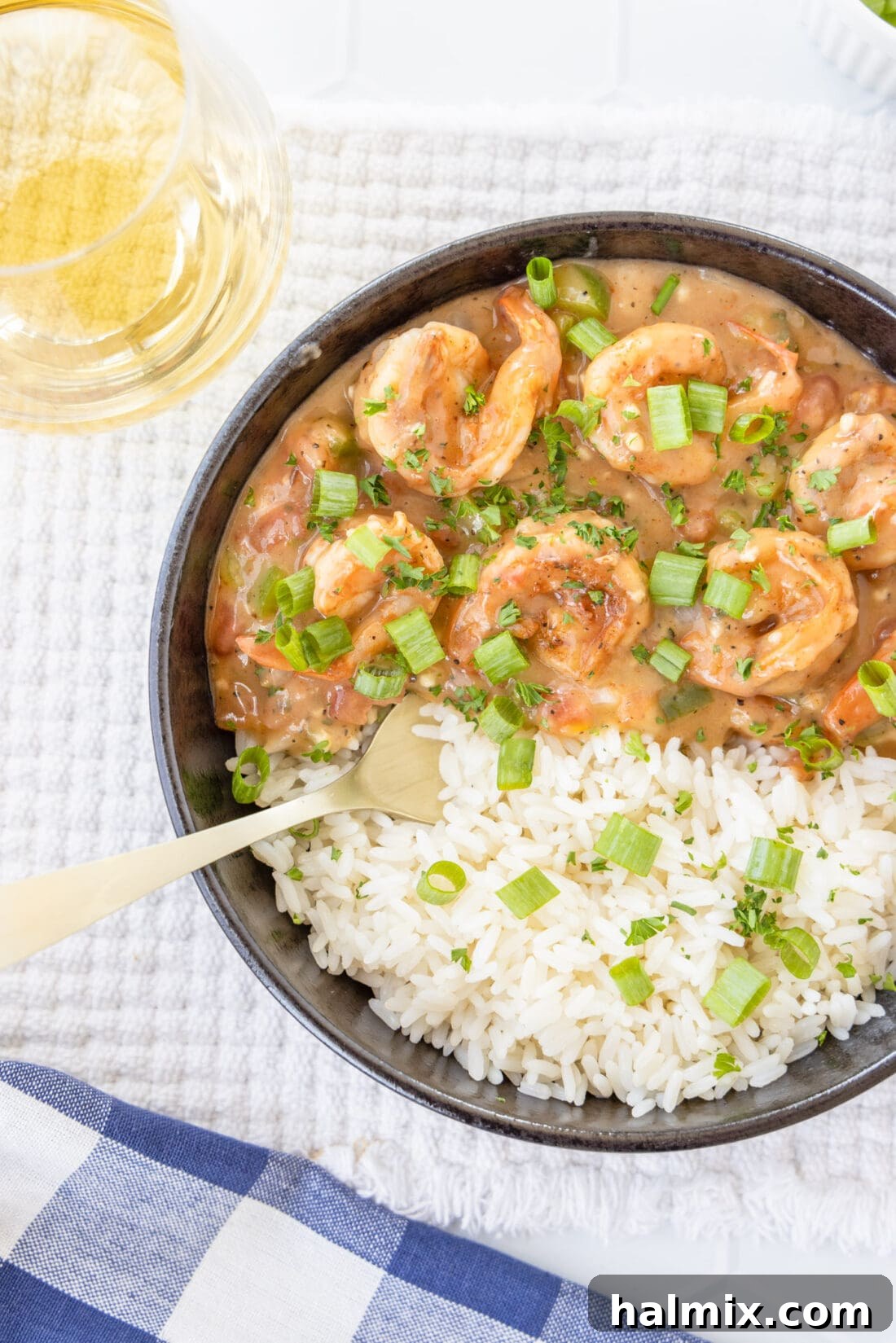
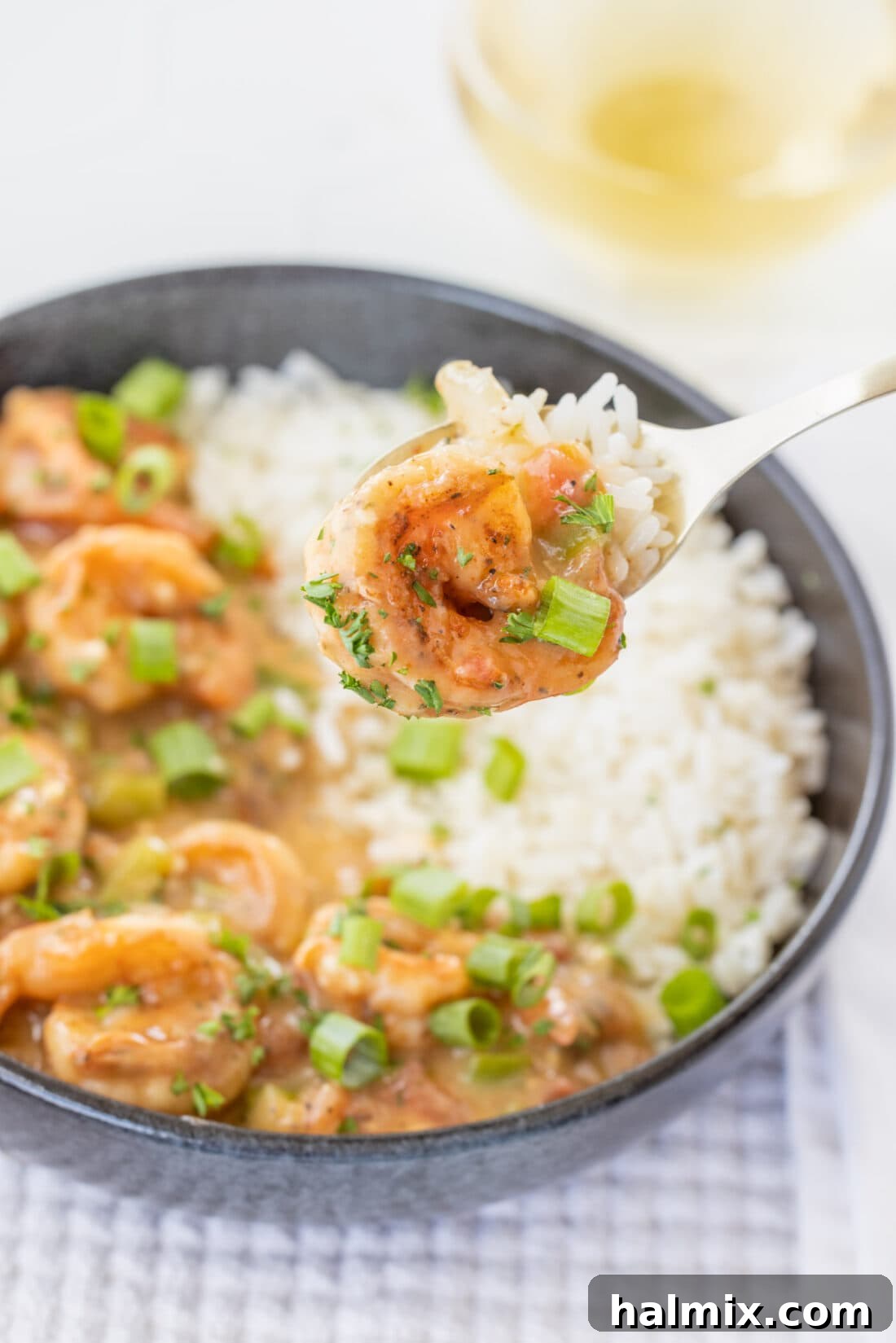
Shrimp Etouffee is a complete meal in itself, but it truly shines when served traditionally. The most classic pairing is over or alongside a generous bed of fluffy white rice. The rice soaks up the rich, savory gravy, making every bite incredibly satisfying. For the ultimate Southern comfort experience, consider adding a side of warm, buttery cornbread. Its slightly sweet and crumbly texture is perfect for mopping up every last drop of that delectable sauce. A simple green salad with a light vinaigrette can also provide a fresh contrast to the richness of the Etouffee, making for a well-rounded and delightful meal. Don’t forget a cold beverage, perhaps a sweet iced tea, to complement the flavors!
More Related Recipes to Explore
- Jambalaya
- Shrimp Boil
- Shrimp and Grits
- Cajun Chicken Pasta
- Fried Green Tomatoes
I love to bake and cook and share my kitchen experience with all of you! Remembering to come back each day can be tough, that’s why I offer a convenient newsletter every time a new recipe posts. Simply subscribe and start receiving your free daily recipes!

Shrimp Etouffee
IMPORTANT – There are often Frequently Asked Questions within the blog post that you may find helpful. Simply scroll back up to read them!
Print It
Pin It
Rate It
Save It
Saved!
Ingredients
- 1 pound raw medium shrimp shelled, deveined, tails removed
- 1 Tablespoon Cajun seasoning
- 2 Tablespoons olive oil
- ⅓ cup butter
- ⅓ cup all purpose flour
- ½ cup chopped celery
- ½ cup chopped green bell pepper
- ½ cup chopped onion
- 1 cup chicken stock
- 1 Tablespoon minced garlic
- 1 teaspoon salt
- 1 teaspoon black pepper
- 2 Tablespoons lemon juice
- 2 Tablespoons Worcestershire sauce
- 2 medium tomatoes chopped, about 2 cups
- 1 teaspoon fresh thyme leaves
- 2 bay leaves
Things You’ll Need
-
Large heavy bottomed skillet
-
Vinyl gloves
Before You Begin
- We do not recommend using precooked shrimp in this dish as the flavor will not be the same. However, if it’s a must, skip the first step of sautéing the shrimp. Add the Cajun seasoning with the rest of the ingredients and add the precooked shrimp last.
- Store leftovers in an air-tight container kept in the refrigerator for up to 2 days.
- Reheat on the stovetop over medium-low heat, stirring occasionally, until warmed through. You can separate the shrimp from the gravy when reheating if desired, as the gravy will likely take longer to warm up compared to the shrimp.
Instructions
-
Season the shrimp with the Cajun seasoning.
-
Add olive oil to a heavy bottomed skillet over medium heat. Add shrimp and sauté for 1-2 minutes, just until it gets some color and is no longer opaque. You won’t be completely cooking the shrimp at this point as it will cook more in a later step. Remove shrimp and set aside.
-
Melt butter in the skillet until foamy. Add flour and stir together to make a roux. When flour mixture begins to thicken, add onion, green pepper, and celery. Stir to combine.
-
Add remaining ingredients except for the tomatoes, thyme, and bay leaves. Stir to combine and cook over medium heat for 2-3 minutes. Stir in tomatoes and cook one more minute.
-
Add bay leaves, thyme, and reserved shrimp. Stir to combine and simmer for 2 minutes, just enough to heat through and finish the shrimp.
Nutrition
The recipes on this blog are tested with a conventional gas oven and gas stovetop. It’s important to note that some ovens, especially as they age, can cook and bake inconsistently. Using an inexpensive oven thermometer can assure you that your oven is truly heating to the proper temperature. If you use a toaster oven or countertop oven, please keep in mind that they may not distribute heat the same as a conventional full sized oven and you may need to adjust your cooking/baking times. In the case of recipes made with a pressure cooker, air fryer, slow cooker, or other appliance, a link to the appliances we use is listed within each respective recipe. For baking recipes where measurements are given by weight, please note that results may not be the same if cups are used instead, and we can’t guarantee success with that method.