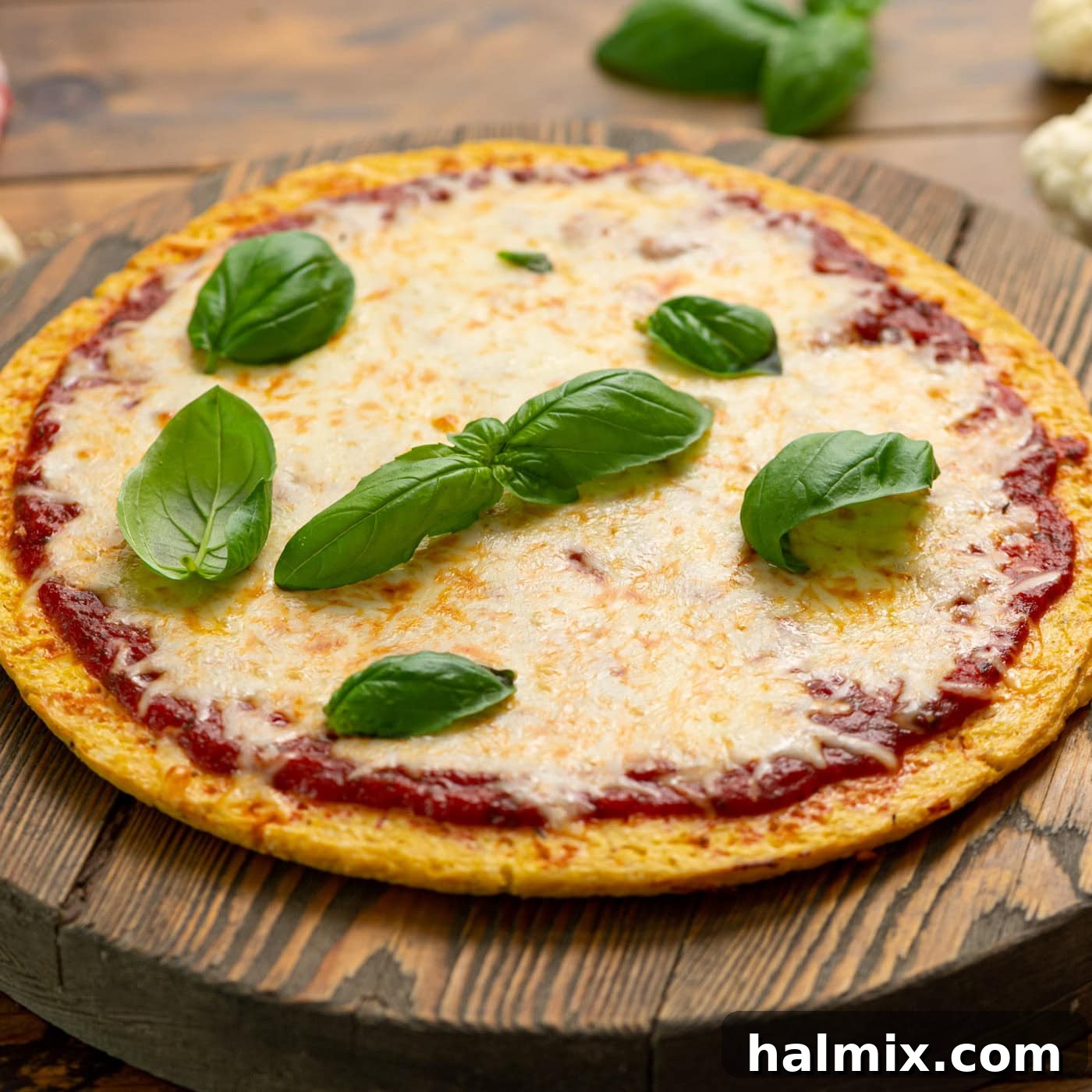
Deliciously Sturdy Cauliflower Pizza Crust: Your Low-Carb Pizza Solution
Are you a pizza lover on a low-carb journey, or simply looking for a healthier alternative to traditional dough? This Cauliflower Pizza Crust recipe is your answer! It’s designed to be deliciously cheesy, surprisingly sturdy, and robust enough to handle all your favorite toppings without falling apart. Perfect for those following a keto diet, gluten-free lifestyle, or anyone aiming to incorporate more vegetables into their meals, this crust transforms humble cauliflower into a culinary marvel that will satisfy your pizza cravings.
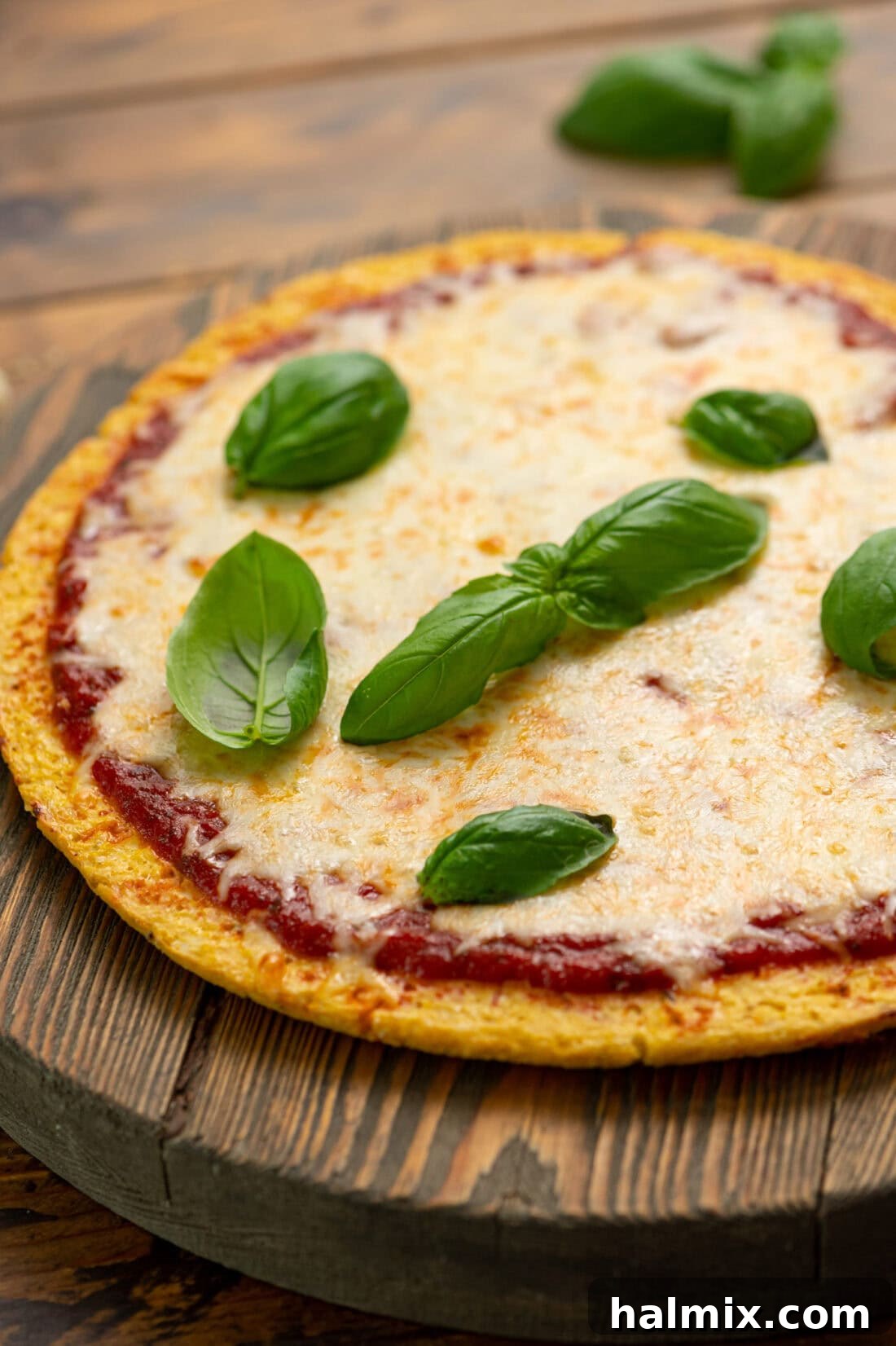
Why This Cauliflower Pizza Crust Recipe Is A Game-Changer
We understand the struggle: you want to enjoy a hearty, satisfying pizza without derailing your health goals. That’s precisely why this cauliflower pizza crust recipe stands out. It’s not just another “healthy” substitute; it’s a genuinely tasty and functional foundation for your pizza creations. Forget soggy, flimsy crusts that collapse under the weight of your chosen toppings. Our recipe ensures a crust that’s both flavorful and firm, making every slice a joy to eat.
The magic behind its success lies in utilizing cauliflower, a versatile cruciferous vegetable, as the primary ingredient. When combined with a few simple binders like eggs and cheese, it forms a pliable “dough” that bakes into a delightful, golden crust. What truly elevates this recipe above others is a critical, yet often overlooked, step: **meticulously drying out the cauliflower**. Cauliflower naturally holds a significant amount of moisture, which is the nemesis of a crispy pizza crust. Too much water will inevitably lead to a soggy, weak base. By removing as much moisture as possible, we guarantee a crust that’s crisp, chewy, and holds up beautifully to even the most generous layers of sauce and cheese.
Beyond its low-carb and gluten-free benefits, this cauliflower crust offers a mild, slightly nutty flavor that complements a wide array of pizza toppings. It’s a fantastic way to sneak in extra vegetables, making pizza night a guilt-free pleasure for the entire family. Whether you’re making a full-sized pizza or experimenting with mini bite-sized versions, this recipe provides a sturdy canvas for your culinary imagination.
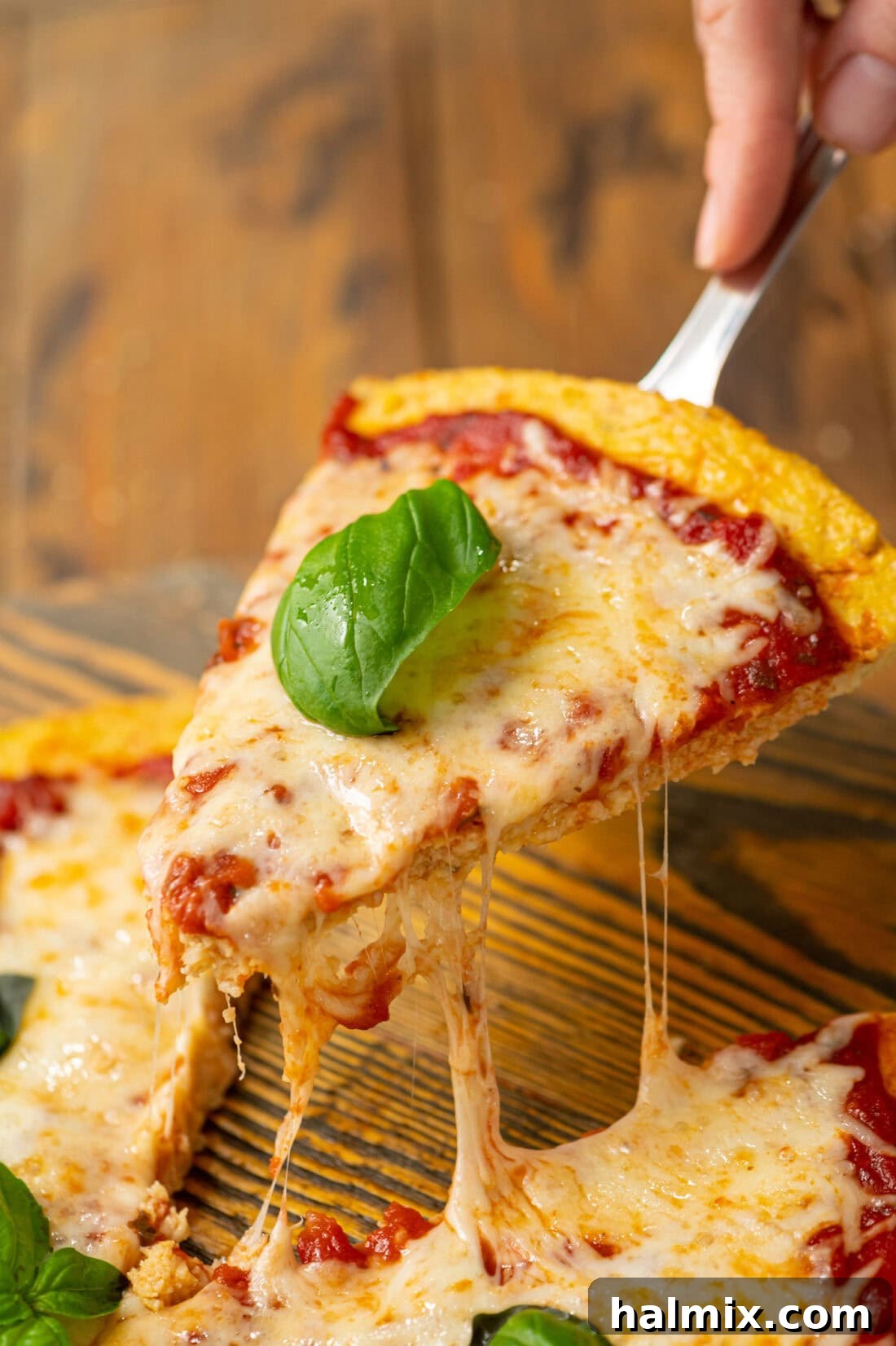
Essential Ingredients and Clever Substitutions for Your Cauliflower Pizza Crust
Creating the perfect cauliflower pizza crust requires just a handful of fresh ingredients. Here’s what you’ll need and some helpful tips for selection and potential substitutions:
- Cauliflower: The Star Ingredient
- Selection: Choose a medium to large-sized head of fresh cauliflower. Look for firm, white florets without any brown spots. The fresher the cauliflower, the better the flavor and texture of your crust.
- Preparation: The key to a non-soggy crust is bone-dry cauliflower. We’ll achieve this in two crucial steps: first, baking the grated cauliflower to draw out initial moisture, and second, squeezing out any remaining liquid using a cheesecloth. This double-drying method is non-negotiable for a truly sturdy crust.
- Substitution: While fresh cauliflower is highly recommended for optimal results, you can use frozen cauliflower florets. If using frozen, ensure they are completely thawed and then follow the same drying steps (baking and squeezing) as with fresh to remove all excess water. You might find you need to squeeze even more moisture out of frozen cauliflower.
- Eggs: The Binding Agent
- Quantity: You’ll need two large eggs for this recipe. They act as the primary binder, holding the cauliflower “dough” together and giving the crust its structure and stability.
- Substitution: For an egg-free version, you could try using a “flax egg” (1 tablespoon ground flaxseed mixed with 3 tablespoons water, per egg) or a commercial egg replacer, though the texture might vary slightly.
- Cheese: For Flavor and Firmness
- Varieties: We love the combination of grated Parmesan and mozzarella cheese. Parmesan adds a rich, savory depth, while mozzarella contributes to the crust’s cheesy stretch and helps with browning and texture.
- Quantity: A quarter cup of each creates a perfectly cheesy and flavorful crust without overpowering the delicate cauliflower.
- Substitution: Feel free to experiment with other hard, grated cheeses like Asiago or Pecorino Romano for Parmesan. For mozzarella, a low-moisture, shredded variety works best. Dairy-free alternatives can also be used, though the binding properties and final texture may differ.
- Seasonings: Enhancing the Taste
- Flavor Profile: We keep it simple and classic with salt, dried oregano, and garlic powder. These seasonings infuse the crust with traditional Italian-inspired flavors, making it a perfect base for any pizza.
- Customization: Don’t hesitate to adjust the amounts or add other spices to your liking. Onion powder, Italian seasoning blends, a pinch of red pepper flakes, or even some fresh herbs like finely chopped basil or parsley can elevate the flavor profile even further.
All exact measurements and detailed instructions are provided in the printable recipe card at the end of this post.
Mastering the Art of Making Cauliflower Pizza Crust: A Step-by-Step Guide
These step-by-step photos and detailed instructions are designed to help you visualize each stage of the recipe. For a quick overview and the printable version, including precise measurements, simply jump to the recipe at the bottom of this page.
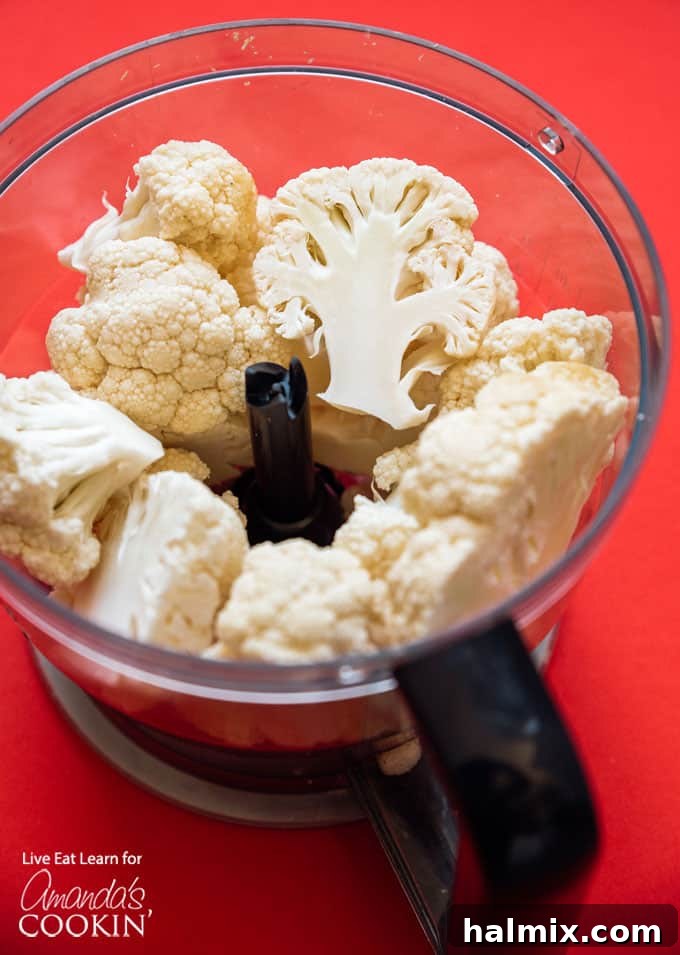
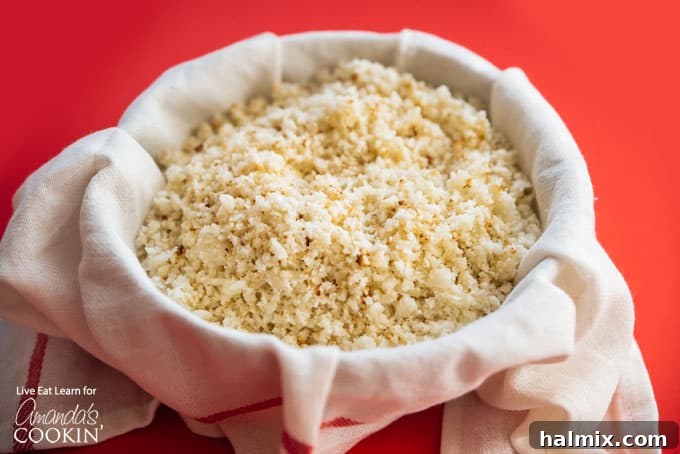
- Prepare the Cauliflower: Begin by washing and thoroughly drying your head of cauliflower. Remove the green leaves and core. Grate the cauliflower florets into a rice-like consistency. You can achieve this easily using a food processor with a grating attachment, or by hand with a box grater. Aim for small, uniform pieces that resemble rice grains.
- Pre-Bake and Dry the Cauliflower: Preheat your oven to 350 degrees F (175 degrees C). Line a large baking sheet with parchment paper to prevent sticking. Spread the grated cauliflower in a single, even, and as flat a layer as possible onto the prepared baking sheet. This maximizes surface area for drying. Bake for approximately 20 minutes, or until the cauliflower starts to brown lightly and appears dry. Remove from the oven and allow it to cool slightly. This pre-baking step is crucial for drawing out a significant amount of moisture.

- Squeeze Out Remaining Moisture: The Ultimate Drying Step! Once the cauliflower has cooled enough to handle, spoon it into a clean cheesecloth. Gather the edges of the cheesecloth and twist tightly, squeezing out as much liquid as humanly possible. This is where you put in a full arm workout – seriously, don’t be afraid to sweat! The more moisture you remove, the crispier and sturdier your crust will be. You’ll be amazed by how much water comes out. What remains should be a relatively dry, crumbly cauliflower pulp, ready to form the foundation of your pizza crust.
- Combine Ingredients: Transfer the thoroughly dried cauliflower pulp to a large mixing bowl. Add the two large eggs, grated Parmesan cheese, grated mozzarella cheese, salt, dried oregano, and garlic powder. Stir all the ingredients together vigorously until well combined. You should have a mixture that is sticky and holds together when pressed.
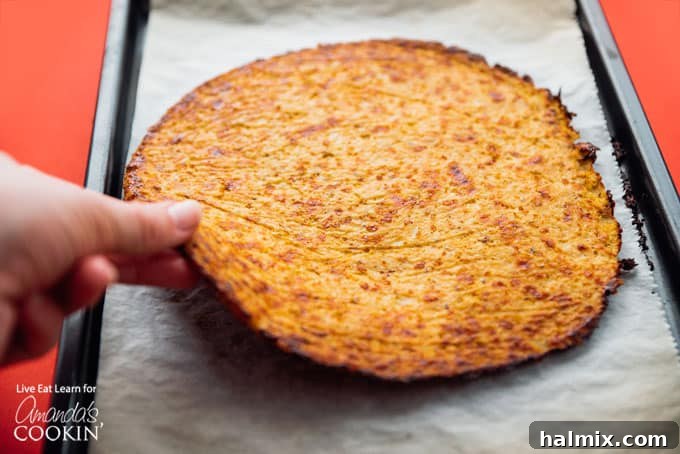
- Shape and Pre-Bake the Crust: Increase the oven temperature to 450 degrees F (230 degrees C). On a fresh piece of parchment-lined baking sheet, spoon the cauliflower mixture. Using your hands or a spatula, gently press and shape the mixture into a round pizza crust, about ¼ to ½ inch thick. Try to make the edges slightly thicker to create a nice “handle” for your pizza. Bake the crust for 15 minutes. Carefully flip the pizza crust halfway through cooking to ensure even browning and crispness on both sides. *See expert tip below for easy flipping.*
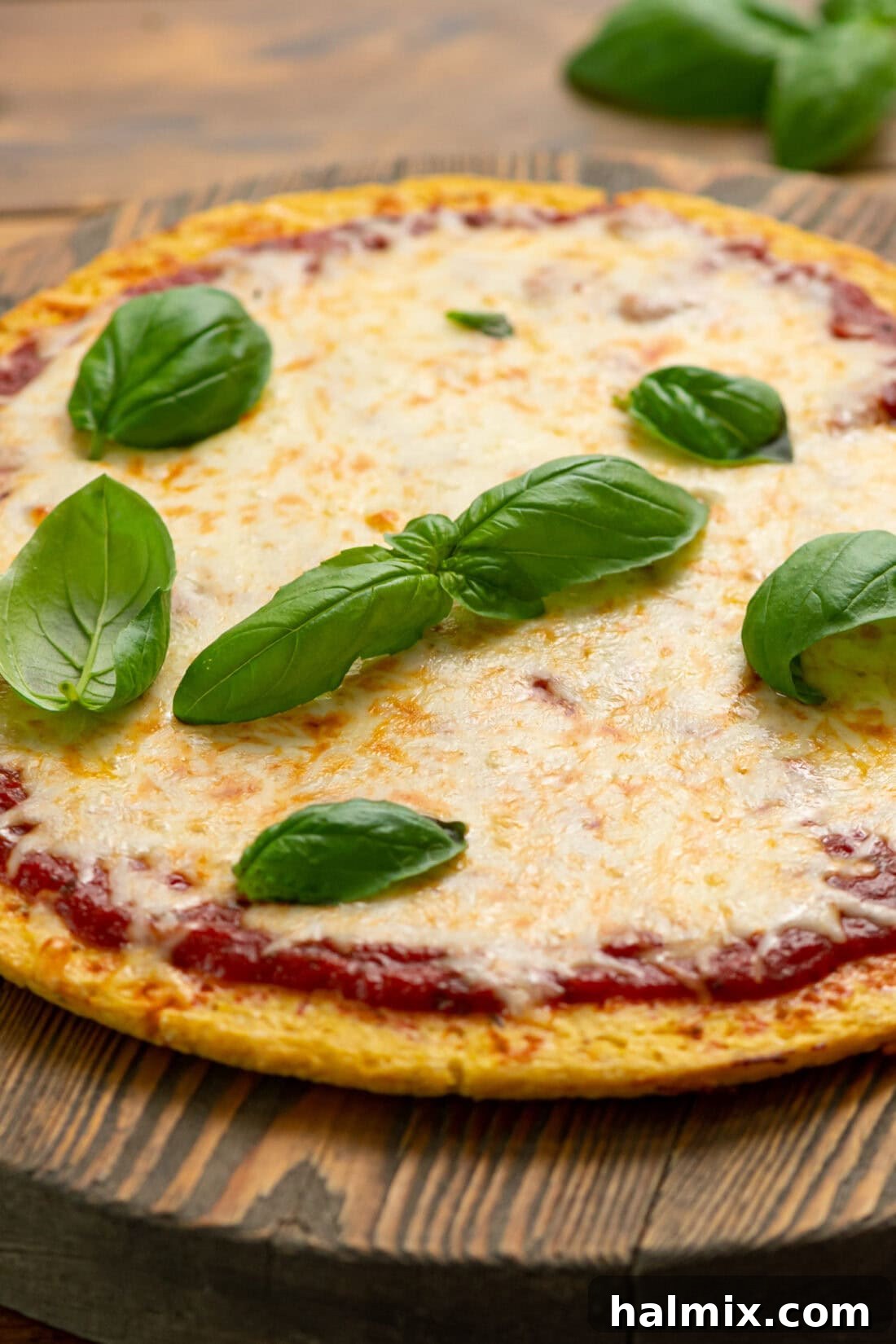
- Top and Final Bake: Once the crust is pre-baked and firm, remove it from the oven. Now, it’s time for the fun part! Add your favorite pizza sauces and toppings. Return the topped pizza to the oven and bake for another 7-10 minutes, or until the cheese is beautifully melted, bubbly, and the toppings are heated through. Keep a close eye on it to prevent burning.
Frequently Asked Questions & Expert Tips for Cauliflower Pizza Crust
How do I prevent my cauliflower crust from being soggy?
The absolute most critical step is removing as much moisture as possible from the grated cauliflower. After baking it to dry, you must squeeze it thoroughly in a cheesecloth. Don’t be shy; wring it out like you’re trying to win a competition!
Can I use frozen cauliflower for the crust?
Yes, you can! Just make sure to thaw it completely before grating (or processing) and then follow the same drying steps – baking and vigorous squeezing – to remove all excess moisture. Frozen cauliflower often contains more water, so be extra diligent with the squeezing.
How do I store leftover cauliflower pizza crust?
Store any leftover baked crust (without toppings, if possible) in an airtight container in the refrigerator for up to 3 days. If it’s already topped, store it similarly for 1-2 days.
Can I freeze cauliflower pizza crust?
Absolutely! After baking the crust (without toppings), let it cool completely. Then, wrap it tightly in plastic wrap or aluminum foil and store it in the freezer for up to 2 months. When you’re ready to use it, thaw it in the refrigerator overnight or bake directly from frozen at a lower temperature until heated through, then add toppings and finish baking.
What is the best way to flip the crust without breaking it?
This is a common concern! Here’s an expert tip: After baking for the initial 15 minutes, carefully place another piece of parchment paper on top of the crust, followed by another baking sheet or a large plate. This creates a “sandwich” with the crust in the middle. Flip the entire “sandwich” assembly over, then gently slide the crust back onto the original parchment-lined baking sheet. This method provides support and prevents breakage.
Can I prepare the crust ahead of time?
Yes, you can! You can pre-bake the crust as per step 5, let it cool completely, and then store it in the refrigerator for up to 2 days or freeze it for longer (as mentioned above). This is a fantastic meal prep hack for quick weeknight pizzas!
Unleash Your Creativity: Serving and Topping Suggestions
The beauty of this cauliflower pizza crust lies in its versatility. It’s a blank canvas waiting for your favorite flavors! Here are some ideas to inspire your next pizza night:
- Classic Combinations:
- Margherita: Simple tomato sauce, fresh mozzarella, and a sprinkle of fresh basil after baking.
- Pepperoni Feast: Your favorite marinara, generous amounts of mozzarella, and crispy pepperoni slices.
- Veggie Delight: Bell peppers, onions, mushrooms, olives, and spinach on a light tomato or pesto base.
- Gourmet & Unique Pairings:
- Try this intriguing 3 Cheese Roasted Grape Pizza for a sweet and savory experience.
- For a robust, earthy flavor, consider a Beer and Brussels Sprouts Pizza.
- A fresh and vibrant Appetizer Veggie Pizza with a creamy herb spread and raw veggies.
- Sauce It Up: Don’t limit yourself to just marinara!
- Pesto: A bright, herby base that pairs wonderfully with chicken, cherry tomatoes, and feta.
- Alfredo Sauce: Creates a rich, creamy base perfect for grilled chicken, spinach, and mushrooms.
- BBQ Sauce: For a smoky BBQ chicken pizza with red onion and cilantro.
- Garlic & Olive Oil: A simple, elegant base for white pizzas with ricotta, fresh garlic, and greens.
- Cheese Power: Beyond mozzarella, experiment with provolone, cheddar, goat cheese, blue cheese, or a sharp aged white cheddar.
- Protein Boosts: Add cooked chicken, ground beef, Italian sausage, crispy bacon, or even a fried egg for a breakfast pizza.
- Fresh Finishes: A sprinkle of fresh herbs like basil, oregano, or parsley, a drizzle of balsamic glaze, or a handful of arugula after baking can elevate your pizza to new heights.
Top your cauliflower pizza crust with all the classic fixings you would normally put on your pizza, or get adventurous with new combinations. The possibilities are truly endless! Enjoy creating your personalized low-carb pizza masterpiece.
Explore More Cauliflower-Inspired Recipes
If you’ve fallen in love with the versatility of cauliflower, you’re in for a treat! This amazing vegetable can be transformed into so many delicious dishes. Don’t stop at pizza crust; explore more ways to enjoy cauliflower with these fantastic recipes:
- Creamy Cauliflower Risotto
- Flavorful Cauliflower Fried Rice
- Comforting Cauliflower Casserole
- Spicy General Tso’s Cauliflower
- Irresistible Sticky Garlic Cauliflower
We love sharing our passion for cooking and baking with you! To ensure you never miss out on new, delicious recipes and kitchen tips, consider joining our community. Simply subscribe to our newsletter and receive free daily recipes directly to your inbox!

Cauliflower Pizza Crust
IMPORTANT – Find helpful Frequently Asked Questions and Expert Tips throughout the blog post above!
Print It
Pin It
Rate It
Course: Dinner, Lunch, Appetizer
Cuisine: American, Italian, Low Carb
Ingredients
- 1 medium-large head of cauliflower
- 2 large eggs
- ¼ cup grated Parmesan cheese
- ¼ cup grated mozzarella cheese
- ½ teaspoon salt
- ½ teaspoon dried oregano
- ¼ teaspoon garlic powder
Things You’ll Need
-
Food processor (or box grater)
-
Baking sheet
-
Parchment paper
-
Cheesecloth
Before You Begin
Instructions
-
Grate cauliflower into a rice consistency using either your food processor or a box grater.
-
Preheat oven to 350 degrees F (175 C). Spread the grated cauliflower onto a parchment-lined baking sheet into as flat of a layer as possible. Bake for 20 minutes, or until the cauliflower begins to brown lightly and appears dry. Remove from oven and let cool slightly.
-
Once cool enough to handle, spoon the cauliflower into a cheesecloth. Squeeze out as much moisture as possible – this is a crucial step for a sturdy crust! What you’ll be left with is relatively dry cauliflower pulp that will become the foundation of your cauliflower crust.
-
In a large bowl, stir to combine the dried cauliflower pulp with all remaining ingredients (eggs, Parmesan, mozzarella, salt, oregano, garlic powder). Mix until well incorporated.
-
Increase oven temperature to 450 degrees F (230 C). Shape the cauliflower mixture into a pizza round (about ¼ to ½ inch thick) on a fresh parchment-lined baking sheet. Bake for 15 minutes, carefully flipping the pizza crust halfway through cooking for even browning. (Refer to “Before You Begin” tip for easy flipping.)
-
Remove the pre-baked crust from the oven. Top with your favorite sauces and toppings, then return to the oven until all the cheese is melty and delicious, about 7-10 minutes. Serve hot and enjoy!
Nutrition
Tried this Recipe? Pin it for Later!Follow on Pinterest @AmandasCookin or tag #AmandasCookin!
The recipes on this blog are tested with a conventional gas oven and gas stovetop. It’s important to note that some ovens, especially as they age, can cook and bake inconsistently. Using an inexpensive oven thermometer can assure you that your oven is truly heating to the proper temperature. If you use a toaster oven or countertop oven, please keep in mind that they may not distribute heat the same as a conventional full sized oven and you may need to adjust your cooking/baking times. In the case of recipes made with a pressure cooker, air fryer, slow cooker, or other appliance, a link to the appliances we use is listed within each respective recipe. For baking recipes where measurements are given by weight, please note that results may not be the same if cups are used instead, and we can’t guarantee success with that method.
This post was originally published here on March 24, 2019.