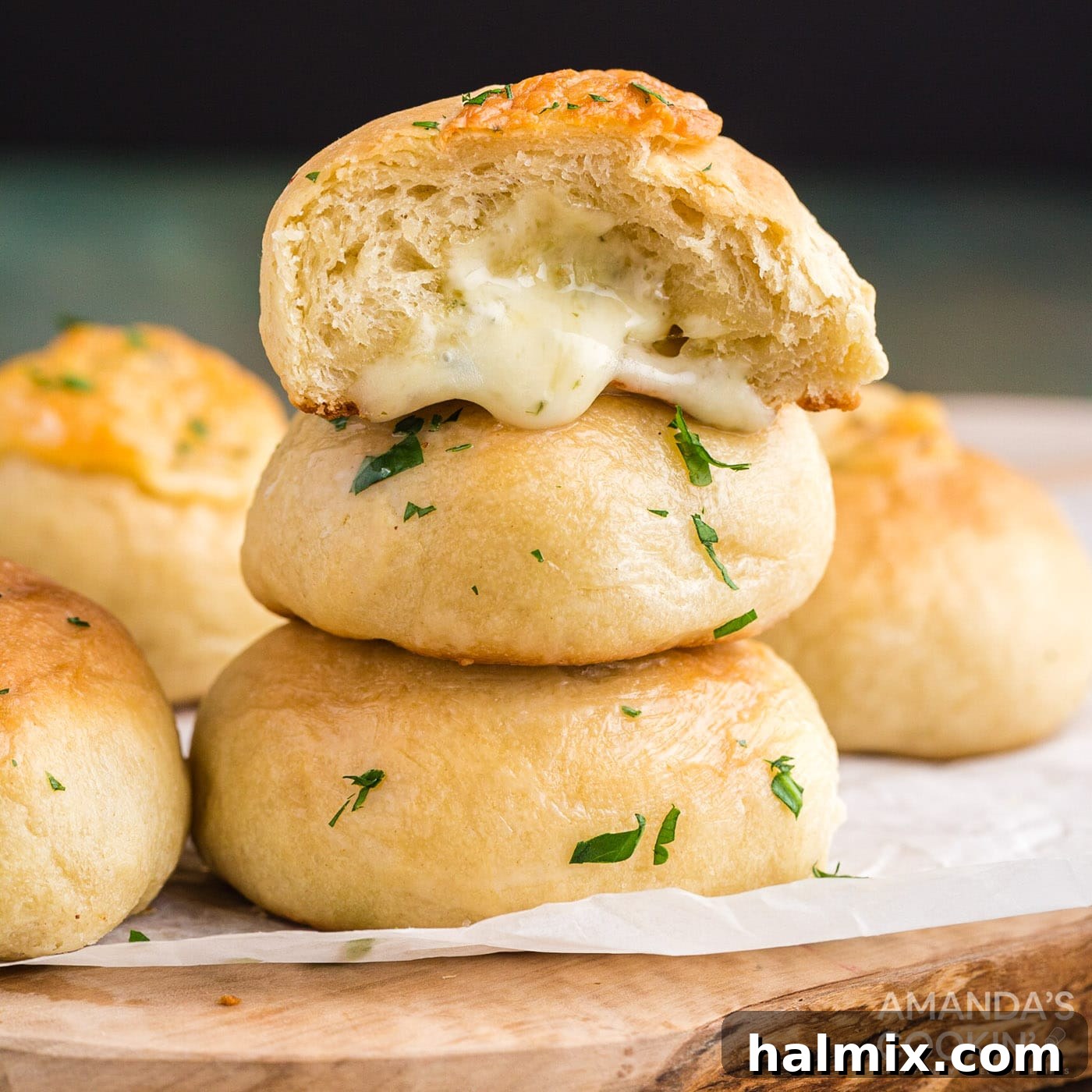
Irresistible Homemade Garlic Cheese Rolls: A Comfort Food Classic
Prepare to fall in love with these utterly irresistible garlic cheese rolls. Crafted from a simple, easy-to-make homemade dough, each roll is generously stuffed with a savory garlic cheese blend and then baked to golden perfection. A final brush with melted butter elevates their flavor, making them an essential addition to any meal. These rolls are more than just a side; they are a warm, cheesy embrace, promising a delightful pull-apart experience that’s truly unmatched.
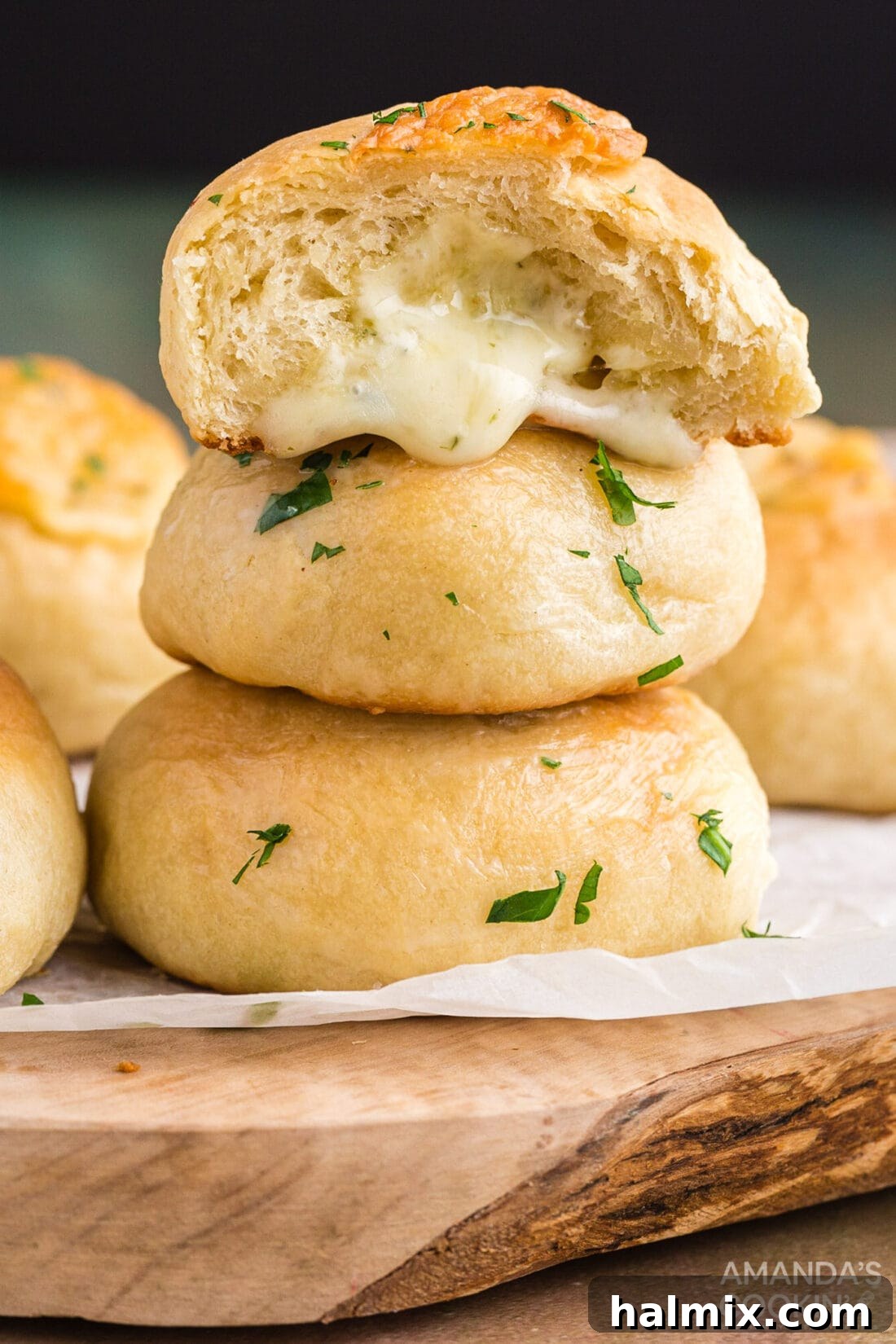
Why These Garlic Cheese Rolls Will Become Your New Favorite
There’s an undeniable magic that happens when bread, cheese, and garlic come together. It’s a culinary trinity that transcends simple ingredients, creating something truly extraordinary. These garlic cheese rolls are a testament to that magic. They embody the very essence of comfort food – warm, soft, and utterly decadent.
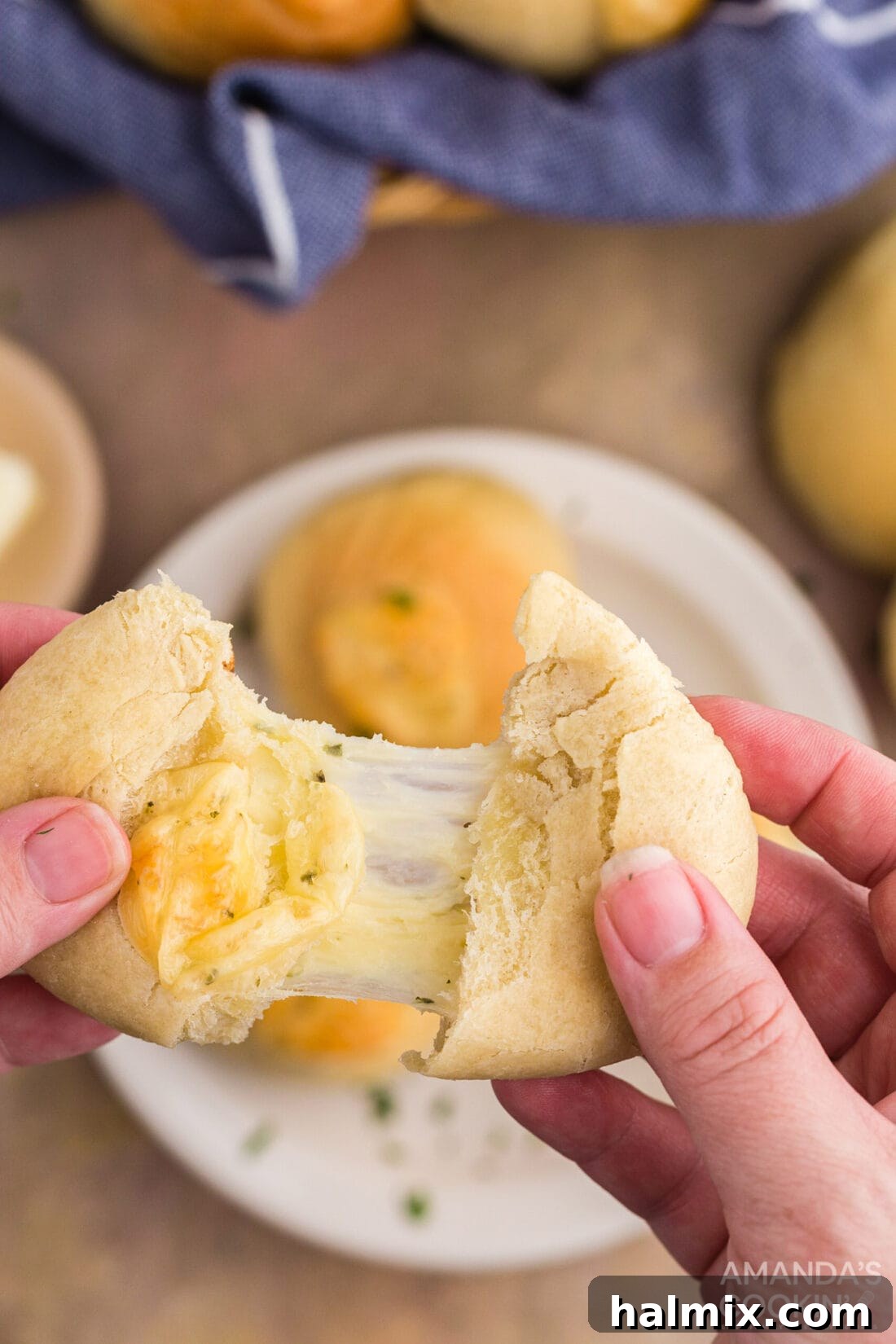
Serving these rolls warm, fresh from the oven, is key to experiencing them in their full glory. The melted cheese inside stretches and pulls with every bite, creating an engaging and satisfying texture that’s simply addictive. This pull-apart cheesiness, combined with the aroma of freshly baked bread and fragrant garlic, makes them an instant hit at any gathering or family dinner.
Beyond their incredible taste and texture, these cheesy garlic rolls are incredibly versatile. They make the perfect side dish for a wide array of meals. Imagine them complementing the rich, savory flavors of a slow-cooked crockpot roast beef or soaking up the hearty goodness of a hamburger stew. Their robust flavor profile also makes them an excellent companion to pasta dishes, soups, or even as a standalone snack. Once you try them, you’ll find countless reasons to keep this recipe in your regular rotation.
Essential Ingredients for Your Garlic Cheese Rolls
Crafting the perfect garlic cheese roll starts with high-quality ingredients. While the full list with precise measurements can be found in the detailed recipe card below, let’s delve into some key components and offer insights for successful baking.
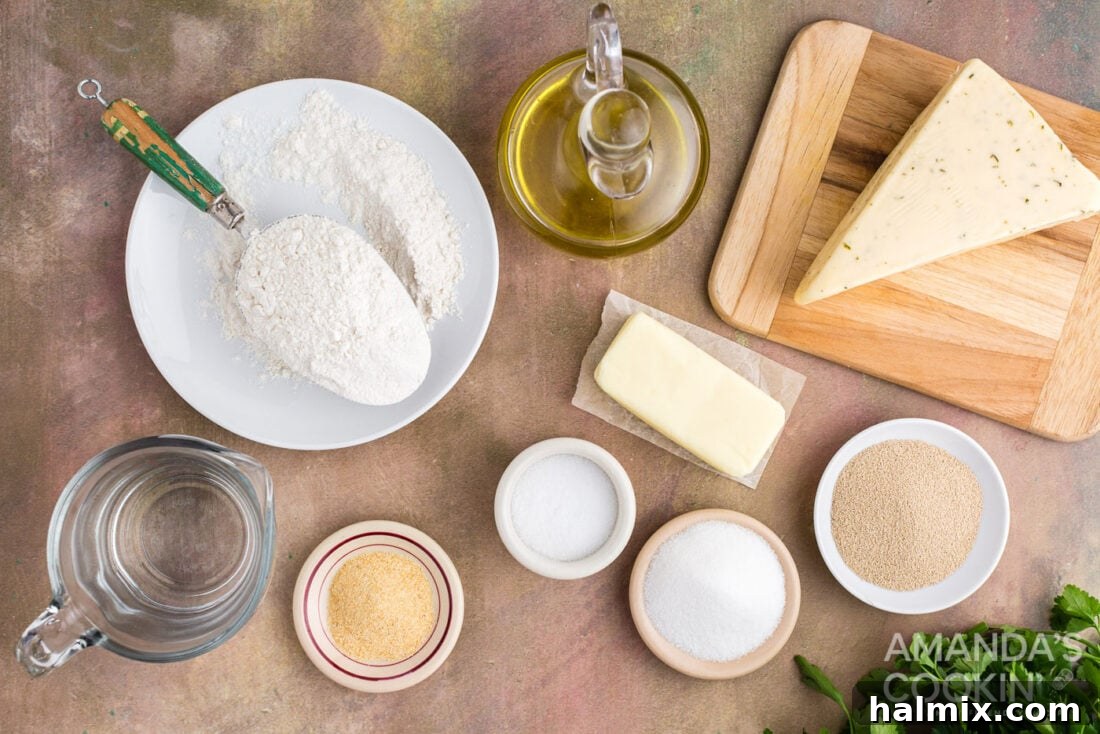
The Star: Cheese – For an explosion of flavor, we highly recommend using your favorite garlic cheese. Its inherent savory notes perfectly complement the bread. However, don’t feel limited! Any good melting cheese will work beautifully. Mozzarella offers an unparalleled stretch and mild flavor, cheddar brings a sharp, tangy kick, and a blend of Monterey Jack and provolone can create a delightful complexity. Experiment to find your ultimate cheesy filling!
The Foundation: Dry Ingredients – Our recipe calls for standard all-purpose flour, which yields a soft and tender crumb. If you’re interested in incorporating whole wheat flour for added fiber and a nuttier flavor, do so cautiously. We suggest replacing no more than half of the all-purpose flour with whole wheat flour. Using too much whole wheat can result in a denser, heavier roll, deviating from the light and fluffy texture we aim for. Ensure your yeast is fresh and active for optimal rise.
Flavor Enhancers & Richness: Fats – We use a combination of butter and olive oil in this recipe. Unsalted butter is preferred, as it allows you to control the overall salt content. If you only have salted butter on hand, simply reduce the added salt in the recipe by half a teaspoon to maintain balance. Olive oil not only adds a wonderful subtle flavor to the dough but also contributes to its tenderness and a beautiful golden crust. If olive oil isn’t available, vegetable oil or canola oil are perfectly suitable substitutes, though they may impart a slightly different flavor profile.
Aromatic Depth: Garlic Powder – While fresh garlic is often lauded, garlic powder offers a consistent, mellow garlic flavor throughout the dough without introducing excess moisture. It integrates seamlessly, ensuring every bite carries that delightful garlicky essence. For an even more intense garlic punch, you can lightly brush the baked rolls with a mixture of melted butter and minced fresh garlic.
How to Master Homemade Garlic Cheese Rolls: Step-by-Step
These detailed step-by-step photos and instructions are designed to guide you visually through the process, ensuring your success. For a printable version of this recipe, complete with precise measurements and comprehensive instructions, please refer to the full recipe card at the bottom of this post.
- Activate the Yeast: Begin by sprinkling the instant yeast over warm water (approximately 115°F or 46°C). The water should be warm to the touch, not hot, as excessive heat can kill the yeast. Allow it to sit undisturbed for about 5-10 minutes. This crucial step allows the yeast to activate, and you’ll know it’s ready when a frothy layer forms on the surface, indicating its lively nature. This is your foundation for a beautifully risen dough.
- Combine Wet and Dry Ingredients: Once your yeast is visibly foamy, it’s time to build the dough. Add the sugar, garlic powder, melted unsalted butter, olive oil, and salt to the yeast mixture. Mix these wet ingredients thoroughly to ensure everything is well combined and distributed. Gradually begin adding the all-purpose flour, one cup at a time, mixing until a shaggy dough forms. For ease and consistent results, use a stand mixer fitted with a dough hook. Alternatively, you can knead the dough by hand on a lightly floured surface.
- Knead and First Rise: Knead the dough for a full 10 minutes, whether by machine or hand. This develops the gluten, which is essential for the rolls’ soft, chewy texture. The dough should become smooth, elastic, and slightly tacky but not sticky. Once kneaded, transfer the dough to a lightly oiled bowl, turning it once to coat all sides. Cover the bowl with a clean, soft cloth or plastic wrap and place it in a warm, draft-free spot. Let the dough rise for approximately 30 minutes, or until it has visibly doubled in size. This initial rise builds flavor and airiness.
- Prepare for Baking: While your dough enjoys its first rise, preheat your oven to 375°F (190°C). Prepare an insulated baking sheet by lining it with parchment paper. This prevents sticking and promotes even baking, ensuring your rolls achieve a beautiful golden crust without burning on the bottom.
- Portion and Stuff the Dough: Gently punch down the risen dough to release the air. Transfer it to a clean surface and divide it into 18 equal pieces. For perfectly uniform rolls, an expert tip is to use a kitchen scale to weigh each dough portion. This ensures consistent baking and a professional appearance. Flatten each dough piece slightly into a disk. Place a ¾-inch chunk of your chosen garlic cheese (or other melty cheese) in the center of each disk. Carefully gather the edges of the dough and pinch them together tightly to completely seal the cheese inside. This prevents the cheese from oozing out during baking.
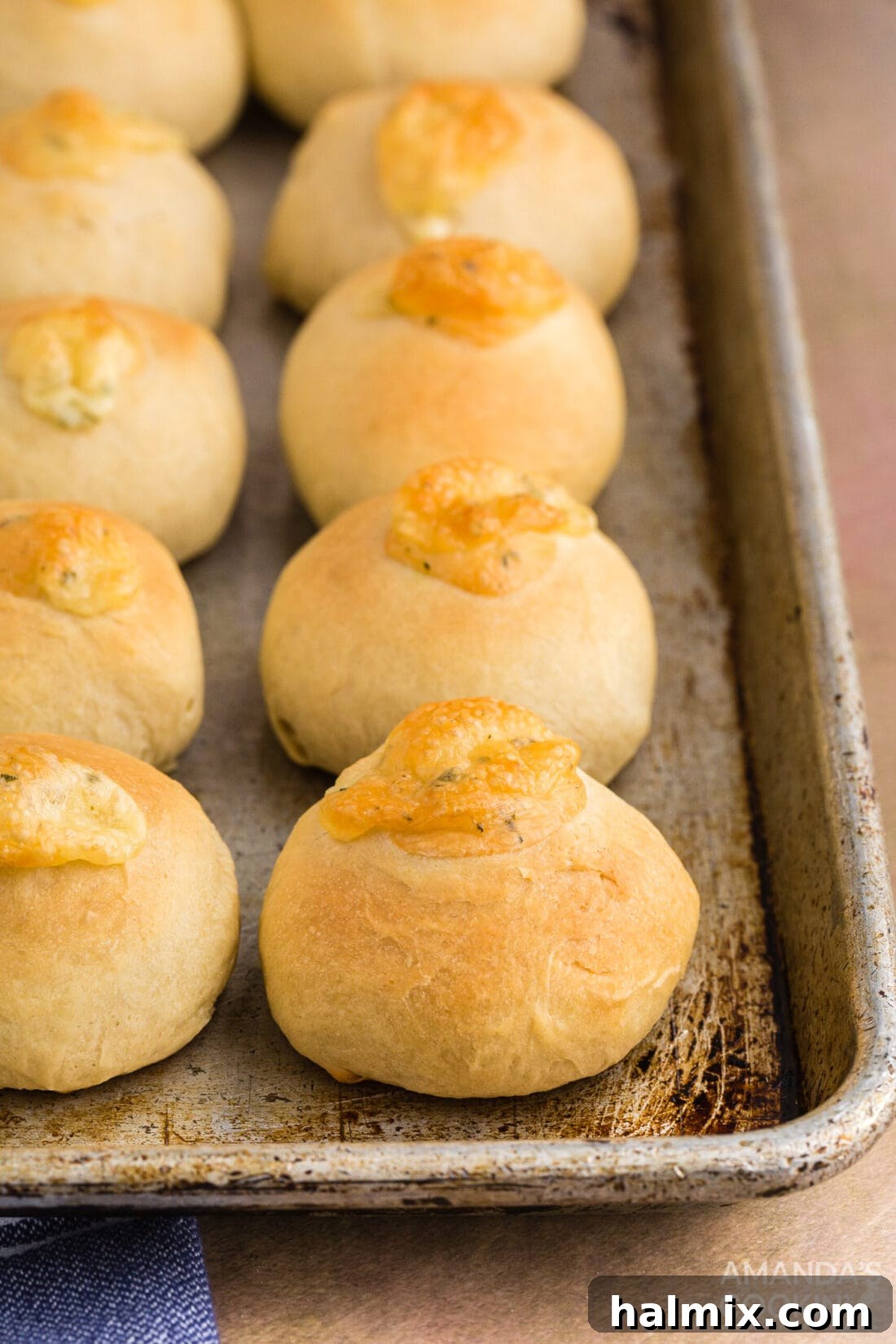
- Arrange and Top: Place each cheese-stuffed dough ball seam-side down on the prepared baking sheet, ensuring they are spaced adequately to allow for further rising and even baking. If desired, cut small, thin slices of any remaining cheese and gently press them onto the top of each bun. This adds an extra layer of cheesy goodness and a lovely visual appeal.
- Bake to Golden Perfection: Transfer the baking sheet to your preheated oven and bake for 11-15 minutes. Baking time may vary slightly depending on your oven, so keep an eye on them. The rolls are ready when they are beautifully golden brown on top, and the cheese, where visible, is bubbly and melted.
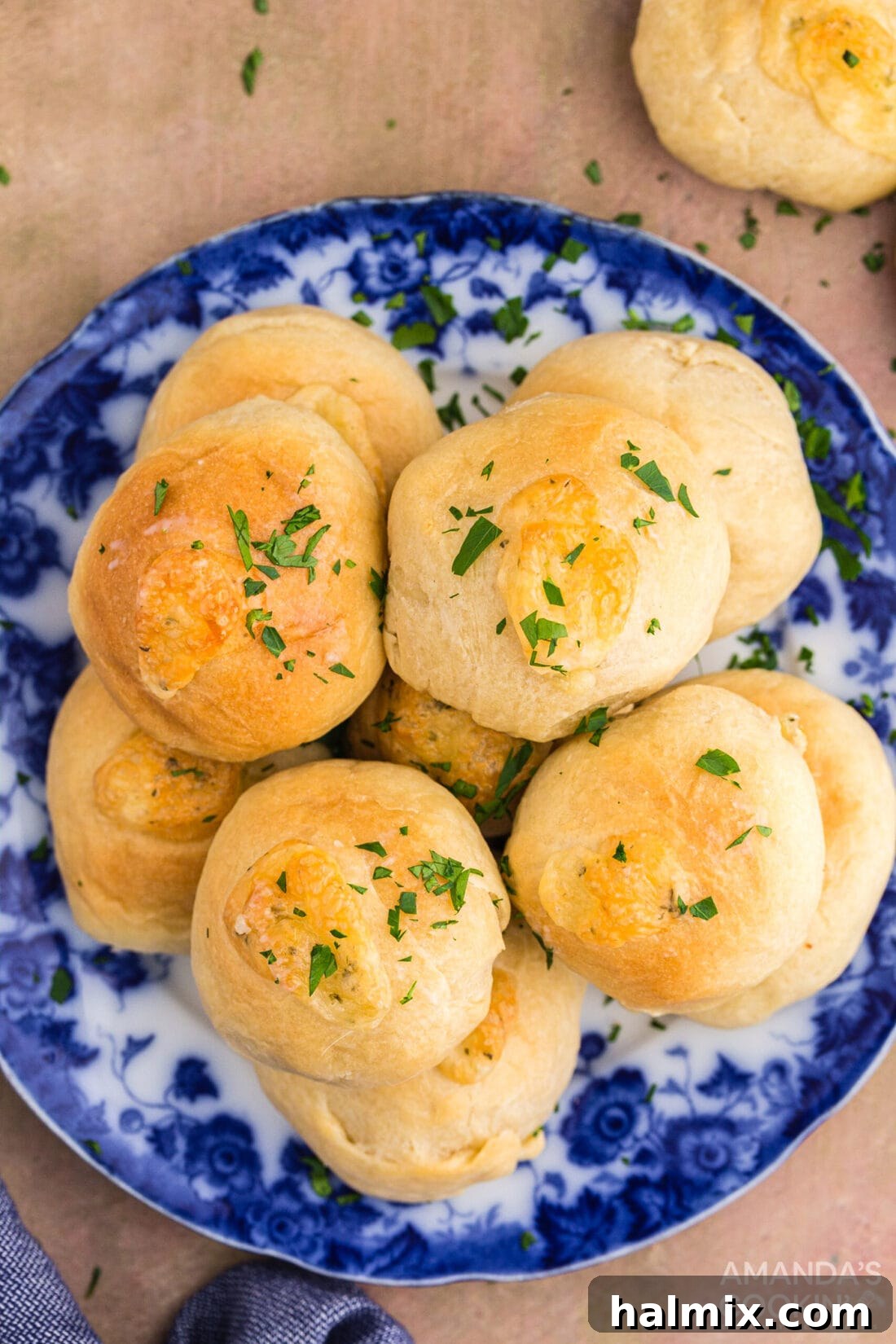
- Butter and Serve: As soon as the rolls emerge from the oven, generously brush them with the remaining two tablespoons of melted unsalted butter. This adds a rich sheen, enhances the flavor, and keeps the crust soft. For an extra touch of freshness and color, you can sprinkle them with finely chopped fresh parsley. Serve these garlic cheese rolls warm and revel in their delightful cheesy, garlicky goodness!
Expert Tips for Flawless Garlic Cheese Rolls
Achieving bakery-quality garlic cheese rolls is simple with a few insider tips:
- Yeast Activation is Key: Ensure your water is the correct temperature (105-115°F or 40-46°C). Water that’s too hot will kill the yeast, and water that’s too cold won’t activate it. If your yeast doesn’t foam after 5-10 minutes, it’s likely expired, and you should start with a fresh batch.
- Don’t Rush the Rise: Patience is crucial during the dough rising stages. A slow rise allows the yeast to develop more flavor. If your kitchen is cool, you can create a warm environment by placing the bowl in a slightly warm (but not hot) oven that has been turned off, or in a microwave with a cup of hot water.
- Proper Kneading: Kneading develops the gluten, giving the rolls their signature chewiness. Don’t skimp on the 10-minute kneading time. The dough should feel smooth and elastic.
- Seal the Cheese Tightly: When stuffing the rolls, make sure to pinch the seams tightly. A loose seam can cause the cheese to leak out during baking, leading to a mess and drier rolls.
- Even Roll Size: Using a kitchen scale to divide your dough ensures each roll bakes evenly and looks uniform. This is especially helpful if you’re serving them for guests.
- Brushing with Butter: Don’t skip the post-baking butter brush! It adds incredible flavor, shine, and helps keep the crust soft. You can infuse this butter with additional garlic or herbs for an extra layer of flavor.
Frequently Asked Questions
These garlic cheese rolls are undoubtedly best enjoyed fresh from the oven, when the cheese is at its peak gooeyness. However, if you have leftovers, they can be stored in an airtight container at room temperature for up to 3-4 days. For longer storage, you can freeze them for up to 2-3 months. Thaw frozen rolls overnight in the refrigerator before reheating.
To bring them back to life, place the rolls in a preheated oven at 300°F (150°C) for about 5-10 minutes, or until warmed through and the cheese is soft again. You can also quickly warm them in a microwave for 15-30 seconds, but be careful not to overcook, as this can make them tough.
Absolutely! Bread flour has a higher protein content than all-purpose flour, which will result in a chewier and slightly more structured roll. You can substitute bread flour for all-purpose flour in equal amounts without needing to adjust other ingredients significantly. The rolls might have a slightly different texture, but will still be delicious.
Yes, you can. The primary difference is that active dry yeast typically needs to be proofed (activated) separately before being added to the dry ingredients, while instant yeast can often be mixed directly. To use active dry yeast, proof it in the warm water with a pinch of sugar for 5-10 minutes until foamy. Then proceed with the recipe as directed.
Definitely! Fresh herbs like chopped rosemary, thyme, or oregano would be a fantastic addition to the dough or sprinkled on top with the final butter brush. A tablespoon or two mixed into the dough would add a lovely aromatic dimension. Experiment with your favorites!
A soft, warm, and wonderfully fragrant garlic cheese roll is truly the ultimate dinner side dish that has a universal appeal. When it’s fresh from the oven, brushed with glossy melted butter and possibly adorned with a sprinkle of vibrant chopped parsley, it transforms an ordinary meal into an extraordinary culinary experience. The irresistible combination of pillowy bread, sharp garlic, and molten cheese creates a symphony of flavors and textures that everyone will adore. These rolls are destined to become a staple in your home.
Explore More Delicious Roll Recipes
If you’ve enjoyed making these garlic cheese rolls, you might be inspired to try your hand at other delightful bread recipes. Expanding your baking repertoire is a rewarding culinary journey. Here are some more of our favorite roll recipes that are sure to impress your family and friends:
- Bretzel Rolls (Pretzel Sandwich Rolls): A unique twist on classic bread, offering a chewy crust and soft interior.
- Parmesan Garlic Rolls: Another cheesy, garlicky favorite, perfect for garlic lovers.
- Homemade Hawaiian Rolls: Sweet and fluffy, these rolls are perfect for sliders or as a standalone treat.
- Easy Homemade Dinner Rolls: A classic recipe for soft, simple dinner rolls that complement any meal.
- Homemade Pull Apart Dinner Rolls: Fun to make and even more fun to eat, these are great for sharing.
- Bunny Rolls: A charming and playful option, especially popular with kids or for festive occasions.
This recipe for garlic cheese rolls holds a special place, originally discovered through the vibrant community on Pinterest. It led to Yammie’s Noshery, where a version called “Peeta’s Stuffed Cheese Buns” caught my eye, inspired by The Hunger Games. It’s amazing how culinary inspiration can come from so many diverse sources!
I find immense joy in baking and cooking, and it’s a pleasure to share my kitchen adventures with all of you! To ensure you never miss out on a new recipe, consider subscribing to our convenient newsletter. You’ll receive free daily recipes directly to your inbox, making it easy to discover your next favorite dish!
Garlic Cheese Rolls
These homemade garlic cheese rolls are designed to be served warm and fresh from the oven, offering a delightful pull-apart experience and incredible cheesy goodness!
Rated 5 out of 5 stars by 5 votes
Pin It
Rate It
Course: Breads
Cuisine: American
Servings: 18 rolls
Total Time: 1 hr 10 mins
Calories: 195
Author: Amanda Davis
Ingredients
- 1 cup warm water (approximately 115°F)
- 2 tablespoons SAF instant yeast
- 2 tablespoons sugar
- 2 teaspoons garlic powder
- ¼ cup unsalted butter, melted
- ¼ cup olive oil
- 3 cups unbleached all-purpose flour
- 2 teaspoons salt
- 8 oz. garlic cheese, cut into ¾-inch cubes and small slices for topping
- 2 tablespoons unsalted butter, melted (for brushing after baking)
Things You’ll Need
- Stand mixer with dough hook (optional, can knead by hand)
- Insulated baking sheets
- Kitchen scale (for even rolls)
Before You Begin (Helpful Notes)
- While garlic cheese is recommended for amplified flavor, any good melting cheese like mozzarella, cheddar, or a blend will work as a substitute.
- If considering whole wheat flour, do not replace all of the all-purpose flour. A 50/50 blend will prevent the rolls from becoming too dense.
- Using unsalted butter provides better control over salt levels. If using salted butter, reduce the recipe’s added salt by half a teaspoon. Vegetable or canola oil can be used in place of olive oil if preferred.
Instructions
- Sprinkle instant yeast over the warm water and let it sit for a few minutes until it begins to foam. Then, add sugar, garlic powder, ¼ cup melted butter, olive oil, and 2 teaspoons salt. Mix well. Gradually add the unbleached all-purpose flour, mixing with a stand mixer (using a dough hook) or by hand until a dough forms. Knead for 10 minutes until smooth and elastic. Place the dough in an oiled bowl, cover with a soft cloth, and let rise for about 30 minutes, or until it doubles in size.
- Preheat your oven to 375°F (190°C). Line an insulated baking sheet with parchment paper.
- Gently punch down the risen dough and divide it into 18 equal pieces. For best results, use a kitchen scale to ensure uniformity. Flatten each piece of dough, place a ¾-inch chunk of garlic cheese in the center, and firmly pinch all the edges back up to seal the cheese completely inside. Place the pinched side down on the prepared baking sheet.
- If desired, cut small slices from any remaining cheese and place them on top of the dough balls.
- Bake for 11-15 minutes, or until the rolls are golden brown and the cheese is bubbly. Immediately after removing from the oven, brush generously with the remaining 2 tablespoons of melted butter. Serve warm.
Nutrition
Serving: 1 roll | Calories: 195cal | Carbohydrates: 18g | Protein: 6g | Fat: 11g | Saturated Fat: 6g | Cholesterol: 23mg | Sodium: 339mg | Potassium: 43mg | Fiber: 1g | Sugar: 1g | Vitamin A: 245IU | Calcium: 95mg | Iron: 1.1mg
Tried this Recipe? Pin it for Later!
Follow on Pinterest @AmandasCookin or tag #AmandasCookin!
The recipes on this blog are carefully tested with a conventional gas oven and gas stovetop. Please note that oven performance can vary, especially with older models, so an inexpensive oven thermometer can be a valuable tool to ensure accurate temperatures. If you use a toaster oven or countertop oven, cooking/baking times may need adjustment due to different heat distribution. For recipes made with specialized appliances like pressure cookers or air fryers, specific links to the appliances used are provided. For baking recipes where measurements are given by weight, using cups instead may alter results, and success with that method cannot be guaranteed.
This post originally appeared on April 29, 2013, and has been comprehensively updated with new photos, expanded instructions, and expert tips for an enhanced user experience.