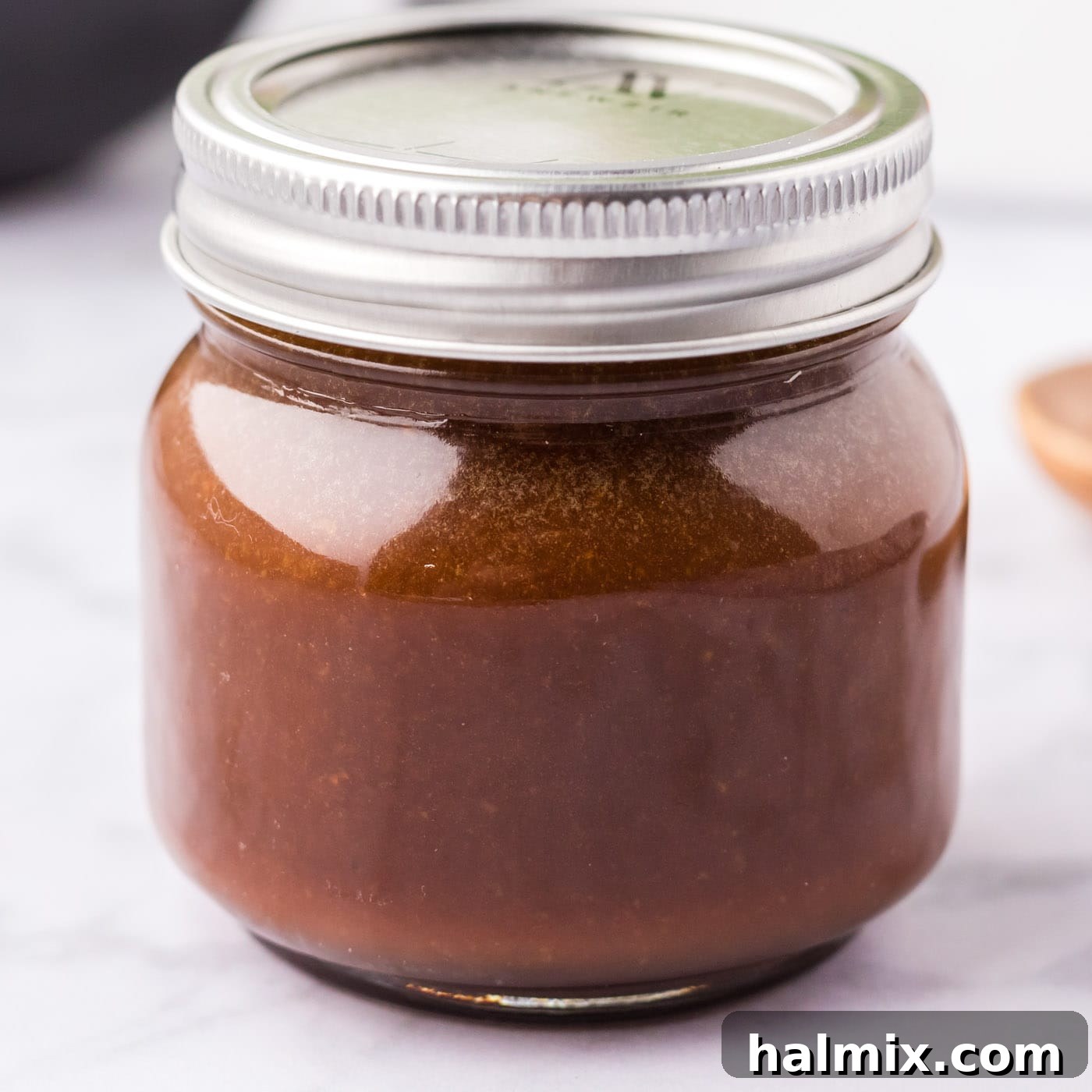
Unlock the secret to vibrant, restaurant-quality meals with this incredible homemade teriyaki sauce recipe. Forget store-bought bottles filled with preservatives and high-fructose corn syrup; our simple, quick-blending recipe delivers a sweet, savory, and tangy sticky glaze bursting with authentic flavors. Featuring fresh ginger, aromatic garlic, the rich depth of oyster sauce, and the classic umami of soy sauce, this versatile sauce is poised to become your new kitchen essential.
Why This Homemade Teriyaki Sauce Recipe Is a Game-Changer
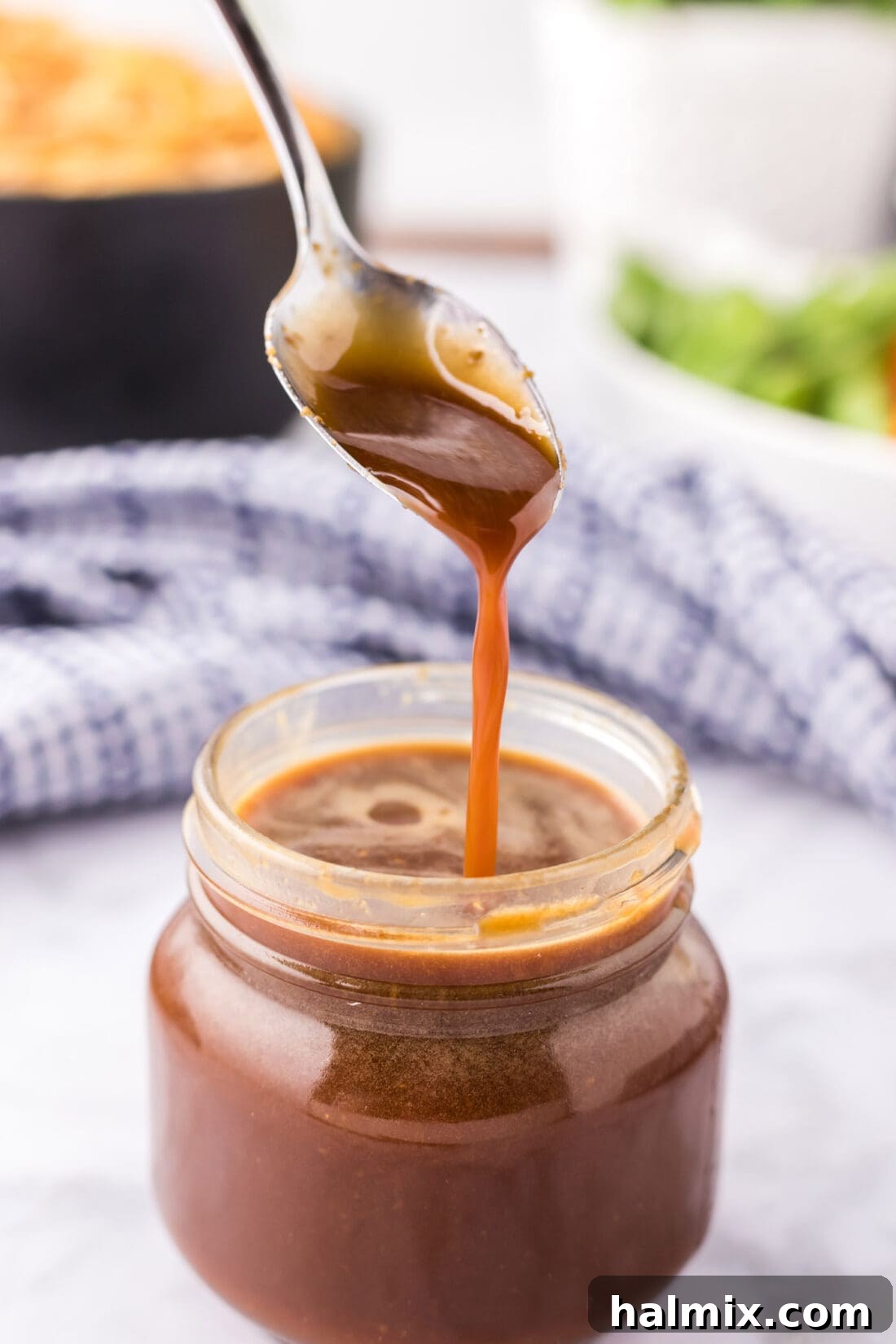
There’s a unique satisfaction that comes from creating your favorite sauces from scratch, and teriyaki is no exception. This recipe stands out for its incredible ease and superior flavor profile compared to its store-bought counterparts. With just a few minutes and the magic of an immersion blender, you’ll have a luscious, perfectly balanced teriyaki sauce ready to transform any dish. Its smooth consistency makes it ideal for spooning over grilled meats, tossing through fresh noodles, incorporating into dynamic stir-fries, or serving as an irresistible dipping sauce for crispy chicken wings.
Beyond its versatility, crafting your own teriyaki sauce provides unparalleled control over ingredients. You can customize the sweetness, adjust the sodium content, and ensure only the freshest aromatics make their way into your sauce. This homemade rendition adds a delightful touch of tangy-sweetness and umami to a myriad of dishes, making it a staple we love to keep on hand. Its impressive shelf life—up to two months when properly stored in the refrigerator—means you can effortlessly prep it ahead of time, ensuring a burst of flavor is always within reach for quick weeknight meals or elaborate weekend feasts.
Embrace the convenience and superior taste of homemade. Once you experience the depth of flavor this recipe offers, you’ll never look back at pre-made options. It’s not just a sauce; it’s an enhancement to your culinary repertoire, allowing you to infuse a rich, authentic Asian-inspired taste into your cooking with minimal effort.
Essential Ingredients for Your Homemade Teriyaki Sauce
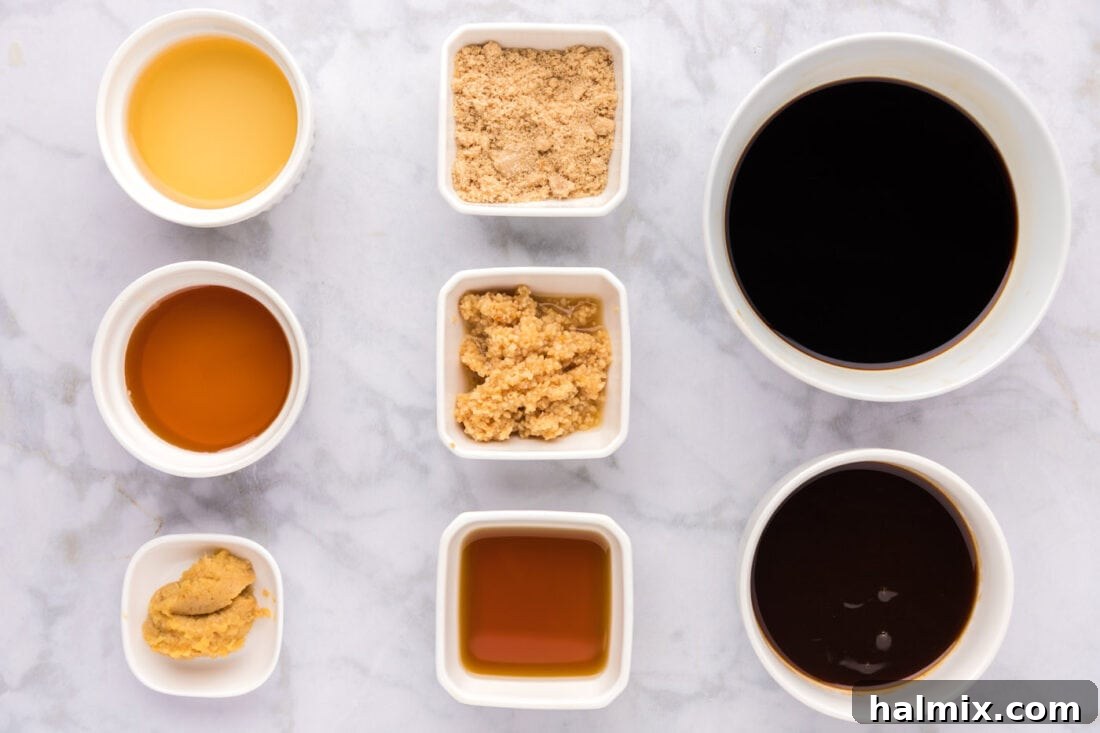
Gathering the right ingredients is the first step to creating a truly exceptional homemade teriyaki sauce. This recipe calls for a balanced combination of savory, sweet, and tangy elements that come together harmoniously. You’ll find all precise measurements and detailed instructions in the printable recipe card towards the end of this post, but let’s dive into what makes each component so crucial.
Ingredient Spotlight & Customization Tips
Each ingredient in this homemade teriyaki sauce plays a vital role in building its complex flavor profile. Understanding their individual contributions and potential substitutions allows for customization to suit your pantry and palate.
- Low Sodium Soy Sauce: This forms the backbone of our teriyaki sauce, providing that essential umami and savory depth. We highly recommend using low sodium soy sauce to prevent the sauce from becoming overly salty, allowing you to control the seasoning precisely.
- Sesame Oil: A small amount of toasted sesame oil adds a distinct nutty aroma and flavor that is characteristic of many Asian-inspired dishes. It contributes to the sauce’s rich overall taste.
- Oyster Sauce: Our recipe incorporates oyster sauce for its unique ability to add both sweetness and a thicker consistency to the teriyaki. It brings a subtle, savory seafood note that enhances the sauce’s complexity without overpowering it.
- Honey: Alongside brown sugar, honey contributes to the sauce’s signature sweetness and helps to create that appealing sticky glaze. Its natural floral notes add another layer of flavor.
- Brown Sugar: The molasses in brown sugar provides a deeper, caramel-like sweetness that complements the soy and oyster sauces beautifully, balancing the savory elements and contributing to the sauce’s rich color.
- Rice Vinegar: This mild vinegar introduces a crucial tangy component, cutting through the richness and sweetness to create a perfectly balanced flavor profile. It brightens the sauce and adds a refreshing zing.
- Minced Garlic & Chopped Ginger: These aromatics are indispensable for authentic teriyaki flavor. While fresh is always wonderful, for convenience, we often use quality jarred minced garlic and chopped ginger. They save prep time and are excellent to have on hand.
Substitution Suggestions:
- For the Sauce Base: If you don’t have oyster sauce, you can substitute it with an equal amount of additional low sodium soy sauce. Be aware that this will result in a thinner, possibly saltier sauce, so you might want to slightly reduce the overall soy sauce and add a touch more sweetener to compensate. For a truly vegetarian or vegan option, look for mushroom-based “vegetarian oyster sauce” alternatives.
- For the Sweetener: While honey and brown sugar offer the best flavor balance, you can experiment with other natural sweeteners like maple syrup or agave nectar, adjusting to taste. Granulated sugar can also work, but brown sugar provides a richer depth.
- For Garlic and Ginger: If using fresh, aim for about 1 tablespoon of finely minced fresh ginger and 2 cloves of finely minced fresh garlic to replace the jarred versions. Fresh ingredients often offer a more pungent and vibrant flavor.
- Gluten-Free Option: To make this teriyaki sauce gluten-free, simply replace the standard soy sauce with tamari, which is a gluten-free alternative that offers a similar savory taste. Ensure your oyster sauce is also certified gluten-free if strict dietary needs apply.
- Spice It Up: For a touch of heat, consider adding a pinch of red pepper flakes or a small amount of sriracha to the mixture before blending. Start with a quarter teaspoon and adjust to your preference.
Crafting Your Homemade Teriyaki Sauce: A Simple Guide
These step-by-step photos and instructions are designed to visually guide you through the process of making this delicious homemade teriyaki sauce. For the complete printable recipe, including precise measurements and comprehensive instructions, simply Jump to Recipe at the bottom of this page.
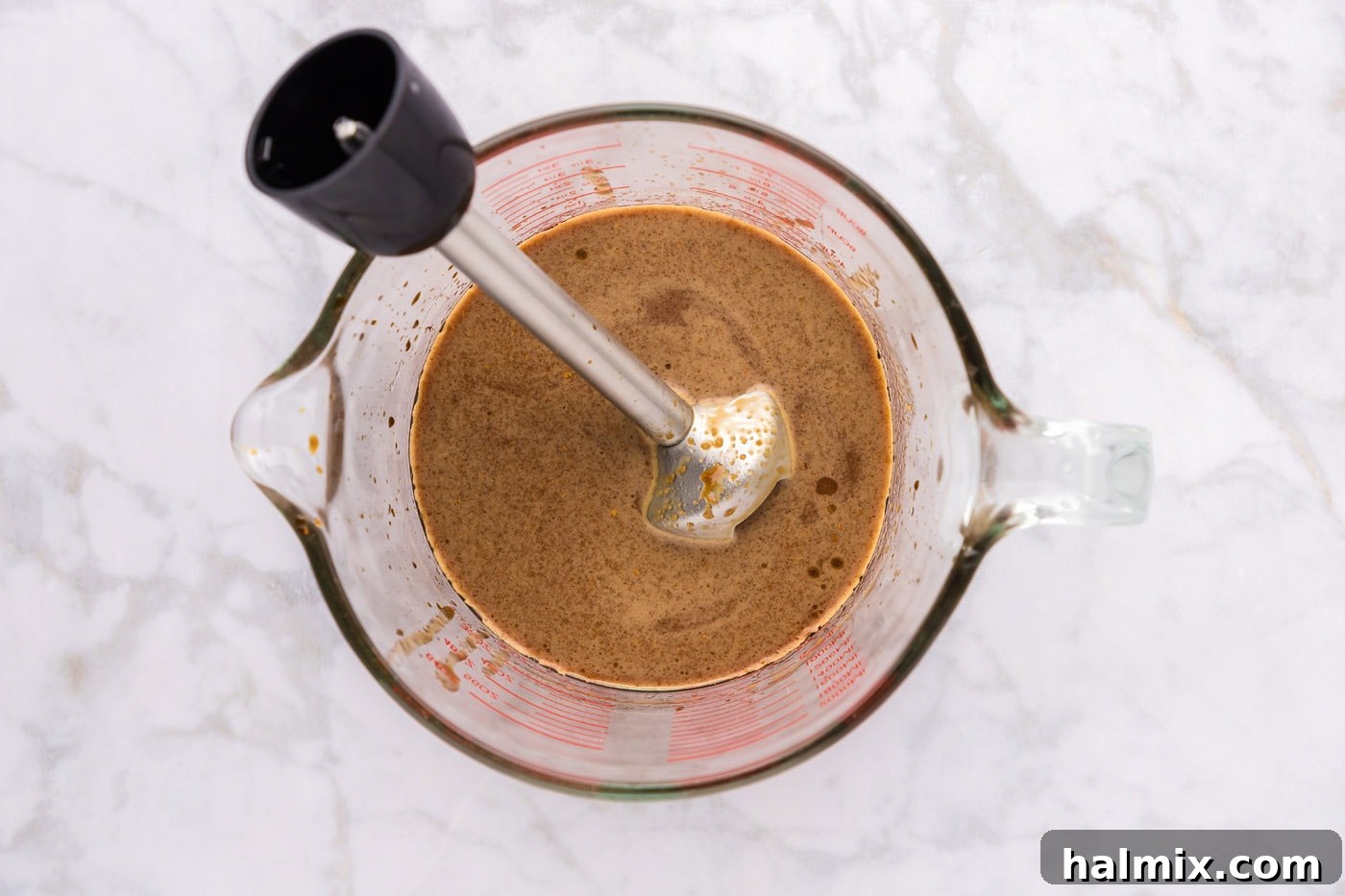
- Combine & Blend: In a tall container or a large measuring cup, combine all of your measured ingredients: low sodium soy sauce, sesame oil, oyster sauce, honey, brown sugar, rice vinegar, chopped ginger, and minced garlic. Use an immersion blender to thoroughly combine all ingredients until smooth. This process takes only a minute or two. At this stage, the sauce will be relatively thin, as we are not yet incorporating any thickening agents.

- Store Properly: Once blended, transfer your homemade teriyaki sauce to an airtight container or a clean glass jar. Store it in the refrigerator. This method ensures maximum freshness and allows the flavors to meld beautifully.
- How to Use & Thicken: When you’re ready to use your sauce, remember that it’s thin at this initial stage. For a family-sized meal, such as coating cooked meat or noodles in a skillet, you’ll typically use about 1/2 cup of the sauce. To achieve that desired glossy, thick teriyaki glaze, you’ll need to create a cornstarch slurry. In a small bowl, whisk together one tablespoon of cornstarch with about 1/4 cup of cold water until completely smooth. Add this slurry to the skillet with your sauce and ingredients, then simmer gently over medium heat, stirring constantly. The sauce will rapidly thicken to a beautiful glaze, clinging perfectly to your food.
Frequently Asked Questions & Expert Tips
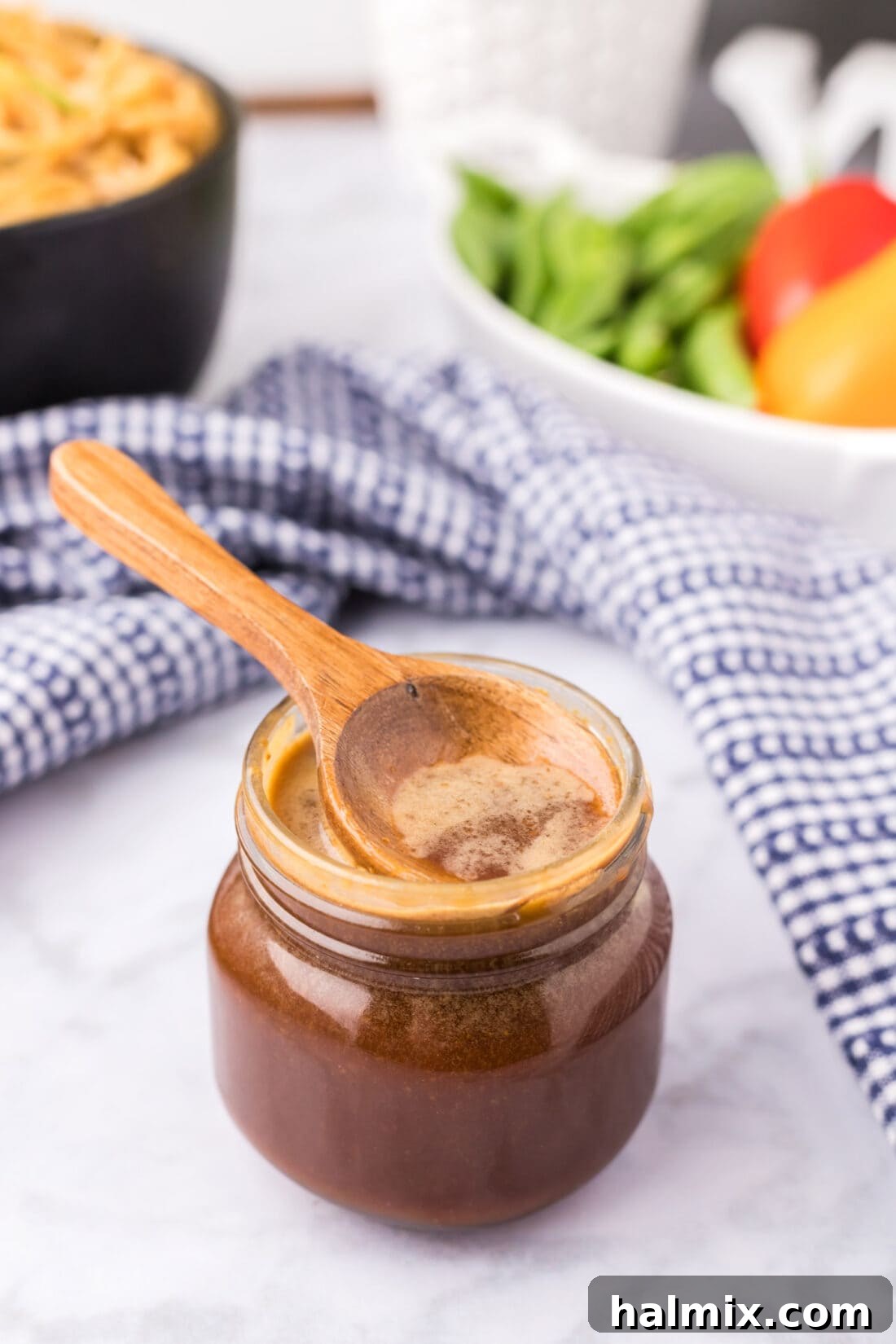
This homemade teriyaki sauce can be stored in a clean, airtight container or jar in the refrigerator for up to 2 months. Ensure it’s sealed properly to maintain freshness and prevent odor absorption. While freezing is possible, the texture might change slightly upon thawing, but it remains safe to consume. For best quality, use within two months.
The initial sauce is intentionally thin, designed to be thickened when heated for specific applications. If you desire a thicker sauce for a glaze or stir-fry, prepare a cornstarch slurry (1 tablespoon cornstarch mixed with 1/4 cup cold water) and whisk it into the simmering sauce until it reaches your desired consistency. If, by chance, your sauce becomes too thick during cooking, simply thin it out with a tablespoon or two of water or low sodium chicken broth until it’s just right.
Absolutely! This recipe is a fantastic base for customization. If you prefer more ginger or garlic, feel free to add an extra teaspoon of each. For a spicier kick, a pinch of red pepper flakes or a dash of sriracha can be added during the blending stage. For a richer, deeper color and flavor, a small amount of dark soy sauce can be introduced, though be mindful of its salt content. Taste and adjust as you go!
The versatility of this sauce is one of its greatest strengths. It excels as a marinade for chicken, beef, pork, or tofu; a glaze for grilled or baked dishes; a simmering sauce for stir-fries; or a dipping sauce for appetizers like spring rolls, dumplings, or your favorite chicken wings. It’s also fantastic drizzled over rice bowls or tossed with noodles.
Creative Serving Suggestions for Your Teriyaki Sauce
Once you’ve whipped up a batch of this luscious homemade teriyaki sauce, the culinary possibilities are endless! Its perfect balance of sweet, savory, and tangy makes it an incredibly versatile addition to nearly any meal. Here are some of our favorite ways to incorporate this flavorful sauce into your cooking:
- Marinade Marvel: Use it as a vibrant marinade for your favorite proteins. Chicken, especially thighs or breasts, soaks up the flavor beautifully. It’s also fantastic for beef strips, pork tenderloin, or firm tofu cubes, creating tender and flavorful results ready for grilling, baking, or pan-frying. Allow at least 30 minutes for marinating, or up to several hours for deeper flavor penetration.
- Effortless Glaze: Thicken it with a cornstarch slurry and brush it over baked salmon fillets, roasted vegetables like broccoli or asparagus, or even meatballs for a shimmering, sticky glaze that’s bursting with flavor. The glaze caramelizes wonderfully, adding a beautiful sheen and irresistible taste.
- Stir-Fry Star: This sauce is a natural fit for stir-fries. Add it in the last few minutes of cooking your favorite medley of vegetables and protein, allowing it to coat everything evenly. It brings instant depth and a professional touch to any wok creation.
- Dipping Delight: Serve it alongside appetizers like crispy spring rolls, potstickers, or fresh vegetable sticks. Its robust flavor makes it a much more exciting dip than plain soy sauce. It’s also the ultimate dipping companion for your next batch of crispy baked chicken wings!
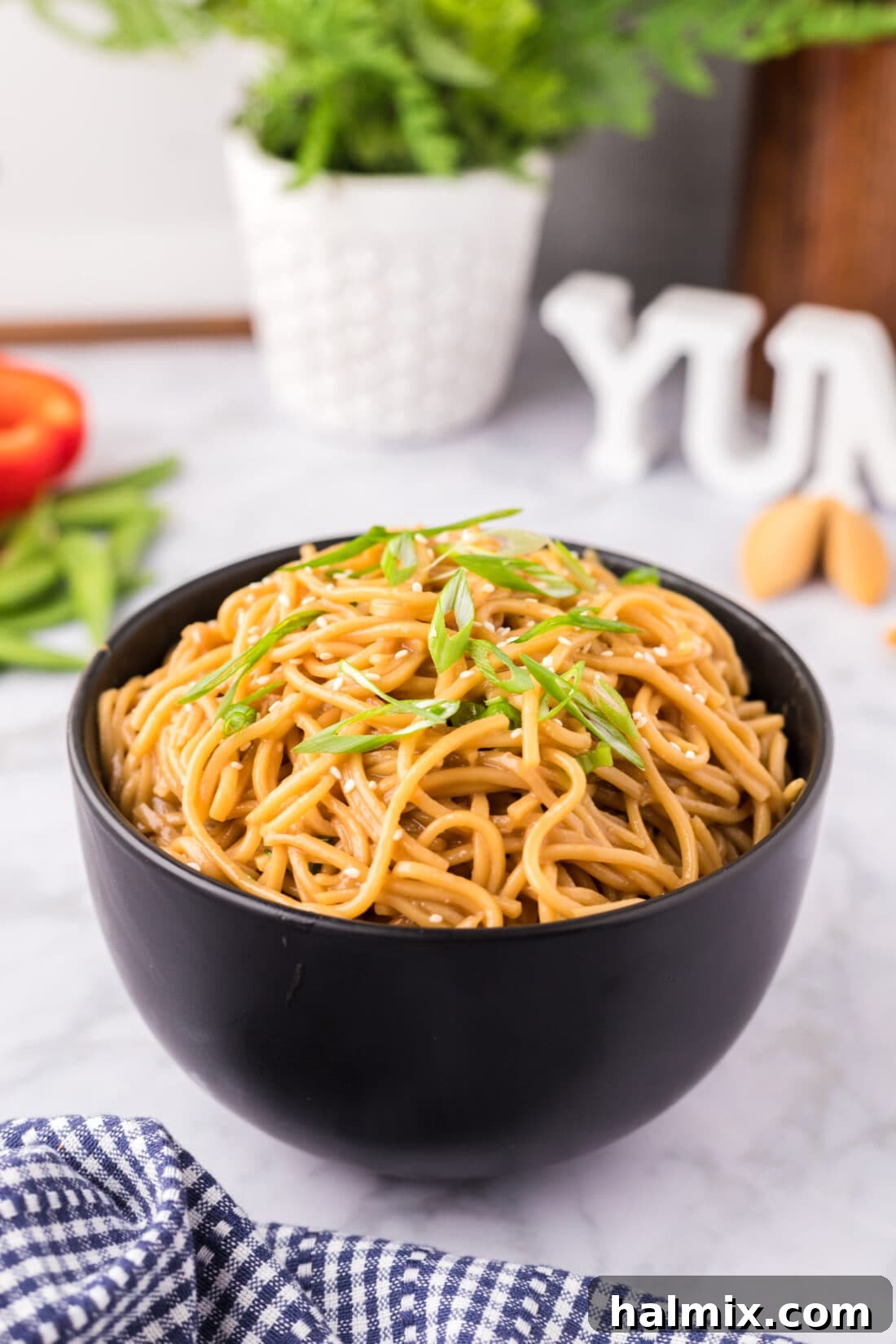
- Noodle Nirvana: Toss it generously with cooked noodles, whether it’s ramen, udon, or thin rice vermicelli. Add some sautéed vegetables and your choice of protein for a complete and satisfying noodle bowl. This is particularly delicious with our teriyaki noodles recipe.
- Rice Bowl Base: Drizzle it over warm steamed rice, topping it with grilled chicken, seared shrimp, or even a fried egg and some fresh scallions for a quick and satisfying meal. It elevates simple ingredients into a gourmet experience.
The choice is truly yours – let your culinary creativity guide you. This homemade teriyaki sauce is designed to enhance and simplify your cooking, bringing bold, delicious flavors to your table with minimal effort.
Explore More Teriyaki Delights
If you’ve fallen in love with the rich flavors of this homemade teriyaki sauce, you’ll be thrilled to know that it pairs perfectly with a variety of dishes. Here are some of our other fantastic teriyaki-inspired recipes that you can try next, all designed to make the most of your freshly made sauce:
- Teriyaki Chicken: A classic dish that’s easy to prepare and incredibly satisfying, featuring tender chicken coated in a luscious teriyaki glaze.
- Teriyaki Salmon: Flaky, flavorful salmon made extraordinary with the sweet and savory notes of homemade teriyaki sauce, perfect for a healthy weeknight dinner.
- Teriyaki Chicken and Rice: A complete meal in one, combining succulent teriyaki chicken with fluffy rice, making for a hearty and delicious family favorite.
- Teriyaki Tofu: A fantastic plant-based option, where crispy tofu is coated in the savory teriyaki sauce, perfect for vegans and vegetarians alike.
I love to bake and cook and share my kitchen experience with all of you! Remembering to come back each day can be tough, that’s why I offer a convenient newsletter every time a new recipe posts. Simply subscribe and start receiving your free daily recipes!
Homemade Teriyaki Sauce
IMPORTANT – There are often Frequently Asked Questions within the blog post that you may find helpful. Simply scroll back up to read them!
Print It
Pin It
Course:
Condiments
Cuisine:
American, Asian
40
servings (makes 2 1/2 cups total)
5 minutes
26
Amanda Davis
Ingredients
-
1
cup
low sodium soy sauce -
¼
cup
sesame oil -
½
cup
oyster sauce -
¼
cup
honey -
3
Tablespoons
rice vinegar -
1
Tablespoon
chopped ginger -
2
Tablespoons
minced garlic -
1
Tablespoon
brown sugar
To Prepare
-
cornstarch -
water
Things You’ll Need
-
immersion blender -
Measuring cups and spoons
Before You Begin
- Sauce can be kept in a sealed container in the refrigerator for up to 2 months.
- Our version of homemade teriyaki sauce uses both oyster sauce and soy sauce. Oyster sauce is thicker in consistency and is slightly sweeter than soy sauce. You can simply sub the oyster sauce out with more soy sauce but the results may be a bit thinner than shown in the photos.
Instructions
-
Combine all ingredients and blend together with an immersion blender. The sauce will be thin as we are NOT adding cornstarch at this point.
-
Store in an airtight container or jar in the refrigerator.
To Use and Thicken
-
To use, add about 1/2 cup of homemade teriyaki sauce to cooked meat or noodles in a skillet (for a family sized meal).
To thicken, add a tablespoon of cornstarch to about 1/4 cup of water and whisk or stir to make a slurry. Add slurry to the skillet and simmer until thickened.
Nutrition
Serving:
1
serving (1 Tablespoon)
|
Calories:
26
cal
|
Carbohydrates:
3
g
|
Protein:
1
g
|
Fat:
1
g
|
Saturated Fat:
0.2
g
|
Polyunsaturated Fat:
1
g
|
Monounsaturated Fat:
1
g
|
Sodium:
309
mg
|
Potassium:
29
mg
|
Fiber:
0.1
g
|
Sugar:
2
g
|
Vitamin A:
0.04
IU
|
Vitamin C:
0.2
mg
|
Calcium:
4
mg
|
Iron:
0.1
mg
Tried this Recipe? Pin it for Later!
Follow on Pinterest @AmandasCookin or tag #AmandasCookin!
The recipes on this blog are tested with a conventional gas oven and gas stovetop. It’s important to note that some ovens, especially as they age, can cook and bake inconsistently. Using an inexpensive oven thermometer can assure you that your oven is truly heating to the proper temperature. If you use a toaster oven or countertop oven, please keep in mind that they may not distribute heat the same as a conventional full sized oven and you may need to adjust your cooking/baking times. In the case of recipes made with a pressure cooker, air fryer, slow cooker, or other appliance, a link to the appliances we use is listed within each respective recipe. For baking recipes where measurements are given by weight, please note that results may not be the same if cups are used instead, and we can’t guarantee success with that method.