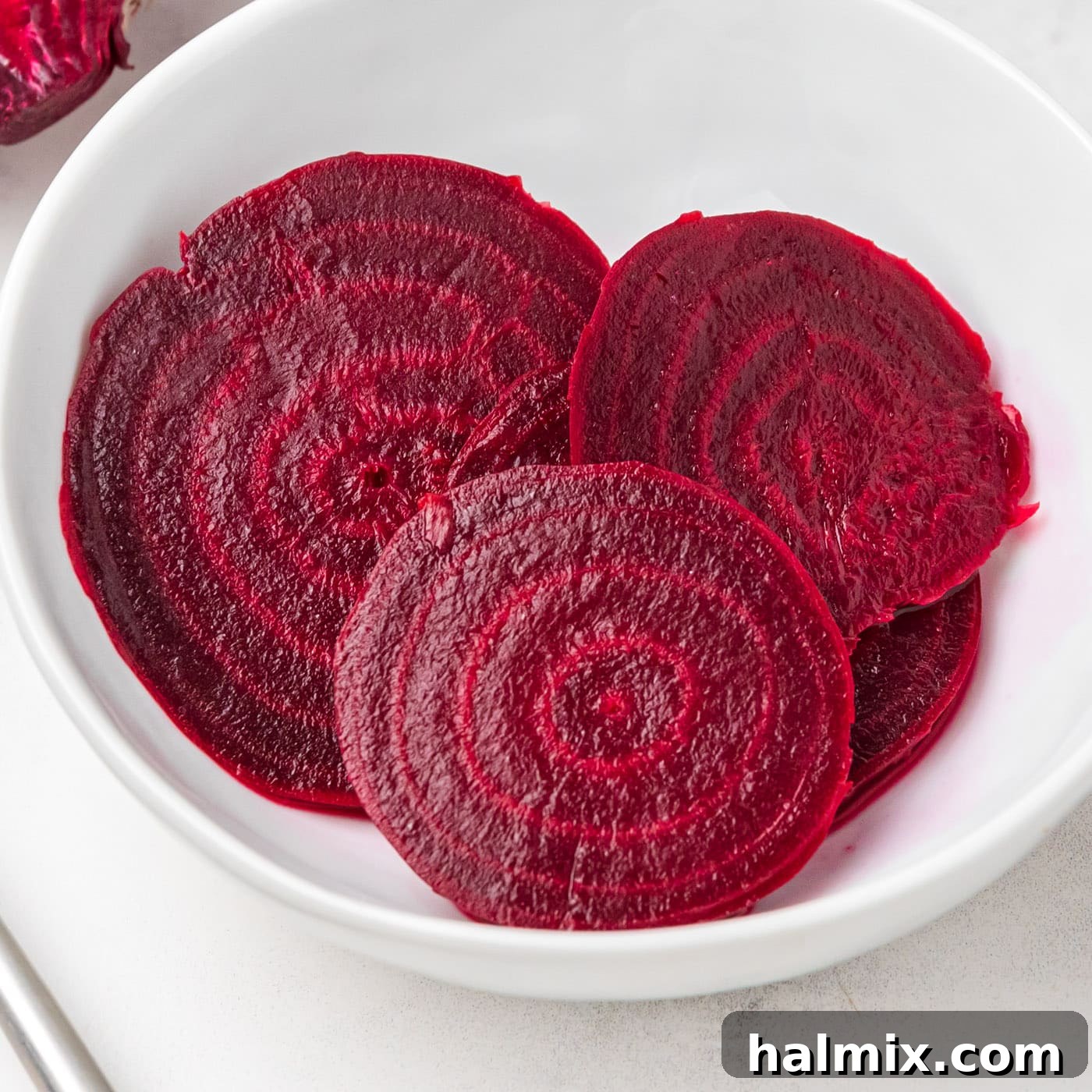
Unlock a world of vibrant flavor and effortless preparation with these incredible fork-tender pickled beets. Forget the complexities of traditional pressure canning; this simple refrigerator pickling method ensures perfectly marinated beets that stay fresh in your fridge for up to six weeks. Whether you’re a seasoned chef or a kitchen novice, this recipe is designed for ease, delivering a tangy-sweet condiment that will elevate countless meals and delight your taste buds.
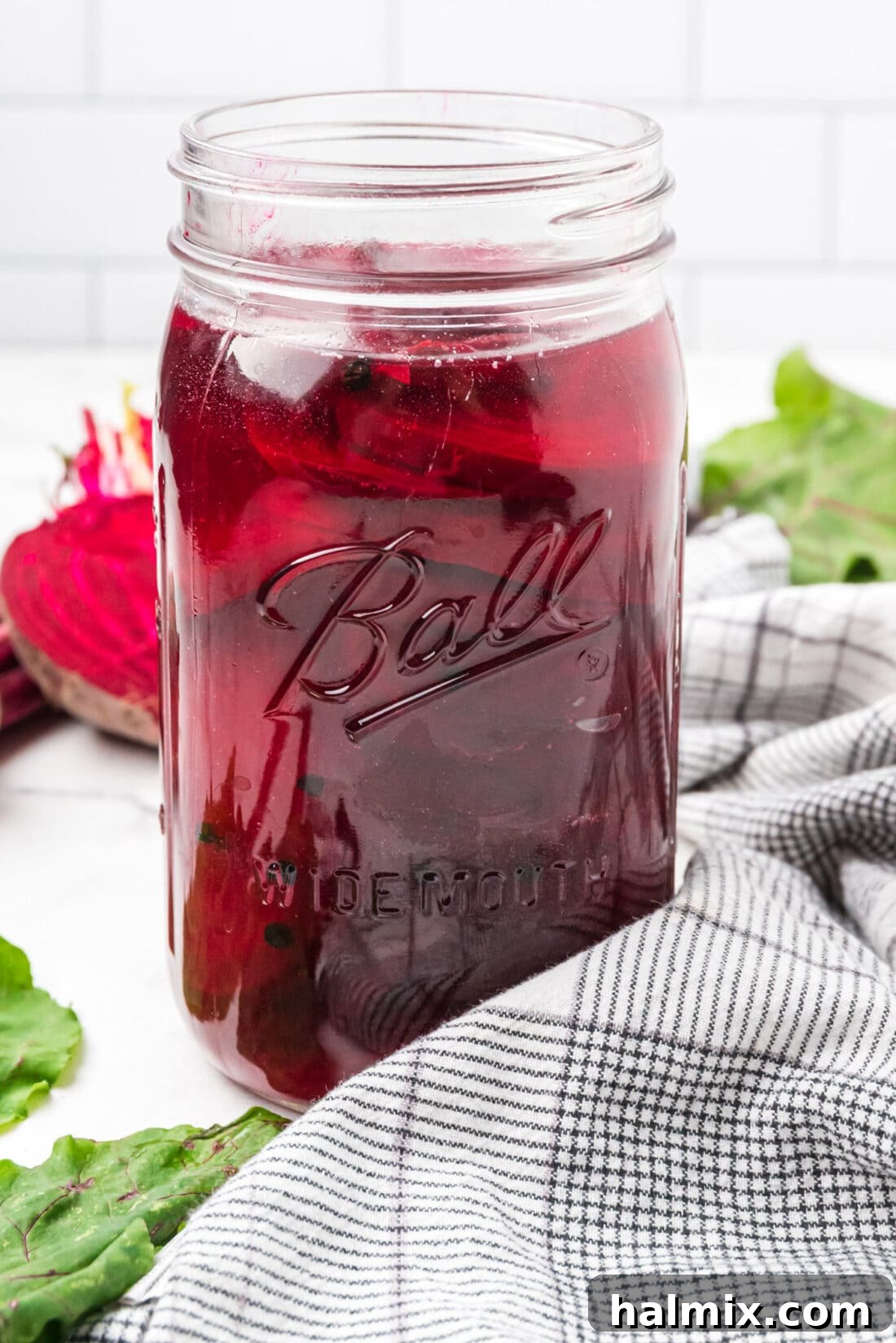
Why This Simple Pickled Beet Recipe Works Wonders
These aren’t just any pickled beets; they are a burst of flavor, a feast for the eyes, and a testament to simple, wholesome cooking. Packed with a delightful tangy-sweet punch, a captivating vibrant color, and an irresistibly tender texture, these homemade pickled beets are truly a culinary marvel. They are perfect for snacking straight from the jar, adding a zing to your salads, or jazzing up your sandwiches. Beyond their exquisite taste, they bring a host of nutritional benefits to your table.
Beets are powerhouse vegetables, rich in essential nutrients and dietary fiber, known to promote a healthy gut microbiome and offer numerous other health advantages. Incorporating them into your diet can be incredibly versatile. You can toss them into our refreshing pearl couscous salad with feta and beet for an explosion of taste and color, blend them into a vibrant strawberry beet smoothie for a nutritious boost, or simply enjoy them roasted, boiled, or steamed. However, for a truly transformative experience, pickling them, as we demonstrate here, opens up a world of possibilities for easy snacking, enhancing main dishes, or serving as a delightful side.
What makes this specific recipe exceptional is its accessibility. Many shy away from pickling, intimidated by the complex process of pressure canning. This recipe eliminates that barrier entirely, offering a straightforward, refrigerator-friendly method that requires no specialized equipment beyond standard kitchen tools. The result is a batch of perfectly preserved, incredibly delicious beets that are ready to enjoy in just a few hours and will keep in your fridge for weeks, ensuring you always have a healthy, flavorful option on hand.
Essential Ingredients for Your Homemade Pickled Beets
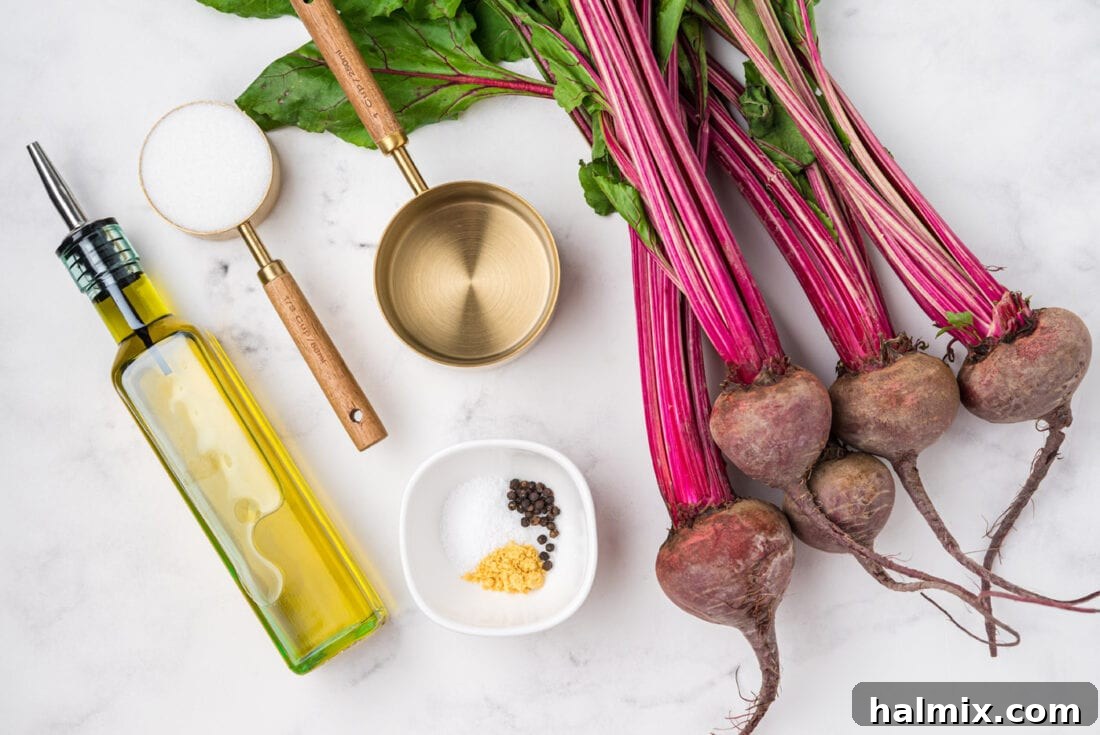
Crafting the perfect batch of pickled beets starts with selecting quality ingredients. This recipe uses a handful of common items, easily found at any grocery store, to create a truly remarkable flavor profile. You’ll find all precise measurements and detailed instructions in the comprehensive recipe card section at the bottom of this article.
Ingredient Information and Smart Substitution Suggestions
BEETS: The star of our show! For the best flavor and texture, choose fresh beets that are firm to the touch, ideally with their greens still attached – a sign of freshness. While classic red beets are commonly used and provide that iconic vibrant color, don’t hesitate to experiment with other varieties. Golden beets offer a milder, earthy sweetness and a beautiful yellow hue, while Chioggia beets (candy cane beets) provide a stunning striped pattern when sliced. If you opt for smaller baby beets, remember to grab an extra one or two to ensure your jar is adequately filled. When it comes to preparing your beets for pickling, you have options: roasting, boiling, or steaming. Each method yields slightly different results. Roasting, as used in this recipe, caramelizes the natural sugars, intensifying their flavor and making them incredibly tender. Boiling is quicker and results in a softer beet, while steaming maintains more of their nutrients and a firmer texture. Ultimately, the choice of cooking method and how you cut them – into elegant slices, chunky cubes, or rustic wedges – comes down to your individual preference for presentation and texture.
VINEGAR: The foundation of any good pickling brine. White vinegar is a popular choice for its clean, sharp acidity, which is essential for both preservation and imparting that signature tangy flavor. However, its intensity needs to be balanced with sugar to prevent your pickled beets from tasting overly vinegary. For a slightly fruitier and mellower tang, you may substitute with apple cider vinegar. Be aware that apple cider vinegar can give the beets a slightly darker, more subdued appearance once they’ve had time to marinate, due to its natural color. Both white distilled vinegar and apple cider vinegar work wonderfully, so feel free to choose based on your preferred flavor profile and visual appeal.
GRANULATED SUGAR: A crucial component that balances the sharp acidity of the vinegar, creating that harmonious sweet-and-sour profile characteristic of delicious pickled beets. It also contributes to the overall texture and mouthfeel of the brine. You can adjust the amount slightly to suit your preference, adding a touch more for a sweeter pickle or a bit less for a more tart experience.
KOSHER SALT: More than just a seasoning, salt plays a vital role in the pickling process. It draws out moisture from the beets, helps preserve them, and enhances all the other flavors in the brine. Kosher salt is preferred for pickling due to its purity and lack of anti-caking agents, which can sometimes make brines cloudy. Avoid iodized table salt, as it can sometimes impart an off-flavor or darken the vegetables.
DRY GROUND MUSTARD, WHOLE PEPPERCORNS, & CLOVES: These spices are the aromatic backbone of our brine, infusing the beets with warmth, subtle heat, and a complex fragrance. Ground mustard adds a gentle pungency, whole peppercorns provide a classic peppery note, and cloves offer a sweet, woody aroma. Feel free to experiment with other pickling spices to customize your batch. A bay leaf can add an herbal depth, a few sprigs of fresh dill can bring a bright, anisy note, or a pinch of red pepper flakes can introduce a subtle kick for those who enjoy a bit of heat. A cinnamon stick or a few allspice berries can also complement the earthy sweetness of the beets beautifully.
Mastering the Art of Homemade Pickled Beets: Step-by-Step Guide
This detailed step-by-step guide, complete with visual cues, is designed to help you confidently create perfect pickled beets. While we’ve included helpful photos throughout the post, the complete printable recipe with precise measurements and instructions is available at the bottom for your convenience.
- Preheat Oven: Begin by preheating your oven to 400 degrees F (200 degrees C). This ensures the oven is at the optimal temperature for roasting the beets, allowing them to cook evenly and become perfectly tender.
- Prepare the Beets: Start by carefully removing the greens and the root ends from your fresh beets. Vigorously scrub the beets under cool running water to remove any lingering dirt or debris. There’s no need to peel them at this stage, as the skin will come off easily after roasting.
- Oil and Wrap: Lightly rub each beet with a small amount of olive oil. This helps the skin crisp slightly during roasting and contributes to easier peeling later. Place all four oiled beets onto a large piece of aluminum foil. Wrap them securely to create a sealed packet. This foil packet acts like a steaming environment, ensuring the beets cook thoroughly and become incredibly tender.
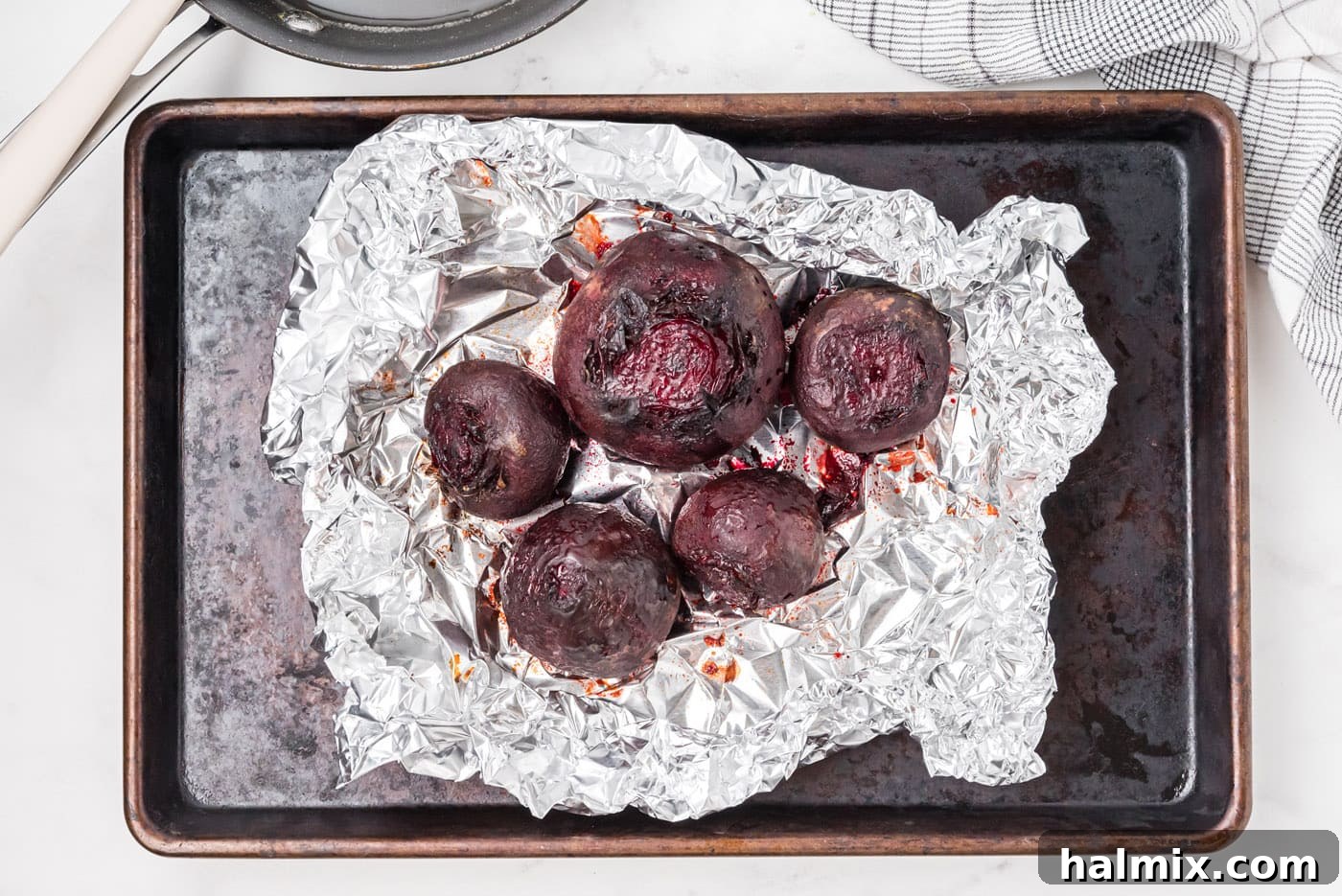
- Roast to Perfection: Place the foil-wrapped beet packet onto a baking sheet. Transfer the baking sheet to your preheated oven and roast for approximately 1 hour, or until the beets are easily pierced with a fork. The exact time may vary depending on the size of your beets, so tenderness is your best indicator.

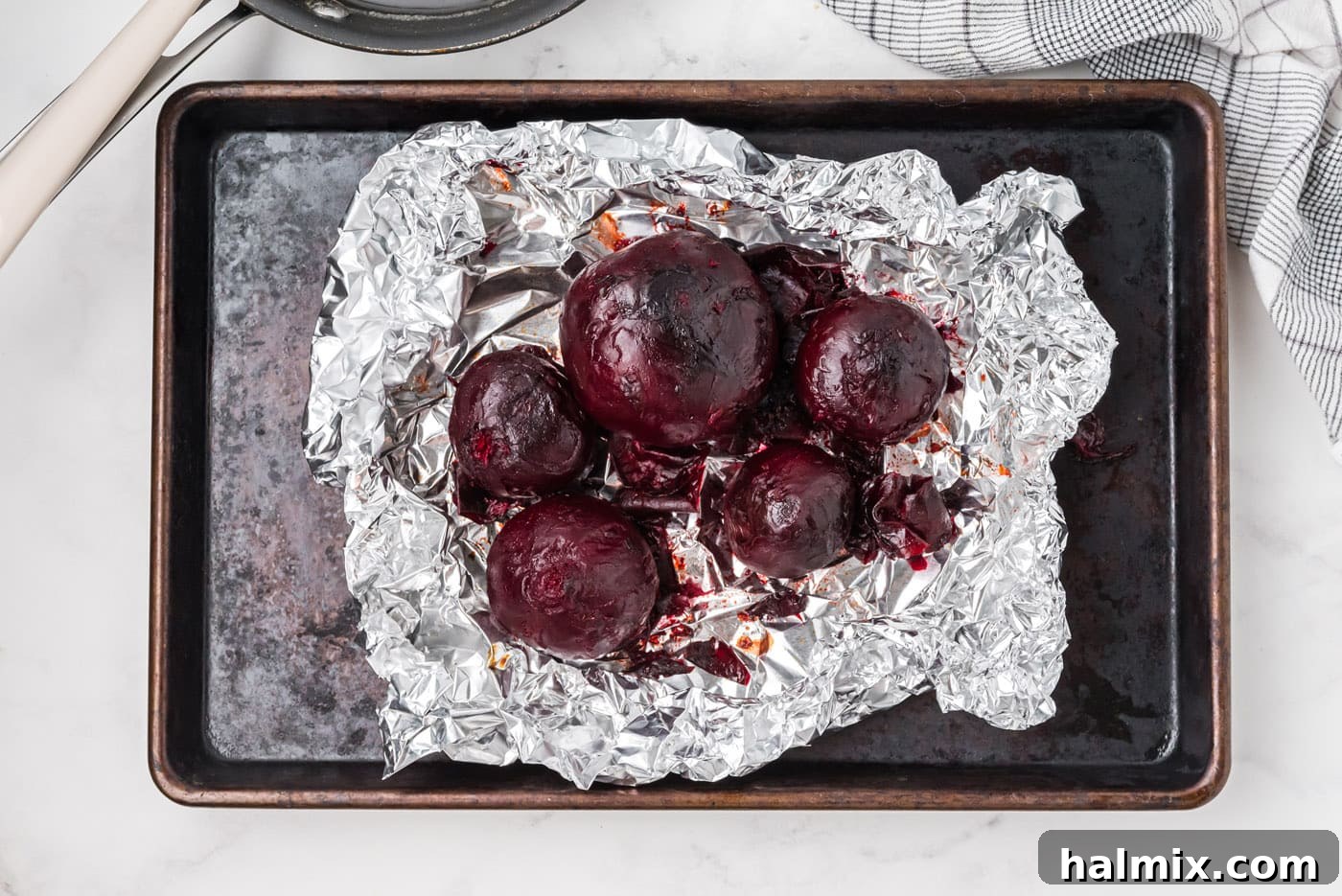
- Cool and Peel: Once roasted, remove the beets from the oven and allow them to cool slightly. While still warm but cool enough to handle, gently rub the skins off. The skins should slip off effortlessly with your fingers or a paper towel, revealing the beautifully cooked beet flesh underneath.
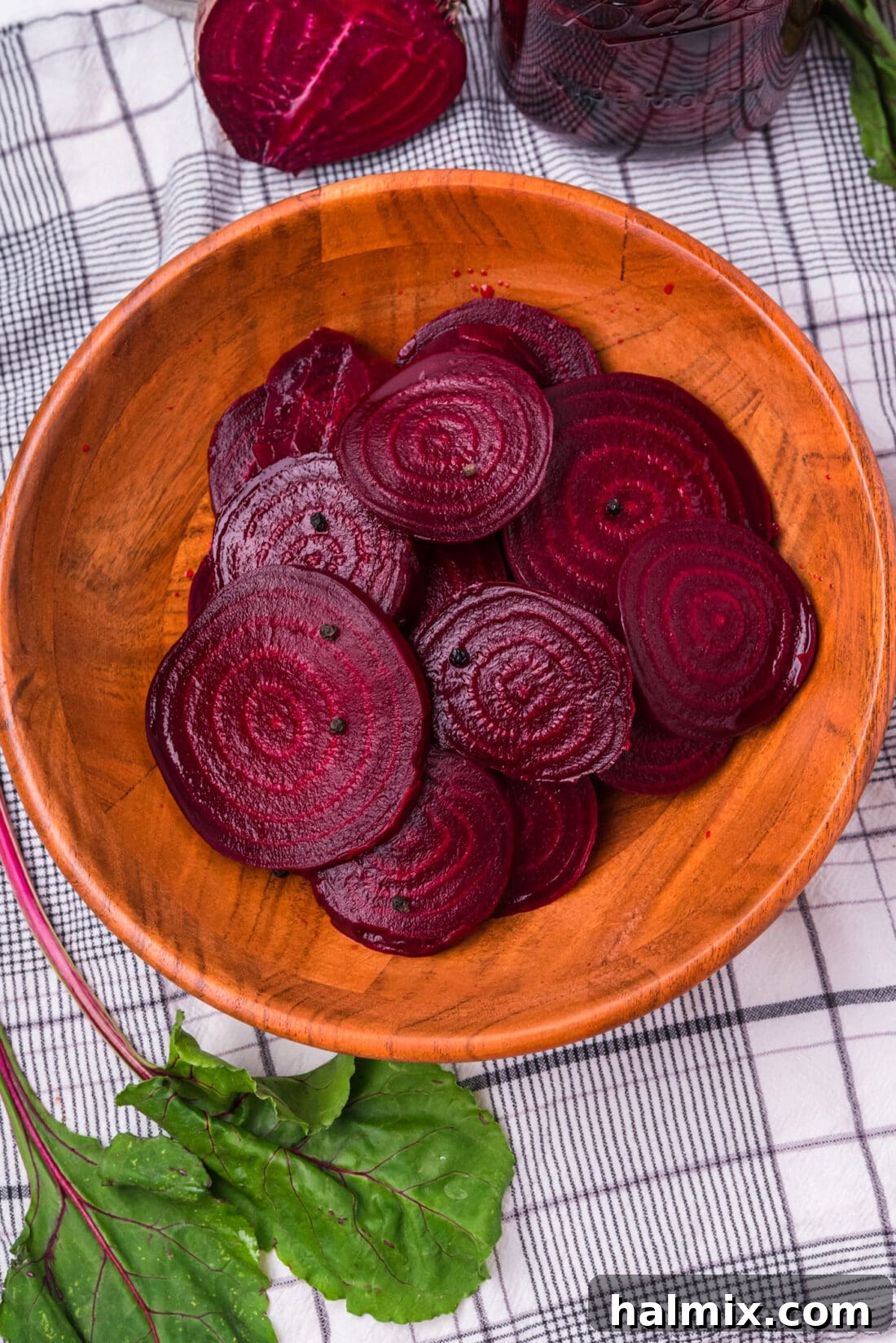
- Slice and Jar: Thinly slice the peeled beets into uniform discs or desired shapes (cubes or wedges also work). Carefully pack the sliced beets into a clean 32-ounce wide-mouth mason jar, ensuring they are not too tightly compressed but leave enough space for the brine to circulate.
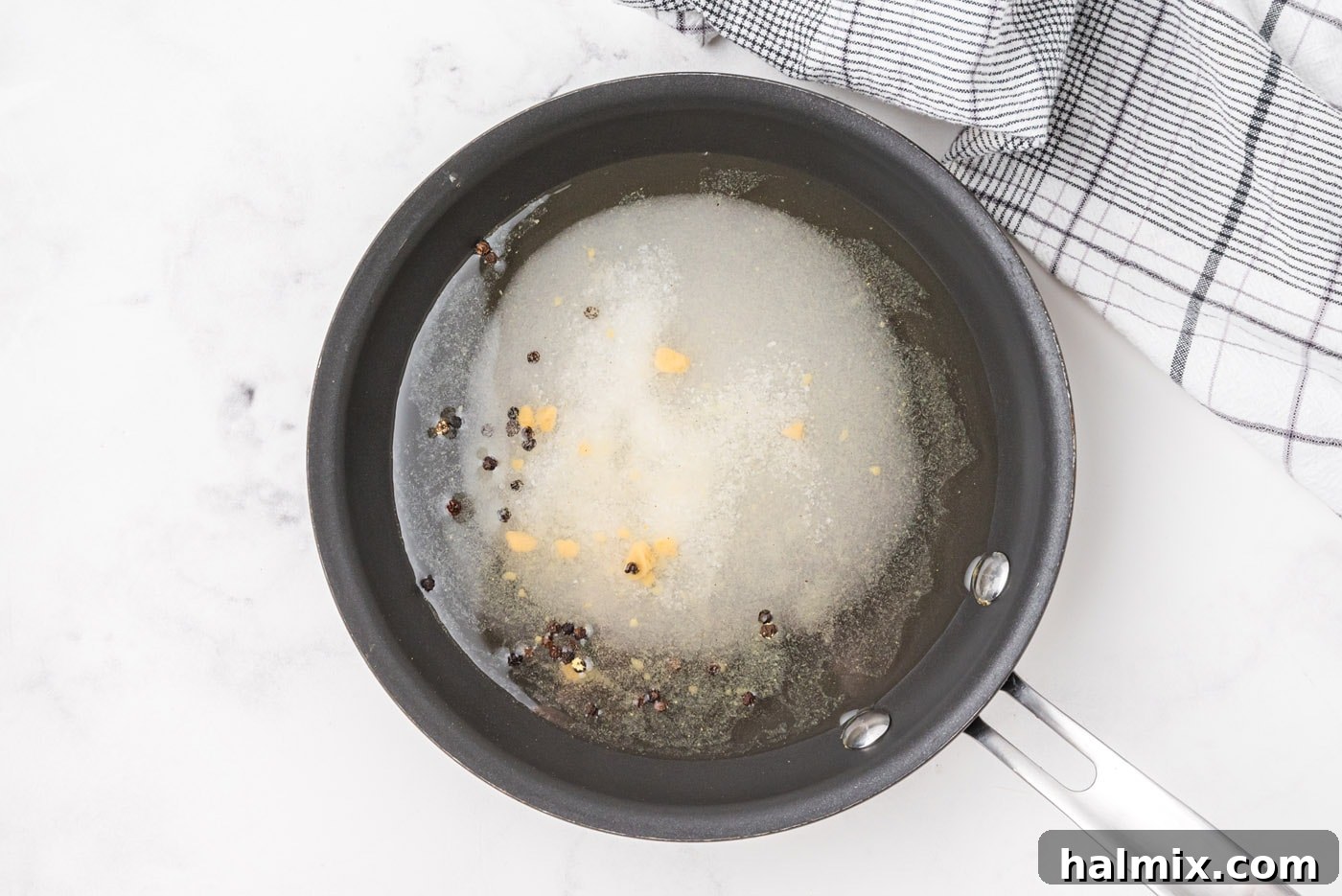
- Prepare the Brine: In a small skillet or saucepan, combine the white vinegar, granulated sugar, kosher salt, ground mustard, and whole peppercorns. If you’re using cloves, add them now as well.
- Boil the Brine: Bring the brine mixture to a rolling boil over medium-high heat. Once boiling, reduce the heat slightly and continue to boil for 5 minutes, stirring occasionally, until the sugar and salt have completely dissolved and the spices have had a chance to infuse their flavors.
- Pour and Submerge: Carefully pour the hot brine directly over the sliced beets in the mason jar. Ensure that all the beets are fully submerged in the liquid. If needed, gently press down on the beets with a spoon to release any trapped air bubbles and ensure full coverage.
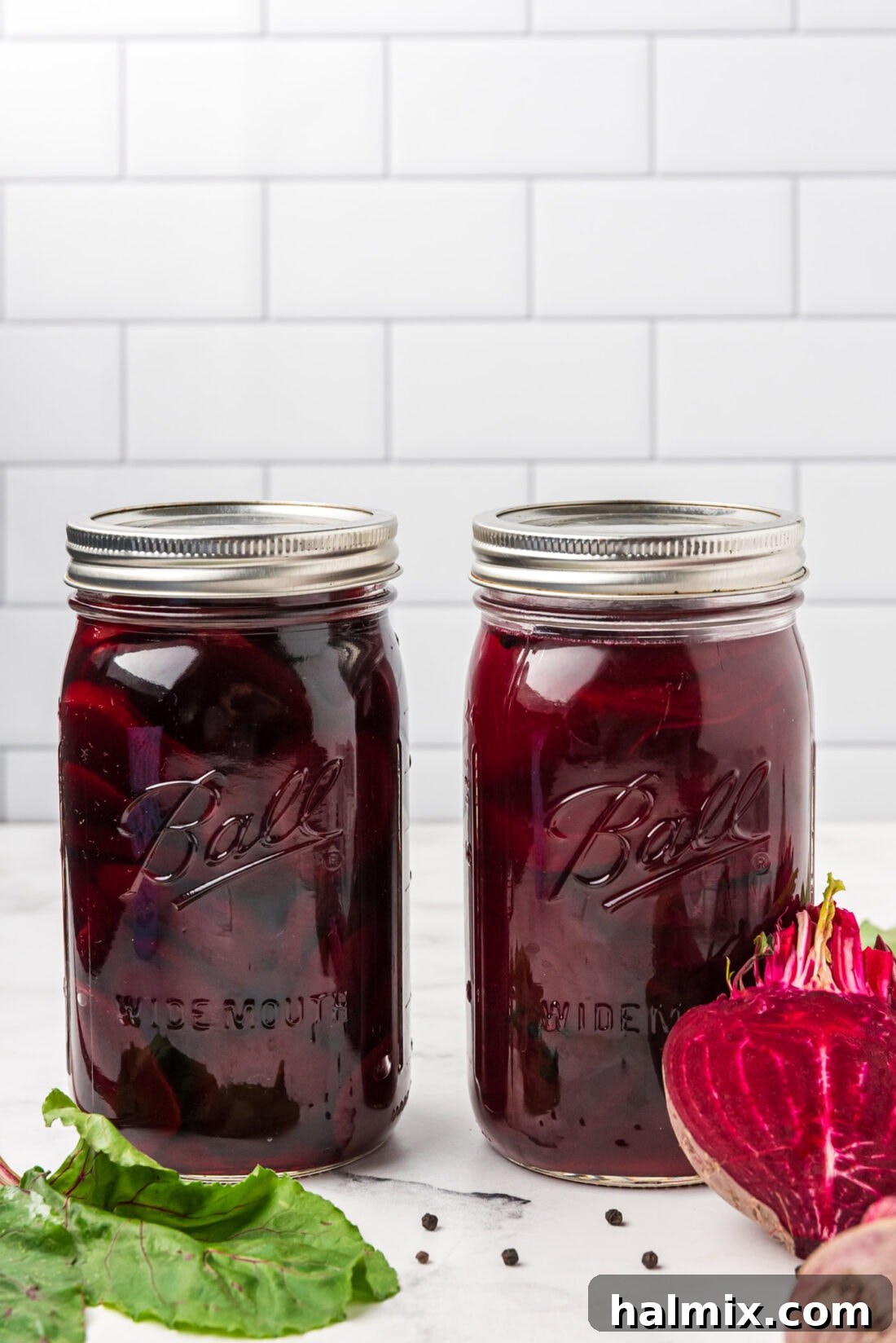
- Refrigerate and Enjoy: Securely cap the mason jar and allow it to cool to room temperature before transferring it to the refrigerator. For the best flavor development, refrigerate for at least 1 hour before serving. However, the flavors will deepen and meld beautifully if left to chill for 24 hours. These refrigerator pickled beets can be stored in an airtight container in the refrigerator for up to 6 weeks.
Frequently Asked Questions & Expert Tips for Perfect Pickled Beets
Absolutely, yes. This particular recipe for pickled beets is designed for refrigerator pickling, meaning it must be stored in an airtight container in the refrigerator to ensure food safety and maintain freshness. They will last for up to 6 weeks when properly refrigerated. It’s crucial to understand that this method is distinct from traditional pressure canning, which uses high heat and pressure to create shelf-stable preserves that do not require refrigeration until opened. This recipe offers a simpler, quicker way to enjoy pickled beets without the specialized equipment or techniques of canning.
While some quick pickle recipes might use thinly sliced raw vegetables, for beets, we highly recommend pre-cooking them as instructed (roasting, boiling, or steaming). Raw beets are very firm and fibrous, and they would remain quite crunchy and less palatable even after extended pickling time. Pre-cooking softens them to that desired “fork-tender” texture, makes them easier to peel, and enhances their natural sweetness, allowing the brine to infuse more effectively.
You can certainly enjoy your homemade pickled beets after just 1 hour of chilling in the refrigerator. However, for the very best flavor development, we strongly recommend allowing them to marinate for at least 8 hours, or ideally 24 hours. This extended chilling time allows the beets to fully absorb the tangy, sweet, and spiced notes of the brine, resulting in a much richer and more complex flavor profile.
Absolutely! The brine is easily customizable. Beyond the recommended ground mustard, peppercorns, and cloves, feel free to experiment with bay leaves, fresh dill sprigs, coriander seeds, allspice berries, a small piece of cinnamon stick, or even a few red pepper flakes for a touch of heat. You can also add thinly sliced onions or garlic cloves to the jar with the beets for additional flavor dimensions.
Creative Ways to Serve Your Pickled Beets
Once you’ve made a batch of these delectable pickled beets, you’ll find endless ways to incorporate their vibrant flavor and color into your meals. They can be enjoyed warm or cold, making them incredibly versatile. Chop them finely and mix them into garnishes for a burst of tang, add them whole or sliced to various salads for an extra layer of flavor and texture, or layer them into sandwiches and wraps for a refreshing bite. Here are even more ideas to inspire you:
- As a Simple Snack: The easiest way to enjoy them is straight from the jar. Their tangy-sweet profile makes them surprisingly addictive.
- Elevate Your Salads: Beyond green salads, add them to grain bowls, potato salad, or even coleslaw for a unique twist. They pair beautifully with feta or goat cheese.
- Sandwich & Wrap Enhancer: Replace traditional pickles with these flavorful beets in your favorite sandwiches, burgers, or wraps for a delightful upgrade. They work especially well with roast beef or turkey.
- Charcuterie Boards & Appetizers: Arrange them on a charcuterie board alongside cheeses, cured meats, and crackers for an impressive appetizer. Their vibrant color makes them a visual standout.
- Side Dish: Serve them as a refreshing side dish alongside grilled meats, roasted chicken, or hearty stews. Their acidity cuts through richness beautifully.
- Garnish for Main Dishes: Finely chop them and use as a vibrant garnish for dishes like deviled eggs, avocado toast, or even on top of a hearty bowl of soup.
- Blended into Dips: For a striking and flavorful dip, blend a few pickled beets into hummus or a creamy Greek yogurt dip.
- Breakfast Bowls: Add them to savory breakfast bowls with eggs, greens, and grains for a unique morning meal.
Discover More Delicious Pickling & Salad Recipes
If you enjoyed the simplicity and flavor of these pickled beets, you’re in for a treat! Explore more of our easy and delightful recipes that are perfect for enhancing your meals, whether you’re looking for fresh salads or more quick pickling projects. Expand your culinary repertoire with these related favorites:
- Refreshing Cucumber Salad
- Sweet Corn and Chickpea Salad
- Grilled Corn and Zucchini Salad
- Homemade Claussen Pickles Copycat
- Quick Pickled Onions
- Simple Roasted Beets
I’m passionate about cooking and baking, and I love sharing my kitchen adventures and delicious recipes with all of you! To make sure you never miss a new recipe, I offer a convenient newsletter. Simply subscribe here to receive free daily recipes delivered straight to your inbox and keep your culinary inspiration flowing!
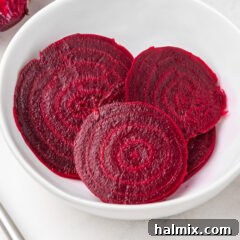
Pickled Beets
IMPORTANT – There are often Frequently Asked Questions within the blog post that you may find helpful. Simply scroll back up to read them!
Print Recipe | Pin It
Ingredients
- 4 red beets or any color of your choosing
- olive oil for rubbing beets
- 1 cup white vinegar or apple cider vinegar
- ⅓ cup granulated sugar
- 1 teaspoon Kosher salt
- ¼ teaspoon dry ground mustard
- 5 whole peppercorns
Things You’ll Need
-
32-oz wide mouth mason jar
-
Saucepan
-
Baking sheet
Before You Begin
- Beets can be stored in the refrigerator for up to 6 weeks.
- We recommend chilling the pickled beets in the refrigerator for 8 hours for best results before consuming, however, you can enjoy them as soon as 1 hour after chilling.
Instructions
- Preheat oven to 400 degrees F.
- Prep the beets by removing the greens and scrubbing them free of dirt.
- Rub the beets with olive oil and wrap all 4 beets in a large pieces of foil.
- Place foil packet on a baking sheet and roast in the preheated oven for 1 hour or until fork tender.
- Allow them to cool slightly and begin peeling the skin off the beets.
- Thinly slice the beets and place them in a wide mouth mason jar.
- In a small skillet, combine vinegar, sugar, kosher salt, ground mustard, peppercorns, and cloves.
- Bring brine to a boil, boil for 5 minutes.
- Pour brine over the top of the beets in the mason jar.
- Refrigerate for at least 1 hour before serving (or as long as 24 hours).
Nutrition
The recipes on this blog are tested with a conventional gas oven and gas stovetop. It’s important to note that some ovens, especially as they age, can cook and bake inconsistently. Using an inexpensive oven thermometer can assure you that your oven is truly heating to the proper temperature. If you use a toaster oven or countertop oven, please keep in mind that they may not distribute heat the same as a conventional full sized oven and you may need to adjust your cooking/baking times. In the case of recipes made with a pressure cooker, air fryer, slow cooker, or other appliance, a link to the appliances we use is listed within each respective recipe. For baking recipes where measurements are given by weight, please note that results may not be the same if cups are used instead, and we can’t guarantee success with that method.