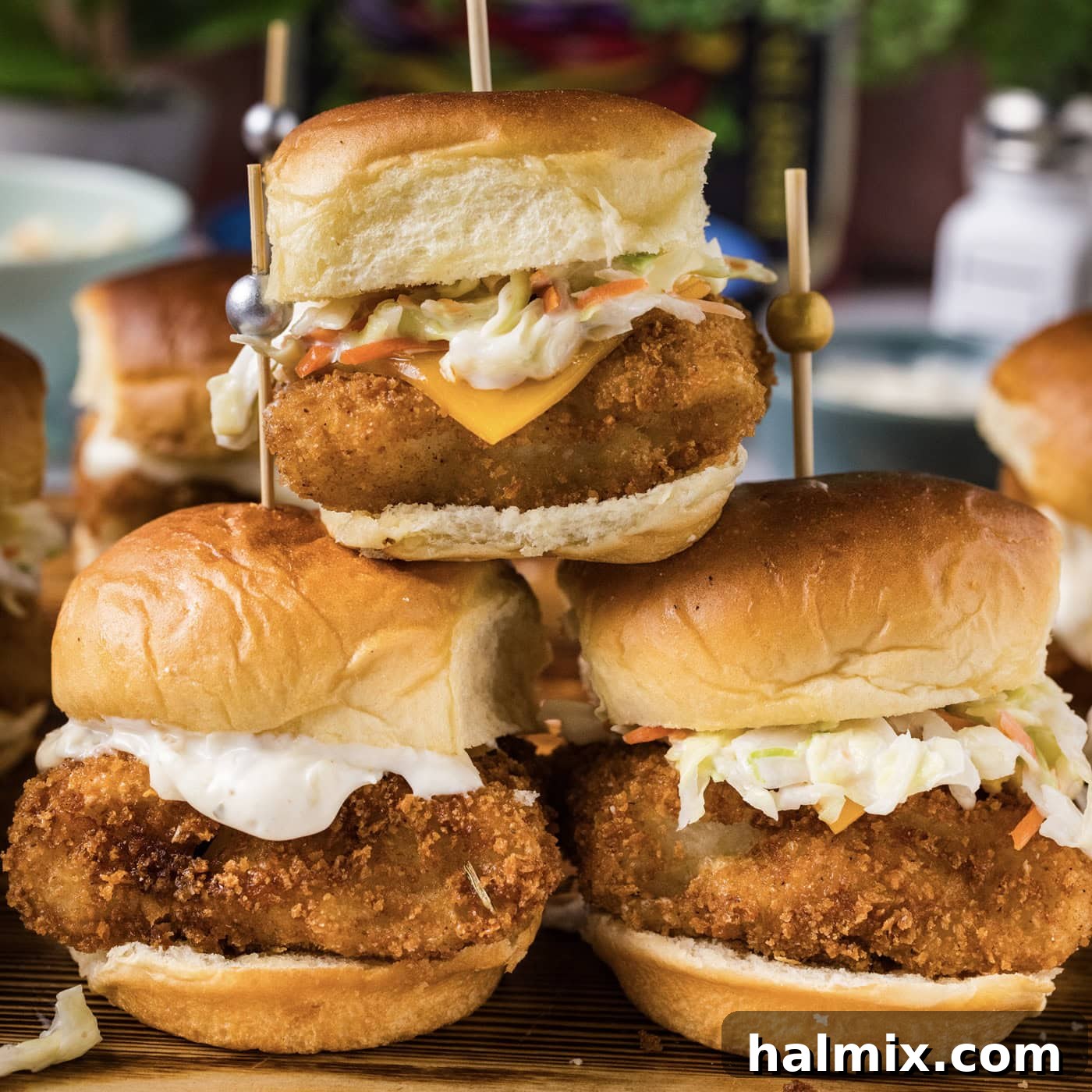
Irresistibly Crispy Fried Fish Sliders: Your New Favorite Weeknight Meal
Craving a delicious, satisfying meal that’s quick to prepare and packed with flavor? Look no further than these incredible fried fish sliders! Featuring flaky, tender cod patties enveloped in a golden, extra-crispy panko breading, these mini sandwiches are a guaranteed crowd-pleaser. Whether you top them with classic tartar sauce and tangy coleslaw, or opt for fresh lettuce, juicy tomatoes, and crisp onions, these fish sliders offer a versatile and utterly delicious experience for any palate. Perfect for a family dinner, game day snack, or a casual gathering with friends, this recipe makes creating restaurant-quality fish sliders at home a breeze.
Why This Crispy Fish Slider Recipe is a Must-Try
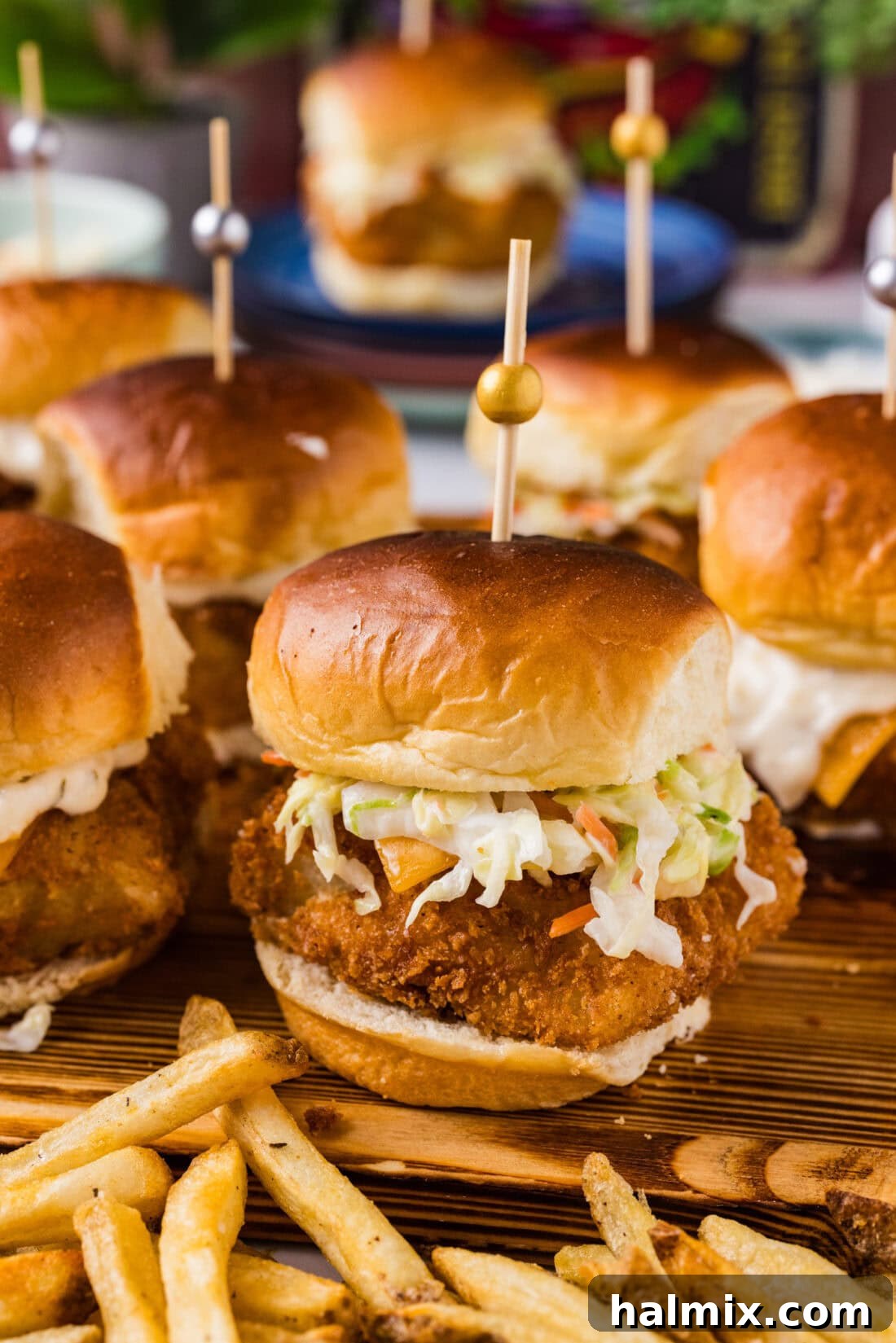
These aren’t just any fish sandwiches; they’re perfectly portioned, flavor-packed fish sliders that deliver big on taste in every small bite. The secret lies in our meticulous dredging process: hearty white fish fillets are first coated in a seasoned flour mixture, then dipped in an egg wash, and finally enrobed in a mixture of traditional breadcrumbs and extra-crispy panko. This multi-layered breading ensures a light, airy, and incredibly crunchy exterior that sizzles to a beautiful golden brown in hot oil, perfectly complementing the moist and flaky fish within.
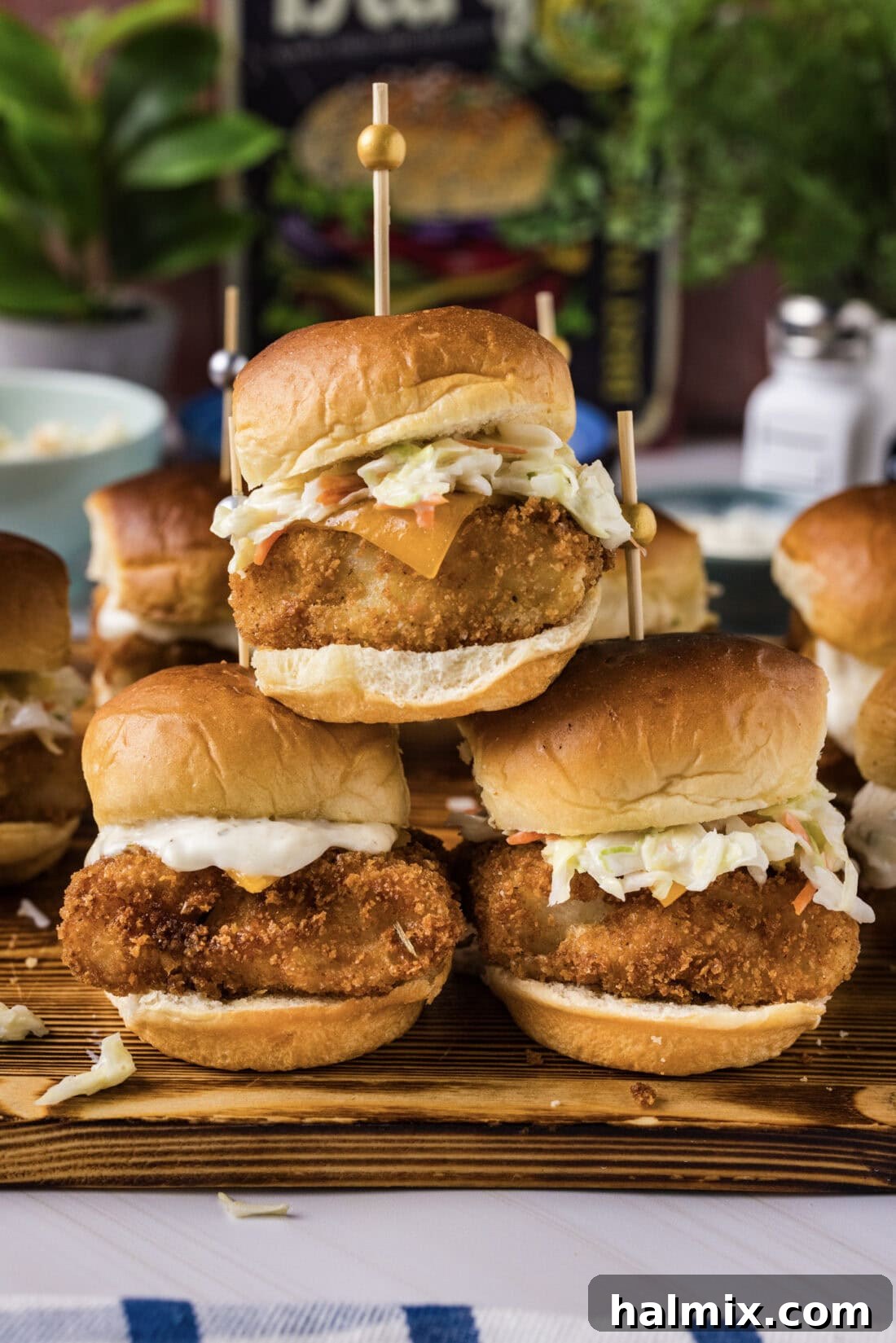
Beyond the flawless texture, these sliders are incredibly versatile. You can stuff the perfectly fried patties into soft slider buns and dress them up with your favorite fixings. Imagine melted cheese, a generous dollop of creamy homemade tartar sauce, and a vibrant, crunchy coleslaw for a classic fish camp vibe. Or, go for a fresher approach with crisp lettuce, ripe tomatoes, and thinly sliced red onion. The customizable nature of these sliders makes them a fantastic option for families where everyone has different preferences, ensuring a meal that satisfies all tastes. The simplicity of the ingredients combined with straightforward cooking steps makes this recipe accessible to cooks of all skill levels, from beginners to seasoned chefs looking for a quick yet impressive dish.
Gather Your Ingredients for the Best Fish Sliders
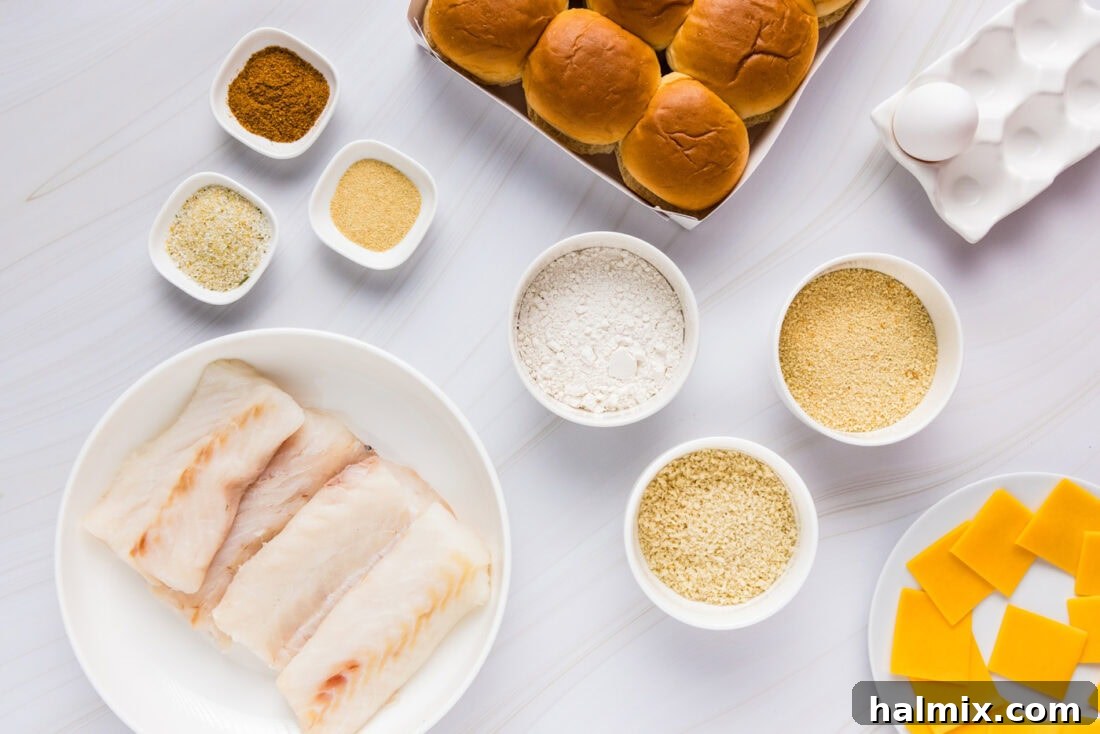
Making these delicious fish sliders requires just a few simple, fresh ingredients that you can easily find at your local grocery store. The beauty of this recipe lies in its straightforward components, allowing the natural flavors of the fish and the crispy coating to shine. Below is a detailed list of everything you’ll need to create these crowd-pleasing mini sandwiches. For precise measurements and step-by-step instructions, be sure to scroll to the printable recipe card at the end of this post.
Ingredient Insights and Smart Substitution Suggestions
Understanding your ingredients and knowing when to make smart substitutions can elevate your cooking experience and ensure delicious results every time. Here’s a closer look at the key components for our fried fish sliders, along with helpful tips and alternative options:
The Fish: We wholeheartedly recommend using fresh cod fillets for this recipe. Cod is a fantastic choice because it’s a hearty white fish with a mild flavor and firm, flaky texture that holds up beautifully to frying. Its subtle taste allows the seasoned breading and your chosen toppings to truly shine. However, if cod isn’t readily available, or if you simply prefer another option, you can absolutely substitute it with other robust white fish varieties. Excellent alternatives include haddock, known for its slightly sweeter flavor; tilapia, a lean and widely available option; pollock, which is similar to cod in texture and mildness; or catfish, offering a slightly richer flavor profile. When purchasing fish, always aim for fillets that look bright, firm, and have a fresh, ocean scent. If you opt for frozen fillets, remember that proper thawing is crucial. Thaw them thoroughly in the refrigerator overnight, then drain any excess liquid using paper towels. Patting them completely dry before dredging and frying is a non-negotiable step to ensure a super crispy coating and prevent splattering in the hot oil.
The Breading: The combination of standard breadcrumbs and panko breadcrumbs is what gives these sliders their signature crunch. Panko, a Japanese-style breadcrumb, is renowned for its larger, flakier texture, which absorbs less oil and delivers an unparalleled crispness. Regular breadcrumbs add a finer, more even coating. Together, they create a fantastic texture. The seasoning blend—onion powder, Old Bay seasoning, and garlic salt—infuses the breading with a savory, aromatic flavor that perfectly complements the fish. Old Bay seasoning, in particular, adds a classic seafood spice blend with notes of celery salt, paprika, and various herbs. Feel free to adjust the seasoning to your liking, perhaps adding a pinch of cayenne for a subtle kick or some dried dill for an herbaceous touch.
The Toppings: This is where you can truly personalize your fish sliders!
- Cheese: While we love the melt-in-your-mouth quality of American or sharp cheddar cheese on these sliders, any meltable cheese will work wonders. Provolone, Monterey Jack, or even a spicy pepper jack could add an exciting dimension. For optimal melt, cut each slice into smaller pieces (quarters typically work well for slider-sized fillets) and place them directly onto the hot fish patties immediately after they come out of the fryer. The residual heat will soften and melt the cheese beautifully before assembly.
- Coleslaw: A creamy, crunchy homemade coleslaw provides a fantastic tangy contrast to the rich fried fish. Its coolness and crunch are a match made in heaven.
- Tartar Sauce: A classic for a reason! Our homemade tartar sauce, with its zesty blend of mayonnaise, pickles, capers, and fresh herbs, is absolutely essential for enhancing the fish flavor. Don’t skimp on this one!
- Beyond the Classics: Experiment with other fresh toppings like sliced pickles (dill or bread and butter), thinly sliced red onion for a sharp bite, crisp iceberg or butter lettuce, and ripe tomato slices. A squeeze of fresh lemon juice over the finished sliders can also brighten all the flavors.
Step-by-Step Guide: How to Craft Your Perfect Fish Sliders
These step-by-step photos and instructions are designed to help you visualize the process and ensure your fish sliders turn out perfectly. You can jump to the printable recipe card at the bottom of this post for all the specific measurements and details.
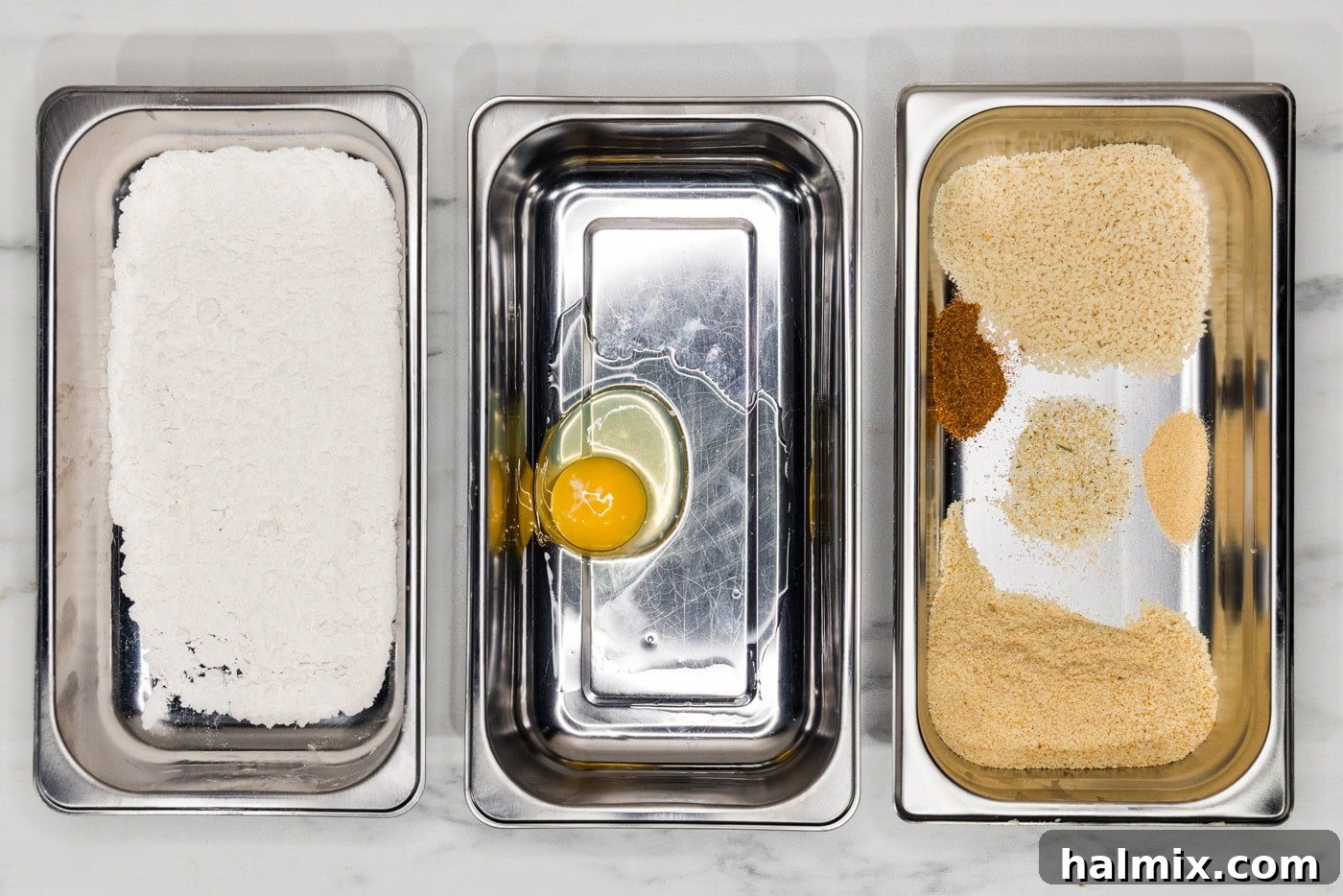
- Prepare Your Breading Stations: Set up three shallow breading trays or wide bowls for your dredging process. In the first tray, place the all-purpose flour. In the second tray, crack the large egg and whisk it thoroughly with the water until well combined. In the third tray, combine both types of breadcrumbs (regular and panko), onion powder, Old Bay seasoning, and garlic salt. Mix these dry ingredients until evenly distributed. This assembly line approach makes the breading process efficient and mess-free.
- Portion the Fish: Take your cod fillets and cut them into square pieces that will fit nicely onto your slider buns. For typical fillets, cutting each into two or three pieces usually works well to create the perfect slider portion. Ensure the pieces are roughly uniform in size for even cooking.
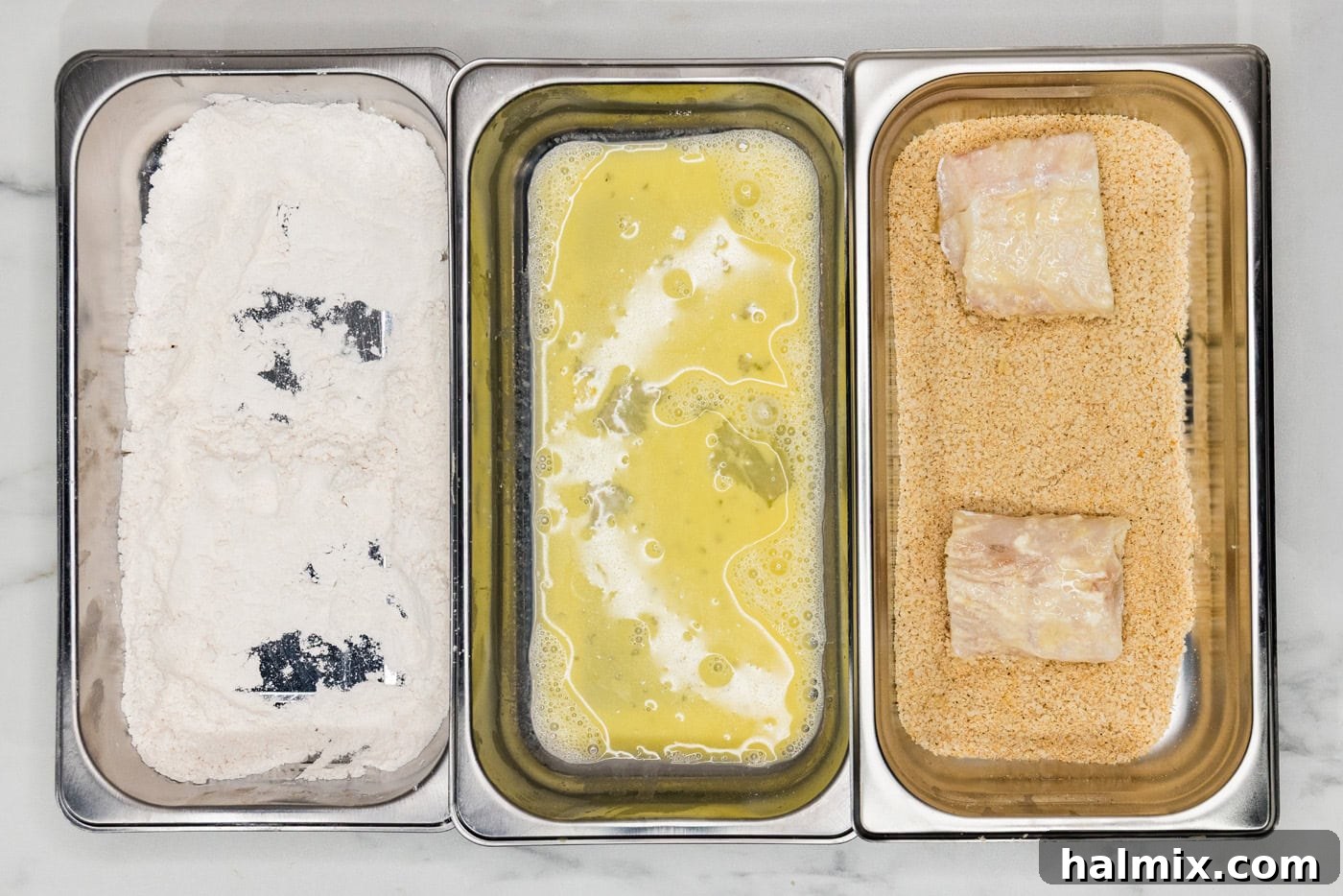
- Dredge the Fish: Working with one or two fish pieces at a time to avoid overcrowding, first dredge each fillet thoroughly in the flour, ensuring both sides are completely coated. Gently shake off any excess flour. Next, transfer the floured fillet to the egg wash, turning to coat both sides. Lift it, allowing any excess egg wash to drip off. Finally, place the wet fillet into the breadcrumb mixture. Gently press the breadcrumbs onto both sides of the fish to ensure they adhere well, creating a thick, even coating. Once breaded, move the fillet to a clean baking sheet or wire rack. Repeat this process for all remaining fish pieces.
- Preheat Your Deep Fryer: Allow the breaded fish fillets to rest for about 10-15 minutes while you prepare your frying oil. This resting period helps the breading adhere better to the fish, preventing it from falling off during frying. Add your preferred oil for frying (such as vegetable or canola oil) to your deep fryer and preheat it to 375°F (190°C). If you don’t have a deep fryer, a heavy-bottomed pot or deep-sided skillet will work (see expert tips below).
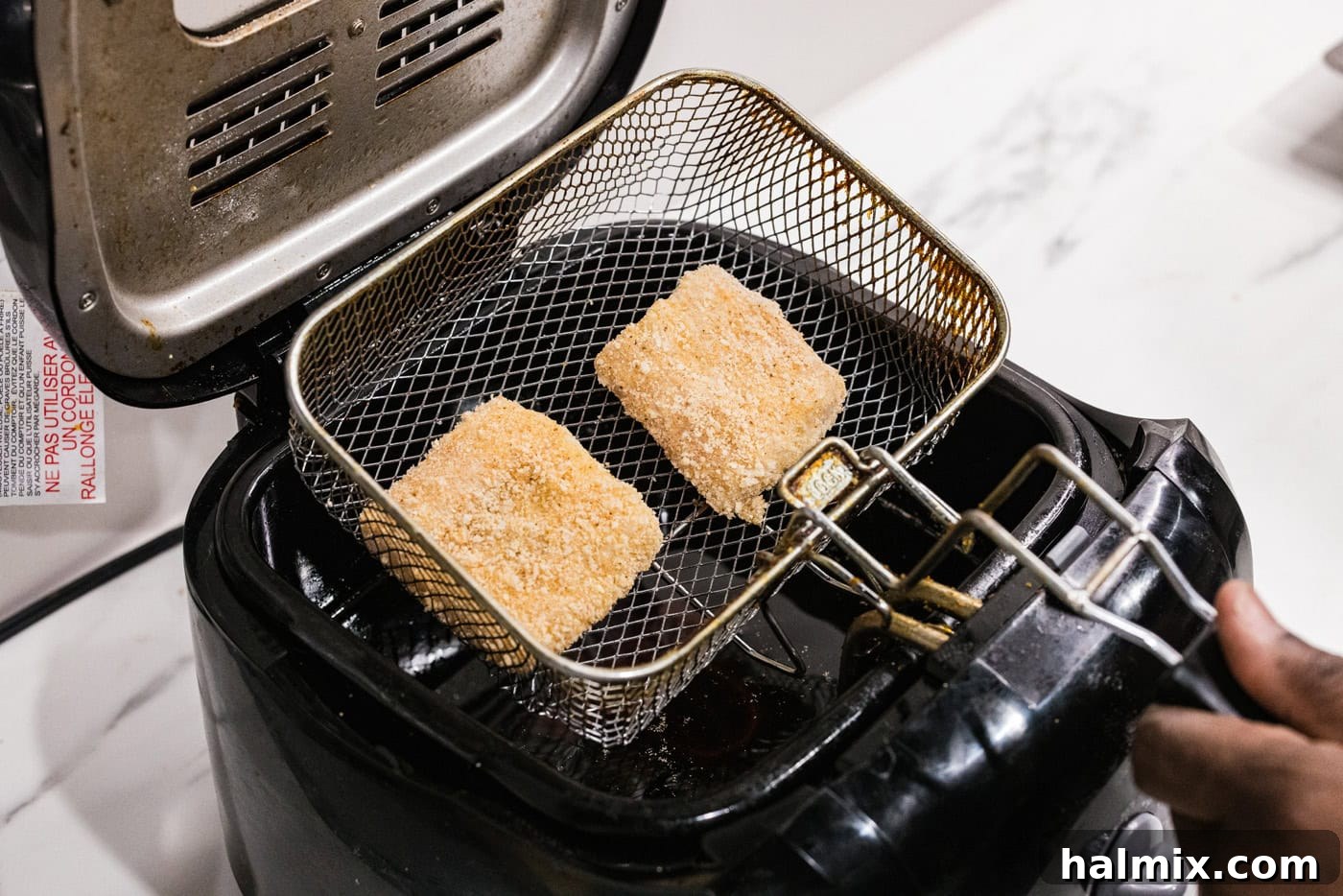
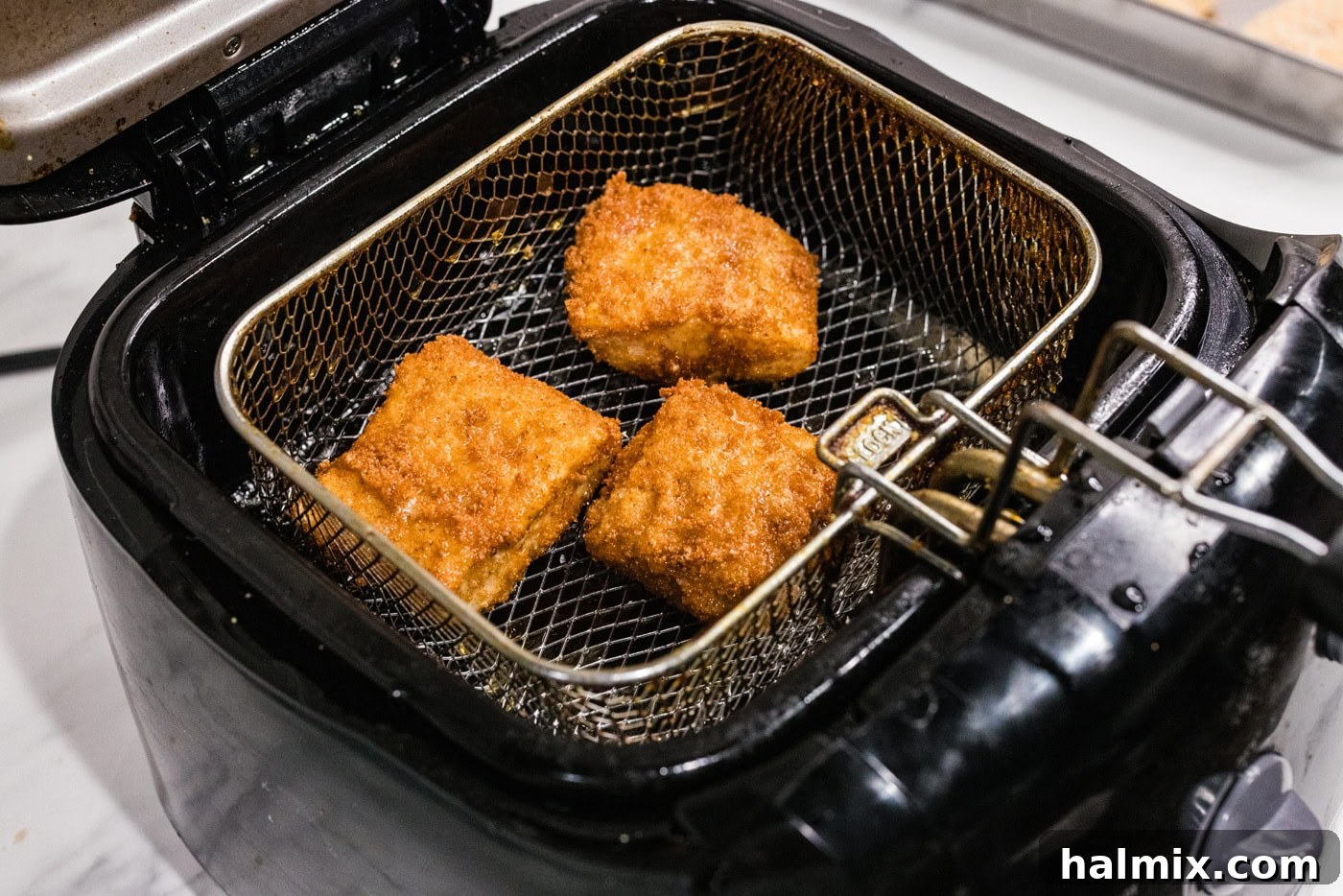
- Fry the Fish: Once the oil is at the correct temperature, carefully place 2-3 breaded fish fillets into the basket of your deep fryer. Avoid overcrowding the basket, as this can lower the oil temperature and result in soggy, rather than crispy, fish. Gently lower the basket into the hot oil. Cook the fish for approximately 5 minutes, or until the breading is a beautiful golden brown and the internal temperature of the fish reaches 145°F (63°C) when checked with an instant-read thermometer. Occasionally give the basket a gentle shake to prevent the fish from sticking together.
- Drain and Assemble: As each batch of fish finishes cooking, carefully remove the basket and transfer the cooked fillets to a plate lined with paper towels. This will help drain any excess oil, ensuring maximum crispness. Continue frying the remaining fillets in batches until all are cooked. Serve your freshly fried fish patties immediately on soft slider buns with your chosen cheese (let it melt slightly on the hot fish!) and an assortment of delicious toppings. Enjoy your homemade, perfectly crispy fish sliders!
Frequently Asked Questions & Expert Tips for Fish Slider Success
Absolutely! You can easily make these fish sliders using a deep-sided skillet or a Dutch oven on your stovetop. Just ensure you add enough oil so that it comes at least halfway up the sides of the fish fillets. You’ll need to carefully flip the fillets halfway through the cooking time to ensure even browning and crispness on both sides. Maintain a consistent oil temperature of 375°F (190°C) by adjusting your stove burner as needed. Use a cooking thermometer to monitor the oil temperature accurately for the best results.
To maintain the best quality, it’s always recommended to store the fried fish patties separately from the slider buns and other wet toppings. Place the cooked and cooled fish patties in an airtight container and refrigerate them for 2-3 days. If you assemble the sliders and store them (buns included), be aware that the buns may become soggy, especially if they have sauce or coleslaw. Assembled sliders can be refrigerated for a day or two, but they are best enjoyed fresh.
To bring back that delightful crispness, I highly recommend reheating the fish patties in an air fryer or a conventional oven. For an air fryer, preheat to 375°F (190°C) and cook for about 5-7 minutes, or until warmed through and crispy. In an oven, preheat to 375°F (190°C) and bake the patties on a baking sheet for approximately 10-12 minutes. This method helps prevent the fish from becoming rubbery and revives the crispy breading.
While cod fillets are our top recommendation for their mild flavor and firm texture, you have several excellent options. Any hearty white fish will work wonderfully. Consider using tilapia, known for its widespread availability and lean profile; halibut for a richer, firmer texture; pollock, which is very similar to cod; haddock, offering a slightly sweeter taste; or catfish for a more distinct flavor. Always choose fresh-looking fillets and ensure frozen ones are completely thawed and patted dry before cooking.
The most reliable way to ensure your fish is perfectly cooked and safe to eat is by using an instant-read thermometer. Insert the thermometer into the thickest part of the fish patty. The fish is done when it reaches an internal temperature of 145°F (63°C). At this temperature, the flesh will also be opaque and flake easily with a fork.
Yes, for a lighter alternative, you can bake the breaded fish patties. Preheat your oven to 400°F (200°C). Place the breaded fillets on a wire rack set over a baking sheet (this helps air circulate for crispier results). Bake for 15-20 minutes, flipping halfway through, until golden brown and cooked through. While they won’t be as deeply crispy as fried, they will still be delicious and a healthier option!
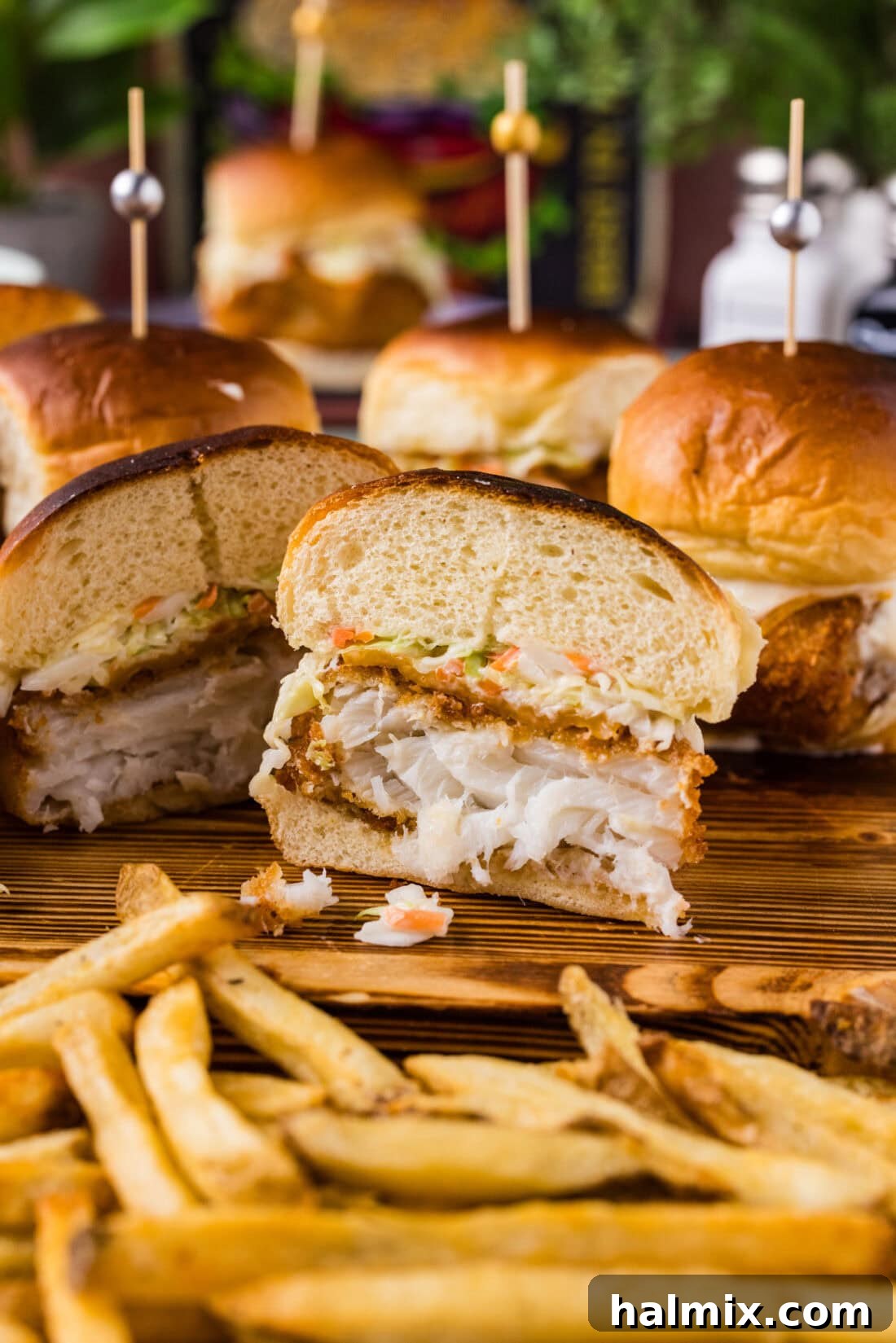
Creative Serving Suggestions for Your Fish Sliders
Once your irresistible fish sliders are hot and ready, it’s time to get creative with how you serve them! The beauty of sliders is their versatility, allowing for endless customization. Here are some fantastic ideas to elevate your fish slider experience:
- Classic American Style: Sandwich your crispy fish patties between soft slider buns with a slice of American or cheddar cheese (melted by the residual heat), a generous layer of tangy tartar sauce, and a spoonful of refreshing coleslaw. This combination is a timeless favorite for a reason!
- Fresh & Zesty: Opt for crisp butter lettuce, ripe tomato slices, and thin rings of red onion. Drizzle with a zesty lemon-dill mayo or a light vinaigrette for a brighter, fresher taste. Add some dill pickle slices for extra tang.
- Spicy Kick: For those who love a bit of heat, spread sriracha mayo or a spicy remoulade (try our remoulade recipe!) on the buns. Top with pickled jalapeños and a sprinkle of fresh cilantro.
- Garlic Lover’s Dream: Swap out regular mayonnaise for a rich garlic aioli. Pair it with caramelized onions and a hint of fresh parsley for a sophisticated flavor profile.
- Side Dishes that Complement:
- Golden French Fries: A quintessential pairing that everyone loves.
- Crispy Potato Chips: Quick, easy, and always satisfying.
- Onion Rings: Another fried favorite that pairs well with fish.
- Sweet Potato Fries: A slightly healthier and sweeter alternative to regular fries.
- Side Salad: A light, fresh green salad with a citrus vinaigrette can balance the richness of the fried fish.
- Corn on the Cob: Especially delightful in the warmer months.
- Beverage Pairings: Light lagers, crisp white wines (like Sauvignon Blanc or Pinot Grigio), or refreshing lemonades and iced teas make excellent companions to these savory sliders.
No matter how you choose to customize them, these crispy fish sliders are best enjoyed warm, allowing the flavors and textures to truly shine. They’re perfect for casual weeknight dinners, lively gatherings, or even as an impressive appetizer.
Explore More Delicious Slider Recipes
If you’ve fallen in love with the convenience and flavor of sliders, you’re in luck! There’s a whole world of mini sandwiches to explore. Sliders are fantastic for parties, lunchboxes, or simply for trying a variety of flavors without committing to a full-sized meal. Here are some other popular slider recipes you might enjoy trying next:
- Salmon Sliders: A healthy and flavorful alternative, often grilled or pan-seared.
- Cheeseburger Sliders: The classic mini-burger, perfect for any occasion.
- Pulled Pork Sliders: Tender, slow-cooked pork piled high on soft buns.
- Mississippi Pot Roast Sliders: Savory and rich, these sliders are packed with slow-cooked goodness.
- Chicken Parmesan Sliders: Crispy chicken cutlets, marinara, and melted mozzarella on garlic bread buns.
- Meatball Sliders: Mini meatballs simmering in sauce, topped with provolone.
- Breakfast Sliders: Scrambled eggs, cheese, and sausage or bacon for a morning treat.
Each of these slider recipes offers a unique flavor profile and a fun, easy way to enjoy your favorite ingredients in a smaller, more manageable form. Happy cooking!
I genuinely love to bake and cook, and my greatest joy is sharing my kitchen experiences and delicious recipes with all of you! Remembering to come back each day for new culinary inspiration can sometimes be tough. That’s why I offer a convenient newsletter, delivering a brand new recipe directly to your inbox every time one posts. Simply subscribe here and start receiving your free daily recipes, making sure you never miss out on another delightful dish!
Fish Sliders
IMPORTANT – There are often Frequently Asked Questions within the blog post that you may find helpful. Simply scroll back up to read them!
Print Recipe
Pin It
Rate It
4 servings (8 sliders total)
25 mins
574
Amanda Davis
Ingredients
- ½ cup all purpose flour 2.25 ounces, or 64g
- 1 large egg
- 2 Tablespoons water
- ½ cup breadcrumbs
- ½ cup panko breadcrumbs
- 1 teaspoon onion powder
- 1 teaspoon Old Bay seasoning
- 1 teaspoon garlic salt
- 1.25 pounds cod fish filets 20 ounces or 567g
- 8 slider buns
- oil for frying such as vegetable or canola
For Serving
- 2-4 slices cheese of your choice
- coleslaw
- tartar sauce
Things You’ll Need
-
Deep fryer
-
Breading trays
-
Instant-read thermometer
Before You Begin
- We used cod fillets we bought from the seafood counter. You can use any hearty white fish such as haddock, tilapia, pollock, or catfish for this recipe. If you buy frozen fillets, be sure to thaw them first and drain on paper towels, then pat dry before frying.
- You can use any cheese you like; we prefer American or cheddar. We suggest having the slices ready and adding them to the hot fillets so they will melt a bit before assembling the sandwiches.
- A good way to know when your fish is done cooking is to check it with an instant-read thermometer. Insert the thermometer into the thickest portion of the fish to test. The thermometer should reach an internal temperature of 145F when it is done cooking.
Instructions
-
Place flour in the first breading tray.1/2 cup all purpose flour
-
Crack egg into the second breading tray. Whisk in water.1 large egg, 2 Tablespoons water
-
Combine both types of bread crumbs, onion powder, Old Bay, and garlic salt in the third breading tray.1/2 cup breadcrumbs, 1/2 cup panko breadcrumbs, 1 teaspoon onion powder, 1 teaspoon Old Bay seasoning, 1 teaspoon garlic salt
-
Cut fillets into square pieces. For us, this meant cutting our 4 fillets in half.1.25 pounds cod fish fillets
-
Dredge fillets in flour, working with one or two at a time. Dredge both sides and gently shake off excess.
-
Place dredged fillets into the egg wash and turn to coat both sides. Allow excess to drip off.
-
Put fillets into the bread crumb mixture and gently press to adhere, repeat on other side. Move breaded fillets to a baking sheet and repeat the process for remaining fillets.
-
Allow fillets to rest while the deep fryer is preheating. Add oil to deep fryer and preheat to 375 F.oil for frying
-
When fryer is ready, place 2-3 fillets into the basket of your deep fryer. You do not want them to be too crowded or they may stick together.
-
Drop basket carefully into hot oil and allow to cook, gently shaking basket occasionally so they don’t stick, for 5 minutes or until internal temperature reaches 145 F.
-
Place cooked fillets on paper towels to drain while you cook the remaining fillets.
-
Serve on slider buns with cheese and your choice of toppings.8 slider buns
Expert Tips & FAQs
- You can use a deep sided skillet instead of a deep fryer if needed. Make sure there’s enough oil in the skillet for the oil to go at least halfway up the sides of the fillets. Turn to cook the other side.
- If you have leftovers, it’s best to separate the fish from the slider buns. Place the fish patties in an air-tight container and store in the refrigerator for 2-3 days. You can store the assembled sliders (buns included) in the fridge for a day or two, but do note that they may become soggy.
- I would recommend reheating the fish patties in an air fryer or oven set to 375F for around 10 minutes or until warmed through. This will help keep the fish patties crispy.
Nutrition
Calories: 574cal |
Carbohydrates: 61g |
Protein: 40g |
Fat: 18g |
Saturated Fat: 5g |
Polyunsaturated Fat: 5g |
Monounsaturated Fat: 3g |
Trans Fat: 0.05g |
Cholesterol: 122mg |
Sodium: 1024mg |
Potassium: 688mg |
Fiber: 4g |
Sugar: 6g |
Vitamin A: 307IU |
Vitamin C: 2mg |
Calcium: 229mg |
Iron: 5mg
The recipes on this blog are tested with a conventional gas oven and gas stovetop. It’s important to note that some ovens, especially as they age, can cook and bake inconsistently. Using an inexpensive oven thermometer can assure you that your oven is truly heating to the proper temperature. If you use a toaster oven or countertop oven, please keep in mind that they may not distribute heat the same as a conventional full sized oven and you may need to adjust your cooking/baking times. In the case of recipes made with a pressure cooker, air fryer, slow cooker, or other appliance, a link to the appliances we use is listed within each respective recipe. For baking recipes where measurements are given by weight, please note that results may not be the same if cups are used instead, and we can’t guarantee success with that method.