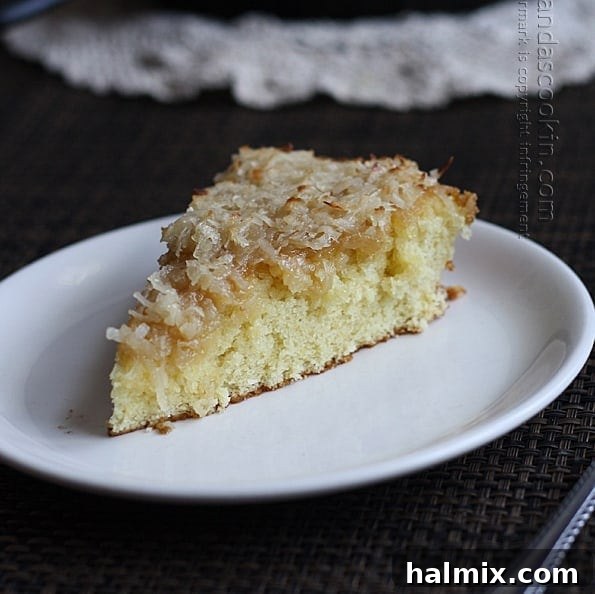
The whimsical name, Lazy Daisy Cake, conjures images of unhurried afternoons and simple pleasures. While its exact etymology remains a delightful mystery, two popular theories prevail. Some believe it earned its moniker because it’s the quintessential treat for those laid-back days when elaborate baking projects simply aren’t on the agenda. Others suggest the name reflects its inherent simplicity; a no-fuss cake that foregoes fancy frostings and intricate decorations, making it perfect for even the most “lazy” of bakers. Regardless of its origin, this charming vintage recipe promises delicious results with minimal effort, making it a beloved classic that stands the test of time.
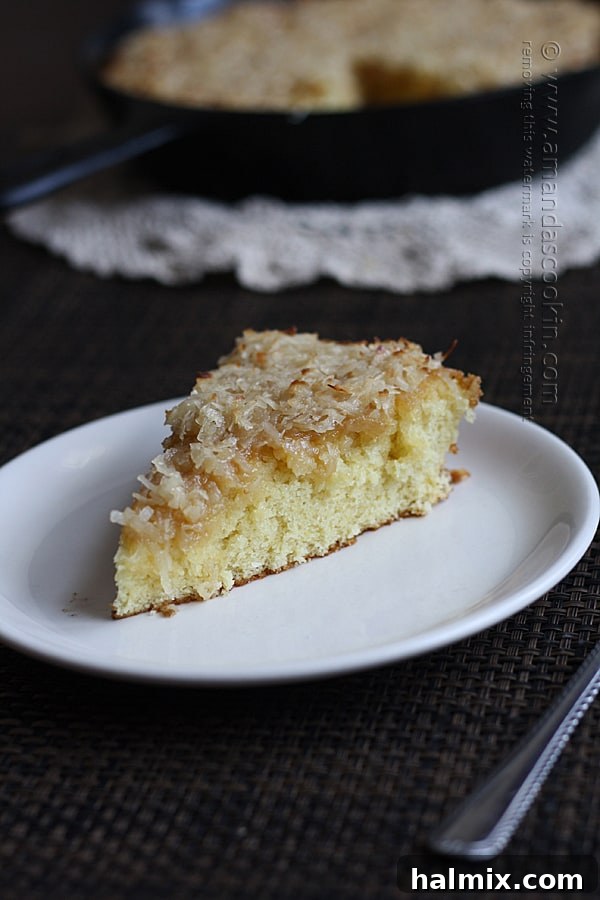
Lazy Daisy Cake: A Timeless Vintage Delight with Caramelized Coconut
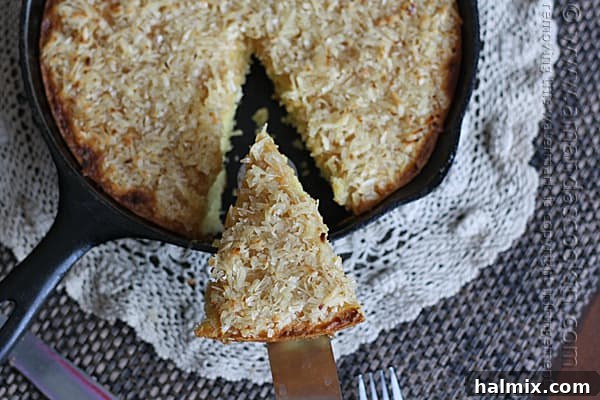
The Lazy Daisy Cake, often associated with the comforting kitchens of the 1940s, is more than just a dessert; it’s a nostalgic journey back to a simpler era. During a time when resourcefulness and practicality were paramount, this cake became a household staple. It’s typically baked in a single pan – whether a traditional round cake pan or, as many enthusiasts prefer, a cast iron skillet – eliminating the need for tedious layering and frosting. This streamlined approach not only saves time but also ensures a wonderfully moist crumb and a perfectly golden finish. While the precise date of its origin might be debated among culinary historians, its enduring popularity is a testament to its irresistible charm and ease of preparation. This makes it an ideal choice for a comforting family dinner or an unexpected treat that can be whipped up quickly after a long day.
The Enduring Appeal of This Classic 1940s Cake
What truly sets the Lazy Daisy Cake apart is its delightful simplicity combined with an unexpected depth of flavor. Unlike more elaborate desserts, this cake doesn’t rely on complex techniques or rare ingredients. Its beauty lies in its straightforward approach, yielding a tender, buttery cake base that serves as the perfect canvas for its star attraction: the caramelized coconut topping. The single-layer format is a blessing for busy bakers, ensuring even cooking and a consistent texture throughout. This simplicity is precisely why the Lazy Daisy Cake has remained a beloved vintage recipe for generations, passed down through cookbooks and family traditions. It embodies the essence of home baking – comforting, approachable, and utterly delicious.
Mastering the Irresistible Caramelized Coconut Topping
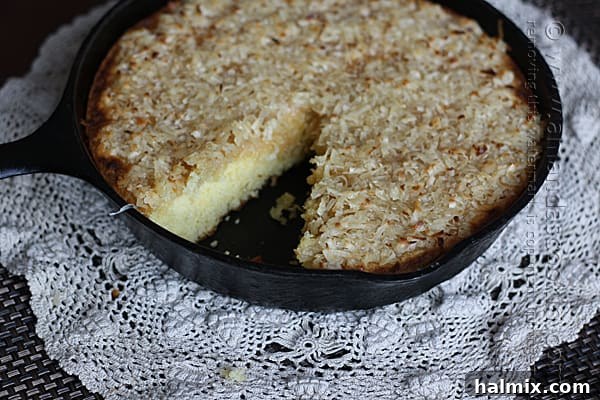
The signature feature of the Lazy Daisy Cake is undoubtedly its unique coconut topping. This isn’t just any coconut topping; it’s a rich, buttery, and sweet mixture that transforms under the broiler into a glorious golden-brown caramelization. The magic happens when the topping melts and bubbles, creating a wonderfully chewy texture and an intensified flavor that is far more complex than plain coconut. Even those who typically shy away from coconut often find themselves captivated by this cake. The caramelization process mutes the strong, sometimes divisive, coconut flavor, replacing it with a nutty, toasted sweetness that perfectly complements the moist cake beneath. It’s this textural and flavor transformation that makes the topping so incredibly addictive and integral to the Lazy Daisy Cake experience. The delicate balance of sweet and toasted notes elevates a simple cake to something truly extraordinary.
Essential Tips for Baking Your Perfect Lazy Daisy Cake
To ensure your Lazy Daisy Cake turns out beautifully, here are a few key baking considerations:
- Pan Choice Matters: While a 9-inch round cake pan is a suitable alternative, this recipe shines when baked in a cast iron skillet. Cast iron distributes heat incredibly well, contributing to an even bake and a beautifully golden crust. However, it’s crucial to avoid glass baking dishes for this recipe. Glass cannot withstand the high temperatures of the broiler, which is essential for achieving that iconic caramelized topping.
- Broiler Safety: The broiling step is quick but requires close attention. Position your cake approximately 4 inches from the heat source and watch it continuously. The topping can go from perfectly golden to burnt in a matter of seconds. A minute or two is usually all it takes to achieve that delightful caramelization.
- Ingredients at Room Temperature: Ensure your eggs and milk are at room temperature. This helps them emulsify better with the other ingredients, leading to a smoother batter and a more tender cake crumb.
- Accurate Measurements: Baking is a science. Use proper measuring techniques for flour (lightly spooned into the cup and leveled) and sugar to ensure the correct balance of ingredients.
- Don’t Overmix: After adding the dry ingredients, mix just until combined. Overmixing can develop the gluten in the flour, resulting in a tougher cake.
Serving Suggestions and Creative Variations
The Lazy Daisy Cake is wonderfully versatile. It’s delicious on its own, served slightly warm or at room temperature. For an extra touch of indulgence, consider pairing a slice with a scoop of vanilla bean ice cream or a dollop of freshly whipped cream. A scattering of fresh berries or a drizzle of caramel sauce can also elevate this humble cake into a show-stopping dessert. If you’re feeling adventurous, consider these variations:
- Nutty Twist: Add a handful of finely chopped pecans or walnuts to the coconut topping for an extra layer of crunch and flavor.
- Citrus Zest: Incorporate a teaspoon of lemon or orange zest into the cake batter for a brighter, more aromatic profile.
- Spice it Up: A pinch of cinnamon or nutmeg in the cake batter can add a subtle warmth, especially appealing during cooler months.
Exploring More Timeless Vintage Recipes
The allure of vintage recipes goes beyond their nostalgic charm; they often offer a glimpse into culinary history, emphasizing simplicity, wholesome ingredients, and time-tested techniques. If the Lazy Daisy Cake sparks your interest in culinary classics, there’s a treasure trove of other vintage delights waiting to be rediscovered. These recipes often teach us valuable lessons about economical cooking and the satisfaction of preparing food from scratch. Delving into the past can reveal surprisingly modern flavors and provide endless inspiration for your kitchen. We encourage you to explore more “vintage” recipes from our collection to uncover these forgotten gems.
- 1963 Homemade White Bread
- Ambrosia Salad
- Wacky Cake
- Oven Swiss Steak
Lazy Daisy Cake Recipe
Lazy Daisy Cake is an easy cake that can be made quickly and served after dinner.
Quick Glance Details:
- Course: Desserts
- Cuisine: American
- Servings: 8 servings
- Total Time: 55 mins
- Calories: 332
- Author: Amanda Davis
Print Recipe |
Pin It
Ingredients
Cake:
- 2 large eggs
- 1 cup sugar
- 1 teaspoon vanilla extract
- 1 cup all-purpose flour
- 1 teaspoon baking powder
- ¼ teaspoon salt
- 1 cup whole milk
- 2 tablespoons unsalted butter cubed
Topping:
- ¼ cup packed brown sugar
- 3 tablespoons unsalted butter melted
- 3 tablespoons whole milk
- 3 ounces (3/4 cup) flaked sweetened coconut
Before You Begin
Can be baked in a 9-inch round cake pan instead. Do not use a glass baking dish as glass cannot withstand the temperature of the broiler.
Instructions
- Preheat oven to 350 F.
- In a large bowl, beat the eggs, sugar and vanilla until thick and pale yellow, about 4 minutes.
- Combine the flour, baking powder and salt; add to egg mixture and beat just until combined.
- In a saucepan, bring milk and butter to a boil, stirring constantly. Add to batter and beat until combined. Pour into a greased 9-inch cast iron skillet.
- Bake for 30-35 minutes or until a toothpick inserted near the center comes out clean. Remove cake from oven and turn the temperature up to broil.
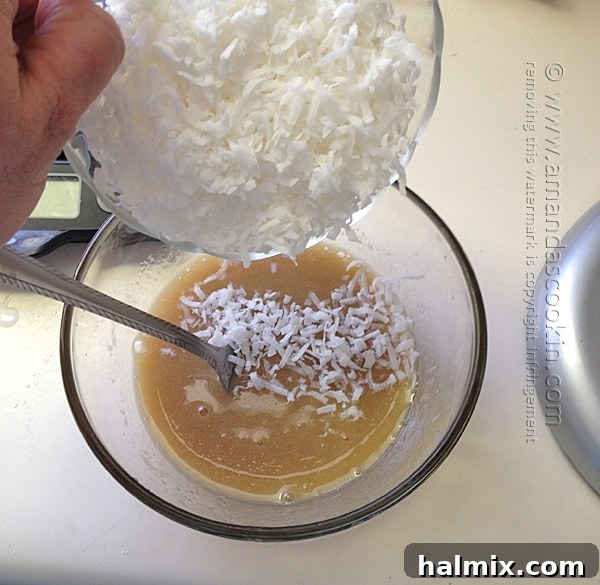
- Combine topping ingredients and spread over warm cake. Broil 4 inches from heat until lightly browned, about 3-4 minutes.
Nutrition
Serving: 1 slice | Calories: 332cal | Carbohydrates: 51g | Protein: 4g | Fat: 12g | Saturated Fat: 8g | Cholesterol: 68mg | Sodium: 140mg | Potassium: 179mg | Fiber: 1g | Sugar: 37g | Vitamin A: 345IU | Calcium: 79mg | Iron: 1.2mg
Tried this Recipe? Pin it for Later! Follow on Pinterest @AmandasCookin or tag #AmandasCookin!
The recipes on this blog are tested with a conventional gas oven and gas stovetop. It’s important to note that some ovens, especially as they age, can cook and bake inconsistently. Using an inexpensive oven thermometer can assure you that your oven is truly heating to the proper temperature. If you use a toaster oven or countertop oven, please keep in mind that they may not distribute heat the same as a conventional full sized oven and you may need to adjust your cooking/baking times. In the case of recipes made with a pressure cooker, air fryer, slow cooker, or other appliance, a link to the appliances we use is listed within each respective recipe. For baking recipes where measurements are given by weight, please note that results may not be the same if cups are used instead, and we can’t guarantee success with that method.
This recipe was originally developed for Recipe Lion.