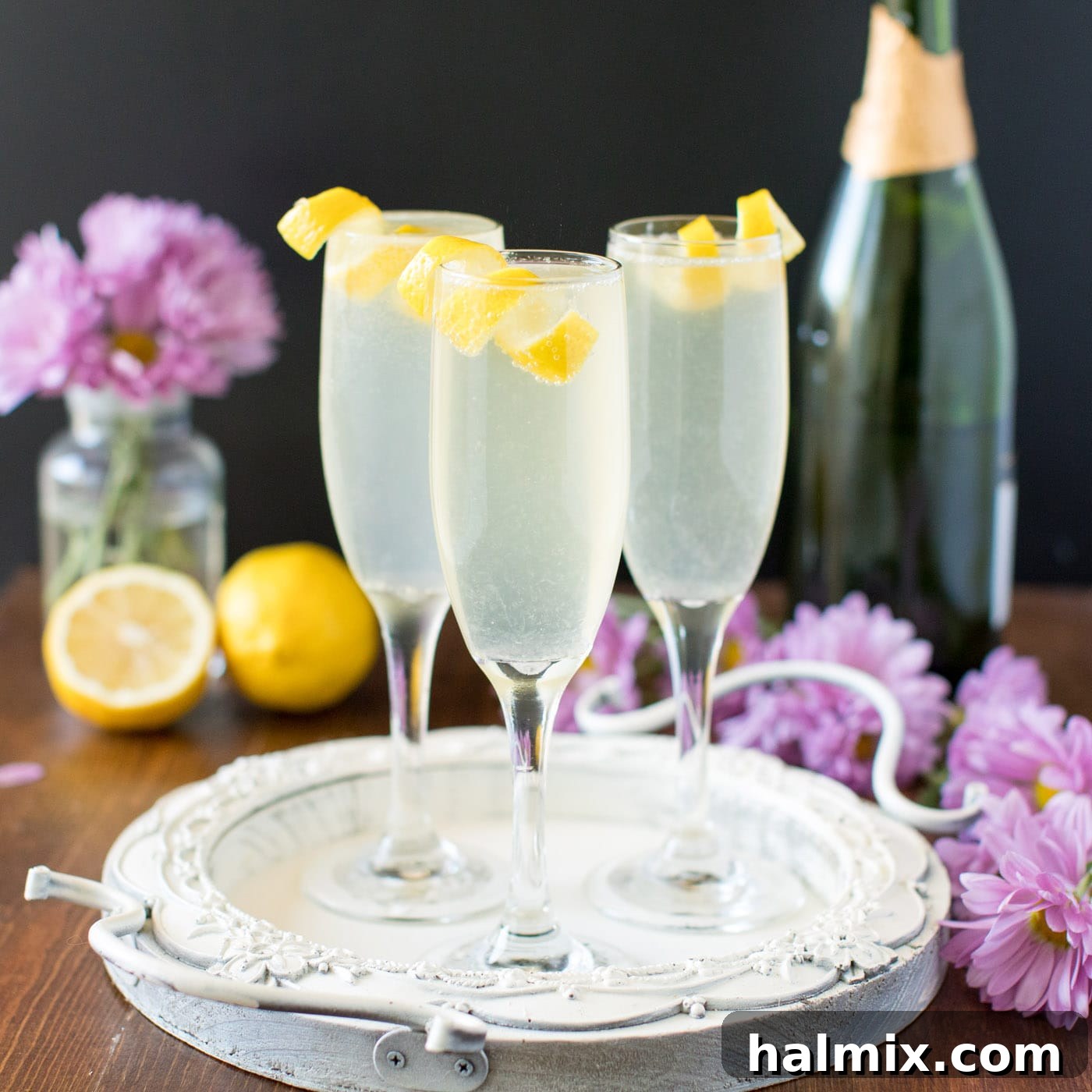
The French 75 stands as a quintessential bubbly cocktail, an emblem of elegance and refreshment perfect for any celebratory occasion. Whether gracing a sun-drenched brunch, adding sparkle to a sophisticated wedding reception, or lending festive cheer to holiday gatherings, this effervescent gin and champagne concoction never fails to impress. Often likened to an elevated, adult lemonade with a spirited kick, the French 75 is particularly cherished as a crisp and invigorating summertime drink, offering a delightful escape from the heat with its bright, citrusy notes.
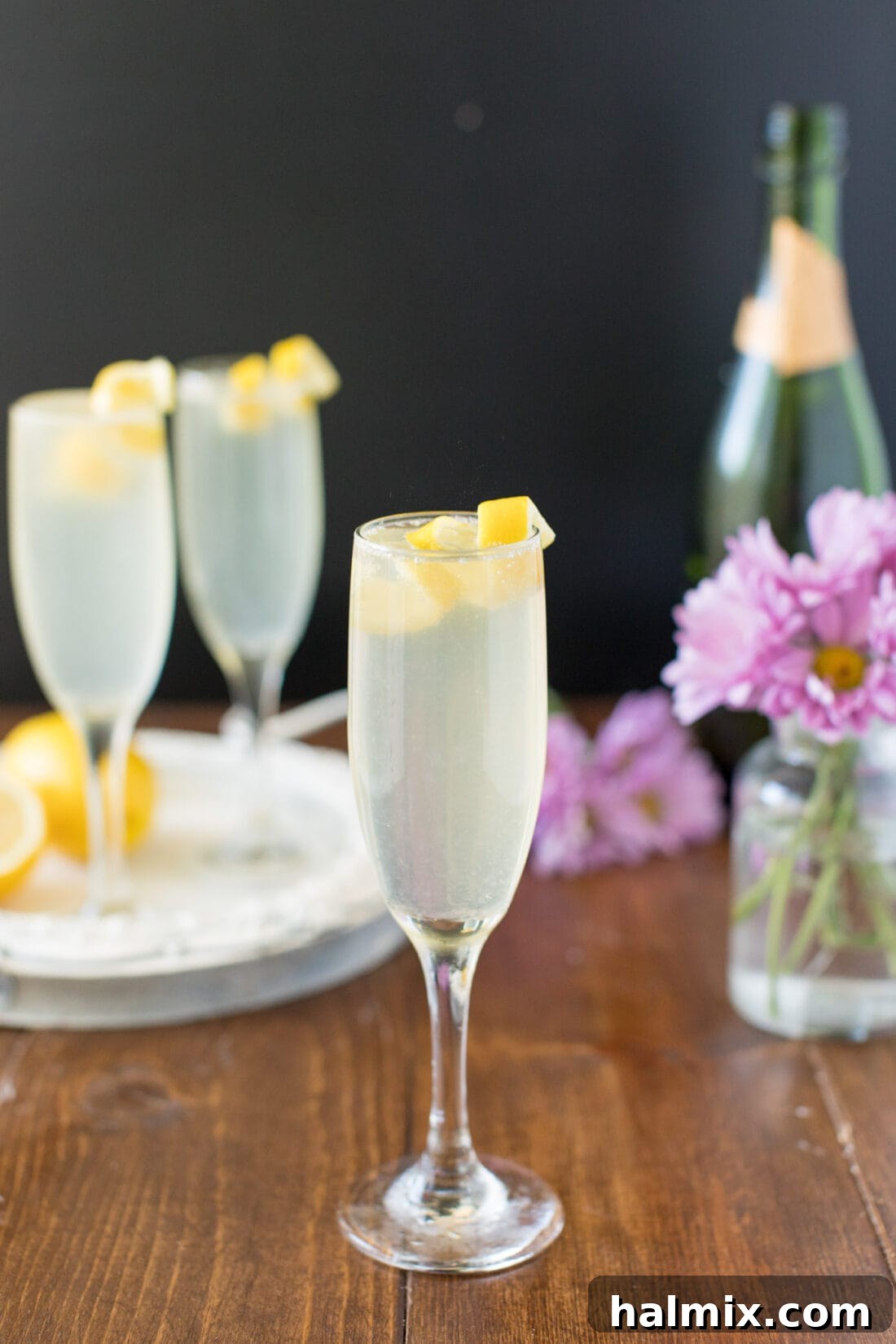
The Enduring Appeal of the French 75 Cocktail
This classic cocktail offers a delightful balance of flavors and effervescence, making it a beloved choice for diverse palates. Unlike the often sweeter and fruitier traditional mimosa, the French 75 presents a lighter, more sophisticated profile. It artfully combines the botanical complexity of gin, the zesty brightness of fresh lemon juice, the subtle sweetness of simple syrup, and the crisp effervescence of Brut champagne. The result is a beautifully balanced drink that is both refreshing and subtly potent.
Its elegance is undeniable, traditionally presented in a tall, slender champagne flute that highlights its golden hue and dancing bubbles. This makes the French 75 an exquisite addition to any special event, transforming ordinary moments into memorable celebrations. Imagine it as the perfect toast for Easter brunch, a sophisticated choice for Mother’s Day, or the star refreshment at a vibrant summer garden party. Its versatility extends beyond seasonal events, making it a go-to for anniversaries, bridal showers, New Year’s Eve festivities, or simply an elevated evening with friends. The delicate interplay of gin and lemon, topped with bubbly champagne, ensures a drink that is consistently crisp, clean, and utterly captivating.
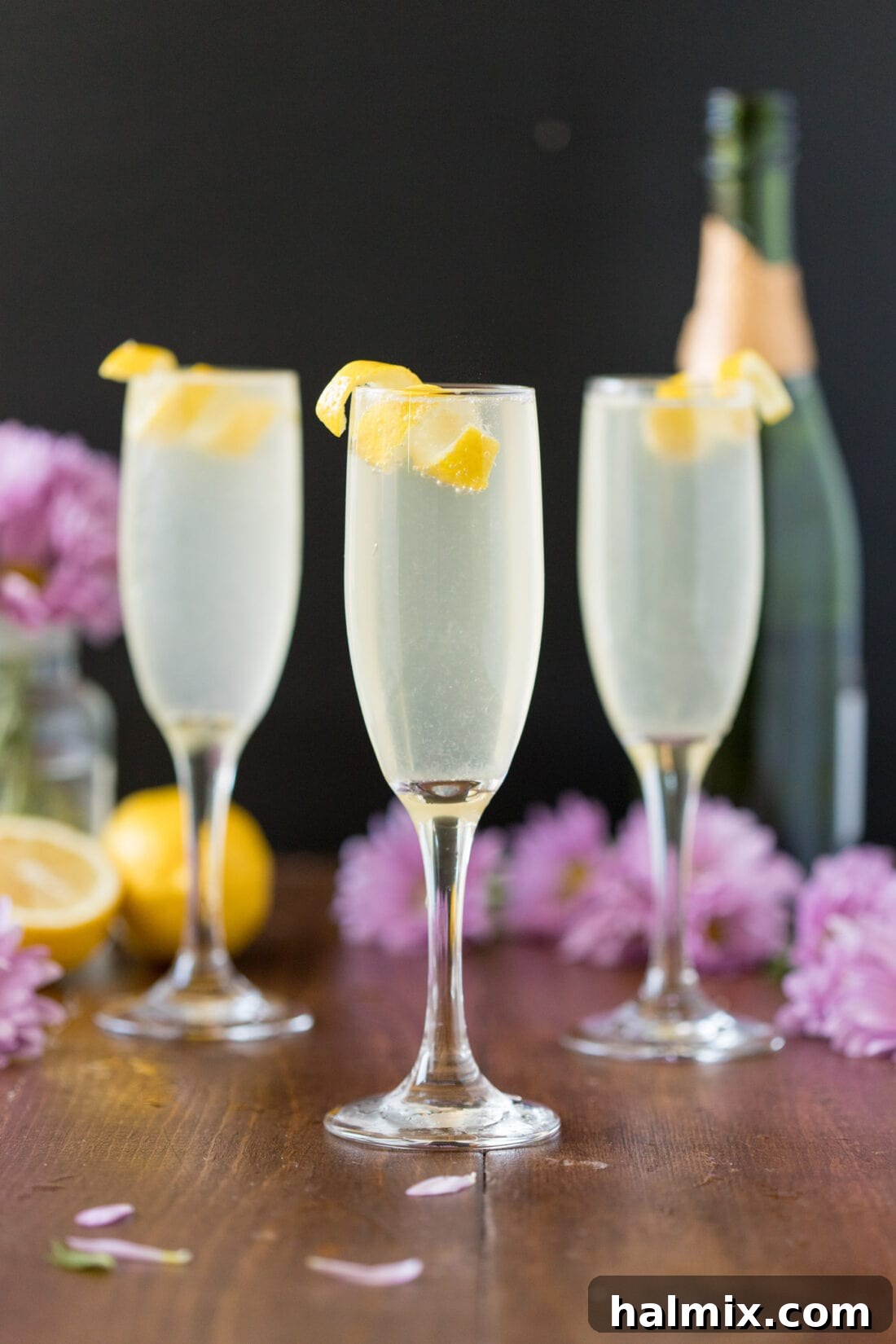
Key Ingredients for an Authentic French 75
Crafting the perfect French 75 requires a careful selection of high-quality ingredients, each playing a crucial role in the cocktail’s signature taste profile. While the recipe is straightforward, the nuances of each component contribute significantly to the final outcome. For best results, ensure all liquid ingredients are chilled before mixing.
- London Dry Gin: This is the backbone of the French 75. London Dry gin is celebrated for its juniper-forward, crisp, and robust botanical flavor, which provides an excellent counterpoint to the tart lemon and sweet syrup. Its dry profile ensures the cocktail isn’t overly sweet. While other gin styles can be used, London Dry is recommended for adhering to the classic taste.
- Fresh Squeezed Lemon Juice: The emphasis here is on “fresh.” Bottled lemon juice simply doesn’t compare to the vibrant, tangy zest that freshly squeezed lemons provide. It adds a crucial bright acidity that cuts through the richness of the gin and balances the sweetness of the syrup. Always use ripe, juicy lemons for maximum flavor.
- Simple Syrup: As its name suggests, simple syrup is incredibly easy to make at home by dissolving equal parts sugar in hot water and allowing it to cool. It’s essential for adding sweetness to the cocktail without introducing grainy texture, ensuring a smooth, harmonious blend. You can adjust the amount to suit your personal preference for sweetness.
- Brut Champagne: The “Brut” designation is vital, indicating a dry sparkling wine. This dryness is key to maintaining the cocktail’s refreshing character and preventing it from becoming cloyingly sweet. While authentic Champagne from France is the traditional choice, a good quality Prosecco or Cava can serve as excellent, more budget-friendly alternatives, as long as they are also Brut (dry).
- Lemon Peel Twist for Garnish: More than just a visual flourish, a lemon peel twist adds an aromatic dimension to the cocktail. The oils released from the peel as you twist it over the drink impart a subtle, fragrant citrus scent that enhances the overall sensory experience. It’s the perfect elegant touch to complete your French 75.
Crafting Your Own French 75: A Step-by-Step Guide
Creating a French 75 is a straightforward process, but paying attention to a few details will elevate your cocktail from good to exceptional. Follow these simple steps for a perfectly mixed and presented drink:
- Prepare Your Garnish: Begin by preparing your lemon peel twist. Using a sharp paring knife or a zester, carefully slice a long, thin strip of peel from a fresh lemon. Aim for a continuous spiral, if possible, as this creates a beautiful and aromatic garnish. Avoid including too much of the white pith, which can be bitter.
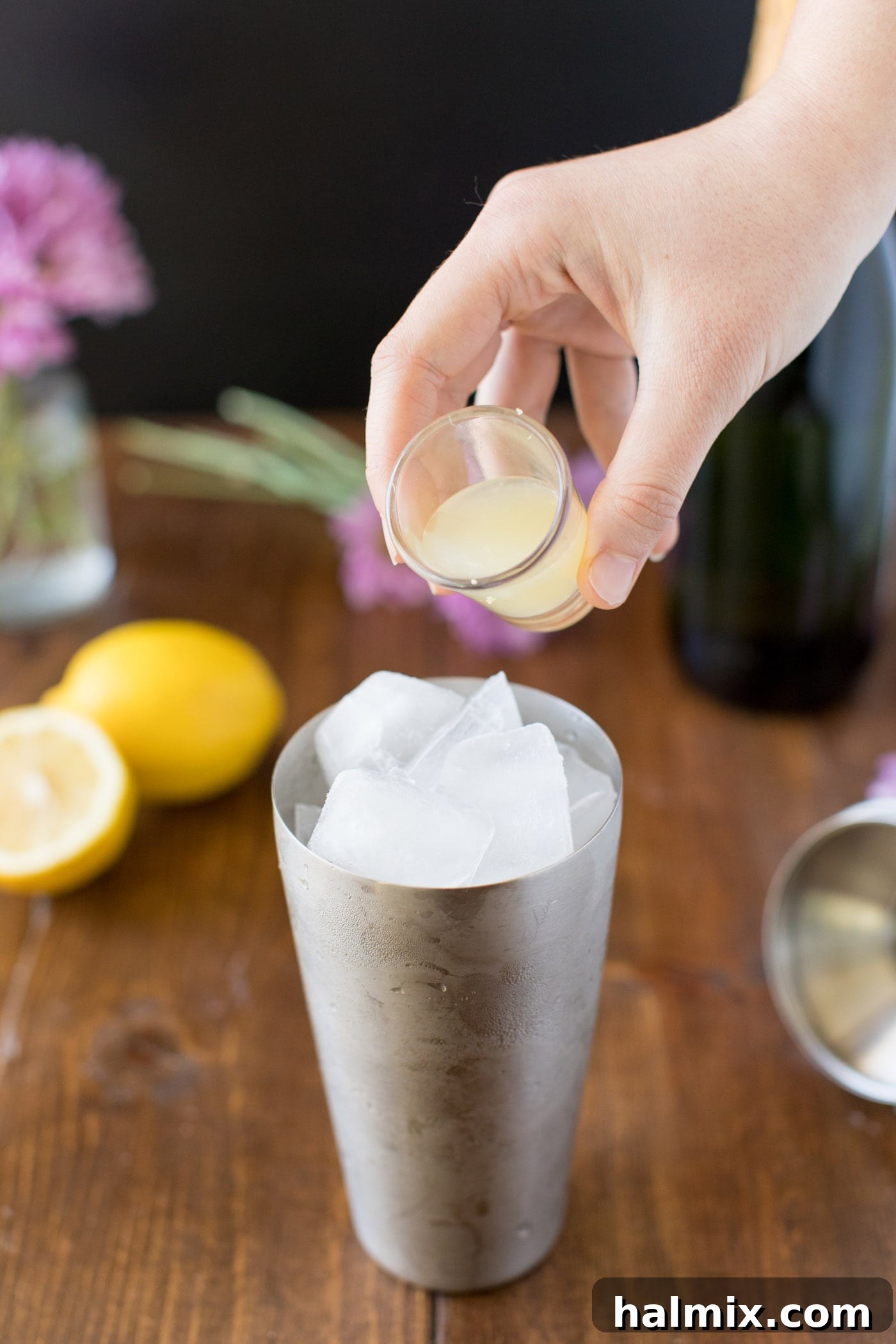
- Chill and Combine Ingredients: Fill a cocktail shaker about two-thirds full with ice cubes. Add the measured amounts of London dry gin, fresh lemon juice, and simple syrup to the shaker. Secure the lid tightly and shake vigorously for at least 20 seconds. This thorough shaking is crucial for chilling the mixture properly and ensuring all ingredients are well integrated.
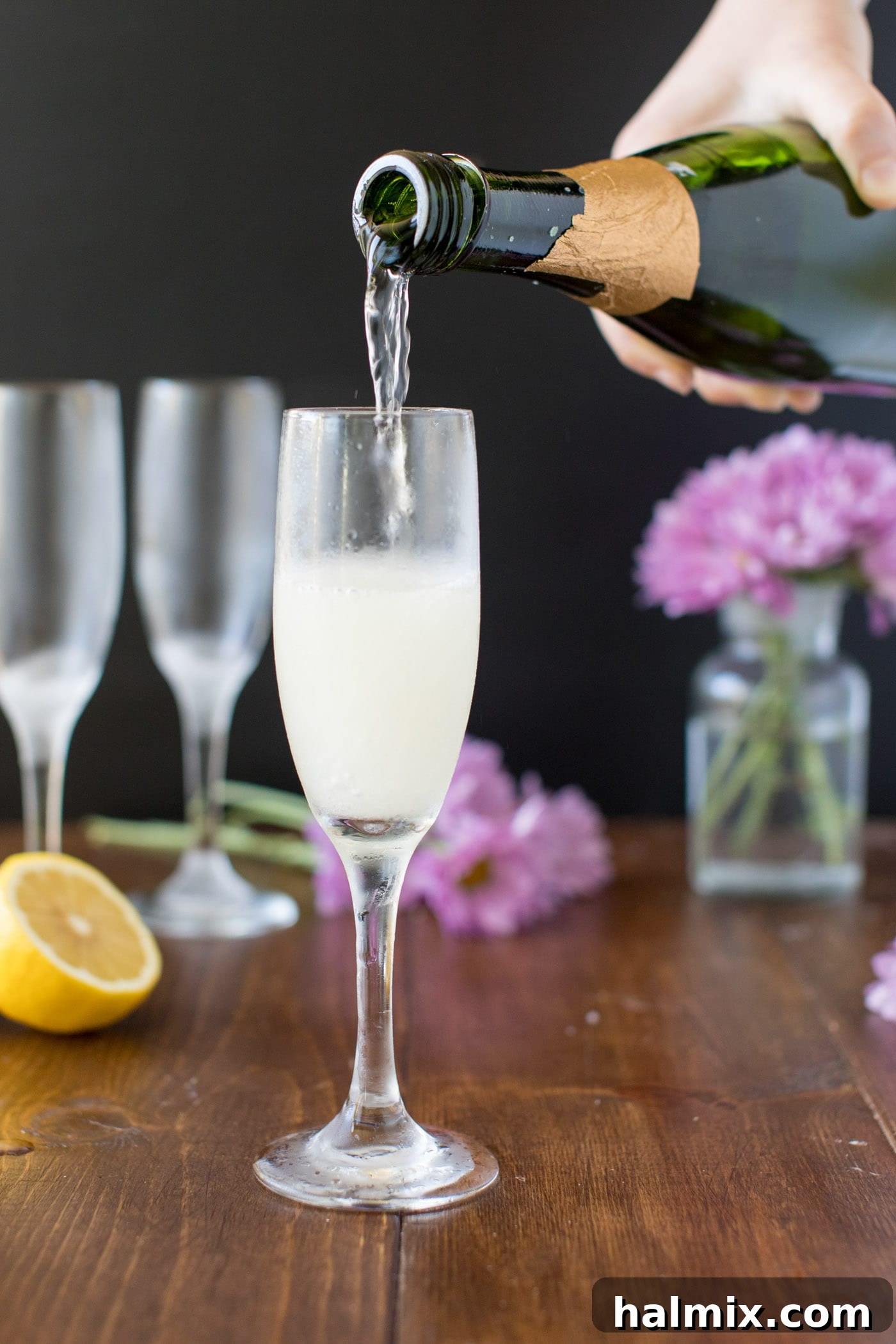
- Strain and Top with Champagne: Strain the chilled gin, lemon, and syrup mixture into a pre-chilled champagne flute. To chill your flute, you can place it in the freezer for a few minutes or fill it with ice water while preparing the cocktail, then empty it before straining. Once the mixture is in the flute, slowly top it off with Brut champagne, pouring gently to preserve the effervescence and create a beautiful head of bubbles.
- Shape the Lemon Twist: Take your prepared lemon peel. To create a classic spiral twist, gently curl the peel around a wooden spoon handle, your finger, or a bar spoon. This shaping adds to the visual appeal and helps release those aromatic oils.
- Garnish and Serve: Place the curled lemon twist into the champagne flute. Ensure it’s elegantly perched on the rim or submerged slightly to release its fragrance. Serve your exquisite French 75 immediately to enjoy its maximum fizz and chilling refreshment.
Tips for the Perfect French 75 Every Time
While the steps are simple, a few expert tips can ensure your French 75 is always top-tier:
- Temperature is Key: Always start with well-chilled gin, lemon juice, simple syrup, and especially the champagne. This ensures your cocktail is perfectly cold from the first sip without excessive dilution from melting ice.
- Freshness Matters: There’s no substitute for freshly squeezed lemon juice. The bright, natural acidity it provides is crucial for the cocktail’s balance and vibrant flavor.
- Don’t Over-Dilute: While shaking with ice is essential for chilling, be mindful not to over-shake, as this can lead to too much dilution. A brisk 20-second shake is usually sufficient.
- Brut for Balance: Stick to Brut (dry) champagne or sparkling wine. Sweeter varieties will overpower the delicate balance of the cocktail and make it cloying.
- Proper Glassware: A champagne flute is traditional for a reason. Its narrow shape helps preserve the bubbles and showcases the cocktail’s elegant appearance.
- Garnish with Care: The lemon twist isn’t just for show. Express the lemon oils over the drink before placing the twist to enhance the aroma and overall experience.
- Batching for Parties: For entertaining, you can pre-mix the gin, lemon juice, and simple syrup in a pitcher and keep it chilled. When guests arrive, simply pour the mixture into flutes and top with cold champagne. This makes serving a breeze!
The Fascinating History Behind the French 75
The French 75 is not just a drink; it’s a cocktail steeped in history, its name echoing the roar of battle and the spirit of innovation. While it’s now a refined classic, its origins are strikingly tied to World War I, making its story as intriguing as its flavor.
The prevailing legend attributes the creation of the French 75 to barman Harry MacElhone in 1915, at the famous New York Bar in Paris (which later became Harry’s New York Bar). It was during the tumultuous years of WWI that this potent concoction earned its memorable moniker. Patrons, perhaps a little lightheaded from its spirited kick, remarked that the drink felt as powerful and impactful as being hit by a French 75mm field gun – a formidable piece of artillery used extensively by the French army during the war. This vivid comparison stuck, immortalizing the cocktail’s strength and adding a layer of dramatic lore to its identity.
Interestingly, the French 75 recipe has undergone significant evolution since its inception. Harry MacElhone’s original version, as recorded in some early accounts, was quite different from the one we enjoy today. It’s said to have contained Calvados (an apple brandy), gin, grenadine for color and sweetness, and even absinthe, a potent anise-flavored spirit. This early rendition would have been a much darker, richer, and more herbaceous drink.
The modern, more widely recognized recipe featuring gin, lemon juice, simple syrup, and champagne became a classic through the influence of prohibition-era mixology. It was formalized and popularized in the 1927 book “Here’s How” by Judge Jr. (Frank Meier, the head bartender at the Ritz Paris, is often credited with popularizing this version), and further cemented by the legendary “Savoy Cocktail Book” in 1930. These publications were instrumental in shaping the cocktail landscape, and the simplified, brighter French 75 quickly gained favor. While the gin-based version is standard, some vintage mixology books also present variations that substitute gin with Cognac, offering a smoother, slightly sweeter, and more brandy-forward interpretation of the classic.
Beyond its historical roots in Parisian bars, the French 75 has also made its mark in popular culture, adding to its allure and timeless appeal. Fans of classic cinema might recall its mention in the iconic 1942 film “Casablanca,” where it subtly underscored the film’s romantic and wartime themes. The cocktail also found its way into two John Wayne films during the 1940s and 1950s, further cementing its status as a recognized and sophisticated drink. More recently, the French 75 reappeared in the 2016 television series “Mr. Selfridge,” reminding new generations of its elegant charm and historical significance. These appearances in various forms of media have helped keep the French 75 relevant and beloved across decades.
Delightful Variations of the French 75
While the classic French 75 is perfect as is, its simple structure makes it ripe for creative variations. Exploring these alternatives allows you to tailor the cocktail to different preferences or ingredients you have on hand:
- Cognac French 75: This is perhaps the most historically significant variation, often considered by some to be closer to earlier iterations. By swapping gin for Cognac, you get a richer, warmer, and more mellow drink with notes of dried fruit and vanilla from the brandy. It’s an excellent choice for those who prefer brandy over gin.
- Rose French 75: For a floral and delicate twist, add a splash of rose water or a rose liqueur to the gin, lemon, and simple syrup mixture before shaking. Garnish with a fresh rose petal for an extra elegant touch.
- Elderflower French 75: Introduce a subtle sweetness and aromatic floral notes by replacing the simple syrup with elderflower liqueur (like St-Germain). This creates a slightly sweeter, highly fragrant version that’s incredibly popular.
- Gin Alternatives: While London Dry is traditional, experimenting with other gin styles can yield interesting results. A more floral gin might soften the juniper notes, while a citrus-forward gin could amplify the lemon brightness.
- Sparkling Wine Alternatives: If Champagne isn’t accessible or preferred, Brut Prosecco or Cava are fantastic substitutes. They offer similar effervescence and dryness, making them perfect for a budget-friendly or geographically inspired “French 75.” You might even call them a “Spanish 75” or “Italian 75” for fun!
- Berry French 75: Muddle a few fresh raspberries or blackberries at the bottom of the shaker before adding the gin, lemon, and syrup. Strain well before topping with champagne for a fruity, blush-toned cocktail.
- Non-Alcoholic French 75: For a delightful mocktail, combine non-alcoholic gin (available from various brands) with fresh lemon juice and simple syrup. Top with a non-alcoholic sparkling wine or even sparkling cider or lemon-lime soda for a festive, booze-free bubbly.
When to Serve the French 75
The French 75’s versatility and elegant charm make it suitable for an impressive range of occasions. Its effervescence and bright flavor profile make it a crowd-pleaser that can elevate any gathering.
- Brunch: A lighter, more sophisticated alternative to a mimosa, the French 75 is perfect for brunch. Its refreshing citrus notes pair wonderfully with eggs Benedict, pastries, and fresh fruit platters.
- Weddings & Engagements: As a symbol of celebration, the French 75 is an ideal welcome drink or toast for wedding receptions, engagement parties, and bridal showers. Its elegance complements the joyous atmosphere.
- Holiday Gatherings: From New Year’s Eve to Mother’s Day, Easter, or even a festive Christmas morning, the French 75 adds a touch of sparkle and festivity to any holiday event. It’s particularly popular for its light, celebratory feel.
- Summer Parties & Outdoor Events: Its crisp and refreshing qualities make it a standout choice for garden parties, barbecues, and any outdoor summer gathering. It’s a perfect antidote to warm weather.
- Anniversaries & Special Milestones: Mark significant personal achievements or relationship milestones with a toast using this classic cocktail.
- Happy Hour & Aperitif: Before dinner, a French 75 serves as an excellent aperitif, stimulating the appetite with its invigorating flavors without being too heavy.
- Everyday Elegance: Don’t reserve it just for grand occasions! Sometimes, the best reason to enjoy a French 75 is simply to add a touch of everyday elegance to an evening at home.
The French 75 is also incredibly food-friendly. Its bright acidity and bubbles make it a fantastic pairing for a variety of dishes, from light appetizers like oysters and shrimp cocktail to richer cream-based sauces, charcuterie, and even fried foods, as the acidity helps cut through the fat.
Cocktails Similar to French 75
If you enjoy the French 75, you’ll likely appreciate other classic cocktails that share its refreshing qualities or key ingredients:
- Gimlet Cocktail – A crisp and potent gin-based cocktail that combines London dry gin with fresh lime juice and simple syrup, often served up in a coupe glass. It shares the gin and citrus core with the French 75.
- Tom Collins – Very similar to a French 75 in its base, this drink also features gin, lemon juice, and simple syrup, but it’s lengthened with carbonated water instead of champagne, offering a refreshing, less alcoholic alternative.
- Lemon Drop – A zesty and sweet-tart vodka cocktail, the Lemon Drop combines vodka, triple sec, fresh lemon juice, and simple syrup, shaken with ice and strained into a sugar-rimmed martini glass. It champions the bright lemon flavor.
- Lynchburg Lemonade – A popular summertime drink that uses Jack Daniel’s whiskey, triple sec, lemon juice, and lemon-lime soda. It’s a sweet and tangy refreshment, much like a spiked lemonade, resonating with the French 75’s refreshing qualities.
French 75 Cocktail Recipe
The French 75 is a classic champagne and gin cocktail, celebrated for its refreshing and effervescent qualities. It’s an ideal choice for elegant brunches, festive weddings, or any special holiday gathering, including Mother’s Day. This sparkling concoction is like a sophisticated, bubbly lemonade, making it a perfect summertime delight.
Course: Cocktails
Cuisine: French
Servings: 1 cocktail
Prep time: 5 minutes
Author: Amanda Davis
Ingredients
- 1 oz London dry gin
- ½ oz fresh lemon juice
- ½ oz simple syrup
- Ice
- 3 oz Brut champagne
- Lemon peel twist for garnish
Things You’ll Need
- Paring knife or zester
- Cocktail shaker
- Champagne flutes
Instructions
- Using a paring knife or a zester, slice peel from lemon, going all the way around to create a long spiral.
- Fill cocktail shaker with ice. Add gin, lemon juice, and simple syrup. Shake vigorously for 20 seconds.
- Strain into chilled champagne flute and top with Brut.
- Curl lemon peel around a wooden spoon or your finger to create a long twist.
- Garnish drink with twist and serve immediately.
Nutrition
Serving: 1 flute | Calories: 148cal | Carbohydrates: 12g | Sodium: 14mg | Potassium: 74mg | Sugar: 11g | Vitamin C: 5.5mg | Iron: 0.8mg
The recipes on this blog are tested with a conventional gas oven and gas stovetop. It’s important to note that some ovens, especially as they age, can cook and bake inconsistently. Using an inexpensive oven thermometer can assure you that your oven is truly heating to the proper temperature. If you use a toaster oven or countertop oven, please keep in mind that they may not distribute heat the same as a conventional full sized oven and you may need to adjust your cooking/baking times. In the case of recipes made with a pressure cooker, air fryer, slow cooker, or other appliance, a link to the appliances we use is listed within each respective recipe. For baking recipes where measurements are given by weight, please note that results may not be the same if cups are used instead, and we can’t guarantee success with that method.
This post originally appeared on this blog on March 16, 2019.