Effortlessly Delicious: The Ultimate Easy Homemade Dinner Roll Recipe
There’s an undeniable comfort that comes with warm, freshly baked dinner rolls, served straight from the oven with a generous dollop of melting butter. The aroma alone is enough to transport you to a happy place. While many homemade bread recipes can seem daunting, this easy dinner roll recipe simplifies the process without compromising on flavor or that coveted soft, fluffy texture. Forget store-bought alternatives; these homemade yeast rolls are a game-changer for any meal, from weeknight dinners to special holiday feasts.
You might be familiar with my popular pull-apart dinner rolls, a beloved recipe that has graced countless tables. They are truly fantastic – incredibly soft and satisfying. However, the extra step of portioning and shaping individual smaller pieces of dough to create that signature pull-apart effect can add a bit of time to your prep. If you’re looking for a quicker route to equally delightful results, this streamlined recipe is your perfect solution. We’ve adapted the method to cut down on prep time by simply rolling the dough into individual balls, bypassing the intricate assembly while still achieving that irresistible homemade taste and texture.
Baking Versatility: Choose Your Favorite Pan
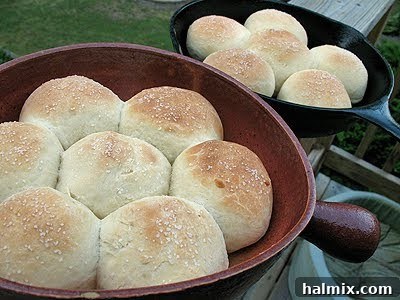
One of the beauties of this recipe is its adaptability to different baking vessels. I often bake mine in a trusty cast iron skillet or a charming homemade stoneware bowl I found at a thrift store, which lends a rustic touch. But don’t feel limited! These soft dinner rolls will bake up beautifully in a standard 13×9 inch baking pan, your favorite casserole dish, or even a lasagna pan. The key is to ensure your chosen pan allows enough space for the rolls to expand slightly and touch, creating those wonderfully soft edges.
The core recipe remains consistent with my original, ensuring the same incredible flavor and texture you’ve come to love. Only the shaping method has been cleverly adapted for efficiency. What’s even better? These easy dinner rolls are perfect for par-baking and freezing, making them an ideal make-ahead option for busy days or impromptu gatherings. I’ll walk you through the simple steps for par-baking below, allowing you to enjoy fresh, warm rolls anytime you desire with minimal last-minute effort.
Easy Homemade Dinner Rolls
A simplified adaptation of my popular pull-apart dinner rolls
Ingredients
- 1 package quick-acting active dry yeast (or 2 1/4 tsp bulk quick acting yeast, I use SAF instant)
- 1 1/3 cup milk (warmed to 105 to 115°F)
- 3 to 3 1/2 cups all-purpose flour or whole wheat flour
- 3 tablespoons extra virgin olive oil
- 1 tablespoon granulated sugar
- 1 teaspoon salt
- 1 tablespoon melted butter
- Coarse salt, for sprinkling
Instructions for Baking Fresh Dinner Rolls
- Activate the Yeast: In the bowl of an electric mixer (or a large mixing bowl if kneading by hand), dissolve the yeast in the warm milk with the sugar. Allow it to sit for about 5-10 minutes until foamy, indicating the yeast is active.
- Combine Ingredients: Stir in 1 cup of flour, the olive oil, and 1 teaspoon of salt. Beat with the mixer on low speed (or stir by hand) until the mixture is smooth.
- Form the Dough: Gradually add enough of the remaining flour, scraping the dough from the sides of the bowl, until a soft dough forms. The amount of flour can vary depending on your climate and humidity; in my experience, it often requires the full amount, but adjust as needed until the dough is soft and pliable, not overly sticky.
- First Rise: Cover the bowl with plastic wrap or a clean kitchen towel and place it in a warm spot. Let the dough rise until it has doubled in size, which typically takes about 45 minutes to 1 hour.
- Prepare for Baking: Once risen, gently punch down the dough in the center to release the air, then fold it over a few times. Preheat your oven to 400°F (200°C). Prepare two cast iron skillets, stoneware bakers, or a 13×9 inch baking dish by lightly coating them with non-stick cooking spray.
- Shape the Rolls: Divide the dough into 12 equal pieces. Roll each piece into a smooth ball, pinching the dough together at the bottom to create a taut surface on top. Arrange the dough balls into your prepared baking dish, leaving approximately 1/2 inch of space between each roll.
- Final Touches & Bake: Brush the tops of the rolls generously with melted butter, then sprinkle with coarse salt for a delightful savory crust. Bake in the preheated oven for about 15-20 minutes, or until the crust turns a beautiful light golden brown.
- Serve & Store: Immediately remove the baked rolls from the pan and serve warm. For storage, keep them loosely covered at room temperature to maintain their softness.
Mastering the Art of Par-Baking Dinner Rolls
Par-baking, or partial baking, is a fantastic technique for making these homemade dinner rolls even more convenient. It involves baking your bread to about 80% completion, then cooling and storing it (often by freezing) to finish baking later. This process effectively kills the yeast and develops the internal structure of the starches and proteins, meaning the inside is mostly cooked, but the exterior hasn’t yet formed that perfect golden crust. Par-baking is a secret weapon for meal prep, allowing you to prepare fresh-tasting rolls on demand, whether for a weeknight dinner or a special occasion.
How to Par-Bake Your Dinner Rolls for Freezing
- Prepare for Par-Baking: When par-baking, the goal is to develop the roll’s internal structure without browning the exterior. Therefore, skip the step of brushing the rolls with melted butter and sprinkling with coarse salt before the initial bake. These finishing touches will be added just before their final bake after they are removed from the freezer.
- Shortened Bake Time: Preheat your oven to 400°F (200°C) as usual. Bake the rolls for a shorter duration, typically around 9 minutes. Keep a close eye on them; the exact time may vary slightly depending on your oven and local climate conditions. The rolls should feel firm to the touch and hold their shape, but they should not have developed any significant brown color.
- Cool and Freeze: Once par-baked, allow the rolls to cool in the pan for about 20 minutes. Then, transfer them to a plate or a sheet pan that can fit into your freezer. Arrange the rolls so they are not touching each other, allowing them to freeze individually for approximately 2 hours, until solid.
- Store for Later: Once frozen solid, transfer the rolls into a freezer-safe zipper bag. This prevents freezer burn and allows you to grab only the desired number of rolls at a time. Return them to the freezer until you are ready to enjoy freshly baked rolls.
Par-Baking But Not Freezing (Same-Day Freshness)
You don’t always need to freeze par-baked rolls. This method is also excellent for preparing rolls in the morning to enjoy later the same night. This is especially handy for family gatherings, potlucks, or parties where you want to bring freshly baked items but avoid the last-minute stress of baking at someone else’s home. Simply follow the par-baking instructions above, but instead of freezing the cooled rolls, place them in the refrigerator. Transport them in a covered container, then follow the instructions for finishing par-baked rolls (adjusting baking time slightly as they won’t be frozen solid).
How to Bake Par-Baked Frozen Rolls
When you’re ready to enjoy your make-ahead rolls, simply remove the desired number from the freezer bag – no need to thaw them! Lightly spray a baking pan with non-stick cooking spray. Brush each frozen roll with melted butter and sprinkle with coarse salt. Bake in a preheated 400°F (200°C) oven for about 12 minutes, or until they are beautifully golden brown and heated through. The result? Warm, fluffy, and aromatic dinner rolls that taste like they were just made from scratch.
Easy Homemade Dinner Rolls
These are the lazy version of my pull-apart dinner rolls, and just as delicious!
IMPORTANT – There are often Frequently Asked Questions within the blog post that you may find helpful. Simply scroll back up to read them!
Print It
Pin It
Rate It
Course: Breads
Cuisine: American
Servings: 12 rolls
Total Time: 1 hr 20 mins
Calories: 175
Author: Amanda Davis
Ingredients
- 1 package quick-acting active dry yeast (or 2 1/4 tsp bulk quick acting yeast, I use SAF instant)
- 1 ⅓ cup milk (105 to 115F degrees)
- 3 to 3 ½ cups flour or whole wheat flour
- 3 tablespoons extra virgin olive oil
- 1 tablespoon sugar
- 1 teaspoon salt
- 1 tablespoon melted butter
- coarse salt
Instructions
- Dissolve yeast in warm milk with sugar in electric mixer bowl. Stir in 1 cup flour, oil, and salt. Beat until smooth. Stir in enough remaining flour, scraping dough from side of bowl, until soft dough forms (mine always requires all the flour, your climate may act differently). Cover and let rise in warm place until double, about 45 minutes.
- Preheat oven to 400 degrees F. Punch down dough in center and fold over a few times. Prep two cast iron skillets or stoneware bakers, or a 13×9 baking dish with non-stick cooking spray. Separate dough into 12 pieces and roll into balls, pinching the dough together with your fingers at the bottom. Place rolls into baking dish, leaving about 1/2″ space between each. Brush with melted butter; sprinkle with coarse salt.
- Bake until crust is light golden brown, about 15-20 minutes. Immediately remove from pan. Store loosely covered.
Par-Bake
- Par-baking means that you are partially baking your bread and then freezing it to finish off later. Par-baking kills the yeast and creates the structure for the starches and proteins. This means it’s essentially baked on the inside, but it hasn’t developed that lovely golden crust on the outside yet. Par-baking allows you to bake bread or rolls to about 80% and then transport or save it to finish baking later.
- When par-baking your rolls, you want them to have developed structure, meaning that your dough should feel firm to the touch, but they should not have browned yet. To par-bake these rolls, skip the step of brushing them with butter and adding the salt. That should be done once you remove them from the freezer.
- Bake them in a preheated 400 F oven, only shorten the baking time to about 9 minutes or so. Of course, you may need to adjust your time as oven temps and climate conditions vary. Just keep an eye on them and remove them from the oven before they brown.
- Allow them to cool a bit in the pan, about 20 minutes, then remove to a plate or sheet pan that will fit in the freezer. Place in the freezer, none of the rolls touching each other, and allow them to get hard, about 2 hours. Remove from the freezer and pop them into a zipper freezer bag, put back in the freezer until you are ready to bake them.
Par-Baking but not Freezing
- You can par-bake your rolls in the morning to have later that night. This can be ideal for someone who wants to make rolls for a family gathering or party, but wants to skip the hassle of prepping and baking at someone else’s house. Simply par-bake as instructed above, however instead of placing rolls in the freezer, just place them in the refrigerator until you are ready to leave. Transport in a covered container, then bake as described below, but you may need to cut the baking time a little because they are not frozen.
Bake Par-Baked Frozen Rolls
- Remove desired number of rolls from freezer bag, do not thaw. Spray a baking pan with cooking spray, then brush each roll with melted butter and sprinkle with course salt. Bake in preheated 400 F oven for 12 minutes, or until browned.
Nutrition
Calories: 175 cal |
Carbohydrates: 27 g |
Protein: 5 g |
Fat: 5 g |
Saturated Fat: 1 g |
Cholesterol: 3 mg |
Sodium: 215 mg |
Potassium: 94 mg |
Fiber: 1 g |
Sugar: 2 g |
Vitamin A: 80 IU |
Calcium: 37 mg |
Iron: 1.5 mg
Tried this Recipe? Pin it for Later!
Follow on Pinterest @AmandasCookin or tag #AmandasCookin!
The recipes on this blog are tested with a conventional gas oven and gas stovetop. It’s important to note that some ovens, especially as they age, can cook and bake inconsistently. Using an inexpensive oven thermometer can assure you that your oven is truly heating to the proper temperature. If you use a toaster oven or countertop oven, please keep in mind that they may not distribute heat the same as a conventional full sized oven and you may need to adjust your cooking/baking times. In the case of recipes made with a pressure cooker, air fryer, slow cooker, or other appliance, a link to the appliances we use is listed within each respective recipe. For baking recipes where measurements are given by weight, please note that results may not be the same if cups are used instead, and we can’t guarantee success with that method.
More Delicious Bread Recipes from Amanda’s Cookin’
- Partybrot – German Party Bread
- Quick Orange Rolls
- Simple One Hour Homemade Bread
- Homemade French Bread
- Homemade Amish White Bread
- Homemade Multi-Grain Bread
- Bretzel Rolls – Pretzel Sandwich Rolls
- Homemade Italian Bread
Explore More Dinner Roll Inspiration from Other Great Food Blogs
- Homemade Ramp and Cheddar Cheese Dinner Rolls – from If Music be the Food of Love, Play On
- Buttered Rosemary Rolls – from The Pioneer Woman
- Sweet Potato Buttermilk Rolls – from Pinch My Salt
- Poppy Seed Yeast Rolls – from Salad in a Jar
- Parker House Rolls – from One Perfect Bite
————————————NEW! Be sure to subscribe to my newsletter, Foodie in the Craftroom, to receive updates and tips from both Amanda’s Cookin’ and Crafts by Amanda! Visit https://amandascookin.com/p/subscribe-to-newsletter.html