
For many, the mention of macaroni and cheese conjures nostalgic memories of vibrant orange boxes and quick weeknight dinners. While those moments hold a special place, there’s an undeniable magic in creating a rich, creamy, and utterly delicious **homemade stovetop mac and cheese** from scratch. This recipe is your perfect gateway to that heartwarming experience, offering a simple yet incredibly flavorful alternative to its boxed counterpart. It’s an easy, cheesy dish that comes together quickly with minimal preparation, making it an ideal choice for a fast lunch, a comforting side, or a fuss-free dinner.
If you’re planning a larger meal or prefer a hands-off approach, you might also love our crockpot macaroni and cheese, which allows you to set it and forget it!
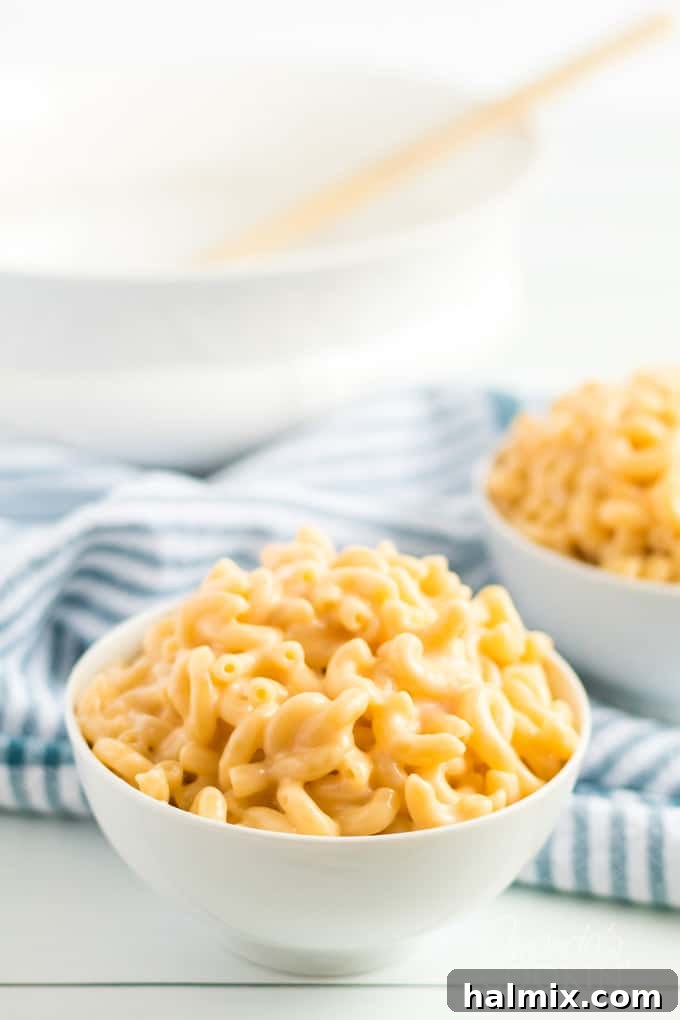
Ultimate Creamy Stovetop Mac and Cheese: A Family Favorite Recipe
My journey to perfecting this **stovetop mac and cheese** recipe began over a decade ago when my children were still at home, constantly seeking delicious and satisfying meals. I had a tried-and-true homemade cheese sauce that I’d been using for years to elevate simple steamed broccoli and cauliflower. One day, on a whim, I decided to pour that glorious, golden sauce over a batch of freshly cooked macaroni elbows. The result was an instant hit! It was creamy, incredibly cheesy, and had that perfect homemade touch that store-bought versions simply couldn’t replicate. From that day on, this recipe officially became my kids’ absolute favorite macaroni and cheese, and it remains a cherished dish in our family.
What makes this particular recipe stand out is its simplicity combined with its ability to deliver an exceptionally creamy texture and robust cheese flavor. It’s a testament to how easily you can transform basic pantry staples into a truly extraordinary meal. This recipe doesn’t require any fancy equipment or complex techniques, making it accessible even for novice cooks who want to venture into the world of homemade comfort food.
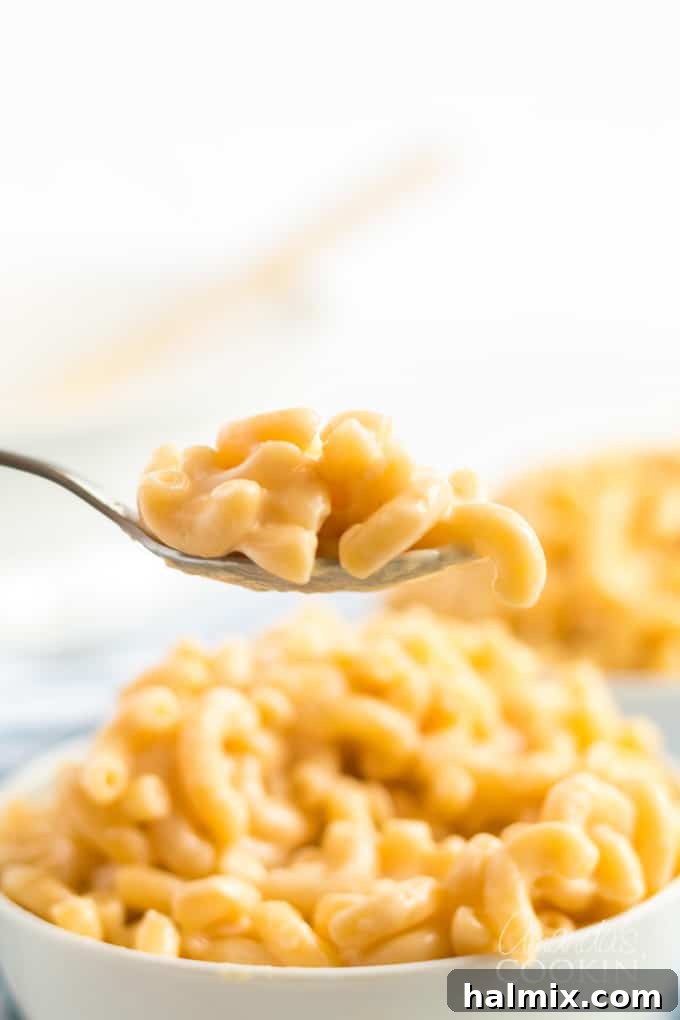
Beyond its delicious taste, this recipe offers versatility, allowing you to tailor it to your preferences. If you’re mindful of calorie intake, feel free to substitute whole milk with skim, 1%, or 2% milk without significantly compromising the creaminess, though whole milk will always yield the richest results. The true secret to an unforgettable mac and cheese lies in the quality and type of cheese you choose. While my go-to is a sharp or extra-sharp cheddar for its deep, savory notes, the beauty of this dish is its adaptability.
Don’t be afraid to experiment with your favorite cheeses! American cheese will give you an ultra-smooth, melty consistency reminiscent of classic diner mac and cheese. White cheddar offers a more refined, tangy flavor. For those who enjoy a bit of nuttiness, a good Swiss cheese can be a delightful addition. You could even explore options like Colby Jack for a milder, more approachable flavor, or a touch of Monterey Jack for added meltiness. The key is to select a cheese (or combination of cheeses) that you genuinely enjoy, as it will be the star of your dish. Feel free to mix and match to create your signature blend!
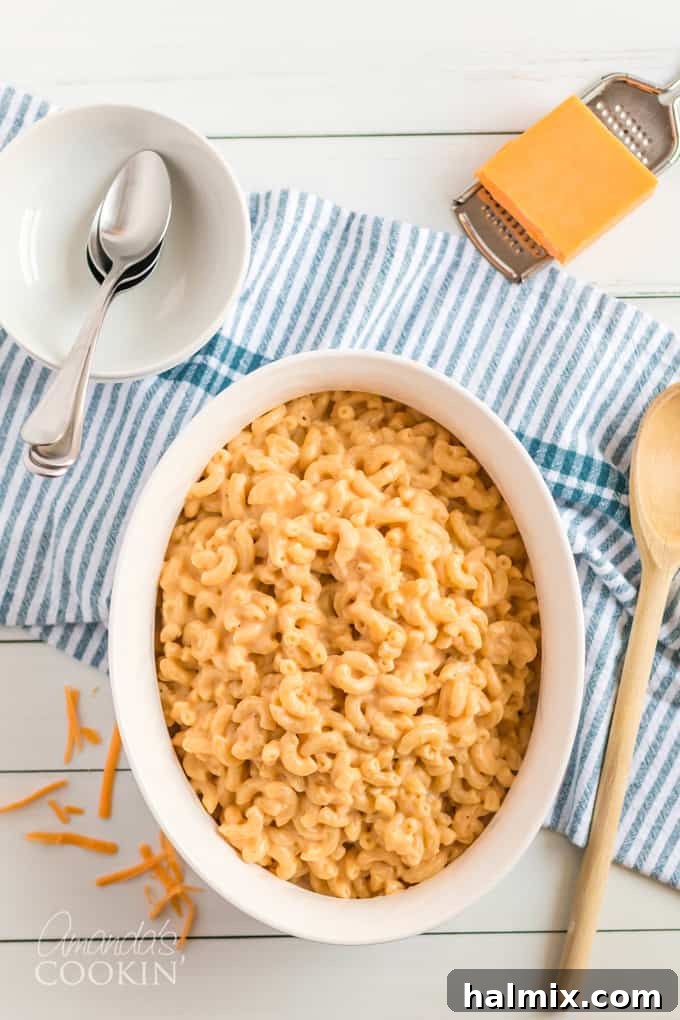
Mastering the Stovetop Mac and Cheese Technique
Making a truly exceptional stovetop mac and cheese is surprisingly straightforward, relying on a classic roux-based cheese sauce for its luxurious texture. Here’s how to create this comforting masterpiece:
- Cook the Pasta: Begin by cooking your macaroni elbows according to the package directions. It’s crucial to cook them to an al dente texture – firm to the bite. Overcooked pasta can result in a mushy, less appealing dish once combined with the sauce. Drain thoroughly, but resist the urge to rinse; the starches left on the pasta help the cheese sauce adhere beautifully.
- Melt the Butter: While your pasta is cooking, melt the butter in a heavy-bottomed saucepan over low heat. A good quality, heavy pan helps distribute heat evenly and prevents scorching.
- Form the Roux: In a small bowl, whisk together the all-purpose flour, salt, pepper, paprika, and dry mustard. Once the butter is melted, gradually add this flour mixture to the butter, whisking continuously. This creates a roux, which is the foundation for your rich, creamy sauce. Continue whisking for about 1-2 minutes until the mixture forms a smooth paste and takes on a light golden color, indicating the flour has cooked out its raw taste.
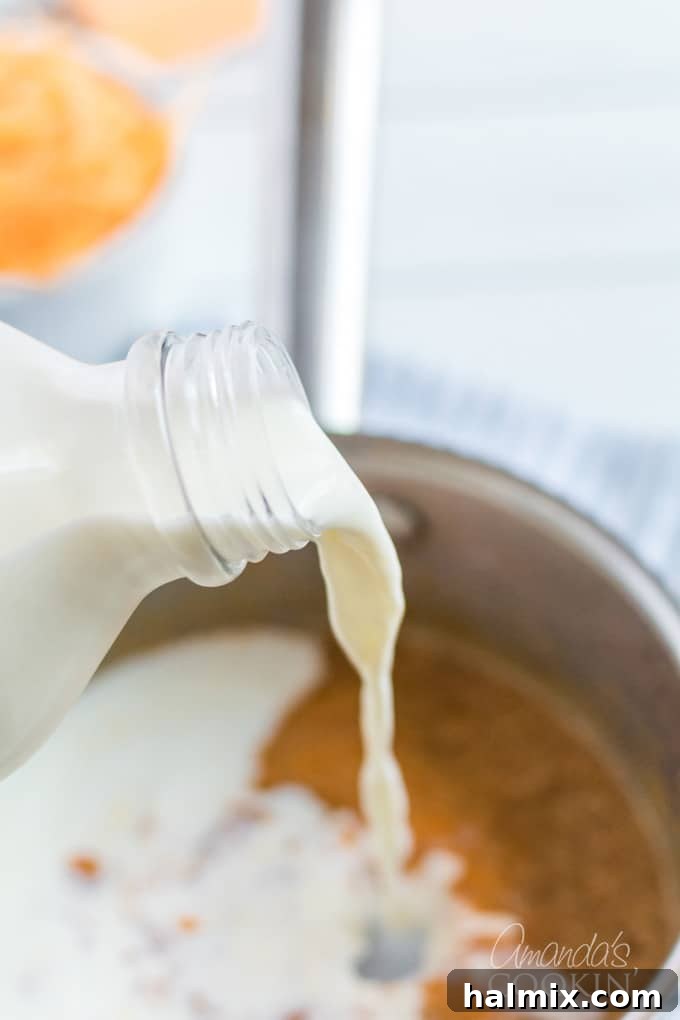
- Slowly Add Milk: Keep whisking as you slowly pour in the milk. The mixture will thicken quickly at first. Continue whisking until all the milk is incorporated and the sauce is smooth, with no lumps.
- Thicken the Sauce: Increase the heat slightly to medium-low. Continue to whisk frequently, allowing the mixture to gently simmer and thicken. You’ll notice it coating the back of a spoon. Avoid bringing it to a rolling boil, as this can cause the sauce to separate or become grainy.
- Introduce the Cheese: Once the sauce has thickened to your desired consistency, remove the pan from the heat. This is a crucial step to prevent the cheese from becoming oily or stringy. Add the shredded cheese, stirring constantly with your whisk until it has completely melted into a smooth, homogenous, and incredibly creamy cheese sauce.
- Combine Pasta and Sauce: Place the drained macaroni in a large bowl.
- Serve Immediately: Pour the luscious cheese sauce over the macaroni and stir gently until every elbow is perfectly coated in cheesy goodness. Serve hot and enjoy the homemade comfort!
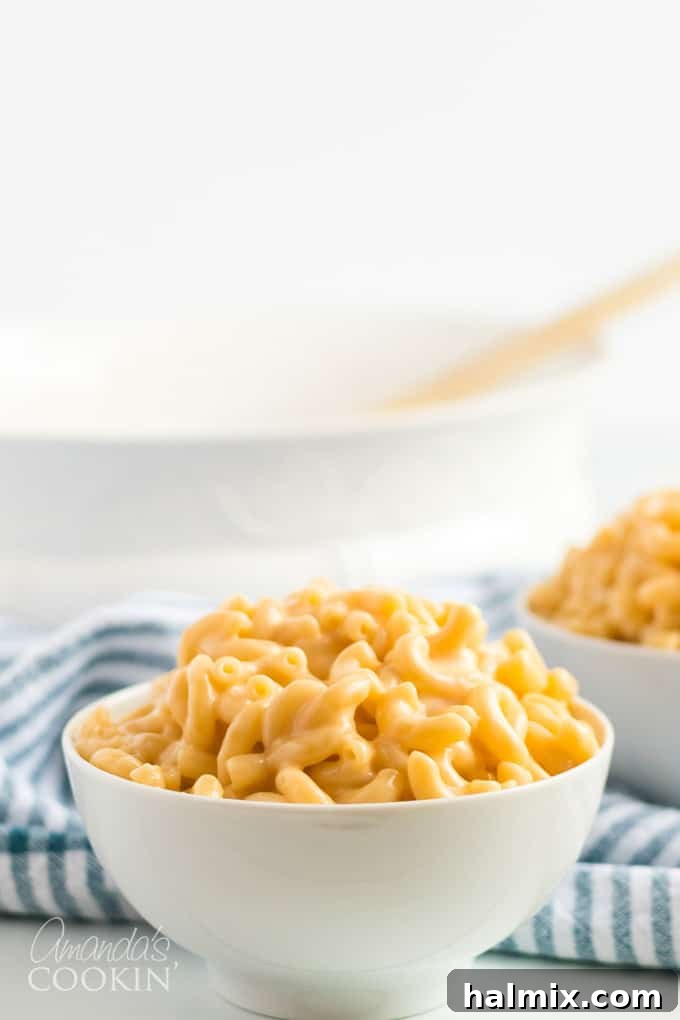
This recipe is perfectly scaled for a standard one-pound box of elbow macaroni, making it incredibly convenient for family meals. However, its flexibility is one of its greatest assets. You can easily halve all the ingredients if you’re cooking for a smaller crowd or if you simply want a single serving of pure comfort. Furthermore, while elbow macaroni is the classic choice, feel free to substitute with other pasta shapes. Shells are a fantastic alternative, as their concave shape perfectly cradles the rich cheese sauce, ensuring a burst of flavor in every bite. Other short pasta shapes like cavatappi, rotini, or even penne can also work wonderfully, each offering a slightly different texture and mouthfeel.
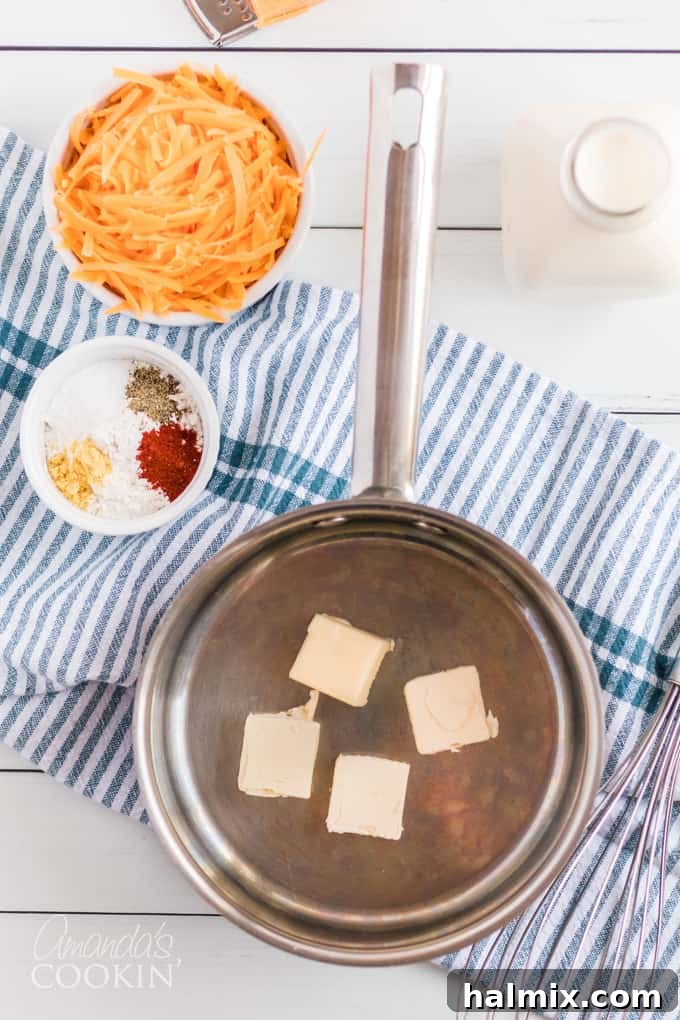
Essential Ingredients for My Irresistible Stovetop Mac and Cheese
Crafting the perfect mac and cheese begins with understanding the role each ingredient plays. Here’s a closer look at what you’ll need and some tips for getting the best results:
- Elbow Macaroni: I typically reach for Barilla in the blue box, but any good quality “regular” elbow pasta will work beautifully. The key is to cook your pasta to a firm al dente. This means following the package’s recommended cooking time precisely and tasting a noodle to ensure it has a slight bite to it. Avoid overcooking at all costs; mushy macaroni and cheese is truly disappointing. I haven’t tested this recipe with alternative pastas like gluten-free varieties, so if you use them, be prepared for potential adjustments in cooking time and texture.
- Unsalted Butter: Butter forms the base of our roux, contributing richness and flavor. While I specify unsalted butter for better control over the overall sodium content, you can absolutely use salted butter if that’s what you have on hand. Just be sure to adjust the amount of added salt later in the recipe. Margarine can also be used as a substitute, but it may slightly alter the flavor profile.
- All-Purpose Flour: This is essential for creating the roux, which thickens the cheese sauce. My recipe relies on all-purpose flour for its consistent performance. I have not tested this recipe with other forms of flour, including whole wheat, almond, coconut, or other non-wheat flours. Substituting these could significantly change the sauce’s texture and consistency.
- Salt: This recipe uses regular table salt. It’s important to note that the granular differences between table salt, Kosher salt, and sea salt can affect measurements. If you’re using Kosher or sea salt, you might need to adjust the quantity slightly upwards to achieve the same level of seasoning. Seasoning the pasta water generously with salt is also crucial for flavorful pasta.
- Pepper: Good old-fashioned black pepper adds a subtle warmth and depth to the cheese sauce. While I personally grind my own fresh peppercorns for maximum flavor, pre-ground black pepper works just fine.
- Paprika: Regular sweet paprika contributes a lovely color and a mild, earthy undertone to the sauce. For a delightful and smoky twist, consider using smoked paprika. A pinch of garlic powder or onion powder can also be added along with the paprika for an extra layer of savory flavor.
- Dry Mustard: This unassuming ingredient, found in the spice aisle, is a yellow powder that is a secret weapon in many cheese sauces. It doesn’t make the mac and cheese taste like mustard; instead, it enhances and amplifies the cheese flavor, making it brighter and more pronounced. Do not substitute with liquid mustard.
- Milk: While whole milk is used in this recipe for its rich creaminess, you have several options for substitution. Skim, 1%, or 2% milk can all be used if you’re looking to reduce the calorie count. The sauce will still be delicious, though perhaps slightly less decadent. I have not experimented with non-dairy milks in this recipe, so I cannot guarantee the same results with alternatives like almond, soy, or oat milk.
- Shredded Cheddar Cheese: This is the star of the show! I strongly prefer extra-sharp cheddar for its intense flavor, which truly shines through in this homemade mac and cheese. However, feel free to use any cheese you adore. Pepper jack would introduce a fantastic spicy kick, while a mild cheddar or Colby would offer a more approachable flavor. The most critical tip here is to shred your cheese yourself from a block. Pre-shredded bagged cheeses often contain anti-caking agents like cellulose, which can prevent the cheese from melting smoothly and may result in a slightly gritty or grainy sauce. Freshly shredded cheese melts beautifully, creating a wonderfully smooth and velvety sauce.
Helpful Kitchen Tools for Perfect Mac and Cheese
Having the right tools can make your mac and cheese preparation even smoother:
- Stockpot: Essential for cooking your pasta evenly.
- Whisk: Your best friend for creating a smooth roux and a lump-free cheese sauce.
- Grater: For freshly shredding your cheese, ensuring the creamiest sauce possible.
- Measuring cups and spoons: For accurate ingredient measurement, crucial for consistent results.
Stovetop Mac and Cheese: Serving Suggestions and Delicious Variations
This **stovetop mac and cheese** is a fantastic recipe that I’ve been making for many years, cherished for its speed and incredible flavor. While it’s our go-to for a quick and satisfying meal, it also serves as a versatile base for countless culinary adventures. Its rich, creamy profile makes it a superb standalone dish, a comforting side, or even a foundation for more elaborate meals.
Perfect Pairings and Serving Ideas:
- Classic Comfort Meal: Serve alongside crispy fried chicken, tender BBQ ribs, or a perfectly grilled steak for a hearty and satisfying dinner.
- Weeknight Wonder: Pair with simple green salads, steamed vegetables, or roasted broccoli for a balanced and quick meal.
- Kid-Friendly Favorite: It’s a guaranteed hit with kids, making it perfect for family dinners. You can even sneak in some pureed butternut squash or cauliflower into the cheese sauce for added nutrients without them ever knowing!
- Holiday Side Dish: While simple, its rich flavor makes it a welcome addition to any holiday spread, offering a comforting contrast to more complex dishes.
Creative Variations to Elevate Your Mac and Cheese:
Don’t stop at the basic recipe; mac and cheese is a canvas for creativity! Here are some ideas to inspire your next batch:
- Spicy Mac: Add a pinch of cayenne pepper, a dash of hot sauce, or swap out some cheddar for pepper jack cheese to introduce a pleasant heat.
- Herby Freshness: Stir in finely chopped fresh herbs like chives, parsley, or thyme at the very end for a burst of fresh flavor.
- Protein Power-Up: Incorporate cooked, shredded chicken, crispy bacon bits, diced ham, or even browned ground beef for a heartier main course.
- Veggie Boost: Mix in steamed broccoli florets, peas, sautéed mushrooms, or roasted bell peppers for added nutrition and texture.
- Gourmet Blend: Experiment with different cheese combinations. Gruyère adds a sophisticated nuttiness, smoked Gouda provides a deep, smoky flavor, and a touch of cream cheese can enhance creaminess.
- Crunchy Topping: While this is a stovetop recipe, a quick bake under the broiler with a sprinkle of panko breadcrumbs mixed with melted butter can add a delightful crispy crust.
Frequently Asked Questions About Stovetop Mac and Cheese
Here are answers to some common questions that arise when making this delicious stovetop mac and cheese:
- Can I make this mac and cheese ahead of time?
- While stovetop mac and cheese is best enjoyed immediately for the creamiest texture, you can certainly prepare it a few hours in advance. Store leftovers in an airtight container in the refrigerator for up to 3-4 days. For reheating, gently warm on the stovetop over low heat, adding a splash of milk or cream to bring back its creamy consistency.
- How do I prevent my cheese sauce from becoming grainy?
- Grainy cheese sauce often happens due to high heat or using pre-shredded cheese with anti-caking agents. To avoid this, always remove the sauce from the heat before adding the shredded cheese. Stir continuously until the cheese is fully melted and smooth. Using freshly shredded cheese from a block is also highly recommended.
- What’s the best way to reheat leftovers?
- For best results, reheat stovetop mac and cheese on the stovetop over medium-low heat. Add a tablespoon or two of milk per serving and stir frequently until it’s heated through and creamy again. You can also microwave individual servings, stirring every minute and adding a splash of milk as needed.
- Can I use different types of pasta?
- Absolutely! While elbow macaroni is traditional, other small pasta shapes like shells, rotini, cavatappi, or even ditalini work wonderfully. Just ensure they are cooked al dente according to their package instructions.
- Why do you add dry mustard? Does it make it taste like mustard?
- Dry mustard is a classic ingredient in many cheese sauces. It doesn’t make the mac and cheese taste like mustard; instead, it acts as a flavor enhancer, subtly brightening and sharpening the cheese’s natural tang. It’s a secret ingredient for a reason!
- Can I freeze stovetop mac and cheese?
- While technically possible, freezing mac and cheese made with a roux-based sauce is generally not recommended as the sauce can sometimes separate or become grainy upon thawing and reheating. If you must freeze, ensure it’s in an airtight container for up to 2-3 months. Thaw in the refrigerator overnight and reheat gently with added milk.
Explore More Macaroni and Cheese Delights
If you’re a true macaroni and cheese aficionado, you’ll be thrilled to know we have an array of other beloved recipes beyond this simple stovetop version. Each offers a unique twist on this ultimate comfort food:
- Instant Pot Macaroni and Cheese: For when you need creamy mac and cheese in a fraction of the time.
- Traditional Baked Mac and Cheese: A classic casserole with a golden, bubbly top, perfect for gatherings.
- Chili Mac: A hearty and flavorful fusion of two comfort food favorites.
- Macaroni Casserole with Ham and Peas: A complete meal in one comforting dish.
- Butternut Squash Mac & Cheese: A surprisingly delicious way to add vegetables and a touch of sweetness.
Be sure to check out our comprehensive guide to the top ten favorite macaroni and cheese recipes here for even more inspiration!
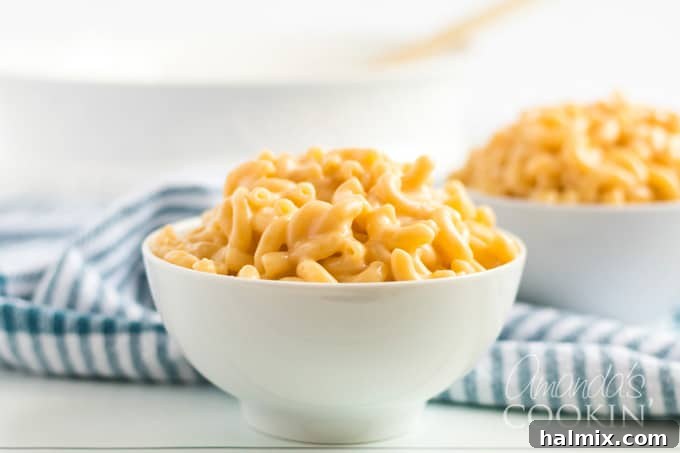

Stovetop Mac and Cheese
IMPORTANT – There are often Frequently Asked Questions within the blog post that you may find helpful. Simply scroll back up to read them!
Print It
Pin It
Rate It
Save ItSaved!
Ingredients
- 1 pound box dried elbow macaroni
- 4 tablespoon unsalted butter
- 4 tablespoon flour
- 1 teaspoon salt
- ¼ teaspoon pepper
- ¼ teaspoon paprika
- ¼ teaspoon dry mustard
- 2 cups milk
- 2 cups shredded cheddar cheese
Before You Begin
Instructions
-
Put a covered stock pot of water on to boil over high heat.
-
Meanwhile, over low heat melt the butter in a heavy bottomed saucepan.
-
While butter is melting, measure out and combine the flour, salt, pepper, paprika, and dry mustard in a small dish or bowl. When butter has melted, add the flour mixture to the butter and use a whisk to combine to make your roux.
-
Continue whisking and slowly add the milk, whisking to combine all the ingredients. Turn up the heat slightly (don’t go higher than medium-low) and whisking often, thicken the mixture. You may see occasional bubbles, and that’s ok, but you do not want it to boil, just to thicken. When thickened, remove from heat and add the shredded cheese, using the whisk to combine until melted and homogenous.
-
Drain the macaroni (do not rinse, the starch helps the cheese stick to the noodles) and place in a large bowl. Pour cheese sauce over the macaroni and stir to coat well. Serve while hot.
Nutrition
The recipes on this blog are tested with a conventional gas oven and gas stovetop. It’s important to note that some ovens, especially as they age, can cook and bake inconsistently. Using an inexpensive oven thermometer can assure you that your oven is truly heating to the proper temperature. If you use a toaster oven or countertop oven, please keep in mind that they may not distribute heat the same as a conventional full sized oven and you may need to adjust your cooking/baking times. In the case of recipes made with a pressure cooker, air fryer, slow cooker, or other appliance, a link to the appliances we use is listed within each respective recipe. For baking recipes where measurements are given by weight, please note that results may not be the same if cups are used instead, and we can’t guarantee success with that method.
This post originally appeared on this blog on Mar 21, 2010.