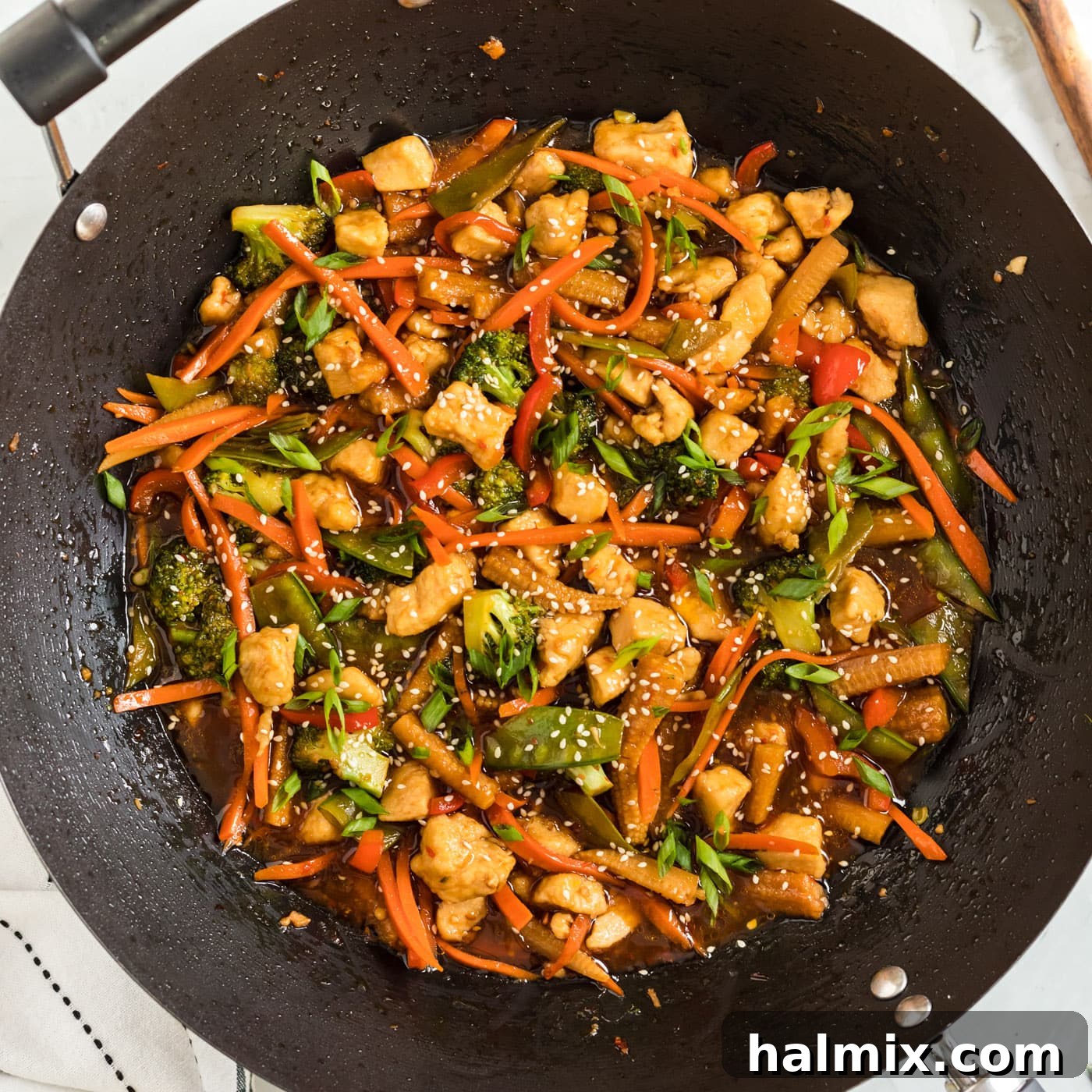
Embark on a culinary adventure with Hunan Chicken, a fiery and flavorful stir-fry that promises to ignite your taste buds. This beloved Chinese dish is renowned for its vibrant medley of crisp vegetables, tender chicken, and a signature spicy sauce that delivers an unforgettable kick. Forget the greasy takeout; our homemade Hunan Chicken recipe offers a healthier, fresher, and equally delicious alternative, packed with garden-fresh ingredients and bursting with authentic flavors.
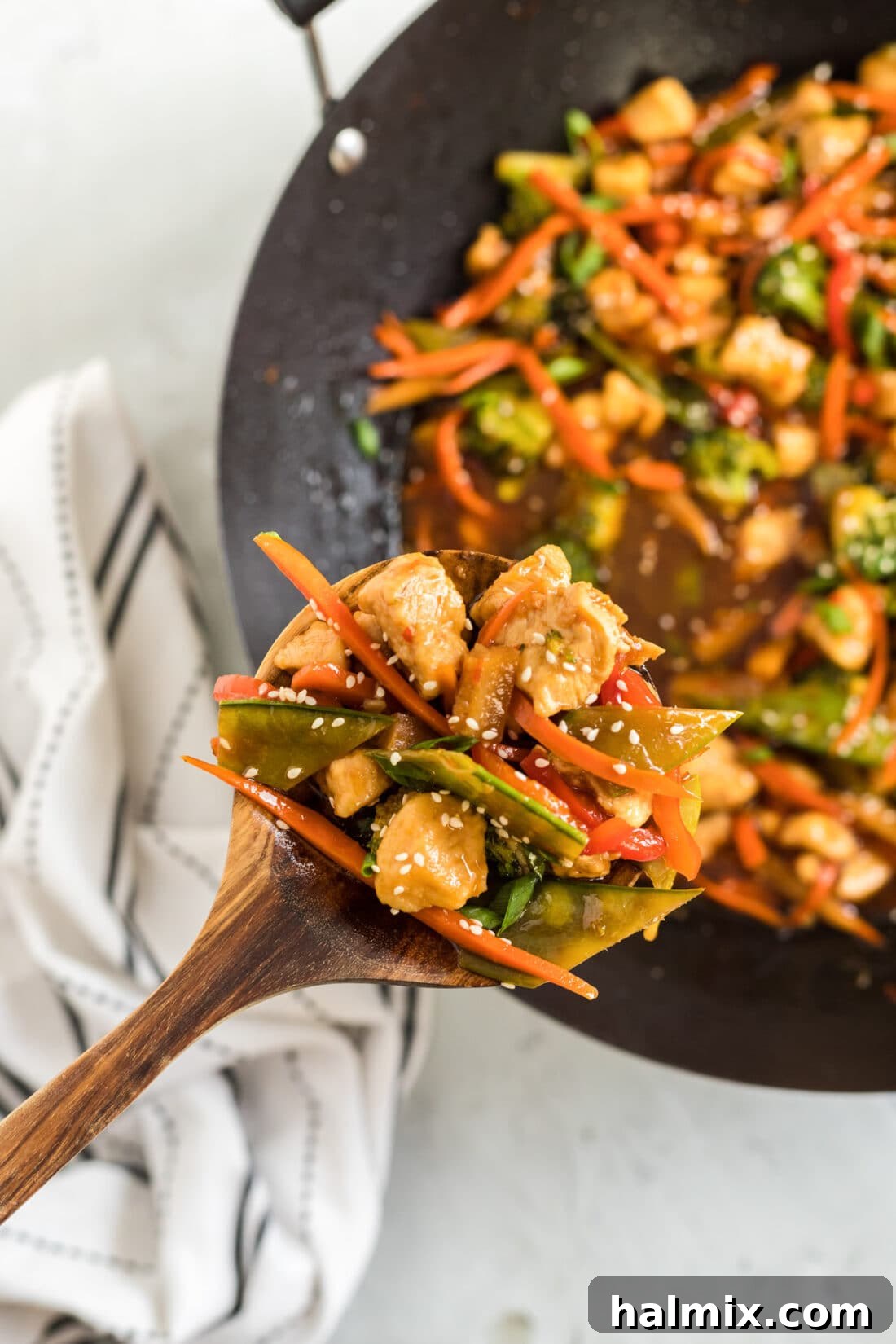
Hunan Chicken: A Spicy and Vibrant Chinese Stir-Fry Recipe
Hunan cuisine, originating from the Hunan province of China, is celebrated for its bold, hot, and sour flavors. Unlike its Sichuan counterpart, which often features numbing spice from Sichuan peppercorns, Hunan dishes focus on pure, unadulterated heat from fresh chilies, garlic, and rich sauces. Our Hunan Chicken recipe captures the essence of this regional specialty, balancing intense spice with savory umami and a hint of sweetness, all while incorporating an abundance of wholesome vegetables.
Why You’ll Love This Homemade Hunan Chicken
Prepare for an explosion of flavors dancing in your mouth with every bite of this exquisite Hunan Chicken. This recipe truly shines thanks to its potent chili garlic sauce, which perfectly complements the golden-brown chicken, crisp broccoli, vibrant bell peppers, sweet carrots, delicate snow peas, and tender baby corn. The careful combination of textures—from the satisfying crunch of fresh vegetables to the succulent tenderness of the chicken—plays an important role in making this Chinese stir-fry utterly irresistible. Beyond its incredible taste, there are several compelling reasons why this recipe deserves a spot in your weekly rotation:
- Authentic Flavor, Healthier Twist: We capture the bold, spicy, and savory profile of traditional Hunan chicken while maximizing fresh vegetable content, making it a more nutritious choice than typical restaurant versions.
- Speed and Simplicity: Stir-frying is a fantastic method for quick weeknight meals. With a little bit of prep, this dish comes together in under an hour, making it perfect for busy evenings.
- Customizable Heat: Whether you prefer a mild warmth or a fiery inferno, this recipe allows you to easily adjust the spice level to suit your palate.
- Nutrient-Packed: Loaded with a rainbow of fresh vegetables, this dish provides essential vitamins, minerals, and fiber, contributing to a balanced meal.
- Takeout Favorite at Home: Recreate a classic Chinese takeout dish in your own kitchen, saving money and ensuring quality ingredients.
Essential Ingredients for Hunan Chicken
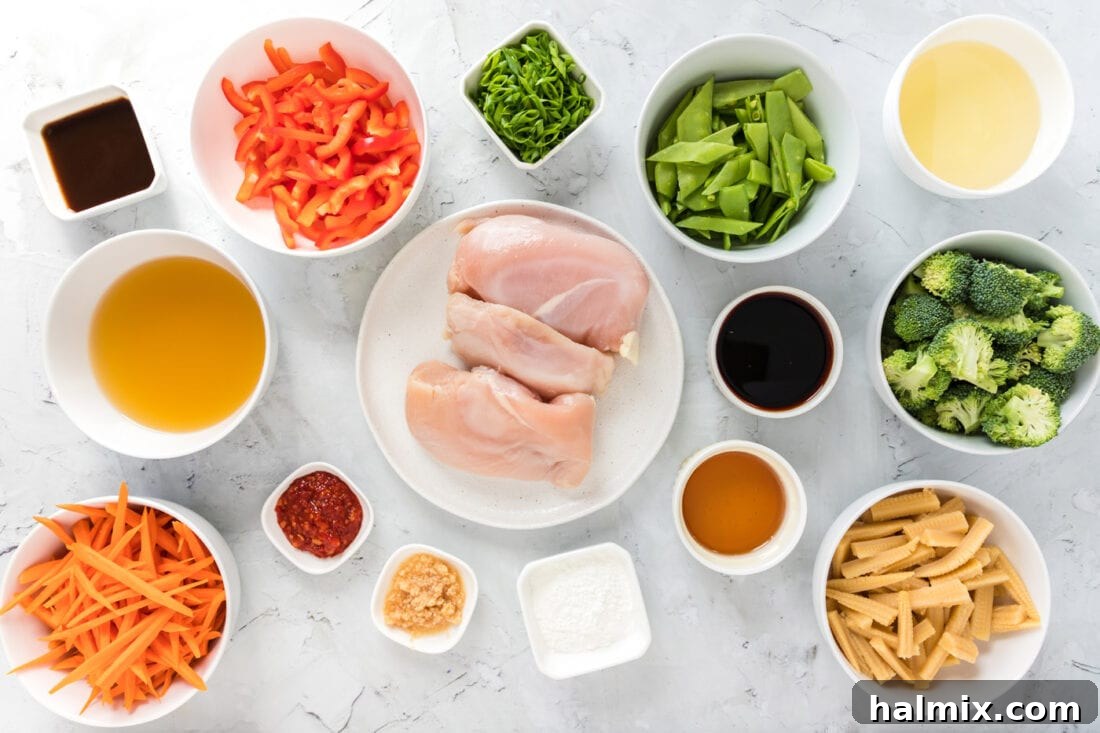
To create this dynamic stir-fry, you’ll need a selection of fresh produce, tender chicken, and key Asian pantry staples for the signature sauce. A well-stocked pantry and fresh, high-quality ingredients are the foundation of any great stir-fry. While the full, printable recipe with exact measurements can be found at the end of this post, here’s a detailed look at the core components:
Ingredient Info and Substitution Suggestions
Chicken: For optimal results, we recommend using 1 ¾ pounds of boneless, skinless chicken breasts, chopped into uniform bite-sized pieces. Chicken breasts cook quickly and absorb flavors beautifully. However, you can certainly substitute other proteins if you prefer:
- Chicken Thighs: For a juicier, richer flavor, boneless, skinless chicken thighs are an excellent alternative. Adjust cooking time slightly as thighs take a bit longer.
- Beef: Thinly sliced flank steak or sirloin can be used to make Hunan Beef. Marinate beef strips in a little soy sauce and cornstarch for extra tenderness.
- Pork: Lean pork loin or tenderloin, thinly sliced, also works wonderfully in this recipe.
- Tofu/Tempeh: For a vegetarian option, press extra-firm tofu or use tempeh, cut into cubes, and pan-fry until golden before adding to the stir-fry.
Cornstarch: Divided into two portions, cornstarch serves a dual purpose in this recipe. The first portion is used to coat the chicken, a technique known as “velveting.” This helps to tenderize the chicken and protect it from drying out during stir-frying, resulting in a wonderfully succulent texture. The second portion is used at the end to thicken the sauce, giving it that glossy, restaurant-quality consistency.
Olive Oil: Used for stir-frying. While olive oil works, for a more authentic Asian flavor, you could consider using a high smoke point oil like peanut oil, grapeseed oil, or canola oil.
Vegetables: Our recipe features a vibrant mix that’s both colorful and nutrient-dense. The key to successful stir-frying is to cut your vegetables so they are fairly uniform in size. This ensures they cook evenly and reach that perfect crisp-tender stage simultaneously.
- Broccoli Florets: Adds a slight bitterness and fantastic crunch.
- Sliced Red Bell Pepper: Provides sweetness, vibrant color, and a pleasant crispness.
- Julienned Carrots: Sweetness and a firm texture.
- Snow Peas: Delicate and sweet, with a satisfying snap.
- Baby Corn: Offers a unique texture and subtle sweetness.
Feel free to toss in or substitute with other vegetables based on your preferences or what’s in season. Great additions include sliced mushrooms, water chestnuts, bamboo shoots, bok choy, snap peas, green beans, or even asparagus. Ensure harder vegetables are added first to cook longer, while softer ones go in later.
Sauce Components: The sauce is where the magic happens, delivering the signature Hunan flavor profile.
- Chicken Broth: Forms the liquid base of the sauce, adding depth of flavor.
- Oyster Sauce: A cornerstone of Chinese cooking, oyster sauce provides a deep umami flavor with a touch of sweetness, enriching the overall sauce.
- Honey: This ingredient helps to balance the intense heat of the chili garlic sauce with a natural sweetness. If preferred, regular granulated sugar or brown sugar can be used as a substitute.
- Asian Garlic Chili Sauce: This is the star of the show for heat and a pungent garlic kick. It’s a key ingredient that defines the spicy character of Hunan chicken.
- Soy Sauce: Provides the essential salty and umami backbone of the sauce. You can use light soy sauce for a less intense color or dark soy sauce for a deeper hue and richer flavor. Opt for low-sodium soy sauce if you’re watching your salt intake.
- Minced Garlic: Fresh garlic is crucial for an aromatic foundation and pungent flavor that marries beautifully with the chili.
Heat Customization: Our version of Hunan chicken aims for a pleasant spice level, akin to popular dishes like Szechuan beef or Kung Pao chicken, without being overwhelmingly hot for the average palate. If you crave even more heat, there are several ways to intensify the spice:
- Add a small amount of chili paste, such as sambal oelek, along with the Asian garlic chili sauce.
- Toss in some thinly sliced fresh red chiles (like bird’s eye chilies) during the vegetable stir-frying stage.
- Increase the quantity of Asian chili garlic sauce in the recipe.
- Introduce a pinch of red pepper flakes with the vegetables.
How to Master Homemade Hunan Chicken: Step-by-Step
These step-by-step photos and detailed instructions are here to help you visualize how to make this mouthwatering recipe. You can jump directly to the printable version of this recipe, complete with precise measurements and instructions, at the bottom of this page.
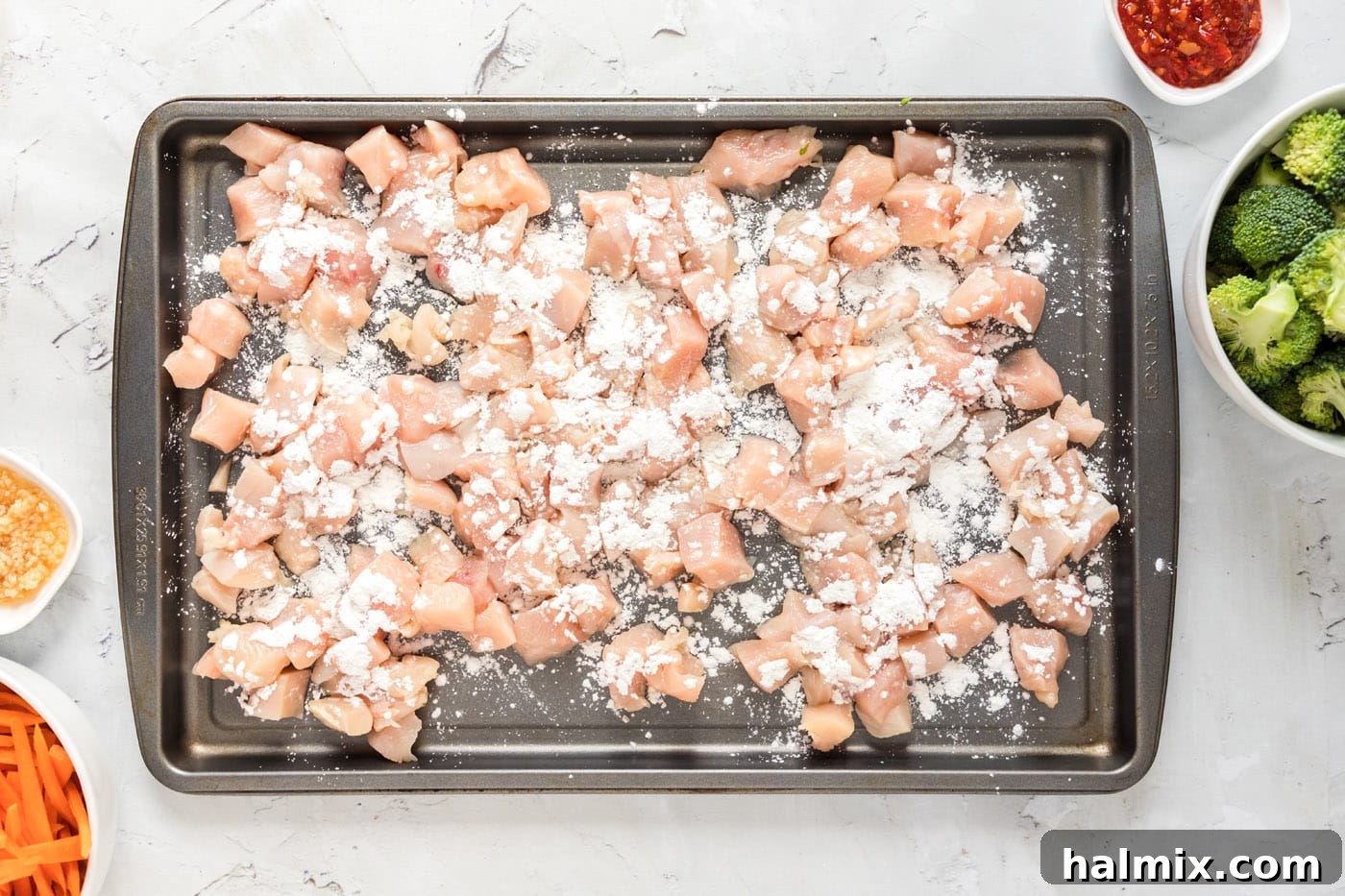
- Prepare the Chicken: Begin by chopping the boneless, skinless chicken breasts into uniform bite-sized pieces. In a bowl, sprinkle 1 ½ tablespoons of cornstarch over the chicken. Using gloved hands (or clean bare hands), toss and coat the chicken thoroughly. This crucial step, known as velveting, helps tenderize the chicken and ensures it cooks up wonderfully moist.

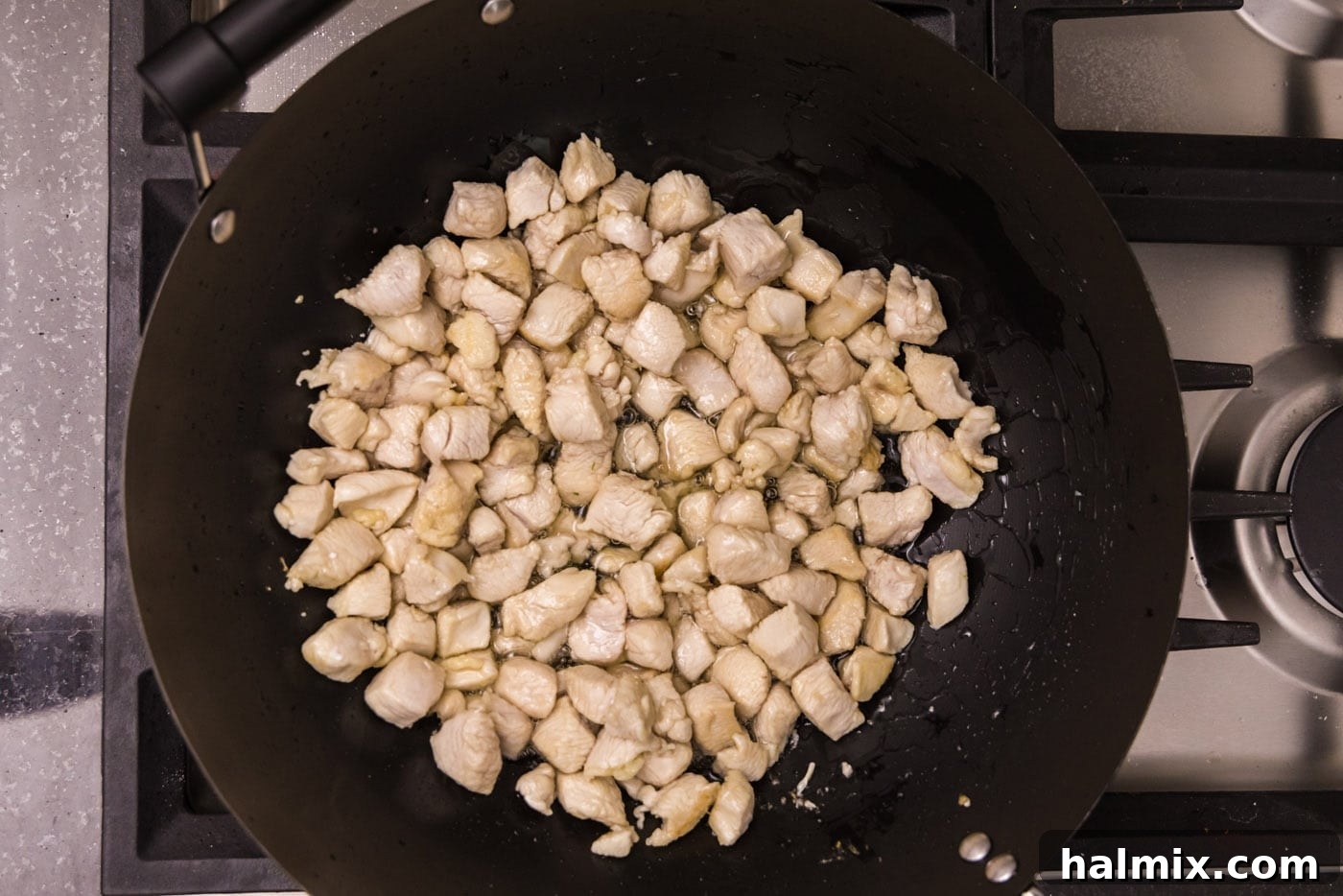
- Heat the Wok: Heat the ¾ cup of olive oil in a large wok or a large, heavy-bottomed skillet over medium-high heat. Allow it to heat until it’s hot and shimmering, just before it starts to smoke. Proper wok temperature is essential for successful stir-frying.
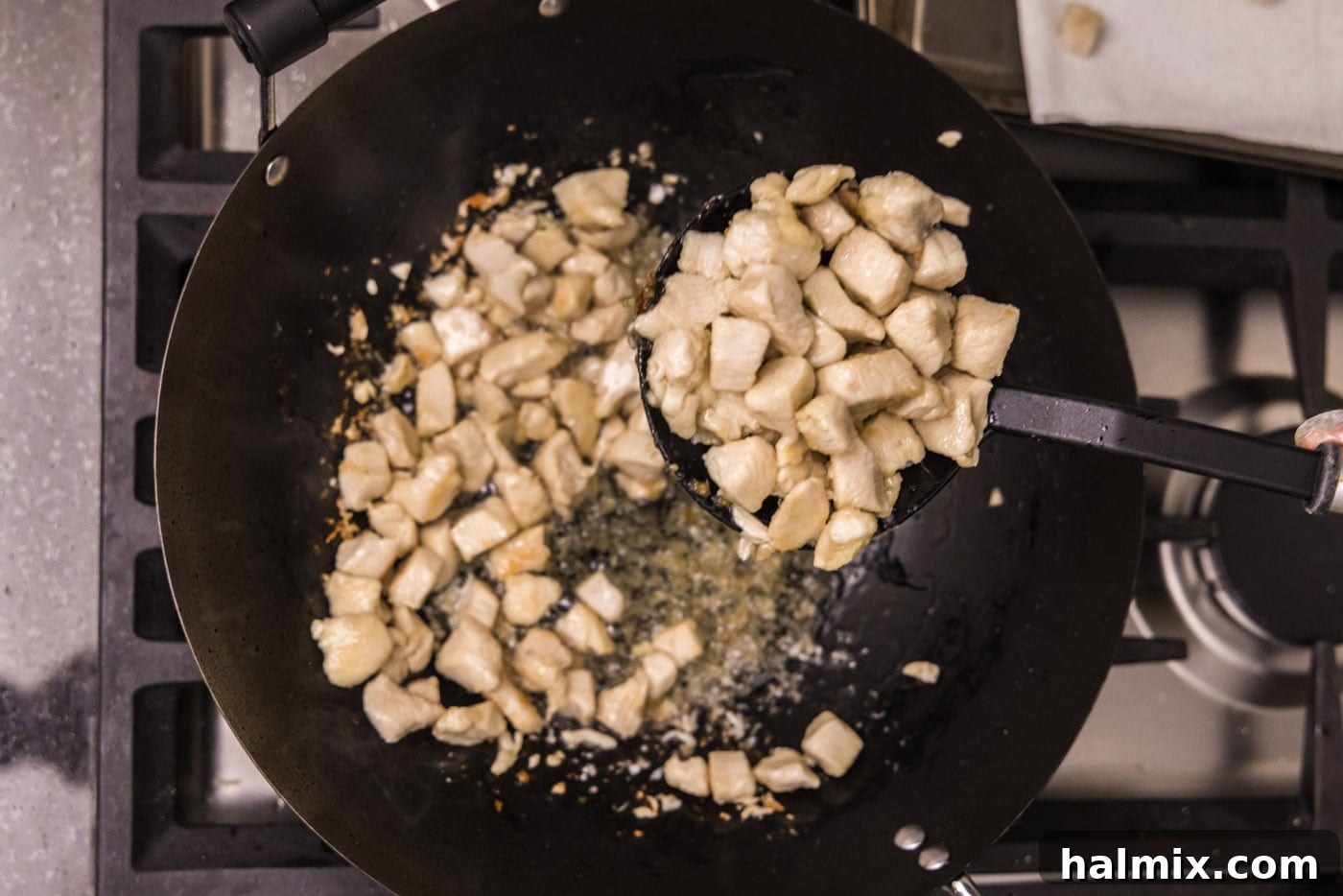
- Stir-Fry the Chicken: Carefully add the cornstarch-coated chicken pieces to the hot wok in a single layer, being careful not to overcrowd the pan. If necessary, cook the chicken in batches to ensure even browning. Stir-fry the chicken, tossing occasionally, until it is no longer pink inside and a beautiful light brown crust begins to develop on the exterior. This typically takes 5-7 minutes. Once cooked, remove the chicken from the wok using a slotted spoon and transfer it to a plate lined with paper towels to drain any excess oil. Set the chicken aside.
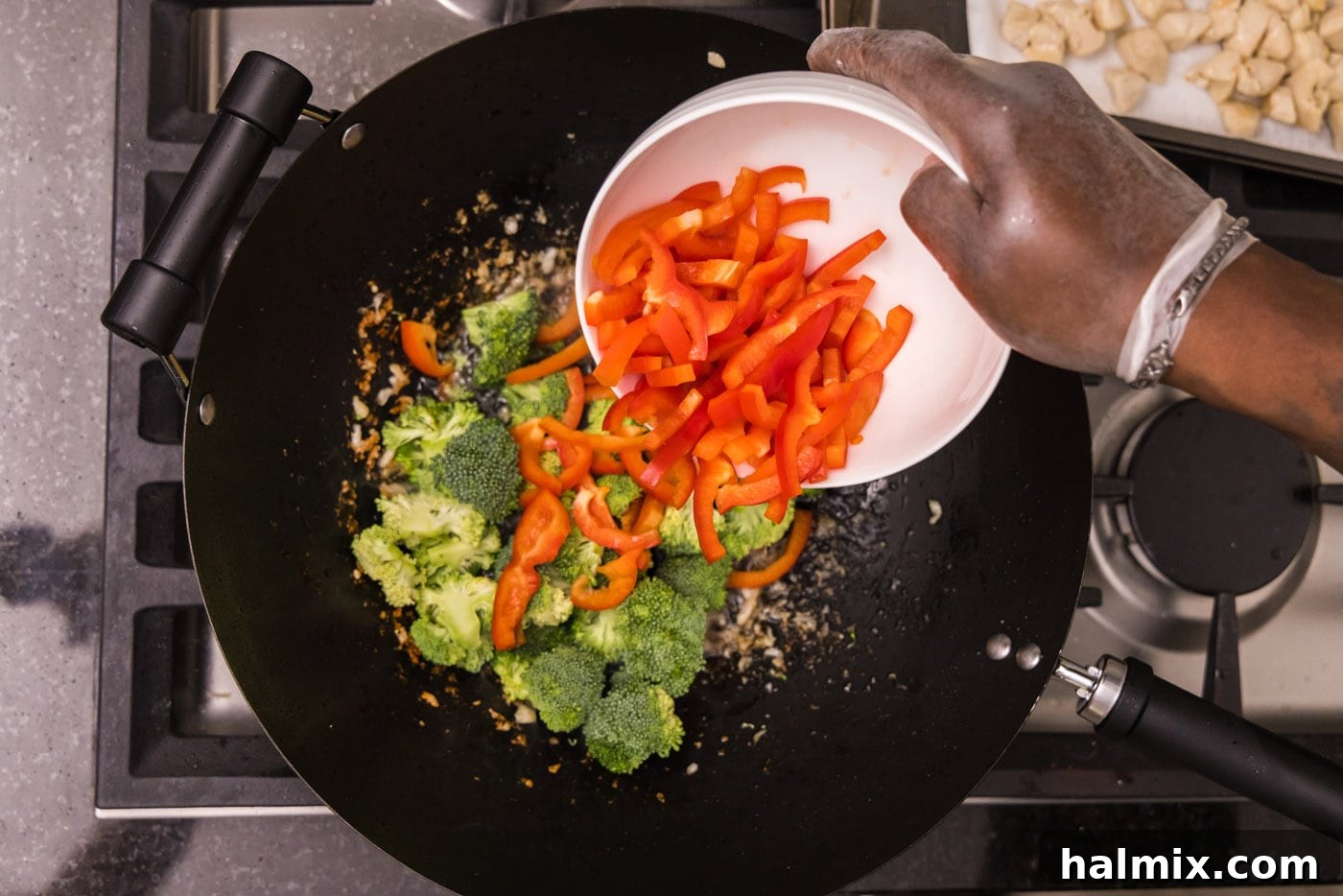
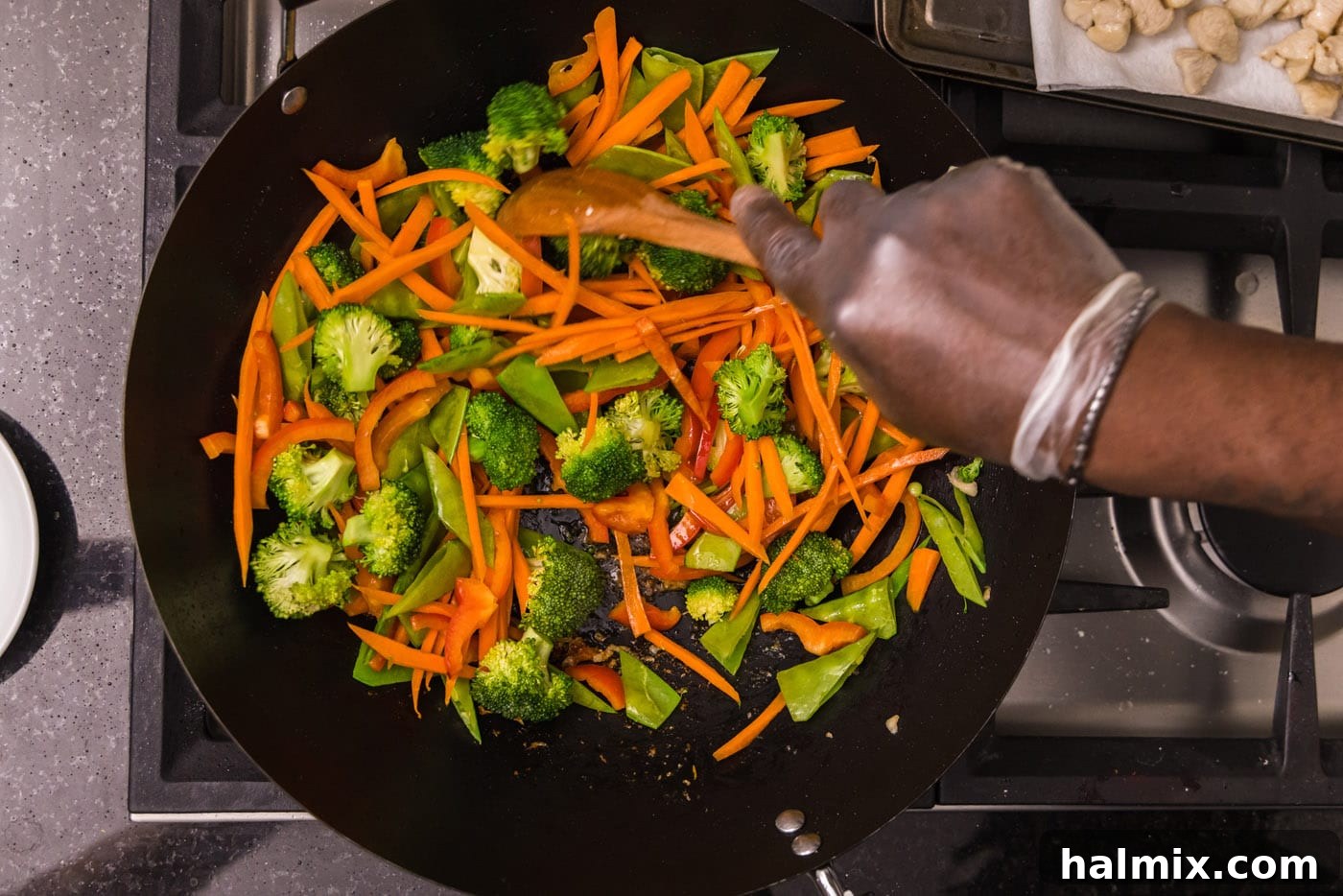
- Sauté the Vegetables: To the remaining oil in the wok, still over medium-high heat, add the broccoli florets, sliced red bell pepper, julienned carrots, and snow peas. Stir-fry these harder vegetables for 2-3 minutes, tossing continuously. The goal is for them to become crisp-tender, retaining some of their bite and vibrant color.
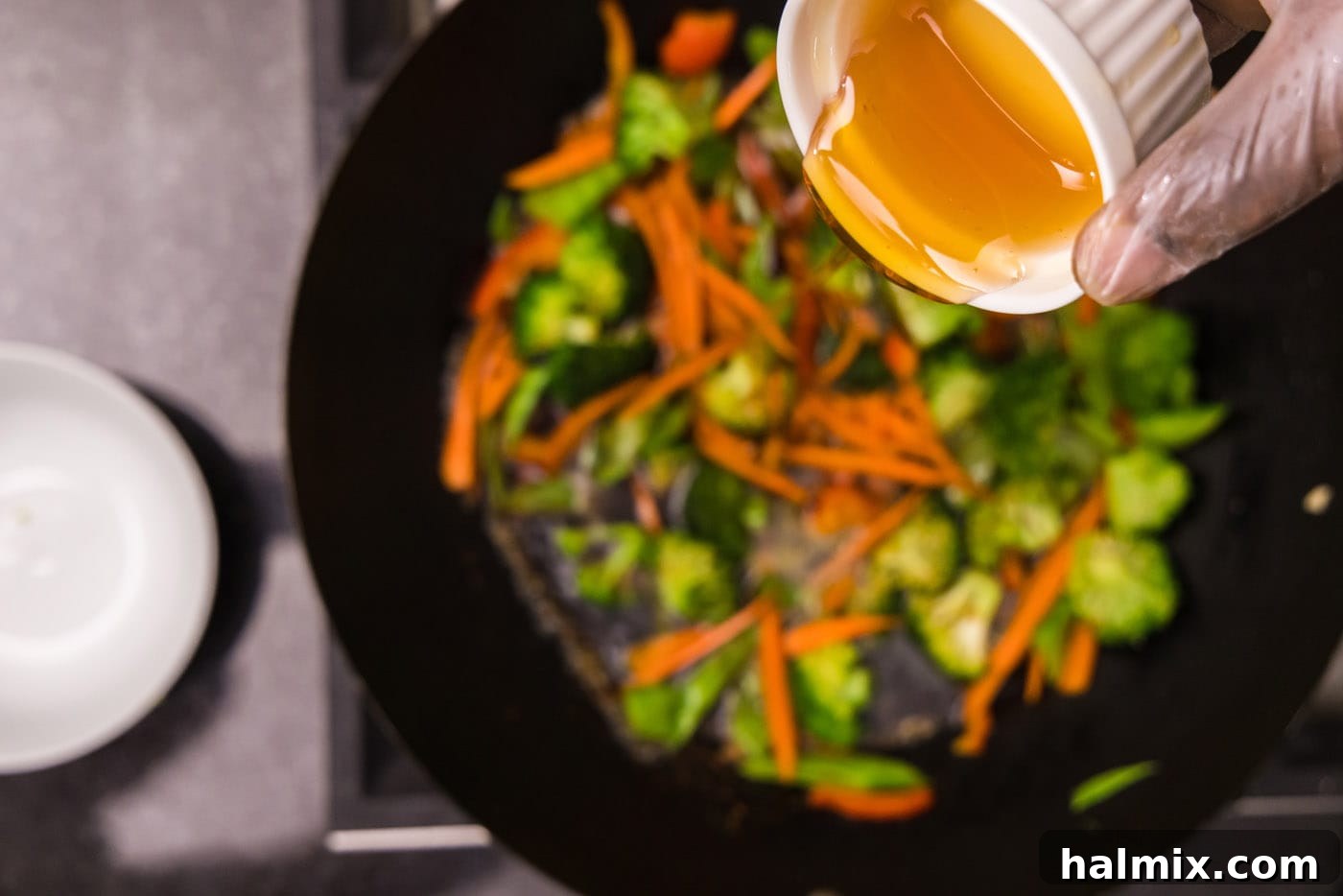
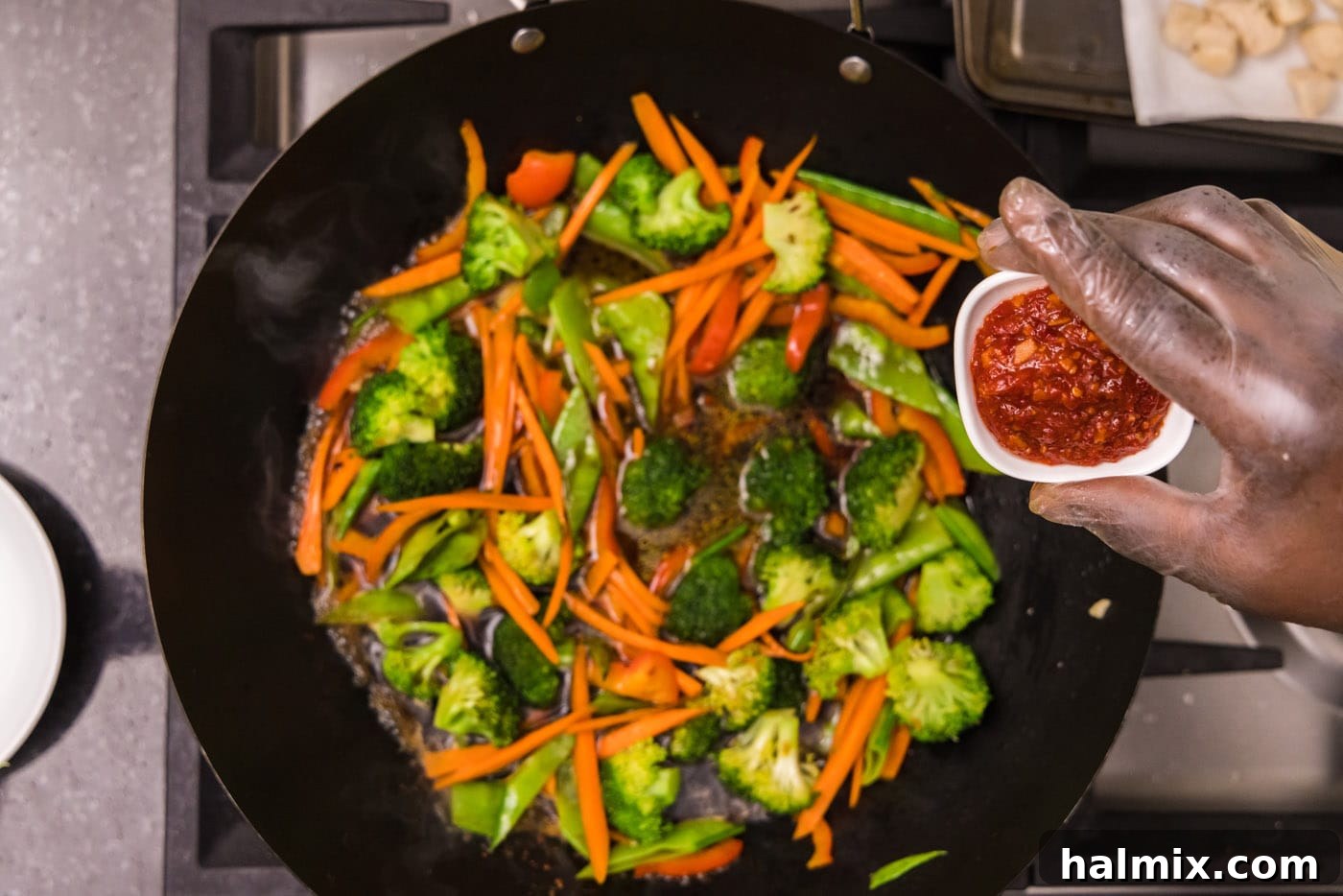
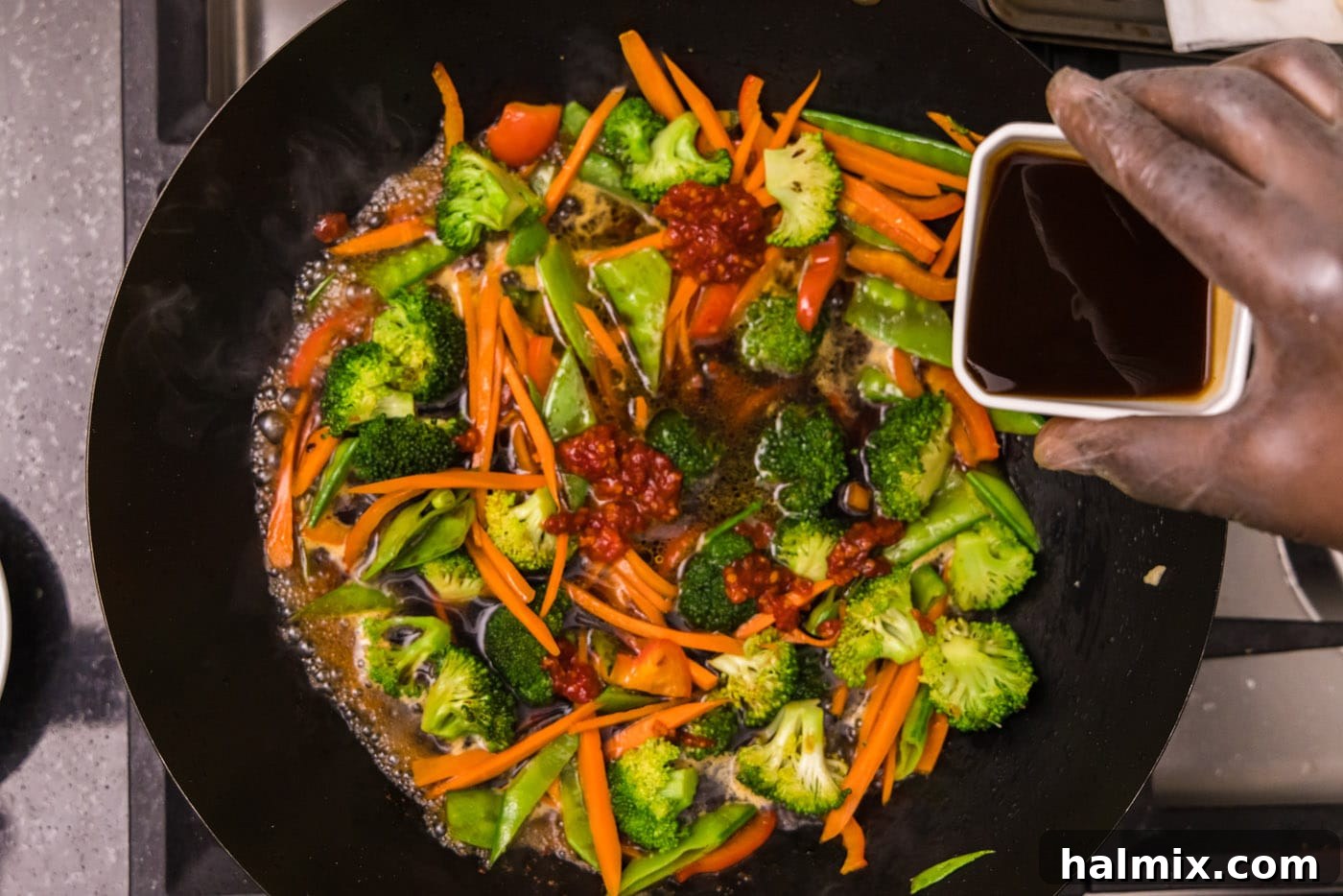
- Create the Sauce: Pour in the chicken broth, oyster sauce, honey, Asian garlic chili sauce, and soy sauce into the wok with the vegetables. Stir vigorously to combine all the ingredients thoroughly, ensuring the sauce is well-mixed. Bring this flavorful mixture to a gentle boil, allowing the flavors to meld together.
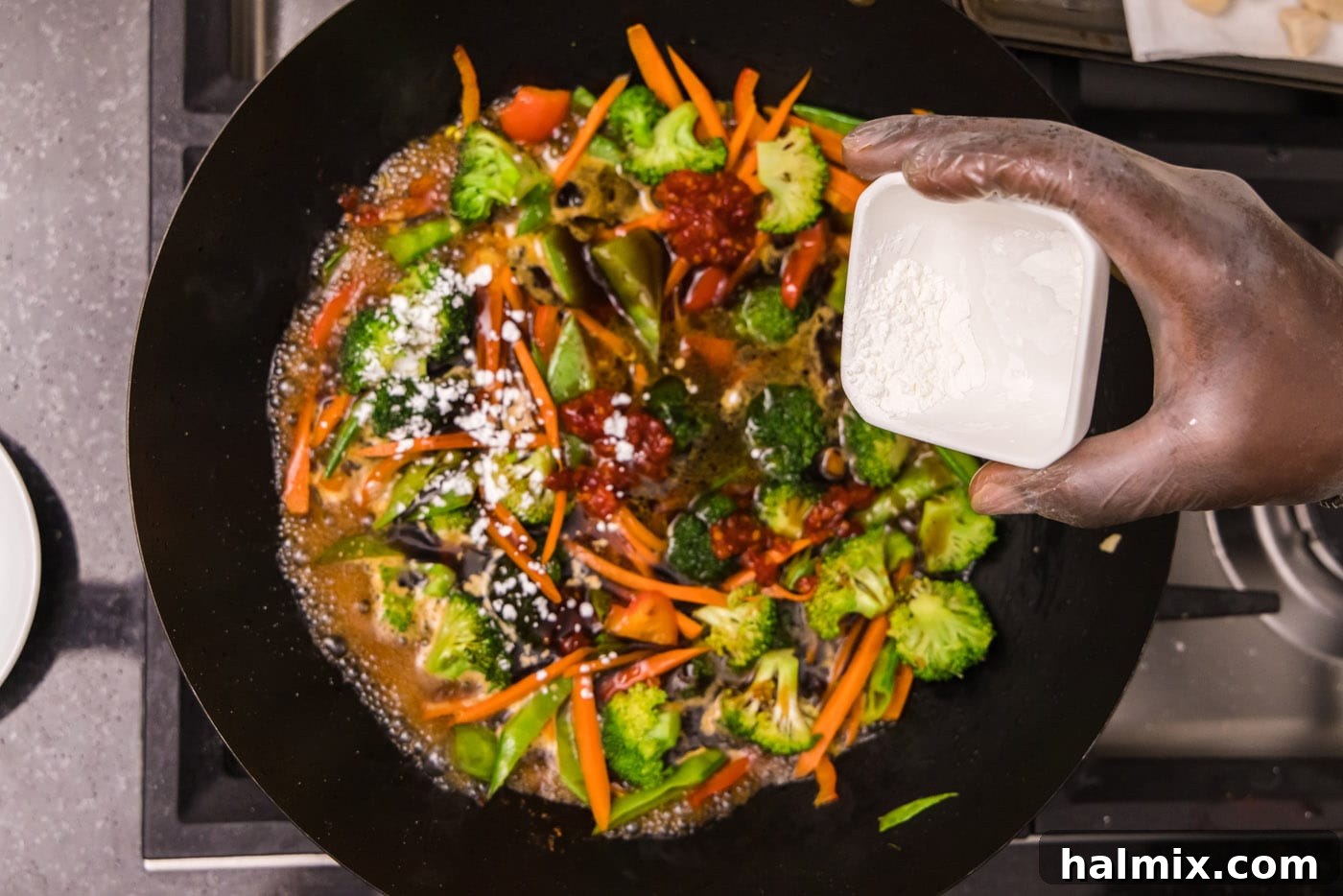
- Thicken the Sauce: Once the sauce is boiling, sprinkle the remaining cornstarch evenly over the ingredients in the wok. Immediately stir continuously to combine and dissolve the cornstarch. The sauce will begin to thicken almost instantly, creating a rich, glossy coating for your stir-fry.
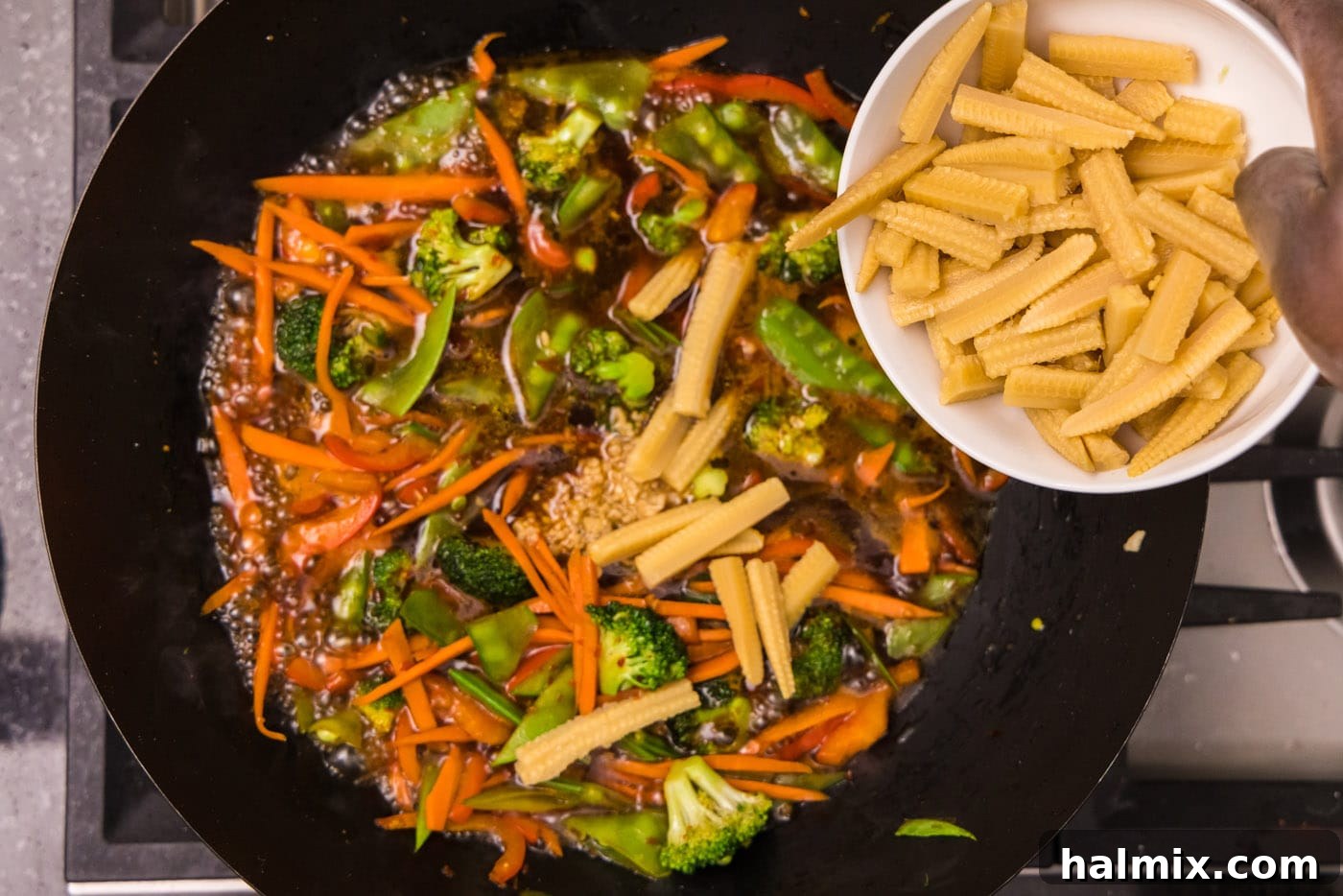
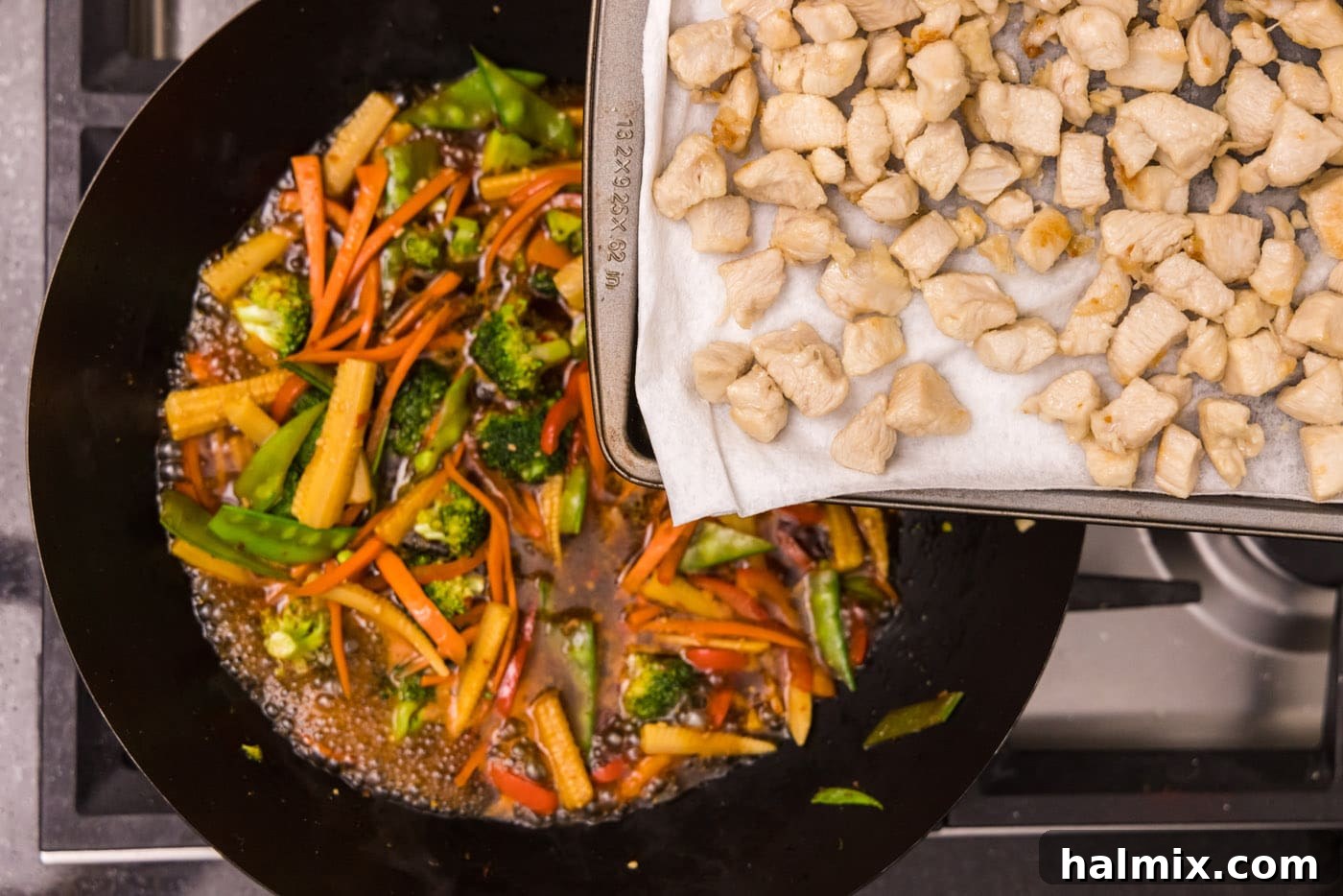
- Combine and Simmer: Add the minced garlic, baby corn, and the previously reserved cooked chicken back into the wok. Stir everything well, ensuring all the chicken and vegetables are generously coated in the thickened, spicy Hunan sauce.
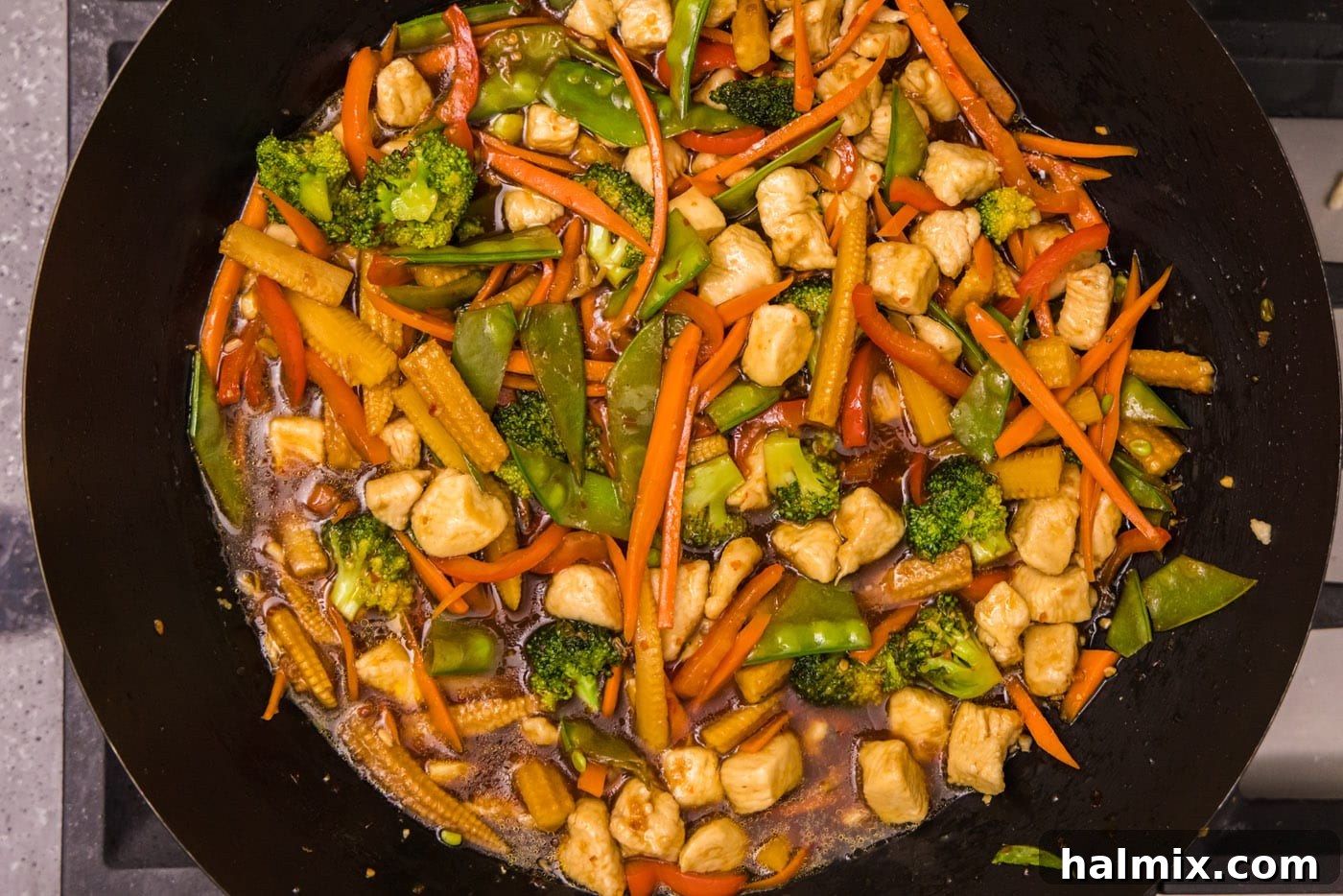
- Finish Cooking: Allow the entire mixture to simmer gently for another 3-4 minutes. This final simmer ensures the sauce fully thickens to its ideal consistency and all the flavors have a chance to meld beautifully. After simmering, turn off the heat and let the dish sit in the wok for an additional 5 minutes. This resting period allows the sauce to further thicken and cling to the ingredients without overcooking the vegetables, maintaining their perfect crisp-tender texture.
Frequently Asked Questions & Expert Tips
While both cuisines are known for their spice, Hunan cuisine (Xiang cuisine) is characterized by a “dry heat” from fresh chilies, along with a focus on sour and savory notes. Szechuan cuisine, on the other hand, is famous for its “mala” (numbing and spicy) flavor, often incorporating Sichuan peppercorns, which create a tingling sensation on the tongue. Hunan chicken typically offers a straightforward, intense heat.
While stir-fries are best enjoyed fresh off the wok, you can certainly do a lot of the prep work in advance. Chop all your vegetables and chicken, and mix the sauce ingredients together. Store them separately in airtight containers in the refrigerator. When it’s time to cook, everything will be ready for a quick stir-fry!
Store any leftover Hunan chicken in an airtight container in the refrigerator for 3-4 days. To reheat, you can use a microwave, but for best results, gently warm it in a skillet over medium heat with a splash of water or chicken broth to prevent drying out and help revitalize the sauce.
Velveting is a Chinese cooking technique where meat (often chicken or beef) is coated in a mixture of cornstarch, egg white, and sometimes a little soy sauce, then briefly blanched or shallow-fried. In this recipe, we use just cornstarch and the natural moisture of the chicken. It creates a protective layer that locks in moisture, resulting in incredibly tender, silky-smooth meat that’s a hallmark of restaurant-quality stir-fries.
Yes, you can use frozen mixed stir-fry vegetables if fresh are not available. However, they might release more water and could become softer than fresh vegetables. Thaw them completely and pat them dry before stir-frying to minimize excess moisture.
Serving Suggestions for Your Hunan Chicken
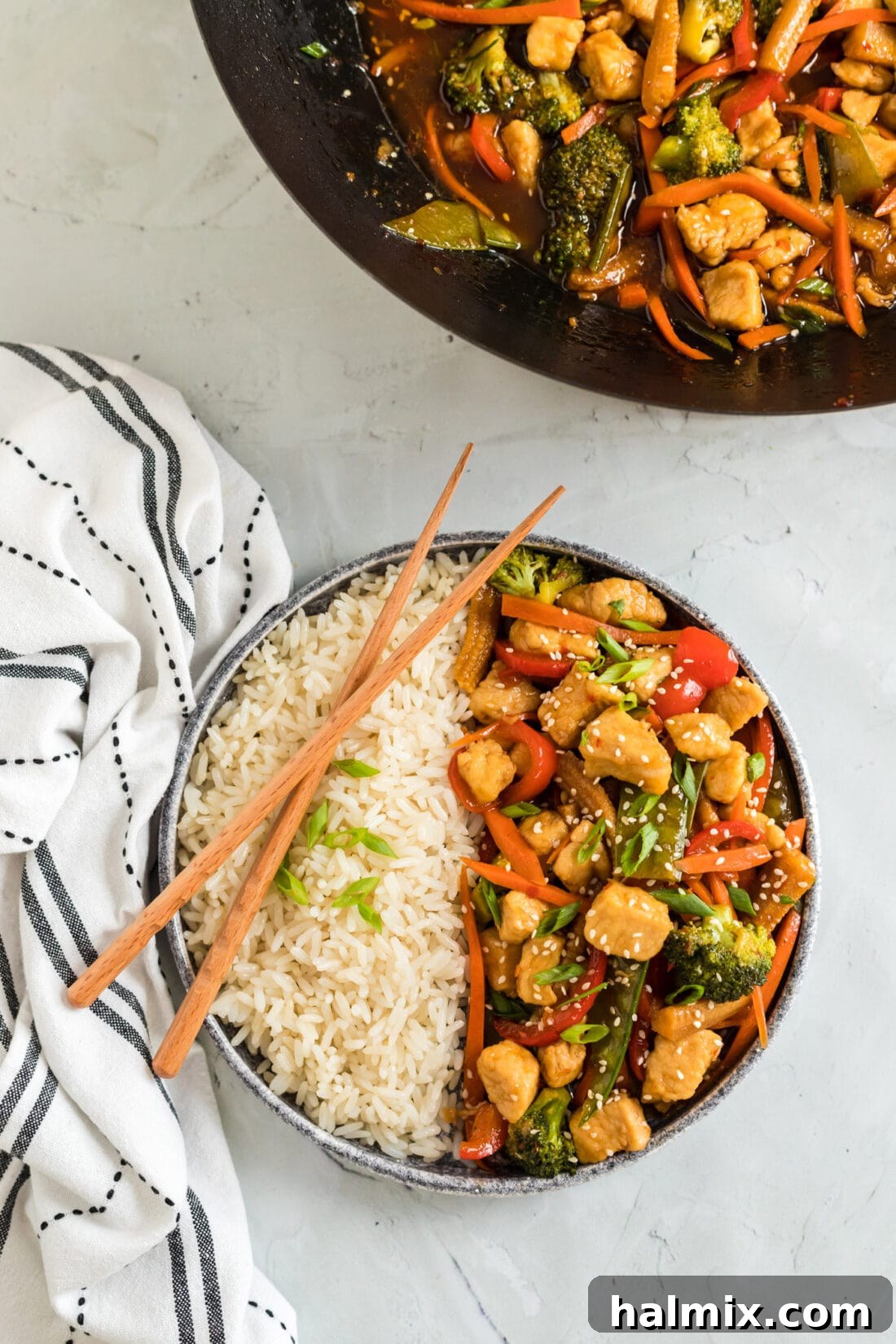
Hunan chicken is a complete meal on its own, but it truly shines when served thoughtfully. The rich, spicy sauce and tender ingredients are perfect for pairing with a variety of side dishes to create a satisfying and well-rounded feast:
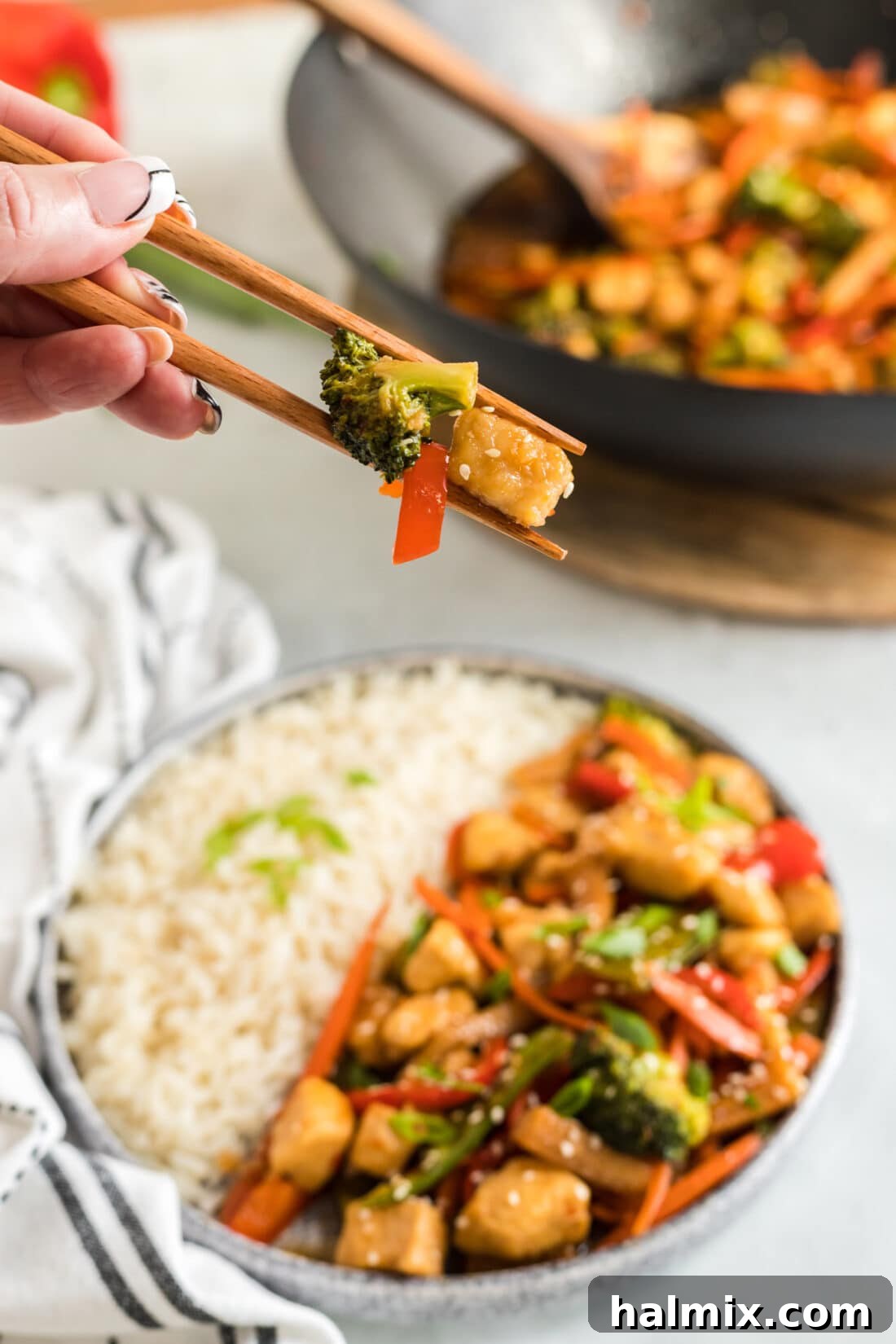
- Classic White Rice: The most traditional pairing, a bed of fluffy white rice (jasmine or basmati) is ideal for soaking up every drop of that delicious, spicy sauce.
- Brown Rice or Quinoa: For a healthier, high-fiber alternative, serve it over brown rice or quinoa.
- Noodles: Toss with lo mein noodles or rice vermicelli for a noodle-centric meal.
- Garnish: Elevate the presentation and add extra flavor with a sprinkle of toasted sesame seeds for nuttiness and finely sliced green onions for a fresh, pungent bite.
- Egg Rolls or Spring Rolls: Offer crispy egg rolls or fresh spring rolls on the side for a delightful textural contrast.
- Simple Soup: A light hot and sour soup or a clear wonton soup can beautifully complement the main course.
Explore More Delectable Stir-Fry Recipes
If you’ve enjoyed the bold flavors and quick preparation of this Hunan Chicken, you’re sure to love these other fantastic stir-fry dishes and Asian-inspired recipes that deliver big on taste and convenience:
- Mongolian Beef: A sweet and savory classic with tender beef in a rich, garlicky sauce.
- Chicken Fried Rice: The ultimate comfort food, perfect for using up leftover rice and adding your favorite veggies.
- Moo Goo Gai Pan: A lighter, more delicate stir-fry featuring sliced chicken and an assortment of fresh mushrooms and vegetables in a savory white sauce.
- General Tso Chicken: Crispy fried chicken pieces tossed in a sweet, sour, and mildly spicy sauce, a true takeout staple.
- Chinese Pepper Steak: Tender strips of beef and colorful bell peppers in a savory brown sauce, a flavorful and satisfying meal.
I love to bake and cook and share my kitchen experience with all of you! Remembering to come back each day can be tough, that’s why I offer a convenient newsletter every time a new recipe posts. Simply subscribe and start receiving your free daily recipes!
Hunan Chicken
IMPORTANT – There are often Frequently Asked Questions within the blog post that you may find helpful. Simply scroll back up to read them!
Print It
Pin It
Rate It
Course: Dinner
Cuisine: American, Chinese
Ingredients
- 1 ¾ pound boneless skinless chicken breasts
- 2 ½ Tablespoons cornstarch divided
- ¾ cup olive oil
- 2 ½ cups broccoli florets
- 1 ½ cup sliced red bell pepper
- 1 ½ cups julienned carrots
- 1 ½ cups snow peas
- 1 cup chicken broth
- 3 Tablespoons oyster sauce
- ¼ cup honey
- 1 ½ Tablespoons Asian garlic chili sauce
- ½ cup soy sauce
- 1 Tablespoon minced garlic
- 1 ½ cups baby corn cut in half lengthwise
Things You’ll Need
-
Wok
-
Vinyl gloves
Before You Begin
- Try to cut your vegetables so that they are fairly uniform in size. This will allow them to cook at the same rate.
- Honey helps balance the heat in the dish. You can use regular granulated sugar instead if preferred.
- If you like your dishes extra spicy, try adding a small amount of chili paste, sliced red chiles, or a little more Asian chili garlic sauce to the mix.
Instructions
-
Chop chicken breast into bite sized pieces. Sprinkle with 1 1/2 tablespoons of the cornstarch. Use gloved hands to toss and coat the chicken.
-
Heat olive oil in a wok over medium-high heat until hot and shimmering.
-
Carefully add chicken pieces to the wok. Stir fry until chicken is no longer pink and a light brown crust begins to develop. Remove chicken to a paper towel lined plate and set aside.
-
To the remaining oil in the wok over medium-high, add broccoli, red bell pepper, carrots, and snow peas. Stir fry for 2-3 minutes.
-
Add chicken broth, oyster sauce, honey, Asian garlic chili, and soy sauce. Stir to combine well. Bring mixture to a boil.
-
Sprinkle remaining cornstarch over the ingredients in the wok and stir to combine.
-
Add minced garlic, baby corn, and reserved chicken. Stir to combine and coat all ingredients in sauce.
-
Allow to simmer for 3-4 minutes so that the sauce begins to thicken. Turn off heat and allow to sit for 5 minutes, this will allow the sauce to further thicken but not overcook the vegetables.
Nutrition
Tried this Recipe? Pin it for Later!Follow on Pinterest @AmandasCookin or tag #AmandasCookin!
The recipes on this blog are tested with a conventional gas oven and gas stovetop. It’s important to note that some ovens, especially as they age, can cook and bake inconsistently. Using an inexpensive oven thermometer can assure you that your oven is truly heating to the proper temperature. If you use a toaster oven or countertop oven, please keep in mind that they may not distribute heat the same as a conventional full sized oven and you may need to adjust your cooking/baking times. In the case of recipes made with a pressure cooker, air fryer, slow cooker, or other appliance, a link to the appliances we use is listed within each respective recipe. For baking recipes where measurements are given by weight, please note that results may not be the same if cups are used instead, and we can’t guarantee success with that method.