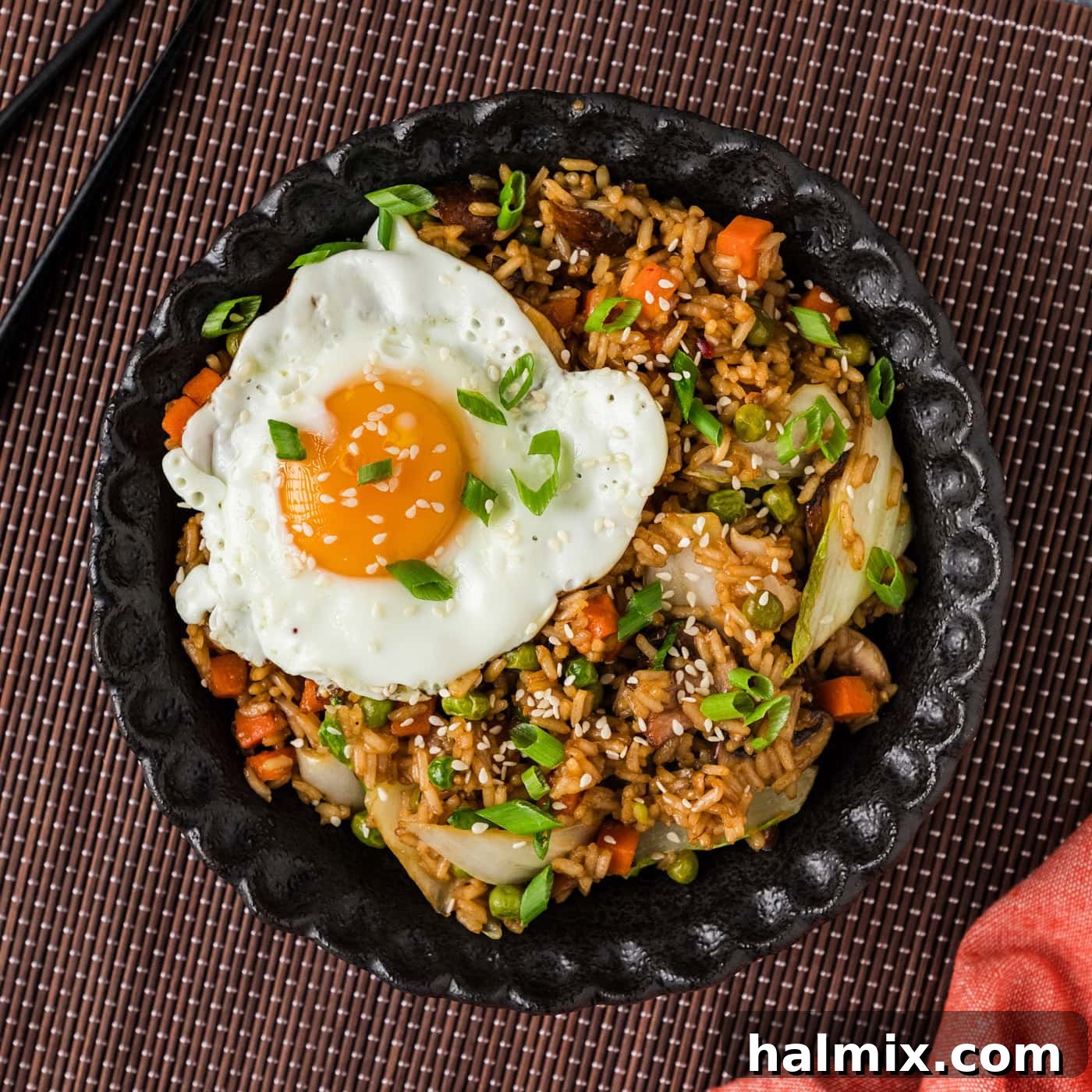
Flavorful Korean Fried Rice (Bokkeum-Bap): Your New Go-To Recipe
Embark on a culinary journey to Korea with this sensational fried rice recipe, known as bokkeum-bap. Bursting with the vibrant flavors of a garlic-hoisin-soy sauce blend, this dish is stir-fried to perfection with an abundance of fresh, colorful vegetables. It’s a truly satisfying meal that’s both easy to prepare and incredibly versatile, promising to delight your taste buds with every spoonful.
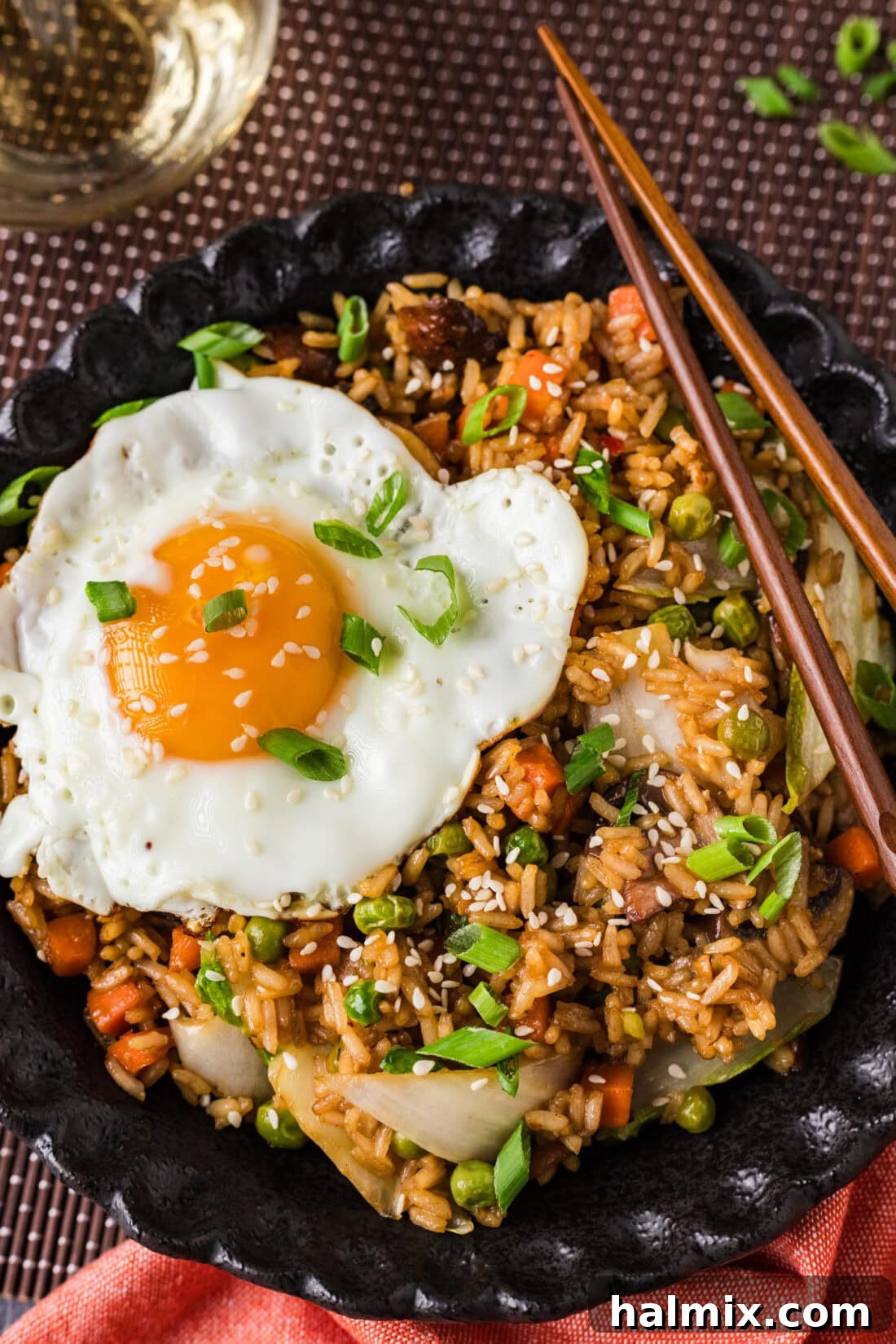
Why This Korean Fried Rice Recipe Is a Must-Try
Korean fried rice, or bokkeum-bap, is more than just a stir-fried dish; it’s a celebration of textures and flavors. Unlike its Chinese counterpart which typically uses long-grain rice, authentic Korean fried rice is crafted with **short-grain rice**. This distinct choice yields a stickier, chewier texture that beautifully binds the ingredients, creating a mouthfeel somewhat reminiscent of a rich risotto, yet entirely unique. This recipe leverages that characteristic stickiness to absorb all the savory goodness from our special garlic-hoisin-soy sauce blend, making it incredibly flavorful and deeply satisfying.
This recipe truly shines because it’s:
- Quick & Easy: Perfect for weeknight dinners, it comes together in under 30 minutes.
- Bursting with Flavor: The combination of garlic, ginger, hoisin, and soy sauce creates a deeply umami-rich profile that’s uniquely Korean.
- Highly Customizable: A fantastic way to use up leftover vegetables or incorporate your favorite proteins.
- Economical: An excellent use for day-old rice, transforming simple ingredients into an extraordinary meal.
- Naturally Wholesome: Packed with nutrient-dense vegetables, making it a healthy and balanced option.
The nuanced flavors and satisfying textures of bokkeum-bap make it an experience worth savoring. If you’ve primarily had other styles of fried rice, prepare for a delightful surprise!
Essential Ingredients for Authentic Korean Fried Rice
Creating delicious Korean fried rice starts with quality ingredients. Here’s what you’ll need to gather for this recipe. All precise measurements and detailed instructions are available in the complete recipe card at the end of this post.
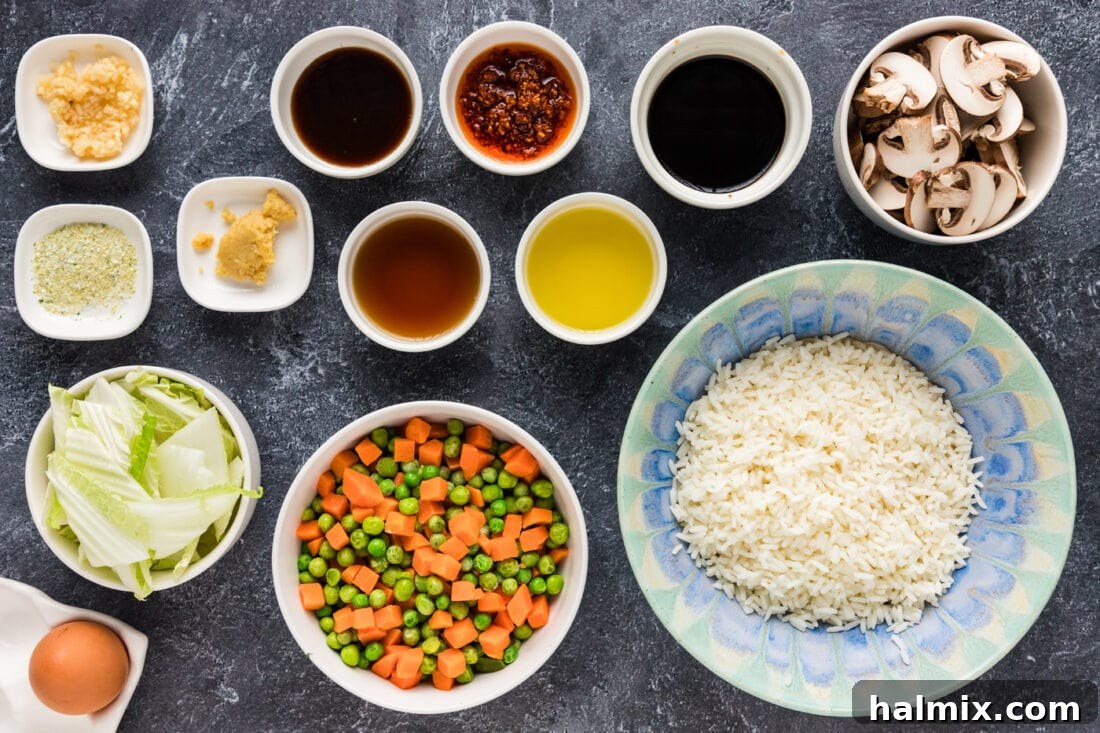
Ingredient Breakdown & Customization Tips
Understanding each component allows for confident cooking and creative substitutions. Here’s a closer look at the key players in our Korean fried rice:
RICE: The Foundation
Traditionally, Korean fried rice utilizes **short-grain white rice**, often referred to as sushi rice due to its sticky, plump characteristics when cooked. This stickiness is crucial as it helps the rice absorb the rich sauces and flavors, giving bokkeum-bap its signature texture. While short-grain is highly recommended for authenticity, you can certainly use medium-grain rice or even long-grain rice if that’s what you have on hand. The most important tip for perfect fried rice, regardless of grain length, is to use **day-old, cold cooked rice**. Refrigerated rice dries out slightly, preventing it from becoming mushy and allowing it to separate beautifully when stir-fried.
VEGETABLES: Color, Crunch & Nutrients
The beauty of fried rice lies in its flexibility with vegetables. We’ve chosen a classic combination of crisp **carrots**, sweet **peas**, tender **napa cabbage**, and earthy **mushrooms** (baby Bella or white button). However, feel free to get creative! Other popular and delicious additions include:
- Kimchi: For a spicy, fermented tang that’s distinctly Korean.
- Snow Peas: Adding a vibrant green color and a delicate crunch.
- Spring Onions (Scallions): For a fresh, pungent garnish and mild onion flavor.
- Bell Peppers: Red, yellow, or green bell peppers add sweetness and texture.
- Zucchini or Courgette: A great way to add more green veggies.
- Spinach or Kale: Wilted greens can add a healthy boost.
- Corn: For a touch of sweetness and vibrant yellow color.
Ensure your vegetables are chopped into similar-sized pieces for even cooking.
FLAVOR BOOSTERS: The Heart of the Dish
The rich, umami-packed sauce is what truly makes this Korean fried rice sing. Our blend includes:
- Hoisin Sauce: A sweet and savory Chinese BBQ sauce that adds depth and a beautiful glaze.
- Low Sodium Soy Sauce: Provides essential salty and umami notes. Opt for low sodium to control the overall saltiness.
- Minced Garlic & Ginger: These aromatic powerhouses are fundamental to Asian cuisine, providing a warm, pungent base flavor.
- Crunchy Garlic Chili Sauce: A fantastic ingredient that adds texture, heat, and intense garlic flavor. If you prefer, you can substitute this with **Gochujang** (Korean chili paste) for a more authentic Korean heat and fermented flavor, or Sriracha for a simpler kick. Adjust the amount to your preferred spice level.
- Sesame Oil: Added at the end, it imparts a nutty aroma and rich flavor that ties everything together.
- Garlic Salt: Enhances the savory profile of the vegetables.
ADDITIONAL PROTEINS (Optional but Recommended):
While delicious on its own, Korean fried rice is often elevated with added protein. Consider stir-frying small pieces of:
- Chicken: Diced chicken breast or thighs.
- Beef: Thinly sliced bulgogi-style beef or ground beef.
- Shrimp: Quick-cooking and adds a lovely seafood element.
- Tofu or Tempeh: For a plant-based protein option, press firm tofu and dice before frying until golden.
Remember, the goal is a harmonious balance of flavors and textures. Don’t be afraid to adjust ingredients to suit your personal taste!
Step-by-Step: Crafting Your Korean Fried Rice
Follow these straightforward steps to create a delicious bowl of Korean fried rice. For a printable version of this recipe, complete with precise measurements and detailed instructions, please scroll down to the recipe card.
- Prepare Your Skillet: Heat 2 tablespoons of olive oil in a large skillet or wok over medium-high heat until it begins to shimmer. A well-heated pan is key for proper stir-frying.
- Sauté the Aromatics: Add 1 tablespoon of minced garlic, 2 teaspoons of minced ginger, and 1 cup of chopped napa cabbage to the hot oil. Sauté for 1-2 minutes until fragrant and the cabbage starts to soften.
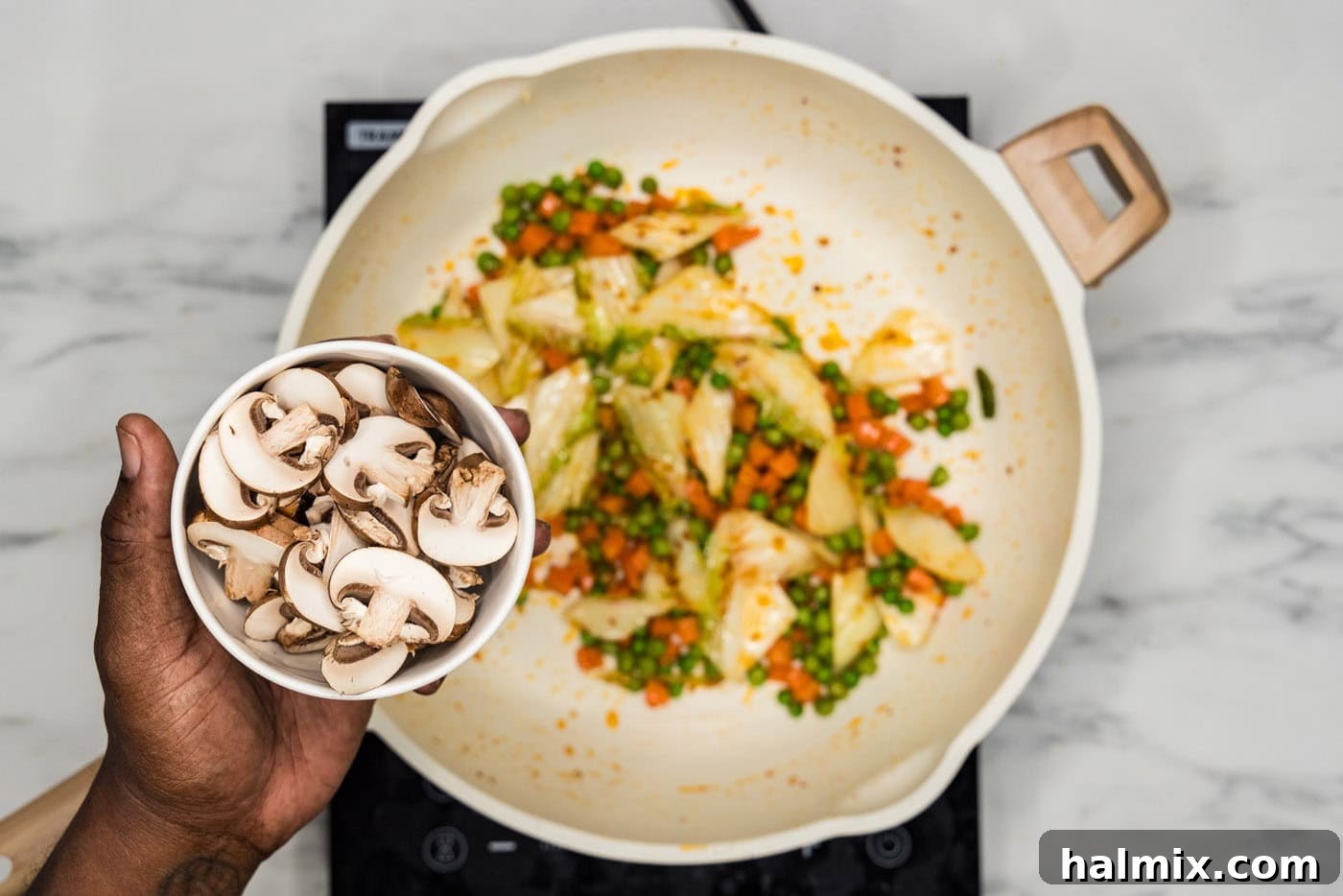
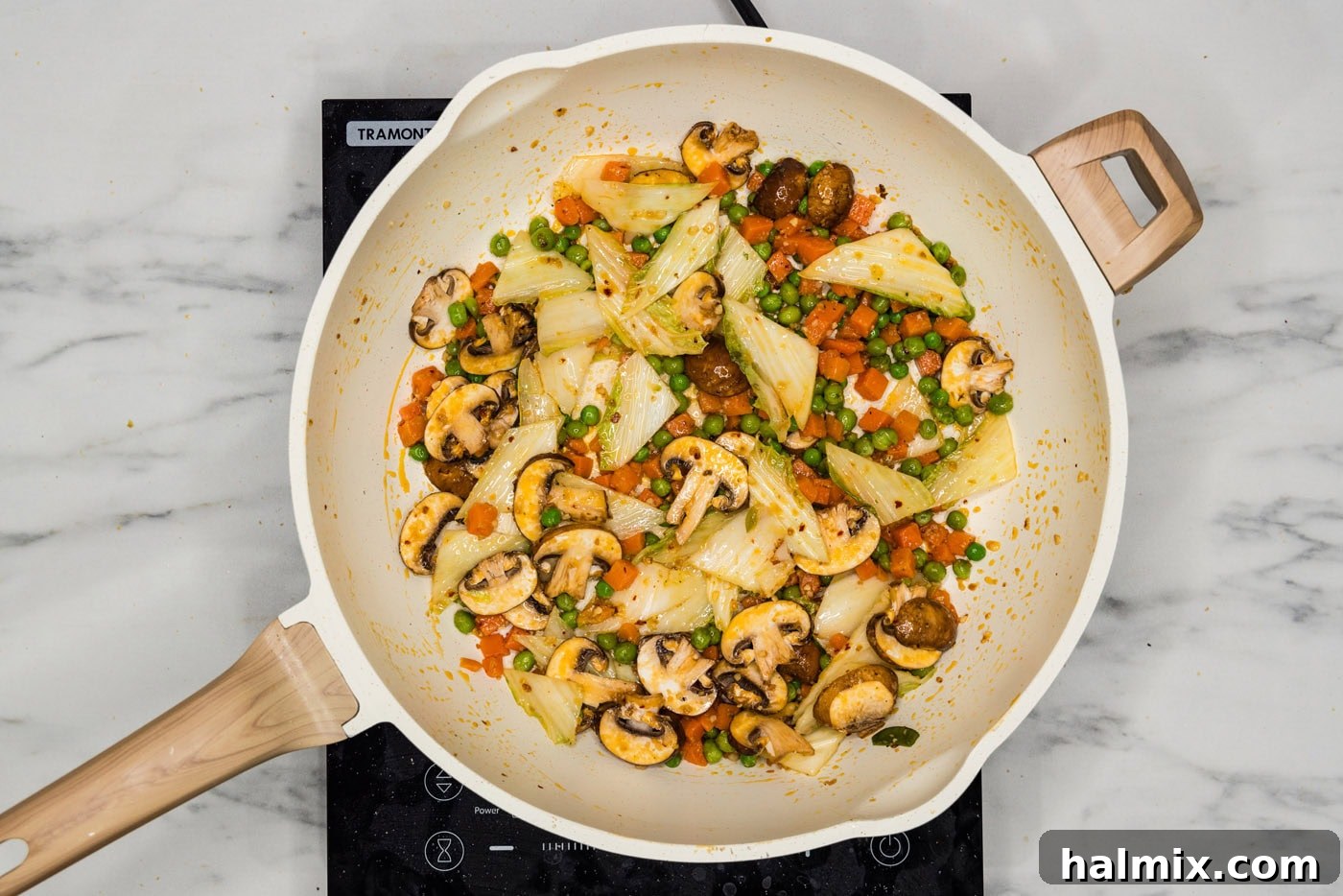
- Introduce More Vegetables and Spice: Stir in 1 tablespoon of crunchy garlic chili sauce, 1 ½ cups of frozen carrots and peas, 1 ½ teaspoons of garlic salt, and 8 ounces of sliced mushrooms. Continue to sauté for 3-4 minutes, or until the mushrooms begin to tenderize and release their moisture.

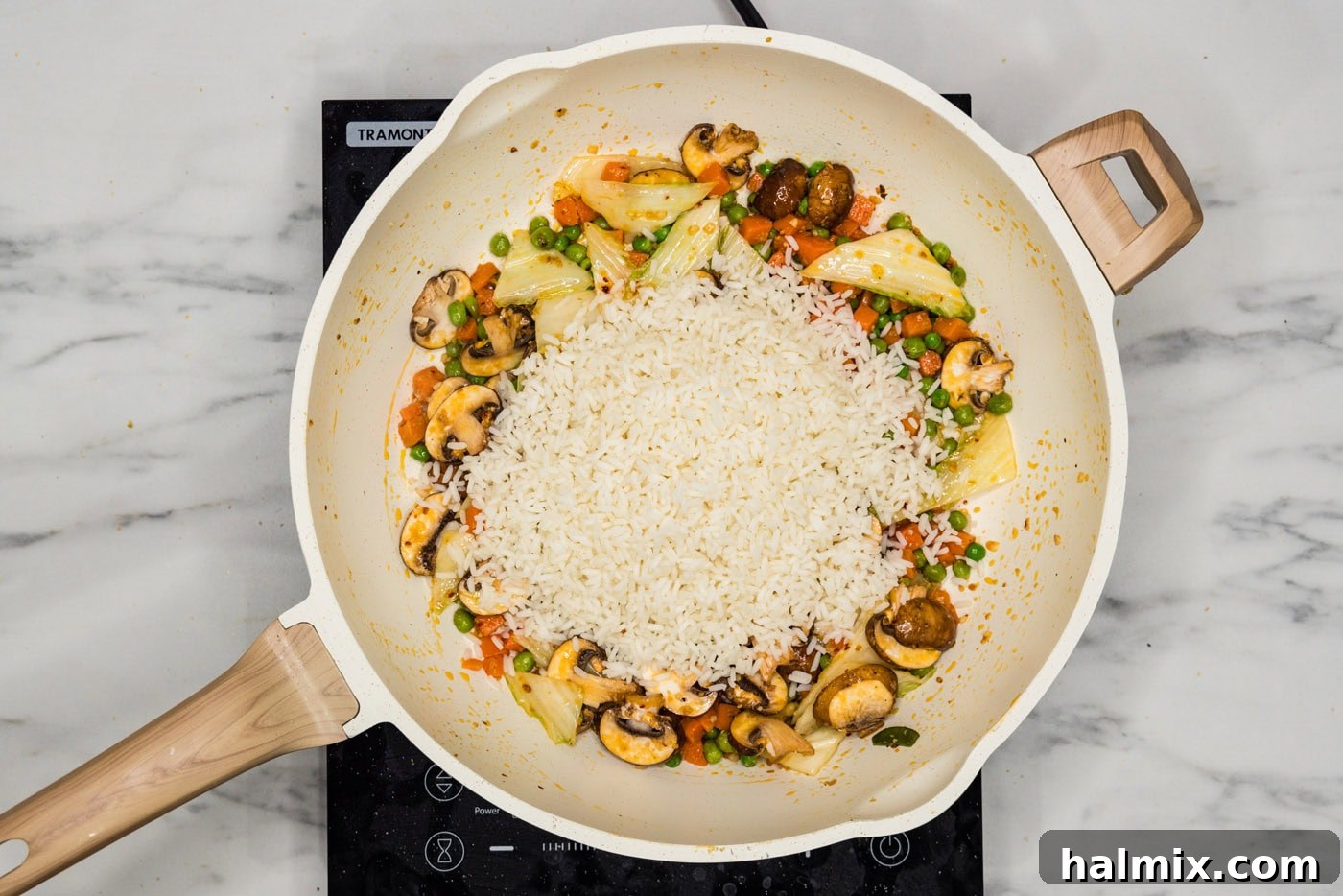
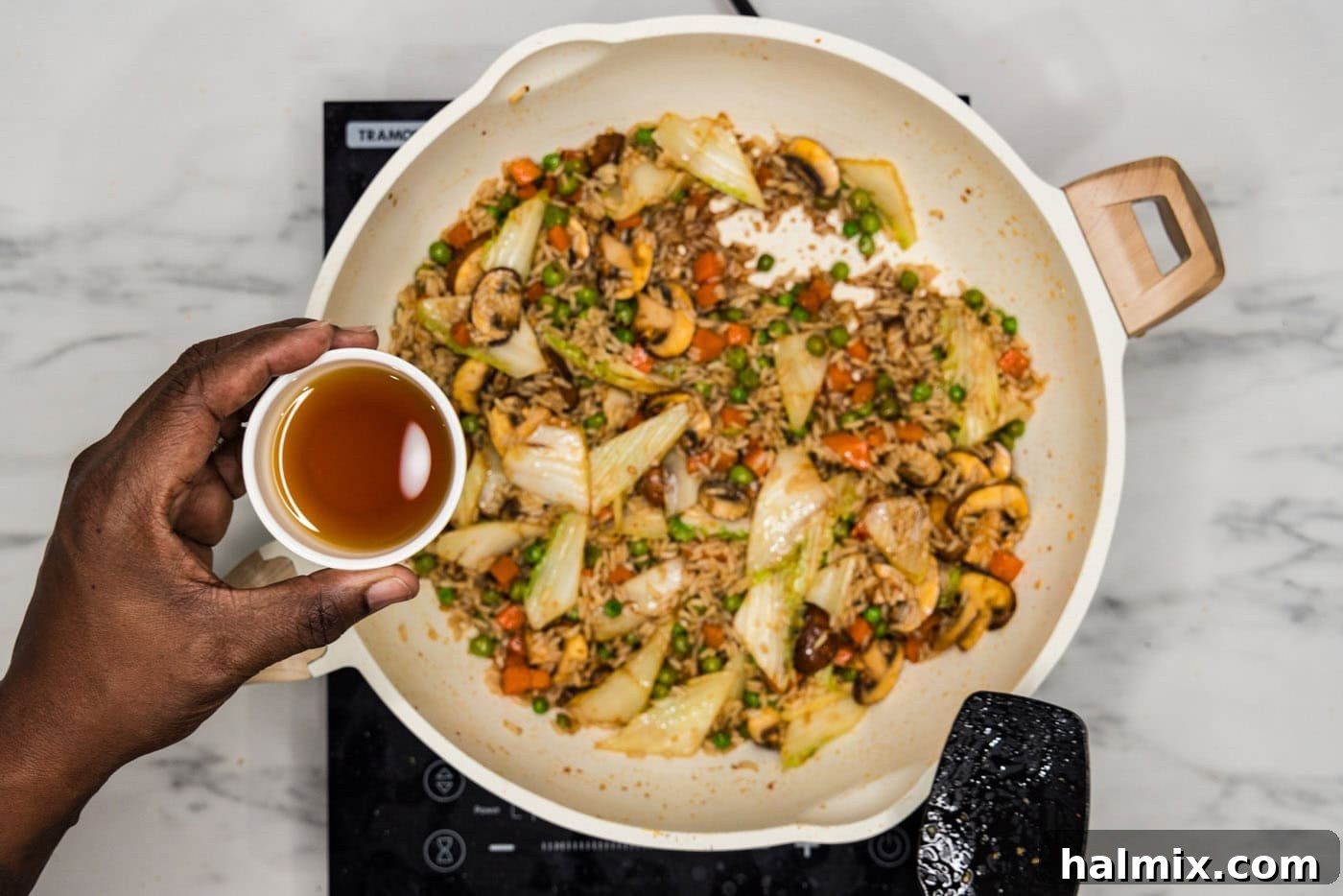
- Incorporate the Rice and Sauce: Add 2 cups of cooked short-grain rice to the skillet, along with 2 tablespoons of hoisin sauce, ¼ cup of low sodium soy sauce, and 2 tablespoons of sesame oil. Stir vigorously to combine all ingredients, breaking up any clumps of rice, and cook until the rice is thoroughly heated through, which typically takes about 2-3 minutes. Ensure the rice gets a slight toast.
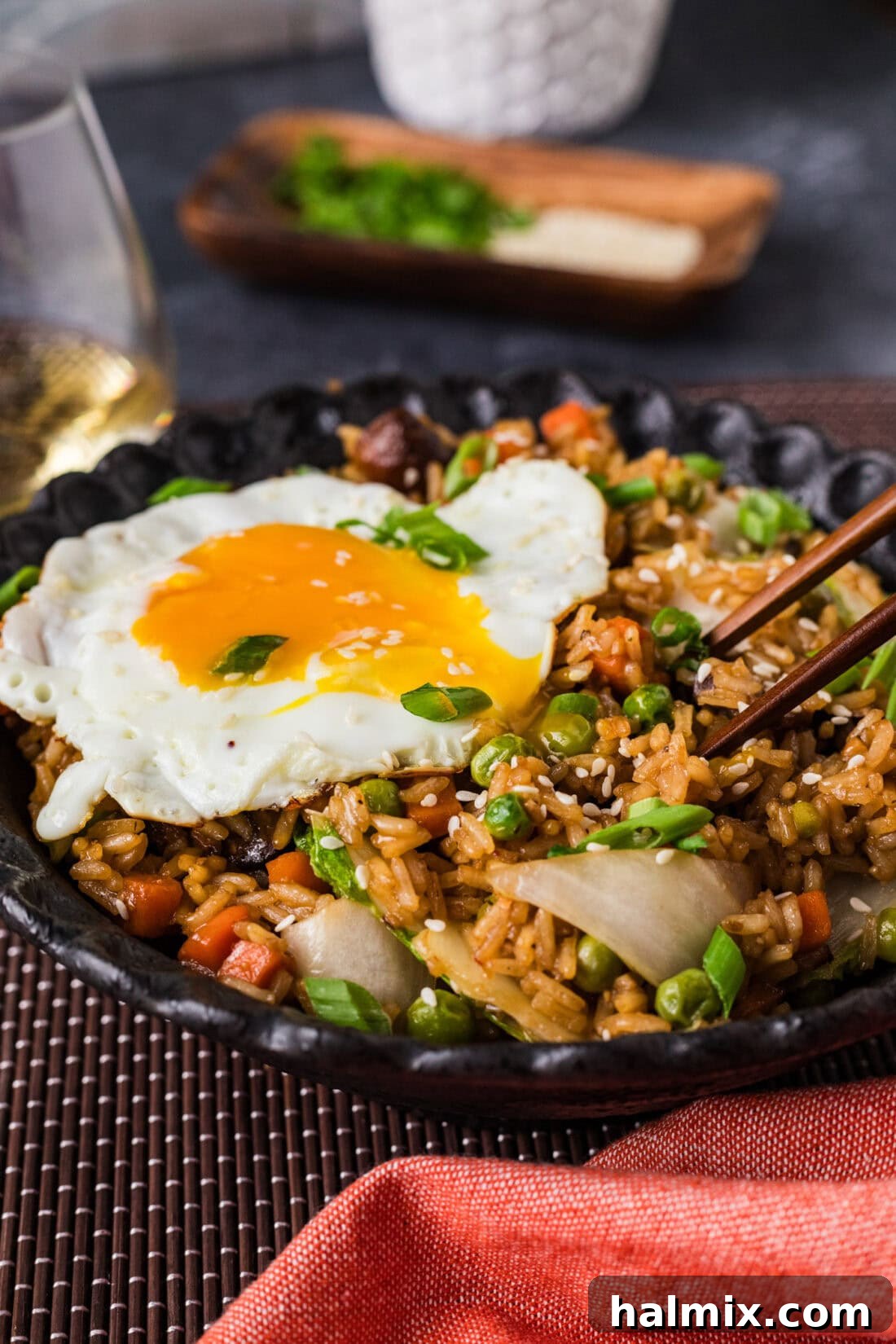
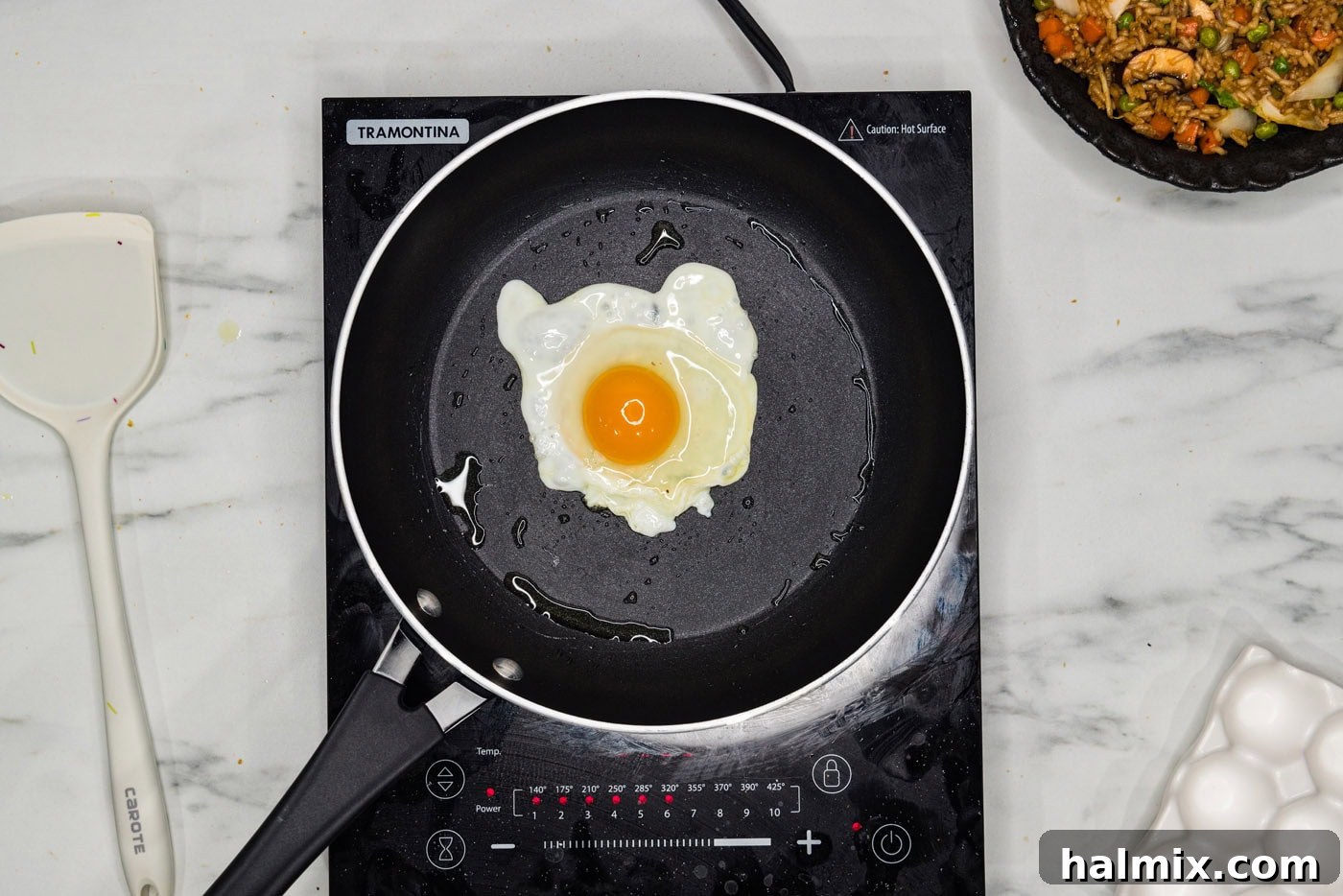
- Fry the Egg (Traditional Topping): Once the fried rice is ready, remove it from the skillet and set it aside. In the same skillet, cook 1 large egg to a sunny-side-up style. The runny yolk will add a luxurious richness to the fried rice when broken.
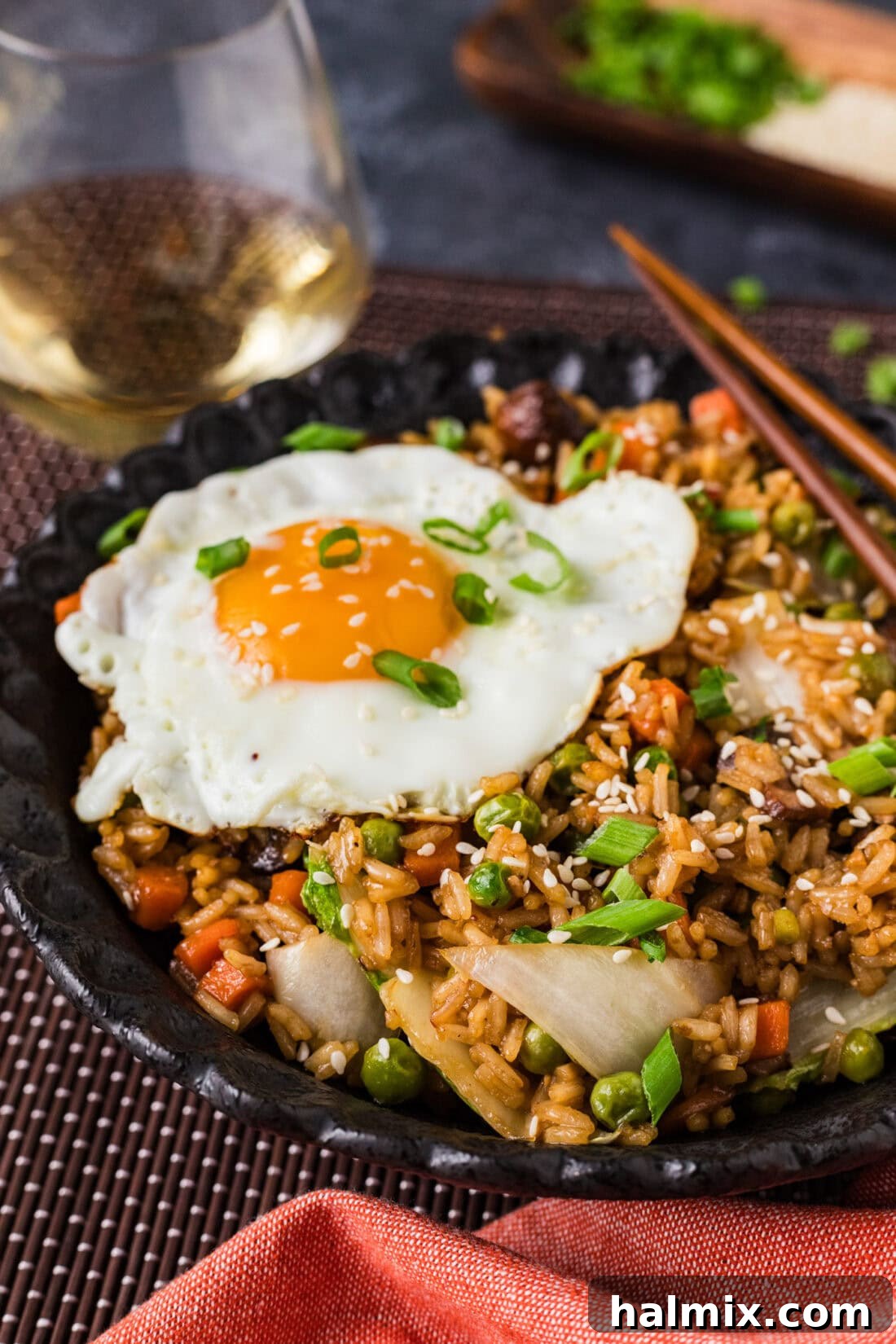
- Serve: Slide the perfectly cooked egg on top of your steaming bowl of Korean fried rice. Garnish with sliced spring onions and a sprinkle of sesame seeds for an extra touch of flavor and visual appeal. Enjoy immediately!
Frequently Asked Questions & Expert Tips for Bokkeum-Bap
To maintain freshness and flavor, store any leftover Korean fried rice in an airtight container in the refrigerator for up to 3 days. When reheating, use a microwave or a skillet over medium heat. If the rice seems a little dry, add a small splash of water or a teaspoon of sesame oil to moisten it and restore its texture.
While day-old, cold rice is ideal for optimal texture (it prevents sogginess and helps achieve those crispy bits), you can use freshly cooked rice. If doing so, spread the freshly cooked rice thinly on a baking sheet and let it cool completely, preferably in the refrigerator for at least 30 minutes to an hour, to dry it out slightly before stir-frying.
A large, heavy-bottomed skillet or, even better, a wok is recommended. The high heat capacity and wide surface area of a wok are perfect for stir-frying, ensuring even cooking and allowing ingredients to get that desirable slight char without steaming.
Absolutely! This recipe is inherently vegetarian if you omit the egg. To make it vegan, simply omit the egg and ensure your hoisin sauce is vegan-friendly (some contain honey or other non-vegan ingredients). Tofu or tempeh make excellent plant-based protein additions.
To amp up the heat, increase the amount of crunchy garlic chili sauce or Gochujang. You can also add a pinch of red pepper flakes during the stir-frying process, or drizzle with a bit of chili oil just before serving.
Serving Suggestions for a Complete Korean Meal
While this Korean fried rice recipe is substantial enough to be a hearty lunch or a satisfying standalone meal, it truly shines when served as part of a larger Korean-inspired feast. Garnish your fried rice generously with fresh sliced spring onions and a sprinkle of toasted sesame seeds for an extra layer of flavor and texture. For dinner, consider pairing it with:
- Kimchi: The quintessential Korean side dish, its spicy, fermented flavor provides a wonderful contrast.
- Other Banchan (Korean Side Dishes): Such as pickled radishes, spinach namul, or fish cakes for a diverse spread.
- Korean Soups: A light clear soup or a hearty kimchi jjigae would complement the fried rice beautifully.
- Grilled Meats: Enjoy alongside some Beef Bulgogi or spicy pork belly for a more elaborate meal.
Don’t forget a refreshing beverage like barley tea or cold water to accompany your flavorful meal.
Explore More Korean-Inspired Recipes
If you loved this bokkeum-bap, you’re in for a treat! Discover more delectable dishes from Korean cuisine to expand your culinary repertoire:
- Beef Bulgogi
- Korean Short Ribs
- Korean Fish Cakes
- Korean Fried Chicken
I am passionate about cooking and baking, and I love sharing my kitchen adventures and delicious recipes with all of you! To make sure you never miss a new recipe, consider subscribing to my convenient newsletter. You’ll receive free daily recipes delivered straight to your inbox. Simply subscribe here to start enjoying fresh culinary inspiration!
Korean Fried Rice
Pin It
Rate It
Save It
Ingredients
- 2 Tablespoons olive oil
- 1 Tablespoon minced garlic
- 2 teaspoons minced ginger
- 1 cup chopped napa cabbage
- 1 Tablespoon crunchy garlic chili sauce
- 1 ½ cups frozen carrots and peas
- 1 ½ teaspoons garlic salt
- 8 ounces mushrooms (baby Bella or white button, sliced)
- 2 cups cooked white short grain rice (day-old, cold)
- 2 Tablespoons hoisin sauce
- ¼ cup low sodium soy sauce
- 2 Tablespoons sesame oil
- 1 large egg
Things You’ll Need
- Wok or large heavy-bottomed skillet
Before You Begin (Helpful Notes)
- For the best texture, use day-old, cold short-grain rice. If you only have freshly cooked rice, spread it out to cool and dry for at least 30 minutes.
- Feel free to customize your vegetables! Kimchi, snow peas, spring onions, and bell peppers are excellent additions.
- For an authentic Korean spicy kick, consider incorporating Gochujang (Korean chili paste) instead of or in addition to the crunchy garlic chili sauce.
Instructions
- Heat olive oil in a skillet or wok over medium-high heat until shimmering.
- Add garlic, ginger, and cabbage; sauté for 1-2 minutes until fragrant.
- Stir in garlic chili sauce, peas and carrots, garlic salt, and mushrooms. Sauté until mushrooms begin to get tender, about 3-4 minutes.
- Add the cooked rice to the skillet along with hoisin sauce, soy sauce, and sesame oil. Stir well to combine all ingredients and cook until heated through, approximately 2-3 minutes.
- Remove the fried rice from the skillet. In the same skillet, cook one large egg to a sunny-side-up style. Slide the egg on top of the fried rice before serving.
Expert Tips & FAQs
- Store leftovers in an airtight container in the refrigerator for up to 3 days. Reheat in the microwave or a skillet, adding a splash of water if needed to prevent dryness.
- Ensure your pan is hot enough before adding ingredients to achieve a good stir-fry texture and prevent steaming.
- Don’t overcrowd the pan; cook in batches if necessary to ensure ingredients are properly stir-fried.
Nutrition
Serving: 1 serving (1 cup) | Calories: 454cal | Carbohydrates: 75g | Protein: 10g | Fat: 13g | Saturated Fat: 2g | Polyunsaturated Fat: 3g | Monounsaturated Fat: 7g | Trans Fat: 0.002g | Cholesterol: 11mg | Sodium: 1470mg | Potassium: 394mg | Fiber: 5g | Sugar: 4g | Vitamin A: 4054IU | Vitamin C: 10mg | Calcium: 38mg | Iron: 4mg
Tried this Recipe? Pin it for Later!
Follow on Pinterest @AmandasCookin or tag #AmandasCookin!
The recipes on this blog are tested with a conventional gas oven and gas stovetop. Please note that cooking times and results may vary depending on your specific appliance, especially with older ovens or countertop models. An inexpensive oven thermometer can help ensure accurate temperatures. For recipes made with specialized appliances like pressure cookers or air fryers, specific product links are provided. When baking, using weight measurements for ingredients typically yields more consistent results than volume measurements, and success with cup measurements cannot always be guaranteed.