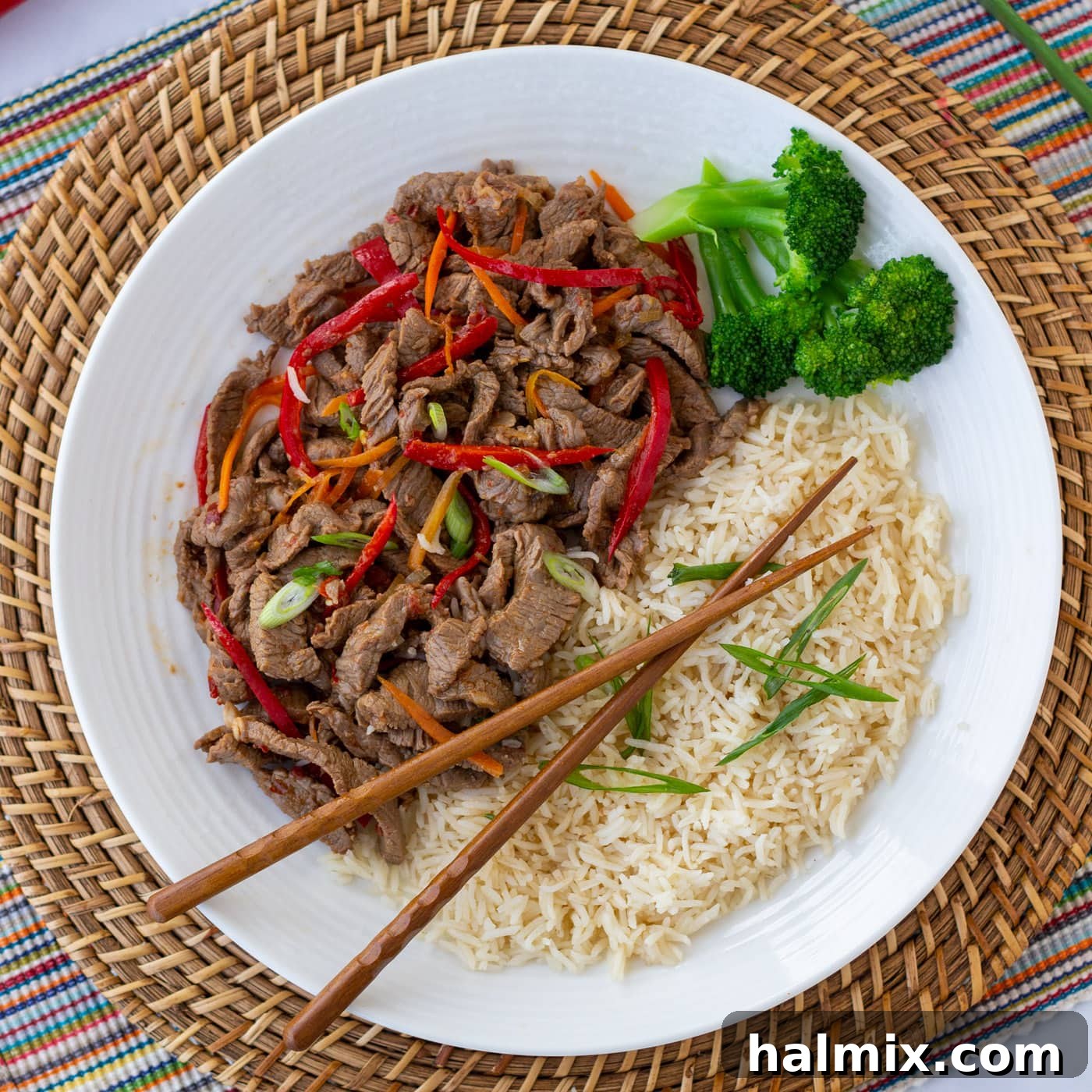
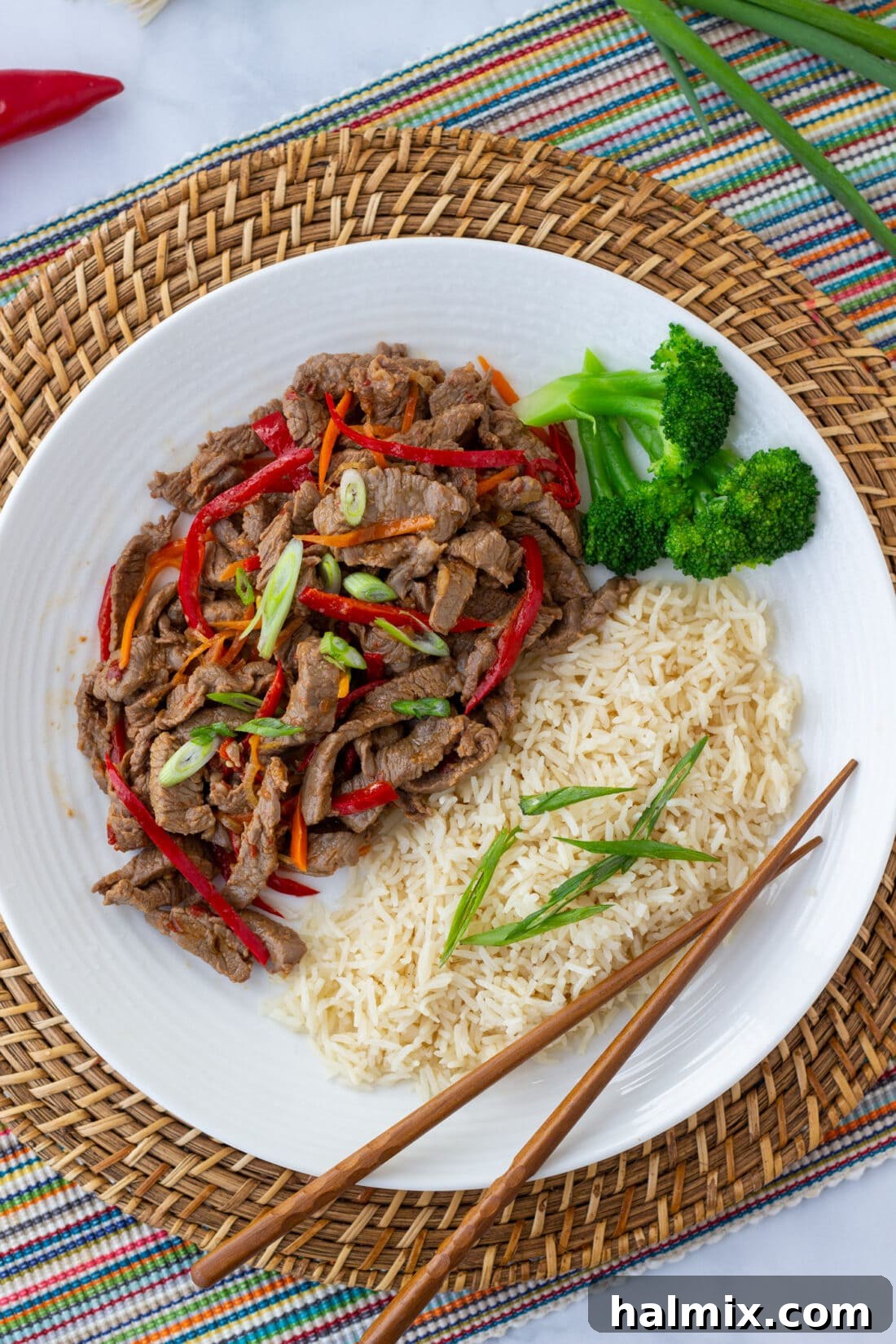
Unlock an explosion of authentic Chinese flavors right in your kitchen with this incredible **Szechuan Beef recipe**. Imagine succulent, tender slices of beef, expertly marinated in a rich, savory, and perfectly spicy soy and chili sauce. Then, envision these delightful strips stir-fried to perfection alongside an array of vibrant, crisp vegetables, creating a symphony of textures and tastes in every bite. If you’ve been searching for an impressively flavorful dish that offers just the right amount of fiery kick and aromatic depth, then this homemade Szechuan beef stir-fry is about to become your new favorite!
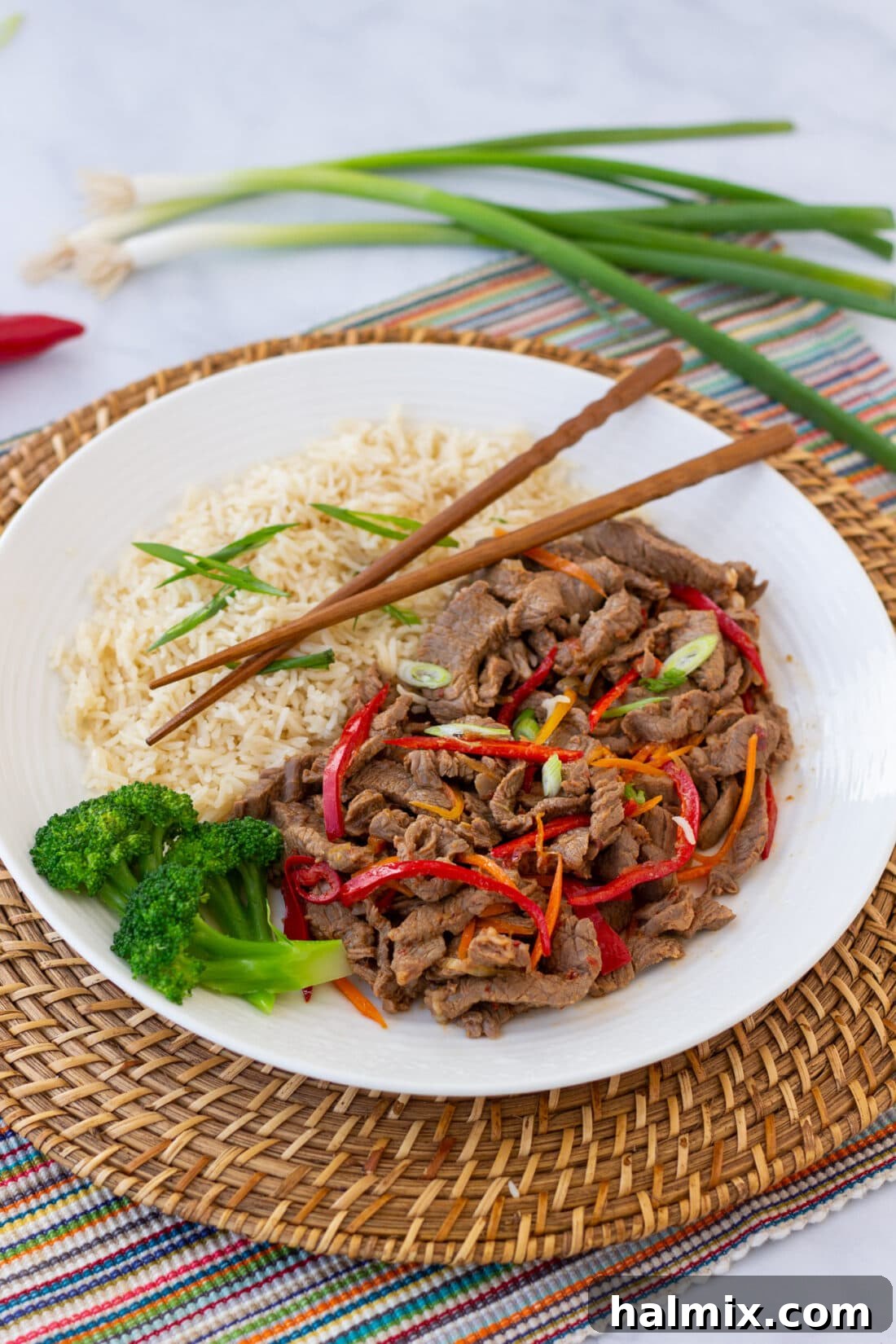
Why This Szechuan Beef Recipe is a Must-Try
Szechuan cuisine is renowned for its bold, complex, and often spicy flavors, and this Szechuan beef recipe perfectly embodies that culinary tradition. Unlike many quick stir-fries, this dish stands out for its deep flavor development, achieved through a thoughtful marinating process that tenderizes the beef and infuses it with layers of taste. While many variations of Szechuan beef exist, ranging from the intensely “mala” (numbingly spicy) to milder adaptations, our recipe strikes a harmonious balance.
We’ve carefully crafted this particular recipe to deliver a delightful warmth and a perfect amount of zest that will awaken your taste buds without overwhelming them. The subtle hint of ginger in the marinade, combined with the chili garlic sauce, provides a comforting heat that lingers pleasantly. This isn’t just about heat; it’s about a sophisticated blend of savory, umami, and aromatic notes that make each mouthful irresistible. It’s a fantastic choice for those who appreciate a well-balanced spicy dish. However, if you prefer a non-spicy Asian beef alternative, you might enjoy my equally delicious Mongolian Beef recipe as a fantastic option.
What truly makes this Szechuan beef stir-fry a standout is its combination of tender beef, vibrant vegetables, and a luscious, savory sauce. The technique of thinly slicing the beef against the grain, a crucial step we detail below, ensures that every piece of meat is incredibly tender, absorbing the rich marinade beautifully. Stir-frying at high heat locks in the flavors and gives the vegetables a perfect crisp-tender texture, making for a meal that’s both satisfying and visually appealing. It’s an ideal recipe for a quick weeknight dinner that feels gourmet.
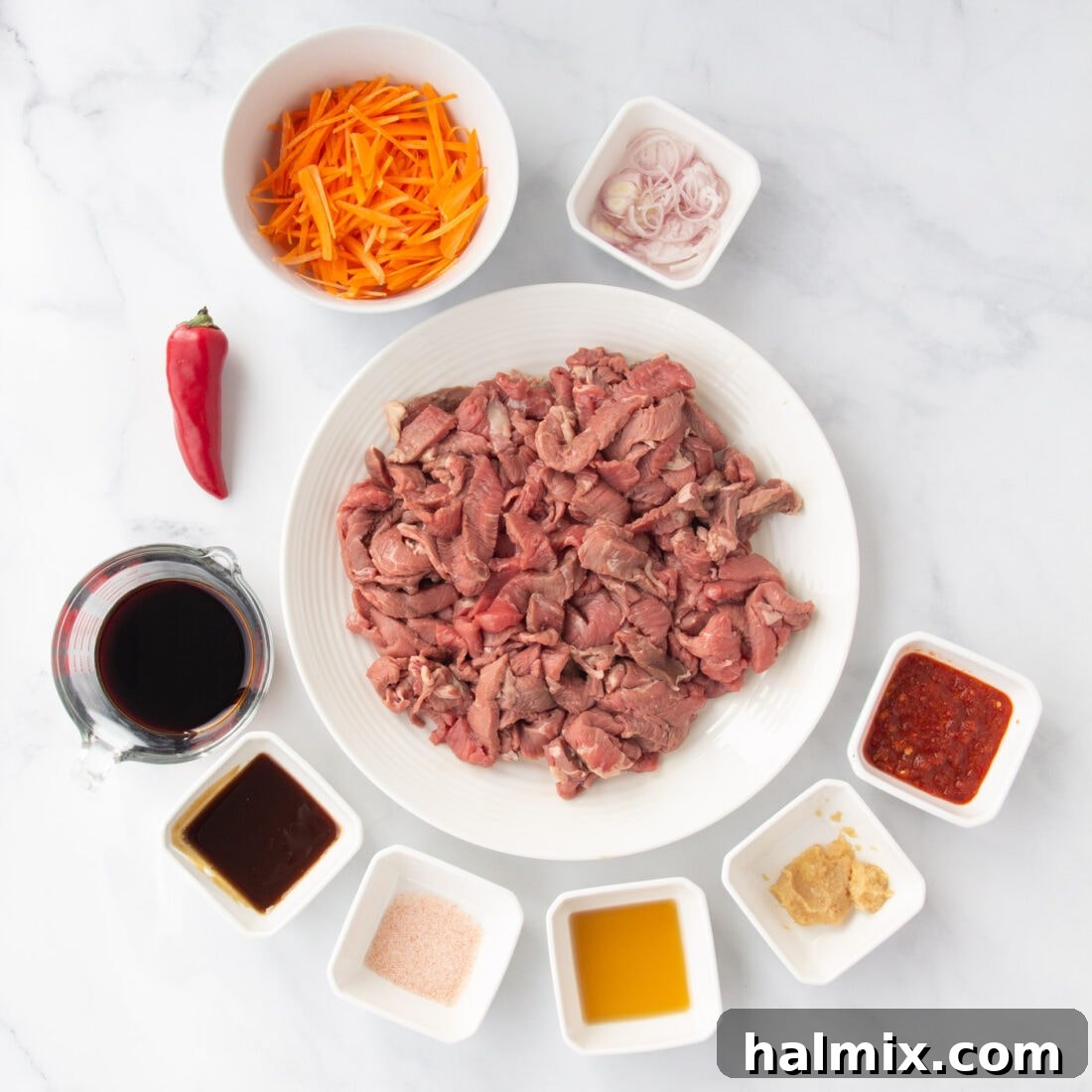
Essential Ingredients for Your Szechuan Beef
To create this irresistible Szechuan beef, you’ll need a selection of fresh ingredients and pantry staples. For exact measurements, detailed instructions, and a printable version of this recipe, please scroll to the end of this post where you’ll find our complete recipe card. Having all your ingredients prepped and ready before you start cooking is key to a successful stir-fry, often referred to as “mise en place.”
Ingredient Spotlight & Smart Substitutions
Let’s dive deeper into the ingredients and explore ways to adapt this recipe to your preferences or what you have on hand.
BEEF: While boneless sirloin steak is our preferred choice for its balance of tenderness and flavor, you have excellent alternatives. Flat iron steak, flank steak, or skirt steak are all fantastic cuts that work beautifully in stir-fries. The secret to achieving truly tender beef lies in two critical steps:
- Slice Against the Grain: This is non-negotiable! The muscle fibers in beef run in a particular direction. Slicing perpendicular to these fibers (against the grain) shortens them, preventing the beef from becoming chewy and tough. Aim for thin, 1/4-inch pieces.
- Partially Freeze for Easier Slicing: For perfectly uniform and thin slices, place your beef in the freezer for about 20-30 minutes before slicing. It should be firm but not rock-hard. This trick makes it significantly easier to achieve those nice, straight cuts, which are crucial for quick and even cooking.
MARINADE: The marinade is the heart and soul of this Szechuan beef. Each component plays a vital role:
- Soy Sauce: Provides the foundational savory, umami, and salty notes. Use a good quality regular or low-sodium soy sauce based on your dietary needs.
- Sesame Oil: Adds a distinct nutty aroma and flavor, characteristic of Asian cuisine. A little goes a long way.
- Chili Garlic Sauce: Delivers the primary heat and a wonderful garlic undertone. You can adjust the amount to control the spice level. Sriracha can be a substitute if needed, though it has a slightly different flavor profile.
- Minced Ginger: Offers a warm, pungent, and aromatic kick that balances the spice and richness. Freshly minced ginger is always best for maximum flavor.
- Oyster Sauce: This ingredient provides an incredible depth of umami and a subtle sweetness, contributing to the glossy texture of the sauce. If you have a shellfish allergy or prefer a vegetarian option, you can use a mushroom-based vegetarian “oyster” sauce or increase the soy sauce and add a touch of brown sugar.
- Salt: Enhances all the other flavors.
VEGETABLES: Our recipe calls for Santa Fe chili peppers (or other hot red peppers), carrots, and shallots, which provide a fantastic combination of color, texture, and flavor. Feel free to expand on these or swap them:
- Bell Peppers: Red, green, or orange bell peppers, thinly sliced, add sweetness and crunch.
- Broccoli Florets: A classic stir-fry addition, offering great texture and nutrition.
- Snap Peas or Snow Peas: For a fresh, sweet snap.
- Mushrooms: Sliced shiitake or cremini mushrooms absorb the sauce beautifully.
- Water Chestnuts or Bamboo Shoots: For an authentic crunch.
Ensure your vegetables are cut into similar sizes for even cooking.
CORNSTARCH: This is our secret weapon for thickening the sauce, giving it that luxurious, glossy finish without making it heavy. It’s crucial to mix it with a little liquid (like the reserved pan juices or beef broth) before adding it to the hot skillet to prevent lumps.
GARNISH: Sliced green onions (scallions) are perfect for a fresh, mild onion flavor and a pop of color at the end.
Crafting Your Szechuan Beef: A Step-by-Step Guide
These step-by-step photos and instructions are here to guide you visually through the process of making this flavorful Szechuan beef recipe. For the printable version, complete with precise measurements and comprehensive instructions, please Jump to Recipe at the bottom of this post.
- Begin by preparing your beef. Slice the steak thinly, aiming for about 1/4 inch thickness, making sure to cut against the grain. This step is crucial for achieving tender results. A partially frozen steak will make this much easier and yield cleaner cuts.
- In a medium bowl, combine all the marinade ingredients: soy sauce, sesame oil, chili garlic sauce, minced ginger, oyster sauce, and salt. Whisk everything together until well combined. Add the thinly sliced steak to the marinade, tossing thoroughly to ensure every piece is fully coated. Cover the bowl with plastic wrap or foil and let it marinate at room temperature for 40 minutes. This allows the beef to absorb the flavors and tenderize.
- Heat the olive oil in a deep skillet or a wok over medium-high heat until shimmering. Add the marinated beef in a single layer (cook in batches if necessary to avoid overcrowding, which can steam the meat instead of searing it). Stir-fry for about 3-5 minutes, or until the beef is just no longer pink. It’s important not to overcook the beef, as it can become tough.
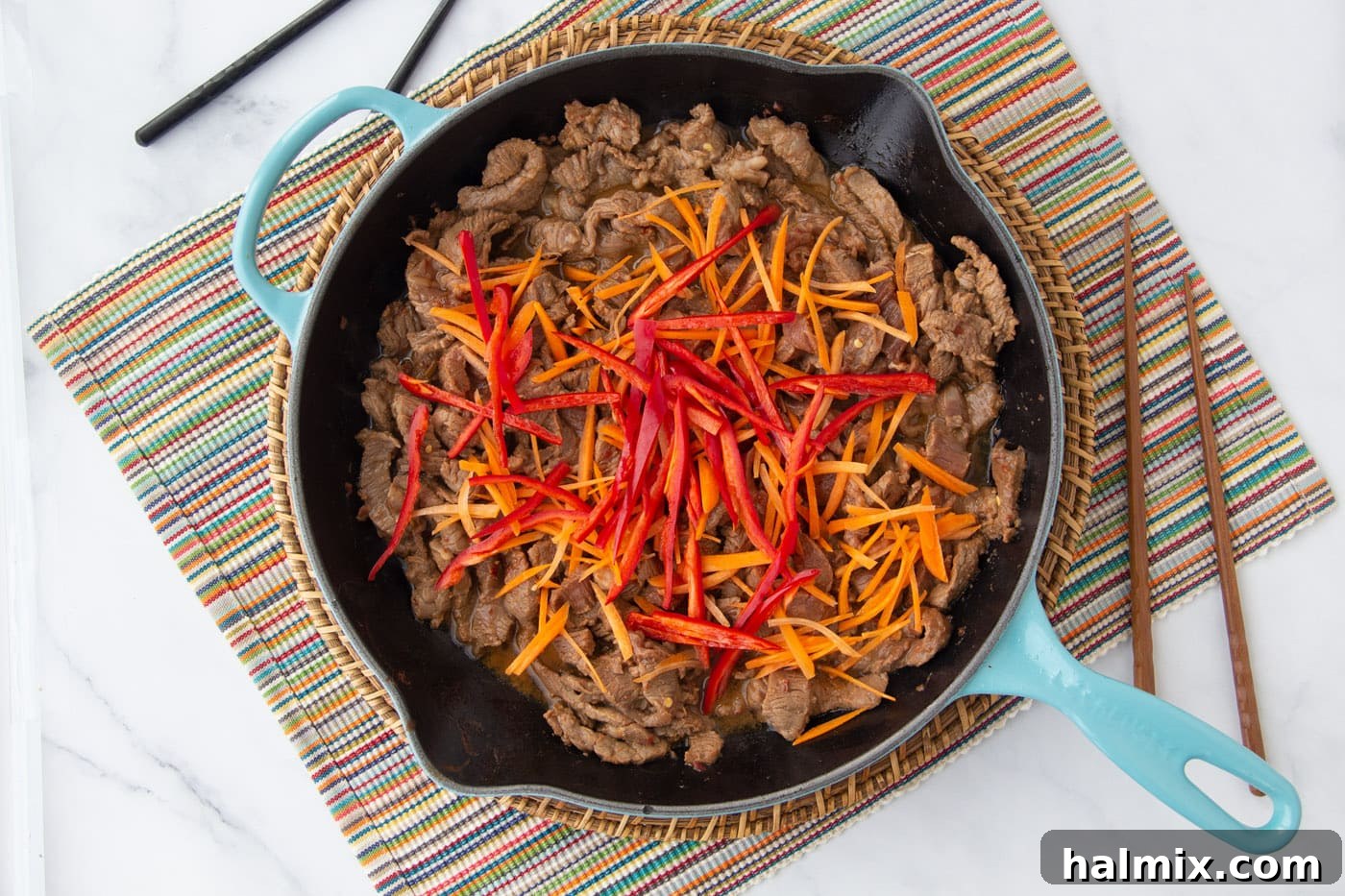
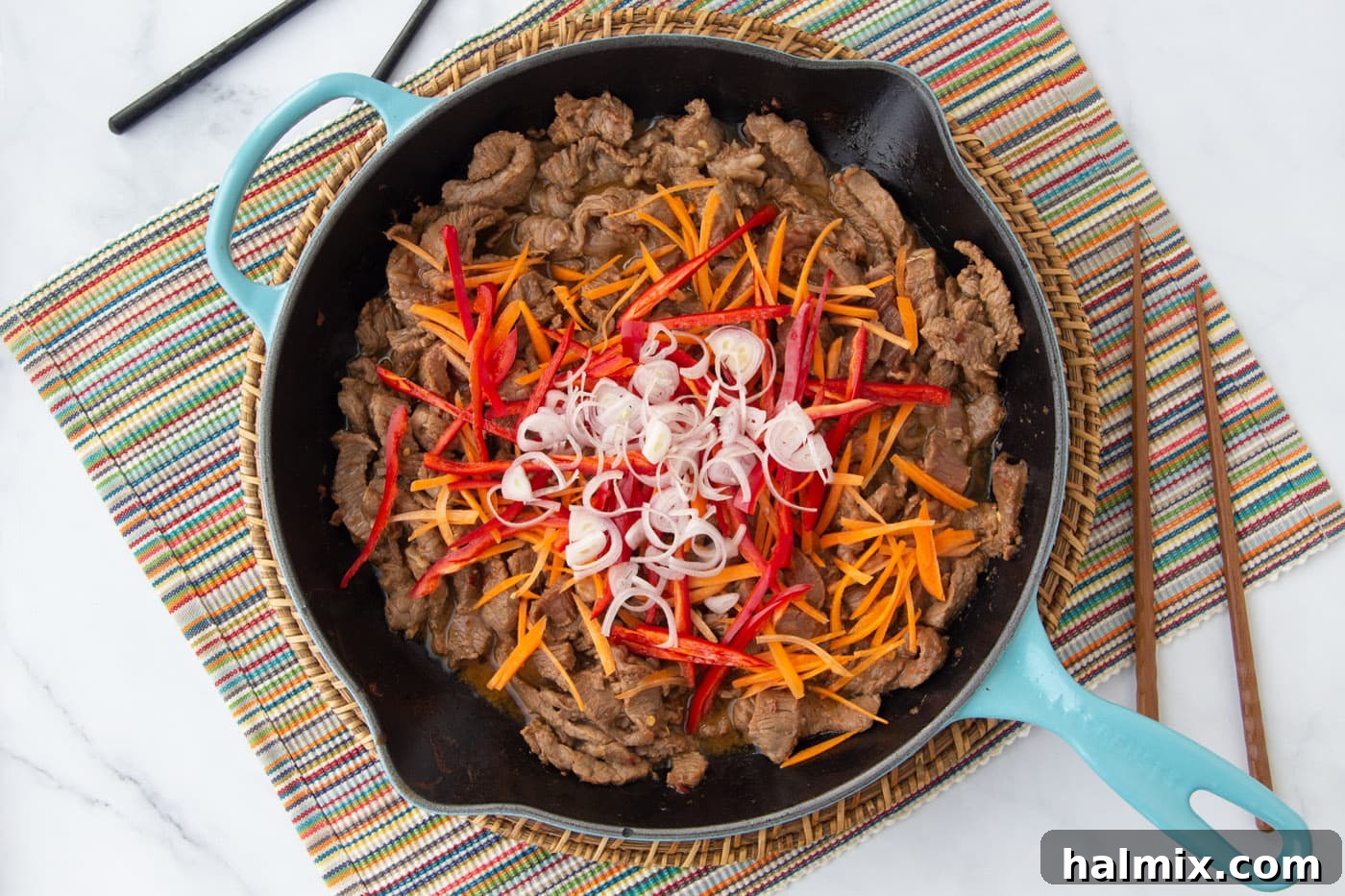
- Once the beef is cooked, add the julienned peppers, carrots, and sliced shallots to the skillet. Continue to cook for another 2-3 minutes, tossing constantly with the beef. You want the vegetables to be crisp-tender, still retaining some bite.
- To thicken the sauce, carefully drain off approximately 1/2 cup of the accumulated juices from the pan into a small dish. If you don’t have enough liquid, you can supplement with a little beef broth. In the small dish, add the 1/2 teaspoon of cornstarch to the reserved juices and whisk thoroughly to form a smooth paste, ensuring no lumps remain. Return this cornstarch slurry back into the main skillet with the beef and vegetables. Cook for an additional 2-3 minutes, stirring continuously, until the sauce visibly thickens and coats the ingredients.
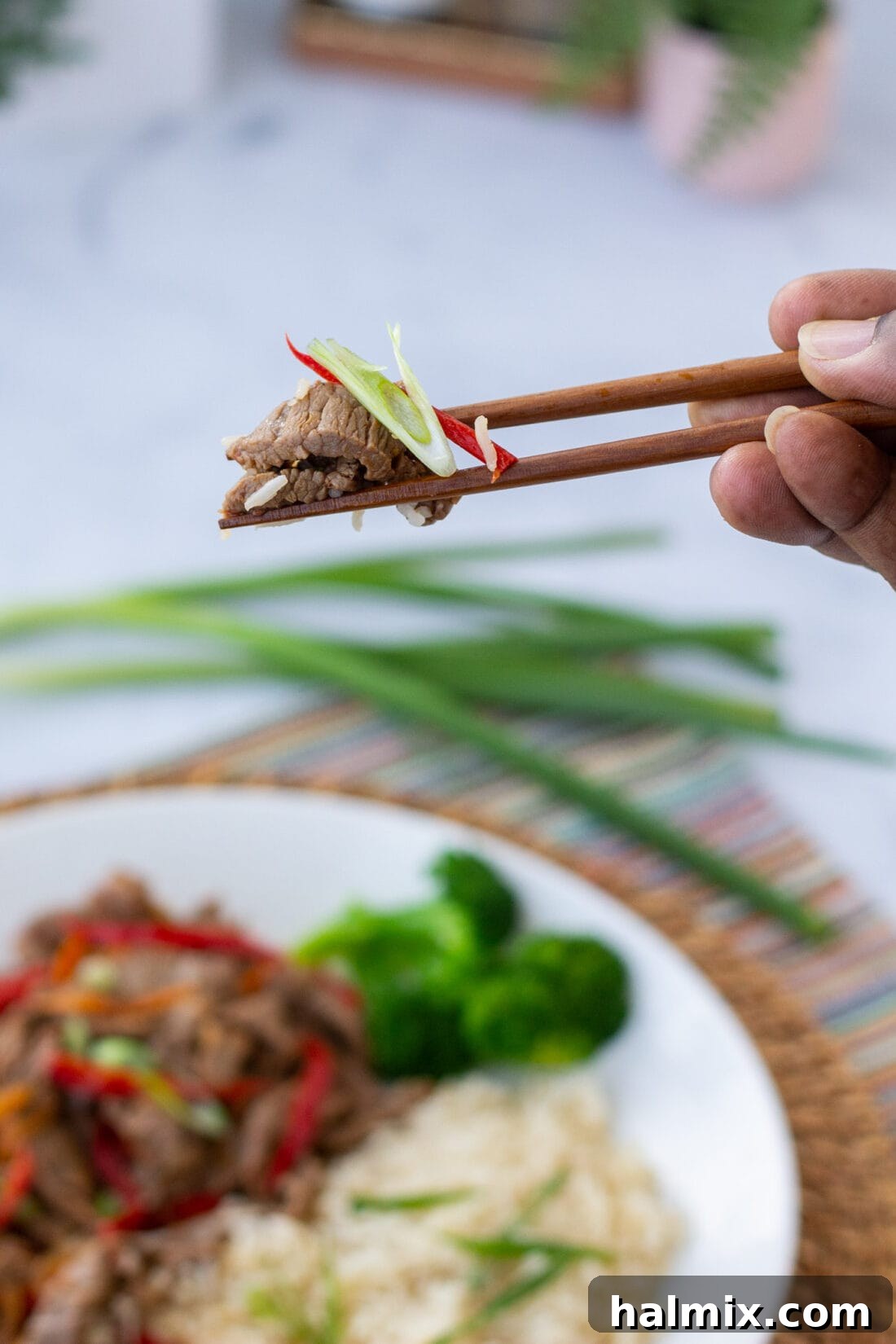
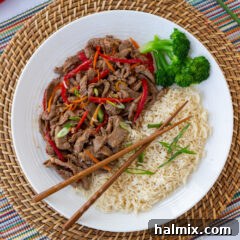
- Serve your freshly made Szechuan beef immediately over a bed of fluffy white or brown rice, or with your favorite stir-fry noodles for a complete and satisfying meal. Garnish with sliced green onions if desired.
EXPERT TIP: At this point, the dish is technically ready to serve, offering a lighter sauce consistency. However, if you prefer a thicker, more luscious sauce that clings beautifully to the beef and vegetables, proceed to the next step.
Frequently Asked Questions & Expert Tips for Szechuan Beef
Leftover Szechuan beef can be stored in an airtight container in the refrigerator for 3-4 days. To reheat, gently warm it in a skillet over medium heat or in the microwave until heated through. If reheating in a skillet, you might add a tiny splash of water or beef broth to loosen the sauce if it has become too thick.
Yes, absolutely! Incorporating Szechuan peppercorns will truly elevate this dish and introduce the unique “mala” sensation—a combination of citrusy notes and a tingling, numbing feeling on the tongue that Szechuan cuisine is famous for. Sometimes, finding them locally can be a challenge, but if you’re able to, it’s highly recommended. You can often find ground or whole Szechuan peppercorns at larger Asian markets, specialty Asian grocery stores, or conveniently online. If incorporating, add about 1/2 to 1 teaspoon to the marinade. For whole peppercorns, you might lightly toast them and then crush them before adding to release their full aroma. Szechuan peppercorns are also known by other names such as dried prickly ash, Sichuan pepper, or dehydrated prickly ash.
To increase the heat, simply add more chili garlic sauce or a pinch of red pepper flakes to the marinade. You can also include additional fresh hot peppers (like bird’s eye chilies) when stir-frying the vegetables. For a milder dish, reduce the amount of chili garlic sauce or omit it entirely and use a dash of sweet chili sauce for flavor without the intense heat.
A wok is traditionally used for stir-frying because its sloped sides and high heat retention allow for quick, even cooking and easy tossing of ingredients. However, a large, deep skillet with high sides (like a cast-iron skillet or a stainless steel sauté pan) can also work very well. The key is to ensure your pan is hot enough before adding ingredients and not to overcrowd it, which can lower the temperature and lead to steaming rather than searing.
Absolutely! This recipe is great for meal prep. You can slice and marinate the beef up to 24 hours in advance, storing it in the refrigerator. Chop all your vegetables ahead of time and store them in separate airtight containers. This way, when it’s time to cook, everything is ready, and the stir-fry comes together in minutes.
Delightful Serving Suggestions
Szechuan beef is a complete meal on its own, especially when paired with a simple side, but there are many ways to enhance your dining experience:
- Rice: Serve it alongside or generously spooned over fluffy white rice, healthier brown rice, or for a low-carb option, cauliflower rice.
- Noodles: Toss it with lo mein noodles, ramen noodles, or even thin rice vermicelli for a noodle-based meal.
- Extra Veggies: Feel free to customize this recipe by adding more thinly sliced bell peppers (red, green, or orange), broccoli florets, snow peas, or sliced mushrooms during the stir-fry process. Ensure they are cut to similar sizes for even cooking.
- Garnish: A sprinkle of fresh chopped green onions (scallions) and a dash of sesame seeds add a final touch of freshness and visual appeal.
Explore More Irresistible Stir-Fry Recipes
If you’ve enjoyed the flavors and ease of this Szechuan beef, you’ll love these other fantastic stir-fry creations:
- Mongolian Beef: A classic sweet and savory beef dish.
- Sesame Chicken: Crispy chicken in a sticky, sweet sesame sauce.
- Moo Goo Gai Pan: A lighter, delicate chicken and mushroom stir-fry.
- Kung Pao Chicken: Another spicy favorite with peanuts and dried chilies.
- Chinese Pepper Steak: A simple yet flavorful dish with tender beef and bell peppers.
- Teriyaki Chicken and Rice: A family-friendly sweet and savory option.
I pour my heart into baking and cooking, and I love sharing my culinary adventures with all of you! Remembering to visit daily for new recipes can be a challenge, which is why I offer a convenient newsletter delivered straight to your inbox every time a new recipe is posted. Simply subscribe today and start receiving your free daily recipes, making it easier than ever to discover your next favorite meal!
Szechuan Beef
IMPORTANT – There are often Frequently Asked Questions within the blog post that you may find helpful. Simply scroll back up to read them!
Print It
Pin It
Rate It
Save ItSaved!
Ingredients
- 1 ½ pounds boneless sirloin steak fat trimmed and sliced to 1/4 inch
- 1 Tablespoon olive oil
- 1 cup Sante Fe chili pepper julienned. or other hot red pepper
- ½ cup carrots julienned
- 2 ½ Tablespoons shallots sliced
- ½ teaspoon cornstarch
- green onions sliced, optional as garnish
Marinade
- ½ cup soy sauce
- 2 teaspoons sesame oil
- 1 ½ Tablespoons chili garlic sauce
- ½ teaspoon minced ginger
- 1 ½ Tablespoons oyster sauce
- 1 teaspoon salt
Things You’ll Need
-
Chef’s knife
-
Cutting board
-
Mixing bowls
-
Wok or deep skillet
Before You Begin
- Have all your ingredients precisely prepped and ready to go before you begin the stir-frying process. This “mise en place” is key for fast, efficient, and successful stir-fries.
- When selecting your beef, you can use flat iron, flank steak, or skirt steak as excellent alternatives to sirloin steak if desired. Whichever cut you choose, it is absolutely essential to slice the beef thinly against the grain. Failing to do so will result in chewy and tough beef strips, regardless of the cooking time.
- For easier and more consistent thin slices, a valuable tip is to slice the meat when it’s partially frozen. This semi-frozen state makes the beef much firmer and simpler to slice through, allowing for nice, uniform cuts.
- Any leftovers can be securely stored in an airtight container within the refrigerator for 3-4 days.
Instructions
-
Begin by preparing your beef: slice the steak thinly (about 1/4 inch thick) against the grain. Partially freezing the meat beforehand will greatly assist in achieving uniform, thin slices.
-
In a bowl, combine all the marinade ingredients: soy sauce, sesame oil, chili garlic sauce, minced ginger, oyster sauce, and salt. Add the sliced beef, tossing to coat thoroughly. Cover and let marinate at room temperature for 40 minutes.
-
Heat the olive oil in a deep skillet or wok over medium-high heat until shimmering. Add the marinated beef (in batches if necessary to avoid overcrowding) and stir-fry for 3-5 minutes, until just no longer pink. Avoid overcooking to maintain tenderness.
-
Add the julienned peppers, carrots, and sliced shallots to the skillet with the beef. Cook for an additional 2-3 minutes, tossing constantly, until the vegetables are crisp-tender.
-
The dish is flavorful at this stage; however, for a thicker, more clinging sauce, continue to the next step.
-
Drain off about 1/2 cup of the pan juices. If insufficient, supplement with beef broth. In a small dish, mix the cornstarch with a little of the reserved juice (or broth) to form a smooth paste. Return this cornstarch mixture to the skillet with the remaining juices. Cook for 2-3 minutes more, stirring continuously, until the sauce thickens to your desired consistency.
-
Serve your Szechuan beef immediately over steamed rice or noodles, garnished with fresh green onions if desired.
Nutrition
The recipes on this blog are tested with a conventional gas oven and gas stovetop. It’s important to note that some ovens, especially as they age, can cook and bake inconsistently. Using an inexpensive oven thermometer can assure you that your oven is truly heating to the proper temperature. If you use a toaster oven or countertop oven, please keep in mind that they may not distribute heat the same as a conventional full sized oven and you may need to adjust your cooking/baking times. In the case of recipes made with a pressure cooker, air fryer, slow cooker, or other appliance, a link to the appliances we use is listed within each respective recipe. For baking recipes where measurements are given by weight, please note that results may not be the same if cups are used instead, and we can’t guarantee success with that method.