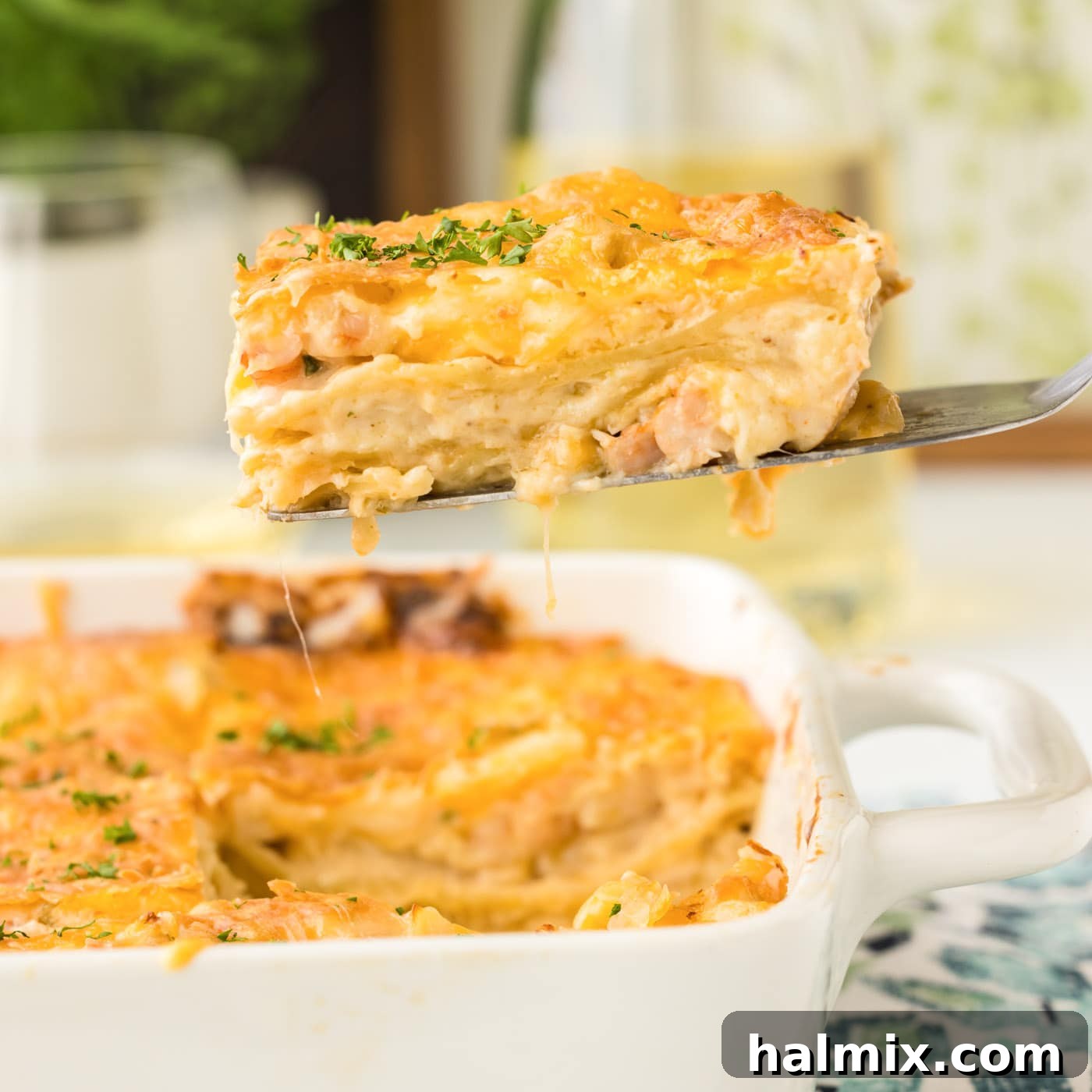
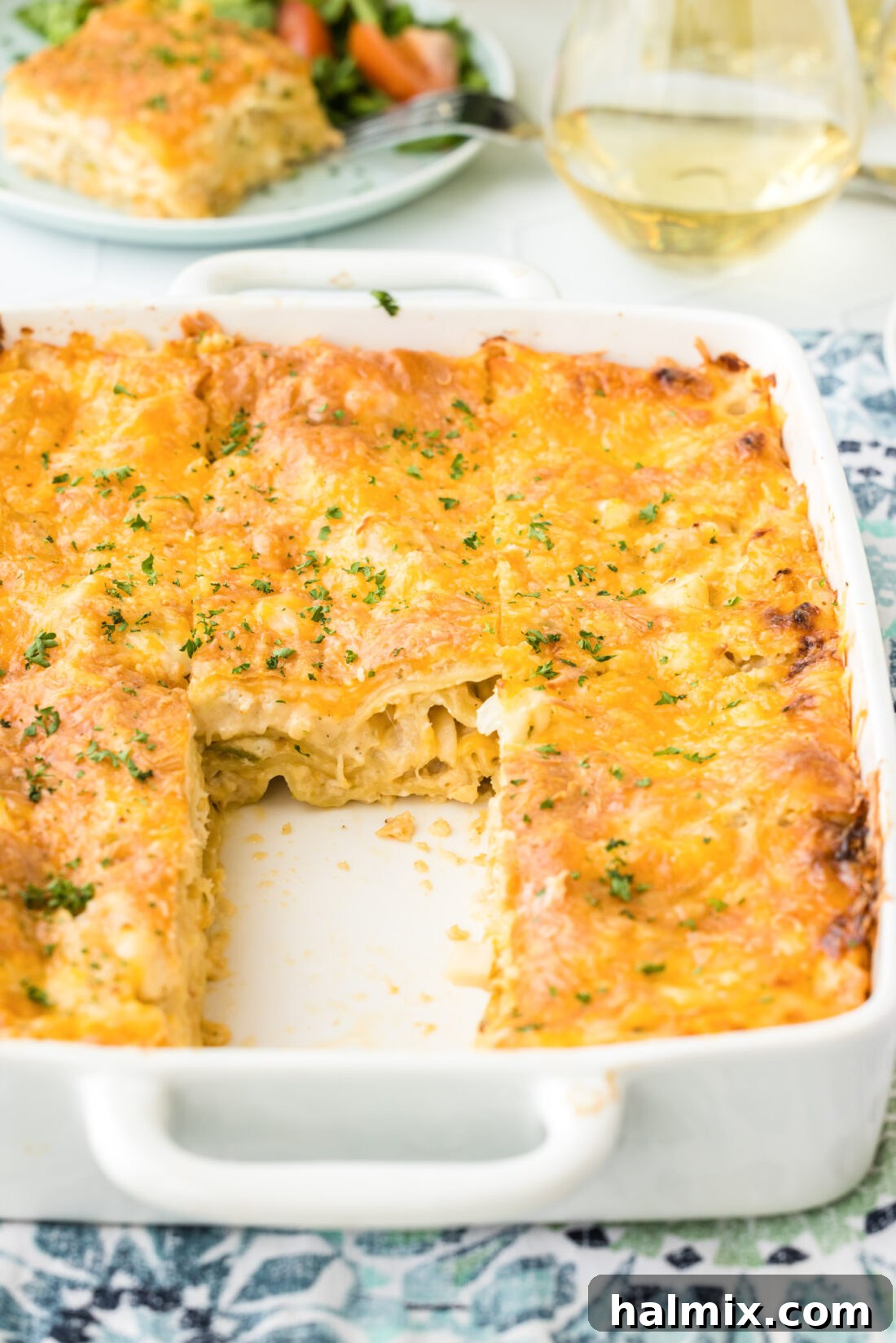
Indulge in a truly spectacular culinary experience with this decadent Seafood Lasagna recipe. Far from your everyday pasta dish, this layered casserole is an opulent symphony of succulent scallops, tender shrimp, and rich crab meat, all nestled between soft lasagna noodles and smothered in a luxuriously creamy sauce, topped with a generous blend of melted cheeses. Perfect for gatherings, special occasions, or simply when you crave an extraordinary meal, this seafood lasagna promises an unforgettable feast that will impress even the most discerning palates. Prepare to elevate your dinner table with a dish that combines comfort food warmth with gourmet flair.
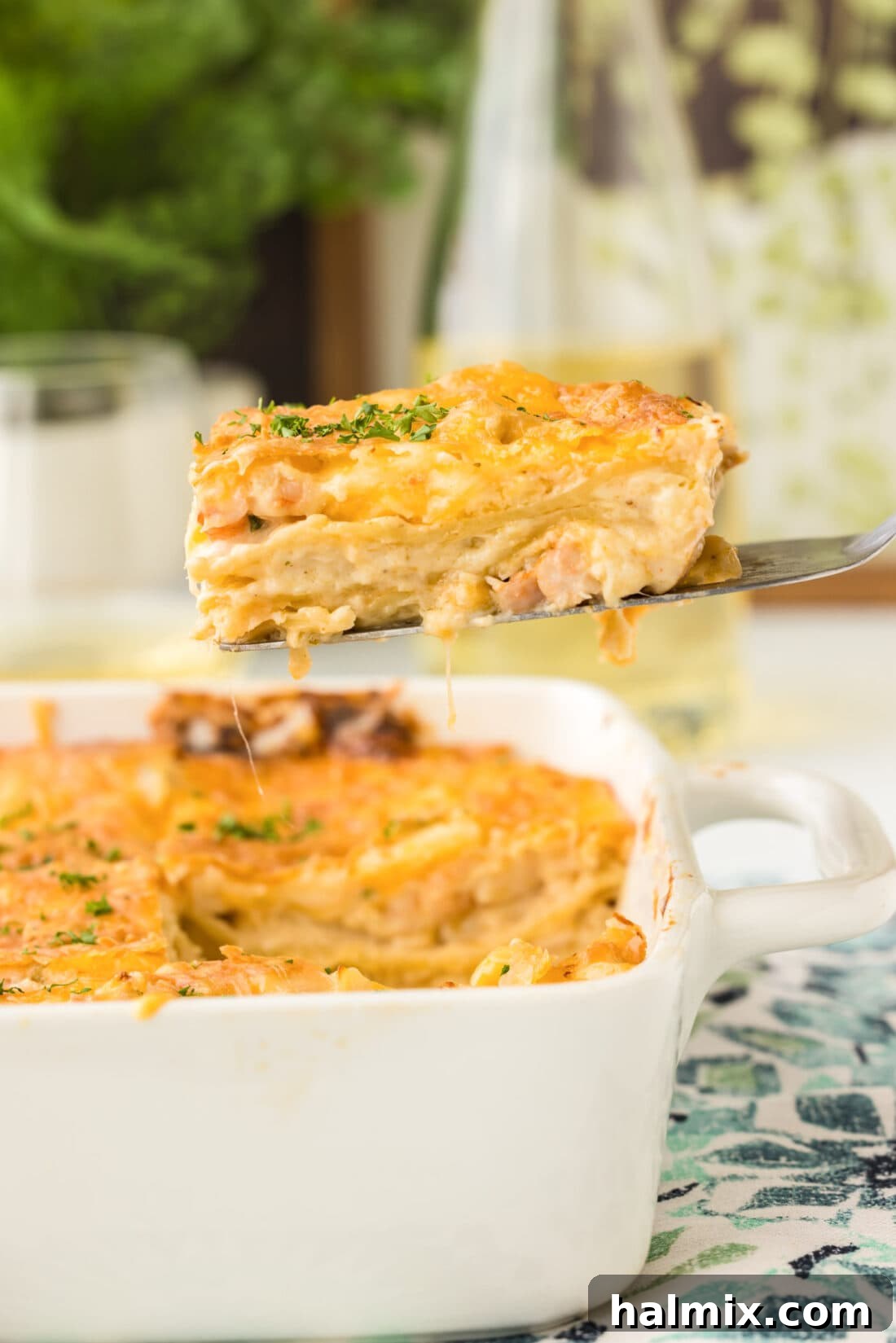
Why This Seafood Lasagna Recipe is a Must-Try
Unlike traditional Italian lasagna, which often features hearty ground beef or sausage and a robust tomato-based sauce, our seafood lasagna offers a refreshing and equally satisfying alternative. This recipe reimagines the classic by building its foundation on a rich, creamy sauce that perfectly complements the delicate flavors of the sea. Instead of red meat, it’s generously loaded with a premium trio of fresh scallops, plump shrimp, and flaky crab meat, creating a lighter yet incredibly flavorful profile that is truly unique.
The magic of this dish lies in its exquisite balance. The sauce isn’t just creamy; it’s thick, velvety, and infused with the subtle essence of seafood, providing a magnificent backdrop for the tender lasagna noodles. Each bite delivers a harmonious blend of textures and tastes: the slight chew of perfectly cooked pasta, the sweet succulence of the seafood, and the irresistible melt of the cheese, all enveloped in that luscious, savory cream. If you are a seafood enthusiast or simply looking to broaden your culinary horizons beyond conventional pasta dishes, this creamy seafood lasagna will undoubtedly become a treasured addition to your recipe collection. It’s a dish that feels sophisticated yet remains wonderfully comforting, making it an instant crowd-pleaser and a guaranteed success at any dinner party.
Key Ingredients for an Unforgettable Seafood Lasagna
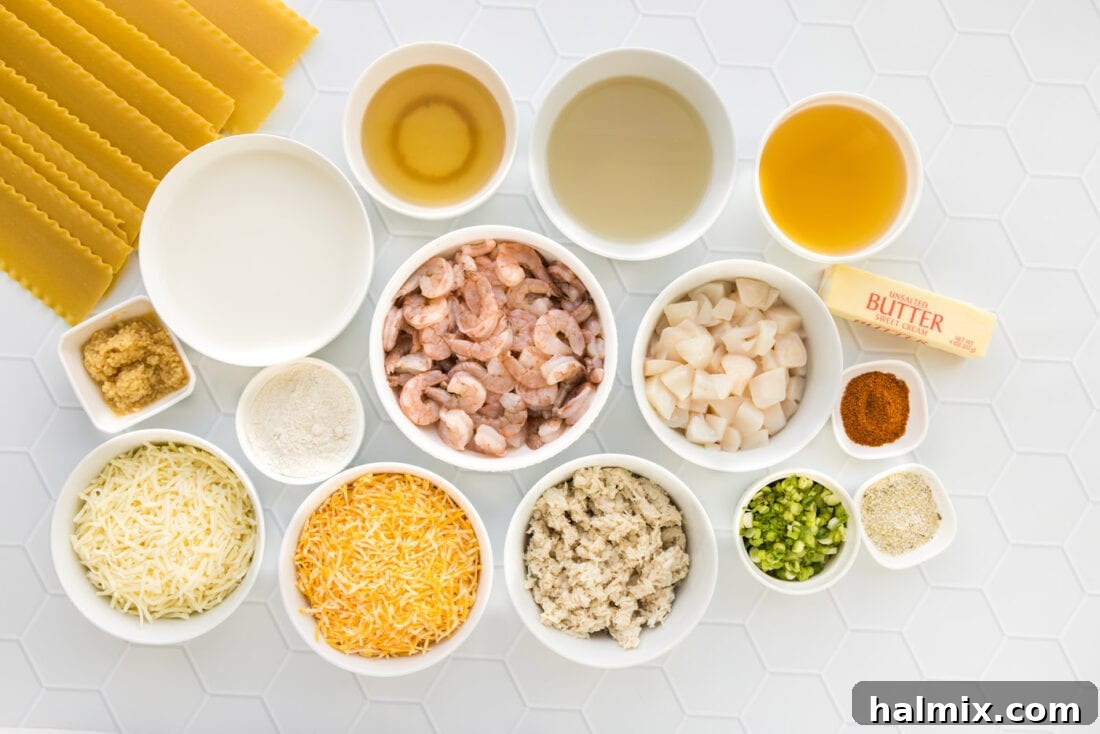
Crafting the perfect seafood lasagna begins with selecting high-quality ingredients that will contribute to its rich flavor and decadent texture. Below is a comprehensive list of everything you’ll need. For precise measurements and detailed instructions, refer to the printable recipe card at the conclusion of this article.
Ingredient Spotlight & Smart Substitutions
Understanding each ingredient’s role and potential substitutions can elevate your cooking and ensure a successful dish every time. Here’s a closer look at the key components of our seafood lasagna:
THE SEAFOOD TRIO: Scallops, Shrimp, and Crab Meat – This recipe shines brightest with a combination of scallops, shrimp, and crab, offering a diverse array of textures and flavors that are truly complementary. However, if you prefer, this dish can absolutely work well with just one or two of these seafood types. For instance, a pure crab meat lasagna or a shrimp and scallop version would be equally delicious. When selecting your seafood, opt for fresh whenever possible. If using frozen, ensure it is fully thawed and patted dry to prevent excess moisture, which can make your lasagna watery. For scallops, both bay and sea scallops work; simply chop larger sea scallops to a size similar to shrimp. For crab, high-quality lump crab meat will provide the best texture and flavor. Consider adding a touch of lobster for an even more luxurious touch if you’re feeling indulgent!
THE CHEESE BLEND: Colby Jack and Mozzarella – Our chosen blend of Colby Jack and mozzarella offers a perfect balance of sharp, creamy, and melt-in-your-mouth goodness. Colby Jack provides a mild, buttery flavor and excellent melt, while mozzarella delivers that classic stringy, stretchy texture everyone loves in a lasagna. For the best results, I highly recommend shredding your own cheese from the block. Pre-shredded cheeses often contain anti-caking agents like cellulose or potato starch, which can hinder proper melting and may even give your exquisite sauce a slightly grainy texture. If you’re looking to experiment, other fantastic cheese options include Gruyere for a nutty depth, Fontina for its creamy, rich flavor, or Monterey Jack for a milder, quicker melt. Don’t be afraid to customize the cheese layers to suit your personal preference!
THE CREAMY BASE: Stocks, Butter, Flour, Half and Half – The velvety cream sauce is the heart of this lasagna. A combination of chicken stock, clam juice, and seafood stock creates a deep, oceanic flavor foundation. Don’t skip the clam juice, as it significantly enhances the overall seafood essence without being overpowering. The roux (butter and flour) is crucial for thickening, ensuring a rich, cohesive sauce. Half and half adds the necessary creaminess and body. For a richer sauce, heavy cream can be used, or for a slightly lighter version, whole milk could be an option, though it will result in a less decadent finish.
THE NOODLES: Lasagna Pasta – Traditional lasagna noodles are used here, and the genius of this recipe lies in soaking them instead of boiling. This saves time and ensures perfectly pliable noodles that will finish cooking in the oven, absorbing the rich flavors of the sauce. If you prefer, no-boil lasagna noodles can also be used, following package instructions for soaking or direct layering.
AROMATICS AND SEASONING: Green Onion, Garlic, Old Bay, Garlic Salt – Green onions and minced garlic provide a fresh and pungent base for the seafood. Old Bay seasoning is non-negotiable for authentic seafood flavor, offering a classic blend of spices that perfectly complements shrimp, scallops, and crab. Garlic salt adds an extra layer of savory depth. Freshly ground black pepper and a pinch of cayenne or red pepper flakes can also be added for a subtle kick.
Crafting Your Decadent Seafood Lasagna: Step-by-Step Guide
These step-by-step photos and detailed instructions are designed to help you visualize each stage of making this incredible recipe. For a convenient printable version, complete with precise measurements and ingredient quantities, please scroll to the bottom of this post.
- Preheat your oven to 350°F (175°C). This ensures your oven is at the correct temperature for even baking as soon as your lasagna is assembled.
- EXPERT TIP – You will need at least two 13×9 inch baking dishes for this recipe: one for soaking your lasagna noodles and another for assembling and baking the lasagna itself.
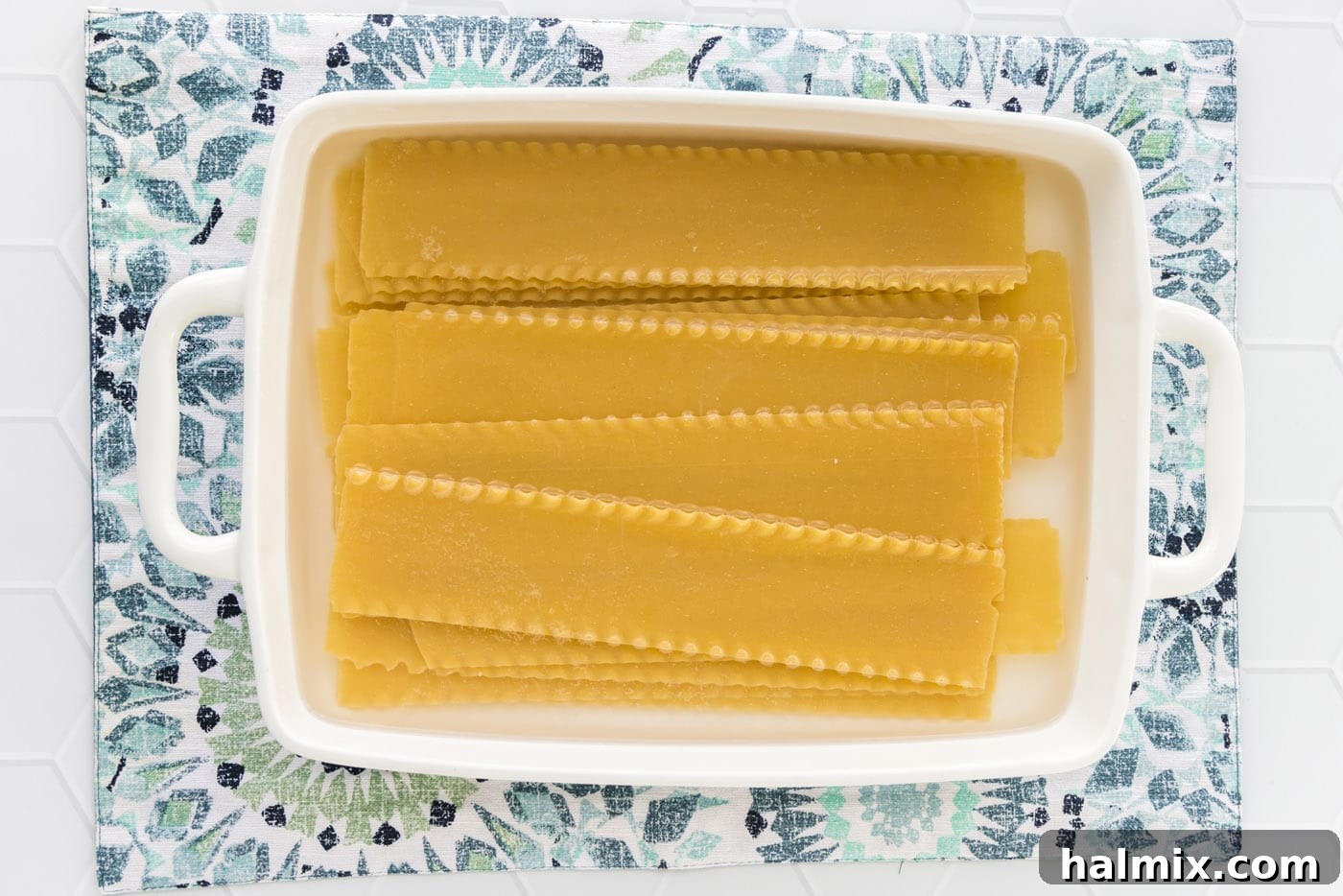
- Fill one 13×9 inch dish with hot tap water. Carefully place the dry lasagna noodles into the hot water, ensuring they are fully submerged. Allow them to soak while you prepare the seafood and sauce. You may need to gently turn or move the noodles occasionally to ensure uniform soaking. This method tenderizes the noodles without pre-boiling, making them perfectly pliable and allowing them to absorb the rich flavors during baking. You will not cook them beforehand.

Cooking the Seafood
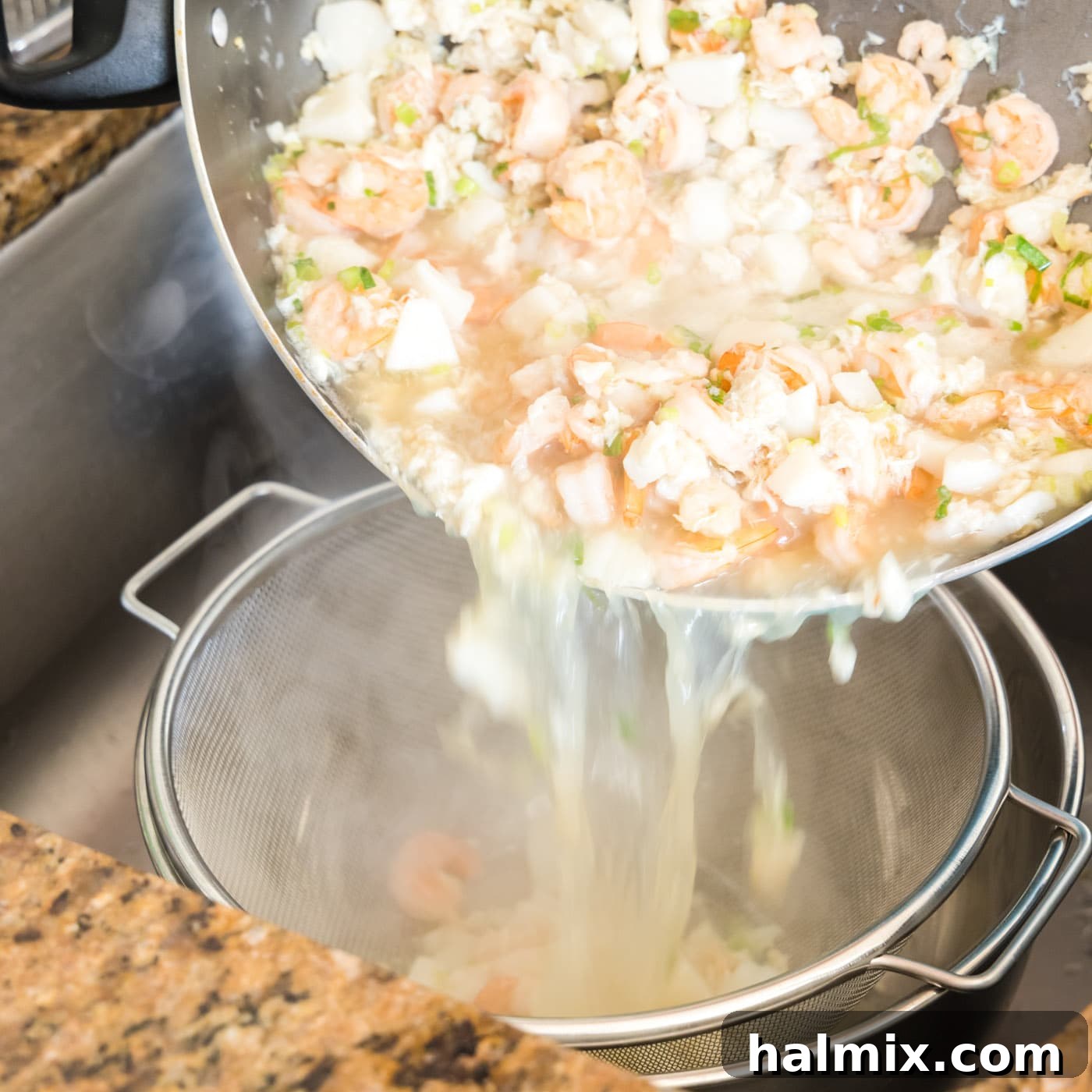
- Place a colander over a large bowl or pan. This setup will be used to drain the seafood mixture, reserving the flavorful liquid for your sauce.
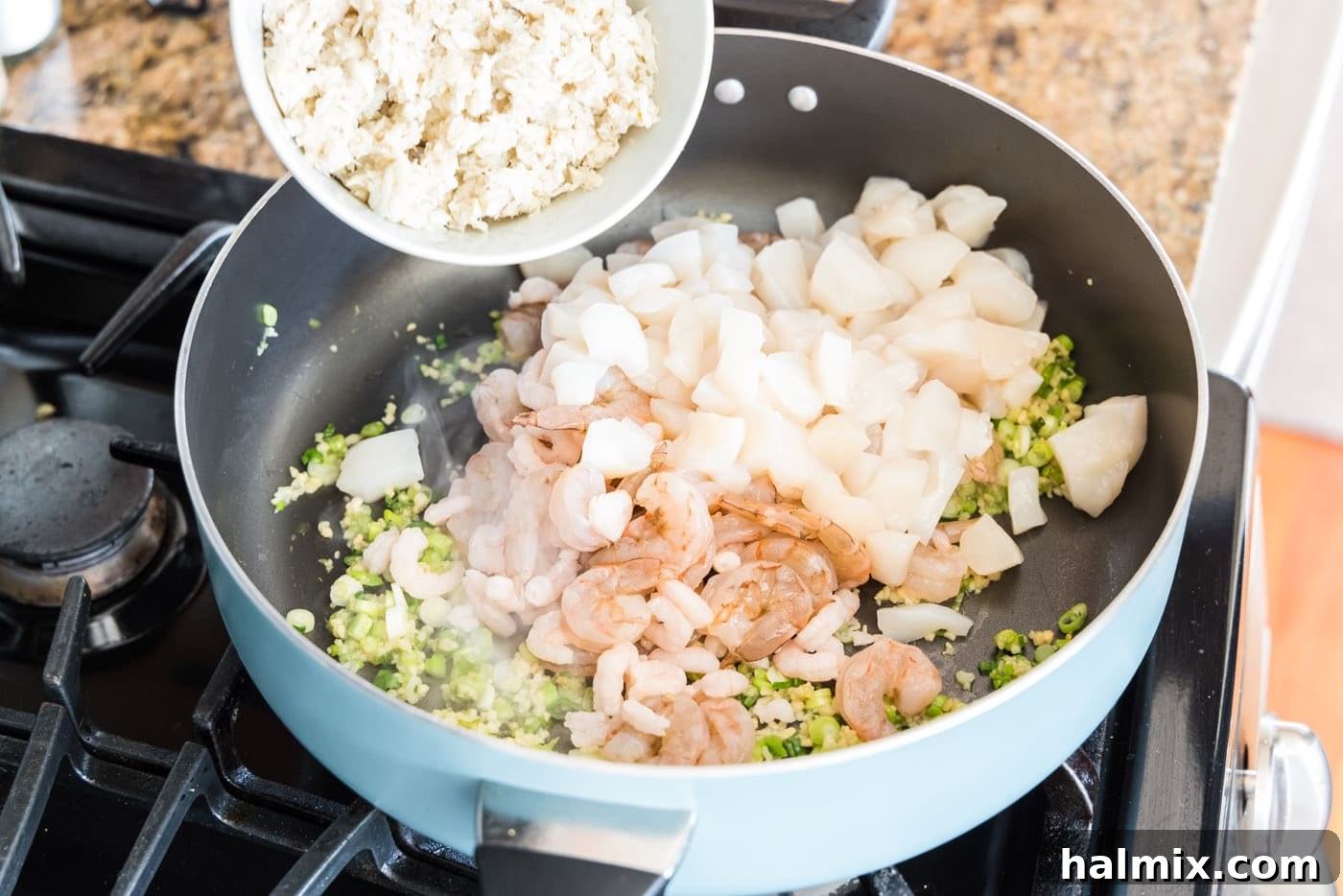
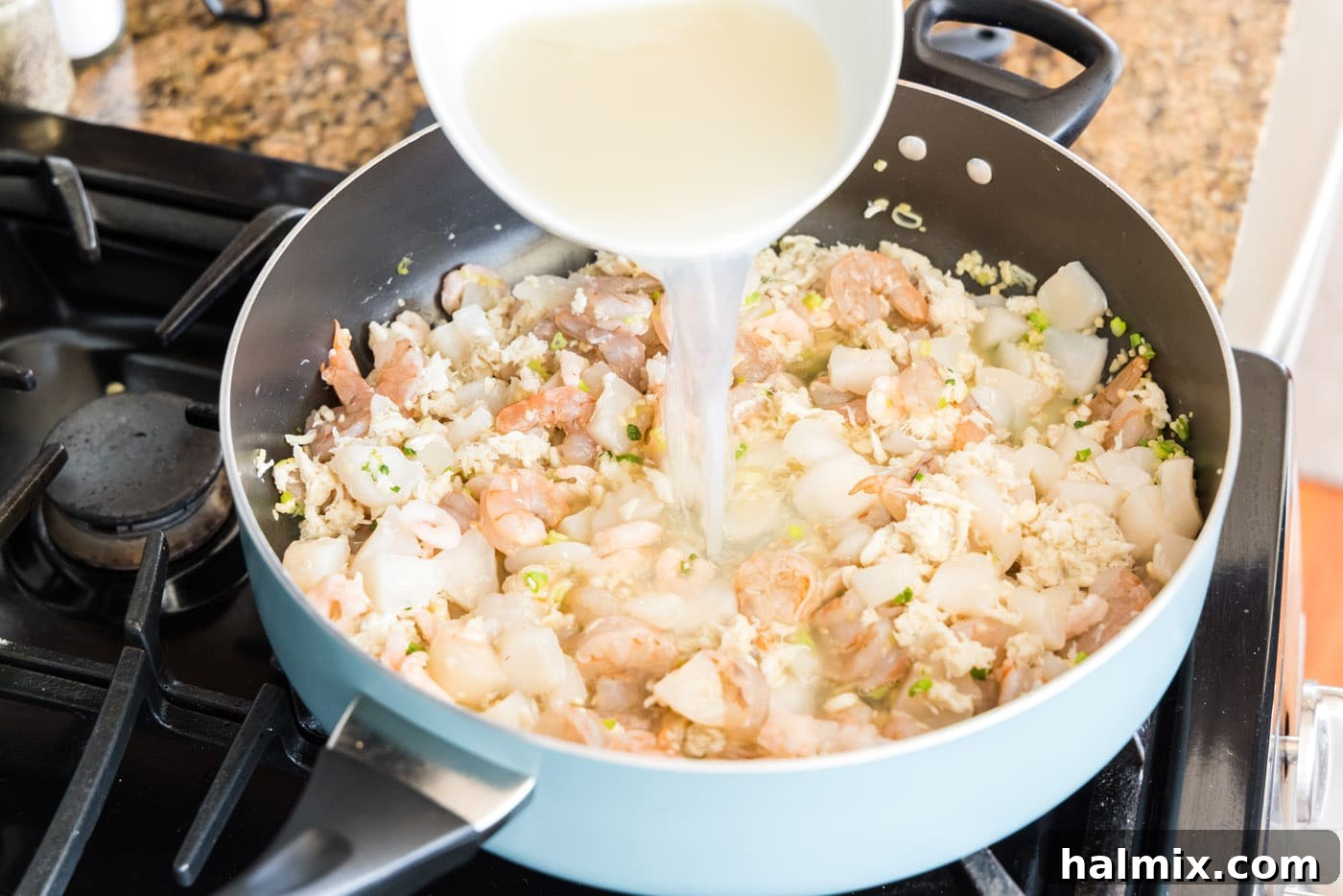
- In a large, heavy-bottomed skillet, combine the sliced green onion, minced garlic, raw shrimp, scallops (chopped if large), shredded crab meat, chicken stock, clam juice, and seafood stock. Bring this mixture to a boil over medium-high heat. Cook for just 3-4 minutes, or until the shrimp turn pink and the scallops are opaque. It’s crucial not to overcook the seafood, as it will continue to cook in the oven. Once done, drain the entire seafood mixture into the prepared colander, allowing the liquid to collect in the bowl or pan below. Set this flavorful drained stock aside; it will be used in your sauce.
- Spread the drained seafood onto a clean baking sheet or a large plate to cool slightly. This stops the cooking process and makes it easier to handle for layering.
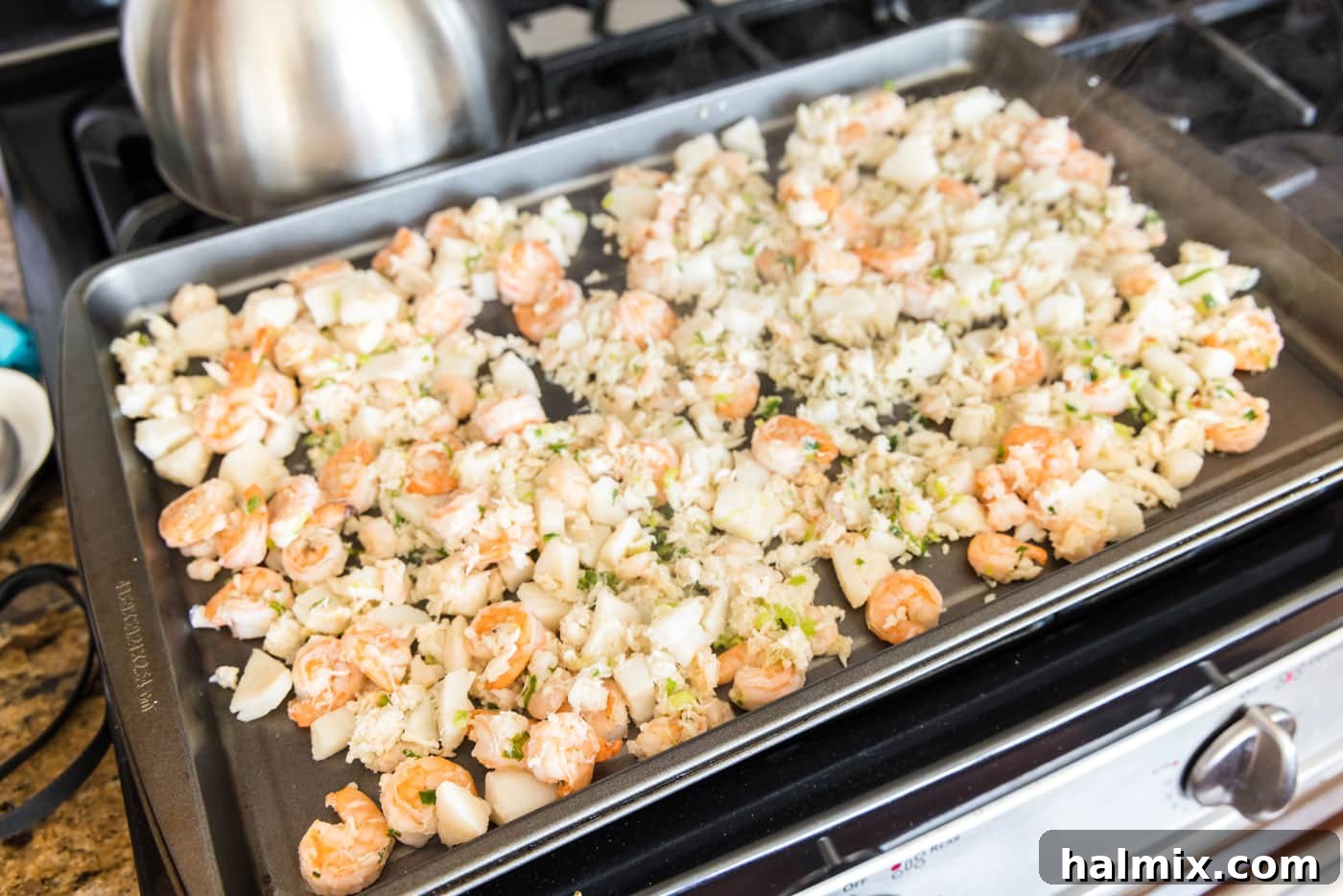
Making the Creamy Sauce
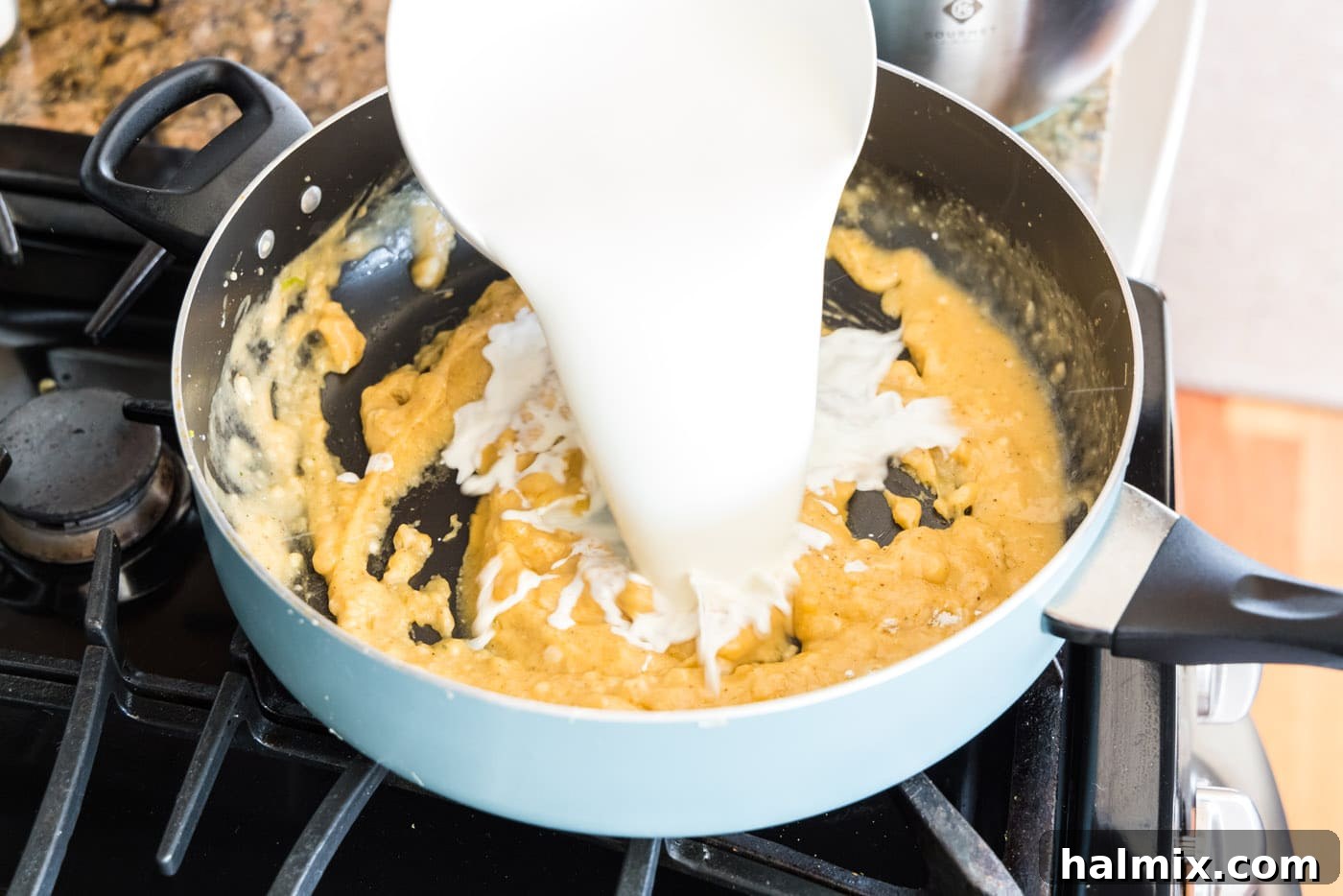
- Using the same skillet (no need to clean it, as it retains flavor), melt the butter over medium heat. Once melted, add the garlic salt, Old Bay seasoning, and all-purpose flour. Stir constantly with a whisk or wooden spoon for 1-2 minutes to create a roux, cooking out the raw flour taste. Gradually add some of the reserved seafood stock, stirring continuously. You won’t use all of it; add just enough slowly to achieve a thick, paste-like consistency. The roux is the base for a smooth, lump-free sauce.
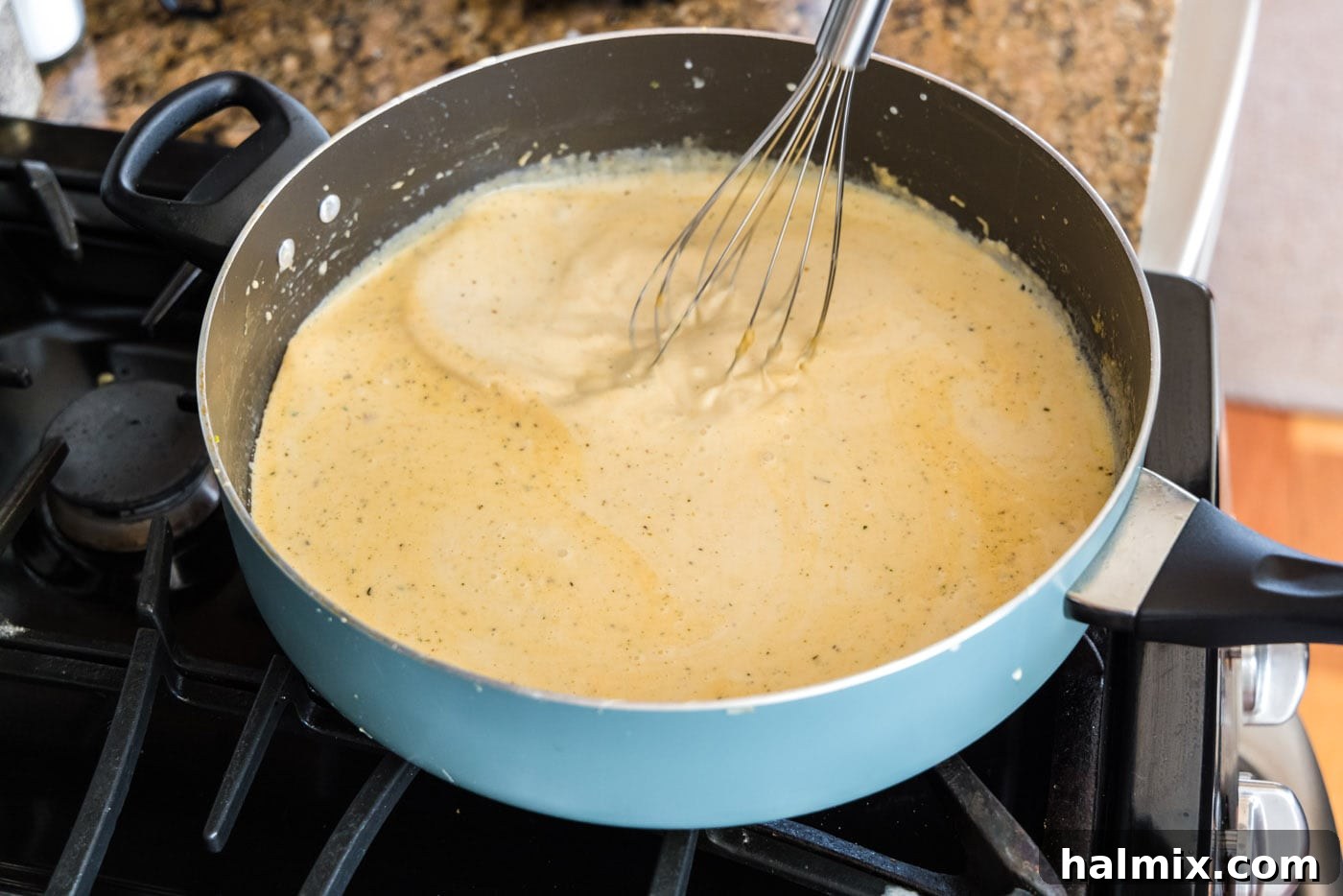
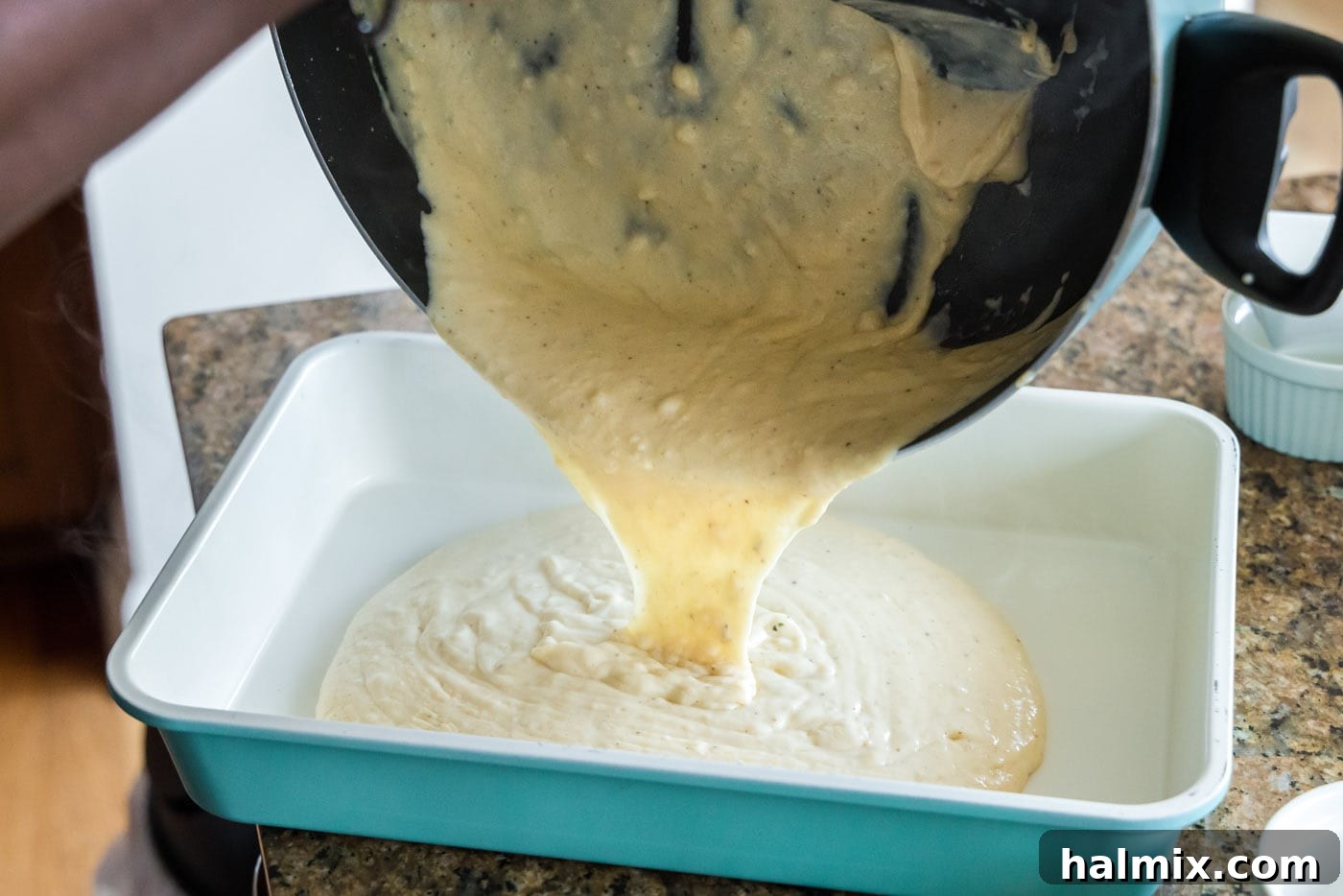
- Once the roux is formed, slowly pour the half and half into the pan while continuously whisking. Continue whisking until the sauce is completely smooth, lump-free, and has thickened slightly. Remove the sauce from the heat and transfer it to a cool pan or baking dish to allow it to cool further. The sauce will continue to thicken as it cools, achieving the perfect consistency for layering.
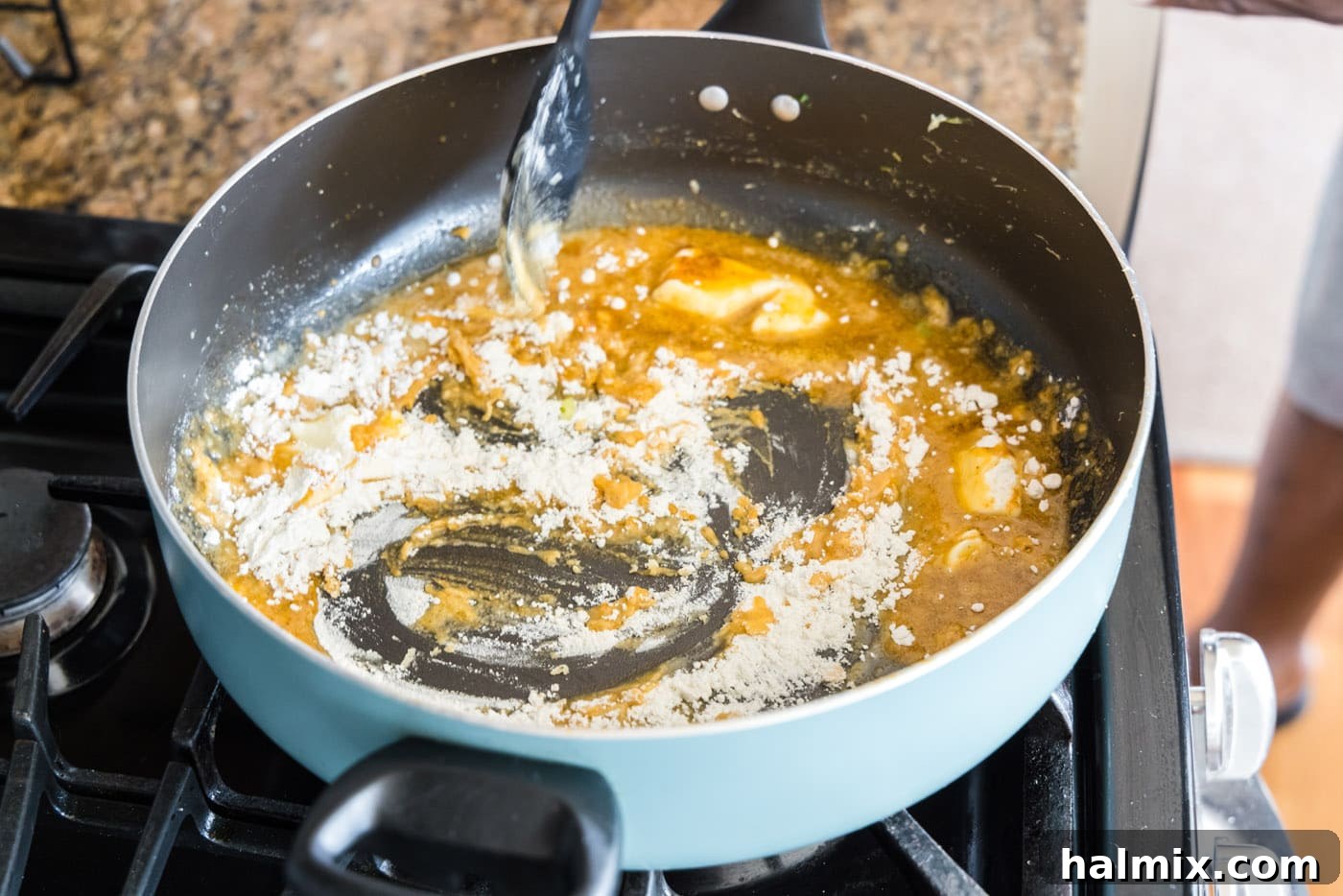
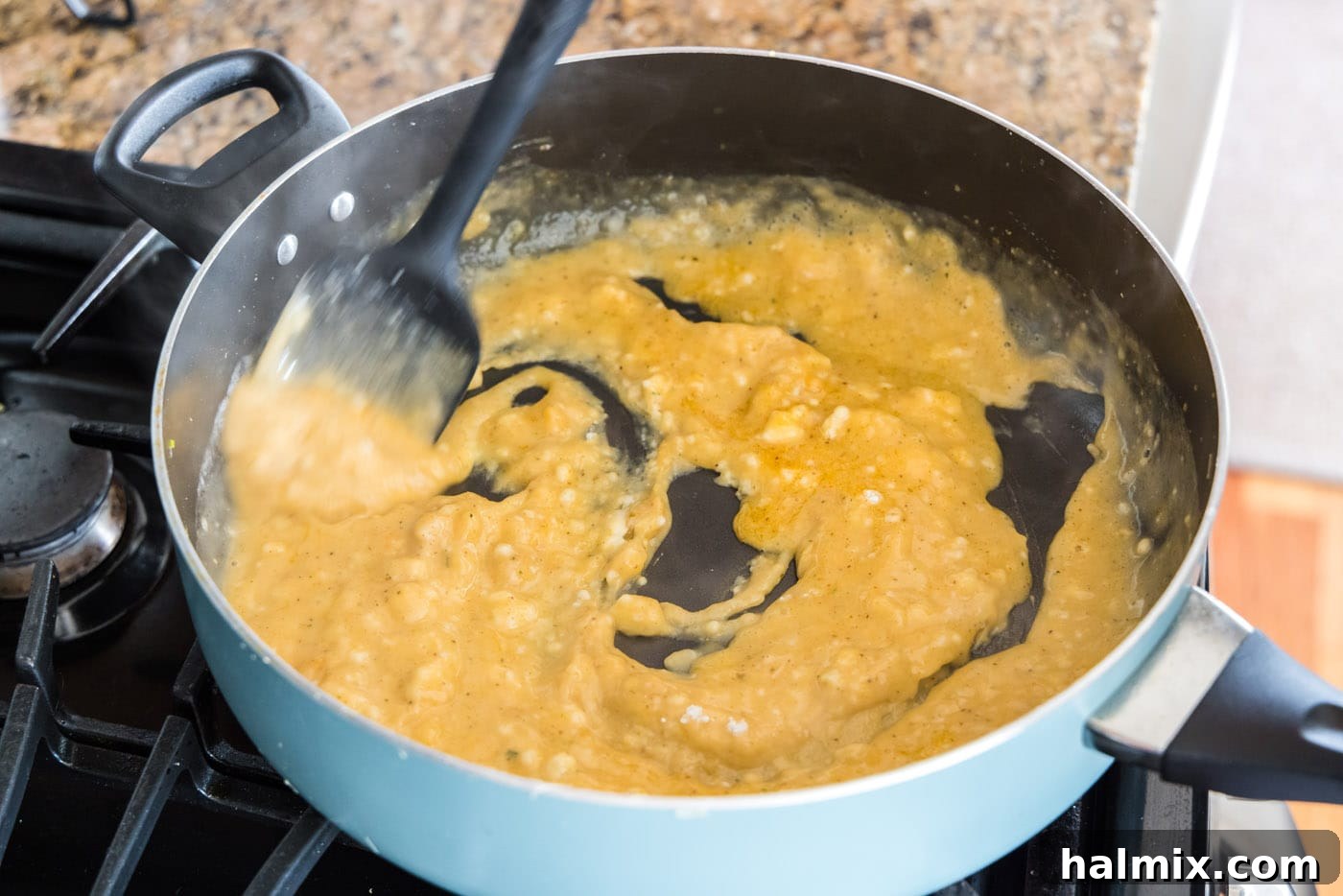
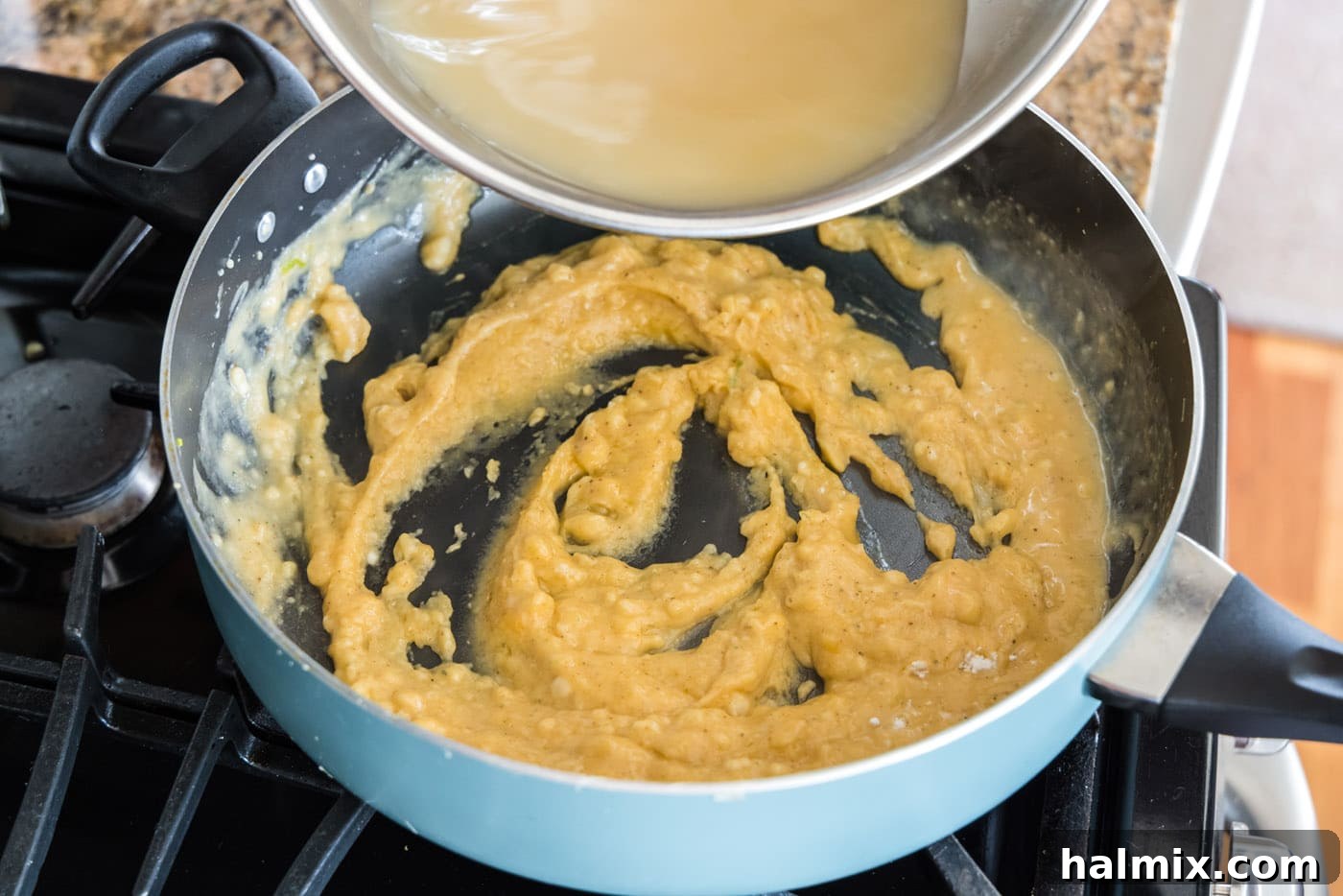
Layering the Lasagna to Perfection
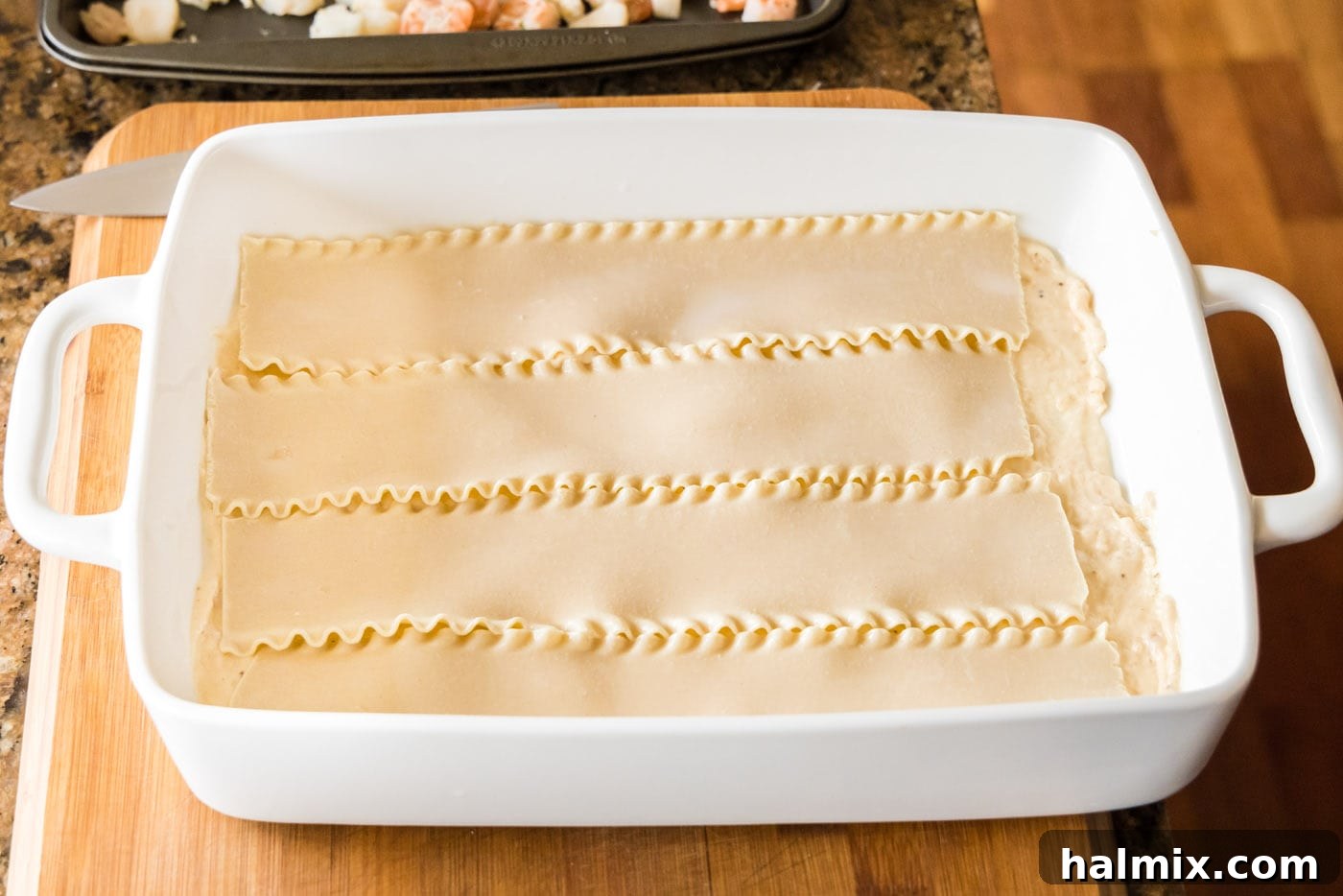
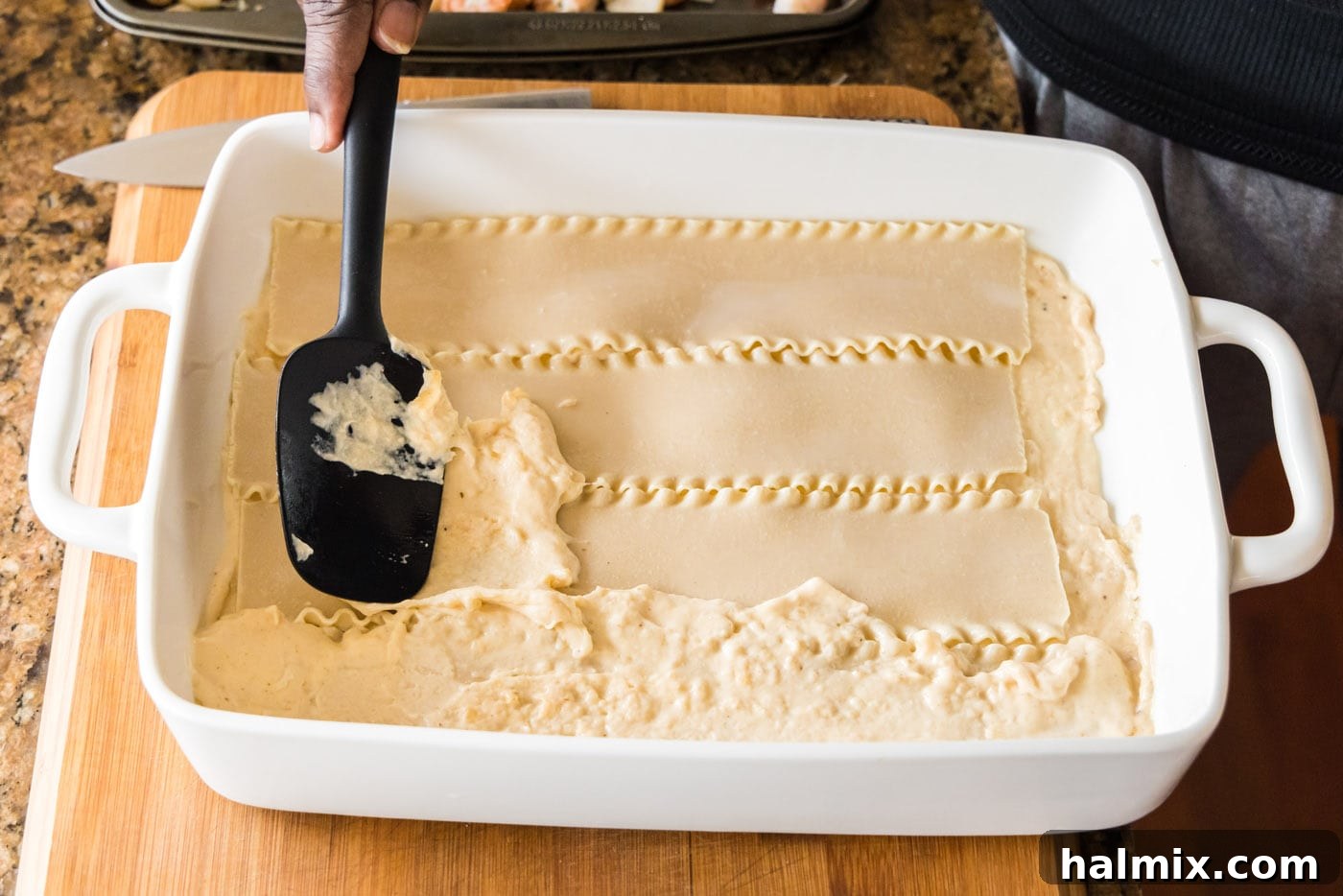
- In your second 13×9 inch baking dish, spread a generous amount of the thickened creamy sauce, just enough to thinly cover the entire bottom of the pan. This prevents the noodles from sticking and adds flavor from the base.
- Carefully arrange a layer of the soaked lasagna noodles over the sauce. For a standard 13×9 inch pan, approximately 4 noodles typically form one complete layer. Slightly overlap them if necessary.
- Spread another layer of the creamy sauce evenly over the noodles, ensuring good coverage.
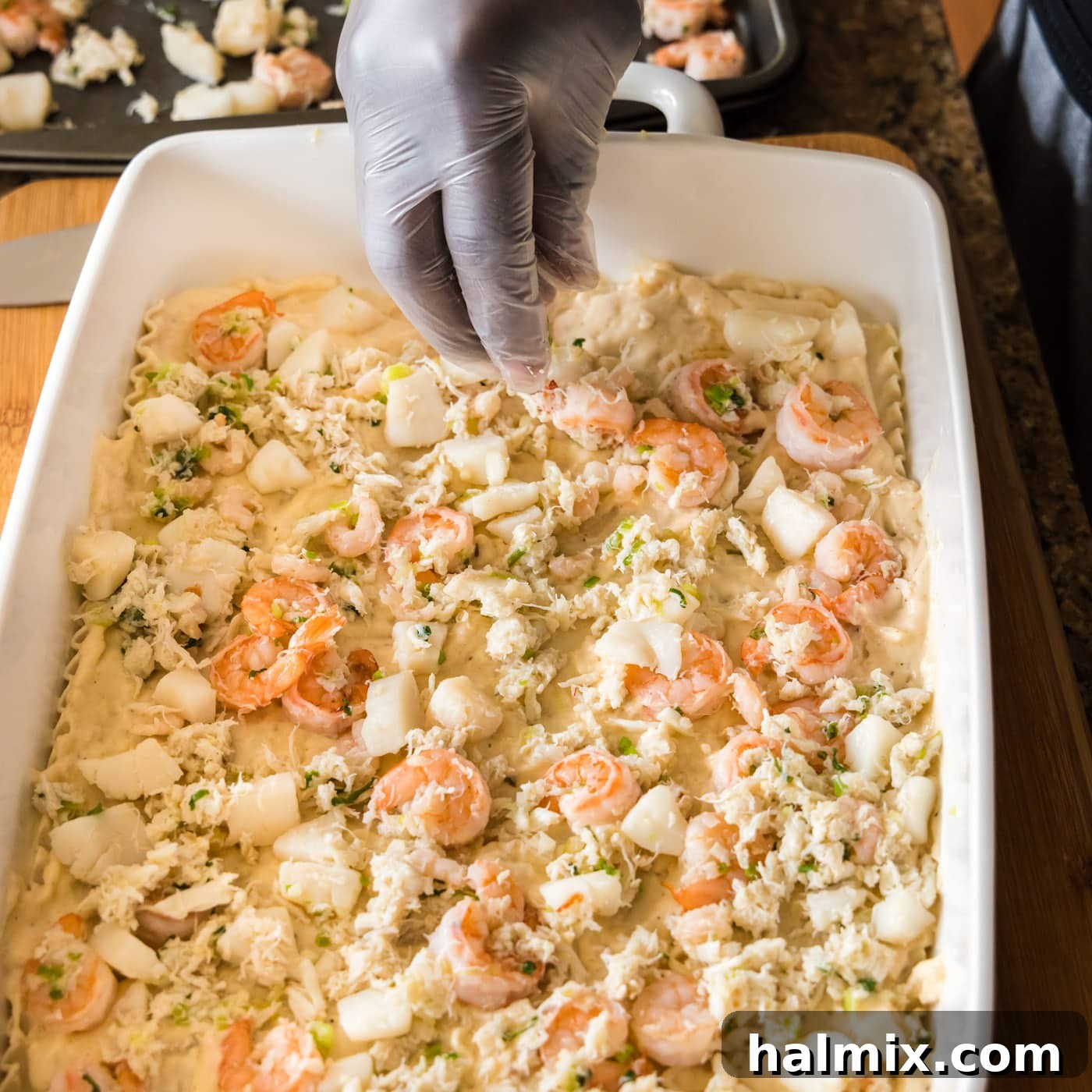
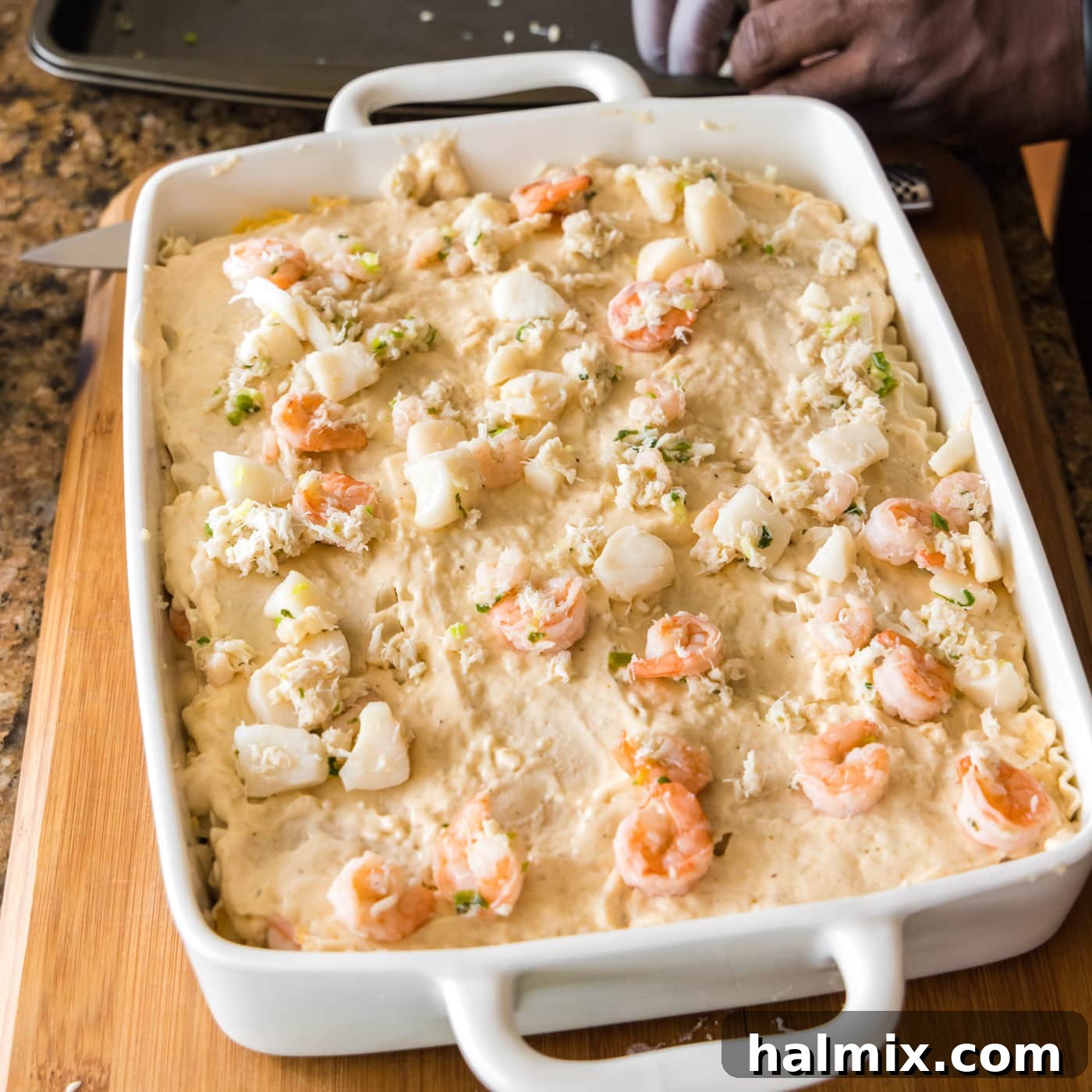
- Distribute a layer of your cooled, cooked seafood mixture (shrimp, scallops, and crab) evenly over the sauce layer.
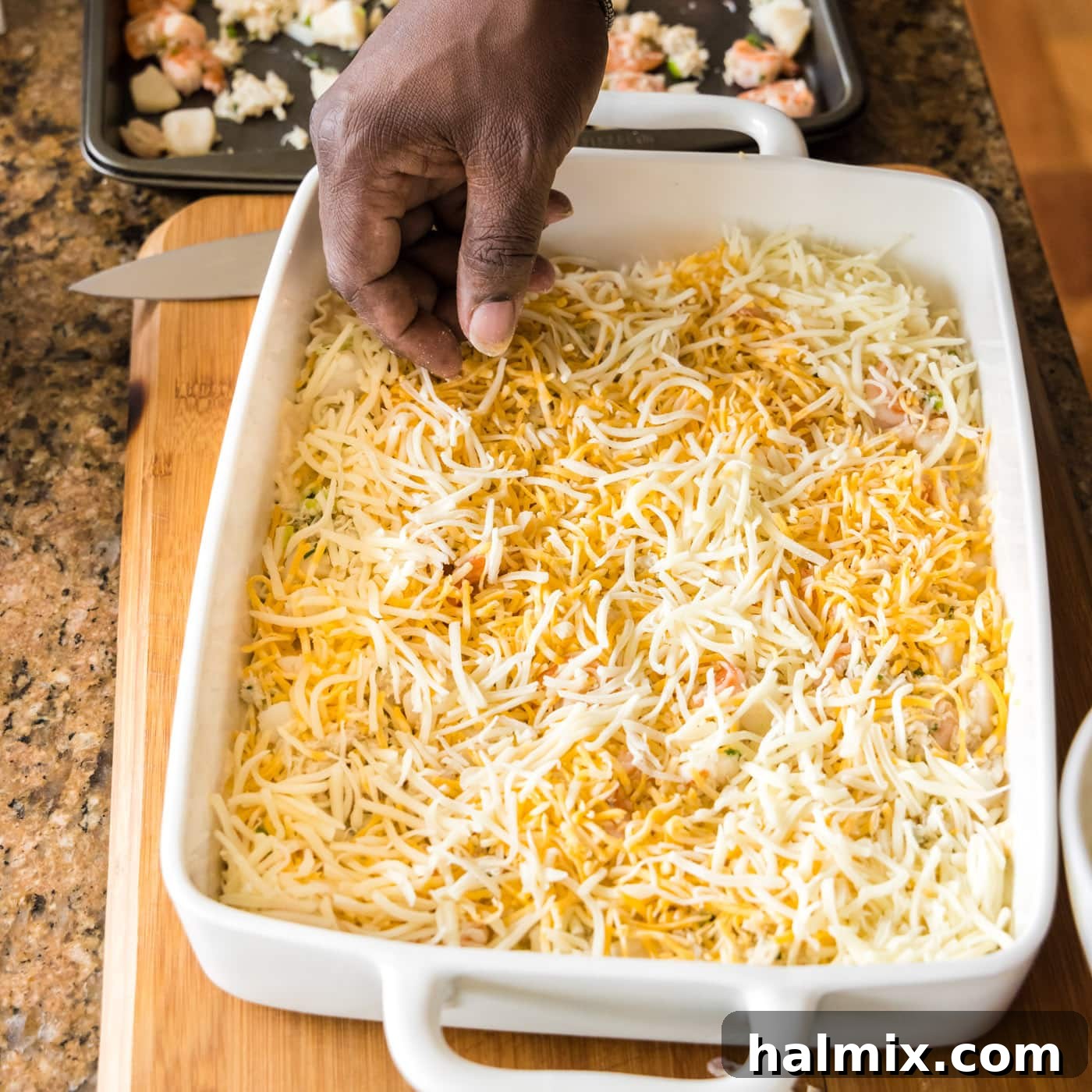
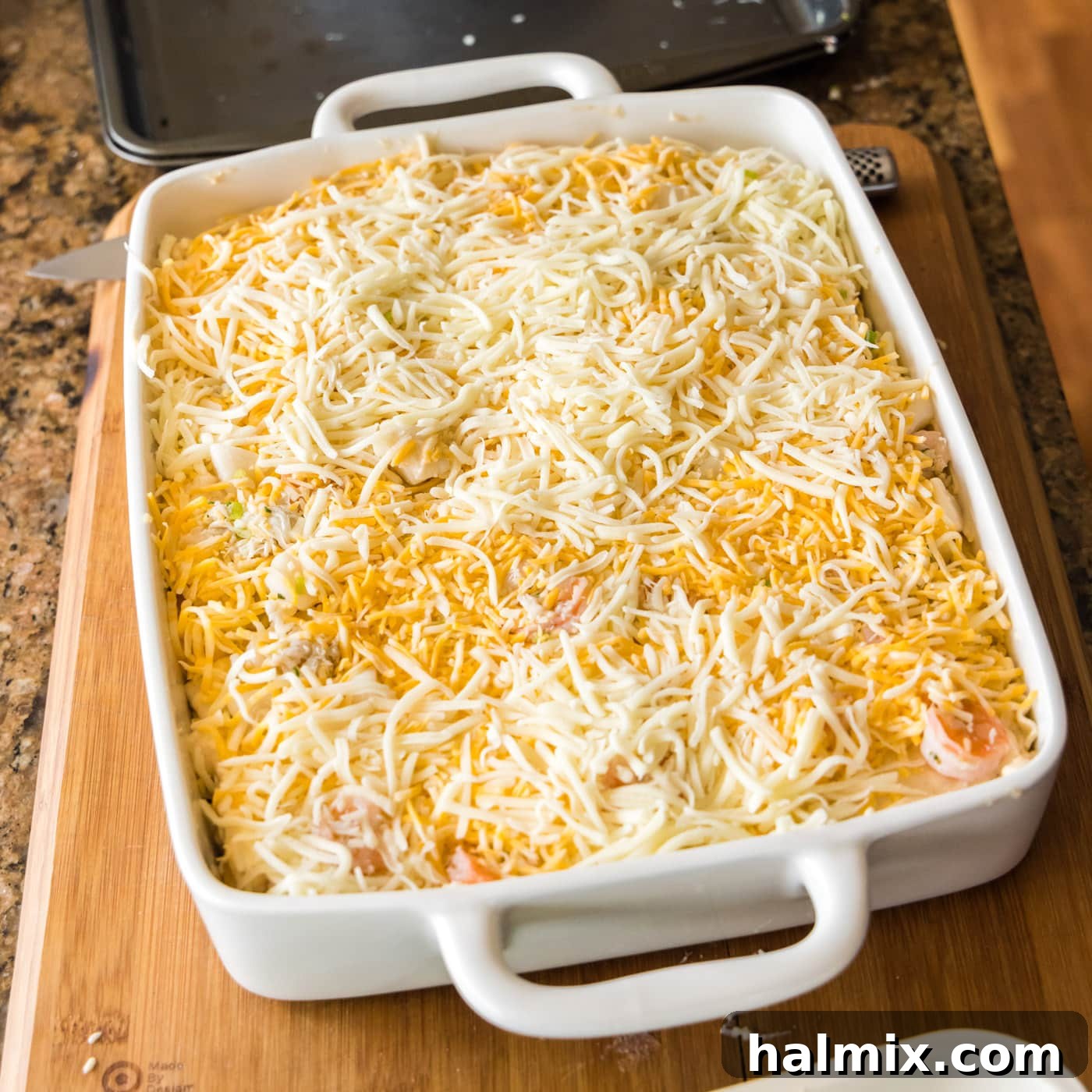
- Generously sprinkle a blend of shredded Colby Jack and mozzarella cheese over the seafood.
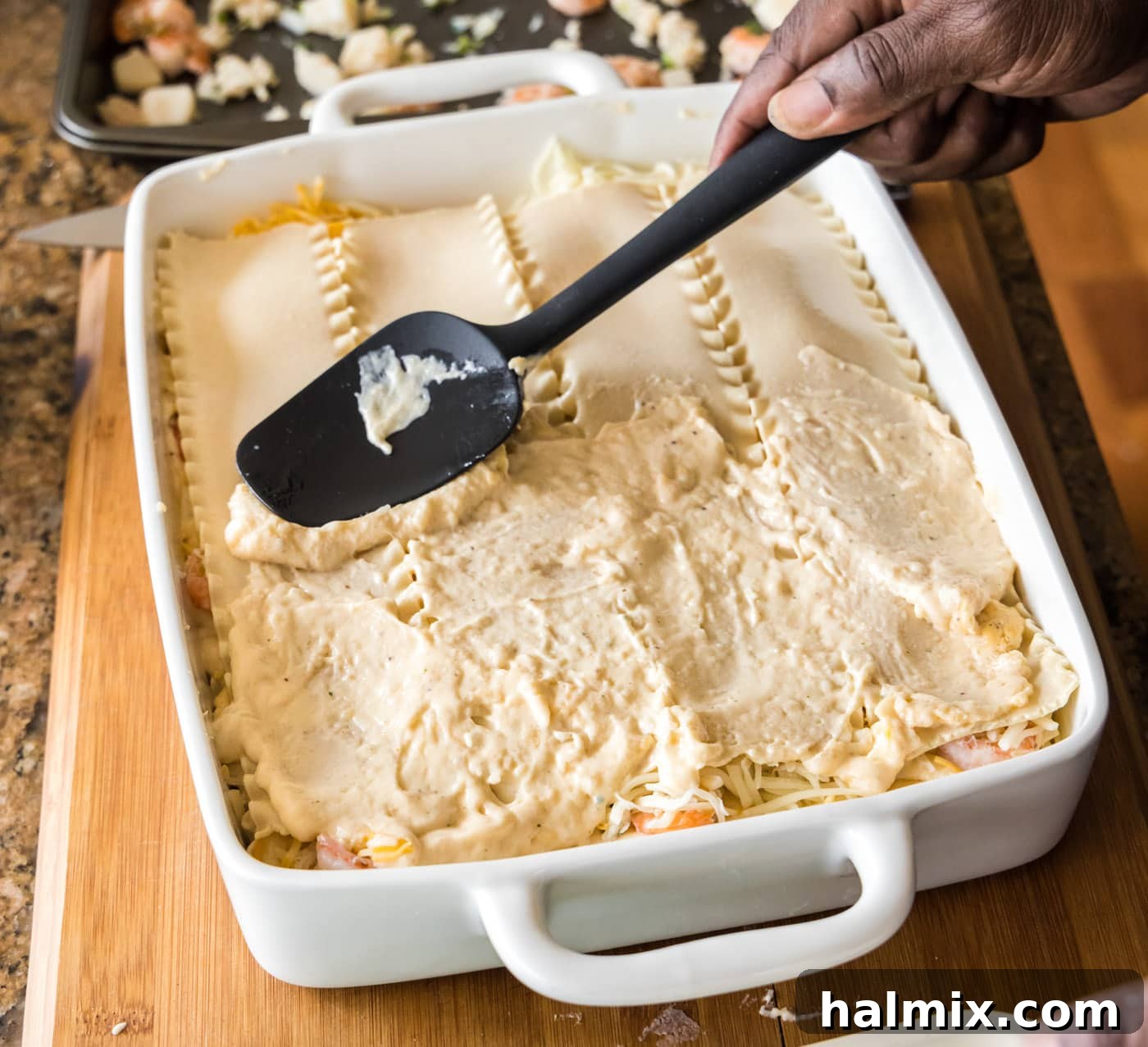
- Repeat the layering process: add another layer of soaked lasagna noodles, followed by sauce, then seafood, and finally cheese. Continue this sequence one more time, ensuring your top layer is a generous coating of shredded cheese. This creates three distinct and flavorful layers of seafood goodness.
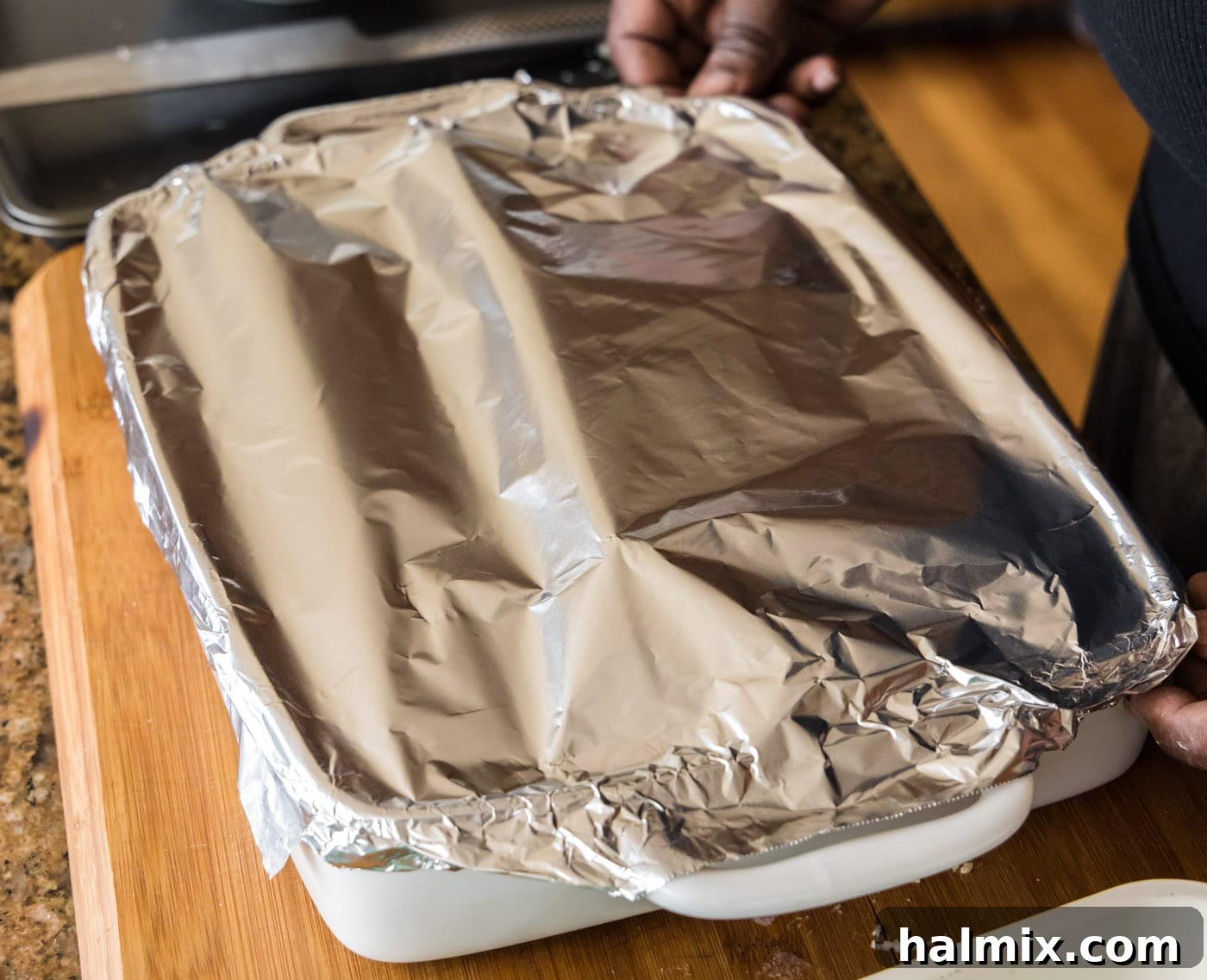
- Cover the baking dish tightly with aluminum foil. Bake in your preheated oven for 25 minutes. After 25 minutes, remove the foil and continue baking for another 20 minutes, or until the sauce is bubbling around the edges and the cheese on top is beautifully melted and golden brown. Let the lasagna rest for 10-15 minutes before serving to allow the layers to set and prevent it from falling apart when sliced.
Expert Tips for the Best Seafood Lasagna & FAQs
To ensure your seafood lasagna turns out perfectly every time, consider these additional tips and answers to common questions:
- Preventing Watery Lasagna: One of the most common concerns with seafood lasagna is a watery result. To avoid this, thoroughly pat dry your thawed seafood before cooking. Additionally, ensure your sauce is properly thickened; a well-made roux is key. Soaking noodles instead of boiling them also reduces excess water in the dish.
- Don’t Overcook the Seafood: Seafood cooks quickly. The initial 3-4 minute simmer is just enough to get it partially cooked and infuse the stock with flavor. Remember, it will continue to cook in the hot oven, so slightly undercooking it initially is better than overcooking, which can lead to rubbery shrimp or tough scallops.
- Quality of Cheese: As mentioned, shredding block cheese makes a noticeable difference in melt and texture. The anti-caking agents in pre-shredded varieties can prevent a smooth, creamy finish.
- Resting Period is Crucial: After baking, let your lasagna rest for at least 10-15 minutes before slicing and serving. This allows the creamy sauce and cheese to set, making for cleaner slices and preventing the lasagna from collapsing.
- Make Ahead Option: You can assemble the entire lasagna a day in advance, cover it tightly with foil, and refrigerate. When ready to bake, add an extra 10-15 minutes to the covered baking time to account for it being cold from the fridge.
While this decadent dish is truly best enjoyed fresh from the oven, any leftovers can be stored in an airtight container in the refrigerator for up to 2 days. Reheat gently in the oven or microwave, adding a splash of milk or cream if the sauce seems too thick.
Yes, seafood lasagna freezes surprisingly well! Assemble the lasagna up to the point of baking, but do not bake it. Wrap it tightly with plastic wrap and then aluminum foil, and freeze for up to 2-3 months. To bake from frozen, thaw in the refrigerator overnight, then bake as directed, adding extra time if still partially frozen. Alternatively, bake directly from frozen, adding about an hour to the covered baking time, then uncover and finish baking.
A 13×9 inch baking dish or a dedicated lasagna pan is ideal for this recipe. Glass or ceramic pans are great for even heat distribution, but metal pans also work well. Ensure your pan has high enough sides to accommodate all the delicious layers!
Serving Suggestions for Seafood Lasagna
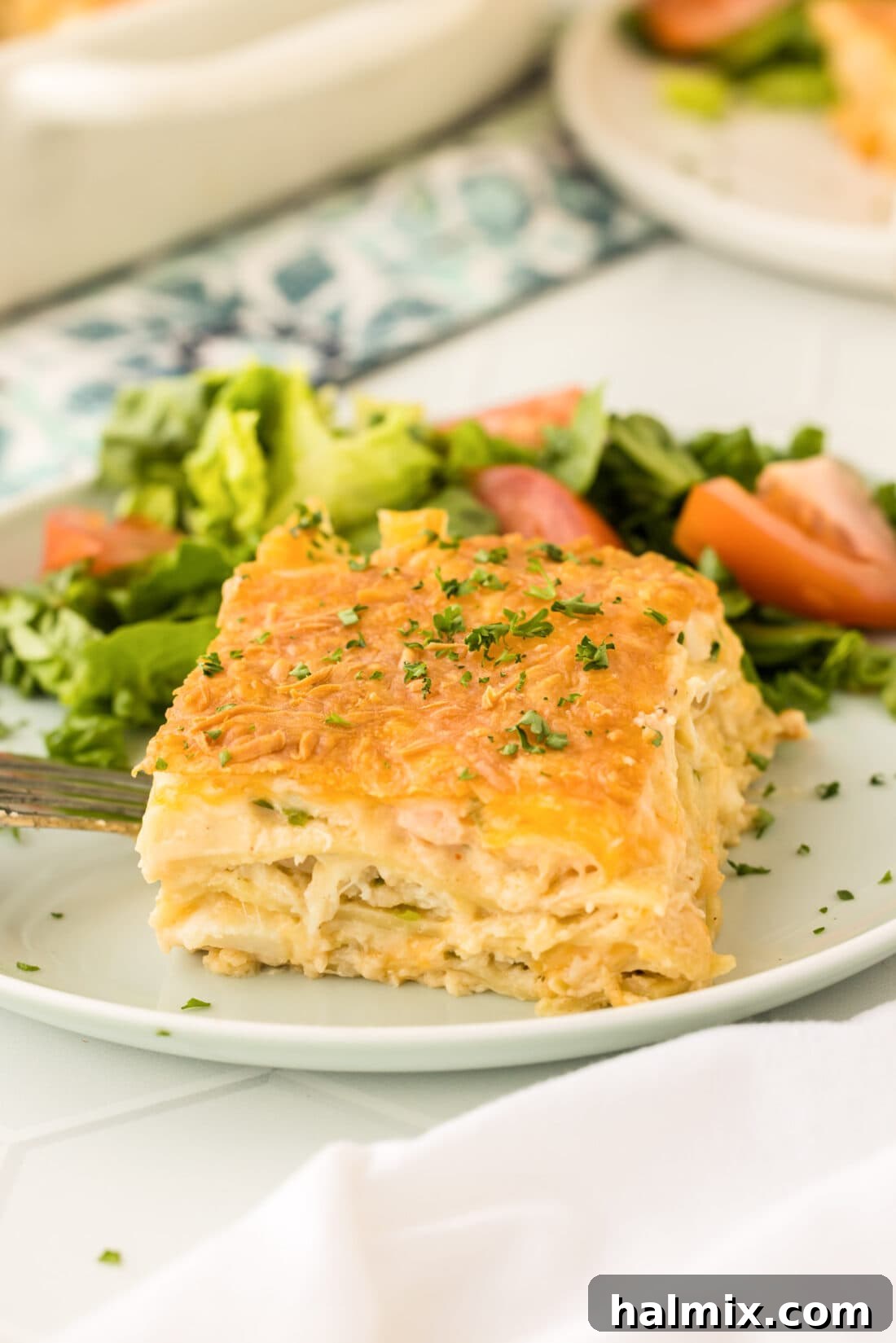
This creamy seafood lasagna is a meal in itself, rich and satisfying. However, pairing it with a few simple sides can enhance the dining experience without overshadowing its star quality. Serve slices of warm seafood lasagna with a crisp, refreshing dinner salad dressed with a light vinaigrette to cut through the richness. A loaf of crusty garlic bread or a warm baguette is perfect for soaking up any extra delicious sauce. For a vegetable accompaniment, consider steamed asparagus or sautéed green beans with a squeeze of lemon to add a touch of freshness. A chilled white wine, such as a Sauvignon Blanc or Pinot Grigio, would also beautifully complement the delicate seafood flavors.
Explore More Delicious Seafood Recipes
If you loved this decadent seafood lasagna, you’re sure to enjoy these other fantastic seafood dishes. Expand your repertoire with these flavorful options:
- Irresistible Homemade Crab Cakes
- Luxurious Creamy Lobster Bisque
- Quick & Easy Shrimp Pasta
- Perfectly Pan-Seared Scallops
- Indulgent Lobster Mac and Cheese
I genuinely love to bake and cook, and my greatest joy is sharing my kitchen experiences and delicious recipes with all of you! Remembering to check back for new culinary inspiration can sometimes be a challenge, which is why I offer a convenient newsletter delivered directly to your inbox every time a new recipe is posted. Simply subscribe today and start receiving your free daily recipes, ensuring you never miss a delightful dish!

Seafood Lasagna
IMPORTANT – There are often Frequently Asked Questions within the blog post that you may find helpful. Simply scroll back up to read them!
Print It
Pin It
Rate It
Save It
Ingredients
- 12 lasagna noodles
- 1 cup green onions sliced
- 2 Tablespoons garlic minced
- 12 ounces bay scallops or sea scallops, chopped
- 1 pound raw medium shrimp peeled, deveined, tails removed
- 8 ounces crab meat shredded
- 1 cup chicken stock
- 1 cup clam juice
- ½ cup seafood stock
- ½ cup butter
- ½ Tablespoon garlic salt
- ½ Tablespoon Old Bay seasoning
- ½ cup all purpose flour
- 2 cups half and half
- 3 cups Colby Jack cheese shredded
- 3 cups mozzarella cheese shredded
Equipment You’ll Need
-
2 13×9 baking dish or lasagna pan
-
Large heavy bottomed skillet
-
Colander (used in the instructions, good to list here)
Before You Begin: Important Notes
- For the best melt and flavor, shred your own cheese from a block. Pre-shredded varieties often contain anti-caking agents that can affect texture. Feel free to customize your cheese blend with options like Gruyere, Fontina, or Monterey Jack.
- This recipe uses a technique of soaking lasagna noodles instead of pre-boiling them, saving time and allowing them to absorb more flavor during baking.
- Leftovers can be stored in an airtight container in the refrigerator for up to 2 days. Reheat gently.
- This lasagna can be assembled ahead of time and refrigerated for up to 24 hours before baking. Add a little extra baking time if baking from chilled.
Instructions
-
Preheat oven to 350°F (175°C).
Note: You will need two 13×9 inch pans for this process; one for soaking noodles, and one for baking.
-
Fill one 13×9 inch pan with hot tap water. Place lasagna noodles in the water and allow to soak while you prepare the seafood and sauce. Occasionally turn and move the noodles to ensure even soaking. You will not be cooking the noodles.
Cooking the Seafood
-
Place a colander over a large bowl or pan to collect drained liquid.
-
To a large skillet, add green onion, garlic, shrimp, scallops, crab meat, chicken stock, clam juice, and seafood stock. Bring to a boil over medium-high heat. Cook for 3-4 minutes until seafood is just cooked through. Drain seafood mixture into the colander, reserving the stock for later use.
-
Place drained seafood onto a baking sheet to cool slightly.
Making the Sauce
-
To the same skillet, add butter, garlic salt, Old Bay seasoning, and flour. Stir to combine and create a roux. Gradually add some of the reserved seafood stock, stirring slowly until a paste consistency is achieved. You will not use all the reserved stock.
-
Pour half and half into the pan and whisk continuously until smooth and slightly thickened. Ensure no chunks remain. Remove the sauce from heat and transfer to a cool pan or dish; it will thicken further as it cools.
Layering the Lasagna
-
In a clean 13×9 inch baking dish, spread enough thickened sauce to cover the bottom of the pan.
-
Add a layer of soaked lasagna noodles (approximately 4 noodles).
-
Spread a layer of sauce evenly over the noodles.
-
Spread a layer of the cooked seafood mixture over the sauce.
-
Sprinkle generously with Colby Jack and Mozzarella cheese.
-
Add another layer of soaked lasagna noodles. Repeat with sauce, seafood, and cheese. Repeat this layering sequence one more time, ensuring the top layer is finished with cheese.
-
Cover the baking dish tightly with aluminum foil. Bake in the preheated oven for 25 minutes. Remove the foil and continue to bake for an additional 20 minutes, or until the sauce is bubbly and the cheese is melted and golden brown. Let rest for 10-15 minutes before serving.
Nutrition Information
The recipes on this blog are tested with a conventional gas oven and gas stovetop. It’s important to note that some ovens, especially as they age, can cook and bake inconsistently. Using an inexpensive oven thermometer can assure you that your oven is truly heating to the proper temperature. If you use a toaster oven or countertop oven, please keep in mind that they may not distribute heat the same as a conventional full sized oven and you may need to adjust your cooking/baking times. In the case of recipes made with a pressure cooker, air fryer, slow cooker, or other appliance, a link to the appliances we use is listed within each respective recipe. For baking recipes where measurements are given by weight, please note that results may not be the same if cups are used instead, and we can’t guarantee success with that method.