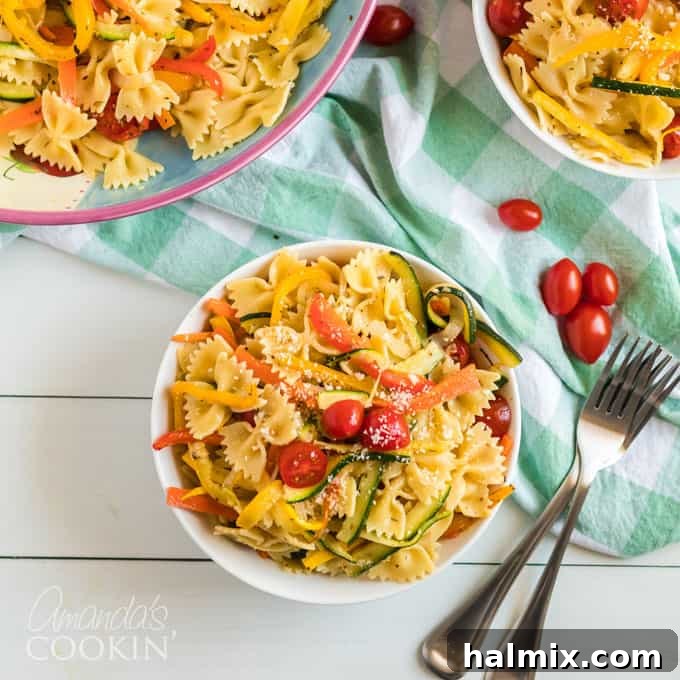
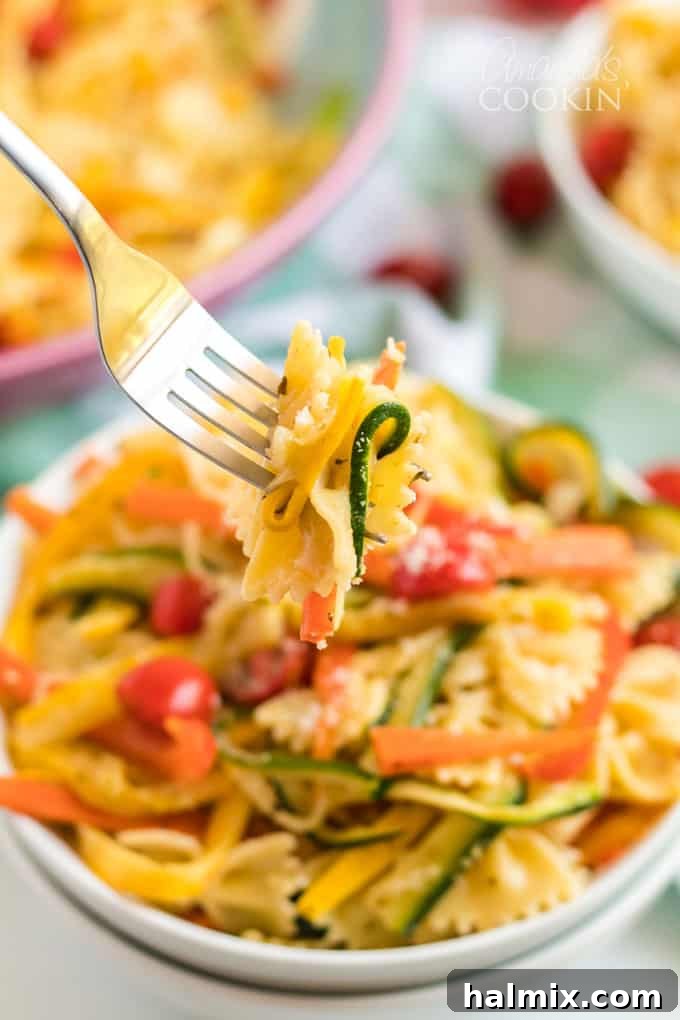
Welcome to the delightful world of Pasta Primavera! This classic dish, whose name beautifully translates to “spring-style pasta” or “spring pasta,” has charmed palates since its popularization in the 1970s. It’s a vibrant celebration of fresh vegetables and pasta, creating a meal that is both incredibly flavorful and wonderfully light. This easy-to-prepare recipe is destined to become a staple in your household, perfect for weeknight dinners and special occasions alike. What makes Pasta Primavera so universally loved is its ability to showcase the natural sweetness and texture of seasonal produce, lightly tossed with al dente pasta for a truly satisfying experience.
Searching for the perfect Meatless Monday option? Look no further! This Pasta Primavera recipe is an outstanding choice, offering a complete and nourishing meal without the need for meat. Its rich array of vegetables provides essential vitamins and minerals, making it a healthy alternative that doesn’t compromise on taste. It’s also an excellent way to introduce more greens and colorful produce into your family’s diet, appealing to even the pickiest eaters with its bright appearance and fresh flavors.
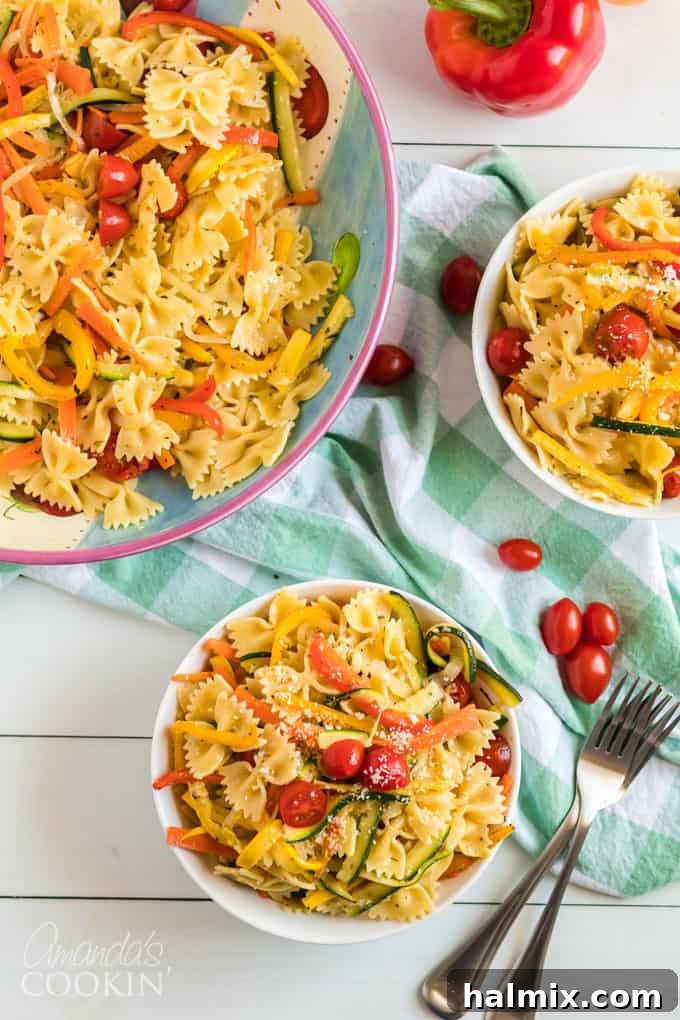
Mastering the Art of Pasta Primavera: A Comprehensive Guide
While the name “Primavera” conjures images of blossoming spring gardens, don’t let that limit your enjoyment of this exquisite dish. The beauty of Pasta Primavera lies in its versatility, allowing you to savor it year-round. Ideally, selecting peak-season vegetables from your local farmer’s market will deliver the most authentic and vibrant flavors, embodying the true spirit of “spring.” However, with readily available produce, you can create a fantastic Pasta Primavera any time of the year, adapting ingredients to what’s freshest and most appealing.
Preparing Your Vegetables: The Key to Perfect Primavera
The preparation of your vegetables is paramount to achieving the signature texture and flavor of Pasta Primavera. For this recipe, the technique is simple yet effective: we’ll be cutting most vegetables into thin, uniform strips, a method known as “julienne.” This ensures that each vegetable cooks evenly and quickly, resulting in tender-crisp bites that beautifully complement the pasta. Julienne-cut vegetables also offer an elegant presentation, making your dish as appealing to the eye as it is to the palate.
These precisely cut vegetables will then be roasted to perfection in the oven. Roasting brings out their natural sweetness and adds a wonderful depth of flavor and a slight char that can’t be achieved by simply boiling or steaming. This crucial step eliminates the need for heavy sauces, as the rich, concentrated flavors from the roasted vegetables become the star of the dish, creating a light yet incredibly satisfying meal. You’ll find that the inherent flavors of carrots, zucchini, bell peppers, and onions, enhanced by a touch of olive oil and herbs, provide all the deliciousness you need.
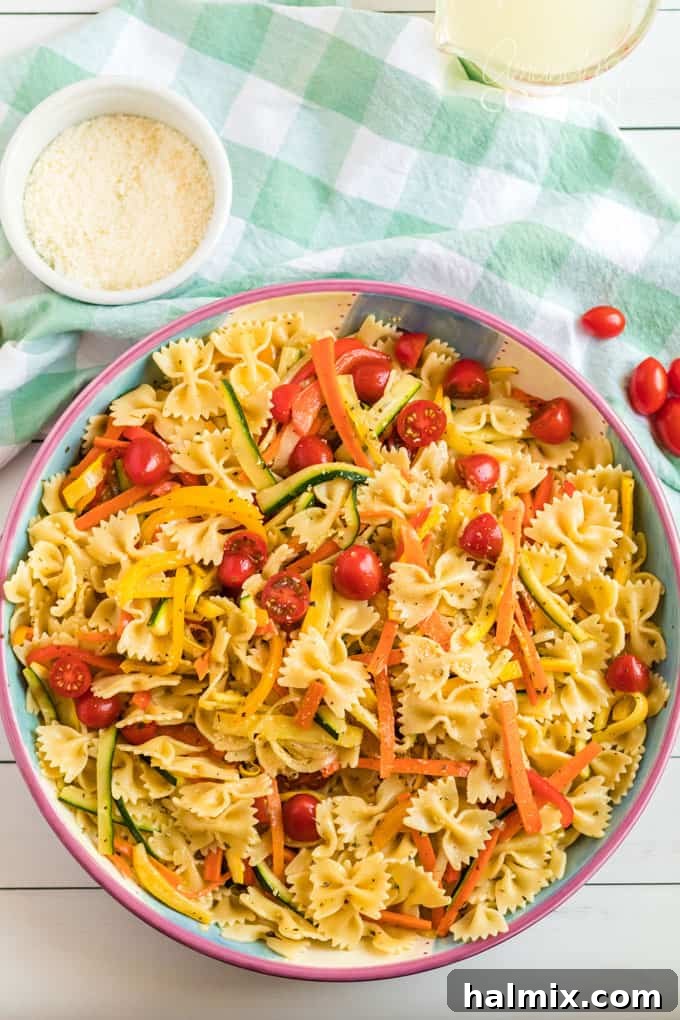
Essential Ingredients for a Stellar Pasta Primavera
Creating an unforgettable Pasta Primavera begins with a selection of fresh, high-quality ingredients. Each component plays a vital role in building the dish’s distinct flavor profile and appealing texture. Here’s what you’ll need, along with some tips for selection:
- Carrots: Choose firm, bright orange carrots. Cut them into thin strips (julienne) to ensure they become tender-crisp when roasted, offering a subtle sweetness and vibrant color.
- Zucchini: Look for medium-sized zucchini that are firm and blemish-free. Julienne them for a delicate texture that cooks quickly and absorbs flavors beautifully.
- Yellow Squash: Similar to zucchini, select firm yellow squash. Its mild flavor and tender texture add another layer of freshness and color to the dish when cut into thin strips.
- Onion: A medium onion, cut into thin strips, adds a foundational aromatic element. Roasting mellows its sharpness and brings out a lovely caramelization.
- Yellow Bell Pepper: A large yellow bell pepper, julienned, contributes a sweet, fruity note and a pop of sunny color.
- Red Bell Pepper: A large red bell pepper, also julienned, offers a contrasting sweetness and deepens the color palette of the dish.
- Olive Oil: Extra virgin olive oil is preferred for its robust flavor, which coats the vegetables beautifully and aids in their roasting.
- Kosher Salt and Freshly Ground Black Pepper: These essential seasonings enhance all the other flavors, so season generously but to taste.
- Dried Italian Seasoning or Herbes de Provence: These herb blends add a classic Mediterranean aroma and taste, complementing the vegetables perfectly. They typically include oregano, basil, thyme, rosemary, and marjoram.
- Farfalle (bowtie pasta) or Penne Pasta: Both shapes are excellent choices as they hold the roasted vegetables and any light sauce well. Cook to al dente for the best texture.
- Cherry Tomatoes: Halved cherry tomatoes are added at the end for a burst of fresh, juicy sweetness and acidity, providing a lovely contrast to the roasted vegetables.
- Grated Parmesan: Freshly grated Parmesan cheese offers a salty, umami finish that ties all the flavors together, adding a creamy, savory note.
Helpful Kitchen Tools for Effortless Cooking
Having the right tools at hand can make the preparation of Pasta Primavera even more enjoyable and efficient. While many of these are standard kitchen items, they are invaluable for achieving the best results:
- Chef’s knife: Essential for precise julienne cutting of all your vegetables.
- Cutting board: A sturdy surface for safe and efficient vegetable preparation.
- Roasting/baking pans: You’ll need at least two large, heavy-duty baking sheets to ensure vegetables roast evenly without steaming.
- Tongs: Perfect for tossing vegetables with oil and seasonings, and for flipping them during roasting.
- Pasta fork: Ideal for serving pasta and mixing it with the vegetables.
- Colander: A must-have for draining the cooked pasta while reserving the precious pasta water.
Step-by-Step Instructions to Create Your Pasta Primavera
Follow these detailed steps to bring your delicious Pasta Primavera to life:
- Prepare the Oven and Water: Begin by preheating your oven to a robust 450 degrees F (232 degrees C). This high temperature is key to achieving perfectly roasted, slightly caramelized vegetables. Simultaneously, bring a large pot of salted water to a rolling boil for your pasta. A generous amount of salt in the water seasons the pasta from within, enhancing its flavor significantly.
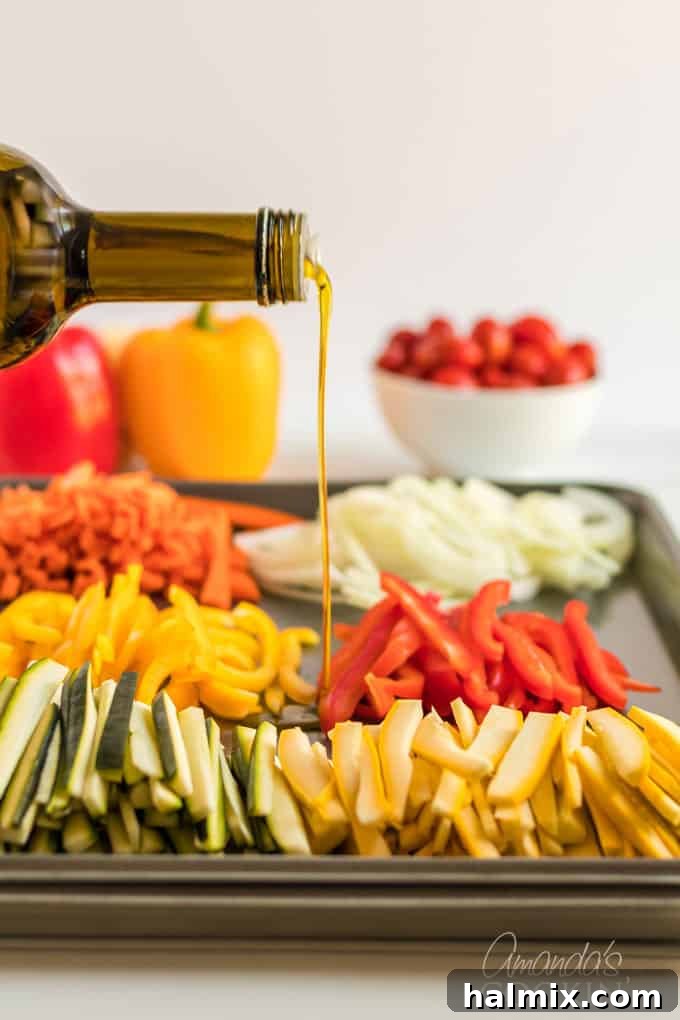
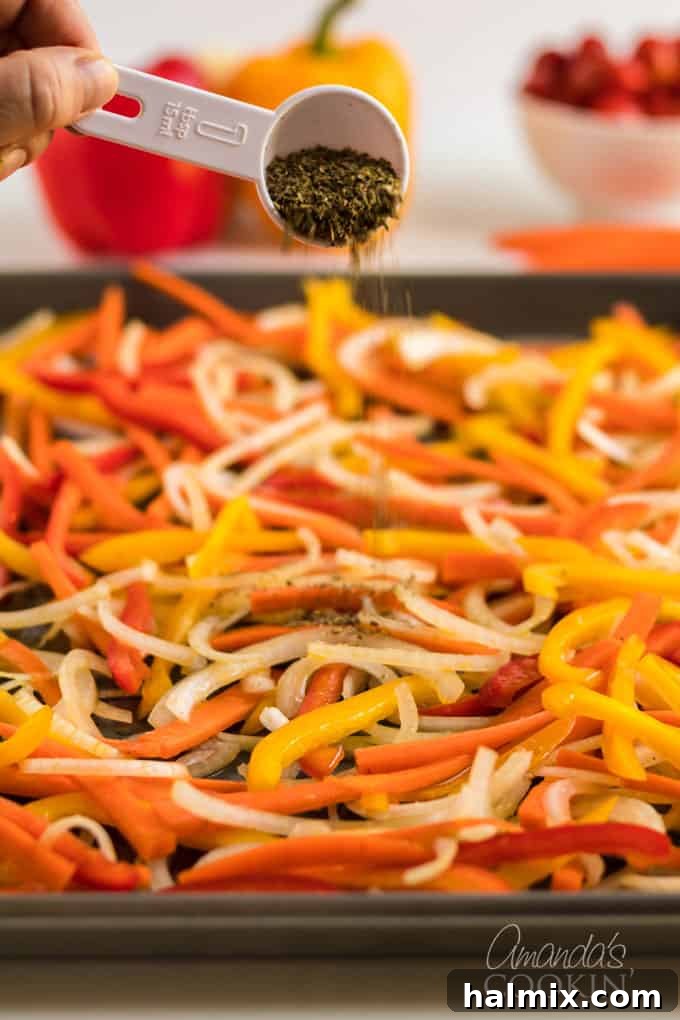
- Season the Vegetables: On a large, heavy baking sheet, arrange all the julienned vegetables (carrots, zucchini, yellow squash, onion, yellow bell pepper, red bell pepper). Avoid adding the cherry tomatoes at this stage, as they cook much faster and can become mushy if roasted too long. Drizzle the vegetables generously with olive oil, then sprinkle evenly with your chosen dried herbs (Italian seasoning or Herbes de Provence), kosher salt, and freshly ground black pepper. Toss everything thoroughly with your hands or tongs until every piece is well coated. Ensure an even coating for uniform flavor and browning.
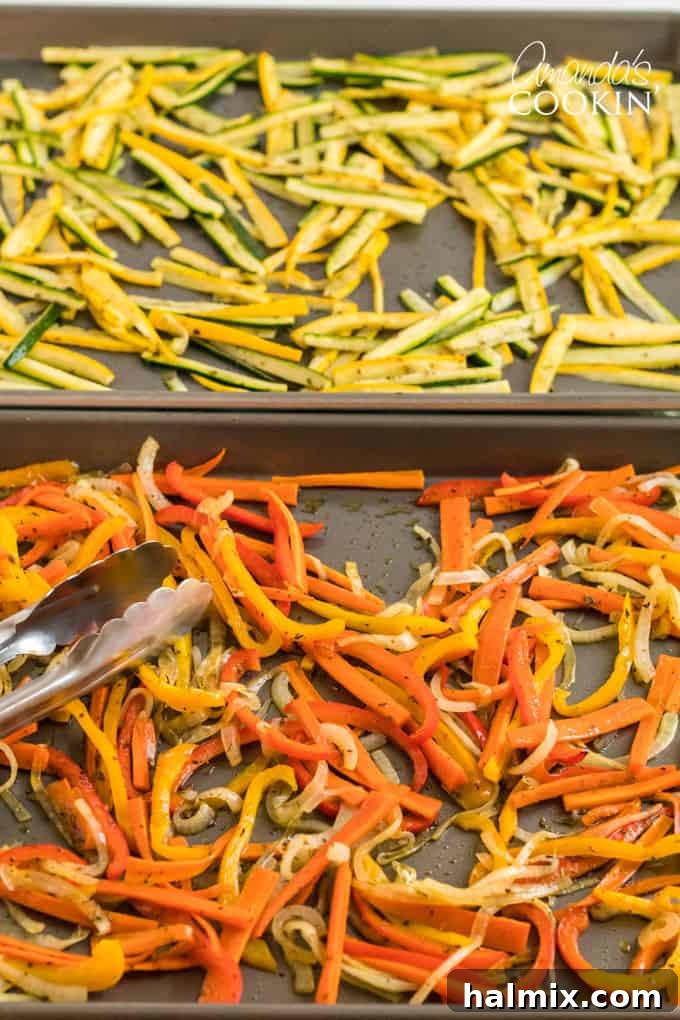
- Roast the Vegetables: To prevent overcrowding, which can lead to steaming instead of roasting, transfer about half of the seasoned vegetable mixture to a second baking sheet. Spread the vegetables in a single layer on both sheets. Roast in the preheated oven. Begin checking on them after about 10 minutes; a quick flip or stir is helpful to promote even browning, though not strictly required. Continue roasting until the carrots are tender and the other vegetables show signs of browning and caramelization, typically around 20 minutes in total. The goal is tender-crisp, not overly soft, to maintain texture.
- Cook the Pasta: While your vegetables are roasting, cook the pasta in the boiling salted water according to package directions, aiming for an “al dente” texture – meaning it should be firm to the bite, not soft or mushy. This usually takes about 7-8 minutes for most pasta shapes. Before draining, make sure to reserve one cup of the starchy pasta water. This water is a secret ingredient, invaluable for creating a light sauce that binds the dish together and adds richness.
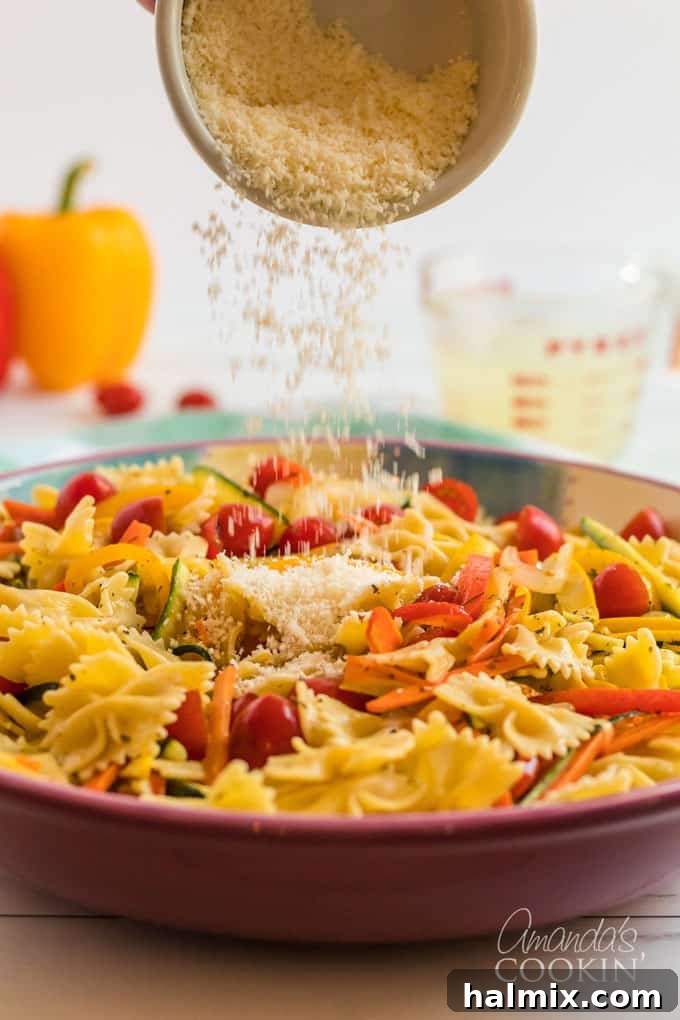
- Combine and Serve: In a large mixing bowl, gently combine the hot, drained pasta with the freshly roasted vegetables. Add the halved cherry tomatoes; their freshness will brighten the dish. Gradually add just enough of the reserved pasta water, a splash at a time, to loosen the mixture and create a light, cohesive “sauce” that moistens every bite without making it watery. Season with additional salt and pepper to taste, adjusting until the flavors are perfectly balanced. Finally, sprinkle generously with freshly grated Parmesan cheese and serve immediately. The residual heat from the pasta and vegetables will slightly melt the cheese, creating an irresistible finish.
Tips for the Best Pasta Primavera
- Don’t Overcrowd the Pan: When roasting vegetables, ensure they have enough space on the baking sheet. If crowded, they will steam instead of roast, leading to soggy results. Use two pans if necessary.
- Al Dente is Key: Pasta should be firm to the bite. Overcooked pasta becomes mushy and doesn’t hold up well with the vegetables.
- Pasta Water is Gold: Never skip reserving pasta water. Its starch helps create a light emulsion, binding the dish and making it incredibly flavorful without a heavy sauce.
- Season Generously: Vegetables need proper seasoning. Taste as you go and adjust salt and pepper, especially after adding the pasta and pasta water.
- Fresh Herbs for a Boost: While dried herbs are used in roasting, a sprinkle of fresh basil or parsley at the end can elevate the freshness.
Variations and Serving Suggestions
Pasta Primavera is incredibly adaptable. Here are some ideas to customize your dish:
- Add Protein: For those who don’t want to skip the meat, sliced grilled chicken, pan-seared shrimp, or even some crispy pan-fried tofu cubes can be added to the finished pasta dish.
- Cheese Options: Besides Parmesan, consider fresh mozzarella balls (bocconcini), crumbled feta, or a sprinkle of goat cheese for different flavor profiles.
- Seasonal Swaps: In summer, add corn kernels or thinly sliced asparagus. In fall, roasted butternut squash or mushrooms can be wonderful additions.
- Spice it Up: A pinch of red pepper flakes with the olive oil can add a pleasant kick.
- Citrus Zest: A little lemon zest tossed in at the end brightens all the flavors.
Pasta Primavera is more than just a meal; it’s a healthy, satisfying dish that everyone in the family will adore. It’s truly a fantastic way to incorporate more vibrant vegetables into your diet, offering a colorful and nutritious experience in every forkful.
Frequently Asked Questions About Pasta Primavera
Here are answers to some common questions you might have about making Pasta Primavera:
Q: Can I use different types of pasta?
A: Absolutely! While farfalle and penne are recommended for their ability to hold the vegetables and light sauce, feel free to use other medium-sized pasta shapes like rotini, orecchiette, or even spaghetti or linguine if you prefer longer strands.
Q: What if I don’t have fresh vegetables? Can I use frozen?
A: Fresh vegetables are always best for Pasta Primavera, especially for their texture and vibrant flavor. However, if fresh isn’t an option, you can use frozen mixed vegetables. Thaw them first and pat them dry to remove excess moisture before roasting, as this will help them caramelize properly.
Q: How can I make this dish gluten-free?
A: To make Pasta Primavera gluten-free, simply substitute regular pasta with your favorite gluten-free pasta brand. Ensure all other ingredients (like seasonings) are also certified gluten-free, if you have severe sensitivities.
Q: Can I prepare parts of this dish ahead of time?
A: You can definitely prep the vegetables ahead of time by washing and julienning them. Store them in an airtight container in the refrigerator for up to 2-3 days. This significantly cuts down on meal-time preparation. It’s best to roast the vegetables and cook the pasta just before serving for optimal freshness and texture.
Q: How do I store and reheat leftovers?
A: Store any leftover Pasta Primavera in an airtight container in the refrigerator for up to 3-4 days. To reheat, gently warm in a skillet over medium-low heat or in the microwave. You might want to add a splash of vegetable broth or water to help moisten the pasta and vegetables again.
If you love pasta as much as we do, you’ll definitely want to explore more delicious recipes from our kitchen. Be sure to try this Mushroom Stroganoff Skillet for a creamy, savory twist, our comforting Tuna Noodle Skillet, and of course, the timeless favorite, our Spaghetti and Meatballs in Marinara Sauce! Each offers a unique and satisfying pasta experience.
Explore More Delightful Pasta Recipes
Dive into our collection of other fantastic pasta dishes:
- Pasta Primavera (Another take on this classic, or a different season!)
- Creamy Chicken Alfredo
- Rich Bolognese Sauce with Penne
- Hearty Mushroom Ravioli
- Flavorful Sun Dried Tomato Pesto Pasta
- Simple Zucchini Tomato Pasta
- Garlicky Shrimp Pasta
- Classic Pasta Carbonara
Pasta Primavera
IMPORTANT – There are often Frequently Asked Questions within the blog post that you may find helpful. Simply scroll back up to read them!
Print It
Pin It
Rate It
Save ItSaved!
Ingredients
- 3 large carrots cut into thin strips
- 2 medium zucchini cut into thin strips
- 2 medium yellow squash cut into thin strips
- 1 medium onion cut into thin strips
- 1 large yellow bell pepper cut into thin strips
- 1 large red bell pepper cut into thin strips
- ¼ cup olive oil
- Kosher salt and freshly ground black pepper
- 1 tablespoon dried Italian seasoning
- 1 pound Farfalle bowtie pasta or penne
- 15 cherry tomatoes halved
- ½ cup freshly grated Parmesan cheese
Instructions
-
Preheat the oven to 450 degrees F (232 C). Bring a large pot of salted water to a boil.
-
Place all the vegetables (except for the cherry tomatoes) onto a large heavy baking sheet. Drizzle with olive oil and sprinkle generously with dried herbs, salt, and pepper. Toss until all are evenly coated.
-
If necessary, move half of the vegetable mixture to a second baking sheet to ensure a single layer. Roast in the oven until the carrots are tender and the vegetables begin to brown and caramelize, about 20 minutes total. Flipping or stirring the vegetables after the first 10 minutes is helpful for even cooking.
-
While the vegetables are roasting, cook the pasta in the boiling salted water until al dente, about 7-8 minutes. Drain the pasta, but crucially, reserve one cup of the starchy pasta water.
-
In a large bowl, combine the hot pasta and the roasted vegetables. Add in the halved cherry tomatoes. Gradually add just enough of the reserved pasta water to loosen and moisten the dish, creating a light sauce. Season with additional salt and pepper according to your tastes. Sprinkle with the freshly grated Parmesan cheese and serve immediately for the best experience.
Nutrition
The recipes on this blog are tested with a conventional gas oven and gas stovetop. It’s important to note that some ovens, especially as they age, can cook and bake inconsistently. Using an inexpensive oven thermometer can assure you that your oven is truly heating to the proper temperature. If you use a toaster oven or countertop oven, please keep in mind that they may not distribute heat the same as a conventional full sized oven and you may need to adjust your cooking/baking times. In the case of recipes made with a pressure cooker, air fryer, slow cooker, or other appliance, a link to the appliances we use is listed within each respective recipe. For baking recipes where measurements are given by weight, please note that results may not be the same if cups are used instead, and we can’t guarantee success with that method.
This recipe adapted from Giada De Laurentiis / Food Network