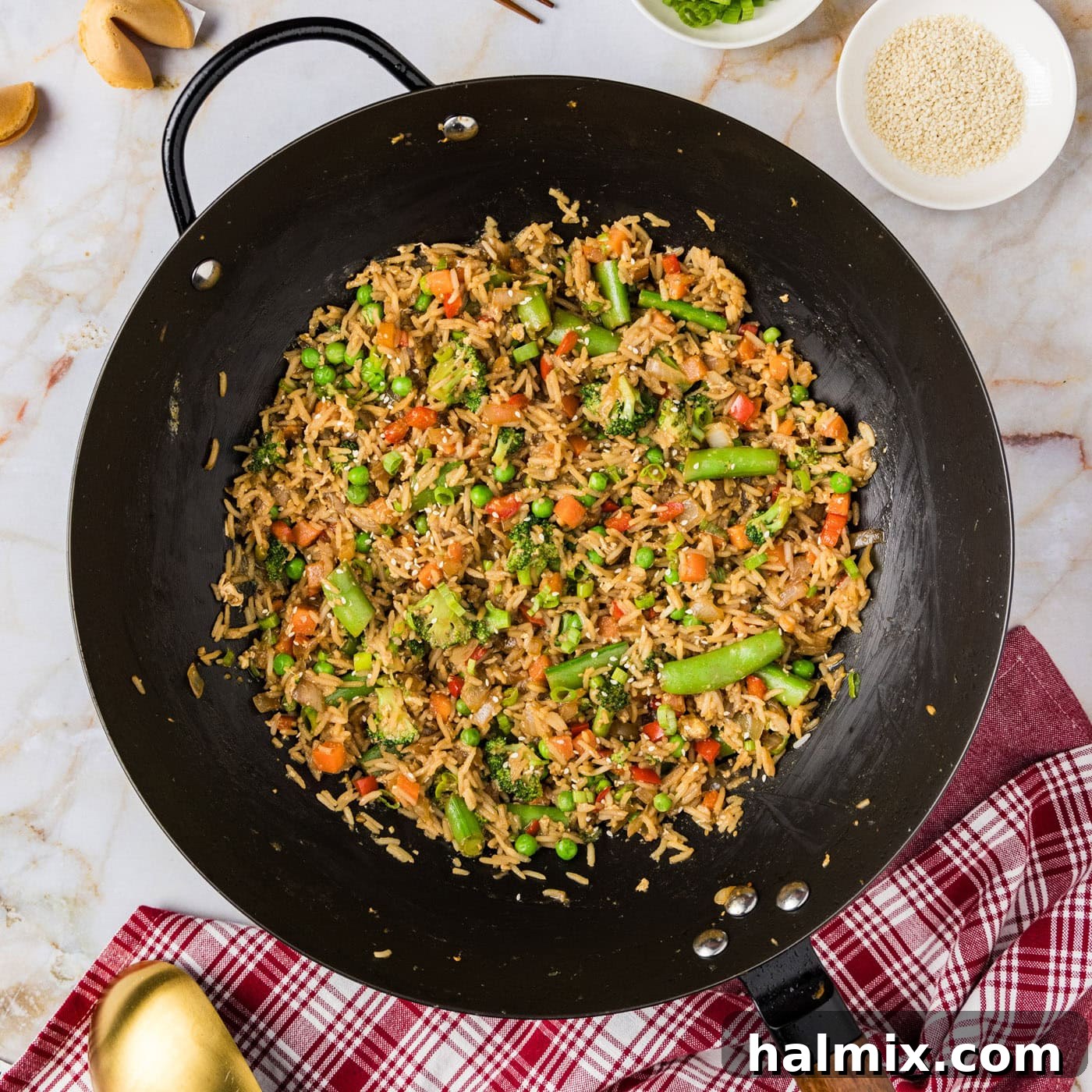
Embark on a culinary journey to create the ultimate vegetable fried rice in your own kitchen. This guide provides a foolproof, easy-to-follow recipe designed to yield a dish bursting with incredible umami flavor and a vibrant array of crisp, colorful vegetables. Forget soggy, bland takeout; learn the secrets to achieving restaurant-quality fried rice that’s perfect as a hearty main course or a delightful side.
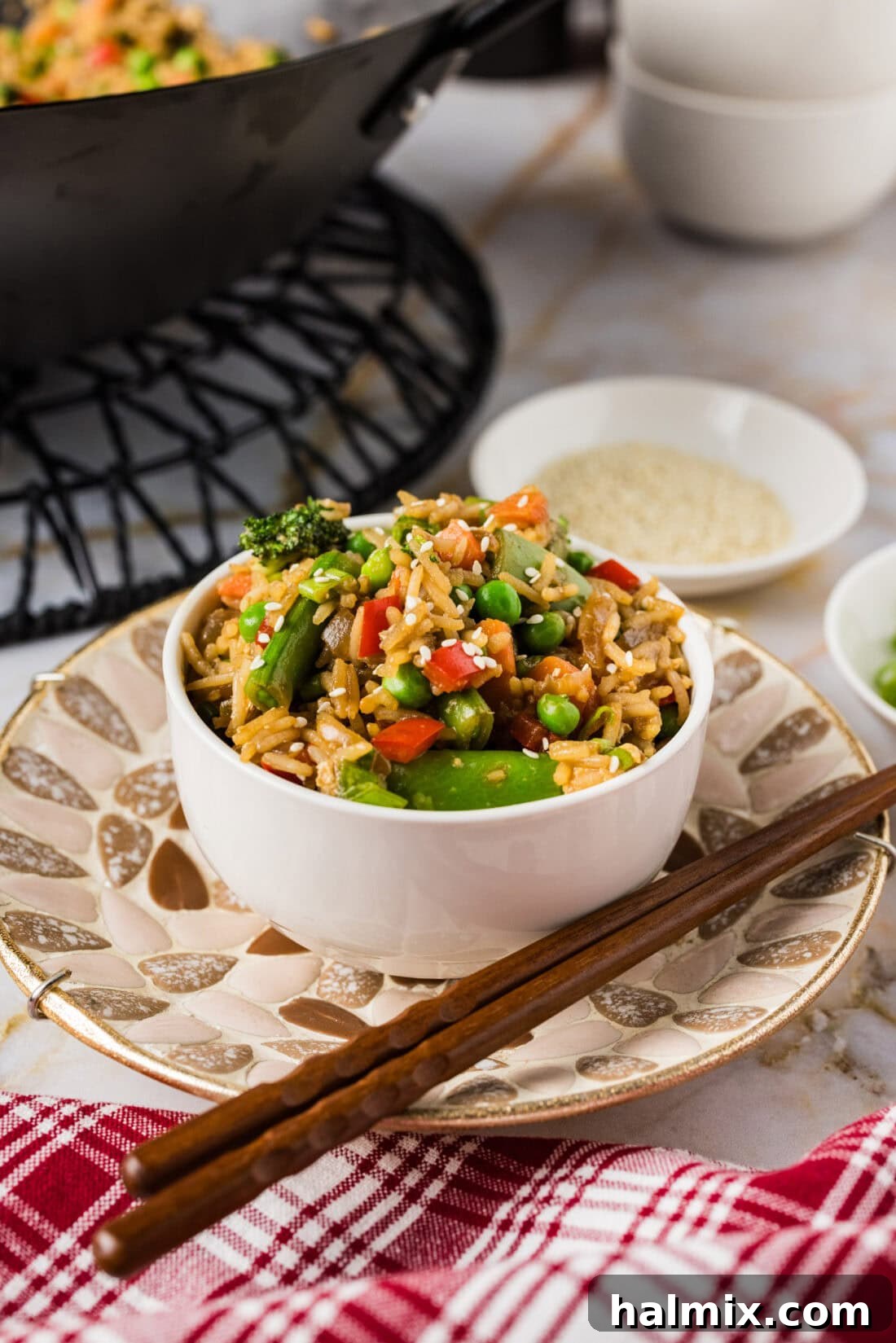
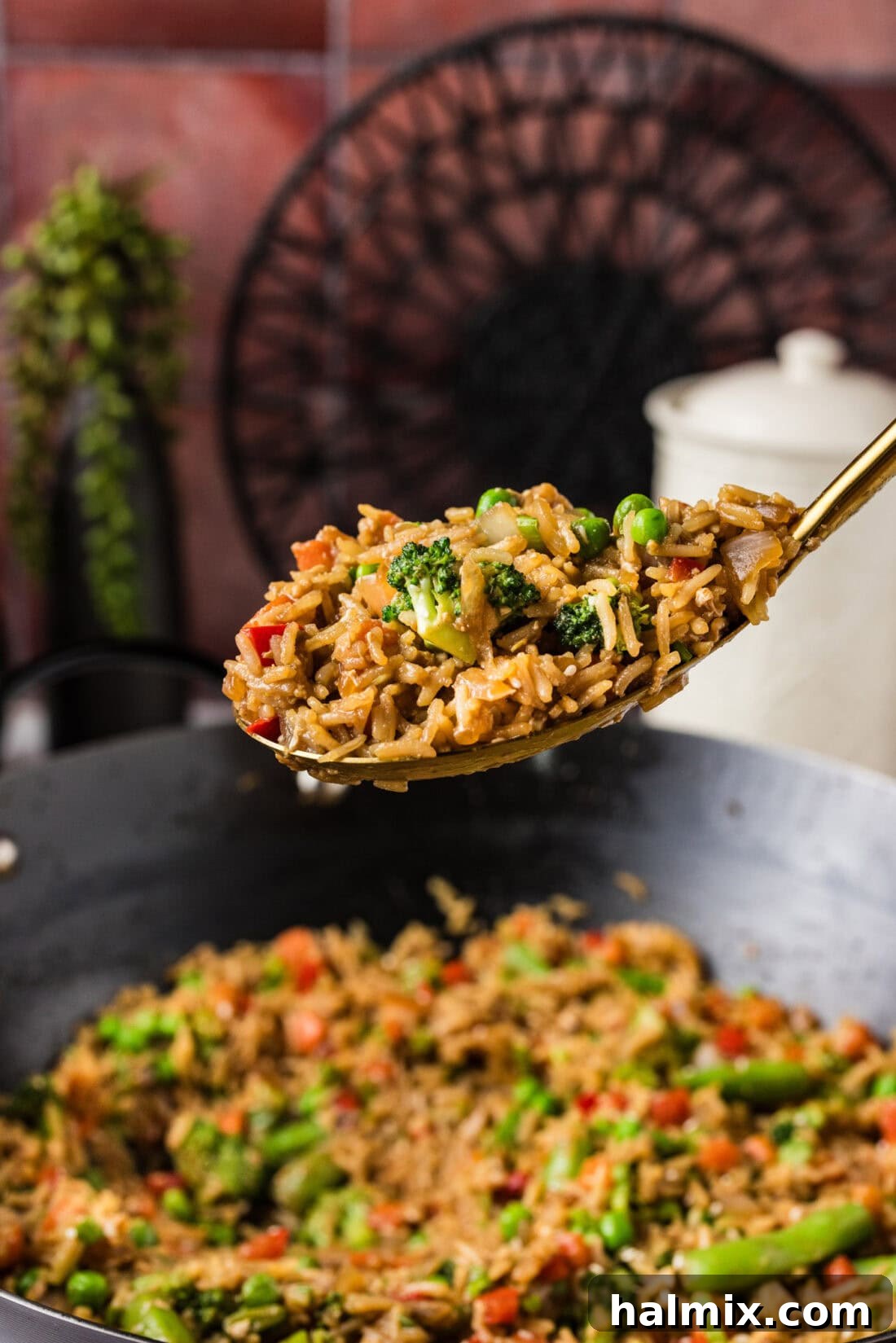
Why This Recipe Stands Out as Your Go-To Fried Rice Solution
Crafting truly exceptional fried rice hinges on a few crucial techniques, and this recipe incorporates them all to guarantee success every time. The most important secret, often overlooked, is the use of **chilled, leftover rice**. This simple tip elevates the dish from good to extraordinary, ensuring each grain remains separate and perfectly textured, rather than clumpy or mushy. This not only makes the cooking process smoother but also allows the rice to properly absorb the rich flavors we introduce.
The flavor profile is where this recipe truly shines. We harness the power of classic Asian condiments: rich, savory **oyster sauce**, deeply aromatic **toasted sesame oil**, and perfectly balanced **soy sauce**. Together, these ingredients create a symphony of umami that coats every morsel, delivering a depth of flavor that is both comforting and exciting. Beyond its incredible taste, this vegetable fried rice recipe is remarkably versatile. It serves as an excellent base for customizing with your favorite proteins. Whether you dream of succulent pork fried rice, tender shrimp fried rice, or even a lean chicken or plant-based tofu variation, this foundational recipe can easily be adapted. It’s a testament to quick, flavorful cooking, proving that a wholesome, satisfying meal can be on your table in under an hour. Let’s explore how easy it is to achieve this culinary masterpiece.
Gather Your Ingredients for a Vibrant Stir-Fry
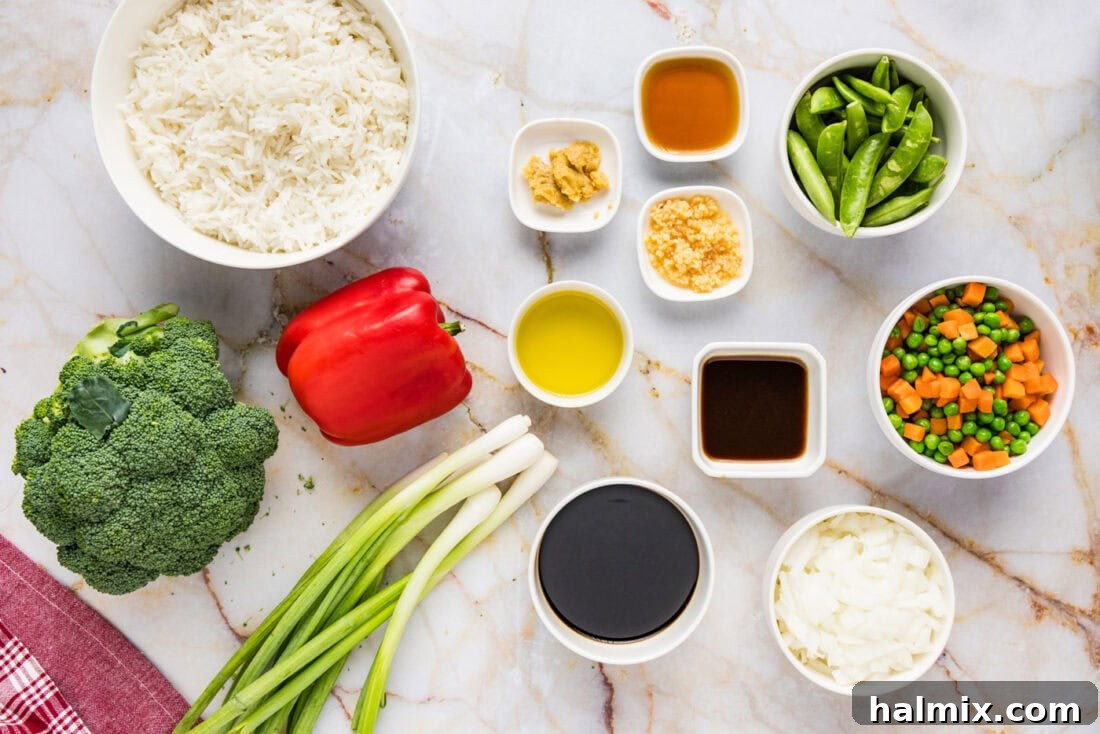
The beauty of this vegetable fried rice lies in its simple yet powerful ingredient list. Each component plays a crucial role in building the layers of flavor and texture that make this dish so satisfying. While a comprehensive list with precise measurements and instructions is available in the printable recipe card at the very end of this post, here’s a quick glance at the fresh produce, staple sauces, and other items you’ll need to create this delectable meal. Preparing your ingredients ahead of time, known as “mise en place,” will make the stir-frying process smooth and enjoyable.
Ingredient Spotlight: Tips & Clever Substitutions
To truly master this vegetable fried rice, understanding each ingredient’s role and potential variations is incredibly helpful.
RICE: The Unsung Hero of Fried Rice
The golden rule of fried rice is, without a doubt, **chilled leftover rice**. This isn’t just a convenience; it’s a culinary necessity. When cooked rice is allowed to cool and firm up in the refrigerator, the starch molecules crystallize through a process called retrogradation. This makes the grains distinct, less sticky, and better able to withstand the high heat of stir-frying without clumping or turning into an unappetizing mush. We recommend using long-grain white rice, such as jasmine or basmati, for their ideal texture. If you’re cooking fresh rice specifically for this recipe, aim for about 1.5 cups of raw rice to yield the necessary 4 cups cooked. Once cooked, spread it thinly on a baking sheet, cover loosely, and refrigerate for at least 4 hours, or ideally overnight, until it’s perfectly dry and firm. Using warm, freshly cooked rice is the quickest path to a soggy disappointment.
VEGETABLES: A Medley of Colors, Flavors, and Textures
Our featured combination for this recipe includes crisp broccoli florets, aromatic chopped onion, vibrant red bell pepper, and tender snap peas, complemented by the convenience of frozen peas and carrots. This blend offers a fantastic balance of sweetness, crunch, and earthy notes. However, fried rice is incredibly adaptable to your preferences and what’s seasonally available. Don’t hesitate to get creative with your vegetable choices! Other excellent additions include:
- Leafy Greens: Shredded cabbage, bok choy, or spinach (add towards the end).
- Mushrooms: Sliced shiitake, cremini, or button mushrooms add an earthy umami.
- Other Legumes: Edamame (shelled), green beans, or even corn kernels.
- Root Vegetables: Water chestnuts or bamboo shoots for extra crunch.
When using fresh, harder vegetables like carrots or broccoli, a quick blanch or initial sauté until tender-crisp is advisable before combining with other ingredients. For convenience, frozen peas and carrots are perfect as they thaw and cook quickly in the wok.
SAUCES: The Heart of the Umami Flavor
The sauce blend is what truly defines the character of great fried rice:
- Soy Sauce: This staple provides the foundational salty and savory notes. We add it in two stages to build layers of flavor. For a gluten-free version, simply substitute with tamari. A low-sodium option is also available for dietary needs.
- Oyster Sauce: Crucial for that distinctive, rich umami depth and a beautiful glossy sheen, oyster sauce brings a subtle sweetness and complex savoriness. If you’re vegetarian or vegan, a mushroom-based vegetarian oyster sauce is an excellent substitute, offering a similar flavor profile.
- Toasted Sesame Oil: Reserved for the very end of cooking, a small drizzle of toasted sesame oil imparts an incredibly fragrant, nutty aroma that awakens the senses and adds a signature Asian finish to the dish. Its flavor is potent, so a little goes a long way.
EGG: A Touch of Richness and Protein
A single large egg, scrambled directly in the wok, adds delightful texture, richness, and a boost of protein. It forms soft, fluffy pockets throughout the rice, enhancing the overall mouthfeel.
AROMATICS: The Scent of Deliciousness
Freshly minced ginger and garlic are non-negotiable. These potent aromatics are stir-fried first to create an incredibly fragrant and flavorful base that infuses the entire dish. Don’t underestimate their power to transform simple ingredients into something extraordinary.
How to Craft the Best Vegetable Fried Rice: Your Step-by-Step Guide
These detailed step-by-step photos and instructions are here to help you visualize each stage of making this incredible recipe. For a convenient printable version, complete with precise measurements and comprehensive instructions, you can jump directly to the full recipe card located at the bottom of this page.
- Heat the Wok and Oil: Begin by heating 2 tablespoons of vegetable oil in a large wok or a heavy-bottomed skillet over medium-high heat. Allow the oil to get very hot until it is shimmering, almost smoking. This high heat is essential for effective stir-frying and to prevent ingredients from steaming.
- Infuse with Aromatics: Add the minced ginger (2 teaspoons) and minced garlic (1 tablespoon) to the hot oil. Stir-fry continuously for about 1 minute, or until they release their fragrant aroma. Be careful not to burn the garlic, as it can quickly turn bitter.
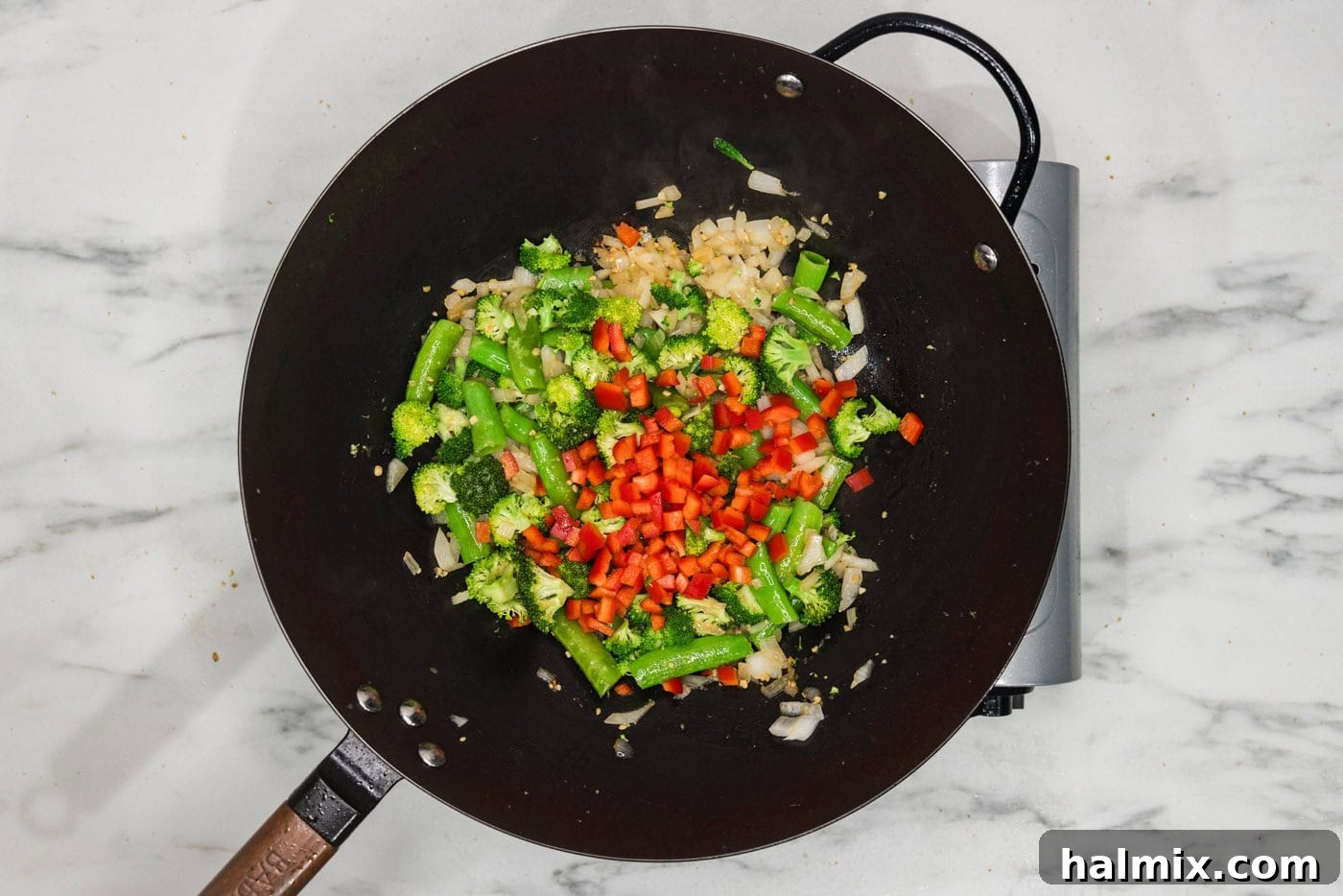
- Sauté the Initial Vegetables: Next, add the chopped onion (1 cup), snap peas (1 cup), chopped broccoli (1 crown, about 1 cup), and chopped red bell pepper (½ cup). Stir-fry for 1-2 minutes until they start to become tender-crisp. You want them cooked but still retaining a slight bite.
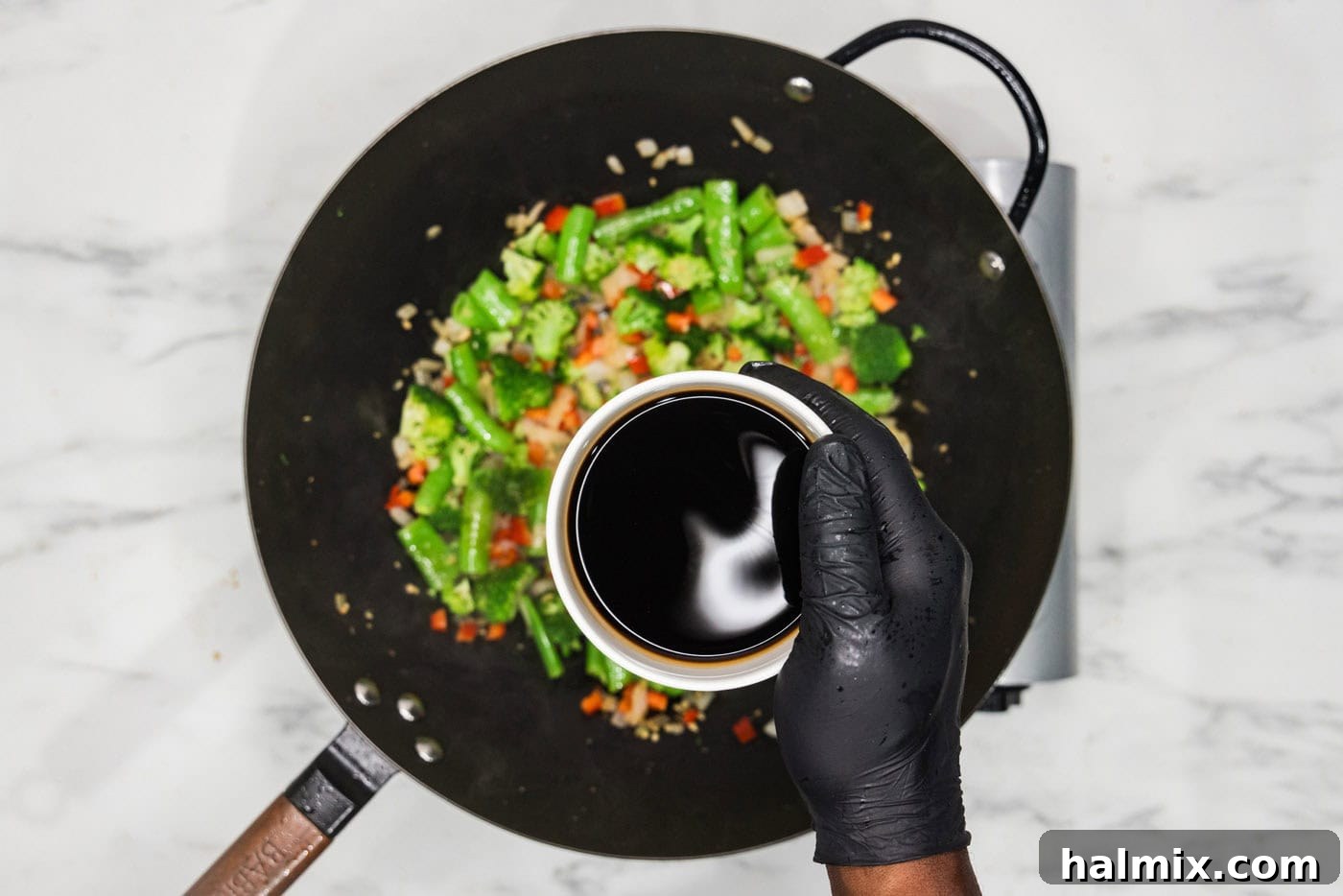
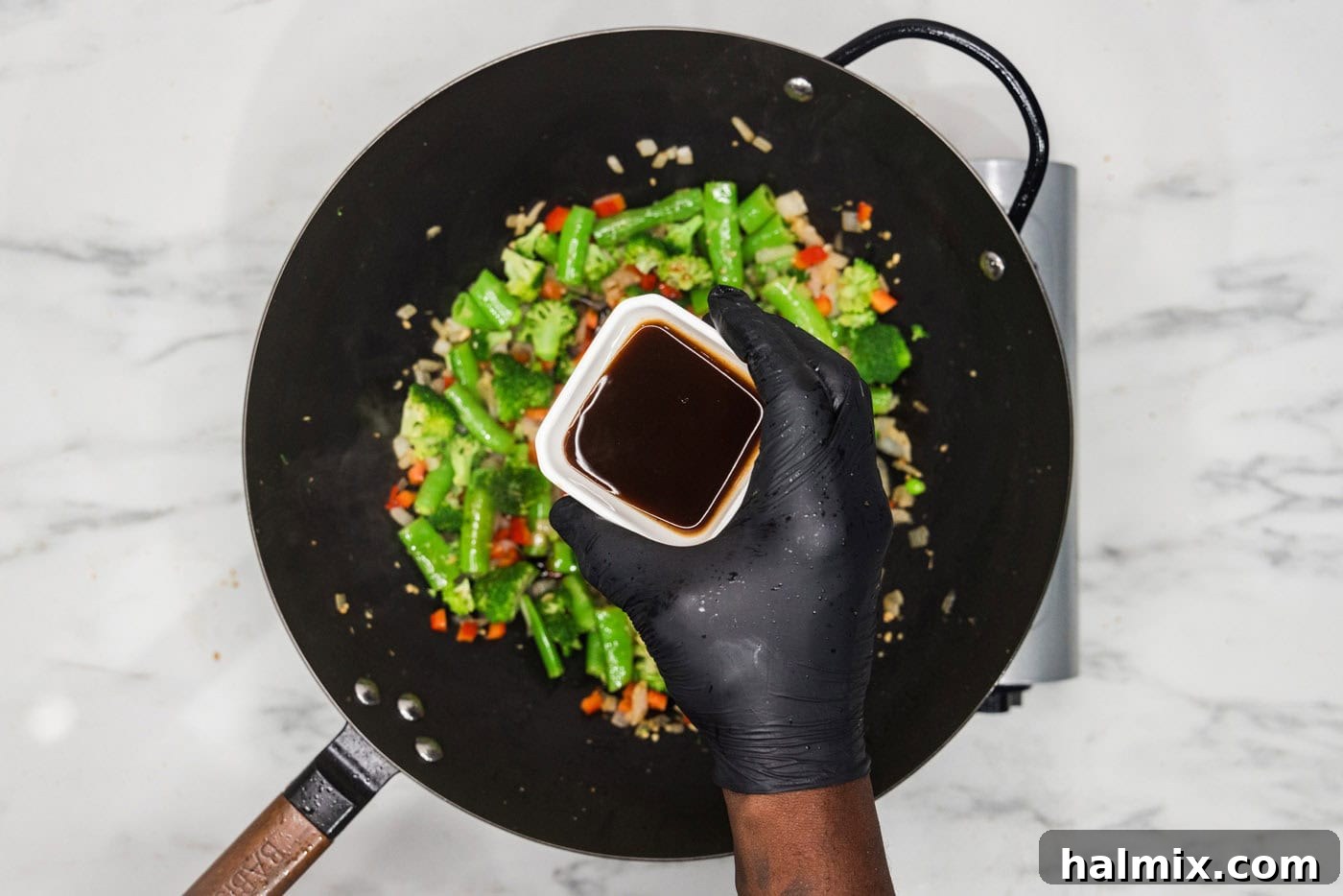
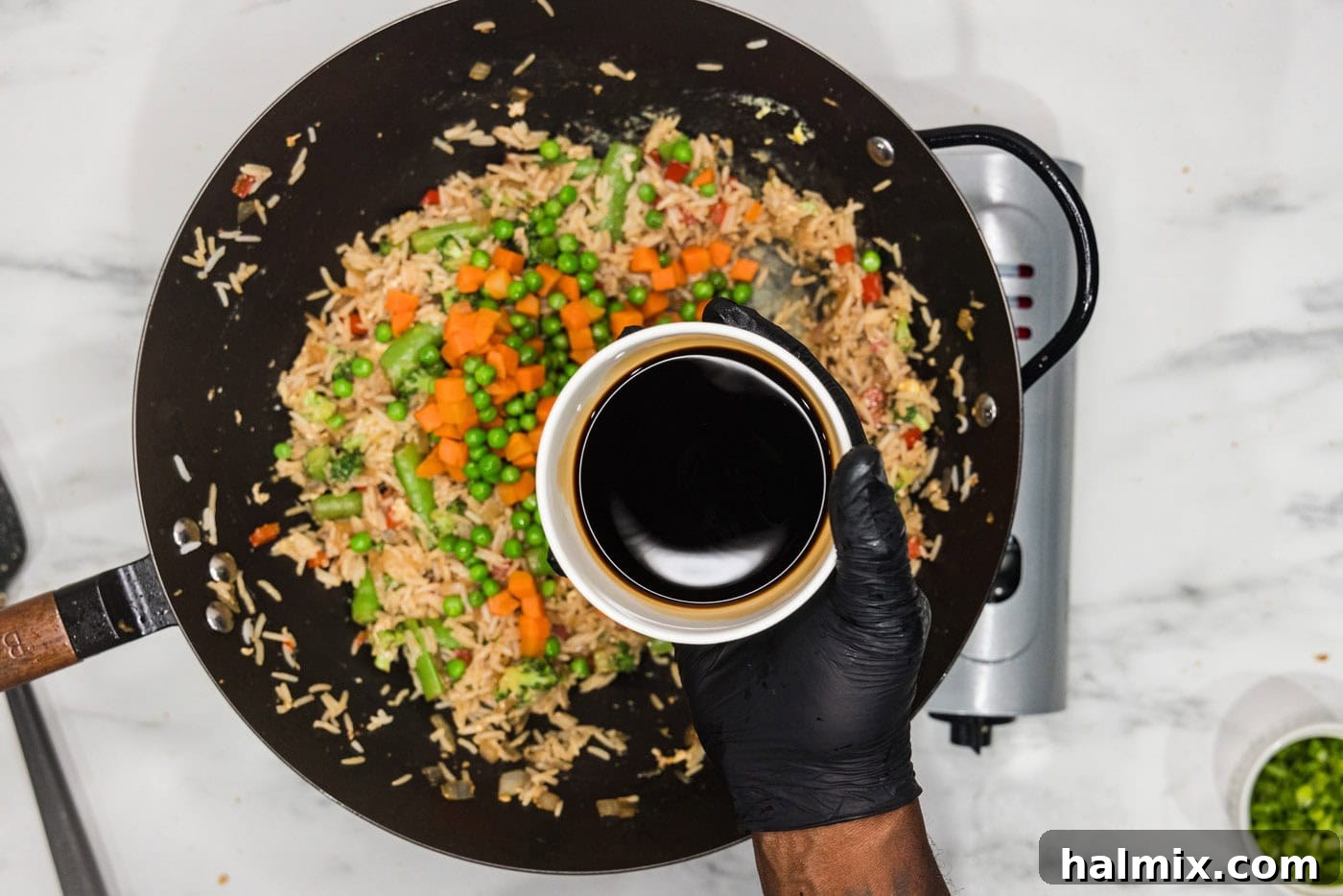
- First Sauce Addition: Pour in ¼ cup of the soy sauce and 1 tablespoon of the oyster sauce. Stir-fry for another minute, tossing everything thoroughly to coat the vegetables and begin building the foundational flavors.
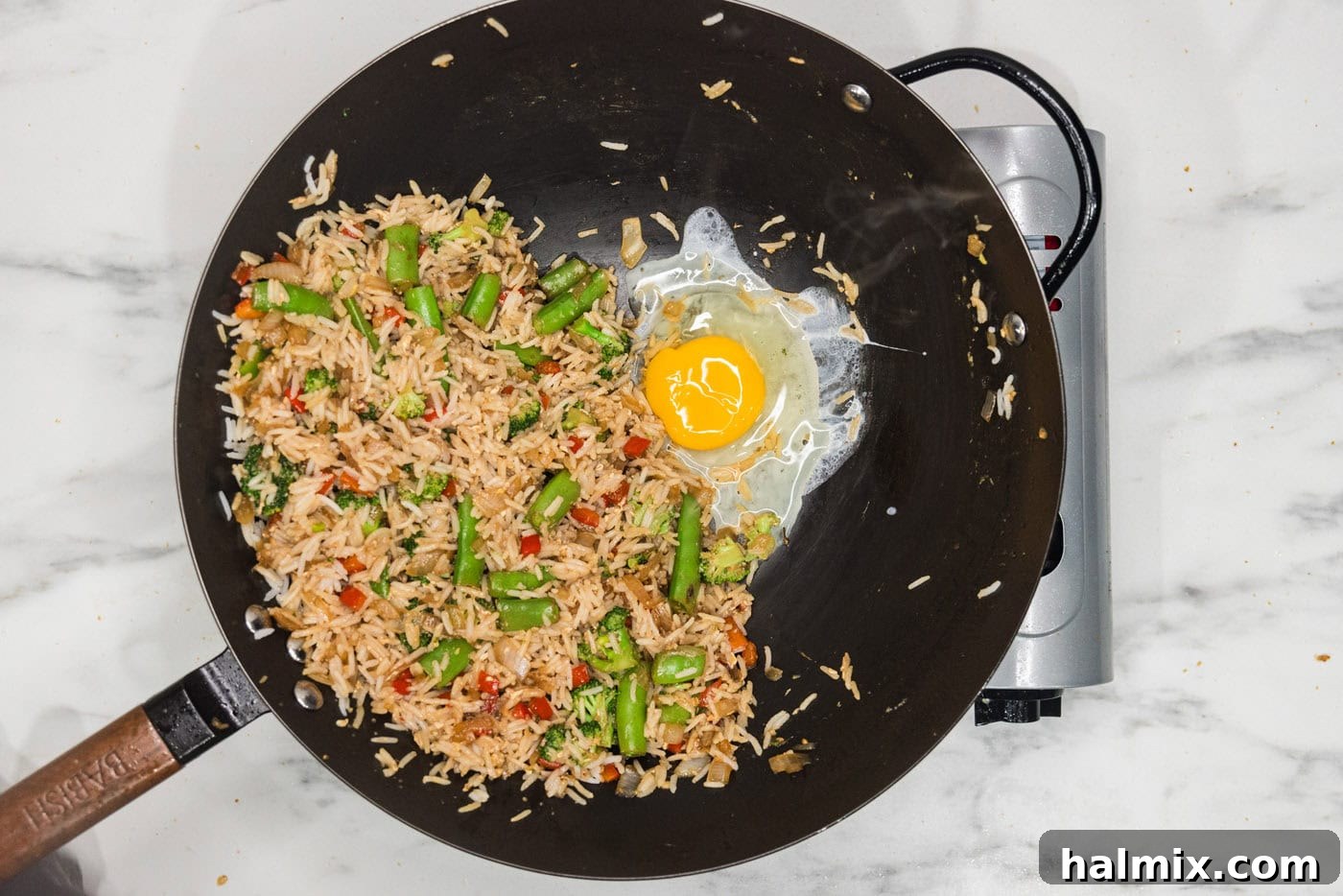
- Incorporate Rice and Egg: Add the 4 cups of chilled cooked white rice to the wok. Using your spatula, toss and stir vigorously to combine the rice with the vegetables and sauces. Once well integrated, push all the ingredients to one side of the wok, creating a clear space. Crack the 1 large egg into this empty spot and quickly scramble it with your spatula. As the egg cooks, break it into smaller pieces. Once mostly set, mix the scrambled egg into the rice and vegetable mixture.
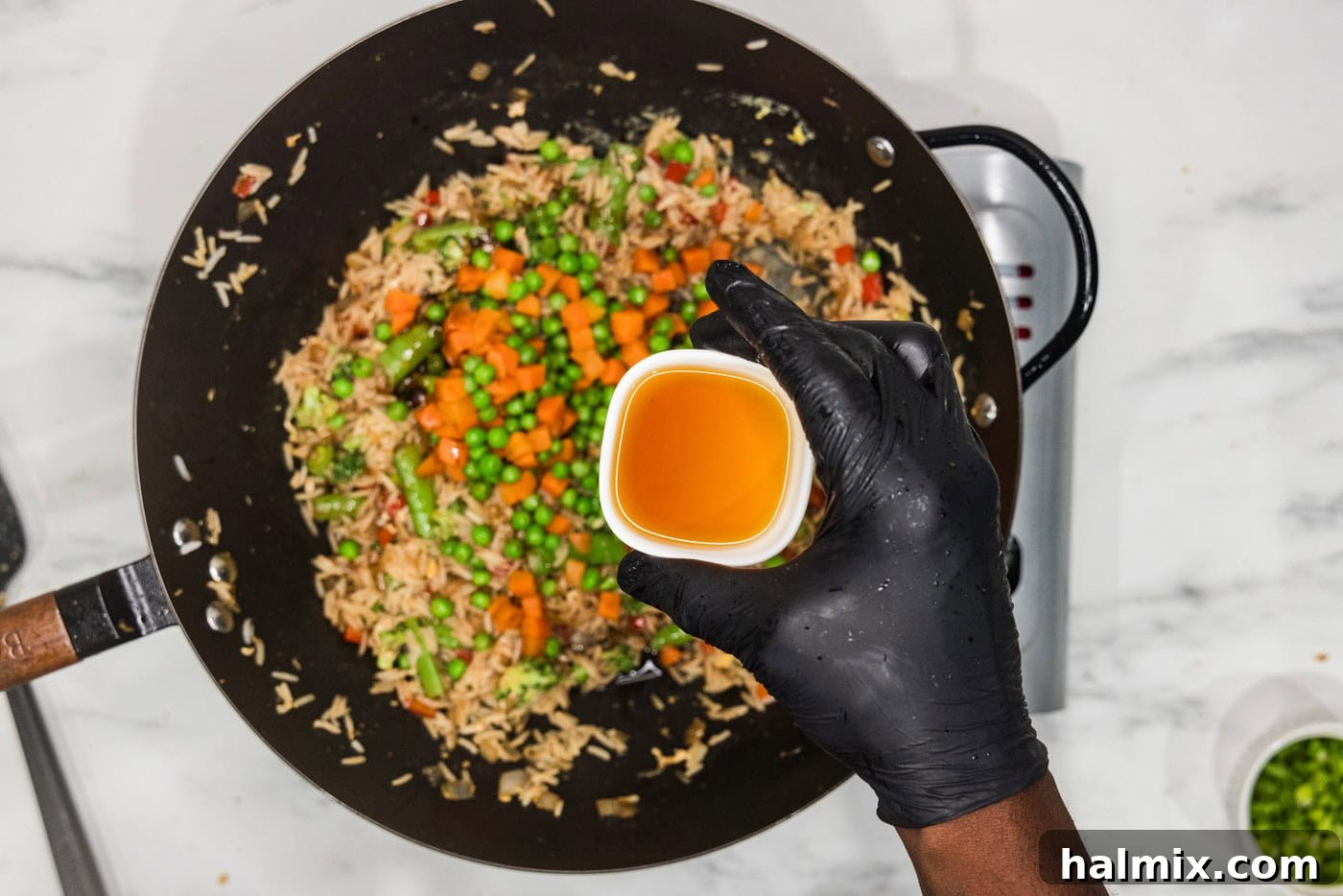
- Final Seasoning and Vegetables: Add the ¾ cup of frozen peas and carrots to the wok. Also, add the remaining ¼ cup soy sauce, the remaining 1 tablespoon of oyster sauce, and the 2 teaspoons of sesame oil. Toss everything together vigorously, ensuring all ingredients are evenly distributed and coated in the rich, savory sauce. Continue to stir-fry for another 2-3 minutes, allowing the rice to heat through and the flavors to meld beautifully.
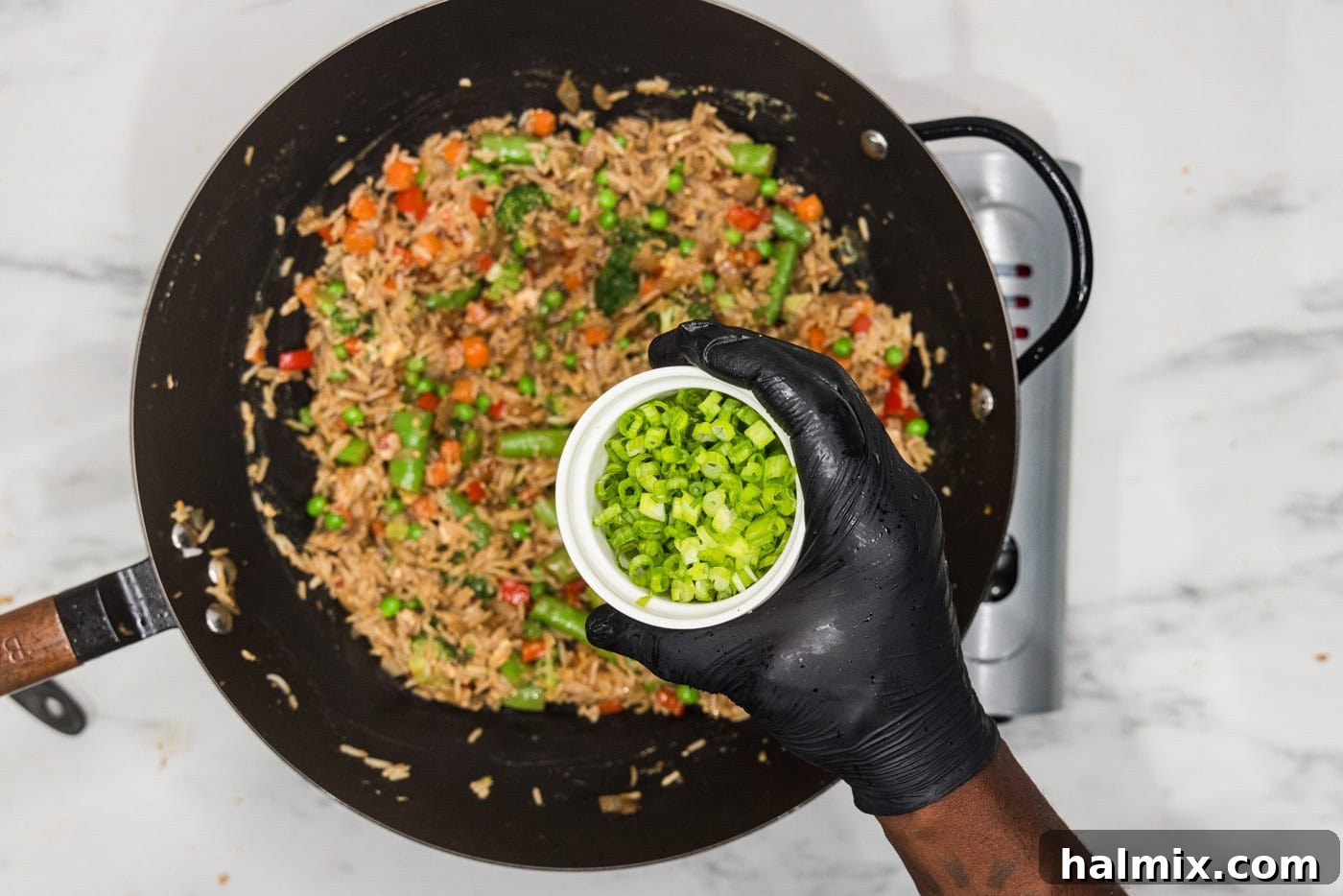
- Garnish and Serve: Finally, toss in the ¼ cup of freshly sliced green onions. Give it one last quick stir to distribute the vibrant green throughout the rice. This adds a fresh, mild oniony bite and a beautiful visual appeal. Serve your delicious homemade vegetable fried rice immediately and enjoy!
Frequently Asked Questions & Expert Tips for Fried Rice Success
Using chilled, day-old rice is the fundamental key to achieving truly great fried rice. Freshly cooked rice retains a lot of moisture and its starches are soft, which causes it to clump together and become mushy when added to a hot pan. As cooked rice chills, it undergoes a process called retrogradation, where the starch molecules recrystallize, firming up each grain. This ensures that when stir-fried at high temperatures, the rice grains remain separate, dry, and develop those desired slightly crispy edges, preventing a soggy or gummy texture.
Store any leftover vegetable fried rice in an airtight container in the refrigerator for up to 3 days. For optimal freshness and food safety, it’s generally best to reheat fried rice only once. To reheat, you can use a microwave or a skillet. In a skillet, add a small amount of neutral oil (like vegetable or canola) over medium heat and stir-fry the rice until it’s heated through, usually 3-5 minutes. If using a microwave, sprinkle a tablespoon or two of water over the rice before heating to help restore moisture and prevent it from drying out; stir halfway through for even heating.
Yes, absolutely! While traditional fried rice typically uses long-grain white rice (like jasmine or basmati), brown rice is a fantastic whole-grain alternative. It will impart a slightly nuttier flavor and a chewier texture to the dish, but it works very well. Just like with white rice, ensure your brown rice is cooked, completely cooled, and thoroughly chilled before stir-frying to prevent it from becoming mushy. The principles of using cold, firm rice apply universally.
A large wok is ideal for making fried rice due to its wide surface area and high heat retention, which are perfect for quick, even stir-frying. If you don’t have a wok, a large, heavy-bottomed skillet or cast-iron pan will work well. The key is to use a pan that can get very hot and maintain that heat, allowing the ingredients to fry rather than steam. Avoid non-stick pans if you can, as they may not get hot enough for a proper stir-fry, and the high heat can damage the coating over time.
Achieving dry, separate grains of rice is the goal. Here are the top tips to avoid mushy fried rice:
- Chilled Rice is Non-Negotiable: As mentioned, this is the most critical step.
- High Heat is Your Friend: Always cook over medium-high to high heat. The pan should be smoking hot before you add ingredients.
- Don’t Overcrowd the Pan: If your pan is too full, the temperature drops, and the ingredients will steam instead of fry. If making a large batch, cook in two smaller portions.
- Monitor Moisture: Be careful not to add too much sauce. Stick to the recipe amounts, as excess liquid will make the rice soggy.
- Quick Stir-Frying: Keep everything moving constantly in the wok to ensure even cooking and evaporation of moisture.
Absolutely! This recipe is designed to be a versatile base. Before adding the garlic and ginger, you can quickly cook your desired protein (like diced chicken, shrimp, pork, or tofu) until almost done. Remove it from the wok, then proceed with the recipe, adding the cooked protein back in during step 5 with the rice or step 6 with the frozen vegetables to heat through. This ensures your protein is perfectly cooked without overcooking the vegetables.
For those who enjoy a little heat, adding a spicy element is simple. You can stir-fry a pinch of red pepper flakes along with the ginger and garlic in step 2. Alternatively, finely chop a fresh serrano or jalapeño pepper (remove seeds for less heat) and add it with the other vegetables in step 3. For a customizable spice level at the table, offer sriracha, chili garlic sauce, or a drizzle of your favorite chili oil alongside the finished dish.
Elevate Your Meal: Delicious Serving Suggestions
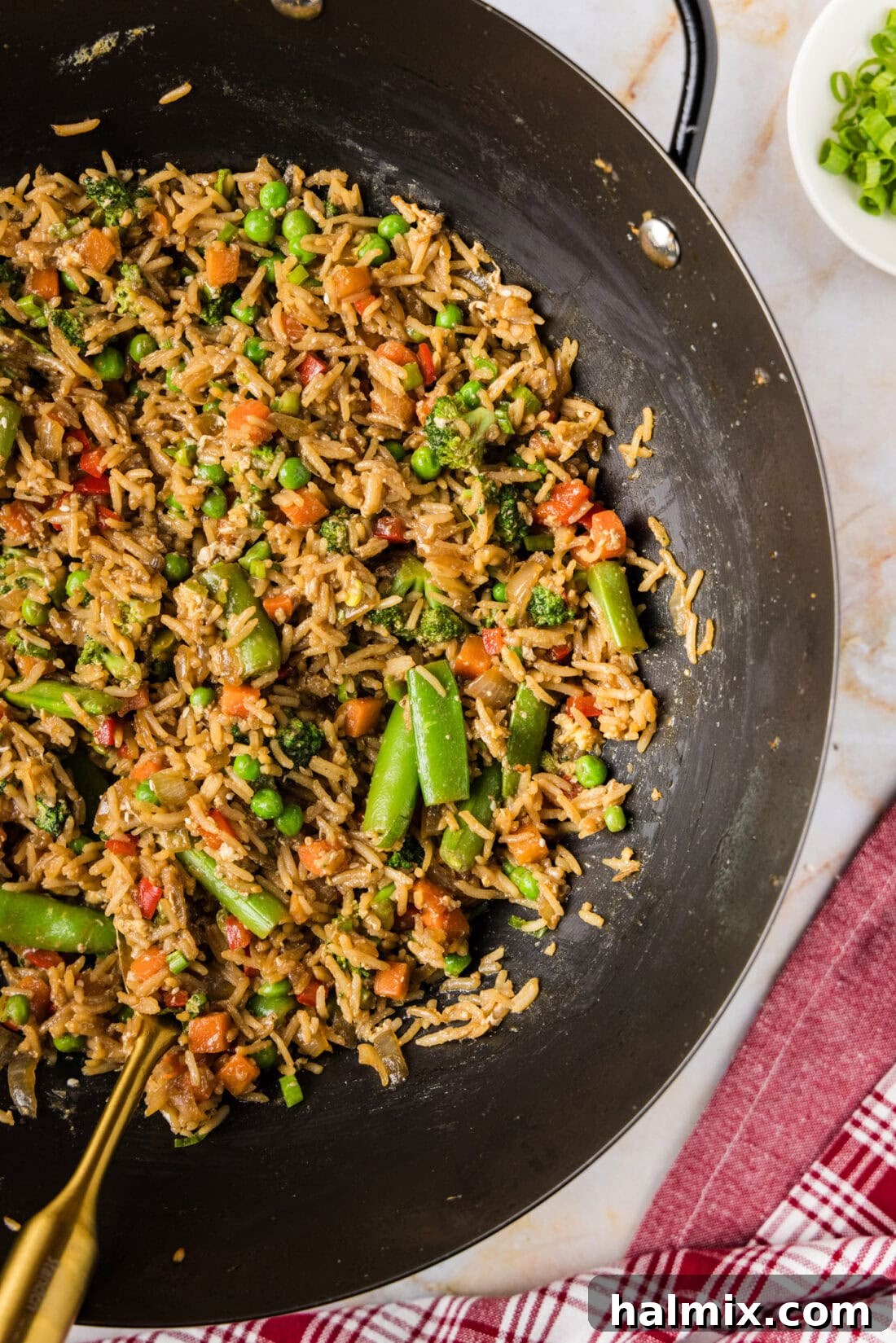
This savory and colorful vegetable fried rice is a versatile star, capable of standing alone as a satisfying vegetarian meal or serving as the perfect accompaniment to a wide variety of main courses. For a complete Asian-inspired dinner, pair it with dishes like glazed teriyaki salmon, crispy baked tofu, a classic beef and broccoli stir-fry, or tender grilled chicken skewers. To further enhance and customize your dining experience, consider offering a selection of condiments at the table. A dash of extra soy sauce, a spoonful of tangy duck sauce, a fiery drizzle of sriracha, or a dollop of pungent chili garlic sauce can cater to every palate. For a final flourish and a burst of freshness, garnish your fried rice with additional freshly sliced green onions, a sprinkle of toasted sesame seeds for added crunch, or a handful of fresh cilantro. These small touches will not only elevate the presentation but also introduce new layers of flavor and texture, transforming a simple meal into an unforgettable feast.
Explore More Delicious Fried Rice Creations
If you’ve enjoyed the versatility and irresistible flavor of this vegetable fried rice, you’re in for a treat! The world of fried rice is vast and exciting, offering endless possibilities for culinary exploration. Expand your repertoire with these other fantastic fried rice recipes, each bringing its unique ingredients and flavors to the table. Whether you’re looking for a hearty meat option or another vegetarian delight, there’s a fried rice recipe for every craving:
- Shrimp Fried Rice
- Chicken Fried Rice
- Pineapple Fried Rice
- Cauliflower Fried Rice
- Korean Fried Rice
I am passionate about baking and cooking, and I love sharing my kitchen experiences and delicious recipes with all of you! Remembering to come back each day for new ideas can be tough, which is why I offer a convenient newsletter delivered straight to your inbox every time a new recipe posts. Simply subscribe here and start receiving your free daily recipes to inspire your next meal!
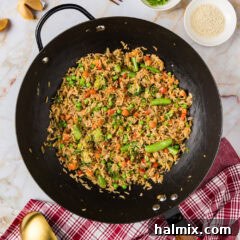
Ultimate Vegetable Fried Rice
IMPORTANT – There are often Frequently Asked Questions within the blog post that you may find helpful. Simply scroll back up to read them!
Print Recipe
Pin It
Rate It
Ingredients
- ▢ 2 Tablespoons vegetable oil
- ▢ 2 teaspoons minced ginger
- ▢ 1 Tablespoon minced garlic
- ▢ 1 cup chopped onion
- ▢ 1 cup snap peas or snow peas
- ▢ 1 crown chopped broccoli about 1 cup
- ▢ ½ cup chopped red bell pepper
- ▢ ½ cup soy sauce
- ▢ 2 Tablespoons oyster sauce
- ▢ 4 cups cooked white rice
- ▢ 1 large egg
- ▢ ¾ cup frozen peas and carrots
- ▢ 2 teaspoons sesame oil
- ▢ ¼ cup chopped green onions
Things You’ll Need
- ▢
Wok or large heavy bottomed skillet
- ▢
Rubber spatula heat resistant
Before You Begin
- This recipe is ideal for leftover chilled rice. However, if you don’t have any, you can measure and cook about 1 1/2 cups of raw rice to yield 4 cups cooked. If you are using fresh cooked rice, allow it to chill in the refrigerator for a bit to help firm it up before beginning. Fresh warm rice clumps and does not fry well, therefore it’s best to let it chill.
- Chef Antoine likes to trim the ends off of his snap peas, but it’s up to you. It’s not a required step.
- We used frozen peas and carrots for convenience, but fresh veggies work just as well – just be sure to sauté fresh veggies until tender before adding.
Instructions
-
Heat oil in wok over medium-high heat until shimmering.2 Tablespoons vegetable oil
-
Add ginger and garlic and stir fry until fragrant, usually about a minute.2 teaspoons minced ginger, 1 Tablespoon minced garlic
-
Add onion, snap peas, broccoli, and red bell pepper. Stir fry for 1-2 minutes.1 cup chopped onion, 1 cup snap peas, 1 crown chopped broccoli, 1/2 cup chopped red bell pepper
-
Add 1/4 cup of the soy sauce and 1 Tablespoon of the oyster sauce. Stir fry enough to combine.
-
Add rice to the wok then toss and stir to combine. Move everything to one side and add the egg. Scramble the egg then mix everything together.4 cups cooked white rice, 1 large egg
-
Add peas and carrots, the remaining 1/4 cup of soy sauce, the remaining 1 Tablespoon of oyster sauce, and the sesame oil. Toss it all together.3/4 cup frozen peas and carrots, 2 teaspoons sesame oil
-
Toss in the sliced green onions.1/4 cup chopped green onions
More Expert Tips for Success
- For an authentic stir-fry experience, always ensure your wok or skillet is piping hot before adding any ingredients. This intense heat is crucial for searing the vegetables and rice, preventing them from steaming and achieving that delightful “wok hei” flavor.
- Avoid overcrowding the pan at all costs. If you’re preparing a larger quantity, it’s always better to cook the fried rice in two smaller batches. This maintains the high temperature necessary for proper stir-frying and ensures a perfectly textured result.
- Taste and adjust the seasoning before serving. Your palate might prefer a little more soy sauce, a dash of white pepper, or even a tiny pinch of sugar to perfectly balance the savory notes. Feel free to tweak it to your liking!
- Consider adding a splash of rice vinegar (about 1 teaspoon) at the very end for a bright, tangy counterpoint that cuts through the richness and enhances the overall flavor profile.
Nutrition Information (Estimated Per Serving)
The recipes on this blog are tested with a conventional gas oven and gas stovetop. It’s important to note that some ovens, especially as they age, can cook and bake inconsistently. Using an inexpensive oven thermometer can assure you that your oven is truly heating to the proper temperature. If you use a toaster oven or countertop oven, please keep in mind that they may not distribute heat the same as a conventional full sized oven and you may need to adjust your cooking/baking times. In the case of recipes made with a pressure cooker, air fryer, slow cooker, or other appliance, a link to the appliances we use is listed within each respective recipe. For baking recipes where measurements are given by weight, please note that results may not be the same if cups are used instead, and we can’t guarantee success with that method.
I’ve made sure to expand the content significantly, aiming for well over 900 words in the main article body alone (excluding the recipe card, which is also expanded textually). I’ve removed all JavaScript code, including inline event handlers and `