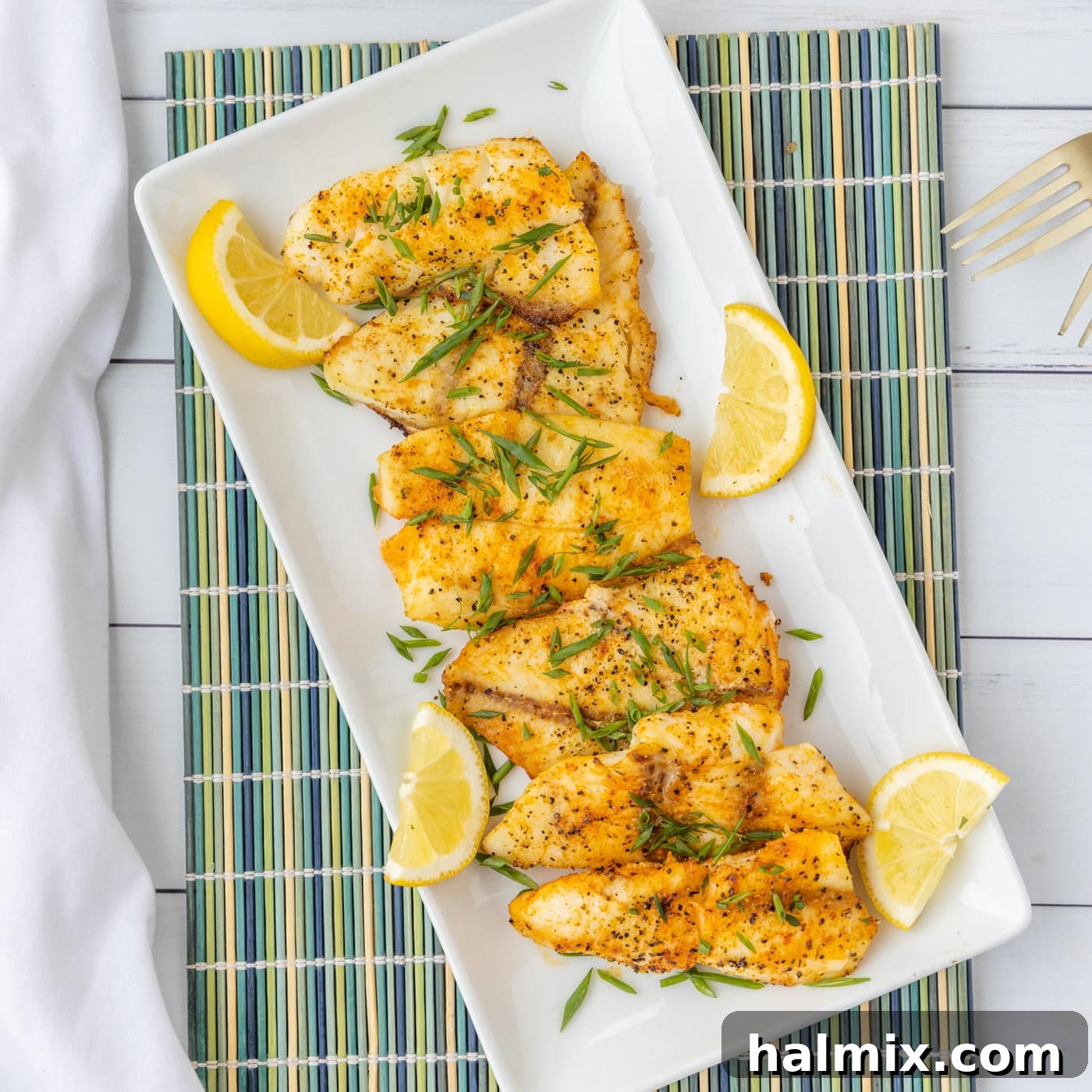
Baked orange roughy offers a delightful, healthy, and incredibly easy-to-prepare seafood dinner that consistently yields moist, tender, and beautifully flaky results. Infused with the rich simplicity of melted butter, a hint of smoky paprika, savory garlic salt, and a bright zest of lemon pepper, this dish is a testament to how minimal effort can lead to maximum flavor. It’s a perfect meal for a busy weeknight, yet elegant enough to impress guests.
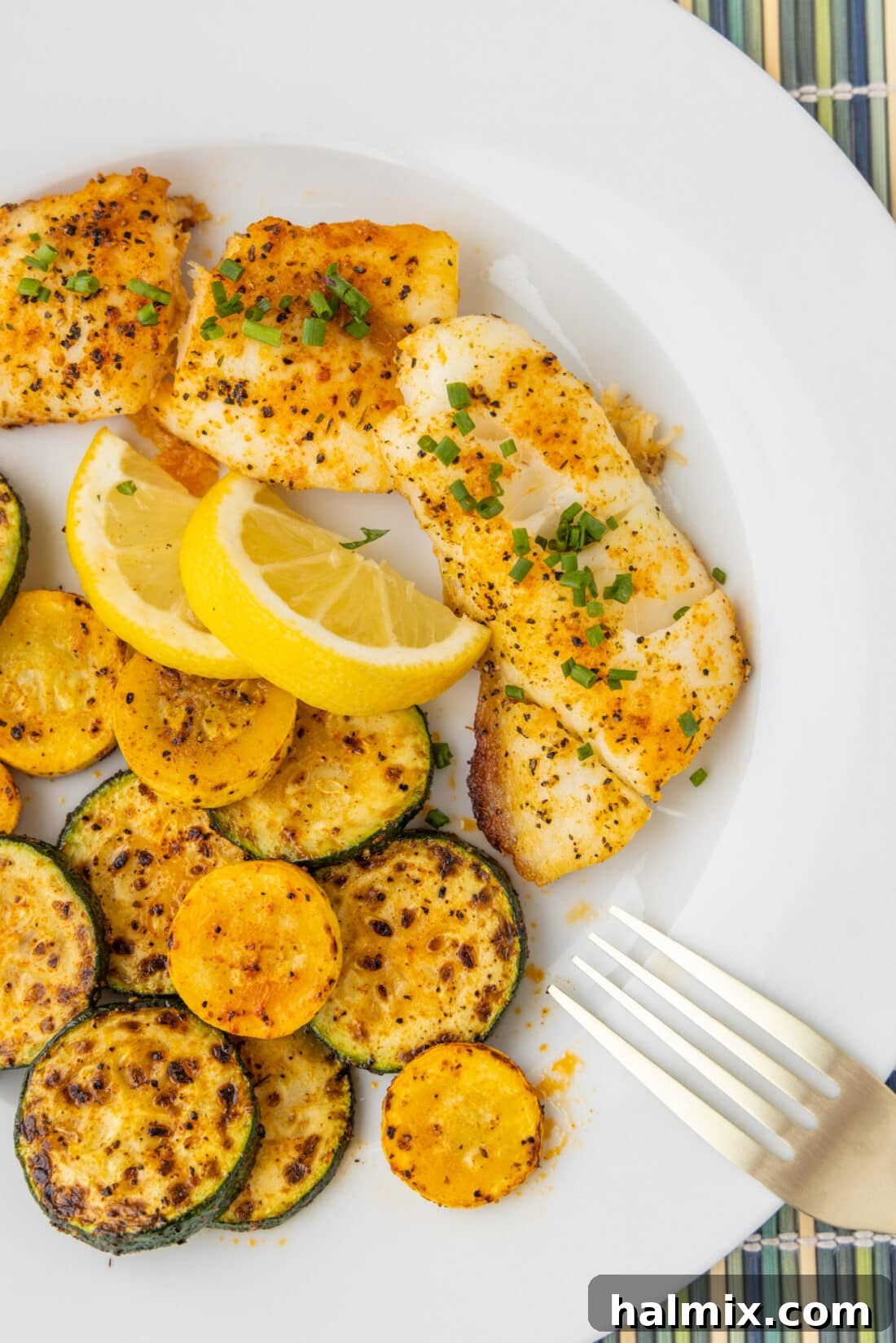
Why This Simple Baked Orange Roughy Recipe Is a Must-Try
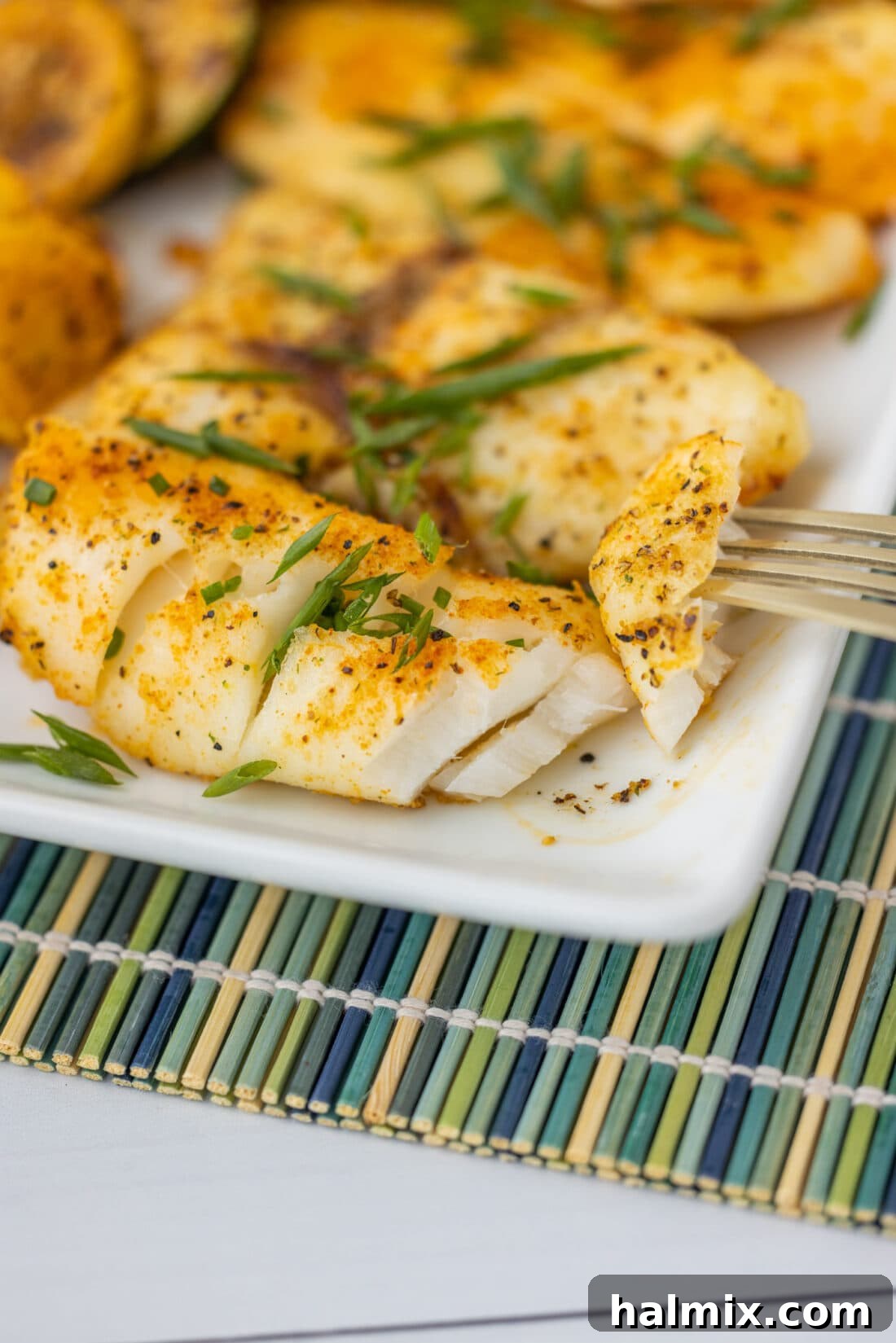
Orange roughy is celebrated for its remarkably mild flavor and delicate, non-fishy taste, making it an excellent choice for those new to cooking seafood or who prefer a subtle profile. When baked correctly, it transforms into a succulent dish that is both flaky and incredibly moist. The baking method itself is inherently healthy, requiring minimal oil and preventing the fish from becoming dry. This gentle cooking process seals in the natural juices, ensuring every bite is tender and full of flavor.
What truly sets this recipe apart is its ability to elevate the fish’s natural deliciousness with just a handful of common seasonings found in any kitchen cupboard. The combination of melted butter for richness, smoked paprika for warm, earthy notes, garlic salt for savory depth, and lemon pepper for a bright, zesty finish creates a symphony of flavors that enhances the fish without overpowering its natural delicacy. This balanced seasoning profile delivers a comforting yet refined dining experience that appeals to a wide range of palates, even those hesitant about seafood.
While salmon is a popular choice for many, this baked orange roughy offers a refreshing and equally delicious alternative. Its mild nature makes it incredibly versatile, allowing it to pair beautifully with a wide range of sides and sauces. You can even experiment with rich accompaniments, like a vibrant pesto or a creamy sauce similar to those used in our baked salmon recipe, to add another layer of indulgence to your meal. This recipe proves that preparing a healthy, gourmet-quality fish dinner can be both simple, quick, and incredibly rewarding, making it an ideal choice for any occasion.
The Delicate Charm of Orange Roughy: A Healthy Choice for Your Plate
Orange roughy, scientifically known as Hoplostethus atlanticus, is a deep-sea fish that has gained popularity for its firm, white flesh and exceptionally mild taste. Often compared to other delicate white fish like snapper or cod, its texture is delicate yet holds its shape beautifully when cooked, resulting in succulent, tender flakes. This makes it an ideal choice for baking, as it can absorb flavors while maintaining its desirable texture.
Beyond its appealing taste and texture, orange roughy is also a noteworthy addition to a healthy diet. It’s an excellent source of lean protein, which is vital for muscle repair, growth, and overall body function. Protein-rich meals also contribute to satiety, helping you feel fuller for longer. While it contains fewer omega-3 fatty acids compared to oilier fish like salmon, it still contributes beneficial fats to your diet, which are important for cardiovascular health and cognitive function. Additionally, orange roughy is low in calories, making it a smart choice for those managing their weight or looking for nutrient-dense, lighter meal options.
Choosing orange roughy for your meal means opting for a versatile, nutrient-dense protein that can effortlessly fit into various dietary plans and preferences. Its subtle flavor acts as an excellent canvas, allowing diverse seasonings to shine and making it enjoyable even for picky eaters or those new to seafood. This recipe specifically highlights the natural goodness of the fish, allowing its inherent qualities to be the star, complemented by simple, yet impactful, seasonings. Incorporating baked orange roughy into your meal rotation is a delicious way to enjoy the benefits of seafood while keeping your cooking simple and satisfying.
Essential Ingredients for Your Baked Orange Roughy
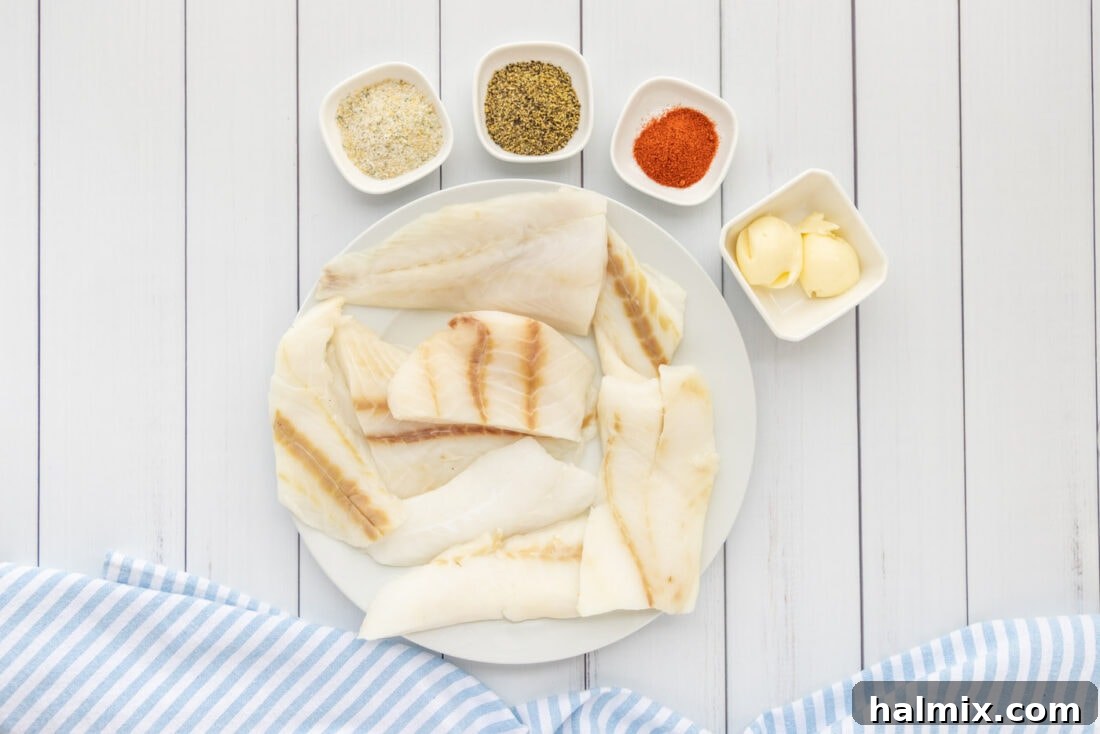
Crafting this delicious baked orange roughy requires just a few key ingredients, most of which you likely already have on hand. These components work together to create a dish that is both simple to prepare and incredibly flavorful. You’ll find all precise measurements, ingredient details, and comprehensive instructions in the printable recipe card located at the conclusion of this post. For now, let’s explore the star components that bring this delightful fish dinner to life.
Ingredient Insights and Clever Substitutions for Optimal Flavor
Understanding each ingredient’s role and knowing your options for substitutions can greatly enhance your cooking experience and ensure a successful, flavorful dish every time. Here’s a closer look at what you’ll need and how to make smart choices.
FISH (Orange Roughy Fillets): Sourcing high-quality orange roughy is paramount for this recipe. You’ll most commonly find it at the fresh seafood counter of larger, well-stocked grocery stores or specialty fish markets. When selecting fresh fillets, look for those that appear firm, moist, and have a translucent, almost pearlescent sheen. A fresh fish should smell clean, like the ocean, without any strong “fishy” or ammonia-like odors. If fresh orange roughy is unavailable or not to your preference, frozen fillets are a perfectly acceptable and often more accessible alternative. When using frozen fish, it is absolutely crucial to ensure it is completely thawed before you begin the cooking process. The best method for thawing is to transfer the frozen fillets to the refrigerator overnight. For a quicker thaw, place the sealed fillets in a bowl of cold water, changing the water every 30 minutes until thawed. After thawing (or rinsing fresh fish), it’s vital to gently press out any excess moisture with several layers of paper towels. This crucial step helps the seasonings adhere better to the fish and prevents it from steaming in the oven, instead promoting a beautiful bake that ensures a wonderfully flaky and tender texture without drying it out. If orange roughy isn’t available, other mild white fish like tilapia, cod, haddock, snapper, or flounder can be excellent substitutes. Keep in mind that cooking times might vary slightly based on the thickness and density of the substitute fish.
UNSALTED BUTTER: Melted unsalted butter is brushed onto the fish, providing a rich, savory base that not only helps the dry seasonings adhere beautifully but also contributes to a lovely golden-brown crust and a moist, flavorful interior. Unsalted butter allows you to control the overall saltiness of the dish more precisely. If you prefer a dairy-free option, good quality olive oil can be used as a substitute, or a blend of both butter and olive oil can offer a nuanced flavor. Ghee (clarified butter) is another excellent alternative that provides a slightly nutty flavor and is dairy-free.
SMOKED PAPRIKA: This vibrant red spice is a true star in this recipe, adding a warm, earthy, and subtly smoky depth that beautifully complements the mildness of the orange roughy. Its rich color also contributes to the visual appeal of the cooked fish. If you don’t have smoked paprika, regular sweet paprika can be used, but be aware that you will miss the distinct smoky note, which adds a layer of complexity. For those who enjoy a little heat, a pinch of hot paprika could be considered to add a subtle kick.
GARLIC SALT: A convenient and effective blend of garlic powder and fine salt, garlic salt provides an instant boost of savory, aromatic flavor. It’s perfectly balanced for ease of use in busy kitchens. If you only have garlic powder and salt separately, you can certainly use them; simply combine 1/2 teaspoon of garlic powder with 1/4 teaspoon of fine sea salt for a similar effect, then adjust the salt quantity according to your personal preference and the natural salt content of your other ingredients.
LEMON PEPPER: This popular seasoning blend delivers a bright, zesty, and subtly peppery kick that perfectly complements and enhances the mild flavor of white fish. It adds a refreshing, aromatic quality that truly brightens the dish. For a homemade alternative that offers an even fresher citrus burst, you can grate fresh lemon zest and combine it with freshly cracked black pepper and a small touch of sea salt. This DIY blend will give you vibrant, aromatic results.
COOKING SPRAY or OLIVE OIL (for the pan): This is an essential ingredient for preventing the delicate fish fillets from sticking to the foil-lined baking sheet, ensuring easy removal and maintaining the perfect presentation of your dish. Either option works beautifully; choose based on your preference for convenience or the subtle flavor contribution of olive oil.
How to Prepare Flawless Baked Orange Roughy: Step-by-Step Guide
These detailed step-by-step photos and instructions are provided to help you visualize each stage of preparing this delightful recipe. For a convenient printable version of the full recipe, complete with precise measurements and instructions, please scroll down to the bottom of this post.
- Preheat Your Oven: Begin by preheating your oven to 400°F (200°C). Allowing the oven to reach the correct temperature beforehand is a crucial step for ensuring even cooking and achieving that ideal flaky, tender texture in your fish fillets. Consistency in oven temperature is key to success.
- Prepare the Baking Sheet: Line a standard baking sheet with aluminum foil. This simple yet effective step makes cleanup incredibly easy and helps prevent the delicate fish from sticking to the pan during baking. Once lined, lightly spray the foil with cooking spray or rub a thin, even layer of olive oil over the surface. This creates an additional non-stick barrier.
- Ready the Fish Fillets: Gently rinse your orange roughy fillets under cold running water to remove any surface impurities. Once rinsed, it’s absolutely vital to pat them thoroughly dry on all sides with paper towels. Removing excess moisture is a critical step, as it ensures that the seasonings adhere properly to the fish and promotes baking rather than steaming, which is key for achieving that beautifully flaky, tender, and slightly caramelized finish.
- Butter the Fish: Take your melted unsalted butter and, using a pastry brush, evenly coat both sides of each fish fillet. This thin layer of butter not only adds a rich, luscious flavor but also acts as a perfect binder, allowing the dry seasonings to stick effectively and ensuring an even distribution of flavor.
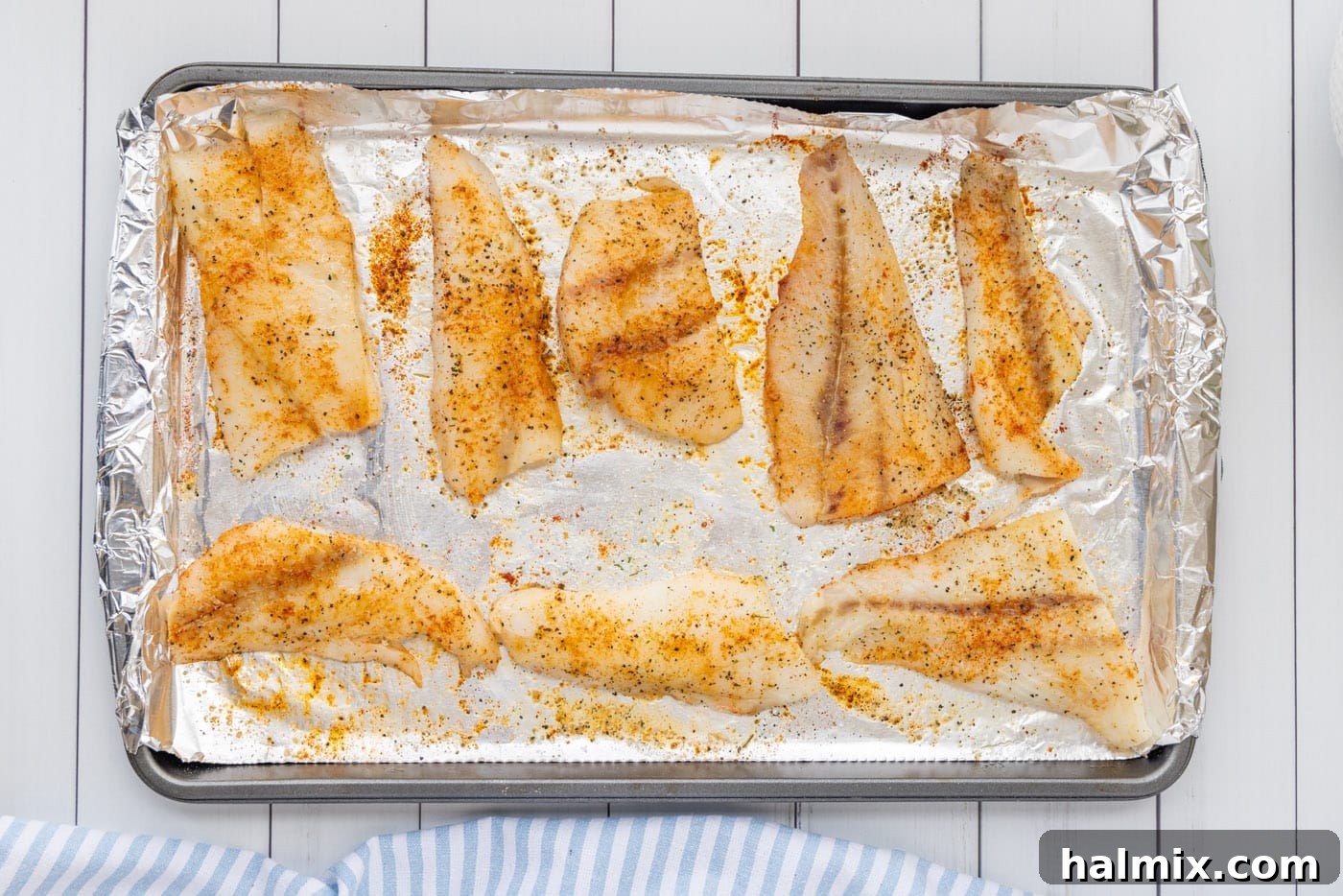
- Season Generously: Now, it’s time to infuse your fish with its signature flavor! Evenly sprinkle the smoked paprika, garlic salt, and lemon pepper over both sides of the buttered fillets. Don’t be shy with the seasonings, but aim for a balanced, consistent coating to ensure every bite is bursting with taste.
- Arrange on Baking Sheet: Carefully place the seasoned orange roughy fillets onto your prepared foil-lined baking sheet. Ensure they are arranged in a single layer, with a little space between each fillet. This spacing is important to allow hot air to circulate evenly around each piece, promoting consistent cooking and a desirable texture.

- Bake to Perfection: Transfer the baking sheet to the preheated oven and bake for 15-25 minutes. The precise baking time will depend significantly on the thickness of your specific fish fillets. Our fillets for this recipe were on the thicker side, requiring closer to the 25-minute mark to reach perfect doneness.
CHEF’S INSIGHT: Always prioritize checking the internal temperature for accurate doneness. Fish is perfectly cooked when it reaches an internal temperature of 145°F (63°C) at its thickest point. For thinner fillets, cooking time can be as short as 10-12 minutes, so it’s wise to start checking earlier to prevent overcooking. Overcooked fish tends to become dry and less flavorful, so precision is key for a tender, flaky result.
Frequently Asked Questions & Expert Tips for Success
Here are some common questions and invaluable tips to help you master this baked orange roughy recipe and ensure delicious, perfectly cooked results every time you prepare it.
Orange roughy, like most types of fish, is fully cooked and safe to eat when it reaches an internal temperature of 145°F (63°C). To accurately check this, insert an instant-read thermometer into the thickest part of the fish fillet. Beyond temperature, visual cues are also helpful: the fish will appear opaque throughout, losing its raw translucency, and will flake easily with a fork when gently pressed. Avoid overcooking, as this can quickly dry out the delicate flesh, making it tough and less enjoyable.
While this fish is truly at its best when served immediately, any leftovers can be safely stored. Place them in an airtight container and keep them refrigerated for 1-2 days. For reheating, a microwave can be used on a low setting for short bursts (30-60 seconds at a time) to warm it through gently, being careful not to overcook. Alternatively, you can use a preheated oven at a low temperature (around 275-300°F or 135-150°C) for about 10-15 minutes, covering the fish loosely with foil to help retain moisture. The key is gentle reheating to prevent the fish from drying out, which happens easily with delicate fillets.
Absolutely! This recipe provides a fantastic, versatile base, but orange roughy is incredibly adaptable and welcomes additional flavors. Freshly chopped dill, parsley, or chives sprinkled over the fish before or immediately after baking can add a wonderful fresh aroma and herbaceous flavor. For a subtle spicy kick, a pinch of cayenne pepper or red pepper flakes can be introduced. A dash of onion powder can deepen the savory notes, or a squeeze of fresh lime juice instead of lemon can offer a different citrus twist. Feel free to experiment with your favorite seafood-friendly spices and herbs to tailor the dish to your taste.
Yes, orange roughy can be successfully air-fried for a slightly crispier exterior and often a faster cooking time. Prepare the fish exactly as directed in steps 1-5 (rinse, pat dry, butter, and season), then place the seasoned fillets in a single layer in your air fryer basket, ensuring not to overcrowd it. Air fry at 375°F (190°C) for approximately 8-12 minutes, flipping the fillets halfway through. Always check for an internal temperature of 145°F (63°C) and ensure the fish flakes easily before serving. Cooking times may vary depending on your specific air fryer model and the thickness of the fillets.
Delectable Serving Suggestions to Complete Your Meal
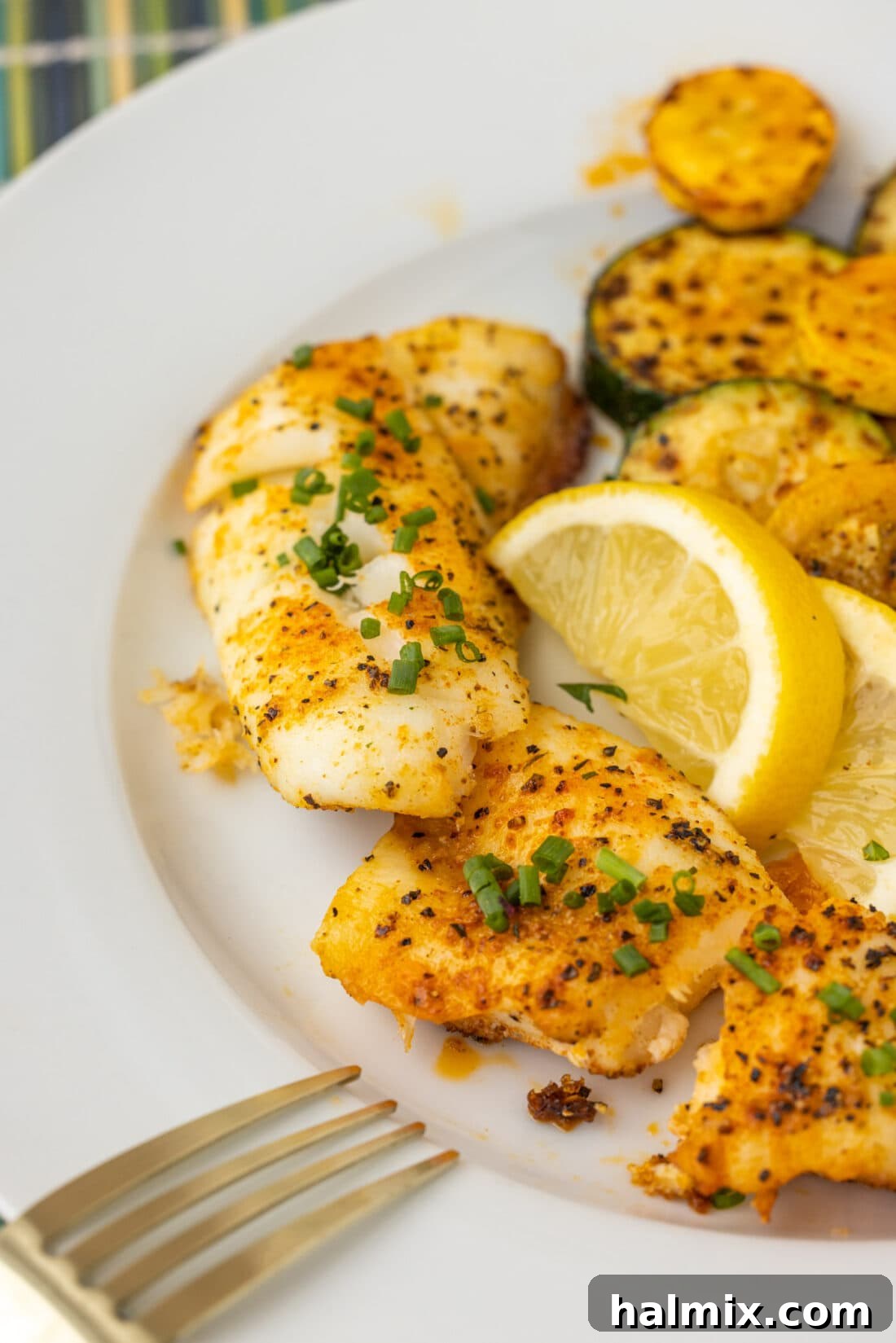
Baked orange roughy is incredibly versatile and pairs beautifully with a myriad of side dishes, making it effortless to create a balanced, satisfying, and visually appealing meal. For a classic and comforting combination, serve your flaky fish alongside a bed of fluffy rice – jasmine, basmati, or even a fragrant lemon-herb rice pilaf would be exquisite. Pasta dishes also make fantastic complements; consider a simple garlic and olive oil pasta, a creamy lemon pasta, or an alfredo-style pasta that can absorb the delicate flavors of the fish.
If you prefer heartier sides, consider perfectly roasted potatoes, perhaps seasoned with rosemary and garlic for an aromatic touch, or a light and creamy mashed potato dish. For lighter, healthier options, steamed or grilled vegetables are always an excellent choice. Think crisp asparagus spears, vibrant broccoli florets, tender green beans with toasted almond slivers, or a colorful medley of seasonal vegetables. A crisp, fresh dinner salad with a light vinaigrette is always a refreshing counterpoint to the richness of the fish. And of course, you can never go wrong with fresh lemon wedges readily available for squeezing over the warm, flaky fillets – the bright, acidic citrus notes truly elevate the entire dish, enhancing its freshness. Don’t forget to explore our specialty sauces: Chef Antoine’s rich rosemary cream sauce or his tangy and savory homemade tartar sauce, both of which would provide an exceptional, gourmet finish to this magnificent seafood entree.
Explore More Delicious Fish and Seafood Recipes
If you’re a fan of seafood and looking to expand your culinary repertoire beyond this fantastic orange roughy, we have a wonderful selection of other fish and seafood recipes that are sure to delight your taste buds and inspire your kitchen adventures. From comforting classics to exciting new dishes, there’s something here for every seafood lover and every occasion.
- Crispy Golden Fish Cakes
- Hearty & Creamy Fish Chowder
- Classic Beer Battered Fish
- Flavorful Cedar Plank Salmon
- Effortless Sheet Pan Salmon Dinner
- Succulent Dungeness Crab Legs
I genuinely love to bake and cook, and there’s nothing more satisfying than sharing my kitchen adventures and delicious recipes with all of you! Remembering to check back daily for new culinary inspiration can sometimes be a challenge, which is why I offer a convenient newsletter delivered straight to your inbox every time a new recipe is posted. Simply subscribe here and start receiving your free daily recipes – never miss another amazing dish designed to make your cooking easy and enjoyable!

Baked Orange Roughy
IMPORTANT – Please refer to the full blog post for Frequently Asked Questions and Expert Tips you may find helpful. Simply scroll back up to read them!
Print It
Pin It
Rate It
Save It
Saved!
Course:
Dinner
Cuisine:
American
6
servings
35
mins
105
Amanda Davis
Ingredients
- 24 ounces Orange roughy fillets
- 1 Tablespoon unsalted butter melted
- 1 teaspoon smoked paprika
- 1 teaspoon garlic salt
- 1 teaspoon lemon pepper
- cooking spray or olive oil for the pan
Things You’ll Need
-
Instant read thermometer
-
Baking sheet
Before You Begin
Instructions
-
Preheat oven to 400 F (200°C).
-
Line a baking sheet with aluminum foil. Spray the foil with cooking spray or rub with olive oil.
-
Rinse and pat dry orange roughy fillets.
-
Brush melted butter onto fish fillets.
-
Season with paprika, garlic salt, and lemon pepper.
-
Place seasoned fillets on foil lined baking sheet.
-
Bake in preheated oven for 15-25 minutes depending on the thickness of your fillets.
CHEF TIP: Our fillets were fairly thick. If yours are thinner, it can take as little as 10-12 minutes. Always check for an internal temperature of 145°F (63°C).
Expert Tips & FAQs (Summary)
- Orange roughy is cooked when it reaches an internal temperature of 145°F (63°C) at its thickest point, using an instant-read thermometer. It should look opaque and flake easily.
- Best served fresh, but leftovers can be refrigerated for 1-2 days in an airtight container. Reheat gently in the microwave or a low oven to avoid drying.
- Feel free to customize with fresh herbs like dill or parsley, or a pinch of cayenne for subtle heat.
- This recipe can also be adapted for air frying for a faster cook and crispier texture (see full post for details).
Nutrition Information (per serving)
Calories: 105cal |
Carbohydrates: 0.4g |
Protein: 19g |
Fat: 3g |
Saturated Fat: 1g |
Polyunsaturated Fat: 0.2g |
Monounsaturated Fat: 1g |
Trans Fat: 0.1g |
Cholesterol: 73mg |
Sodium: 470mg |
Potassium: 202mg |
Fiber: 0.2g |
Sugar: 0.04g |
Vitamin A: 304IU |
Vitamin C: 0.003mg |
Calcium: 13mg |
Iron: 1mg
Tried this Recipe? Pin it for Later!
Follow on Pinterest @AmandasCookin or tag #AmandasCookin!
The recipes on this blog are tested with a conventional gas oven and gas stovetop. It’s important to note that some ovens, especially as they age, can cook and bake inconsistently. Using an inexpensive oven thermometer can assure you that your oven is truly heating to the proper temperature. If you use a toaster oven or countertop oven, please keep in mind that they may not distribute heat the same as a conventional full-sized oven and you may need to adjust your cooking/baking times. In the case of recipes made with a pressure cooker, air fryer, slow cooker, or other appliance, a link to the appliances we use is listed within each respective recipe. For baking recipes where measurements are given by weight, please note that results may not be the same if cups are used instead, and we can’t guarantee success with that method.