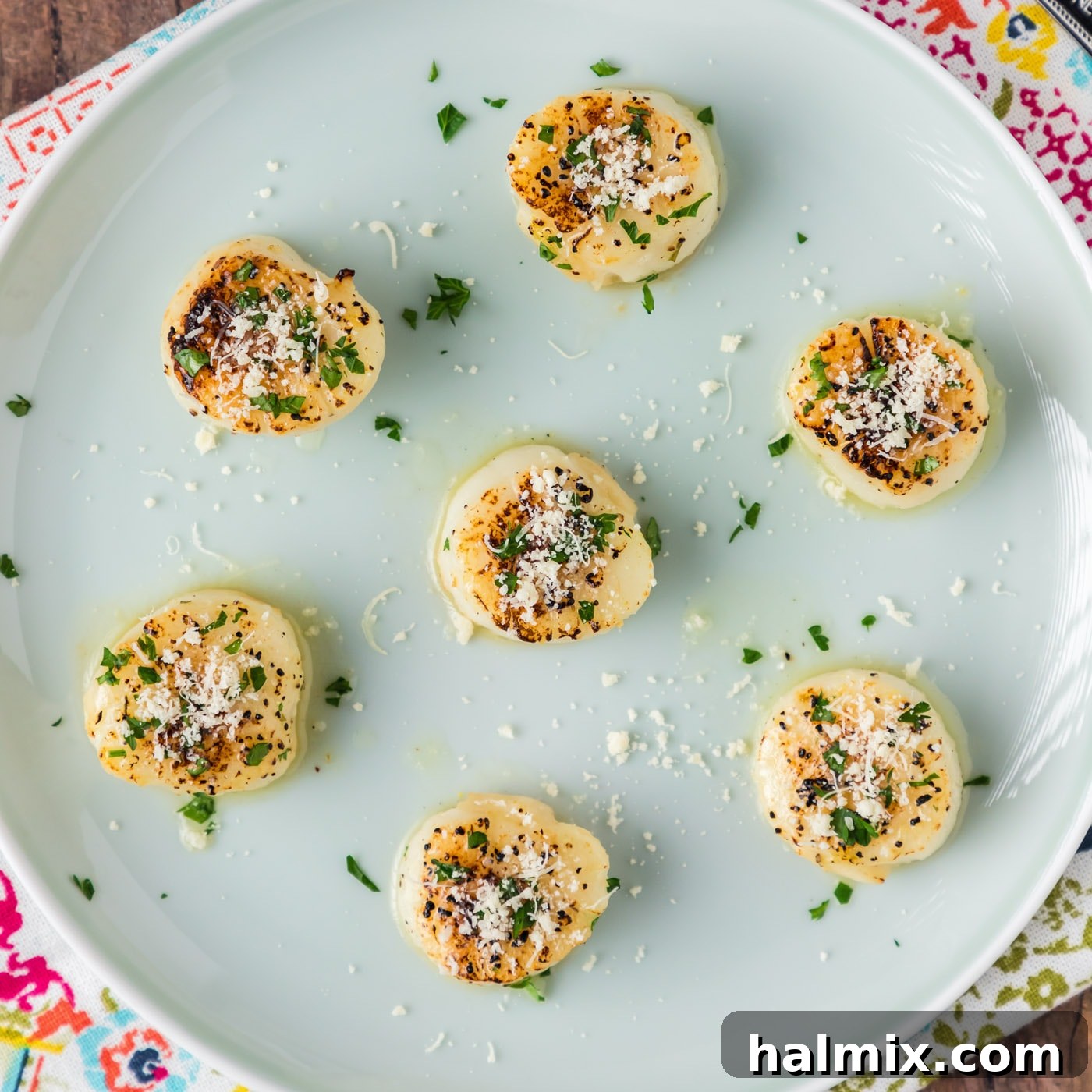
Unlock the secret to perfectly cooked, tender scallops with this incredibly simple broiled scallops recipe. In just under 20 minutes, you can transform delicate sea scallops into succulent, caramelized morsels with a golden-brown crust and an irresistibly soft interior. Whether you’re seeking a sophisticated appetizer to impress guests or a quick, elegant main course for a busy weeknight, these buttery broiled scallops deliver exceptional flavor and texture with minimal effort. Prepare to be amazed by how easily you can achieve restaurant-quality seafood right in your own kitchen.
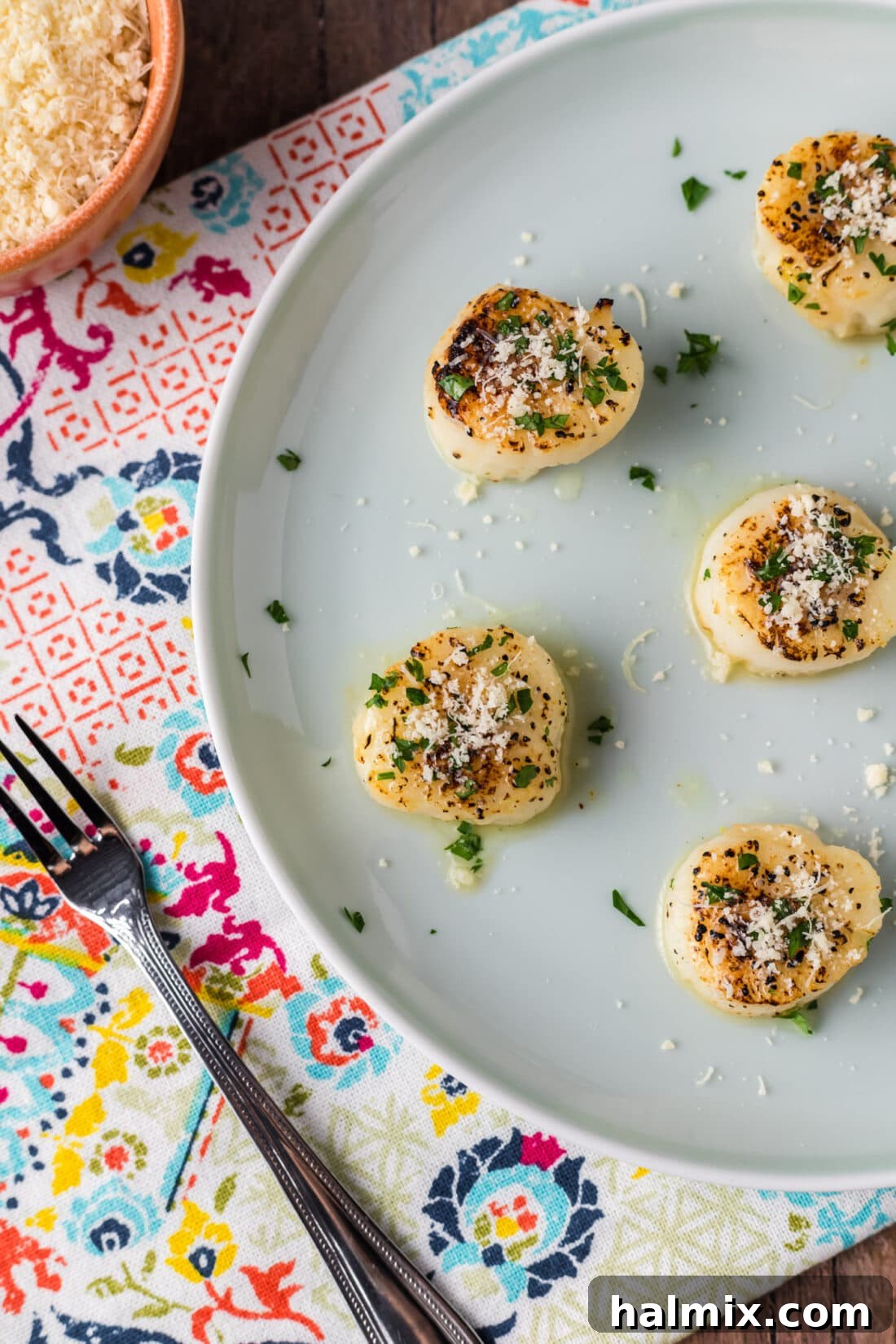
Why This Broiled Scallops Recipe is a Must-Try
Scallops are often perceived as a gourmet delicacy best left to professional chefs, but this broiled scallops recipe proves just how accessible and effortless they can be for home cooks. Unlike pan-searing, which requires constant attention, broiling offers a more hands-off approach while still achieving that coveted golden crust and melt-in-your-mouth tenderness. The high, direct heat of the broiler quickly caramelizes the natural sugars on the scallop’s exterior, creating a beautiful seared finish that locks in moisture. This technique makes them incredibly tender without the risk of overcooking, which can quickly turn scallops rubbery.
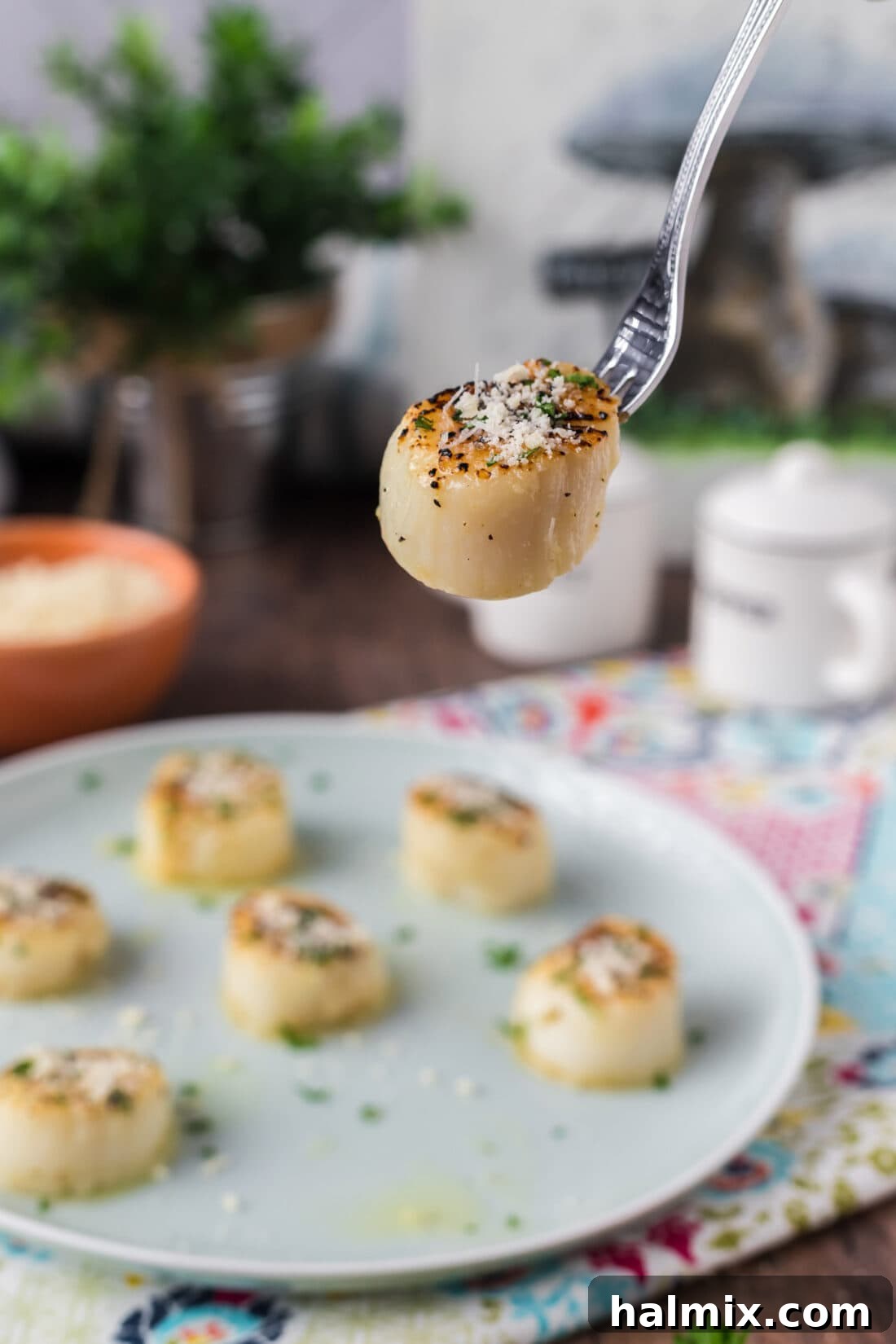
Our recipe specifically utilizes a generous brush of softened butter infused with garlic salt and black pepper. This buttery coating not only enhances the flavor but also aids in creating that perfect crust under the broiler. The result is a simple yet profoundly delicious dish that highlights the sweet, delicate flavor of fresh sea scallops, making it an ideal choice for both seasoned seafood lovers and those new to preparing scallops at home. It’s a testament to the fact that sometimes, the simplest methods yield the most spectacular results.
Essential Ingredients for Broiled Scallops
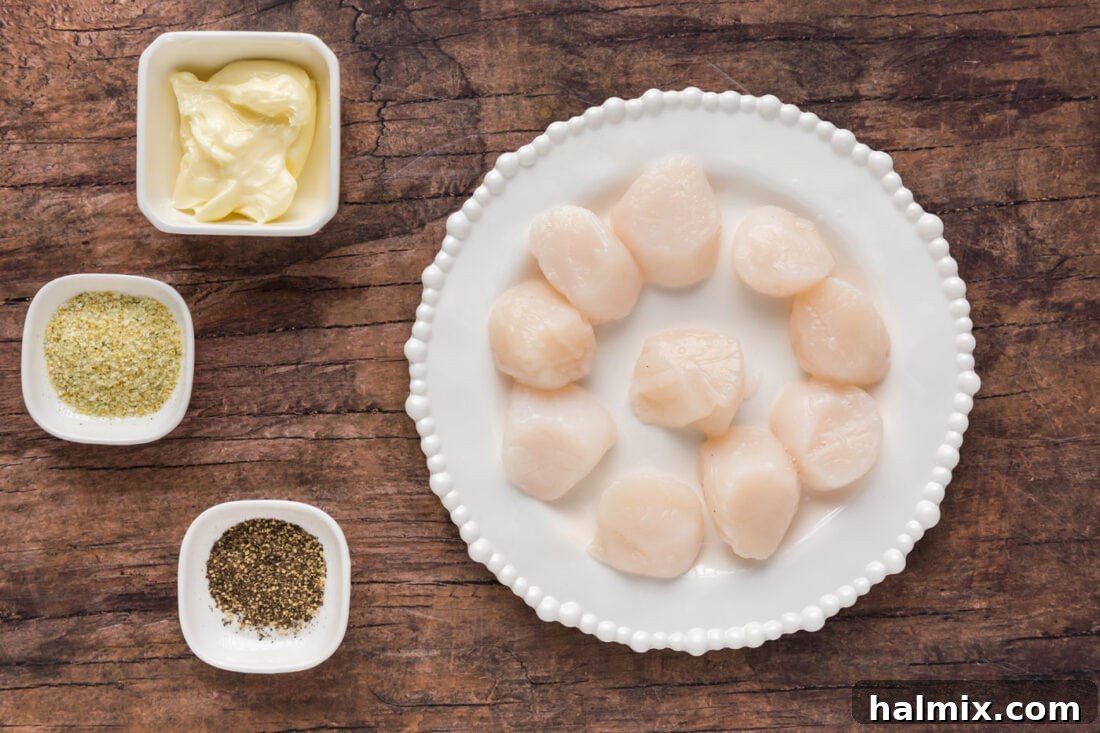
Crafting delicious broiled scallops requires only a few key ingredients. The beauty of this recipe lies in its simplicity, allowing the natural sweetness of the scallops to shine through. Below is a list of what you’ll need to gather:
- Large Sea Scallops: The star of our dish.
- Unsalted Butter: Essential for richness and caramelization.
- Garlic Salt: Adds a savory depth of flavor.
- Freshly Ground Black Pepper: A universal enhancer for seafood.
For an optional flourish, consider having grated Parmesan cheese, fresh chopped parsley, or a fresh lemon on hand. These garnishes can elevate the dish with extra layers of flavor and visual appeal.
Choosing and Preparing Your Scallops: Ingredient Insights
The success of your broiled scallops largely depends on the quality and proper preparation of the scallops themselves. Here’s everything you need to know:
Selecting the Best Scallops
For this recipe, we highly recommend using large sea scallops. These are significantly larger and meatier than bay scallops, offering a more substantial bite and making them ideal for broiling. When purchasing, you’ll often encounter two types: “wet” and “dry” scallops.
- Wet Scallops: These scallops have been treated with a phosphate solution, which causes them to absorb more water. While this increases their shelf life and weight (meaning you get less actual scallop per pound), it also makes them difficult to sear properly. The excess moisture releases during cooking, steaming the scallops instead of allowing them to caramelize, often resulting in a rubbery texture and less intense flavor.
- Dry Scallops: These are untreated and typically sold fresh, sometimes labeled as “diver scallops.” They contain only their natural moisture, which is crucial for achieving that beautiful golden crust and tender interior when broiled. Dry scallops are often creamier in texture and have a sweeter, more concentrated flavor. Always opt for dry sea scallops if available for the best results.
Look for scallops that appear firm, plump, and have a fresh, slightly sweet aroma, reminiscent of the ocean. Avoid any that smell fishy or have a milky, dull appearance.
Preparing Your Scallops for Broiling
Proper preparation ensures your scallops cook beautifully and evenly. If using frozen scallops, make sure they are completely thawed before cooking. The thawing process is best done slowly in the refrigerator overnight. Once thawed or if using fresh scallops:
- Rinse Thoroughly: Gently rinse the scallops under cold running water to remove any lingering grit or shell fragments.
- Pat Dry, Extremely Dry: This step is non-negotiable for achieving a good sear and preventing the butter mixture from sliding off. Use paper towels to pat each scallop as dry as possible. Any residual moisture will hinder caramelization and can lead to a less desirable texture.
- Remove the Side Muscle: Many sea scallops have a small, crescent-shaped side muscle attached to one side. This muscle is tougher than the rest of the scallop and should be pinched off and discarded before cooking. It usually comes off easily with your fingers.
Butter and Seasoning
The choice of butter and seasonings plays a vital role in the flavor profile. Unsalted butter is preferred, as it allows you to control the overall sodium content. Ensure your butter is truly softened, almost pudding-like in consistency, but not melted. This texture makes it easy to brush onto the foil and adhere to the scallops. Garlic salt provides an all-in-one savory seasoning, while freshly ground black pepper adds a subtle kick. Feel free to experiment with other seasonings like a pinch of smoked paprika, a dash of Old Bay seasoning, or a sprinkle of dried herbs like thyme or dill for varied flavor profiles.
How to Make Perfect Broiled Scallops: Step-by-Step Guide
Follow these detailed steps to create tender, succulent broiled scallops with a beautiful caramelized crust. For a printable version of this recipe, complete with precise measurements and full instructions, scroll down to the dedicated recipe card below.
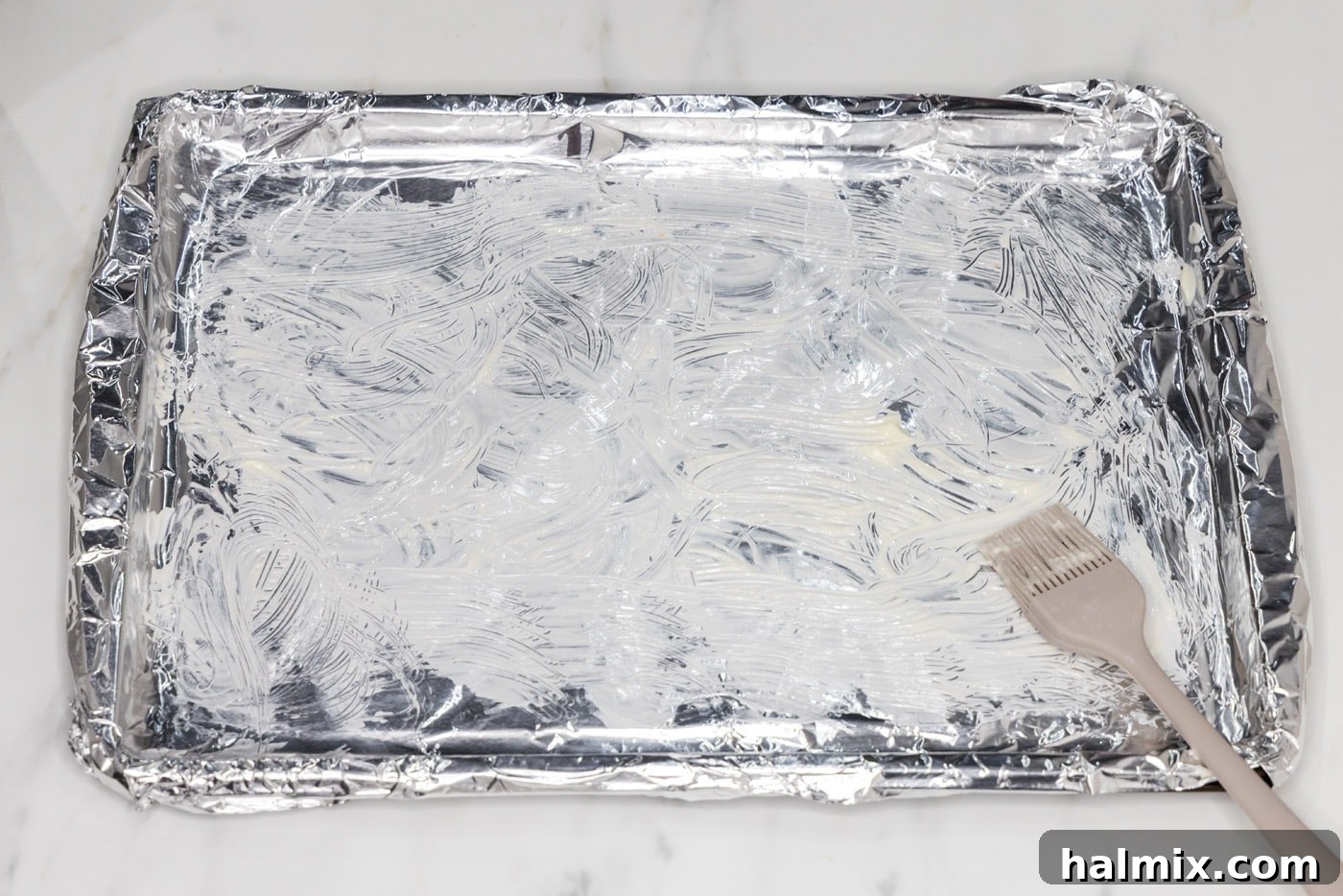
- Preheat Your Broiler and Prepare Baking Sheet: Begin by preheating your oven’s broiler. Place the oven rack in the second-highest position, ensuring there’s enough room for your baking sheet and the scallops to be close to the heating element without touching it. Line a sturdy baking sheet with aluminum foil. This prevents sticking and makes cleanup a breeze. Lightly brush a thin layer of softened unsalted butter onto the aluminum foil. This initial layer prevents the scallops from sticking and helps create a buttery base, contributing to an even more flavorful crust.
- Rinse and Dry Scallops: Carefully rinse your large sea scallops under cold water. The most crucial step is to thoroughly pat them dry with paper towels. Remove any excess moisture; this is key to achieving a beautiful sear and preventing the butter from sliding off during cooking.
- Prepare Softened Butter: Ensure your unsalted butter is very soft, almost to a pudding-like consistency, but not melted into a liquid. This pliable texture is essential for it to spread easily and adhere well to the scallops. If your butter is too cold, it won’t mix properly; if it’s melted, it will just run off.
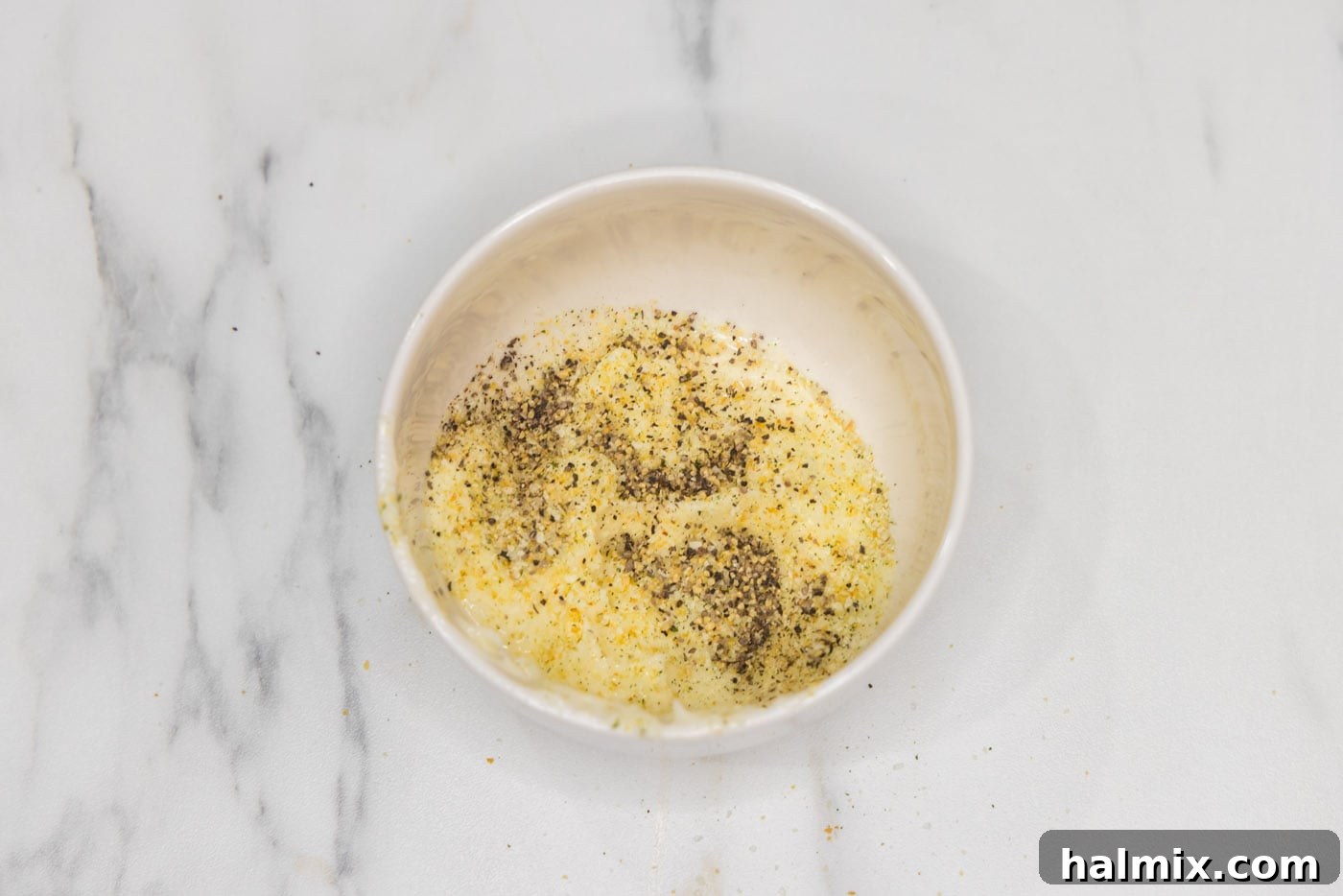
- Season the Remaining Butter: In the bowl with the remaining softened butter, add the garlic salt and freshly ground black pepper. Stir these ingredients together thoroughly until they are well combined. This creates a flavorful seasoned butter mixture that will infuse the scallops with savory goodness.
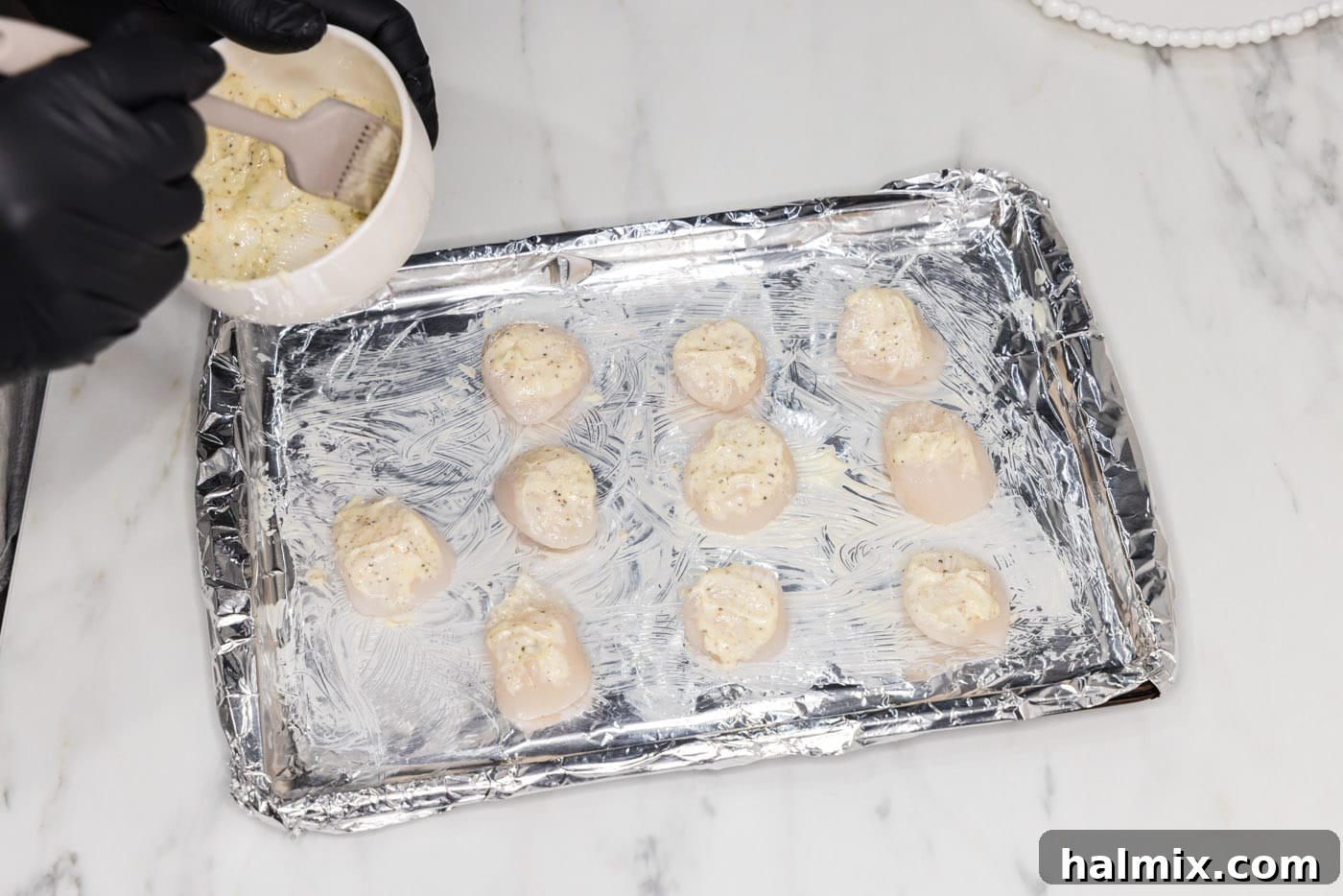
- Arrange Scallops and Apply Butter Mixture: Place the dried scallops onto the buttered aluminum foil, ensuring they are in a single layer and not touching each other. This allows for even cooking and browning. Using a basting brush or a small spoon, delicately add dollops of the seasoned butter mixture to the top of each scallop. You won’t use all the butter in this step, as some is reserved for after broiling.
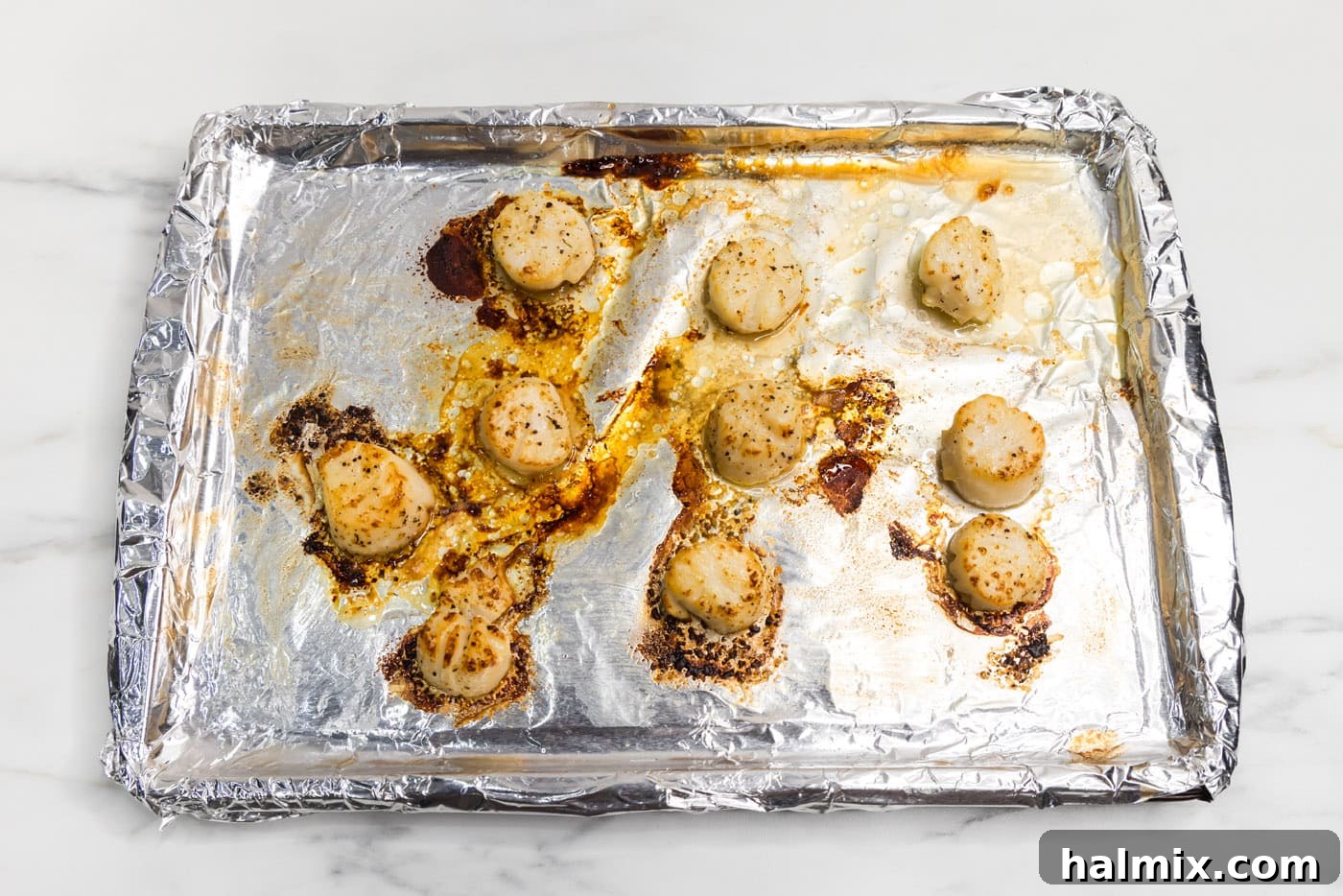
- Broil Until Golden: Carefully place the baking sheet with the scallops into the preheated oven on the second-highest rack position. Broil for 7-10 minutes, keeping a very close eye on them. Broilers vary significantly in intensity, and scallops can go from perfectly cooked to overcooked or even charred in a matter of seconds. Watch for the scallops to turn opaque throughout and develop a beautiful golden-brown, caramelized crust on top.
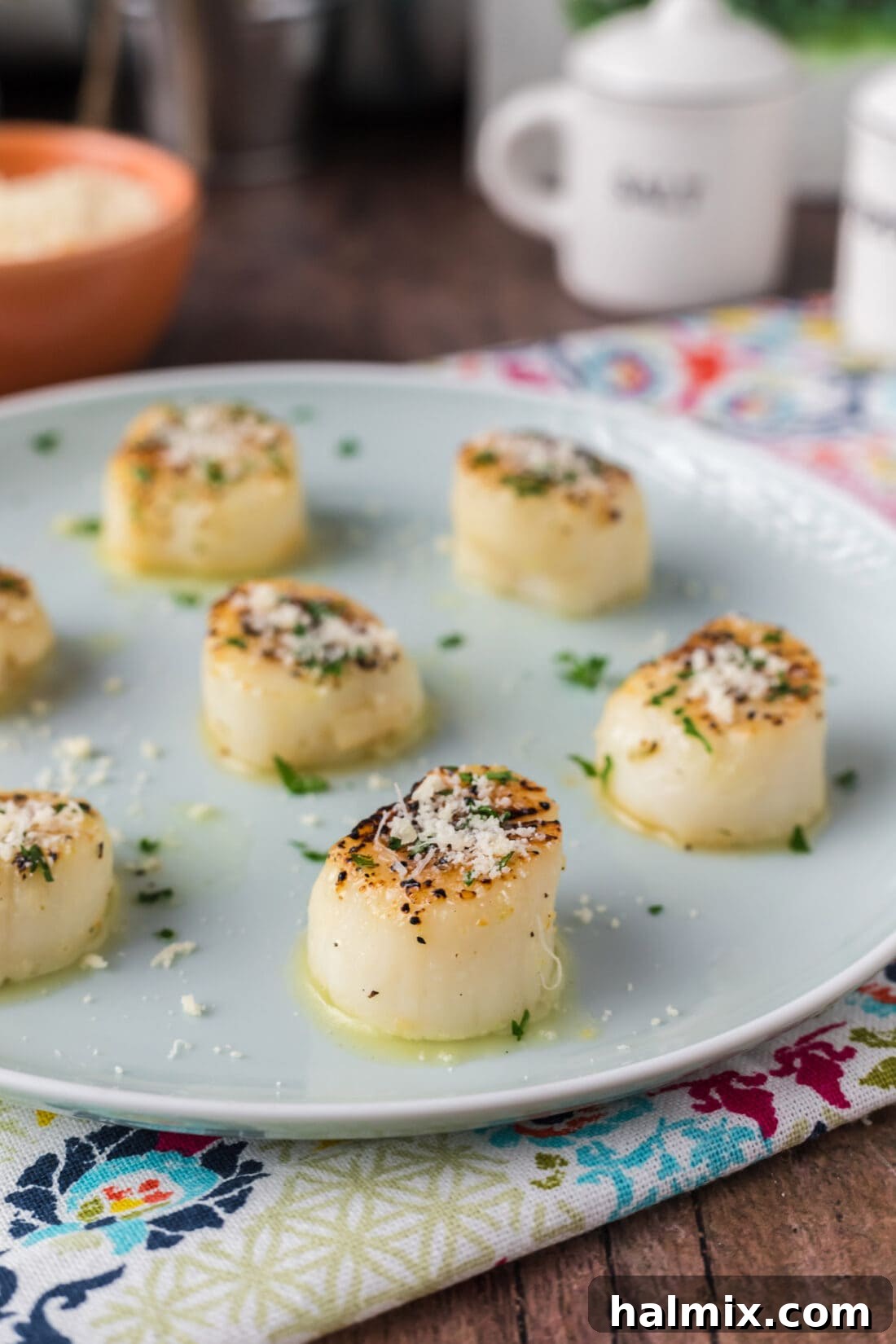
- Finish and Serve: Once the scallops are perfectly broiled, remove the pan from the oven. Immediately dollop any remaining seasoned butter over the hot scallops, allowing it to melt and coat them in extra richness. If desired, sprinkle with grated Parmesan cheese for a savory, nutty finish, and/or fresh chopped parsley for a burst of color and herbaceous freshness. Serve immediately for the best flavor and texture.
Frequently Asked Questions & Expert Tips for Broiled Scallops
Broiled scallops are truly best enjoyed immediately after cooking. However, if you have leftovers, store them in an airtight container in the refrigerator for up to two days. Keep in mind that scallops can spoil rather quickly and their texture can change upon reheating. While safe to eat, they may not be as tender or flavorful as when freshly prepared.
Scallops are perfectly cooked when they turn opaque throughout, with a lovely lightly browned, caramelized crust on the outside. The center should still be tender-firm. When gently pressed, a cooked scallop should have a slight give but not feel squishy (undercooked) or overly firm and hard (overcooked). Overcooked scallops will quickly become rubbery and lose their delicate sweetness, so precise timing and constant vigilance under the broiler are essential. Remember that every oven and broiler setting can differ, so always trust your eyes and touch more than a strict timer.
Yes, you can use frozen scallops, but ensure they are completely thawed before cooking. The best way to thaw them is to transfer them from the freezer to the refrigerator overnight. Once thawed, pat them extremely dry with paper towels to remove all excess moisture. This step is critical for achieving a good sear and preventing them from steaming instead of broiling.
Beyond rinsing and patting dry, the main cleaning step for sea scallops is removing the small, tough side muscle. This muscle is a small, crescent-shaped piece of tissue usually attached to one side of the scallop. It’s perfectly edible but becomes rubbery when cooked. Simply pinch it between your thumb and forefinger and pull it off; it should detach easily.
Rubbery scallops are almost always a result of overcooking. Scallops cook very quickly, and even a minute or two too long under the broiler can turn them from tender to tough. Another common culprit is using “wet” scallops that release too much moisture, preventing proper searing and essentially steaming them. Always use dry scallops and keep a close eye on them during the broiling process.
Absolutely! While garlic salt and black pepper provide a classic and delicious base, feel free to get creative. A squeeze of fresh lemon juice before serving is always a great idea. Consider a sprinkle of red pepper flakes for a touch of heat, a dash of Old Bay seasoning for a classic seafood flavor, or finely chopped fresh herbs like chives, thyme, or tarragon for an aromatic twist.
Serving Suggestions for Broiled Scallops
Broiled scallops are incredibly versatile, fitting perfectly into various meal settings. For an elegant main course, serve them alongside a bed of fluffy wild rice, creamy risotto, or a medley of roasted vegetables such as asparagus, broccoli, or Brussels sprouts. Their delicate flavor also pairs beautifully with lighter sides like a fresh green salad with a citrus vinaigrette or quinoa salad.
As a delectable appetizer, serve them simply with small plates and a side of melted garlic butter for dipping, or arrange them artfully on skewers with cherry tomatoes and basil for a pop of color. They also make an excellent addition to pasta dishes; toss them into a lemon-garlic butter pasta or a creamy Alfredo for a luxurious seafood pasta experience. Garnish with a fresh squeeze of lemon juice, a sprinkle of grated Parmesan cheese, or a generous scattering of fresh chopped parsley to brighten and enhance the flavors. For a truly elevated experience, a crisp white wine like Sauvignon Blanc or Pinot Grigio complements their sweetness wonderfully.
Explore More Scallop Recipes
If you’ve fallen in love with scallops, there’s a whole world of delicious recipes to explore beyond broiling. From hearty pasta dishes to crispy fried delights, scallops offer endless culinary possibilities. Discover more ways to enjoy this incredible seafood:
- Scallop Pasta
- Fried Scallops
- Pan Seared Scallops
- Bacon Wrapped Scallops
I love to bake and cook and share my kitchen experience with all of you! Remembering to come back each day can be tough, that’s why I offer a convenient newsletter every time a new recipe posts. Simply subscribe and start receiving your free daily recipes!
Broiled Scallops
These quick and easy broiled scallops come together with softened butter to create delicate, buttery morsels in under twenty minutes total. A perfect elegant appetizer or main course!
Course: Appetizer, Dinner
Cuisine: American
Servings: 4 servings (approx. 10 scallops total)
Total Time: 20 mins
Calories: 155 kcal per serving
Author: Amanda Davis
Pin It
Ingredients
Main Ingredients
- 1 pound large sea scallops
- 3 Tablespoons unsalted butter, well softened
- 1 ½ teaspoons garlic salt
- 1 ½ teaspoons black pepper
Optional Garnish
- Grated Parmesan cheese
- Chopped parsley
- Lemon juice
Things You’ll Need
- Baking sheet
- Aluminum foil
- Basting brush
Before You Begin
- Always opt for large, “dry” sea scallops for the best results, as “wet” scallops retain more moisture and don’t sear as well.
- Thaw frozen scallops completely in the refrigerator and pat them extremely dry before cooking. This is crucial for achieving a perfect caramelized crust.
Instructions
- Preheat your oven’s broiler. Line a baking sheet with aluminum foil. Place oven rack in the second position (close to the broiler element).
- Rinse scallops and pat them very dry with paper towels to ensure proper browning.
- Make sure your unsalted butter is genuinely soft, having a pudding-like texture, but not melted. This consistency is ideal for spreading.
- Lightly brush a thin layer of the soft butter onto the aluminum foil on your baking sheet. This creates a non-stick surface and adds flavor.
- In the bowl with the remaining butter, add the garlic salt and black pepper. Stir thoroughly to combine these seasonings.
- Place the scallops onto the buttered aluminum foil in a single layer, ensuring they are not touching.
- Using a basting brush, add small dollops of the seasoned butter mixture to the top of each scallop.
- Place the pan of scallops into the oven on the highest rack. Broil for 7-10 minutes, watching them carefully. Broiler intensities vary, so keep a close eye to prevent burning. Scallops cook quickly!
- Remove from oven once opaque and golden. Dollop any remaining seasoned butter onto the hot scallops. Sprinkle with grated parmesan cheese and/or chopped parsley if desired, and serve immediately.
Nutrition Information
Serving Size: 1 serving (1/4 pound raw)
Calories: 155 kcal | Carbohydrates: 4g | Protein: 14g | Fat: 9g | Saturated Fat: 6g | Polyunsaturated Fat: 0.5g | Monounsaturated Fat: 2g | Trans Fat: 0.3g | Cholesterol: 50mg | Sodium: 1318mg | Potassium: 245mg | Fiber: 0.2g | Sugar: 0.01g | Vitamin A: 270IU | Calcium: 13mg | Iron: 1mg
The recipes on this blog are tested with a conventional gas oven and gas stovetop. It’s important to note that some ovens, especially as they age, can cook and bake inconsistently. Using an inexpensive oven thermometer can assure you that your oven is truly heating to the proper temperature. If you use a toaster oven or countertop oven, please keep in mind that they may not distribute heat the same as a conventional full sized oven and you may need to adjust your cooking/baking times. In the case of recipes made with a pressure cooker, air fryer, slow cooker, or other appliance, a link to the appliances we use is listed within each respective recipe. For baking recipes where measurements are given by weight, please note that results may not be the same if cups are used instead, and we can’t guarantee success with that method.