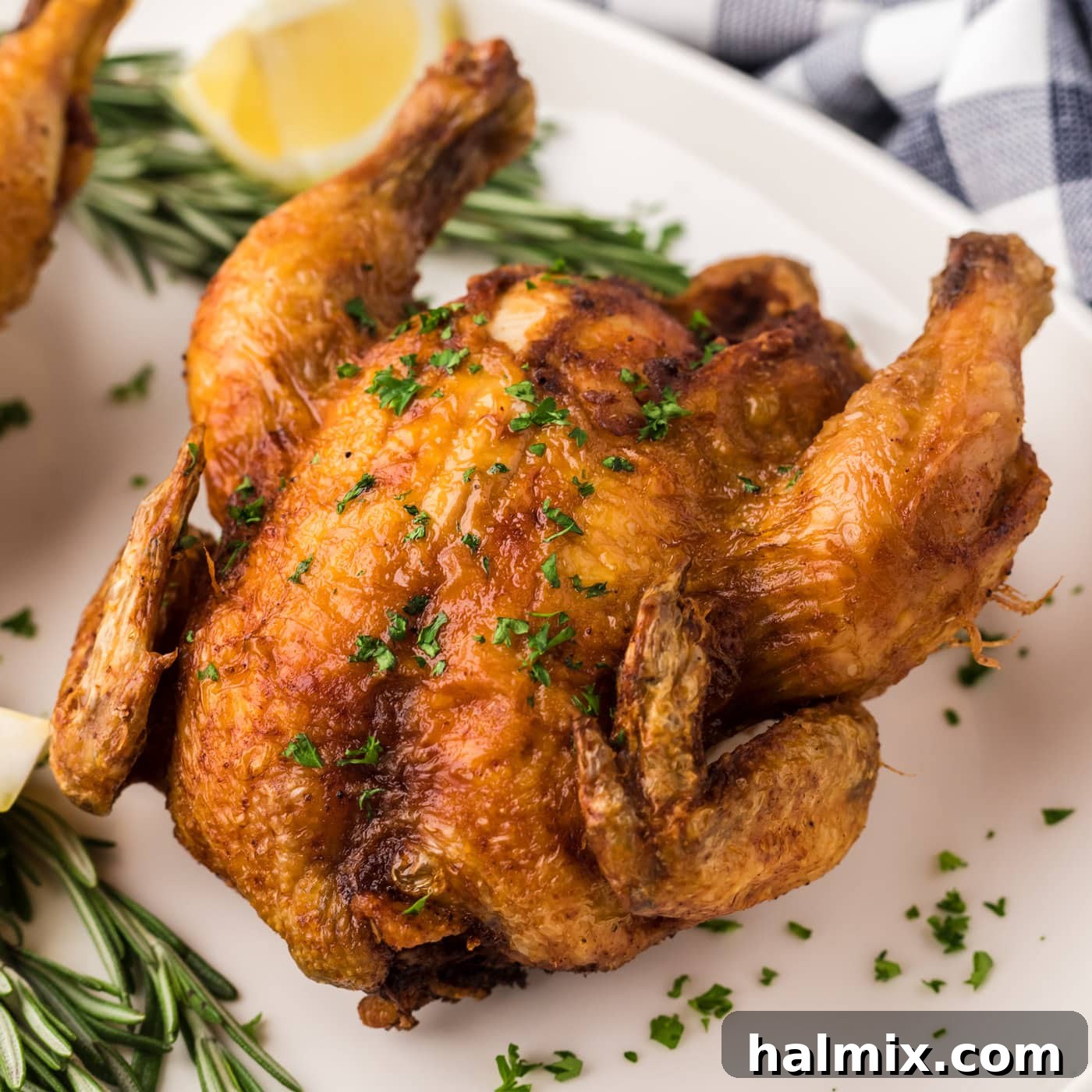
Deep Fried Cornish Hens: The Ultimate Guide to Crispy, Juicy Perfection
Prepare to elevate your dinner game with these exceptionally easy-to-make deep fried Cornish hens. Each hen emerges from the fryer with gloriously crispy, golden-brown skin, meticulously rubbed with a blend of savory spices and seasonings, enveloping a remarkably juicy and tender interior. Whether you’re planning a quick weeknight meal or a festive holiday feast, this recipe promises a show-stopping dish that will impress every guest.
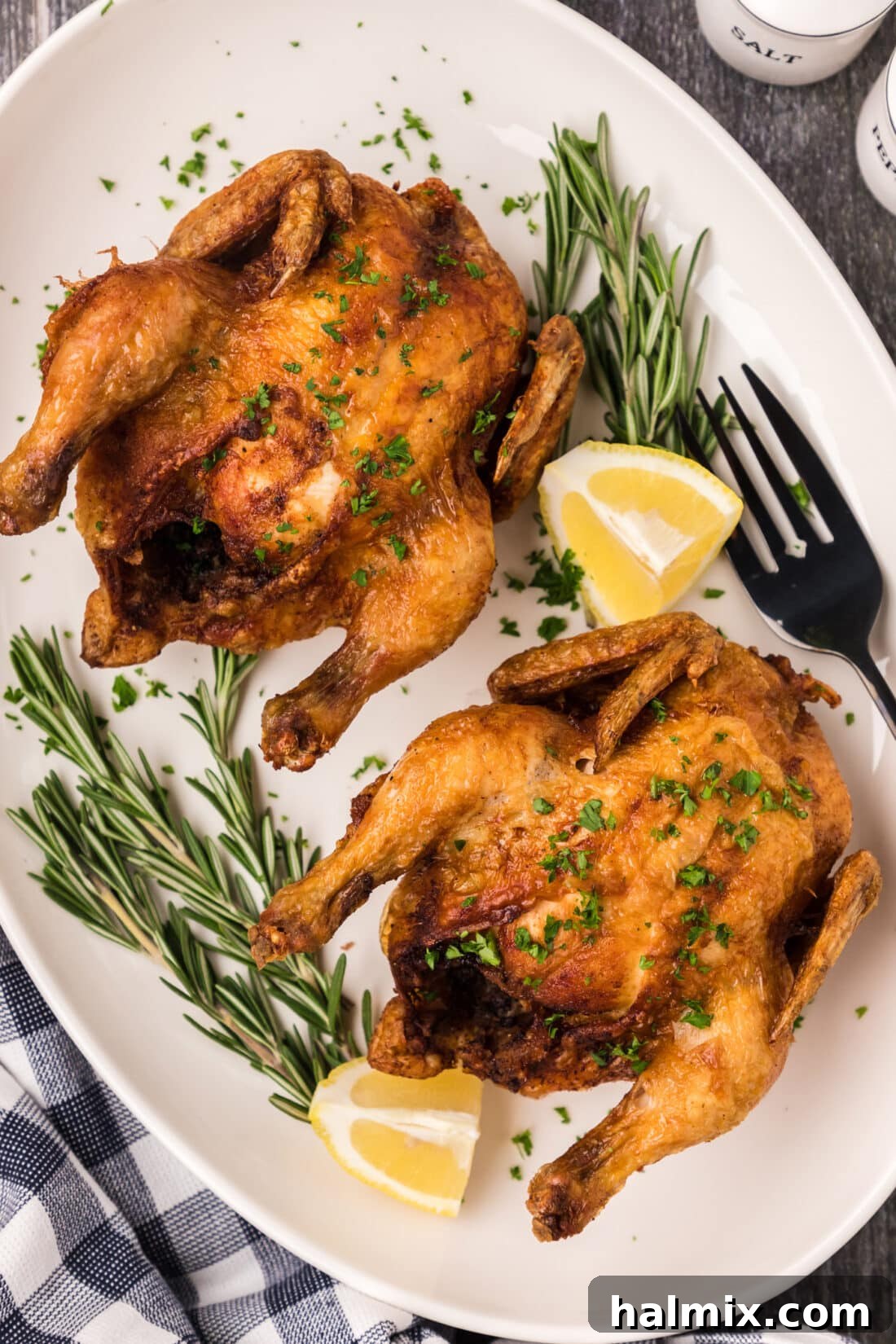
Why You’ll Love This Deep Fried Cornish Hen Recipe
If the thought of perfectly fried chicken excites your taste buds, then deep fried Cornish hens will quickly become a new favorite. What sets Cornish game hens apart is their inherently more tender meat compared to a standard chicken, making them an ideal choice for frying. Combine this natural tenderness with an irresistibly crispy, crunchy fried skin, and you have a culinary masterpiece that’s fantastic year-round. These mini chickens are especially perfect for serving a smaller crowd or offering individual portions, eliminating the need for carving a larger bird.
While Cornish hens can be prepared in various ways—from baking and roasting to air frying—deep frying unlocks a level of crispiness and flavor that other methods simply can’t match. We’ll guide you through creating a simple yet potent wet rub that infuses the hens with incredible flavor before they take a hot bath in the deep fryer. This process ensures the skin becomes beautifully golden and shatteringly crisp, while the meat cooks evenly and remains incredibly moist and flavorful.
Understanding Cornish Game Hens
Often referred to as “mini chickens,” Cornish game hens are a specific breed of domestic chicken, typically harvested young—usually between three to five weeks old—when they weigh around one to two pounds. They are primarily bred for their meat, which is known for its delicate texture and rich flavor. Their small size makes them an excellent choice for individual servings, providing an elegant presentation for dinner parties or holiday meals.
Unlike larger chickens, Cornish hens cook relatively quickly due to their size, making them a great option for busy evenings. Their lean meat and fine bone structure contribute to a tender and juicy result, especially when cooked with a method like deep frying that locks in moisture and creates a delightful contrast with the crispy skin.
The Art of Deep Frying Poultry for Unbeatable Flavor and Texture
Deep frying might seem intimidating, but for Cornish hens, it’s a technique that yields truly spectacular results. The high heat of the oil quickly renders the fat under the skin, creating an incredibly crispy exterior. Simultaneously, the direct and even heat ensures the meat cooks thoroughly and quickly, minimizing moisture loss and preserving its natural juiciness.
When done correctly, deep frying not only creates that coveted crispy skin but also helps to seal in the flavors from your rub, resulting in a deeply savory and satisfying dish. The key to successful deep frying lies in maintaining the correct oil temperature and properly preparing your poultry, ensuring both safety and culinary excellence.
Gathering Your Ingredients for Crispy Deep Fried Cornish Hens
To embark on your journey to the perfect deep-fried Cornish hen, you’ll need a selection of fresh ingredients and aromatic spices. The right combination will transform these small birds into a memorable meal.
Main Ingredients:
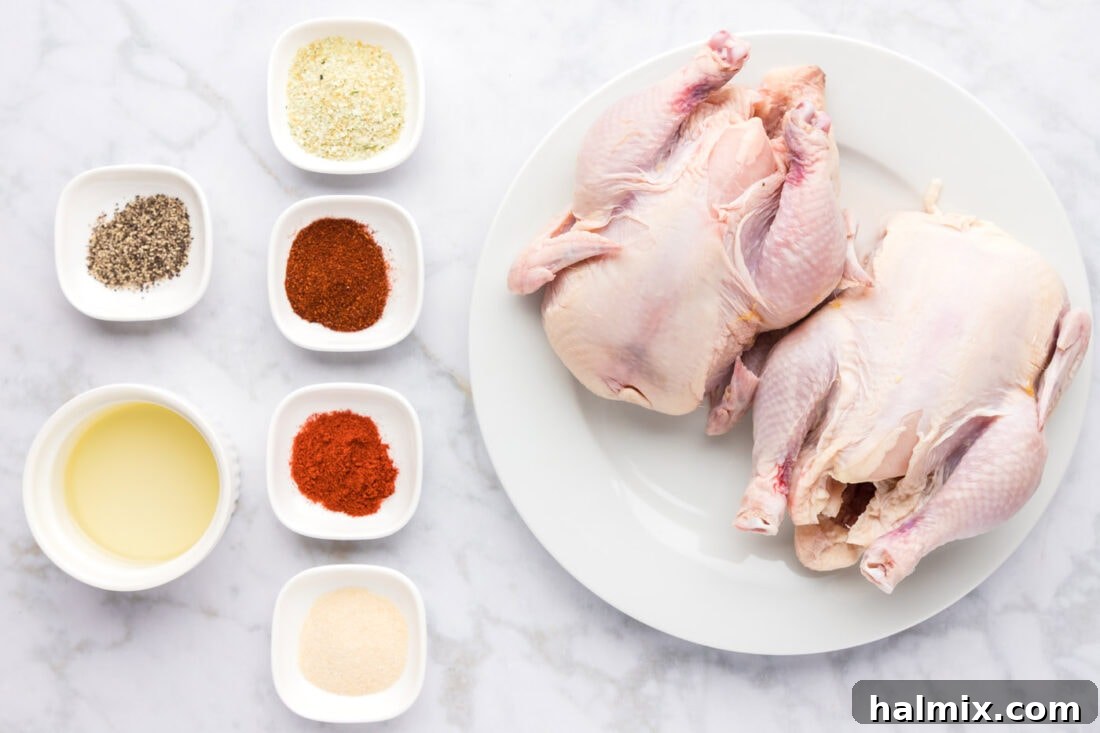
- Cornish Hens: Two 24-ounce Cornish hens (total 48 ounces).
- Vegetable Oil: Sufficient quantity for deep frying (enough to submerge the hens).
For the Flavorful Wet Rub:
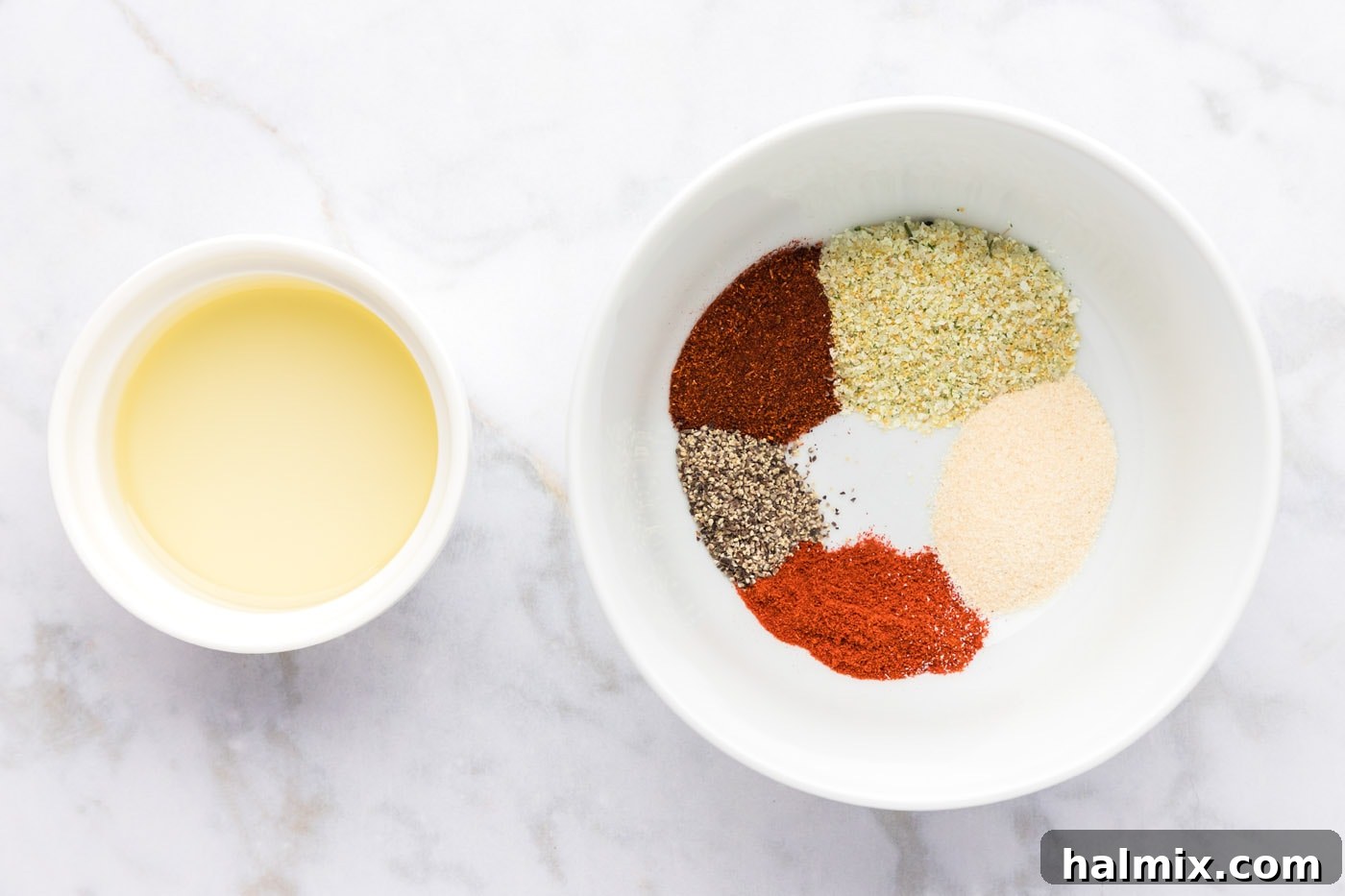
- Olive Oil: 2 Tablespoons, serving as a binder and flavor enhancer.
- Onion Powder: 1 teaspoon, for a savory, aromatic base.
- Garlic Salt: 2 teaspoons, providing both garlic flavor and seasoning.
- Smoked Paprika: 1 teaspoon, for a beautiful color and smoky depth.
- Chili Powder: 1 teaspoon, adding a touch of warmth and spice.
- Black Pepper: ½ teaspoon, for a classic peppery finish.
Ingredient Spotlight & Smart Substitution Suggestions
Understanding each ingredient’s role can help you master this recipe and even customize it to your taste.
Cornish Hens
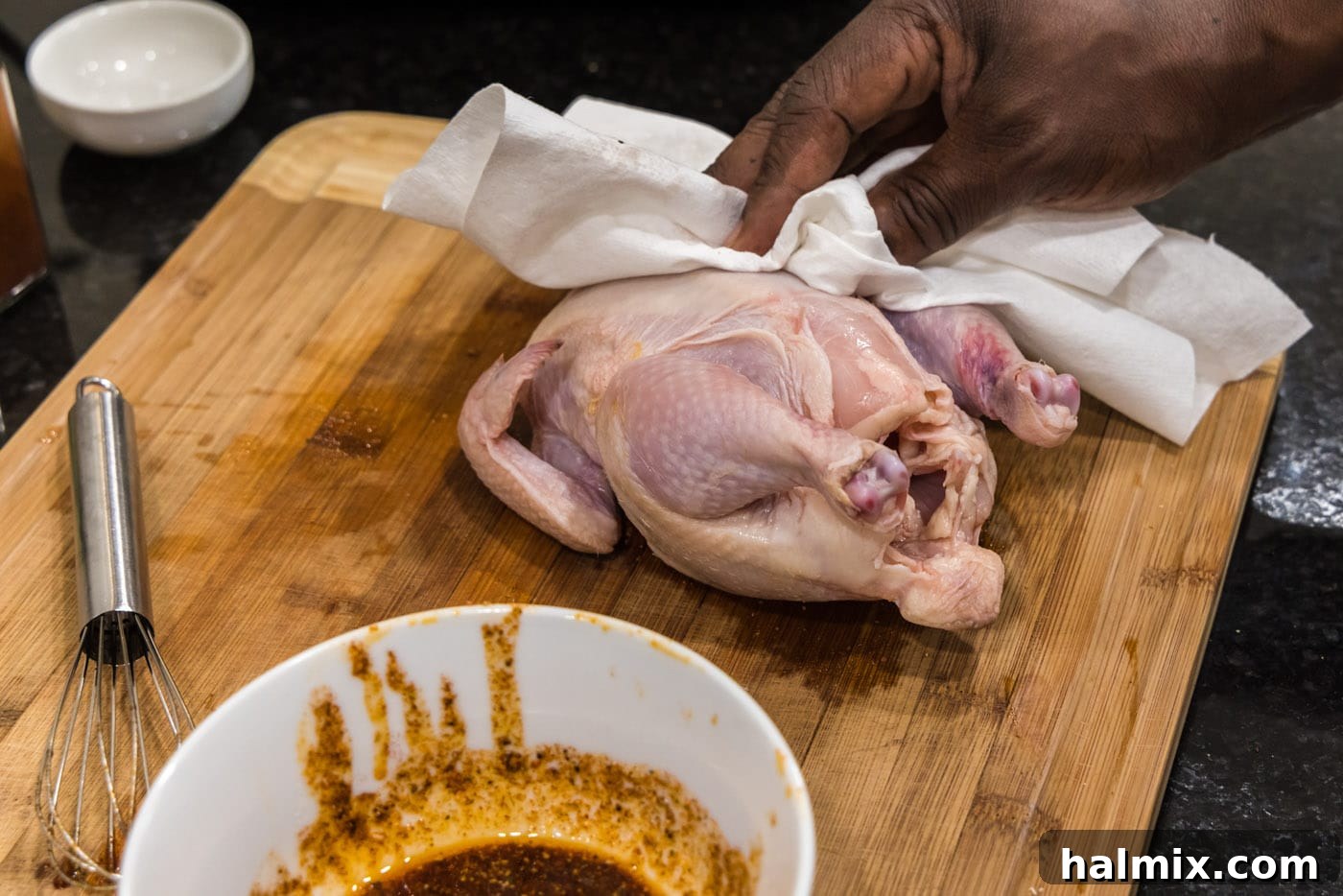
For this recipe, we recommend using two Cornish hens, each weighing approximately 24 ounces. It is absolutely crucial that your hens are fully thawed before you begin cooking. Thawing can be done safely in the refrigerator overnight, or for a quicker method, place the hens (still in their original packaging) in a bowl of cold water, changing the water every 30 minutes until they are thawed. Ensuring the hens are completely dry before applying the rub and frying is another key step to achieving maximum crispiness. Pat them thoroughly with paper towels to remove any excess moisture.
The Flavorful Wet Rub
Our carefully selected wet rub is designed to provide a rich, savory, and slightly smoky flavor profile that perfectly complements the tender meat of the Cornish hen. The olive oil acts as an excellent base, helping the spices adhere to the skin while also contributing to the browning process. The combination of onion powder, garlic salt, smoked paprika, chili powder, and black pepper creates a harmonious blend that is both robust and inviting. Don’t hesitate to experiment with your favorite spice blends! Consider adding a pinch of cayenne for extra heat, a touch of rosemary or thyme for an herbal note, or a dash of cumin for an earthy twist. A pre-made poultry seasoning can also be a convenient substitute if you’re short on individual spices.
Frying Oil
The choice of frying oil is critical for deep frying. Vegetable oil, canola oil, or peanut oil are all excellent choices due to their high smoke points, which means they can withstand the high temperatures required for frying without breaking down and imparting off-flavors. Ensure you have enough oil to completely submerge the Cornish hens or at least cover them by a few inches, allowing for even cooking and a consistent crisp. The quantity will depend on the size of your deep fryer.
Deep Frying Safety First: Essential Tips
Deep frying can be a rewarding cooking method, but safety should always be your top priority. Follow these guidelines to ensure a safe and enjoyable experience:
- Use the Right Equipment: A dedicated deep fryer with temperature control is ideal. If using a large, heavy-bottomed pot (like a Dutch oven) on the stovetop, use a reliable deep-fry thermometer to monitor the oil temperature constantly.
- Maintain Proper Oil Level: Do not overfill your fryer or pot. The oil level should be no more than two-thirds full to prevent overflow when the food is added.
- Control Oil Temperature: Keep the oil at the recommended temperature (375°F / 190°C). If the oil is too cold, the food will absorb too much grease; if too hot, the exterior will burn before the interior cooks.
- Dry Food Thoroughly: Moisture and hot oil do not mix! Always pat your Cornish hens thoroughly dry with paper towels before placing them in the oil to prevent excessive splattering and dangerous steam.
- Lower Food Gently: Use tongs or a fryer basket to carefully lower the hens into the hot oil away from you to avoid splashing.
- Never Leave Unattended: Stay in the kitchen and monitor the frying process closely.
- Have a Fire Extinguisher Ready: Keep a Class K or baking soda nearby in case of a grease fire. Never use water to extinguish a grease fire.
- Ventilation: Ensure adequate ventilation in your cooking area to disperse cooking odors and steam.
Step-by-Step: Crafting Your Crispy Deep Fried Cornish Hens
Follow these detailed steps to achieve perfectly deep-fried Cornish hens every time. Precision in preparation and temperature control are key!
- Begin by preheating your deep fryer to a precise 375°F (approximately 190°C). Accurate temperature is crucial for crispy skin and fully cooked meat.
- In a medium-sized mixing bowl, combine all the ingredients for the wet rub: olive oil, onion powder, garlic salt, smoked paprika, chili powder, and black pepper. Whisk them together thoroughly until you have a smooth, consistent paste. This ensures an even distribution of flavor.
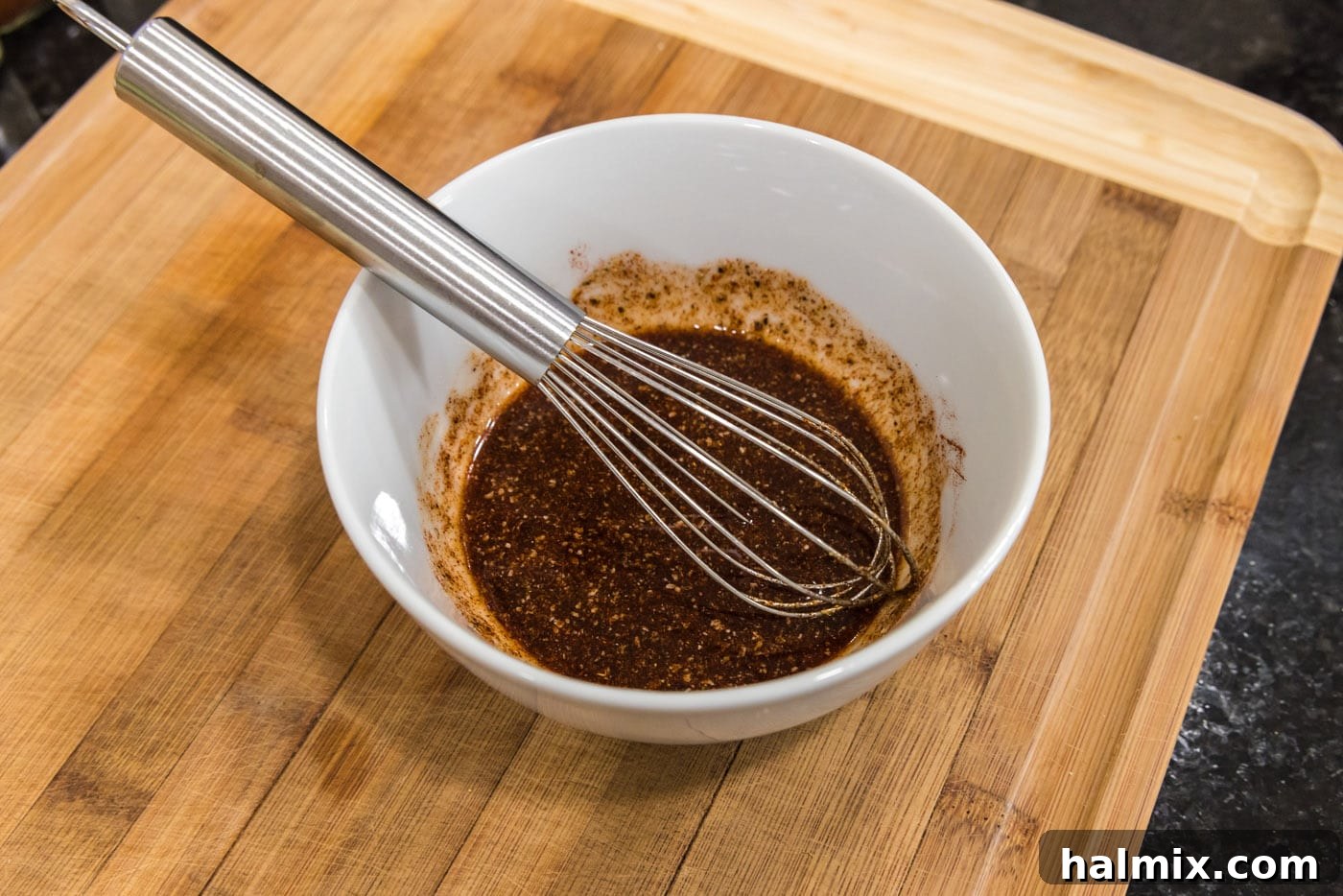
- Before applying the rub, it’s vital to remove any surface moisture from the Cornish hens. Use paper towels to dab the hens dry, inside and out. This step is critical for achieving that coveted crispy skin. Once dry, put on a pair of gloves and generously rub the prepared oil and spice mixture all over the entire exterior of both hens, ensuring every crevice is coated for maximum flavor.
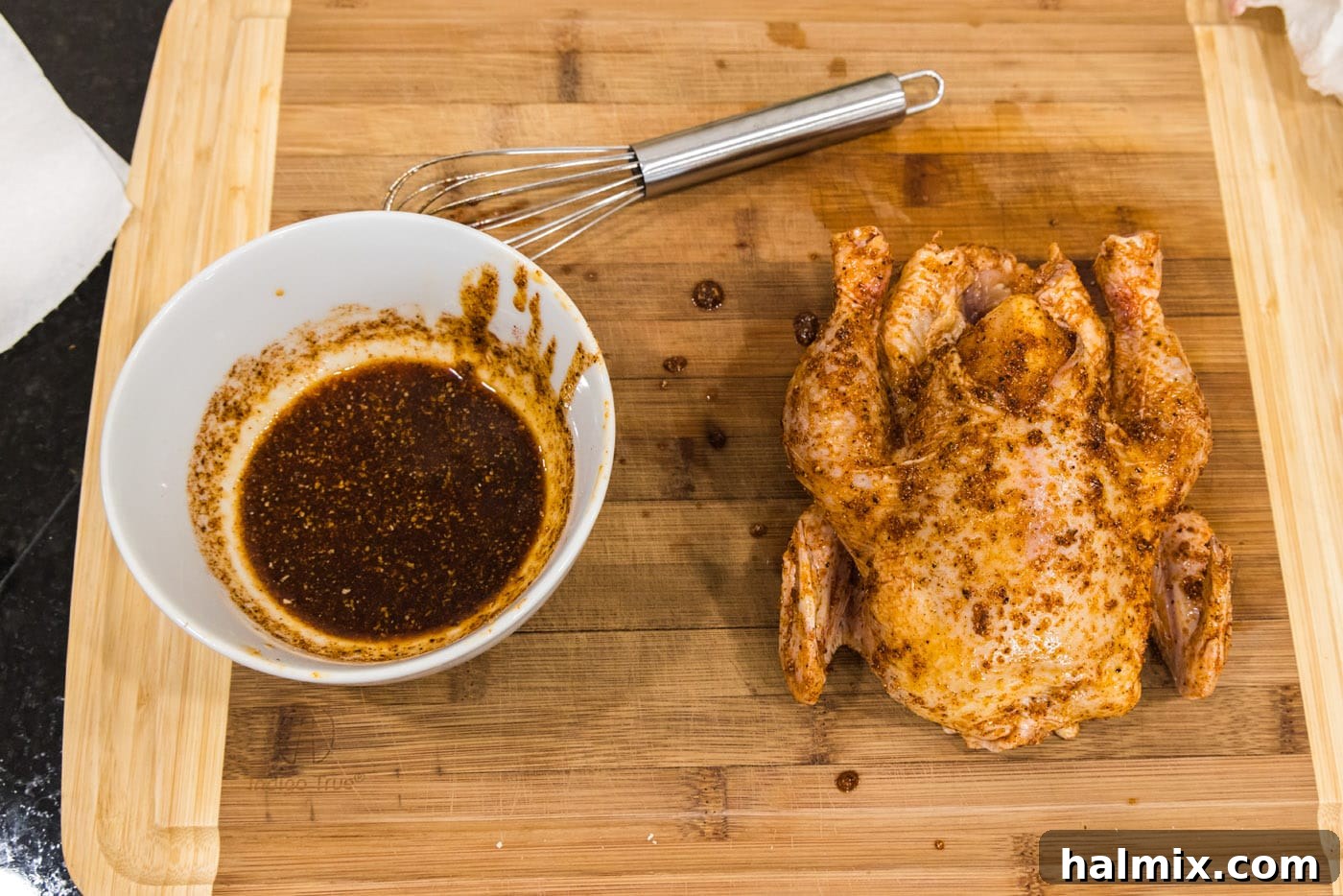
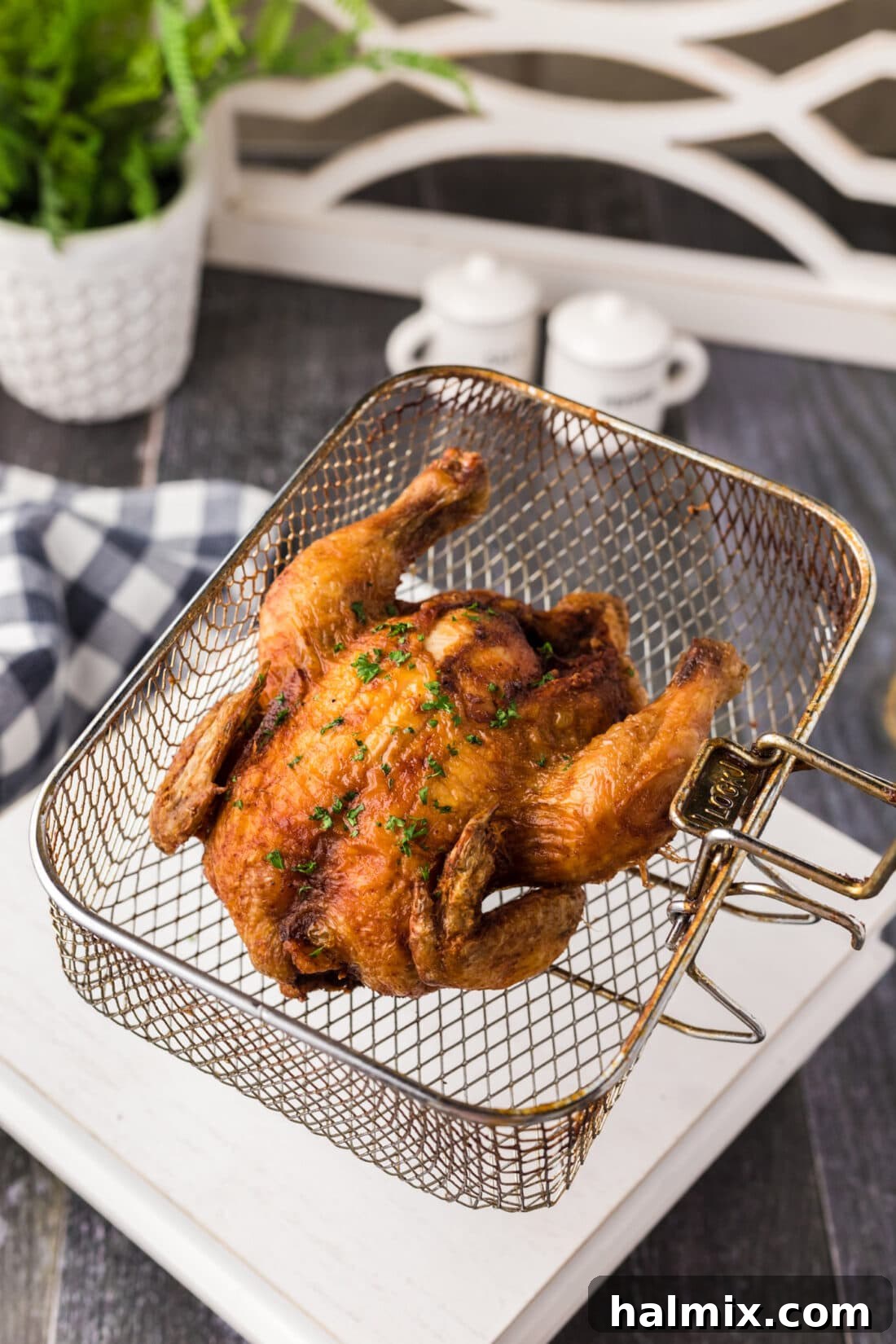
- Carefully place one prepared Cornish hen into the deep fryer basket, ensuring it is breast side up. Depending on the size of your deep fryer, you may need to cook the hens in batches to avoid overcrowding and maintain oil temperature. Overcrowding can lower the oil temperature too quickly, resulting in greasy or soggy hens.
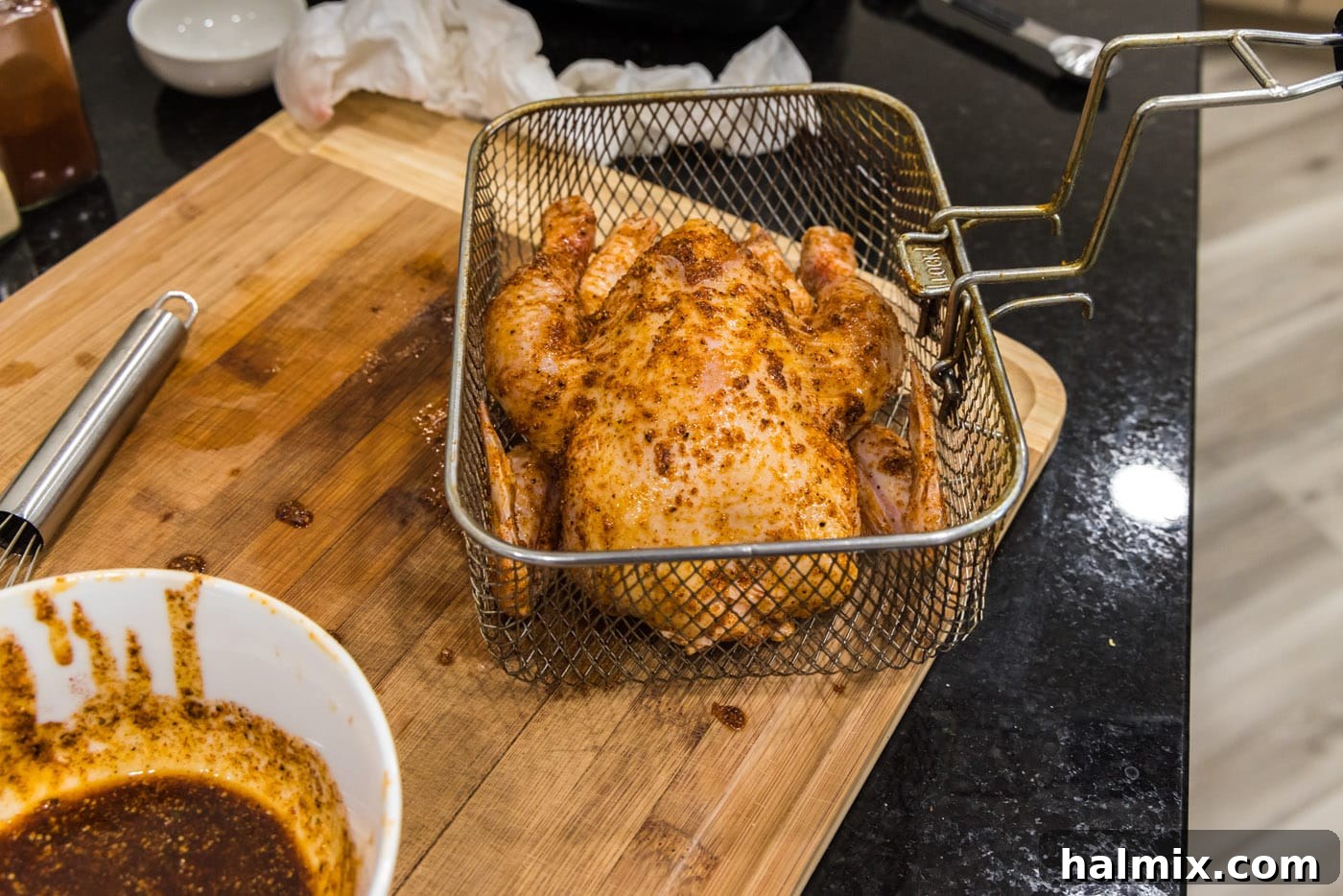
- Deep fry the hen for 20 minutes. After this initial frying period, carefully raise the basket and, using a pair of sturdy tongs, gently flip the hen over to ensure even cooking and browning on all sides. Lower the basket back into the hot oil and continue to deep fry for an additional 15 minutes. The total cooking time should be around 35 minutes, but always check for doneness.
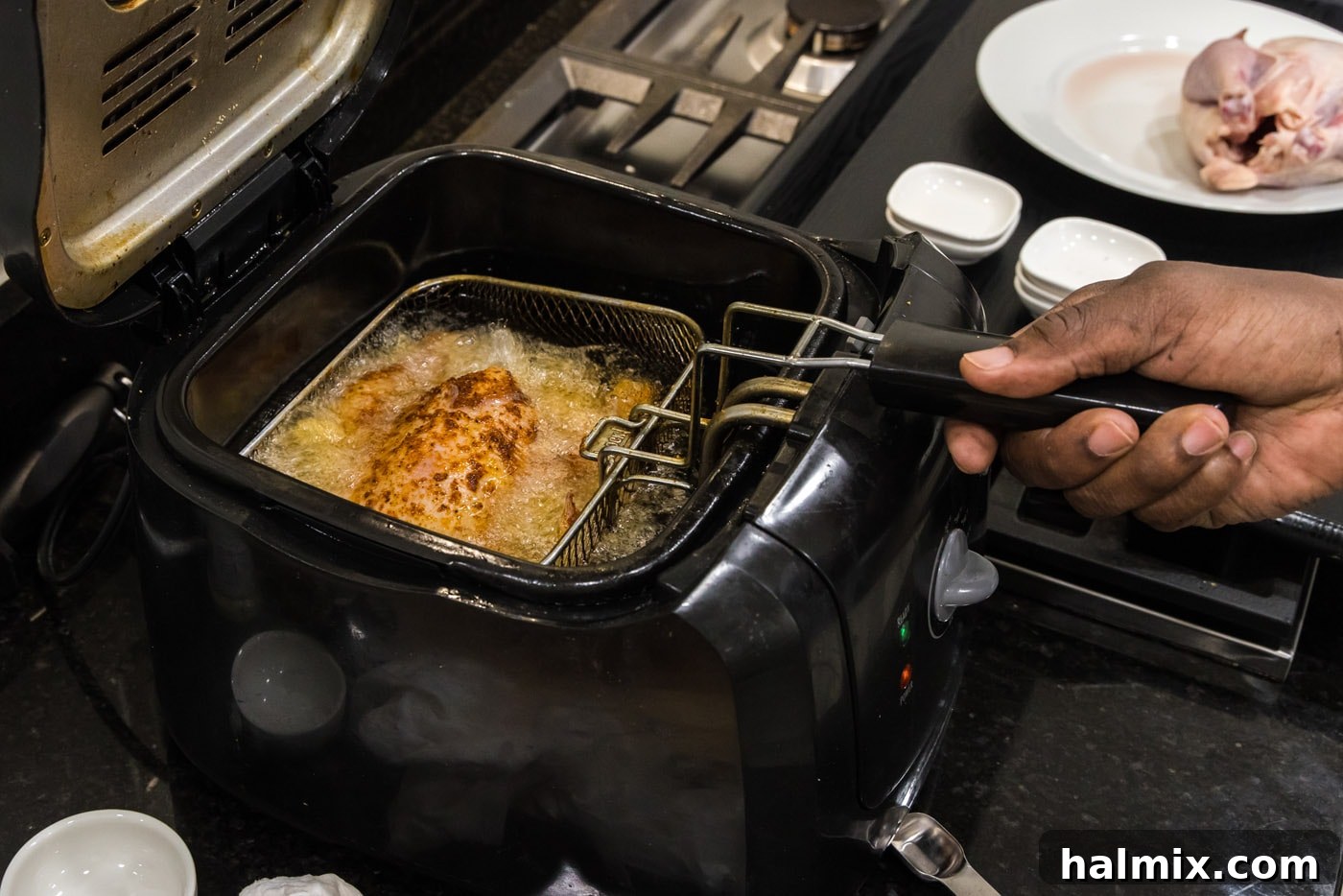
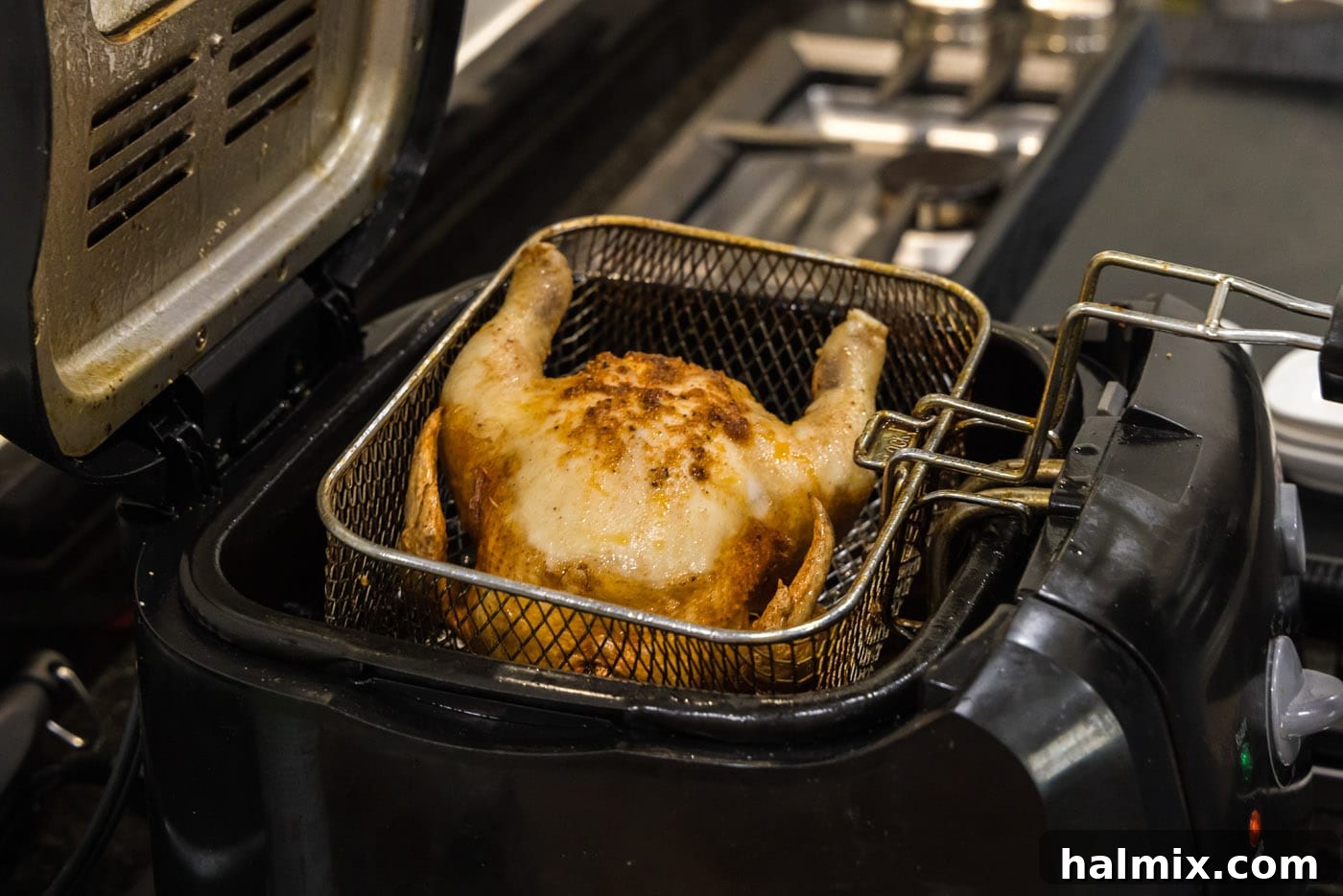
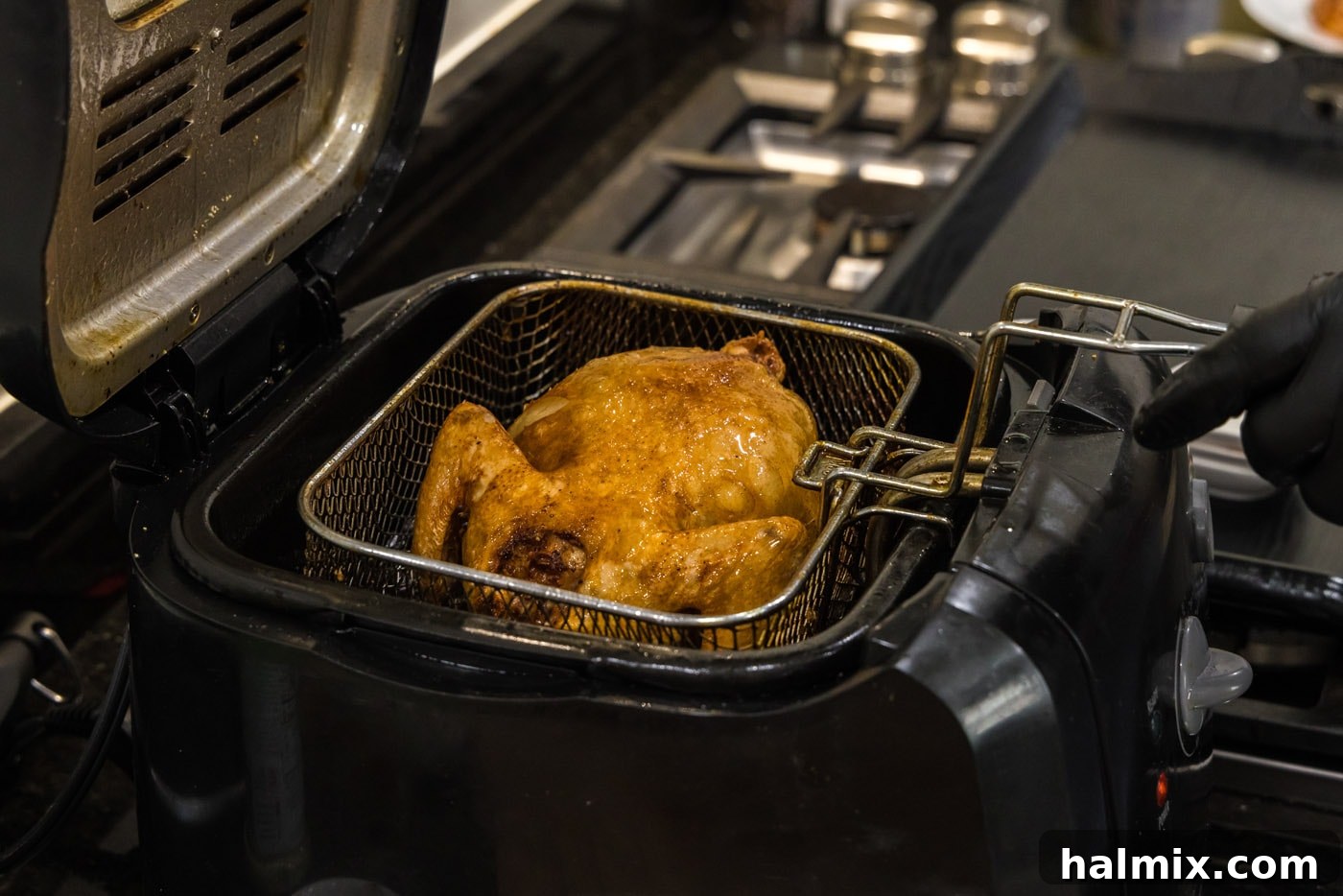
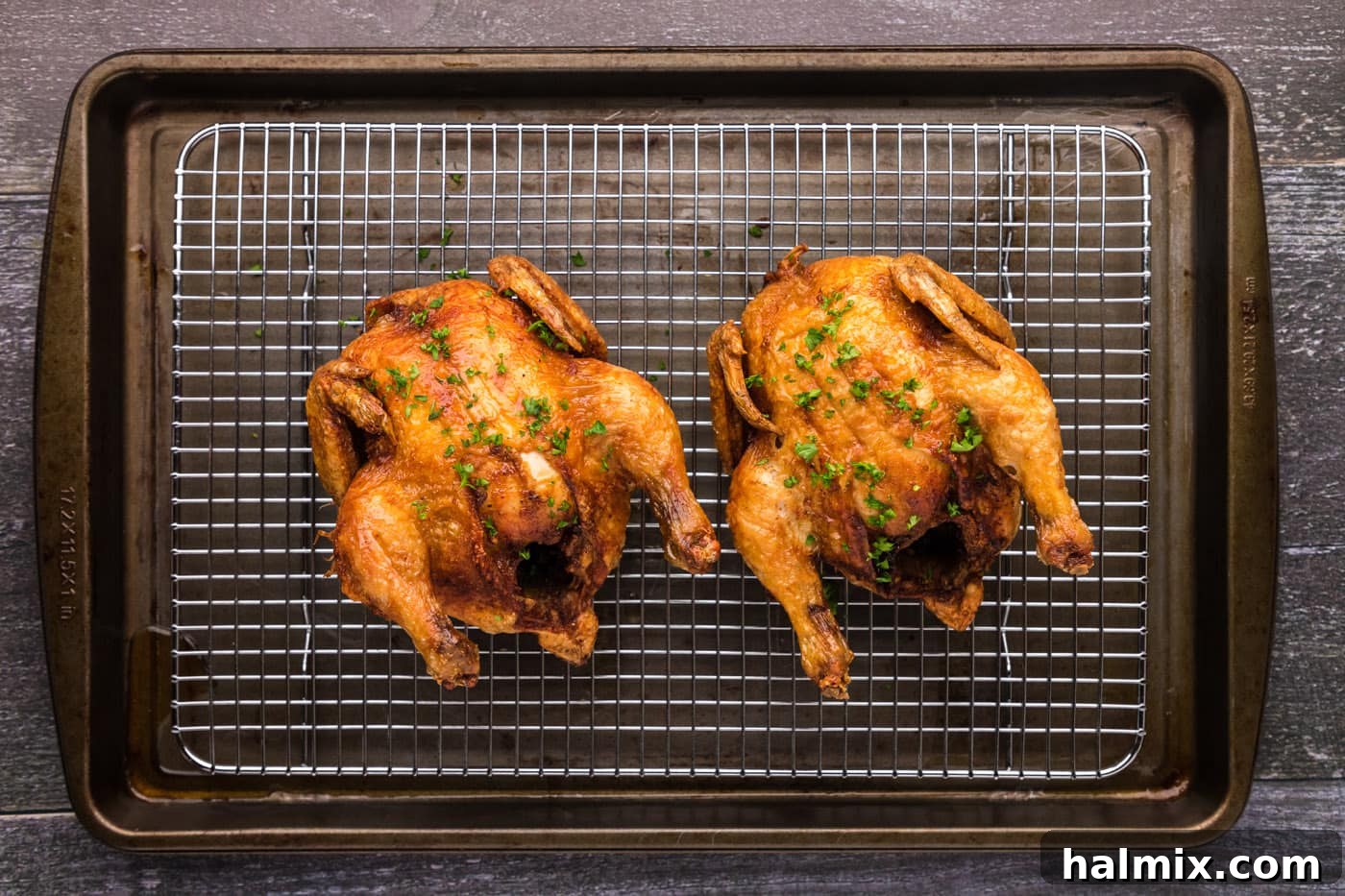
- Once cooked to a beautiful golden brown and an internal temperature of 165°F (74°C), carefully remove the hen from the fryer. Place it on a rack lined with paper towels to drain any excess oil. Allow the hen to rest for 5 minutes before serving. Resting allows the juices to redistribute throughout the meat, ensuring a truly moist and flavorful result.
Expert Tips for Flawless Deep Fried Cornish Hens
Achieving the perfect deep-fried Cornish hen goes beyond just following the steps. These expert tips will help you ensure a consistently delicious and safe cooking experience:
- Monitor Oil Temperature Closely: The most crucial aspect of deep frying is maintaining the correct oil temperature. Invest in a reliable deep-fry thermometer and keep a watchful eye on it. If the oil gets too hot, the exterior will burn quickly while the inside remains raw. If it’s too cool, the hen will absorb excessive oil, becoming greasy instead of crispy. Aim for a steady 375°F (190°C).
- Check for Doneness Accurately: Cornish hens are fully cooked when their internal temperature reaches 165°F (74°C). Always use an instant-read thermometer inserted into the thickest part of the thigh, avoiding the bone, to confirm doneness. Don’t rely solely on visual cues.
- Allow for Proper Resting Time: Once out of the fryer, let the hens rest for at least 5 minutes on a wire rack before carving or serving. This allows the hot juices to redistribute throughout the meat, ensuring every bite is succulent and tender. Skipping this step can lead to dry meat.
- Work in Batches: Depending on the size of your deep fryer, you will likely need to fry one hen at a time. Overcrowding the fryer drastically drops the oil temperature, leading to less crispy results and longer cooking times. Patience is key!
- Experiment with Rub Variations: While our wet rub is fantastic, feel free to get creative. Consider a lemon-herb rub with fresh rosemary and thyme, a spicier Cajun-inspired blend, or a sweet and savory honey-garlic glaze applied after frying.
- Consider a Brine: For an extra layer of moisture and flavor, you can brine the Cornish hens for 2-4 hours before applying the rub and frying. A simple brine of water, salt, sugar, and aromatics can make a noticeable difference in tenderness.
Serving Suggestions for Your Deep Fried Cornish Hens
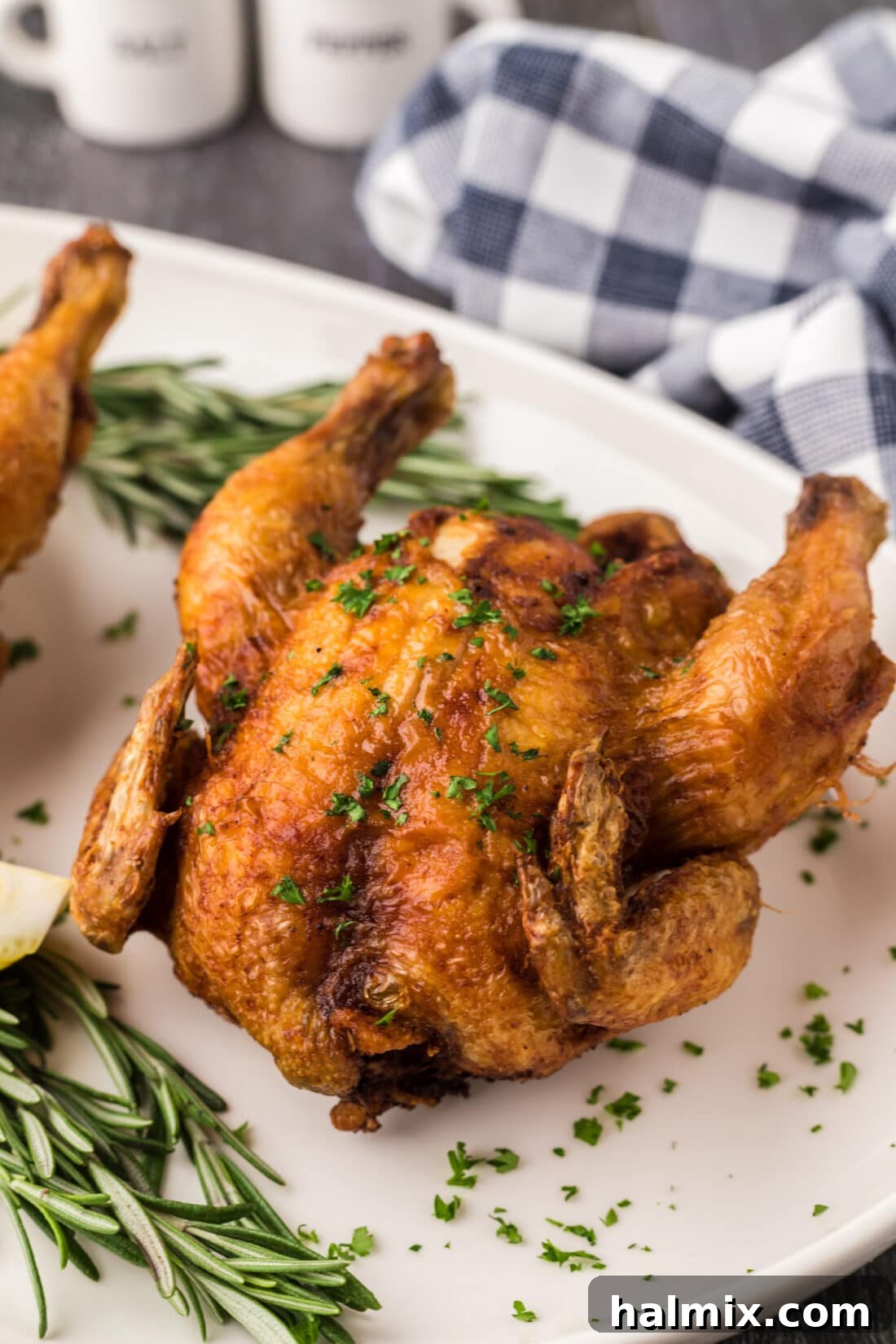
Deep-fried Cornish hens are a versatile main course that can be paired with a wide array of side dishes to create a complete and satisfying meal. They are an excellent choice when you have fewer mouths to feed and want a gourmet touch without the fuss of a whole roasted chicken. During holiday seasons, they also make a fantastic alternative or additional option alongside traditional turkey and ham, offering guests another delicious choice.
For classic comfort, serve your crispy Cornish hen with creamy mashed potatoes, sweet potato casserole, or fluffy rice. To add freshness and balance, consider a vibrant side of roasted asparagus, garlicky green beans, steamed broccoli, or glazed carrots. Other delightful pairings include couscous, sautéed mushrooms, or a rich creamed spinach. For a festive touch, integrate classic Thanksgiving or Christmas side dishes like cranberry sauce, cornbread dressing, or a hearty winter salad.
Storage & Reheating for Best Results
Don’t let any delicious leftovers go to waste! Proper storage and reheating techniques will help maintain the flavor and texture of your deep-fried Cornish hens.
- Storing Leftovers: Allow any leftover fried Cornish hen to cool completely before transferring it to an airtight container. Store it in the refrigerator for up to 3 days.
- Reheating to Maintain Crispiness: To bring back that glorious crispiness, avoid the microwave! Reheat in an air fryer at 350°F (175°C) for 8-10 minutes, or until warmed through and crispy. Alternatively, you can reheat them in a conventional oven set to 350°F (175°C) for 15-20 minutes, or until the skin crisps up and the meat is heated through.
- Freezing: Cooked deep-fried Cornish hens can also be frozen for longer storage. Wrap each cooled hen tightly in plastic wrap, then place them in a freezer-safe bag or container. They can be frozen for up to 3 months. Thaw in the refrigerator overnight before reheating using the methods above.
Frequently Asked Questions About Deep Fried Cornish Hens
Cornish hens are safely cooked through when they reach an internal temperature of 165°F (74°C). Always use an instant-read thermometer inserted into the thickest part of the meat (usually the thigh, avoiding the bone) to verify doneness.
Cornish hens, also known as Cornish game hens, are a specific breed of English game chicken. They are characterized by their small size (typically 1 to 2 pounds) and are bred specifically for their tender, flavorful meat, rather than for egg production. Their compact size makes them ideal for individual servings.
The amount of oil needed will depend on the size of your deep fryer or pot. Generally, you need enough oil to completely submerge the Cornish hen, or at least to cover it by several inches. For most home deep fryers or large Dutch ovens, this can range from 6 to 12 cups (1.5 to 3 liters) of oil. Always ensure the oil level does not exceed two-thirds of the pot’s capacity to prevent spills and splattering.
Yes, Cornish hens can be beautifully cooked in an air fryer for a healthier, less messy alternative to deep frying. While the texture won’t be exactly the same as deep-fried, an air fryer can still produce wonderfully crispy skin and juicy meat. You can find excellent air fryer Cornish hen recipes for specific instructions.
Absolutely! You can deep fry Cornish hens in a large, heavy-bottomed pot like a Dutch oven on your stovetop. Just be sure to use a reliable deep-fry thermometer to meticulously monitor the oil temperature, maintaining it at 375°F (190°C) throughout the process. Safety precautions, especially regarding oil level and heat management, are paramount when frying on the stovetop.
More Delicious Poultry Recipes to Explore
If you loved making these deep-fried Cornish hens, you might enjoy these other fantastic poultry dishes and fried favorites:
- Fried Pork Chops
- Fried Chicken Wings
- Air Fryer Cornish Hen
- Air Fryer Fried Chicken
I love to bake and cook and share my kitchen experience with all of you! Remembering to come back each day can be tough, that’s why I offer a convenient newsletter every time a new recipe posts. Simply subscribe and start receiving your free daily recipes!
Recipe: Deep Fried Cornish Hens
Deep fried Cornish hens make an excellent year-round dinner for smaller crowds. With their incredibly tender meat that’s coated in crispy crunchy fried skin, you can bet there will be no leftovers!
- Course: Dinner
- Cuisine: American
- Servings: 4 servings
- Total Time: 45 mins
- Calories: 714
- Author: Amanda Davis
Ingredients
- 48 ounces Cornish hens (two 24 ounce hens)
- Vegetable oil for frying
Wet Rub
- 2 Tablespoons olive oil
- 1 teaspoon onion powder
- 2 teaspoons garlic salt
- 1 teaspoon smoked paprika
- 1 teaspoon chili powder
- ½ teaspoon black pepper
Equipment
- Deep fryer (or large heavy-bottomed pot)
- Vinyl gloves
- Tongs
- Instant-read thermometer
Before You Begin (Notes)
- Use two Cornish hens, each weighing about 24 ounces. Ensure hens are fully thawed before cooking. Thaw overnight in the refrigerator or submerged in cold water (changing water periodically).
- Depending on your deep fryer’s size, you may need to cook hens in batches. Our basket typically holds one Cornish hen at a time.
- Cornish hens are fully cooked when they reach an internal temperature of 165°F (74°C) when measured in the thickest part of the meat with an instant-read thermometer.
- Store leftover fried Cornish hen in an airtight container in the refrigerator for up to 3 days. Reheat in an air fryer on the reheat function or in an oven at 350°F (175°C) until warmed through and crispy. You can also freeze them for up to 3 months.
Instructions
- Preheat your deep fryer to 375°F (190°C).
- In a medium bowl, whisk together all wet rub ingredients until well combined.
- Pat the Cornish hens thoroughly dry with paper towels to remove any excess moisture. Using gloved hands, generously rub the oil and spice mixture all over the outside of both hens.
- Carefully place one prepared hen into the deep fryer basket, breast side up.
- Deep fry the hen for 20 minutes. Raise the basket and use tongs to gently flip the hen over. Continue to deep fry for another 15 minutes, or until golden brown and an internal temperature of 165°F (74°C) is reached.
- Remove the cooked hen to a wire rack lined with paper towels to drain excess oil. Allow to rest for 5 minutes before serving to let the juices redistribute.
Nutrition
Serving: 1 serving (1/2 hen) | Calories: 714cal | Carbohydrates: 1g | Protein: 58g | Fat: 51g | Saturated Fat: 14g | Polyunsaturated Fat: 10g | Monounsaturated Fat: 24g | Cholesterol: 344mg | Sodium: 793mg | Potassium: 819mg | Fiber: 0.3g | Sugar: 0.1g | Vitamin A: 566IU | Vitamin C: 2mg | Calcium: 41mg | Iron: 3mg
The recipes on this blog are tested with a conventional gas oven and gas stovetop. It’s important to note that some ovens, especially as they age, can cook and bake inconsistently. Using an inexpensive oven thermometer can assure you that your oven is truly heating to the proper temperature. If you use a toaster oven or countertop oven, please keep in mind that they may not distribute heat the same as a conventional full sized oven and you may need to adjust your cooking/baking times. In the case of recipes made with a pressure cooker, air fryer, slow cooker, or other appliance, a link to the appliances we use is listed within each respective recipe. For baking recipes where measurements are given by weight, please note that results may not be the same if cups are used instead, and we can’t guarantee success with that method.