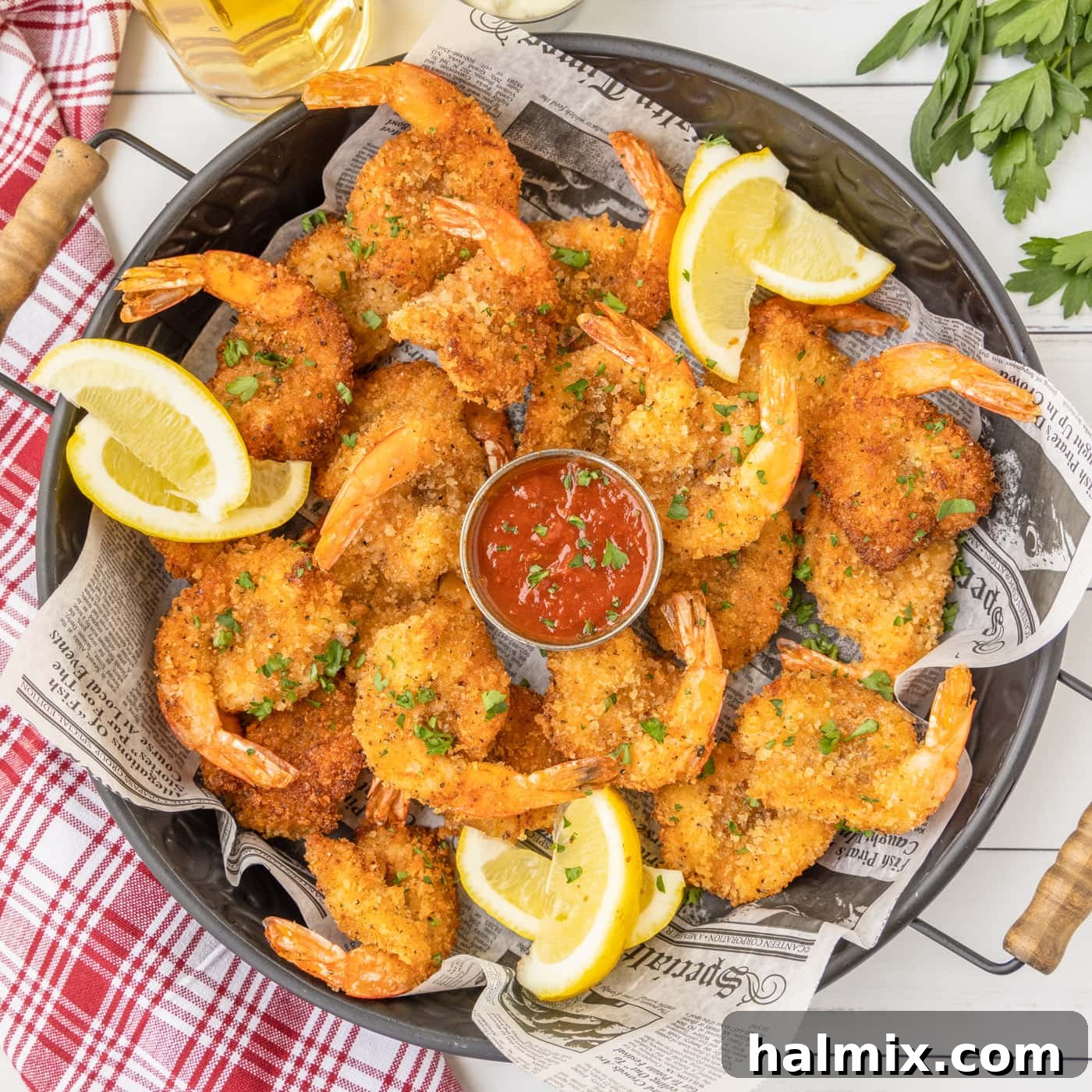
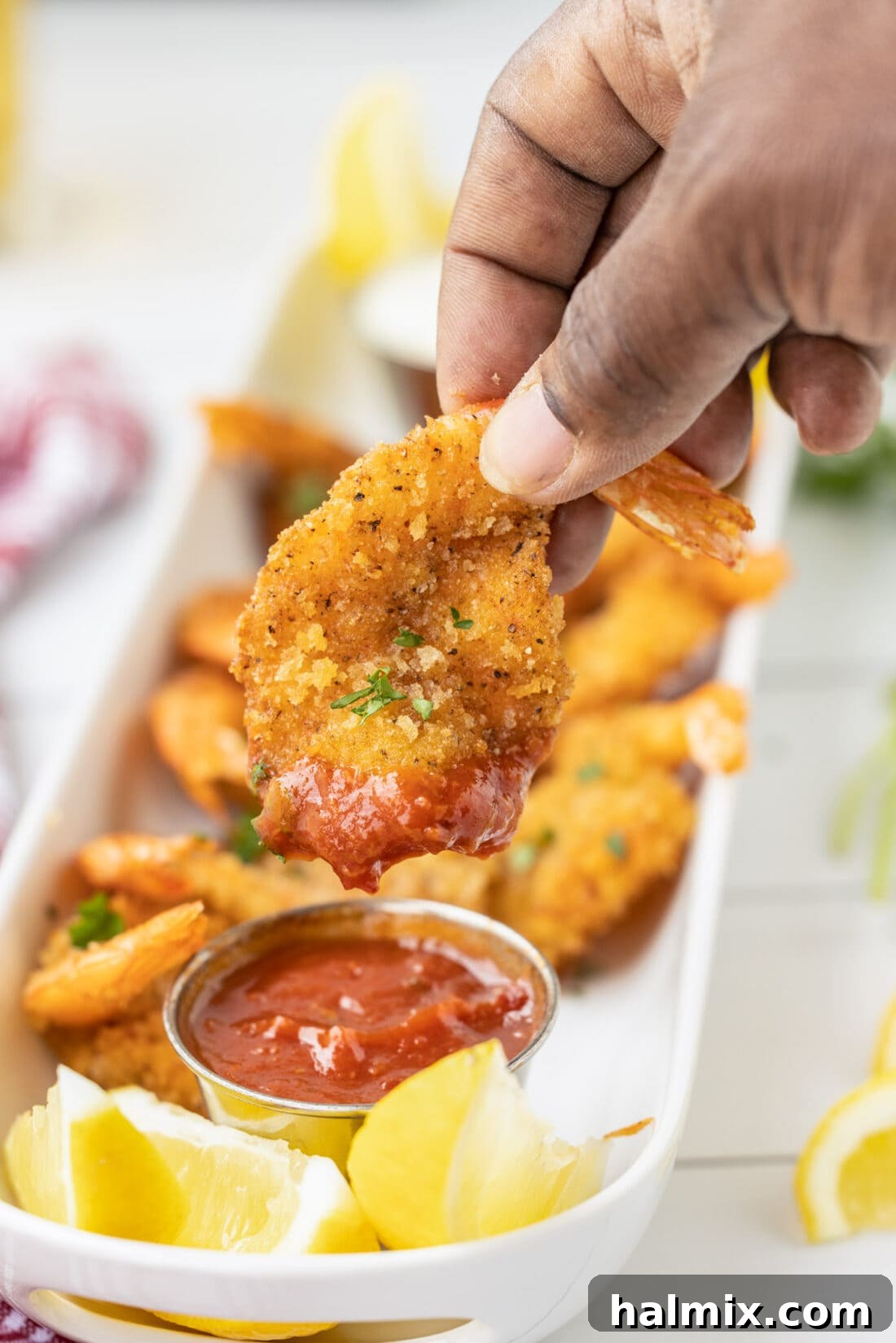
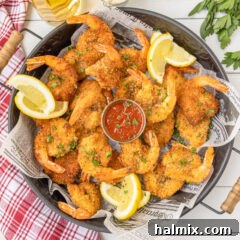
Crispy butterfly shrimp are a delightful seafood sensation, transforming ordinary shrimp into an extraordinary culinary experience. Each succulent shrimp is meticulously coated in a seasoned blend of panko and breadcrumbs, kissed with the iconic flavor of Old Bay, then perfectly pan-fried to a shimmering golden-brown crispness. The result is a tender interior encased in an irresistibly crunchy shell, practically begging for a bright squeeze of lemon and a generous dip into classic cocktail sauce. This homemade rendition elevates a simple ingredient into a restaurant-quality dish, perfect for appetizers, a light meal, or a crowd-pleasing party snack.
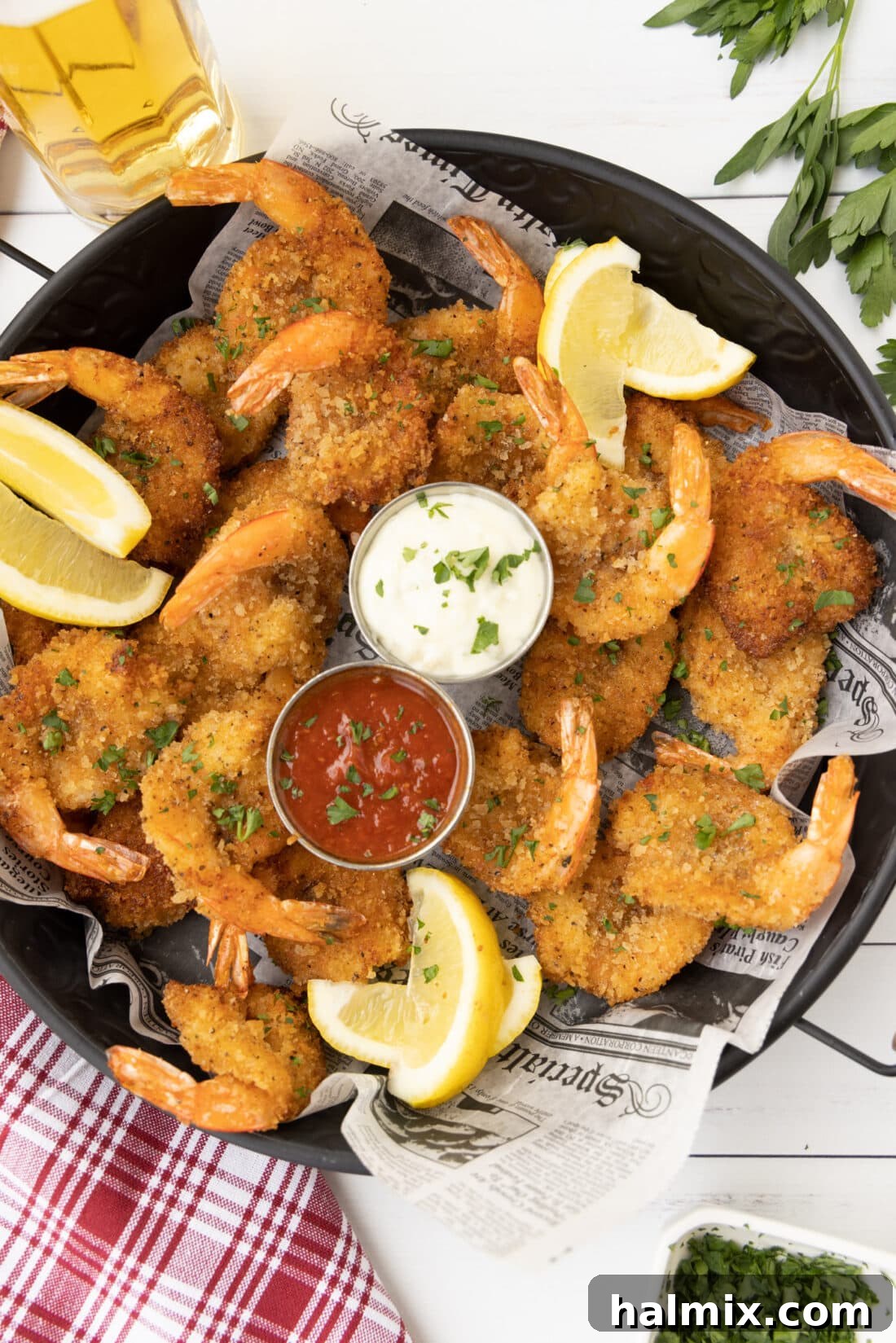
Why This Butterfly Shrimp Recipe Works Perfectly
This butterfly shrimp recipe stands out for its elegant presentation and surprisingly simple execution. The core technique involves carefully slicing each shrimp down its center, a process known as butterflying. This not only creates a beautiful, fanned-out shape but also thins the shrimp, ensuring exceptionally even and quick cooking. This method is traditionally applied to larger or jumbo shrimp, but it works equally well with regular-sized varieties, making it adaptable for whatever you find at your local seafood counter.
Think of it as similar to butterflying chicken for dishes like stuffed chicken breast. However, instead of filling our shrimp with delicious ingredients, we focus on creating an incredibly satisfying crunchy exterior. We achieve this by coating them in a flavorful mixture of crisp breadcrumbs before a quick pan-fry. The butterflying technique prevents the shrimp from curling up tightly during cooking, allowing for maximum breading adherence and a consistently tender, juicy bite.
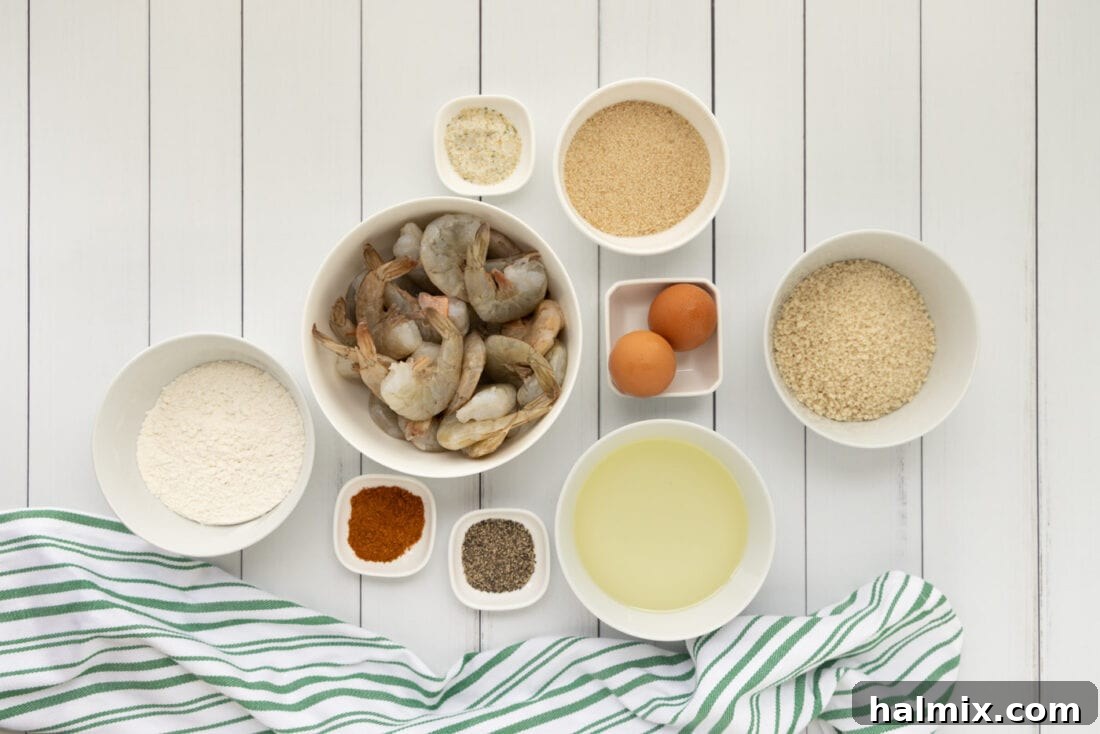
Essential Ingredients for Your Crispy Butterfly Shrimp
Crafting the perfect butterfly shrimp begins with the right ingredients. Below is a list of everything you’ll need, ensuring you have all the components for this delectable dish. For precise measurements and a printable version of this recipe, please refer to the detailed recipe card at the end of this post.
Ingredient Spotlight: Tips & Substitution Ideas
SHRIMP: We recommend using “grilling shrimp” for this recipe, often found at the seafood counter of your local grocery store. These are typically larger and possess a heartier texture, which is ideal for butterflying. The butterflied shrimp cook very quickly due to their thinner profile, so vigilance is key to prevent overcooking. Overcooked shrimp can become rubbery and tough, losing their delicate flavor and texture. Your main goal during frying is simply to achieve a beautiful golden brown on the breading.
- Size Matters: Larger shrimp (like jumbo or colossal) are easier to butterfly and yield a more impressive presentation. If using smaller shrimp, adjust cooking times accordingly.
- Fresh vs. Frozen: While fresh shrimp are always preferred, high-quality frozen shrimp work wonderfully. If using frozen, ensure they are fully thawed under cold running water or overnight in the refrigerator, then thoroughly patted dry before proceeding. Never use pre-cooked frozen shrimp for this recipe, as they will become tough when fried again.
- Peeled and Deveined: For convenience, purchase shrimp that are already peeled and deveined with the tails on. Leaving the tails on provides a convenient “handle” for dipping and enhances the visual appeal.
BREADCRUMBS: This recipe utilizes a combination of regular breadcrumbs and panko. The standard breadcrumbs create a foundational coating, while panko (Japanese-style breadcrumbs) are essential for achieving that signature extra-crispy, airy texture. Do not skip the panko if you want maximum crunch! If you only have one type, you can use all panko for an even lighter crunch or all standard breadcrumbs for a denser coating.
SEASONING: Old Bay seasoning is a classic choice for seafood, offering a unique blend of spices that perfectly complements the shrimp. Garlic salt and black pepper further enhance the flavor profile. Feel free to adjust the amount of Old Bay to your preference, or experiment with other seafood-friendly spices like paprika, cayenne pepper for a kick, or a pinch of onion powder.
EGGS & FLOUR: These create the essential “dredging station” that allows the breading to adhere properly to the shrimp. The flour provides a dry surface for the egg wash, and the egg wash acts as a binder for the breadcrumbs. For a richer flavor, you could add a splash of milk or cream to the egg wash.
OIL FOR FRYING: Vegetable oil is a neutral-flavored oil with a high smoke point, making it excellent for pan-frying. Other suitable options include canola oil, sunflower oil, or peanut oil. Ensure you use enough oil to generously coat the bottom of your skillet, creating a shallow fry that browns the shrimp evenly.
Mastering the Art of Butterfly Shrimp: Step-by-Step Guide
These step-by-step photos and detailed instructions are designed to help you visualize each stage of making this delicious recipe. For a complete printable version, including all measurements and instructions, scroll down to the recipe card.
- Prepare the Shrimp: Begin by thoroughly rinsing your shrimp under cold water. This helps remove any impurities. Once rinsed, pat them completely dry with paper towels. Excess moisture can prevent the breading from sticking, so ensure they are as dry as possible.
- Set Up for Cooling: Line a large baking sheet with several layers of paper towel. Place a wire rack directly over the paper towels. This setup will be used for the cooked shrimp, allowing excess oil to drain and maintaining their crispness. Set this aside.
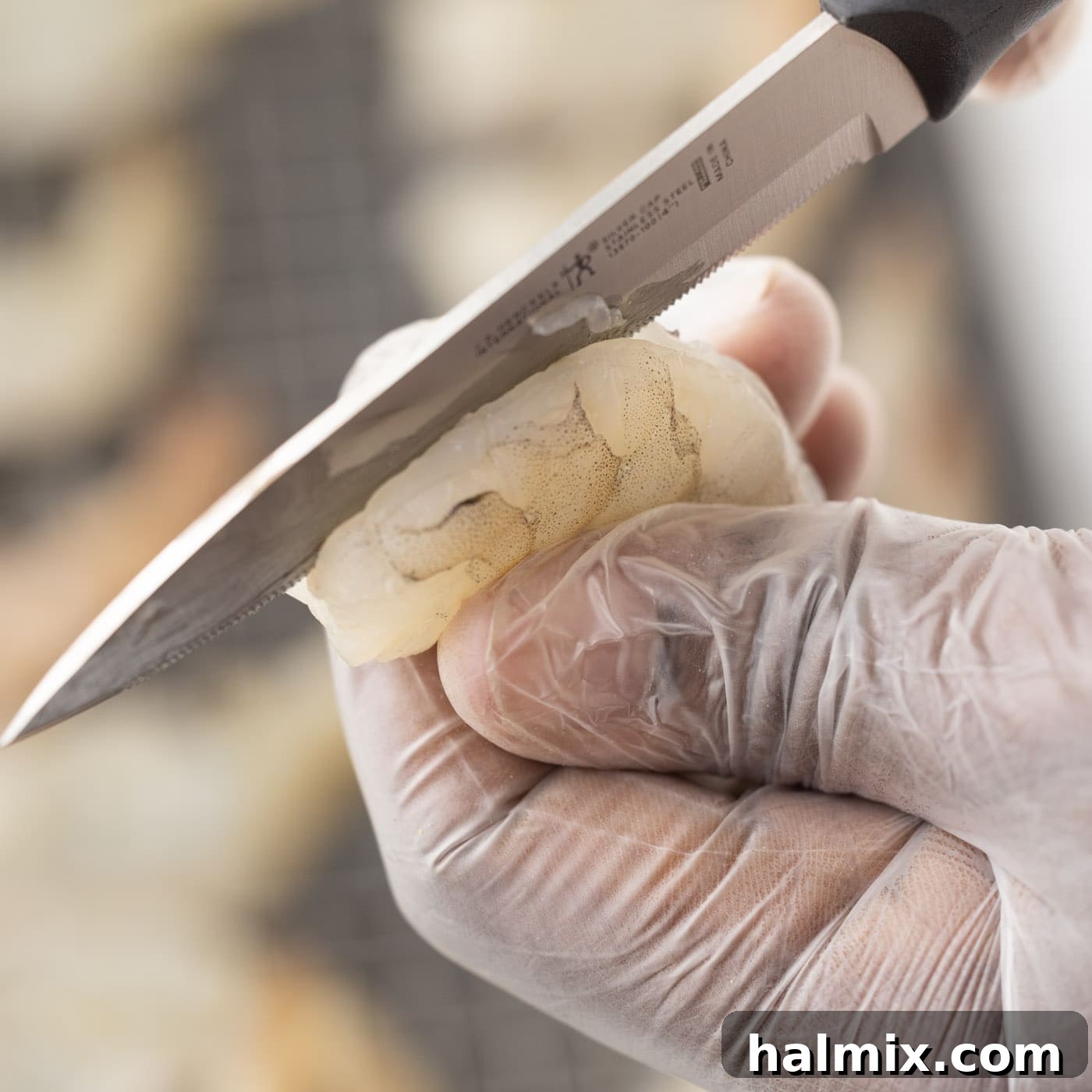
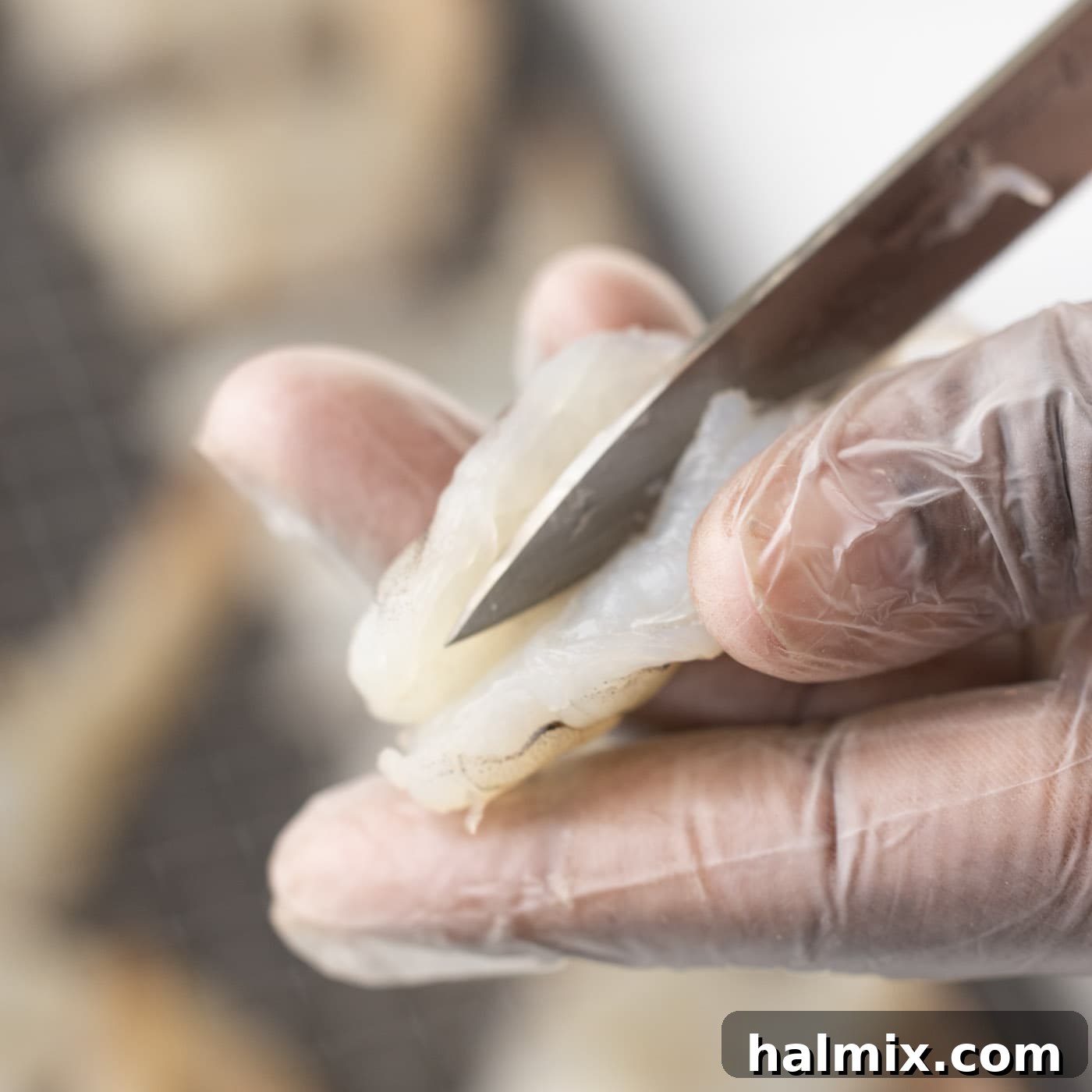
- Butterfly the Shrimp: Don clean gloves for better grip and hygiene. Take each shrimp and carefully slice it along its outer curve, from the head end towards the tail, using a sharp knife. Slice about two-thirds of the way through, but do not cut all the way, allowing the shrimp to open up like a butterfly. Lay the butterflied shrimp flat on a second clean wire rack. This technique flattens the shrimp, ensures even cooking, and provides a larger surface area for the breading.

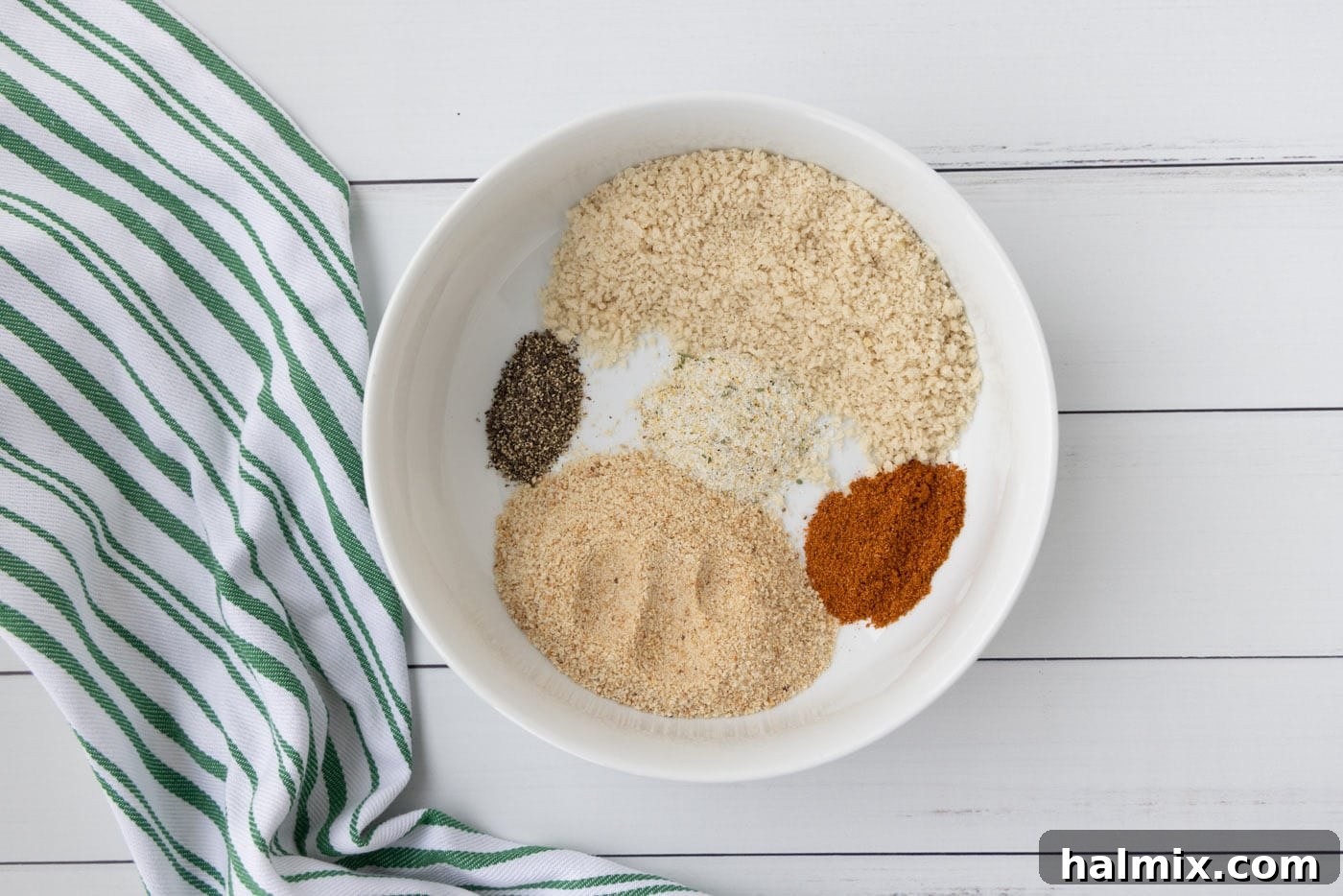
- Create the Breading Mixture: In a medium-sized bowl, combine the breadcrumbs, panko breadcrumbs, garlic salt, Old Bay seasoning, and black pepper. Use a whisk or fork to mix these ingredients thoroughly until they are evenly distributed. This seasoned blend will be the crispy coating for your shrimp.
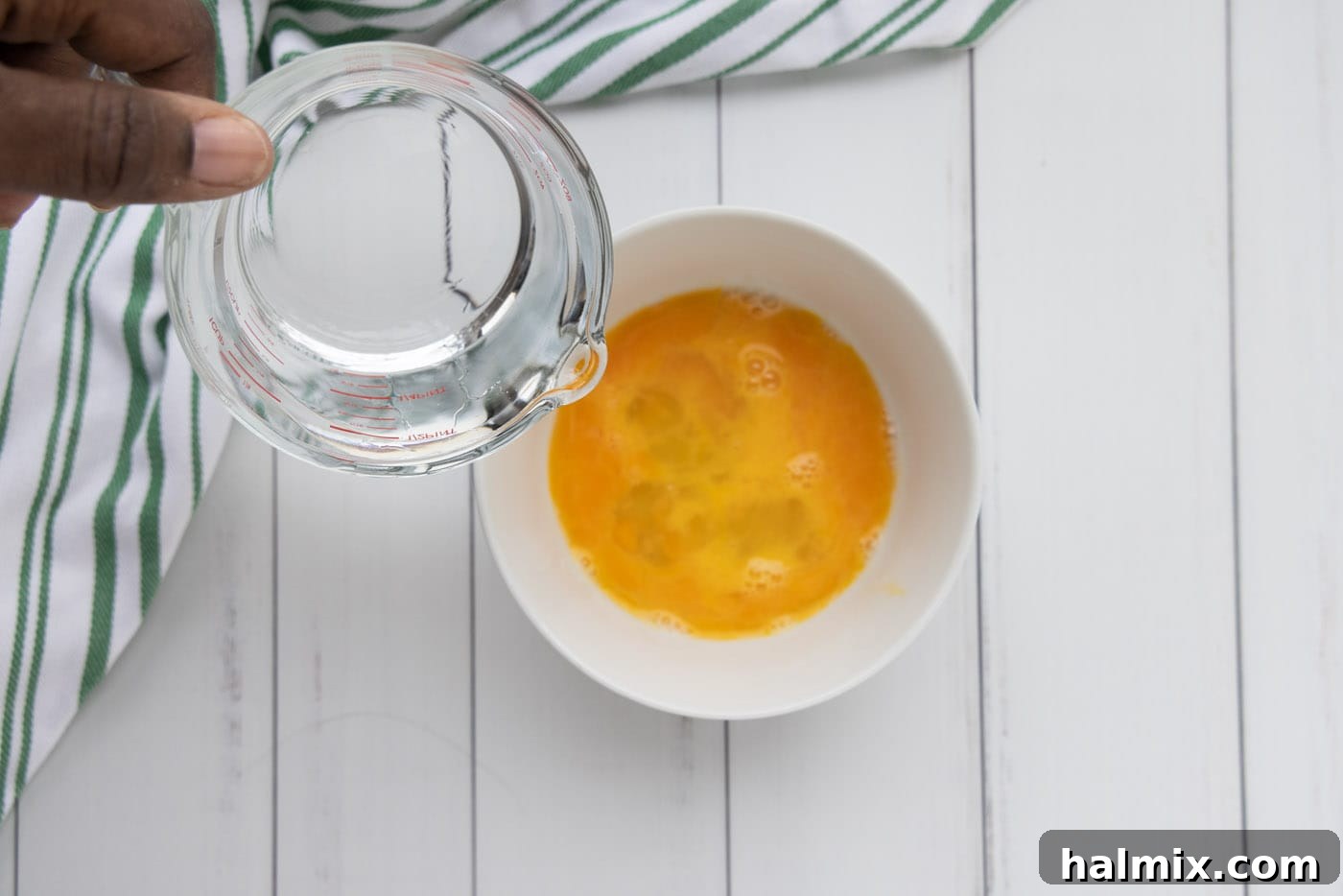
- Prepare the Egg Wash: In a separate medium bowl, whisk together the large eggs and water until well combined and slightly frothy. This egg wash will act as the crucial binder, helping the breading adhere to the shrimp.
- Set Up the Dredging Station: Place the all-purpose flour in a third medium bowl. Arrange your three bowls (flour, egg wash, breading mixture) in a logical assembly line fashion to streamline the breading process.
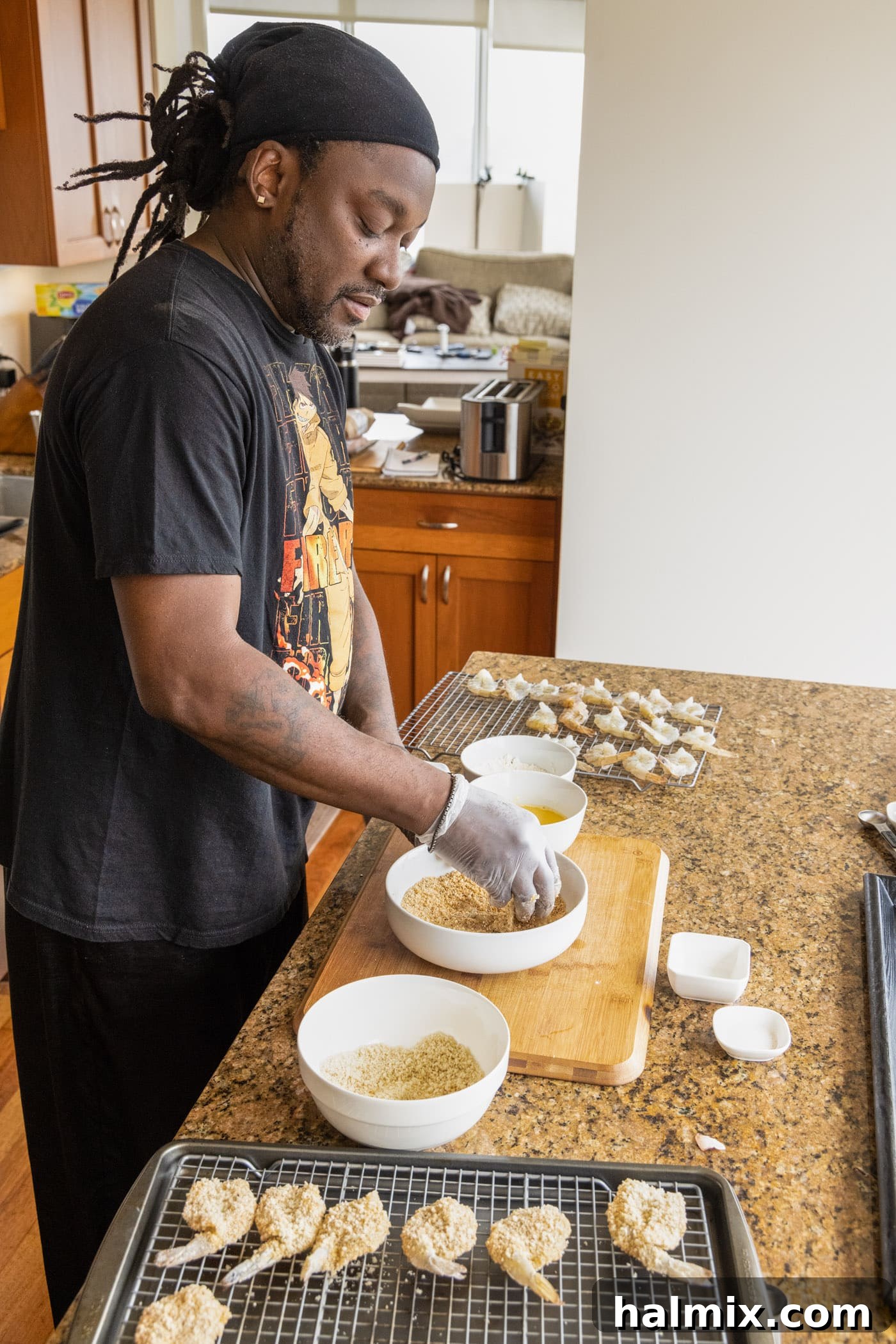
- Dredge in Flour: Take one butterflied shrimp and dip it into the bowl of flour, ensuring both sides are fully coated. Gently shake off any excess flour. This step provides a dry surface for the egg wash to cling to.
- Dip in Egg Wash: Next, dip the floured shrimp into the egg and water mixture, allowing any excess to drip off. Ensure the entire surface is moistened.
- Coat with Breading: Finally, place the egg-washed shrimp into the bread crumb mixture. Gently press down on both sides to firmly adhere the breading to the shrimp. Make sure every part of the shrimp is well-covered for a truly crispy finish.
- Repeat and Chill: Place the fully breaded shrimp on the second wire rack. Continue this process until all shrimp are breaded. For best results, you can lightly chill the breaded shrimp in the refrigerator for about 15-20 minutes before frying. This helps the breading set and prevents it from falling off during cooking.
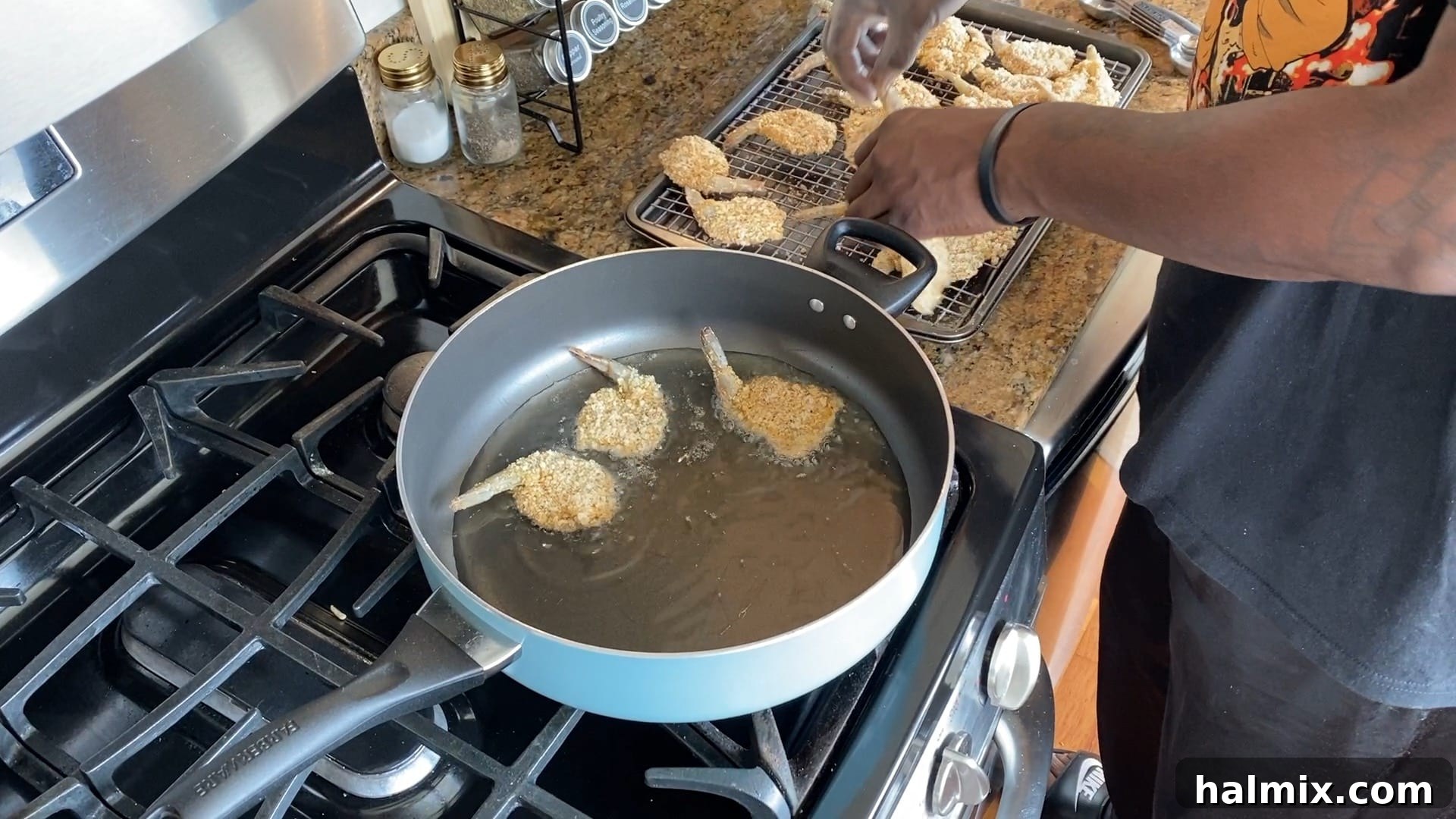
- Heat the Oil: Pour the vegetable oil into a large, heavy-bottomed skillet over medium heat. Heat the oil until it shimmers and reaches approximately 350-375°F (175-190°C). You can test the oil by dropping a tiny pinch of breadcrumbs into it; if it sizzles vigorously, the oil is ready.
NOTE: A short demonstration video illustrating the frying process is available at the end of these step-by-step instructions.
- Fry in Batches: Carefully place the breaded shrimp into the hot oil, ensuring not to overcrowd the skillet. Cooking in batches is crucial to maintain the oil’s temperature and ensure even browning. Overcrowding will lower the oil temperature, leading to greasy shrimp.
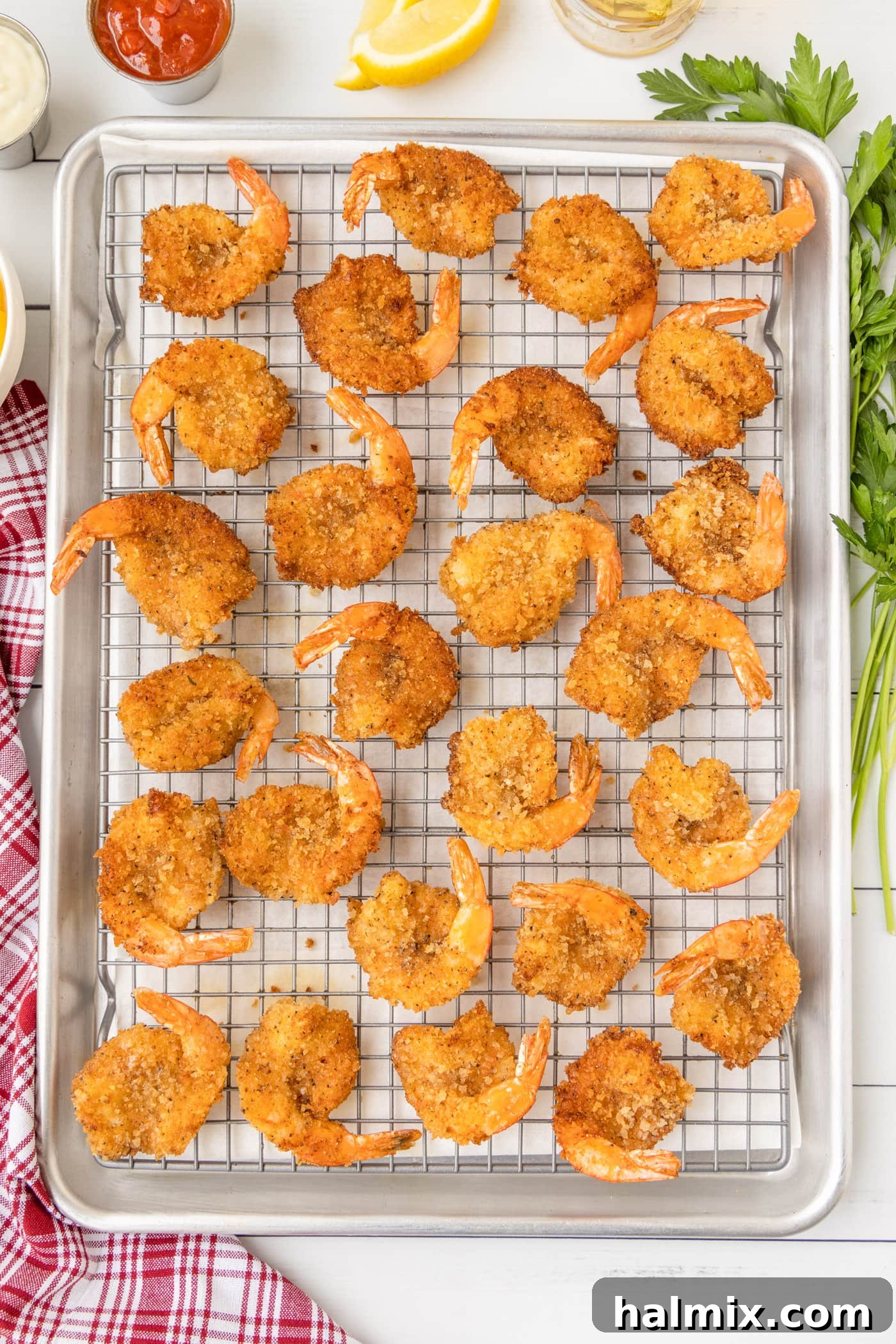
- Cook to Golden Perfection: Cook the shrimp for approximately 2 minutes on each side, or until they turn a beautiful golden brown and are cooked through. Remember, butterflied shrimp cook very quickly due to their thinness. Watch them closely to avoid overcooking, which can make them tough and rubbery. The primary goal is to brown the breading and ensure the shrimp turn opaque.
- Drain and Serve: Once cooked, remove the crispy shrimp from the skillet using tongs and place them on the paper towel-lined wire rack prepared earlier. This allows any excess oil to drain, keeping the shrimp perfectly crisp. Serve immediately and enjoy!
Frequently Asked Questions & Expert Tips for Success
Can I use frozen shrimp for this recipe?
Absolutely! Frozen shrimp are a perfectly acceptable option, provided you allow them to thaw completely before use. The best method is to transfer them to the refrigerator overnight or thaw them under cold running water for a quicker option. Once thawed, thoroughly rinse the shrimp and pat them dry with paper towels. This crucial step ensures that the breading and seasonings adhere properly. We strongly recommend using raw frozen shrimp, not pre-cooked varieties, as re-cooking pre-cooked shrimp can make them tough and rubbery.
How do I store and reheat leftover butterfly shrimp?
To maintain freshness and flavor, store any leftover butterfly shrimp in an airtight container in the refrigerator for up to 3-4 days. For reheating, the best methods to restore their crispness are either in an air fryer or an oven. Preheat your air fryer to 350°F (175°C) and cook for 3-5 minutes, shaking the basket halfway through. Alternatively, preheat your oven to 300°F (150°C), spread the shrimp on a baking sheet, and heat for 8-12 minutes, or until warmed through and crispy. Avoid microwaving, as it will make them soggy.
What’s the best way to ensure the breading sticks to the shrimp?
Several factors contribute to breading adherence. First, ensure the shrimp are completely dry after rinsing. Second, follow the proper dredging order: flour, then egg wash, then breadcrumbs. The flour helps the egg wash stick, and the egg wash acts as a glue for the breading. Lastly, gently press the breadcrumbs onto the shrimp to create a firm coating. Chilling the breaded shrimp for 15-20 minutes before frying can also help the breading set.
Can I deep fry instead of pan-frying the butterfly shrimp?
Yes, you certainly can deep fry these butterfly shrimp for an even crispier result. If deep frying, ensure your oil is heated to 350-375°F (175-190°C). Fry in small batches to maintain oil temperature, cooking for about 1-2 minutes per batch, or until golden brown and cooked through. Always use a deep-fry thermometer for accuracy and exercise caution when working with hot oil.
How can I prevent my shrimp from becoming rubbery?
The key to tender shrimp is precise cooking time. Butterflied shrimp are thin and cook very quickly. Aim for a golden-brown breading and opaque shrimp flesh. This typically takes only about 2 minutes per side in a pan-fry. Pull the shrimp from the heat as soon as they reach this stage; even a minute too long can turn them rubbery. Trust your eyes – as soon as they curl slightly and the flesh turns pearly white, they’re done.
Perfect Pairings: Serving Suggestions
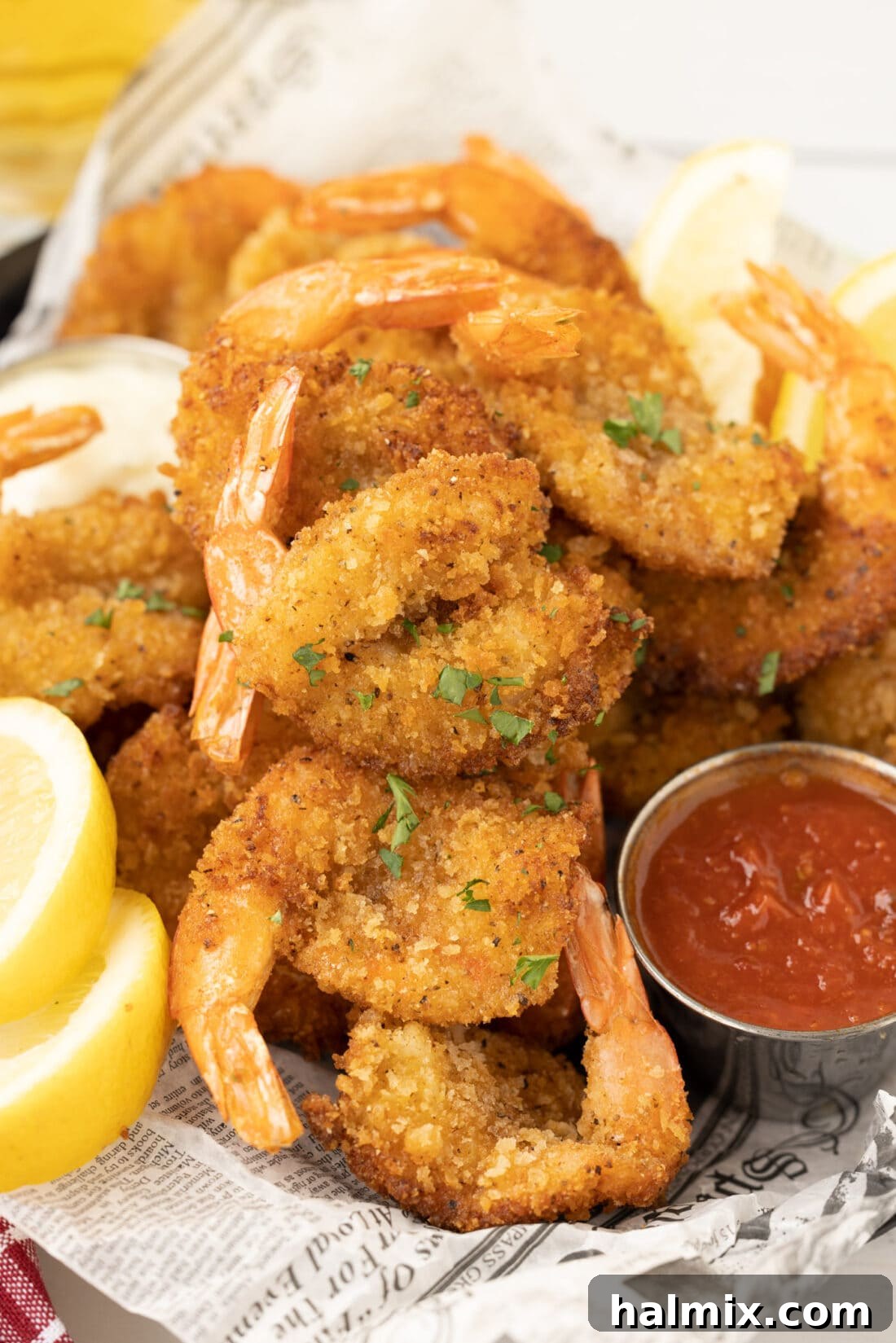
Crispy butterfly shrimp are incredibly versatile and pair wonderfully with a variety of sides and sauces. For dipping, classic choices like cocktail sauce or homemade tartar sauce are always winners. Don’t forget fresh lemon wedges; a squeeze of bright lemon juice truly enhances the flavor of the shrimp. Beyond the dips, consider these delicious accompaniments to complete your meal:
- Classic Comfort: Serve alongside crispy french fries, creamy coleslaw, or a generous portion of macaroni and cheese for a satisfying, comforting meal.
- Summer BBQ Style: Corn on the cob, a fresh green salad, or a light potato salad would complement the shrimp beautifully, especially for an outdoor gathering.
- Light & Fresh: For a lighter option, a simple arugula salad with a vinaigrette or steamed asparagus offers a refreshing contrast.
- Asian Inspired: A sweet chili dipping sauce or a soy-ginger dipping sauce can add an exciting twist, paired with some steamed jasmine rice.
- Garnish: A sprinkle of fresh chopped parsley or chives adds a pop of color and freshness right before serving.
Explore More Delicious Shrimp Recipes
If you’re a fan of shrimp, there’s a world of incredible recipes to explore beyond this crispy delight. From quick weeknight dinners to impressive entertaining dishes, shrimp offers endless possibilities. Here are some other fantastic shrimp recipes to inspire your next culinary adventure:
- Flavorful Shrimp Boil
- Extra Crispy Fried Shrimp
- Quick & Easy Sautéed Shrimp
- Classic Popcorn Shrimp
- Spicy Blackened Shrimp
- Healthy Air Fryer Shrimp
I genuinely love cooking and baking, and it’s a joy to share my kitchen experiences with all of you! Remembering to come back each day for new recipes can be tough, which is why I offer a convenient newsletter every time a new recipe is posted. Simply subscribe to start receiving your free daily recipes directly in your inbox!
Butterfly Shrimp
Butterflied shrimp, coated in crispy breadcrumbs and perfectly pan-fried to tender on the inside, crunchy on the outside perfection in under 35 minutes.
IMPORTANT: There are often Frequently Asked Questions within the blog post that you may find helpful. Simply scroll back up to read them!
Print Recipe
Course: Appetizer, Dinner
Cuisine: American
Servings: 4 servings
Total Time: 35 mins
Calories: 466
Author: Amanda Davis
Ingredients
- 1 pound grilling shrimp, peeled, deveined, tails on
- 1 cup breadcrumbs
- 2 cups panko breadcrumbs
- ½ Tablespoon garlic salt
- ½ Tablespoon Old Bay seasoning
- 1 teaspoon black pepper
- 2 large eggs
- 2 Tablespoons water
- 1 cup all-purpose flour
- 1 ½ cups vegetable oil for frying
Equipment
- Large heavy bottomed skillet
- Wire cooling racks
- Baking sheet
- Tongs
- Vinyl gloves
Before You Begin
- The shrimp will cook quickly because it is so thin. Be careful not to overcook, or they will become rubbery and tough. You basically just need enough time to brown the breading to a crispy golden hue.
- We highly recommend using “grilling shrimp” from your grocery store’s seafood counter. These larger shrimp are ideal for butterflying and provide a more substantial bite.
- Grilling shrimp are generally larger and have a firmer texture compared to other shrimp varieties, making them perfect for this preparation method.
- Please note that the nutrition facts listed below do not include the additional oil absorbed during the frying process.
Instructions
- Rinse the shrimp thoroughly under cold water and pat them completely dry with paper towels to ensure breading adhesion.
- Prepare your draining station by lining a large baking sheet with paper towels and placing a wire rack on top. Set aside for the cooked shrimp.
- Wearing gloves, carefully butterfly each shrimp by making a shallow slice along the back, from the head to the tail, without cutting all the way through. Flatten the shrimp and place them on a separate wire rack.
- In a medium bowl, combine the breadcrumbs, panko breadcrumbs, garlic salt, Old Bay seasoning, and black pepper. Mix well.
- In another medium bowl, whisk together the eggs and water to create an egg wash.
- Place the all-purpose flour in a third medium bowl, completing your dredging station setup.
- Dip one shrimp into the flour, coating both sides evenly, then gently shake off any excess flour.
- Next, immerse the floured shrimp into the egg/water mixture, allowing any excess to drip off.
- Finally, dip the shrimp into the seasoned bread crumb mixture, gently pressing on both sides to ensure the breading adheres fully.
- Place the breaded shrimp back on the wire rack and continue this process until all shrimp are coated. For best results, chill them lightly for 15-20 minutes.
- Heat 1 ½ cups of vegetable oil in a large, heavy-bottomed skillet over medium heat until it shimmers and reaches 350-375°F (175-190°C).
- Carefully place the breaded shrimp into the hot oil, ensuring not to overcrowd the skillet. Cook in batches if necessary to maintain consistent oil temperature.
- Cook the shrimp for approximately 2 minutes on each side, or until they are golden brown and cooked through. Be mindful of their thinness; they cook very quickly.
- Remove the cooked shrimp from the skillet and transfer them to the paper towel-lined pan with the wire rack to drain excess oil. Serve immediately.
Nutrition
Serving: 1 serving (1/4 pound) | Calories: 466cal | Carbohydrates: 68g | Protein: 30g | Fat: 7g | Saturated Fat: 2g | Polyunsaturated Fat: 2g | Monounsaturated Fat: 2g | Trans Fat: 0.02g | Cholesterol: 236mg | Sodium: 2171mg | Potassium: 334mg | Fiber: 4g | Sugar: 4g | Vitamin A: 413IU | Vitamin C: 1mg | Calcium: 197mg | Iron: 5mg
Tried this Recipe? Pin it for Later!
Follow on Pinterest @AmandasCookin or tag #AmandasCookin!
The recipes on this blog are tested with a conventional gas oven and gas stovetop. It’s important to note that some ovens, especially as they age, can cook and bake inconsistently. Using an inexpensive oven thermometer can assure you that your oven is truly heating to the proper temperature. If you use a toaster oven or countertop oven, please keep in mind that they may not distribute heat the same as a conventional full sized oven and you may need to adjust your cooking/baking times. In the case of recipes made with a pressure cooker, air fryer, slow cooker, or other appliance, a link to the appliances we use is listed within each respective recipe. For baking recipes where measurements are given by weight, please note that results may not be the same if cups are used instead, and we can’t guarantee success with that method.