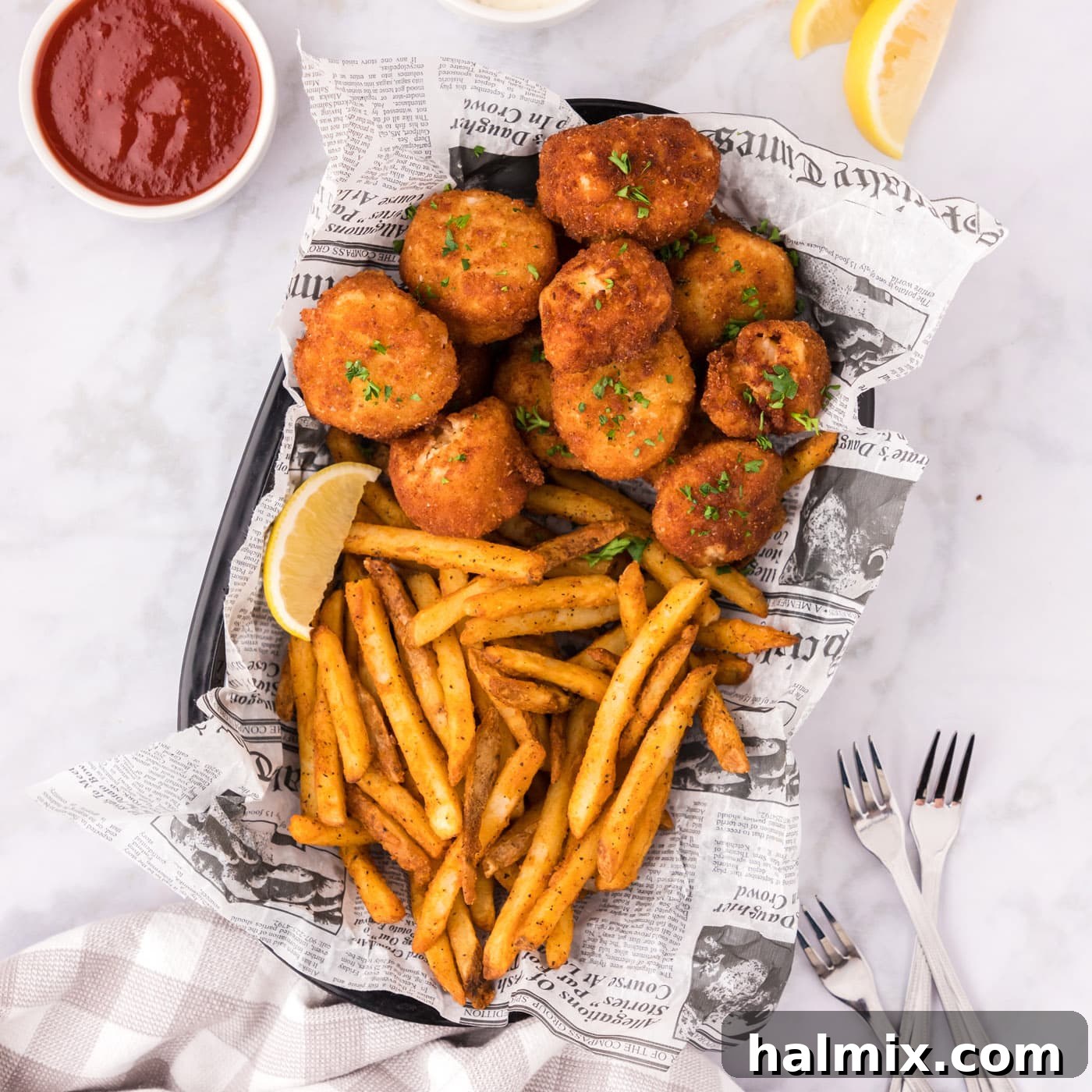
Fried Scallops Recipe: Crispy Golden Perfection
Delight in the exquisite taste of homemade fried scallops, a culinary masterpiece that promises a satisfying crunch with every bite, revealing a tender, buttery interior. This recipe guides you through creating perfectly seasoned, breaded scallops, deep-fried to a beautiful crispy golden brown right in your skillet. Ideal for a sophisticated appetizer or a decadent main course, these fried scallops are surprisingly simple to prepare and will impress even the most discerning palates.
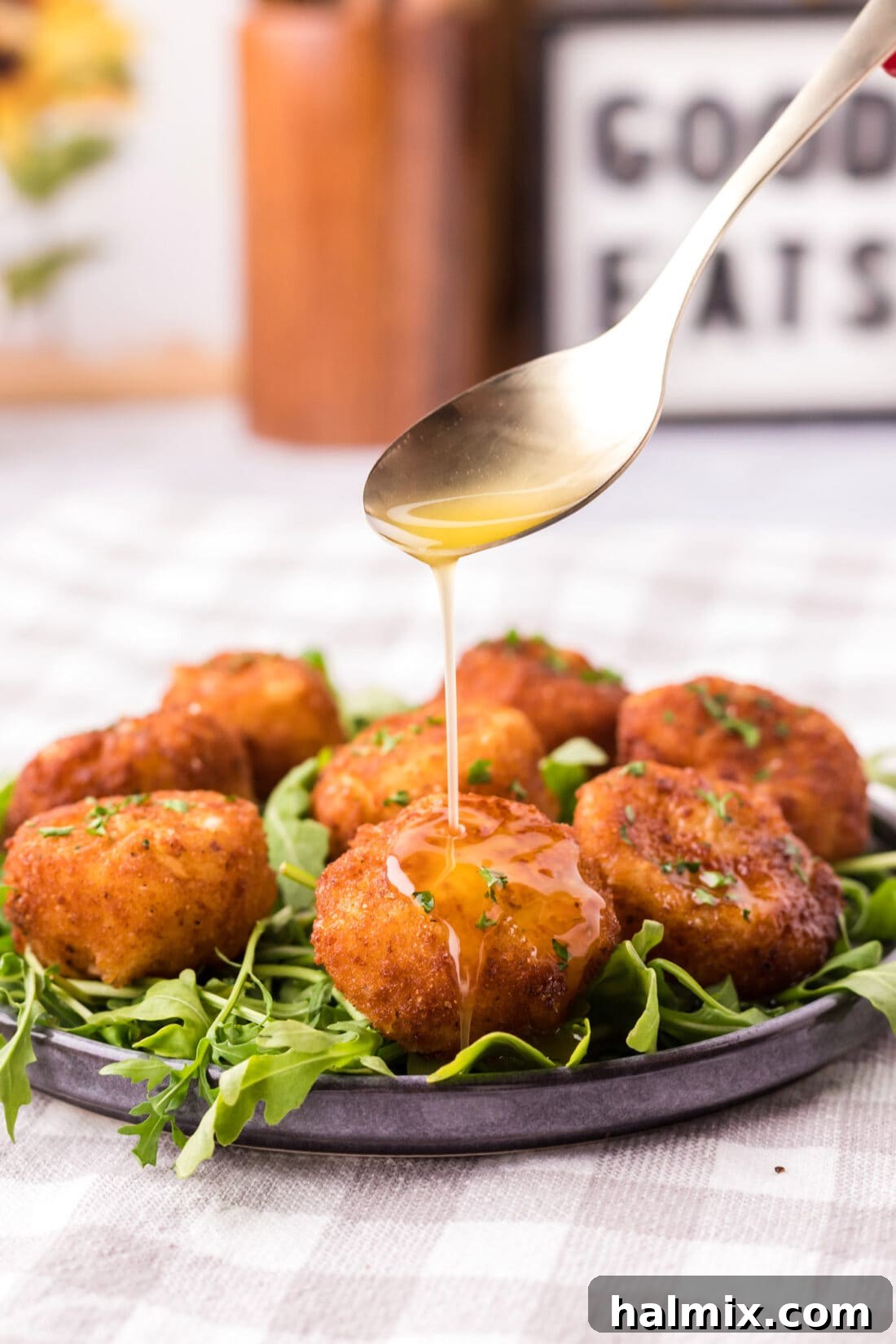
Why This Fried Scallop Recipe Stands Out
Scallops are a true gift from the sea, offering a unique texture and delicate flavor that makes them ideal for frying. Much like the beloved fried shrimp or succulent fried crab legs, scallops possess a natural sweetness and firm flesh that transforms beautifully when introduced to hot oil. The magic of this recipe lies in its simplicity and the contrasting textures it creates: a golden, incredibly crispy crust giving way to a plump, juicy, and tender center that melts in your mouth.
This method of preparation is not just easy, requiring only a handful of common ingredients and a basic stovetop skillet, but it’s also incredibly efficient. The breading, a blend of traditional breadcrumbs infused with classic Old Bay seasoning and savory garlic salt, adheres perfectly, ensuring an even coating and maximum crunch. Old Bay, with its distinctive blend of herbs and spices, elevates the natural flavor of the scallops, imparting that quintessential coastal taste that seafood lovers adore. Whether you’re hosting a lively party and need an impressive appetizer or simply craving a delicious seafood dinner, these fried scallops are guaranteed to be a hit, delivering an exceptional dining experience with minimal effort.
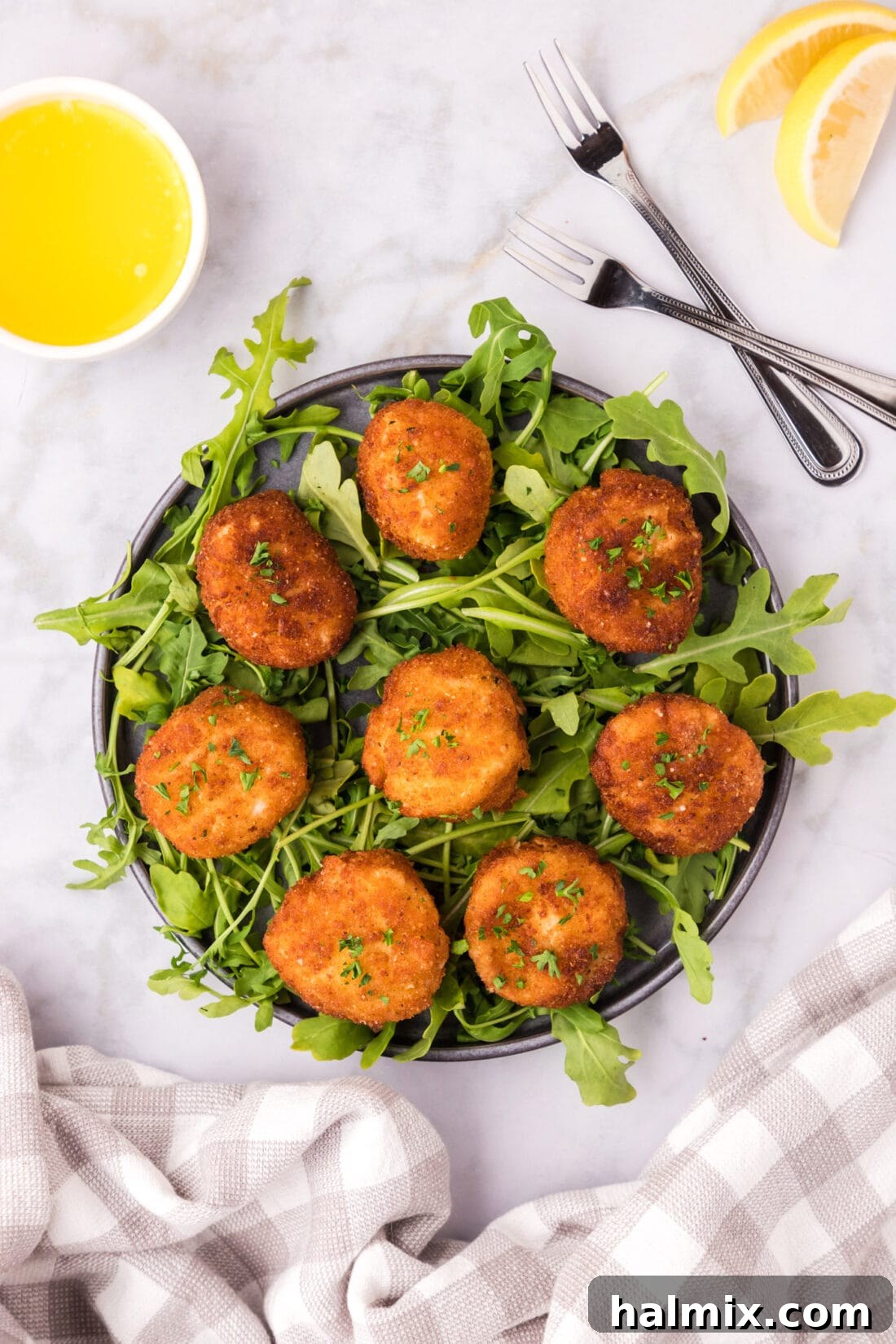
Essential Ingredients for Perfect Fried Scallops
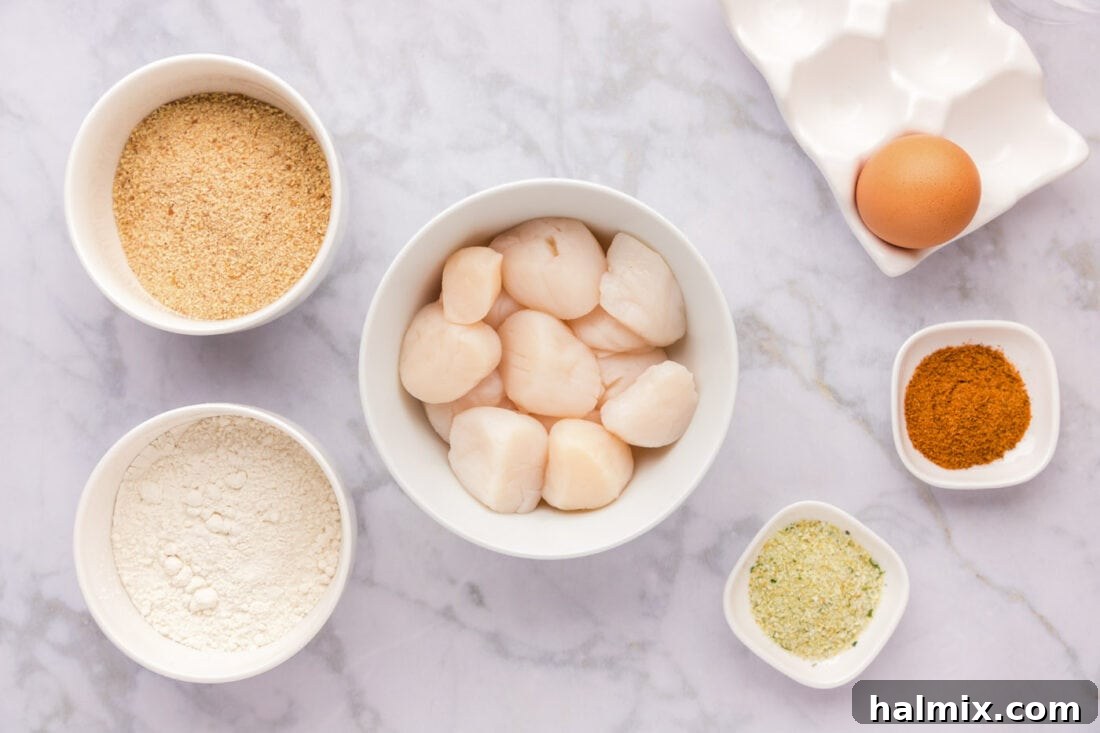
Crafting these delectable fried scallops requires a few key ingredients, each playing a crucial role in achieving the ideal texture and flavor. While you’ll find precise measurements in the full recipe card below, here’s a closer look at what you’ll need to gather:
- Sea Scallops: The star of our dish. Freshness and proper preparation are paramount.
- All-Purpose Flour: Forms the initial layer for the breading to adhere.
- Breadcrumbs: Provides the signature crispiness.
- Old Bay Seasoning: Infuses the scallops with a classic, savory seafood flavor.
- Garlic Salt: Adds an aromatic depth and enhances the overall seasoning.
- Large Egg: Acts as a binder, ensuring the breading stays intact during frying.
- Vegetable Oil: For deep frying, providing an even, golden-brown finish.
Ingredient Spotlight and Substitution Suggestions
Choosing the Right Scallops
The success of your fried scallops heavily relies on the quality and preparation of the scallops themselves. For this recipe, we highly recommend using sea scallops. These are larger and meatier than bay scallops, providing a more substantial and satisfying bite when fried. When purchasing, you might encounter labels like “wet” and “dry” scallops. This distinction is vital:
- Wet Scallops: These have been soaked in a sodium tripolyphosphate solution, a preservative that extends shelf life. While this might seem beneficial, it causes the scallops to absorb excess moisture, which can lead to a less successful fry. The added water can make them steam rather than sear, hindering crispiness, and can also dilute their natural flavor.
- Dry Scallops: Our preferred choice for frying. Dry scallops are untreated and retain their natural moisture content and sweet flavor. They are easier to get a good sear or crispy crust on because there’s no excess water to contend with. Always opt for dry sea scallops if available for the best results.
Regardless of type, it’s absolutely critical to pat the scallops thoroughly dry with paper towels before breading. Removing any excess surface moisture is the secret to ensuring the flour and breading mixture adheres properly, creating that coveted crispy exterior. This simple step prevents a soggy coating and guarantees a superior fried texture.
Breading Components: Flavor and Texture
The breading provides both flavor and the signature crunch. While the recipe calls for standard breadcrumbs, you can experiment:
- Panko Breadcrumbs: For an even lighter, crispier, and airier crust, consider using Japanese panko breadcrumbs. Their larger, flakier texture absorbs less oil and delivers an unparalleled crunch.
- Seasoning Variations: Old Bay seasoning is a classic for a reason, but feel free to adjust. You could introduce a pinch of cayenne pepper for a subtle kick, or a dash of smoked paprika for a deeper, earthier note. If you don’t have garlic salt, a combination of garlic powder and regular salt will work just fine.
The egg wash acts as a vital bridge, allowing the dry breading to stick to the moist scallop. A single large egg, lightly whisked, is usually sufficient. For an extra rich coating, you could add a tablespoon of milk or heavy cream to the egg wash.
Mastering the Art of Fried Scallops: Step-by-Step
These detailed step-by-step photos and instructions are here to guide you visually through the process. For the complete printable recipe with all measurements, jump to the recipe card at the end of this post.
- Prepare the Scallops: Begin by thoroughly patting the scallops dry with paper towels. This crucial step removes excess moisture, allowing the breading to adhere effectively and ensures maximum crispiness.
- Set Up the Dredging Stations:
- Place the all-purpose flour in a small, shallow bowl.
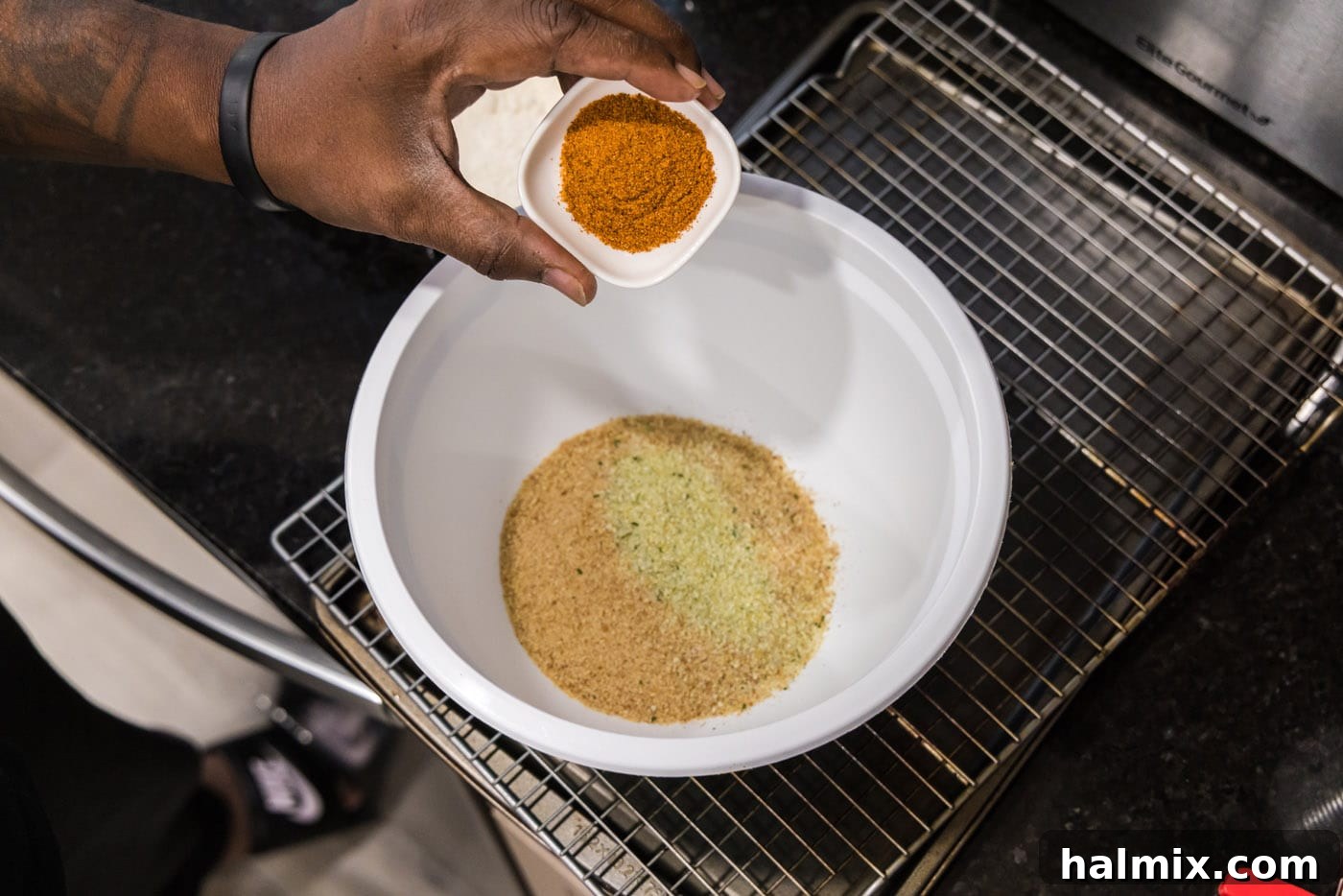
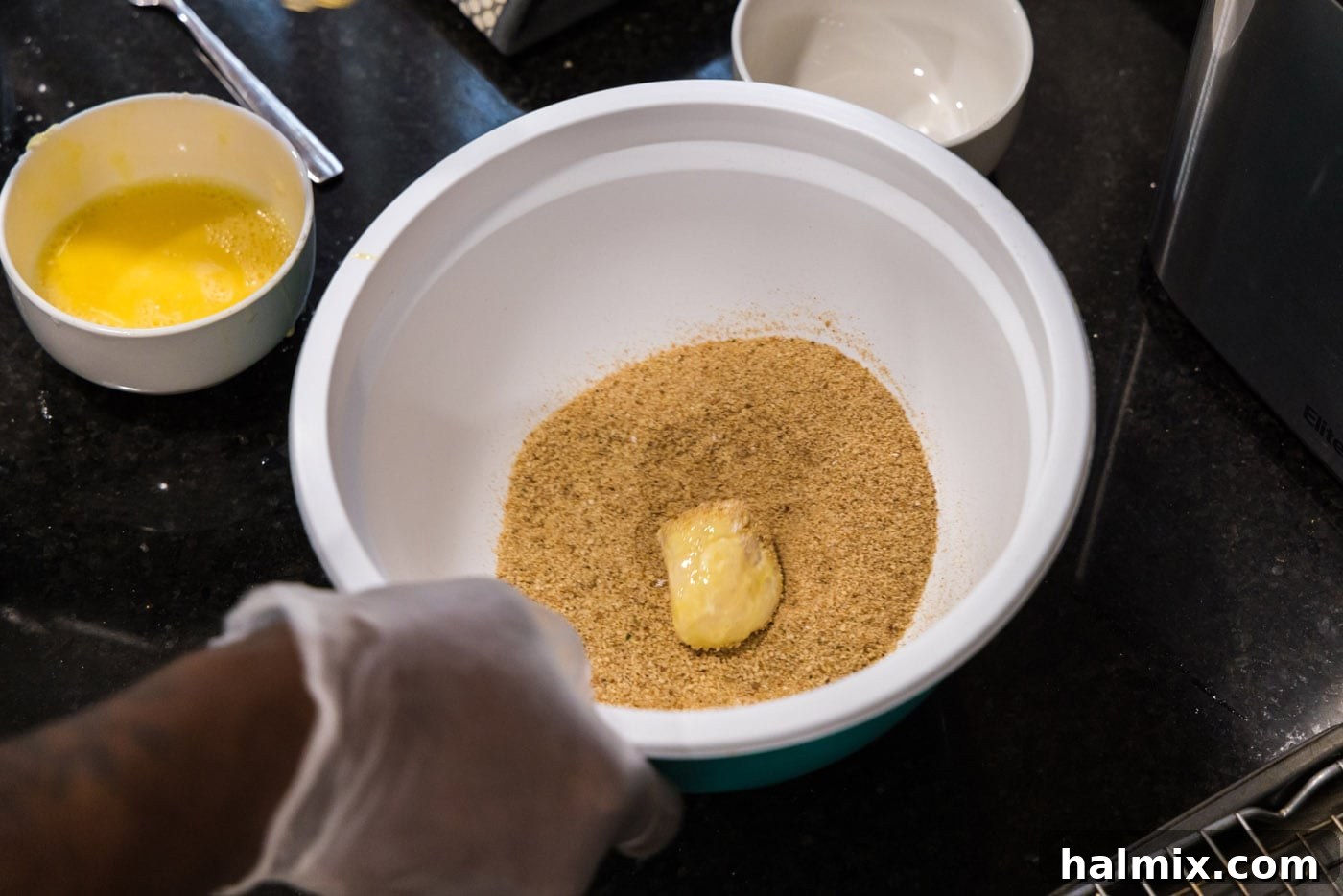
- In a separate, larger bowl, combine the breadcrumbs, garlic salt, and Old Bay seasoning. Mix well to ensure the seasonings are evenly distributed throughout the breadcrumbs.

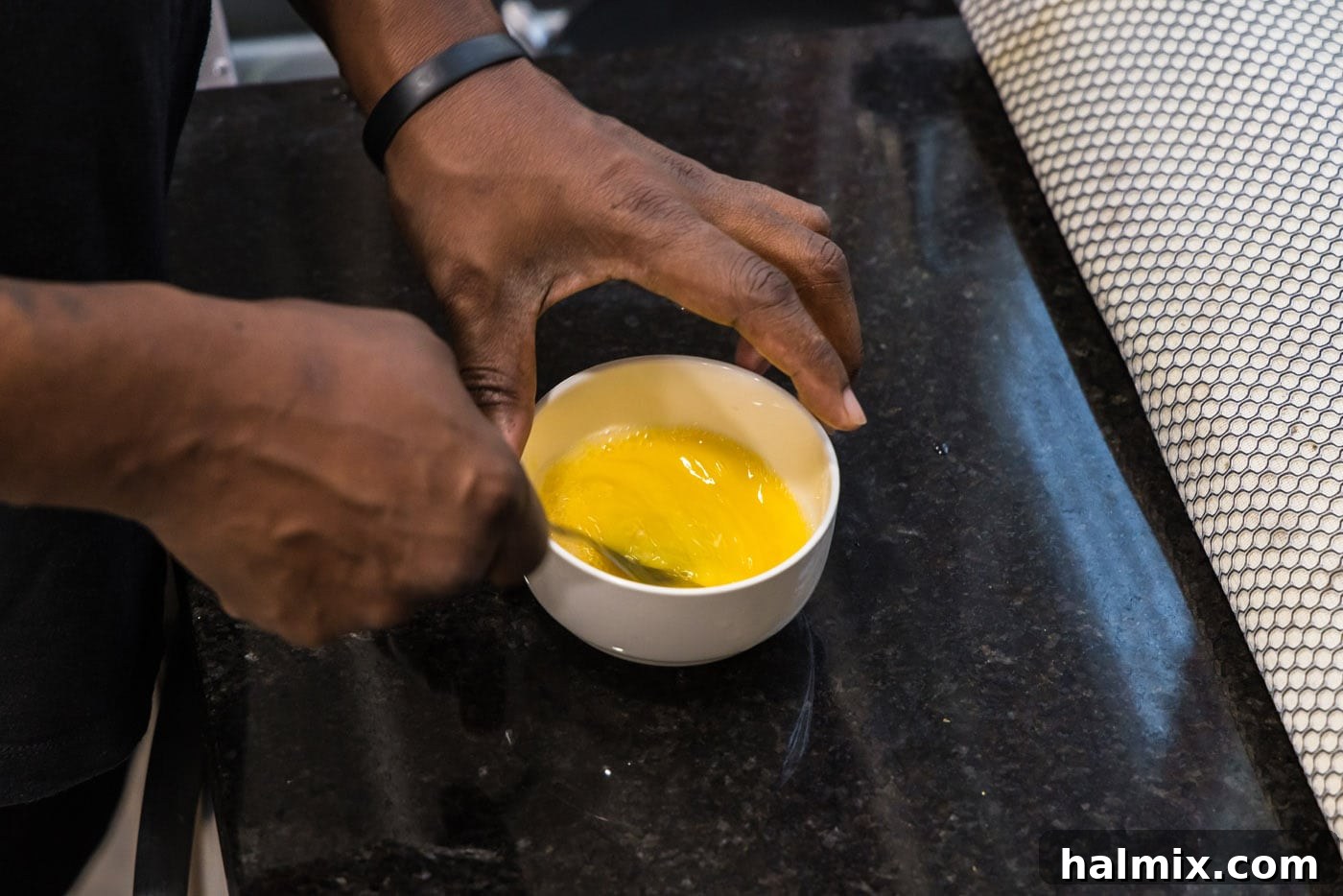
- In a third small bowl, whisk the large egg until the yolk and white are fully combined, creating an egg wash.
- Breading the Scallops: Work with one scallop at a time to ensure an even coating.
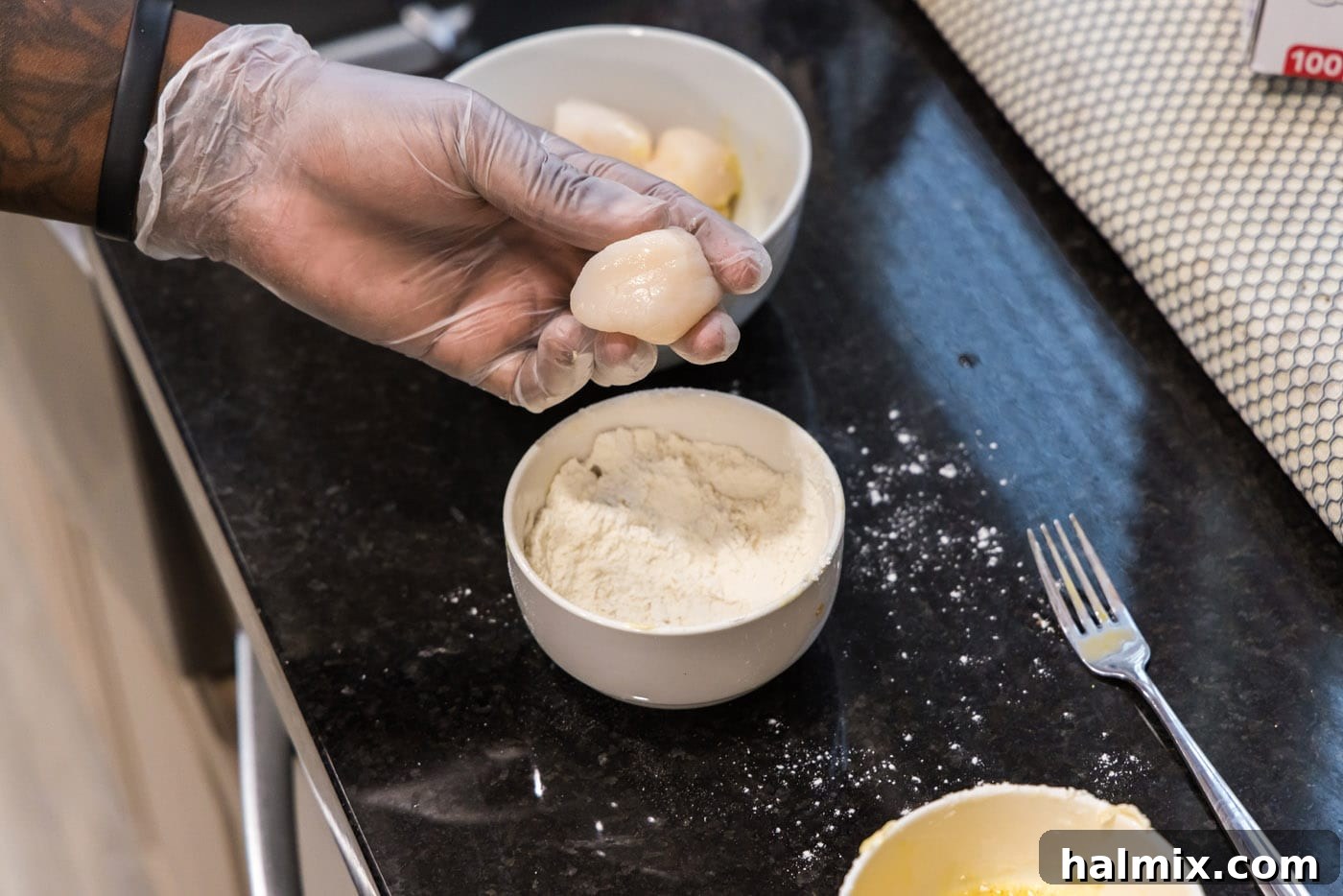
- First, dredge the scallop thoroughly in the flour, shaking off any excess. This initial flour layer provides a dry surface for the egg wash.
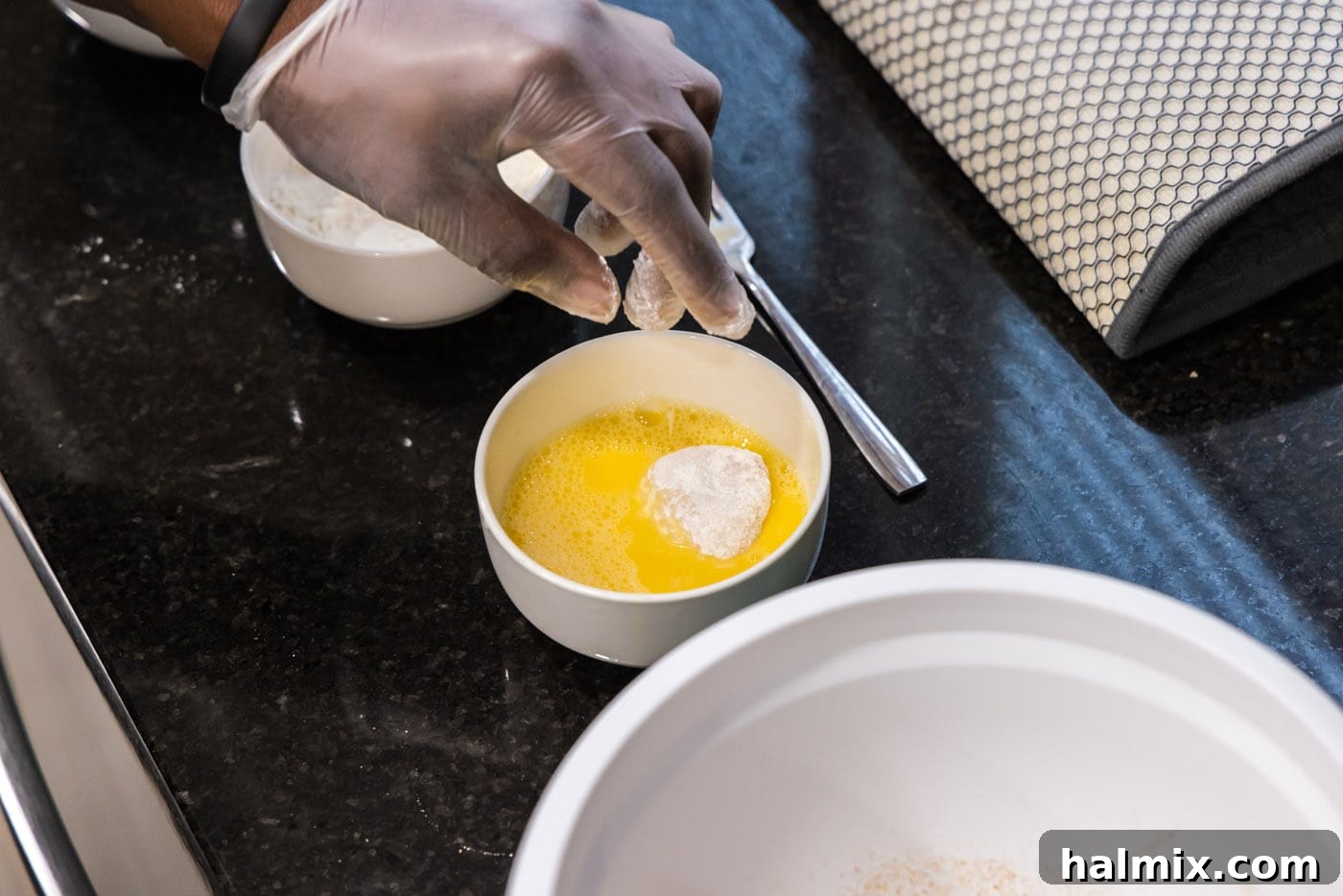
- Next, dip the floured scallop into the whisked egg, making sure all sides are fully coated. Allow any excess egg to drip off.
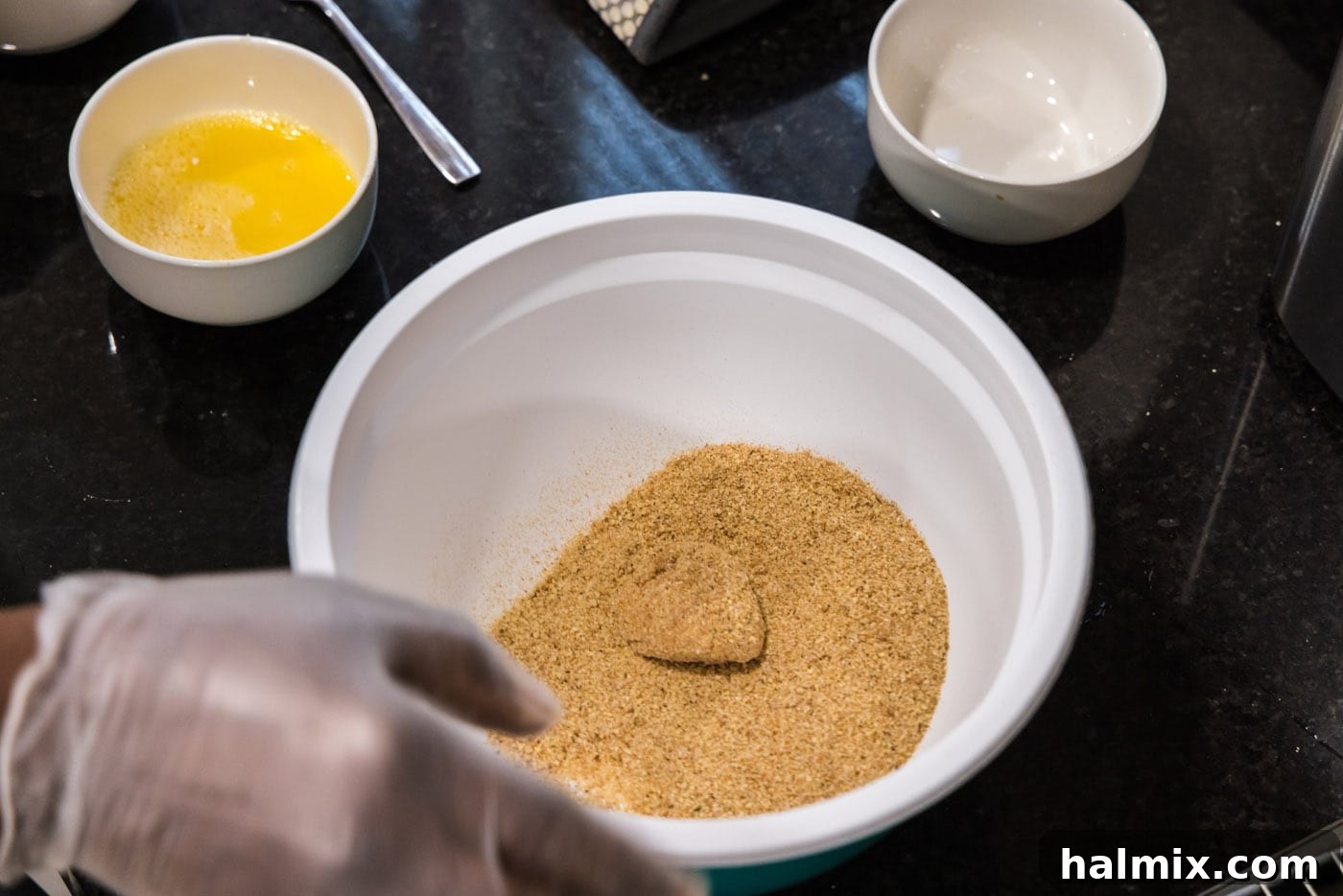
- Finally, toss the egg-dipped scallop in the breadcrumb mixture, pressing gently to ensure a thick, even coating.
- First, dredge the scallop thoroughly in the flour, shaking off any excess. This initial flour layer provides a dry surface for the egg wash.
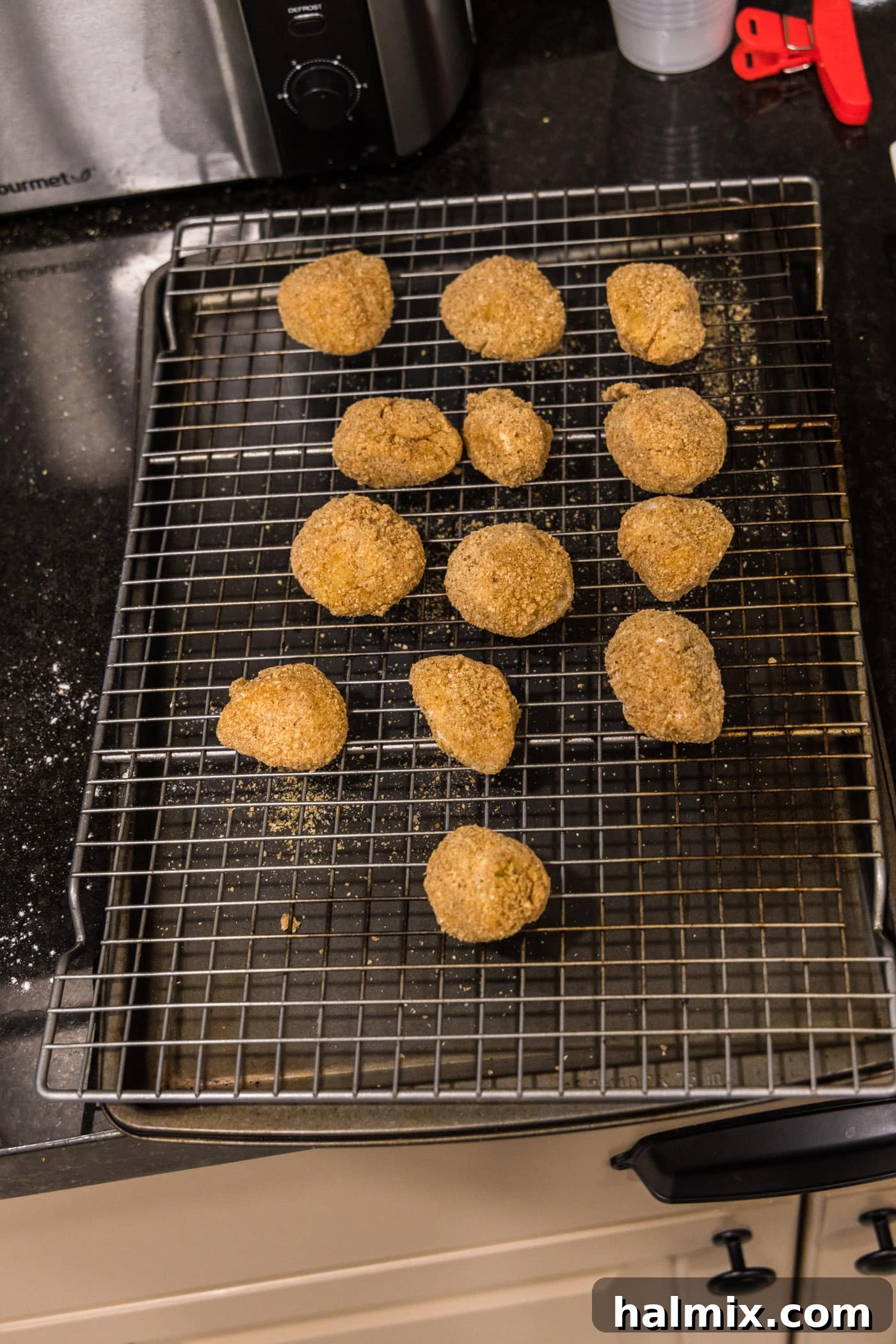
- Prepare for Frying: Place the breaded scallop on a wire rack. Repeat this breading process for all remaining scallops. The wire rack allows for air circulation, helping the breading set slightly before frying.
- Heat the Oil: Pour enough vegetable oil into a heavy-bottomed skillet to reach about 1-inch up the sides. Heat the oil over medium-high heat until it is hot but not smoking. A good test is to drop a tiny pinch of breadcrumbs into the oil; if it sizzles vigorously, it’s ready.
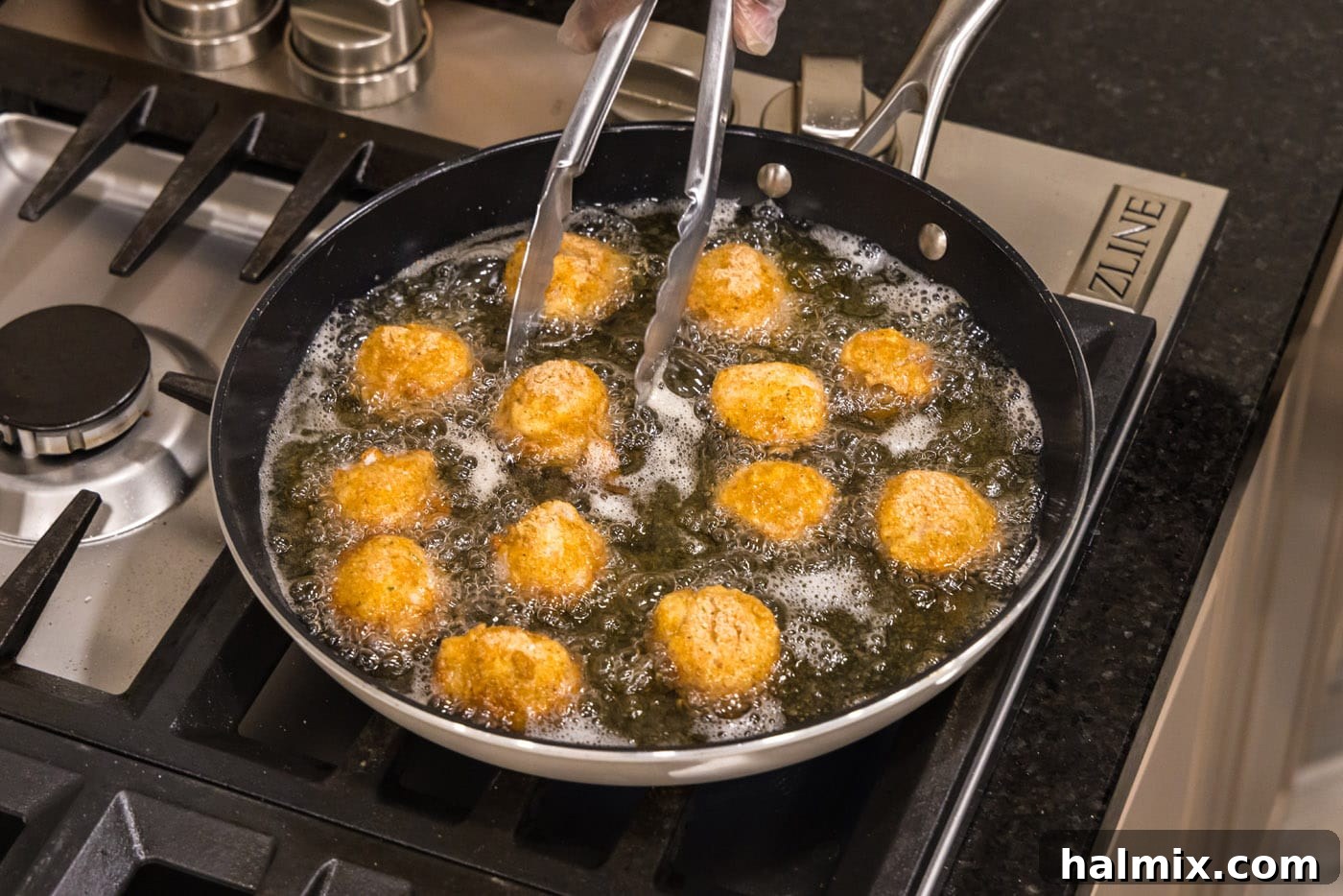
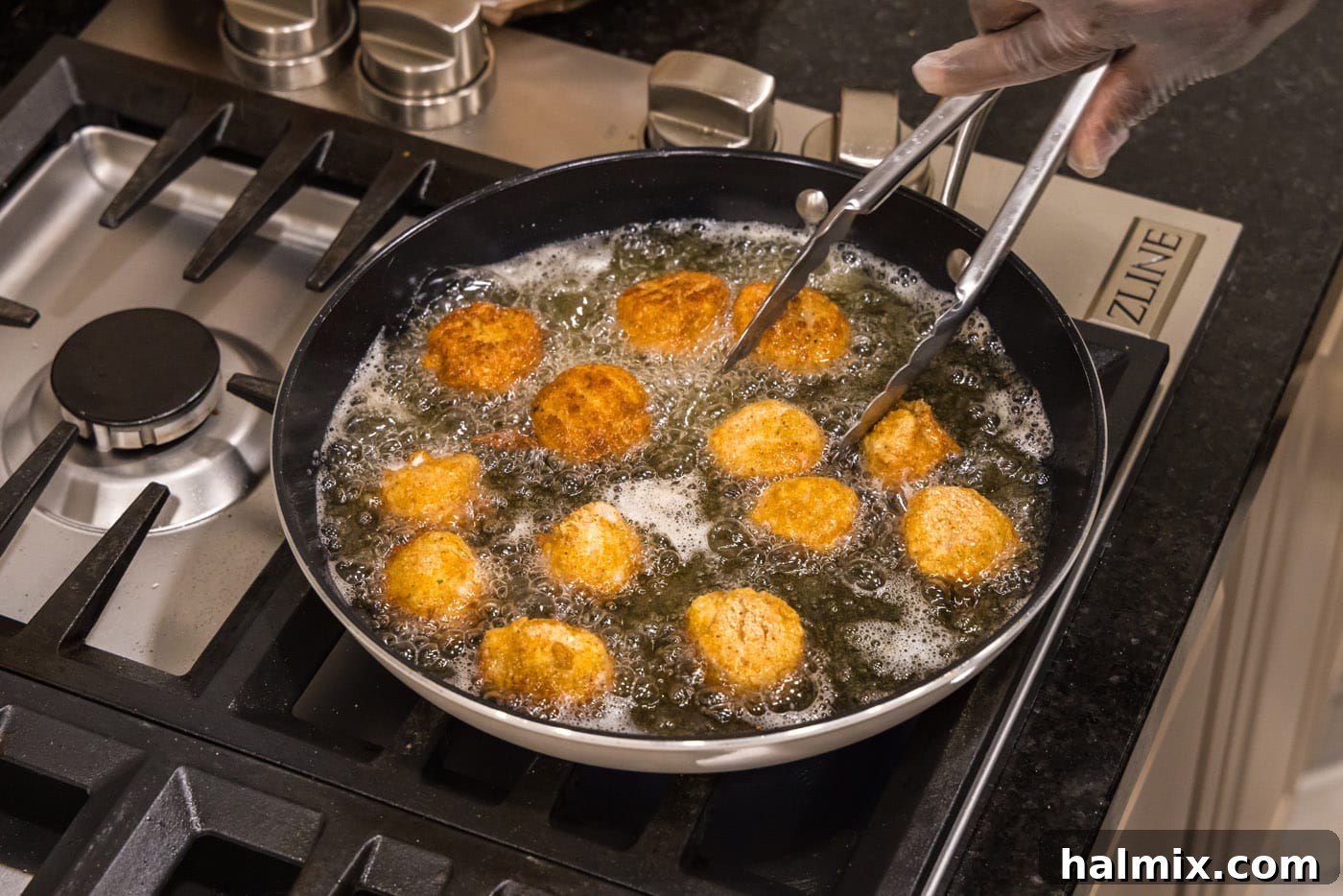
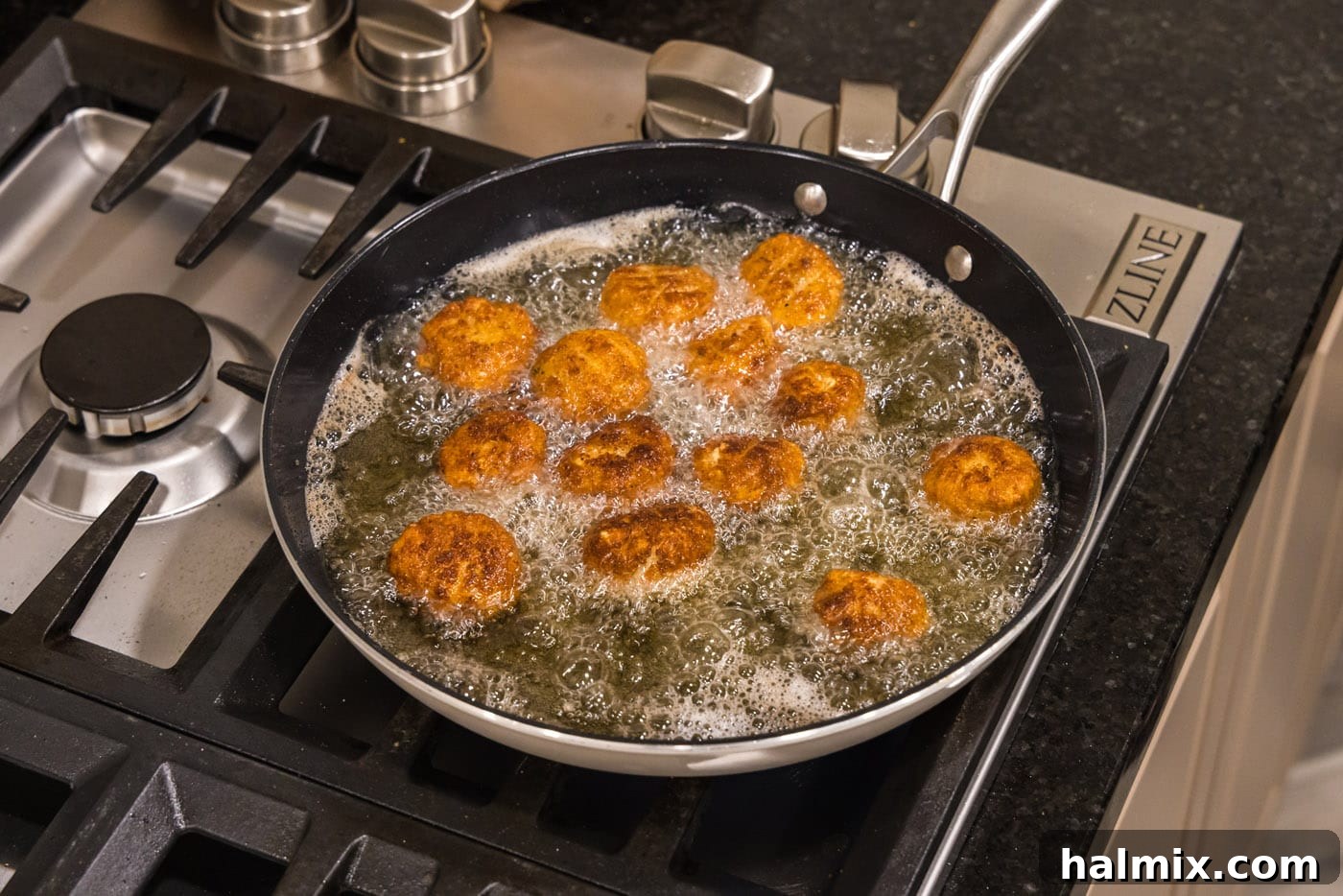
- Fry the Scallops: Using tongs, carefully add the breaded scallops to the hot oil. Avoid overcrowding the pan, as this can lower the oil temperature and lead to soggy scallops. Fry in batches if necessary. The oil should not fully cover the scallops, allowing them to crisp up beautifully. Cook for 2-3 minutes on each side, or until they achieve a gorgeous golden brown color and are cooked through.
- Drain and Serve: Once cooked, remove the fried scallops from the skillet and place them on a plate lined with paper towels to drain any excess oil. Serve immediately for the best flavor and texture.
Frequently Asked Questions & Expert Tips for Fried Scallops
While fried scallops are undeniably at their best when enjoyed fresh, you can store any leftovers. Allow them to cool completely before transferring them to an airtight container. Keep refrigerated for 1-2 days. For reheating, the oven or air fryer is preferred over the microwave to maintain some crispness. Reheat in a preheated oven at 350°F (175°C) for approximately 10 minutes, or use the reheat function on your air fryer until warmed through and slightly crispy again.
Scallops cook remarkably fast due to their tender nature. When frying, they typically only need 2-3 minutes on each side. You’ll know they’re done when the exterior has achieved a beautiful golden brown color and the breading is crisp. Internally, the scallop should be opaque throughout and tender to the touch. Be careful not to overcook them, as this will result in a tough, chewy texture rather than the desired buttery tenderness.
The secret to a truly crispy fried scallop lies in a few key steps: 1) Ensure scallops are thoroughly dry before breading. Moisture is the enemy of crispiness. 2) Maintain the correct oil temperature (around 350-375°F or 175-190°C). If the oil isn’t hot enough, the scallops will absorb too much oil and become greasy. If it’s too hot, the exterior will burn before the interior cooks. 3) Do not overcrowd the pan. Fry in batches to keep the oil temperature stable and allow each scallop enough space to cook evenly and crisp up properly.
For frying scallops, choose a neutral-flavored oil with a high smoke point. Good options include vegetable oil, canola oil, peanut oil, or sunflower oil. These oils won’t impart unwanted flavors and can withstand the high temperatures required for frying without burning.
Serving Suggestions and Perfect Pairings
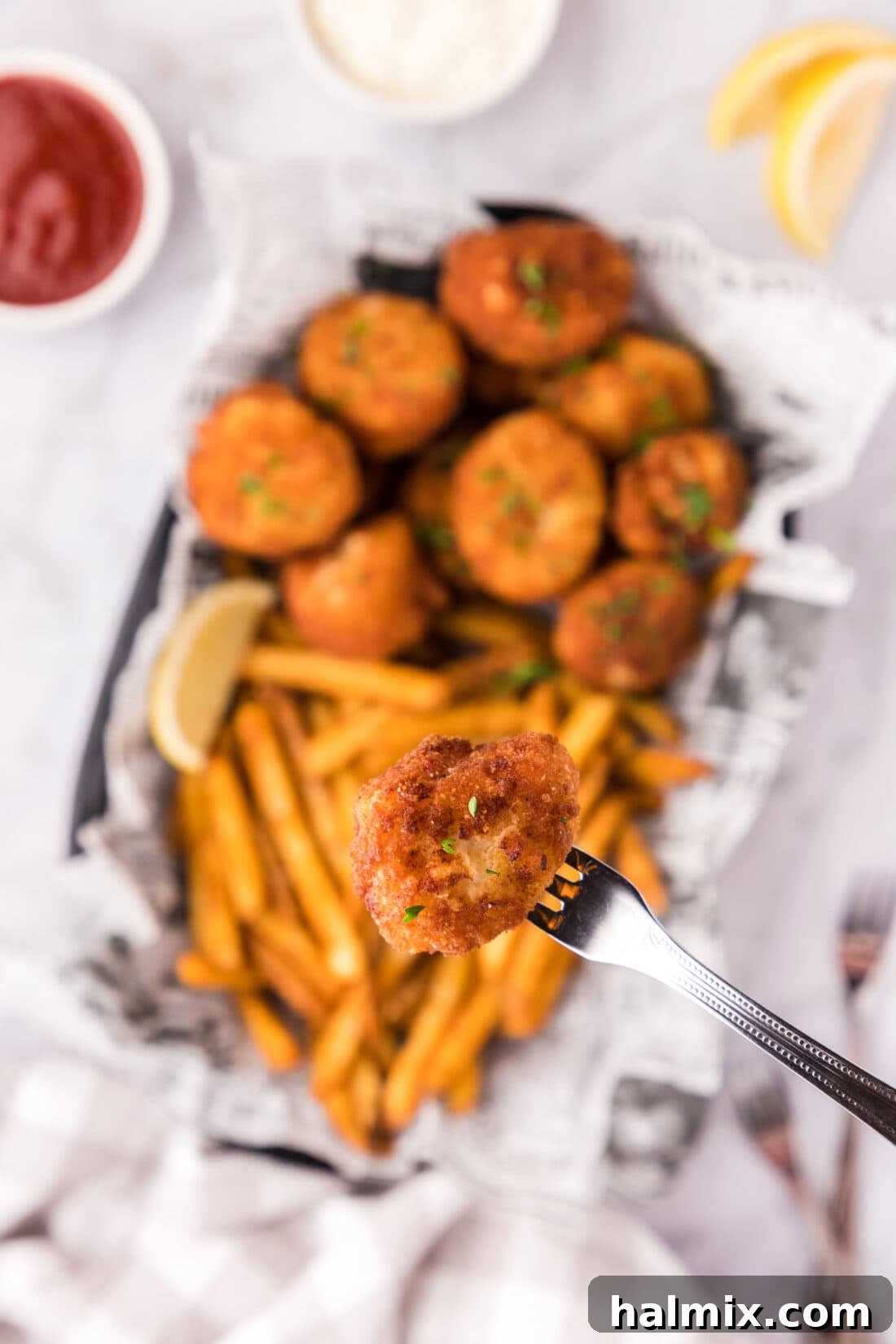
The golden rule for fried scallops is to serve them immediately after cooking. Scallops naturally contain moisture, and as they cool, this moisture can migrate from the interior to the crispy breading, causing it to soften and potentially detach. Enjoying them hot ensures you experience the ultimate contrast of crunchy exterior and succulent, tender inside.
These versatile seafood delights pair wonderfully with a variety of dipping sauces. Classic choices include tangy cocktail sauce, creamy tartar sauce, or a simple yet luxurious garlic butter. For a complete and satisfying meal, serve your fried scallops alongside a generous portion of crispy french fries and a fresh coleslaw or a light green salad. Alternatively, they make an impressive and elegant appetizer when served simply with a selection of dipping sauces at your next gathering.
Explore More Scallop Recipes
If you’ve enjoyed the delightful simplicity of these fried scallops, you might be inspired to explore other ways to prepare this fantastic seafood. Scallops are incredibly versatile and lend themselves to a myriad of cooking methods and flavor profiles. Here are a few more scallop recipes to tantalize your taste buds:
- Scallop Pasta: A harmonious blend of tender scallops with your favorite pasta and a rich sauce.
- Air Fryer Scallops: For a healthier twist, achieve perfectly cooked scallops with a crisp exterior using an air fryer.
- Pan Seared Scallops: Master the art of the perfect sear, resulting in a beautiful crust and juicy interior.
- Bacon Wrapped Scallops: A timeless appetizer combining the salty crunch of bacon with the sweet tenderness of scallops.
- Broiled Scallops: A quick and easy method to cook scallops under high heat, delivering a subtly browned and tender result.
I love to bake and cook and share my kitchen experience with all of you! Remembering to come back each day can be tough, that’s why I offer a convenient newsletter every time a new recipe posts. Simply subscribe and start receiving your free daily recipes!
Fried Scallops
Fried scallops are crazy easy to make on the stovetop with a handful of ingredients and a bit of vegetable oil. The breadcrumbs add texture and crunch while the Old Bay seasoning lends plenty of classic flavors. They make an excellent appetizer or a simple, elegant main course.
Course: Appetizer, Dinner |
Cuisine: American |
Servings: 4 servings |
Total Time: 21 mins |
Calories: 214
Author: Amanda Davis
Pin Recipe
Ingredients
- 1 pound scallops
- ½ cup all-purpose flour
- ½ cup breadcrumbs
- 1 Tablespoon Old Bay seasoning
- 1 Tablespoon garlic salt
- 1 large egg
- Vegetable oil for frying
Things You’ll Need
- Large heavy bottomed skillet
- Tongs
- Vinyl gloves
- Mixing bowls
Before You Begin
- It’s best to serve these immediately. Scallops retain moisture, which can cause the breading to loosen if left to sit.
- Always pat scallops dry with paper towels to ensure the breading sticks properly.
- For optimal results, purchase dry sea scallops. Wet scallops are soaked in a preservative, retaining excess moisture that can hinder crispiness.
- Leftover fried scallops can be stored in an airtight container in the refrigerator for 1-2 days. Reheat in an oven at 350°F (175°C) for about 10 minutes or use an air fryer to restore crispness.
Instructions
- Dry scallops thoroughly with paper towels.
- Place flour in a small bowl.
- In a large bowl, combine breadcrumbs, garlic salt, and Old Bay seasoning.
- In a small bowl, whisk the egg.
- Dredge each scallop in flour, shaking off excess.
- Dip the floured scallop in egg, ensuring all sides are covered.
- Toss the scallop in the breadcrumb mixture, pressing gently to coat fully.
- Place the breaded scallop on a wire rack and repeat the process for all remaining scallops.
- Add enough vegetable oil to a heavy-bottomed skillet (about 1-inch deep). Heat oil over medium-high heat until hot but not smoking.
- Using tongs, carefully add scallops to the hot oil. Ensure the oil does not cover the scallops entirely. Cook for 2-3 minutes on each side, or until golden brown and cooked through.
- Remove fried scallops to paper towels to drain excess oil, then serve immediately.
Nutrition
Serving: 1 serving (3 scallops) |
Calories: 214cal |
Carbohydrates: 27g |
Protein: 19g |
Fat: 3g |
Saturated Fat: 1g |
Polyunsaturated Fat: 1g |
Monounsaturated Fat: 1g |
Trans Fat: 0.01g |
Cholesterol: 74mg |
Sodium: 2407mg |
Potassium: 308mg |
Fiber: 1g |
Sugar: 1g |
Vitamin A: 126IU |
Vitamin C: 1mg |
Calcium: 54mg |
Iron: 2mg
Tried this Recipe? Pin it for Later!
Follow on Pinterest @AmandasCookin or tag #AmandasCookin!
The recipes on this blog are tested with a conventional gas oven and gas stovetop. It’s important to note that some ovens, especially as they age, can cook and bake inconsistently. Using an inexpensive oven thermometer can assure you that your oven is truly heating to the proper temperature. If you use a toaster oven or countertop oven, please keep in mind that they may not distribute heat the same as a conventional full sized oven and you may need to adjust your cooking/baking times. In the case of recipes made with a pressure cooker, air fryer, slow cooker, or other appliance, a link to the appliances we use is listed within each respective recipe. For baking recipes where measurements are given by weight, please note that results may not be the same if cups are used instead, and we can’t guarantee success with that method.