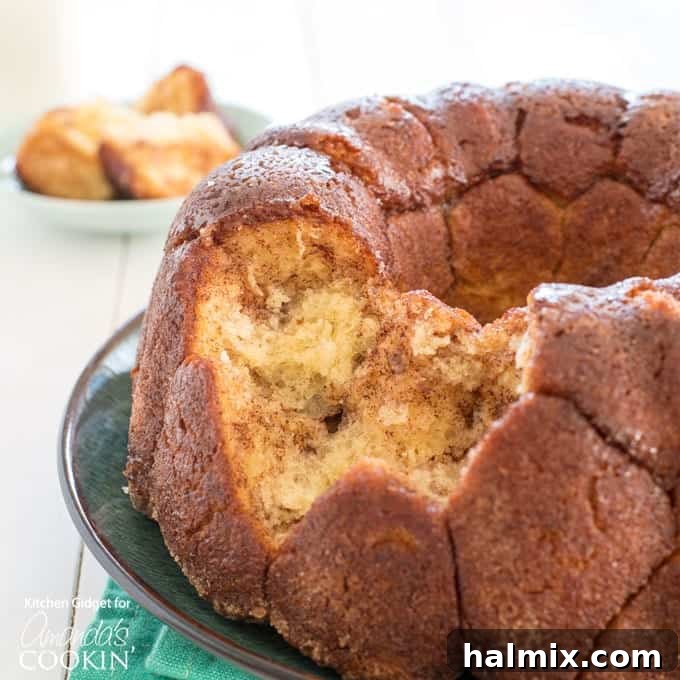
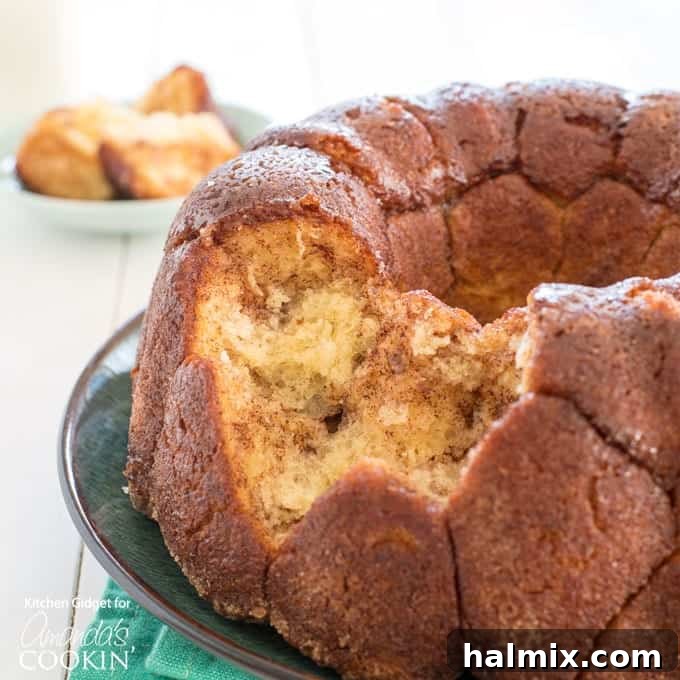
Welcome to the ultimate guide for crafting the most delectable homemade monkey bread from scratch! Prepare to delight your senses and challenge even the most beloved cinnamon rolls with this irresistible recipe. Imagine golden-brown, individual bubbles of soft, sweet bread, each lovingly coated in rich butter, aromatic cinnamon, and sparkling sugar. The exterior boasts a wonderfully crisp and caramelized texture, while the inside remains unbelievably soft and gooey. This magnificent pull-apart bread is more than just a recipe; it’s an experience, perfect for a special breakfast, an indulgent brunch, or a memorable dessert. Get ready to transform simple ingredients into a warm, fragrant masterpiece that your entire family will adore.
The Irresistible Charm of Homemade Monkey Bread
When was the last time you indulged in the pure joy of monkey bread? Do you gravitate towards the slightly crisp, caramelized pieces on the outside, or do you dive straight for the gooey, soft treasures hidden in the middle? For those unfamiliar with this extraordinary sweet bread, you are truly in for a treat that promises to become a new family favorite!
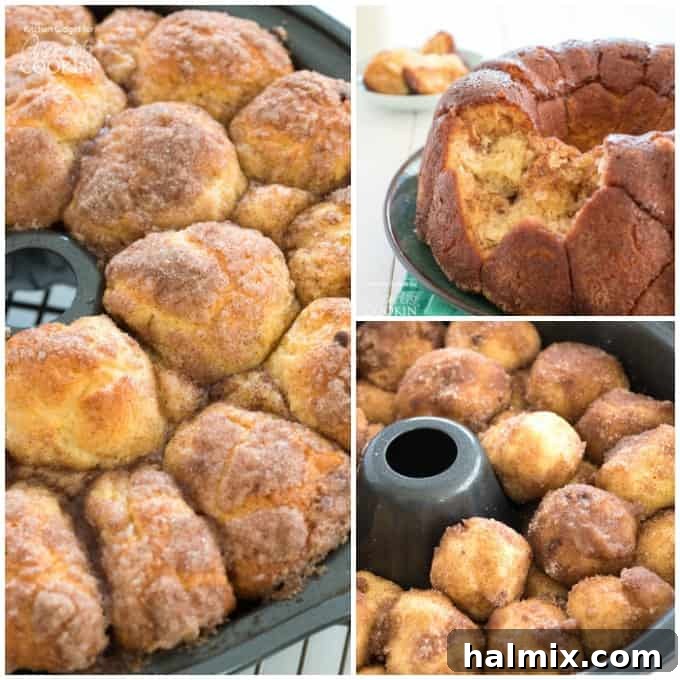
At its heart, monkey bread is a delightful pastry constructed from small, yeasted dough balls. Each ball is generously dipped in melted butter and then coated in a sweet, spiced cinnamon-sugar mixture. These sugary, buttery spheres are then carefully arranged in a Bundt pan and baked until golden perfection. The magic happens as they bake, melding together into a sticky, sweet ring that’s designed to be pulled apart and savored, piece by delicious piece.
There’s simply nothing quite like the aroma of freshly baked monkey bread wafting from the oven, promising a heavenly experience that’s best enjoyed warm. The combination of warm bread, fragrant cinnamon, and sweet caramelization creates a symphony of flavors and textures that is truly unmatched.
In our home, we affectionately call this “bubble bread” because of the individual, round cinnamon-coated bubbles that make up the whole. From the very first bite, we were completely captivated. Preparing this recipe has become a cherished family activity, from kneading the soft dough to dipping each little ball in the luscious butter and cinnamon-sugar blend. And, of course, the best part is gathering around to enjoy the warm, sticky results together!
This homemade monkey bread recipe is not just incredibly delicious; it’s also a fantastic way to get kids involved in the kitchen. Their little hands will love rolling the dough and dipping the pieces, making it a fun and interactive baking project. It’s an ideal dish for special occasions, holiday breakfasts, or simply to elevate a weekend brunch into something truly extraordinary.
Why Make Monkey Bread From Scratch?
While there are quicker versions of monkey bread that use canned biscuit dough, making it from scratch elevates the experience to an entirely new level. The dough is the foundation, and a homemade yeast dough offers a superior texture and flavor that simply can’t be replicated. Here’s why going homemade is worth every step:
- Superior Texture: Scratch-made dough yields a much softer, more tender crumb. The yeast works its magic, creating airy pockets that absorb the butter and cinnamon-sugar, resulting in an incredibly melt-in-your-mouth experience.
- Authentic Flavor: You control the quality of ingredients. Freshly activated yeast, real butter, and good quality cinnamon make a noticeable difference in the final taste.
- Customization: With homemade dough, you can easily adjust the sweetness, add extra spices, or experiment with different flavorings (think orange zest or a hint of nutmeg).
- The Joy of Baking: There’s immense satisfaction in creating something truly delicious from basic ingredients. It’s a therapeutic process that fills your home with wonderful aromas and culminates in a delightful treat.
Mastering the Homemade Monkey Bread Dough
Making a successful yeast dough might seem daunting to some, but this monkey bread recipe is incredibly forgiving and simple, even for those who are new to working with yeast. Don’t let the word “yeast” intimidate you – it’s actually quite cooperative here! The key to success lies in understanding a few basic principles and giving your dough the time it needs to develop. In fact, the dough for this recipe is so soft and pliable that you don’t even need an electric mixer. Gentle hand-kneading is all it takes, and it helps you feel the dough’s texture, ensuring it’s just right. Be mindful not to over-mix or over-knead, as this can develop too much gluten and result in a tough, hard bread instead of the desired soft and fluffy texture.
Essential Ingredients for Your Perfect Pull-Apart Bread
Gathering your ingredients beforehand is a crucial step for a smooth baking process. This recipe is divided into two main parts: the rich, soft dough and the irresistible cinnamon-sugar coating.
For the Dough:
- 1 cup scalded milk: The secret to an extra soft dough and properly activated yeast.
- 1/2 cup vegetable oil: Adds moisture and tenderness to the dough.
- 1/2 cup sugar: Feeds the yeast and adds sweetness.
- 1 teaspoon salt: Balances the flavors and strengthens the gluten structure.
- 2 packages (1.5 ounces total) active dry yeast: The leavening agent that makes our bread light and fluffy.
- 2 large eggs: Contribute to the richness, color, and structure of the dough.
- 4 1/2 cups all-purpose flour: The main structural component of the bread.
A Quick Tip on Scalded Milk: Scalding milk involves heating it to just below its boiling point, typically around 180°F (82°C). This process breaks down proteins in the milk that can otherwise interfere with gluten development, resulting in a significantly softer and more tender dough. It also brings the milk to a temperature that’s perfect for activating the yeast (once cooled to lukewarm), providing a warm environment for the yeast to thrive without being too hot to kill it. Whether you’re using a stovetop or microwave, remember to stir frequently to prevent scorching.
For the Coating:
- 1/2 cup butter: Melted butter creates that essential sticky, flavorful base for the cinnamon-sugar.
- 1 cup sugar: Provides the sweet caramelization and crisp texture.
- 1 tablespoon cinnamon: The warming spice that defines monkey bread.
- 1/2 cup chopped nuts or raisins (optional): For an added layer of texture and flavor – walnuts, pecans, or golden raisins work beautifully.
Helpful Kitchen Tools for a Seamless Baking Experience
Having the right tools can make all the difference in your baking journey. For this monkey bread recipe, these items will prove invaluable:
- Bundt pan: Essential for achieving the classic monkey bread shape and even baking.
- Mixing bowls: Several sizes will be useful for mixing dough and coating ingredients.
- Glass measuring cups: For accurately measuring liquids and for scalding milk.
- Whisk and spatula: For mixing and scraping down bowls.
- Pastry brush (optional): For applying butter if not dipping.
Step-by-Step Directions for the Ultimate Monkey Bread
Follow these detailed instructions to create a monkey bread that’s perfectly crisp on the outside, gooey in the middle, and bursting with cinnamon-sugar flavor:
- Prepare the Dough Base: In a large mixing bowl, pour the hot scalded milk. Add the vegetable oil, 1/2 cup of sugar, and salt. Stir gently to combine. Allow this mixture to cool down to a lukewarm temperature, which is approximately 110°F (43°C). This temperature is crucial because if it’s too hot, it will kill the yeast; if it’s too cold, the yeast won’t activate properly. Once lukewarm, sprinkle the active dry yeast over the mixture and stir until it dissolves completely. Next, beat in the eggs and gradually add the all-purpose flour, mixing until a soft, loose dough forms. You might find it easier to switch from a spoon to your hands as the dough comes together.
- Knead and First Rise: Turn the dough out onto a lightly floured surface. Gently knead the dough for about 5-7 minutes. You want the dough to be sticky but smooth and elastic. Avoid over-kneading, as this can make the bread tough. Place the kneaded dough in a lightly greased bowl, turning it once to coat, then cover loosely with a damp cloth or plastic wrap. Let it rise in a warm, draft-free place until it has doubled in size, which typically takes about 1 to 1.5 hours, depending on your room temperature.
- Punch Down and Rest: Once the dough has doubled, gently punch it down to release the air. This step helps create a finer texture in the finished bread. Cover it again and let it rest for about 10-15 minutes while you prepare the irresistible coating.
- Prepare the Coating: While your dough rests, melt the butter in a microwave-safe bowl or small saucepan. In a separate, shallow bowl, combine the 1 cup of sugar with the cinnamon, mixing well. If you choose to add chopped nuts or raisins, you can either mix them directly into this cinnamon-sugar blend or sprinkle them between the layers of dough in the Bundt pan later.
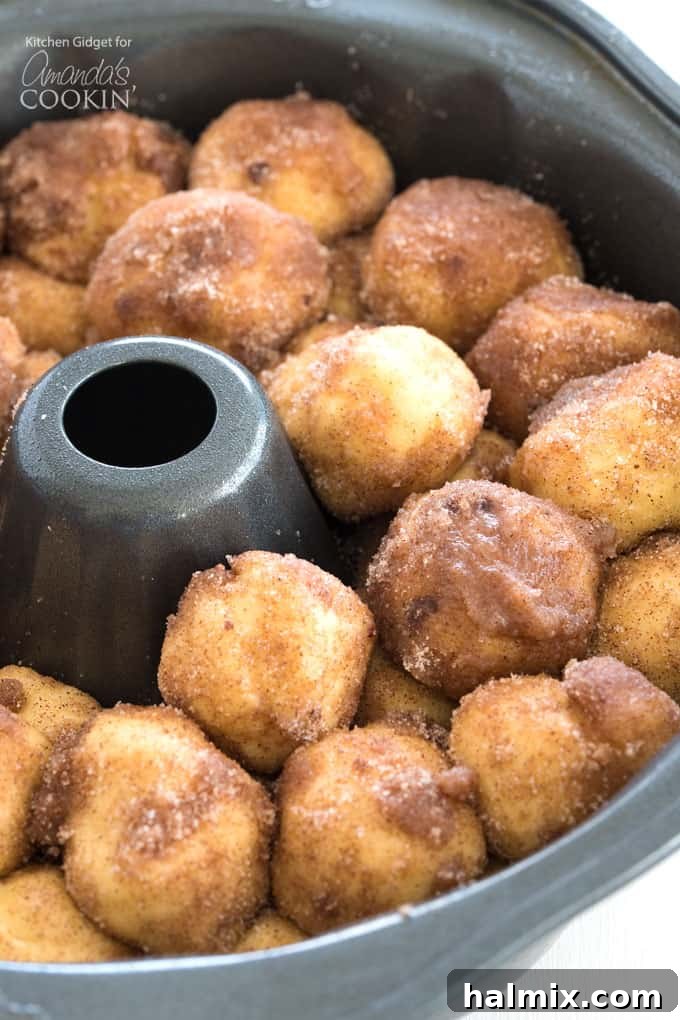
- Form and Coat the Dough Balls: Lightly grease your Bundt pan with butter or non-stick spray. Now, pinch off small pieces of dough, roughly the size of a walnut (about 1 to 1.5 inches in diameter). Roll each piece into a neat ball. Remember, these will rise again, so keep them fairly small. You should end up with approximately 50-60 dough balls. Dip each dough ball thoroughly into the melted butter, ensuring it’s completely coated. Then, roll it generously in the cinnamon-sugar mixture. I find it efficient to coat several balls at once in the butter, then transfer them to the cinnamon-sugar bowl for a quick roll.
- Layer in the Bundt Pan: Begin arranging the coated dough balls in the prepared Bundt pan. Stagger them evenly, creating layers. If you’re adding nuts or raisins, sprinkle some over each layer of dough balls as you go. Don’t worry if they don’t stick perfectly to the dough; they’ll settle into the delicious crevices during baking. Pour any leftover melted butter and cinnamon-sugar mixture over the top of the layered dough balls – we don’t want to waste any of that goodness!
- Second Rise: Loosely cover the Bundt pan with plastic wrap or a clean kitchen towel. Allow the dough balls to rise for a second time in a warm place for about 30-45 minutes, or until they look visibly puffy and have expanded to fill the pan more. This second rise is crucial for light and airy monkey bread.
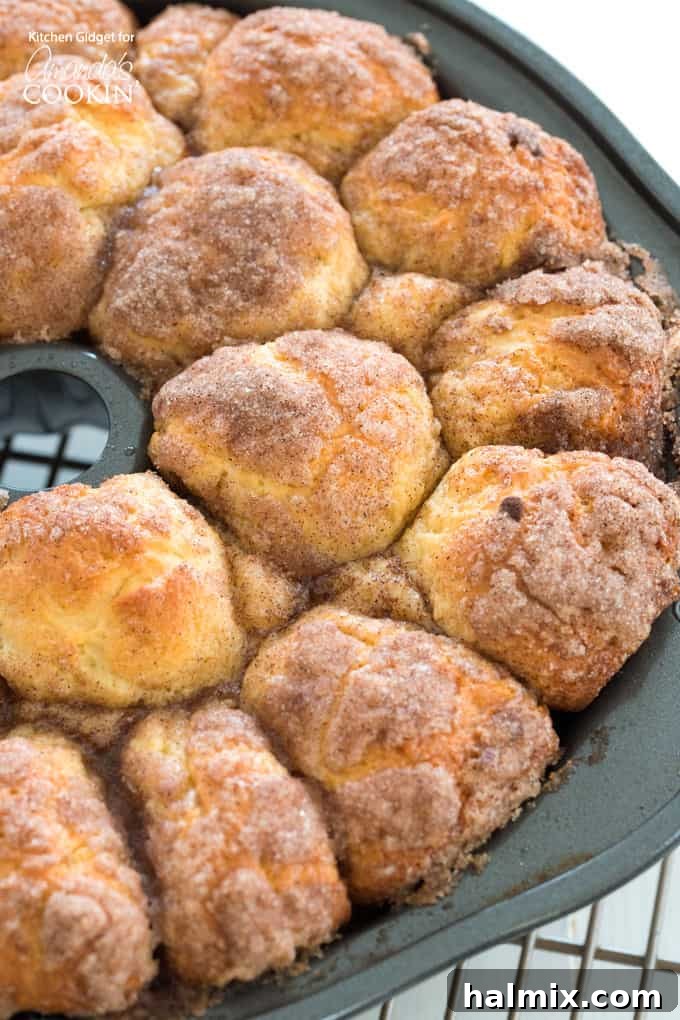
- Bake to Golden Perfection: Preheat your oven to 350°F (175°C). Once the oven is ready and the dough has completed its second rise, place the Bundt pan in the preheated oven. Bake for approximately 30-35 minutes. Towards the end of the baking time, keep a close eye on your monkey bread. If the top starts to brown too quickly, you can loosely cover it with aluminum foil to prevent over-browning while the inside finishes cooking.
- Check for Doneness: Monkey bread should be beautifully golden brown, soft, and delightfully gooey in the middle, with a crisp and caramelized exterior. To confirm it’s cooked through, gently pull up a few of the dough bites from the center with a fork or knife to check for raw dough. If it’s still doughy, return it to the oven for a few more minutes.
Serving and Storage Suggestions
Once baked, allow the monkey bread to cool in the pan for about 5-10 minutes. This brief cooling period helps the sticky caramel sauce set slightly, preventing the bread from falling apart when inverted. After cooling, carefully place a large serving plate over the top of the Bundt pan and, holding both firmly, invert the pan onto the plate. Give it a gentle shake, and the monkey bread should slide right out, revealing its beautiful, golden-brown glory. Ta-da! You’ve just created the most delicious, homemade monkey bread from scratch. Enjoy it immediately, pulling off individual pieces, ideally with a mug of coffee or tea.
For an extra touch of indulgence, consider drizzling your warm monkey bread with a simple vanilla glaze (powdered sugar, milk, and vanilla extract) or a cream cheese frosting. It also pairs wonderfully with a scoop of vanilla ice cream for a truly decadent dessert.
Leftover monkey bread, if there is any, can be stored at room temperature in an airtight container for 1-2 days. To reheat, simply warm individual portions in the microwave for 20-30 seconds or cover the whole bread loosely with foil and reheat in a 300°F (150°C) oven for about 10-15 minutes until warmed through and gooey again.
This homemade monkey bread recipe has earned a permanent spot on our list of favorite cakes, rolls, and buns. It joins other beloved creations like our mouth-watering Blueberry Breakfast Cake and these delightful Cranberry Cream Cheese Pastries, proving that simple ingredients can yield truly extraordinary results.
Monkey Bread
Try this homemade monkey bread recipe and discover why it gives cinnamon rolls a run for their money! Little bubbles of soft, sweet bread are coated in rich butter, aromatic cinnamon, and sparkling sugar. Crisp and caramelized on the outside but wonderfully soft and gooey inside, this pull-apart bread is a delicious choice for breakfast, brunch, or dessert!
Rating: 5 out of 5 stars from 3 votes
IMPORTANT – There are often Frequently Asked Questions within the blog post that you may find helpful. Simply scroll back up to read them!
Print This Recipe
Ingredients
For the Dough:
- 1 cup milk (scalded)
- ½ cup vegetable oil
- ½ cup sugar
- 1 teaspoon salt
- 1.5 ounces active dry yeast (2 envelopes)
- 2 large eggs
- 4 ½ cups all-purpose flour
For the Coating:
- ½ cup butter
- 1 cup sugar
- 1 tablespoon cinnamon
- ½ cup chopped nuts or raisins (optional)
Before You Begin
Instructions
-
Pour the hot scalded milk into a large bowl. Add the vegetable oil, 1/2 cup sugar, and salt. Stir to combine. Let the mixture cool to a lukewarm temperature, about 110°F (43°C). Add the yeast and stir until it dissolves. Beat in the eggs, then gradually add the all-purpose flour, mixing until a soft, loose dough forms.
-
On a lightly floured surface, gently knead the dough until it is sticky but smooth and elastic, about 5-7 minutes. Place the dough in a lightly greased bowl and cover loosely with a damp cloth or plastic wrap. Allow the dough to rise in a warm place until it has doubled in size, typically around 1 hour. Once risen, gently punch down the dough to release the air and let it rest for a few minutes while you prepare the coating.
-
While the dough is resting, melt the butter in a small bowl. In a separate, shallow bowl, combine the remaining 1 cup of sugar with the cinnamon, mixing them well. If desired, you can add chopped nuts or raisins to this cinnamon mixture now.
-
Lightly grease a Bundt pan. Pinch off small pieces of the rested dough, about the size of a walnut (1 to 1.5 inches), and roll them into neat balls. Dip each dough ball thoroughly in the melted butter, ensuring it is fully coated. Then, roll it in the cinnamon-sugar mixture until evenly covered. Arrange the coated dough balls in staggered rows in the greased Bundt pan. Sprinkle any remaining cinnamon-sugar mixture or optional nuts/raisins over the top of the layers. Loosely cover the pan and let the dough rise for a second time for about 30-45 minutes, or until the dough looks puffy and expanded.
-
Preheat your oven to 350°F (175°C). Bake the monkey bread for 30-35 minutes, or until it is golden brown and cooked through. If the top begins to brown too quickly, loosely cover it with aluminum foil. Let the monkey bread cool in the pan for 5-10 minutes before carefully inverting it onto a large serving plate. Serve warm and enjoy!
Nutrition Facts
Follow on Pinterest @AmandasCookin or tag #AmandasCookin!
The recipes on this blog are tested with a conventional gas oven and gas stovetop. It’s important to note that some ovens, especially as they age, can cook and bake inconsistently. Using an inexpensive oven thermometer can assure you that your oven is truly heating to the proper temperature. If you use a toaster oven or countertop oven, please keep in mind that they may not distribute heat the same as a conventional full sized oven and you may need to adjust your cooking/baking times. In the case of recipes made with a pressure cooker, air fryer, slow cooker, or other appliance, a link to the appliances we use is listed within each respective recipe. For baking recipes where measurements are given by weight, please note that results may not be the same if cups are used instead, and we can’t guarantee success with that method.