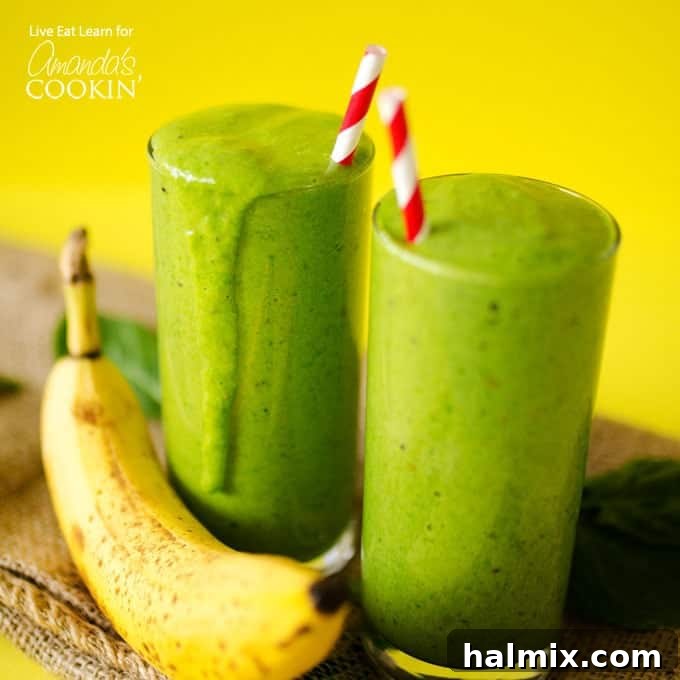
Have you ever considered adding Green Smoothies to your daily routine but felt unsure where to begin? Today, we’re diving deep into the fundamentals of green smoothies, empowering you to create incredibly simple, wonderfully delicious, and remarkably nutritious blends that will energize your day and boost your overall well-being.
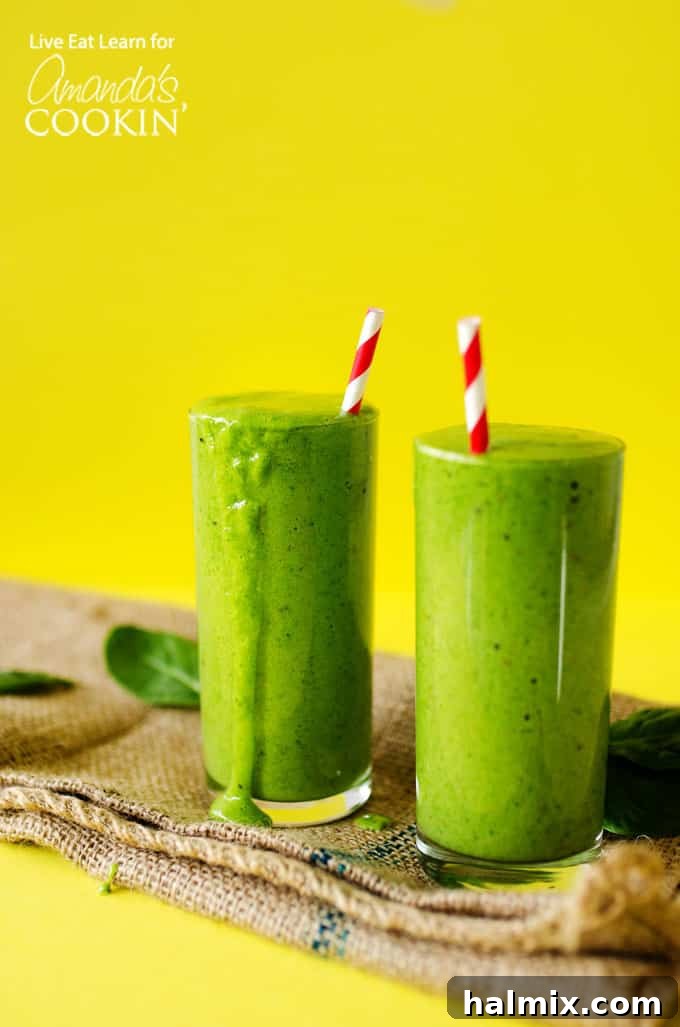
Green Smoothie Basics: Your Guide to Nutrient-Packed Blends
In today’s fast-paced world, finding quick, healthy meal options can be a challenge. Green smoothies offer an elegant solution, transforming a handful of fresh ingredients into a powerful elixir that supports your health goals. Whether you’re aiming to increase your vegetable intake, boost your energy, or simply enjoy a tasty and refreshing drink, green smoothies are an accessible and adaptable choice for everyone.
Why Green Smoothies Are a Game-Changer for Your Health
As someone who has dedicated years to studying nutrition and crafting healthy recipes, I can honestly say that even I sometimes struggle to consume the recommended daily amount of vegetables. My sweet tooth often sways me towards dessert before I even consider a vegetable side dish. This is where green smoothies truly shine – they offer an effortless and enjoyable way to pack in a substantial dose of greens without compromising on taste.
Imagine starting your day with a vibrant, flavorful drink that not only tastes incredible but also fuels your body with essential vitamins, minerals, and fiber. These smoothies can be prepared in under five minutes, providing sustained energy throughout your morning and ensuring you get at least a full serving of vegetables with ease. They are a convenient solution for busy mornings, a perfect post-workout refuel, or a satisfying midday snack.
Discover the full recipe details, ingredient measurements, and step-by-step instructions in the comprehensive recipe card below.
The beauty of green smoothies lies in their incredible adaptability. The basic formula outlined in our recipe card can be customized endlessly with your favorite fruits, vegetables, and superfood boosters. For example, if you’re looking for a refreshing twist, consider a Cucumber Tropical Smoothie. The following sections will guide you through selecting the best ingredients to create your personalized perfect blend.
Frequently Asked Questions About Green Smoothies
Embarking on your green smoothie journey is exciting, and it’s natural to have questions. Here, we address some of the most common inquiries to help you master the art of blending:
What are the best vegetables to use in green smoothies?
The cornerstone of any great green smoothie is, of course, the greens! While almost any leafy green can work, some are better suited for blending due to their milder flavor and nutrient density. Our top recommendations are spinach and kale. Spinach has a very neutral taste, making it ideal for beginners, as its flavor is easily masked by fruits. Kale, while more robust in flavor, is packed with vitamins A, K, and C. Other excellent choices include Swiss chard, bok choy, romaine lettuce, collard greens, and even dandelion greens for a more potent detoxifying effect. Experiment to find your preferred greens, starting with smaller amounts and gradually increasing as your palate adjusts.
What liquid bases work best for green smoothies?
The liquid base is crucial for achieving the right consistency and can also contribute to the flavor profile and nutritional value of your smoothie. You have several fantastic options:
- Water: The simplest choice, offering hydration without adding extra calories or altering flavor.
- Dairy Milk: Provides a creamy texture and a boost of protein and calcium.
- Plant-Based Milks: Almond milk, soy milk, and coconut milk (from a carton) are popular choices, offering various flavors and nutritional benefits while being dairy-free.
- Coconut Water: Excellent for hydration and provides electrolytes, adding a subtle tropical sweetness.
- Juice: While juices like apple or orange juice can add sweetness and flavor, be mindful of their added sugar content. We recommend using them sparingly or choosing 100% natural juices with no added sugars.
Adjust the amount of liquid to reach your desired thickness – more liquid for a thinner drink, less for a thicker, spoonable smoothie.
Which fruits are ideal for green smoothies?
Fruits are essential for adding natural sweetness, vibrant flavor, and additional nutrients to your green smoothies. The possibilities are endless!
- Bananas: A classic choice, providing natural sweetness and a creamy texture. Frozen bananas are excellent for a thick, cold smoothie.
- Berries: Strawberries, blueberries, raspberries, and blackberries are rich in antioxidants and offer a lovely tart-sweet flavor.
- Tropical Fruits: Mango and pineapple add a fantastic tropical tang and sweetness, and they’re great for masking green flavors.
- Stone Fruits: Peaches, cherries, and plums lend a delicate sweetness and beautiful color.
- Apples and Pears: Offer crispness and a mild sweetness, especially good when blended with leafy greens.
- Citrus Fruits: Oranges can brighten the flavor and add a vitamin C boost.
- Other Options: Avocado (for healthy fats and creaminess), grapes, kiwi, and even a small amount of melon can be wonderful additions.
Mixing different fruits can create exciting flavor combinations, so don’t be afraid to experiment!
Can I add yogurt to my green smoothie?
Absolutely! Adding yogurt is a fantastic way to boost protein content and achieve an incredibly creamy, smooth texture. If you choose to add plain yogurt, we generally suggest either using yogurt OR banana as your primary creamy base, rather than both. This helps to maintain a balanced flavor and consistency. Greek yogurt, in particular, will make your smoothie extra thick and satisfying, providing a great source of probiotics for gut health.
What about superfoods and flavorings for an extra boost?
To elevate your green smoothie from good to exceptional, consider incorporating superfoods and flavor enhancers. These additions can significantly increase the nutritional profile and create unique taste experiences:
- Superfoods:
- Seeds: Chia seeds, flax seeds, and hemp seeds are rich in omega-3 fatty acids, fiber, and protein. They also help thicken your smoothie.
- Powders: Hemp protein powder, acai powder, spirulina, or chlorella can add concentrated nutrients and protein.
- Nut Butters: Almond butter, cashew butter, or peanut butter add healthy fats, protein, and a rich, nutty flavor, contributing to satiety.
- Flavorings:
- Pure Extracts: Vanilla extract or almond extract can subtly enhance the overall taste.
- Spices: A pinch of cinnamon or nutmeg adds warmth and depth.
- Cocoa Powder/Cacao Nibs: For a chocolatey twist that’s also rich in antioxidants.
- Fresh Herbs: A few mint leaves or a small piece of ginger can add a refreshing zing.
Start with small amounts and adjust to your preference. These additions make your smoothie even more personalized and beneficial.
Can you make green smoothies in advance and freeze them?
Yes, preparing green smoothies in advance is a fantastic way to save time and ensure you always have a healthy option on hand! You can even make fun green smoothie popsicles. If you intend to drink your smoothie, freezing and thawing require a little planning. The best approach is to blend batches of your green smoothies and pour them into individual serving containers, leaving about an inch of headspace to account for expansion during freezing. The night before you plan to enjoy a smoothie, simply transfer it from the freezer to the refrigerator to thaw overnight. By morning, you’ll have a perfectly chilled and ready-to-drink smoothie. For more detailed tips on freezing smoothies in advance, explore these options.
How do I make my own green juice, and how does it differ from a green smoothie?
Green juice and green smoothies both offer a concentrated dose of nutrients, but they differ significantly in their preparation and nutritional profile.
- Green Juice: Made by extracting the liquid from fruits and vegetables, leaving behind the pulp. This results in a thinner, fiber-free drink that allows for quicker nutrient absorption. You can make green juice using a dedicated juicer, which makes removing the pulp incredibly easy. If you don’t own a juicer, you can blend your ingredients in a high-speed blender and then push the mixture through a fine-mesh sieve or nut milk bag to separate the juice from the pulp. Remember, while green juice delivers a potent nutrient punch, it lacks the dietary fiber found in whole produce. For a great starting point, check out this blender green juice recipe.
- Green Smoothie: Made by blending whole fruits and vegetables, retaining all the fiber. This results in a thicker, more filling drink that supports digestion, helps regulate blood sugar, and provides sustained energy.
Both are excellent additions to a healthy diet, serving different purposes.
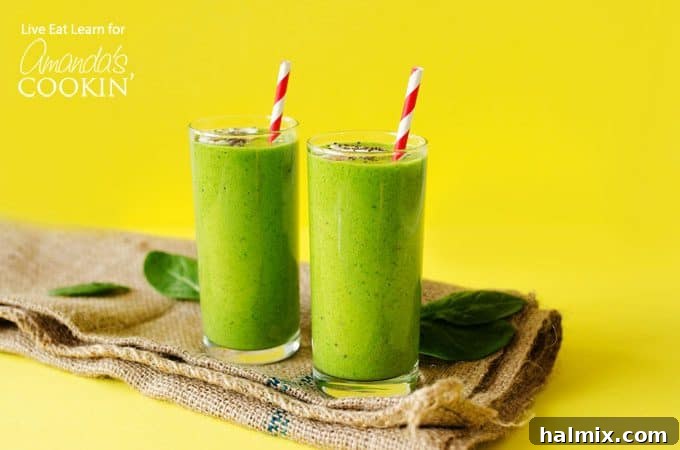
Tips for the Perfect Green Smoothie Every Time
Creating the perfect green smoothie is an art form that’s easy to master with a few key techniques:
- Layer Your Ingredients Correctly: For optimal blending, always add your liquid first, followed by soft ingredients like spinach or chopped fruit, then frozen fruit or ice, and finally any powders or seeds. This helps the blades catch everything efficiently.
- Use Frozen Fruit: Frozen fruit isn’t just for cooling; it creates a thicker, creamier texture without diluting the flavor like ice can. Consider freezing your ripe bananas, berries, and even some greens like spinach for future smoothies.
- Adjust Sweetness Naturally: If your smoothie isn’t sweet enough, avoid added sugars. Instead, incorporate more naturally sweet fruits like dates, mango, or pineapple. A touch of honey or maple syrup can be used sparingly if needed.
- Balance Flavors: If your green smoothie tastes “too green,” balance it with sweeter fruits, a squeeze of lemon or lime juice for brightness, or flavor enhancers like vanilla extract or cinnamon.
- High-Quality Blender: A powerful blender makes a significant difference, ensuring a smooth, lump-free consistency, especially when dealing with fibrous greens.
More Refreshing Smoothie Recipes to Explore
Once you’ve mastered the basics of green smoothies, you’ll likely want to expand your repertoire! Here are some other fantastic smoothie recipes to keep your blending exciting and your body nourished:
- Cranberry Detox Smoothie
- Cozy Coconut Smoothie
- Almond Maple Smoothie
- Cinnamon Roll Smoothie
- Strawberry Banana Smoothie
- Loaded Coffee Breakfast Smoothie
I love creating and sharing delicious recipes with you! To make sure you never miss out, I’ve made it easy with my weekly newsletter. You can subscribe for free and receive tasty recipes directly in your inbox every week.
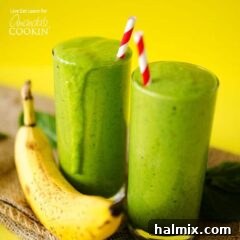
Green Smoothie Basics
Unsure about green smoothies? This guide breaks down the basics to help you create ultra-simple, incredibly delicious, and healthy smoothies to kickstart your day!
IMPORTANT – For more helpful information and insights, please review the Frequently Asked Questions section above within the blog post.
Rate This Recipe
Save Recipe
Ingredients
- 1 cup milk or juice (e.g., almond milk, water, coconut water, or 100% fruit juice)
- 1 cup fresh spinach or kale (packed)
- ½ cup sliced banana (frozen for best results) or ½ cup plain yogurt (dairy or non-dairy)
- 1 cup assorted fruit (e.g., 1 kiwi and 1 pear, mixed berries, mango, pineapple)
- 1 Tbsp optional superfood topping (e.g., chia seeds, flax seeds, or hemp seeds)
- 1 tsp optional flavor enhancer (e.g., cinnamon, vanilla extract, honey, or a small piece of ginger)
Things You’ll Need
- Blender (A high-speed blender is recommended for the smoothest results)
- Measuring cups and spoons
Before You Begin
- For a creamy base, choose either banana or yogurt. If using yogurt, you might want to skip the banana to maintain a balanced texture and sweetness.
- Feel free to experiment with a wide array of fruits. Popular choices include bananas, all types of berries, mango, pineapple, peaches, cherries, plums, apples, pears, oranges, avocado, and grapes.
- The liquid choice affects both taste and calorie count. Water, various milks (dairy, almond, soy, coconut), and coconut water are great. If using fruit juice, opt for 100% juice and be mindful of its natural sugar content.
Instructions
- Begin by combining your chosen liquid (milk or juice) and leafy greens (spinach or kale) in your blender. Blend on high until the mixture is completely smooth and no visible green flecks remain. This ensures a velvety texture for your final smoothie.
- Next, add the remaining ingredients: your creamy base (banana or yogurt), assorted fruits, and any optional superfood toppings or flavor enhancers. Continue blending until all ingredients are well combined and the smoothie reaches your desired consistency. If it’s too thick, add a splash more liquid; if too thin, add a few ice cubes or a bit more frozen fruit.
- Pour your freshly blended green smoothie into a glass and serve immediately to enjoy its peak freshness and nutrient content.
Nutrition Information
Calories: 210 cal |
Carbohydrates: 42g |
Protein: 6g |
Fat: 3g |
Saturated Fat: 1g |
Cholesterol: 5mg |
Sodium: 71mg |
Potassium: 591mg |
Fiber: 5g |
Sugar: 29g |
Vitamin A: 2030IU |
Vitamin C: 11.7mg |
Calcium: 206mg |
Iron: 1.4mg
Tried this Recipe? Pin it for Later!
Follow on Pinterest @AmandasCookin or tag #AmandasCookin!
The recipes on this blog are tested with a conventional gas oven and gas stovetop. Please note that cooking appliances can vary, and results may differ. An inexpensive oven thermometer can help ensure accurate temperatures. For specialized appliances like pressure cookers or air fryers, links to the models used are often provided within their respective recipes. For baking, using weight measurements is highly recommended for consistent results; we cannot guarantee success if cup measurements are substituted, as densities can vary significantly.
This enhanced guide to green smoothies was developed from content originally published on March 6, 2017.