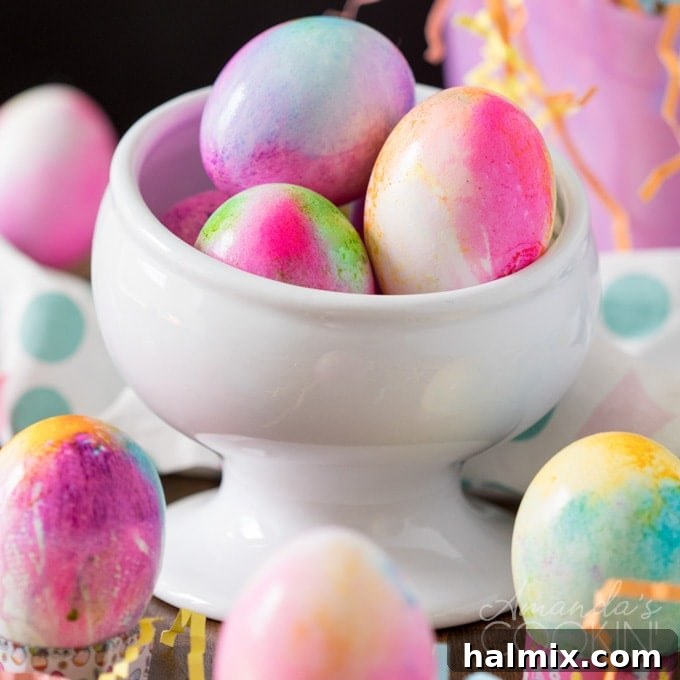
Transform your Easter celebration this year with a vibrant splash of color! Forget the traditional single-color egg dyes; we’re diving into the exciting world of **Tie Dye Easter Eggs**. This super fun and creative method allows you to craft eggs bursting with beautiful, swirling patterns, making each one a unique work of art. It’s an engaging activity perfect for kids and adults alike, promising a delightful mess and unforgettable memories. So, gather your supplies, don an apron, and prepare to unleash your inner artist!
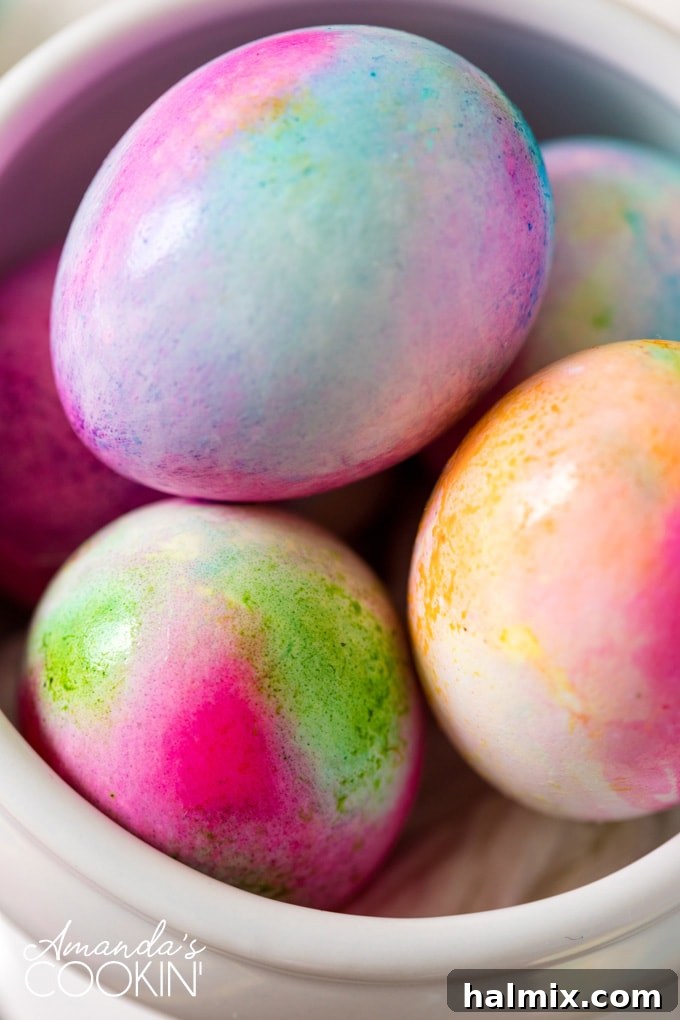
Unleash Creativity: Two Fantastic Ways to Make Tie Dye Easter Eggs
Easter egg decorating has always been a beloved tradition, a cherished part of springtime festivities that brings families together. As children grow, their desire for more elaborate and exciting crafting experiences often leads to a quest for unique methods beyond the typical pastel dips. That’s precisely why we embraced the delightful chaos of tie-dyeing eggs! This guide will walk you through not one, but two fantastic techniques to create stunning, multi-colored Easter eggs that truly stand out. Whether you prefer the rustic charm of cheesecloth or the accessibility of paper towels, you’re in for an artistic adventure. If you’re looking for other unique egg ideas, don’t miss exploring creative alternatives like cracked colored eggs.
Essential Supplies for Your Tie Dye Egg Adventure
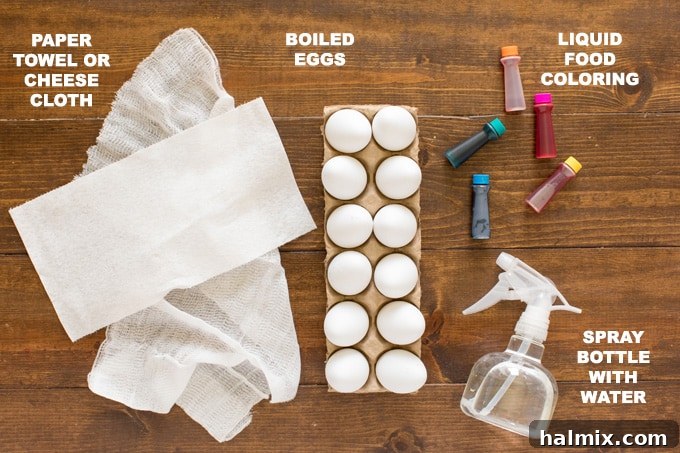
Before we dive into the creative process, let’s ensure you have all the necessary tools at hand. We’ll be exploring two distinct methods for decorating your tie-dye Easter eggs – one utilizing cheesecloth for a more textured look, and the other employing sturdy paper towels for a softer, watercolor effect. No matter which technique you choose, the basic supplies remain largely the same, making this a versatile and accessible craft. Remember, organization is key to a smooth and enjoyable crafting session!
- Plastic wrap: Essential for protecting your countertop from colorful spills and making cleanup a breeze.
- Cheesecloth OR sturdy paper towels: These are the core materials for creating the tie-dye effect. Cheesecloth offers a distinctive textured pattern, while strong paper towels provide a softer, more blended look.
- Liquid food coloring: The magic behind the vibrant hues! Opt for a variety of colors to create stunning combinations. Gel food coloring can also work but may require more water to spread.
- A small spray bottle with water (or a small cup of water): Crucial for diluting and blending the food coloring, allowing the tie-dye patterns to emerge.
- Rubber bands: Used to secure the cheesecloth or paper towel tightly around the egg, ensuring the dye adheres well and creates defined patterns.
- Empty cardboard egg carton: Perfect for holding your freshly dyed eggs while they dry, preventing them from rolling and smudging.
- Hard-boiled eggs: The canvases for your artistic endeavors! Make sure they are completely cooled before you begin.
- Apron or old clothes: A must-have for protecting your attire, as this craft can get wonderfully messy.
- Rubber gloves (optional but recommended): To keep your hands stain-free, especially for kids.
Pro Tips and Smart Kitchen Hacks for a Smooth Tie Dye Experience
While making tie-dye Easter eggs is all about spontaneous creativity, a few helpful tips can ensure your crafting session is as smooth and enjoyable as possible. From managing potential messes to perfecting your technique, these insights will help you achieve the best results and minimize any hassle.
- Efficient Drying Methods: You can allow your beautifully colored eggs to air dry naturally in a cardboard egg carton. This gives the colors time to set. However, if you’re eager to see the results quickly or need to free up space, a hairdryer on its cool setting can significantly speed up the drying process. Gently hold the hairdryer a few inches away from the eggs and move it around to dry them evenly.
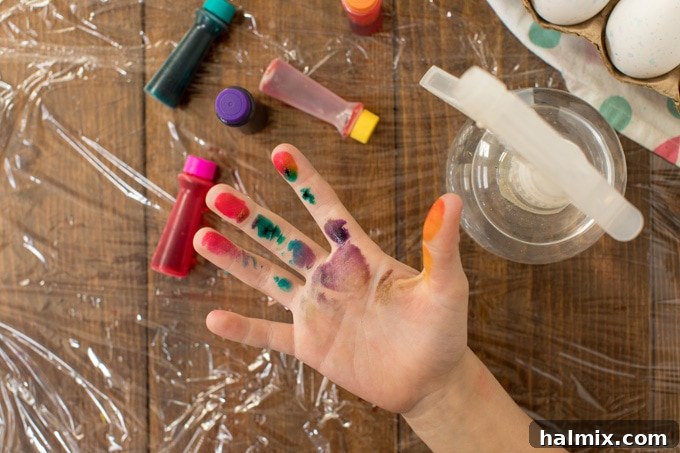
- Preventing Skin Stains: Food coloring can be quite potent and may temporarily stain skin. To avoid vibrant fingers, especially for younger crafters, consider having everyone wear rubber gloves. This small step can save a lot of scrubbing later!
- Removing Food Coloring Stains from Skin: If, despite precautions, your skin gets stained, don’t worry! Here’s a quick and effective removal method: First, rub your hands thoroughly with a good quality hand lotion. This helps to lift the dye. Next, create a paste by mixing white vinegar and a small amount of salt. Rub this paste onto the stained areas. The mild acid in the vinegar and the abrasive nature of the salt work together to gently exfoliate and remove the color. Rinse your hands, and repeat the process if necessary until the stains are gone.
- Choosing the Right Paper Towels: For the paper towel method, the quality of your paper towel matters. A sturdy, absorbent paper towel is essential to prevent it from tearing during the process, especially when wet and gathered around the egg. If you only have thinner paper towels on hand, you can easily double or triple the number of sheets to create a more robust wrap that won’t fall apart.
- Perfecting Your Hard-Boiled Eggs: Ensure your eggs are perfectly hard-boiled and completely cooled before dyeing. Cold eggs are easier to handle and less likely to crack. A good hard-boiled egg will also provide a smooth, firm surface for the dye to adhere to.
- Protecting Your Workspace: Laying down plastic wrap is vital, but consider adding a layer of old newspaper or a disposable tablecloth underneath for extra protection. This ensures your crafting area stays pristine, even with the most enthusiastic of artists!
Method One: The Classic Cheesecloth Technique for Textured Tie Dye
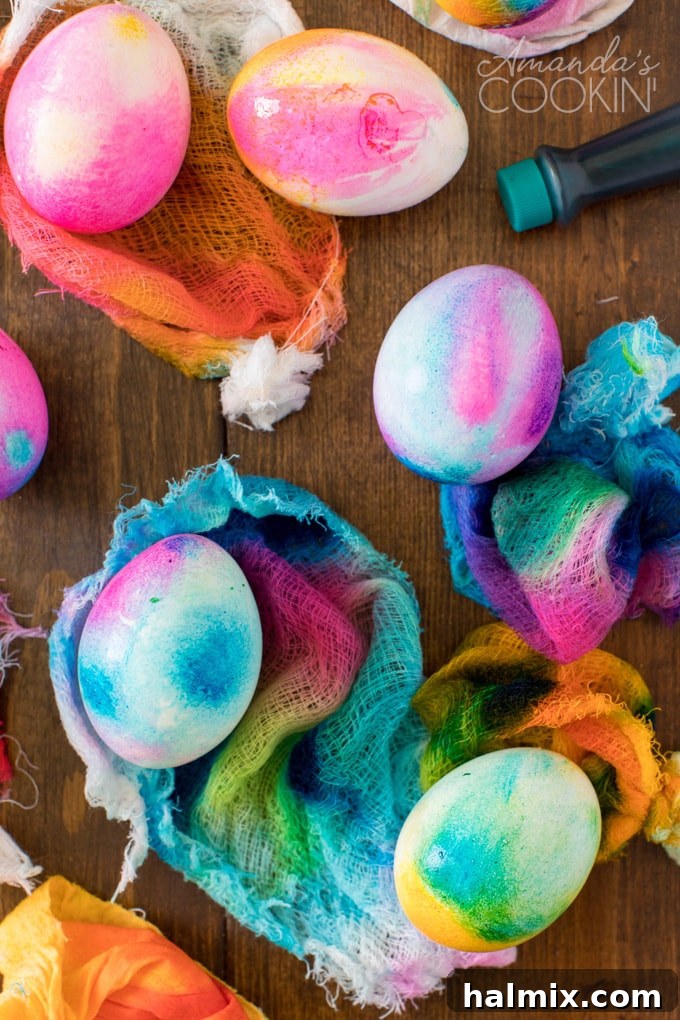
The cheesecloth method is fantastic for creating distinctive, textured patterns on your Easter eggs. The loosely woven fabric allows the colors to blend and bleed in unique ways, resulting in a beautiful, organic tie-dye effect. Follow these steps for a truly artistic outcome:
- Prepare Your Workspace: Begin by layering your counter or work surface with plastic wrap. This is crucial for protecting against spills. Next, cut your cheesecloth into approximate 6-inch (15 cm) squares or lengths. The exact size can vary slightly, but aim for enough fabric to fully wrap around an egg with some overlap.
- Dampen the Cheesecloth: Get a piece of cheesecloth thoroughly wet under the tap, then wring out as much excess water as possible. You want the cheesecloth to be damp, not dripping wet. This dampness helps the food coloring spread and absorb evenly.
- Position the Egg: Place a cooled, hard-boiled egg directly into the center of the damp cheesecloth square.
- Secure the Wrap: Carefully gather all the ends of the cheesecloth together tightly around the egg, forming a small pouch. Secure this pouch firmly with a rubber band, making sure the fabric is snug against the egg’s surface. The tighter the wrap, the more defined your tie-dye patterns will be.
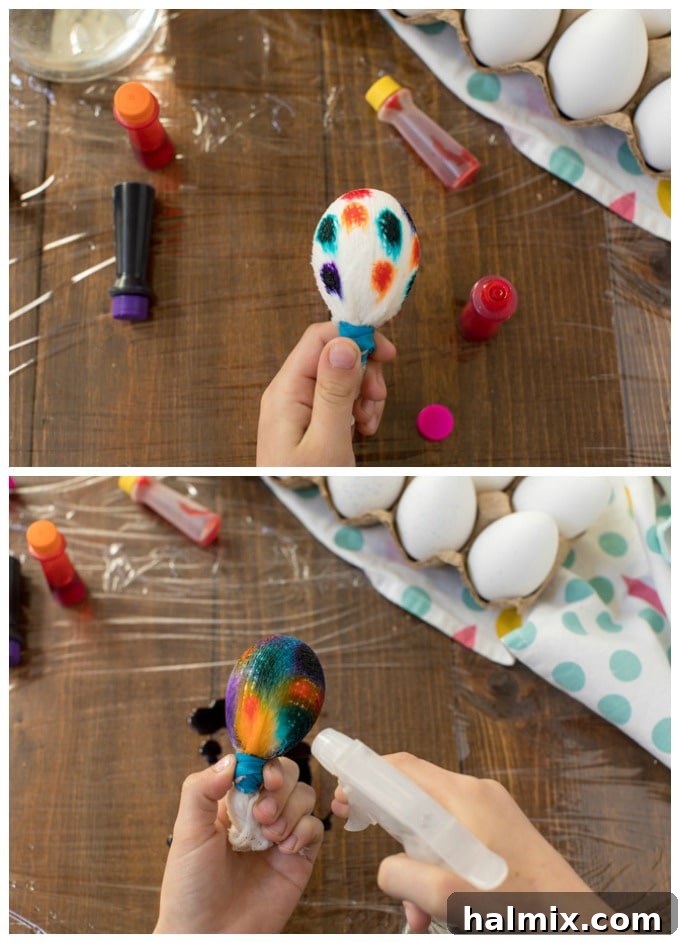
- Apply Food Coloring: Holding the egg by the rubber-banded end, begin adding drops of liquid food coloring directly onto the damp cheesecloth. Be creative with your color choices! Drip different colors in various spots, allowing them to touch and merge slightly. For a truly tie-dye look, avoid completely saturating the entire surface with one color.
- Embrace White Space (or don’t!): While leaving some small areas of white space on the cheesecloth can enhance the tie-dye effect by providing contrast, feel free to use as many or as few colors as you like. Experiment with applying colors directly next to each other, or leaving gaps for the water to fill.
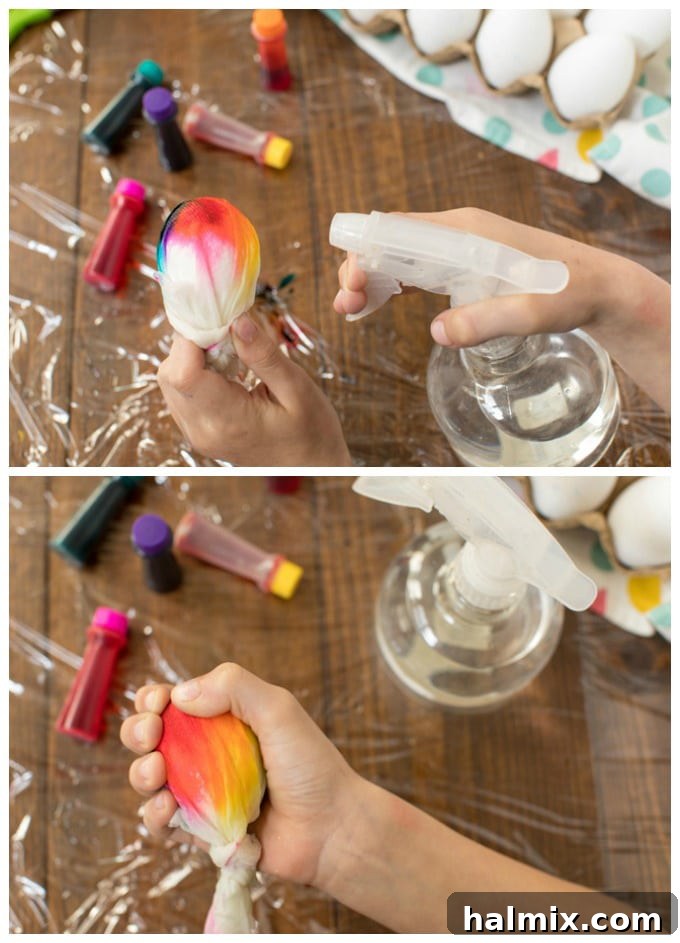
- Spritz with Water for Blending: This is where the magic happens! Using your small spray bottle, lightly mist the colored cheesecloth with water. The amount of water you use will significantly impact the final result. Less water will result in darker, more concentrated colors, while more water will create a muted, watercolor-like effect with softer blends. The goal is to encourage the colors to blend and swirl, not to completely wash them out into a single, uniform blob. Observe how the colors react and adjust your water spritz accordingly.
- Gently Squeeze Excess: Once you’re satisfied with the color distribution and blending, carefully “hug” the wrapped egg with your hand. Gently squeeze out any excess food coloring and water. This step helps to set the colors and prevent them from continuing to spread too much while drying.
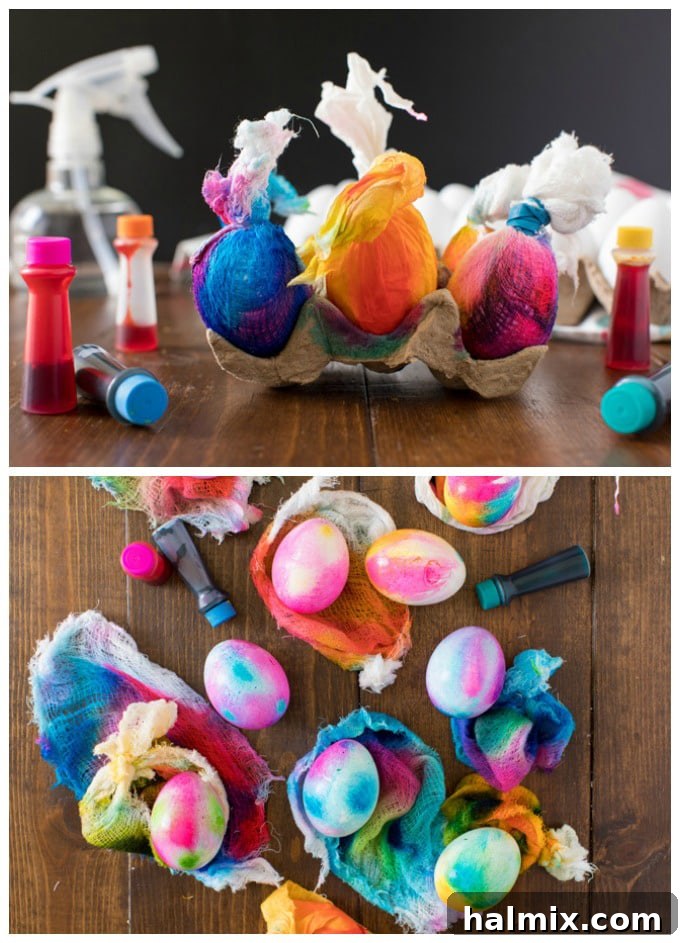
- Allow to Dry: Place the wrapped egg in an empty cardboard egg carton to dry. This provides a stable base and allows air circulation. Resist the urge to unwrap immediately! Patience is key. Let the eggs dry completely for several hours, or even overnight, to ensure the colors are fully absorbed and set. As mentioned, a hairdryer on a cool setting can speed this up.
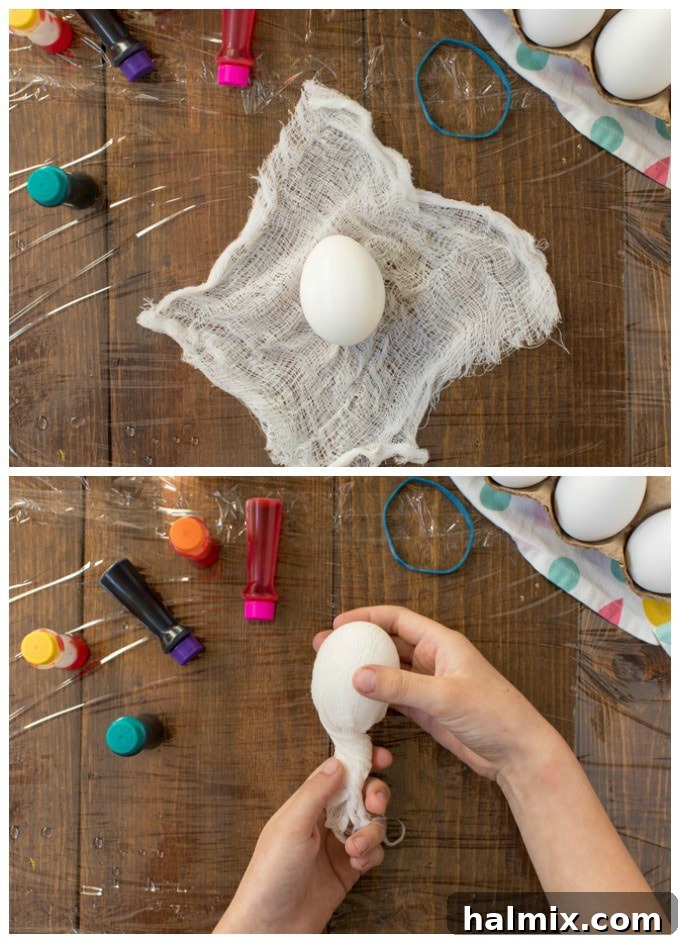
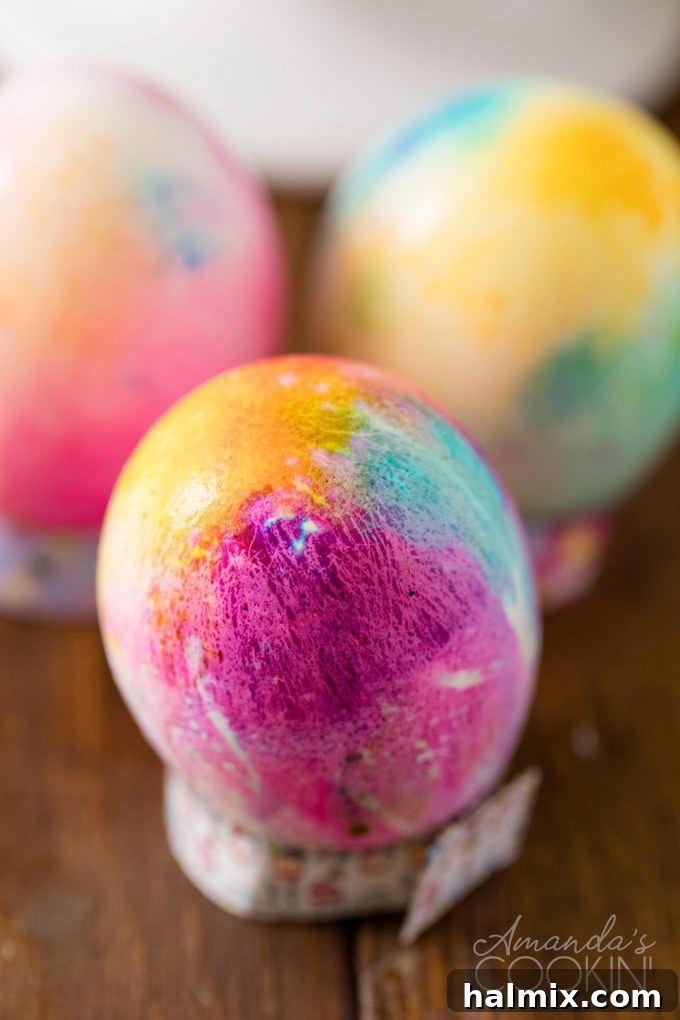
Indeed, it’s a beautifully messy process, but the outcome is absolutely worth it! Once your eggs are completely dry, carefully unwrap them and revel in the amazing, unique tie-dye patterns you’ve created. Each egg will be a delightful surprise, showcasing your artistic flair.
Method Two: The Simple Paper Towel Technique for Soft Tie Dye
For those seeking a slightly different aesthetic, the paper towel method offers a wonderfully soft and watercolor-like tie-dye effect. It’s a bit quicker and equally satisfying, making it another excellent choice for crafters of all ages. Here’s how to achieve these gentle yet vibrant designs:
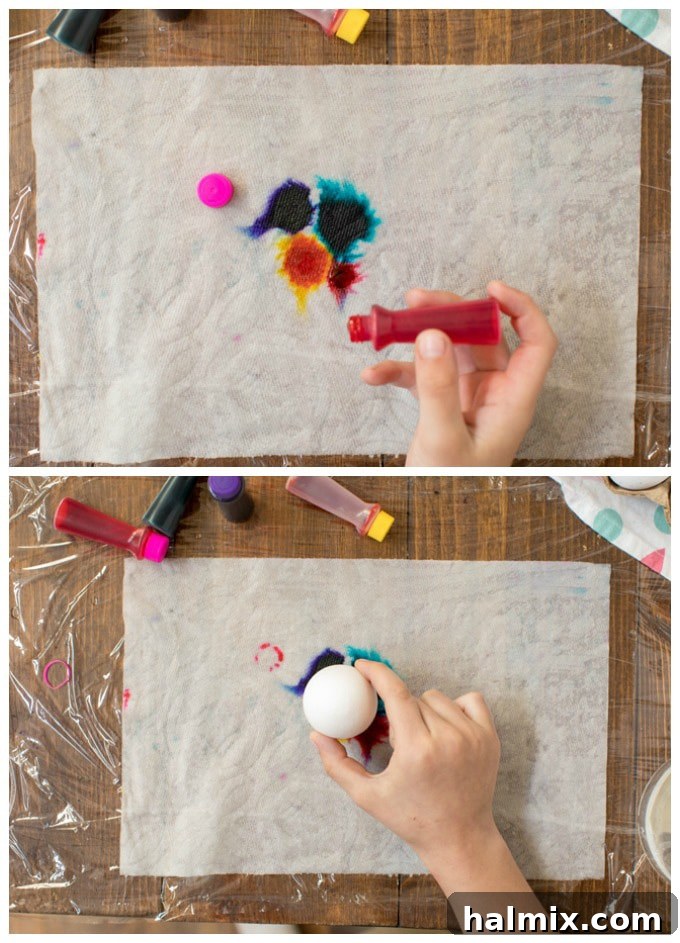
- Prepare and Dampen the Paper Towel: Just like with the cheesecloth method, start by layering your counter with plastic wrap for protection. Take a sturdy piece of paper towel, get it thoroughly wet, and then wring out all the excess water. You want the paper towel to be just damp, not soaking wet. Open it up and lay it flat on your plastic-lined counter. Remember, a sturdy paper towel prevents tearing, or you can use multiple layers for added strength.
- Apply Central Color Drops: Drip several drops of liquid food coloring directly into the center of the damp paper towel. You can choose a single color, two complementary colors, or a rainbow of hues. The key is to concentrate the initial drops in the middle.
- Place Egg and Gather: Gently place your hard-boiled egg directly on top of the food coloring drops in the center of the paper towel. Carefully gather the paper towel up and around the egg, encasing it completely. You can twist the top to make it snug, similar to how you would with the cheesecloth.
- Spritz to Activate Colors: Once the egg is wrapped, use your spray bottle to lightly mist the paper towel with water. This water will react with the concentrated food coloring, causing it to spread and blend across the damp paper towel and onto the egg, creating the beautiful tie-dye patterns. Control the amount of water to achieve your desired color intensity – more water for softer, more muted tones, less for bolder, more intense shades.
- Squeeze and Dry: Gently squeeze the wrapped egg to remove any excess liquid. This helps to set the colors and ensures your egg won’t be overly drippy. Then, place the egg in a cardboard egg carton to dry completely. Again, patience or a cool hairdryer will yield the best results.
Displaying Your Masterpieces and Further Easter Fun
Once your magnificent tie-dyed Easter eggs are fully dry and unwrapped, it’s time to showcase your vibrant creations! These unique eggs are far too beautiful to simply hide away. Consider these wonderful ways to display them or incorporate them into your Easter festivities:
- Elegant Displays: Arrange these pretty eggs in decorative egg cups or a beautiful basket as a stunning centerpiece for your Easter table. Their bright, artistic patterns will instantly elevate your holiday decor.
- Thoughtful Gifts: Tie-dyed eggs make incredibly charming and personalized gifts. Print some adorable basket tags and pair them with a few of your best eggs for a unique present that family and friends will cherish.
- Exciting Egg Hunts: Elevate your traditional Easter egg hunt by including these brilliantly colored eggs! They’ll be easier to spot and add an extra layer of excitement for the hunters. For more innovative hunt ideas, check out these 13 fabulous Easter egg hunt ideas.
- Engaging Scavenger Hunts: Make them part of an adventurous Easter scavenger hunt! Hide clues that lead to these colorful treasures, adding an interactive and memorable element to your celebration.
- Beyond Decoration: If you used food-safe dyes, these eggs can still be enjoyed as part of your Easter brunch. Just be sure to properly refrigerate them after decorating.
If you’re hungry for even more creative Easter egg decorating ideas, my craft blog is a treasure trove of inspiration! I’ve previously shared 7 Cool Ways to Decorate Easter Eggs, offering a variety of techniques to keep your Easter crafting fresh and exciting year after year. Happy creating!
Frequently Asked Questions About Tie Dye Easter Eggs
To help ensure your tie-dye egg decorating goes off without a hitch, here are answers to some common questions:
Q: Are tie-dyed Easter eggs safe to eat?
A: Yes, if you use food-grade liquid food coloring and start with hard-boiled eggs that are still safe for consumption. Ensure the eggs are handled cleanly throughout the process and refrigerated promptly after dyeing. The dye might penetrate the shell slightly, but it’s generally safe for eating the whites. Always check the labels on your food coloring to confirm they are non-toxic.
Q: How long do the colors last on the eggs?
A: The colors are permanent once dry and should last as long as the egg itself. If the eggs are for decorative purposes, they can last for several days at room temperature, or up to a week if refrigerated. If you plan to keep them longer, you might consider blowing out the eggs before decorating.
Q: Can I use different types of fabric besides cheesecloth or paper towels?
A: While cheesecloth and sturdy paper towels are highly recommended for their absorbency and texture, you can experiment with other materials like old cotton t-shirt scraps or coffee filters. Just ensure the material is absorbent and can be tightly wrapped around the egg. Results may vary depending on the fabric’s weave and thickness.
Q: What if my colors aren’t blending well?
A: If colors seem to stay in distinct drops, try lightly misting with a bit more water. The goal is to get the fabric damp enough for the colors to bleed into each other without becoming overly diluted. Ensure your cheesecloth or paper towel was damp enough to begin with. You can also gently press the wrapped egg to encourage blending.
Q: How can I make the colors more vibrant or more pastel?
A: For more vibrant colors, use less water when spritzing, allowing the concentrated food coloring to dominate. You can also apply more drops of coloring. For more pastel shades, use more water during the spraying step, which dilutes the dye and creates a softer, more muted effect. Experimenting with different amounts of food coloring and water is key to finding your preferred intensity.
The recipes and craft guides on this blog are developed and tested with common household tools and appliances. It’s important to remember that crafting and cooking results can sometimes vary based on individual equipment, especially as appliances age. For precise cooking, an inexpensive oven thermometer can be incredibly helpful. If using smaller appliances like toaster ovens or air fryers, please note that heat distribution might differ from conventional ovens, requiring adjustments to times. For baking, where weights are often provided, using cups instead of exact weights may alter the outcome, and success cannot be guaranteed with such substitutions.
This post originally appeared here on Mar 3, 2014.