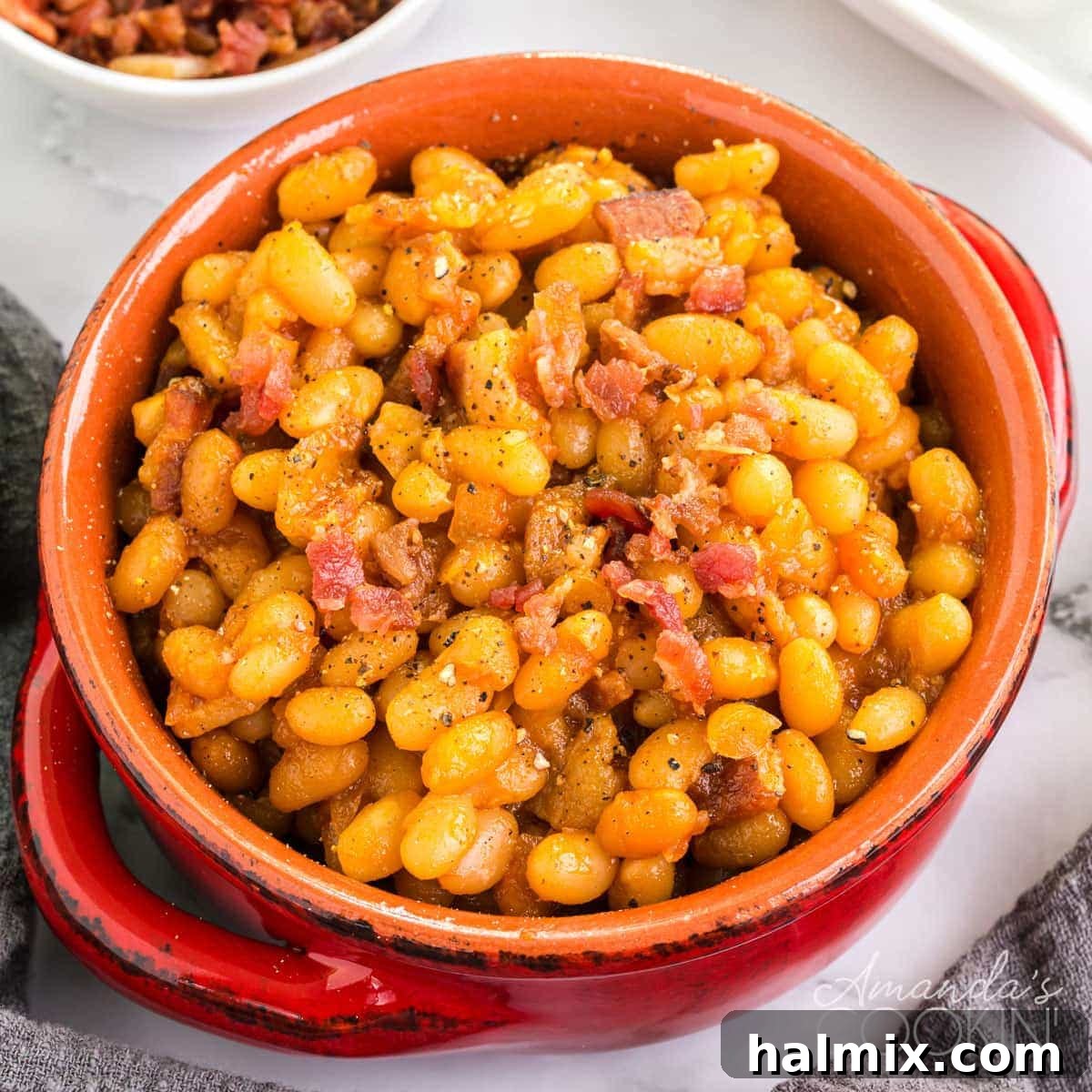
There’s nothing quite like a steaming bowl of perfectly cooked homemade baked beans, brimming with rich, complex flavors that far surpass anything from a can. This recipe guides you through crafting an unforgettable side dish, boasting a delectable tangy, sweet, and savory sauce. Imagine the harmonious blend of brown sugar, maple syrup, classic ketchup, and bright apple cider vinegar, all working together to create a symphony of taste. While it requires a little more time and love than simply opening a can, the unparalleled depth of flavor and tender texture you achieve are absolutely worth the extra effort. Get ready to elevate your culinary game and impress your family and friends with this timeless classic.
Why This Homemade Baked Bean Recipe is a Must-Try
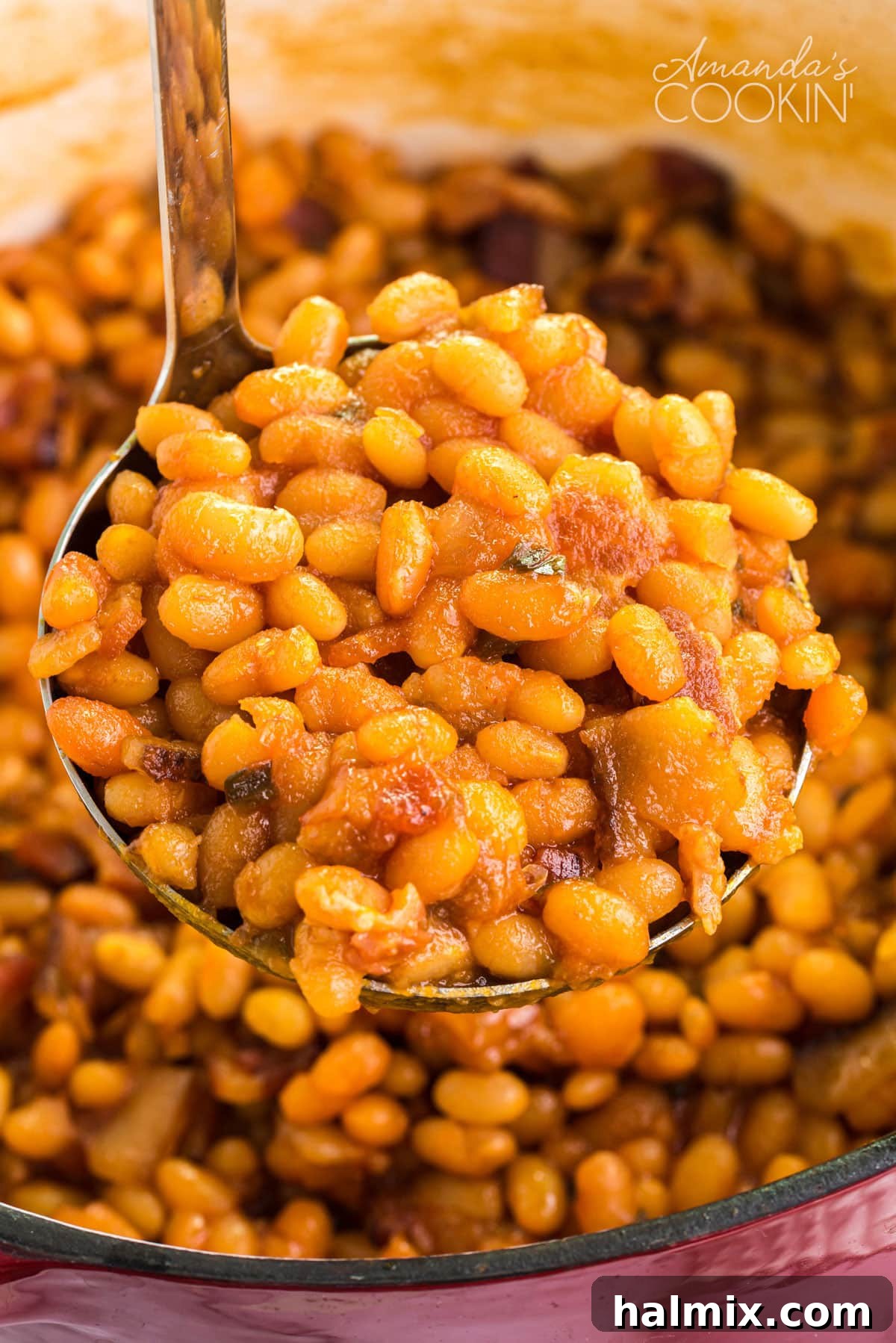
When you picture a quintessential summer barbecue, what’s missing if not a generous helping of baked beans? While store-bought baked beans offer convenience, they often fall short in delivering the authentic, hearty flavor that truly complements grilled meats and picnic spreads. This recipe isn’t just about making baked beans; it’s about creating a culinary experience. Our homemade approach ensures every bean is infused with a rich, multi-layered sauce that balances sweetness with a zesty tang and a satisfying savory depth. You control the quality of every ingredient, from the type of beans to the richness of the bacon and the precise balance of the seasonings. This means no artificial flavors, no excessive sodium, just pure, wholesome goodness.
While preparing baked beans from scratch does require some planning, mainly for the bean soaking and cooking time, much of the process involves passive oven baking. This allows you to focus on other tasks while your beans slowly transform into a mouthwatering masterpiece. The result is a dish that tastes undeniably superior to any canned alternative, earning you rave reviews and becoming a staple at all your gatherings. It’s comfort food at its finest, a true testament to the power of home cooking.
Essential Tips for Perfect Homemade Baked Beans
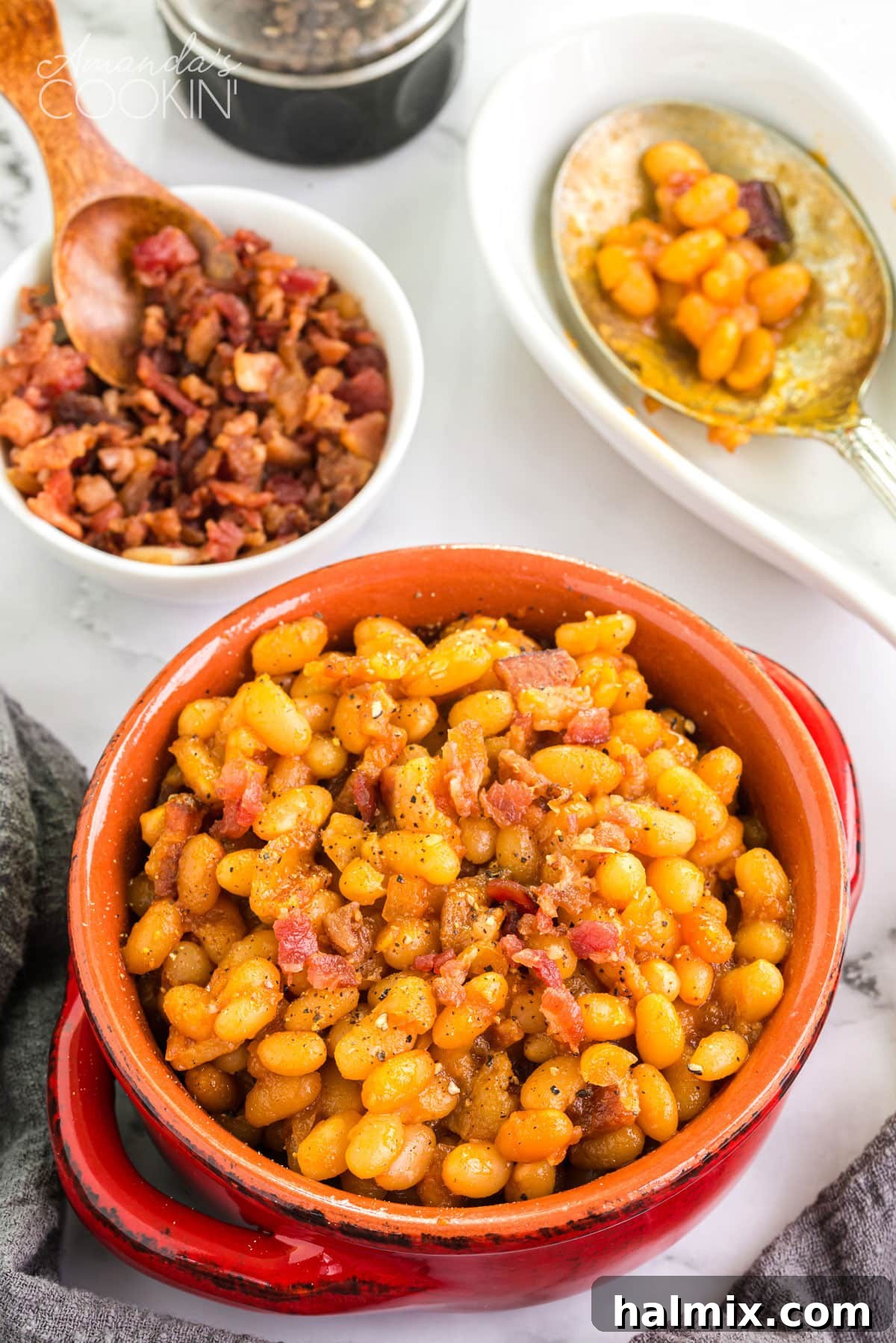
Crafting the best homemade baked beans involves a few key techniques and considerations. Whether you’re a seasoned cook or new to bean-making, these expert tips and answers to common questions will ensure your dish turns out perfectly every time:
- Vegetarian Adaptation: For a delicious vegetarian version, simply omit the bacon. Instead of bacon grease, sauté your onions and jalapeños in a couple of tablespoons of vegetable oil, olive oil, or even a plant-based butter for a rich foundation. While bacon grease adds a unique smoky depth, a good quality oil will still yield fantastic results.
- Forgetting to Soak Beans? No Problem! Overnight soaking is ideal for tender, evenly cooked beans, but life happens. If you forget, don’t despair! Try the quick-soak method: Rinse your dry beans thoroughly and place them in a pot. Cover them with water by at least two inches. Bring the water to a rolling boil and let it boil vigorously for just one minute. Then, remove the pot from the heat, cover it, and let the beans soak for one hour. After this quick soak, drain and rinse them, and proceed with the recipe as directed.
- Choosing Your Cookware: A Dutch oven is an excellent choice for this recipe as it allows you to brown ingredients on the stovetop and then transfer the entire pot directly to the oven for baking, minimizing cleanup. If you don’t have a Dutch oven, you can easily use a large, heavy-bottomed pot for the stovetop cooking, then transfer the beans to a casserole dish or other oven-safe baking dish for the baking steps.
- The Gentle Touch: Bean skins become incredibly tender during the cooking process. Over-mixing can cause them to break apart, leading to a mushy texture. Throughout the recipe, particularly when combining ingredients or stirring during baking, use a very light hand and gentle motions to keep your beans intact and beautifully textured.
- Storage and Reheating: Leftover baked beans store wonderfully! Transfer them to an airtight container and refriger refrigerate for up to 3-4 days. To reheat, gently warm them on the stovetop over low heat, adding a splash of water or reserved bean liquid if they seem too thick, or reheat in the microwave until heated through.
- Freezing: Baked beans freeze exceptionally well. Allow them to cool completely, then transfer them to freezer-safe containers or bags, leaving a little headspace. They can be frozen for up to 3 months. Thaw overnight in the refrigerator before reheating.
Unveiling the Key Ingredients for Flavorful Baked Beans
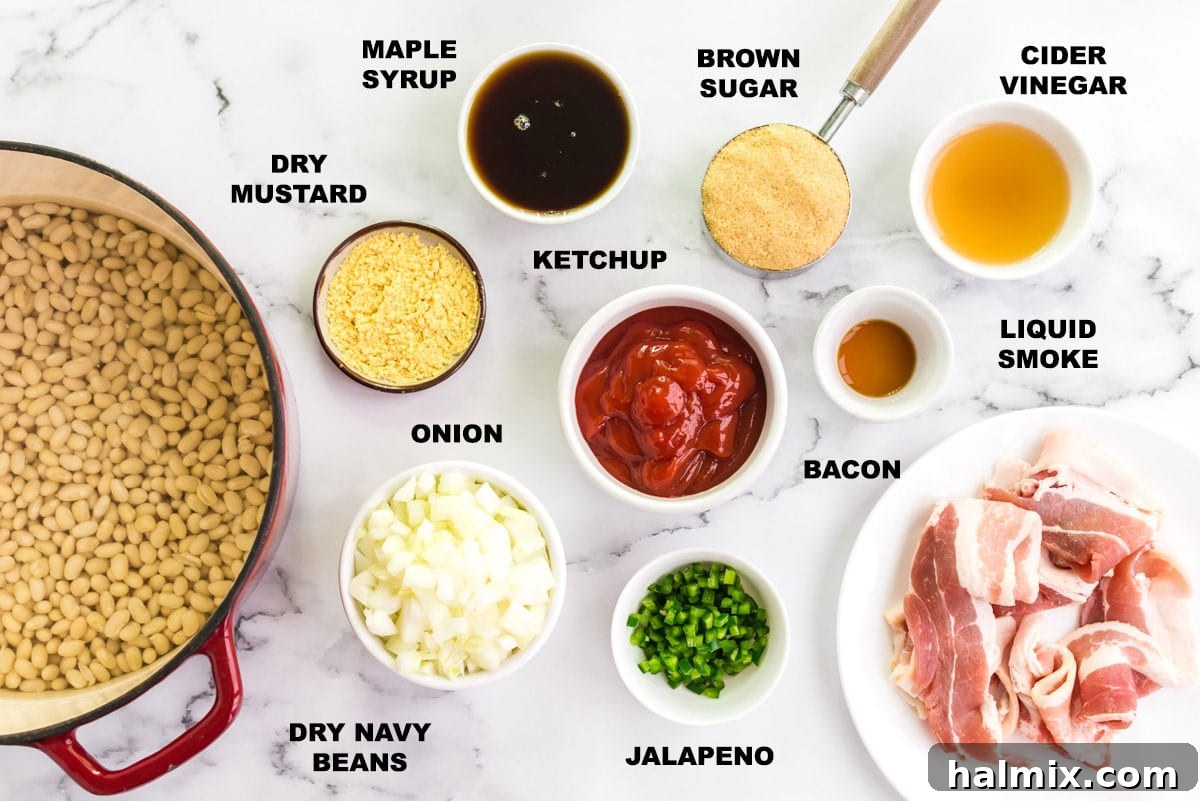
Each ingredient in this homemade baked bean recipe plays a crucial role in developing its signature sweet, tangy, and savory profile. Here’s a closer look at what you’ll need and why:
- Dry Navy Beans or Great Northern Beans: These small, white beans are ideal for baked beans due to their creamy texture when cooked and their ability to absorb flavors beautifully. Navy beans are slightly smaller and tend to break down a bit more, creating a thicker sauce, while Great Northern beans are a bit larger and hold their shape slightly better. Either will yield fantastic results. Using dry beans is key to achieving that perfectly tender, non-mushy texture that canned beans often lack.
- Thick-Cut Bacon: While the bacon in this recipe isn’t cooked until crispy, it’s absolutely essential for rendering delicious bacon grease, which forms the savory base for sautéing the aromatics. The partially cooked, coarsely chopped bacon is added at the end, contributing wonderful chewy texture and bursts of smoky, salty flavor. If you’re going for a vegetarian option, simply replace the bacon grease with a neutral-flavored vegetable oil, though you’ll miss a layer of classic flavor.
- Yellow Onion: A staple in savory cooking, chopped yellow onion provides a foundational sweetness and aromatic depth when sautéed in bacon grease. It mellows during the long cooking process, becoming an integral part of the sauce.
- Jalapeño Pepper: Don’t let the idea of a jalapeño deter you! When seeded and chopped, a medium jalapeño adds a subtle, pleasant warmth and a layer of fresh, peppery flavor without making the beans overly spicy or hot. It complements the sweetness of the sauce wonderfully. If you prefer zero heat, you can omit it, but it truly adds an extra dimension.
- Brown Sugar (Packed): This is one of the primary sweeteners, providing a deep, molasses-rich sweetness that caramelized beautifully during baking, contributing to the beans’ signature glaze. Packing the brown sugar ensures you get the correct amount.
- Dry Mustard: A secret weapon in many baked bean recipes, dry mustard powder adds a subtle pungency and a savory, earthy note that cuts through the sweetness and enhances the overall complexity of the sauce without imparting a strong “mustard” flavor.
- Maple Syrup: Alongside brown sugar, maple syrup provides another layer of sweetness, but with its own distinct caramel-like, woodsy notes that are incredibly complementary to the smoky elements of the dish. Use pure maple syrup for the best flavor.
- Liquid Smoke: This ingredient is a game-changer if you want to infuse your beans with a deep, authentic smoky flavor without needing a smoker. A little goes a long way! If you can find it, you won’t regret adding it. However, if it’s not available in your pantry, your beans will still be incredibly delicious without it. It simply adds an extra dimension of classic BBQ flavor.
- Ketchup: Ketchup provides a familiar sweet and tangy tomato base, adding body and a vibrant flavor that is quintessential to classic baked beans. Its acidity also plays a crucial role, as you’ll see in the final steps.
- Apple Cider Vinegar: The final touch of tang and brightness comes from apple cider vinegar. It balances the sweetness of the brown sugar and maple syrup, preventing the sauce from becoming cloyingly sweet and adding a pleasant pucker that defines great baked beans.
Preparing and Starting Your Bean Journey
Embarking on the journey to perfect homemade baked beans begins with proper preparation. These initial steps are crucial for ensuring your beans achieve that coveted tender, creamy texture and absorb all the incredible flavors to come.
- Inspect and Rinse Your Dry Beans: Start by thoroughly rinsing your dry navy or Great Northern beans under cold water. While rinsing, spread them out on a clean surface or inspect them in a bowl to pick through them. It’s important to remove any small pebbles, debris, or shriveled beans that might be mixed in. This simple step ensures a pleasant eating experience.
- The All-Important Soak: After rinsing, transfer your cleaned beans to a large bowl or pot. Cover them generously with cold water, ensuring there’s at least two inches of water above the bean level (approximately 4 cups of water per pound of beans). Let them soak overnight, ideally for 8-12 hours. This long soak is vital; it rehydrates the beans, reduces cooking time, and helps them cook more evenly and tenderly. (Remember, if you forget to soak overnight, refer to the “Expert Tips” section for the quick-soak method!)
- The Next Day: Drain and Fresh Water Prep: Once your beans have had their long soak, drain them thoroughly in a colander. Discard the soaking water. Transfer the drained beans to a large, heavy-bottomed pot or, ideally, your Dutch oven if you’re using one. Cover the beans with fresh water again, this time with about 6 cups, or enough to cover them by at least an inch.
- Boil and Simmer: Bring the beans and fresh water to a vigorous boil over high heat. Once boiling, reduce the heat immediately to low, cover the pot tightly, and let the beans simmer gently for one hour. This initial simmering softens the beans further, preparing them for the longer baking process.
While the Beans are Gently Simmering: Crafting the Flavor Base
As your navy beans are simmering to tender perfection, you’ll turn your attention to building the robust flavor base that truly makes these homemade baked beans shine. This concurrent preparation ensures efficiency and infuses the dish with layers of taste.
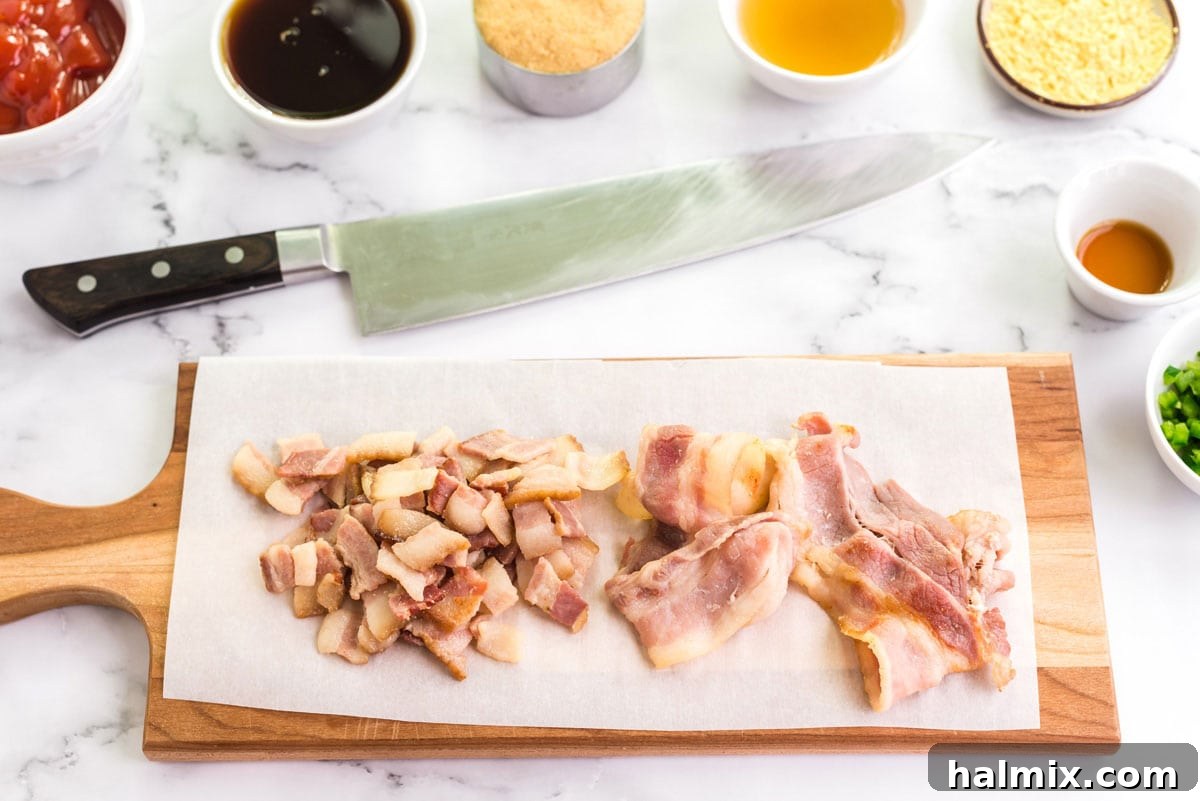
- Fry the Bacon (Partially): While the beans are simmering, grab a large skillet and fry your thick-cut bacon slices. The goal here is not crispy bacon; you want it to be cooked partway, just enough to render out a good amount of its flavorful fat. Remove the partially cooked bacon from the skillet and transfer it to a plate lined with paper towels to drain any excess grease. Once cooled slightly, coarsely chop the bacon; this will be added later for texture and flavor.
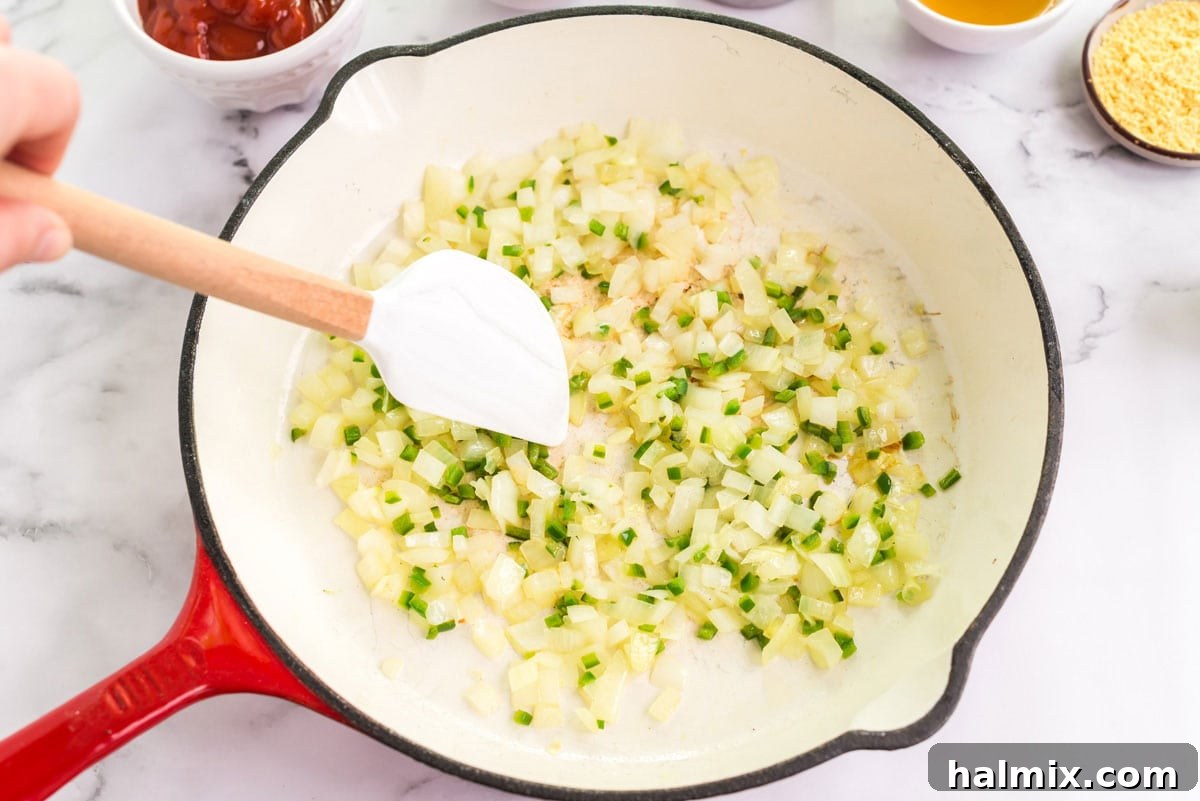
- Sauté Aromatics in Bacon Grease: Leave a couple of tablespoons of the rendered bacon grease in the skillet. If you opted for the vegetarian version, use vegetable oil here. Add your chopped yellow onion and seeded, chopped jalapeño to the hot grease. Sauté these aromatics over medium heat, stirring occasionally, until the onion becomes translucent and tender, usually taking just a few minutes. This step builds a foundational layer of savory, sweet, and subtly spicy flavor for your beans.
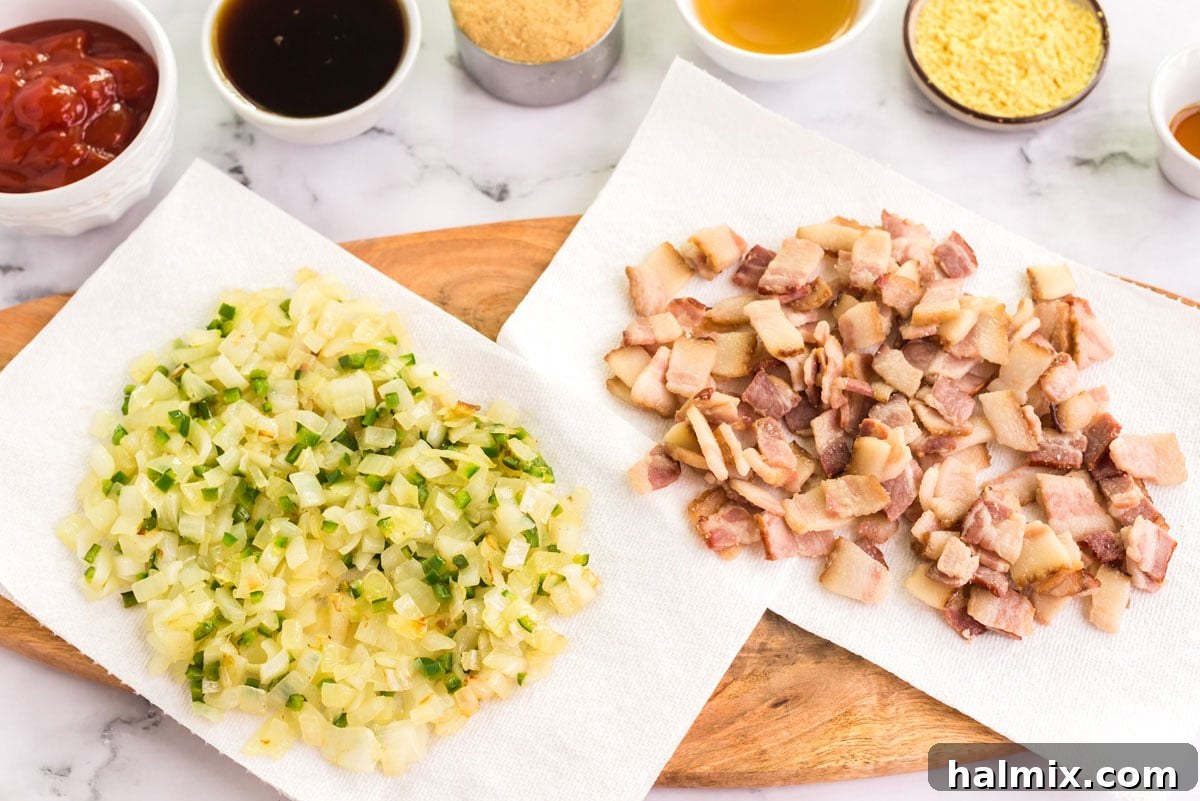
- Drain Aromatics: Once the onion and jalapeño mixture is cooked, remove it from the skillet and drain it on a fresh paper towel-lined plate alongside the bacon. This helps remove excess grease, ensuring the final dish isn’t overly oily.
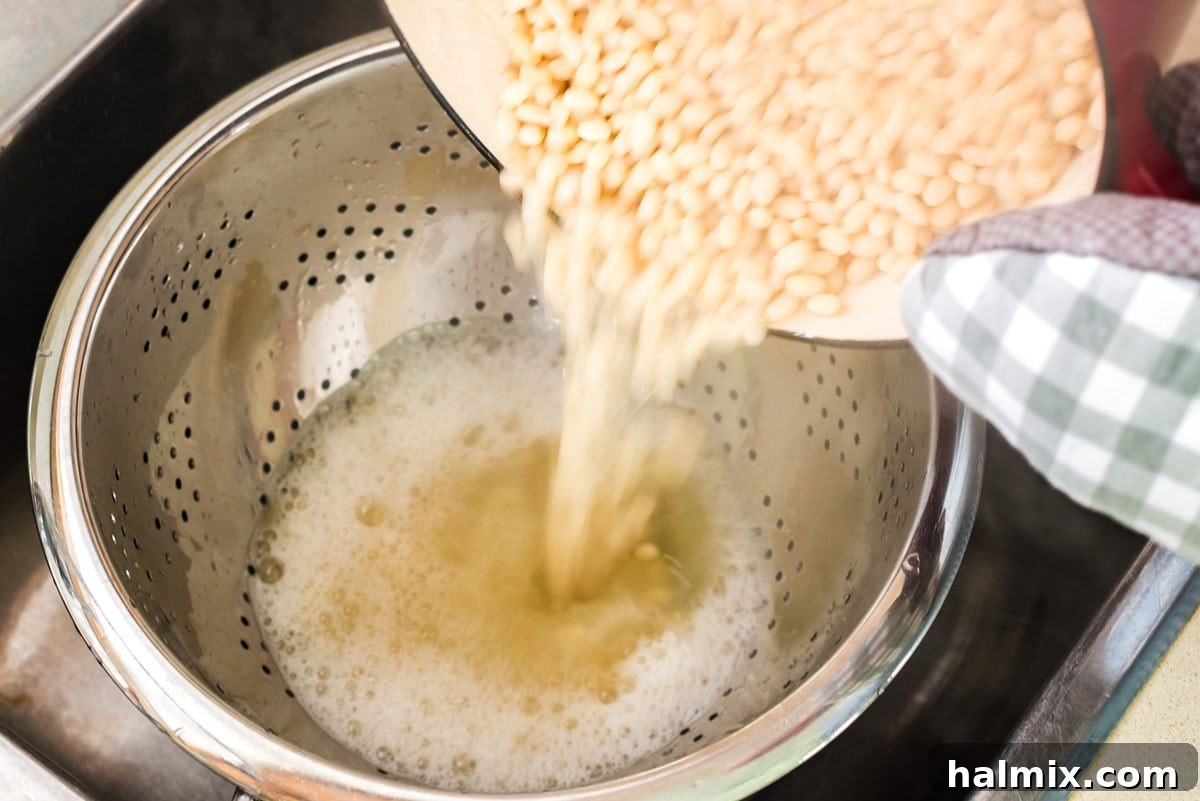
- Drain Beans and Reserve Liquid: After your beans have simmered for their hour, carefully drain them in a colander. This step is critical: do NOT pour that starchy bean liquid down the drain! Instead, place the colander over a bowl or another pot to catch the cooking liquid. This reserved liquid is liquid gold; it’s packed with bean flavor and starch, which will be essential for creating the perfect consistency and depth in your sauce.

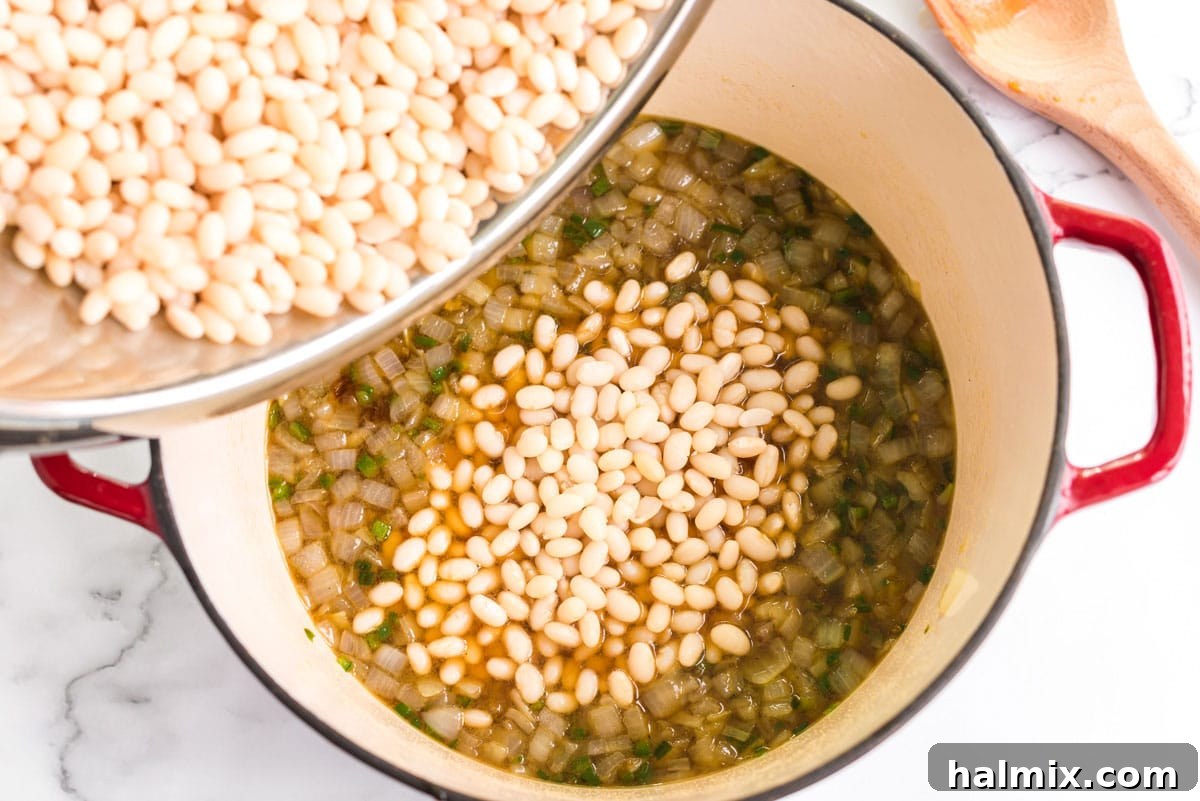
- Combine and Bake the Initial Mix: In your Dutch oven or oven-safe baking dish, combine the drained beans with the sautéed onion and jalapeño mixture, brown sugar, maple syrup, liquid smoke (if using), and dry mustard. Add one cup of the reserved bean cooking liquid. Gently stir everything together to combine, being careful not to over-mix and break the tender bean skins. Cover the dish tightly and transfer it to your preheated 300°F (150°C) oven. Let it bake for approximately two hours. This slow baking process allows the beans to meld with the initial sauce ingredients, absorbing flavors and becoming incredibly tender.
The Grand Finale: Perfecting the Flavor and Texture
The final steps are where your homemade baked beans truly come to life, developing their signature tangy-sweet-savory profile and thickening into the irresistible side dish you’ve been craving. The timing of adding certain ingredients is key here to achieve the perfect balance.
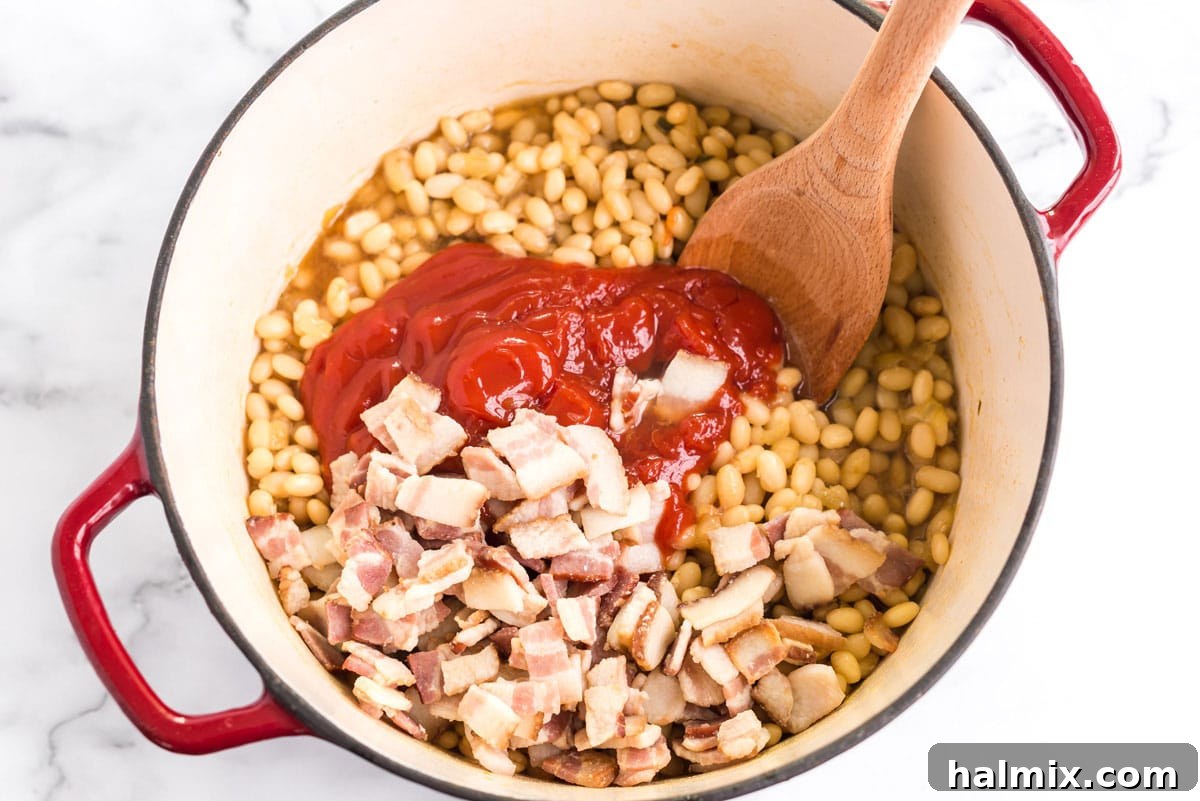
- Introduce the Acidity and Final Flavors: After the initial two hours of baking, carefully remove the covered beans from the oven. Now it’s time to incorporate the ketchup, apple cider vinegar, and the coarsely chopped, partially cooked bacon. The reason for adding the ketchup and vinegar towards the end of the cooking process is crucial: both tomatoes (in ketchup) and vinegar are acidic. Adding them earlier can affect the beans’ ability to soften properly, sometimes making them tough. By introducing them at this stage, you allow those complex tangy, sweet, and savory undertones to develop beautifully without hindering the bean texture. Give the mixture another gentle stir. At this point, assess the consistency of the sauce. If it appears too thick or if the beans need more liquid to continue softening, feel free to add more of the reserved bean liquid, a little at a time, until you reach your desired consistency.
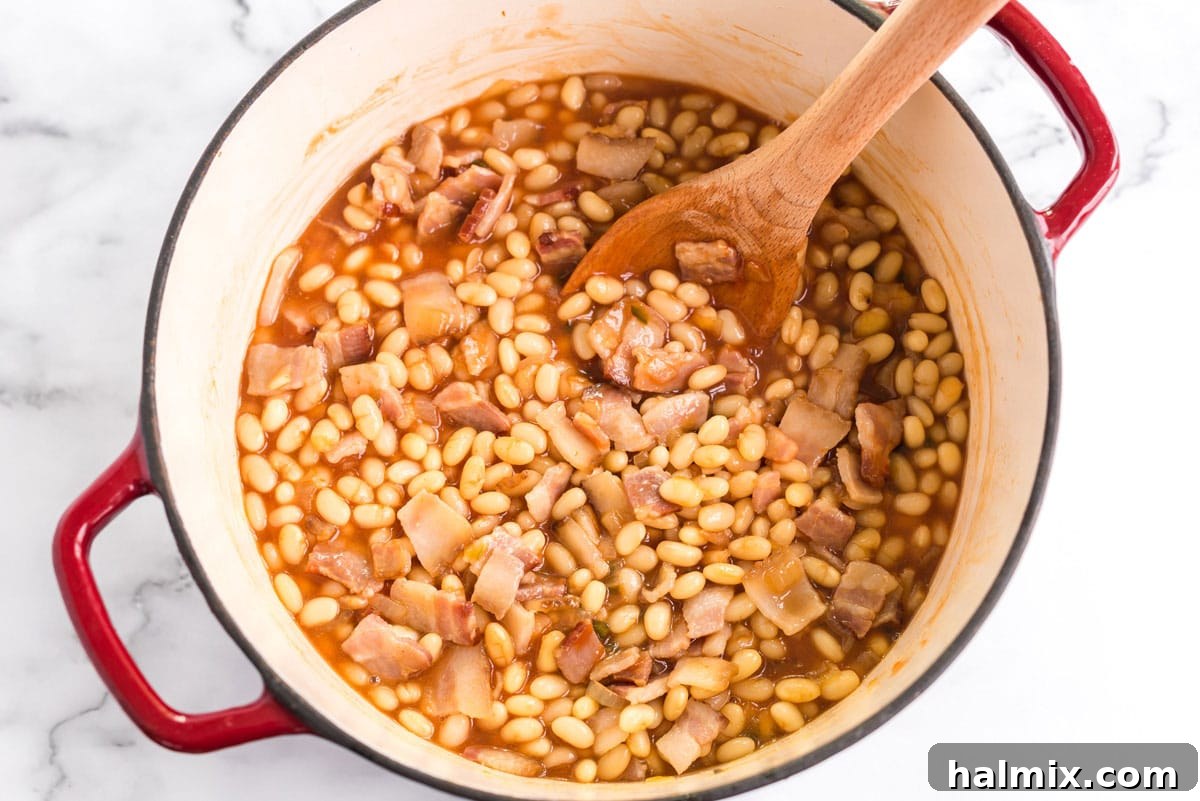
- Continue Baking for Perfection: Once the final ingredients are incorporated, cover the dish again and return it to the oven. Continue baking for another hour. During this time, the flavors will continue to deepen and marry, and the beans will finish absorbing the sauce. After an hour, check the beans for tenderness. If they are not as tender as you’d like, or if the sauce needs to thicken further, you can bake them for an additional 30 minutes (for a total of up to 1.5 hours in this final stage).
- Thicken the Sauce and Serve: For that perfect, thick, glossy sauce, remove the cover from your Dutch oven or baking dish for the last 20-30 minutes of baking. This allows some of the excess moisture to evaporate, concentrating the flavors and thickening the sauce beautifully. Once done, remove the beans from the oven, give them one last gentle stir, and let them cool for about 10 minutes before serving. This brief resting period allows the sauce to set even further and the flavors to fully settle.
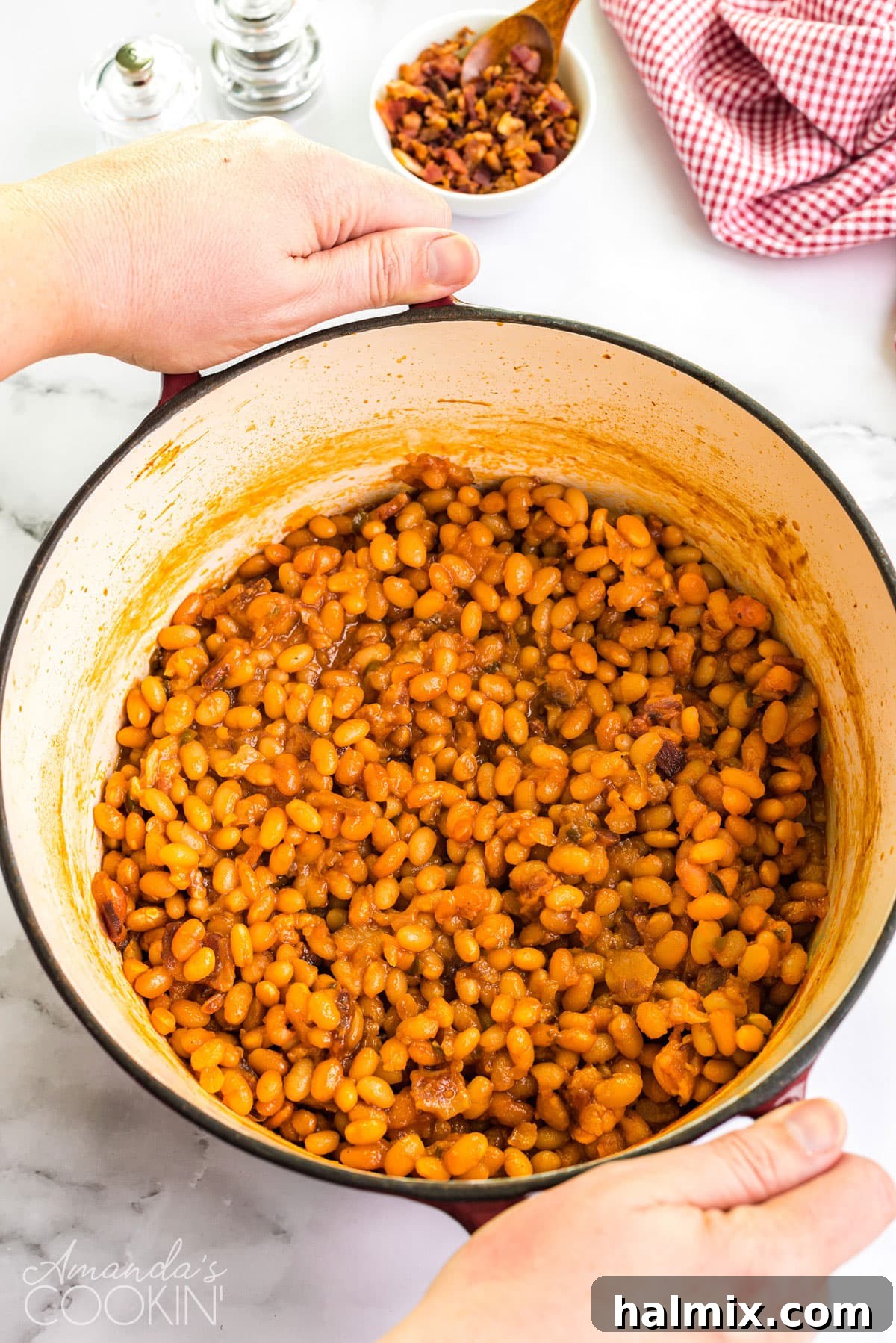
There you have it – the ultimate recipe for homemade baked beans from scratch! These beans are a true labor of love, but the rich, sweet, tangy, and savory flavors are absolutely unparalleled. They are destined to become a cherished recipe in your household, always a crowd-pleaser at summer get-togethers, potlucks, or simply as a comforting side dish any day of the week. Enjoy the satisfaction of creating this classic dish that tastes so much better than anything from a can!
More Delicious Summer Recipes You Will Love
Looking for more fantastic dishes to complete your summer spread? These recipes are perfect companions to your homemade baked beans and are guaranteed to be a hit:
- Chili Lime Mexican Corn Salad: Turn classic Mexican street corn into a vibrant and easy-to-make salad. This refreshing dish takes only 15 minutes to prepare and is packed with zesty flavors, making it a perfect addition to any cookout.
- Creamy Deviled Egg Layered Pasta Salad: Combine two picnic favorites – deviled eggs and pasta salad – into one spectacular layered dish. It’s rich, creamy, and ideal for any potluck or gathering.
- Marinated Grilled Chicken Skewers: Elevate your grilled chicken with these flavorful skewers. Featuring a unique marinade that uses red wine instead of white, these kabobs offer a delicious twist on a barbecue classic.
- Vintage Watergate Salad: Need a quick and easy dessert for your barbecue? This nostalgic Watergate salad is light, fluffy, and perfectly sweet. It’s an excellent make-ahead option for parties or when you need a simple, delightful treat.
- Beans on Toast: For our friends across the pond, this homemade baked bean recipe is absolutely perfect piled high on a piece of hot, buttered toast for a classic, comforting meal!

Homemade Baked Beans
The hit of every backyard barbecue, these homemade baked beans are made from scratch with a deliciously sweet and tangy sauce you will love.
IMPORTANT – There are often Frequently Asked Questions within the blog post that you may find helpful. Simply scroll back up to read them!
Print It
Ingredients
- 1 lb dry navy beans or Great Northern
- 4 slices thick cut bacon cooked partway, then coarsely chopped
- 1 cup yellow onion chopped
- 1 medium jalapeño pepper seeded and chopped
- ½ cup brown sugar packed
- 2 teaspoons dry mustard
- ½ cup maple syrup
- 1 teaspoon liquid smoke
- ¾ cup ketchup
- ¼ cup apple cider vinegar
Before You Begin
- If you’re making a vegetarian version, skip the bacon and use a little vegetable oil instead. The bacon grease does give it a nice flavor if you don’t have a dietary reason for avoiding it.
- If you forget to soak your beans overnight, you can try quick-soaking your beans. To do this, rinse the beans and place in a pot of water (should cover by 2 inches). Bring to a boil, boil one minute, then remove from heat. Cover the pan and let soak for one hour. Drain and rinse.
- If you use a Dutch oven, it can go right into the oven for baking. However, you can use a pot and then transfer the beans to a casserole dish if you prefer.
- The skins of the beans are ever-so-tender and can break up easily with over mixing. So use a light hand wherever the recipe says to stir.
Instructions
-
Sort through and rinse beans and remove any rocks.
-
Cover (about 2-inches over the beans) with water and soak overnight. Roughly 4 cups of water.
-
Drain beans; cover with 6 cups of fresh water. Should cover the beans by at least an inch.
-
Bring to a boil. Reduce heat, cover, and simmer for one hour.
-
While beans are cooking, fry your bacon partway (bacon should not get crispy); remove to drain on paper towels. Coarsely chop when cooled.
-
Leave a couple tablespoons of bacon grease in the pan, and sauté your chopped onion and jalapeño until onion is translucent (a couple minutes). Allow the onion and jalapeño drain on paper towels as well.
-
Towards the end of the beans’ cooking process, preheat your oven to 300 degrees F (150 degrees C).
-
When beans are done, drain over a bowl or pan so you can reserve the cooking liquid.
-
In a Dutch oven, combine onion and jalapeño mixture, brown sugar, maple syrup, liquid smoke, dry mustard, and one cup of the bean liquid. Stir together then add the drained beans. Gently stir to combine.
-
Cover and bake for 1 hour.
-
Remove from oven and stirring gently, add ketchup, apple cider vinegar, and the coarsely chopped bacon to beans. If it appears that the beans need more liquid, go ahead and add more of the reserved bean liquid as needed.
-
Cover and cook for 1 hour. Test to make sure beans are done; cook a little longer if necessary, up to 1.5 hours.
-
Remove cover and bake for 20-30 minutes more to thicken sauce. Stir gently, allow to cool 10 minutes, and serve.
Nutrition
The recipes on this blog are tested with a conventional gas oven and gas stovetop. It’s important to note that some ovens, especially as they age, can cook and bake inconsistently. Using an inexpensive oven thermometer can assure you that your oven is truly heating to the proper temperature. If you use a toaster oven or countertop oven, please keep in mind that they may not distribute heat the same as a conventional full sized oven and you may need to adjust your cooking/baking times. In the case of recipes made with a pressure cooker, air fryer, slow cooker, or other appliance, a link to the appliances we use is listed within each respective recipe. For baking recipes where measurements are given by weight, please note that results may not be the same if cups are used instead, and we can’t guarantee success with that method.
This post originally appeared here on June 25, 2016 and has since been updated with new photos.