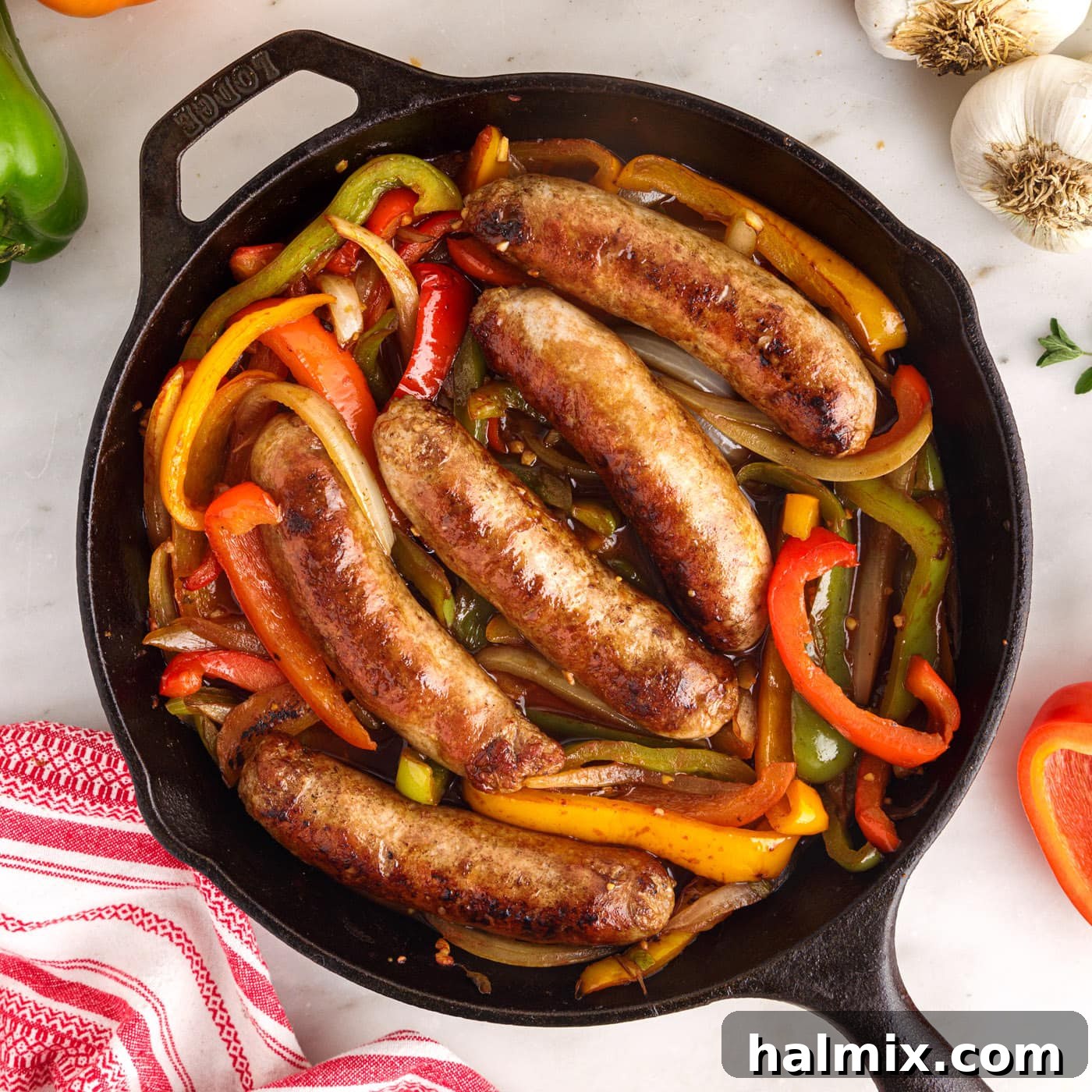
Immerse yourself in the rich, comforting flavors of a true Italian-American classic: Skillet Sausage and Peppers. This beloved dish features perfectly seared Italian sausages mingling with vibrant bell peppers and sweet onions, all brought together in a savory sauce. Whether you pile it high on a soft hoagie roll for that authentic street-food experience or enjoy it straight from the skillet as a hearty main course, this recipe promises a taste of home, reminiscent of your favorite local eatery or family gathering.
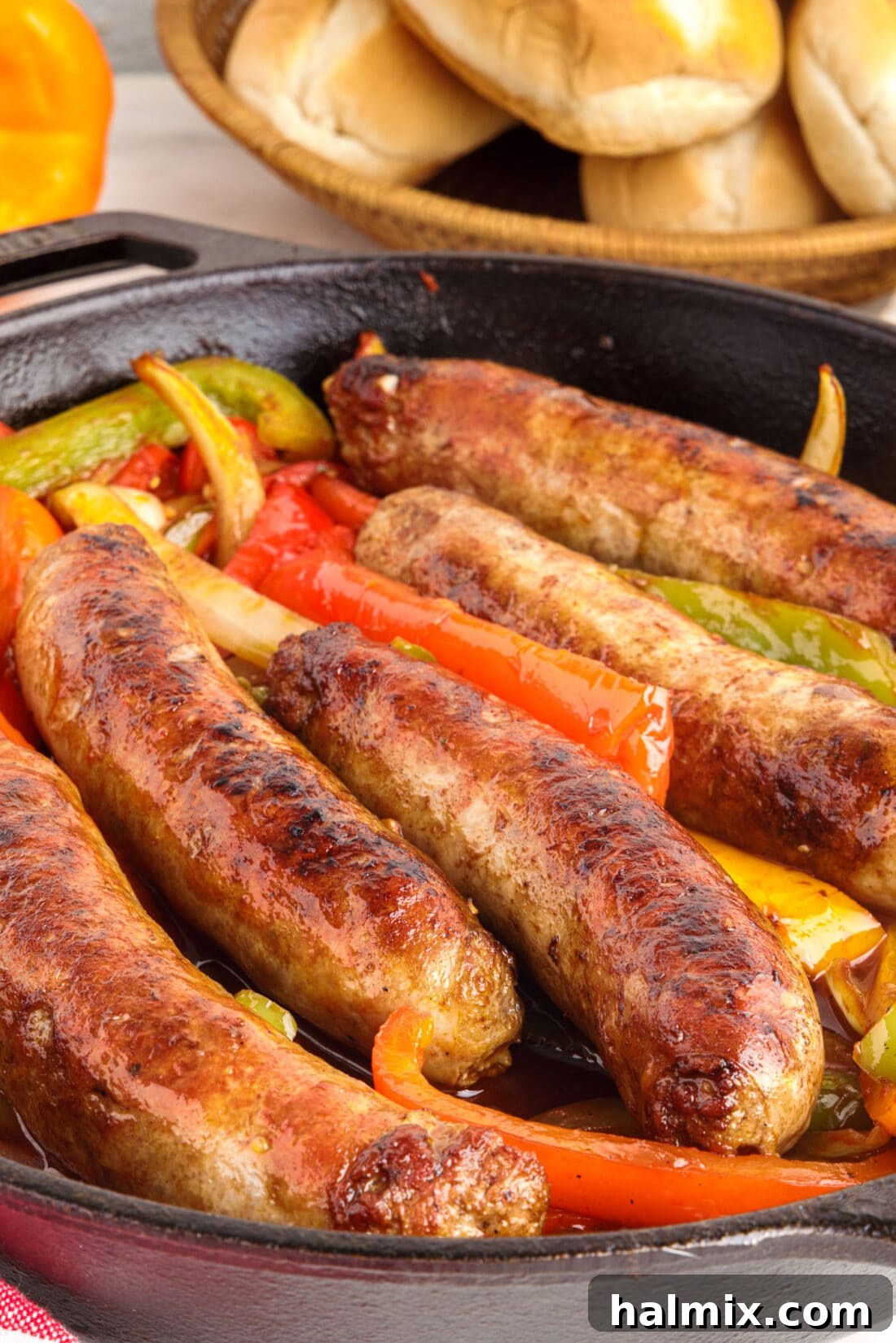
Why This Skillet Sausage and Peppers Recipe Is a Must-Try
Sausage and peppers holds a special place in the hearts of many, particularly those with Italian-American roots. It's a dish that evokes memories of bustling street fairs, family barbecues, and comforting weeknight dinners. At its core, this classic meal combines juicy Italian sausage – available in sweet, medium, or hot varieties – with thinly sliced bell peppers and onions. While some purists prefer to savor it on its own, the universally loved method involves loading generous portions into a sturdy hoagie bun, transforming it into the ultimate portable feast.
This particular skillet method is celebrated for several reasons. It allows for superior browning and caramelization, creating layers of rich flavor that are hard to achieve with other cooking techniques. The high heat of the skillet perfectly sears the sausages, locking in their juices and developing a beautiful, crusty exterior. Simultaneously, the bell peppers and onions soften and sweeten, absorbing the savory drippings from the sausage. The direct heat and confined space of a skillet also contribute to a faster cooking time compared to oven roasting, making it an excellent choice for a delicious and relatively quick meal.
Beyond its incredible flavor, this recipe is incredibly versatile. While we're focusing on the skillet method here for its ease and fantastic results, it's worth noting that sausage and peppers can also be baked in the oven on a sheet pan for minimal cleanup or even prepared in an air fryer for an even speedier cooking process. Each method offers a slightly different texture and experience, but the skillet version truly shines in its ability to build deep, concentrated flavors right on your stovetop before a quick finish in the oven, ensuring everything is cooked to perfection and infused with a delectable sauce.
Essential Ingredients for Perfect Skillet Sausage and Peppers
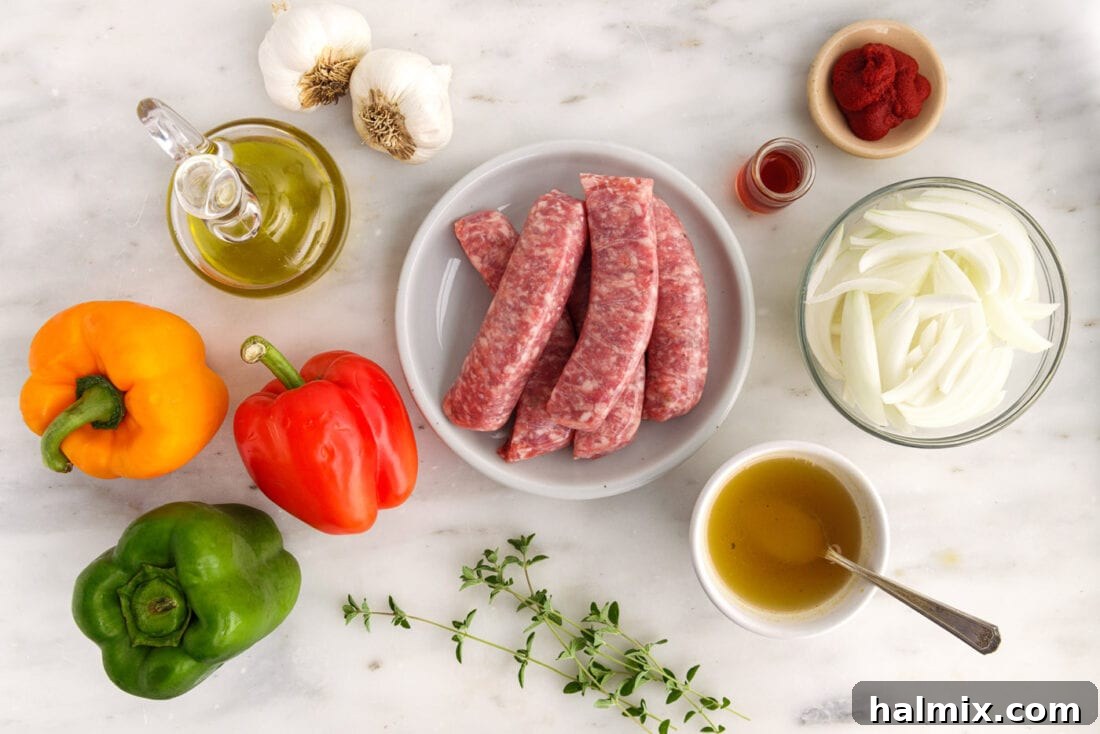
Crafting the perfect skillet sausage and peppers begins with selecting high-quality, fresh ingredients. This recipe simplifies the cooking process while maximizing flavor, making it accessible for home cooks of all skill levels. Below, you’ll find a detailed list of everything you need, along with helpful tips for choosing the best components for this classic dish. For precise measurements and step-by-step instructions, please refer to the printable recipe card at the end of this article.
Ingredient Spotlight and Smart Substitution Suggestions
Understanding your ingredients and knowing when and how to make substitutions can elevate your cooking and adapt recipes to your preferences or what you have on hand. Here’s a closer look at the key components of our Skillet Sausage and Peppers recipe:
SAUSAGE: The star of the show! Italian sausage is available in several varieties: sweet (mild), medium, or hot. The choice is entirely up to your personal preference and tolerance for spice. Sweet Italian sausage, seasoned with fennel and garlic, offers a mild and savory profile that appeals to most palates. Medium Italian sausage includes a touch of red pepper flakes for a subtle kick, while hot Italian sausage packs a significant punch. Feel free to mix and match or use a combination to create a custom flavor profile. If you prefer even more heat, consider adding a pinch of extra red pepper flakes directly to the pan when sautéing your vegetables. For a healthier alternative, chicken or turkey Italian sausage can be used, though cooking times may vary slightly due to leaner fat content.
PEPPERS: Bell peppers are crucial for both flavor and visual appeal in this dish. Traditionally, sausage and peppers recipes feature at least three different colors of bell peppers, most commonly red, green, and either yellow or orange. This medley not only adds a spectrum of vibrant hues to your skillet but also contributes varying levels of sweetness and mild pepper flavor. Green bell peppers tend to have a slightly more robust, less sweet flavor, while red, yellow, and orange peppers are sweeter and fruitier. Choose firm, brightly colored peppers with smooth skin for the best results. Beyond bell peppers, you could experiment with a few slices of poblano or anaheim peppers for a hint of smoky flavor and mild heat, or even a jalapeño if you desire a sharper spicy kick.
ONION: A large yellow onion is the ideal choice for this recipe. When sautéed, yellow onions caramelize beautifully, releasing a sweet and pungent aroma that forms the aromatic foundation of the dish. Their texture softens to complement the peppers and sausages. White onions can be used as a substitute, offering a sharper flavor, while red onions, though less traditional, would add a striking color and slightly different flavor profile if you're feeling adventurous.
GARLIC: Freshly minced garlic is non-negotiable for its aromatic depth and classic Italian flavor. Avoid pre-minced garlic if possible, as fresh garlic provides a more potent and vibrant taste. If you don't have fresh garlic, a teaspoon of garlic powder can be used in a pinch, but the fresh cloves truly make a difference.
CHICKEN BROTH: Chicken broth helps deglaze the pan, incorporating all the delicious browned bits (fond) into the sauce, and adds moisture and savory depth. Low-sodium chicken broth is recommended to control the overall saltiness of the dish. Vegetable broth or even a dry white wine can be excellent alternatives, each contributing its own unique flavor nuances.
RED WINE VINEGAR: A touch of red wine vinegar provides a bright, acidic balance that cuts through the richness of the sausage and caramelization of the vegetables. It awakens the palate and adds a complex tang. Apple cider vinegar or balsamic vinegar (used sparingly) could work as substitutes, though they will impart different flavor notes.
TOMATO PASTE: This concentrated ingredient delivers a deep, umami-rich tomato flavor without adding excessive liquid. It acts as a thickening agent and contributes to the richness of the sauce. Don't skip the step of cooking the tomato paste for a minute or two before adding liquids, as this helps to deepen its flavor and mellow out any raw tomato taste.
OREGANO: Fresh oregano leaves offer a pungent, earthy, and slightly bitter note that is characteristic of Italian cuisine. If fresh oregano isn't available, dried oregano can be used, but remember that dried herbs are typically more concentrated in flavor, so use about one-third of the amount specified for fresh (e.g., 1 teaspoon dried for 1 tablespoon fresh).
Mastering the Skillet: How to Make Sausage and Peppers
Creating this delicious Skillet Sausage and Peppers recipe is a straightforward process that yields incredibly flavorful results. The key lies in building layers of flavor, starting with perfectly seared sausages and aromatic vegetables. This recipe guides you through each step, ensuring a delicious outcome every time. While the full recipe card with exact measurements is at the bottom of this post, these detailed instructions will help you visualize and execute the cooking process with confidence.
- Begin by preheating your oven to 400°F (200°C). This ensures that once your sausages and vegetables are seared on the stovetop, they can be transferred directly to a hot oven to finish cooking evenly and thoroughly.
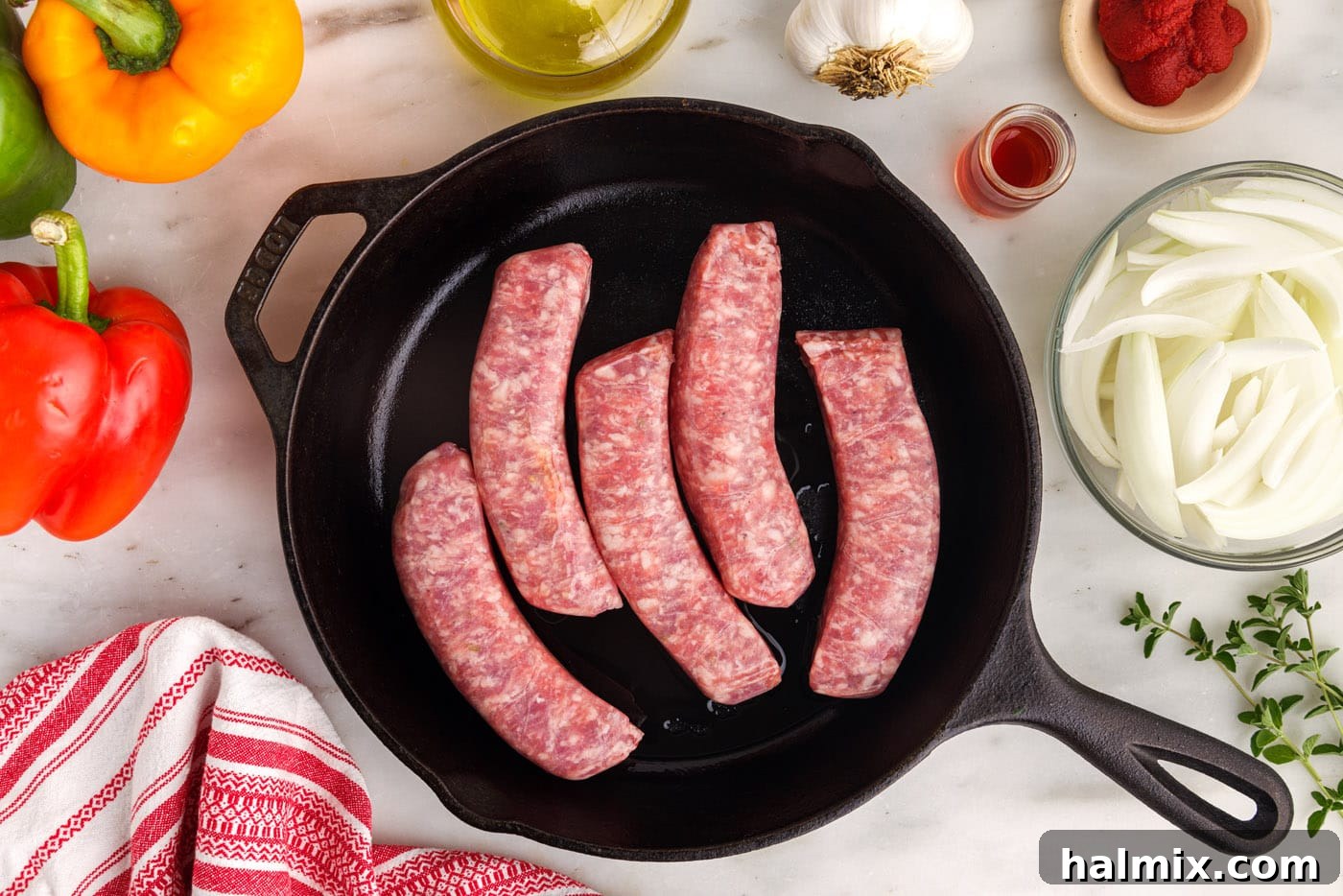
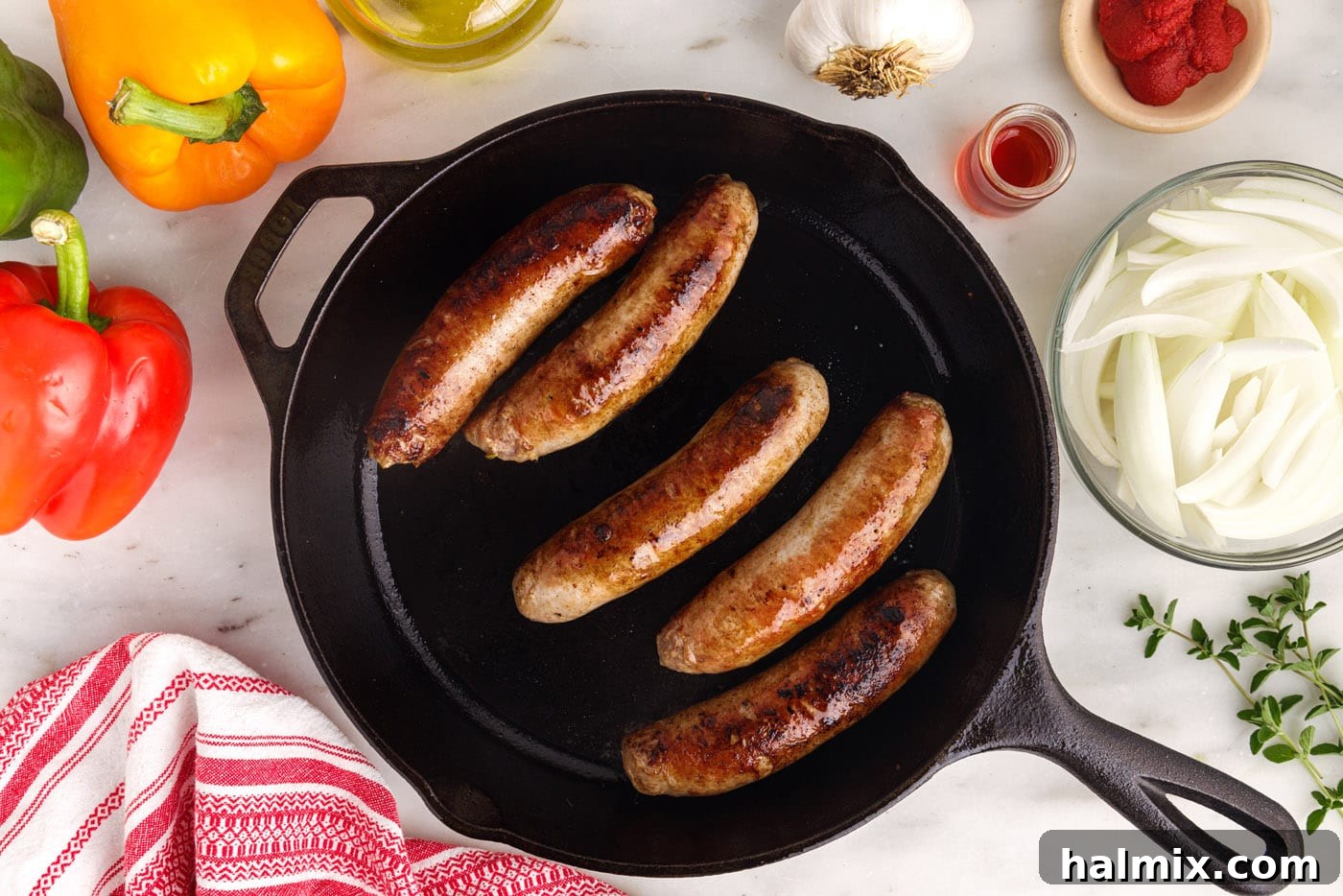
- In a sturdy 12-inch skillet – ideally a well-seasoned cast iron skillet for superior heat retention and browning – heat the olive oil over medium heat. Once shimmering, add the Italian sausage links. Sear them diligently on all sides, turning them frequently to achieve a rich, golden-brown crust. This initial searing is crucial as it caramelizes the exterior of the sausage, locking in moisture and building a foundational layer of flavor for the entire dish. Once beautifully browned, remove the sausages from the skillet and set them aside on a plate. They will finish cooking later in the oven.
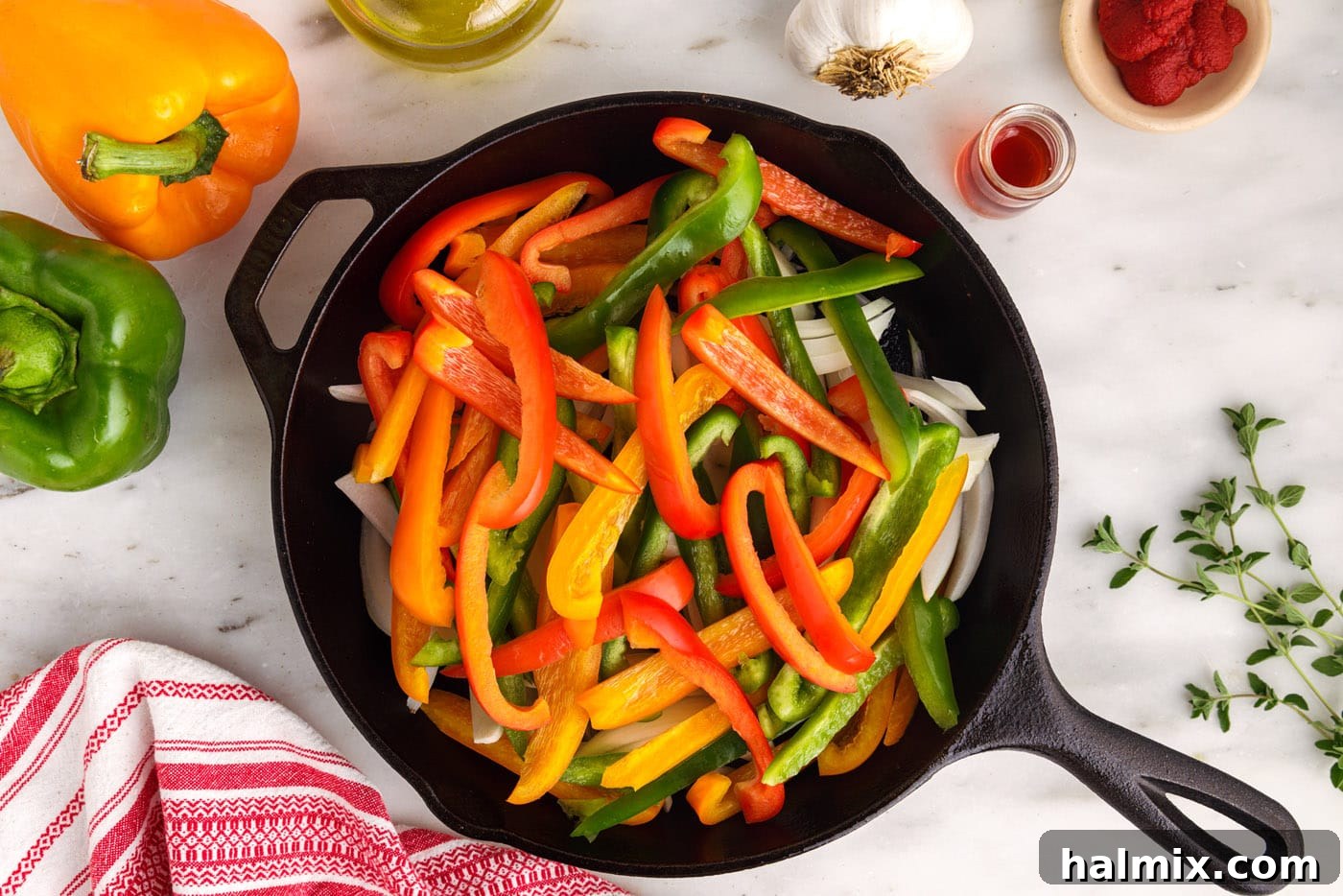
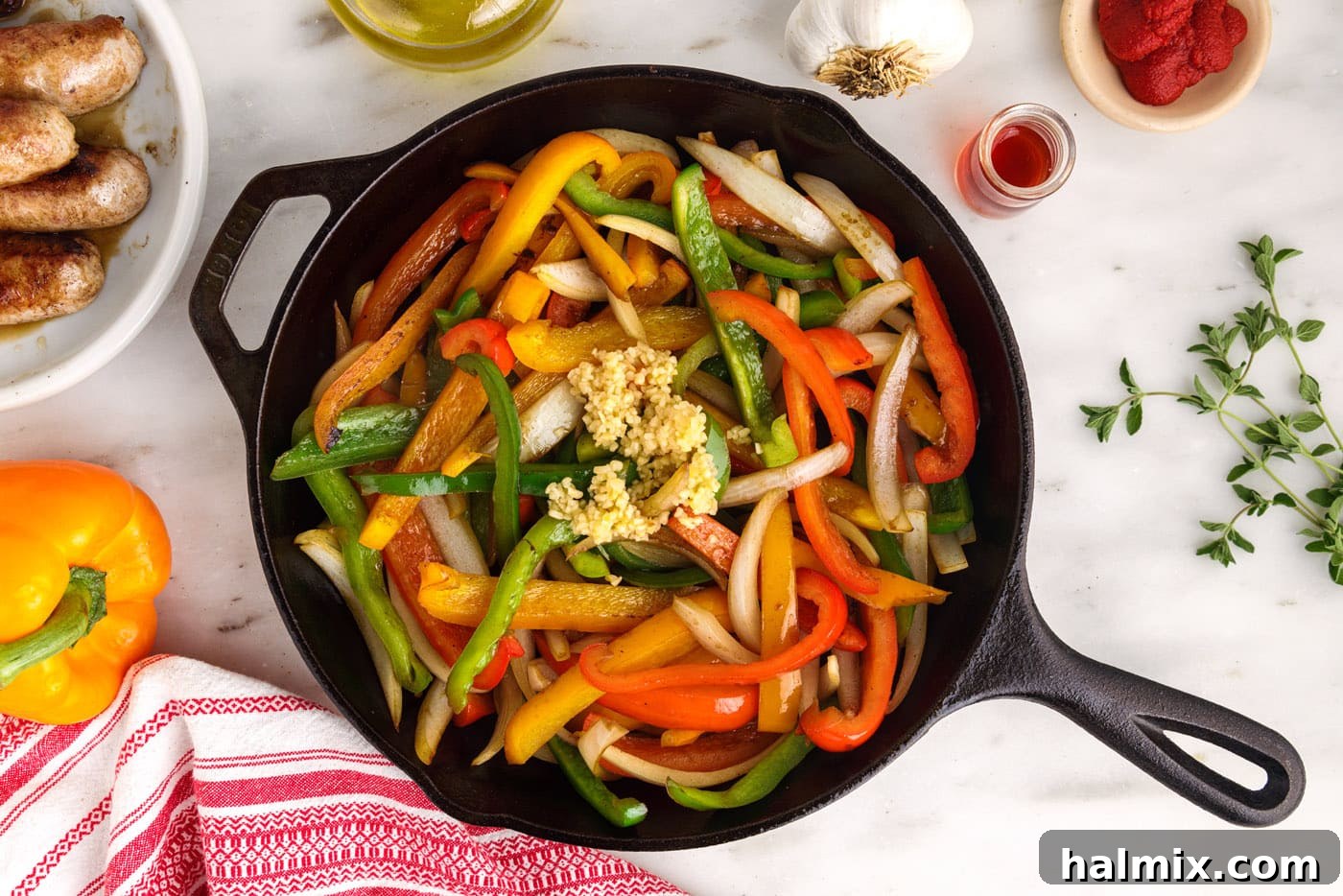
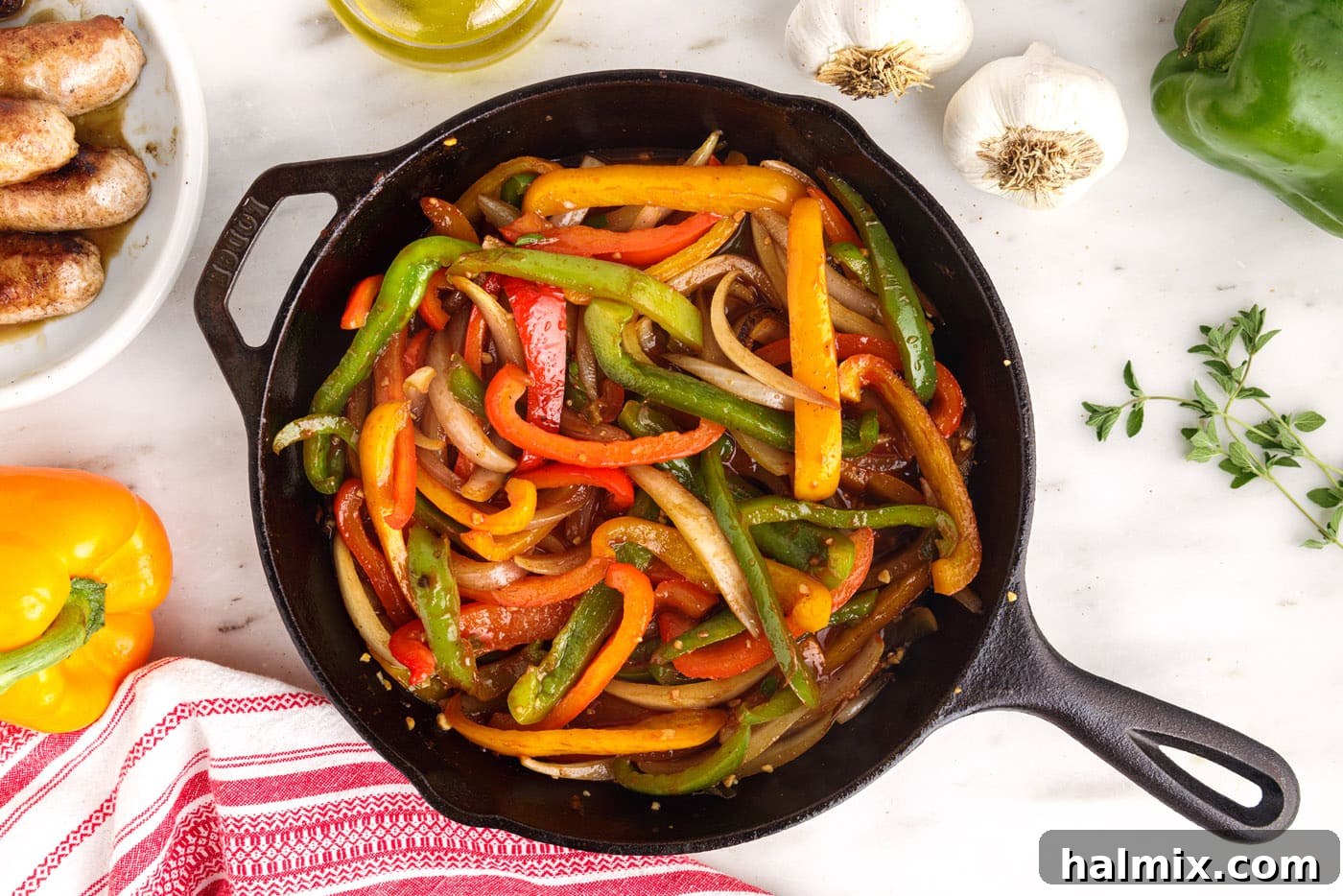
- Do not wipe out the skillet after removing the sausages; those browned bits and rendered fat are flavor gold! Add the sliced yellow onion and julienned bell peppers to the same skillet. Sauté them over medium heat, stirring occasionally, until the vegetables begin to soften and slightly caramelize, usually taking about 5-7 minutes. This step draws out the natural sweetness from the onions and peppers. Next, add the minced garlic to the skillet and continue to sauté for just 1 minute longer, until fragrant. Be careful not to burn the garlic, as it can turn bitter.
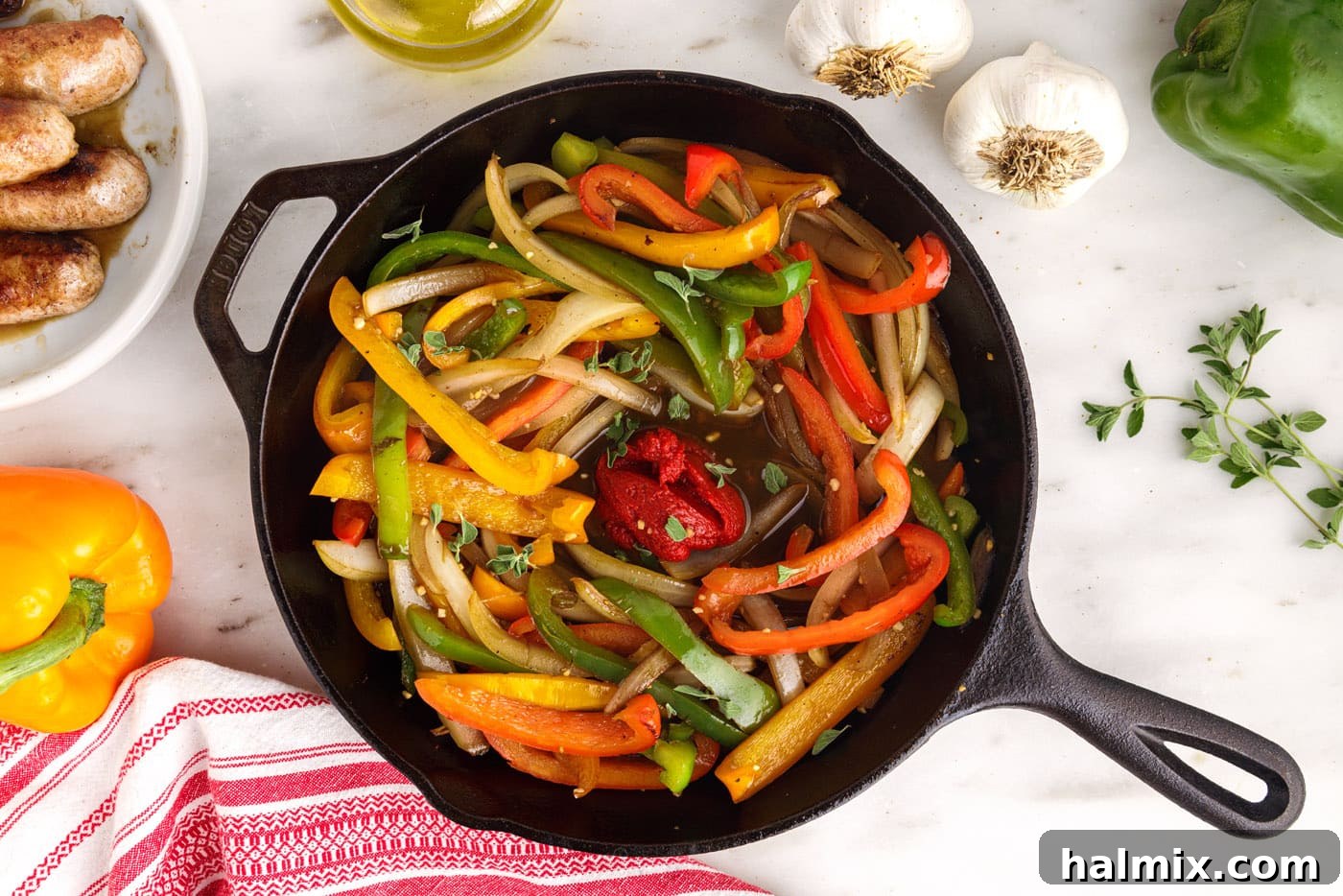
- Pour the chicken broth and red wine vinegar into the pan. Bring the mixture to a gentle simmer, making sure to scrape up any browned bits from the bottom of the skillet with a wooden spoon. This process, known as deglazing, incorporates all the rich, caramelized flavors back into your sauce. Stir in the tomato paste until it's fully dissolved, then add the fresh or dried oregano. Continue to simmer the sauce, allowing it to reduce and thicken slightly, which typically takes about 5 minutes. The flavors will concentrate beautifully during this time.
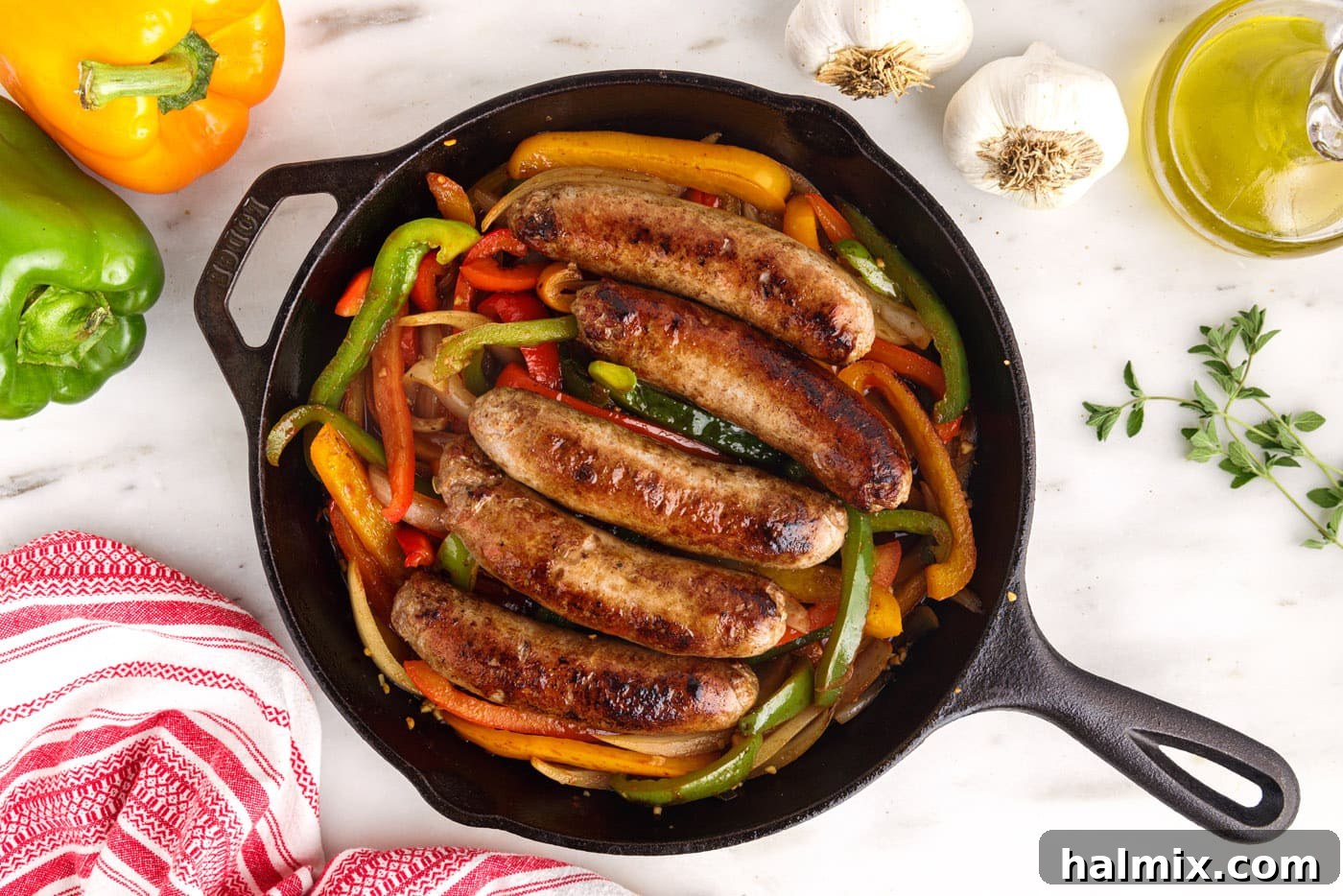
- Carefully nestle the seared sausages back into the skillet, submerging them slightly in the flavorful pepper and onion mixture. Transfer the entire skillet to your preheated 400°F (200°C) oven. Roast for approximately 10-15 minutes, or until the sausages are cooked through. The internal temperature of Italian sausage should register 160°F (71°C) on a digital meat thermometer. Cooking in the oven ensures the sausages cook evenly through the center while the flavors meld with the vegetables.
Frequently Asked Questions & Expert Tips for Success
How do I store and reheat leftovers?
Store any leftover sausage and peppers in an airtight container in the refrigerator for 2-3 days. To reheat, gently warm them in a skillet over medium-low heat on the stovetop, adding a splash of chicken broth or water if the sauce appears too thick. You can also reheat them in the microwave, though the texture might be slightly softer.
Can I prepare this recipe ahead of time?
You can partially prepare this dish in advance. Sear the sausages and sauté the peppers and onions, then combine them in the skillet (without adding the broth/vinegar/tomato paste/oregano). Store this mixture in the refrigerator. When ready to cook, proceed from the deglazing step, adding the liquids and seasonings, then finishing in the oven. This can cut down on active cooking time on a busy weeknight.
What kind of skillet is best for this recipe?
A 12-inch cast iron skillet is highly recommended for this recipe. Cast iron provides excellent heat distribution and retention, which is ideal for achieving a deep, even sear on the sausages and a beautiful caramelization on the vegetables. Its oven-safe nature also allows for seamless transfer from stovetop to oven, making cleanup easier. If you don't have cast iron, any heavy-bottomed, oven-safe skillet will work, but you might need to adjust searing times slightly.
Can I add other vegetables?
Absolutely! This recipe is very forgiving and adaptable. Feel free to add other quick-cooking vegetables like sliced zucchini, mushrooms, or even some spinach in the last few minutes of cooking for added nutrients and flavor. Adjust seasoning as needed.

Perfect Serving Suggestions for Skillet Sausage and Peppers
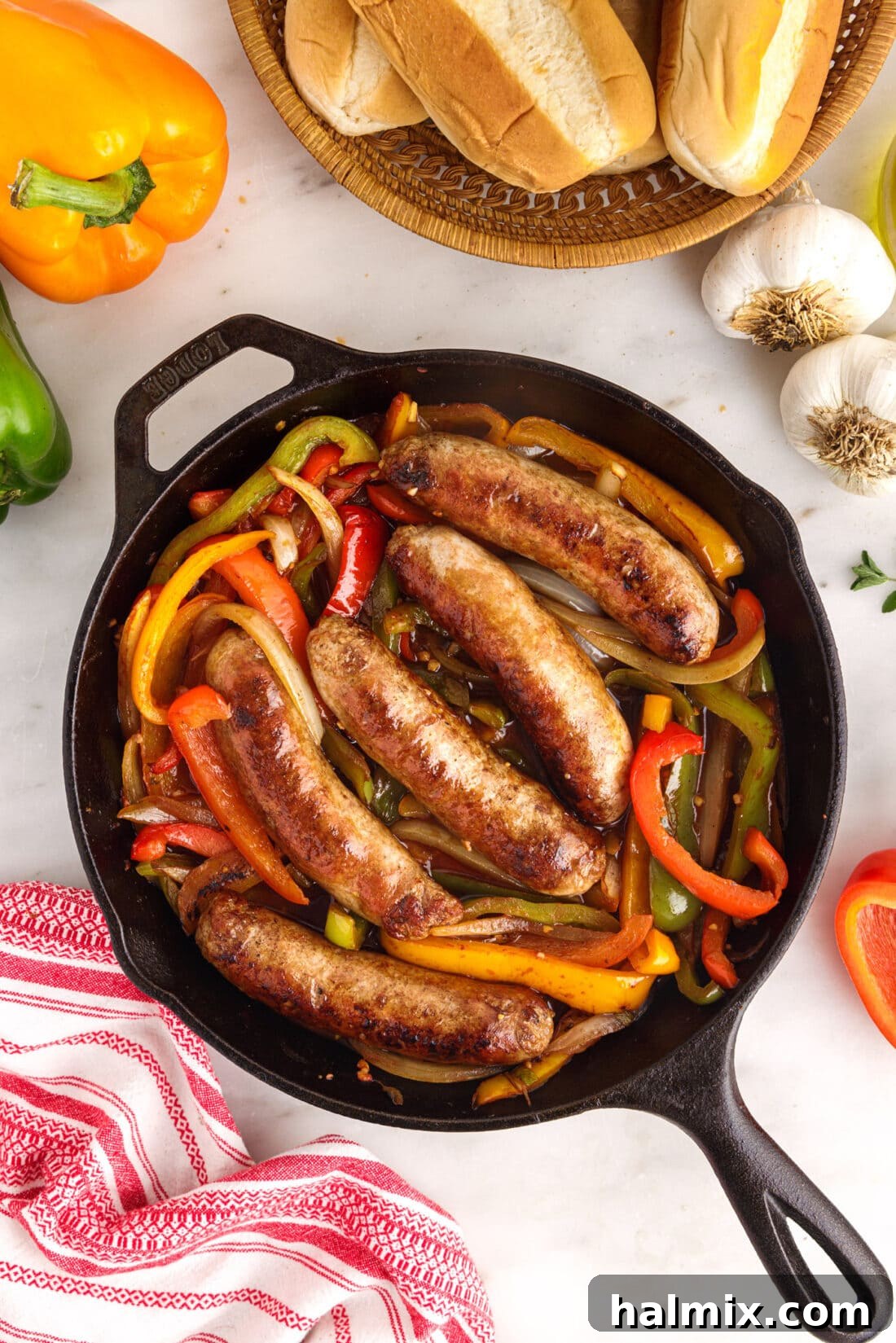
While delicious on its own, skillet sausage and peppers truly shines with the right accompaniments. The most classic way to enjoy this dish is piled generously into a soft, yet sturdy hoagie-style bun. You can lightly toast the bun for added texture or keep it soft to soak up all the flavorful juices. For an elevated experience, consider adding a sprinkle of fresh chopped parsley or a dusting of grated Parmesan cheese right before serving.
Beyond the hoagie, there are numerous ways to serve this versatile meal. Pair it with a simple side of crispy baked french fries, a bowl of crunchy potato chips, or a healthier option like baked sweet potato fries. For a lighter meal, a fresh, vibrant dinner salad with a light vinaigrette makes an excellent counterpoint to the rich sausage and peppers. Don't forget some crusty French bread or Italian bread; it's perfect for soaking up every last drop of the delectable pan juices and savory sauce. For those looking for a heartier side, consider serving it alongside creamy polenta, mashed potatoes, or even a simple pasta with a light garlic and olive oil sauce. For a refreshing beverage pairing, a crisp Italian lager or a medium-bodied red wine like Sangiovese or Chianti would complement the robust flavors beautifully.
More Delicious Related Recipes to Explore
If you loved this skillet sausage and peppers recipe, you're sure to enjoy these other flavorful dishes that celebrate hearty ingredients and comforting flavors:
- Classic Lobster Roll
- Savory Shrimp Po Boy
- Authentic Philly Cheesesteak
- Tender Instant Pot Pulled Pork
- Crispy Pork Tenderloin Sandwiches
- Hearty Stuffed Peppers
I am passionate about cooking and baking, and it brings me immense joy to share my kitchen experiences with all of you! Staying updated with new recipes can be challenging, which is why I offer a convenient newsletter delivered directly to your inbox every time a new recipe is posted. Simply subscribe here and start receiving your free daily recipes, ensuring you never miss out on delicious inspiration!

Skillet Sausage and Peppers
A classic Italian-American meal featuring savory Italian sausages, vibrant bell peppers, and sweet onions, cooked in a skillet for maximum flavor. Perfect on its own or piled high in a hoagie roll.
Please note that helpful Frequently Asked Questions and Expert Tips are provided earlier in this article. Scroll up to read them for more insights!
Ingredients
- 4 Italian sausages (mild, medium, or hot)
- 1 Tablespoon olive oil
- 1 red bell pepper (julienned)
- 1 green bell pepper (julienned)
- 1 orange bell pepper (julienned, or yellow)
- 1 large yellow onion (sliced)
- 4 cloves garlic (minced)
- ½ cup chicken broth
- 1 Tablespoon red wine vinegar
- 2 Tablespoons tomato paste
- 1 Tablespoon fresh oregano leaves (or 1 teaspoon dried)
Equipment You'll Need
- 12-inch cast iron skillet
- Instant read thermometer
Before You Begin
- This recipe can accommodate 4-6 sausages in your skillet using the listed ingredients.
- For best results, use a well-seasoned cast iron skillet to achieve an excellent sear on both the sausages and vegetables.
- Serve these versatile sausage and peppers in a hoagie bun or alongside some crusty French bread, perfect for soaking up the delicious pan juices.
- Adjust the spice level by choosing medium or hot Italian sausage, or by adding a pinch of red pepper flakes to the pan during sautéing.
- Store any leftovers in an airtight container in the refrigerator for 2-3 days for optimal freshness.
Instructions
- In a 12-inch skillet, heat olive oil over medium heat. Sear the sausage links, browning them on all sides until a nice crust forms. Remove the sausages from the skillet and set aside.
- Without wiping out the skillet, add the sliced onion and julienned bell peppers. Sauté until the vegetables begin to soften. Add the minced garlic and sauté for 1 minute longer until fragrant.
- Add the chicken broth and red wine vinegar to the pan. Bring to a simmer, scraping any browned bits from the pan to deglaze it, enriching the sauce. Stir in the tomato paste and oregano, and continue to simmer until the liquid slightly reduces and thickens.
- Place the seared sausages back into the skillet, nestled among the peppers and onions. Transfer the skillet to a preheated 400°F (200°C) oven and roast for approximately 10-15 minutes, or until the sausages are cooked through and register an internal temperature of 160°F (71°C) on a digital thermometer.
Nutrition Information
Calories: 468 cal |
Carbohydrates: 12 g |
Protein: 18 g |
Fat: 39 g |
Saturated Fat: 13 g |
Polyunsaturated Fat: 5 g |
Monounsaturated Fat: 19 g |
Cholesterol: 86 mg |
Sodium: 997 mg |
Potassium: 616 mg |
Fiber: 3 g |
Sugar: 6 g |
Vitamin A: 2097 IU |
Vitamin C: 108 mg |
Calcium: 46 mg |
Iron: 2 mg
Tried this Recipe? Pin it for Later!
Follow on Pinterest @AmandasCookin or tag #AmandasCookin!
The recipes on this blog are developed and tested using a conventional gas oven and stovetop. Please be aware that oven performance can vary, especially with older appliances, leading to inconsistent cooking and baking. An inexpensive oven thermometer can help verify your oven's true temperature. If using a toaster oven or countertop oven, be mindful that heat distribution may differ from a full-sized oven, potentially requiring adjustments to cooking or baking times. For recipes involving pressure cookers, air fryers, slow cookers, or other specific appliances, links to the models we use are often provided within the respective recipe. When baking, especially for recipes where measurements are given by weight, substituting with cup measurements may alter results, and we cannot guarantee success with such method variations.