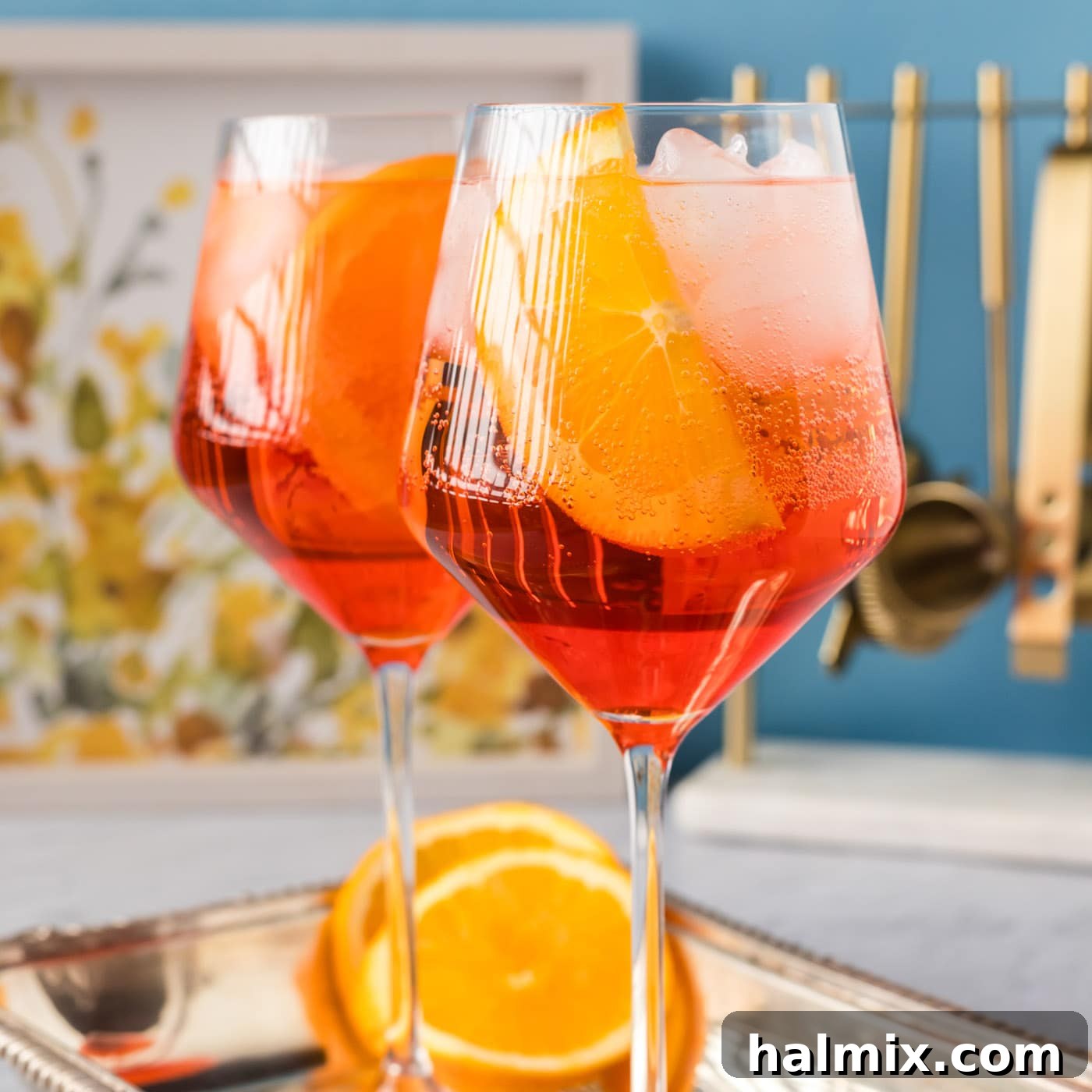
The Ultimate Aperol Spritz Recipe: Your Guide to Italian Summer Bliss
Embark on a delightful journey to the sun-drenched coasts of Italy with this iconic Aperol Spritz recipe. Bursting with invigorating bittersweet notes, effervescent bubbles, and a crisp, refreshing finish, this vibrant orange cocktail is the epitome of European charm. Best served with a fresh orange slice, each sip promises an escape into a blissful Italian daydream, making it the perfect companion for warm afternoons, alfresco dining, or any moment you wish to infuse with a touch of Mediterranean elegance. Discover how to craft this beloved classic with ease and bring the spirit of Italy right to your glass.
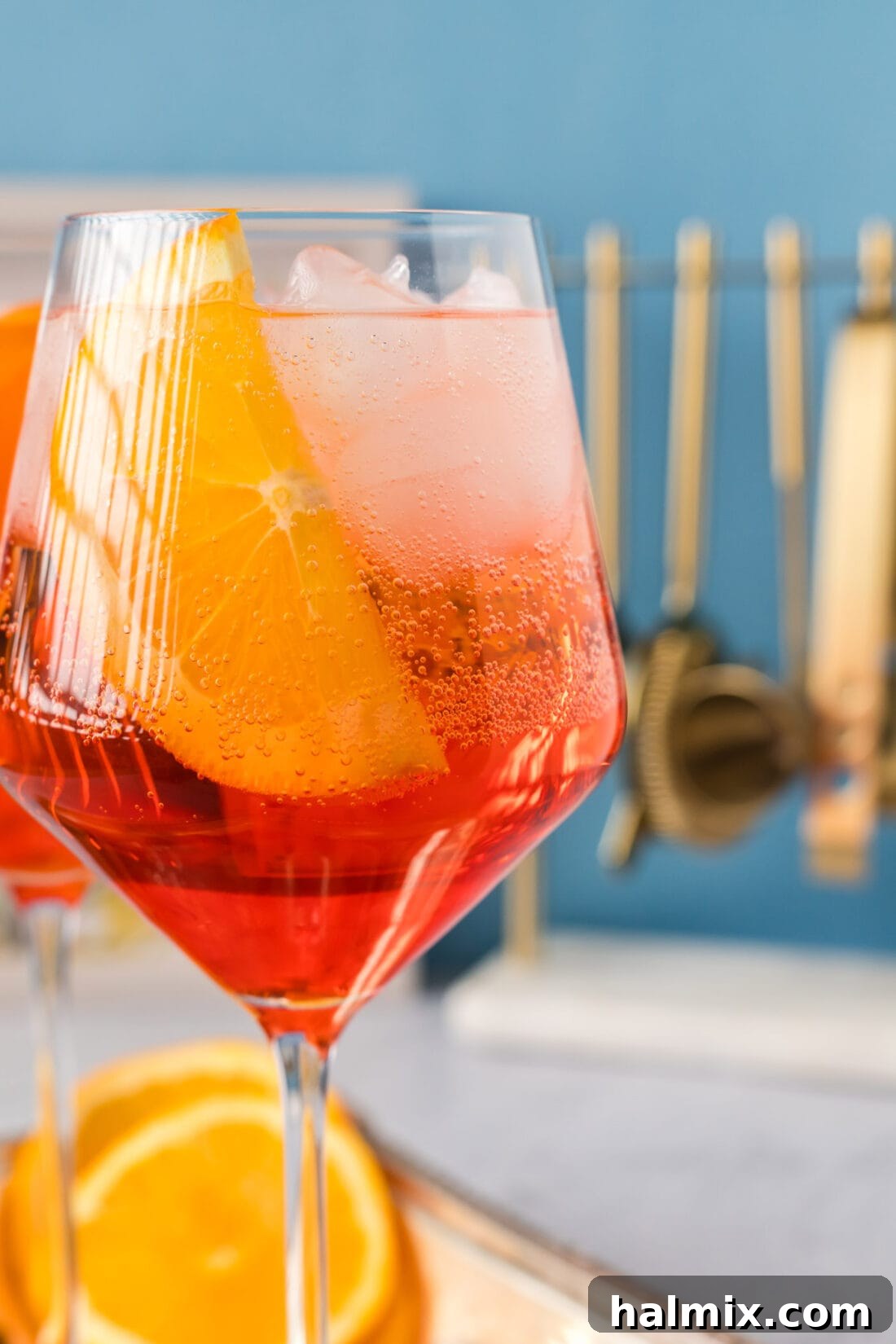
Why This Aperol Spritz Recipe Works Perfectly
The magic of an Aperol Spritz lies in its meticulously balanced flavor profile, a harmony of bittersweet, citrusy, and effervescent notes. This recipe masterfully combines the classic 3-2-1 ratio (3 parts Prosecco, 2 parts Aperol, 1 part soda water) which is widely recognized as the golden standard for achieving that perfect blend. Aperol, the star of the show, contributes its distinct bittersweet taste, infused with hints of juicy orange, tart rhubarb, and a secret blend of herbs, creating a complex and inviting base. The addition of Prosecco introduces a delightful effervescence and a touch of fruity sweetness, elevating the cocktail with its delicate bubbles. Finally, a splash of soda water lightens the drink, adding a crisp, clean finish that prevents it from being overly rich or cloying. It’s this precise interplay of ingredients that makes this recipe consistently deliver a refreshingly well-rounded and irresistible Aperol Spritz every single time.
A Sip of Italy: The History and Charm of Aperol Spritz
The Aperol Spritz isn’t just a drink; it’s a cultural phenomenon, deeply rooted in Italian tradition and synonymous with the country’s vibrant aperitivo hour. Its story begins in Padua, Italy, where it was created by the Barbieri brothers in 1919. However, it wasn’t until after World War II that the Aperol Spritz truly began to gain widespread popularity, particularly in the Veneto region, where it became a cherished ritual. The “spritz” part of its name originates from the Austrian occupation of Veneto in the 19th century, when Hapsburg soldiers diluted local wines with a “spritzen” (splash) of water to make them lighter. This practice evolved over time, eventually leading to the creation of the now-famous cocktail combining sparkling wine, a bitter liqueur, and soda water.
Its distinctive bright orange color and relatively low alcohol content made it an instant hit as a refreshing pre-dinner drink, designed to stimulate the appetite. Over the decades, the Aperol Spritz transcended its regional origins, becoming a global icon celebrated for its effortlessly chic appearance and irresistible flavor. Today, it remains a testament to Italian artistry and the simple pleasure of good company, making it a perfect choice for any social gathering or personal indulgence.
Essential Ingredients for the Perfect Aperol Spritz
Crafting an exquisite Aperol Spritz requires a thoughtful selection of just a few key ingredients. While the simplicity of the recipe is part of its charm, understanding each component ensures you achieve the ideal balance of flavors and effervescence. You’ll find specific measurements and comprehensive instructions for this recipe in the printable section towards the end of this post, but let’s dive into the details of what you’ll need.
Ingredient Info and Substitution Suggestions
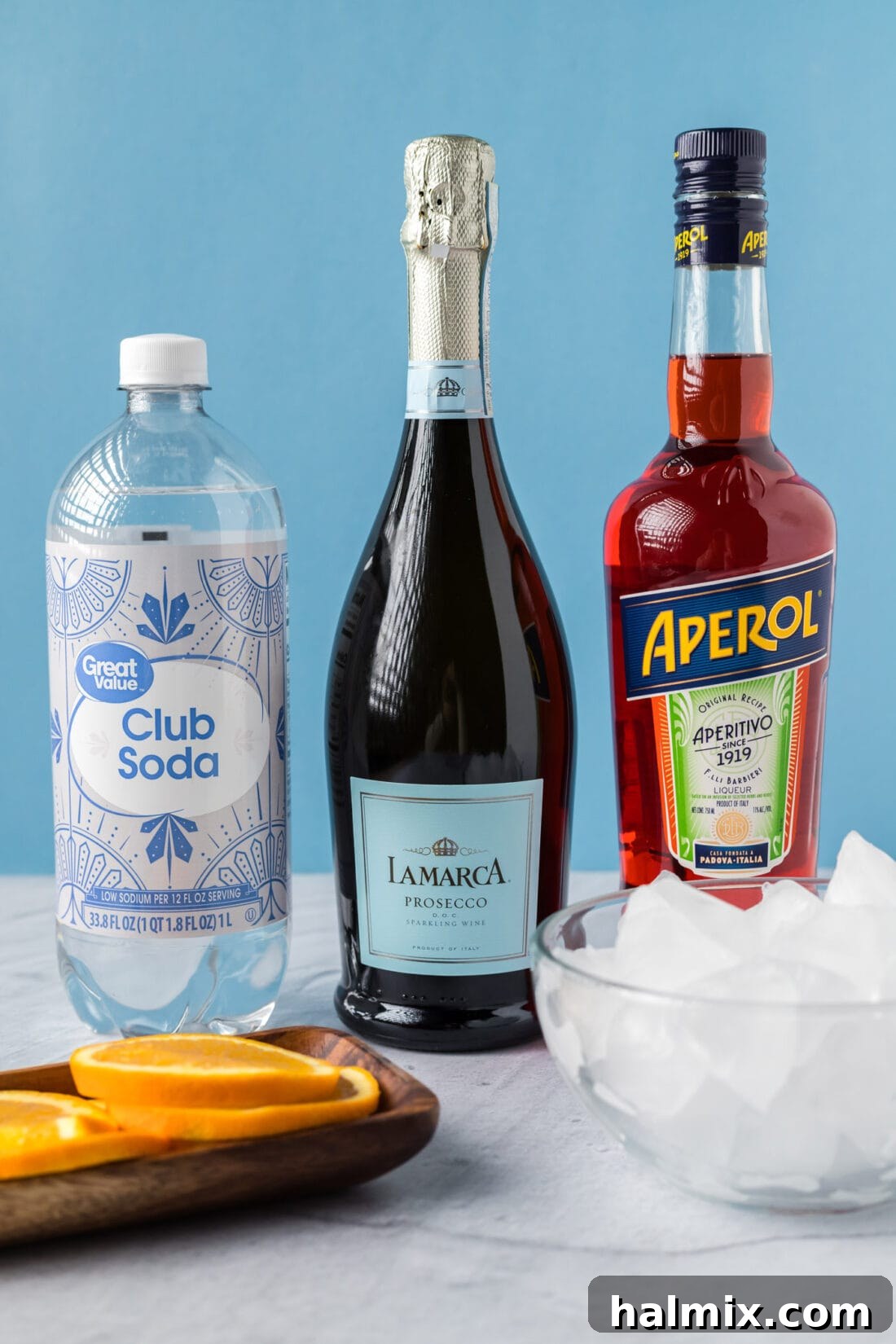
APEROL – The very name of the cocktail tells you that Aperol is non-negotiable for this recipe. Its unique bittersweet profile, characterized by notes of bitter orange, gentian, rhubarb, and other herbs, is what gives the Aperol Spritz its signature taste and vibrant orange hue. While no direct substitute can truly replicate Aperol’s distinct flavor, if you absolutely cannot find it, Campari is an alternative, though it is significantly more bitter and redder in color, creating a different but equally classic Italian cocktail (like a Negroni). Another option for a less bitter alternative could be Select Aperitivo, which is popular in Venice for spritzes, offering a slightly different herbaceous profile.
PROSECCO – Traditionally, Prosecco is the sparkling wine of choice for an Aperol Spritz, celebrated for its delicate bubbles, fruity notes (often green apple, pear, and citrus), and moderate sweetness. Look for Prosecco labeled as “Brut” or “Extra Dry” for the classic balance; Brut will be drier, while Extra Dry will offer a hint more sweetness to complement the Aperol. While Prosecco is ideal, you can experiment with other sparkling wines such as Cava (Spanish sparkling wine, typically drier) or even a dry Champagne for a more luxurious twist. If sparkling wine isn’t available, a crisp, light-bodied dry white wine like Pinot Grigio, Sauvignon Blanc, or Vinho Verde can be used as a substitute, though you will lose the signature effervescence.
SODA WATER – The role of soda water is to dilute the drink slightly and add a crisp, refreshing finish without altering the core flavors. Club soda is our preferred choice due to its neutral taste and consistent carbonation, but any favorite type of plain sparkling water or mineral water will work splendidly. Popular brands like Canada Dry, LaCroix, San Pellegrino, or Schweppes are all excellent options. Avoid tonic water, as its quinine content will introduce an additional bitterness that might clash with the Aperol.
ICE – Crucial for keeping your drink perfectly chilled and refreshing. Use plenty of fresh, good-quality ice to ensure your Aperol Spritz stays cool without becoming watered down too quickly. Large ice cubes melt slower, making them an excellent choice.
ORANGE SLICE (GARNISH) – Not just for decoration, a fresh orange slice is an essential part of the Aperol Spritz experience. It enhances the citrus notes of the Aperol and adds a beautiful visual appeal. Always use a fresh, juicy orange for the best aromatic contribution.
How to Make The Perfect Aperol Spritz
These step-by-step photos and detailed instructions are provided to guide you through the process of making this exquisite cocktail. For a printer-friendly version of this recipe, complete with precise measurements and nutritional information, please refer to the dedicated recipe card at the bottom of this post.
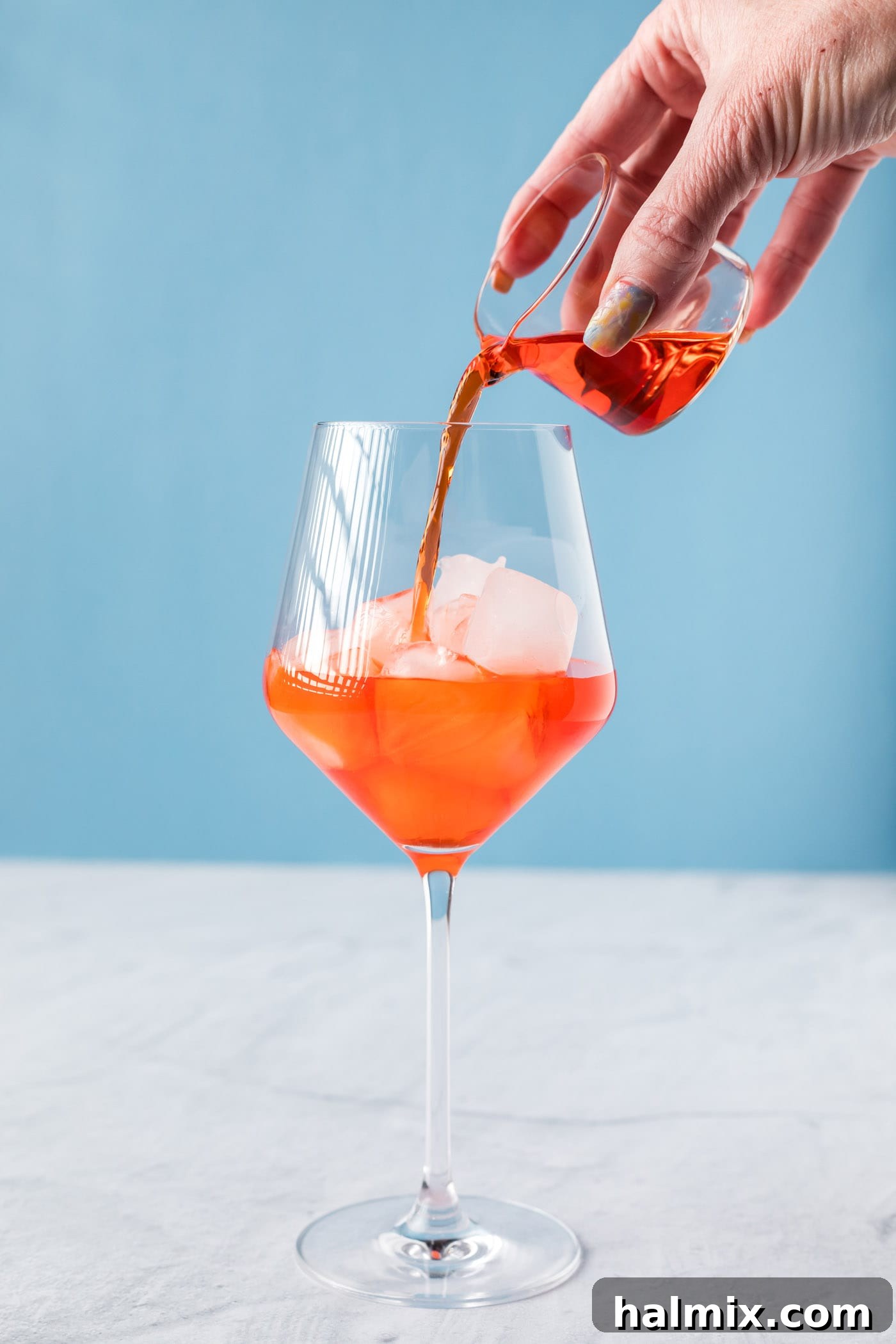
- Prepare Your Glass: Begin by filling a large wine glass (or your preferred glass, see serving suggestions) generously halfway with fresh ice cubes. Ample ice is key to keeping your Spritz perfectly chilled and preventing it from diluting too quickly.
- Add Aperol: Pour in the specified amount of Aperol. Its vibrant orange hue will instantly begin to color your drink.
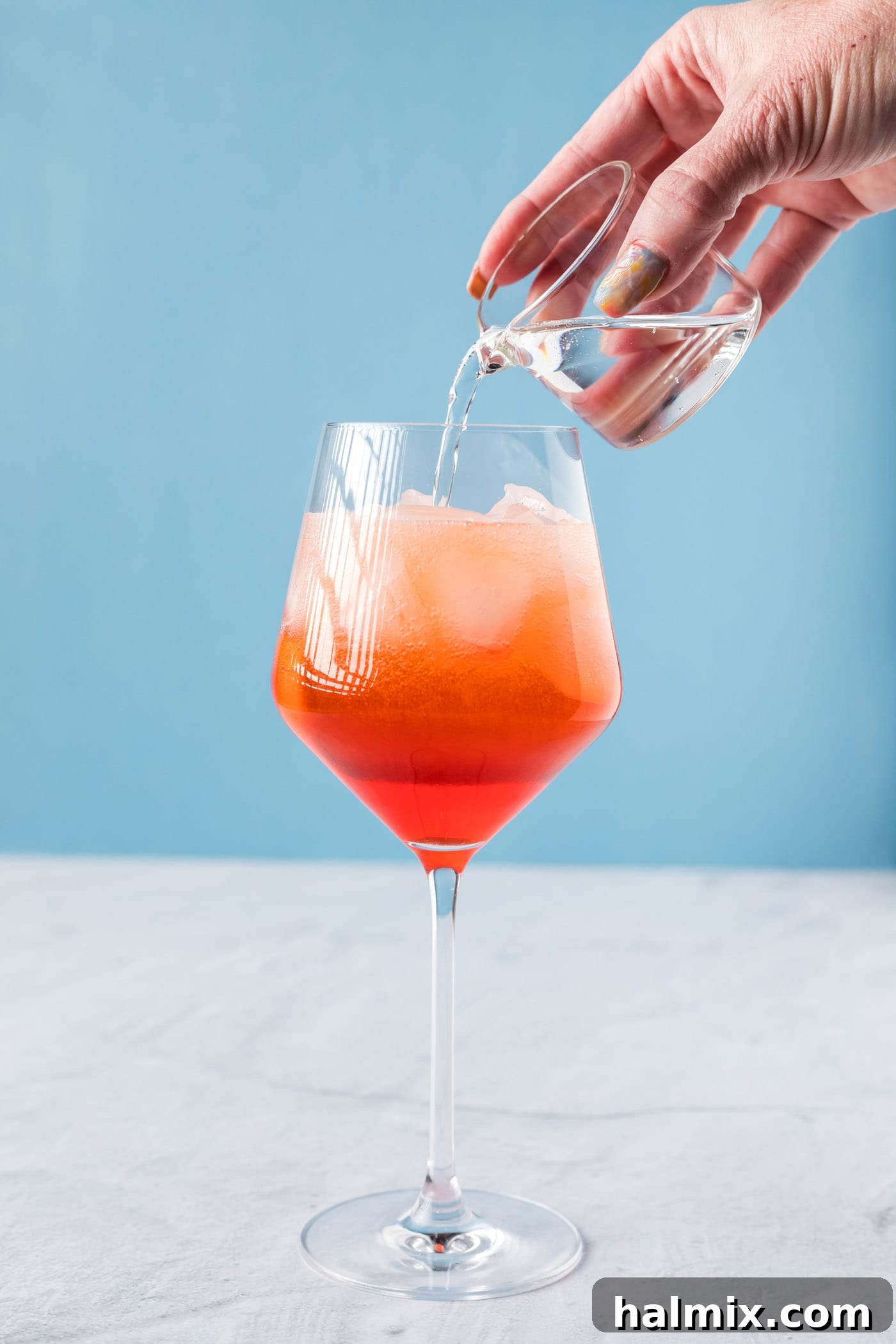
- Introduce Prosecco: Gently add the Prosecco. Pouring it slowly helps preserve its effervescence. The Prosecco will mix with the Aperol, creating a beautiful layered effect before stirring.
- Top with Club Soda: Finish by adding a splash of club soda. This final ingredient adds a refreshing crispness and lightens the cocktail, completing the classic 3-2-1 ratio.
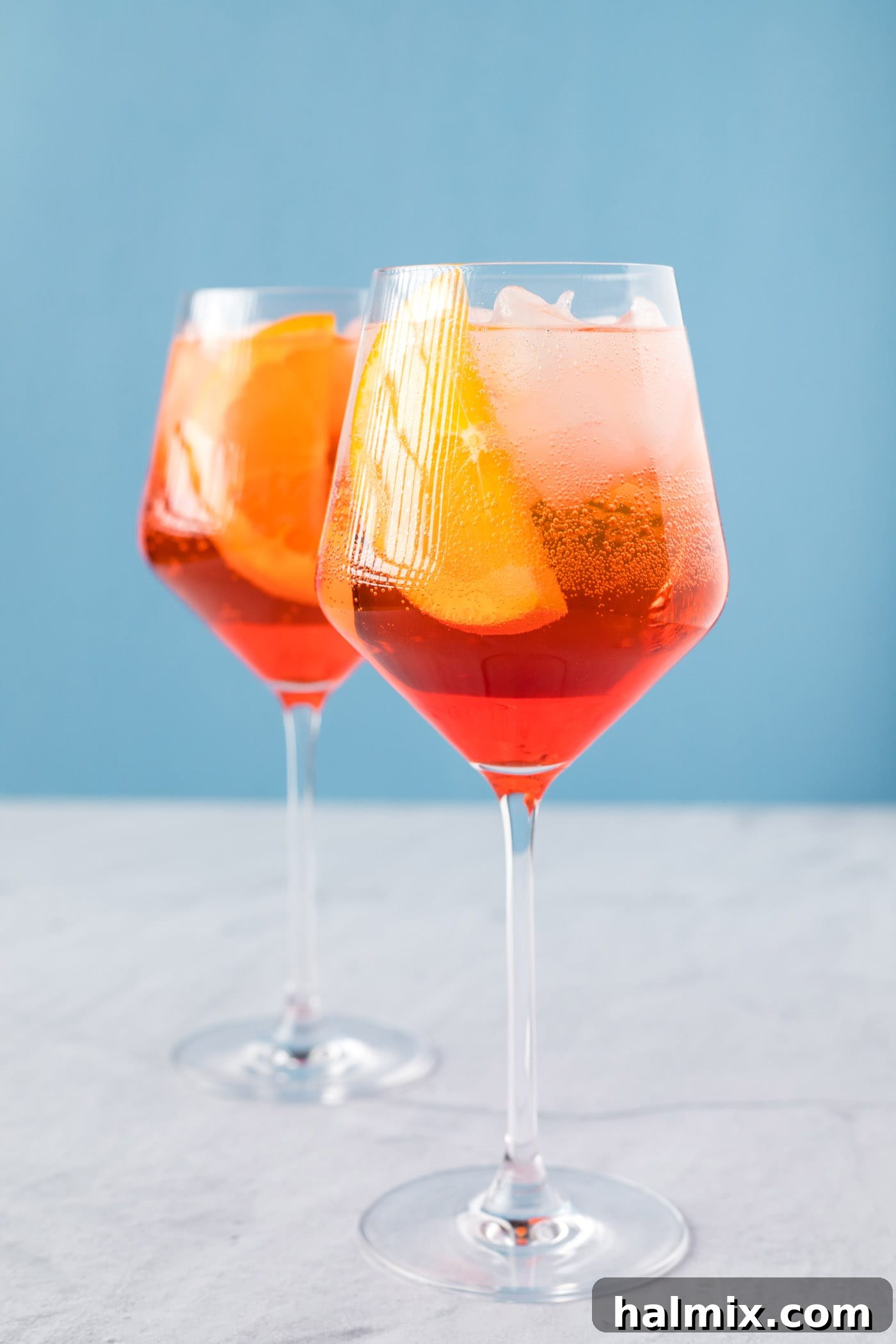
- Garnish and Serve: Gently stir the ingredients together to combine. Then, carefully place a fresh orange slice on the rim of the glass or directly into the drink for an aromatic and visually appealing garnish. Serve immediately and enjoy the authentic taste of Italy!
Frequently Asked Questions & Expert Tips for Your Aperol Spritz
What does an Aperol Spritz taste like?
An Aperol Spritz offers a delightful symphony of flavors: primarily bittersweet, complemented by vibrant citrus and fruity undertones, all wrapped in a refreshing effervescence. The bitterness from the Aperol is mild and balanced by the sweetness of the Prosecco, creating a wonderfully approachable and well-rounded cocktail. You’ll notice bright orange notes, a subtle herbaceousness, and a crisp, clean finish. If you find it too bitter, you can easily adjust by adding a little more Prosecco or a tiny splash of simple syrup. For those who prefer a more assertive bitterness, a higher ratio of Aperol can be used, or consider a Campari Spritz for a bolder flavor.
What kind of Prosecco should you use for an Aperol Spritz?
The best Prosecco for your Aperol Spritz depends on your personal preference for sweetness. Generally, “Extra Dry” Prosecco is the traditional and most popular choice, as its slight sweetness perfectly complements the Aperol’s bitterness. “Brut” Prosecco, which is drier, also works well for those who prefer a less sweet drink. You can even opt for a “Dry” Prosecco, which is actually sweeter than Extra Dry, for a fruitier and sweeter Spritz. Brands like La Marca, Mionetto, or Santa Margherita are widely available and excellent options. Ultimately, choose a Prosecco you enjoy drinking on its own, as its quality will directly impact the final taste of your cocktail.
Expert Tips for a Flawless Aperol Spritz:
- The 3-2-1 Ratio is Key: While often cited, this classic ratio (3 parts Prosecco, 2 parts Aperol, 1 part soda water) provides the most balanced and traditional flavor. Feel free to adjust slightly to your taste, but it’s a great starting point.
- Plenty of Ice: Don’t skimp on the ice! It keeps the drink cold and minimizes dilution from melting. Consider using larger ice cubes as they melt slower.
- Chill Your Ingredients: Ensure both your Prosecco and Aperol are well-chilled before mixing. This contributes to a colder, more refreshing drink without needing extra ice that could dilute it.
- Build in the Glass: Always build your Aperol Spritz directly in the serving glass. This minimizes stirring and preserves the effervescence of the Prosecco and soda water.
- Gentle Stir: After adding all ingredients, give it just one or two gentle stirs. Over-stirring will flatten the drink.
- Fresh Garnish: An orange slice isn’t just for looks; it adds essential citrus aroma and flavor that enhances the entire experience. Always use a fresh, vibrant orange.
- Serve Immediately: This drink is designed to be enjoyed while it’s still fizzy and cold. It doesn’t hold up well to sitting for extended periods.
- Consider Batching (with caution): If making for a crowd, you can pre-batch Aperol and Prosecco (in the 2:3 ratio) and keep it chilled. Add soda water and ice to individual glasses just before serving to maintain fizz.
Serving Suggestions & The Perfect Occasion
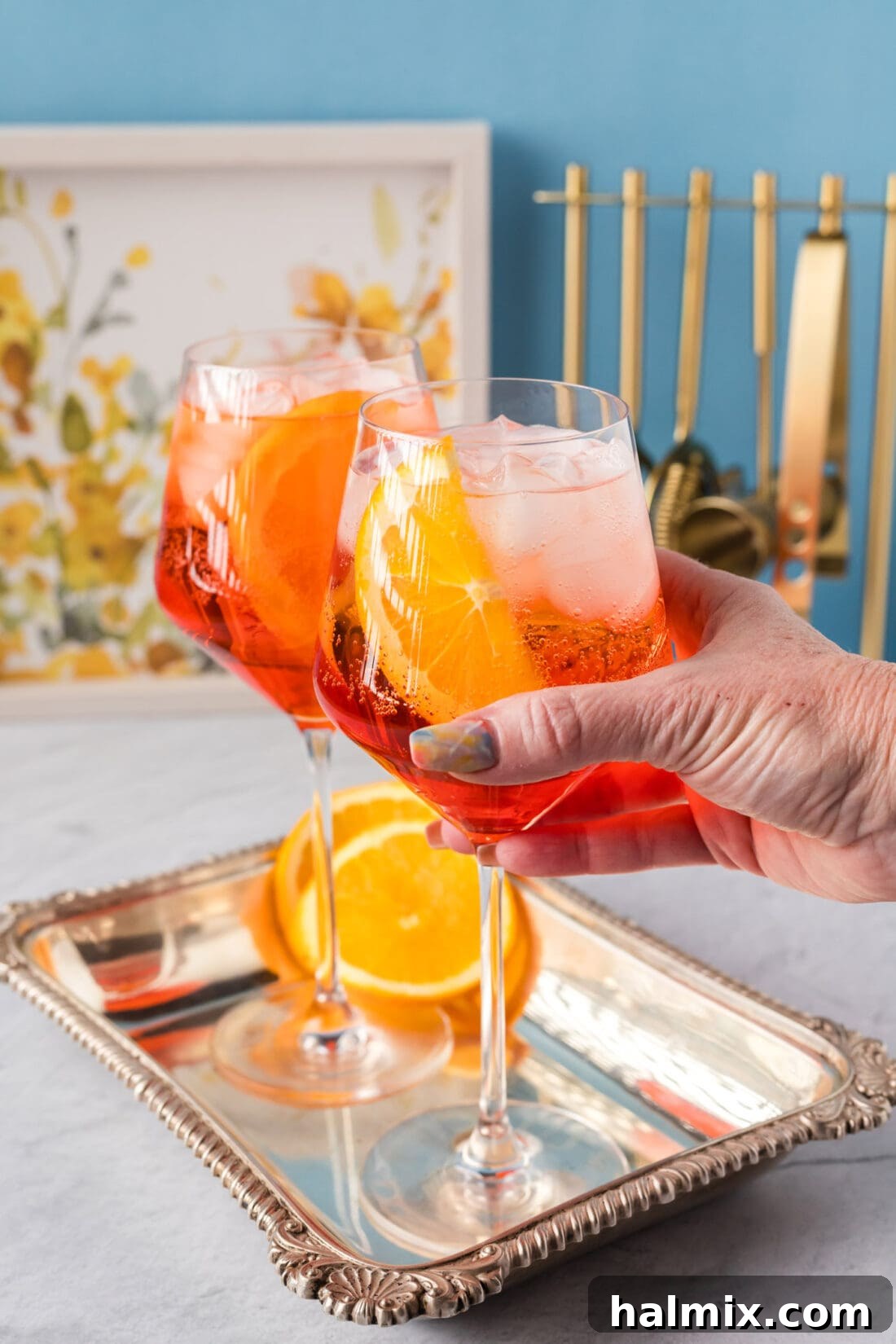
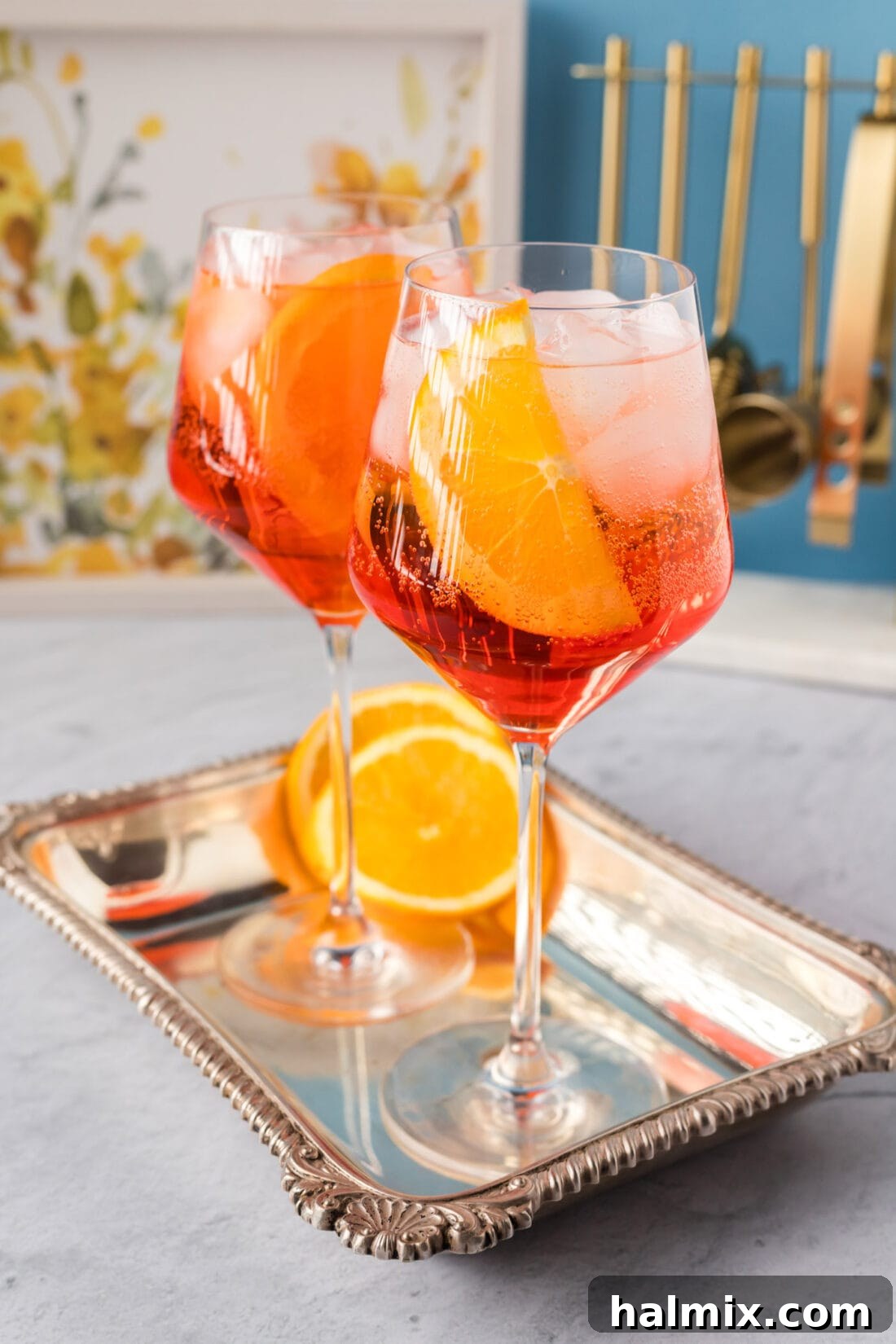
The Aperol Spritz is incredibly versatile and can elevate almost any occasion. Traditionally, it’s served in a large, stemmed wine glass, which allows the vibrant color to shine and provides ample space for ice and an orange garnish. However, feel free to get creative with your glassware! A tall champagne flute offers an elegant presentation, a classic martini glass lends a sophisticated touch, or even a chic rock glass can provide a more casual, modern vibe. Regardless of the vessel, always fill the glass generously with ice and adorn it with a fresh orange slice to complete the experience.
While often enjoyed as an apéritif – a pre-dinner drink meant to stimulate the appetite – the Aperol Spritz transcends this specific timing. Its light, refreshing nature makes it perfect for spring and summer gatherings, brunch, poolside lounging, or a relaxed evening on the patio. But don’t limit it to warm weather; its cheerful color and invigorating taste can brighten even the chilliest winter day, making it a year-round favorite. Imagine sipping one during a holiday party or cozy indoor gathering, bringing a splash of sunshine to any season. Cheers to endless possibilities!
Creative Variations & Twists on the Classic Aperol Spritz
While the classic Aperol Spritz is perfect as is, its simple structure makes it a fantastic canvas for creative variations. If you’re looking to experiment and put your own spin on this Italian favorite, here are a few ideas:
- Grapefruit Aperol Spritz: For an extra layer of citrus bitterness and aroma, replace the orange slice with a fresh grapefruit slice or a twist of grapefruit peel. You can even add a small splash of fresh grapefruit juice to the Aperol before topping with Prosecco and soda.
- Herbal Infusion: Introduce fresh herbs like a sprig of rosemary, thyme, or basil for an unexpected aromatic dimension. Muddle a few leaves gently at the bottom of the glass before adding ice and liquids for a more intense flavor.
- Berry Bliss: Muddle a few fresh berries (strawberries, raspberries, or blueberries) at the bottom of your glass before adding the Aperol. The fruit will add a subtle sweetness, color, and fruity notes to your spritz.
- Lemon Twist: Swap the orange garnish for a lemon wedge or twist. The tartness of lemon can offer a different bright contrast to the bittersweet Aperol.
- Botanical Boost: Add a dash of a complementary botanical gin or a floral liqueur (like elderflower liqueur) for a more complex and aromatic cocktail. Start with a small amount to avoid overpowering the Aperol.
- Slightly Sweeter Spritz: If you find Aperol too bitter, or prefer a sweeter drink, a tiny drizzle of simple syrup (sugar dissolved in water) or a honey syrup can be added, or opt for a sweeter Prosecco (labeled ‘Dry’).
- Non-Alcoholic Version: For a delightful mocktail, combine non-alcoholic bitter aperitif (like Sanbitter or Crodino) with sparkling grape juice (or non-alcoholic Prosecco) and soda water. Garnish with orange.
Experimenting with these variations can lead to exciting new favorites, proving that the Aperol Spritz is a cocktail that continues to inspire and delight.
More Cocktail Recipes to Explore
If you’ve fallen in love with the Aperol Spritz, you’re sure to enjoy these other fantastic cocktail recipes, each offering a unique flavor profile and experience:
- Bellini
- Negroni
- Espresso Martini
- Pineapple Prosecco Punch
I adore creating and sharing culinary experiences! To ensure you never miss a new recipe, I offer a convenient newsletter. Simply subscribe to receive your free daily recipes directly to your inbox!
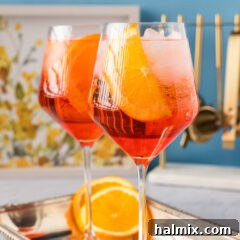
Aperol Spritz
With its vibrant orange hue and perfectly balanced bittersweet flavor, an Aperol Spritz is the quintessential choice for a sunny day or as a stimulating aperitif before a meal.
IMPORTANT – There are often Frequently Asked Questions and Expert Tips within the blog post that you may find incredibly helpful. Please scroll back up to read them!
Print Recipe | Pin Recipe | Rate Recipe | Save It
Course: Cocktails
Cuisine: Italian
Servings: 1 cocktail
Prep time: 2 mins
Calories: 231
Author: Amanda Davis
Ingredients
- 2 ounces Aperol
- 3 ounces Prosecco
- 1 ounce club soda
- Ice
- Orange slice (optional garnish)
Things You’ll Need
- Wine glasses
- Jigger or liquid measure
Before You Begin
- This drink is fizzy and should be enjoyed immediately. We do not recommend making this ahead of time.
- A wine glass is traditionally used, but you can also use a champagne flute, martini glass, or a rock glass for this cocktail.
Instructions
- Fill a wine glass halfway with ice.
- Pour in Aperol, then Prosecco, followed by club soda.
- Garnish with a fresh orange slice.
Expert Tips & FAQs
- While Prosecco is the traditional choice, you can substitute it with other sparkling wines like Champagne or Cava.
- Aperol is essential for this recipe. If unavailable, Campari can be used for a more bitter variation.
- Any preferred plain soda water brand, such as Canada Dry, LaCroix, San Pellegrino, or Schweppes, will work well.
Nutrition
Calories: 231 cal |
Carbohydrates: 20 g |
Protein: 0.1 g |
Sodium: 12 mg |
Potassium: 75 mg |
Sugar: 1 g |
Calcium: 9 mg |
Iron: 0.3 mg
Follow on Pinterest @AmandasCookin or tag #AmandasCookin!
The recipes on this blog are tested with a conventional gas oven and gas stovetop. It’s important to note that some ovens, especially as they age, can cook and bake inconsistently. Using an inexpensive oven thermometer can assure you that your oven is truly heating to the proper temperature. If you use a toaster oven or countertop oven, please keep in mind that they may not distribute heat the same as a conventional full-sized oven and you may need to adjust your cooking/baking times. In the case of recipes made with a pressure cooker, air fryer, slow cooker, or other appliance, a link to the appliances we use is listed within each respective recipe. For baking recipes where measurements are given by weight, please note that results may not be the same if cups are used instead, and we can’t guarantee success with that method.