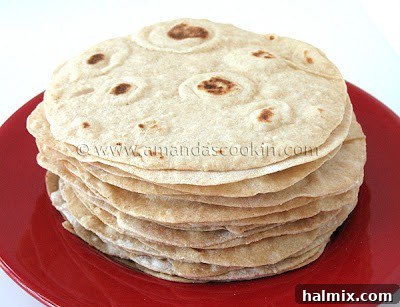
Mastering Homemade Flour Tortillas: A Low-Fat Recipe for Fresh, Flavorful Wraps
The experience of sinking your teeth into a warm, freshly made flour tortilla is unparalleled. Soft, pliable, and bursting with a subtle homemade taste, it’s a world away from anything you can buy at the store. For years, I dreamt of making flour tortillas from scratch, intimidated by what I thought would be a complex process. To my pleasant surprise, the journey into homemade tortilla making proved to be incredibly simple, requiring just a handful of basic ingredients and a bit of time – an investment truly worth every moment.
This comprehensive guide will walk you through crafting your own batch of delicious, low-fat flour tortillas, ensuring you never have to rush to the store for a stale package again. Not only are they easy to make, but they also offer a healthier alternative to many store-bought options, giving you full control over the ingredients. We’ll delve into ingredient choices, essential dough handling techniques, and provide a step-by-step visual guide to create these versatile flatbreads that will elevate any meal, from weeknight tacos to gourmet wraps. Prepare to impress yourself and your family with the delightful taste of homemade!
Understanding the Humble Tortilla: An Unleavened Delight
Before we begin our culinary adventure, it’s helpful to understand what a flour tortilla truly is. At its heart, a tortilla is a type of flatbread, specifically an unleavened bread. This means it doesn’t contain yeast, unlike traditional leavened breads that rely on yeast for their rise. This characteristic is what makes them so quick and straightforward to prepare – there’s no lengthy waiting for dough to rise, which significantly cuts down on the overall preparation time. This lack of yeast also contributes to their unique, pliable texture that makes them perfect for wrapping, dipping, or enjoying plain. Because they rely on simple ingredients and quick cooking, they are incredibly accessible to even novice bakers.
Originating from Mesoamerica, tortillas have been a dietary staple for centuries, particularly in Mexican cuisine. While corn tortillas are arguably more traditional in some regions, flour tortillas have become immensely popular worldwide for their softness, versatility, and ability to hold a wide variety of fillings without tearing. They serve as the foundation for countless dishes, from savory tacos and burritos to quesadillas and enchiladas, and even as a simple accompaniment to soups and stews. Knowing that you can create this fundamental element of so many beloved meals right in your own kitchen is incredibly empowering, offering both freshness and a connection to culinary traditions.
The Art of Flour Selection: White, Whole Wheat, or a Perfect Blend
When it comes to making flour tortillas, the choice of flour plays a crucial role in both texture and nutritional value. Many recipes traditionally call for all white all-purpose flour, which yields a very soft, classic tortilla with a delicate chew. However, in my quest for a healthier yet equally delicious version, I opted for a thoughtful combination of whole wheat flour and all-purpose white flour. This blend offers the best of both worlds: the robust flavor, nutty undertones, and added fiber of whole wheat, balanced beautifully by the tenderness, elasticity, and ease of handling that white flour provides. The whole wheat flour boosts the nutritional profile, adding valuable nutrients and dietary fiber, which can contribute to better digestive health and prolonged satiety.
If you prefer an even lighter or more traditional texture, you can absolutely use all white all-purpose flour. Simply substitute the exact amount of whole wheat flour with an equal quantity of white flour. When using only white flour, your tortillas might be slightly more tender and whiter in color. Conversely, if you want to maximize the whole grain content, you could try increasing the ratio of whole wheat flour, but be prepared for a slightly denser texture and a need for potentially more water, as whole wheat absorbs liquid differently. The beauty of homemade cooking is the flexibility it offers to tailor recipes to your personal preferences and dietary needs. For this particular recipe, I was fortunate to use freshly ground wheat flour from a neighbor, which added an incredible depth of flavor and nuttiness that store-bought flour often lacks, highlighting how ingredient quality can truly elevate your final product.
Crafting the Perfect Recipe: Balancing Health and Flavor
Developing a flour tortilla recipe that is both healthy and flavorful involved extensive research and experimentation. I meticulously reviewed approximately fifteen different recipes, analyzing their commonalities and variations to understand the core mechanics of tortilla making. The fundamental ingredients consistently found were flour, water, and some form of fat. Beyond these basics, many recipes also included salt for seasoning and a leavening agent like baking soda or baking powder to contribute to their soft texture and a slight puffiness during cooking.
A key decision in developing this particular recipe was to significantly lower the fat content. Many traditional recipes call for substantial amounts of lard or shortening, which undeniably contribute to a rich flavor and incredibly soft, almost melt-in-your-mouth texture. While these fats are traditional, they are also high in saturated fat. In pursuit of a healthier alternative, I discovered through my research that vegetable oil, such as canola oil, can be a perfectly viable substitute without compromising too much on the end product. Canola oil offers a neutral flavor and a healthier fat profile. Furthermore, I noticed a trend in some recipes that utilized considerably less oil and compensated with a higher proportion of water. This approach resonated deeply with my goal: to moisten the dough primarily with water for pliability, using only a small, essential portion of fat to ensure tenderness and prevent dryness. This strategic shift results in a lighter, lower-calorie tortilla that still maintains a delightful pliability and a satisfying texture, making it a conscious choice for health-minded individuals without sacrificing the joy of fresh, homemade flatbreads.
The Taste Test: Finding Your Flavor Balance
The results of this low-fat approach have been fantastic! These tortillas are perfectly pliable, with a soft texture that holds together beautifully. They are ideal for wrapping around anything from a fresh tuna salad for a light and healthy lunch to holding your favorite savory taco fillings for a satisfying family dinner. Warming them up slightly just before serving significantly enhances their texture, making them even more soft and appealing, and brings out their subtle, wholesome aromas.
However, it’s important to acknowledge a common culinary truth: fat adds flavor and richness. While I aimed for a healthier nutritional profile with reduced fat, this will naturally impact the intensity of the flavor compared to highly fatty, traditional tortillas. My oldest son, accustomed to the familiar and often richer taste of full-white flour store-bought tortillas, candidly remarked during a taco night, “these are good, but they have no flavor.” This feedback perfectly highlights the balance we’re striking. For some, the slightly milder, cleaner flavor is a welcome trade-off for significantly less fat and the added benefits of whole grains and knowing exactly what goes into their food. But if you prioritize that traditional, richer tortilla flavor, you absolutely have the flexibility to adjust the recipe. You can increase the fat content by adding a bit more canola oil, or for a more classic taste, incorporate a small amount of lard or vegetable shortening. If you increase the fat, you may need to slightly reduce the water content to maintain the desired dough consistency. The beauty of homemade is that you are the master of your kitchen, and you can tweak this recipe to suit your family’s unique palate. For us, these low-fat, whole-grain-enhanced tortillas have become a wonderful and guilt-free way to enjoy our favorite tacos and sandwiches with a healthier twist, making them a regular staple in our home.
Essential Dough Handling Tips for Perfect Pliability
Achieving perfectly pliable and easy-to-roll tortillas comes down to a few key techniques during dough preparation. These simple tips will make a significant difference in the quality and manageability of your dough.
One crucial tip I’ve discovered is particularly helpful when you’re rolling the dough into individual balls: wet your hands slightly. Before you start shaping each portion of dough, run one of your hands under the faucet, then shake off any excess water so it’s just damp, not dripping. Using this slightly moist hand, roll the dough ball between your two palms. This simple trick adds just enough minimal liquid to the surface of the dough, preventing it from drying out and ensuring it remains supple and easy to roll into thin, uniform circles. This subtle moisture barrier also helps prevent sticking to your hands without the need for excessive dry flour, which can inadvertently make the tortillas tough.
Equally important is to always keep your dough covered. Whether it’s the main dough after its initial knead and rest, or the individual balls waiting their turn to be rolled, use a clean, slightly damp kitchen towel to cover them. Exposure to air, even for short periods, will quickly dry out the dough, forming a crust on the surface. This crust makes the dough difficult to roll, causing it to crack and tear, and ultimately resulting in stiff, less appealing tortillas. By following these small but significant steps – lightly dampening your hands for shaping and consistently covering your dough – you’ll set yourself up for success in creating wonderfully soft, manageable, and delicious homemade tortillas every single time. Patience and attention to these details will be rewarded with superior results.
Step-by-Step Visual Guide to Rolling and Cooking Your Tortillas
Here’s a detailed visual breakdown of the crucial steps in shaping and cooking your homemade flour tortillas. Precision and gentle handling are key to achieving the desired thinness, perfectly round shape, and tender texture that define a great tortilla.
After your dough has rested and is perfectly smooth and elastic, it’s time to divide it. Carefully divide the dough into 18 equal pieces. For the most consistent results, especially if you’re aiming for uniformity, you can use a kitchen scale to ensure each piece is roughly the same weight (approximately 1.5 to 1.7 ounces or 45-50 grams each). Once divided, roll each piece into a smooth, tight ball. Place these dough balls on a clean cookie sheet, ensuring they don’t touch each other, and immediately cover them with a clean kitchen towel to prevent any drying. Allow them another brief rest period, as specified in the recipe, to further relax the gluten and make them easier to roll.
Now, for the rolling process, which is where the magic happens. Remember to keep the remaining dough balls covered under the towel to prevent them from drying out. Lightly sprinkle your counter with flour, and ensure your rolling pin is also lightly floured to prevent sticking. Take one dough ball, place it on the floured counter, and gently press it down with the palm of your hand to flatten it slightly into a disc. Then, using your floured rolling pin, begin rolling from the center outwards, applying even pressure. Rotate the dough periodically (about a quarter turn) to maintain a circular shape. Don’t be afraid to use a consistent, gentle pressure, but avoid tearing the dough. The key is to achieve an even thickness across the entire surface.
The goal is a very thin tortilla, typically around 7-8 inches in diameter. When you hold it up to the light, you should almost be able to see through it, indicating its delicate thinness. This thinness is what gives fresh tortillas their exquisite, pliable texture and ensures they cook quickly and evenly in the skillet. If the dough springs back, cover it and let it rest for a few more minutes to relax the gluten further. Practice makes perfect with rolling, so don’t get discouraged if your first few aren’t perfectly round or as thin as you’d like. They will still taste absolutely amazing, and you’ll improve with each one!
As you roll out each tortilla, immediately place it on a foil-lined cookie sheet. To prevent them from sticking together, especially if you’re rolling several before you start cooking, it’s a good practice to layer them with sheets of aluminum foil or parchment paper in between. This creates a barrier that keeps them separate and protects them from drying out. Repeat this process until you have about three tortillas on a layer, then place another layer of foil on top, and continue until all 18 dough balls are rolled out. This method keeps them organized, prevents sticking, and ensures they remain moist and ready for cooking.
Preheat a large, dry skillet (a cast iron pan or a good quality non-stick skillet works wonderfully) over medium-high heat. The pan should be hot enough that a drop of water flicked onto its surface sizzles instantly and evaporates, but not so hot that it’s smoking. Place one rolled tortilla at a time into the preheated pan. Cook each tortilla for approximately 30 seconds per side. The cooking time is incredibly quick, so stay attentive! You’re looking for subtle changes in color, light golden spots, and slight puffing, not deep browning or crisping, unless that’s your preference for a specific dish.
A true tell-tale sign of a perfectly cooked tortilla is the formation of small, airy bubbles on its surface. After about 15 seconds on the first side, you’ll start to see these charming bubbles appear and inflate. This phenomenon occurs as the moisture within the dough turns to steam, creating delightful pockets of air that contribute to the tortilla’s soft, pliable texture. Once these bubbles are visible and you see a few light brown spots on the underside, it’s time to flip the tortilla over to cook the second side. Don’t worry if it doesn’t puff up like a balloon; even small bubbles indicate a successful cook.
Once both sides are lightly cooked, show faint golden-brown spots, and the tortilla is pliable, immediately transfer it to another foil-lined baking sheet. Stack the cooked tortillas in the same manner as you rolled them out, with layers of foil in between or simply wrap the entire stack tightly in a clean kitchen towel. This crucial step traps the steam released from the warm tortillas, keeping them incredibly soft, moist, and warm until all tortillas are cooked and ready to serve. This technique is essential for achieving that sought-after tender texture for your homemade wraps.
Full Recipe: Low-Fat Homemade Flour Tortillas
Now that you’ve got the essential tips and tricks down, here’s the complete recipe for making your own batch of wholesome, low-fat flour tortillas. This recipe yields about 18 tortillas, perfect for a family meal or for meal prepping throughout the week. Enjoy the satisfaction of creating these versatile and delicious flatbreads right in your own kitchen!
Low Fat Homemade Flour Tortillas
IMPORTANT – Discover more helpful tips and frequently asked questions about making tortillas by scrolling up in the blog post!
Print It
Pin It
Rate It
Ingredients
- 2 cups whole wheat flour
- 2 cups all-purpose flour
- 1 ½ teaspoons salt
- 1 ½ teaspoons baking powder
- 2 tablespoons canola oil
- 1 – 1 1/4 cups warm water
Before You Begin / Nutritional Information Overview
Calories: 109.6
Total Fat: 1.9 g
Saturated Fat: 0.2 g
Polyunsaturated Fat: 0.5 g
Monounsaturated Fat: 1.0 g
Cholesterol: 0.0 mg
Sodium: 235.0 mg
Potassium: 15.0 mg
Total Carbohydrate: 20.5 g
Dietary Fiber: 2.0 g
Sugars: 0.0 g
Protein: 3.2 g
(Note: These nutritional values are initial estimates based on the ingredients provided and represent a single tortilla. They may vary slightly depending on brands and exact measurements of ingredients. For a more detailed per-tortilla breakdown, please refer to the comprehensive nutrition label below the instructions.)
Instructions
-
In a large, shallow bowl, whisk together the whole wheat flour, all-purpose flour, salt, and baking powder until these dry ingredients are thoroughly combined. Create a well in the center of the flour mixture and add the canola oil along with 1 cup of the warm water. Mix these ingredients with a sturdy spoon or your hands, gradually incorporating the flour to form a cohesive dough. Add additional warm water, one tablespoon at a time, if needed, until the dough comes together into a soft, pliable ball that is slightly tacky but not sticky. The exact amount of water needed can vary based on flour type and humidity.
-
Lightly flour a clean work surface and transfer the dough onto it. Knead the dough gently but firmly for about 10-15 times, just enough to make it smooth and elastic. Avoid over-kneading, as this can develop the gluten too much, resulting in tough tortillas. Once kneaded, gather the dough into a ball, cover it completely with a clean kitchen towel, and let it rest at room temperature for at least 5 minutes. This crucial resting period allows the gluten to relax, making the dough much easier to roll out later.
-
While the dough is resting, take a moment to prepare your workspace and equipment. Line a large cookie sheet or baking pan with aluminum foil. This sheet will serve as the temporary resting place for your rolled tortillas before cooking, and later, for stacking the freshly cooked ones to keep them warm and soft.
-
After the dough has rested, divide it into 18 equal pieces. For the most consistent tortilla size, using a kitchen scale to measure each piece (aiming for roughly 1.5 to 1.7 ounces or 45-50 grams) is highly recommended. To ensure your dough balls remain moist and easy to handle, lightly dampen one of your hands under a running faucet, then shake off any excess water. Use this slightly wet hand to roll each piece of dough into a smooth, tight ball between your palms. Place the formed dough balls on the prepared cookie sheet, ensuring they don’t touch each other, and cover them again with a clean towel. Let them rest for another 5 minutes to relax further.
-
Keep the remaining dough balls covered with the towel as you work to prevent them from drying out. Lightly sprinkle your counter with flour, and make sure your rolling pin is also lightly floured to prevent sticking. Take one dough ball, place it on the floured counter, and gently flatten it with the palm of your hand into a small disc. Then, using your floured rolling pin, roll the dough from the center outwards in all directions, rotating the dough frequently (about a quarter turn after each roll) to maintain a circular shape. Roll, flip, roll again, and continue this process until the tortilla is approximately 7-8 inches in diameter and very thin. You should almost be able to see through it when held up to the light.
-
As each tortilla is rolled out, immediately transfer it to the foil-lined cookie sheet you prepared earlier. To prevent the rolled tortillas from sticking to each other while you complete the batch, layer them with sheets of aluminum foil or parchment paper in between. Roll out about three tortillas, then place another layer of foil on top, and continue this layering process until all 18 tortillas are rolled out and ready for cooking. This method ensures they stay separate, moist, and pliable.
-
Preheat a large, dry skillet (a heavy-bottomed pan like cast iron or a non-stick skillet works best) over medium-high heat. Allow the pan to get hot enough that a drop of water sizzles and evaporates quickly, but not so hot that it begins to smoke. Once adequately heated, place one rolled tortilla at a time into the dry pan. Cook for approximately 30 seconds per side. The cooking process is very fast, so stay vigilant to prevent overcooking.
-
Keep a close eye on the tortilla as it cooks. After about 15 seconds on the first side, you will begin to see small bubbles forming and puffing up on the surface of the tortilla. This is a good indication that the tortilla is cooking properly and generating steam within. Once you see these bubbles and a few light golden-brown spots on the underside, it’s time to carefully flip the tortilla to cook the second side for another 15 seconds.
-
As soon as each tortilla is lightly cooked on both sides and appears soft and pliable, immediately transfer it to the prepared foil-lined baking sheet. Stack the cooked tortillas directly on top of each other, keeping them covered with the foil or a clean kitchen towel. This technique is crucial for trapping the steam, which keeps the tortillas warm, soft, and flexible as you finish cooking the rest of the batch.
-
Serve and enjoy your fresh homemade tortillas immediately while they are warm and at their peak flavor and texture! If you have any leftovers, allow them to cool completely to room temperature before storing. Place the cooled tortillas in a plastic zipper storage bag, pressing out as much air as possible, and refrigerate for up to one week. For longer storage, they can be frozen for up to 2-3 months. To reheat, remove the desired number of tortillas from the bag and place them in a dry skillet over medium-high heat. Warm each side for about 15-20 seconds, just enough to heat through and restore their pliability. Avoid over-heating, which can cause them to become stiff and dry.
Nutrition
Serving: 1tortilla
|
Calories: 109cal
|
Carbohydrates: 20g
|
Protein: 3g
|
Fat: 2g
|
Sodium: 194mg
|
Potassium: 96mg
|
Fiber: 1g
|
Calcium: 21mg
|
Iron: 1.2mg
The recipes on this blog are meticulously tested with a conventional gas oven and gas stovetop. Please be aware that oven performance can vary, especially with older models, leading to inconsistent cooking and baking. We recommend using an inexpensive oven thermometer to ensure your oven maintains the correct temperature. If you’re using a toaster oven or a countertop oven, keep in mind their heat distribution might differ from full-sized ovens, potentially requiring adjustments to cooking or baking times. For recipes involving pressure cookers, air fryers, slow cookers, or other specialized appliances, links to the specific models we use are provided where relevant. For baking recipes where ingredients are measured by weight, using cups instead may alter results, and we cannot guarantee success with volumetric measurements in such cases.
Storing, Freezing, and Reheating Your Homemade Tortillas
One of the great advantages of making a larger batch of homemade tortillas is their versatility and how wonderfully they store, making meal prep a breeze. Once cooked, if you’re not planning to use them immediately, it’s crucial to allow them to cool completely to room temperature. Stacking them while still warm can trap excessive moisture, which can cause them to become soggy and stick together, making them difficult to separate later. Once they are thoroughly cooled, prepare them for storage.
For short-term storage, place your tortillas in an airtight plastic zipper storage bag. Press out as much air as possible before sealing to prevent them from drying out or absorbing refrigerator odors. Stored in this manner, they will keep beautifully in the refrigerator for up to one week, ready to be pulled out for quick meals or snacks throughout your busy week. This makes them an excellent make-ahead component for various dishes.
For longer preservation, homemade flour tortillas freeze exceptionally well. Again, ensure they are completely cool before freezing. To prevent them from freezing into a solid, inseparable block, stack them with small squares of parchment paper or wax paper in between each tortilla. This simple trick allows you to easily remove just the number of tortillas you need. Place the stacked and separated tortillas in a freezer-safe bag or container, removing as much air as possible. Frozen tortillas can maintain their quality for 2-3 months. When you’re ready to use them, simply take out the desired number and let them thaw at room temperature for about 15-20 minutes, or you can gently warm them directly from frozen in a skillet, which works surprisingly well.
Reheating your tortillas is straightforward and quick. Place a dry skillet (the same one you used for cooking works perfectly) over medium-high heat. Once the pan is hot, place a tortilla in the pan and heat for about 15-20 seconds per side. The goal is just enough to warm it through and restore its soft, pliable texture, making it as good as freshly made. Be very careful not to overheat them, as this can cause them to become stiff, brittle, and crispy, losing their desirable flexibility. The aim is always warm and flexible, perfectly ready for wrapping your favorite fillings.
Beyond Tacos: Creative Ways to Enjoy Your Homemade Tortillas
While homemade tortillas are undeniably synonymous with delicious tacos, savory burritos, and cheesy quesadillas, their culinary utility extends far beyond traditional Mexican fare. Their neutral flavor, soft texture, and sturdy structure make them incredibly versatile in the kitchen, offering a healthy and fresh base for countless meals. Here are some inspiring and creative ideas to make the most of your fresh batch of homemade low-fat flour tortillas:
- Breakfast Wraps: Kickstart your day with a satisfying breakfast wrap. Fill your warm tortilla with fluffy scrambled eggs, melted cheese, cooked sausage or crispy bacon, and a dollop of fresh salsa or avocado slices for a quick and nutritious meal on the go.
- Gourmet Quesadillas: Elevate the classic quesadilla by layering it with gourmet cheeses, leftover shredded chicken or beef, caramelized onions, sautéed mushrooms, or roasted vegetables. Grill until the cheese is melted and gooey, and the tortilla is lightly golden and crisp.
- Flavorful Enchiladas: Roll them up with a rich, savory filling—think seasoned ground meat, shredded chicken, or a hearty bean and cheese mixture—then smother in your favorite enchilada sauce and a generous layer of cheese, and bake until bubbly and golden.
- Personalized Pizzas: Transform a tortilla into a quick, crispy personal pizza base. Spread with tomato sauce, sprinkle with mozzarella and your choice of toppings (pepperoni, bell peppers, olives), then bake in a hot oven until the cheese is melted and bubbly and the tortilla edges are crisp.
- Delightful Pinwheels: Perfect for appetizers or lunchboxes, spread cream cheese, your favorite deli meat (like turkey or ham), and finely chopped vegetables (carrots, bell peppers) on a tortilla. Roll tightly, then slice into festive, bite-sized pinwheels.
- Homemade Crispy Chips: Cut the tortillas into wedges, brush lightly with a little olive oil, sprinkle with salt (or cinnamon sugar for a sweet treat), and bake in the oven until perfectly crisp and golden. These are fantastic for dipping into salsa, guacamole, or even a sweet fruit dip.
- Healthy Sandwich Wraps: Replace traditional bread with a fresh tortilla for a lighter and often more satisfying lunch. Fill with your usual sandwich ingredients for a healthier, less carb-heavy alternative.
- Dessert Cinnamon Sugar Crisps: Brush with melted butter, sprinkle generously with cinnamon sugar, then bake or pan-fry until crisp. Serve with ice cream or fresh fruit for a simple, delightful dessert.
The possibilities for these fresh, homemade low-fat flour tortillas are truly endless, limited only by your imagination. Experiment and discover your favorite ways to incorporate these wonderful homemade flatbreads into your daily meals, adding a touch of freshness and personalized flavor to every bite!
Frequently Asked Questions About Homemade Flour Tortillas
Making tortillas from scratch can sometimes lead to questions, especially for first-timers venturing into homemade bread. Here are answers to some common queries to help ensure your tortilla-making experience is smooth and successful:
- Q: Why are my tortillas stiff, hard, or cracking?
- A: This is usually due to one or a combination of a few reasons: not enough fat in the dough (fat contributes to tenderness), not enough water (meaning the dough was too dry and stiff from the start), over-kneading (which overdevelops gluten, making it tough), or overcooking on the skillet. To prevent this, ensure your dough is soft, supple, and pliable before rolling, knead just enough to bring it together smoothly, and cook just until small bubbles form and the tortilla is lightly set—about 30 seconds per side—avoiding excessive browning.
- Q: Can I use only whole wheat flour for this recipe?
- A: Yes, you certainly can use only whole wheat flour! However, be aware that whole wheat flour absorbs more water than all-purpose flour and has a stronger gluten structure, which can make the tortillas slightly less pliable and a bit denser. You might need to add a bit more warm water to your dough to achieve the desired soft consistency, and it’s advisable to let the dough rest for a longer period (up to 30 minutes) to allow the gluten to relax properly. The resulting tortillas will have a more robustly wheaty flavor and a firmer texture.
- Q: My tortillas are shrinking back when I try to roll them out. What am I doing wrong?
- A: This common issue indicates that the gluten in your dough hasn’t relaxed enough. Gluten is a protein network that gives dough its elasticity, but if it’s too tense, it will cause the dough to snap back when stretched. The solution is simple: the dough needs to rest. Ensure you allow the dough to rest for the recommended time after kneading and after being divided into balls. If it still springs back stubbornly when you try to roll it, simply cover it again with a clean towel and let it rest for another 5-10 minutes. Patience is truly key here, as relaxed dough is happy dough, and happy dough rolls beautifully.
- Q: Do I need a tortilla press for flour tortillas?
- A: While a tortilla press is an excellent tool for making perfectly flat and round corn tortillas quickly, it’s generally not ideal for flour tortillas. Flour tortillas benefit from being rolled with a rolling pin, as this action helps to thin them out evenly and gently stretches the gluten strands, resulting in a more pliable and tender texture. A simple rolling pin and a lightly floured surface are all you truly need to achieve fantastic homemade flour tortillas. If you only have a press, you might find the tortillas too thick or tough.
- Q: How can I keep my tortillas warm and soft while I cook the rest of the batch?
- A: To maintain the warmth and softness of your freshly cooked tortillas, it’s essential to keep them covered immediately after they come off the skillet. As soon as a tortilla is cooked, place it into a tortilla warmer, or simply wrap it tightly in a clean kitchen towel. The steam trapped inside will keep them wonderfully soft and warm. For larger batches, you can also place the wrapped tortillas in an oven-safe dish, covered with foil, in a very low oven (around 200°F or 95°C) to keep them warm until ready to serve. Avoid stacking them unwrapped, as they will cool and stiffen quickly.
With these comprehensive tips and the detailed, step-by-step recipe, you’re well on your way to enjoying the freshest, most delicious homemade low-fat flour tortillas you’ve ever tasted. Embrace the joy of homemade goodness and transform your meals with these versatile and healthy flatbreads. Happy cooking!