Mastering Homemade Sour Cherry Pie Filling: A Step-by-Step Canning Guide
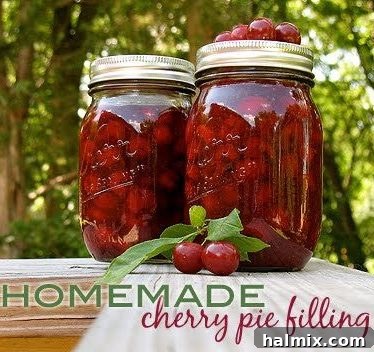
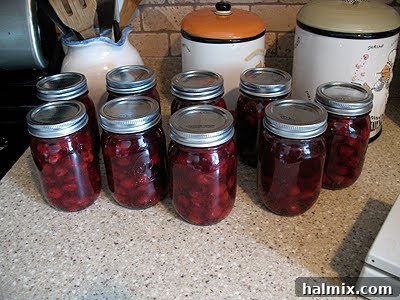
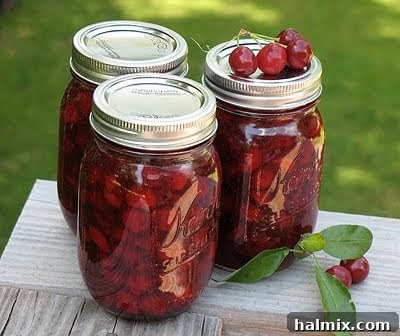
There’s a unique satisfaction that comes from preserving the bounty of nature, and for me, it was conquering my long-standing fear of canning. What began as a challenge transformed into a delightful triumph as I successfully preserved nine glorious pints of homemade cherry pie filling. Crafted from the vibrant, fresh sour cherries generously offered from my neighbor’s abundant tree, this achievement marked a significant milestone in my culinary journey. While the canning itself happened a week ago, the joy of sharing this experience is just as fresh.
The Abundant Harvest: More Cherries and Culinary Adventures Await
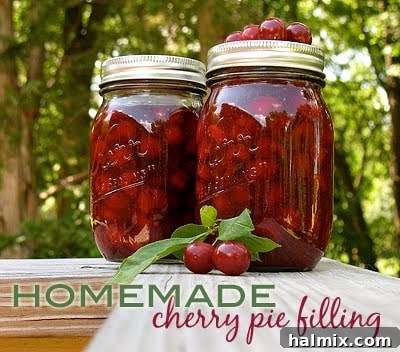
The cherry season truly blessed us this year! Hot on the heels of my successful canning venture, I found myself with yet another basket brimming with these ruby-red gems, picked just before the weekend. These beauties are destined for new culinary adventures. My immediate plans include transforming a portion into a luscious cherry jam, a perfect spread for toast or scones. I also envision baking another batch of my beloved sour cherry almond cake. This time, however, I’m thinking of a charming twist: individual cakes baked in ramekins, offering perfectly portioned delights. The versatility of sour cherries truly shines, allowing for a spectrum of sweet and tangy creations.
Delightful Creations: Recipes Using Cherry Pie Filling & Fresh Sour Cherries
For those eager to utilize either freshly picked sour cherries or the convenience of homemade pie filling, here’s a recap of some cherished recipes I’ve enjoyed:
Recipes Crafted with Homemade Cherry Pie Filling:
- Cherry Cake with Cherry Cream Cheese Frosting: A moist cake crowned with a creamy, cherry-infused frosting.
- Cherry Pie Squares: A convenient and crowd-pleasing alternative to traditional pie.
- Cherry Cheesecake: Rich, creamy cheesecake perfectly complemented by a tart cherry topping.
- Cherry Cream Cheese Coffee Cake: Ideal for breakfast or brunch, combining sweet cherries with tangy cream cheese.
- Black Forest Brownie Bites: Decadent chocolate brownies with a burst of cherry flavor.
Recipes Featuring Fresh Sour Cherries:
- Cherry Almond Cake: A delicate cake highlighting the exquisite pairing of cherries and almonds.
- Sour Cherry Financiers: Small, buttery almond cakes with a tender crumb, elevated by fresh sour cherries.
Preparing Your Bumper Crop: Essential Cherry Processing Tips
When it comes to canning, safety and reliability are paramount. For this cherry pie filling, I opted for a straightforward, tested recipe that is widely available and approved for home canning. My primary guide was the detailed instructions provided by the Utah State University Extension Office, a highly reputable source for safe food preservation. While I found supplementary step-by-step photos on PickYourOwn.org to be visually helpful, a fair warning: I did discover a few conflicting typos on their site. Therefore, I strictly adhered to the precise measurements and methods in the Utah University PDF, using the online photos purely as a visual aid to understand the process.
Selecting and Storing Your Cherries for Optimal Freshness
The journey to perfect pie filling begins with properly handled cherries. If you’re fortunate enough to pick fresh sour cherries, a crucial tip is to try and keep the stems intact until you are absolutely ready to use them. Once the stem is removed, the delicate flesh of the cherry is exposed to air, which can lead to browning and a reduction in quality. To maintain their peak freshness, store your picked cherries in the refrigerator, ideally for no more than a few days, until you’re prepared to destem and pit them.
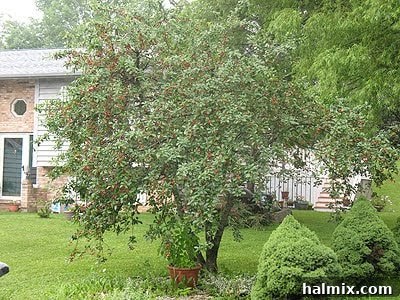
The source of this incredible bounty was a lovely tree just down the street from my home. Between my eager hands, my neighbor’s father, and even the local birds, we ensured not a single cherry went to waste! It’s now quite thoroughly picked clean, a testament to its generosity and our collective appreciation.
The Art of Pitting: Making Quick Work of Cherries
Once you’re ready to tackle the pitting, begin by placing your cherries in a colander and giving them a quick, thorough rinse under cold running water. This cleanses them and prepares them for the next step: stem removal and pitting. While hand-pitting is an option, a good cherry pitter can dramatically speed up the process.
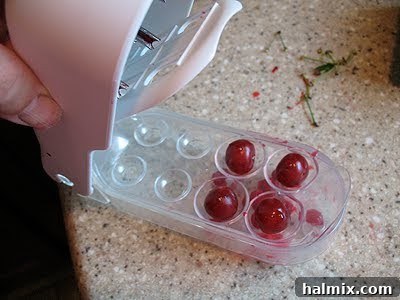
I absolutely adore my cherry pitter, a fantastic tool that tackles four pits at once! I originally received it from a kind friend, and it quickly became indispensable. For anyone looking to streamline their cherry processing, I highly recommend checking out similar models available on Amazon – it truly makes the task enjoyable. This particular pitter features a clever tray with eight slots: four larger ones perfect for varieties like Bing cherries, and four smaller slots designed specifically for sour cherries. As you might notice from the accompanying picture, I hadn’t quite mastered this detail yet and had inadvertently placed the sour cherries in the larger slots during my initial attempt. Live and learn!
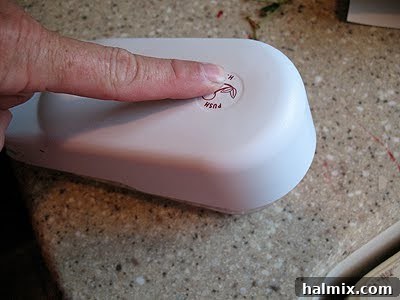
Using the pitter is remarkably simple: you position up to four cherries into their designated slots, then simply press down firmly on the top mechanism. With a swift motion, the pits are effortlessly extracted, and you lift the pitter back up, ready for the next batch.
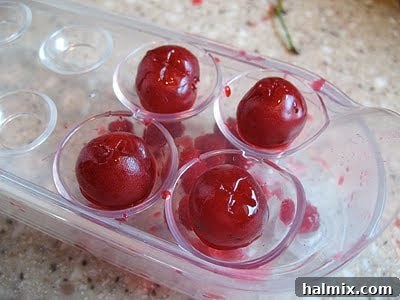
And just like that, you have perfectly pitted cherries!
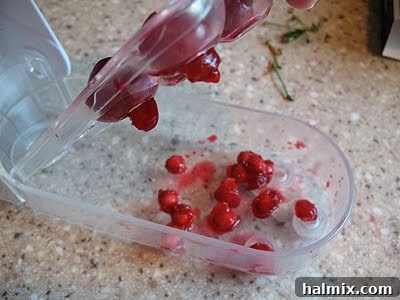
A convenient feature of this pitter is its clever collection tray located underneath, which neatly catches all the removed pits, keeping your workspace clean. It even came with a nifty collapsible colander. After pitting a batch of cherries, I would immediately toss them into this colander.
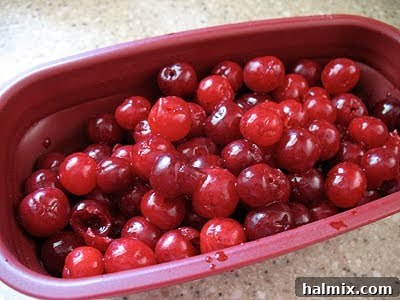
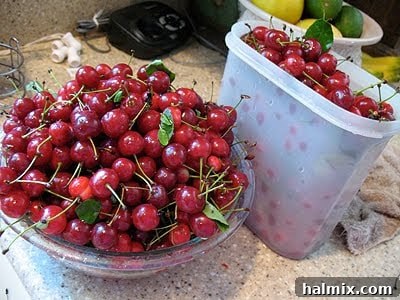
Once the colander was full, I gave the pitted cherries another quick rinse to remove any lingering debris or juices, then transferred them into a large glass bowl for temporary storage.
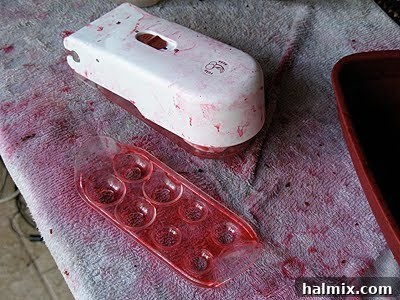
By the time I finished pitting all the cherries, my countertop looked a bit like a playful murder scene, splashed with vibrant red juices! But it was a glorious mess, signifying a successful morning of cherry preparation.
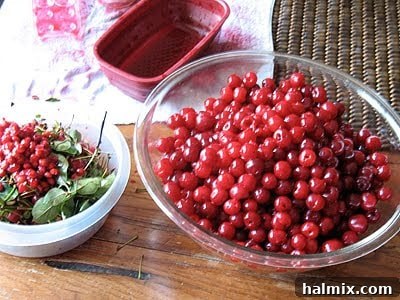
Since I wasn’t quite ready to proceed with the canning on the same day, I transferred all the pitted cherries into a large plastic container with a lid. To prevent browning and preserve their vibrant color and fresh taste, I covered them completely with cold water and squeezed in the juice from half a lemon. This simple step helps maintain their quality overnight, ready for the next stage of processing.
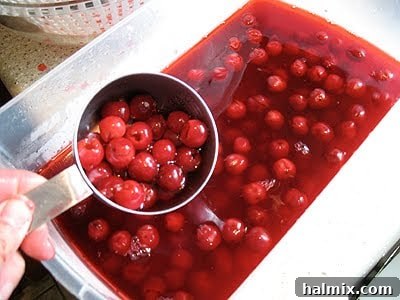
Crafting the Perfect Homemade Cherry Pie Filling
With the cherries prepped and rested, it was time to transform them into the luscious pie filling. This stage involves careful measurement and attention to detail to ensure a safe and delicious end product.
Preparing the Cherry Base: Draining, Blanching, and Reserving Liquid
The first crucial step was to drain the cherries from their overnight soak. However, I made sure not to simply discard the water; instead, I carefully reserved all of that glorious, ruby-red liquid! This richly colored water, infused with natural cherry essence, would later be used in place of plain water in the pie filling recipe, intensifying both the flavor and the beautiful hue of the finished product. This is a fantastic tip for any fruit canning project where color and flavor are paramount.
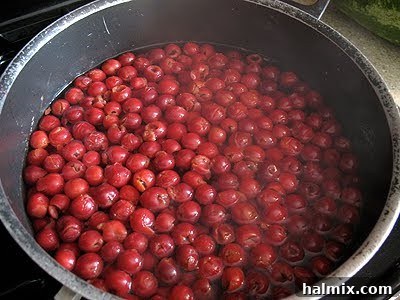
Next, I proceeded to blanch the drained cherries. Blanching involves briefly immersing the cherries in boiling water, typically for one minute, to help set their color, slightly soften them, and ensure more even heat penetration during the canning process. Given the large quantity of cherries I had, this required several batches. After each batch was blanched, it was essential to transfer them immediately to a bowl or pot with a tight-fitting lid to keep them heated. I found the ceramic insert and lid from my slow cooker (Crockpot) worked perfectly for this purpose, maintaining their warmth while I prepared the thickening mixture.
The Thickening Agent: Understanding Clear Jel for Canning
The thickening agent used in this pie filling is Clear Jel, a modified food starch specifically designed for canning. Unlike regular cornstarch, which can break down and become watery during the high heat of the canning process, Clear Jel remains stable, ensuring a beautifully thick and consistent pie filling even after months in the pantry. You typically won’t find Clear Jel in standard grocery stores; it usually needs to be ordered online or purchased from specialty canning supply shops.
To begin the filling mixture, I combined the granulated sugar and Clear Jel in a large pot. Then, instead of plain water, I poured in the vibrant red liquid I had reserved from the cherry soak. In my haste, I attempted to whisk everything together directly. This led to a bit of a struggle, as Clear Jel, much like cornstarch, prefers to be mixed with a small amount of cold liquid *before* being introduced to the main liquid, forming a smooth slurry. This prevents lumps and ensures proper dissolution. I ended up fighting with it a bit, mashing it against the side of the pan with my wooden spoon until all the clumps finally dissolved.
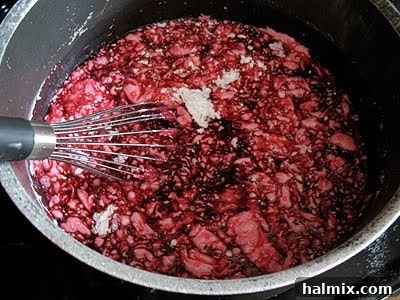
After the Clear Jel and sugar were mostly incorporated, I stirred in the cinnamon and almond extract, which add wonderful depth and warmth to the cherry flavor. Notably, there was no need for me to add any artificial red food coloring, thanks to the rich, natural crimson hue provided by the reserved cherry soaking water.
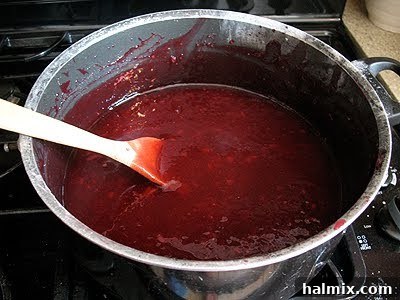
As the mixture gradually warmed and began to thicken over medium-high heat, the remaining bits of Clear Jel gracefully melted and blended in, confirming that despite my initial mixing mishap, all was indeed well and the filling was taking on the perfect consistency.
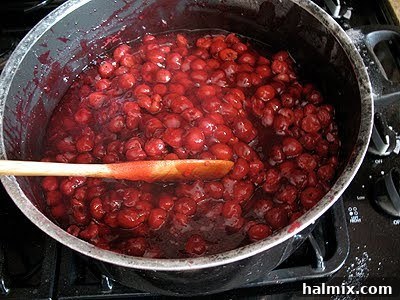
Finishing Touches and Canning Success
Finally, to complete the filling, I added the bottled lemon juice. The lemon juice is crucial not just for balancing the sweetness and enhancing the cherry flavor, but also for ensuring the proper acidity level required for safe water bath canning. After adding the lemon juice, I boiled the mixture for another minute, stirring constantly to prevent scorching. Immediately after, I gently folded in the pre-blanched and heated cherries, ensuring they were evenly coated with the thick, glossy filling.
With the pie filling ready, I meticulously followed the detailed processing directions from the Utah University Extension Office. This step-by-step guidance ensured the filling was safely sealed and preserved for long-term storage. To my pleasant surprise, the entire canning process was far easier than I had imagined! The anticipation and perceived complexity had kept me from trying it for so long, a regret I now happily carry. Knowing I can preserve fresh flavors has opened up a whole new world of culinary possibilities, and I eagerly await the opportunity to can more seasonal produce as autumn approaches.
Your Essential Homemade Cherry Pie Filling Recipe
Below is the complete recipe for making this delicious cherry pie filling. For crucial and detailed processing instructions for safe home canning, please ensure you download the PDF for processing instructions from the Utah State University Extension Office.

Homemade Cherry Pie Filling
If you have access to a sour cherry tree, this homemade cherry pie filling recipe allows you to preserve the season’s bounty for months to come!
IMPORTANT: Always refer to approved canning guides for safe processing. Frequently Asked Questions and detailed tips are often found within the main blog post.
Course: Condiments | Cuisine: American | Servings: 12 | Total Time: 40 mins | Calories: 89 | Author: Amanda Davis
Ingredients
- 3 ⅓ cups fresh or thawed sour cherries
- 1 cup granulated sugar
- ¼ cup + 1 tablespoon Clear Jel
- 1 ⅓ cups cold water (preferably the reserved water the cherries were soaking in)
- 1 tablespoon + 1 teaspoon bottled lemon juice
- ⅛ teaspoon cinnamon
- ¼ teaspoon almond extract
- 6 drops red food coloring (optional, not used if reserved cherry water is vibrant)
Before You Begin
If you are not canning the pie filling, you can prepare this recipe and store it in the refrigerator for up to 3 days for immediate use.
Download essential processing instructions here to ensure safe and successful home canning.
Instructions
- Rinse and pit fresh cherries thoroughly, then hold them in cold water. For fresh fruit, blanch up to 6 cups of cherries at a time in one gallon of boiling water. After the water returns to a boil, continue to boil for one minute. Drain the blanched cherries, but keep them heated in a covered bowl or pot while you prepare the filling mixture.
- In a large pot, combine the Clear Jel and granulated sugar. Gradually add the cold water (or reserved cherry water), stirring well to prevent lumps. Stir in the cinnamon, almond extract, and red food coloring (if using). Cook the mixture over medium-high heat, stirring constantly, until it thickens and begins to bubble vigorously. Add the bottled lemon juice and boil for one more minute, continuing to stir.
- Immediately fold the drained, heated cherries into the thickened mixture. Without delay, fill your clean, hot canning jars with the hot pie filling, leaving precisely one inch of headspace at the top.
- Wipe jar rims clean, adjust two-piece lids, and process immediately according to the specific instructions provided in the downloadable PDF from Utah State University Extension Office to ensure food safety. Adjust quantities based on the total measurement of cherries you are processing for each quart of filling.
Nutrition
Serving: 1 third cup | Calories: 89cal | Carbohydrates: 22g | Sodium: 1mg | Potassium: 85mg | Sugar: 21g | Vitamin A: 25IU | Vitamin C: 3.1mg | Calcium: 5mg | Iron: 0.1mg
Tried this Recipe? Pin it for Later!
Follow on Pinterest @AmandasCookin or tag #AmandasCookin to share your delicious creations!
Important Note on Recipes and Appliances: The recipes on this blog are typically tested using a conventional gas oven and gas stovetop. Please be aware that cooking and baking results can vary due to differences in oven calibration (especially older models) or the type of appliance used (e.g., toaster ovens, air fryers, slow cookers, pressure cookers). An inexpensive oven thermometer can be a valuable tool to ensure your oven is consistently heating to the correct temperature. When recipes specify measurements by weight, using volume measurements (cups) instead may lead to different outcomes, and we cannot guarantee success with alternative measurement methods. For recipes utilizing specific appliances, a link to the recommended appliance is usually provided within the recipe details.
Beyond the Pie: Creative Uses for Your Homemade Cherry Filling
While “pie filling” is in the name, the versatility of this homemade cherry goodness extends far beyond the traditional pie. Don’t limit yourself! Here are some creative and delicious ways to enjoy your preserved cherry filling:
- Dessert Topping: Spoon it generously over vanilla ice cream, plain yogurt, or even cheesecake for an instant upgrade.
- Breakfast Treat: Swirl it into oatmeal, spread it on pancakes or waffles, or layer it with granola and Greek yogurt for a delightful parfait.
- Baking Enhancements: Use it as a filling for tarts, turnovers, crepes, or Danish pastries. It’s also fantastic baked into muffins or swirled into brownie batter.
- Cake Layer: Create an elegant dessert by using the filling between cake layers or as a topping for simple pound cake slices.
- Beverage Booster: Mix a spoonful into sparkling water or a cocktail for a fruity twist.
Explore More Cherry Delights & Sweet Treats
If you’re looking for more ways to enjoy cherries or simply expand your baking repertoire, here are some additional recipes:
More from Amanda:
- Blackberry Pie Squares: A successful recipe that can inspire cherry variations.
- Vanilla Bean Mulberry Cake: A delightful cake featuring another seasonal fruit.
- Cherry Cream Cheese Coffee Cake: Perfect for a sweet breakfast or brunch.
- Cherry Cheesecake: A classic dessert made even better with fresh cherry flavors.
More Sweet Inspirations from the Web:
- Cherry Pie Cups – from Recipe Girl: A fun, individual dessert idea for your cherry filling.
Final Thoughts on Home Canning and Fresh Flavors
Embarking on the journey of home canning has been an incredibly rewarding experience, transforming simple fear into joyous confidence. There’s an unmatched satisfaction in knowing you’ve preserved the peak flavor of fresh, seasonal produce, locking in sunshine and sweetness for enjoyment throughout the year. With the success of this cherry pie filling, I’m more excited than ever to explore further adventures in food preservation. As the cooler days of fall approach, I eagerly anticipate the opportunity to can more fruits and vegetables, extending the harvest season and filling my pantry with homemade goodness. I hope this guide encourages you to embrace the rewarding world of home canning and savor the incredible taste of fresh, preserved flavors!