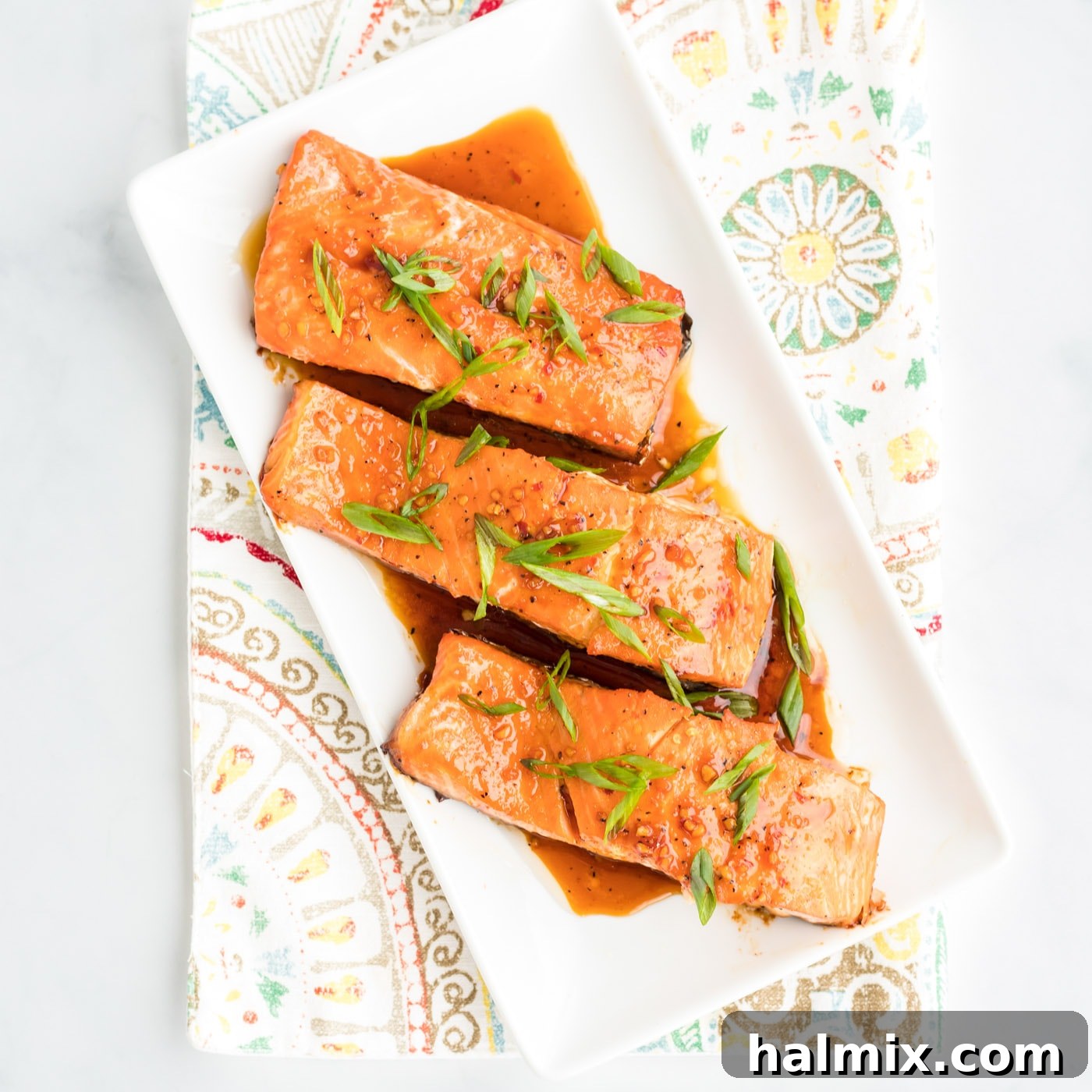
Prepare to elevate your weeknight dinner game with this absolutely irresistible pan-seared maple soy salmon. Each succulent filet is tender, beautifully flaky, and bursting with a harmonious blend of sweet and savory notes. Our signature maple and soy marinade creates an exquisite glaze that caramelizes perfectly, making this dish not just incredibly flavorful but also remarkably easy to prepare. Whether you’re a seasoned chef or a kitchen novice, this maple soy salmon recipe is destined to become a beloved staple in your culinary repertoire.
Why This Maple Soy Salmon Recipe Is a Must-Try
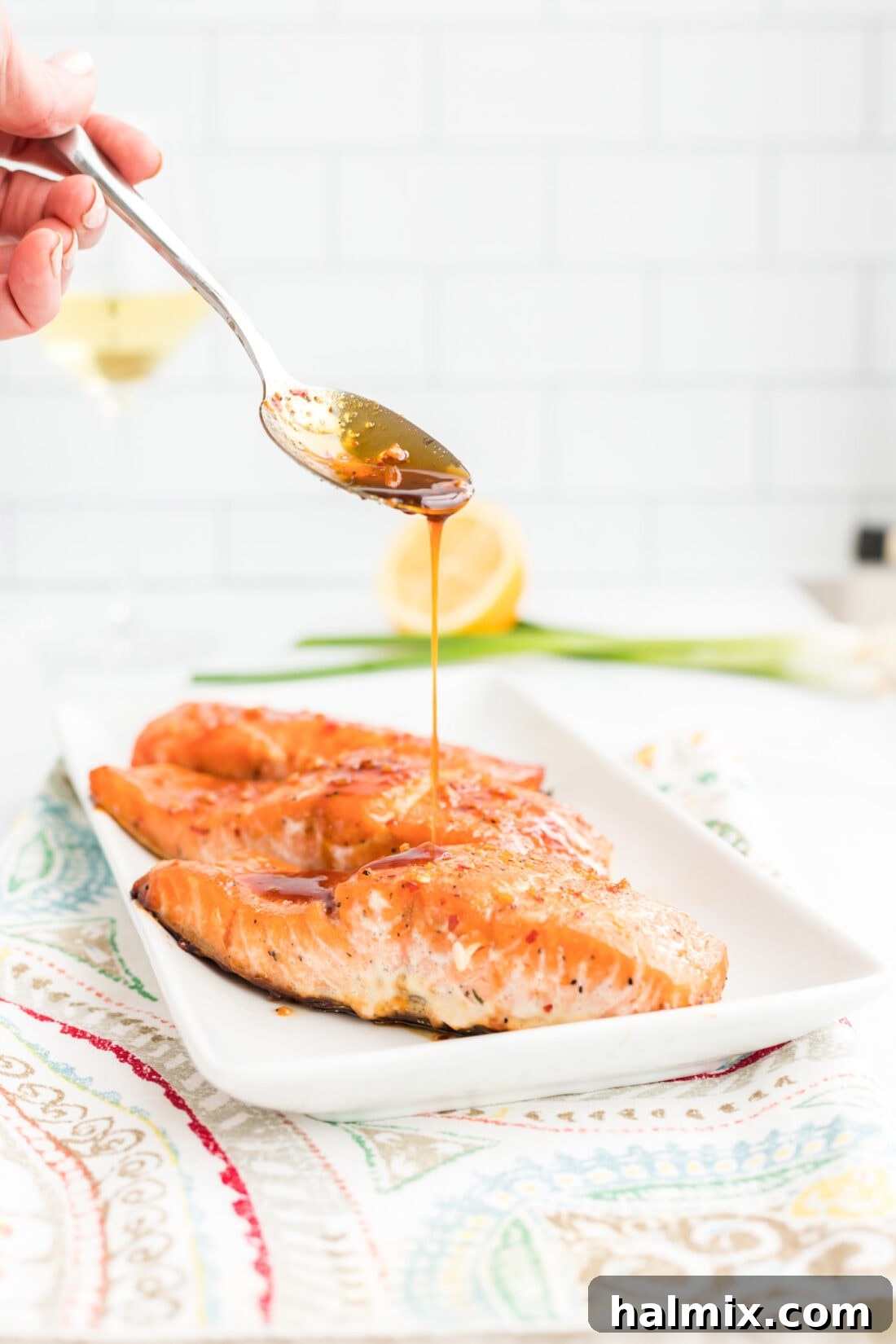
This maple soy salmon isn’t just another fish dish; it’s a culinary masterpiece that seamlessly blends convenience with gourmet flavor. The secret lies in its full-bodied marinade, where the robust, umami-rich notes of soy sauce meet the deep, comforting sweetness of pure maple syrup. This dynamic duo creates a sticky, savory-sweet glaze that penetrates every fiber of the salmon, resulting in a dish that’s incredibly succulent and melt-in-your-mouth flaky.
What makes this recipe truly stand out is its ability to deliver restaurant-quality taste with minimal effort. Salmon itself is a nutritional powerhouse, packed with omega-3 fatty acids, high-quality protein, and essential vitamins, making it a healthy choice for any meal. But when combined with this unique marinade, its natural richness is amplified, offering a delightful contrast of textures and flavors. The initial pan-sear locks in juices and creates a beautiful crust, while finishing in the oven ensures even cooking and perfect tenderness throughout. Get ready for this flavorful, easy-to-make maple salmon to become a highly requested item on your dinner menu rotation, perfect for busy weeknights or special occasions alike.
Essential Ingredients for Perfect Maple Soy Salmon
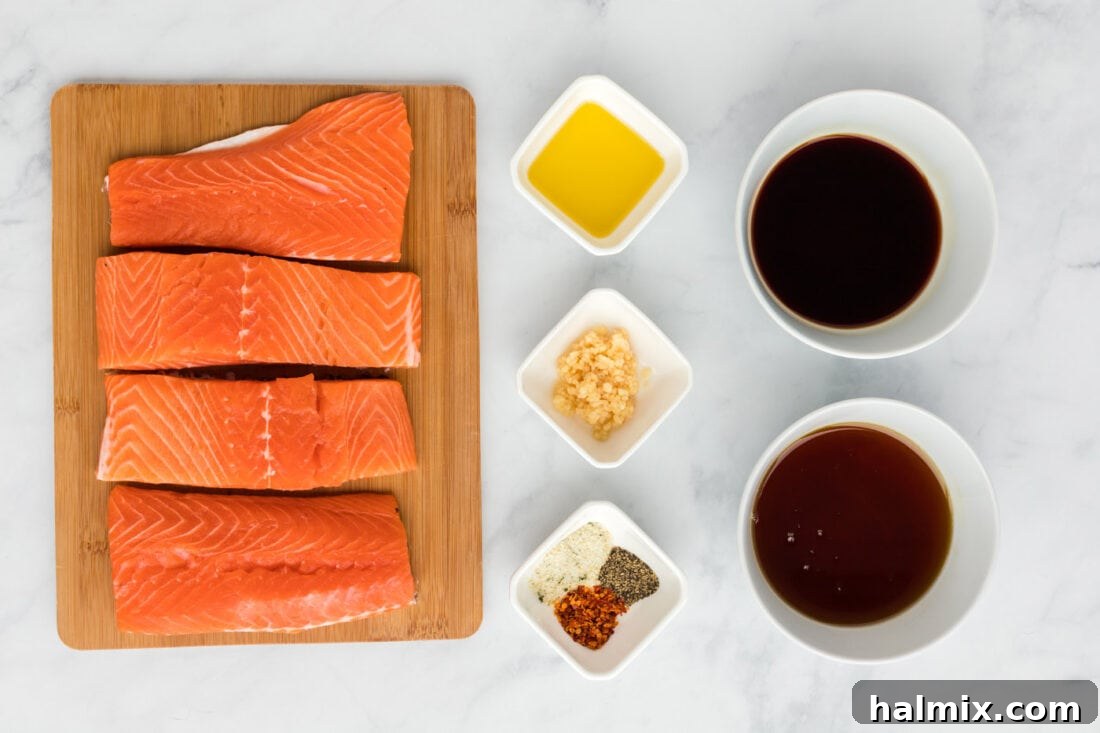
Crafting this exquisite maple soy salmon requires a handful of fresh, high-quality ingredients that work in harmony to build its signature flavor profile. While the full, detailed list of measurements and instructions can be found in the printable recipe card at the end of this post, understanding the role of each component will help you achieve the best results. From the fresh salmon to the sweet and savory marinade, every ingredient plays a crucial part in creating this tender, flaky, and utterly delicious dish.
Ingredient Spotlight & Expert Substitution Tips
Understanding your ingredients is key to culinary success. Here’s a closer look at what you’ll need and how to make smart choices or substitutions:
- SALMON: The foundation of our dish! We highly recommend using fresh, center-cut salmon fillets, ideally skin-on. Center cuts offer a uniform thickness, ensuring even cooking across all your portions. Aim for fillets weighing about 6-8 ounces each, for a total of 2 pounds. If purchasing a larger filet, use a sharp chef’s knife to slice it into individual portions. While fresh salmon offers the best texture and flavor, frozen salmon can be used. Just ensure it’s fully thawed overnight in the refrigerator before marinating and cooking. Pat the salmon thoroughly dry with paper towels before marinating to help the flavors adhere and to achieve a crispier sear.
- OLIVE OIL: A good quality olive oil is essential for pan-searing. It helps create that beautiful golden-brown crust and prevents sticking. You can also use avocado oil or another high-smoke-point oil if preferred.
- SOY SAUCE: This provides the crucial umami and salty base for our marinade. We recommend a good quality light or all-purpose soy sauce. For those watching their sodium intake, a low-sodium soy sauce is an excellent alternative without compromising on flavor. Avoid dark soy sauce, which is thicker and primarily used for coloring.
- MAPLE SYRUP: Pure maple syrup is non-negotiable for this recipe. Its complex, natural sweetness and subtle caramel notes are what truly define the “maple” in maple soy salmon. Do not substitute with pancake syrup or artificial maple-flavored products, as they will not yield the same rich flavor or desired glaze. If you absolutely must substitute, honey can be used, but it will alter the flavor profile slightly.
- GARLIC SALT: A convenient way to add both garlic flavor and seasoning. If you don’t have garlic salt, you can use regular salt and an equal amount of garlic powder (e.g., ½ Tbsp salt + ½ Tbsp garlic powder), or even more fresh minced garlic for an intense garlic kick.
- PEPPER: Freshly ground black pepper is always preferred for its vibrant aroma and taste. It adds a subtle warmth and balances the other strong flavors in the marinade.
- RED PEPPER FLAKES: These are optional but highly recommended for a touch of heat that beautifully complements the sweet and salty elements. Adjust the amount to your personal preference for spice. For a milder version, omit them entirely.
- MINCED GARLIC: Freshly minced garlic delivers the most potent and aromatic garlic punch. If fresh isn’t available, granulated garlic or garlic powder can be used in a pinch, but reduce the quantity (1 teaspoon of powder for every tablespoon of fresh minced).
- GREEN ONION or PARSLEY (for garnish): A sprinkle of fresh green onions or chopped parsley adds a pop of color, freshness, and a subtle herbaceous note that brightens the entire dish.
Crafting Your Delicious Maple Soy Salmon: Step-by-Step
These detailed step-by-step photos and instructions are here to guide you through the process, helping you visualize each stage of making this incredible maple soy salmon. For the full, printable version of this recipe, complete with precise measurements and nutritional information, simply scroll down to the recipe card at the bottom of this post.
- Prepare Your Oven: Begin by preheating your oven to 375°F (190°C). This ensures your oven is at the optimal temperature for baking once your salmon has been seared, allowing for consistent cooking.
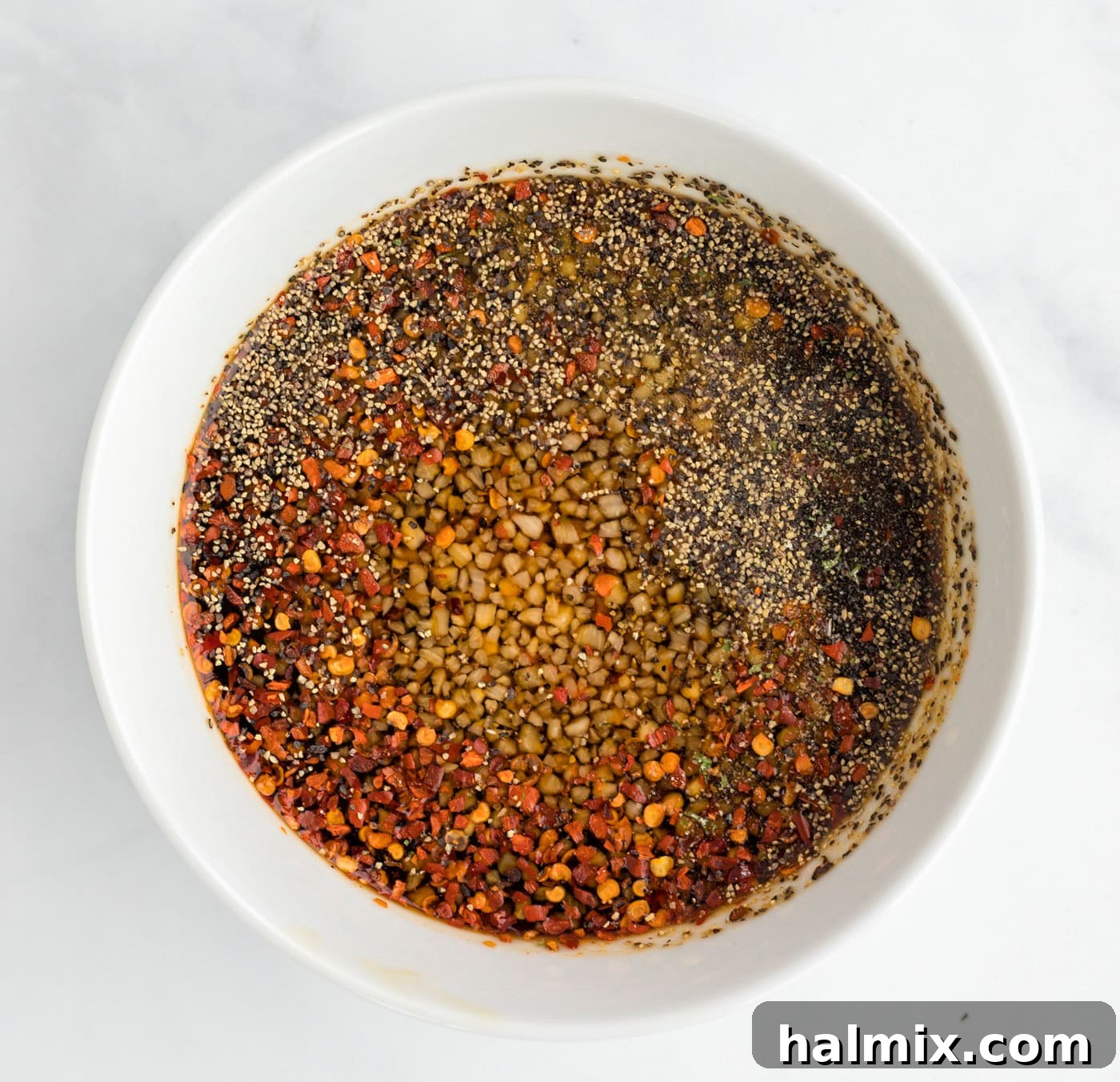
- Mix the Marinade: In a 13×9 baking dish, combine all your marinade ingredients: soy sauce, maple syrup, garlic salt, pepper, red pepper flakes, and minced garlic. Whisk them together thoroughly until well combined. The baking dish will serve as a convenient vessel for both marinating and later collecting the sauce.

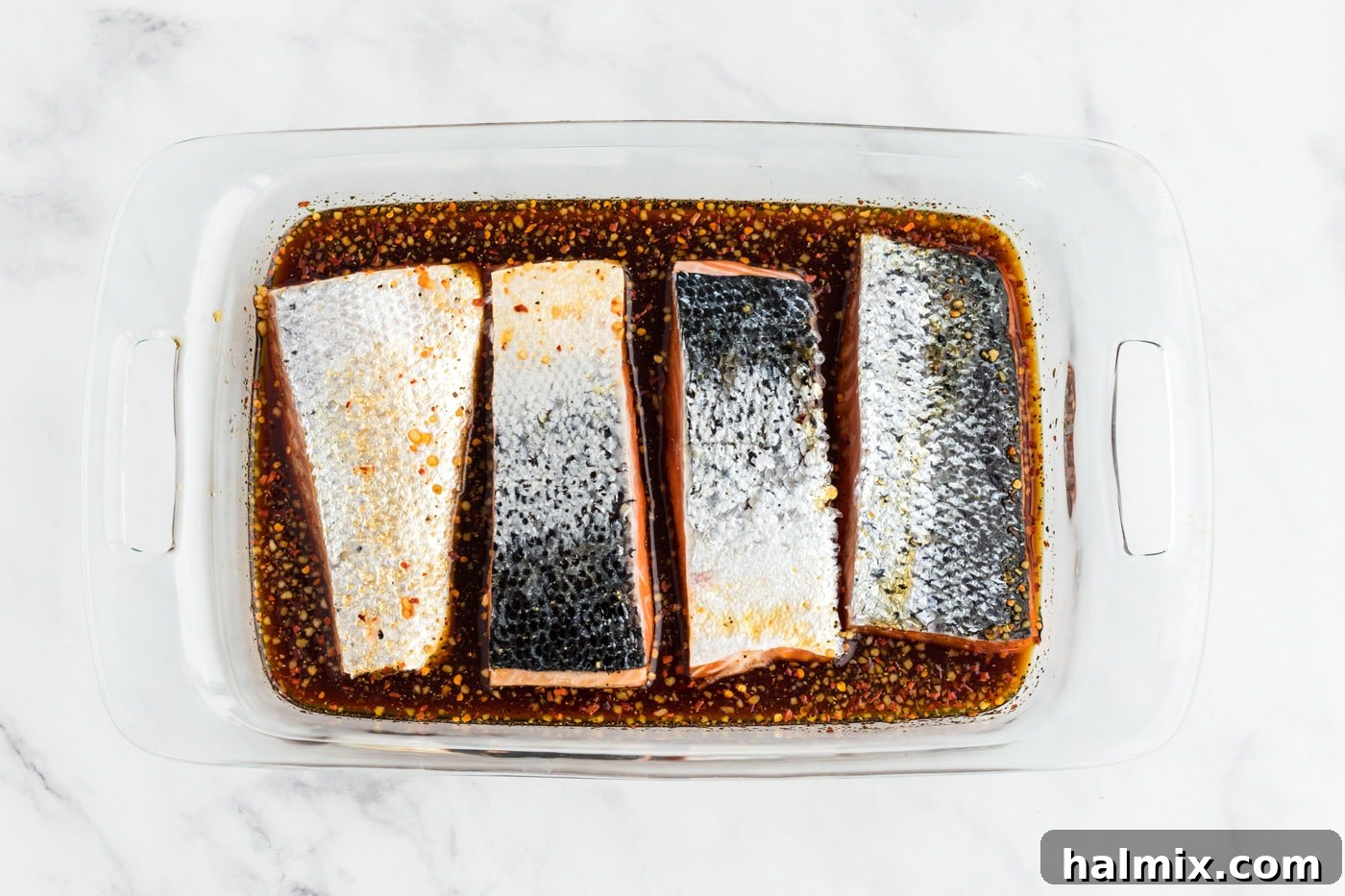
- Marinate the Salmon: Gently place your salmon fillets, skin side up, into the prepared marinade in the baking dish. Ensure the fillets are coated on all sides. Allow the salmon to marinate in the refrigerator for at least 30 minutes. This allows the flavors to truly infuse into the fish, tenderizing it and building depth of taste.
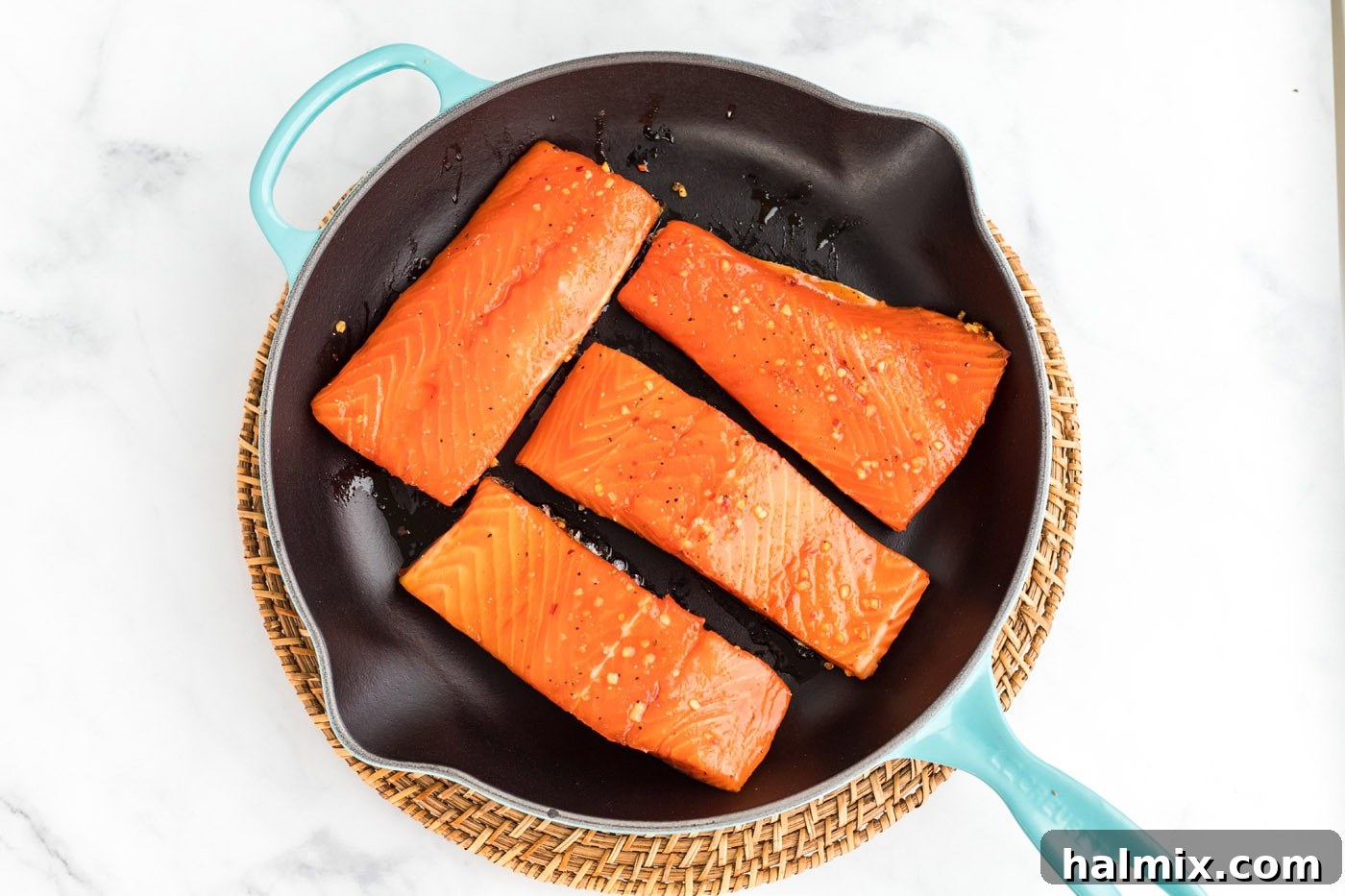
- Sear for Perfection: Heat the olive oil in an oven-proof skillet (cast iron works wonderfully here) over medium-high heat until it shimmers. The oil should be hot enough to create a sizzle when the fish is added, ensuring a beautiful sear.
- Initial Sear: Carefully remove the salmon from the marinade, allowing any excess to drip off (but do not discard the marinade!). Place the fillets skin side up into the hot skillet. Sear for about 2-3 minutes. This crucial step creates a delicious, slightly crispy crust and locks in the moisture, enhancing the texture and flavor.
- Save the Marinade: While the salmon is searing, carefully transfer the reserved marinade from the baking dish into a small saucepan. Set it aside for later thickening; do not discard it.
- Flip and Brush: Turn the fish over so it is now skin side down in the skillet. Using a pastry brush, generously coat the fillets with a little bit of the fresh marinade from the saucepan. This helps build layers of flavor as it bakes.
- Bake to Finish: Transfer the skillet directly into your preheated oven. Bake, uncovered, for 15-20 minutes, or until the salmon is cooked through and easily flakes with a fork. Cooking times may vary depending on the thickness of your fillets.
- Thicken the Sauce: While the salmon bakes, place the saucepan with the reserved marinade over medium-high heat. Bring it to a gentle boil, stirring occasionally. Once boiling, reduce the heat to medium-low and continue to simmer, stirring frequently, until the marinade thickens to a glossy, syrupy consistency that coats the back of a spoon. Be patient, as this can take a few minutes.
- Serve with a Glaze: Carefully remove the salmon from the oven. Brush the cooked fillets generously with the thickened maple soy sauce. Garnish immediately with fresh green onions or chopped parsley for a burst of color and flavor. Serve hot and enjoy!
Frequently Asked Questions & Expert Tips for Success
To ensure your salmon is cooked to perfection without over-drying, look for a few key indicators. Gently press your finger (or the tip of a knife if it’s too hot) onto the thickest part of the fillet. If it begins to flake easily or separate, it’s done. The flesh should appear opaque throughout, with a slightly translucent center if you prefer it medium-rare. The most precise method is using an instant-read thermometer; salmon is typically finished when it reaches an internal temperature of 125-135°F (52-57°C) in its thickest part. Overcooked salmon will be dry and overly flaky, so keep a close eye on it!
You can certainly get a head start! The salmon can be marinated in the refrigerator for up to 2 hours before cooking. Any longer than that, and the acid in the soy sauce can begin to “cook” the fish, altering its texture. You can also prepare the sauce ahead of time and store it in an airtight container in the fridge, then gently reheat it just before serving the salmon.
No oven-proof skillet? No problem! You can still achieve delicious results. After searing the salmon on the stovetop for 2-3 minutes per side (skin-side down first for crispiness), carefully transfer the seared fillets to a regular baking dish or casserole dish. Then, proceed with baking in the oven for the recommended time until cooked through.
Store any leftover maple soy salmon in an airtight container in the refrigerator for up to 2 days. For reheating, the best method to preserve moisture and flavor is gently in a preheated oven (around 275-300°F or 135-150°C) for about 10-15 minutes, or in an air fryer for 5-7 minutes until warmed through. Avoid high heat or extended microwave use, as this can dry out the fish. Leftover crumbled salmon also makes an excellent addition to salads or pasta dishes.
The consistency of your glaze is a matter of preference. If you prefer a thinner, more pourable sauce, simmer it for a shorter period. For a thicker, more intense glaze that truly clings to the fish, simmer it longer, allowing more moisture to evaporate. Always stir occasionally to prevent burning. Remember, a thicker sauce generally means a bolder, more concentrated flavor.
Delectable Serving Suggestions for Maple Soy Salmon
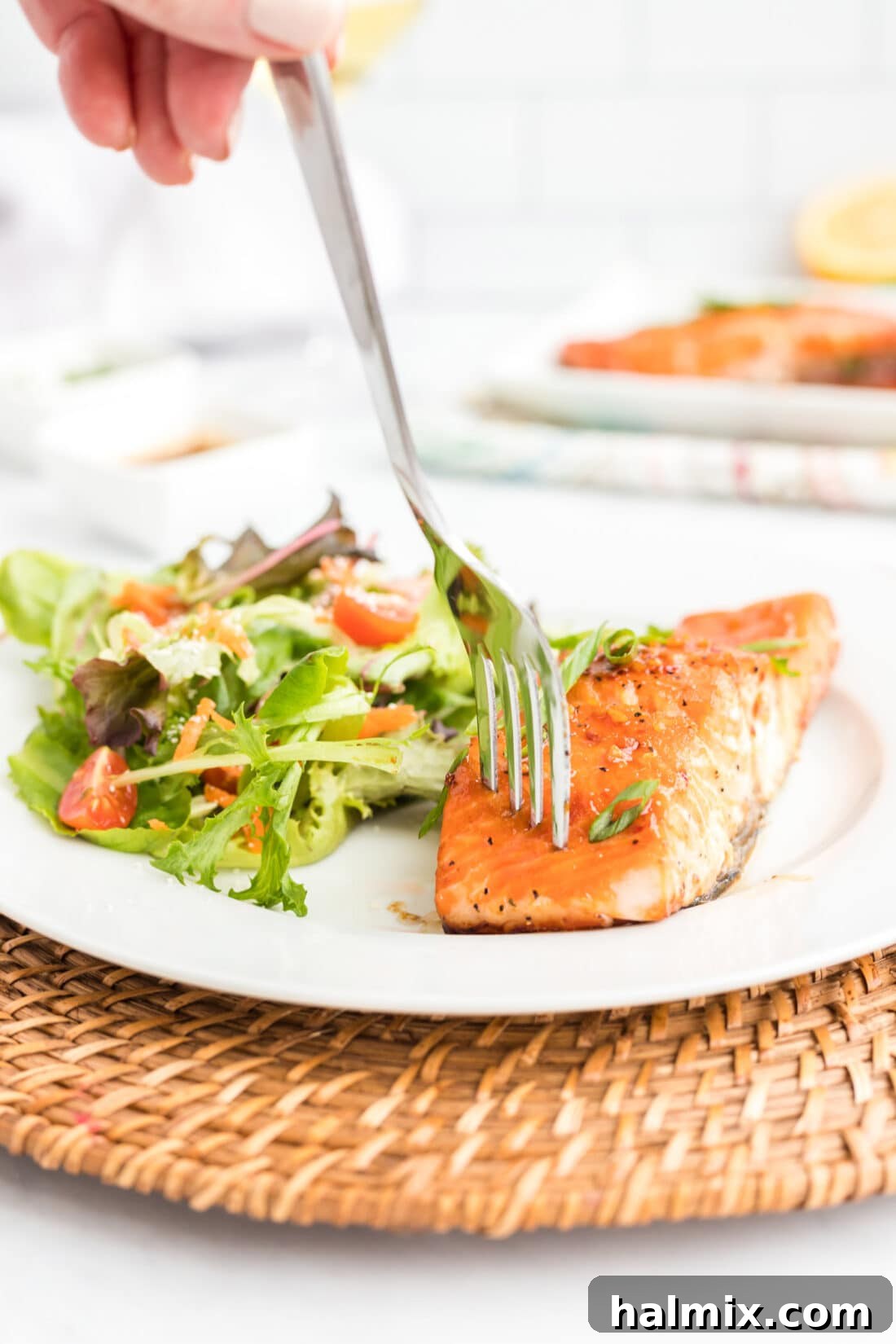
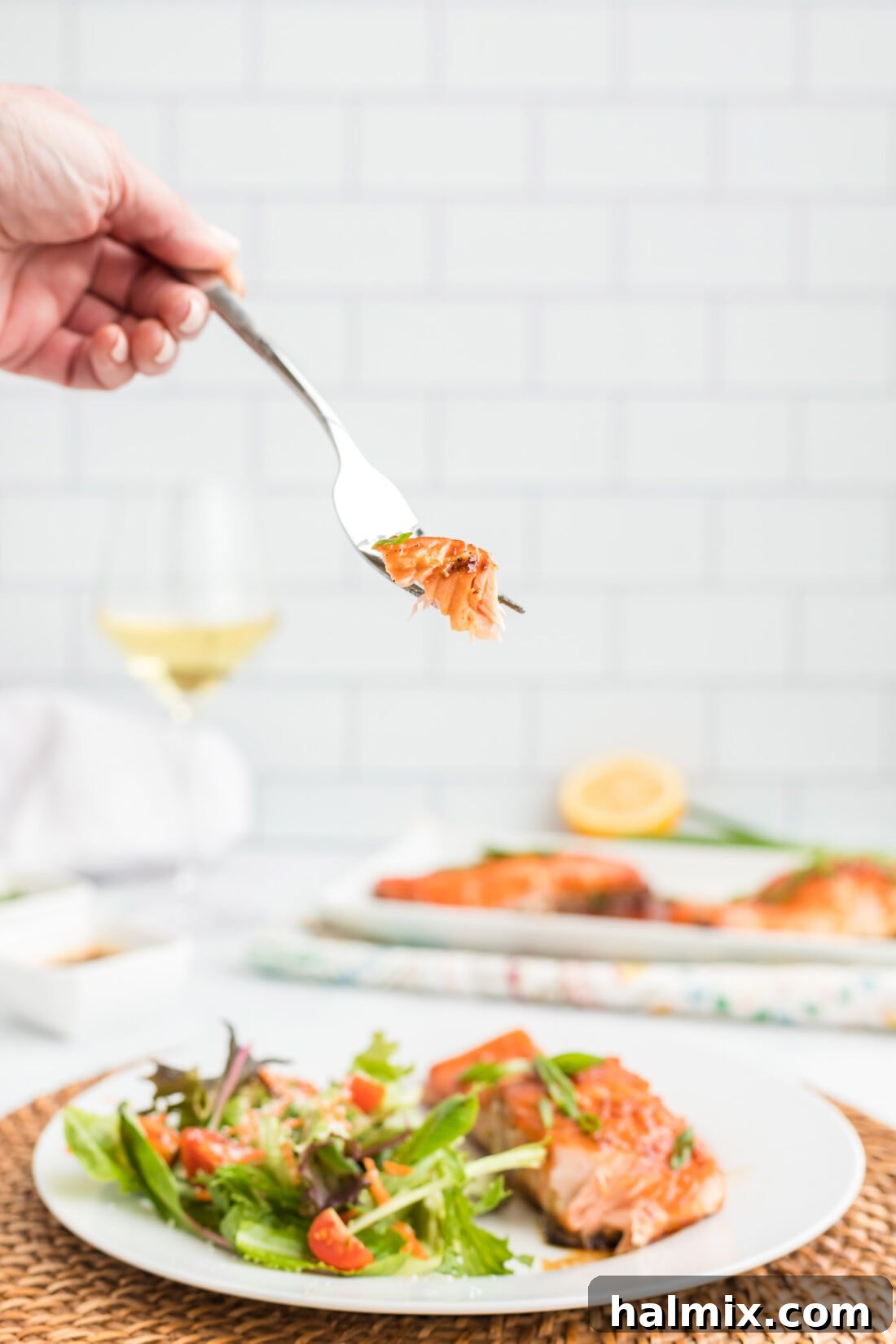
This versatile maple soy salmon pairs beautifully with a variety of sides, making it a perfect centerpiece for any meal. For a classic and satisfying accompaniment, serve it over a bed of fluffy white rice, brown rice, or nutrient-rich quinoa to soak up all that incredible sticky glaze. Beyond rice, consider other starches like creamy mashed potatoes or a vibrant sweet potato mash.
To complete your meal, incorporate some healthy and delicious roasted vegetables. Options like tender roasted green beans, broccoli florets, asparagus spears, caramelized Brussels sprouts, or even simple roasted potatoes all complement the salmon’s rich flavor. For a lighter option, a crisp leafy dinner salad with a light vinaigrette provides a refreshing contrast. Don’t forget that any crumbled leftover salmon is fantastic for repurposing into a quick salad topping or mixed into pasta for a delightful next-day meal.
A little tip for serving: due to the delicious, sticky syrup glaze, the skin side of the salmon may adhere slightly to the plate. We find this makes it wonderfully easy to separate the fish from the skin! However, if you plan to present your fillets on a large platter, consider laying down a piece of parchment or waxed paper first to ensure a clean lift. This dish is designed for ease and enjoyment, so choose the sides that best fit your mood!
Discover More Delicious Salmon Recipes
- Grilled Salmon
- Baked Salmon
- Poached Salmon
- Dijon Lemon Caper Salmon
- Sheet Pan Salmon Dinner
- Cedar Plank Salmon
- Lemon Salmon
- Instant Pot Salmon
I love to bake and cook and share my kitchen experience with all of you! Remembering to come back each day can be tough, that’s why I offer a convenient newsletter every time a new recipe posts. Simply subscribe and start receiving your free daily recipes!
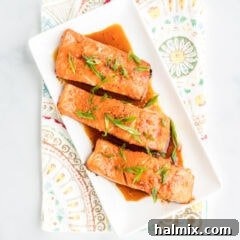
Maple Soy Salmon
IMPORTANT – There are often Frequently Asked Questions within the blog post that you may find helpful. Simply scroll back up to read them!
Print It
Pin It
Rate It
Course:
Dinner
Cuisine:
American
4
servings
55 minutes
570
Amanda Davis
Ingredients
-
2
lbs
center cut salmon
cut into 4 fillets -
2
Tbsp
olive oil
Marinade
-
½
cup
soy sauce -
¾
cup
maple syrup -
½
Tbsp
garlic salt -
1
tsp
pepper -
1
tsp
red pepper flakes -
1
Tbsp
minced garlic -
green onion
sliced for garnish, optional
Things You’ll Need
-
13×9 baking dish
-
Oven proof skillet
-
Saucepan
Before You Begin
- To test your fillets for doneness, gently press your finger (or the tip of a knife if it’s too hot) onto the top center or thickest part of the fillet – if it begins to flake or separate then it is done cooking. If you overcook the fillets, they will be dry and overly flaky. You may also use an instant read thermometer to check for doneness, salmon is finished when it reaches 125-135°F (52-57°C) in the thickest part of the fillet.
- If you prefer, you can make your sauce thinner; the thicker the sauce, the bolder the flavor.
- If you don’t have an oven-proof skillet, salmon can be baked in a casserole or regular baking dish after searing on the stovetop.
- We recommend serving each fillet on its own plate because the syrup causes the skin side to be wonderfully sticky and helps the fish separate from the skin. However, if you would like to present your fillets on a platter, it’s best to lay a piece of waxed paper down first.
- Serve over a bed of rice with sides like roasted veggies (green beans, broccoli, asparagus, Brussels sprouts, potatoes) or a leafy dinner salad. Crumbled leftover salmon makes a great addition to salad or pasta dishes.
- Store leftovers in an airtight container kept in the refrigerator for up to 2 days.
Instructions
-
Preheat oven to 375°F (190°C).
-
Combine marinade ingredients (soy sauce, maple syrup, garlic salt, pepper, red pepper flakes, minced garlic) and pour into a 13×9 baking dish. Whisk until well combined.
-
Lay salmon fillets, skin side up, in the marinade and allow to marinate for 30 minutes in the refrigerator.
-
Heat olive oil in an oven-proof skillet over medium-high heat until shimmering.
-
Remove fish from marinade (reserve marinade!) and lay skin side up in the hot skillet. Cook for about 2-3 minutes to sear and create a crust.
-
Meanwhile, transfer the reserved marinade from the baking dish into a saucepan and set aside. Do not discard.
-
Turn the fish over so that it is skin side down. Brush the fillets with some of the marinade from the saucepan to coat.
-
Place the skillet in the preheated oven and bake for 15-20 minutes, uncovered, or until the salmon is cooked through and flakes easily.
-
While the salmon bakes, bring the marinade in the saucepan to a gentle boil over medium-high heat, stirring occasionally. Once boiling, reduce heat to medium-low, stirring occasionally until the marinade thickens and coats the back of a spoon, forming a glossy glaze.
-
Remove salmon from the oven and generously brush with the thickened sauce. Garnish with fresh green onions or parsley before serving.
Nutrition
Serving:
1
serving (1 fillet)
|
Calories:
570
kcal
|
Carbohydrates:
44
g
|
Protein:
48
g
|
Fat:
22
g
|
Saturated Fat:
3
g
|
Polyunsaturated Fat:
7
g
|
Monounsaturated Fat:
10
g
|
Cholesterol:
125
mg
|
Sodium:
2606
mg
|
Potassium:
1333
mg
|
Fiber:
1
g
|
Sugar:
37
g
|
Vitamin A:
242
IU
|
Vitamin C:
1
mg
|
Calcium:
107
mg
|
Iron:
3
mg
Tried this Recipe? Pin it for Later!
Follow on Pinterest @AmandasCookin or tag #AmandasCookin!
The recipes on this blog are tested with a conventional gas oven and gas stovetop. It’s important to note that some ovens, especially as they age, can cook and bake inconsistently. Using an inexpensive oven thermometer can assure you that your oven is truly heating to the proper temperature. If you use a toaster oven or countertop oven, please keep in mind that they may not distribute heat the same as a conventional full sized oven and you may need to adjust your cooking/baking times. In the case of recipes made with a pressure cooker, air fryer, slow cooker, or other appliance, a link to the appliances we use is listed within each respective recipe. For baking recipes where measurements are given by weight, please note that results may not be the same if cups are used instead, and we can’t guarantee success with that method.