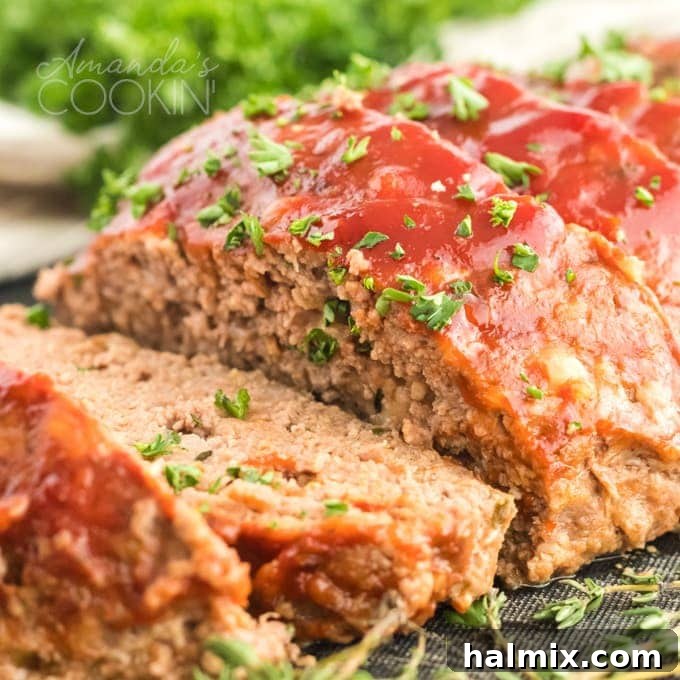
Welcome to the ultimate guide for crafting the best meatloaf recipe you will ever experience! For over 15 years, this beloved family recipe has been a consistent showstopper, earning rave reviews and securing its place as a cherished comfort food tradition. Forget dry, crumbly meatloaf – this recipe promises a meal that’s incredibly juicy, exceptionally flavorful, and perfectly holds its shape every single time. Prepare to discover the secrets to a truly unforgettable dinner that will become a staple in your home.
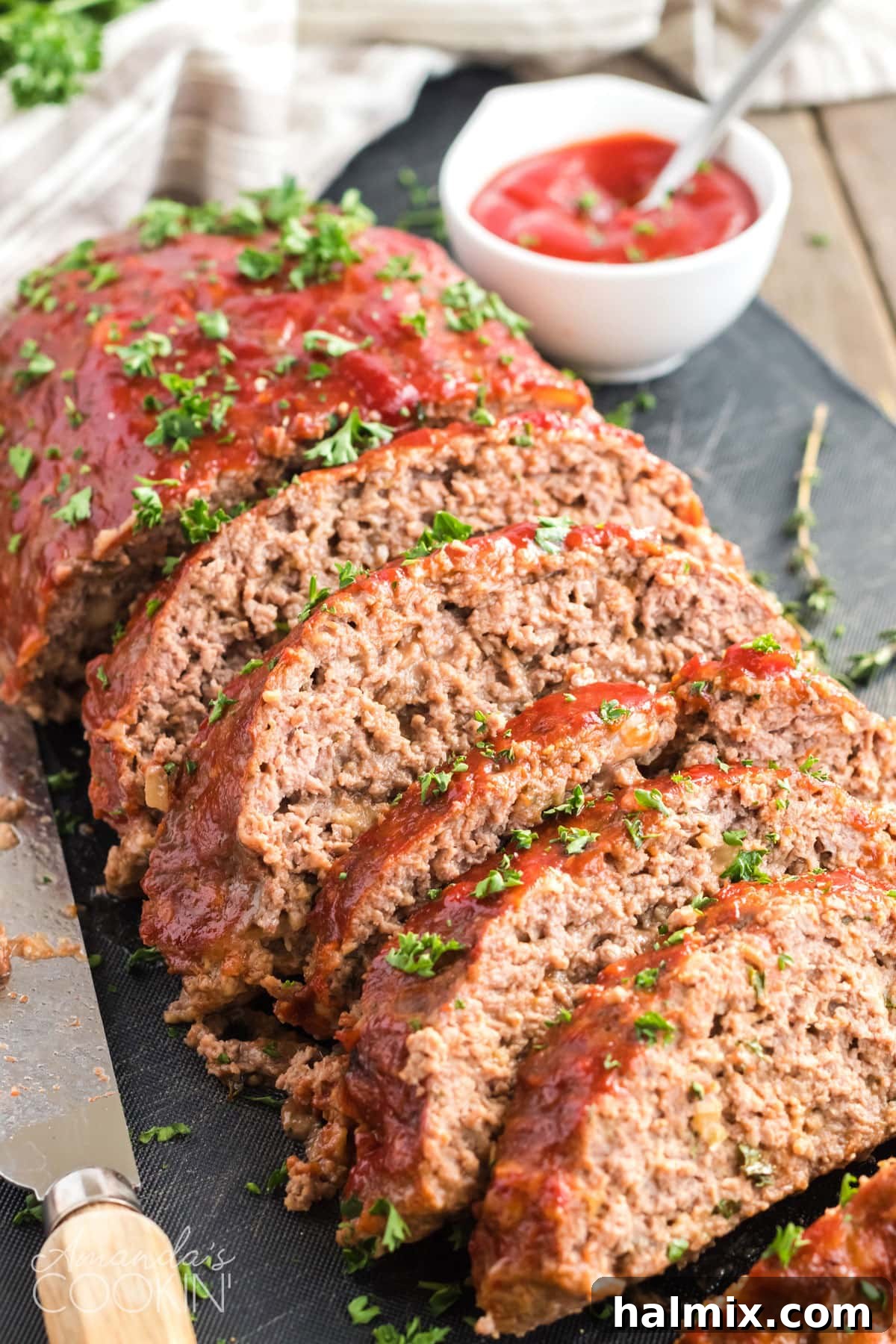
The Best Meatloaf Recipe: A True Comfort Food Classic
Meatloaf holds a special place in the pantheon of comfort foods, evoking warmth, family, and hearty satisfaction. While many versions exist, from those relying on pre-packaged seasonings to simpler egg-and-breadcrumb mixtures, this particular recipe transcends the ordinary. My journey to the perfect meatloaf led me past these common approaches, graduating to a sophisticated yet straightforward method originally inspired by Cook’s Illustrated. This isn’t just a meal; it’s a culinary experience that elevates classic meatloaf to an art form.
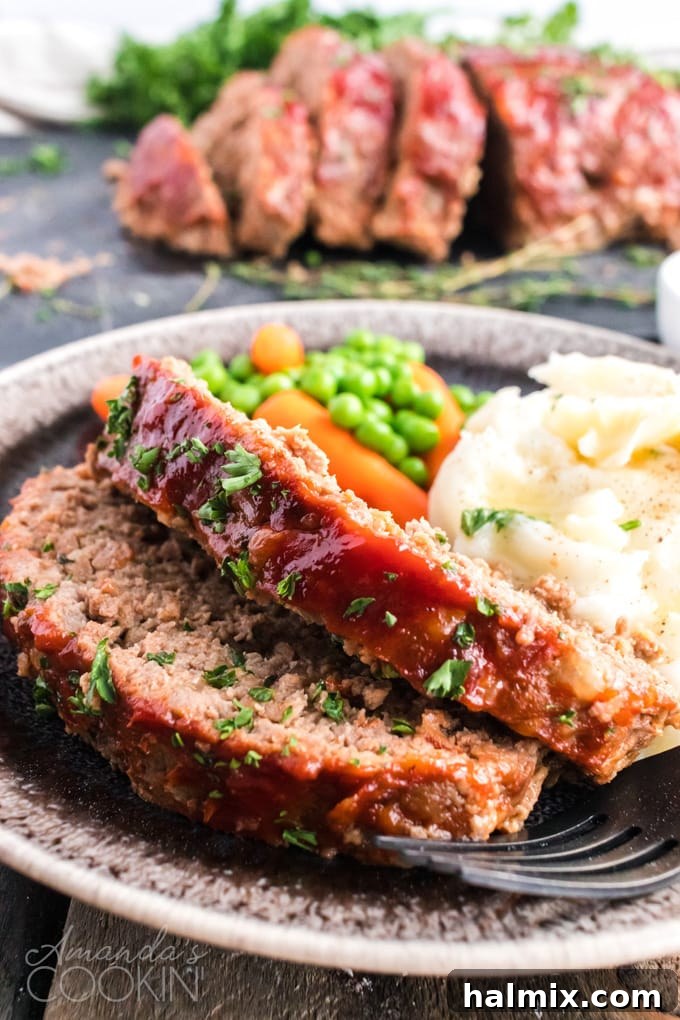
Every time this meatloaf graces our dinner table, it’s met with enthusiasm. The aroma that fills the kitchen while it bakes is simply divine, a prelude to the rich, savory flavors that follow. Its consistent success has earned it a permanent spot on my master list of essential ground beef dinner ideas, making it a reliable favorite for any occasion where delicious, satisfying food is desired. Whether you serve it with a luscious glaze or alongside creamy mashed potatoes and rich brown gravy, this meatloaf promises a truly satisfying supper.
Essential Ingredients for the Perfect Meatloaf
The magic of this meatloaf lies in a thoughtfully curated list of ingredients, each playing a crucial role in achieving its unparalleled flavor and texture. While the precise measurements are detailed in the recipe card at the end of this article, here are my insights and suggestions for each component to help you get the absolute best results.
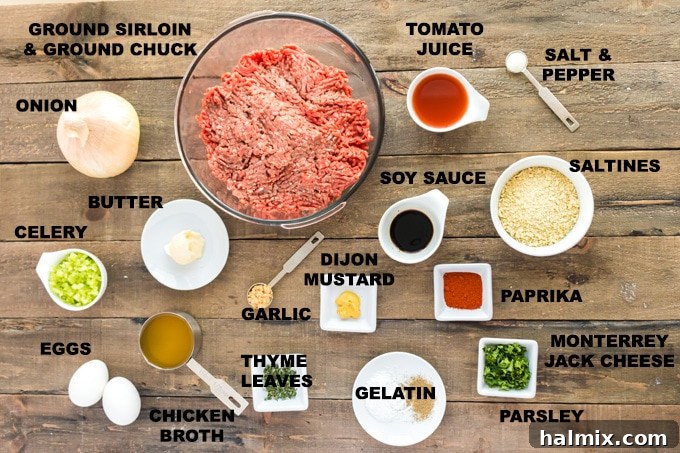
- Monterey Jack Cheese: Finely grated on the small holes of a box grater, Monterey Jack melts beautifully, adding a subtle creamy richness and moisture to the meatloaf. If Monterey Jack isn’t available, grated Mozzarella cheese makes an excellent alternative.
- Unsalted Butter: Used for sautéing the aromatics, unsalted butter contributes a foundational depth of flavor. Margarine can be used as a substitute if preferred, though butter offers a richer taste.
- Onion: I personally favor Vidalia onions for their sweet and mild flavor, which complements the meatloaf without overpowering it. However, a regular yellow onion will also yield delicious results when finely chopped.
- Celery and Fresh Garlic: Minced celery adds a wonderful textural element and subtle savory note, while fresh garlic, also minced, infuses the mixture with its pungent aroma and flavor. These aromatics are sautéed until tender and lightly browned, building a crucial flavor base.
- Fresh Thyme Leaves: The delicate, earthy notes of fresh thyme are indispensable. If fresh isn’t an option, you can substitute with 3/4 teaspoon of dried thyme. Remember that dried herbs are more concentrated, so less is needed.
- Paprika: Standard paprika provides a mild, sweet peppery flavor and a beautiful color. For an intriguing twist and an extra layer of smoky depth, consider using smoked paprika.
- Tomato Juice: A small amount of tomato juice adds essential moisture and a tangy sweetness that balances the richness of the meat. I often keep small cans on hand, but you can also squeeze juice from a fresh tomato or, if buying a larger can, freeze the remainder for future use. For a fun, unrelated option, the leftovers make a great Bloody Mary!
- Low-Sodium Chicken Broth: This liquid helps to bind the ingredients and keep the meatloaf moist. I opt for unsalted, low-sodium chicken broth to control the overall saltiness, but vegetable broth or beef broth are also suitable choices.
- Large Eggs and Unflavored Gelatin Powder: These are the binders that prevent the meatloaf from falling apart, ensuring a cohesive and sliceable loaf. The gelatin, in particular, contributes to an incredibly juicy texture, a hallmark of this recipe.
- Soy Sauce and Dijon Mustard: These two ingredients are flavor powerhouses. Soy sauce provides umami depth, while Dijon mustard adds a sharp, tangy kick. While Dijon mustard is highly recommended without substitution, Worcestershire sauce can be used in place of soy sauce for a different but equally effective flavor profile.
- Crushed Saltine Crackers: Moving beyond traditional breadcrumbs, crushed saltine crackers offer a unique salty crunch and texture to the meatloaf, helping to absorb moisture and maintain tenderness. While breadcrumbs could certainly be used, I highly recommend trying the saltines for a superior result.
- Fresh Parsley Leaves: A sprinkle of fresh minced parsley adds a burst of vibrant color and a fresh, herbaceous note. Fresh parsley is usually inexpensive, so I encourage its use over the dried variety. If dried is your only option, use half the amount specified in the recipe.
- Table Salt and Freshly Ground Black Pepper: These fundamental seasonings are crucial for enhancing all the other flavors in the meatloaf, ensuring it is perfectly seasoned.
- Ground Beef Combination: For the ultimate balance of flavor and juiciness without excessive grease, I’ve found that a blend of ground sirloin and ground beef chuck works best. This combination provides enough fat for succulence while maintaining a desirable texture.
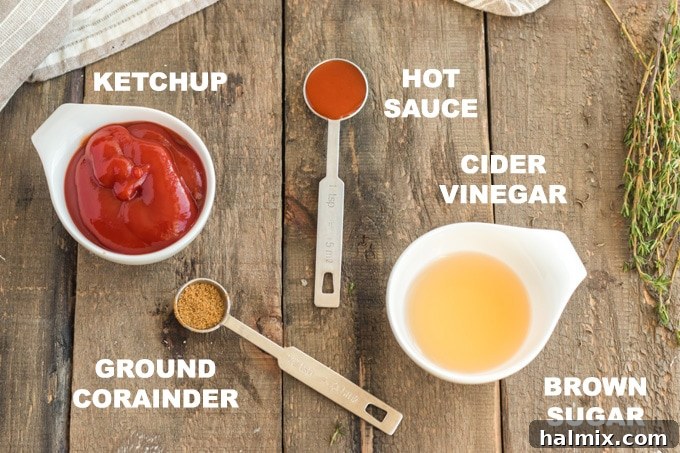
Irresistible Glaze Ingredients:
No truly great meatloaf is complete without a signature glaze. This sweet and tangy topping caramelizes beautifully, adding a burst of flavor and a visually appealing sheen to your finished loaf. Here’s what you’ll need:
- 1/2 cup ketchup
- 1 teaspoon hot sauce
- 1/2 teaspoon ground coriander
- 1/4 cup cider vinegar
- 3 tablespoons packed light brown sugar
Recommended Kitchen Tools for Meatloaf Mastery
Having the right tools can make all the difference in preparing the perfect meatloaf. These items will help ensure precision, ease, and optimal results:
- Instant Read Thermometer: Essential for ensuring your meatloaf is cooked to a safe internal temperature without overcooking, guaranteeing juiciness.
- Removable Draining Bottom Loaf Pan (Meatloaf Pan): A game-changer for meatloaf enthusiasts! This pan allows excess fat to drip away, preventing a greasy loaf and promoting a more tender texture.
- 10-inch Skillet: Perfect for sautéing the aromatic vegetables, building the foundational flavors for your meatloaf.
- Measuring Cups and Spoons: Accurate measurements are key for baking and cooking, ensuring consistency and the perfect balance of flavors.
Expert Tips for Making the Best Meatloaf
Achieving the perfect meatloaf is easier than you think with a few expert tips. These insights will help you avoid common pitfalls and ensure your meatloaf is always juicy, tender, and full of flavor.
- Choosing Your Ground Beef Wisely: The type of ground beef you select significantly impacts the final taste and texture. I recommend a blend of ground sirloin and ground chuck for this recipe. This combination typically offers an 85/15 lean-to-fat ratio, providing sufficient fat for a moist and flavorful meatloaf without making it excessively greasy. Avoid overly lean ground beef (like 93/7 or higher) as it can result in a dry, less flavorful loaf. Conversely, meat with too high a fat content can lead to excessive shrinkage and a greasy texture.
- Prevent Overmixing: The Key to Tenderness: One of the most common mistakes in meatloaf preparation is overmixing the meat. Excessive handling develops the protein strands, leading to a tough, dense meatloaf rather than a tender one. Use a light hand, whether with a fork, a wooden spoon, or your hands. Mix just until all ingredients are combined, typically about one minute. A few gentle squeezes with your hands at the very end can help bind the proteins without compacting the mixture. This ensures your meatloaf remains cohesive and won’t fall apart when cooked or sliced.
- Invest in a Draining Loaf Pan: If you’re serious about your meatloaf, a loaf pan with a drip insert is an invaluable tool. This specialized 8×4 inch pan features an inner insert with drain holes. As the meatloaf bakes, excess fat renders out and drips through these holes into the pan below, keeping your meatloaf from sitting in grease. This results in a lighter, less greasy, and more evenly cooked loaf. I’ve used mine for years, and it makes a noticeable difference. You can find a good option on Amazon.
- Ensure Proper Draining During Cooking: Even with a draining loaf pan, sometimes fat can pool around the edges of the meatloaf, blocking the drain holes. About halfway through baking, gently run a butter knife around the perimeter of the loaf. This simple action helps dislodge any accumulated fat, allowing it to properly drain into the pan below and ensuring a consistently juicy and non-greasy result.
- Don’t Skip the Glaze: The savory-sweet glaze is more than just a topping; it’s an integral part of this meatloaf’s flavor profile. Applying it in two stages (once at the beginning and again later in the cooking process) allows it to caramelize beautifully, creating a deep, rich crust that locks in moisture and adds incredible taste.
- Resting is Essential: Just like a perfectly cooked steak, meatloaf benefits immensely from a resting period after it comes out of the oven. Letting it rest for about 20 minutes allows the juices to redistribute throughout the loaf, resulting in a much juicier and more tender slice. It also helps the meatloaf firm up, making it easier to slice cleanly without crumbling.
- Achieving the Perfect Internal Temperature: For food safety and optimal tenderness, aim for an internal temperature of 160°F (71°C) when using an instant-read thermometer. However, the initial bake for this recipe focuses on building flavor and structure before the second glaze application. The recipe calls for checking at 135-140°F (57-60°C) before the final glaze and bake, ensuring a moist finish. Always consult USDA guidelines for safe meat temperatures.
How to Make This Delicious Meatloaf: Step-by-Step
Follow these detailed steps to create a meatloaf that’s bursting with flavor and perfectly tender.
- Prepare Your Oven and Cheese: Adjust your oven rack to the middle position and preheat to 375 degrees F (190 degrees C). Spread the grated Monterey Jack cheese evenly on a plate and place it in the freezer. This allows it to firm up, making it easier to crumble into the mixture later.
-
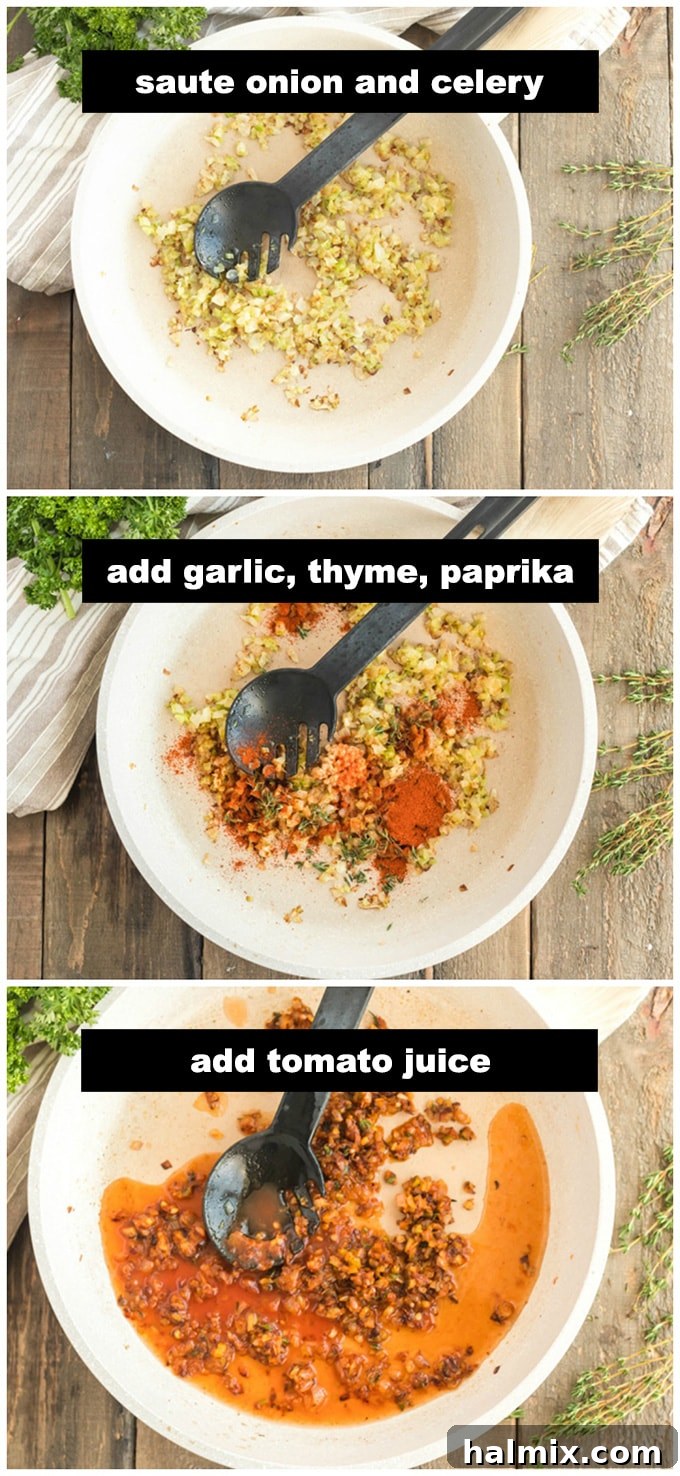
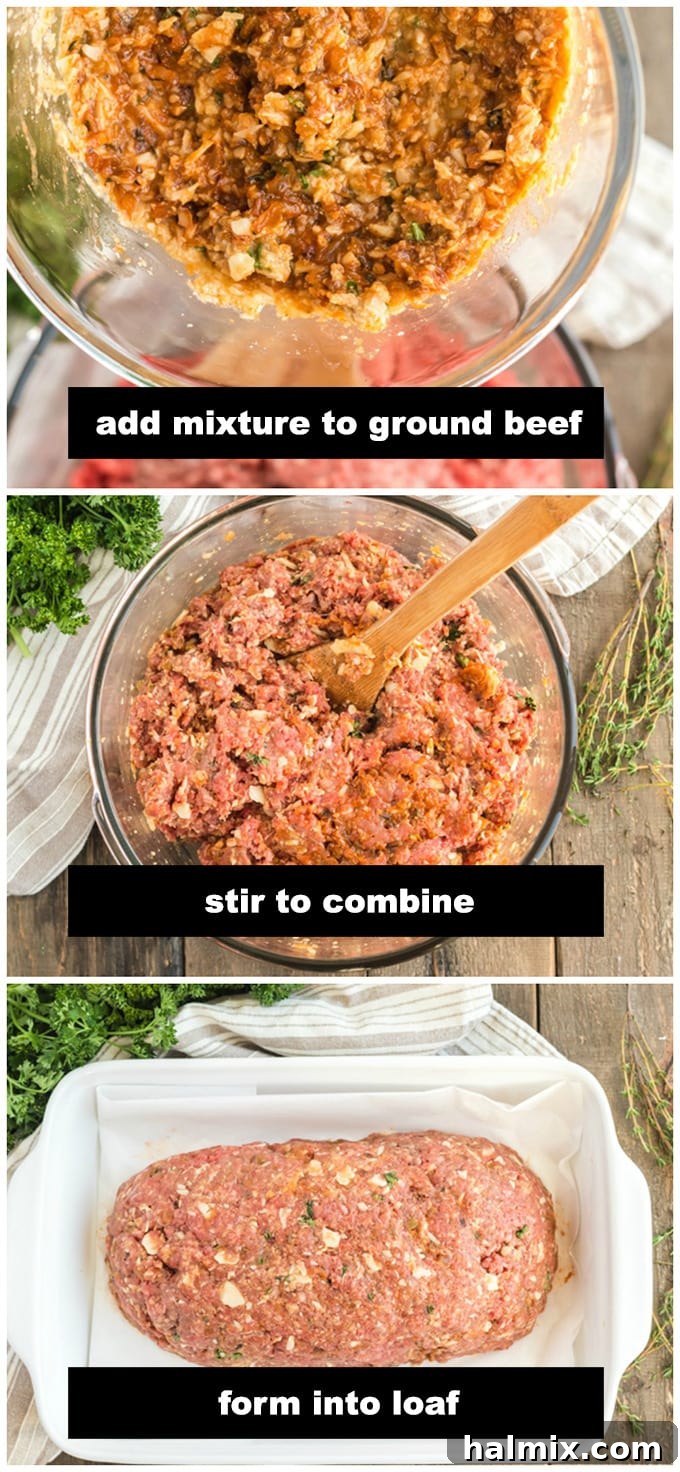
Sauté the Aromatics: In a 10-inch skillet, melt 1 tablespoon of unsalted butter over medium-high heat until it begins to foam. Add the finely chopped onion and celery, cooking and stirring occasionally for 6 to 8 minutes, until they begin to brown and soften. Next, stir in the minced garlic, fresh thyme, and paprika. Continue cooking for about 1 minute until the spices become fragrant. Reduce the heat to low, then pour in the tomato juice. Scrape up any browned bits from the bottom of the pan with your spoon, and cook until the mixture thickens slightly, about 1 minute. Transfer this aromatic mixture to a small bowl and set it aside to cool.

-
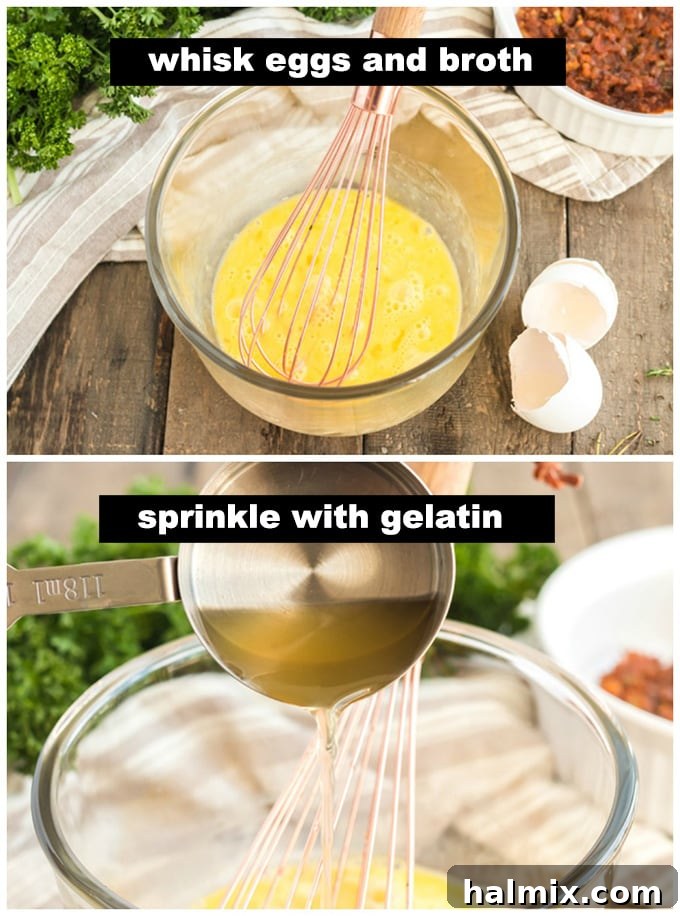
Combine Wet Ingredients: In a large mixing bowl, whisk together the low-sodium chicken broth and large eggs until well combined. Sprinkle the unflavored gelatin powder evenly over the liquid and let it stand for 5 minutes. This allows the gelatin to bloom, ensuring it fully incorporates into the mixture.
-
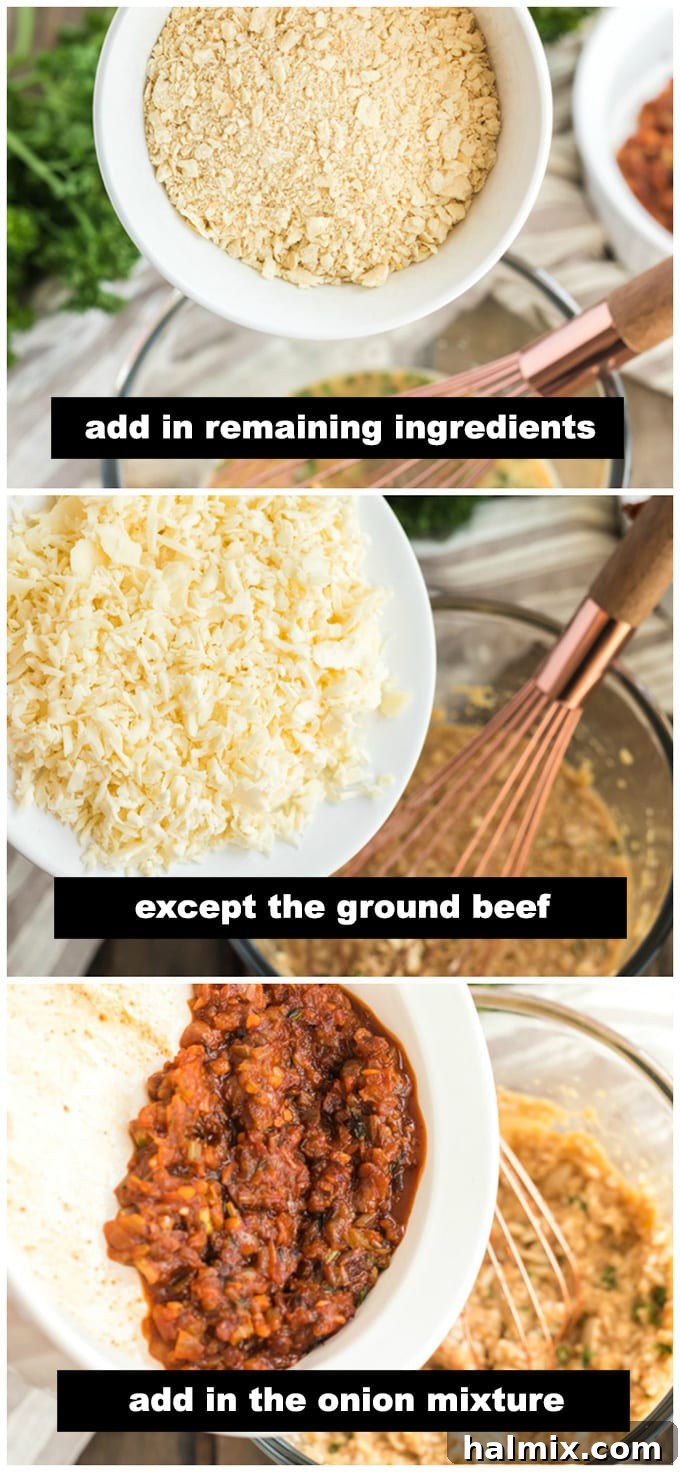
Add Dry Binders and Flavorings: Stir the soy sauce, Dijon mustard, crushed saltine crackers, minced fresh parsley, table salt, and ground black pepper into the broth and egg mixture. Add the cooled onion mixture from Step 2 to this bowl and mix well to combine all the non-meat ingredients thoroughly.
-
Incorporate Meat and Cheese: Retrieve the frozen Monterey Jack cheese from the freezer. Crumble it into a coarse powder over the mixture in the large bowl. Add the ground sirloin and ground beef chuck. Mix gently with your hands (or a wooden spoon or fork) until all ingredients are just thoroughly combined, about 1 minute. Be careful not to overmix, as this can lead to a tough meatloaf.
-
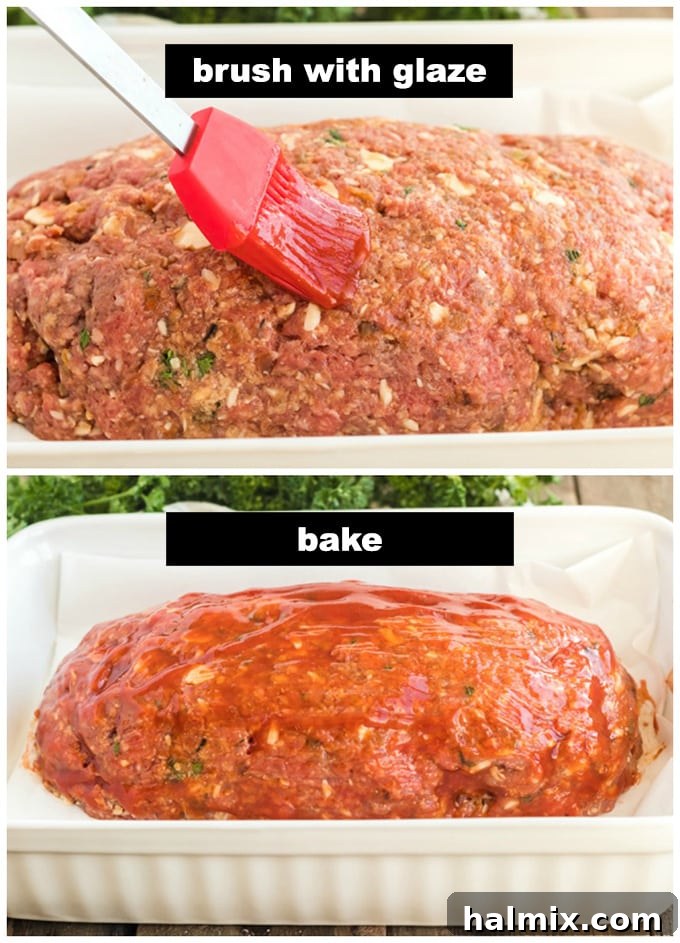
Shape and Glaze: Form the meat mixture into a uniform loaf shape, or press it into a loaf pan, ideally one with a removable draining bottom. In a small bowl, combine all the glaze ingredients (ketchup, hot sauce, ground coriander, cider vinegar, and packed light brown sugar). Spread half of this delicious glaze evenly over the top of the meatloaf.
- Bake and Finish with Glaze: Place the glazed meatloaf in the preheated oven. Bake for approximately 40 minutes. After 40 minutes, remove the meatloaf from the oven and spread the remaining half of the glaze over the top. Return it to the oven and continue baking for an additional 15-20 minutes, or until an instant-read thermometer inserted into the center of the loaf reads between 135 to 140 degrees F (57-60 degrees C). The internal temperature will rise slightly during resting. If using a standard loaf pan without a drain, you might want to carefully pour off any accumulated fat halfway through.
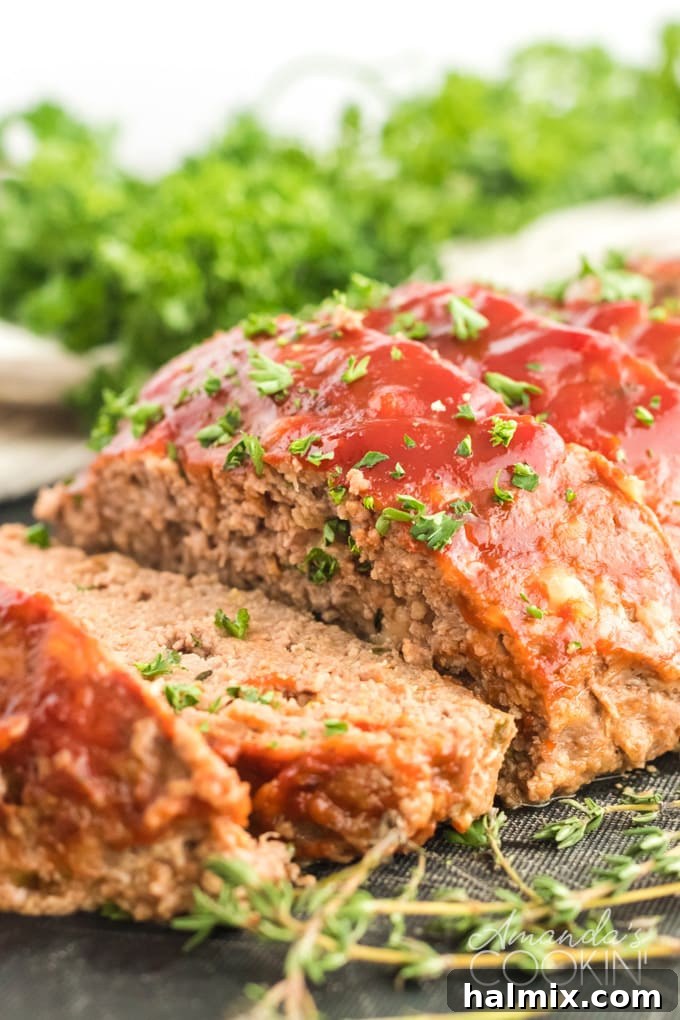
- Rest Before Slicing: This is a crucial step! Remove the meatloaf from the oven and let it cool for at least 20 minutes before slicing. This resting period allows the juices to redistribute throughout the loaf, resulting in a much juicier and more tender meatloaf that holds its shape beautifully.
Enjoying Leftover Meatloaf
One of the many joys of making this meatloaf is the incredible leftovers! In my opinion, leftover meatloaf might just be better than the original meal. There’s nothing quite like a cold slice on two pieces of soft white bread with a generous smear of mayonnaise for lunch the next day. But the possibilities don’t stop there:
- Meatloaf Sandwiches: Classic and comforting, serve slices warm or cold on your favorite bread with condiments like mayo, mustard, or extra glaze.
- Meatloaf Hash: Dice leftover meatloaf and pan-fry it with potatoes, onions, and peppers for a savory breakfast or brunch.
- Meatloaf Sliders: Mini meatloaf sandwiches on dinner rolls with cheese and a pickle are perfect for appetizers or a light meal.
- Meatloaf Crumble: Crumble leftover meatloaf into pasta sauce, or use it as a topping for baked potatoes or nachos.
- Meatloaf Chili: Add diced meatloaf to your favorite chili recipe for extra heartiness and flavor.
More Comfort Food Recipes to Savor
If you share my passion for comforting, home-cooked meals, you’ll love exploring these other delicious recipes:
- Indulge in a rich and satisfying Italian Lasagna with Meat, layered with flavors.
- For a creamy and savory dish, my Beef Stroganoff is an absolute must-try.
Looking for the perfect accompaniment to your meatloaf? Consider these fantastic side dishes:
- My homemade Easy Stovetop Macaroni and Cheese offers a creamy, cheesy delight.
- For a hands-off approach to a classic, try my velvety Crockpot Mashed Potatoes.
- And for an elegant yet simple option, these tender Scalloped Potatoes are always a delicious choice.
The Best Meatloaf Recipe Ever
Meatloaf is the quintessential comfort food, and this recipe delivers a no-fail, perfectly juicy, and exceptionally delicious dinner that never falls apart. Prepare for the best meatloaf you’ve ever tasted!
IMPORTANT: Don’t miss the detailed Frequently Asked Questions and expert tips throughout the blog post for additional helpful information. Simply scroll back up to read them!
Ingredients
- 3 ounces Monterey Jack cheese, grated on small holes of box grater (about 1 cup)
- 1 tablespoon unsalted butter
- 1 cup onion, chopped fine
- ½ cup celery, chopped fine (about 1 stalk)
- 1 clove garlic, minced or pressed through a garlic press (about 1 teaspoon)
- 2 teaspoons minced fresh thyme leaves or 3/4 teaspoon dried
- 1 teaspoon paprika
- ¼ cup tomato juice
- ½ cup low-sodium chicken broth
- 2 large eggs
- ½ teaspoon unflavored gelatin, powdered
- 1 tablespoon soy sauce
- 1 teaspoon Dijon mustard
- ⅔ cup crushed saltine crackers
- 2 tablespoons minced fresh parsley leaves
- ¾ teaspoon table salt
- ½ teaspoon ground black pepper
- 1 pound ground sirloin
- 1 pound ground beef chuck
Glaze
- ½ cup Ketchup
- 1 tsp hot sauce
- ½ tsp ground coriander
- ¼ cup cider vinegar
- 3 tablespoons packed light brown sugar
Things You’ll Need
- Instant read thermometer
- Meatloaf pan with drip insert
- Large skillet (10 inch)
- Measuring cups and spoons
Before You Begin
- I suggest both ground sirloin and ground chuck, but you can use one type of ground beef with a fat content of roughly 85/15. You want some fat for juiciness and flavor, but not too much that it’s a greasy mess. In addition, meat with too high of a fat content will shrink, a lot.
- Don’t over mix the meat; it will make your meatloaf tough. Use a fork, or a wooden spoon, but only mix until everything comes together. You don’t want to compact it and smash it all together. A few squeezes at the end with your hands will help bind the proteins. This will help the meatloaf stay together so it won’t fall apart when cooked.
- I use a meatloaf pan with a drip insert. It’s basically an 8×4 loaf pan, but there’s an additional insert pan with drain holes that you place inside the main pan. The meat cooks in the pan with the drain holes, this allows the fat to drip down away from the meat, landing in the pan below. There’s one at Amazon here.
- Run a butter knife around the edges (assuming you used the pan I mention above), especially if there’s any fat that pooled around the top and didn’t drip down. This sometimes happens as the meat cooks; it blocks the crevice along the side. Just gently guide the knife around the loaf and let the fat fall down the side so it can drain.
Instructions
- Adjust oven rack to middle position; heat oven to 375 degrees F (190 C). Spread cheese on a plate and place it in the freezer until ready to use.
- Heat butter in a 10-inch skillet over medium-high heat until foaming; add onion and celery and cook, stirring occasionally, until beginning to brown, 6 to 8 minutes. Add garlic, thyme, and paprika and cook, stirring, until fragrant, about 1 minute. Reduce heat to low and add tomato juice. Cook, stirring to scrape up browned bits from the pan, until thickened, about 1 minute. Transfer mixture to a small bowl and set aside to cool.
- Whisk broth and eggs in a large bowl until combined. Sprinkle gelatin over liquid and let stand 5 minutes. Stir in soy sauce, mustard, saltines, parsley, salt, pepper, and the cooled onion mixture.
- Shape meat mixture into a loaf, or use a loaf pan with a removable draining bottom.
- Spread half of the prepared glaze over the meatloaf, then place it in the oven. After 40 minutes of baking, remove the meatloaf and add the remaining glaze. Put it back in the oven and cook for an additional 15-20 minutes, or until an instant-read thermometer inserted into the center of the loaf reads 135 to 140 degrees F (57-60 C).
- Let meatloaf cool about 20 minutes before slicing to allow juices to redistribute.
Nutrition
Follow on Pinterest @AmandasCookin or tag #AmandasCookin!
The recipes on this blog are tested with a conventional gas oven and gas stovetop. It’s important to note that some ovens, especially as they age, can cook and bake inconsistently. Using an inexpensive oven thermometer can assure you that your oven is truly heating to the proper temperature. If you use a toaster oven or countertop oven, please keep in mind that they may not distribute heat the same as a conventional full sized oven and you may need to adjust your cooking/baking times. In the case of recipes made with a pressure cooker, air fryer, slow cooker, or other appliance, a link to the appliances we use is listed within each respective recipe. For baking recipes where measurements are given by weight, please note that results may not be the same if cups are used instead, and we can’t guarantee success with that method.
This post was originally published on this blog on February 2, 2010, and has been updated for improved clarity and comprehensive instructions.