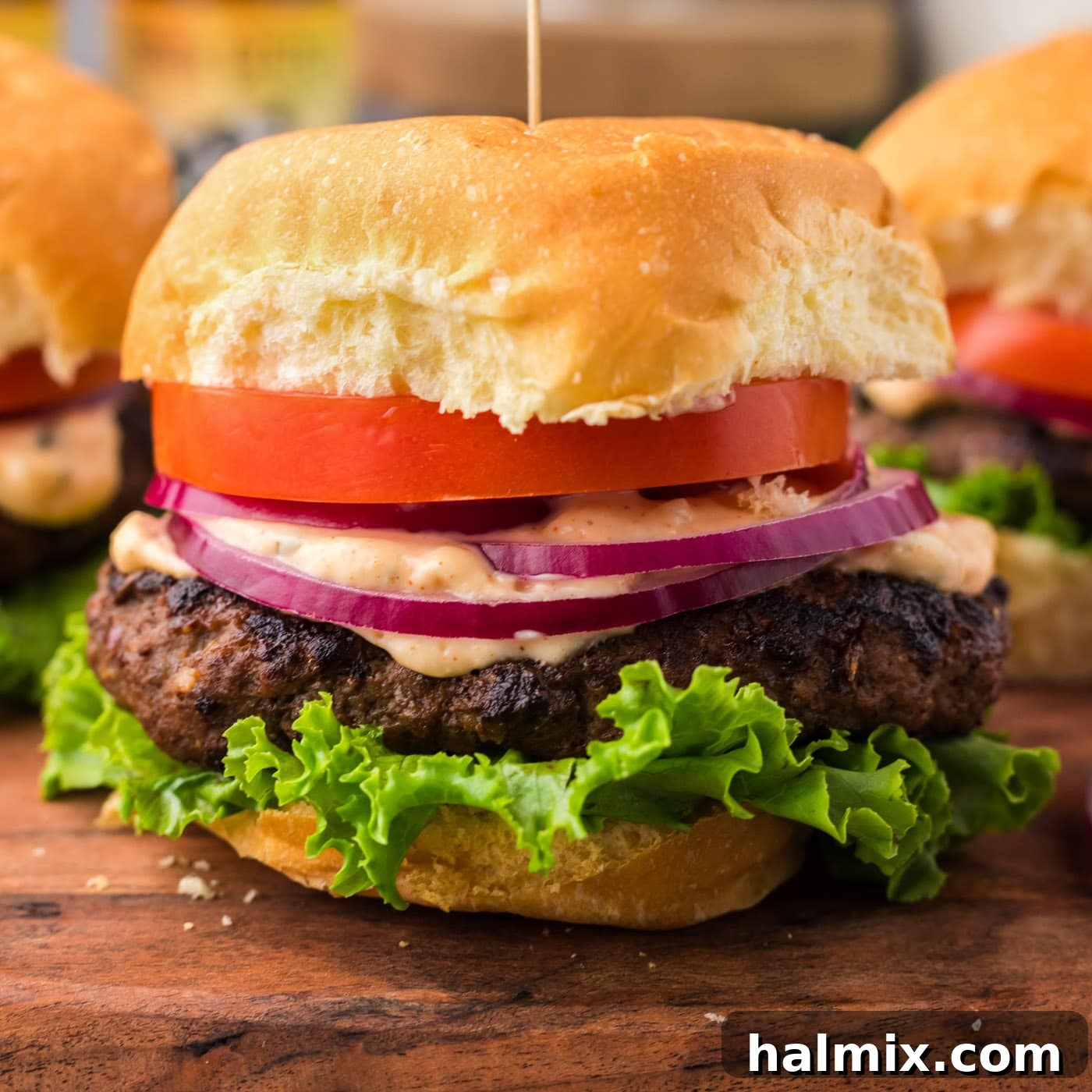
Prepare to tantalize your taste buds with this incredible buffalo burger recipe! Featuring succulent ground bison expertly blended with finely diced onions and vibrant jalapeños, sculpted into perfect patties, and seared to perfection in a hot skillet. This isn’t just a meal; it’s an experience that offers a healthier, incredibly flavorful alternative to your everyday beef burger.
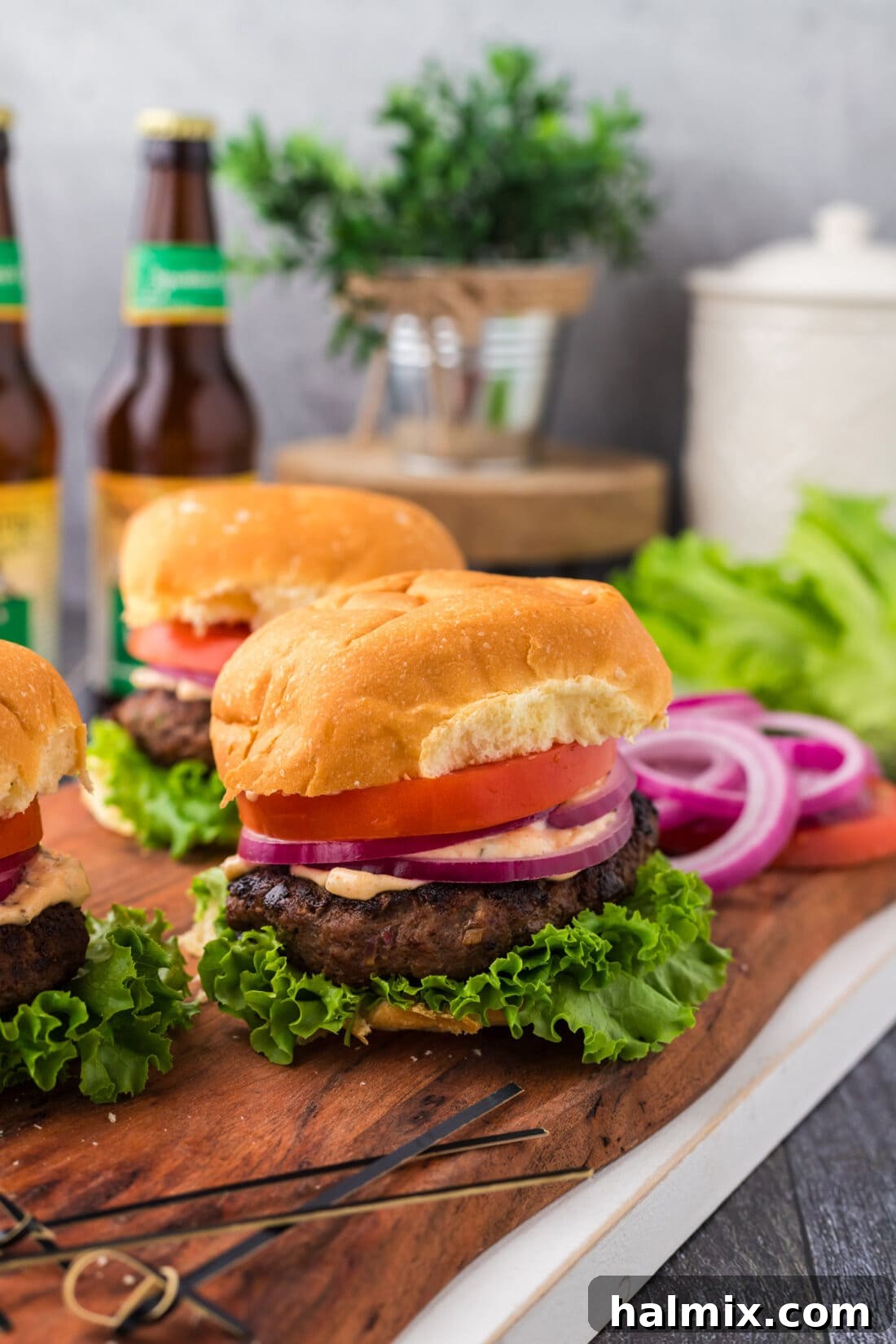
Why This Buffalo Burger Recipe Is a Must-Try
This isn’t your average burger; it’s a lean, flavorful masterpiece that redefines what a burger can be. Our buffalo burger recipe works wonders by combining the distinct richness of ground bison with a carefully selected array of aromatics and spices. Minced red onion, fresh jalapeño, a hint of chili powder, and savory garlic salt work in perfect harmony to infuse each patty with a deep, complex flavor profile that will surprise and delight you. And no, we’re not talking about buffalo sauce here – the star of the show is pure ground bison, celebrated for its naturally low fat, calorie, and cholesterol content without sacrificing an ounce of juiciness or taste.
There’s often a bit of confusion surrounding the terms “buffalo” and “bison.” While commonly used interchangeably, it’s worth noting the subtle differences. True buffalo are native to Africa and Asia, while bison are indigenous to Europe and North America. In America, our magnificent North American bison are frequently, though mistakenly, referred to as buffalo. Given this widespread colloquialism, it felt fitting to title this a “Buffalo Burger,” even though the recipe explicitly uses ground bison. Whether you call it a bison burger or a buffalo burger, the outcome is the same: a wonderfully juicy, incredibly satisfying patty that offers a delicious and healthier departure from traditional ground beef. It’s a fantastic way to introduce a new, exciting flavor to your dinner rotation.
Beyond its unique taste, ground bison offers significant nutritional advantages. It’s an excellent source of lean protein, essential for muscle building and repair, and packs a powerful punch of iron, zinc, and B vitamins. These nutrients are crucial for energy levels, immune function, and overall well-being. Opting for bison means you’re choosing a healthier meat option that is typically leaner than many cuts of beef, containing less saturated fat and cholesterol. This makes it an ideal choice for health-conscious foodies looking for a guilt-free gourmet experience. The inherent leanness also means bison burgers cook quickly, making this recipe perfect for a speedy weeknight meal or a weekend gathering where you want to impress without spending hours in the kitchen.
Essential Ingredients for Your Buffalo Burgers
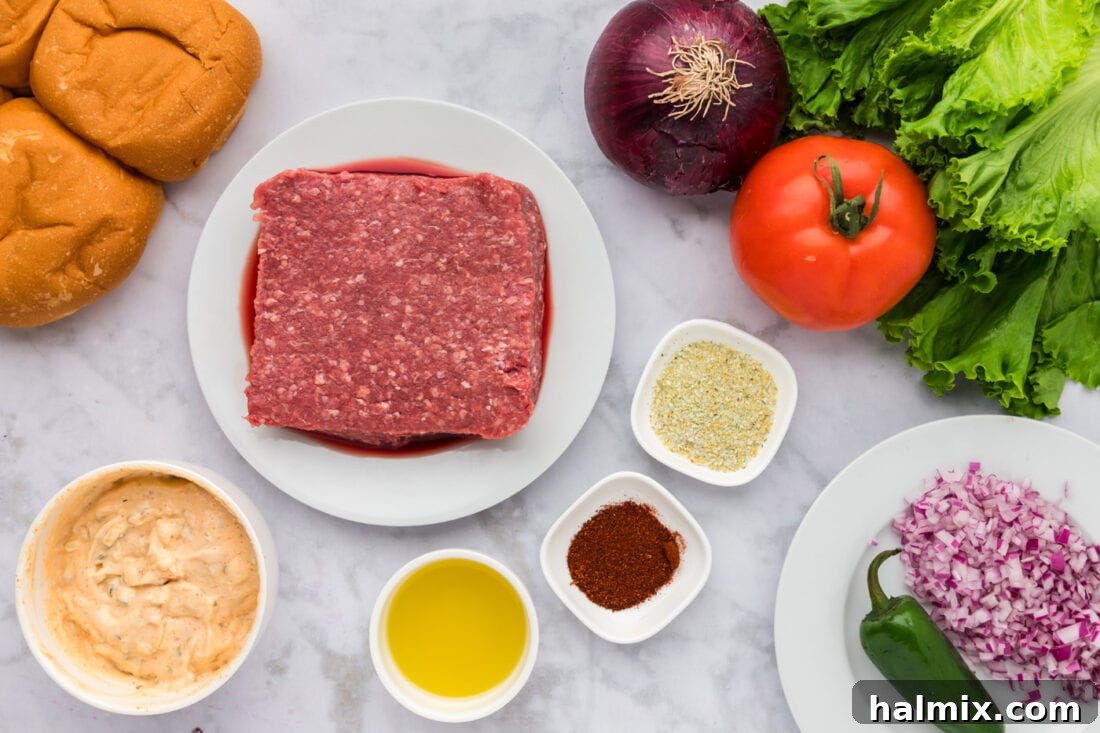
To embark on this culinary adventure, you’ll need a handful of fresh, high-quality ingredients. For all precise measurements and detailed instructions, refer to the printable recipe card towards the end of this article. But first, let’s explore the key components that make these burgers truly special.
Ingredient Spotlight & Smart Substitutions
Understanding each ingredient’s role and knowing how to make smart substitutions can elevate your cooking experience and ensure a perfect outcome every time.
The Patty: Ground Bison – The undisputed star of our buffalo burger, ground bison is celebrated for its lean profile, boasting significantly lower fat, cholesterol, and calorie counts compared to conventional ground beef, yet it remains incredibly juicy and flavorful when cooked correctly. You’ll typically find ground bison readily available in the meat section of most major grocery stores, often alongside ground beef. Due to its inherent leanness, bison requires a slightly different approach to cooking. It’s crucial to resist the urge to press down on the burger patties while they cook in the skillet. Doing so will squeeze out those precious juices, resulting in a dry burger – and trust us, this is definitely not a smash burger! Handle the meat gently to maintain its tenderness and moisture. For best results, use fresh ground bison, but frozen will work if thawed completely and patted dry.
Flavor Enhancers: Onion & Jalapeño – The minced red onion adds a sweet, pungent base note that caramelizes beautifully when sautéed, deepening the overall flavor. For those who enjoy a kick, the jalapeño offers a subtle heat and a fresh, peppery zing. To control the spice level, make sure to remove all the seeds and white membrane from the jalapeño before mincing. If you prefer less heat, you can reduce the amount of jalapeño or omit it entirely. For a milder flavor, green bell pepper can be a good substitute for jalapeño, while a finely diced yellow onion can stand in for red onion.
Seasoning: Chili Powder & Garlic Salt – These two spices are the backbone of our burger’s savory depth. Chili powder brings an earthy warmth and a hint of smoky spice, complementing the bison’s natural flavor without overpowering it. Garlic salt adds a fundamental savory note and ensures the seasoning penetrates every bite. Feel free to adjust the quantities of chili powder and garlic salt to suit your personal preference. You can also experiment with a pinch of smoked paprika for extra depth, or a dash of cayenne pepper if you crave more heat.
Toppings: Customizable Delight – The beauty of a burger lies in its versatility, and our buffalo burger is no exception. Classic optional toppings include creamy mayonnaise, tangy ketchup, or a zesty thousand island dressing. Pair these with crisp lettuce, ripe tomato slices, and thinly sliced red onion for a refreshing crunch. And, of course, don’t forget the pickles for that essential tangy bite! If you’re a cheese lover, a slice of your favorite melted cheese takes these burgers to the next level. American cheese offers a classic melt, Swiss provides a nutty tang, while pepper jack introduces a pleasant spicy warmth. For a gourmet touch, consider adding caramelized onions, crispy bacon, a fried egg, or creamy avocado slices. The possibilities are truly endless!
Crafting the Perfect Buffalo Burger: Step-by-Step
These step-by-step photos and detailed instructions are designed to guide you through the process, ensuring a perfect buffalo burger every time. For a convenient printable version of this recipe, complete with precise measurements and instructions, scroll down to the full recipe card at the bottom of this page.
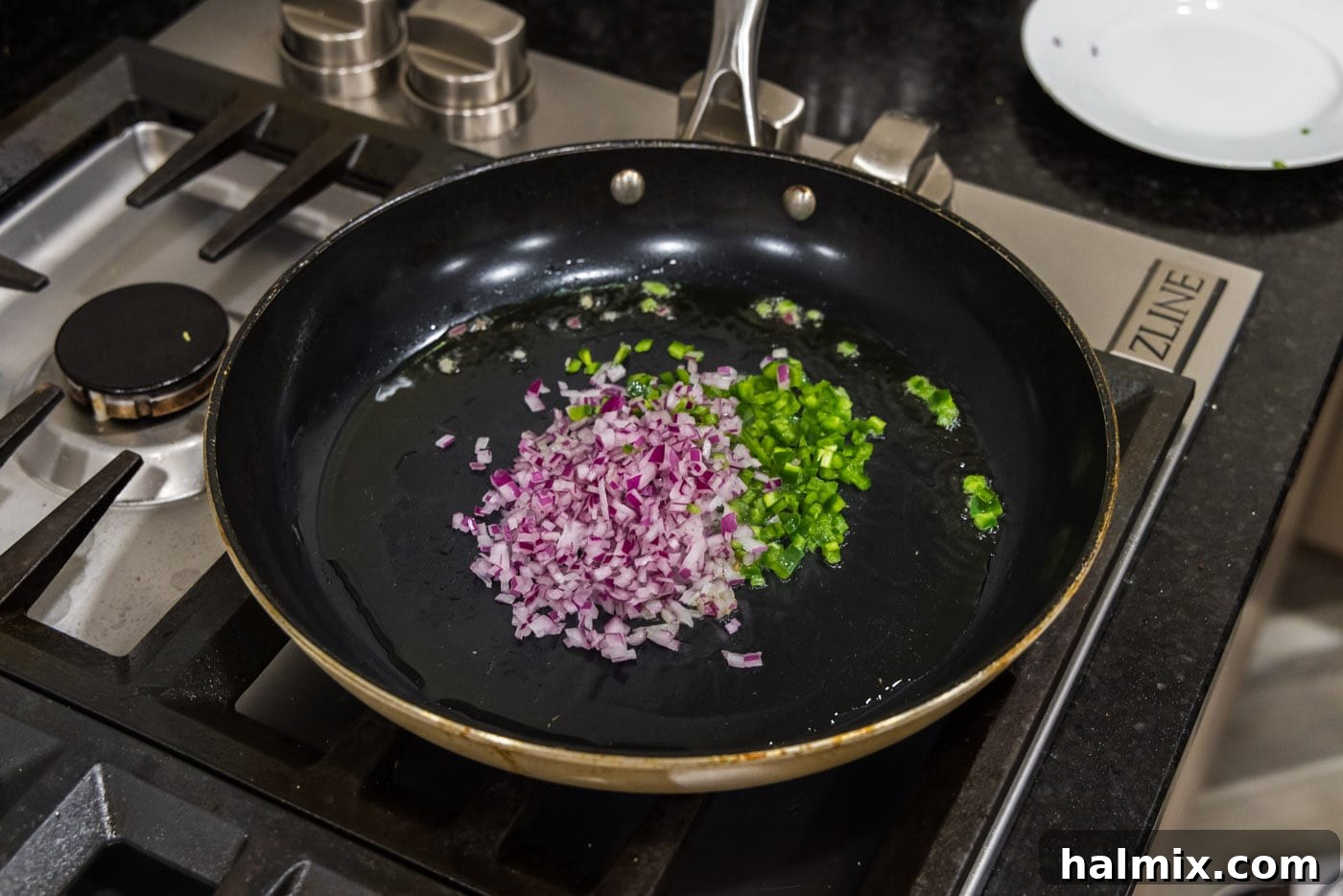
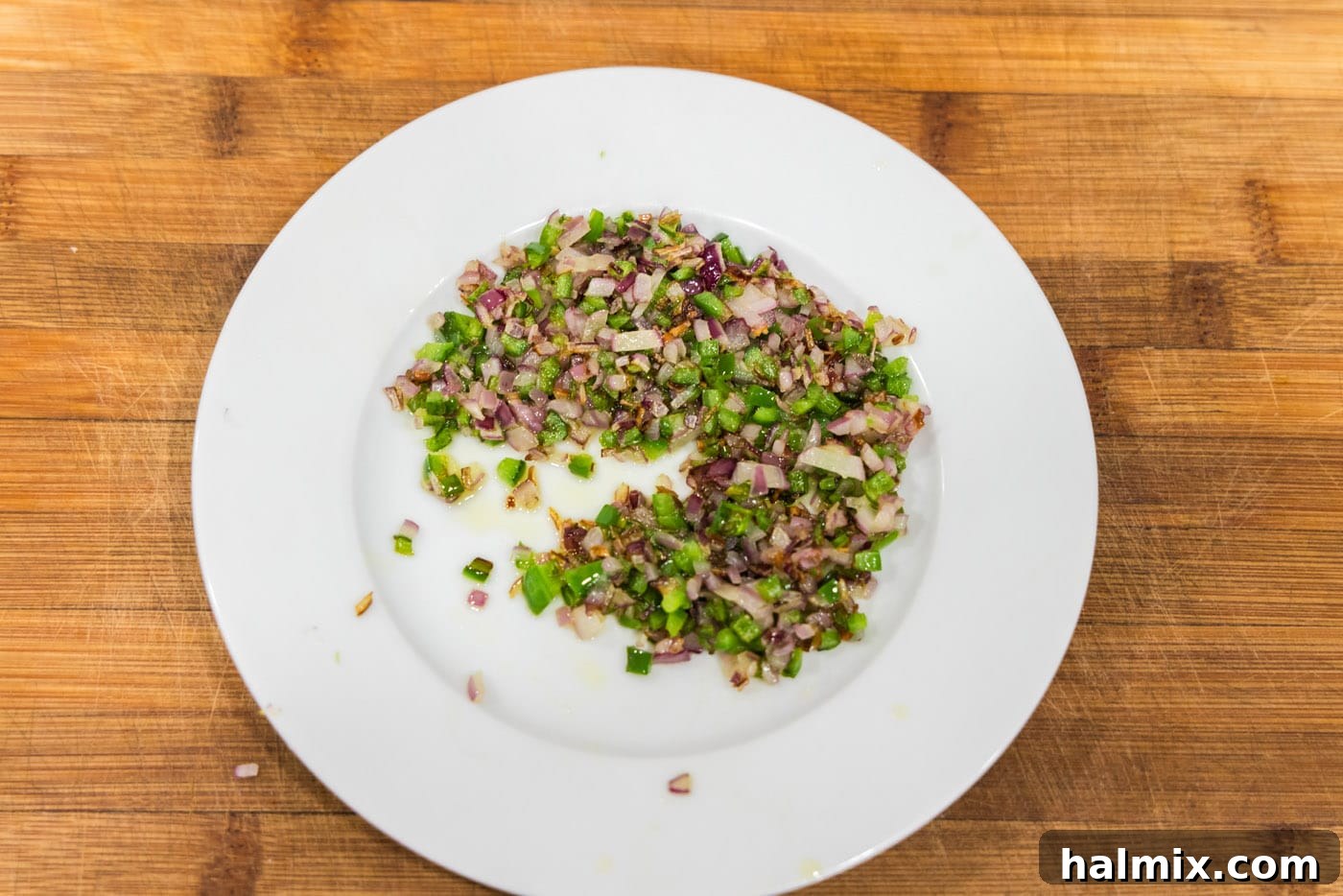
- Heat one tablespoon of olive oil in a durable skillet over medium-high heat until it begins to shimmer. Add the minced red onion and jalapeño peppers to the hot oil. Sauté them, stirring occasionally, until they become tender and lightly browned, typically about 3-5 minutes. This step is crucial for developing their sweet and slightly smoky flavors. Once cooked, remove the sautéed vegetables from the skillet, leaving as much of the infused oil behind as possible for cooking the patties.

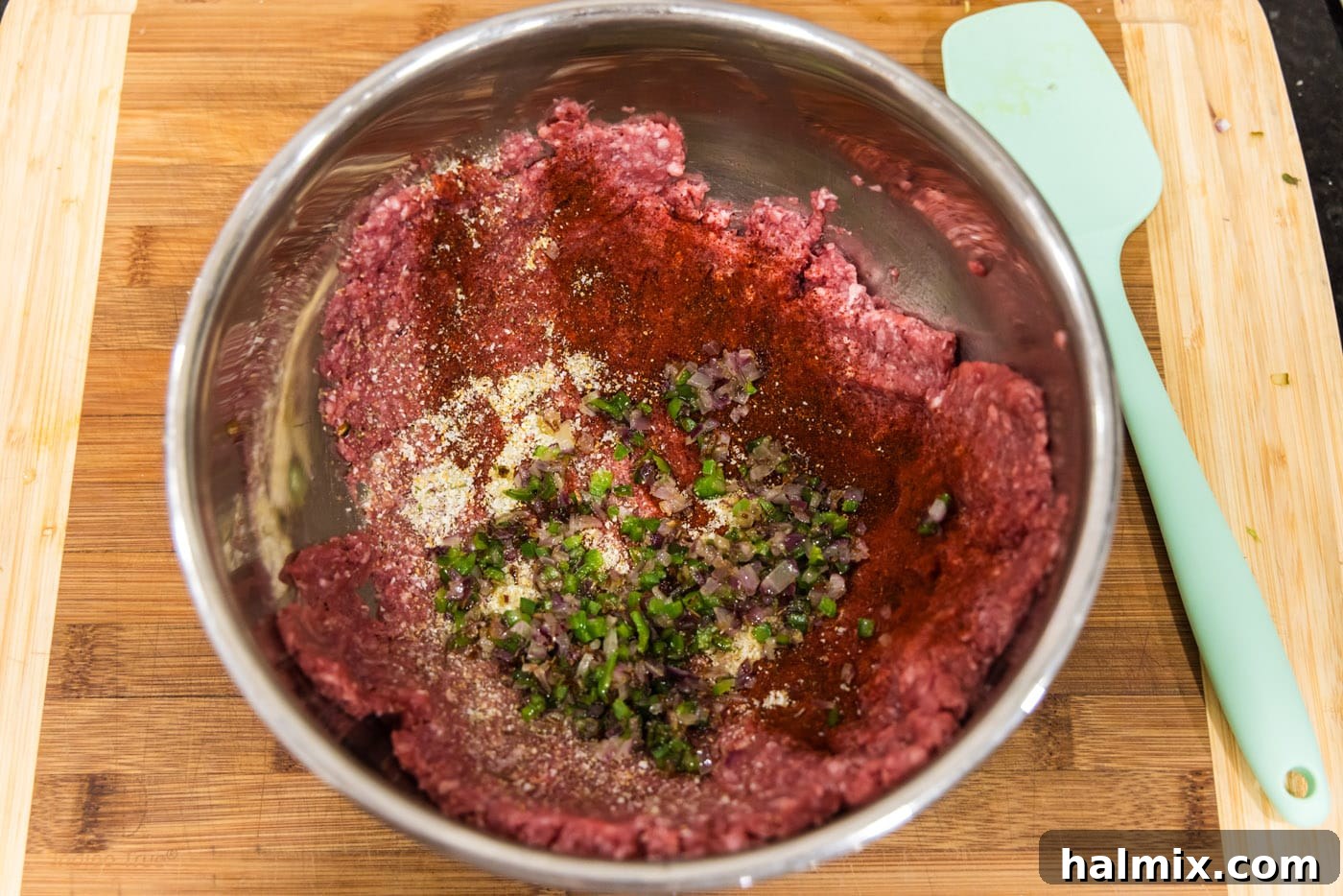
Sautéing onions and jalapeños to bring out their rich flavors. The beautifully caramelized onions and jalapeños, ready to be mixed. - Place the pound of ground bison into a large mixing bowl. Gently press the meat into the bottom and up the sides of the bowl to create a uniform layer. Evenly sprinkle the chili powder and garlic salt over the bison. Adjust the seasoning to your taste preferences here; a little extra garlic salt can enhance the savory notes.
- Add the previously cooked red onion and jalapeño mixture directly into the bowl with the seasoned ground bison.
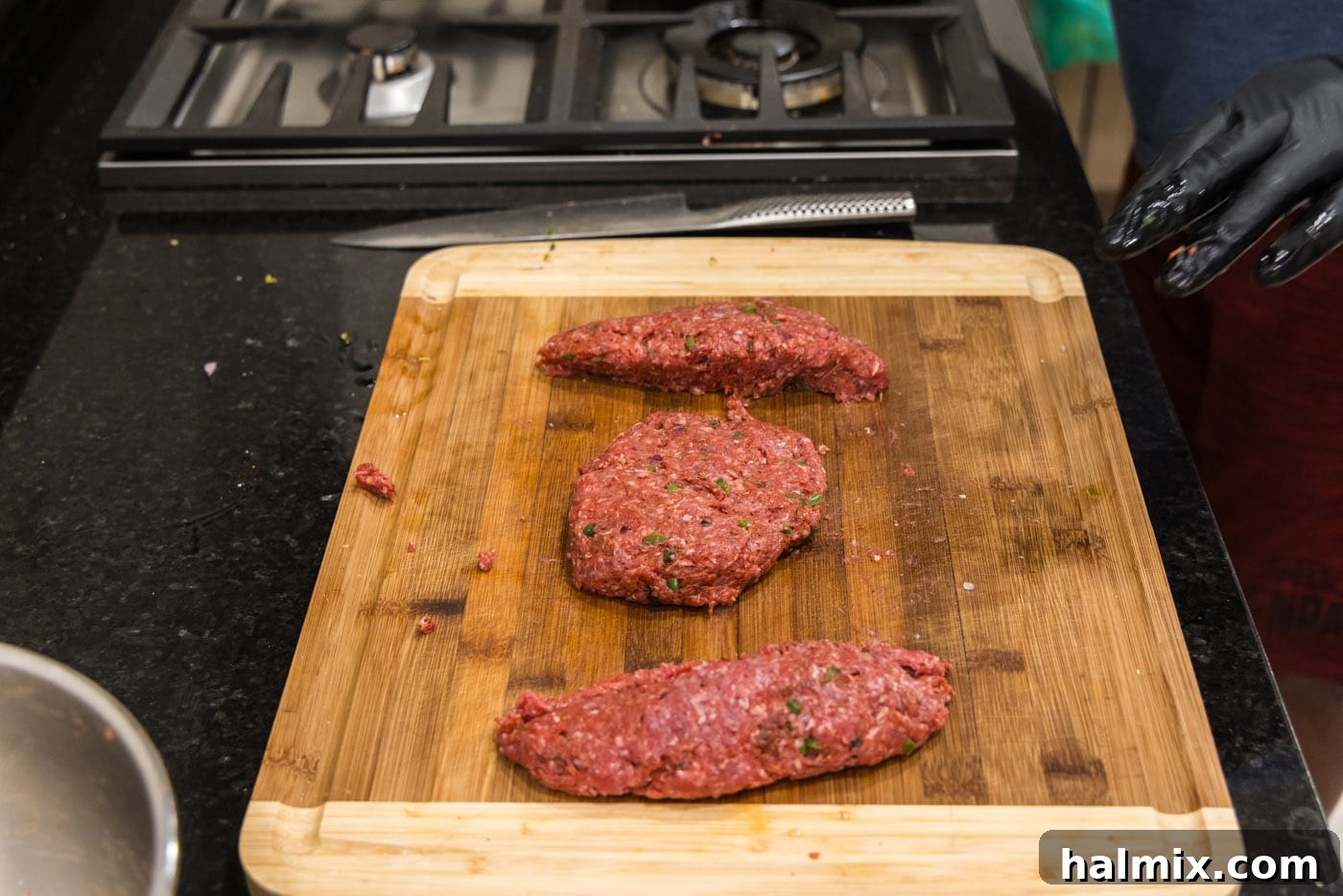
Combining the seasoned bison with the aromatic vegetables. - Using gloved hands (this helps prevent the meat from sticking and keeps your hands clean), gently combine all the ingredients until they are evenly distributed throughout the ground bison. Be careful not to overmix, as this can make the patties tough. Once combined, divide the seasoned meat mixture into three equal portions and form them into round, firm patties, approximately ¾ to 1 inch thick.
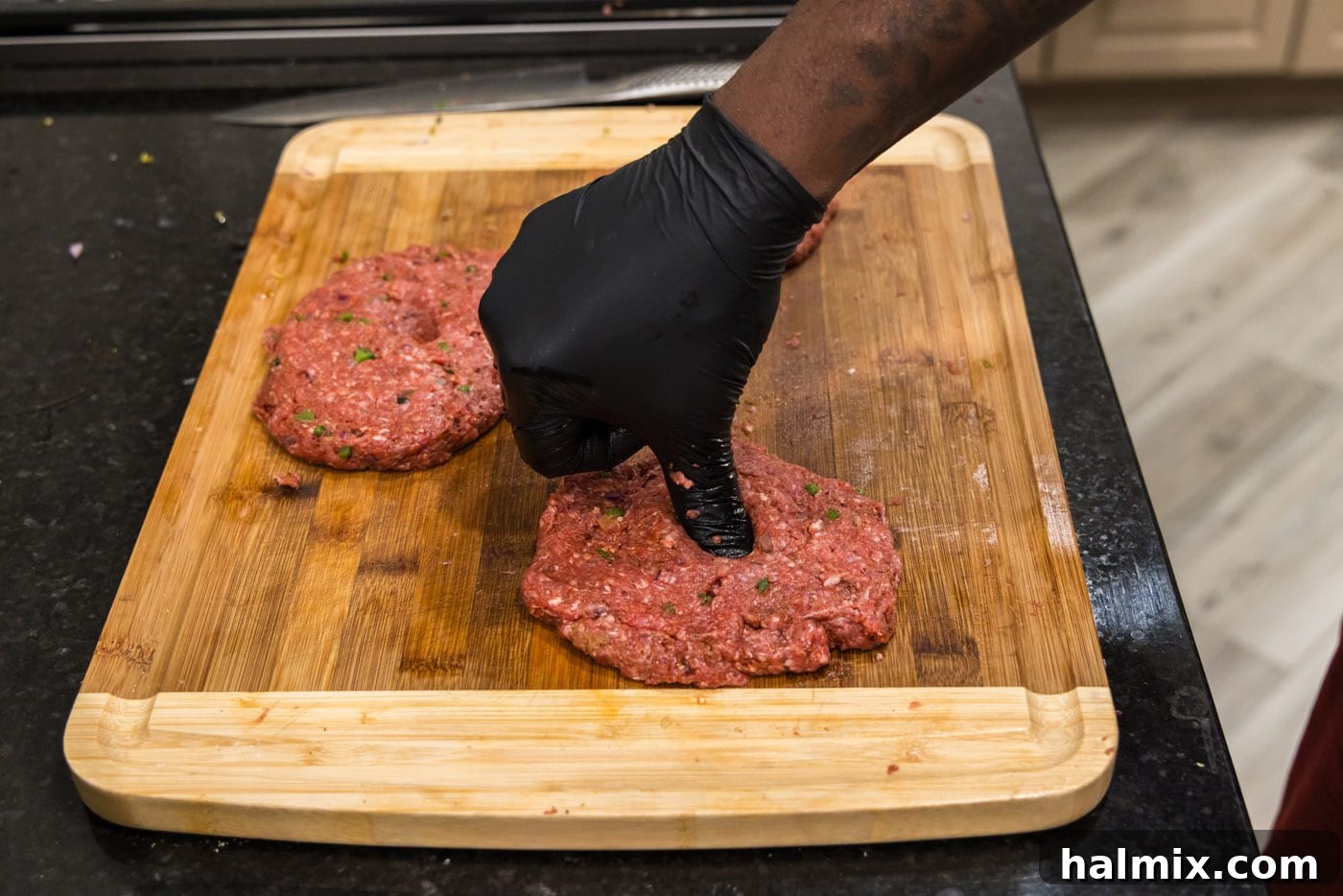
Well-portioned bison patties, ready for shaping. - Using your thumb or the back of a spoon, make a slight indent in the center of each patty. This simple trick helps prevent the burgers from bulging in the middle during cooking, ensuring they remain flat and cook evenly.
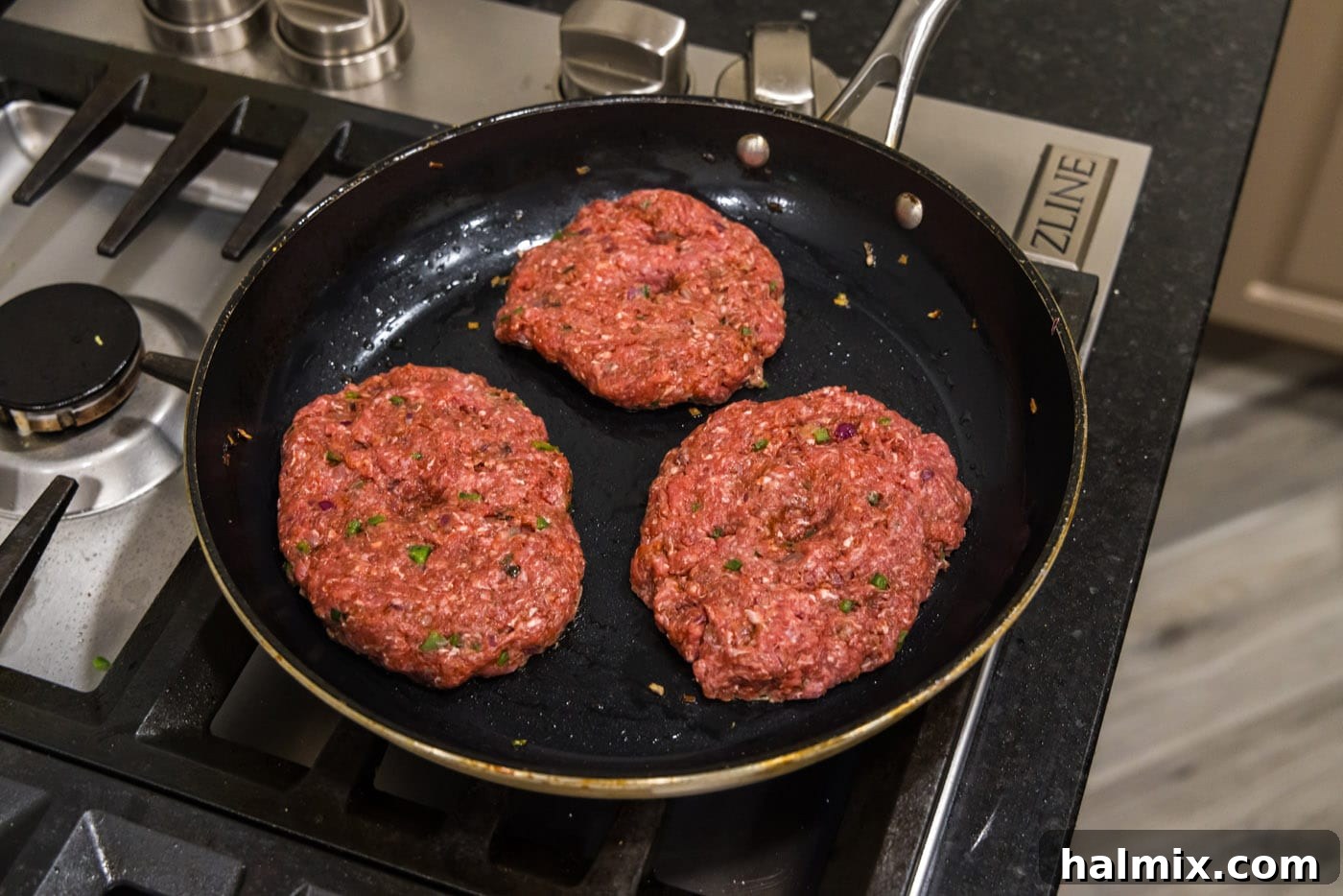
The crucial thumb indent for a perfectly flat burger. - Return the skillet to medium-high heat. If the pan appears dry, add another teaspoon of olive oil to ensure the burgers don’t stick. Carefully place the bison patties into the hot skillet. Cook for about 5 minutes per side, flipping a couple of times throughout the cooking process to achieve an even sear and doneness. Bison cooks faster than beef due to its leanness, so keep a close eye on them.
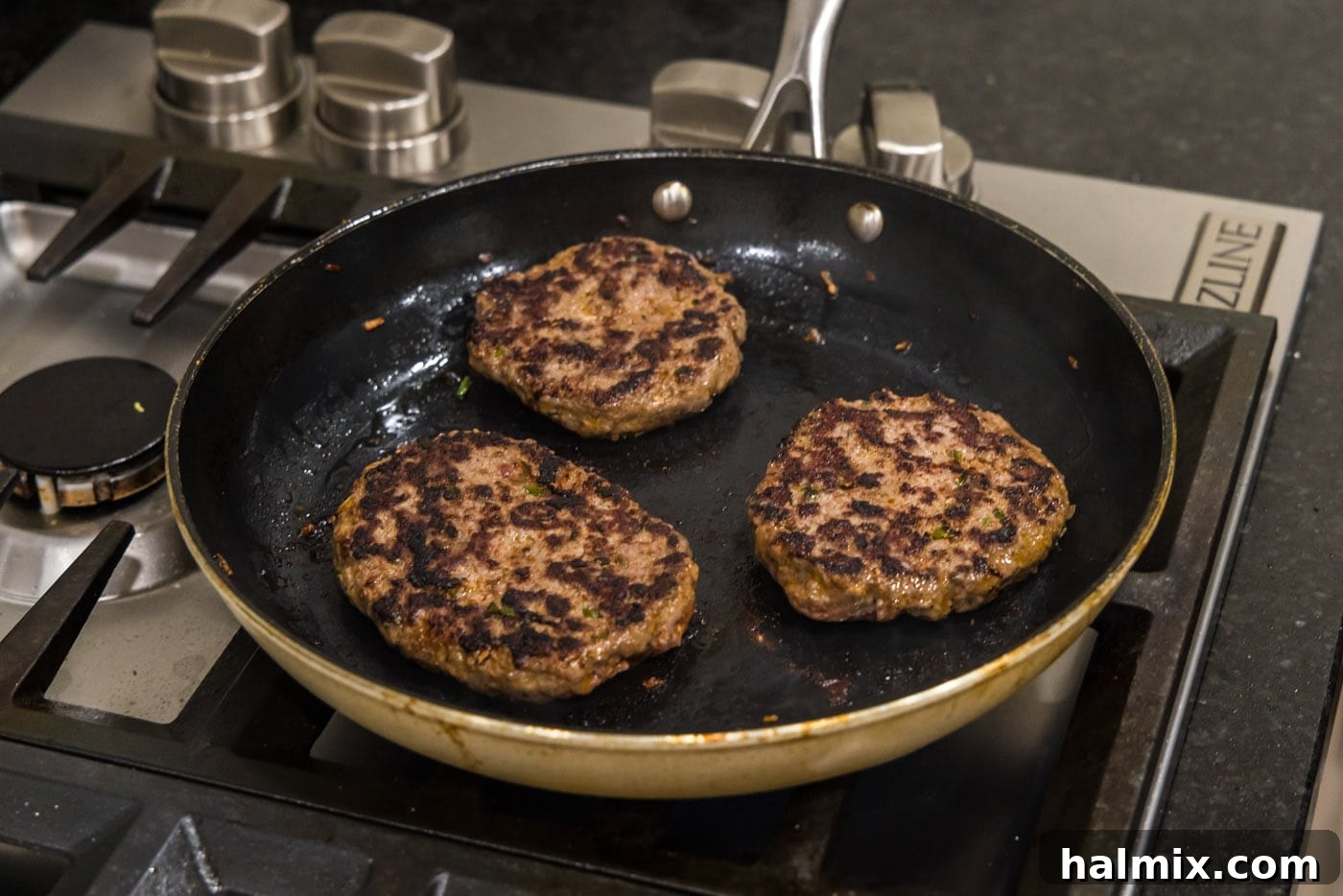
The burgers cooking to perfection in the skillet. Ready to serve: golden brown and utterly delicious.
Frequently Asked Questions & Expert Tips for Bison Burgers
Cooking with bison can be slightly different from beef due to its leaner nature. Here are some common questions and expert tips to ensure your buffalo burgers are always exceptional.
For optimal safety and flavor, ground bison should be cooked to an internal temperature of 160°F (71°C) when measured with an instant-read thermometer inserted into the thickest part of the patty. These guidelines are similar to those for ground beef burgers. However, because bison is so lean, many enthusiasts prefer to cook it to a medium-rare (130-135°F / 54-57°C) or medium (135-140°F / 57-60°C) doneness to maintain maximum juiciness and tenderness. Just be sure to use a reliable thermometer to reach your desired doneness accurately.
How do you store leftover buffalo burgers?
Proper storage is key to enjoying your delicious buffalo burgers later. Any leftover cooked patties should be stored in an airtight container and kept in the refrigerator for up to 4 days. When you’re ready to enjoy them again, you can easily reheat them in the microwave for a quick meal, or for a better texture, warm them gently in a skillet over medium-low heat until heated through, adding a splash of water or broth to prevent drying if needed.
Can I freeze bison burger patties?
Absolutely! Freezing is an excellent way to prepare buffalo burgers ahead of time. Simply form the seasoned ground bison into patties, then freeze them flat on a baking sheet for about an hour until firm. Once frozen, transfer them to an airtight container or a large zip-top freezer bag, separating layers with parchment paper to prevent sticking. They will keep well in the freezer for up to 4 months. When ready to cook, you can either thaw them in the refrigerator overnight or cook them from frozen, adding a few extra minutes to the cooking time.
What do I do if my bison patties are falling apart during preparation?
Bison is a significantly leaner meat compared to ground beef, which means it has less fat to act as a binder. If you find that your patties are not holding together well after mixing, a simple trick is to place the formed patties in the refrigerator for about 10-15 minutes before cooking. The chilled meat will firm up, making the patties more cohesive and less likely to crumble in the skillet or on the grill. Ensure you haven’t overmixed the meat, which can also contribute to a crumbly texture.
Can I make these buffalo burgers on the grill?
Yes, absolutely! Buffalo burgers are fantastic on the grill. You can follow the same basic instructions for mixing and forming the patties. Preheat your grill to medium-high heat, lightly oil the grates, and then cook the patties for about 4-6 minutes per side, or until they reach your desired internal temperature. Remember not to press the patties down while grilling to maintain their juiciness. Grilling adds a wonderful smoky flavor that perfectly complements the rich taste of bison.
How can I prevent my bison burgers from drying out?
The key to juicy bison burgers is not overcooking them. Since bison is lean, it cooks faster than beef. Use a meat thermometer to pull them off the heat once they reach your desired doneness (medium-rare to medium is often recommended for maximum juiciness). Also, avoid pressing down on the patties, as this expels moisture. Let the burgers rest for 5 minutes after cooking, allowing the juices to redistribute throughout the patty.
Serving Suggestions: Elevate Your Buffalo Burger Experience
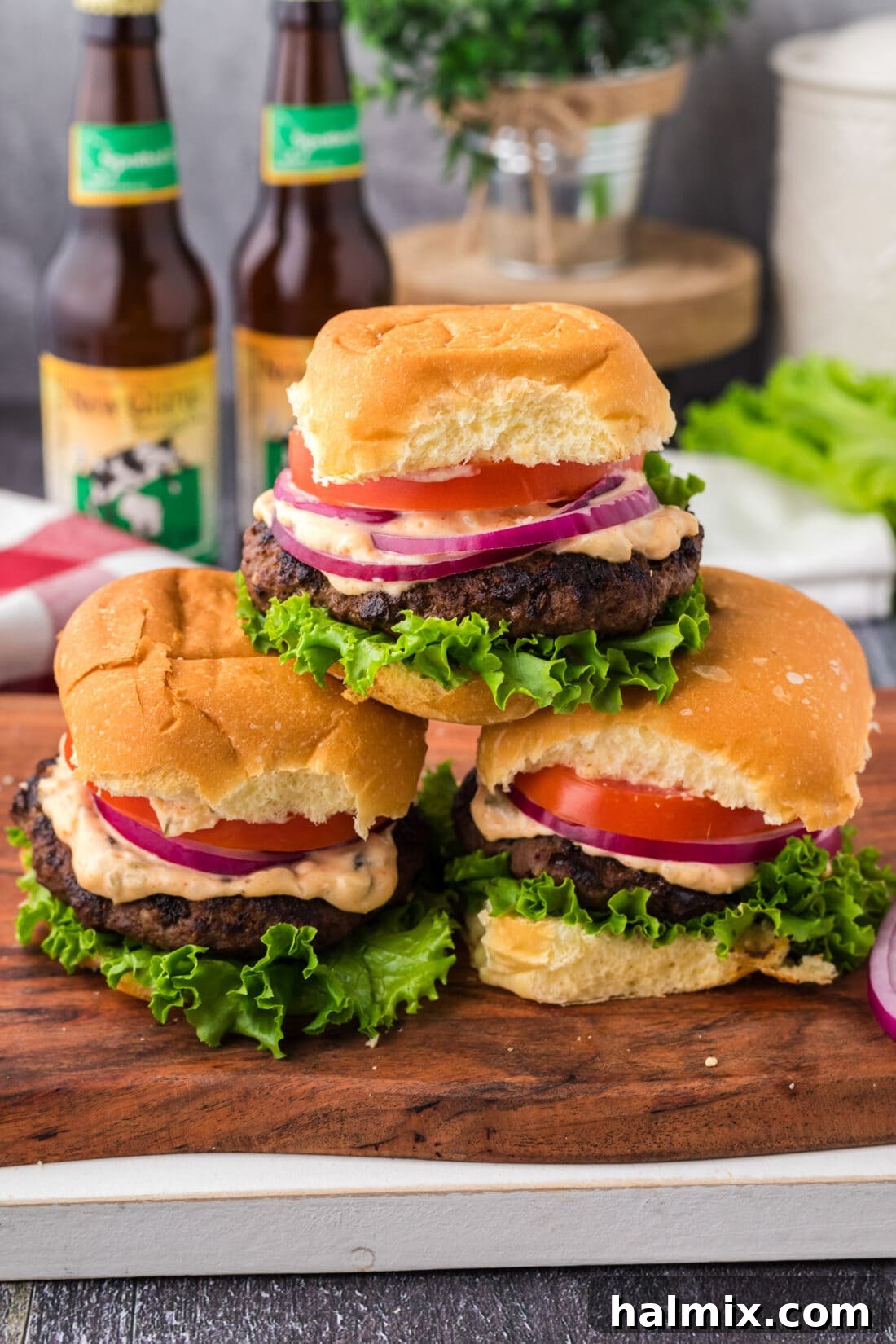
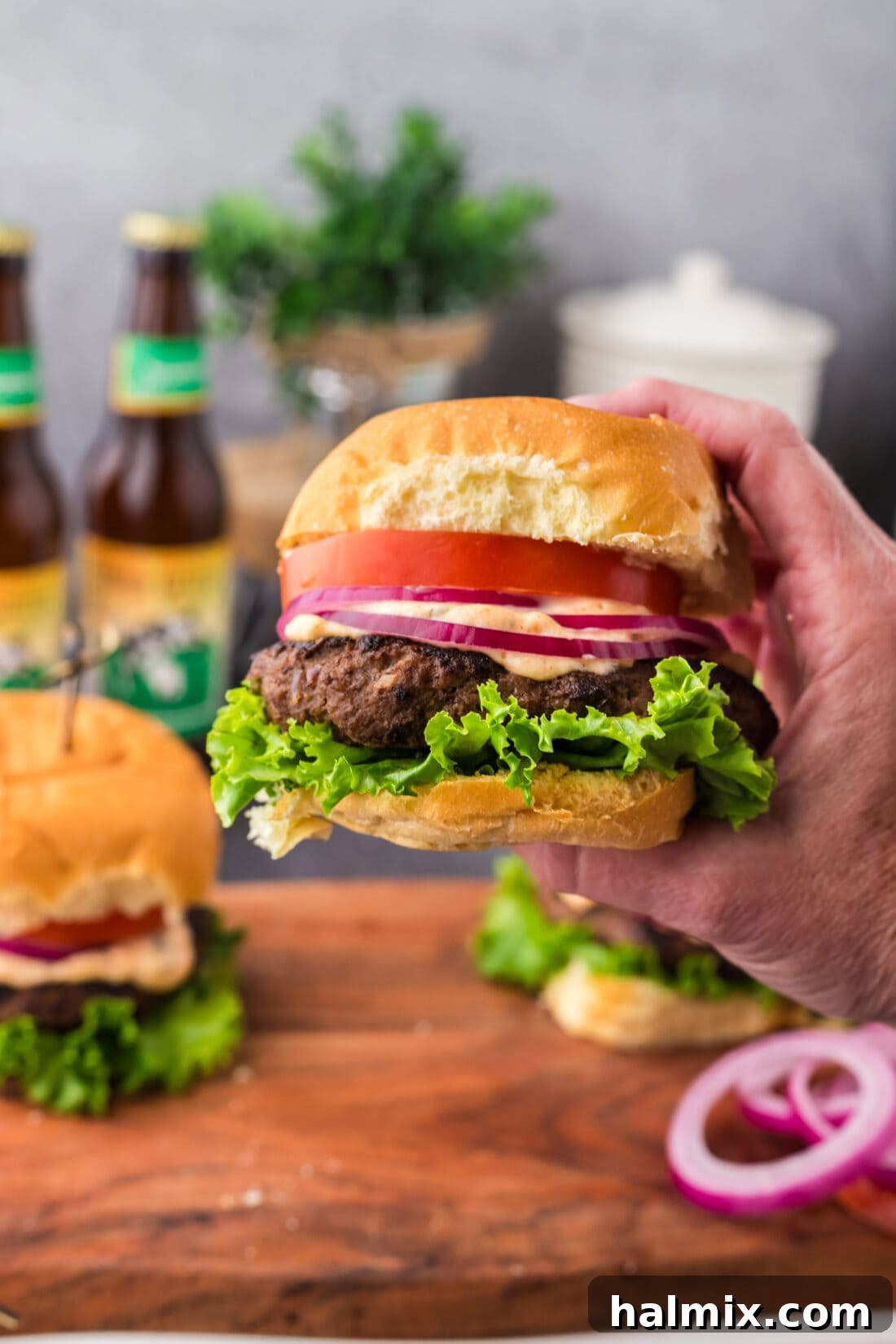
A fantastic buffalo burger deserves equally fantastic accompaniments. Serve your perfectly seared buffalo burger on your favorite toasted bun – brioche, pretzel, or classic sesame seed buns all work wonderfully – with a generous spread of your preferred condiments. Think creamy mayonnaise, classic ketchup, spicy mustard, a rich aioli, or a zesty thousand island dressing. Load it up with fresh, crisp toppings like crunchy lettuce, juicy tomato slices, and either thinly sliced raw red onion for a pungent bite or sweet caramelized onions for a more mellow flavor. Tangy pickles are always a welcome addition, providing a refreshing contrast. For an extra layer of flavor that embraces the “buffalo” name, you can even drizzle a touch of your favorite buffalo sauce over the patty if that’s what your palate desires!
To truly personalize your burger, consider topping it with a slice of melted cheese. Swiss cheese adds a distinct nutty flavor, American cheese provides that iconic gooey melt, and pepper jack delivers a delightful spicy kick. The topping options are genuinely endless and can be tailored to any craving! Beyond the burger itself, consider pairing it with classic sides for a complete meal. Golden french fries, crispy air fryer sweet potato fries, or crunchy potato chips are always crowd-pleasers. For a lighter touch, a fresh garden salad, creamy coleslaw, or grilled corn on the cob would complement the rich flavors of the bison beautifully. Don’t forget a tall glass of iced tea or your favorite cold beverage to round out this delightful meal.
Explore More Delicious Burger Creations
If you loved this buffalo burger recipe and are keen to explore more burger variations, you’re in luck! Our kitchen is always buzzing with creative and delicious burger ideas to satisfy every craving. From classic comfort food to innovative plant-based options, there’s a burger for every day of the week.
- Smash Burger
- Salmon Burger
- BBQ Bacon Burgers
- Cheeseburger Sliders
- Air Fryer Burgers
- Black Bean Burger
I absolutely adore spending time in the kitchen, experimenting with new flavors, and sharing my culinary adventures with all of you! Remembering to check back for new recipes daily can be a challenge, which is why I offer a convenient newsletter delivered right to your inbox every time a new recipe posts. Simply subscribe here and start receiving your free daily recipes, ensuring you never miss a delicious update!
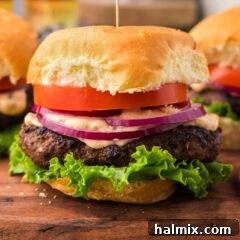
Buffalo Burger
IMPORTANT – Don’t forget to check out the detailed Frequently Asked Questions and Expert Tips section above for valuable insights and advice!
Print Recipe
Pin It
Course:
Dinner
Cuisine:
American
3 burgers
513
Amanda Davis
Ingredients
- 1 Tablespoon olive oil
- ½ cup minced red onion
- 1 jalapeno pepper minced, seeds removed
- 1 pound ground bison
- 1 teaspoon chili powder
- 2 teaspoons garlic salt
- 3 burger buns
Things You’ll Need
-
Large skillet
-
Mixing bowls
-
Vinyl gloves
Before You Begin
- You can find ground bison in most grocery stores in the same section as ground beef. Because bison is so lean, you want to avoid pressing the burger patty down while cooking or you’ll squeeze all the juices out.
- Optional toppings include mayonnaise, ketchup, or thousand island dressing along with the classic lettuce, tomato, and red onion. Pickles too, of course! You can top the patty with a slice of cheese if desired. American cheese, Swiss, or pepperjack are all good options.
Instructions
-
Heat olive oil in a skillet over medium-high until shimmering. Add red onion and jalapeño peppers. Sauté until tender and browned. Remove from skillet leaving as much oil in the skillet as you can.
-
Place ground bison into a large mixing bowl. Press the meat into the bottom of the bowl and up the sides. Sprinkle meat with chili powder and garlic salt (to taste).
-
Add the cooked red onion and jalapeño to the bowl.
-
Using gloved hands, combine all the ingredients until evenly distributed. Divide meat into 3 equal patties.
-
Using your thumb, make an indent in the center of each patty.
TIP – Bison is a leaner meat than ground beef. If you find that your patties are not holding together well, you can place them in the refrigerator for 10 minutes or so to firm up before cooking.
-
If the pan is dry, add another teaspoon of olive oil. Cook in skillet over medium-high heat, about 5 minutes per side, flipping a couple times throughout the cooking process.
Expert Tips & FAQs
- You can make buffalo burgers on the grill following the same basic instructions.
- Store any leftovers in an air-tight container kept in the refrigerator for up to 4 days. Reheat in the microwave or in a skillet over medium-low heat until warmed through.
- Freezing – Shape the ground bison into patties and freeze flat in an air-tight container or large zip top bag for up to 4 months.
Nutrition
Serving:
1
burger
|
Calories:
513
cal
|
Carbohydrates:
25
g
|
Protein:
33
g
|
Fat:
31
g
|
Saturated Fat:
11
g
|
Polyunsaturated Fat:
2
g
|
Monounsaturated Fat:
13
g
|
Cholesterol:
106
mg
|
Sodium:
1875
mg
|
Potassium:
584
mg
|
Fiber:
2
g
|
Sugar:
5
g
|
Vitamin A:
243
IU
|
Vitamin C:
9
mg
|
Calcium:
89
mg
|
Iron:
6
mg
Tried this Recipe? Pin it for Later!
Follow on Pinterest @AmandasCookin or tag #AmandasCookin!
The recipes on this blog are meticulously tested with a conventional gas oven and gas stovetop to ensure consistent results. It’s important to remember that some ovens, especially older models, can cook and bake inconsistently. Using an inexpensive oven thermometer is a great way to verify that your oven is truly reaching the proper temperature. If you opt for a toaster oven or countertop oven, please be aware that heat distribution may differ from a full-sized conventional oven, and you might need to adjust your cooking or baking times accordingly. For recipes utilizing specific appliances like a pressure cooker, air fryer, or slow cooker, a link to the exact models we use is typically provided within each respective recipe. When it comes to baking recipes where measurements are given by weight, please note that using volume measurements (cups) instead may lead to varying results, and we cannot guarantee success with alternative measurement methods.