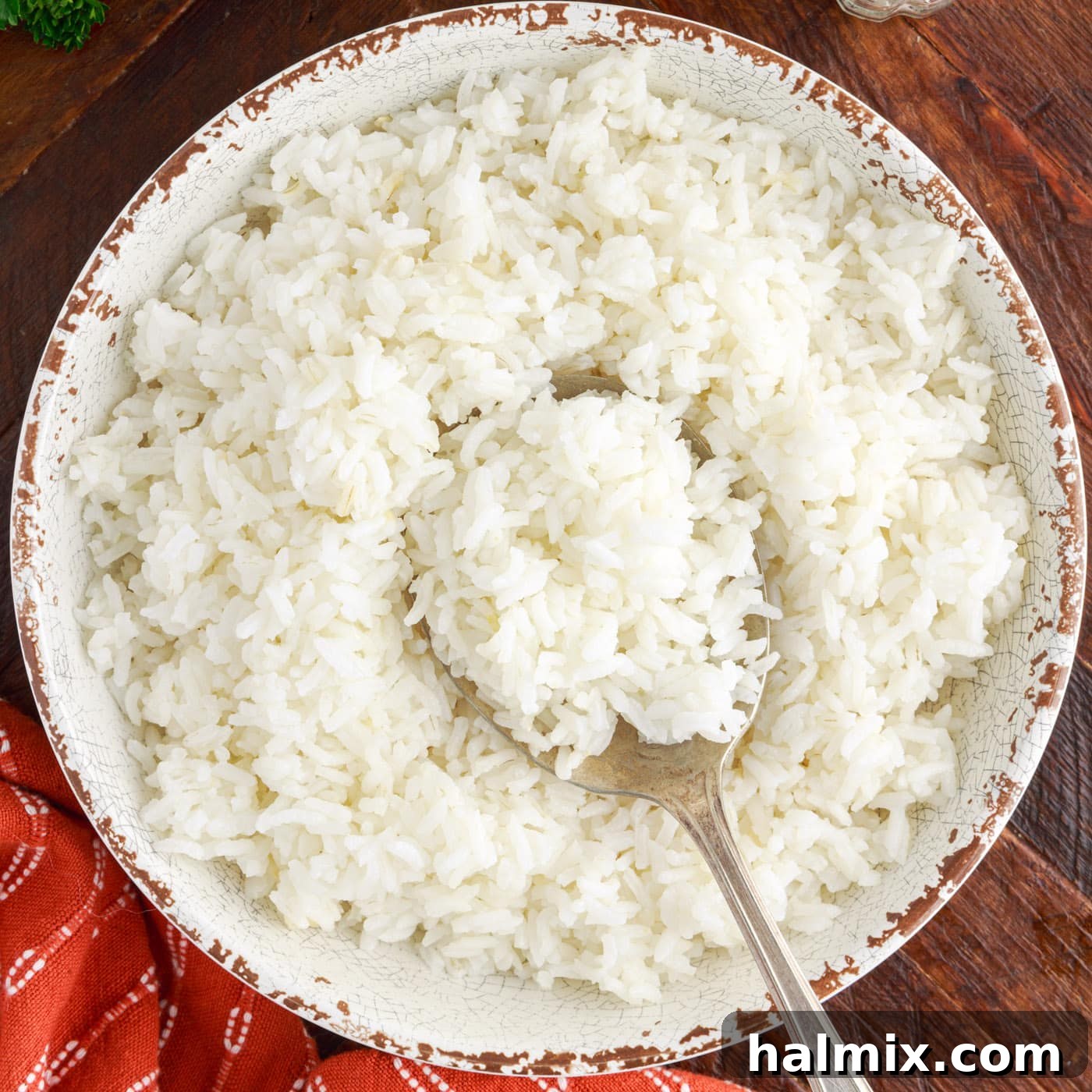
Mastering the art of cooking perfect rice on the stovetop is a fundamental skill for any home cook. Forget fancy gadgets or complicated techniques; we’re here to guide you through two incredibly easy, foolproof methods that will consistently yield fluffy, perfectly cooked grains. With just a few simple tips and tricks, you’ll soon be preparing restaurant-quality rice like a seasoned pro, transforming everyday meals into delightful culinary experiences. Say goodbye to sticky, mushy, or burnt rice and hello to culinary confidence!
Why These Stovetop Rice Methods Work So Well
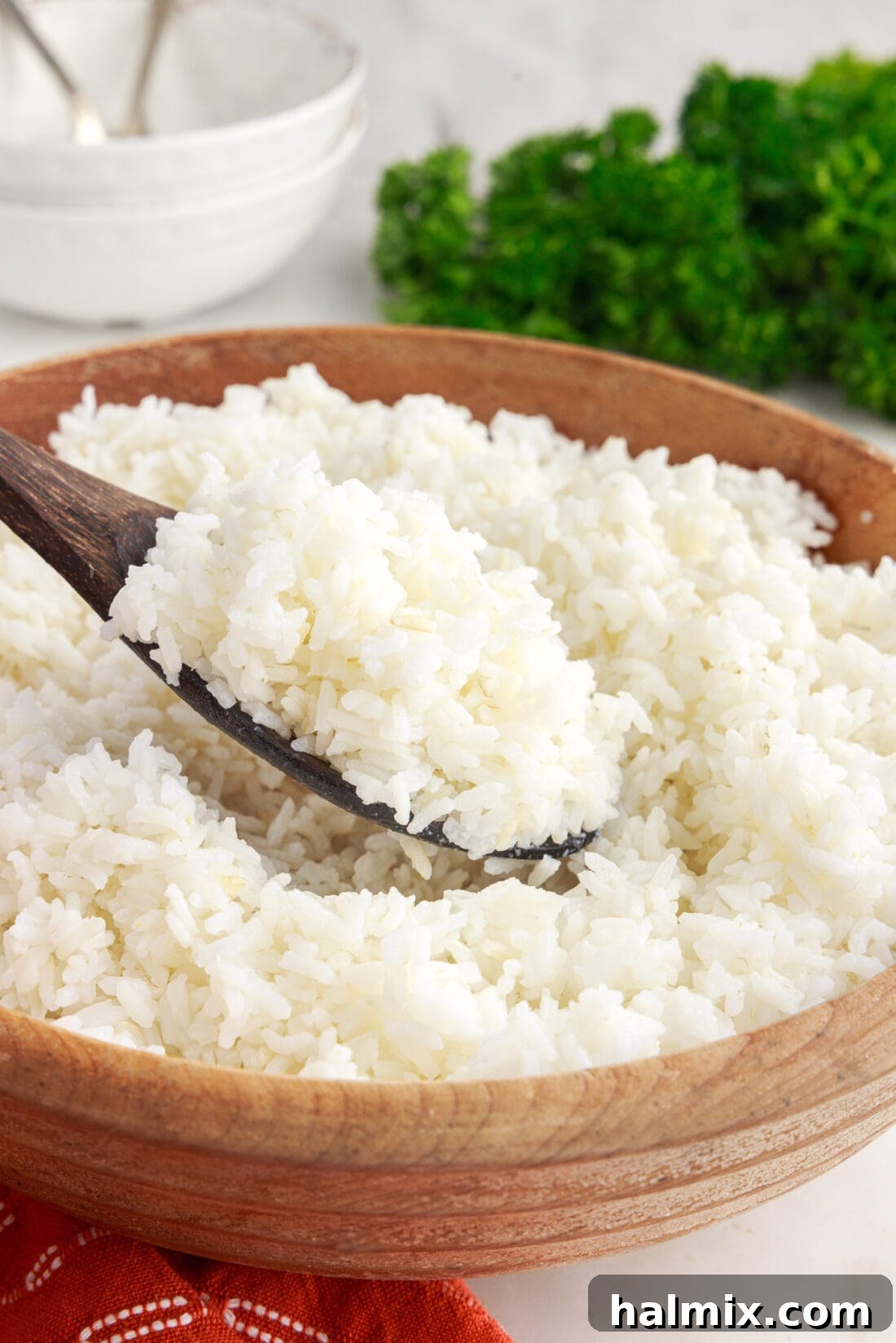
Cooking rice on the stovetop can seem daunting, but it doesn’t have to be. This comprehensive guide introduces you to two highly effective techniques for preparing long-grain white rice: the traditional steaming method and the innovative pasta method. Both approaches are designed to eliminate common frustrations, ensuring your rice is consistently fluffy, tender, and never sticky or scorched at the bottom of the pan. The choice between them often comes down to personal preference and the type of dish you’re preparing, but rest assured, both deliver exceptional results.
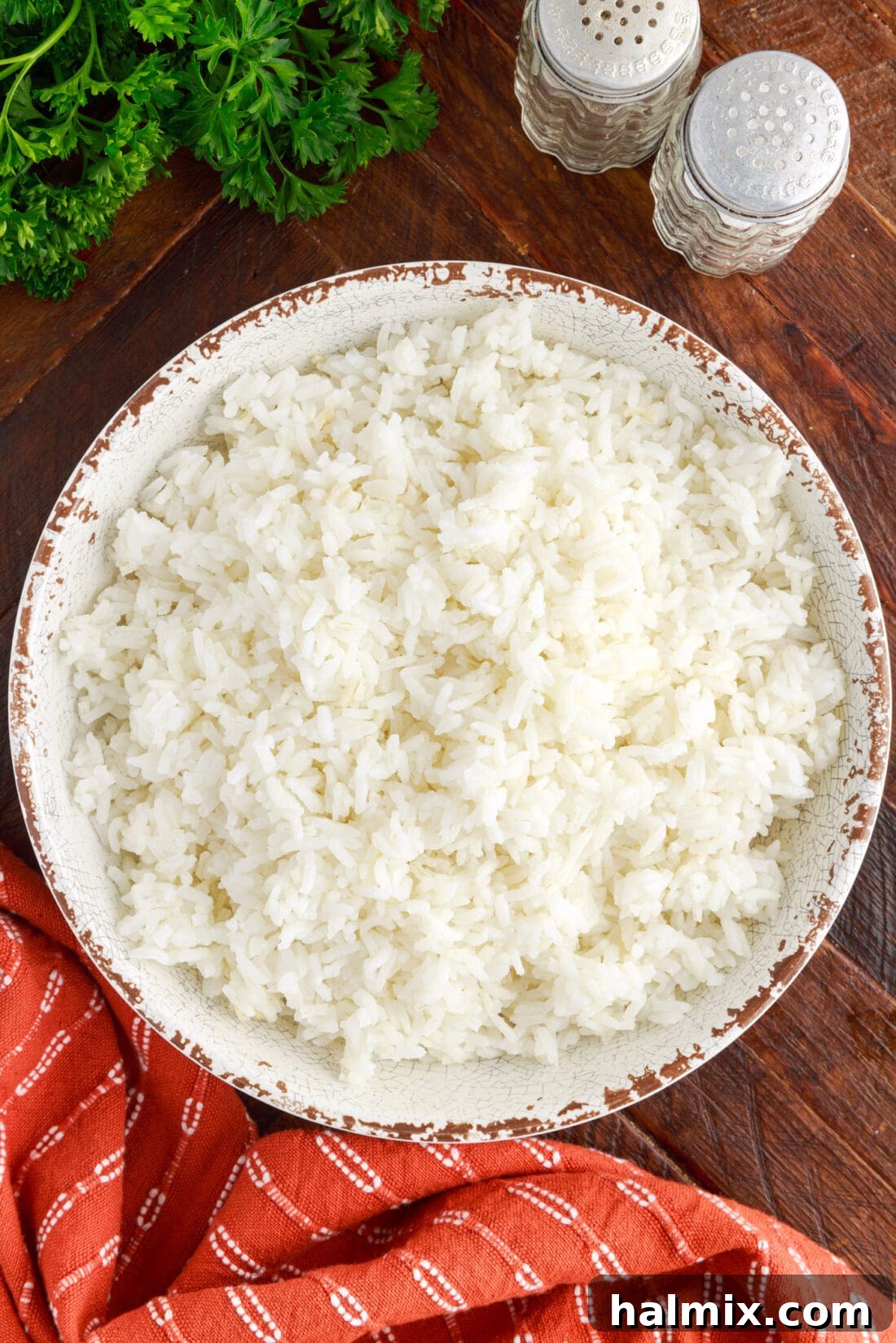
Having a reliable recipe for white rice is incredibly valuable. This versatile grain serves as the perfect canvas for an endless array of global cuisines and savory dishes. Imagine pairing your freshly cooked rice with succulent Honey Walnut Shrimp, flavorful Garlic Chicken, or as a foundational element in stir-fries, bowls, and casseroles. It’s a foundational staple that elevates any meal, providing a satisfying and comforting base for virtually any main course you can dream up.
Essential Ingredients for Perfect Stovetop Rice
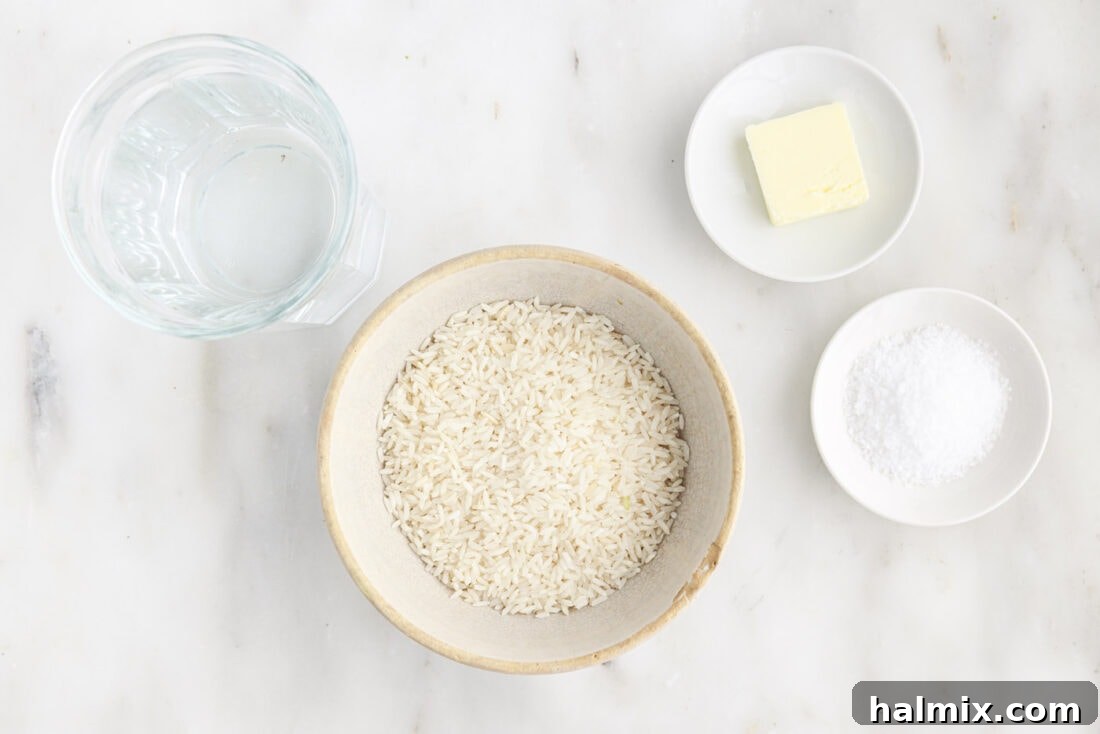
Simplicity is key when it comes to cooking great rice. You’ll be surprised at how few ingredients are needed to achieve outstanding results. While a detailed printable recipe with exact measurements is available at the end of this post, here’s a quick overview of what you’ll need to gather:
- Long-Grain White Rice: The star of our recipe, known for its light texture and distinct grains when cooked properly.
- Water: The primary cooking liquid. Using filtered water can sometimes make a subtle difference in taste.
- Salt: A pinch enhances the natural flavor of the rice.
- Butter (Optional): Adds a rich, subtle flavor and helps keep the grains separate and glossy.
That’s it! With these basic pantry staples, you’re well on your way to mastering stovetop rice.
Ingredient Information and Substitution Suggestions
RICE SELECTION: This particular recipe has been meticulously developed and tested specifically for long-grain white rice. It’s crucial to understand that different varieties of rice—such as short-grain, medium-grain, basmati, jasmine, or brown rice—will require different water ratios and cooking times. Their starch content and absorption rates vary significantly. If you plan to cook a different type of rice, be sure to consult specific instructions for that grain to achieve the best outcome. While the fundamental principles remain, the exact execution will differ.
WATER: Tap water is generally fine, but if your tap water has a strong odor or taste, consider using filtered water to ensure the purest flavor for your rice.
SALT: A small amount of salt is essential for seasoning the rice from within. You can adjust the quantity to your personal preference, or omit it if you’re on a low-sodium diet and plan to season the dish extensively later.
BUTTER: While optional, adding a tablespoon of butter at the beginning of the cooking process (for the steaming method) or at the end (for the pasta method) imparts a wonderful richness and helps the grains stay distinct. You can substitute olive oil or another cooking oil for a dairy-free option, or simply leave it out if preferred.
How to Make Fluffy Stovetop Rice: Step-by-Step Guide
These step-by-step photos and instructions are here to help you visualize how to make this recipe for perfect stovetop rice. For a printable version of this recipe, complete with precise measurements and comprehensive instructions, please Jump to Recipe at the bottom of this post.
Mastering Rice with the Steaming Method
The steaming method is a classic technique that results in perfectly tender, separated rice grains. It relies on precise water absorption and gentle cooking.
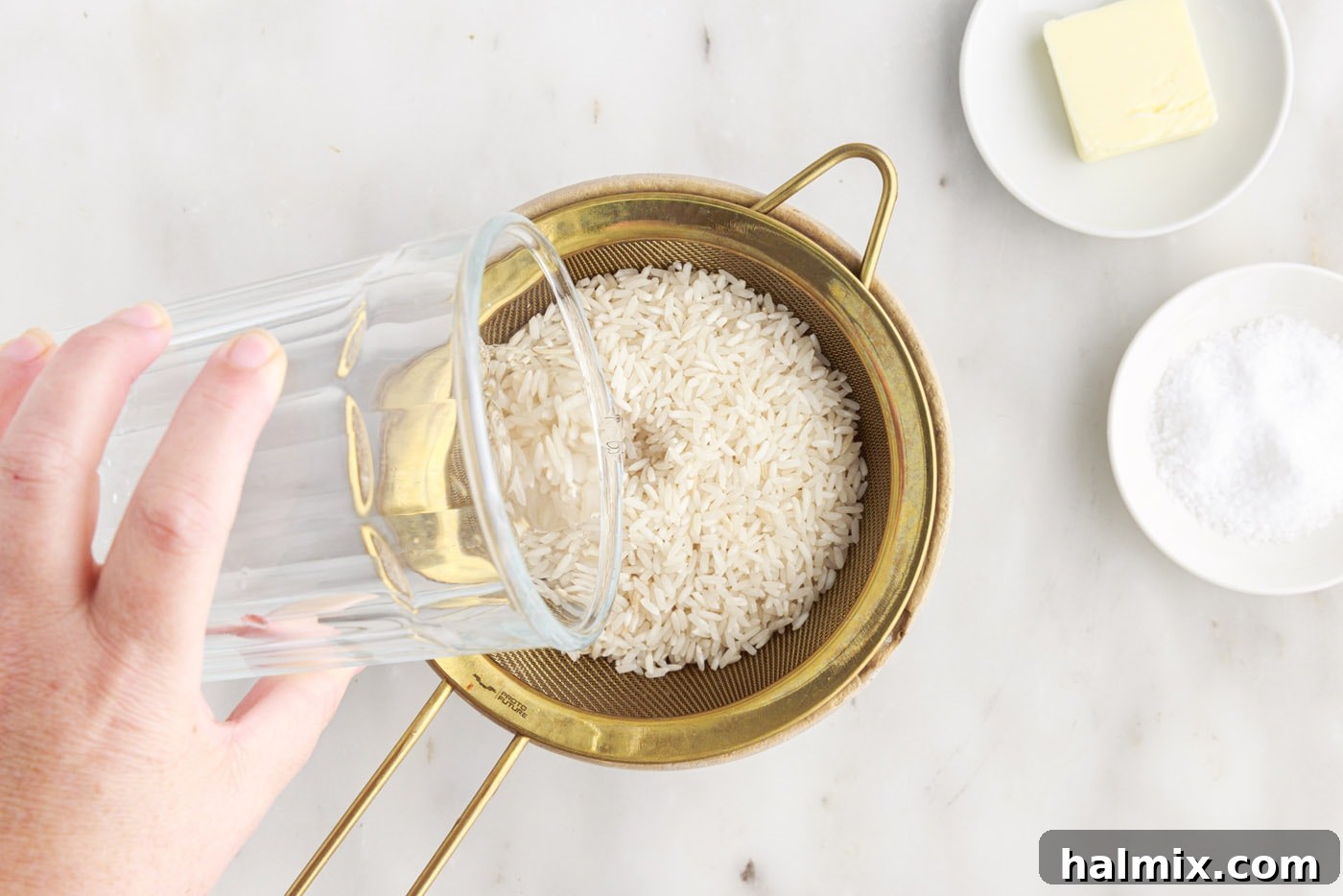
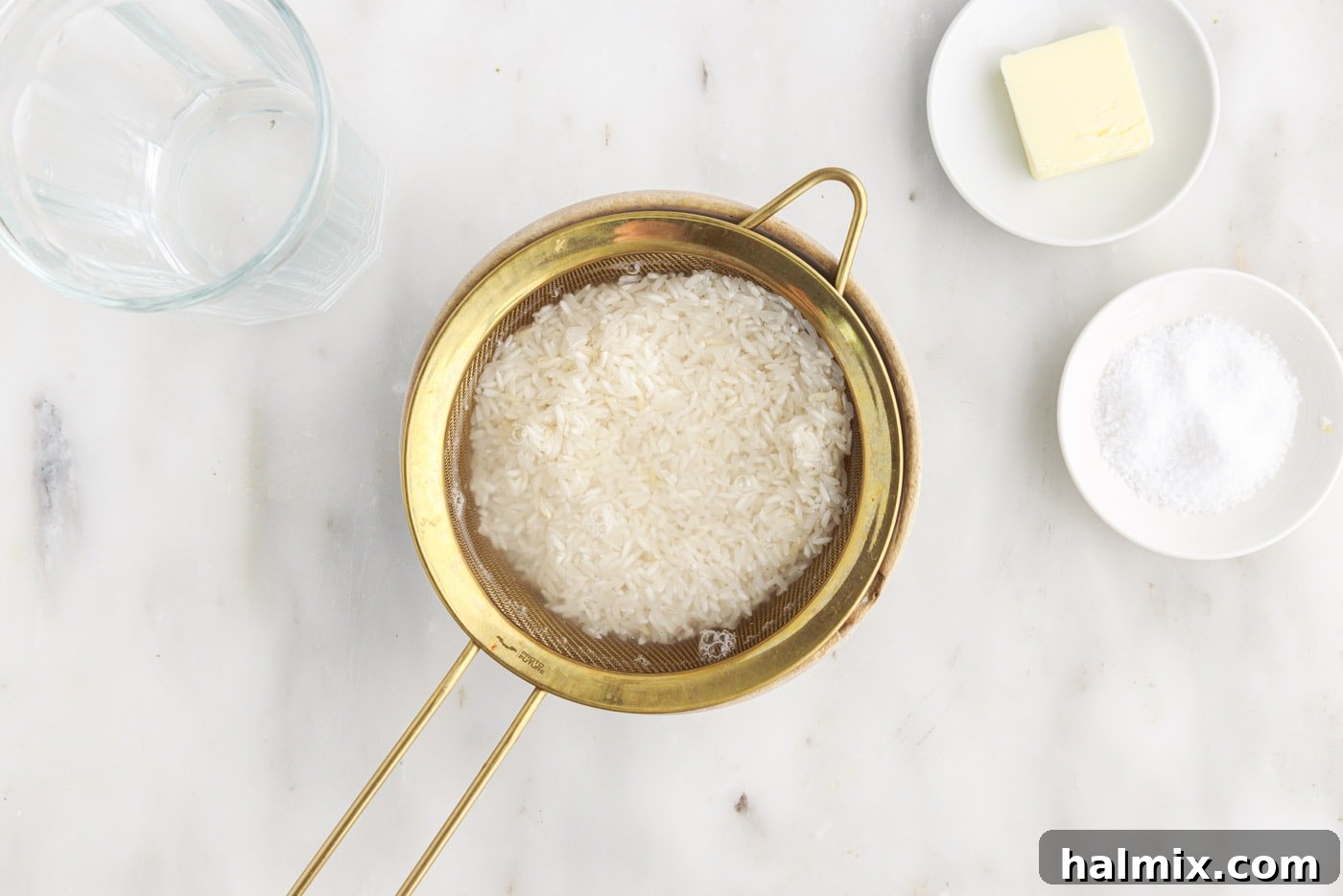
- Rinse the Rice Thoroughly: Place your long-grain white rice in a fine-mesh sieve and rinse it under cold running water. Continue rinsing and agitating the rice gently until the water runs completely clear. This crucial step removes excess starch, which is the primary culprit behind sticky or gummy rice.

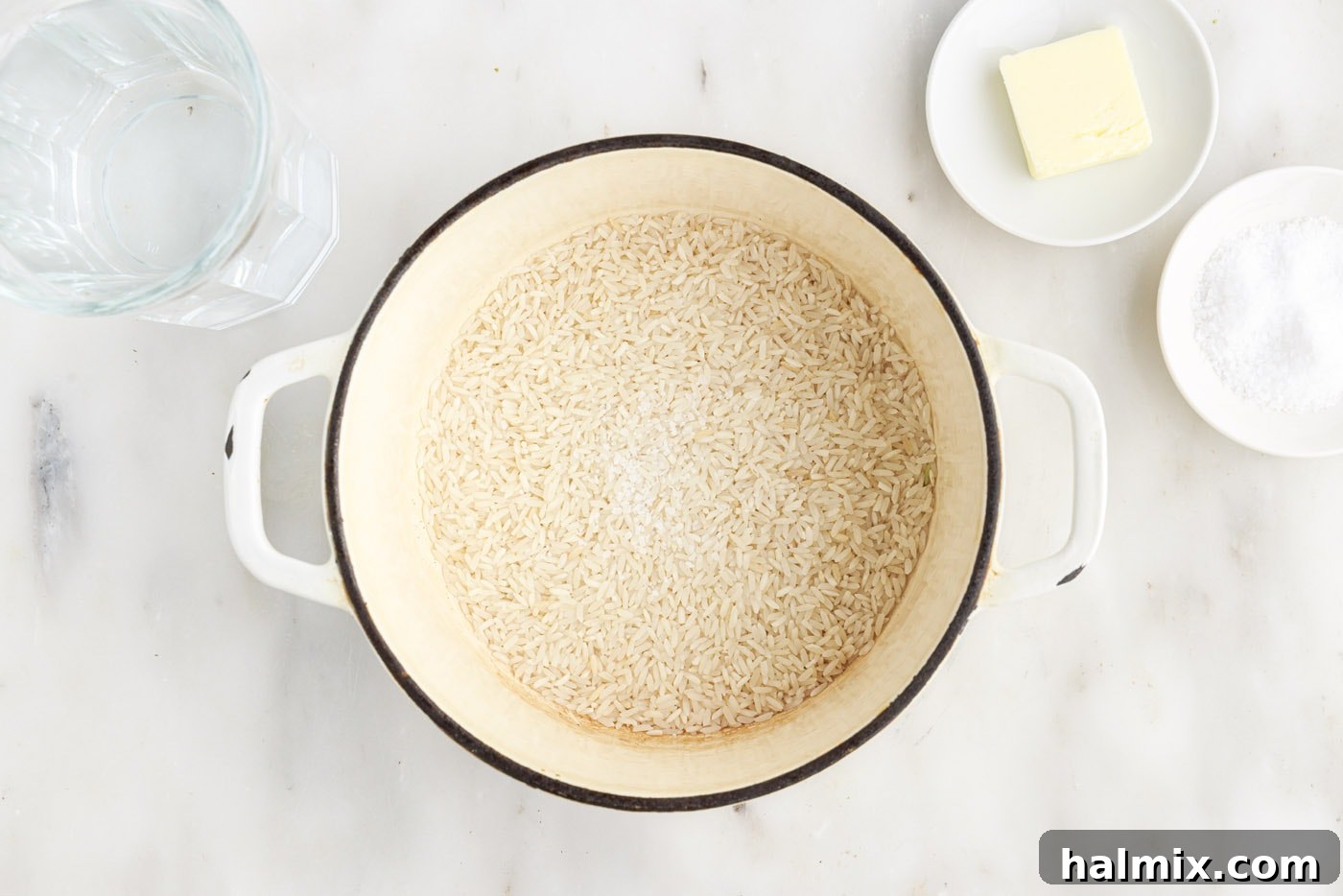
- Combine Ingredients in a Saucepan: Transfer the rinsed and drained rice to a medium saucepan. Add the measured water, a pinch of salt, and a tablespoon of butter (if using). Ensure your saucepan has a tight-fitting lid.
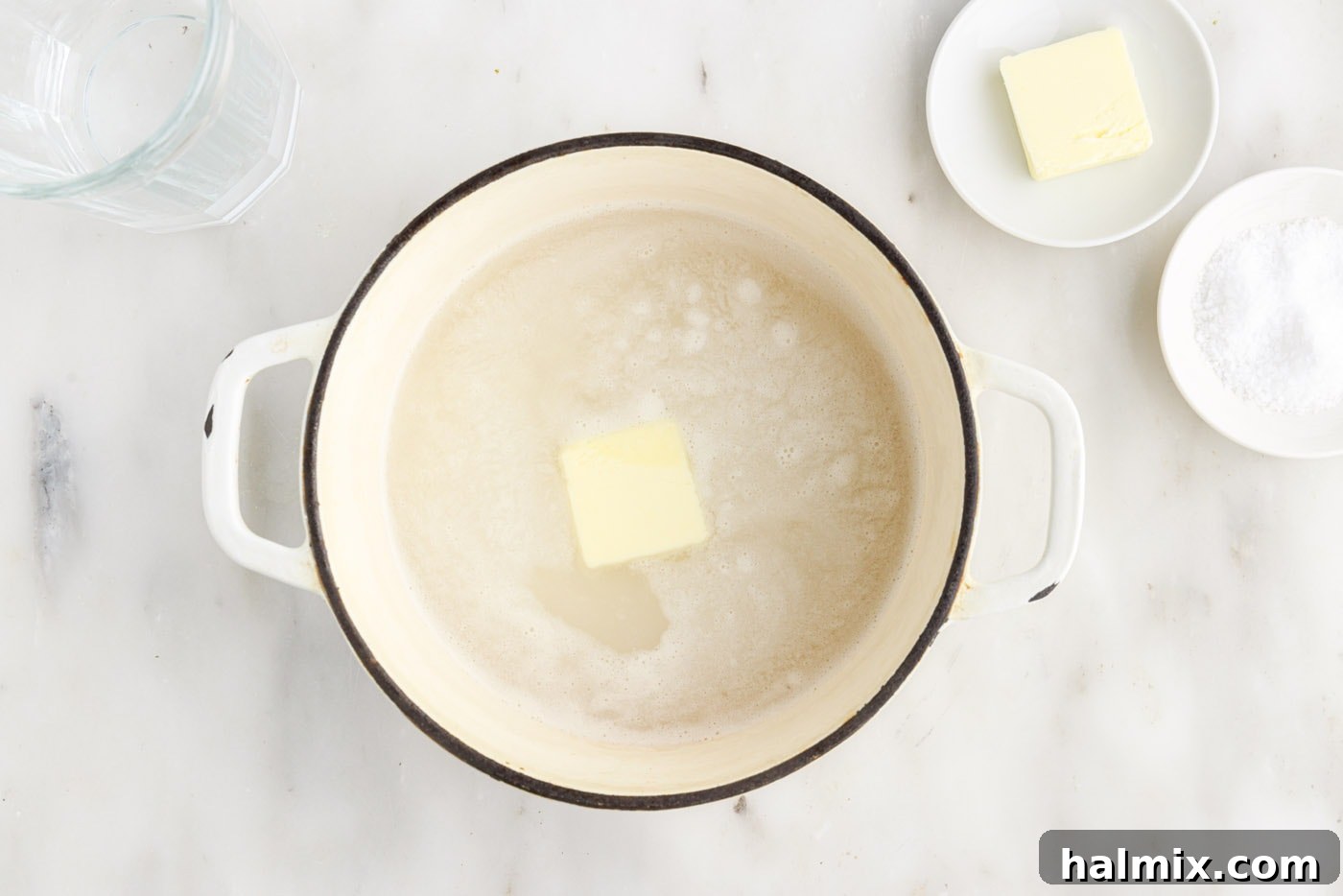
- Bring to a Gentle Boil: Place the saucepan over high heat and bring the mixture to a low, rolling boil. As soon as you see the water actively bubbling and simmering, it’s time to adjust the heat.
- Reduce Heat and Simmer: Immediately reduce the heat to the lowest possible setting and securely place the lid on the pot. It’s crucial that the lid is tight-fitting to trap the steam. Simmer the rice undisturbed for 15 minutes. Resist the urge to lift the lid during this time, as it allows precious steam to escape.
*Note on Cook Time: The exact simmer time can vary slightly depending on your stove’s calibration, the pan’s thickness, and how tightly your lid fits. Always ensure your burner is on truly low heat to prevent the rice from scorching at the bottom.*
- Check for Water Absorption: After 15 minutes, carefully lift the lid and check if all the liquid has been absorbed. You should see small “craters” or holes on the surface of the rice. If there’s still visible water, replace the lid and simmer for another 1-2 minutes, checking again until the water is gone and the rice is tender.
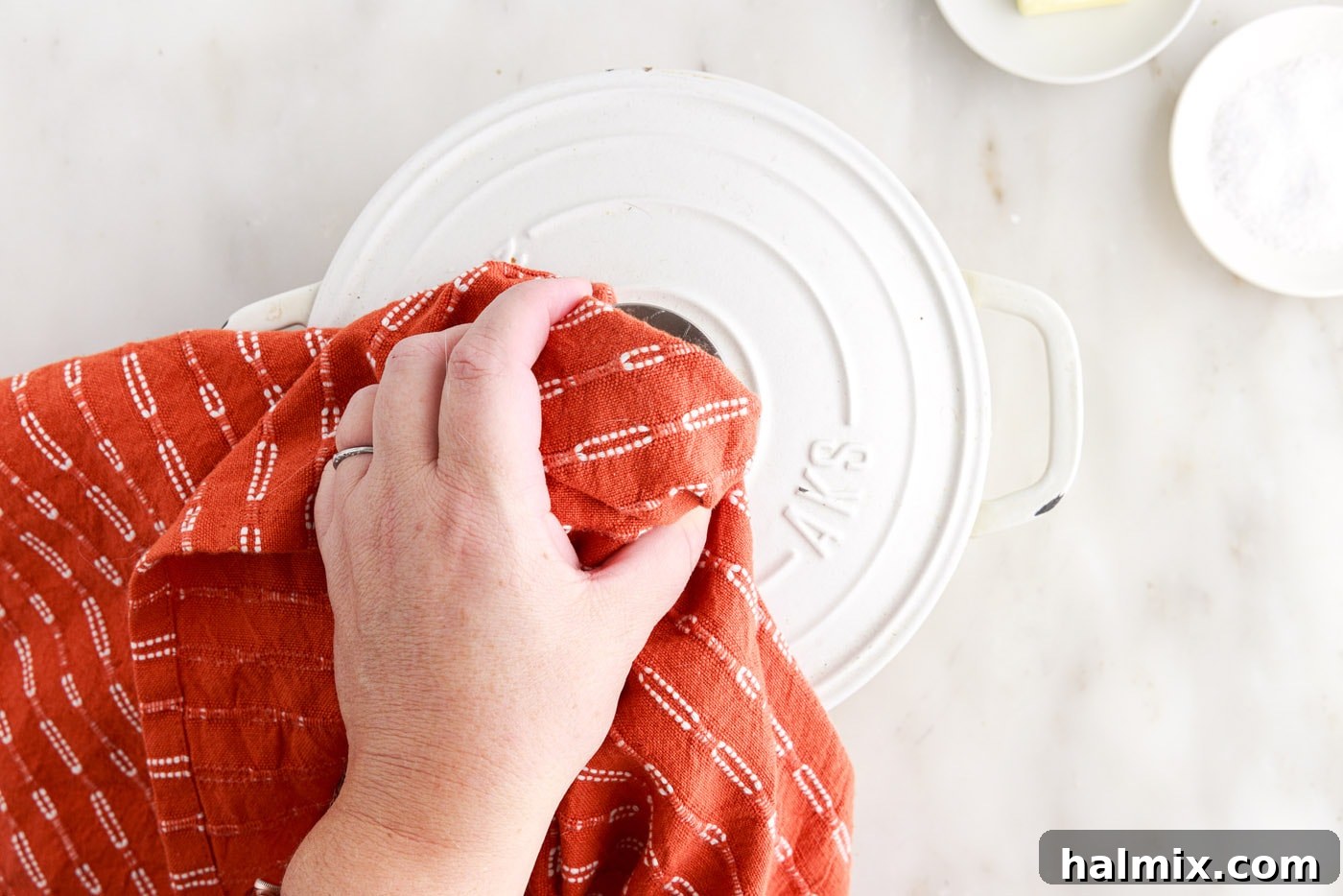
- Rest and Steam Off Heat: Once the water is absorbed, turn off the heat completely. Keep the lid on the pot and let the rice rest for an additional 10 minutes. This resting period is vital; it allows the residual steam to finish cooking the rice, resulting in a light, fluffy texture and preventing it from becoming sticky or clumpy.
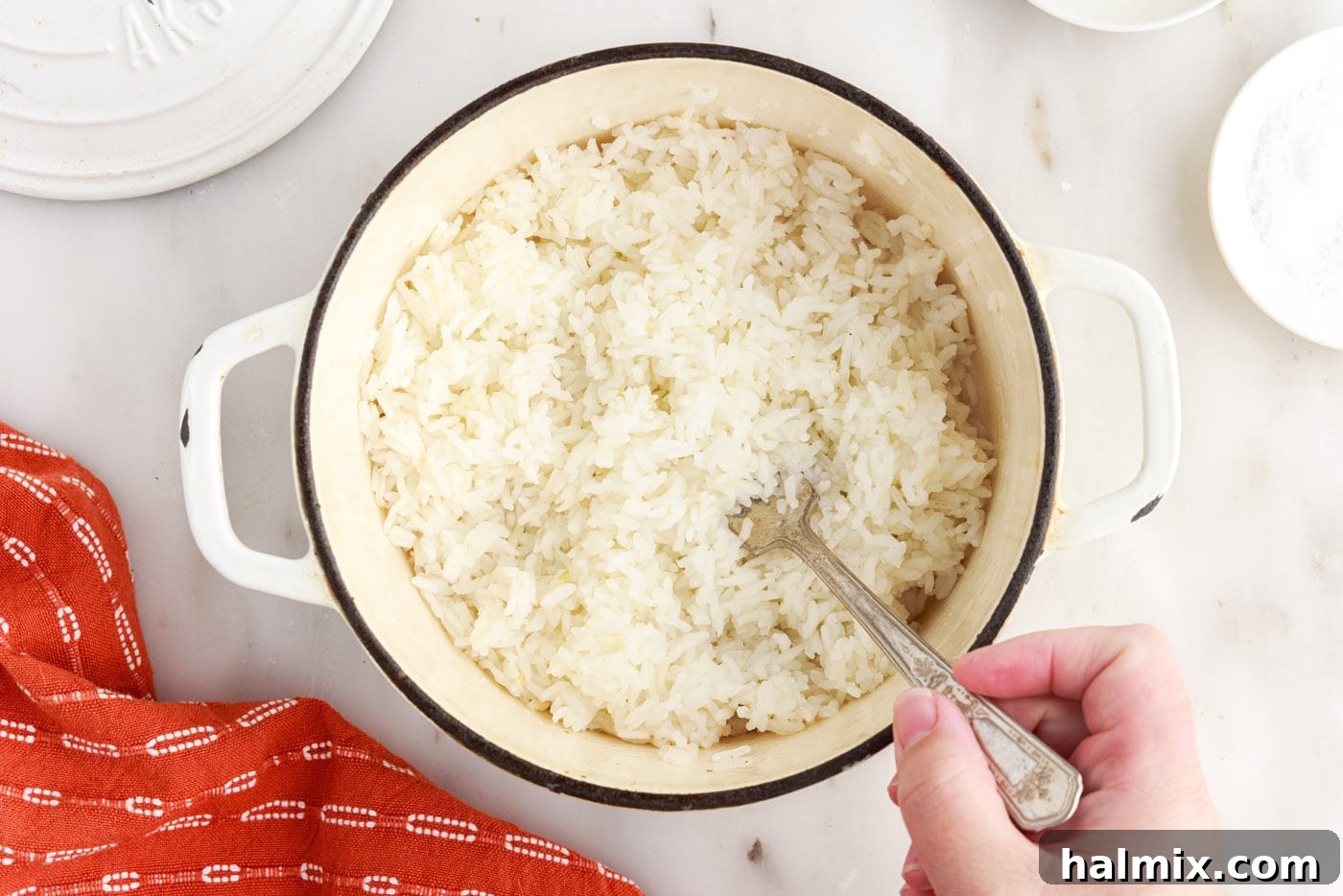
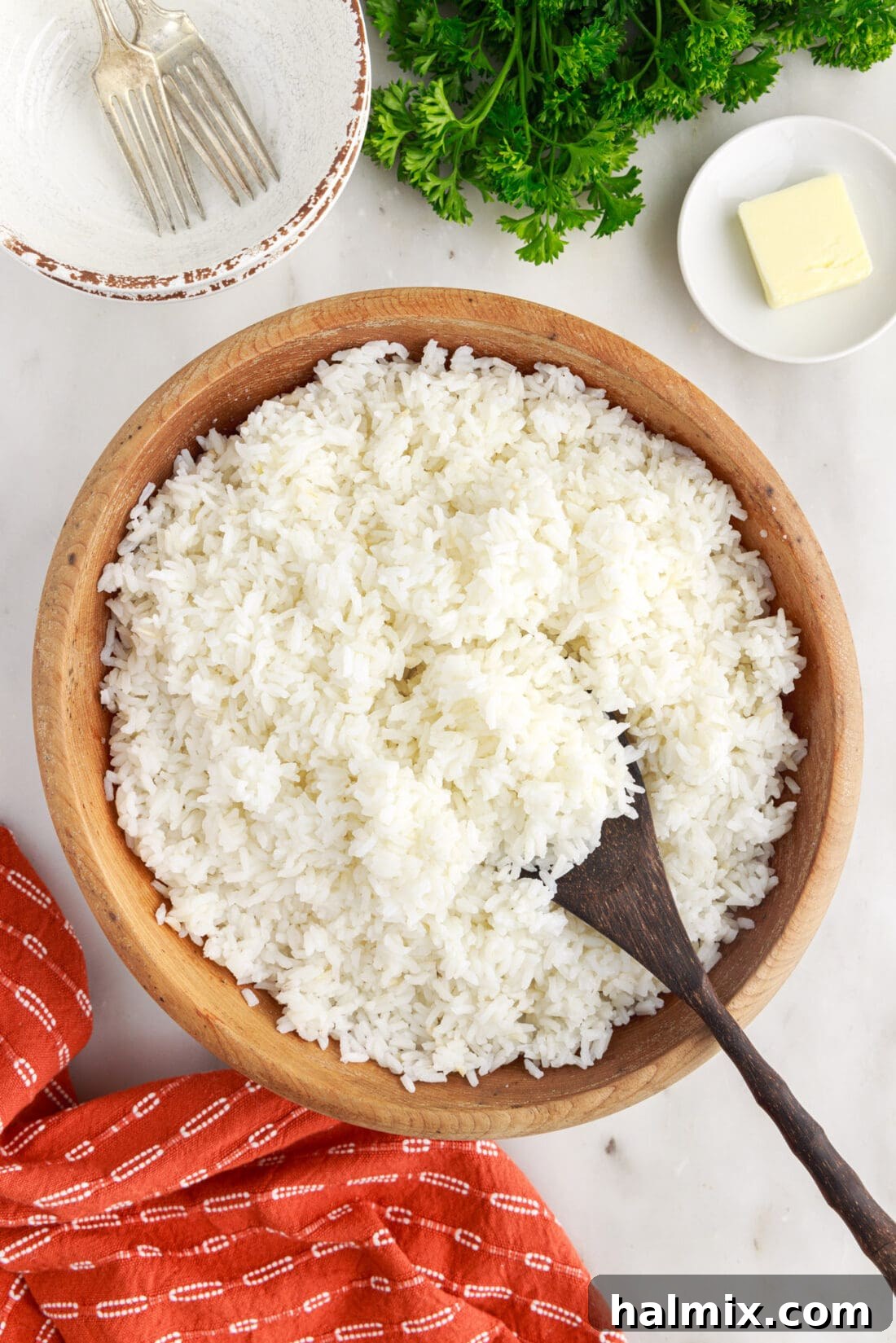
- Fluff and Serve: Finally, remove the lid and gently fluff the rice with a fork. This separates the grains and releases any remaining steam. Serve immediately as a delightful accompaniment to your favorite meals.
Effortless Rice with the Pasta Method
The pasta method for cooking rice is a revelation for those who prefer less precision with water measurements. It’s incredibly forgiving and consistently delivers perfectly cooked, separated grains, much like draining pasta.
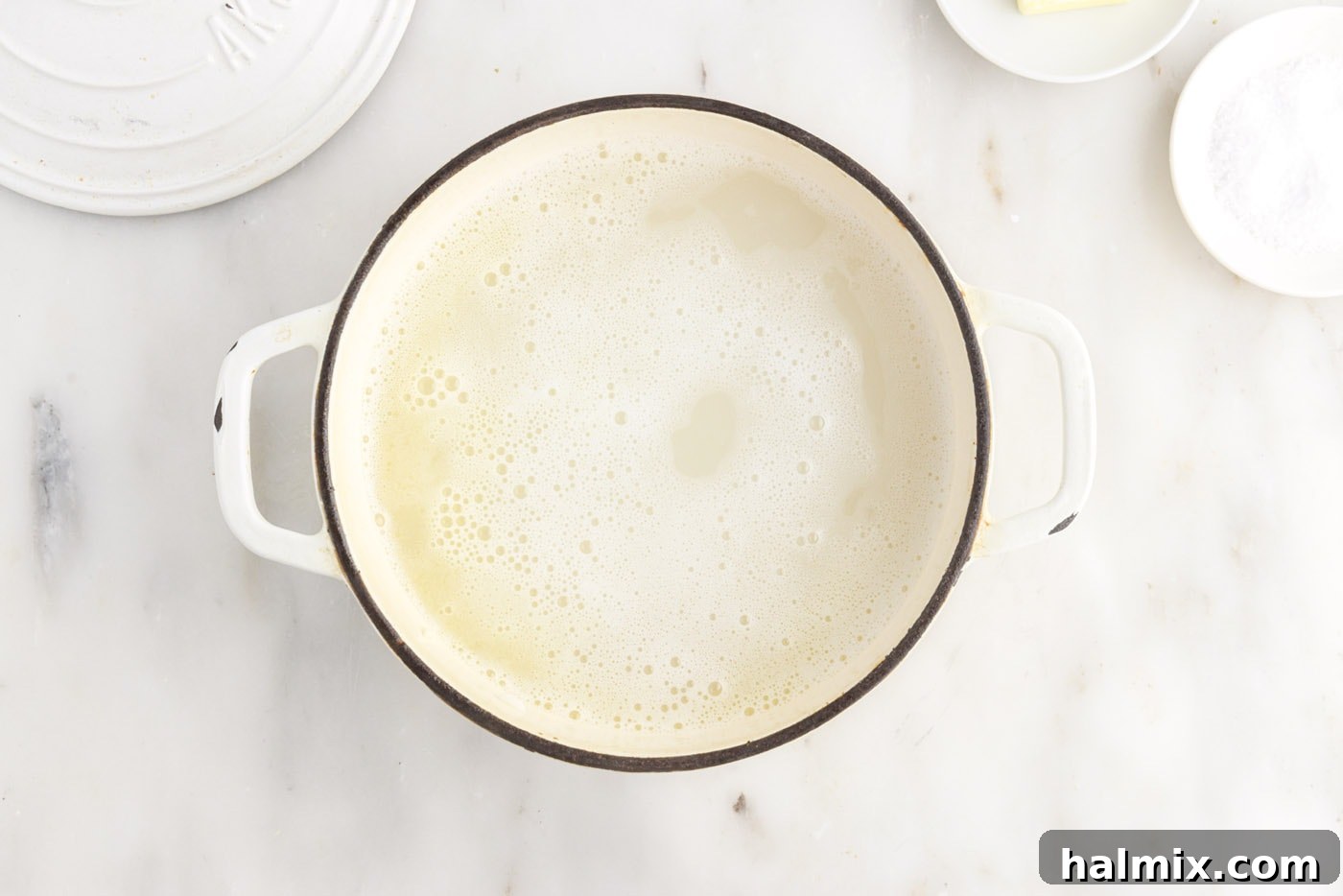
- Prepare Rice and Water: Place your long-grain white rice and a pinch of salt into a large saucepan. Unlike the steaming method, you don’t need to be precise with the water measurement here. Simply add enough water to cover the rice by at least 2-3 inches, ensuring there’s plenty of room for boiling.
- Bring to a Rolling Boil: Place the pot over medium-high heat and bring the rice and water to a vigorous, rolling boil.
- Boil Until Tender: Once the water is boiling, set a timer for 15 minutes. Maintain a steady boil, stirring occasionally to prevent sticking. The rice will cook in this abundant water until tender.
- Check for Doneness: After 15 minutes, taste a few grains of rice to ensure it is cooked through and tender, with no hard or chewy center. If needed, boil for another minute or two.
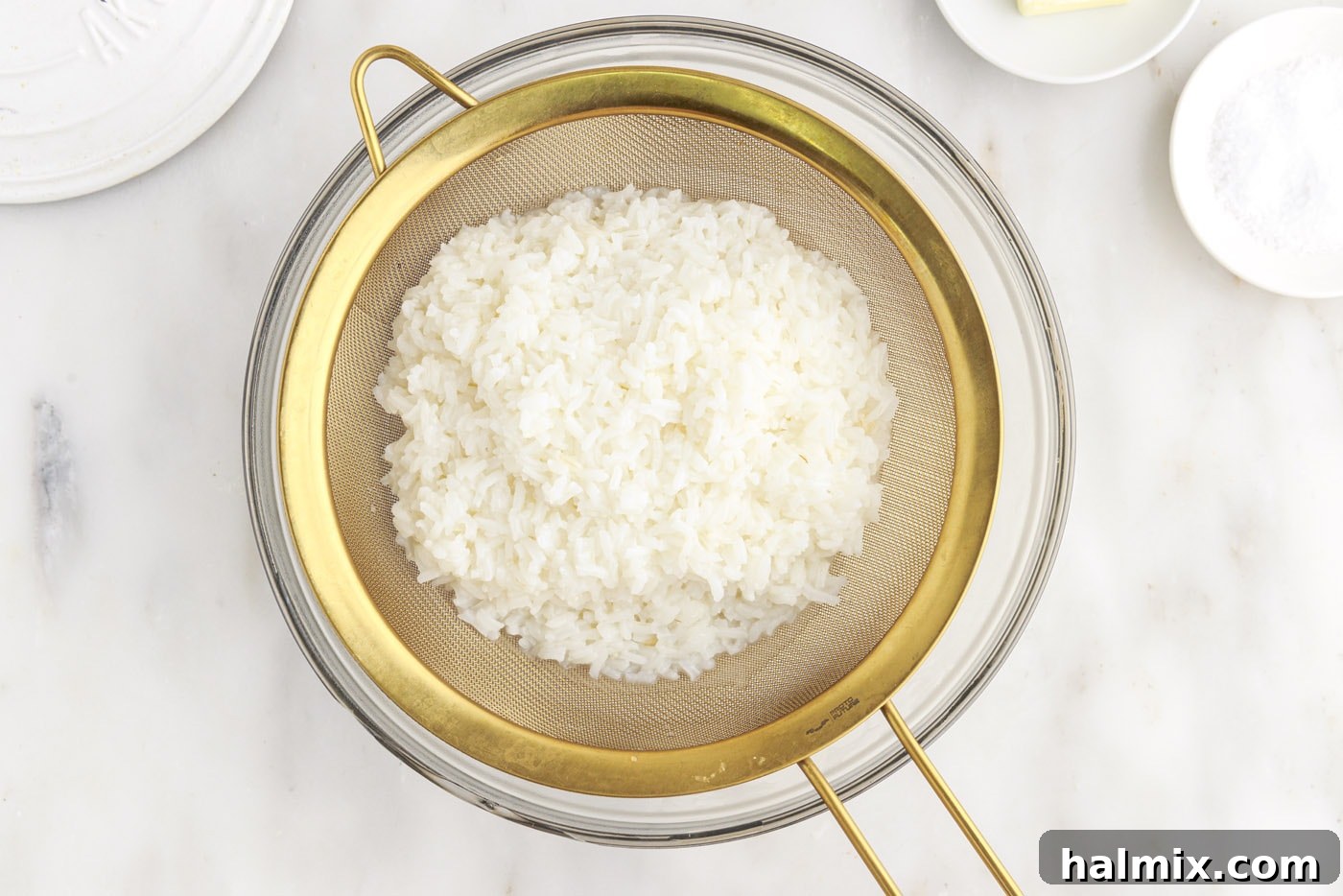
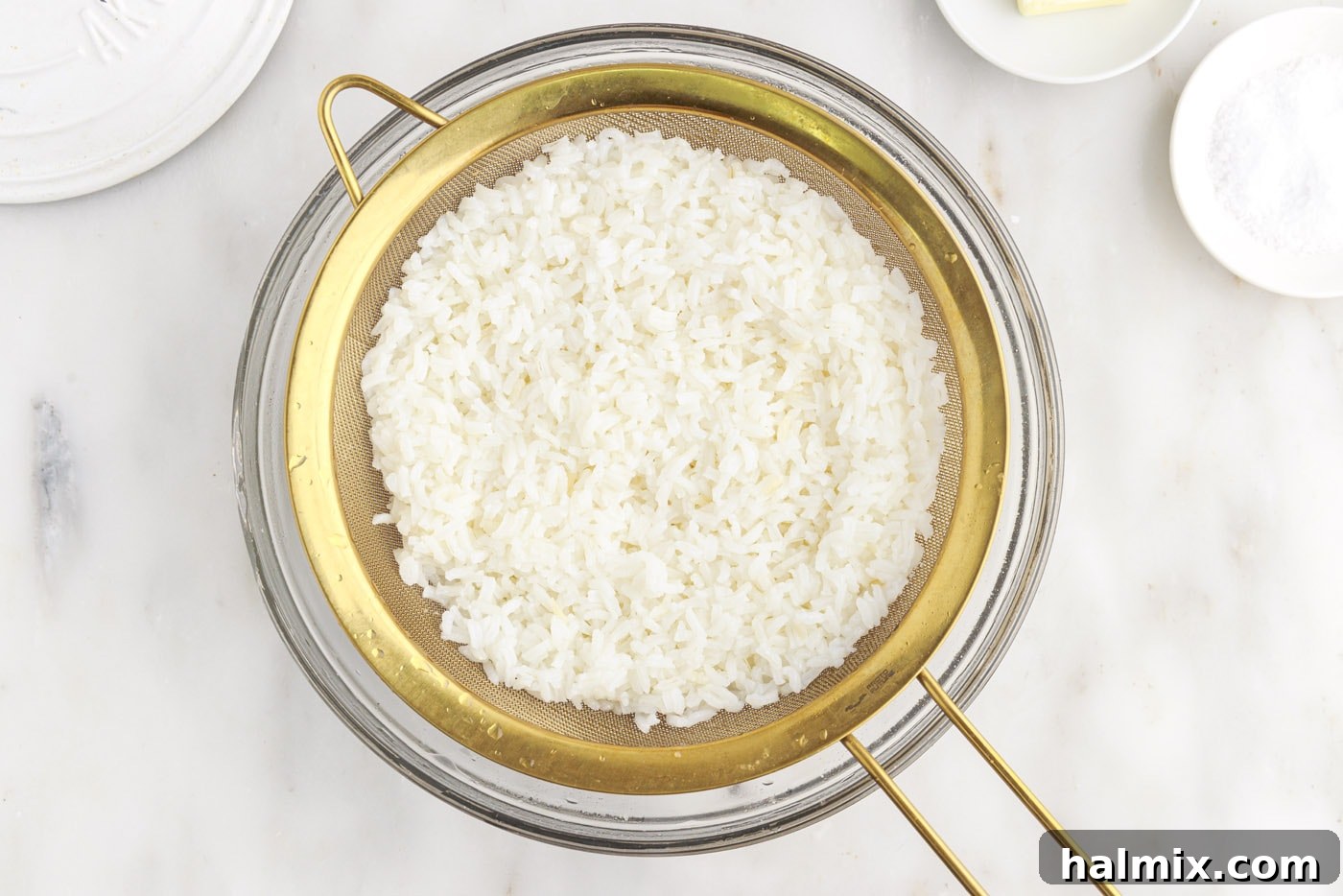
- Drain and Rinse: Pour the cooked rice and water through a fine-mesh sieve. Once drained, briefly rinse the rice under running water. This step helps remove any remaining excess starch, further ensuring perfectly separated grains, and stops the cooking process. Drain completely.
- Season and Serve: Transfer the drained rice back to the empty hot saucepan or a serving bowl. Season it generously with butter, additional salt, or any other desired flavorings. Fluff with a fork and serve warm.
Frequently Asked Questions & Expert Tips for Stovetop Rice
Proper storage is essential for cooked rice. Allow the rice to cool quickly after cooking (within one hour is ideal). Transfer it to an airtight container and store it in the refrigerator for 4-5 days. For longer storage, cooked rice freezes beautifully for up to 3 months. To reheat, sprinkle with a little water, cover, and microwave or heat on the stovetop until warmed through.
Absolutely, especially for the steaming method! During our testing, there was a significant difference between pre-rinsed and un-rinsed rice when using the steaming method. Rinsing removes excess surface starch, leading to fluffier, more evenly cooked, and less sticky grains. While pre-rinsing isn’t strictly necessary for the pasta method (as the excess starch is washed away during draining), it certainly won’t hurt and can still contribute to a better texture.
Yes, absolutely! Substituting broth for water is a fantastic way to infuse your rice with additional flavor. Chicken broth or vegetable broth will add a savory depth that pairs wonderfully with many dishes. Just be mindful of the sodium content in your broth, as you may need to adjust the amount of added salt accordingly.
Mushy rice is usually a result of too much water, cooking for too long, or lifting the lid too often during the steaming process. For the steaming method, stick to the exact water ratio and avoid peeking. If using the pasta method, ensure you drain thoroughly. Always remember that the resting period after steaming is crucial for perfect texture.
If your rice is still hard after cooking, it likely didn’t absorb enough water or wasn’t cooked for long enough. For the steaming method, add a tablespoon or two of hot water, replace the lid, and cook on low for another 5 minutes. For the pasta method, simply return it to boiling water for a few more minutes until tender, then drain and rinse again.
A heavy-bottomed saucepan with a tight-fitting lid is ideal for the steaming method. The heavy bottom helps distribute heat evenly and prevents scorching, while a tight lid traps steam efficiently. For the pasta method, a larger pot is better to accommodate the extra water for boiling, but the lid isn’t as critical during the active boiling phase.
Versatile Serving Suggestions for Your Perfect Rice
Once you’ve mastered these foolproof methods for cooking stovetop rice, a world of culinary possibilities opens up. White rice is an incredibly versatile side dish that complements an enormous variety of cuisines and main courses. Here are just a few ideas to get you started:
- Asian-Inspired Mains: Serve your fluffy rice alongside savory dishes like General Tso Chicken, sticky Orange Chicken, or flavorful beef and broccoli. The rice acts as a perfect sponge, soaking up all the delicious, complex sauces.
- Hearty Stews and Curries: Rice is an indispensable accompaniment to rich and aromatic stews, chilis, and curries from around the globe. Its neutral flavor balances and absorbs the bold spices, creating a comforting and complete meal.
- Fillings and Wraps: Think beyond a side dish! Cooked rice makes an excellent filler for burritos, tacos, or as a base for vibrant grain bowls. It adds substance and satisfying texture to stuffed peppers, cabbage rolls, and even light and refreshing spring or summer rolls.
- Soups and Salads: Add a scoop of rice to hearty soups for extra body and warmth, or incorporate chilled rice into refreshing salads for a new textural element.
- Breakfast Bowls: Don’t forget breakfast! A warm bowl of rice can be topped with eggs, vegetables, or even fruit and a drizzle of honey for a unique start to your day.
This tutorial is designed to equip you with a concrete, reliable recipe for any and all dishes you plan on serving with rice. With a little practice, you’ll soon have these basic techniques memorized, consistently yielding tender, fluffy, and perfectly cooked white rice every single time. Enjoy the journey to becoming a rice-cooking master!
More Delicious Related Rice Recipes
Once you’ve mastered plain white rice, you’ll be ready to explore more flavorful rice dishes. Here are some fantastic recipes to inspire your next culinary adventure:
- Dirty Rice – A rich and savory Southern classic.
- Chicken Fried Rice – A popular take-out dish, easy to make at home.
- Classic Spanish Rice – Flavorful and vibrant, perfect with Mexican cuisine.
- Chicken Broccoli Rice Casserole – A comforting and complete family meal.
- One Pot Vegetable Rice Soup – A warm and hearty meal in one pot.
I love to bake and cook and share my kitchen experience with all of you! Remembering to come back each day can be tough, that’s why I offer a convenient newsletter every time a new recipe posts. Simply subscribe and start receiving your free daily recipes!
How to Make Stovetop Rice
With these two foolproof methods, you’ll achieve fluffy, perfectly cooked rice that isn’t sticky or burnt. Choose the method that best suits your cooking style and enjoy flawless results every time!
Rated 5 out of 5 stars by 2 users.
IMPORTANT – Be sure to scroll up and read the Frequently Asked Questions and Expert Tips within the blog post for additional helpful information!
Pin It
Course: Side Dish
Cuisine: American
Servings: 6 servings (makes approximately 3 cups cooked rice)
Total Time: 25 minutes
Calories: 113 kcal
Author: Amanda Davis
Ingredients
- 1 cup long grain white rice
- 1 ½ cups water (for steaming method, or ample water for pasta method)
- 1 pinch salt
- 1 Tablespoon salted butter (optional)
Equipment You’ll Need
- Saucepan (medium size, with a tight-fitting lid for steaming)
- Fine mesh strainer
Chef’s Notes & Pro Tips Before You Begin
- When using the pasta method, ensure you have plenty of water in the saucepan and sufficient room between the water level and the pot rim to prevent boiling over. Remember that 1 cup of dry rice expands to about 3 cups when cooked. If the water level gets too low during boiling, simply add more hot water and continue. The resulting excess starchy water is perfectly normal and will be rinsed away.
- This recipe is specifically tailored for long-grain white rice. Adjustments to water amounts and cooking times will be necessary for other rice varieties.
- For the steaming method, thorough pre-rinsing of the rice is highly recommended. Our tests showed significantly fluffier and more evenly cooked results when the rice was rinsed until the water ran clear.
- Overall, the pasta method is incredibly forgiving and often easier than the steaming method, particularly because the water measurement doesn’t need to be precise. You can cook almost any amount of rice with this technique.
- While not essential for the pasta method, rinsing the rice beforehand still doesn’t hurt and can improve texture.
- Store leftover cooked rice promptly. Once cooled, place it in an airtight container in the refrigerator for up to 4-5 days, or freeze it for up to 3 months.
Instructions
Steaming Method
- Rinse the rice under cold running water in a sieve until the water runs clear. Drain well.
- Place the rinsed rice, measured water, a pinch of salt, and optional butter into a medium saucepan.
- Bring the mixture to a low boil over high heat.
- As soon as it begins to boil, reduce the heat to the lowest setting and immediately cover the pot with a tight-fitting lid.
- *A quick note on cook time: Cook time for the steam method can vary slightly based on your pan’s material and thickness, and your stove’s specific heat output. Always ensure your burner is on the absolute lowest setting to prevent the rice from scorching at the bottom.*
- Simmer undisturbed over low heat for 15 minutes. After 15 minutes, carefully check to see if all the liquid has been absorbed. If any water remains, continue to simmer for another 1-2 minutes until it’s fully absorbed and the rice is tender.
- Turn off the heat. Keep the lid on and allow the rice to steam for an additional 10 minutes. This resting period is crucial for achieving a fluffy texture.
- Fluff the finished rice with a fork and serve immediately.
Pasta Method
- Combine the rice and a pinch of salt in a large saucepan. Add enough water to cover the rice by 2-3 inches (no precise water measurement needed here).
- Bring the rice and water to a vigorous boil over medium-high heat.
- Once boiling, set a timer for 15 minutes and continue to boil until the timer is complete.
- Check the rice to ensure it is fully cooked and tender.
- Carefully pour the rice and water through a fine-mesh sieve. Then, rinse the cooked rice under cold running water and drain completely to remove excess starch.
- Transfer the drained rice back to the hot, empty saucepan or a serving bowl. Season with butter, salt, or any other desired flavorings. Fluff with a fork and serve.
Nutrition Information
Serving: 1 serving (approx. 1/2 cup cooked)
Calories: 113 cal | Carbohydrates: 25g | Protein: 2g | Fat: 0.2g | Saturated Fat: 0.1g | Polyunsaturated Fat: 0.1g | Monounsaturated Fat: 0.1g | Sodium: 11mg | Potassium: 35mg | Fiber: 0.4g | Sugar: 0.04g | Calcium: 10mg | Iron: 0.2mg
Tried this Recipe? Pin it for Later!
Follow on Pinterest @AmandasCookin or tag #AmandasCookin!
The recipes on this blog are tested with a conventional gas oven and gas stovetop. It’s important to note that some ovens, especially as they age, can cook and bake inconsistently. Using an inexpensive oven thermometer can assure you that your oven is truly heating to the proper temperature. If you use a toaster oven or countertop oven, please keep in mind that they may not distribute heat the same as a conventional full-sized oven and you may need to adjust your cooking/baking times. In the case of recipes made with a pressure cooker, air fryer, slow cooker, or other appliance, a link to the appliances we use is listed within each respective recipe. For baking recipes where measurements are given by weight, please note that results may not be the same if cups are used instead, and we can’t guarantee success with that method.
Mastering the art of cooking perfect rice on the stovetop is a fundamental skill for any home cook. Forget fancy gadgets or complicated techniques; we’re here to guide you through two incredibly easy, foolproof methods that will consistently yield fluffy, perfectly cooked grains. With just a few simple tips and tricks, you’ll soon be preparing restaurant-quality rice like a seasoned pro, transforming everyday meals into delightful culinary experiences. Say goodbye to sticky, mushy, or burnt rice and hello to culinary confidence!
Why These Stovetop Rice Methods Work So Well
Cooking rice on the stovetop can seem daunting, but it doesn’t have to be. This comprehensive guide introduces you to two highly effective techniques for preparing long-grain white rice: the traditional steaming method and the innovative pasta method. Both approaches are designed to eliminate common frustrations, ensuring your rice is consistently fluffy, tender, and never sticky or scorched at the bottom of the pan. The choice between them often comes down to personal preference and the type of dish you’re preparing, but rest assured, both deliver exceptional results.
Having a reliable recipe for white rice is incredibly valuable. This versatile grain serves as the perfect canvas for an endless array of global cuisines and savory dishes. Imagine pairing your freshly cooked rice with succulent Honey Walnut Shrimp, flavorful Garlic Chicken, or as a foundational element in stir-fries, bowls, and casseroles. It’s a foundational staple that elevates any meal, providing a satisfying and comforting base for virtually any main course you can dream up.
Essential Ingredients for Perfect Stovetop Rice
Simplicity is key when it comes to cooking great rice. You’ll be surprised at how few ingredients are needed to achieve outstanding results. While a detailed printable recipe with exact measurements is available at the end of this post, here’s a quick overview of what you’ll need to gather:
- Long-Grain White Rice: The star of our recipe, known for its light texture and distinct grains when cooked properly.
- Water: The primary cooking liquid. Using filtered water can sometimes make a subtle difference in taste.
- Salt: A pinch enhances the natural flavor of the rice.
- Butter (Optional): Adds a rich, subtle flavor and helps keep the grains separate and glossy.
That’s it! With these basic pantry staples, you’re well on your way to mastering stovetop rice.
Ingredient Information and Substitution Suggestions
RICE SELECTION: This particular recipe has been meticulously developed and tested specifically for long-grain white rice. It’s crucial to understand that different varieties of rice—such as short-grain, medium-grain, basmati, jasmine, or brown rice—will require different water ratios and cooking times. Their starch content and absorption rates vary significantly. If you plan to cook a different type of rice, be sure to consult specific instructions for that grain to achieve the best outcome. While the fundamental principles remain, the exact execution will differ.
WATER: Tap water is generally fine, but if your tap water has a strong odor or taste, consider using filtered water to ensure the purest flavor for your rice.
SALT: A small amount of salt is essential for seasoning the rice from within. You can adjust the quantity to your personal preference, or omit it if you’re on a low-sodium diet and plan to season the dish extensively later.
BUTTER: While optional, adding a tablespoon of butter at the beginning of the cooking process (for the steaming method) or at the end (for the pasta method) imparts a wonderful richness and helps the grains stay distinct. You can substitute olive oil or another cooking oil for a dairy-free option, or simply leave it out if preferred.
How to Make Fluffy Stovetop Rice: Step-by-Step Guide
These step-by-step photos and instructions are here to help you visualize how to make this recipe for perfect stovetop rice. For a printable version of this recipe, complete with precise measurements and comprehensive instructions, please Jump to Recipe at the bottom of this post.
Mastering Rice with the Steaming Method
The steaming method is a classic technique that results in perfectly tender, separated rice grains. It relies on precise water absorption and gentle cooking.
- Rinse the Rice Thoroughly: Place your long-grain white rice in a fine-mesh sieve and rinse it under cold running water. Continue rinsing and agitating the rice gently until the water runs completely clear. This crucial step removes excess starch, which is the primary culprit behind sticky or gummy rice.
- Combine Ingredients in a Saucepan: Transfer the rinsed and drained rice to a medium saucepan. Add the measured water, a pinch of salt, and a tablespoon of butter (if using). Ensure your saucepan has a tight-fitting lid.
- Bring to a Gentle Boil: Place the saucepan over high heat and bring the mixture to a low, rolling boil. As soon as you see the water actively bubbling and simmering, it’s time to adjust the heat.
- Reduce Heat and Simmer: Immediately reduce the heat to the lowest possible setting and securely place the lid on the pot. It’s crucial that the lid is tight-fitting to trap the steam. Simmer the rice undisturbed for 15 minutes. Resist the urge to lift the lid during this time, as it allows precious steam to escape.
*Note on Cook Time: The exact simmer time can vary slightly depending on your stove’s calibration, the pan’s thickness, and how tightly your lid fits. Always ensure your burner is on truly low heat to prevent the rice from scorching at the bottom.*
- Check for Water Absorption: After 15 minutes, carefully lift the lid and check if all the liquid has been absorbed. You should see small “craters” or holes on the surface of the rice. If there’s still visible water, replace the lid and simmer for another 1-2 minutes, checking again until the water is gone and the rice is tender.
- Rest and Steam Off Heat: Once the water is absorbed, turn off the heat completely. Keep the lid on the pot and let the rice rest for an additional 10 minutes. This resting period is vital; it allows the residual steam to finish cooking the rice, resulting in a light, fluffy texture and preventing it from becoming sticky or clumpy.
- Fluff and Serve: Finally, remove the lid and gently fluff the rice with a fork. This separates the grains and releases any remaining steam. Serve immediately as a delightful accompaniment to your favorite meals.
Effortless Rice with the Pasta Method
The pasta method for cooking rice is a revelation for those who prefer less precision with water measurements. It’s incredibly forgiving and consistently delivers perfectly cooked, separated grains, much like draining pasta.
- Prepare Rice and Water: Place your long-grain white rice and a pinch of salt into a large saucepan. Unlike the steaming method, you don’t need to be precise with the water measurement here. Simply add enough water to cover the rice by at least 2-3 inches, ensuring there’s plenty of room for boiling.
- Bring to a Rolling Boil: Place the pot over medium-high heat and bring the rice and water to a vigorous, rolling boil.
- Boil Until Tender: Once the water is boiling, set a timer for 15 minutes. Maintain a steady boil, stirring occasionally to prevent sticking. The rice will cook in this abundant water until tender.
- Check for Doneness: After 15 minutes, taste a few grains of rice to ensure it is cooked through and tender, with no hard or chewy center. If needed, boil for another minute or two.
- Drain and Rinse: Pour the cooked rice and water through a fine-mesh sieve. Once drained, briefly rinse the rice under running water. This step helps remove any remaining excess starch, further ensuring perfectly separated grains, and stops the cooking process. Drain completely.
- Season and Serve: Transfer the drained rice back to the empty hot saucepan or a serving bowl. Season it generously with butter, additional salt, or any other desired flavorings. Fluff with a fork and serve warm.
Frequently Asked Questions & Expert Tips for Stovetop Rice
Proper storage is essential for cooked rice. Allow the rice to cool quickly after cooking (within one hour is ideal). Transfer it to an airtight container and store it in the refrigerator for 4-5 days. For longer storage, cooked rice freezes beautifully for up to 3 months. To reheat, sprinkle with a little water, cover, and microwave or heat on the stovetop until warmed through.
Absolutely, especially for the steaming method! During our testing, there was a significant difference between pre-rinsed and un-rinsed rice when using the steaming method. Rinsing removes excess surface starch, leading to fluffier, more evenly cooked, and less sticky grains. While pre-rinsing isn’t strictly necessary for the pasta method (as the excess starch is washed away during draining), it certainly won’t hurt and can still contribute to a better texture.
Yes, absolutely! Substituting broth for water is a fantastic way to infuse your rice with additional flavor. Chicken broth or vegetable broth will add a savory depth that pairs wonderfully with many dishes. Just be mindful of the sodium content in your broth, as you may need to adjust the amount of added salt accordingly.
Mushy rice is usually a result of too much water, cooking for too long, or lifting the lid too often during the steaming process. For the steaming method, stick to the exact water ratio and avoid peeking. If using the pasta method, ensure you drain thoroughly. Always remember that the resting period after steaming is crucial for perfect texture.
If your rice is still hard after cooking, it likely didn’t absorb enough water or wasn’t cooked for long enough. For the steaming method, add a tablespoon or two of hot water, replace the lid, and cook on low for another 5 minutes. For the pasta method, simply return it to boiling water for a few more minutes until tender, then drain and rinse again.
A heavy-bottomed saucepan with a tight-fitting lid is ideal for the steaming method. The heavy bottom helps distribute heat evenly and prevents scorching, while a tight lid traps steam efficiently. For the pasta method, a larger pot is better to accommodate the extra water for boiling, but the lid isn’t as critical during the active boiling phase.
Versatile Serving Suggestions for Your Perfect Rice
Once you’ve mastered these foolproof methods for cooking stovetop rice, a world of culinary possibilities opens up. White rice is an incredibly versatile side dish that complements an enormous variety of cuisines and main courses. Here are just a few ideas to get you started:
- Asian-Inspired Mains: Serve your fluffy rice alongside savory dishes like General Tso Chicken, sticky Orange Chicken, or flavorful beef and broccoli. The rice acts as a perfect sponge, soaking up all the delicious, complex sauces.
- Hearty Stews and Curries: Rice is an indispensable accompaniment to rich and aromatic stews, chilis, and curries from around the globe. Its neutral flavor balances and absorbs the bold spices, creating a comforting and complete meal.
- Fillings and Wraps: Think beyond a side dish! Cooked rice makes an excellent filler for burritos, tacos, or as a base for vibrant grain bowls. It adds substance and satisfying texture to stuffed peppers, cabbage rolls, and even light and refreshing spring or summer rolls.
- Soups and Salads: Add a scoop of rice to hearty soups for extra body and warmth, or incorporate chilled rice into refreshing salads for a new textural element.
- Breakfast Bowls: Don’t forget breakfast! A warm bowl of rice can be topped with eggs, vegetables, or even fruit and a drizzle of honey for a unique start to your day.
This tutorial is designed to equip you with a concrete, reliable recipe for any and all dishes you plan on serving with rice. With a little practice, you’ll soon have these basic techniques memorized, consistently yielding tender, fluffy, and perfectly cooked white rice every single time. Enjoy the journey to becoming a rice-cooking master!
More Delicious Related Rice Recipes
Once you’ve mastered plain white rice, you’ll be ready to explore more flavorful rice dishes. Here are some fantastic recipes to inspire your next culinary adventure:
- Dirty Rice – A rich and savory Southern classic.
- Chicken Fried Rice – A popular take-out dish, easy to make at home.
- Classic Spanish Rice – Flavorful and vibrant, perfect with Mexican cuisine.
- Chicken Broccoli Rice Casserole – A comforting and complete family meal.
- One Pot Vegetable Rice Soup – A warm and hearty meal in one pot.
I love to bake and cook and share my kitchen experience with all of you! Remembering to come back each day can be tough, that’s why I offer a convenient newsletter every time a new recipe posts. Simply subscribe and start receiving your free daily recipes!
How to Make Stovetop Rice
With these two foolproof methods, you’ll achieve fluffy, perfectly cooked rice that isn’t sticky or burnt. Choose the method that best suits your cooking style and enjoy flawless results every time!
Rated 5 out of 5 stars by 2 users.
IMPORTANT – Be sure to scroll up and read the Frequently Asked Questions and Expert Tips within the blog post for additional helpful information!
Pin It
Course: Side Dish
Cuisine: American
Servings: 6 servings (makes approximately 3 cups cooked rice)
Total Time: 25 minutes
Calories: 113 kcal
Author: Amanda Davis
Ingredients
- 1 cup long grain white rice
- 1 ½ cups water (for steaming method, or ample water for pasta method)
- 1 pinch salt
- 1 Tablespoon salted butter (optional)
Equipment You’ll Need
- Saucepan (medium size, with a tight-fitting lid for steaming)
- Fine mesh strainer
Chef’s Notes & Pro Tips Before You Begin
- When using the pasta method, ensure you have plenty of water in the saucepan and sufficient room between the water level and the pot rim to prevent boiling over. Remember that 1 cup of dry rice expands to about 3 cups when cooked. If the water level gets too low during boiling, simply add more hot water and continue. The resulting excess starchy water is perfectly normal and will be rinsed away.
- This recipe is specifically tailored for long-grain white rice. Adjustments to water amounts and cooking times will be necessary for other rice varieties.
- For the steaming method, thorough pre-rinsing of the rice is highly recommended. Our tests showed significantly fluffier and more evenly cooked results when the rice was rinsed until the water ran clear.
- Overall, the pasta method is incredibly forgiving and often easier than the steaming method, particularly because the water measurement doesn’t need to be precise. You can cook almost any amount of rice with this technique.
- While not essential for the pasta method, rinsing the rice beforehand still doesn’t hurt and can improve texture.
- Store leftover cooked rice promptly. Once cooled, place it in an airtight container in the refrigerator for up to 4-5 days, or freeze it for up to 3 months.
Instructions
Steaming Method
- Rinse the rice under cold running water in a sieve until the water runs clear. Drain well.
- Place the rinsed rice, measured water, a pinch of salt, and optional butter into a medium saucepan.
- Bring the mixture to a low boil over high heat.
- As soon as it begins to boil, reduce the heat to the lowest setting and immediately cover the pot with a tight-fitting lid.
- *A quick note on cook time: Cook time for the steam method can vary slightly based on your pan’s material and thickness, and your stove’s specific heat output. Always ensure your burner is on the absolute lowest setting to prevent the rice from scorching at the bottom.*
- Simmer undisturbed over low heat for 15 minutes. After 15 minutes, carefully check to see if all the liquid has been absorbed. If any water remains, continue to simmer for another 1-2 minutes until it’s fully absorbed and the rice is tender.
- Turn off the heat. Keep the lid on and allow the rice to steam for an additional 10 minutes. This resting period is crucial for achieving a fluffy texture.
- Fluff the finished rice with a fork and serve immediately.
Pasta Method
- Combine the rice and a pinch of salt in a large saucepan. Add enough water to cover the rice by 2-3 inches (no precise water measurement needed here).
- Bring the rice and water to a vigorous boil over medium-high heat.
- Once boiling, set a timer for 15 minutes and continue to boil until the timer is complete.
- Check the rice to ensure it is fully cooked and tender.
- Carefully pour the rice and water through a fine-mesh sieve. Then, rinse the cooked rice under cold running water and drain completely to remove excess starch.
- Transfer the drained rice back to the hot, empty saucepan or a serving bowl. Season with butter, salt, or any other desired flavorings. Fluff with a fork and serve.
Nutrition Information
Serving: 1 serving (approx. 1/2 cup cooked)
Calories: 113 cal | Carbohydrates: 25g | Protein: 2g | Fat: 0.2g | Saturated Fat: 0.1g | Polyunsaturated Fat: 0.1g | Monounsaturated Fat: 0.1g | Sodium: 11mg | Potassium: 35mg | Fiber: 0.4g | Sugar: 0.04g | Calcium: 10mg | Iron: 0.2mg
Tried this Recipe? Pin it for Later!
Follow on Pinterest @AmandasCookin or tag #AmandasCookin!
The recipes on this blog are tested with a conventional gas oven and gas stovetop. It’s important to note that some ovens, especially as they age, can cook and bake inconsistently. Using an inexpensive oven thermometer can assure you that your oven is truly heating to the proper temperature. If you use a toaster oven or countertop oven, please keep in mind that they may not distribute heat the same as a conventional full-sized oven and you may need to adjust your cooking/baking times. In the case of recipes made with a pressure cooker, air fryer, slow cooker, or other appliance, a link to the appliances we use is listed within each respective recipe. For baking recipes where measurements are given by weight, please note that results may not be the same if cups are used instead, and we can’t guarantee success with that method.