
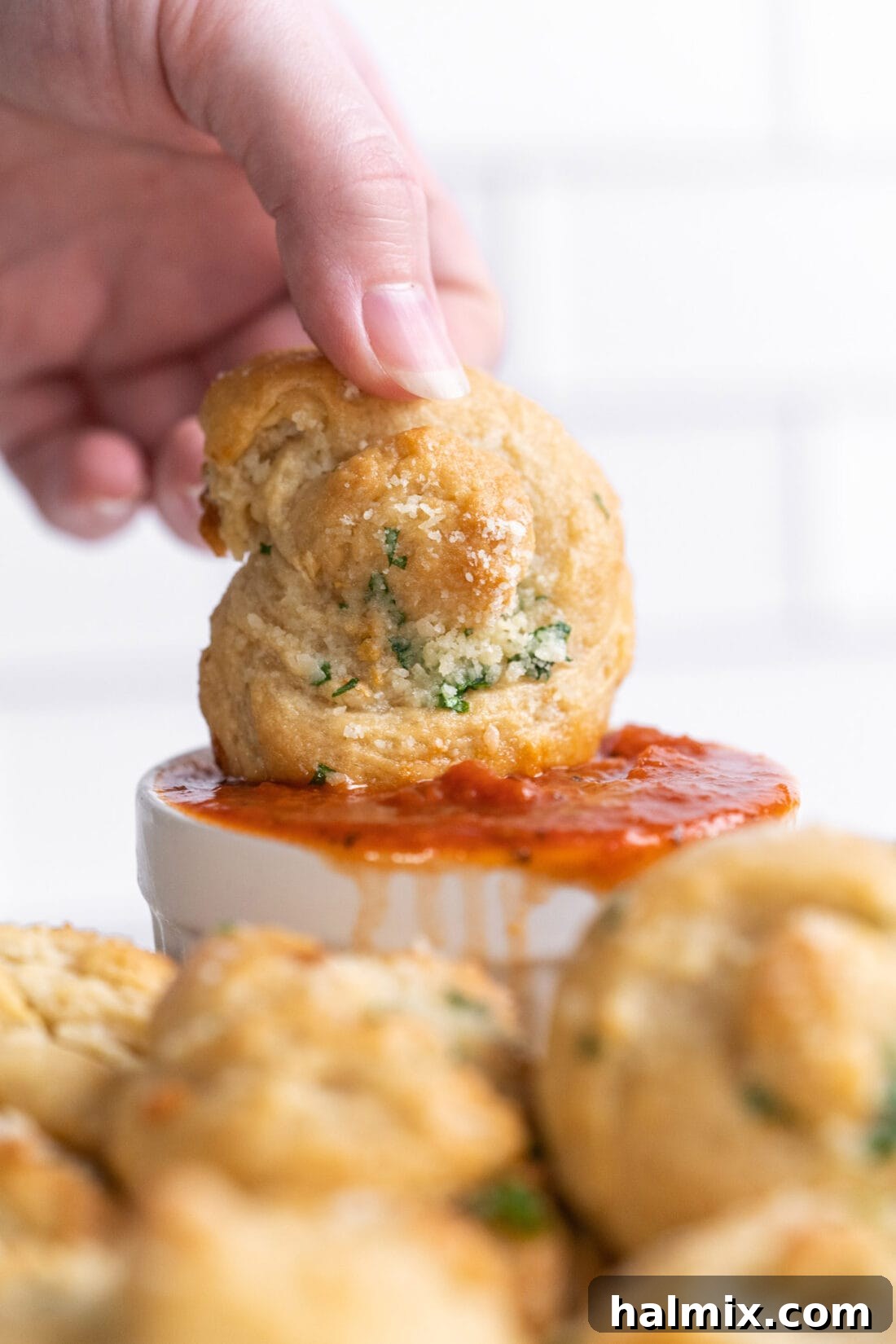
There’s nothing quite like the irresistible aroma and delightful taste of freshly baked garlic knots. Soft, pillowy, and infused with an abundance of savory garlic butter, these golden-brown treasures are a staple appetizer or side dish that consistently brings smiles to the table. This recipe guides you through creating these delectable knots from scratch, ensuring a fluffy texture, a rich garlic punch, and a perfect sprinkle of Parmesan cheese for that ultimate finish. Forget bland, store-bought alternatives – once you experience the ease and incredible flavor of homemade garlic knots, you’ll never look back!
Why This Homemade Garlic Knots Recipe is a Must-Try
Soft, buttery, and deeply garlic-infused bread knots are truly worthy of all the praise they receive. What makes this particular recipe stand out? Firstly, it’s incredibly efficient. Our garlic knot dough boasts a remarkably quick rise time of just about 30 minutes, making it an ideal choice for a last-minute addition to dinner or a spontaneous snack. Secondly, you don’t need any fancy equipment to achieve bakery-quality results. While a stand mixer can certainly lend a hand, these knots can be easily made with just your hands, proving that simple tools can create extraordinary food. The result? A generous batch of incredibly fluffy, aromatic, and utterly addictive garlic rolls that will disappear almost as fast as you make them.
If you’re a devoted cheese lover, you might also adore our gooey garlic cheese rolls. They follow a similar principle but are generously stuffed with melted cheese, elevating the experience to another level of indulgence. Whether plain or cheesy, these homemade bread delights promise comfort and flavor in every bite.
Essential Ingredients for Perfect Garlic Knots
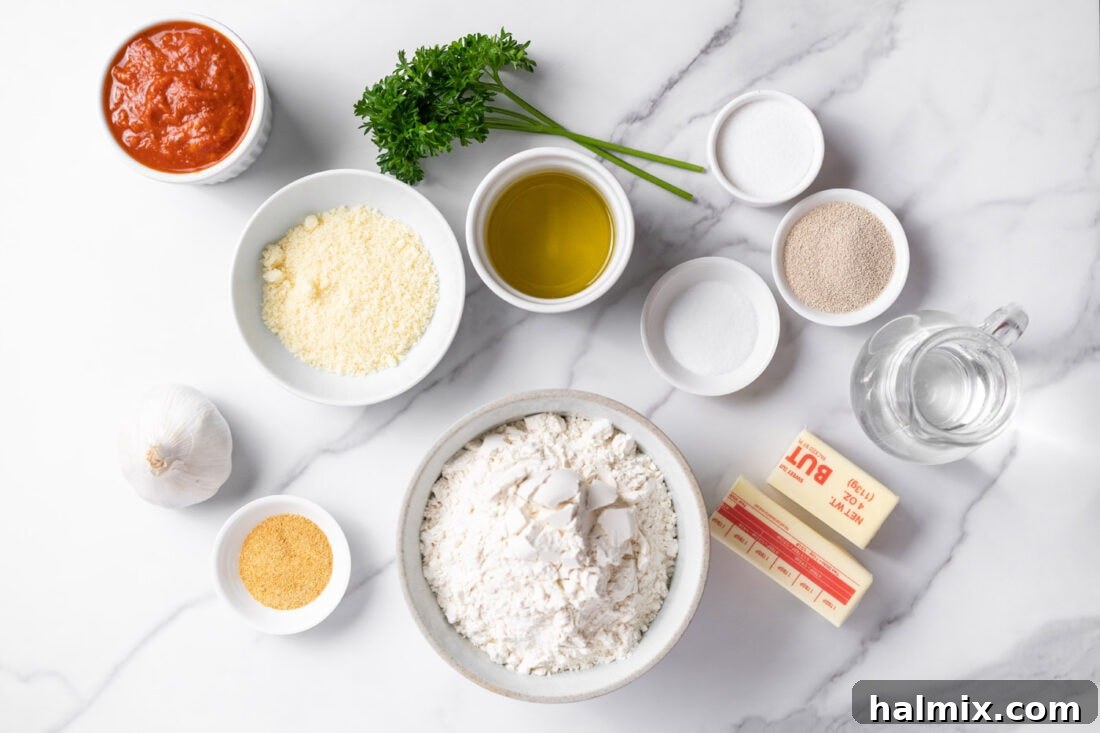
Gathering your ingredients is the first exciting step towards baking these incredible garlic knots. This recipe relies on a few pantry staples, ensuring that these flavorful bites are accessible to everyone. While the full, detailed measurements and instructions are provided in the comprehensive recipe section below, here’s a quick overview of what you’ll need to create this culinary magic. You’ll be surprised at how simple ingredients can transform into something so spectacular.
Ingredient Spotlight & Expert Substitution Tips
Understanding your ingredients is key to successful baking. Here’s a closer look at the components that make our garlic knots so special, along with helpful substitution advice:
DOUGH: Our recipe features classic all-purpose flour, known for its versatility and ability to produce a tender crumb. When working with flour, remember that precise measurements are crucial. Using a kitchen scale for accuracy can yield more consistent results, though cup measurements are provided. If you’re considering a healthier twist with whole wheat flour, we recommend a 50/50 blend with all-purpose flour. Substituting entirely with whole wheat can result in a denser, heavier knot due to its higher protein and fiber content, which absorbs more liquid and develops gluten differently. The olive oil in our dough contributes a beautiful flavor profile and adds to the rolls’ tender texture. However, if olive oil isn’t on hand, feel free to substitute with neutral-flavored oils like vegetable oil or canola oil without compromising the quality of your knots.
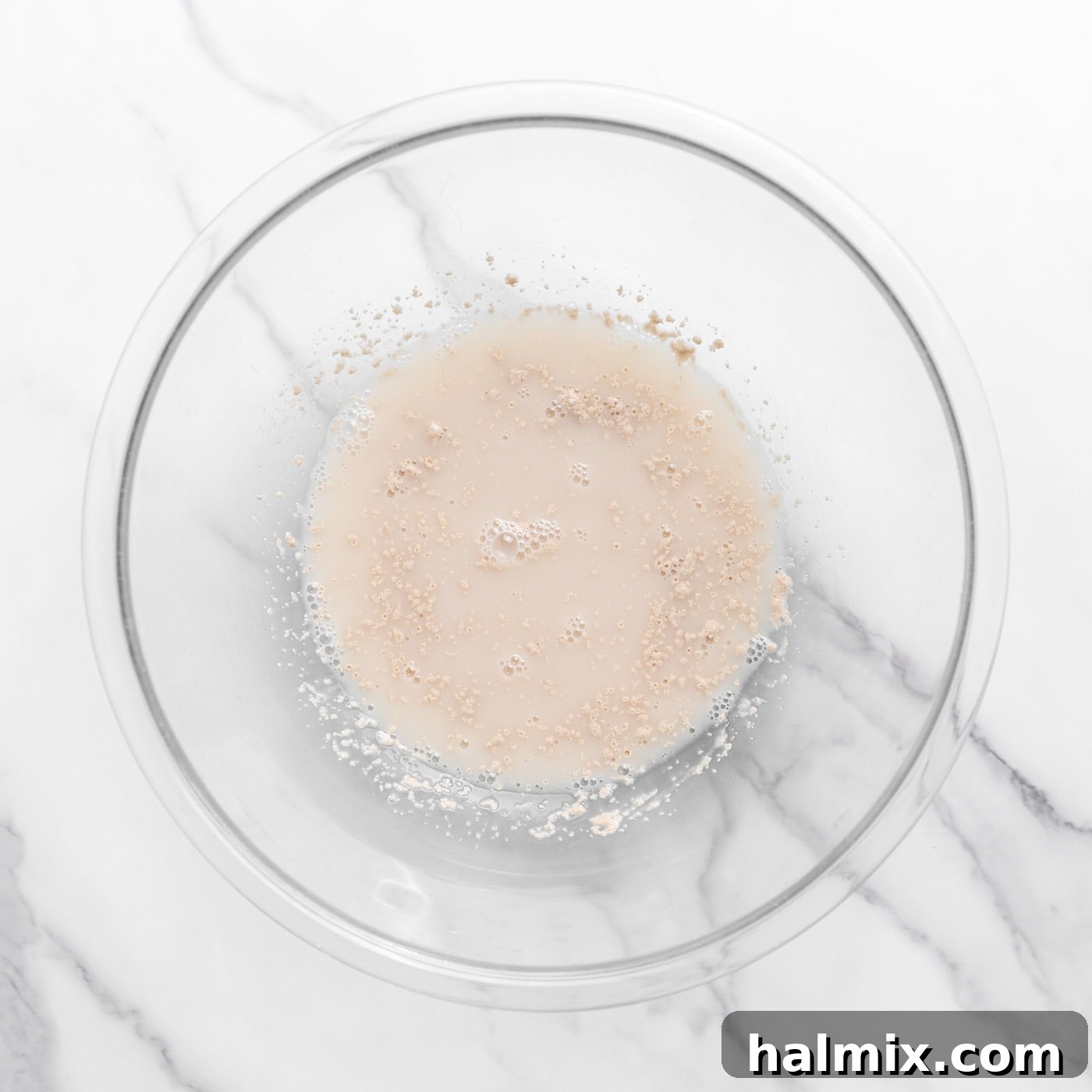
YEAST: This recipe calls for instant yeast, which can be directly mixed with dry ingredients and doesn’t require prior proofing. If you only have active dry yeast, it’s essential to activate it first. Simply dissolve it in the warm water (around 105-115°F or 40-46°C) with a pinch of sugar and let it sit for 5-10 minutes until it becomes foamy. This bubbling indicates that your yeast is alive and ready to work its magic, giving your dough that signature fluffy rise.
GARLIC BUTTER: The garlic butter is truly the soul of these knots. We use fresh crushed garlic for an intense, vibrant flavor that permeates every bite. For those who prefer a milder garlic essence, or if fresh garlic isn’t available, you can easily substitute it with 1 teaspoon of garlic powder. Garlic powder offers a more mellow and consistent garlic flavor throughout the butter. You can also experiment with roasted garlic for a deeper, sweeter, and less pungent flavor profile, which adds another layer of sophistication to your knots. Don’t shy away from using good quality butter; it makes a significant difference in the overall richness and taste.
Step-by-Step Guide: Crafting Your Own Garlic Knots
These detailed step-by-step photos and instructions are here to visually guide you through the process of making this delightful recipe. For the complete printable version, including all measurements and detailed instructions, please refer to the dedicated recipe section at the end of this post.
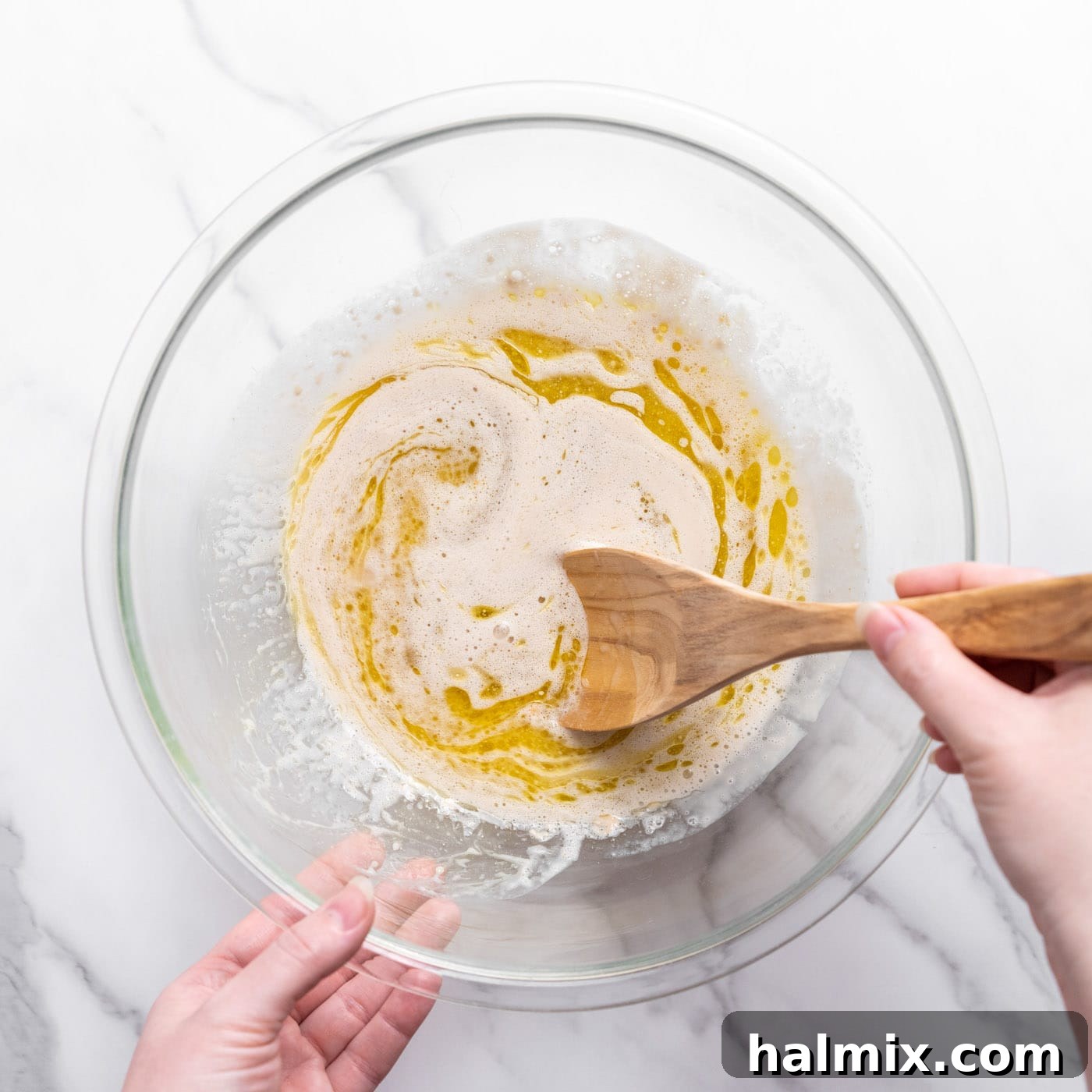
- Activate the Yeast: In a large mixing bowl, combine the warm water and sprinkle the instant yeast evenly over the surface. Allow it to sit undisturbed for a few minutes until a foamy layer forms on top. This indicates your yeast is active and ready. Next, stir in the granulated sugar, garlic powder, melted butter, olive oil, and salt. Mix thoroughly until all ingredients are well combined.

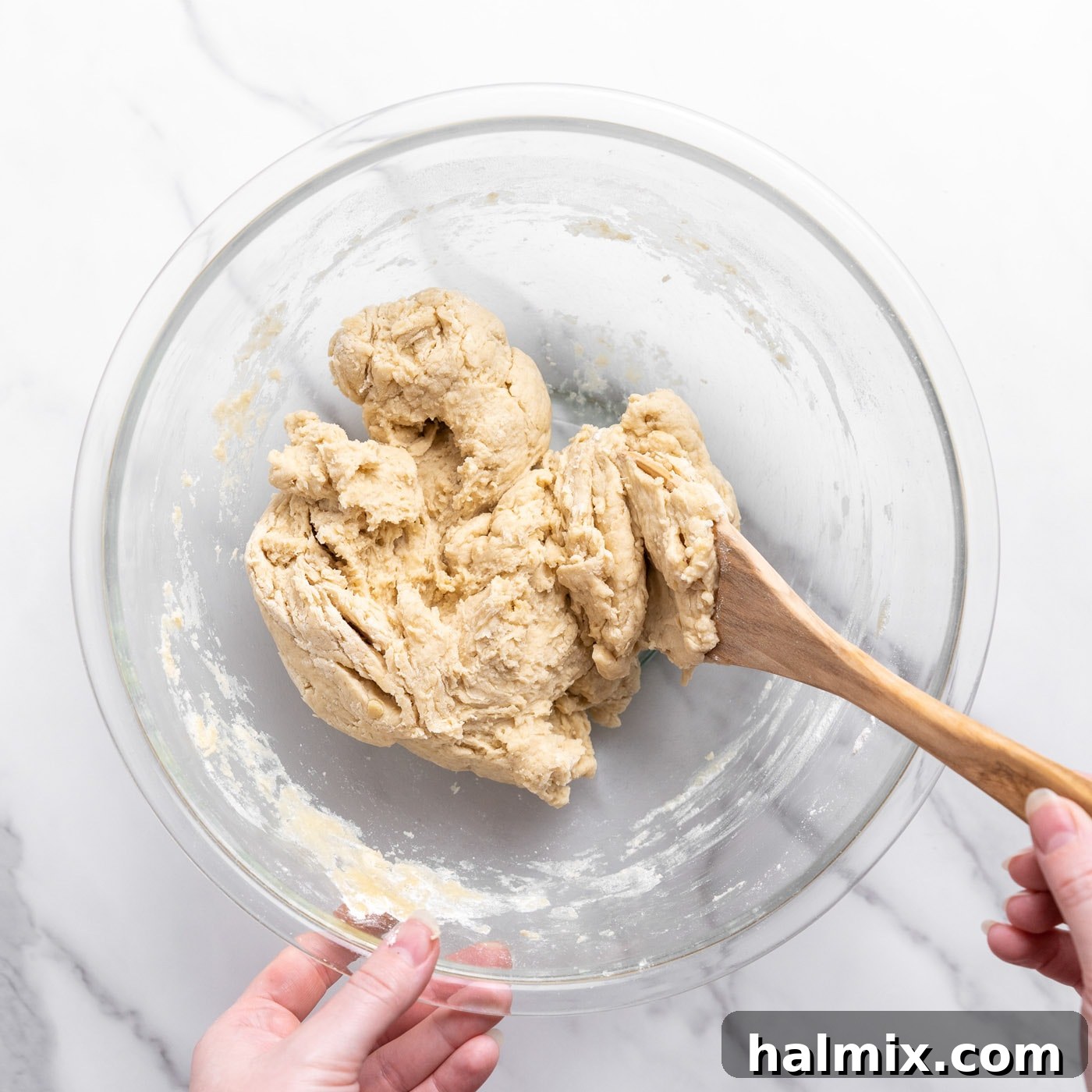
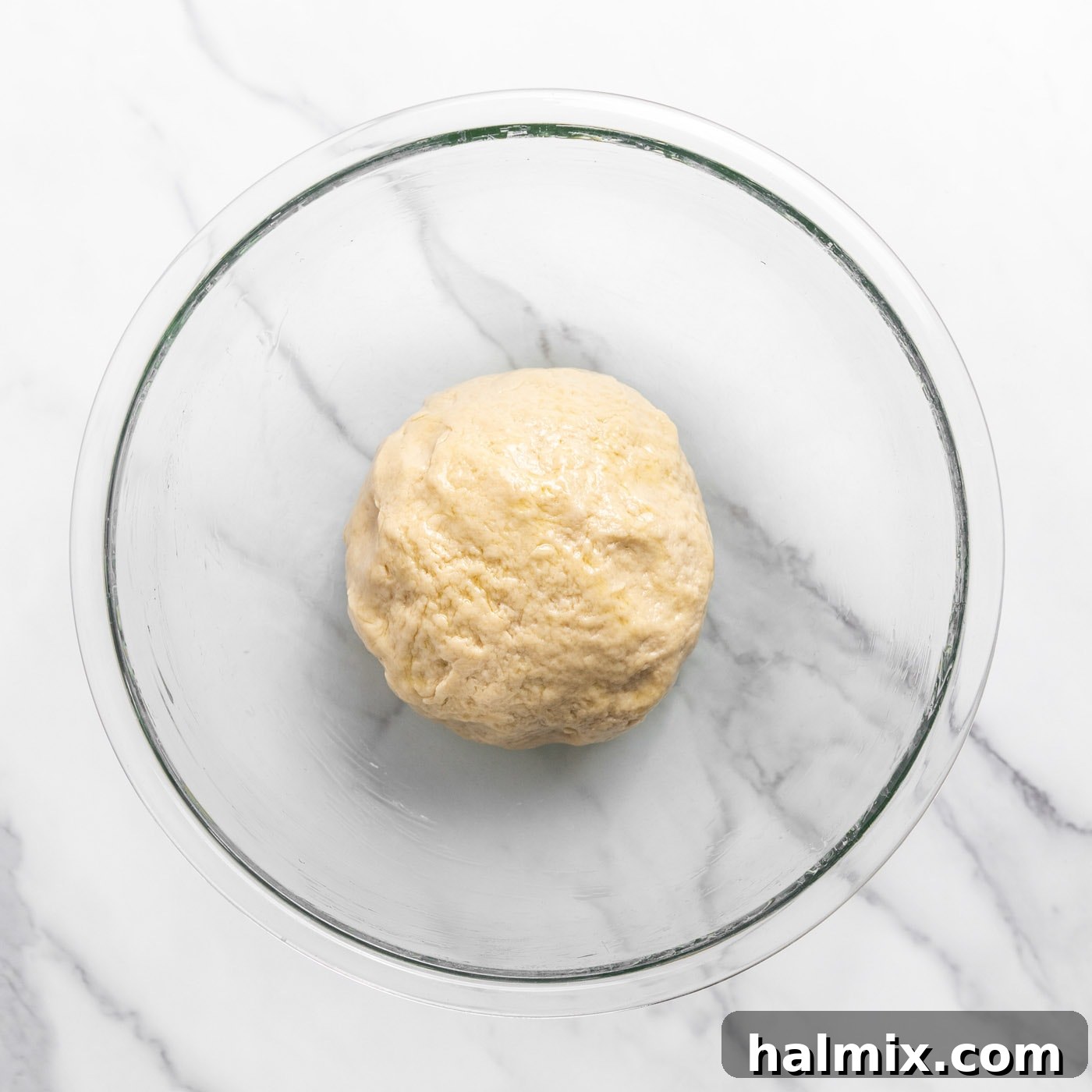
- Form and Knead the Dough: Begin gradually mixing in the all-purpose flour. You can do this by hand with a sturdy wooden spoon or a spatula, or for easier effort, use a stand mixer fitted with a dough hook attachment. Continue adding flour and mixing until a shaggy dough forms. Turn the dough out onto a lightly floured surface and knead for a full 10 minutes until it becomes smooth, elastic, and no longer sticky. Proper kneading is essential for developing the gluten structure, which gives the knots their chewy yet tender texture. Once kneaded, shape the dough into a smooth ball.
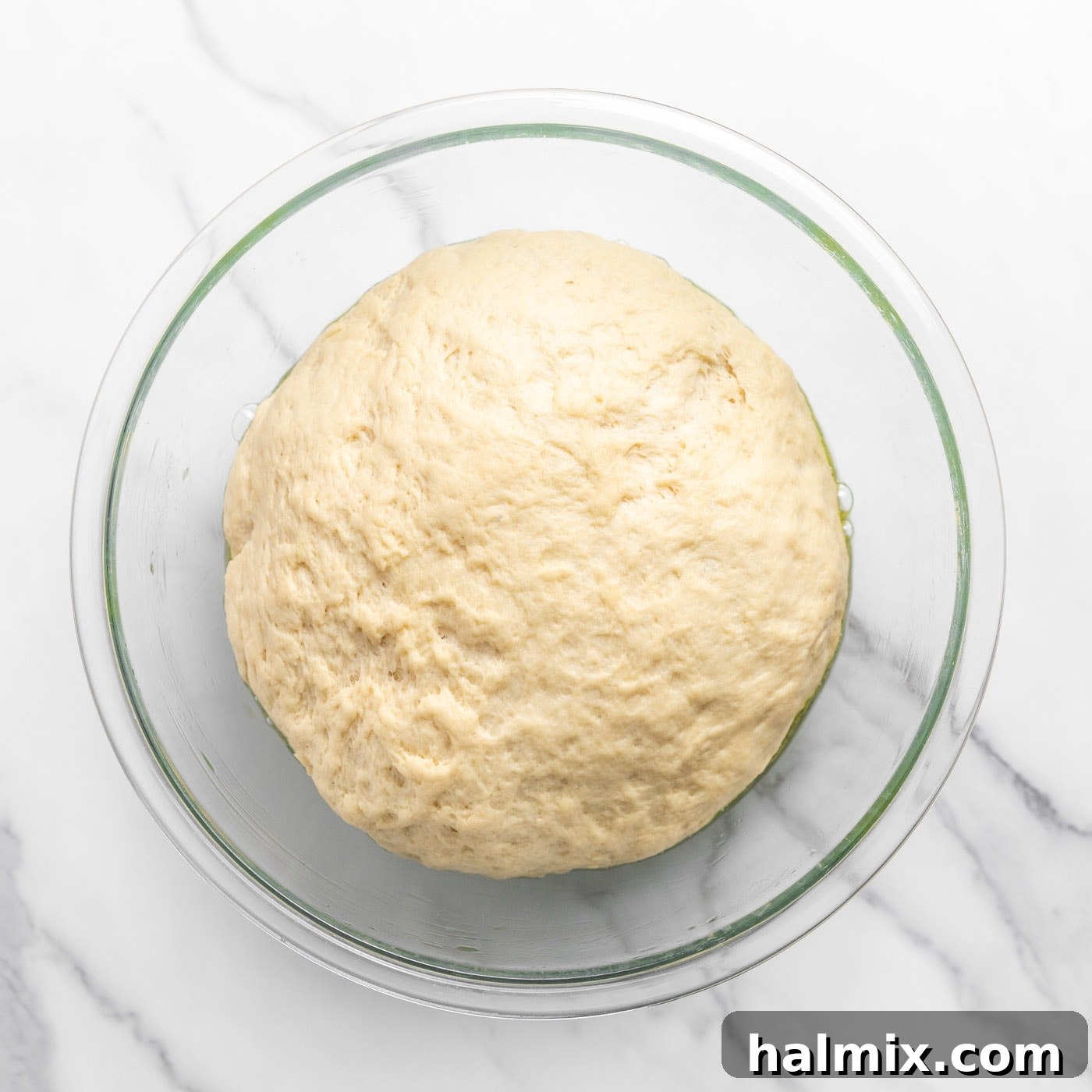
- First Rise: Lightly oil a large bowl with 1 tablespoon of olive oil. Place the dough ball into the oiled bowl, turning it once to coat all sides. Cover the bowl with a clean kitchen towel or plastic wrap. Allow the dough to rise at room temperature in a warm spot until it has visibly doubled in size, which should take approximately 30 minutes. This quick rise is one of the recipe’s best features!
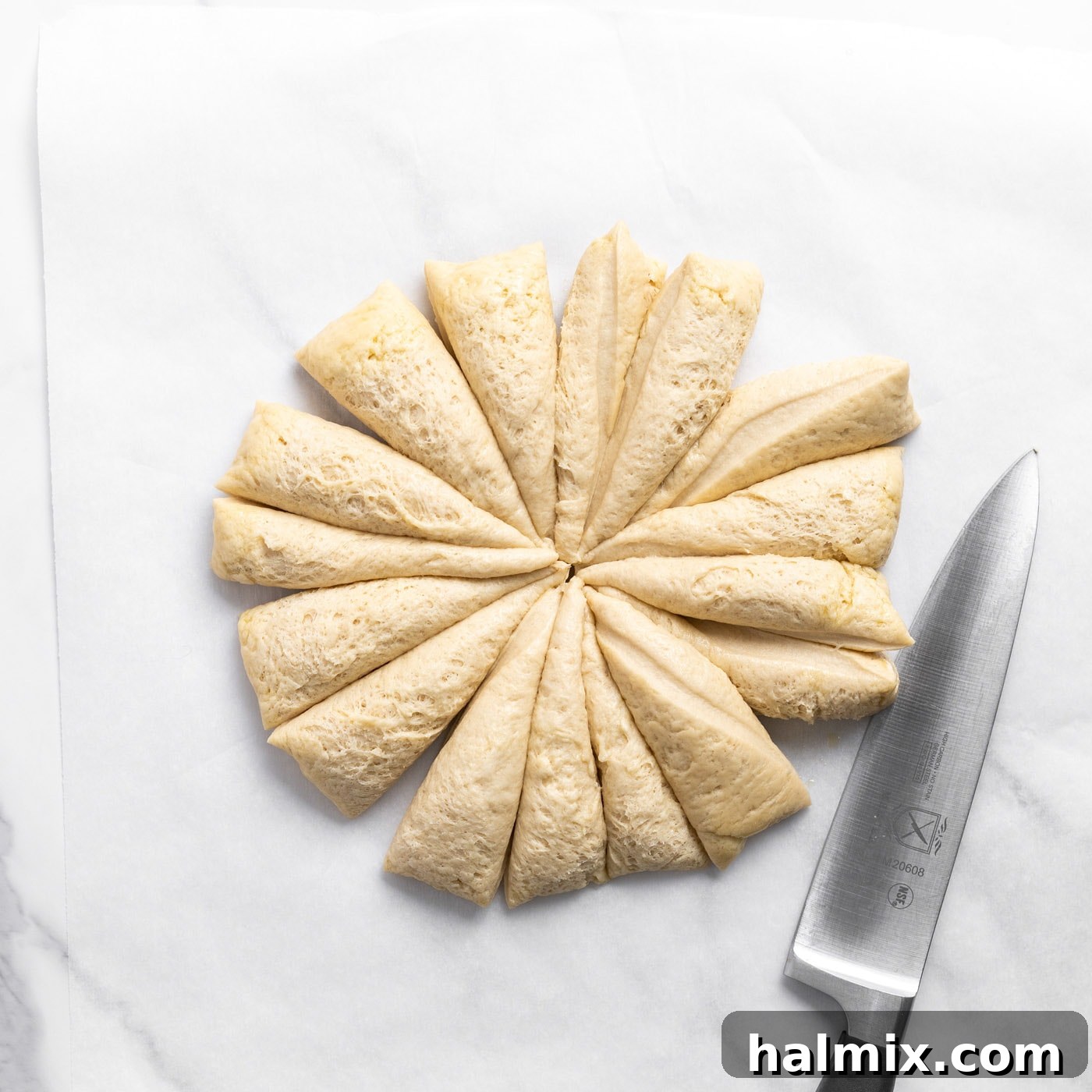
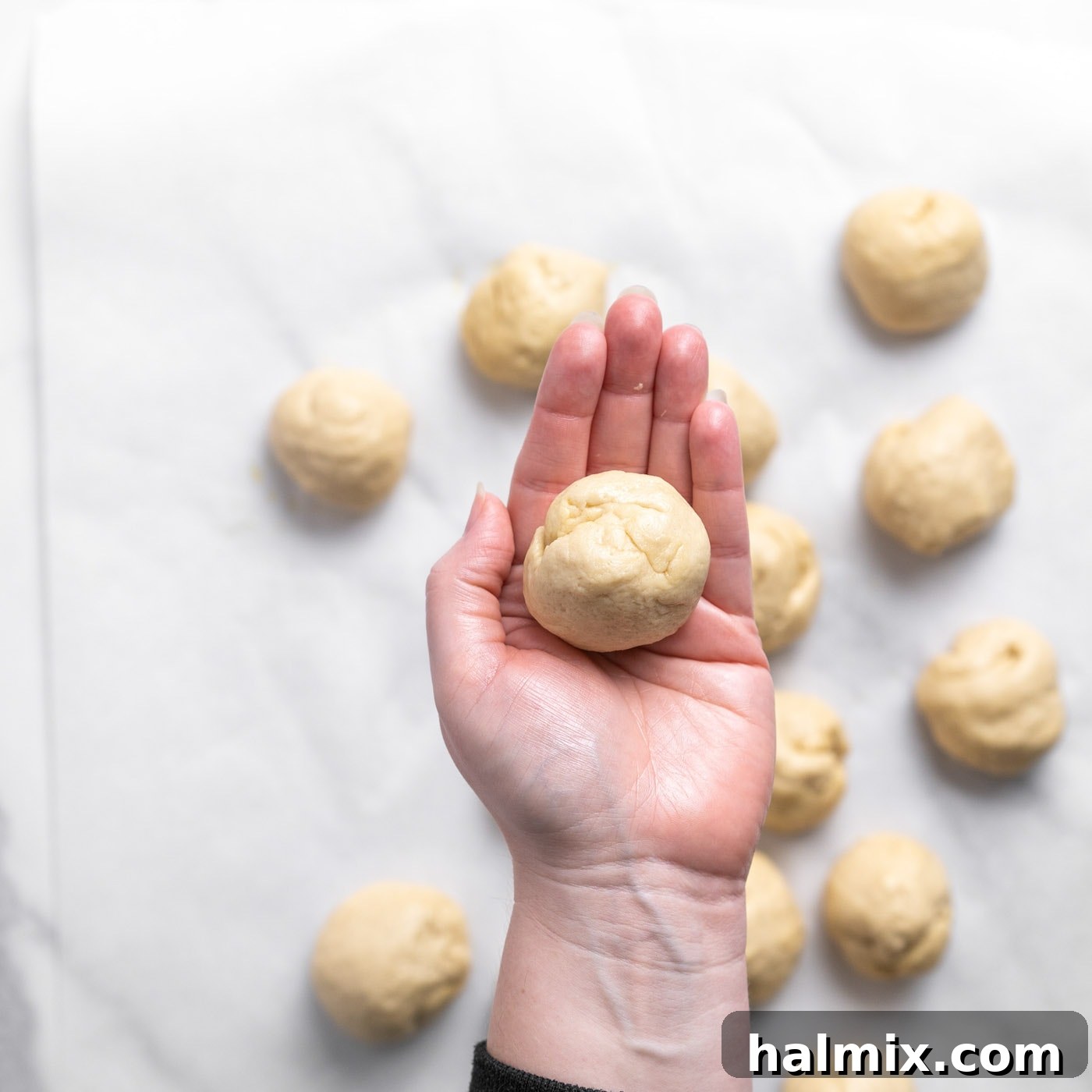
- Prepare for Baking & Shape the Knots: Preheat your oven to 375°F (190°C). Line two large baking trays with silicone baking mats or parchment paper to prevent sticking and ensure even baking. Turn the risen dough out onto a clean, lightly floured work surface. Using a sharp knife or a dough cutter, divide the dough into 16 equal pieces. Roll each individual piece of dough into a small, smooth ball.
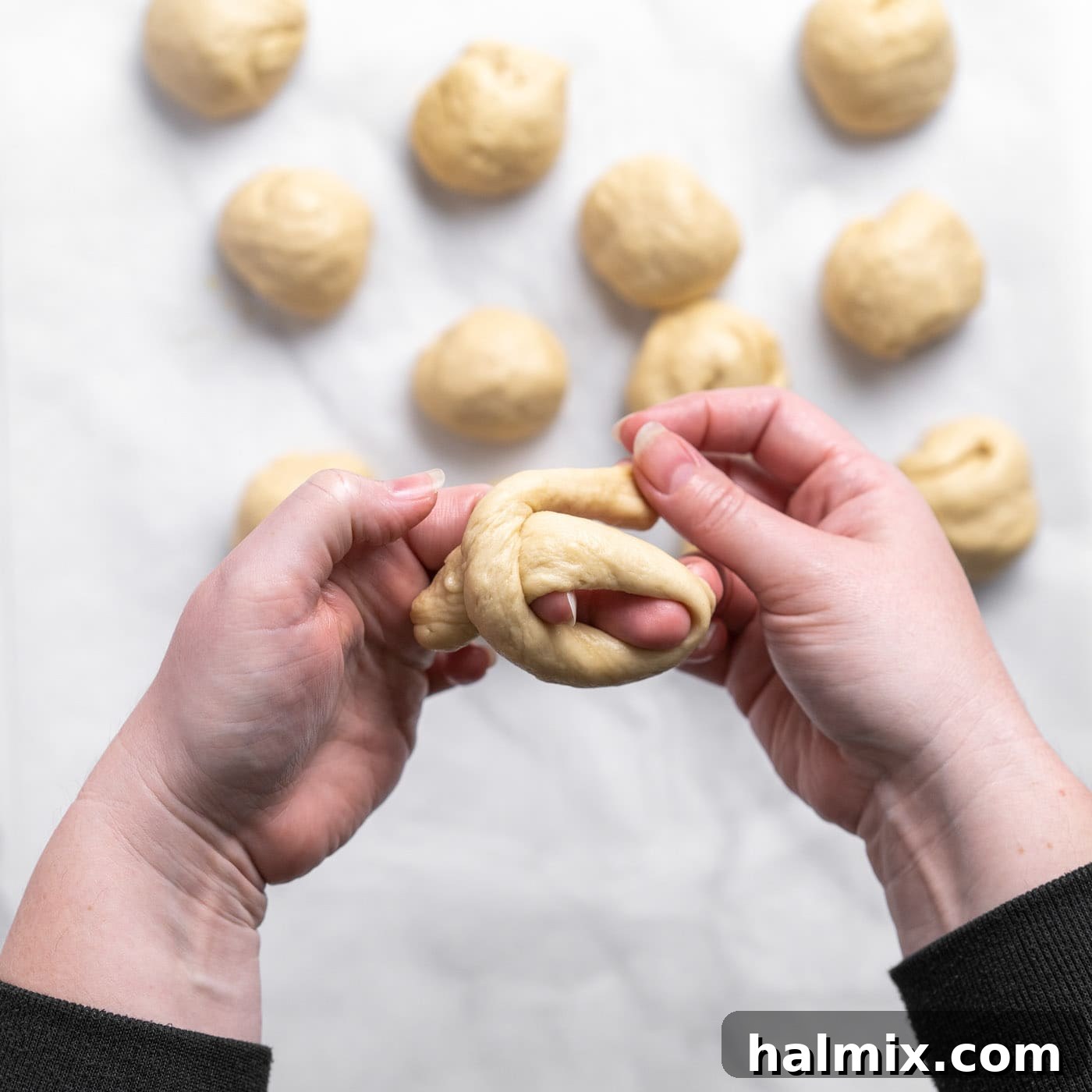
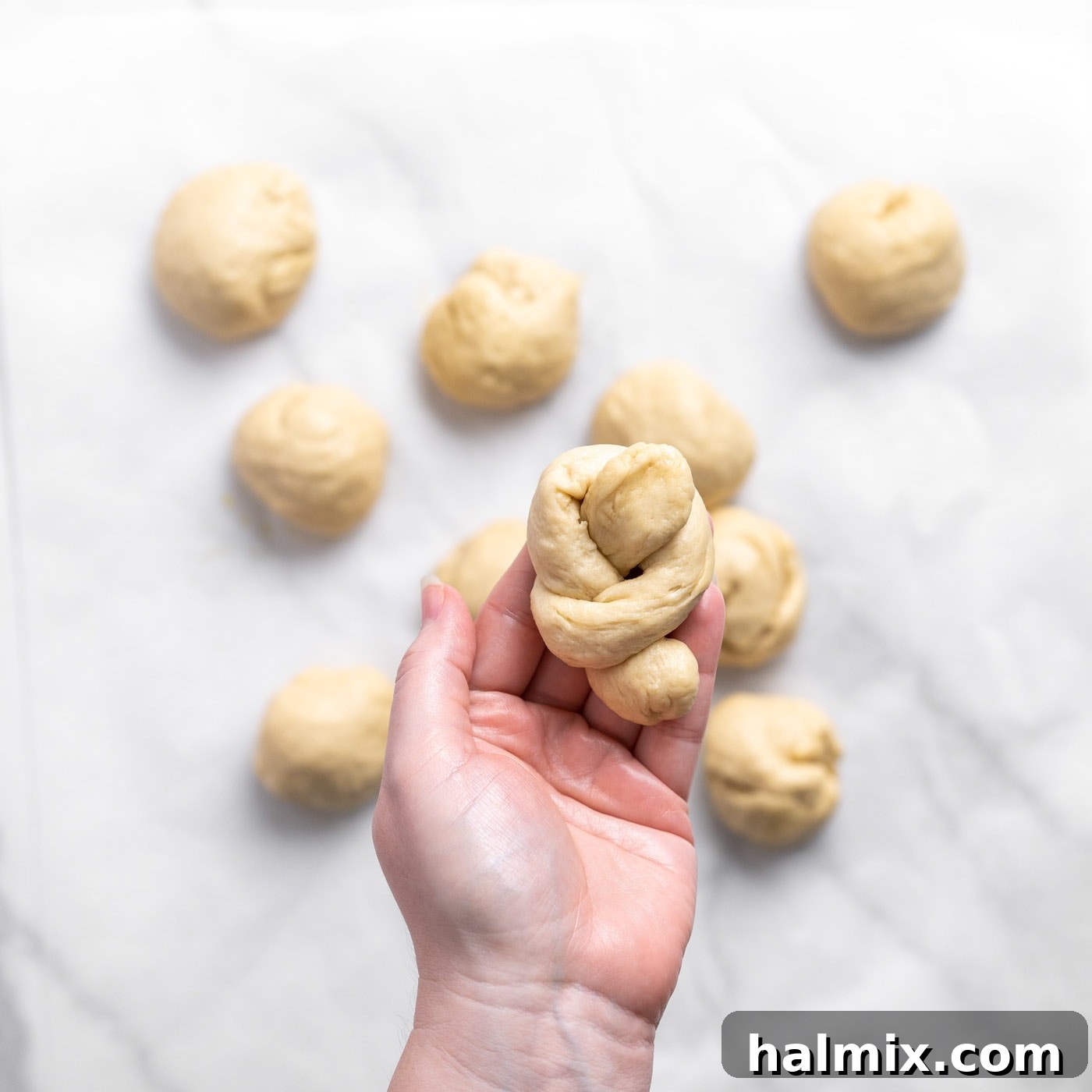
- Tie the Knots: Take each dough ball and roll it into a thin rope, approximately 8 inches long. The key here is to create an even thickness so they bake uniformly. Carefully tie each dough rope into a simple knot. There’s no need to be overly complicated; a single tie is perfect. Arrange 8 of these shaped dough knots evenly spaced on each of your prepared baking trays.
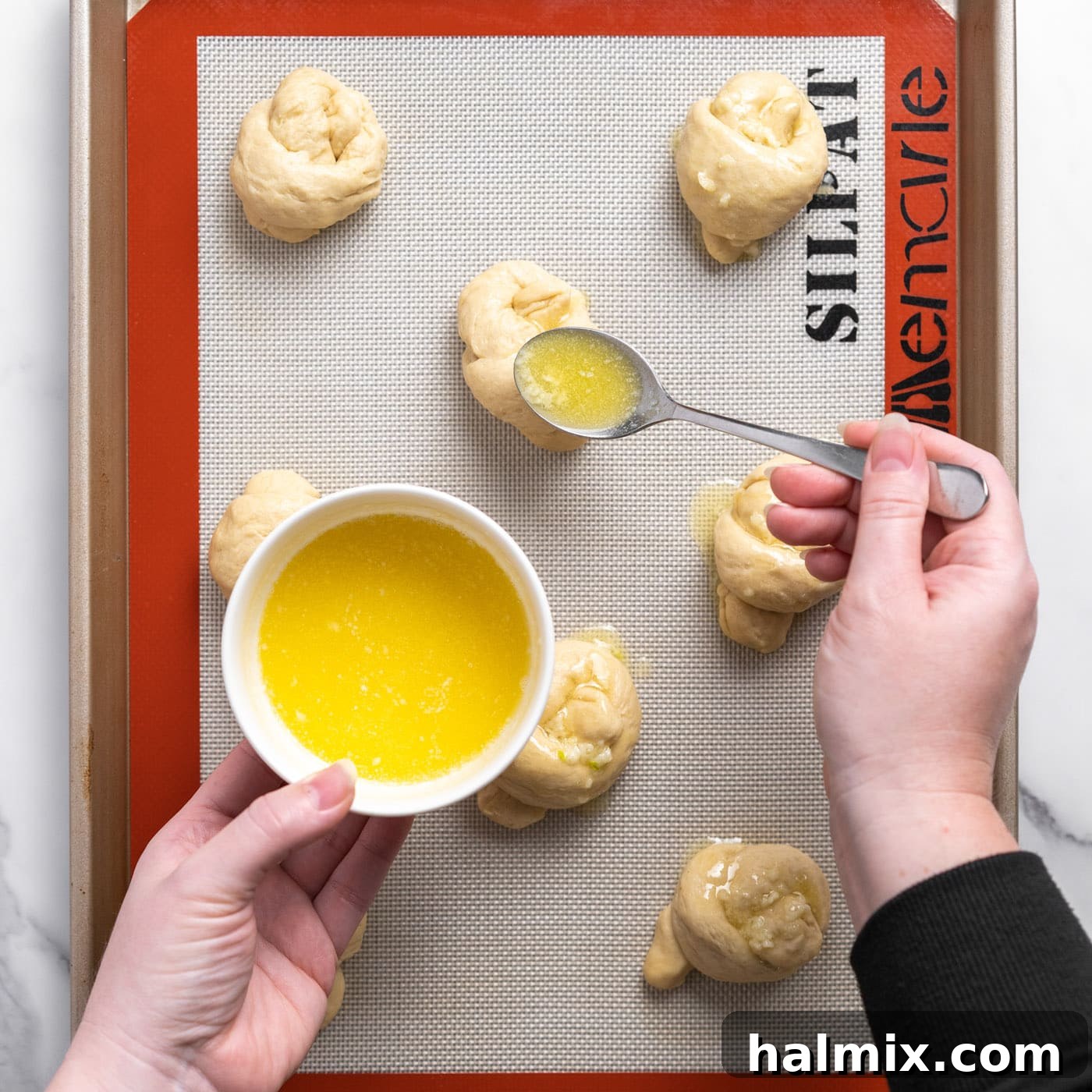
- Apply Garlic Butter (Initial Coat): In a small bowl, thoroughly stir together the pre-melted salted butter and the crushed garlic. This creates our signature garlic butter mixture. Using a spoon or a pastry brush, generously spoon or brush a portion of this aromatic garlic butter over the tops of all the arranged dough knots. Be sure to reserve some of this precious garlic butter for a final brush after baking.
- Bake to Golden Perfection: Place the baking trays into your preheated oven. Bake the garlic knots for approximately 20 to 25 minutes, or until they achieve a beautiful golden-brown color on top and are cooked through. For even baking, remember to rotate the trays halfway through the baking time. This helps ensure all knots are perfectly browned.
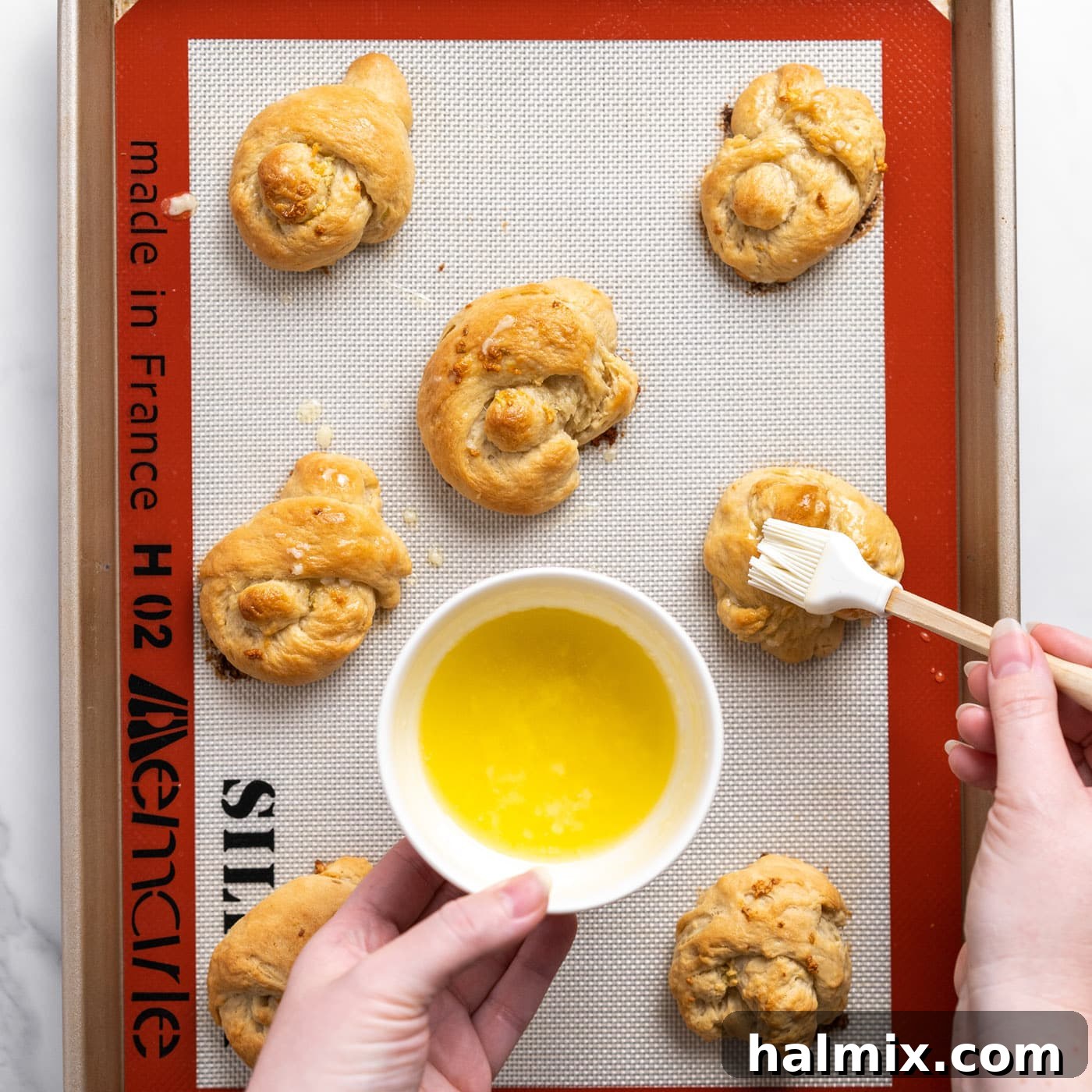
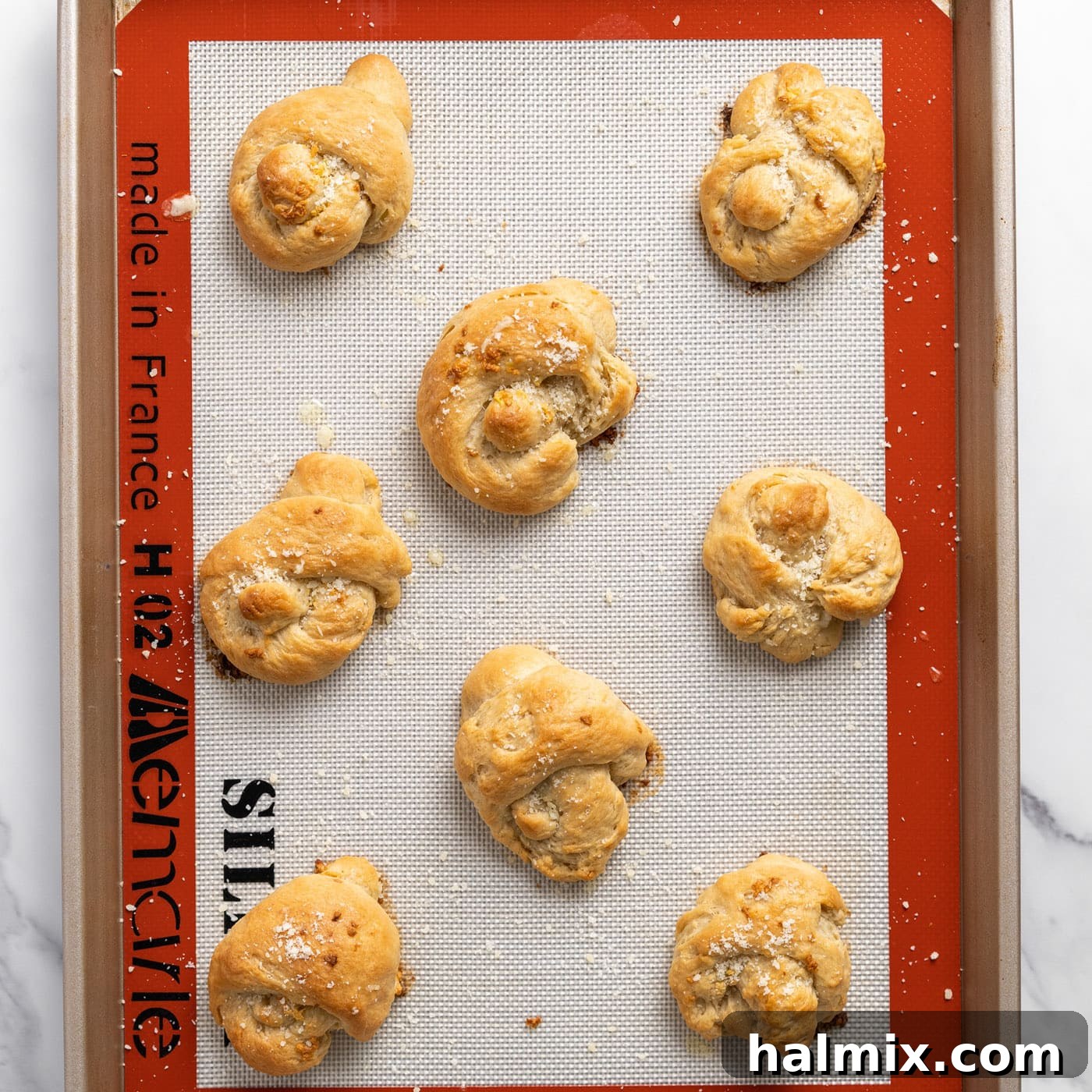
- Final Garlic Butter & Garnish: Once the garlic knots are baked to perfection, remove them from the oven. Immediately brush the remaining reserved garlic butter over the warm knots. The heat will help the butter melt and absorb beautifully. Then, generously sprinkle them with finely grated Parmesan cheese and fresh minced parsley (if using).
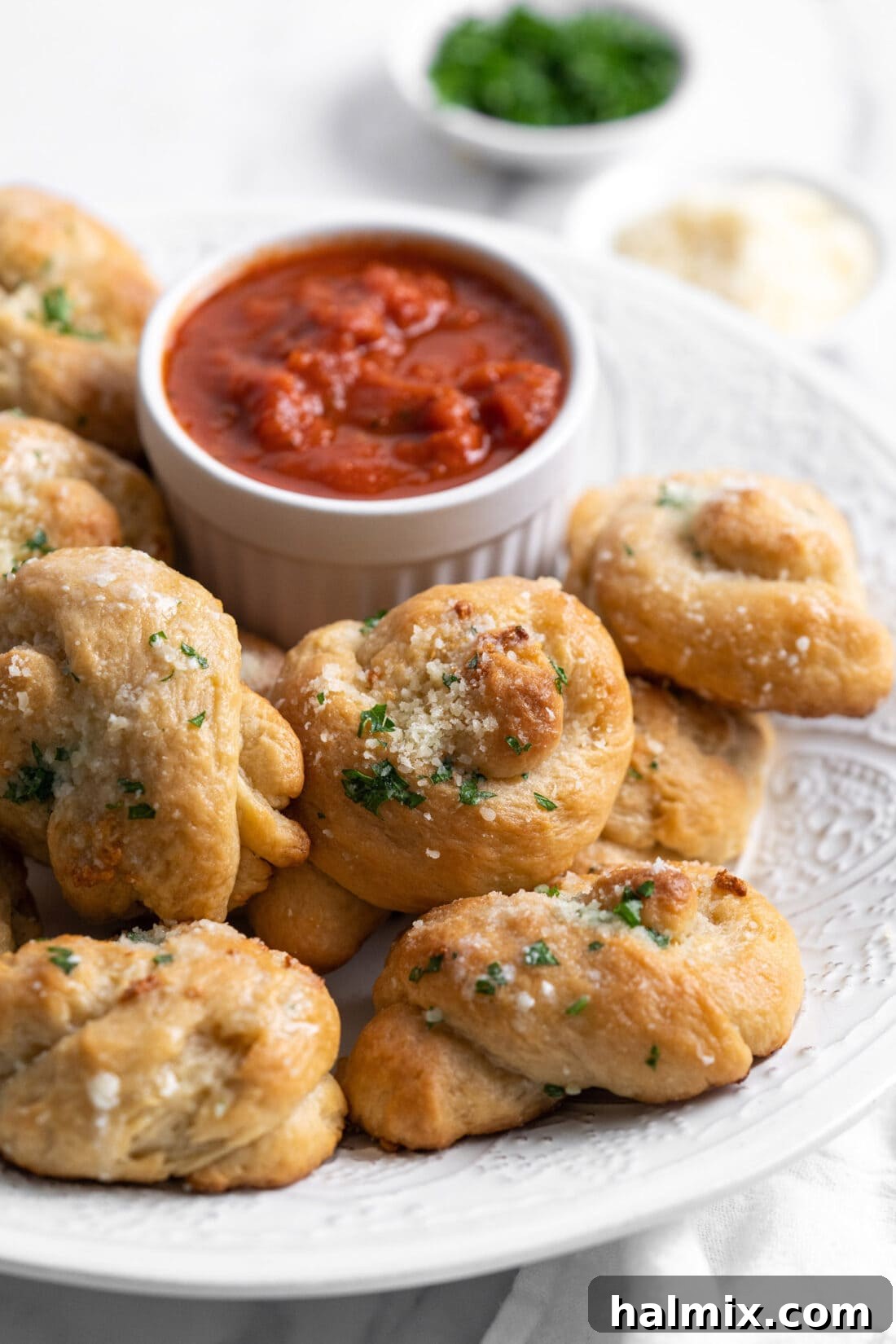
- Serve Warm: Serve your homemade garlic knots warm, straight from the oven. They are absolutely delightful on their own, but pairing them with a side of marinara sauce for dipping takes the experience to an even higher level. Enjoy the soft, fluffy, and intensely flavorful results of your baking efforts!
Frequently Asked Questions & Expert Tips for Garlic Knots
Can I use bread flour instead of all-purpose flour?
Yes, absolutely! Bread flour has a higher protein content than all-purpose flour, which means it will develop more gluten. This can result in a slightly chewier garlic knot, which many people love. Simply substitute an equal amount of bread flour for the all-purpose flour listed in the recipe.
Can I use regular active dry yeast instead of instant yeast?
Yes, you can. The primary difference is that active dry yeast needs to be “proofed” or activated first. To do this, dissolve the active dry yeast in the warm water (105-115°F or 40-46°C) with a pinch of the sugar from the recipe, then let it sit for 5-10 minutes until it becomes foamy. Once foamy, proceed with the recipe instructions, adding the foamy yeast mixture to the other wet ingredients.
How do I store leftover garlic knots to keep them fresh?
To keep your garlic knots tasting their best, store any leftovers in a large zip-top bag or an airtight container at room temperature. They will remain fresh and delicious for about 3-4 days. For optimal freshness, you can also store them in the refrigerator, but allow them to come to room temperature or gently reheat before serving for the best texture.
Can I freeze the garlic knot dough before baking?
Absolutely! Freezing the dough is a fantastic way to prep ahead. After tying the dough into knots (step 6), arrange them on a parchment-lined baking sheet and flash freeze until they are solid. Once frozen, transfer the individual dough knots to a large zip-top freezer bag or an airtight container. They can be frozen for up to 3 months. When you’re ready to bake, thaw the knots at room temperature until they reach room temperature and are slightly puffy, then proceed with brushing the garlic butter and baking as usual.
Can I make these garlic knots ahead of time?
Yes, you can prepare the dough and shape the knots a day or two in advance. After shaping them (step 6), arrange the knots on a baking sheet, cover tightly with plastic wrap, and store them in the refrigerator. When you’re ready to bake, allow the knots to come to room temperature for about 30-60 minutes before proceeding with brushing on the garlic butter and baking. This prevents dense knots and ensures a proper rise in the oven.
Expert Tip: Achieving Extra Fluffy Knots
For an even lighter and fluffier texture, ensure your warm water isn’t too hot (which can kill the yeast) or too cold (which can slow it down). Aim for around 105-115°F (40-46°C). Also, don’t skimp on the kneading time. The 10 minutes of kneading is crucial for developing the gluten that gives the knots their signature soft, chewy structure. If kneading by hand, use a push-and-fold motion, turning the dough as you go, until it feels smooth and elastic.
Expert Tip: Customizing Your Garlic Butter
While fresh garlic and butter are a classic combination, feel free to get creative with your garlic butter. You can add a pinch of red pepper flakes for a subtle kick, a dash of dried oregano or Italian seasoning for an herbaceous touch, or even a squeeze of fresh lemon juice for brightness. Experiment to find your favorite flavor variations!
Delicious Serving Suggestions for Garlic Knots
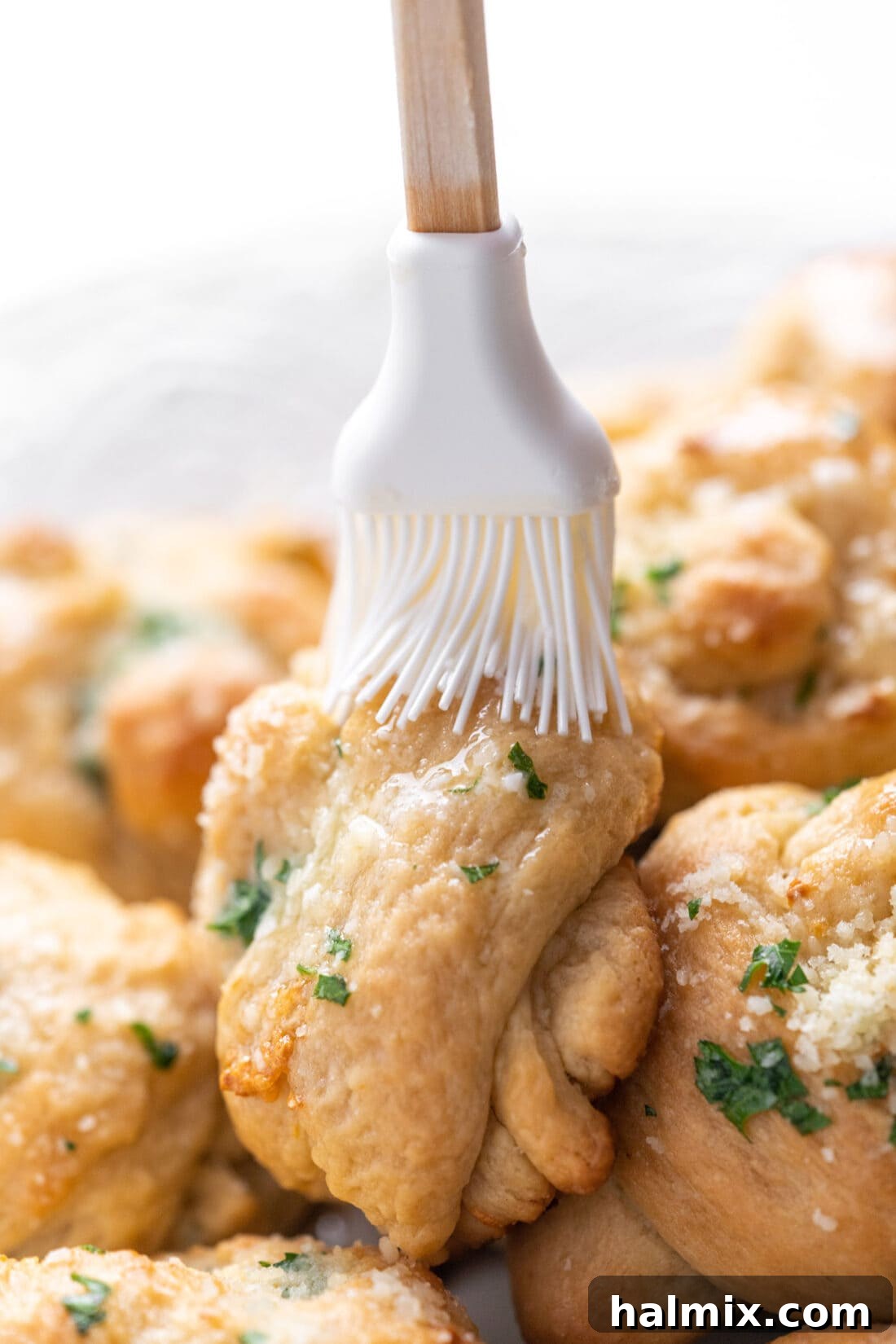
Garlic knots are incredibly versatile and make a fantastic accompaniment to a wide variety of meals. Their savory, buttery flavor pairs beautifully with many dishes, elevating any simple meal into a special occasion. Serve them alongside a hearty bowl of pasta, such as a classic spaghetti and meatballs or a creamy fettuccine Alfredo. They’re also an excellent addition to a homemade pizza night, offering another delicious bread option. Consider them as a comforting side to warm soups or stews, like our hearty Italian stew, perfect for soaking up every last drop of flavorful broth. Beyond dinner, these knots make a superb appetizer for any gathering, often disappearing quickly! Enjoy them warm from the oven, perhaps with an extra dollop of garlic butter and a generous sprinkle of fresh Parmesan. And for the ultimate indulgence, don’t hesitate to dunk them into a bowl of rich marinara sauce or even more melted garlic butter.
Explore More Delicious Bread and Roll Recipes
If you loved making these garlic knots, you might enjoy exploring other homemade bread and roll recipes. Baking bread from scratch is a rewarding experience, and we have plenty of options to satisfy your cravings for warm, fluffy baked goods:
- Homemade Biscuits
- Parmesan Garlic Rolls
- Homemade Hawaiian Rolls
- Homemade Pull Apart Dinner Rolls
- Air Fryer Garlic Parmesan Twists
We love to bake and cook, sharing our kitchen experiences and delicious recipes with you! To make sure you never miss a new recipe, consider subscribing to our convenient newsletter. Simply subscribe today and start receiving your free daily recipes straight to your inbox!
Garlic Knots Recipe
These homemade garlic knots are soft, fluffy, and incredibly flavorful, made from scratch with a quick-rise dough and smothered in buttery garlic goodness. Perfect as an appetizer or side!

Course: Appetizer, Breads, Side Dish
Cuisine: American
Servings: 16 garlic knots
Total Time: 1 hr 40 mins (includes rise time)
Calories: 198 per garlic knot
Author: Amanda Davis
Ingredients
Dough
- 1 cup warm water
- 2 Tbsp instant yeast
- 2 Tbsp granulated sugar
- 2 tsp garlic powder
- ¼ cup unsalted butter, melted
- ¼ cup olive oil
- 2 tsp salt
- 3 cups all-purpose flour
Garlic Butter
- 6 Tbsp salted butter, melted
- 2 cloves garlic, crushed
Other
- 1 Tbsp olive oil, for the bowl
- 2 Tbsp finely grated Parmesan cheese, for garnish
- 1 Tbsp parsley, minced, optional as garnish
- ¾ cup marinara, optional, for dipping
Equipment You’ll Need
- Insulated baking sheets
- Mixing bowls
- Stand mixer with dough hook (optional, or mix by hand)
- Pastry brush
Before You Begin: Important Notes
- For a less intense garlic flavor in the garlic butter, omit the fresh garlic and add 1 teaspoon of garlic powder instead.
- To make cheesy garlic knots, bake them for 20 minutes, then sprinkle a little shredded mozzarella cheese on top of each knot and return them to the oven for the remaining cooking time until cheese is melted and bubbly.
- If fresh parsley is unavailable, you can use a sprinkle of dried Italian herb seasoning for garnish.
- You can substitute the all-purpose flour with an equal amount of bread flour for a chewier texture.
Instructions
- Add the warm water to a large bowl and sprinkle the instant yeast on top. Let it sit for a few minutes until it becomes foamy. Stir in the sugar, garlic powder, melted butter, olive oil, and salt until well combined.
- Gradually mix in the flour either by hand or by using a stand mixer fitted with a dough hook. Knead the dough for 10 minutes until it is smooth and elastic. Shape the dough into a ball, place it into a large bowl oiled with 1 tablespoon of olive oil, and cover the bowl with a clean kitchen towel.
- Let the dough rise at room temperature until it has doubled in size, which should take approximately 30 minutes.
- Preheat the oven to 375°F (190°C). Line 2 large baking trays with silicone baking mats or parchment paper. Turn the risen dough out onto a clean work surface. Cut the dough into 16 equal pieces, then roll each piece into a ball. Roll each ball into a rope about 8 inches long, and then tie each dough rope into a simple knot.
- Arrange 8 dough knots on each prepared baking tray, ensuring they are evenly spaced.
- In a small bowl, combine the melted salted butter and crushed garlic, stirring well. Spoon or brush some of this garlic butter over the tops of the garlic knots, making sure to reserve a portion of the butter for later.
- Bake the garlic knots for 20 to 25 minutes, or until they turn golden brown. Remember to rotate the trays once halfway through the baking time for even cooking.
- Once baked, remove the knots from the oven and immediately brush the remaining garlic butter on top. Then, sprinkle generously with Parmesan cheese and fresh parsley (if using).
- Serve the garlic knots warm, either on their own or with a side of marinara sauce for dipping. Enjoy your homemade, flavorful bread!
Nutrition Information
Serving: 1 garlic knot | Calories: 198cal | Carbohydrates: 20g | Protein: 3g | Fat: 12g | Saturated Fat: 5g | Polyunsaturated Fat: 1g | Monounsaturated Fat: 5g | Trans Fat: 1g | Cholesterol: 19mg | Sodium: 338mg | Potassium: 41mg | Fiber: 1g | Sugar: 2g | Vitamin A: 246IU | Vitamin C: 1mg | Calcium: 13mg | Iron: 1mg
The recipes on this blog are typically tested with a conventional gas oven and gas stovetop. Please note that cooking appliances, especially as they age, can sometimes heat inconsistently. Using an inexpensive oven thermometer is recommended to verify that your oven is truly reaching and maintaining the proper temperature. If you use a toaster oven or countertop oven, be aware that their heat distribution may differ from a full-sized conventional oven, and you might need to adjust your cooking or baking times accordingly. For baking recipes where measurements are provided by weight, please understand that using cup measurements instead may lead to different results, and we cannot guarantee success with alternative measuring methods.