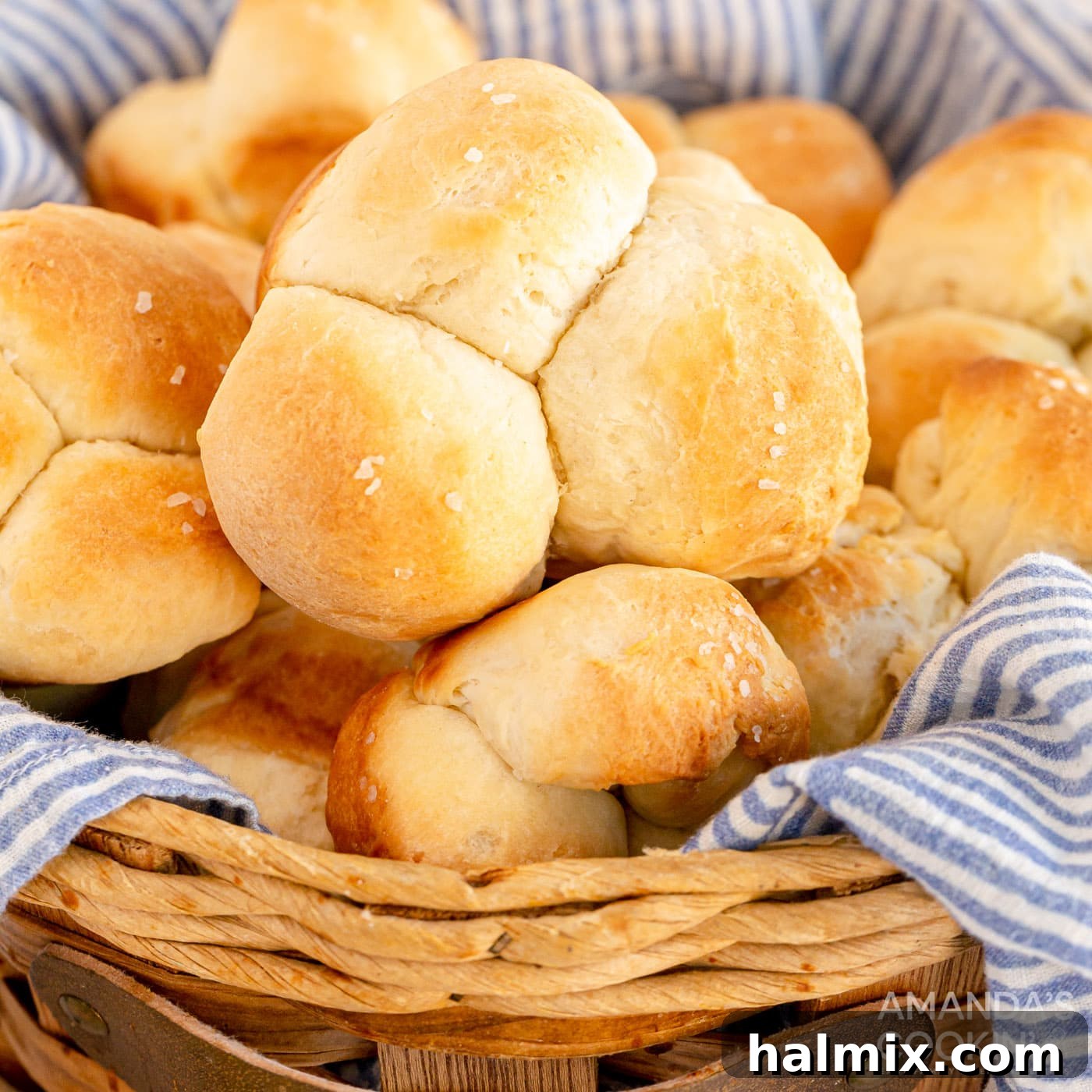
Imagine warm, unbelievably soft, homemade pull-apart dinner rolls, fresh from the oven, generously smeared with melting butter. This isn’t just a dream; it’s the delicious reality you can achieve with our no-knead dinner roll recipe. These fluffy, irresistible rolls are the ultimate companion for any meal, promising to become a cherished staple in your home, loved by family and friends alike.
Effortless Perfection: Why This No-Knead Dinner Roll Recipe Stands Out
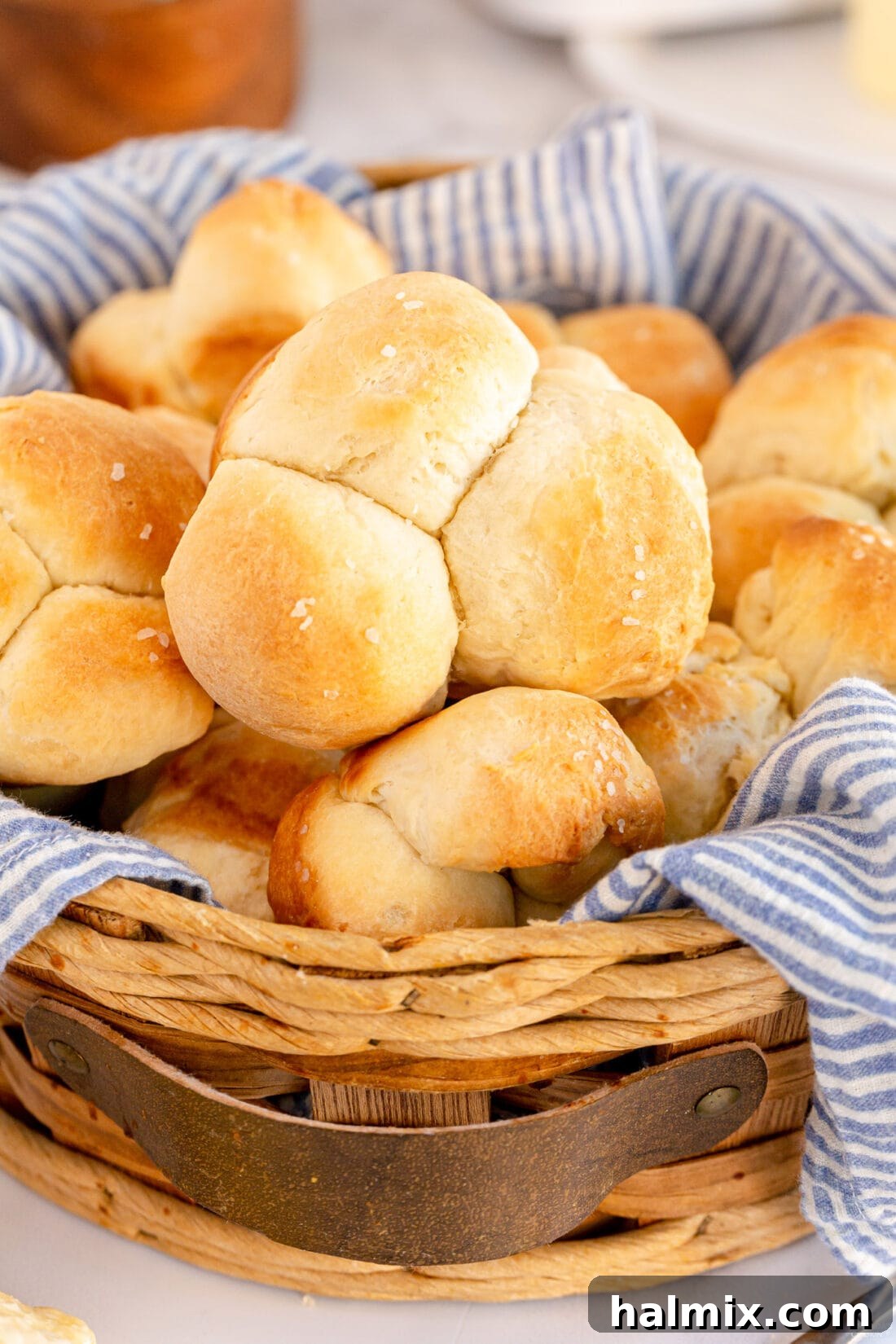
Are you searching for a reliable, quick, and incredibly easy dinner roll recipe? Your search ends here. This remarkable recipe for homemade pull-apart dinner rolls is designed for busy home cooks who crave fresh, comforting bread without the fuss. What makes it so special? It’s completely no-knead! Forget about tiring kneading sessions and long proofing times. In just about an hour, you can have a batch of these golden, fluffy rolls ready to grace your dinner table.
These aren’t just any rolls; they’re the kind that become an instant family favorite. Consistently requested at every holiday feast and family gathering – from Easter brunches to Thanksgiving dinners and Christmas celebrations – their soft texture and rich flavor are simply unparalleled. Beyond special occasions, these versatile rolls make an excellent side for a wide array of main courses. Picture them alongside a hearty slow-cooked pot roast, a succulent sirloin pork roast, or even a simple weeknight pasta dish. Their simple elegance and comforting warmth complement virtually any meal, transforming an ordinary dinner into something truly special.
Essential Ingredients for Perfect Pull-Apart Dinner Rolls
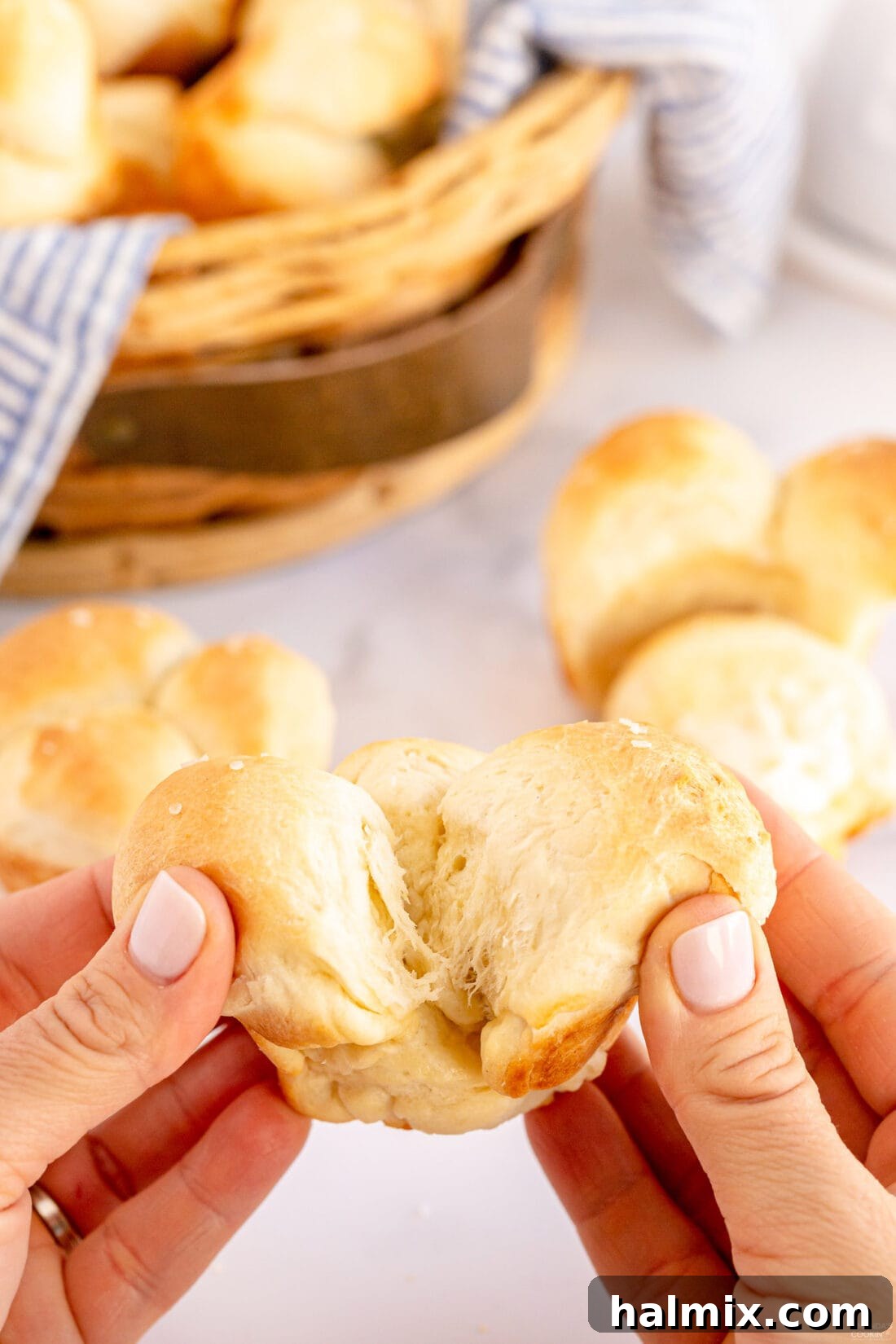
Crafting these delectable rolls requires only a handful of common pantry staples. While the full list with precise measurements and detailed instructions can be found in the printable recipe card at the end of this article, here’s a closer look at the key ingredients and their roles in achieving that perfect fluffy texture and rich flavor.
Yeast: The Leavening Powerhouse
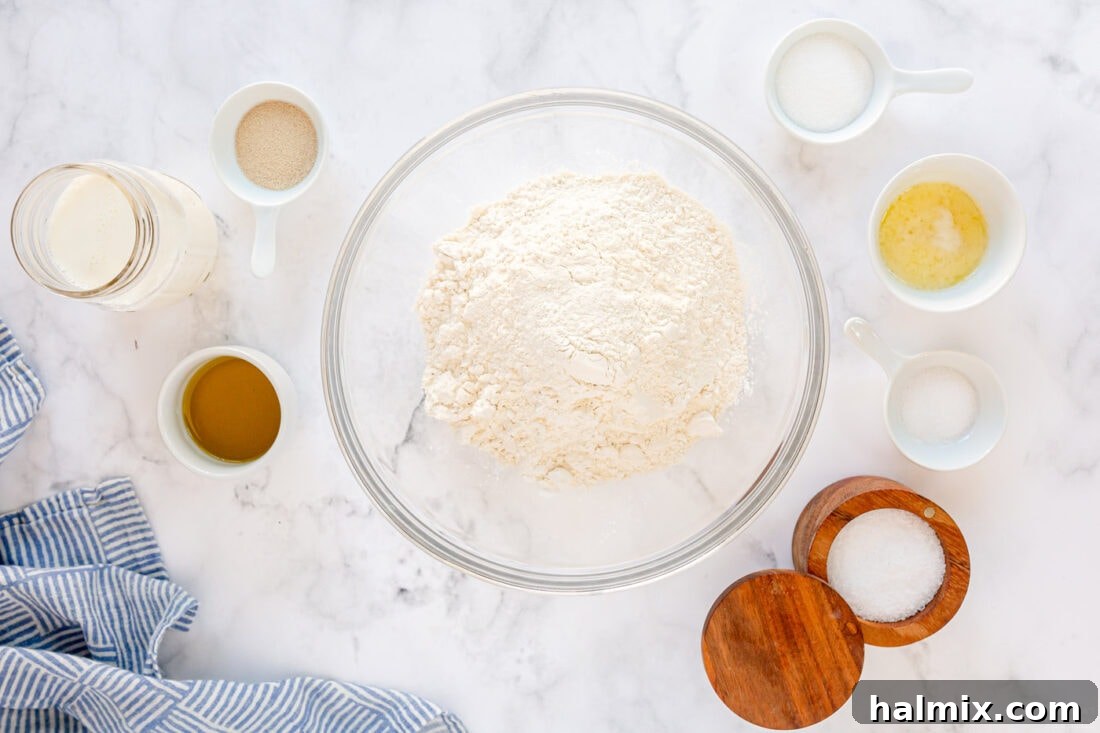
For these quick and easy dinner rolls, quick-acting dry yeast is your best friend. Brands like SAF Instant Yeast are excellent, but any rapid-rise, quick-rise, or fast-rise instant yeast will work beautifully. This type of yeast is specially formulated to absorb water more rapidly than traditional active dry yeast, significantly cutting down on your dough’s rise time. This means you get warm, fresh rolls on your table much faster, making it ideal for busy schedules or last-minute cravings.
Flour: The Foundation of Texture
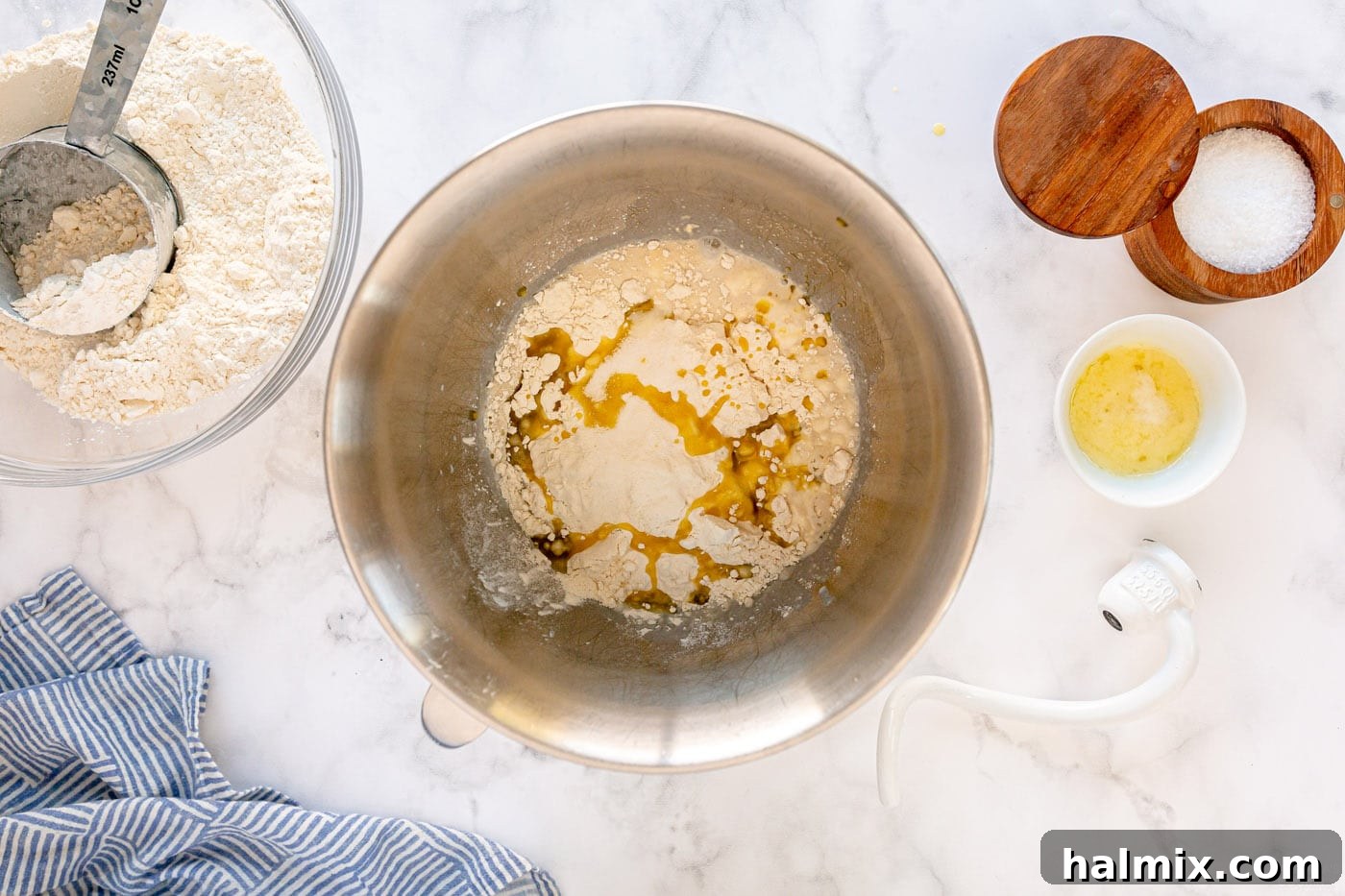
Our recipe primarily uses all-purpose flour, which yields wonderfully soft and light rolls. If you’re looking to add a touch of wholesome goodness, you can substitute half of the all-purpose flour with whole wheat flour. However, be cautious about using only whole wheat flour, as it can result in a denser texture. The key to successful baking with flour is accurate measurement. Always use the “scoop and sweep” method: lightly spoon flour into your measuring cup until it overflows, then level it off with a straight edge. This prevents overpacking the flour, which can lead to dry, crumbly rolls that lack the desired softness.
Milk: For Tenderness and Flavor
Warm milk not only provides the necessary liquid for activating the yeast but also contributes significantly to the tenderness and rich flavor of the rolls. The fats and sugars in milk help create a softer crumb and a more golden-brown crust. Ensure your milk is warmed to the correct temperature (between 105-115°F or 40-46°C) – too hot and it will kill the yeast, too cold and the yeast won’t activate properly, leading to a flat dough.
Sugar: Fuel for Yeast and Golden Crust
A small amount of sugar serves multiple purposes in this recipe. Firstly, it acts as food for the yeast, helping it to activate and produce carbon dioxide, which makes the rolls rise. Secondly, sugar aids in achieving that beautiful golden-brown crust during baking and enhances the overall flavor of the rolls, balancing the savory notes.
Salt: Flavor Balancer
Salt is crucial for balancing the flavors in your dinner rolls. It not only enhances the taste of the bread but also helps to control the yeast’s activity, preventing it from rising too quickly. Don’t skip or drastically reduce the salt, as your rolls might taste bland.
Extra Virgin Olive Oil: Enhancing Softness
Adding extra virgin olive oil to the dough contributes to the rolls’ incredible softness and moistness. It also helps to tenderize the gluten, making the rolls easier to pull apart and enjoy. The subtle fruity notes of olive oil can also add a nice depth of flavor.
Melted Butter and Coarse Salt: The Finishing Touch
A brush of luscious melted butter after baking adds a delightful richness and sheen to the rolls, while a sprinkle of coarse salt provides a pleasant textural contrast and a hint of savory crunch, elevating their appeal.
Step-by-Step Guide to Baking Irresistible Pull-Apart Dinner Rolls
For a visual walkthrough, refer to the step-by-step photos below. For a concise, printable version with all measurements, jump directly to the recipe card at the bottom of this post.
-
Activating the Yeast
Begin by dissolving the quick-acting yeast in warm milk, along with the sugar, in the bowl of your electric mixer. This step is critical for activating the yeast. Once dissolved, stir in the first cup of all-purpose flour, the olive oil, and the salt. Beat this mixture until it’s smooth and well combined. This initial beating helps to develop some gluten even without traditional kneading. For optimal results, use an instant thermometer to check the milk’s temperature; it should be between 105-115°F (40-46°C). Milk that is too hot will kill the yeast, preventing the dough from rising, while milk that’s too cool won’t activate it effectively, leading to a sticky or sluggish dough.

-
Mixing the Dough
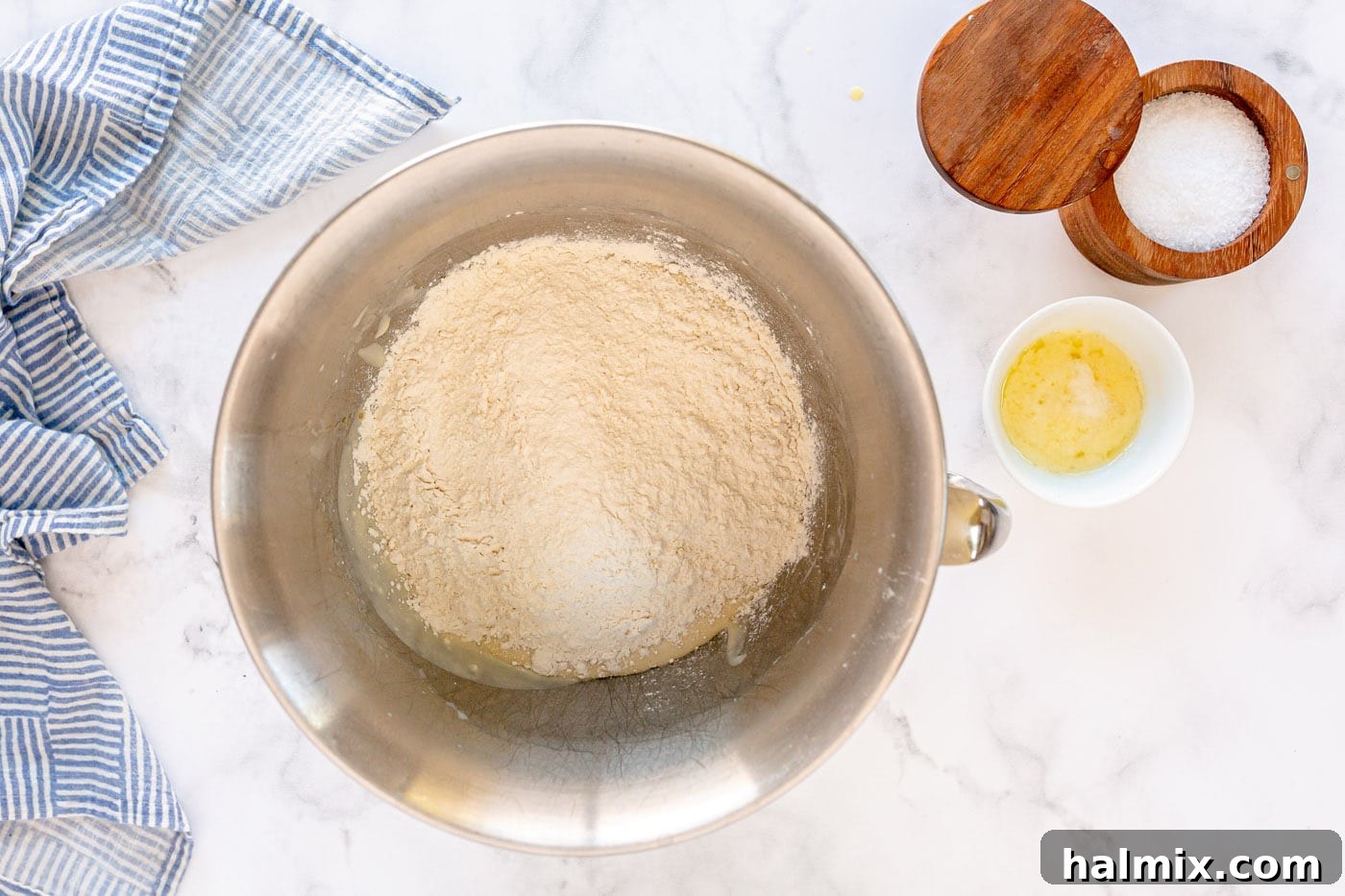
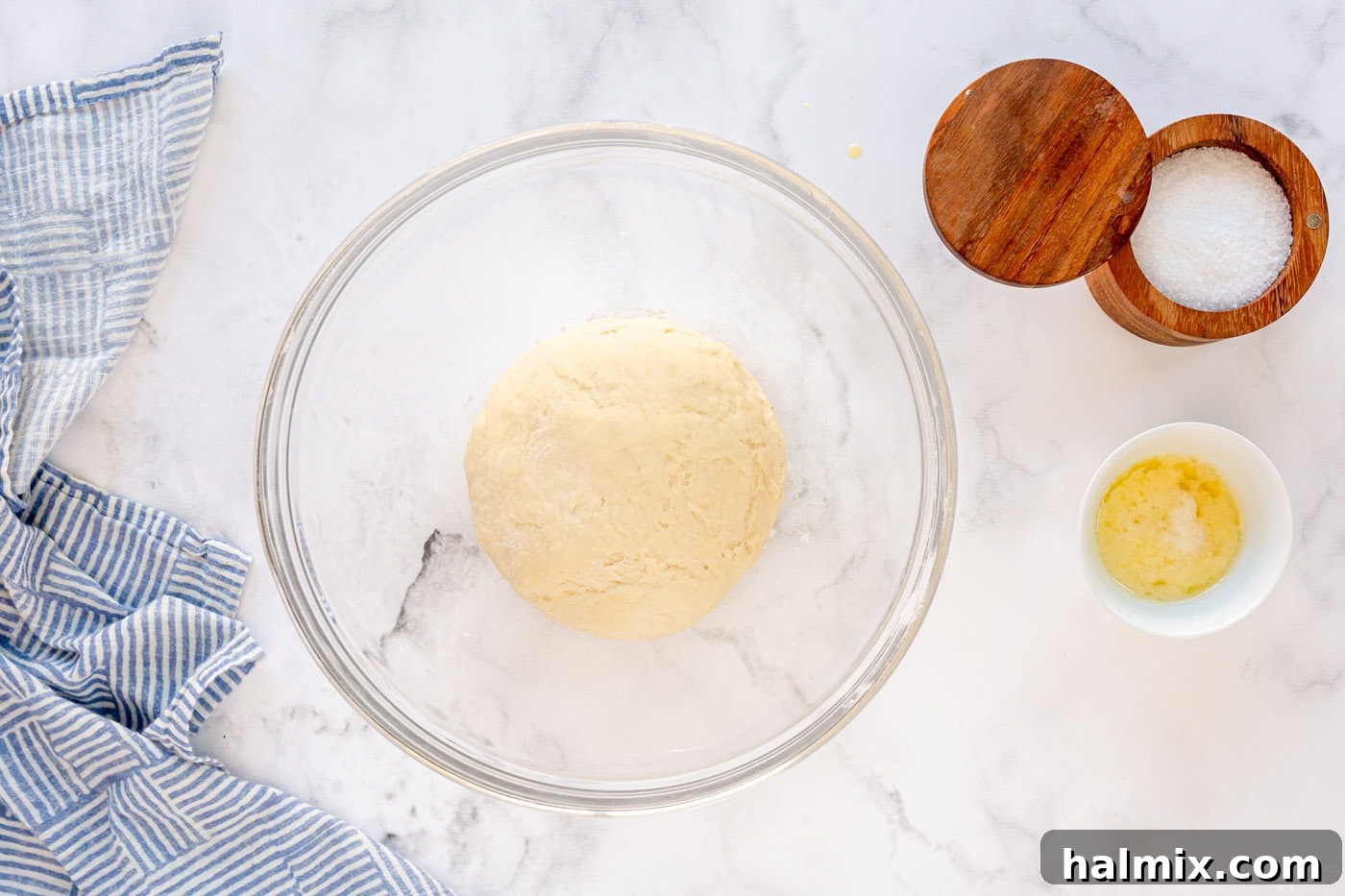
Gradually add the remaining flour to the mixture, scraping the dough from the sides of the bowl as needed, until a soft, slightly sticky dough forms. The dough should come together but still feel pliable and a little tacky to the touch. Avoid the temptation to add too much extra flour at this stage, as it can lead to dry, tough rolls. A sticky dough is a happy dough, promising a tender final product.
-
The First Rise
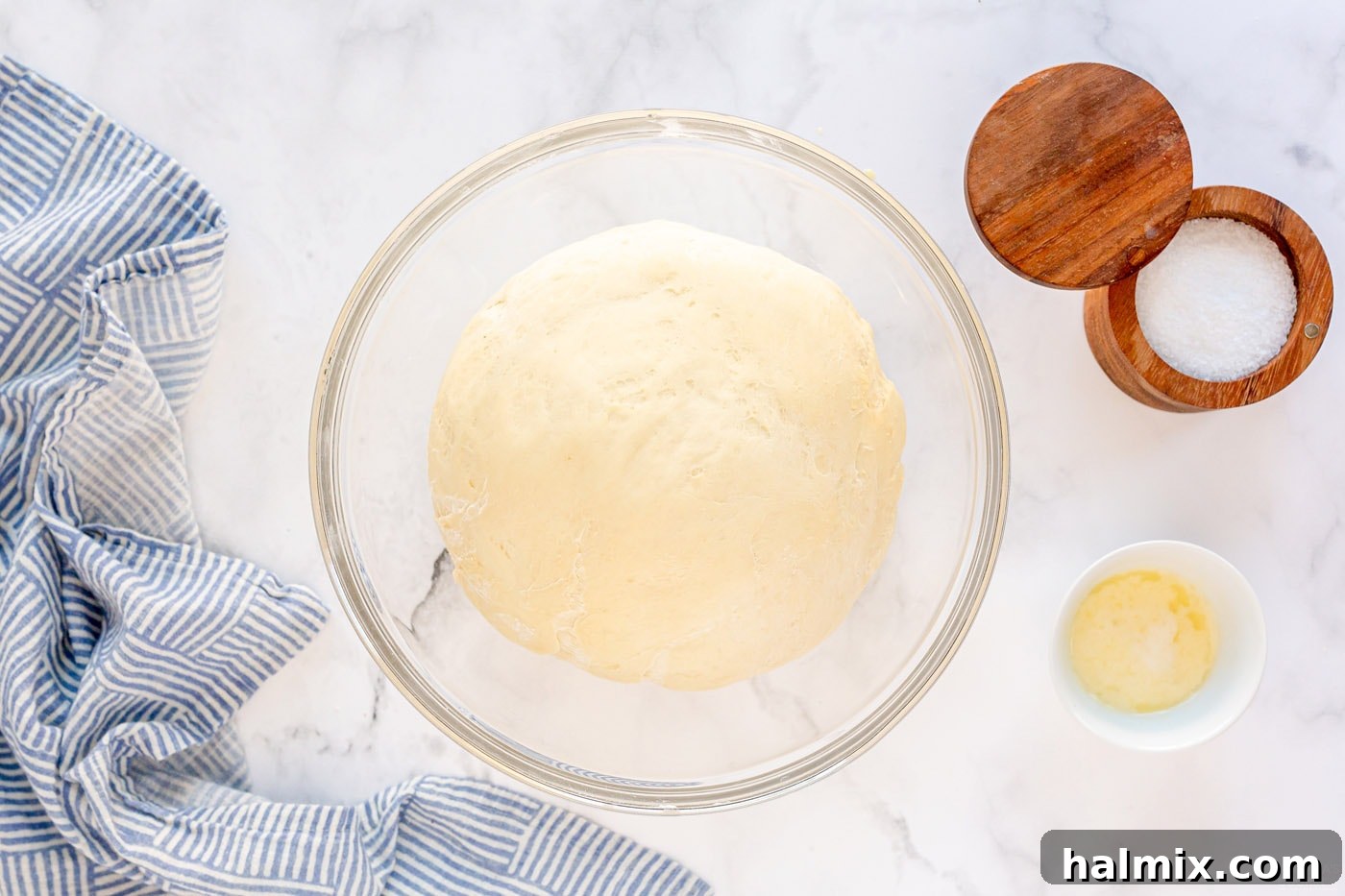
Once your dough is formed, cover the bowl securely with a clean kitchen towel. Place it in a warm, draft-free spot and allow it to rise until it has doubled in size. This typically takes about 45 minutes, thanks to the quick-acting yeast. A warm oven (turned off, with just the light on) or a sunny spot on your counter are ideal locations for rising. Ensuring the bowl is covered helps to create a humid environment, preventing the dough from drying out and promoting an even rise.
-
Shaping and Preparing for Bake
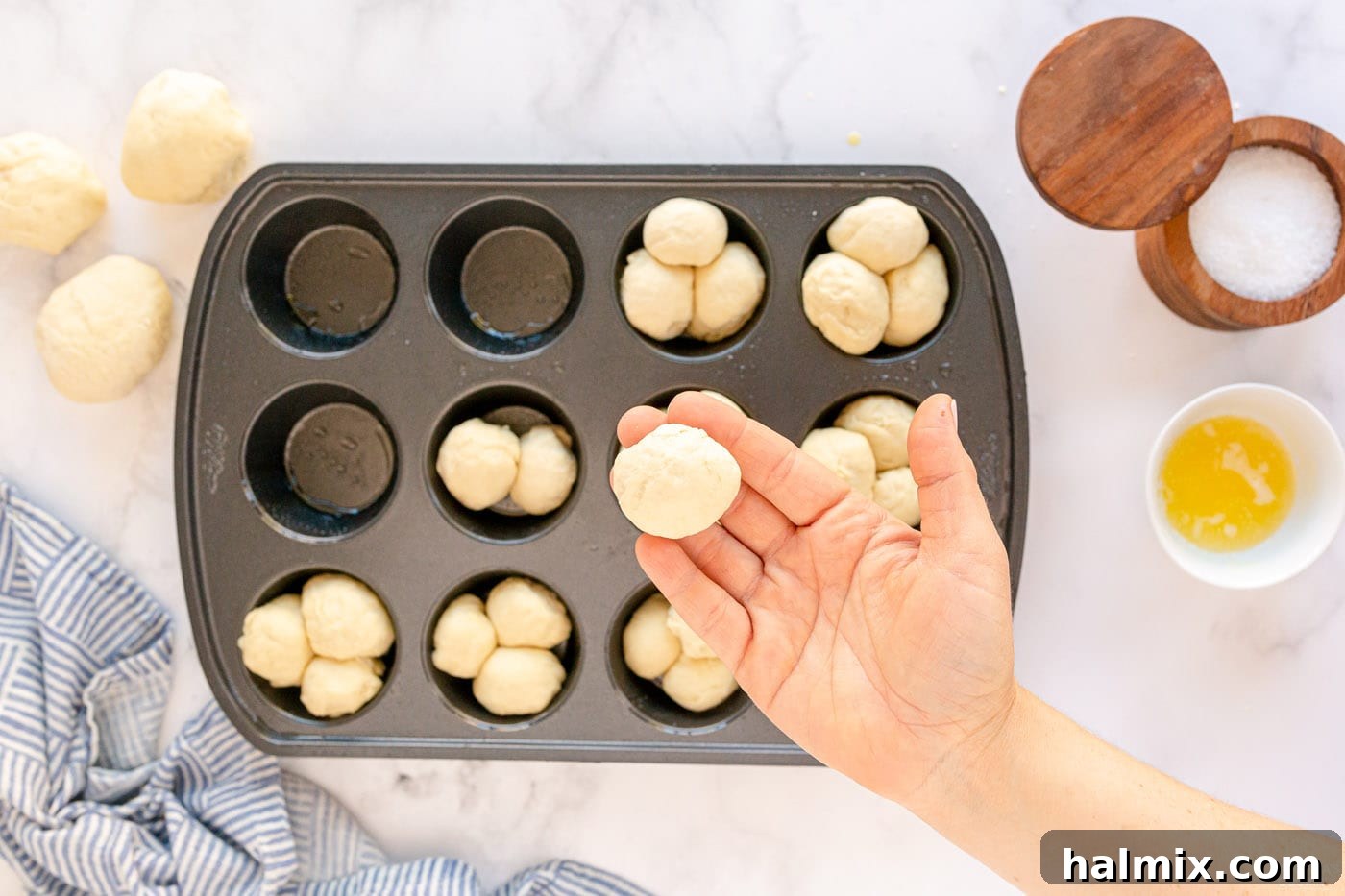
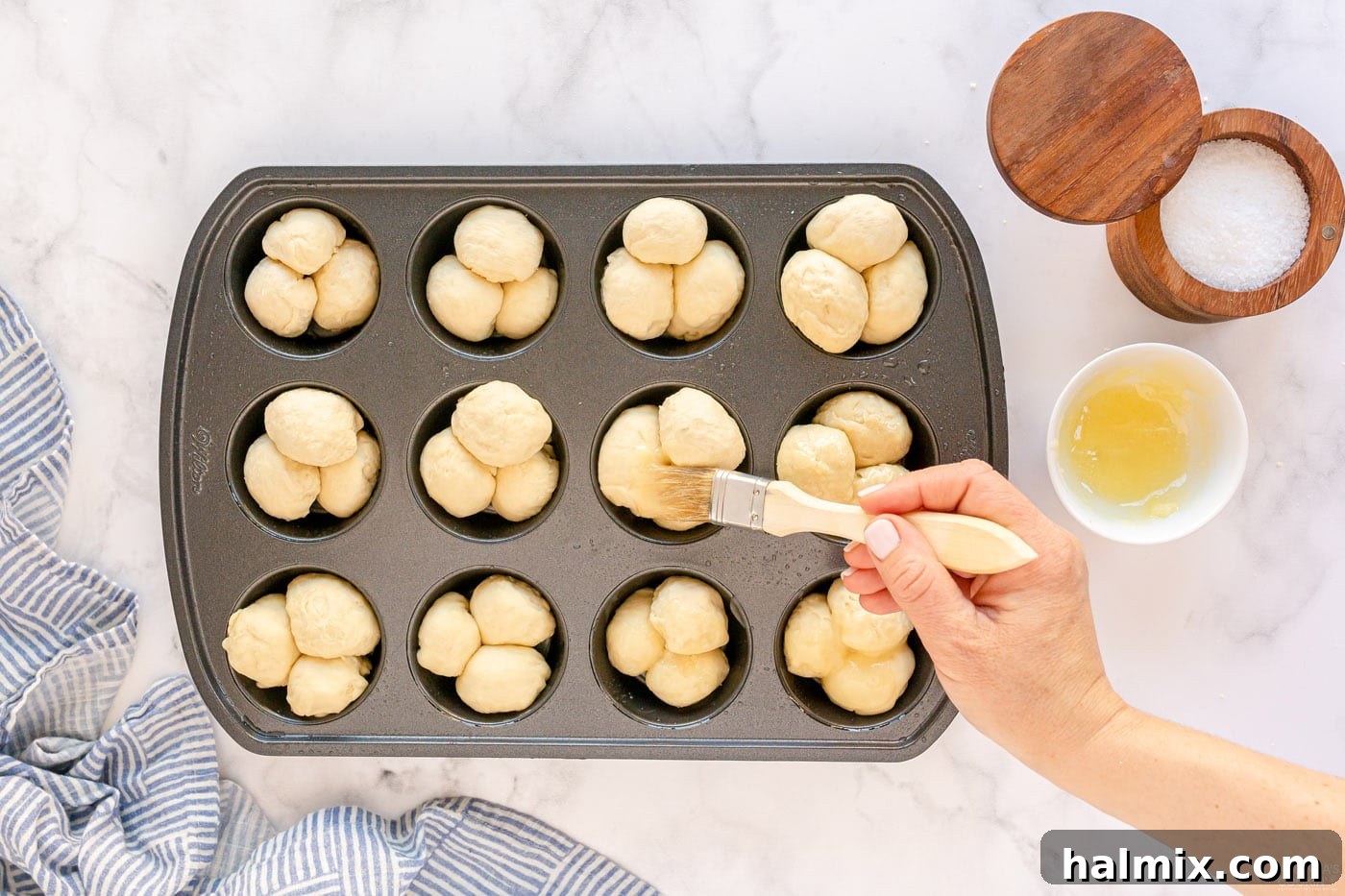
Preheat your oven to 400°F (200°C). Once the dough has risen, gently punch it down in the center and fold it over a few times to release air. Prepare a 12-cup muffin pan by coating it generously with non-stick cooking spray. Pinch off small, approximately 1-inch balls of dough and quickly roll them in the palm of your hands to create smooth spheres. Place three of these dough balls into each muffin cup. This “pull-apart” method ensures that each roll is incredibly soft and easy to separate. Brush the tops of the dough balls with melted butter and sprinkle them with coarse salt for extra flavor and a beautiful crust.
-
Baking to Golden Perfection
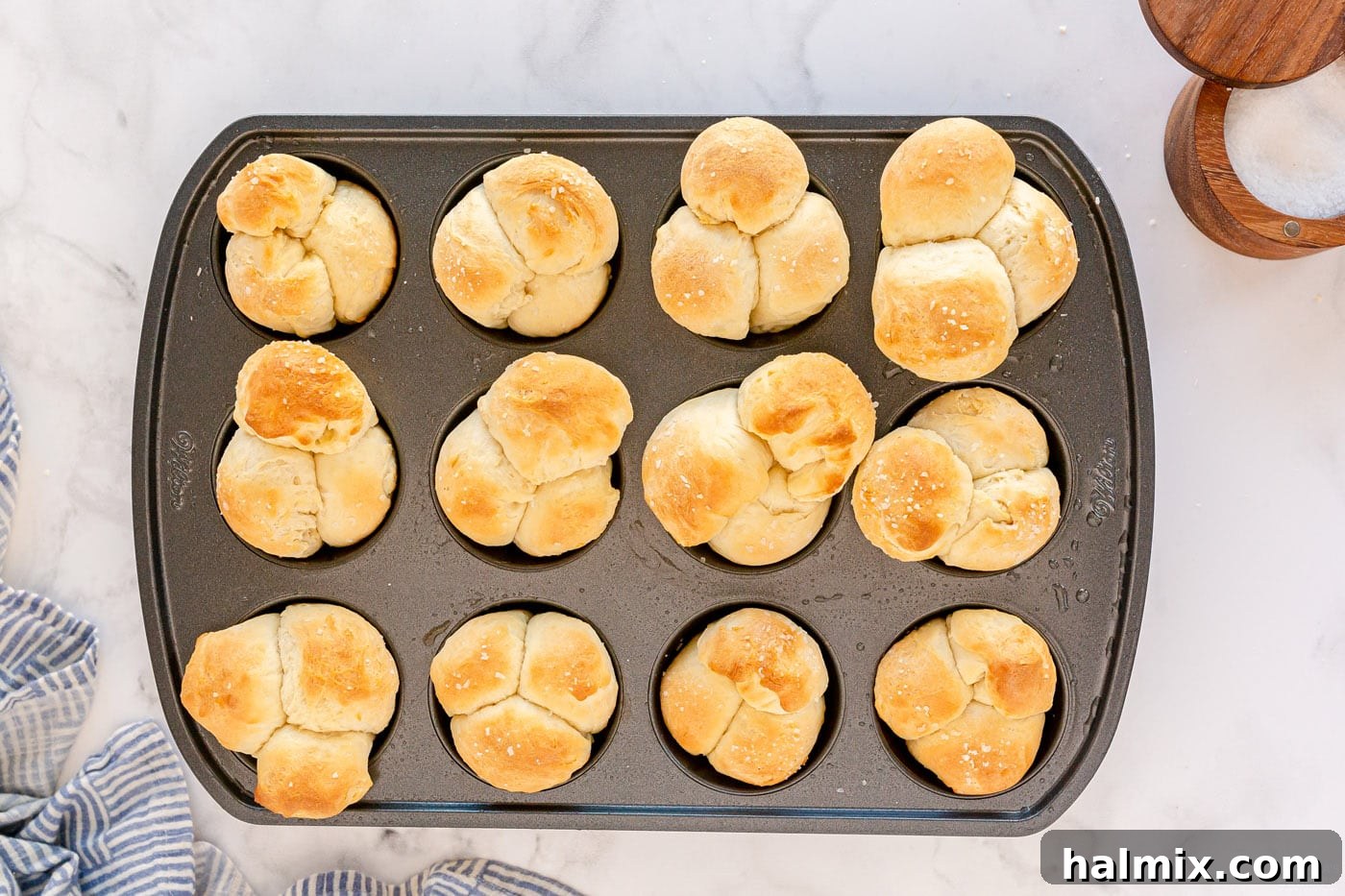
Bake the rolls in your preheated oven for about 15 minutes, or until their crusts are a light, appealing golden brown. Keep a close eye on them, as oven temperatures can vary. The rolls should sound hollow when tapped lightly. As soon as they come out of the oven, immediately remove them from the muffin pan to prevent them from steaming and becoming soggy. Allow them to cool slightly before serving. Store any leftover rolls loosely covered at room temperature to maintain their softness.
Expert Tips for No-Fail Dinner Rolls
- Temperature is Key: Always check your milk temperature with an instant thermometer. Too hot (above 120°F/49°C) kills the yeast; too cold (below 100°F/38°C) won’t activate it efficiently. The ideal range is 105-115°F (40-46°C).
- Measure Flour Correctly: Use the “scoop and sweep” method. Over-measuring flour is a common mistake that leads to dry, dense rolls. A kitchen scale is even better for accuracy.
- Don’t Over-Flour the Dough: The dough should be soft and slightly sticky after mixing. Resist the urge to add too much extra flour, even if it feels a bit tacky. A little stickiness contributes to the rolls’ tender crumb. If you find it hard to handle, lightly oil your hands with non-stick spray.
- Find a Warm, Draft-Free Spot for Rising: Dough loves warmth and hates drafts. A slightly warmed (then turned off) oven, a microwave with a cup of hot water, or a sunny windowsill are perfect environments for the dough to rise effectively.
- Cover the Dough: Always cover your dough with a clean kitchen towel or plastic wrap during rising to prevent a dry crust from forming, which can hinder the rise.
- Customize Your Topping: While coarse salt and butter are classic, feel free to experiment with other toppings like garlic butter, fresh herbs (rosemary, thyme), poppy seeds, or sesame seeds.
Frequently Asked Questions About Homemade Dinner Rolls
Yes, you absolutely can use active dry yeast. The main difference is the activation process and rise time. With active dry yeast, you’ll need to “proof” it first. Dissolve it in the warm milk (and sugar) and let it sit for about 5-10 minutes until it becomes foamy. This indicates the yeast is active. After proofing, proceed with the recipe as directed. Keep in mind that the rise time might be slightly longer than with instant yeast.
Yes, you can substitute bread flour for all-purpose flour. Bread flour has a higher protein content, which can result in a chewier texture. While these rolls are designed for tenderness, bread flour can still produce delicious results. Simply use an equal amount of bread flour as you would all-purpose flour in the recipe.
While it’s best to bake these rolls fresh for optimal texture, you can prepare the dough in advance. After the first rise, punch down the dough, shape the balls, and place them in the muffin pan. Instead of baking, cover the pan tightly with plastic wrap and refrigerate for up to 24 hours. When ready to bake, remove from the refrigerator and let them sit at room temperature for about 30-45 minutes (or until slightly puffy) before baking as usual. Be aware that the texture may be slightly different than freshly made.
It’s normal for this dough to be a bit sticky after the initial mixing and even after rising; this stickiness is what contributes to its soft texture. However, if it’s excessively messy and difficult to handle, you can try a few tricks. First, lightly spray your hands with non-stick cooking spray before handling the dough. If it’s still too wet, sprinkle a very small amount of flour (about a tablespoon at a time) onto the dough and gently fold it a few times. Be cautious not to add too much flour, as this will dry out the dough and result in dense, crumbly rolls.
To keep your homemade dinner rolls fresh and soft, allow them to cool completely. Then, wrap them tightly in aluminum foil and place them in an airtight container or a sealed zip-top bag. Stored at room temperature, they will remain fresh for up to 4 days. You can also freeze baked rolls for longer storage; simply thaw and reheat gently in the oven or microwave.
Absolutely! To make garlic herb dinner rolls, you can mix finely minced garlic and fresh herbs (like rosemary, thyme, or chives) into the dough along with the flour, oil, and salt. Alternatively, brush the baked rolls with garlic butter instead of plain melted butter for an extra savory kick. This adds a wonderful aromatic dimension.
If your dough isn’t rising, the most common culprits are inactive yeast or incorrect milk temperature. Ensure your yeast is fresh (check the expiration date) and that your milk is within the ideal temperature range of 105-115°F (40-46°C). Also, make sure the rising environment is warm and free from drafts. If all else fails, your yeast might be dead, and you’ll need to start with a fresh batch.
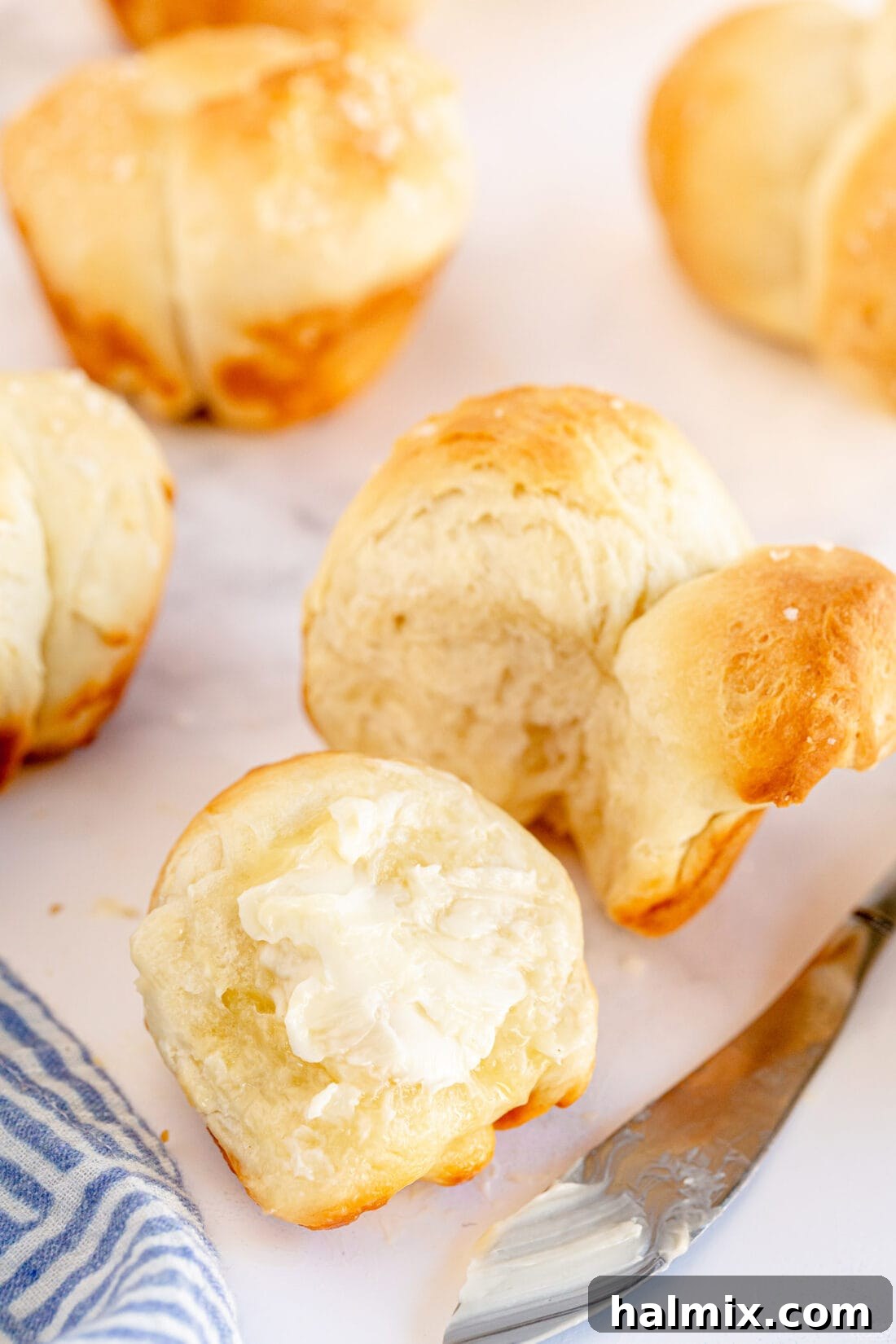
This recipe consistently yields 12 piping hot, incredibly soft rolls, each one begging to be pulled apart and devoured. As you gently separate them, watch the tantalizing steam escape, promising a burst of warmth and flavor. These pull-apart dinner rolls are more than just bread; they’re an experience – a simple pleasure that elevates any meal.
Explore More Delicious Roll and Biscuit Recipes
If you love baking homemade bread and biscuits, be sure to check out some of our other fantastic recipes:
- Gooey Garlic Cheese Rolls
- Bretzel Rolls (Pretzel Sandwich Rolls)
- Parmesan Garlic Rolls
- Homemade Hawaiian Rolls
- Classic Homemade Biscuits
- Herb Buttermilk Biscuits
- Irresistible Garlic Knots
We’re passionate about baking and cooking, and love sharing our kitchen adventures and recipes with you! To ensure you never miss a new delicious recipe, we offer a convenient newsletter. Simply subscribe today and start receiving your free daily recipes directly in your inbox!
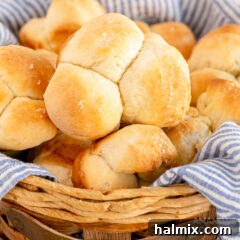
Homemade Pull Apart Dinner Rolls
IMPORTANT – There are often Frequently Asked Questions within the blog post that you may find helpful. Simply scroll back up to read them!
Print It
Pin It
Rate It
Ingredients
- 1 package quick-acting yeast also known as instant yeast
- 1 ⅓ cup milk at 105 to 115F degrees
- 3 cups all purpose flour
- 3 Tablespoons extra virgin olive oil
- 1 Tablespoon sugar
- 1 teaspoon salt
- 1 Tablespoon butter melted
- coarse salt for topping
Equipment You’ll Need
-
Electric mixer
-
Muffin pan
-
Instant thermometer (optional but recommended)
Before You Begin
- We use all-purpose flour here. If you want to use whole wheat flour, substitute half (e.g., 1.5 cups whole wheat, 1.5 cups all-purpose). Your rolls could be too dense if you substitute all of the all-purpose flour for whole wheat flour.
- When measuring flour, be sure to use the scoop and sweep method for accuracy. Too much flour can result in dry, crumbly rolls.
- Quick-acting yeast is key for faster rise times. Any brand of rapid-rise, quick-rise, or fast-rise instant yeast will work fine. It absorbs water quicker than regular dry yeast.
Instructions
-
In an electric mixer bowl, dissolve yeast in warm milk (105-115°F) with sugar. Stir in 1 cup flour, olive oil, and salt. Beat until smooth. Gradually stir in enough remaining flour, scraping dough from the side of the bowl, until a soft dough forms.
-
Cover the bowl with a towel and let the dough rise in a warm, draft-free place until it doubles in size, about 45 minutes.
-
Preheat oven to 400°F (200°C). Punch down the risen dough in the center and fold it over a few times. Prep a 12-cup muffin pan with non-stick cooking spray. Pinch off approximately 1-inch balls of dough and quickly roll them in the palm of your hands. Place 3 balls into each muffin cup. Brush with melted butter and sprinkle with coarse salt.
-
Bake for about 15 minutes, or until the crust is light golden brown. Immediately remove the rolls from the pan. Store loosely covered at room temperature for up to 4 days.
Nutrition Information
The recipes on this blog are tested with a conventional gas oven and gas stovetop. It’s important to note that some ovens, especially as they age, can cook and bake inconsistently. Using an inexpensive oven thermometer can assure you that your oven is truly heating to the proper temperature. If you use a toaster oven or countertop oven, please keep in mind that they may not distribute heat the same as a conventional full sized oven and you may need to adjust your cooking/baking times. In the case of recipes made with a pressure cooker, air fryer, slow cooker, or other appliance, a link to the appliances we use is listed within each respective recipe. For baking recipes where measurements are given by weight, please note that results may not be the same if cups are used instead, and we can’t guarantee success with that method.
A special thank you to Jill of Simple Daily Recipes for sharing this fantastic recipe.
This recipe originally appeared here on Dec 27, 2008, and has since been extensively updated with new photos, expanded expert tips, and enhanced content for clarity and SEO.