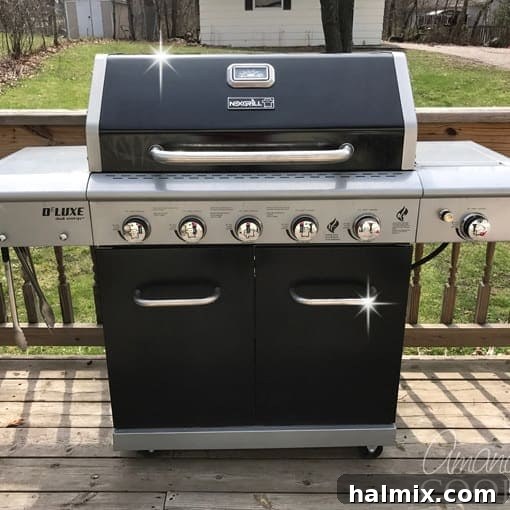
Cleaning your gas barbecue grill might not be the most exciting task on your list, but it’s an absolutely essential one for any grill master. A clean grill isn’t just about aesthetics; it’s crucial for food safety, optimal cooking performance, and significantly extending the lifespan of your beloved outdoor cooking companion. While the thought of tackling a greasy, carbon-caked grill can be daunting, the good news is you don’t need an arsenal of expensive, specialized cleaners. With a few basic household supplies – primarily soap and water – and a bit of elbow grease, you can restore your grill to a sparkling, ready-for-action state. This comprehensive guide will walk you through a detailed, step-by-step process to deep clean your gas grill, ensuring every component is meticulously cared for.
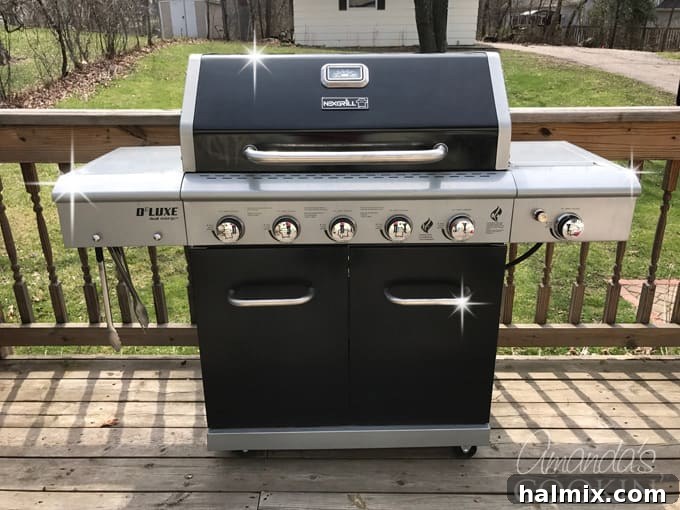
Why Regular Gas Grill Cleaning is Crucial
Before diving into the how-to, let’s explore why making grill cleaning a routine is so important. Many grill owners neglect this vital maintenance, often leading to a subpar grilling experience and a shorter grill life. Here are the primary reasons why you should prioritize regular deep cleaning:
- Enhanced Food Safety: Old food particles, grease, and carbon buildup can harbor bacteria and mold. When heated, these can transfer to your fresh food, posing health risks. Regular cleaning eliminates these contaminants, ensuring your meals are not only delicious but also safe to eat.
- Improved Flavor Profile: Burnt, carbonized residue from previous cooks can impart an acrid, bitter taste to your freshly grilled food, overpowering the natural flavors you’re trying to achieve. A clean grill surface ensures that your food absorbs only the smoky goodness you desire.
- Optimal Performance and Efficiency: Clogged burners, grease-laden heat plates, and dirty grates can severely impact your grill’s heating performance. Clean components allow for even heat distribution, consistent temperatures, and efficient fuel consumption. This means faster preheating and perfectly cooked food every time.
- Prevents Flare-Ups and Grease Fires: Accumulated grease in the catch pan and bottom tray is a significant fire hazard. When drippings hit these pools of grease, they can ignite, leading to dangerous flare-ups that can burn your food and potentially damage your grill or even cause injury. Regular removal of grease is paramount for safe grilling.
- Extends Grill Lifespan: Grease and food acids are corrosive. Over time, they can eat away at metal components, leading to rust and premature deterioration. By keeping your grill clean, you protect its structural integrity and extend its functional life, saving you money on costly repairs or replacements.
- Maintains Aesthetic Appeal: A sparkling clean grill is more inviting to use. It shows pride in your equipment and makes outdoor cooking a more enjoyable experience for both you and your guests.
How Often Should I Deep Clean My Gas Grill?
The frequency of deep cleaning depends on how often you fire up your grill. As a general rule, a thorough deep clean should be performed at least once per grilling season, typically before the season begins. However, if you’re an avid griller, using your barbecue two to three days a week or more, a twice-a-season deep clean is highly recommended.
Beyond the seasonal deep clean, daily maintenance is also crucial. After each use, once the grates have cooled slightly, take a wire brush to scrub off any remaining food particles from the cooking grates. Additionally, regularly check the small grease tray (also known as a catch pan or drip pan) located beneath the main cooking area. This pan collects grease and food drippings and should be emptied and cleaned whenever it appears full to prevent dangerous flare-ups and maintain cleanliness. I personally make it a habit to check the grease level every single time I use my grill, ensuring it never overflows.
Essential Tools and Materials for Grill Cleaning
Before you start, gather all your supplies. Having everything ready will make the process smoother and more efficient. You won’t need anything fancy, just standard household items:
- A sturdy wire grill brush: Essential for scraping off tough, caked-on residue from grates and inside surfaces.
- Large bucket: For hot, soapy water to soak removable parts.
- Dish soap: A good degreasing dish soap is all you need to cut through grease and grime.
- Heavy-duty gloves: Protect your hands from grease, sharp edges, and hot water.
- Sponge with an abrasive side: For scrubbing heat plates, trays, and other components.
- Several clean towels or rags: For drying parts and wiping down surfaces. Microfiber cloths work wonders for streak-free drying.
- Trash bag: For discarding grease and loose debris.
- Small brush or pipe cleaner (optional): For clearing burner holes if they are clogged.
- Flat scraper (optional): Useful for exceptionally stubborn grime on the bottom of the grill body.
Understanding Your Gas Grill: Key Components to Clean
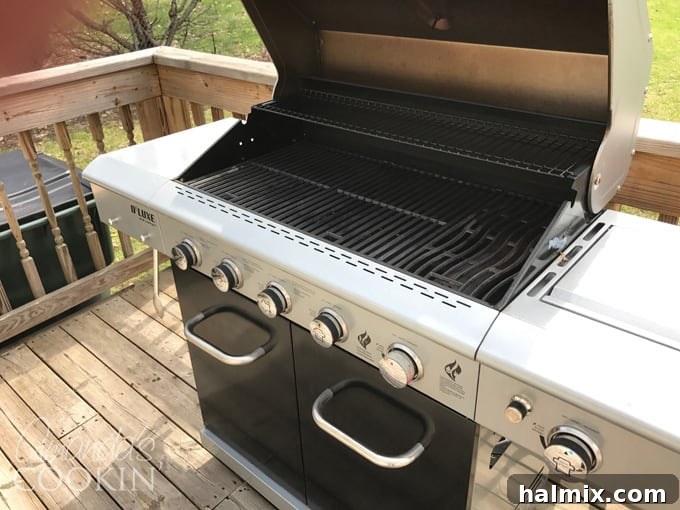
To effectively clean your grill, it helps to know its various parts and their functions. This ensures you clean each component correctly and understand why its cleanliness is important:
- Cooking grates: These are the surfaces where your food cooks. Often made from cast iron, stainless steel, or porcelain-enameled steel, they accumulate the most food residue and charred bits. Cast iron grates, in particular, are heavy and require careful drying to prevent rust.
- Warming rack: Typically positioned at the back of the grill box, above the main cooking grates. It’s designed to keep cooked food warm or toast buns without overcooking them. It also collects drippings and food particles.
- Burners: The heart of your grill, where the propane or natural gas ignites to produce the flame. These tubes have small holes through which the gas flows. Keeping these holes clear is vital for even heating and efficient fuel use.
- Control knobs: These regulate the gas flow to the burners. While primarily external, they can get greasy and sticky from handling during cooking.
- Heat plates (also called flame tamers or flavorizer bars): These triangular or tent-shaped metal shields sit directly above the burners. They protect the burners from falling grease and food particles, distribute heat evenly across the cooking surface, and vaporize drippings to create that signature smoky flavor.
- Bottom grease tray (or grill bottom): This full-length tray forms the base of the grill box, underneath the burners and heat plates. It catches larger debris and directs grease toward the smaller catch pan.
- Catch pan/small grease tray: A smaller, removable tray, usually located at the very bottom or back of the grill. This is where accumulated grease from the main bottom tray collects, minimizing the risk of flare-ups by containing the drippings. This is arguably one of the most important parts to regularly check and empty.
Safety First: Getting Ready for the Deep Clean
Before you begin the actual cleaning, it’s paramount to take a few safety precautions. Grilling involves gas and heat, so safety should always be your top priority.
- Ensure the Grill is Cool: Never attempt to clean a hot grill. Wait until it has completely cooled down after its last use. This prevents burns and allows you to handle components safely.
- Disconnect Propane Tank: This is a critical safety step. First, ensure all control knobs on your grill are in the “OFF” position. Then, turn the control valve on your propane tank to the closed position (usually by turning clockwise) and disconnect the tank from the grill’s gas line. If you have a natural gas grill, shut off the gas supply at the source valve.
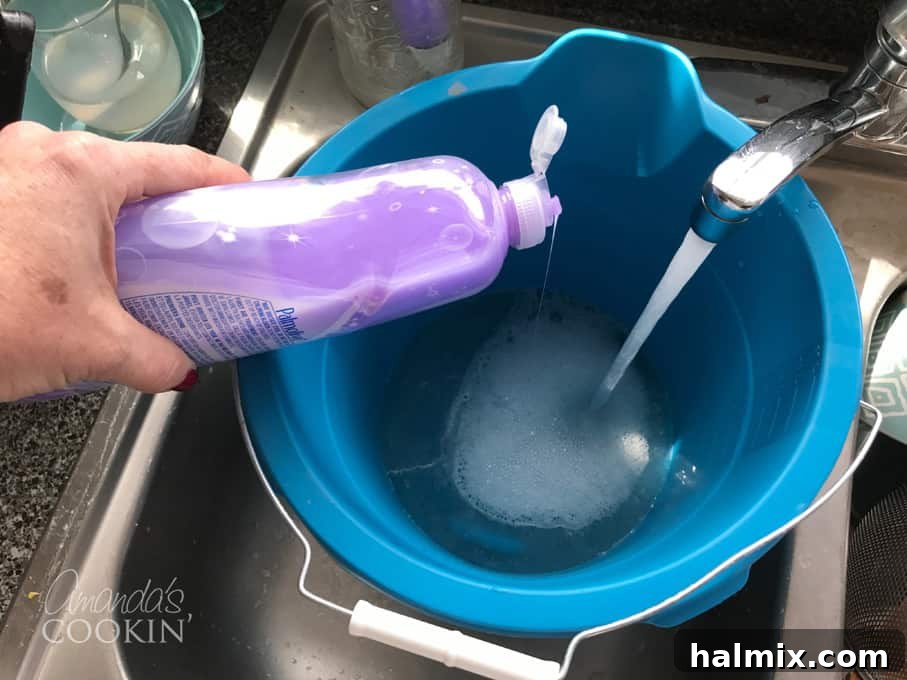
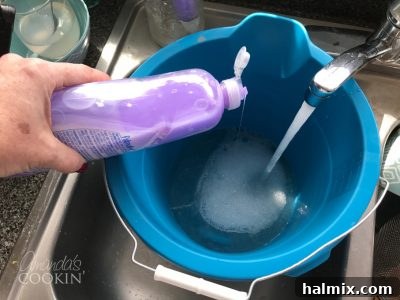
- Prepare Your Cleaning Solution: Fill a large bucket with hot tap water. Add a generous squirt of a good quality dish soap. The hotter the water, the better it will cut through stubborn grease. You might need to change this water once or twice throughout the cleaning process, especially if your grill is exceptionally dirty.
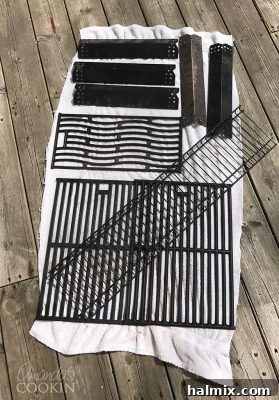
- Set Up Your Drying Station: Lay a clean towel or old sheet out on a clean patch of ground or a patio table. This will serve as a designated area to place cleaned and dried grill parts, keeping them organized and preventing them from getting dirty again.
- Wear Protective Gear: Put on your heavy-duty cleaning gloves to protect your hands from harsh grime, hot water, and any sharp edges inside the grill.
Step-by-Step Guide to Deep Cleaning Your Gas Grill
Now that you’re prepared, let’s get down to the meticulous process of cleaning each part of your gas grill.
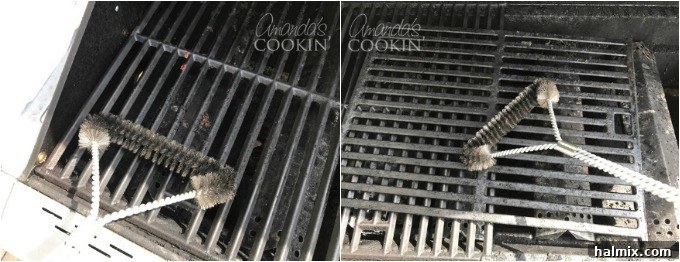
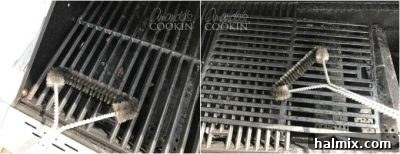
- Clean the Cooking Grates and Warming Rack: Begin with the most visible parts. Use your sturdy wire grill brush to aggressively scrape off any charred food particles, grease, and carbon buildup from both the cooking grates and the warming rack. Work in sections, applying firm pressure.
- Remove and Further Clean Grates: Once the top surfaces are brushed, carefully remove the cooking grates from the grill. Place them aside for now. If your grates are particularly dirty, you can also use the wire brush on their undersides to dislodge any stuck-on residue. For an even deeper clean, you can place them into your bucket of soapy water to soak while you work on other parts, especially if they are stainless steel or porcelain-enameled.
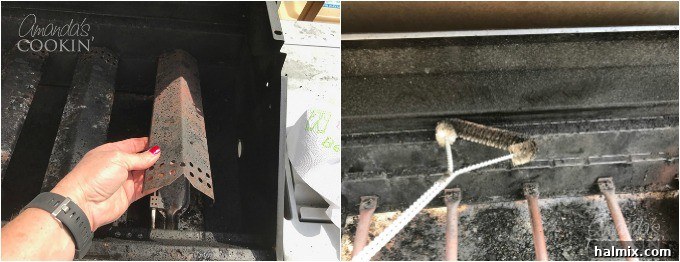
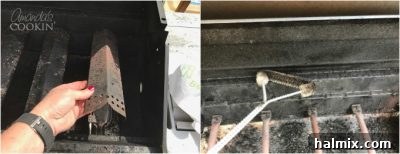
- Remove and Soak Heat Plates: Carefully lift out the heat plates that sit above the burners. These often have a significant amount of baked-on grease and carbon. If necessary, give them a preliminary scrub with the wire brush to loosen large particles. Then, immerse the heat plates into your bucket of hot, soapy water to soak. This will help break down the stubborn grease, making them easier to clean later.
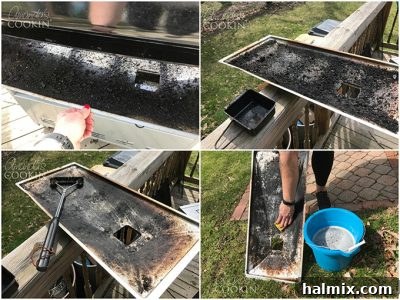
- Clean the Grill Interior: With the grates and heat plates removed, the interior of your grill box is exposed. Use your wire brush to vigorously scrub the inside walls, the lid, and the bottom surface of the grill. Aim to dislodge all loose carbon flakes, charred bits, and accumulated debris. You’ll be surprised how much gunk collects in these areas.
- Scrub and Dry Heat Plates: Retrieve the heat plates from the soaking bucket. Use the abrasive side of your sponge to thoroughly scrub away the softened grease and grime. Rinse them well with clean water and then dry them completely with a clean towel. Place them on your prepared drying towel.
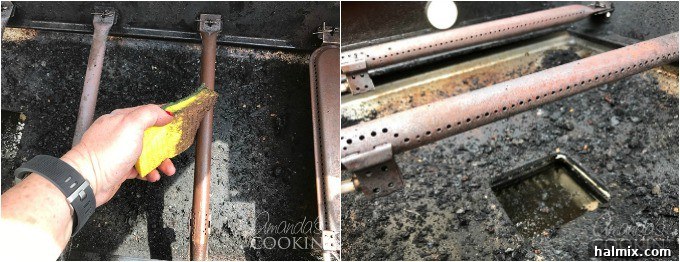
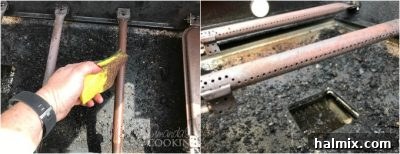
- Clean the Burner Tubes: The burner tubes are critical for even heat. Gently wipe down the burner tubes with a damp sponge or cloth. Pay close attention to the small gas holes along the tubes. Use a small brush, a pipe cleaner, or even a toothpick to carefully clear any clogged holes. This ensures an even flame and optimal burner performance. Be gentle not to damage the tubes.
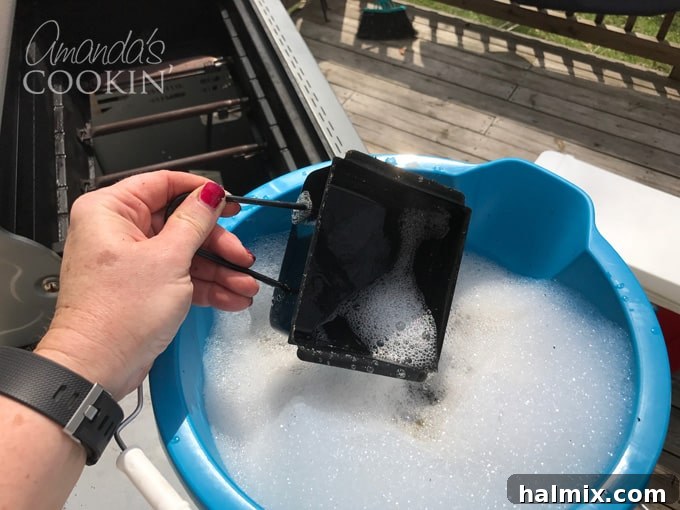
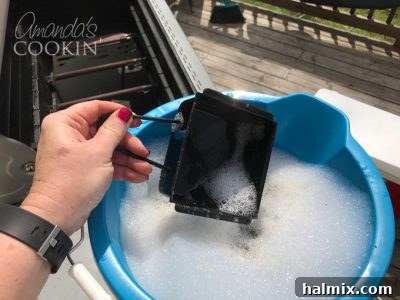
- Empty and Soak the Catch Pan: This small tray, often located at the back or underneath the main grill body, collects grease and is a prime source of flare-ups if neglected. Carefully remove the catch pan, as it may be full of liquid grease. Discard any grease into a non-recyclable container (like an old milk carton) before throwing it in the trash. Once emptied, drop the catch pan into your soapy water bucket to soak.
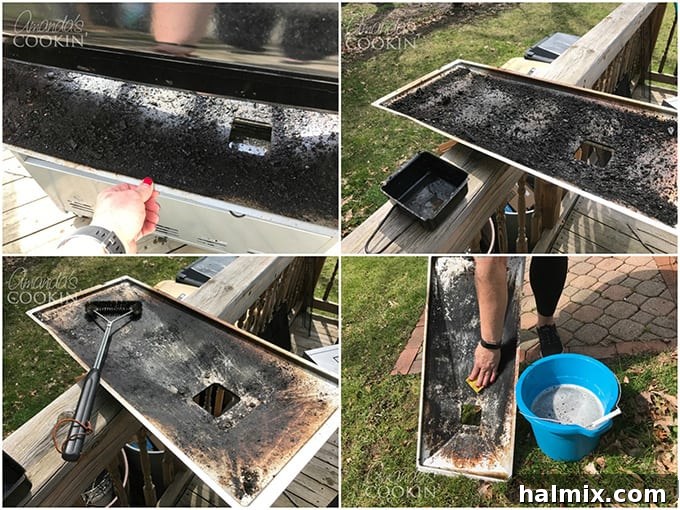
- Clean the Bottom Grease Tray: Remove the larger, full-length bottom grease tray from the back or underside of the grill. Use your wire brush to loosen any crusted particles and dried grease. For very stubborn buildup, a flat scraper can be helpful here.
- Wash and Dry Trays: Wash both the bottom grease tray and the catch pan with the soapy water, scrubbing thoroughly with the abrasive side of your sponge until all grease and grime are removed. Rinse them completely and dry them off with a clean towel. Place them on your drying towel with the other parts.
- Thoroughly Dry All Components: This step is critical, especially for cast iron parts (like many cooking grates). Ensure that every single component you’ve washed is completely dry before reassembling. Leaving cast iron wet, even for a short period, can lead to rust development, which will quickly negate all your cleaning efforts. If you have cast iron grates, consider applying a thin layer of cooking oil after drying to season them and further protect against rust.
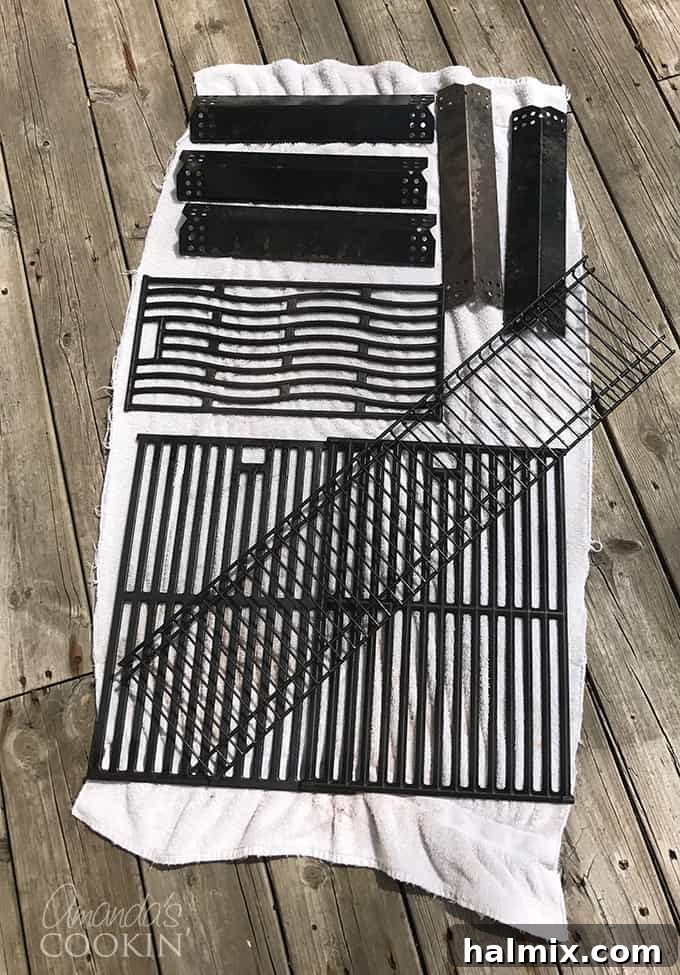
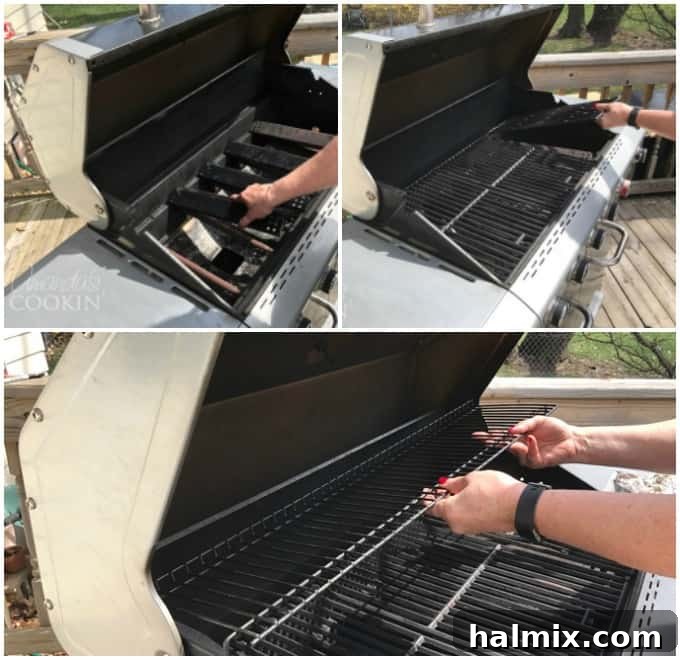
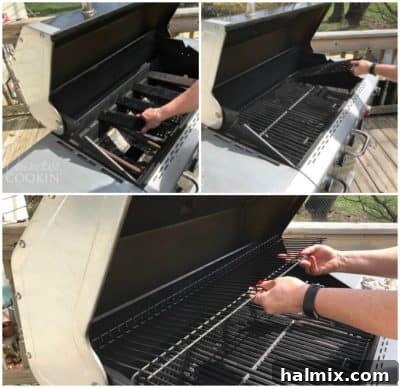
- Reassemble the Grill: Once all parts are clean and completely dry, carefully place them back into your grill in the reverse order of disassembly. Start with the bottom grease tray, then the catch pan, followed by the burner tubes (if they were removed), heat plates, warming rack, and finally, the cooking grates. Double-check that everything is properly seated.
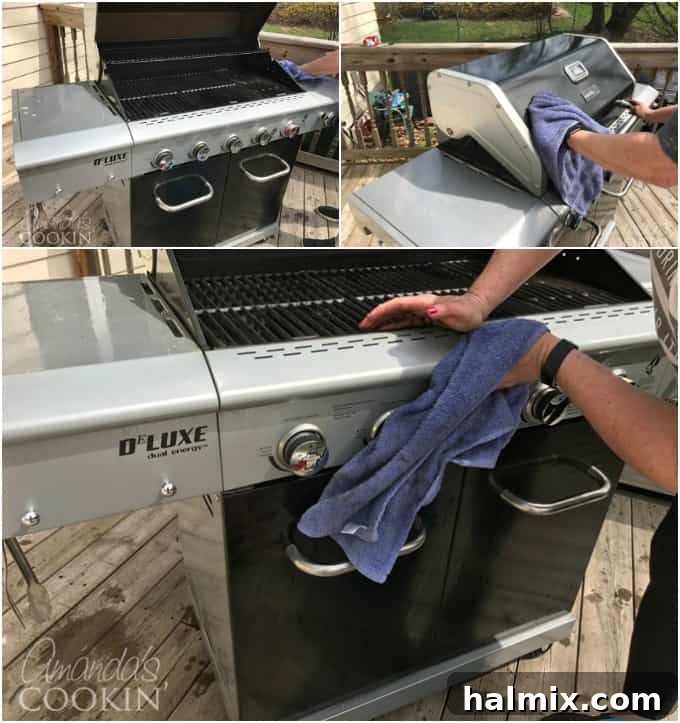
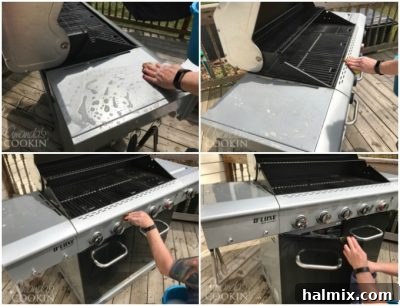
- Clean the Grill Exterior: By this point, your bucket water might be quite dirty. It’s a good idea to change it out for fresh, hot soapy water. Use a fresh sponge or dishcloth dipped in this new solution to clean all the exterior surfaces of your grill, including the lid, side shelves, doors, and control panel. Wipe away any splattered grease, dust, and fingerprints.
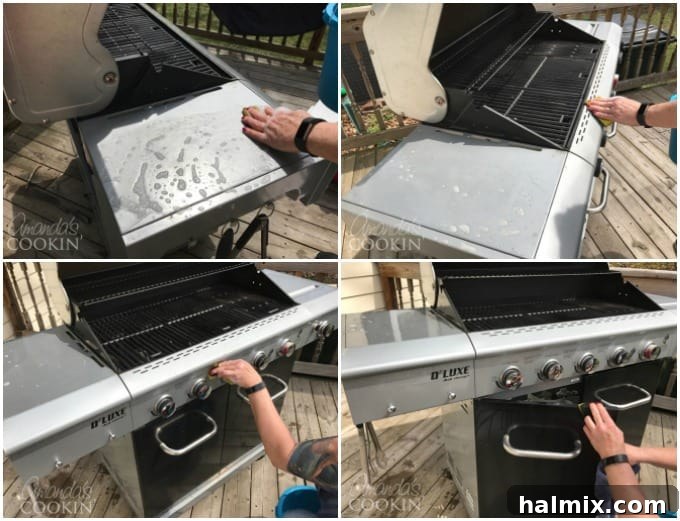
- Dry the Exterior: Use a clean, dry towel (a microfiber cloth works exceptionally well for this) to thoroughly wipe down and dry all outside surfaces. This prevents water spots and leaves your grill looking polished and ready for its next cooking session.
- Perform a Burn-Off: Ensure all your control knobs are in the “OFF” position, then reconnect your propane tank. Slowly open the tank’s control valve. Turn on your grill to a high setting and let the flames heat the cooking grates for about 5 to 10 minutes. This “burn-off” process will incinerate any lingering soap residue or small particles you might have missed, sanitizing the grates and preparing them for cooking. Once done, turn off the grill and allow it to cool.
Post-Cleaning Maintenance Tips
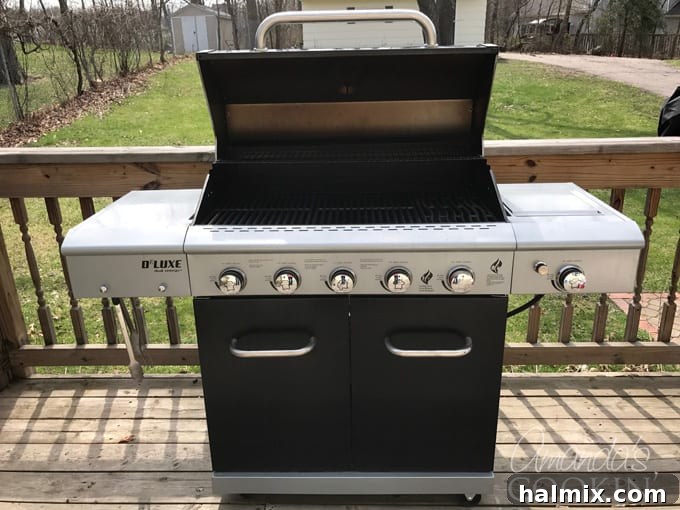
Your grill is now spotless and ready for action! To keep it in this pristine condition for longer, consider these ongoing maintenance tips:
- Regular Quick Cleans: After every use, once the grates cool down, give them a quick scrub with your wire brush. This prevents major buildup.
- Empty Grease Tray Frequently: Don’t wait for the catch pan to be full. Empty it regularly, ideally after every few uses, to minimize fire risks.
- Cover Your Grill: Invest in a good quality grill cover. This protects your grill from the elements (rain, sun, dust, pollen) and significantly slows down wear and tear, keeping the exterior clean and preventing rust.
- Check Gas Lines and Hoses: Periodically inspect gas hoses for cracks, leaks, or kinks. A simple soap-and-water test (applying soapy water to the hose and looking for bubbles when the gas is on but the burners are off) can help detect leaks.
- Season Cast Iron Grates: If your grill has cast iron grates, re-season them after deep cleaning by applying a thin layer of high-smoke point cooking oil (like vegetable or canola oil) and heating the grill on low for 15-20 minutes. This creates a non-stick surface and protects against rust.
Conclusion: Embrace the Clean Grill Life
While cleaning your gas grill might feel like a chore, the benefits far outweigh the effort. A well-maintained grill performs better, cooks safer, and lasts longer. By following this comprehensive guide and incorporating regular cleaning into your grilling routine, you’ll ensure that every barbecue session is a joy, producing perfectly cooked, flavorful food without the worry of old grease or unhealthy residue. So, gather your supplies, dedicate some time, and get ready to enjoy your sparkling clean grill!
Need some recipe ideas?
- Try these marinated grilled chicken skewers or my recipe for pizza on the grill.
- Looking for something different to make with cubed steak? These grilled cube steak roll-ups are always a hit!
- If you’re looking for a whole lot more, here are 30 recipes for the grill.
- Don’t forget about dessert too!
I love to bake and cook and share my recipes with you! I know it’s hard to remember to come back and search, so I’ve made it easy for you with my weekly newsletter! You can subscribe for free and I’ll send you delicious recipes every week right to your email.
How to Clean Your Gas Grill
IMPORTANT – There are often Frequently Asked Questions within the blog post that you may find helpful. Simply scroll back up to read them!
Print It
Pin It
Rate It
Ingredients
- 1 bucket
- 1 wire grill brush
- dish soap
- 1 sponge with an abrasive side
- 2 clean towels
- 1 dishcloth or rag
Before You Begin
- Cooking grates – on many grills these grates are made from cast iron and are heavy.
- Warming rack – sits at the back of the grill, meant for placing food that is done and to be kept warm
- Burners – the most important part of your grill as this is where the flame comes from
- Control knobs – depending on your grill you could have 3-6 or even more, and one may control a side burner meant for a small saucepan.
- Heat plates – triangular shapes metal guards that protect the burners from falling grease and food particles
- Bottom grease tray – full-length tray under the burners that catches everything
Catch pan/small grease tray – a small tray that catches grease to minimize flare-ups.
Instructions
GETTING READY TO CLEAN THE GRILL
-
First, disconnect your propane tank from the grill and make sure the tank’s control valve is closed.
-
Fill a bucket with hot tap water and add a good squirt of dish soap. You may need to change this water once during your cleaning depending on how dirty the grill is.

-
Lay one of the towels out on the ground to hold clean parts as you finish washing them.
HOW TO CLEAN YOUR GAS GRILL
-
Start by using a wire grill brush to remove any crusty particles from the cooking grates and warming rack.
-
Remove cooking grates and use wire brush on the back sides as well.
-
Remove the heat plates, use a wire brush if needed. Drop heat plates into bucket to soak.
-
Use wire brush to remove crusted particles inside the grill and along walls.
-
Remove heat plates from bucket and scrub with abrasive side of sponge then dry off and place on waiting towel.
-
Use damp sponge to wipe down burner tubes and make sure the holes are clear.
-
Carefully remove the catch pan from the back of the grill as it may be full. Discard any grease and drop it into soapy water to soak.
-
Remove the bottom grease tray from back of the grill and use wire brush to loosen particles.
-
Wash tray with soapy water, scrubbing with abrasive side of sponge if needed.
-
Remove catch pan from bucket, wipe clean and dry off both trays.
-
Be sure that you dry off all parts, especially those that are made from cast iron. Leaving cast iron wet can cause it to rust.
-
Put all the clean parts back into and on the grill.
-
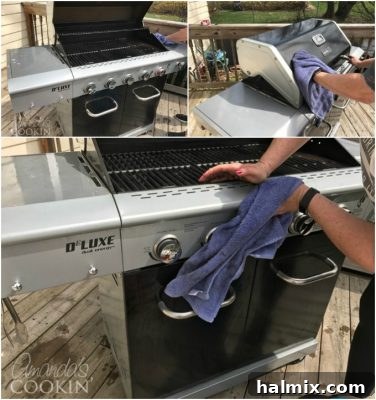
This may be a good time to change out the bucket water. Use fresh, hot soapy water to clean the outside surfaces of the grill including the doors and lid.
-
Wipe down all outside surfaces with a towel.
-
Make sure all of your control knobs are in the off position, then reconnect your propane tank. Start up the grill and let the flame heat the cooking grates for 5 minutes or so. This will remove any remaining soap residue you may have missed.
The recipes on this blog are tested with a conventional gas oven and gas stovetop. It’s important to note that some ovens, especially as they age, can cook and bake inconsistently. Using an inexpensive oven thermometer can assure you that your oven is truly heating to the proper temperature. If you use a toaster oven or countertop oven, please keep in mind that they may not distribute heat the same as a conventional full sized oven and you may need to adjust your cooking/baking times. In the case of recipes made with a pressure cooker, air fryer, slow cooker, or other appliance, a link to the appliances we use is listed within each respective recipe. For baking recipes where measurements are given by weight, please note that results may not be the same if cups are used instead, and we can’t guarantee success with that method.
This post originally appeared here on May 25, 2017.