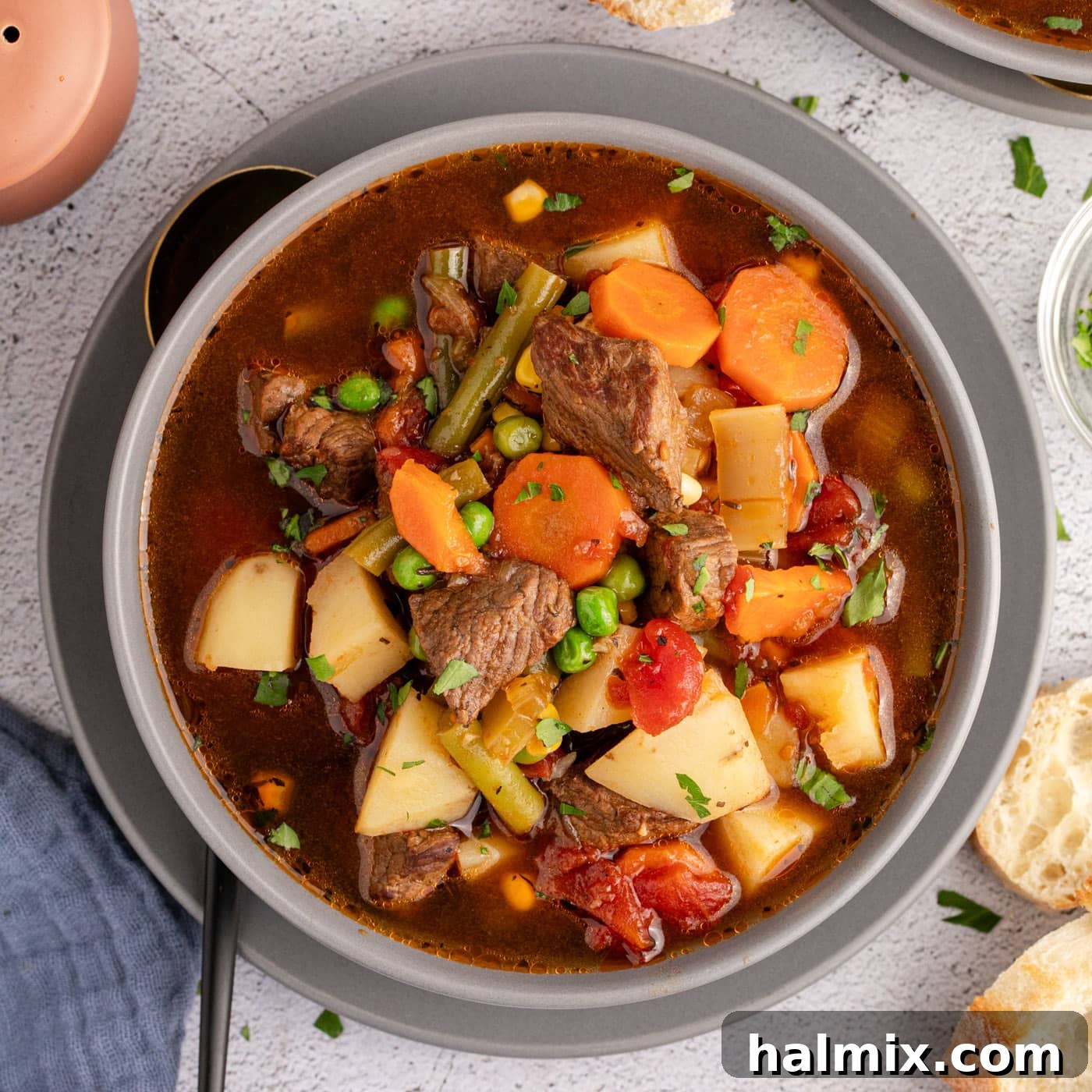
There’s nothing quite like a steaming bowl of homemade soup to bring comfort and warmth to any day, and this vegetable beef soup stands out as a true classic. Bursting with a vibrant spectrum of garden-fresh vegetables and succulent chunks of tender beef, all swimming in a rich, savory broth, it’s a meal that nourishes both body and soul. This isn’t just a recipe; it’s an invitation to create a heartwarming experience right in your kitchen, perfect for a chilly evening or any time you crave a wholesome, satisfying meal that truly feels like home.
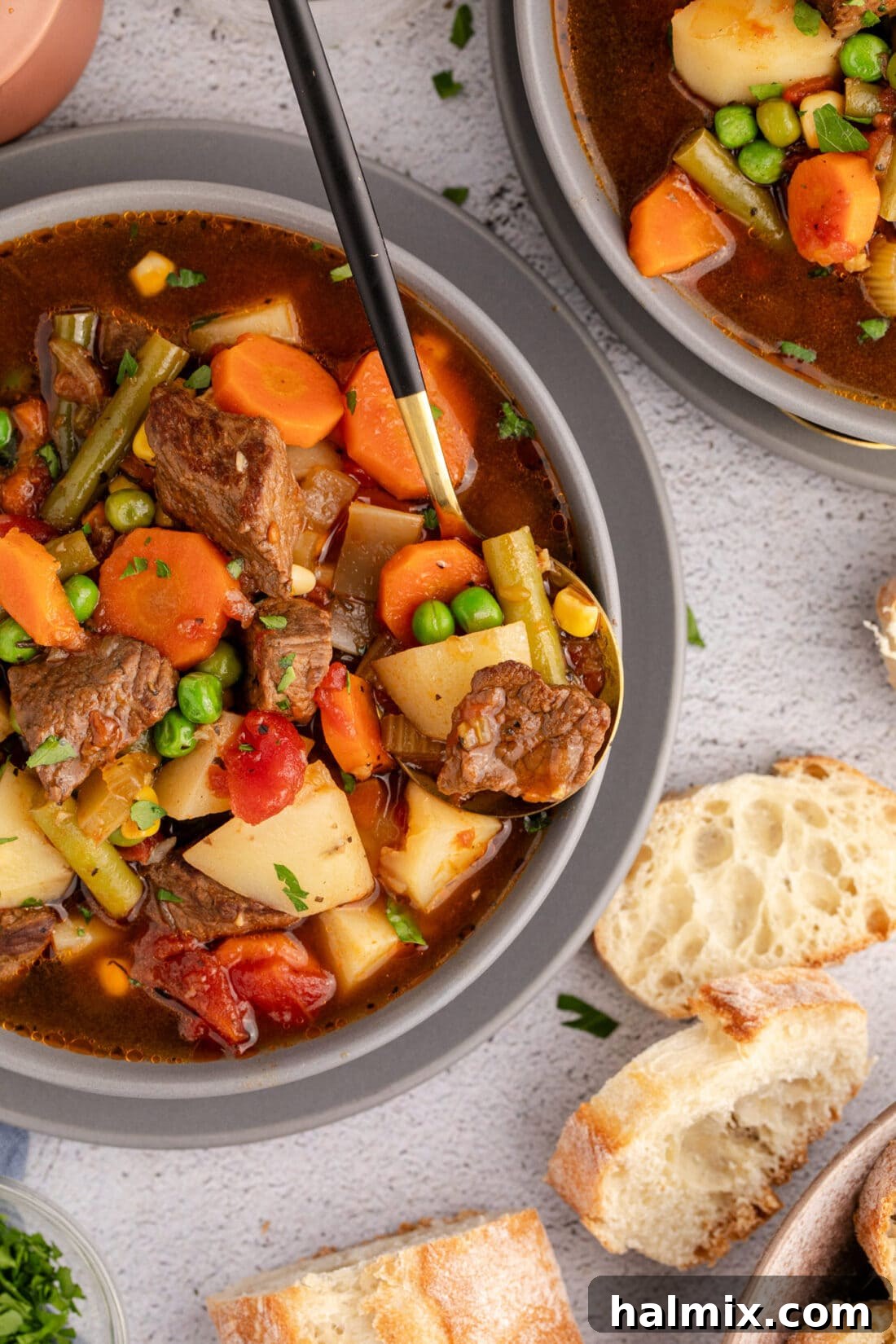
Why This Vegetable Beef Soup Recipe Is a Must-Try
This vegetable beef soup isn’t just good; it’s exceptionally good, and for several compelling reasons that make it a year-round favorite. First and foremost, it delivers a deeply satisfying flavor profile that comes from slow-simmering high-quality beef with a medley of aromatic vegetables. Each spoonful offers a harmonious blend of textures and tastes, from the melt-in-your-mouth beef to the perfectly cooked vegetables and the rich, seasoned broth that ties everything together.
What truly sets this recipe apart is its incredible versatility and ease of preparation. Whether you’re harvesting a bounty from your summer garden or simply reaching for convenient frozen produce, this soup adapts beautifully to whatever you have on hand. It’s a fantastic way to utilize leftover vegetables or to ensure your family gets a hearty dose of nutrients in a delicious, comforting format. The simple, straightforward steps mean even novice cooks can achieve a restaurant-quality soup without intimidation. This recipe is designed to bring maximum flavor with minimal fuss, making it an ideal choice for busy weeknights or relaxed weekend cooking.
Moreover, this isn’t just a comforting dish; it’s a remarkably nutritious one. Loaded with colorful vegetables like onions, garlic, celery, carrots, potatoes, green beans, corn, and peas, it’s packed with vitamins, minerals, and fiber. The tender chunks of beef provide a substantial source of protein, making this a complete and balanced meal. It’s a healthy option that never compromises on taste or satisfaction. For those exploring plant-based alternatives, consider our healthy vegetable soup recipe, which artfully incorporates chickpeas for a protein-rich, vegetarian-friendly option that’s equally delicious.
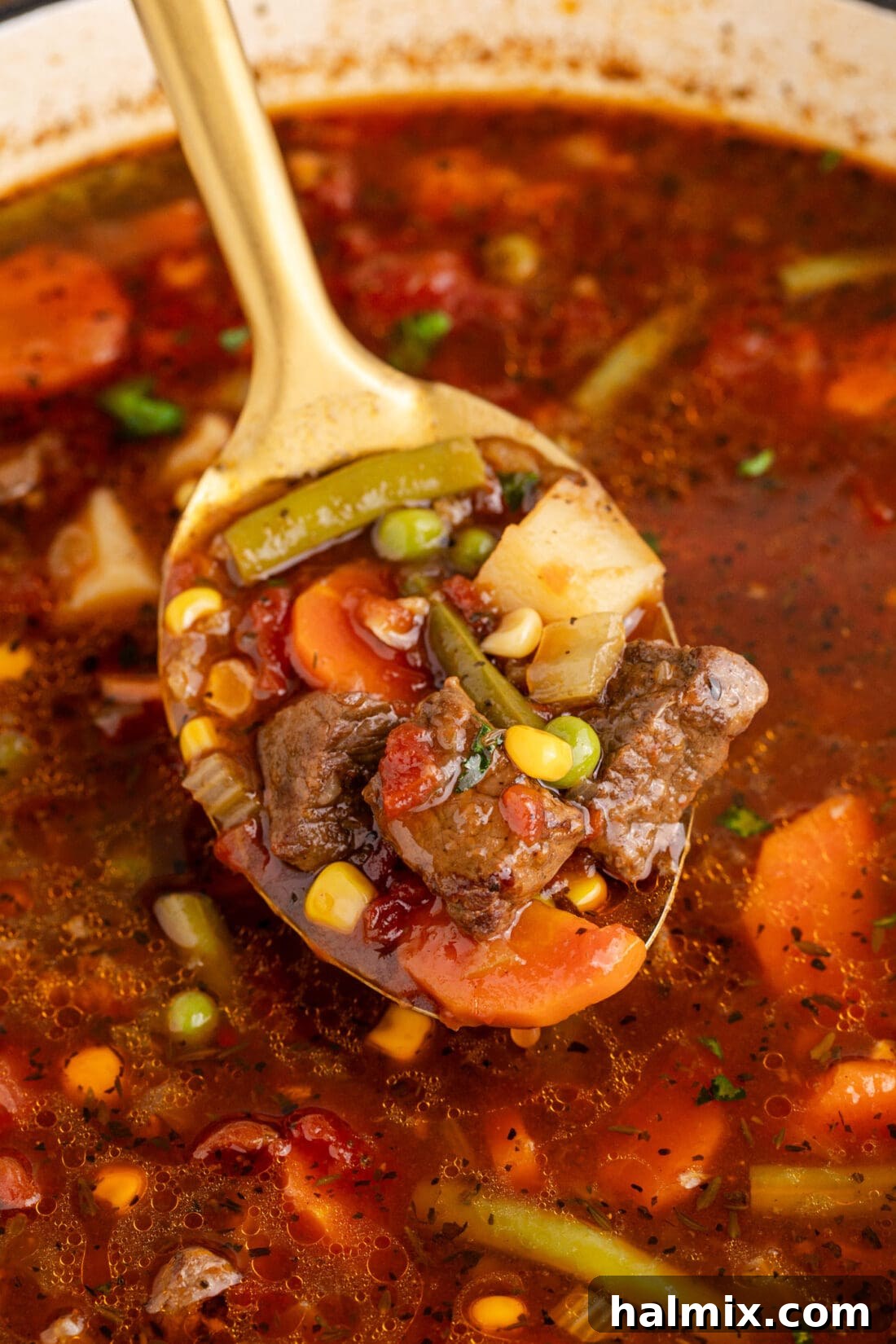
The Hearty Goodness of Vegetable Beef Soup: A Culinary Journey
Vegetable beef soup holds a special place in the pantheon of comfort foods. Its origins can be traced back through centuries of culinary traditions where humble ingredients were transformed into nourishing meals for families. This classic recipe embodies that spirit, blending robust beef with a cornucopia of vegetables to create a symphony of flavors and textures. It’s a dish that transcends seasons, providing a warm embrace in winter and a wholesome, satisfying meal during cooler summer evenings.
The beauty of this soup lies in its ability to bring people together. The aroma that fills your kitchen as it simmers on the stovetop is an instant invitation, promising a hearty meal that’s both fulfilling and delightfully familiar. Each ingredient contributes its unique character: the earthy sweetness of carrots, the subtle crunch of celery, the pungent warmth of garlic and onion, and the satisfying richness of beef. Together, they create a depth of flavor that can only be achieved through patient, loving preparation. This soup isn’t just food; it’s a culinary journey from simple components to a dish rich in heritage and taste, perfect for sharing with loved ones.
Beyond its incredible taste, homemade vegetable beef soup offers numerous benefits. It’s an economical way to feed a crowd or to meal prep for the week ahead. It’s also highly adaptable to dietary needs and preferences; you can easily adjust the salt content, add more protein, or incorporate different vegetables based on your family’s favorites. By preparing it yourself, you have complete control over the quality of ingredients, ensuring a fresh and wholesome meal free from unnecessary additives. This recipe celebrates the joy of home cooking, turning basic pantry staples into an extraordinary dining experience.
Essential Ingredients for Your Delicious Soup
Crafting the perfect vegetable beef soup starts with selecting the right ingredients. Here’s a detailed look at what you’ll need and why each component is vital for achieving that classic, comforting flavor.
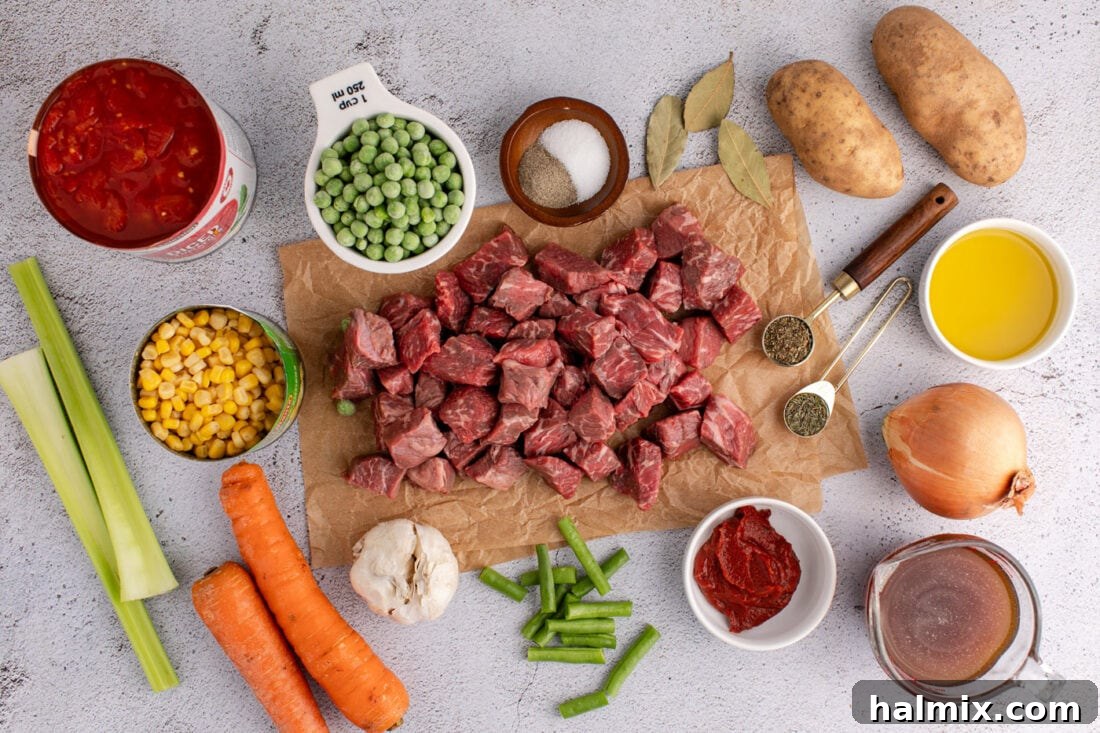
Ingredient Deep Dive & Substitution Suggestions
Every ingredient in this vegetable beef soup plays a crucial role in developing its rich, comforting flavor. Understanding these components and their potential substitutions can help you tailor the recipe to your preferences and what you have on hand.
BEEF: The Foundation of Flavor
For this hearty soup, beef stewing meat is the star. Cuts like chuck roast are ideal because they contain enough fat and connective tissue to break down beautifully during the long simmering process, becoming incredibly tender and infusing the broth with deep, beefy flavor. When purchasing, look for good marbling, which indicates a flavorful cut. While many grocery stores offer pre-cubed stew meat, you might want to adjust the size yourself. Cutting the beef into uniform ¾-inch pieces ensures even cooking and perfect bite-sized portions. If the pieces are too large, they will take longer to tenderize, so halving them might be beneficial for a quicker cook time. Other excellent choices include beef round or sirloin, though chuck tends to yield the most tender results.
VEGETABLES: A Rainbow of Nutrients and Tastes
The beauty of vegetable beef soup truly shines in its vibrant array of vegetables. Our recipe calls for a classic mix that includes raw yellow onion, garlic, celery, green beans, Russet potatoes, and carrots. These fresh ingredients provide a fantastic balance of sweetness, earthiness, and texture. To simplify, we also incorporate canned diced tomatoes for their tangy depth and corn for a touch of sweetness. A handful of frozen peas added at the end brightens the soup with fresh color and a sweet pop.
The versatility of this soup means you can truly make it your own. Feel free to incorporate your garden’s bounty or whatever fresh produce is seasonal. Beyond the staples, consider adding mushrooms for an umami boost, zucchini for a delicate texture (add these softer vegetables towards the end of cooking as they cook quickly), or leafy greens like spinach or kale for added nutrition and color. If using frozen vegetables, there’s no need to thaw them; simply toss them into the pot closer to the end of the cooking time to prevent them from becoming mushy. This flexibility makes the soup a perfect canvas for culinary creativity.
BROTH & AROMATICS: The Soul of the Soup
A good quality low-sodium beef broth forms the soul of this soup. Using low-sodium broth allows you to control the overall saltiness of the dish, adding more seasoning as needed. You could also opt for homemade beef stock for an even richer, more complex flavor. Tomato paste and diced canned tomatoes contribute a crucial acidic and sweet component, balancing the savory beef and vegetables. The aromatic base of onion, garlic, and celery is essential for building a foundational layer of flavor, while dried herbs like bay leaves, thyme, and basil infuse the soup with classic, comforting notes. Don’t underestimate the power of these simple herbs to transform the entire dish.
How to Make Hearty Vegetable Beef Soup: Step-by-Step Instructions
Creating this delicious vegetable beef soup is a straightforward process, resulting in a deeply flavorful and comforting meal. Follow these steps to ensure your soup is perfect every time.
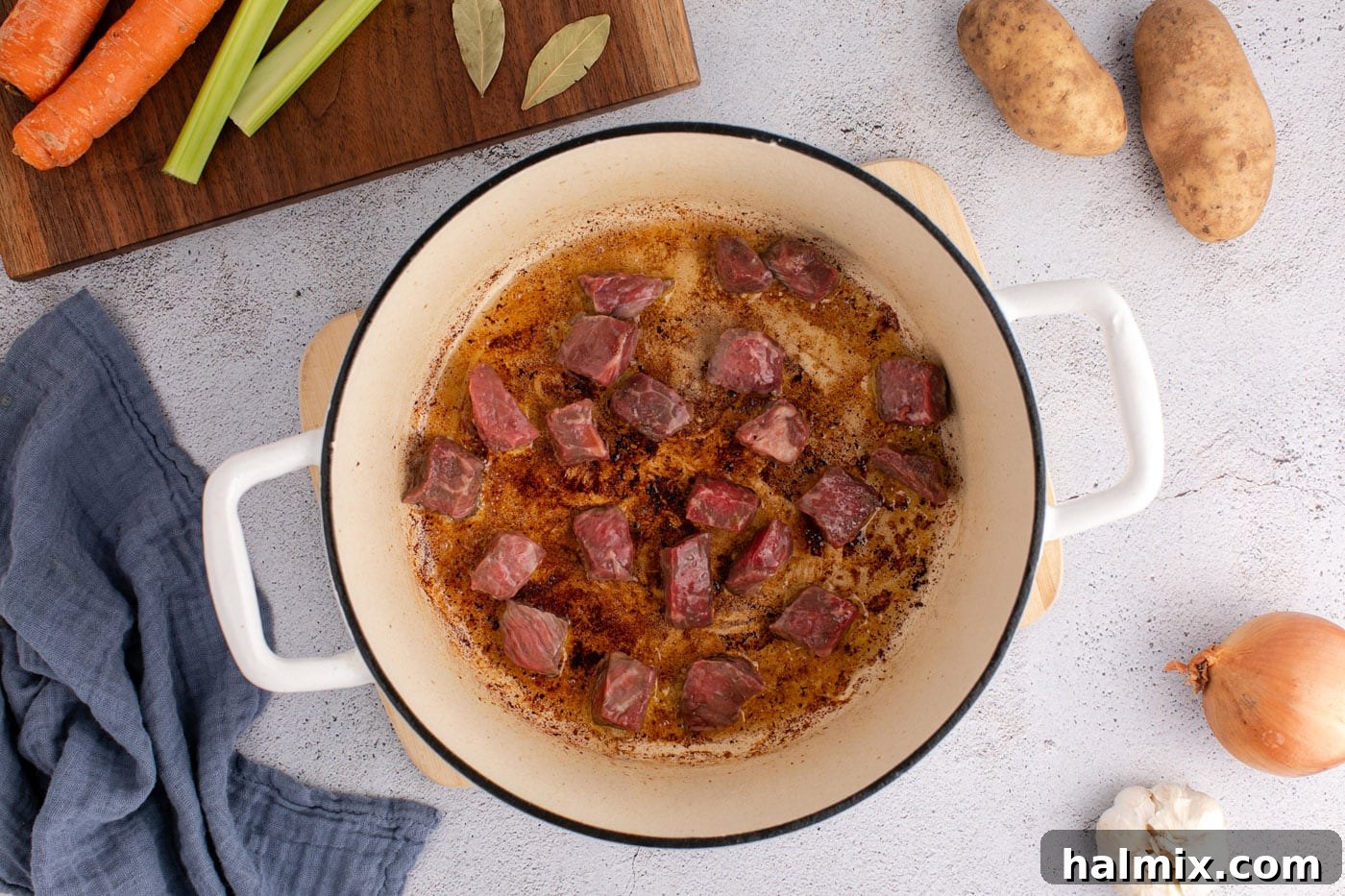
- Prepare and Brown the Beef: Begin by seasoning your cubed beef stew meat generously with salt and pepper. This crucial step not only adds flavor but also helps create a beautiful crust. In a sturdy 7-quart Dutch oven or a large heavy-bottomed pot, heat 1 tablespoon of olive oil over medium-high heat until shimmering. Working in batches to avoid overcrowding the pan, brown the beef for 1-2 minutes per side. Overcrowding can steam the meat instead of searing it, preventing the development of those delicious caramelized flavors. Set the browned beef aside, adding more oil as needed between batches to ensure a good sear.
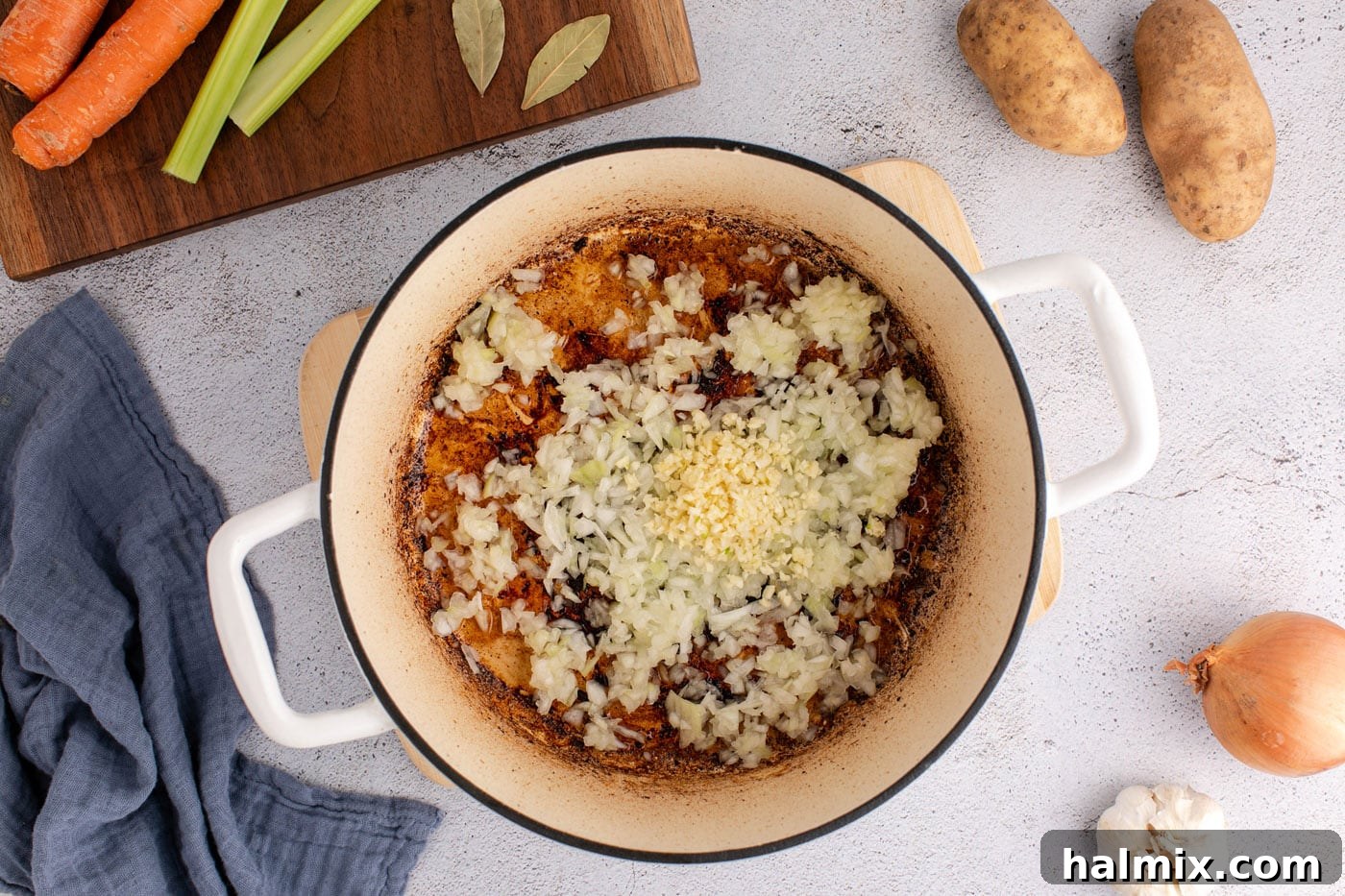
- Sauté the Aromatics: Reduce the heat to medium. Add a little more olive oil to the pot if necessary, then add the chopped yellow onions and minced garlic. Cook until they are fragrant and translucent, about 3-5 minutes. Next, add the chopped celery and carrots, cooking for another 5 minutes until they begin to soften. This step is vital for building the soup’s aromatic foundation.
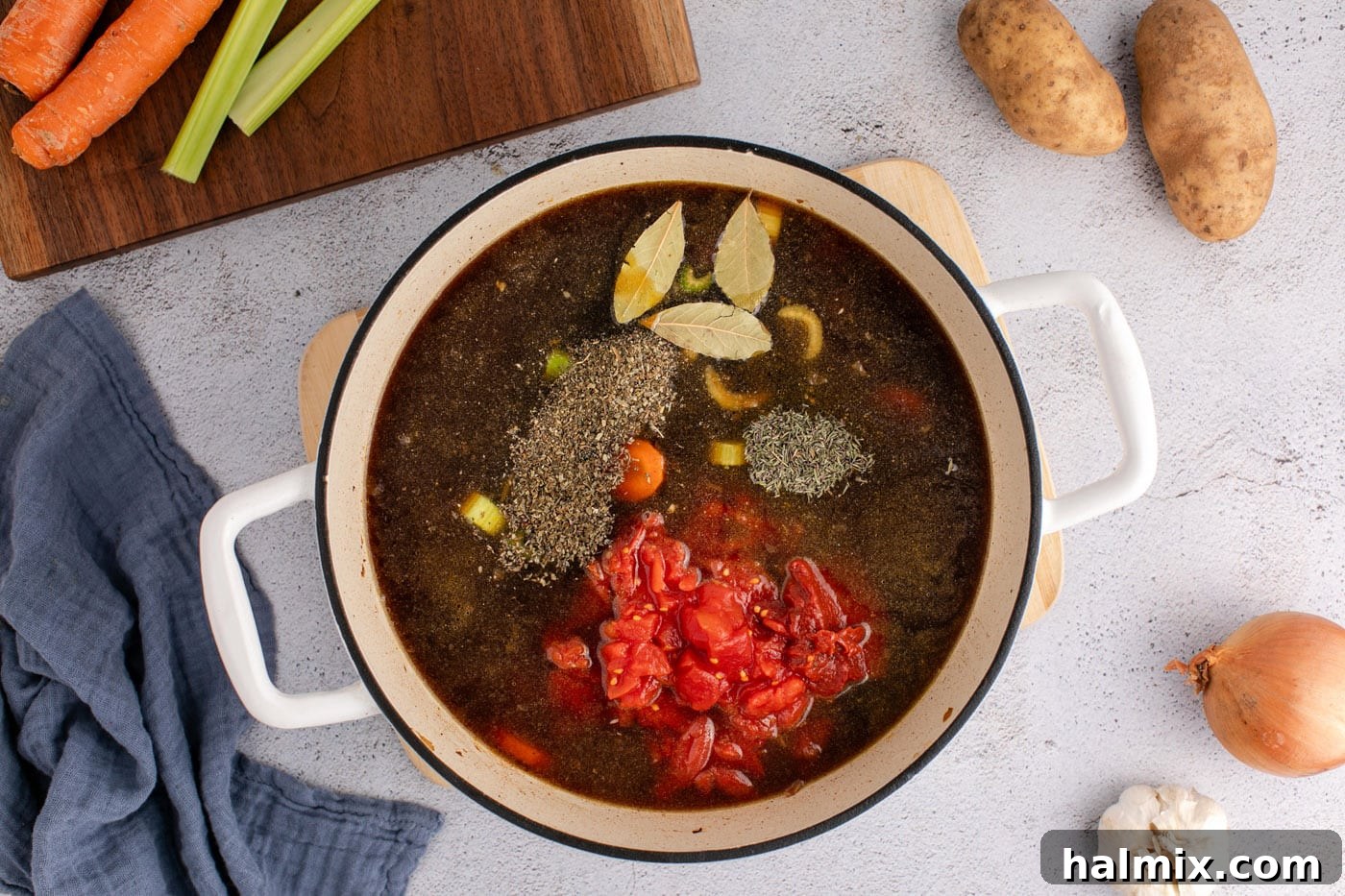
- Combine & Simmer: Pour in the beef broth, add the diced tomatoes (undrained), and stir in the tomato paste. Add the bay leaves, dried thyme, and dried basil. Mix everything thoroughly to combine. Return the browned beef and any accumulated juices from the plate to the pot. These juices are packed with flavor and should not be discarded.
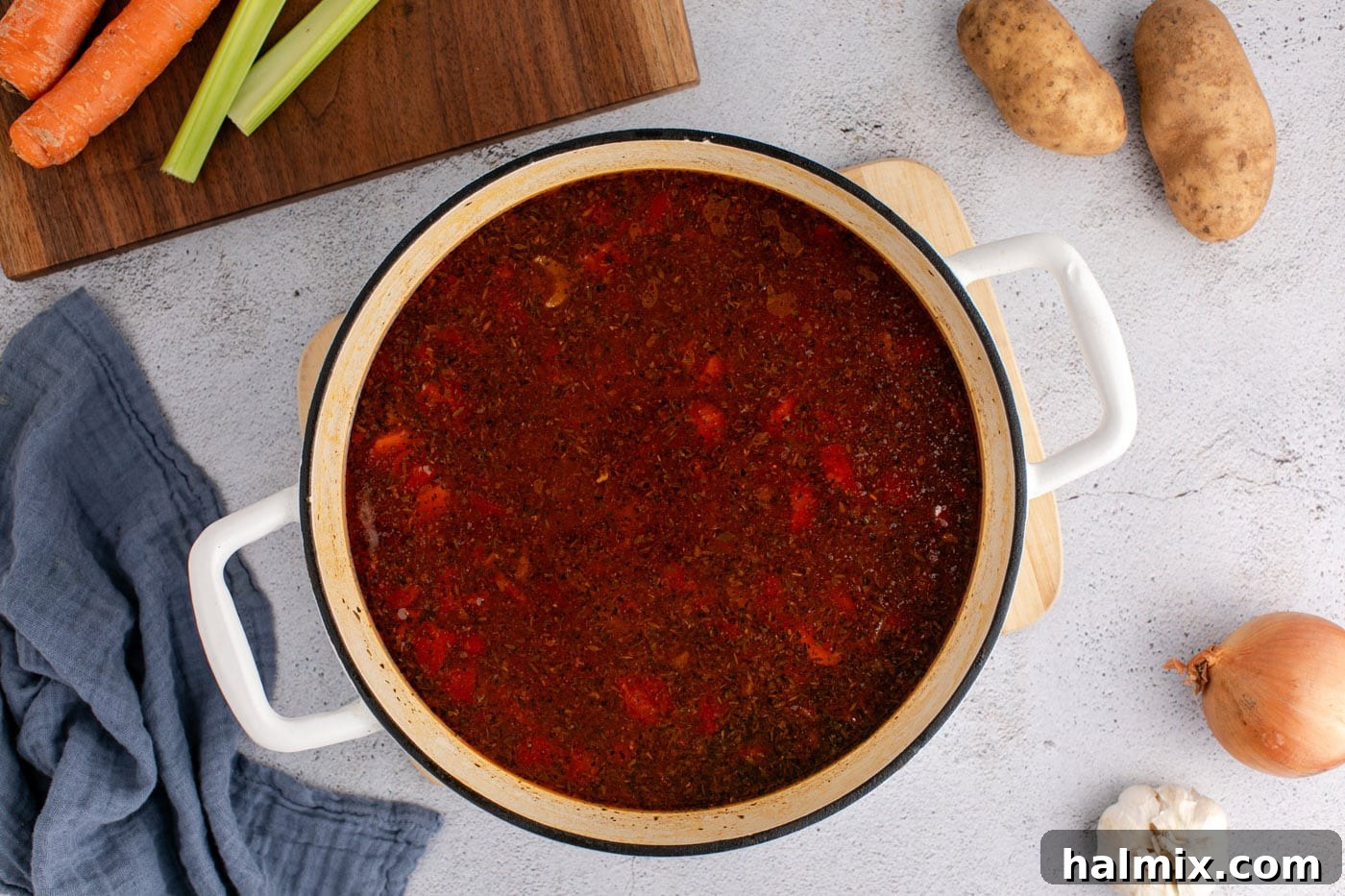
- Slow Simmer for Tenderness: Bring the soup to a gentle simmer, then reduce the heat to medium-low. Cover the pot with a lid and let it simmer for 2 hours. This extended simmering time is essential for the beef to become incredibly tender and for all the flavors to meld beautifully. Check occasionally to ensure it’s not boiling too vigorously.
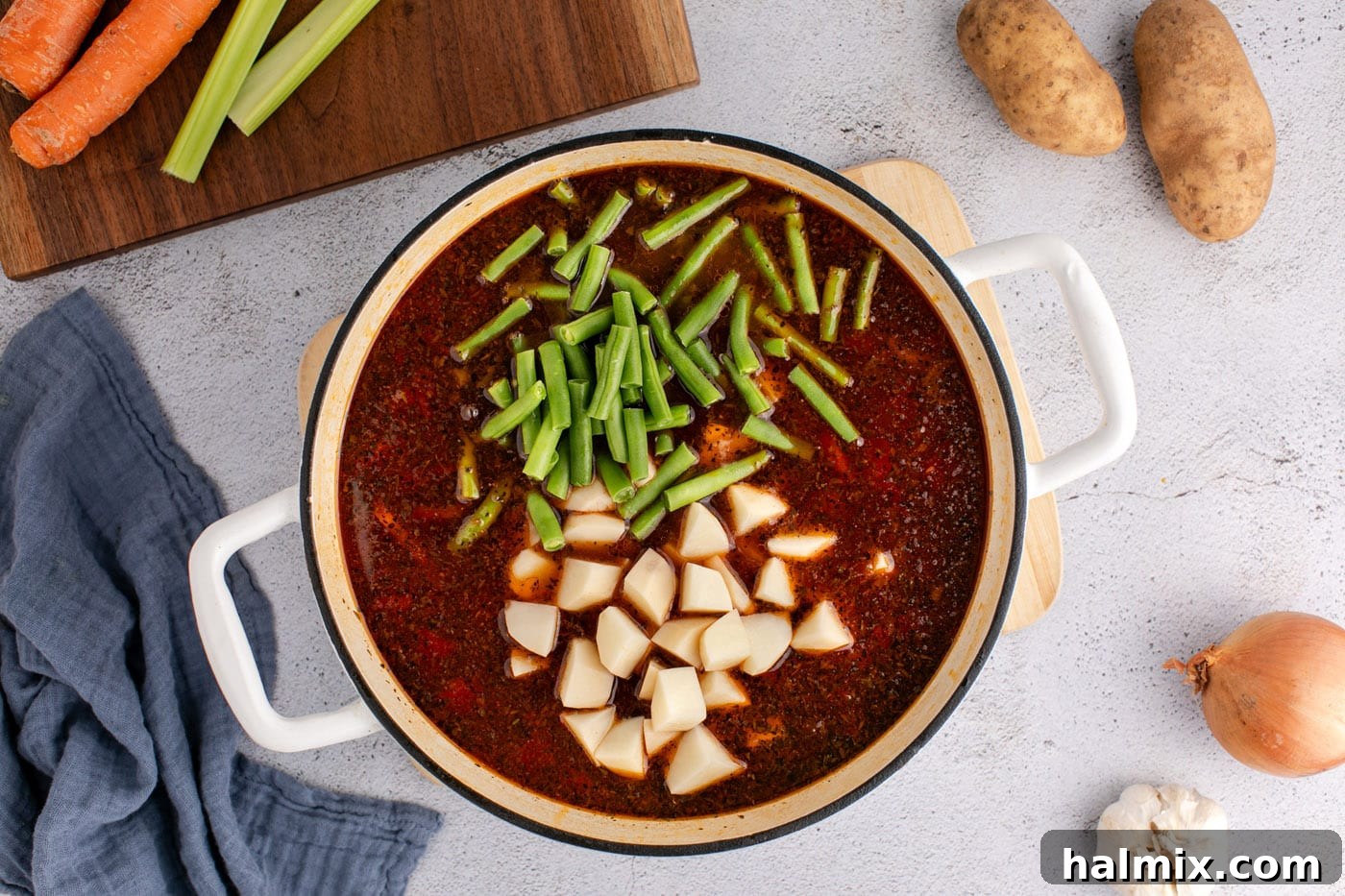
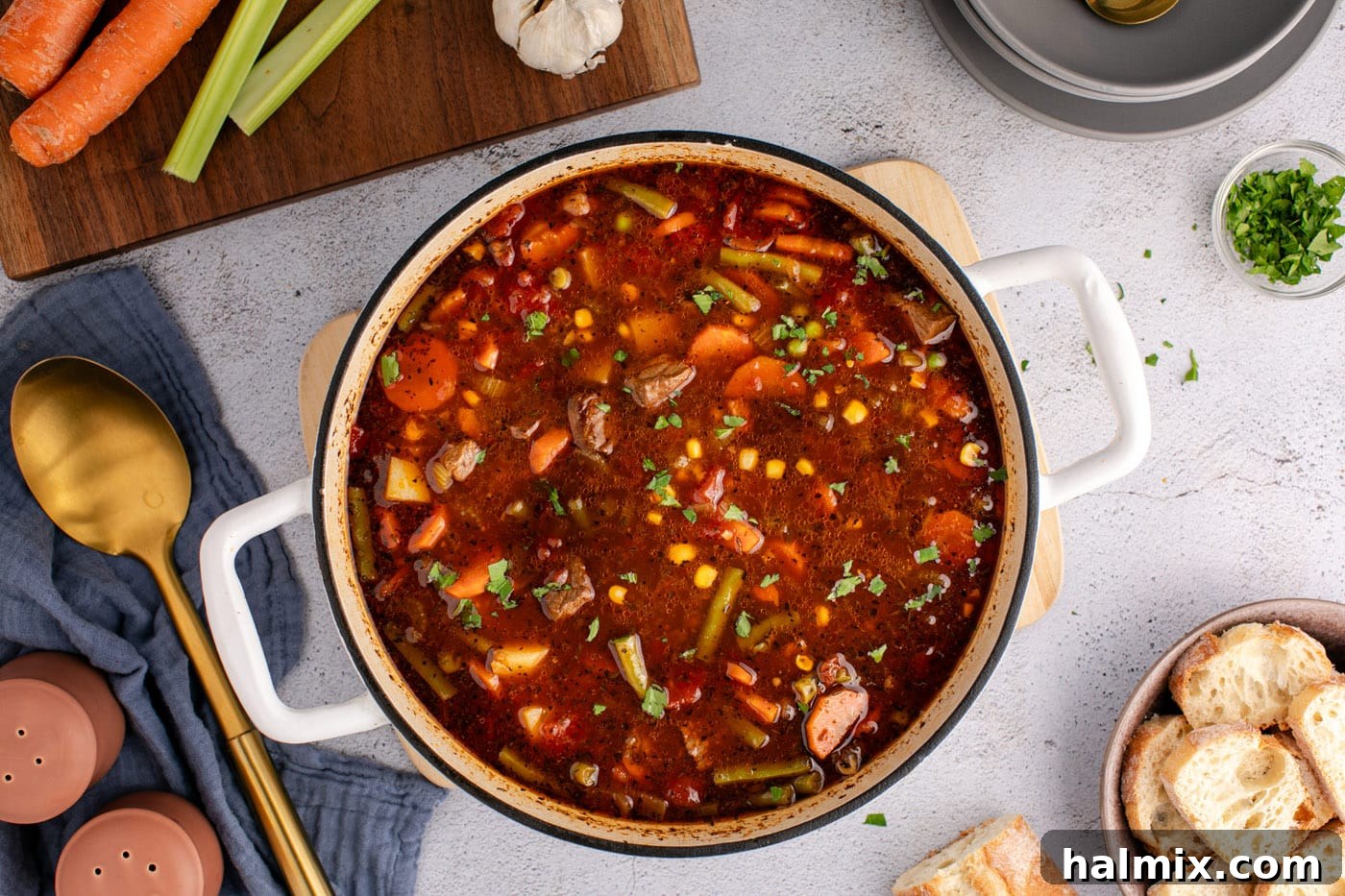
- Add Remaining Vegetables & Finish: After 2 hours, the beef should be wonderfully tender. Now, add the chopped Russet potatoes and trimmed green beans to the pot. Continue to cook, uncovered this time, for another 30 minutes, or until the potatoes are fork-tender. Finally, stir in the canned corn (drained) and frozen peas, allowing them to heat through for about 5 minutes. The soup is now ready to be enjoyed!
Frequently Asked Questions & Expert Tips for the Best Soup
Once your delicious soup has cooled completely to room temperature, transfer any leftovers into an airtight container. It can be safely stored in the refrigerator for 4-5 days, making it perfect for meal prepping throughout the week. For best quality and to prevent spoilage, ensure it’s cooled quickly before refrigerating.
Absolutely! Vegetable beef soup freezes exceptionally well. Allow the soup to cool completely before transferring it into a large freezer-safe bag or an airtight container. You can freeze it for up to 3 months. When you’re ready to enjoy it again, thaw the soup overnight in the refrigerator, then gently reheat it over medium-low heat on the stovetop until warmed through. Freezing is a fantastic way to preserve its comforting flavors for a quick meal later.
One of the greatest joys of making vegetable beef soup is its adaptability. You can absolutely mix and match vegetables based on your preferences, seasonal availability, or what you have in your pantry. Consider adding broccoli florets, cauliflower, or bell peppers for extra color and nutrients. Softer vegetables like mushrooms and zucchini, or leafy greens such as spinach and kale, should be added towards the end of the cooking process (about 10-15 minutes before serving) as they cook quickly and can become mushy if overcooked. Hardier root vegetables like parsnips or turnips can be added alongside the potatoes and green beans. This soup is truly a perfect canvas for almost any veggie!
Browning the beef before adding it to the soup is a critical step for developing deep, rich flavor, thanks to a process called the Maillard reaction. This reaction creates a complex array of flavorful compounds and a beautiful caramelized crust on the meat. Not only does it enhance the taste of the beef itself, but the savory brown bits (fond) left at the bottom of the pan after browning will deglaze into the broth, adding incredible depth and richness to the entire soup. Skipping this step would result in a less flavorful, more one-dimensional soup.
If your soup is thinner than you prefer, there are a few easy ways to thicken it. You can create a cornstarch slurry by whisking 1-2 tablespoons of cornstarch with an equal amount of cold water until smooth. Stir this mixture into the simmering soup and cook for a few more minutes until it thickens. Alternatively, for a richer texture, you can remove about 1 cup of potatoes and mash them, then return them to the pot. The starch from the mashed potatoes will naturally thicken the soup. Another method is to simply let the soup simmer uncovered for a longer period, allowing some of the liquid to evaporate and concentrate the flavors.
It’s best to taste and adjust the seasoning towards the end of the cooking process, after all the vegetables and beef have had time to release their flavors into the broth. The flavors will concentrate as the soup simmers, and adding salt too early might make it overly salty by the time it’s done. Taste the soup just before serving and add more salt, pepper, or herbs as needed to achieve your desired flavor balance.
Serving Suggestions & Perfect Pairings
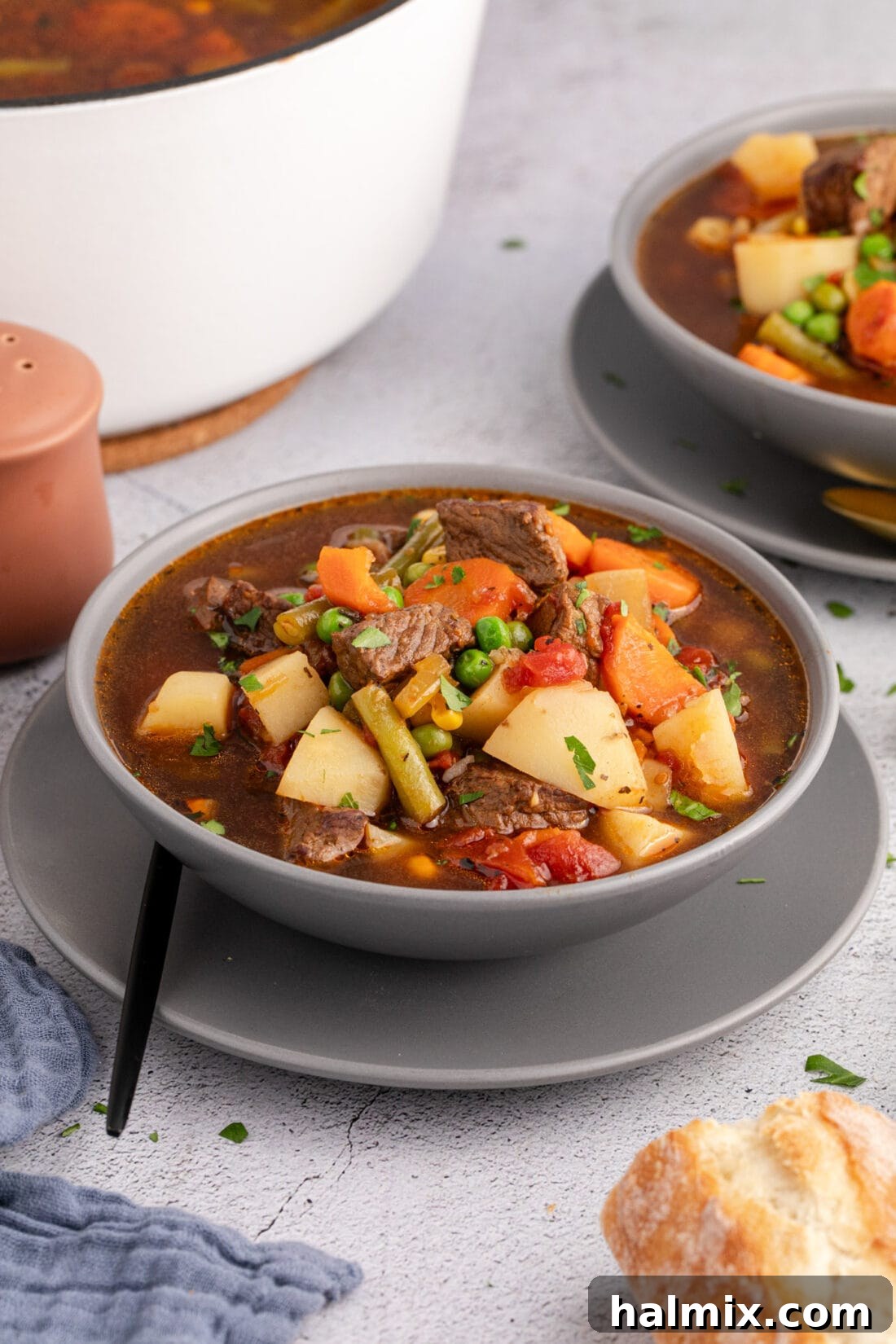
A bowl of vegetable beef soup is a meal in itself, but a few thoughtful additions can elevate the dining experience. Garnish your steaming bowl with a sprinkle of fresh chopped parsley or chives for a burst of color and fresh flavor. For that classic comforting touch, serve alongside a bowl of oyster crackers or crispy saltines, perfect for crumbling into the broth. Alternatively, a side of warm, crusty bread or a homemade cornbread muffin is ideal for soaking up every last drop of the savory broth. A simple side salad with a light vinaigrette also makes for a refreshing contrast to the richness of the soup, completing a wholesome and satisfying meal.
More Heartwarming Soup Recipes to Explore
If you love the comforting embrace of a hearty soup, we invite you to explore more of our cherished recipes. Each offers a unique blend of flavors and ingredients, perfect for any season or occasion.
- Cabbage Soup
- Minestrone Soup
- Beef Barley Soup
- Italian Wedding Soup
- Beef Noodle Soup
I love to bake and cook and share my kitchen experience with all of you! Remembering to come back each day can be tough, that’s why I offer a convenient newsletter every time a new recipe posts. Simply subscribe and start receiving your free daily recipes!
Vegetable Beef Soup
IMPORTANT – Find helpful Frequently Asked Questions and Expert Tips within the blog post!
Print It
Pin It
Rate It
Ingredients
- 3-4 Tablespoons olive oil divided
- 2 pounds stewing beef cut into 3/4 inch pieces
- ½ Tablespoon sea salt
- 1 teaspoon ground pepper
- 1 large yellow onion chopped, about 2 cups
- 5 cloves garlic minced
- 3 ribs celery chopped
- 4 carrots peeled and chopped
- 8 cups low sodium beef broth
- 28 ounces diced tomatoes canned
- 2 Tablespoons tomato paste
- 3 bay leaves
- ½ Tablespoon dried thyme
- 1 teaspoon dried basil
- 4 cups Russet potatoes peeled and cut into cubes. about 4-5 potatoes
- 1 ½ cups green beans trimmed and cut into 1 inch pieces
- 10 ounces canned corn 1 1/2 cups
- 1 cup frozen peas
Equipment You’ll Need
-
Chef’s knife
-
Cutting board
-
7 quart Dutch oven
Before You Begin
- For optimal flavor and texture, use fresh vegetables when possible. However, frozen vegetables are a convenient and excellent alternative. If using frozen, simply add them towards the end of the cook time, allowing them to heat through without overcooking.
- The choice of beef is crucial for tender results. Chuck roast or other good quality stewing meat with some marbling will break down beautifully during simmering. Ensure all beef chunks are cut to a consistent ¾-inch size for even cooking. You may need to halve pre-cubed store-bought beef if the pieces are too large.
Instructions
-
Season the cubed beef stew meat liberally with salt and pepper.
-
In a 7-quart Dutch oven, heat 1 tablespoon of olive oil over medium-high heat. Working in batches, brown the beef for 1-2 minutes per side until a nice crust forms. Add more oil between batches as needed. Set the browned beef aside.
-
Lower the heat to medium. Cook the chopped onions and minced garlic until fragrant, then add the celery and carrots, cooking for another 5 minutes.
-
Stir in the beef broth, diced tomatoes, tomato paste, bay leaves, dried thyme, and dried basil. Mix well, then return the browned beef and any collected juices to the pot.
-
Cover the pot and simmer on medium-low heat for 2 hours, or until the beef is very tender.
-
Add the chopped potatoes and green beans. Cook uncovered for another 30 minutes, or until the potatoes are fork-tender. Finally, stir in the canned corn and frozen peas, allowing them to heat for about 5 minutes before serving.
Additional Tips & Storage Information
- Storage: Store cooled leftover soup in an airtight container in the refrigerator for 4-5 days.
- Freezing: Cooled soup can be frozen in a freezer bag or airtight container for up to 3 months. Thaw in the refrigerator and reheat gently on the stovetop over medium-low heat.
- Vegetable Variations: Feel free to customize with your favorite vegetables. Softer vegetables like mushrooms, zucchini, spinach, or kale should be added towards the end of cooking to prevent them from becoming overly soft.
- Flavor Depth: The browning of the beef is crucial for a richer, more complex flavor. Don’t skip this step!
Nutrition Information (per serving)
Serving: 1 serving | Calories: 373kcal | Carbohydrates: 33g | Protein: 35g | Fat: 12g | Saturated Fat: 3g | Polyunsaturated Fat: 1g | Monounsaturated Fat: 6g | Cholesterol: 70mg | Sodium: 1079mg | Potassium: 1716mg | Fiber: 5g | Sugar: 7g | Vitamin A: 5636IU | Vitamin C: 29mg | Calcium: 109mg | Iron: 5mg
The recipes on this blog are tested with a conventional gas oven and gas stovetop. It’s important to note that some ovens, especially as they age, can cook and bake inconsistently. Using an inexpensive oven thermometer can assure you that your oven is truly heating to the proper temperature. If you use a toaster oven or countertop oven, please keep in mind that they may not distribute heat the same as a conventional full sized oven and you may need to adjust your cooking/baking times. In the case of recipes made with a pressure cooker, air fryer, slow cooker, or other appliance, a link to the appliances we use is listed within each respective recipe. For baking recipes where measurements are given by weight, please note that results may not be the same if cups are used instead, and we can’t guarantee success with that method.
There you have it – a comprehensive guide to making the most delicious and comforting vegetable beef soup your family will love. This recipe is more than just instructions; it’s an invitation to create a hearty, wholesome meal that brings warmth and joy to any table. Enjoy the process of cooking and the delightful reward of this timeless classic!