The microwave oven is an indispensable appliance in most modern kitchens, a true workhorse that quickly heats leftovers, defrosts ingredients, and prepares quick meals. Yet, despite its frequent use, it often becomes an “out of sight, out of mind” chore, accumulating unsightly splatters and lingering odors that can diminish its efficiency and hygiene. Fortunately, restoring your microwave to a pristine condition doesn’t require harsh chemicals or strenuous scrubbing. This comprehensive guide will walk you through simple, natural, and highly effective methods to clean and deodorize your microwave, ensuring it remains sparkling clean and fresh.
The Unseen Battle: Why Your Microwave Needs Regular Cleaning
Much like cleaning your gas grill, the microwave’s interior can quickly become a canvas for food splatters, drips, and stubborn, baked-on grime. These messes don’t just look unappealing; they can harbor bacteria, create unpleasant odors, and even affect the cooking performance of your appliance. A dirty microwave can transmit undesirable smells to your food, and a buildup of grease and food particles can make the microwave less efficient over time. By addressing these messes regularly, you ensure a hygienic cooking environment, extend the life of your appliance, and maintain the fresh aroma of your kitchen. The good news is that keeping your microwave spotless is a quick and easy task, especially when you know the right techniques.
Proactive Steps: The Power of Prevention
The simplest way to maintain a clean microwave is to prevent messes from happening in the first place. A little foresight can save you a lot of scrubbing. When heating food in the microwave, especially items prone to bubbling or popping, always take a moment to cover them. This simple act creates a barrier that contains any potential splatters, keeping the interior walls, ceiling, and door pristine.
Here are your best options for preventing messes:
- Plastic Wrap: A quick and easy solution, plastic wrap can be loosely placed over bowls and plates, creating a steamy environment that helps food heat evenly while preventing splatters. Ensure there’s a small vent to allow steam to escape.
- Paper Towels: For lighter splatters or foods that only need a brief heating, a paper towel laid over the top can catch minor drips and pops.
- Reusable Splatter Guards: For an eco-friendly and more robust solution, consider investing in reusable vented splatter guards. These covers are typically made from microwave-safe plastic or silicone, designed with vents to allow steam to escape while trapping food particles. They come in various sizes and styles, often with magnetic features to stick to the top of your microwave when not in use. They are a fantastic long-term investment for a cleaner microwave and reduced waste.
By consistently using a cover, you dramatically reduce the frequency and intensity of deep cleaning, making your microwave maintenance routine much easier and quicker.
Establishing a Routine: Daily and Weekly Cleaning Habits
Think about your kitchen cleaning habits: you likely wash your dishes daily, wipe down your counters after cooking, and clean off your stovetop as needed. Why should the inside of your microwave be any different? Because it’s often closed, we tend to overlook the accumulating mess. However, incorporating the microwave into your regular cleaning schedule is key to preventing stubborn buildup and maintaining optimal hygiene.
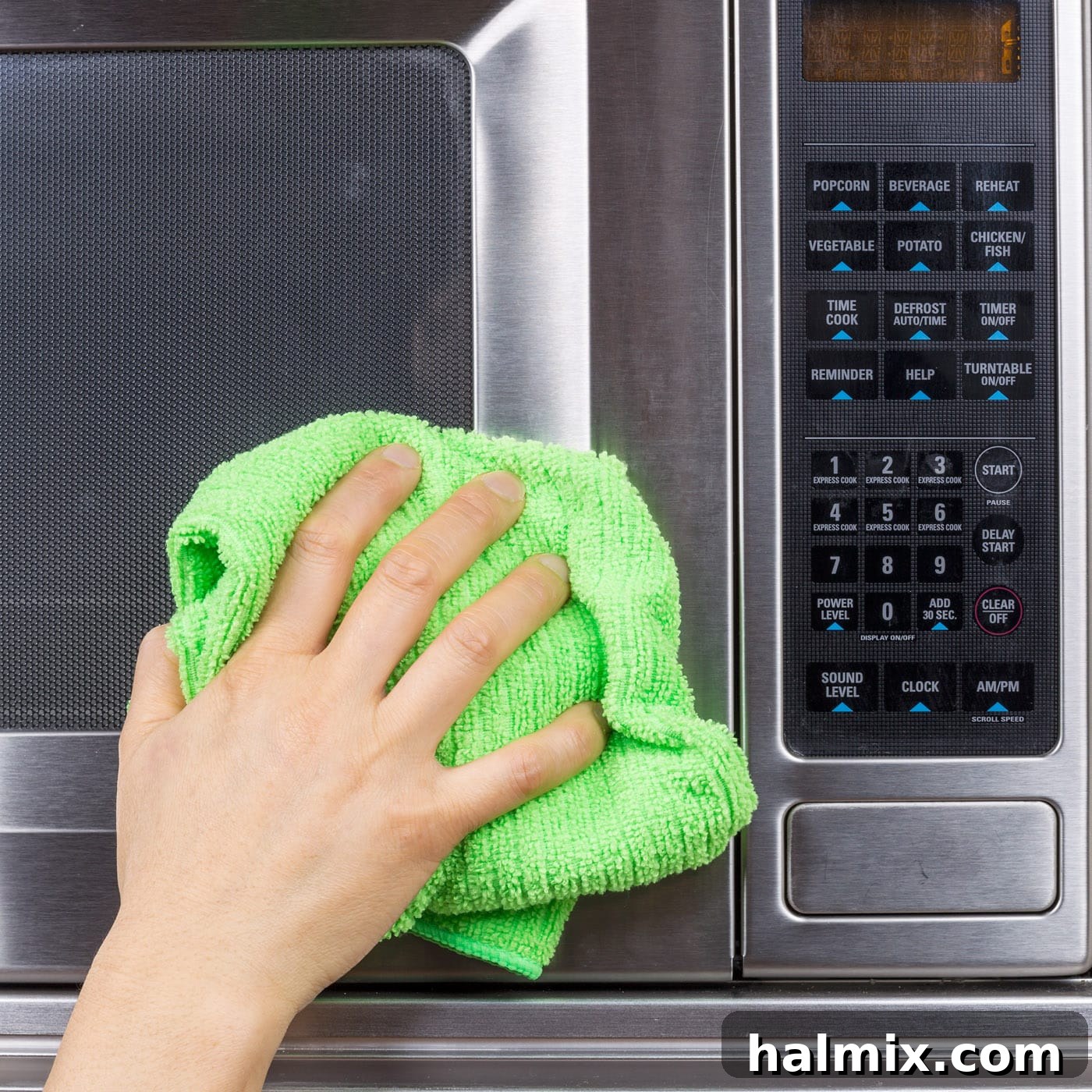
Daily Wipe Down: Make it a habit to give the inside of your microwave a quick wipe after each use, or at least at the end of the day. This simple step takes mere seconds and prevents fresh splatters from drying and hardening. Use a damp cloth, a paper towel, or a microfiber towel to gently wipe down the interior walls, ceiling, and door. If there are any fresh food particles, they will come off effortlessly. This daily routine is the ultimate defense against grime and keeps your microwave consistently sparkling clean.
Weekly Deep Clean: If a daily wipe-down isn’t feasible for your schedule, aim for a more thorough weekly cleaning. This will prevent significant build-up and ensure that any minor splatters from the week are easily removed. A weekly routine often involves using the steam method described below, followed by a detailed wipe-down of all interior surfaces, including the often-forgotten turntable and roller ring. Consistency, whether daily or weekly, is far more effective than sporadic, intensive cleaning sessions.
The Ultimate Natural Solution: Steam Cleaning Your Microwave
Forget the harsh chemicals and abrasive scrubbers. The most effective, eco-friendly, and simple method for deep cleaning your microwave involves harnessing the power of steam. This technique loosens baked-on food particles and grime, making them incredibly easy to wipe away. It’s a game-changer for tackling even the toughest microwave messes, and it costs next to nothing.
Here’s a step-by-step guide to steam cleaning your microwave:
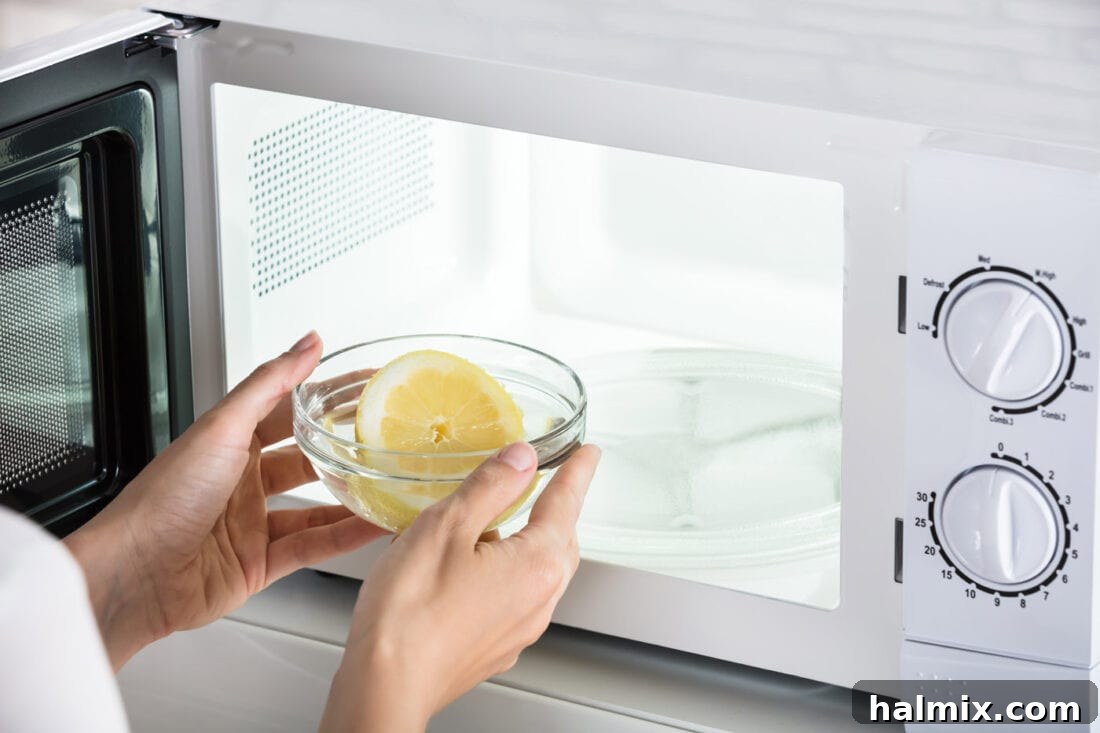
- Prepare Your Solution: Grab a microwave-safe glass bowl or a 4-cup measuring cup. Fill it about halfway (approximately 2 cups) with water.
- Add a Natural Deodorizer (Optional but Recommended): For an extra boost of cleaning and deodorizing power, add one of the following to your water:
- 1 tablespoon of white vinegar (a powerful grease cutter and odor neutralizer).
- Halved fresh lemon (its citrus oils break down grease and leave a pleasant scent).
- 1 teaspoon of baking soda (excellent for absorbing odors).
- 1 tablespoon of bottled lemon juice (if fresh lemons aren’t available).
- Heat the Solution: Place the bowl inside your microwave. Heat it on high power for 5 minutes. You should see the water boiling vigorously and steam building up inside the microwave.
- Let the Steam Work its Magic: Once the 5 minutes are up, do not open the microwave door immediately. Leave the door shut for an additional 5-10 minutes. This crucial waiting period allows the steam to fully penetrate and loosen all the dried-on food and grease, making wiping much easier.
- Carefully Remove the Bowl: Using oven mitts or heat-resistant gloves, carefully remove the container of hot water from the microwave. The bowl will be extremely hot.
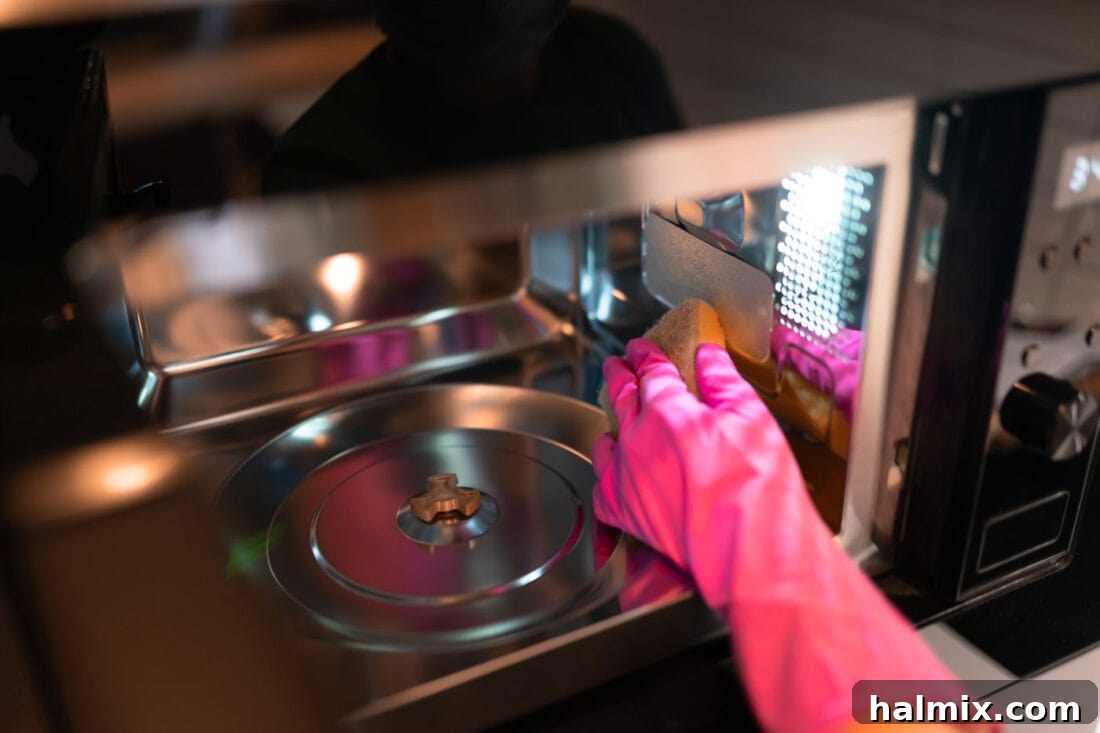
- Wipe Away the Grime: Now, the satisfying part! Take a paper towel, a damp sponge, or a clean microfiber cloth and easily wipe down the interior walls, ceiling, and door of the microwave. You’ll be amazed at how effortlessly the grime and stuck-on food particles come off. For any particularly stubborn spots, a gentle rub with a baking soda paste (baking soda mixed with a little water) can work wonders.
Enhancing Your Steam Clean with Natural Deodorizers
Beyond just loosening grime, the steam method provides an excellent opportunity to eliminate lingering food odors. Here’s a closer look at how each natural additive works:
- White Vinegar: Vinegar is a natural disinfectant and powerful deodorizer. Its acetic acid helps cut through grease and neutralizes a wide range of odors. A tablespoon is usually sufficient; too much can leave a strong vinegar smell, though this typically dissipates quickly.
- Fresh Lemon: Lemons are fantastic for cleaning due to their citric acid and natural essential oils. They break down grease and leave behind a fresh, clean scent. Halve a lemon, place it cut-side down in the water, and heat. The steam will carry the refreshing lemon aroma throughout the microwave, effectively masking and neutralizing unpleasant smells.
- Baking Soda: A renowned natural odor absorber, baking soda can be added to the water to help neutralize smells as it steams. For particularly stubborn odors, you can also leave an open box of baking soda in the microwave overnight to absorb lingering smells.
- Bottled Lemon Juice: If fresh lemons aren’t on hand, bottled lemon juice offers a convenient alternative. It provides similar acidic properties and a refreshing citrus scent, making it an excellent addition to your steam cleaning solution.
Beyond the Basics: Tackling Specific Areas and Stains
While the steam method handles the bulk of the interior cleaning, a truly sparkling microwave requires attention to a few other details:
- Cleaning the Turntable and Roller Ring: These components are often overlooked. Remove the glass turntable and the roller ring from the microwave. Wash them thoroughly in warm, soapy water or place them in the dishwasher if they are dishwasher-safe. Ensure they are completely dry before returning them to the microwave. This removes food debris and prevents any sticking or uneven rotation.
- Dealing with Stubborn Baked-On Stains: For exceptionally tough, burnt-on spots that resist the steam and wipe-down, create a thick paste using baking soda and a small amount of water. Apply the paste directly to the stain and let it sit for 5-10 minutes. Then, gently scrub with a non-abrasive sponge or cloth. The mild abrasive nature of baking soda will help lift the stain without scratching the microwave’s interior.
- Exterior Cleaning: Don’t forget the outside! Wipe down the exterior surfaces of your microwave with a damp cloth and mild all-purpose cleaner. Pay special attention to the door handle and the control panel, which often accumulate fingerprints and grease. For electronic control panels, spray cleaner onto your cloth first rather than directly onto the panel to avoid moisture damage.
- Door Seal: The rubber seal around the microwave door can collect crumbs and grime. Wipe it down regularly with a damp cloth to prevent mold or bacterial growth, ensuring a tight seal for efficient operation.
Essential Safety Precautions When Cleaning Your Microwave
When dealing with hot water and steam, safety should always be your top priority. Mishandling hot liquids from the microwave can lead to uncomfortable burns. To ensure a safe cleaning process, always adhere to these guidelines:
- Use Oven Mitts or Heat-Resistant Gloves: The bowl containing the heated water will be extremely hot. Always use oven mitts or sturdy heat-resistant gloves to carefully remove the dish from the oven.
- Choose the Right Container: Always use a microwave-safe bowl or measuring cup with a wide opening. This design allows steam to escape safely during the heating process. Avoid narrow-necked containers, which can trap steam and create dangerous pressure buildup, potentially leading to explosive results if the water superheats.
- Avoid Superheating: While less common with standard household microwaves, water can sometimes superheat (heat beyond its boiling point without actually boiling) in very smooth containers. When agitated, this superheated water can suddenly flash boil and erupt. Using a container with a slightly rough interior or adding a wooden stir stick to the water can help prevent superheating.
- Stand Clear of the Door: When the microwave heating cycle finishes, stand a step back when opening the door to avoid the initial rush of hot steam directly to your face.
- Unplug for Deeper Cleaning: If you plan to do a very thorough scrub or use any external cleaning agents beyond steam, it’s always safest to unplug the microwave from the wall outlet beforehand.
- Keep Children Away: Ensure children are not present or involved in the removal of hot water from the microwave to prevent accidental burns.
The Long-Term Benefits of a Sparkling Clean Microwave
Maintaining a clean microwave goes far beyond just aesthetic appeal. Integrating these simple cleaning and prevention habits into your routine offers a multitude of benefits for your kitchen and your health:
- Enhanced Hygiene and Food Safety: A clean microwave means fewer lingering food particles, which are breeding grounds for bacteria and other microorganisms. This reduces the risk of cross-contamination and ensures that your food is heated in a sanitary environment.
- Eliminating Unpleasant Odors: Regular cleaning, especially with natural deodorizers like lemon or vinegar, prevents foul food odors from permeating your kitchen and transferring to other foods. Your microwave will always smell fresh and inviting.
- Improved Efficiency and Performance: A buildup of grime can sometimes absorb microwave energy, making the appliance less efficient. A clean interior allows microwaves to bounce effectively, heating your food more evenly and quickly.
- Extending Appliance Lifespan: Regular maintenance prevents corrosive food acids and grease from damaging the interior surfaces over time, potentially extending the operational life of your microwave oven.
- A More Enjoyable Cooking Experience: There’s a subtle but significant satisfaction in opening a clean, fresh microwave. It contributes to an overall sense of order and cleanliness in your kitchen, making cooking and meal prep a more pleasant experience.
Stuck-on messes are undoubtedly much more difficult to remove than fresh splatters. By adopting a routine of prevention, daily wiping, and weekly steam cleaning, you not only keep your kitchen looking clean and fresh but also effectively keep bacteria at bay. This high-traffic appliance deserves a little TLC – and by implementing these simple, natural methods, you’ll enjoy a clean, efficient, and odor-free microwave for years to come.
More Kitchen Cleaning and Organizing Resources
- Slow Cooker 101
- How to Clean Your Gas Grill
- 13 Ways to Use A Food Processor
- 21 Kitchen Gadgets You Will Actually Use