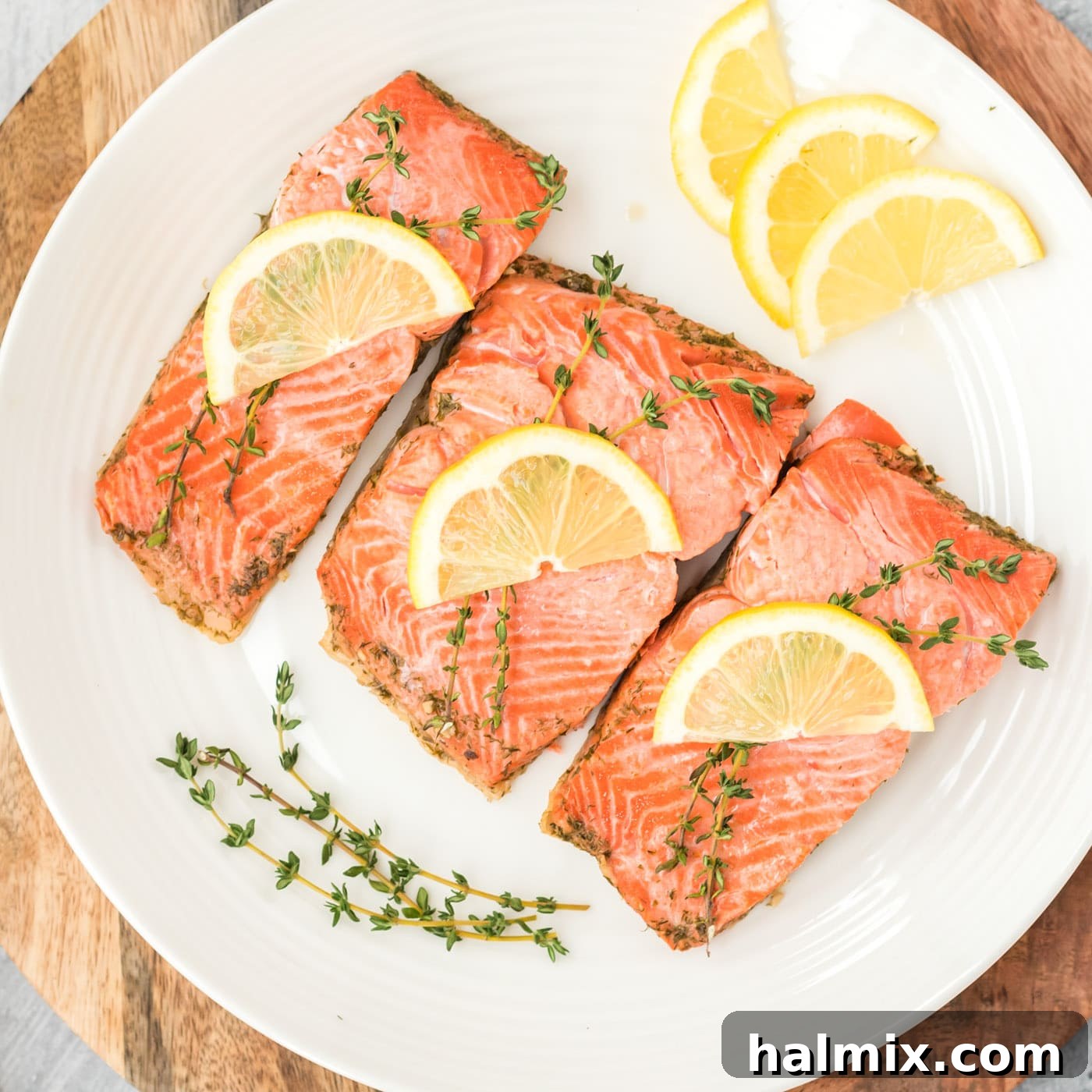
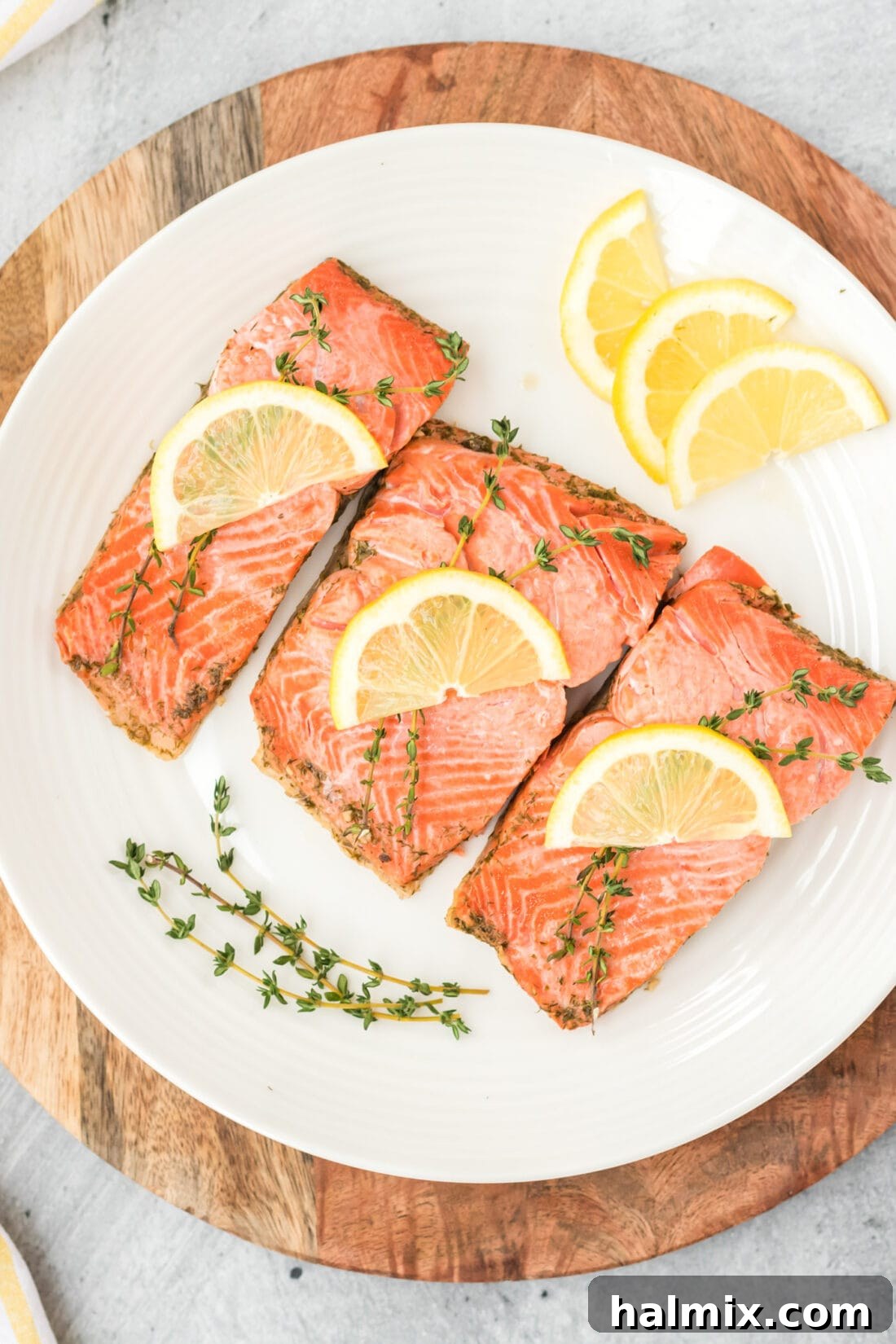
Unlock the secret to incredibly moist, tender, and flaky salmon with this effortless poached salmon recipe. Ready in a remarkable 8 minutes from start to finish, this dish is a testament to how simple yet sophisticated healthy eating can be. Forget dry, overcooked fish; poaching promises a succulent texture and vibrant flavor that will make salmon a regular staple in your kitchen.
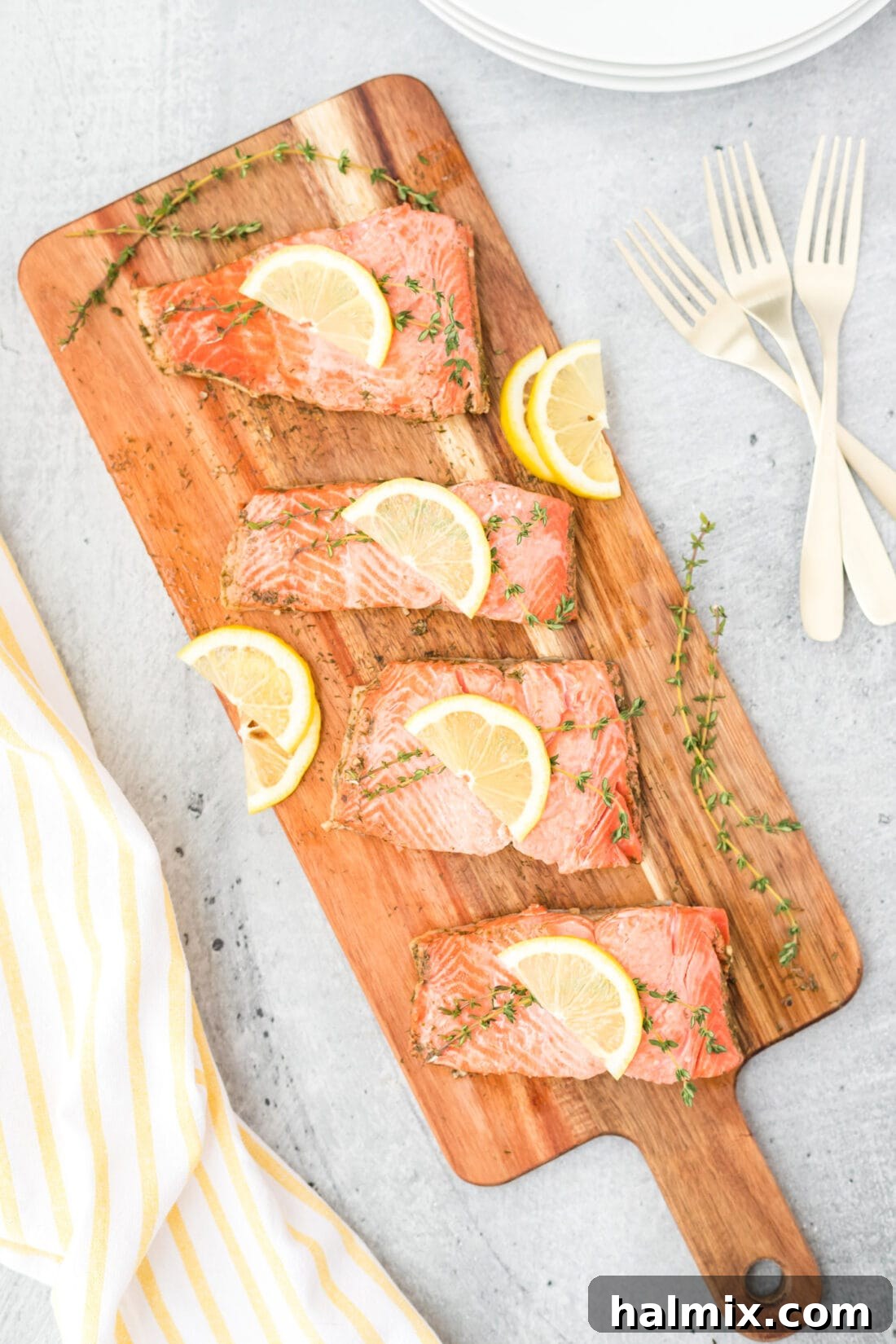
Why Poached Salmon is a Culinary Game Changer
Poaching salmon is not just a cooking method; it’s an art of gentle preparation that yields exceptional results. This technique involves cooking food in a simmering liquid, which allows the salmon to cook evenly while retaining all its natural moisture and delicate flavors. Unlike frying or baking, poaching infuses the salmon with the aromatics in the cooking liquid, creating a subtly flavored, incredibly tender, and perfectly flaky fillet every time.
This recipe stands out for several compelling reasons:
- Unmatched Moisture and Tenderness: Poaching is renowned for preventing overcooking, a common pitfall with fish. The gentle heat ensures the salmon remains incredibly moist and flaky, melting in your mouth with every bite.
- Exceptional Health Benefits: As a cooking method, poaching requires no added butter or oil, making it one of the healthiest ways to prepare salmon. You get all the rich omega-3 fatty acids and protein without the extra calories from fats, supporting a heart-healthy diet.
- Rapid Preparation: From stovetop to plate in just 8 minutes, this recipe is a lifesaver on busy weeknights. It’s ideal for anyone seeking a quick, nutritious, and satisfying meal without compromising on taste or quality.
- Incredible Versatility: Poached salmon is a culinary chameleon. Enjoy it warm as a main course, flake it cold into vibrant salads, or transform it into delectable salmon cakes. Its mild, clean flavor serves as a perfect canvas for a wide array of seasonings, sauces, and accompaniments.
- Flavor Infusion: The poaching liquid, enriched with herbs, citrus, and aromatics, gently permeates the salmon, enhancing its natural taste with bright, fresh notes.
This method truly elevates salmon from a simple ingredient to a gourmet experience, proving that healthy and quick can also be utterly delicious. It’s also an ideal foundation for creating other delightful dishes, such as a refreshing salmon salad (much like a tuna salad) or savory fish cakes.
Related Recipe: Elevate your poached salmon with a delightful Rosemary Cream Sauce.
Essential Ingredients for Your Poached Salmon
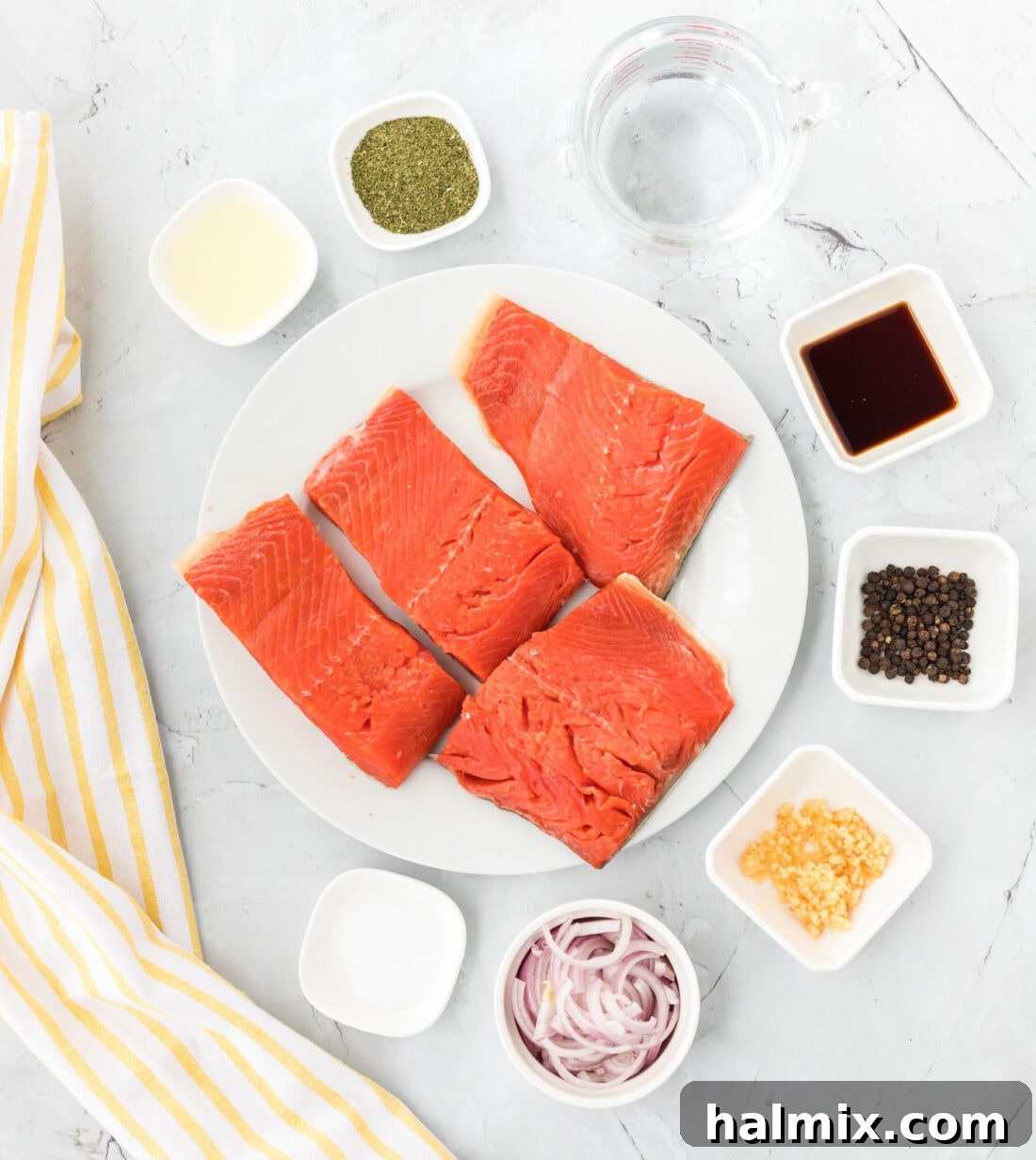
Crafting the perfect poached salmon begins with high-quality ingredients. While the full printable recipe with precise measurements is available at the end of this post, here’s a closer look at what you’ll need and why each component is vital for creating a truly memorable dish.
Ingredient Spotlight and Substitution Suggestions
- Salmon: The star of our dish! We opted for Sockeye salmon, known for its vibrant color and firmer texture, which is typically thinner than other varieties. If you’re using a thicker cut like Atlantic or King salmon, increase your cooking time by 2-3 minutes to ensure it cooks through perfectly. Always choose fresh or quickly frozen, high-quality salmon fillets for the best flavor and texture. Look for bright, moist flesh and a clean, oceanic smell.
- Dill: Fresh or dried, dill is a classic companion to salmon, offering a bright, herbaceous note that complements the fish beautifully. One tablespoon of dried dill can be substituted with a generous sprig of fresh dill for an even more aromatic experience.
- Shallot: A small sliced shallot adds a delicate, sweet onion flavor to the poaching liquid without overpowering the salmon. You can substitute with a thin slice of red onion or a pinch of onion powder if a shallot isn’t available, but the fresh shallot offers the best results.
- Lemon Juice: Essential for brightening the flavor profile and helping to firm up the fish. Freshly squeezed lemon juice is always recommended for its superior taste. A few lemon slices added to the poaching liquid can also enhance the citrus notes.
- Water: The primary poaching liquid. For a richer flavor, you could substitute part or all of the water with dry white wine, vegetable broth, or even fish stock.
- Salt and Black Peppercorns: These foundational seasonings enhance the salmon’s natural taste. Using whole black peppercorns in the poaching liquid imparts a subtle, fragrant warmth. You can use ground pepper if preferred.
- Minced Garlic: Adds a foundational aromatic depth. Freshly minced garlic offers the best flavor, but pre-minced garlic from a jar works in a pinch.
- Liquid Smoke (Optional but Recommended): This unique addition lends a subtle smoky nuance that adds complexity and a hint of outdoor grill flavor without any actual grilling. Use sparingly, as a little goes a long way. If you don’t have it, the recipe is still delicious without it.
How to Make Perfectly Poached Salmon: Step-by-Step Guide
These step-by-step photos and detailed instructions are designed to help you visualize the process and achieve perfect results every time. For the printable version of this recipe, complete with precise measurements and comprehensive instructions, please refer to the recipe card at the bottom of this post.
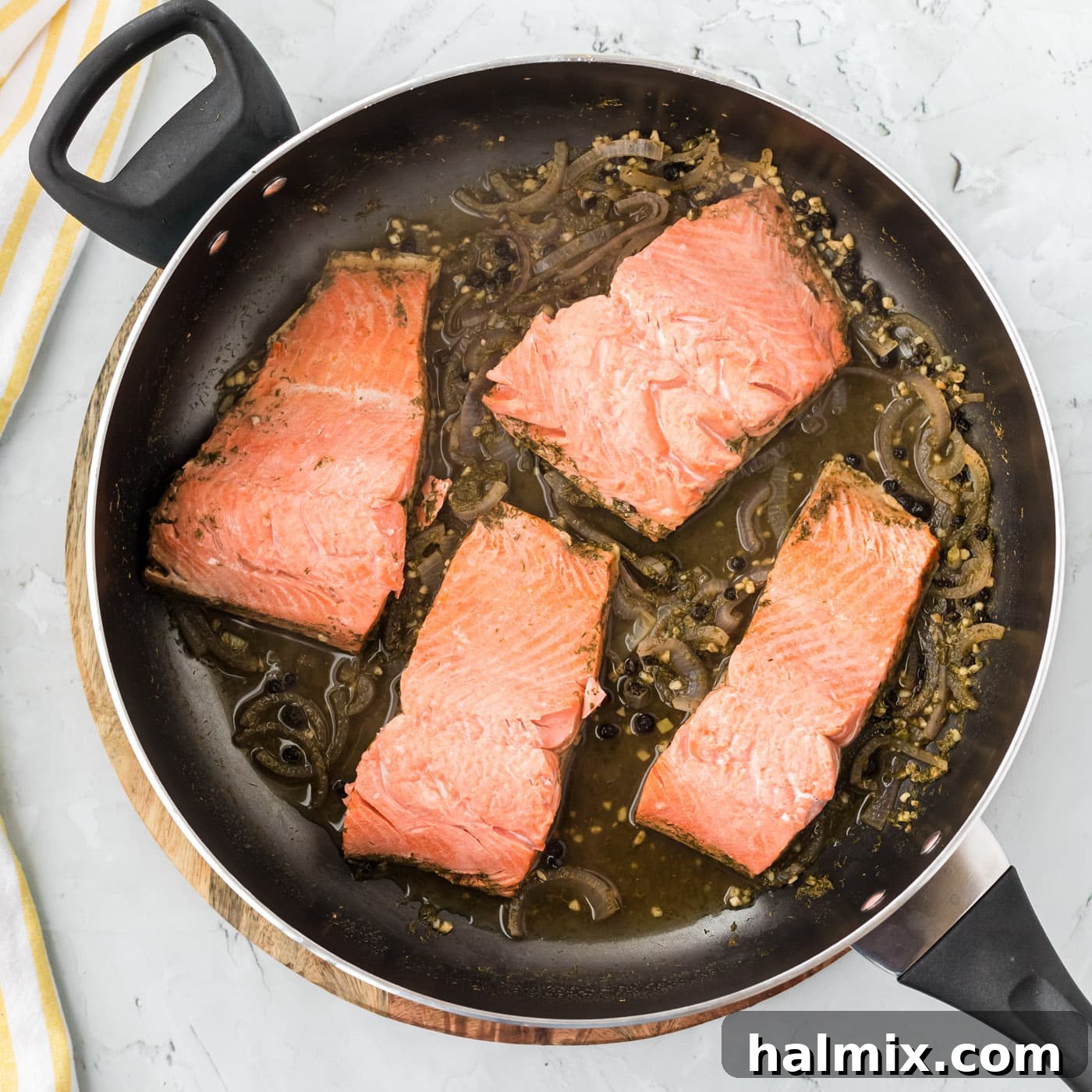
- Prepare the Poaching Liquid: In a large skillet or wide pot with a lid, combine all the ingredients for the poaching liquid: water, lemon juice, dried dill (or fresh sprig), sliced shallot, minced garlic, salt, black peppercorns, and liquid smoke. Bring this mixture to a rolling boil over medium-high heat. The fragrant steam will begin to fill your kitchen, a delightful preview of the flavors to come.
- Add the Salmon and Poach: Carefully add the salmon fillets to the boiling liquid. Ensure the salmon is submerged or at least mostly covered by the liquid. If your fillets are very thick, you might need slightly more liquid or a slightly deeper pan. Reduce the heat immediately to medium, or just enough to maintain a gentle simmer (not a vigorous boil). Cover the skillet tightly with its lid and cook for 2-3 minutes for thinner sockeye salmon. For thicker varieties, increase the cooking time to 5 minutes. The key is gentle cooking to preserve moisture.

- Rest and Serve: Once the cooking time is up, turn off the heat but keep the skillet covered for another 1-2 minutes. This resting period allows the residual heat to gently finish cooking the salmon, ensuring it’s perfectly done and incredibly tender. Use a fish turner spatula – its wide, thin, and flexible blade is ideal for lifting delicate fish without it breaking apart – to carefully transfer the poached salmon fillets to a platter or individual plates.
Frequently Asked Questions & Expert Tips for Poached Salmon
What temperature indicates that salmon is fully cooked?
Salmon is considered perfectly cooked when its internal temperature reaches 145°F (63°C). To accurately check, insert an instant-read thermometer into the thickest part of the salmon fillet.
How should I store leftover poached salmon?
Allow any leftover poached salmon to cool completely before transferring it to an airtight container. Store it in the refrigerator for 2-3 days. Poached salmon is delicious cold, making it perfect for salads or sandwiches the next day.
Should I leave the skin on salmon when poaching?
Yes, it’s highly recommended to leave the skin on the salmon while poaching. The skin acts as a protective barrier, helping the fillet to retain its shape and preventing it from falling apart as it cooks. It also makes it much easier to carefully lift the cooked salmon out of the poaching liquid. Once poached, the skin can be easily removed and discarded if you prefer to not eat it.
Expert Tip: Don’t overcrowd the pan!
For even cooking, ensure your salmon fillets are not overlapping in the skillet. If you’re cooking for a larger group, it’s better to poach in batches or use a larger pan to give each fillet ample space.
Expert Tip: Achieving perfect flavor.
While the recipe provides a fantastic base, feel free to customize your poaching liquid. A splash of white wine, a few slices of ginger, or different herbs like parsley or thyme can dramatically alter the flavor profile to suit your preference.
Serving Suggestions for Poached Salmon
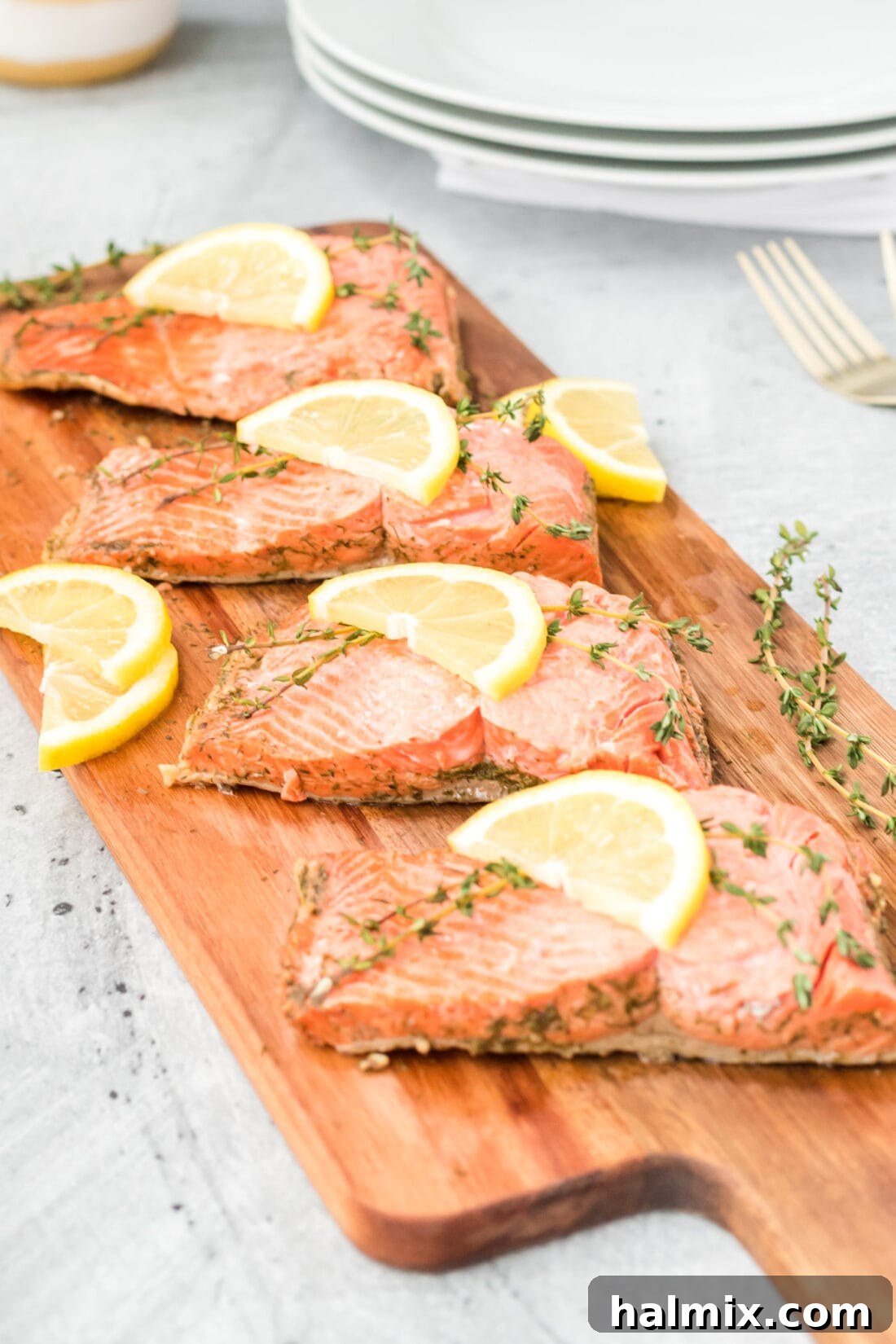
Poached salmon’s delicate flavor and tender texture make it incredibly versatile for pairing with a wide array of sides and sauces. Here are some ideas to inspire your next meal:
- Classic Vegetable Pairings: Serve alongside steamed or roasted vegetables such as tender asparagus, vibrant green beans (our roasted green beans are a favorite!), crisp broccoli florets, or creamy mashed potatoes. A simple side of lemon-butter sauce drizzled over both the salmon and vegetables is always a winner.
- Grain Bowls & Salads: Flake cooled poached salmon into a fresh green salad with a light vinaigrette for a healthy lunch. It also makes an excellent protein addition to grain bowls with quinoa, farro, or brown rice, complemented by roasted vegetables and a zesty dressing.
- Sauces that Complement:
- Dill Sauce: A creamy dill sauce or a fresh dill and yogurt sauce enhances the salmon’s natural flavors.
- Lemon-Herb Vinaigrette: A light, tangy vinaigrette with fresh herbs like parsley and chives adds brightness.
- Hollandaise Sauce: For a more indulgent meal, classic hollandaise sauce is a luxurious choice.
- Chutneys & Salsas: A fruit salsa (like mango or pineapple) or a tomato-based chutney can add a sweet and spicy kick.
- Heartier Accompaniments: For a more substantial meal, consider serving poached salmon with wild rice pilaf, couscous, or a simple risotto.
- Creative Uses for Leftovers: Don’t let any go to waste! Leftover poached salmon is fantastic for:
- Salmon Salad Sandwiches: Mix flaked salmon with mayonnaise, celery, and herbs for a delicious sandwich or lettuce wrap.
- Salmon Cakes: Combine with breadcrumbs, an egg, and seasonings, then pan-fry for a quick meal.
- Pasta Dishes: Toss flaked salmon with pasta, olive oil, lemon zest, and cherry tomatoes for a light and flavorful dish.
Explore More Delicious Salmon Recipes
If you love salmon as much as we do, you’ll be delighted by these other fantastic ways to prepare this versatile and healthy fish:
- Grilled Salmon
- Salmon Tacos
- Baked Salmon
- Maple Soy Salmon
- Smoked Salmon Dip
- Cedar Plank Salmon
- Instant Pot Salmon
- Pan Seared Salmon
I am passionate about cooking and baking, and I love sharing my culinary adventures and tested recipes with all of you! To stay updated with my latest creations and ensure you never miss a delicious recipe, consider subscribing to my convenient newsletter. Simply subscribe here to receive your free daily recipes directly in your inbox!
Poached Salmon
Supple, flaky poached salmon cooks quickly in a pan of boiling water, mingling with the flavors you introduce it to. It’s one of the healthiest methods of preparing salmon as there’s no butter or oil involved.
IMPORTANT – There are often Frequently Asked Questions within the blog post that you may find helpful. Simply scroll back up to read them!
Pin It
Rate It
Course: Dinner
Cuisine: American
Ingredients
- 1 ½ pounds salmon (about 4 fillets)
- 1 Tablespoon dried dill or a sprig of fresh dill
- 1 small shallot, sliced
- 1 cup water
- 1 Tablespoon lemon juice
- 1 teaspoon salt
- 1 teaspoon black peppercorns
- ½ Tablespoon minced garlic
- 1 Tablespoon liquid smoke (optional)
Things You’ll Need
- Large skillet with lid
- Fish turner (spatula for fish)
- Vinyl gloves for handling raw salmon (optional, for hygiene)
Before You Begin
- Salmon is done cooking when it reaches an internal temperature of 145°F (63°C) on an instant-read thermometer inserted into the thickest part of the fillet.
- We used Sockeye salmon, which is thinner than other salmon varieties. For regular (thicker) salmon, increase cooking time to 5 minutes.
- Store leftovers in an airtight container kept in the refrigerator for 2-3 days.
Instructions
- Place all ingredients except for the salmon into a large skillet. Bring to a boil over medium-high heat.
- Add salmon to the boiling water mixture. Reduce heat to medium and cook, covered, for 2-3 minutes (for Sockeye salmon) or 5 minutes (for thicker salmon).
- Turn off heat. Use a fish turner spatula to gently lift the poached salmon out to a platter or plate.
Nutrition
Calories: 253cal |
Carbohydrates: 3g |
Protein: 34g |
Fat: 11g |
Saturated Fat: 2g |
Polyunsaturated Fat: 4g |
Monounsaturated Fat: 4g |
Cholesterol: 94mg |
Sodium: 670mg |
Potassium: 902mg |
Fiber: 1g |
Sugar: 1g |
Vitamin A: 118IU |
Vitamin C: 3mg |
Calcium: 45mg |
Iron: 2mg
Tried this Recipe? Pin it for Later!
Follow on Pinterest @AmandasCookin or tag #AmandasCookin!
The recipes on this blog are typically tested using a conventional gas oven and stovetop. Please note that cooking appliances can vary, and older ovens might not heat consistently. An inexpensive oven thermometer can help ensure your oven maintains the correct temperature. If you use a toaster oven or countertop oven, be aware that heat distribution may differ, and you might need to adjust cooking or baking times accordingly. For recipes using specific appliances like pressure cookers, air fryers, or slow cookers, a link to the models we use is usually provided. For baking recipes where measurements are given by weight, using cups instead may lead to different results, and success cannot be guaranteed with that method.